


Abstract
Stabilizing soil pH is not only a production effect, but mainly an environmental effect that requires a holistic approach and action. Current liming practices in arable soils are limited solely to mitigating and potentially eliminating the negative effects of acidification. An effective strategy for controlling arable soil acidification must address not only crop-related challenges but also environmental issues, with atmospheric carbon dioxide concentrations being a key factor. The effects of acidification resulting from proton imbalance in soil require a two-pronged approach. As presented and supported by available data, the first is prevention, which involves increasing soil resilience to the accumulation of protons in the soil solution. Increasing the buffering capacity of the soil against acidification (pH-BC) involves primarily increasing the resources of organic matter, introducing some environmentally neutral substances into the soil, such as gypsum, and even remineralizing highly weathered soils. The second area is the need for a systemic change in the approach to liming. The prevailing system, which can be called regenerative–cyclic, requires a transition to a soil pH stabilization system. This approach to liming should both meet production objectives and limit the spread of nitrogen into the environment. Production objectives stem from the sensitivity of crops plants, regardless of the world region, to acidification. Environmental challenges arise from increasing N efficiency, i.e., reducing the share of nitrous N in the pool of N denitrification products. Maintaining soil pH within a range that meets both these goals also increases the role of carbonates in carbon dioxide sequestration. Equally important in controlling soil acidity is the ability to determine the dose of lime fertilizer based on the exchangeable calcium balance in cation exchange complex (CEC). This is crucial for soils that not only suffer from calcium deficiency, but are also susceptible to acidification, both horizontally and vertically.
1. Introduction—Liming—Control of Carbon Flow in the Environment
The most significant characteristic of the natural growing environment of crop plants—soil—is the presence of protons (H+) in the soil solution. Without H+ both the formation and functioning of the living world would not have been possible [1]. Weathering processes of the Earth’s crust began in the Eo-Paleoarchean age of Earth (4.0–3.2 Ga). The main agents were precipitation and the extremely high content of carbon dioxide (CO2) of volcanic origin. It should be remembered that the CO2 content in the atmosphere at that time was 4–10 times higher than today and the average temperature was around 40 °C, but increased even up to 70 °C. The colonization of terrestrial aquatic environments by microbes began around 3.22–3.209 Ga [2].
Carbon dioxide is a highly labile component of the Earth’s atmosphere. Its concentration in the atmosphere generally decreases during ice ages, a constant trait of Earth’s history, and increases during inter-glaciations [3]. Its atmospheric concentration is controlled by biological processes such as photosynthesis and the respiration of living organisms, and chemical processes involved in the chemical weathering of the Earth’s crust. These natural processes are now enhanced by human activity. The history of the Earth’s crust is the result of carbonate and silicate weathering processes, which essentially determine the rate of atmospheric CO2 consumption. Consequently, these processes led to an increase in the atmospheric oxygen concentration to its current state. Elements such as Ca, K, P, Fe, Si, Al, and clay minerals appear as additional byproducts [4].
The main environmental factor determining soil pH and, consequently, the direction of geochemical processes in the soil, is CO2 concentration both in the soil and in the atmosphere [5]. Rain is a natural phenomenon on Earth, manifesting itself as water droplets falling onto the Earth’s surface. A specific characteristic of rainwater is its pH, which should be 5.65 [6]. The main factor determining rainwater pH is the CO2 content in the atmosphere, which dissolves in water droplets. Approximately 1 to 2% of CO2 molecules form carbonic acid with a pH of 5.65 [7]. The reaction scheme is as follows:
where l—water droplets, g—gas, and aq—water (liquid).
The increase in CO2 concentration in the Earth’s atmosphere is a fact. Between 1960 and 2025, there was an increase of 105 ppmv (320 to 425) [8]. Such a large increase in this greenhouse gas in the atmosphere has multiple effects, but two are worth noting from an agricultural perspective. The first is a decrease in the pH of rainwater. In the period 1800–2007 the pH of rainwater decreased from 5.68 to 5.62. At the same time, the concentration of soluble calcite increased from 466 to 516 µmol kg−1 and will reach 633 µmol kg−1 in 2100 [9]. The second is the response of crop plants to increased CO2 availability in the growing environment. This factor, while stimulating plant and microorganism growth, leads to competition for the basic nutrients, N and P. The depletion of these nutrients from the soil resources induces decomposition of soil organic matter (SOM), which consequently leads to an increase in the mass of CO2 in the soil and atmosphere [10]. This phenomenon, which has the nature of a feedback effect, is not sufficiently controlled by the natural processes of CO2 absorption by natural factors, including soil factors.
The natural balance of greenhouse gases (GHGs) in the atmosphere, as confirmed by direct measurement data, was clearly disturbed in the mid-1950s. Since then, agricultural production has intensified due to the use of nitrogen (N) fertilizers [11]. However, of the total of industrially fixed N, only 1/3 is effectively converted into crop biomass. This unused, essentially unproductive, part of N fertilizer is responsible for the nitrogen gap (N-gap), leading to the emergence of a yield gap [12,13,14]. Consequently, a significant portion of the applied N is dissipated in the environment, thus causing multiple environmental problems. As a consequence, local and global acidification processes of arable soil have accelerated [15]. This process will intensify, as forecasts for the use of N fertilizer in agriculture by 2050 clearly indicate a significant increase (103 million tons in 2010 to 182 million tons in 2050 [16]. As a result of N dispersion in the environment, including the atmosphere, in many regions of the world, the pH of rainwater is lower than 5.65. This is due to the presence of N compounds in the atmosphere, which when oxidized, lower the pH of rainwater by generating H+ ions [9]. For example, in Poland, the average pH of rainwater in 2020–2022 was 5.3 [17]. The increase in the concentration of C and S oxides in the atmosphere means not only real and potential soil acidification, but also the destruction of the stratospheric oxygen [18]. The general scheme of rainwater self-acidification processes, enhanced by the presence of sulfur (S) and N gases in the atmosphere, is presented below [18]:
where g—gas; aq (liquid)—water.
The products of the above reactions present in rainwater and the alkaline mineral components, of which calcium is the most prominent, determine the potential soil acidification caused by rainwater. The acidifying effect of the NH4+ ion results from its oxidation, a process that generates protons. The presence of Ca highlights its role in controlling H+ concentration in rainwater and indirectly indicates the role of lime in controlling soil acidity. The potential [H+] concentration in rainwater in N-rich areas (nitrogen-fertilized soils, N-sat) is represented by the following equation [19]:
In tropical regions of the world, there has been a drastic clearing of natural vegetation for decades. The natural CO2 sequestration potential of these biomes is many times greater than that of temperate ecosystems or local agroecosystems. Deforestation and conversion of tropical soil into agricultural land are degrading this potential [20,21].
The production potential of the world’s arable soils is large enough to feed the projected 10 billion people in 2050 [22,23]. However, achieving this overarching social objective must be linked with the effective control of agriculture pressures on the environment [16]. A key environmental challenge is to manage the global carbon (C) cycle, which is a decisive factor in stabilizing atmospheric CO2 concentration [24,25,26]. Its stable pre-industrial balance has been significantly disturbed in the last 200 years, and especially in the last 80 years. This is evidenced by a significant increase in the atmospheric CO2 concentration, which rose from about 280 ppmv in the 19th century to over 400 ppmv today [9,27]. The CO2 concentration in 2024 was 423 ppmv [28], which indicates on the one hand, a decline in the ability of terrestrial and oceanic environments to sequester C from the atmosphere [21,29]. On the other hand, this situation results from a decline in the Earth’s crust’s potential to neutralize CO2 excess in the environment. Insufficient control of atmospheric CO2 concentration thus exacerbates a number of negative phenomena, harmful to both the environment and humans [5].
Global agriculture is currently undergoing a profound, multifaceted transformation. The increasing expansion of agricultural production into tropical biomes leads to accelerated degradation of carbon (C) resources stored in both biomass and soil [21,30]. As a consequence, the CO2 sequestration potential of arable soils in these regions is significantly limited or even reduced [31]. Consequently, the current food production strategy is ineffective and negatively impacts the health of the global biome. In fact, it exacerbates the environmental problems resulting from agricultural production [32]. The real, effective solution should be based on the concept of an agricultural production system known as Sustainable Agriculture. The original, essentially ecological concept, born in the late 20th century, has been transformed into a more realistic system, termed Sustainable Intensification of Agriculture [33,34,35,36]. In this system, the essence of agriculture production is effective N management as the main factor leading to a reduction in the N gap and thus the yield gap [37,38,39]. For this reason, actions aimed at multi-directional control of N management in agriculture are becoming increasingly important [40,41,42,43]. The first step in controlling N in an agroecosystem begins with a basic and seemingly simple action, namely soil liming [44,45]. Priority should be given not only to controlling the current soil acidity but also to the calcium saturation of the soil cation sorption complex. These are the basic conditions that determine the N fertilization program for cultivated plants [14,43]. In agricultural practice, and also in science, the effect of liming is assessed primarily in terms of production, and more specifically, economics [46]. This is an oversimplification, as agricultural practice indirectly lead to the achievement of a number of environmental goals [29,47]. Currently, liming should be considered as a component of strategic control of the C balance in the biosphere, and in particular of CO2 concentration in the Earth’s atmosphere [9,48,49,50].
This article provides a substantive fusion of four scientific areas: factors responsible for greenhouse gas emissions, geochemistry of acidic cations in soil combined with response of soil microbiome to changeable soil reaction, and geochemistry of natural and human-induced (lime) CO2 absorbers. The rising concentration of CO2 in the Earth’s atmosphere indicates that humanity is currently unable to effectively utilize such a simple resource as carbonate rocks, a naturally effective CO2 absorber. The currently dominant approach to controlling the pH of arable soils focuses on eliminating the effects of this process—soil acidification—and not on controlling the primary carrier, which are protons (H+) generated by CO2 and, to a lesser extent, but significant in many regions of the world, by N and S oxides. In light of production challenges (10 billion people on the globe) and the resulting environmental challenges (greenhouse gas emissions), a change in approach is necessary. The effects of current solutions in this area of agriculture, namely the effectiveness of current liming methods, are questionable, as yield losses caused by excessive acidification of arable soils can reach up to 50%. The old paradigm of deacidifying soil by neutralizing Al3+ has failed. This is merely a step in controlling soil acidity. The primary goal of soil pH regulation is to maintain the pH at the soil’s natural level.
A strategic approach to effective control of soil acidification processes must consider four compatible areas of farmer’s activities:
- (1)
- Preventive measures with different duration of action to strengthen the soil’s potential to control the activity of acid cations;
- (2)
- Long-term measures aimed at increasing both the size and saturation of the soil sorption complex with base cations, especially calcium;
- (3)
- Diagnostic measures, aimed at developing effective but at the same time simple methods for determining fertilizer doses of lime, taking into account the level of saturation of the soil sorption complex with these calcium cations;
- (4)
- Operational measures, aimed at direct control of soil acidification, using lime in a way that significantly affects the greenhouse gas concentration in the atmosphere and balance in the biosphere.
The first group of activities includes a number of simple agrotechnical measures. The most important of these are those related to increasing the potential of soil components responsible for acidity buffering capacity (pH-BC). The main challenge, therefore, is to improve soil processes that control the influx of protons into agricultural soils. Challenges falling into the second group involve a similar scope of activities to the first group, but with different timescales. Diagnostic assessment of soil acidity requires in-depth research. The fourth group of farmer’s actions, classically and directly associated with liming, requires a reorientation of goals. The currently dominant, regenerative–cyclical of this soil treatment is unsatisfactory from both the production and environmental perspectives. Controlling highly acidic soils, in fact, the content of toxic aluminum, is beyond dispute in light of the other tasks facing farmers. Each of these four points is presented in this study.
The novelty of this article is:
- (1)
- A comprehensive (environmental/geochemical) approach to controlling the acidification of agricultural soils;
- (2)
- Practical solutions for liming, called liming systems, are proposed, taking into account both production and environmental aspects.
The main objective of this conceptual paper is to present potential solutions aimed at preventive control of soil acidification processes. From an operational perspective, the objective is to propose liming systems that should ensure the coordinated implementation of both production and environmental goals of liming.
2. Soil pH Buffering Capacity—pH-BC
2.1. Acid Neutralizing Capacity (ANC)
According to the Brønstad–Lowry acid theory, an acid is any chemical compound that donates protons (H+). The ability of a molecule in aqueous solution to donate protons is defined by the acid dissociation constant (Ka). The negative logarithm (−logKa) of the Ka constant is written as pKa. Chemical compounds with pKa constants ranging from 0 to 14 are defined as weak acids [51]. Soil pH varies widely, but the acceptable pH range for crop plants is between 3.5 and 8.5. Consequently, a soil treated as a chemical compound should be considered as a weak acid [52]. Adopting this criterion allows the identification and specification of potential H+ donors and acceptors [53,54]. The process of H+ release occurs when the solution pH is greater than the pKa for a given soil compound. Arable soils exhibit a natural tendency to acidify. The primary cause is the accumulation of acids releasing H+ ions, both of inorganic and organic origin, at a greater rate than the capacity for soils to neutralize them (Table 1).
Table 1.
Acidity constant (pKa) for dominant soil compounds.
In the soil, the function of bases is performed by anions from acids of organic and inorganic origin [53,57,58]. Natural mechanisms of soil pH stabilization lead to a dynamic balance between positive and negative charge carriers. The ability of soil to maintain a constant pH in the soil solution is called acid neutralizing capacity (ANC). These relationships can be represented by the general equation:
Two conclusions can be drawn from this equation. First, soil acidification occurs only when ΔANC < 0 and soil alkalization occurs when ΔANC > 0. Second, the main geochemical factor affecting soil pH is CO2, dissolved in the soil solution.
The ANC index is determined in the laboratory by adding an acid and a base in constant, progressively increasing amounts. This procedure allows us to determine the critical ANC value. By adding acid, a decrease in the content of base cations in the soil sorption complex is recorded (B-CEC, base cation exchange complex). Analysis of the ANC index in mineral soils shows that the main factors determining its value are the initial pH value and organic carbon content [59,60,61].
The ability of soil to control pH, expressed by buffer curves, is illustrated in Figure 1. The curves obtained for soils #2 and #3 are similar, regardless of the buffer zone (alkaline or acid). The curve for soil #1 showed a course similar to the reference ANC. Similar curve slopes were reported by Chodorowski et al. [62] for various soil materials such as peat, gleyic, and accumulative soils, for example, black earth and muck soils. The tested soils showed relatively lower resistance to alkalization, but stronger buffering capacity (except for soil #1) to acidification (soils #2 and #3). The processes occurring in soils #2 and #3 may be largely dictated by the presence of active organic compounds (organic matter) acting as a special “sink” for protons. At 25 cm3 of acid addition to soils #2 and #3, their pH values stabilized around 2.5, at which the soil reaction is thought to be affected by iron and manganese oxides. Such observations were also reported by Clayton et al. [63], who examined the course of two sections of the buffer curve in the so-called pH jump and the subsequent slow change phase.
Figure 1.
Trends in acid neutralizing capacity (ANC) for three soils differing in organic carbon content. Legend: soil #1—mineral soil, poorly humic, 1.2% C; pH = 5.5; soil #2—mineral soil, strongly humic, 2.5% C, pH = 6.3; soil #3—muck soil, 8.1% C; pH = 5.0.
2.2. Soil Buffering Cascade—Mechanisms of pHBC Action
The pH buffering capacity of the soil (pH-BC) essentially determines its ability to maintain the initial soil reaction in response to the influx of protons (H+) or hydroxyl groups (OH−). Two groups of processes controlling soil pH are clearly distinguished. The first one includes acid-consumption and the second acid-generating processes. The first group of processes refers to soil compounds that have the ability to neutralize protons, thereby stabilizing soil pH [58].
According to the IPCC (2025) [28], the current CO2 concentration in the atmosphere is 0.0424% by volume (424 ppmv). Therefore, the current state of the global carbon cycle determines the concentration of CO2 in the atmosphere. The basis of this cycle is the chemical processes occurring between CO2 and water. The general scheme of this phenomenon is presented by a cascade of chemical equilibria between successive products, which is written as follows [64]:
Carbon dioxide dissolves in water at t = 20 °C and a partial pressure of 1 atmosphere at a rate of 90 cm3 per 100 cm3 of water. Of this pool, only 1–2% of the dissolved gas forms carbonic acid. In water, a specific form of carbon dioxide appears, namely CO2·H2O (denoted as H2CO3*) [51]. The amount of carbonic acid, according to Henri’s rule, increases with increasing gas partial pressure up to 5 atmospheres. In soil, the content of CO2 is several times greater than in the atmosphere, and thus the amount of carbonic acid increases [50,52]. The second stage of the analysis of the CO2 and H2O system is the dissociation of carbonic acid, which occurs in two stages, as shown in Table 1. The pKa1 and pKa2 constants indicate that in the pH range from 6.33 to 10.33 the HCO3− ion predominates in the water solution. This ion plays a specific function in the environment, as it forms water-soluble compounds with mono- and divalent cations, which migrates to local water bodies [65].
Carbonates present in the earth’s crust are a natural, global absorber of acids (protons), the dominant source of which is CO2. Annually, on a global scale, carbonates absorb, or more precisely neutralize, 0.10–0.15 Pg of C [66]. The patterns of chemical weathering of carbonates and their products are presented by the following set of equations based on Lindsay, [67]:
- Calcite:
- very acid soillog Ca2+ = 9.74 − 2pH
- soil with neutral reactionlog Ca2+ = 1.92—pH—logHCO3−
- Dolomite:log (Ca2+ + Mg2+) = 18.46 − 4pH
where g—gas; ↑—product released into the atmosphere; red—acid cations; blue—hydro-carbonic anion.
The above set of equations clearly indicate that at soil pH close to neutral range, including slightly acidic, the main product of carbonate hydrolysis, besides the Ca2+, is the bicarbonate anion. This anion is soluble in water and migrates with accompanying cations, including Ca2+, to various water aquatic environments. At saturation, it precipitates as carbonate. In a consequence, a specific characteristic of soils that are not degraded by acidification is the increase in pH with depth [68]. For this reason, determining subsoil pH is crucial in monitoring soil pH, especially in soils sensitive to acidification. The main objective is to determine the state of their degradation. A second important observation is that carbonate dissolution suddenly increases with decreasing soil pH. However, in very acidic soils, the bicarbonate anion is converted to CO2, thus being susceptible to volatilization from the soil. The third conclusion also concerns the massive “consumption” of H+ during the dolomite dissolution process [67].
Chemical weathering of aluminosilicates is the second most critical process controlling atmospheric CO2 concentrations. Globally, 0.14–0.31 PgC is excluded from circulation annually. The greatest intensity of silicate weathering occurs in the tropics. Brazil alone accounts approximately 25% of this. The reported range of C neutralization is greater than for carbonates [66]. Chemical weathering of silicate rocks is most often preceded by physical weathering, which leads to the disintegration of the rocks. These processes increase the surface area of contact between aluminosilicates and acidified rainwater. During weathering, coupled dissolution and precipitation reactions occur. Water-soluble compounds are released and incorporated into biological cycles or leached from the soil and then transported to water bodies, including the ocean [69]. Decomposition products, such as aluminum compounds, iron, and manganese, remain in situ. The final weathering product is silica. These processes also generate secondary products, such as carbonates and clay minerals [70].
Below are four examples of chemical weathering of aluminosilicates that are crucial for supporting the above discussion.
- Calcium silicate [50]:
- 2.
- Albite [69]:
- 3.
- Orthoclase [52]:
- 4.
- Orthoclase [67]:
The transformation of organic N compounds in soil is closely linked to C transformation, determining the dynamics of decomposition of newly (fresh) introduced organic matter. Ammonification involves the enzymatic processes that convert organic N into a series of secondary products, ultimately leading to the appearance of ammonia in the soil solution [58]. The general scheme of these processes is as follows:
where R, R1—respective organic groups.
The formed ammonia volatilizes into the atmosphere in larger mass. The remaining part hydrolyzes in water, forming the ammonium cation (NH4+). It is an alkali-producing reaction, because NH3 consumes H+ [55]:
In neutral or slightly alkaline soils, ammonification occurs with the participation of bacteria (Pseudomonas sp., Bacillus sp., Clostridium sp., Proteus sp.). In acidic environments, this process is carried out primarily by mold fungi, which slow down the efficiency of mineralization of fresh organic matter [71,72].
Two other important soil processes must be included in the group of acid cation-consuming phenomena. The first natural one is protonation of humic compounds. Among the numerous functional groups of humic compounds in soil, the carboxyl occupies a specific position. This is due to the fact that the first-order hydrolysis constant is in the pH range of 4.2 to 5.5 (depending on the extractant used), (Table 1). Below this pH range, protons replace the alkaline cations, and thus the exchange capacity of the soil decreases [73]. The general scheme of the exchange reaction is as follows:
Denitrification is a crucial process that stabilizes soil pH. Assuming complete transformation of a nitrate molecule to N2, six H+ ions are neutralized. The following simplified mechanism summarizes the proton consumption [74]:
As discussed above, the natural source of aluminum, iron, and manganese oxides is the weathering of aluminosilicates. These compounds exhibit increasing solubility in conditions of gradual increase in H+ concentration in the soil solution. As a result of these processes, cationic Al species appear in the solution. The mineral that naturally controls the concentration of free Al cations is gibbsite. According to the commonly accepted concept of gradual/stage acidification processes, Al cations with increasingly higher oxidation states are progressively released [75]. The scheme of the reactions taking place is shown below:
The overall reaction for acid hydrolysis of gibbsite is as follows:
where red—acid cations.
According to this reaction, a one-unit decrease in soil pH corresponds to a 1000-fold increase in the concentration of Al3+ cations in the solution. The appearance of this form of Al in the soil solution is the first indicator of degradation, both of the productive and environmental functions of the soil [5,21].
Iron oxides in soil, more precisely Fe-(hydroxy)oxides, are a natural component of rocks susceptible to weathering. They are usually found in the largest amounts in tropical soils, giving them specific colors ranging from yellowish to reddish [76]. The amorphous form of Fe-oxides is ferrihydrite [Fe(OH)3], which is significantly more susceptible to weathering compared to its crystalline forms, for example goethite [77]. In natural ecosystems, Fe3+ reduction most often occurs with the participation of microorganisms, because this cation is an excellent acceptor of electrons, a product of the decomposition of soil organic matter. The general reaction scheme of this process is as follows [78,79]:
where red—acid cations.
Manganese oxides (oxidation state: 3+, 4+) are reduced to Mn2+ in the presence of protons. The electrons required for this process come from the oxidation of organic compounds. These processes are reported below [58]:
where red—acid cations.
The processes of Fe(III) and Mn(IV) reduction take place in four stages with the active participation of microorganisms [80]:
- (1)
- binding of organic compounds (Corg) to the oxide surface;
- (2)
- transfer of electrons generated during the oxidation of Corg to oxides;
- (3)
- reduction of Fe(III) to Mn(II) and Mn(IV) to Mn(II);
- (4)
- secondary oxidation of the reduced oxides.
The buffering capacity of the soil (pH-BC), demonstrating its resistance to increasing acidity, can be visualized geochemically as a buffer cascade, formed by successive thresholds, or rather defensive shields, of decreasing resistance (Figure 2). Individual thresholds, formed by soil components capable of neutralizing acidic cations, are consistent with the first-order hydrolysis constant. The color intensity of a given soil component indicates its potential neutralizing value against acidic cations. It should be emphasized that these are not rigid intervals, but rather overlapping soil pH ranges [81,82].
Figure 2.
Soil acidity buffering cascade—hypothetical scheme of action. Legend: pH—soil reaction; pH BC—pH soil buffering capacity; stripped line—pKa for ferric ion (Table 1).
Critical soil conditions for plant growth, determined by pH and nutrient availability, are important factors influencing the metabolic activity of the soil microbiome. Lee et al. [83] distinguished three regimes of microbial biome functioning in this regard:
- (1)
- acidic—inhibited metabolism of bacteria leading to cell death;
- (2)
- nutrient-limited—dominated by communities, taxa adapted to nutrient deficiencies;
- (3)
- nutrient—abundant nutrient resources; stimulation of certain bacterial taxa to grow.
These regimes of the microbial community functioning in the soil can be directly related to the pH-BC ranges defined as degraded, transitional and stable, respectively (Figure 2). The microbial biome regimes identified are consistent with the Carbon Use Efficiency (CUE) trend across soil pH for crop plants. As reported by Schroder et al. [84], an increase in soil pH-H2O from 4.5 to 7.3 resulted in a 40% decrease in CUE, but an increase in pH from 6.5 to 7.8 resulted in a 16% increase in CUE. The trend of this index along soil pH, called the “U” curve, reached the highest values in both the acidic and alkaline pH ranges.
The first “acidic” regime of microbial biome, defined by a soil pH < 4.5, is characterized by a rapid decline in bacterial populations and high population, but, at the same time, low fungal activity. Under such conditions, as observed in the Rothamsted soils, the biomass ratio of fungal to bacteria was approximately 30 [85]. In a study conducted in China, bacterial populations and community structure declined with decreasing soil pH. Both of these traits were highly stable for fungi, and the fungal-to-bacterial biomass ratio shifted in favor of the fungi [86]. Under strongly acidic environment, organic acids (carboxylic acids) freely migrate through the bacterial cytoplasmic membrane, undergoing deprotonation in the cytoplasm, leading to cell death [87]. Secondly, in acidic soils, aluminum (Al3+) toxicity is visible, and with a further decrease in pH, iron (Fe2+), and manganese (Mn2+) toxicity becomes apparent [88].
The second, critical, nutrient-limited regime for soil microbiome extends from pH 4.5 to 6.5. The response of the two main groups of soil microorganisms, bacteria and fungi, to a decrease in pH is crucial to understanding the processes of organic matter mineralization. The trends in population changes in bacteria and fungi with decreasing pH indicate an increase in the fungi/bacteria ratio in soil pH decrease. This indicates an increased role of fungi in mineralizing soil organic matter [85]. This course of the CUE curve indicates that in the slightly acidic pH ranges, respiration processes dominate over the growth processes of microorganisms, which means an increase in CO2 production. In this pH range, CUE is at its lowest value [84]. Within this, and even in a wider pH range, up to 8.0, the process of replacement of some microorganism groups by others occurs, stabilizing the dynamics of organic matter decomposition. The limiting factors are soil N, P, and S resources, which, when deficient, intensify the decomposition processes of plant residues [80]. The main taxa in the phenomenon referred to as functional redundancy are Acidobacteria, Frateuria, and Gemmatimonas among bacteria and Chaetomium, Cephalotheca, and Fusarium among fungi [89].
The third biome regime, as related to the stable pH-BC, actually begins at pH 6.3, the 1st hydrolysis constant of calcite [Table 1]. Calcium is a factor stabilizing geochemical processes and microbial activity. This element reacts with the functional groups of humus, creating mineral–organic complexes [90]. Such range of soil pH favors the growth of the hyphae-forming bacteria, whose growth rate is greater than the respiration rate (indicated by an increase in the CUI index). The metabolic products of these bacteria mediate the formation of chemical–physical–organic associations in the soil [91].
2.3. Agronomic Actions for Strengthening Soil Buffer Capacity
The soil acidity buffering cascade, as illustrated above, is largely determined by intrinsic factors, origin and genesis of soil formation (under given climatic conditions), and soil texture [92]. The ability of arable soils to control natural and anthropogenic acidification depends on the capacity and efficiency of the pH buffering systems present and operating in the soil. In fact, the increase in soil resistance to acidification must be controlled and should be strengthened through a number of agrotechnical measures/treatments. The most effective of them in modern agriculture is liming [47]. This section considers several options for increasing soil resistance to acidification, mainly through low-cost measures (Table 2).
Table 2.
Agrotechnical measures strengthening pH buffering capacity of arable soils.
Soil fertility is determined by three key factors, including the content of (i) mineral colloids, (ii) organic colloids—humus, and (iii) soil pH [54]. Factor #1, related to the content of clay and silt fractions, essentially determines humus content [115,116]. Table 3 provides the values of the maximum humus content for soils in Poland, more precisely, for soils depending on their agronomic category. They range from 0.9% for very light soils to a 4-fold higher value for heavy soils. The maximum humus content was calculated based on of the following equation, assuming no physical degradation of the soil [117,118]:
where HSI is the soil Humus Stability Index, H is the humus content (%), and Si and C denote the silt and clay content (%), respectively. The content of humus was calculated as Corg (%) × 1.724. The five classes of soil sensitivity to degradation with respect to the humus content are as follows:
Table 3.
Maximum soil humus content in accordance with the soil agronomic category 1.
- (1)
- S < 5 = structurally degraded soil;
- (2)
- 5 < S < 7 = a great risk of soil structure degradation;
- (3)
- 7 < S < 9 = a small risk of soil structure degradation;
- (4)
- S > 9 = no risk of soil structure degradation.
An H index >9 indicates that the humus content is at the optimal level.
Soil humus performs numerous productive and environmental functions. Two of these are crucial: soil fertility and carbon storage [120,121]. Meeting both of these functions poses a fundamental challenge for farmers: replenishing soil humus reserves, in accordance with the soil texture (Table 3). Unfortunately, humus shortage in arable soils occurs worldwide, negatively impacting crop yields. Moreover, this soil trait is considered as an indicator of the efficiency of carbon dioxide flow between soils and the atmosphere [94,122]. Measurements aimed at determining the maximum soil C content from both of the above-mentioned activities should also take into account the thickness of the soil humus layer. It should be borne in mind that natural, large humus resources in soil occur in chernozems, humus-rich soils, and black earths [54]. In other types of mineral soils, the increase in humus content results from deliberately increasing the depth of cultivation, or more precisely, the plowing depth [54]. These activities should be the primary production and environmental goal in controlling C flows between the atmosphere, soil, and ocean [29].
In agricultural production practice, farmers harvest a main yield and/or a byproduct from a given crop. Cereals are a classic example. The main yield is grain, and the byproduct is straw. Stubble and plant roots, known as crop residues, also contribute to the total soil C pool [95]. The key to sustainable C and N management in an agroecosystem is straw, which can be retained in the field and treated as an organic fertilizer, a source of C and nutrients. Alternatively, it can be recycled on the farm as bedding for livestock and returned to the field as manure [96]. The use of straw as energy fuel, in the context of controlling C flow in the environment, is a controversial solution. An important characteristic of straw, as an organic fertilizer, is the strong dependence of its mineralization rate on N content. Straw is poor in this nutrient, so microorganisms take up the deficient portion of N directly from the soil. In this way, the inorganic soil N pool, which can potentially disperse into the environment (nitrate leaching, denitrification) is reduced [97]. The third aspect of the role of crop residues (byproducts + crop residues) in increasing soil pHBC is their potential acidity-neutralizing effect [123]. This effect may persist in the arable soil for more than two years [124]. This concept stems from the fact that plants contain a certain amount of alkaline nutrients (Ca, Mg, K, Na) [98,99,125].
The importance of crop rotation in controlling soil acidity depends on two factors. First, the pH requirements of acidity-sensitive plants. Second, plants with a large, extensive taproot system, such as rapeseed and legumes, not only require a neutral pH for optimal growth, but also extract nutrients from deeper soil layers. Nutrients present in straw, used as organic fertilizer, therefore accumulate in the topsoil [100,101,102,126,127]. This practical recycling of nutrients on the farm can be linked to the concept of the acidity-neutralization effect of crop residues.
Phosphorus is a critical nutrient that determines the uptake and utilization of N by crop plants. It is taken up by plants as the orthophosphate ion (H2PO4−) from the soil solution, provided that soil moisture is within 60–80% of its maximum water-holding capacity (WHC). This P form is present in soil over a very wide range of pH (pH 5–7) but reaches its maximum between pH 6.6 and 7.2 [103,104,128,129]. Within the soil pH range of 5.5 to 6, a small but significant decrease in P availability can be observed in soils deficient in this nutrient. Available P resources in this pH range decrease by 20–25% due to the specific way of its fixation to Al hydroxides [130]. In Polish soils, the P≈Al resources constitute a decisive pool of the available P for crop plants [104]. In very acidic and extremely acidic soils, P-Al and P-Fe compounds precipitate. Simultaneously, the available P pool decreases by 50% and 66–75% compared to the required optimum [104]. In arable soils, pH determines the plant’s P nutritional status by converting available P (Pi) into P forms poorly available to plants [131]. The direction of Pi transformation depends on the soil acidity range:
- (1)
- Alkaline: Fixation by carbonates.
- (2)
- Slightly Acid: Adsorption by aluminum oxides.
- (3)
- Strongly Acid: Forming highly inaccessible–insoluble P forms due to:
- adsorption on iron oxides;
- binding by aluminum and iron cations.
In neutral and alkaline soils, Pi is fixed by carbonates. Acidifying plants (legumes, crucifers) effectively mobilize this nutrient from these compounds [132]. Under moderately acidic conditions (defined by the point of zero charge, PZC), aluminum and iron hydroxides possess a variable positive charge, depending on the solution pH [133]. Therefore, H2PO4− anions complex with these hydroxides. In temperate climate conditions, the dominant P fractions are just P≈Al complexes [104]. In acidic soils (pHKCl < 5.0), in the presence of orthophosphates, stable compounds with Al and Fe are formed as variscite or strengite, respectively [134].
Soil acidity is most often regulated using lime [46,47]. However, as indicated in Table 3, the maximum permissible soil pH should be adjusted to the agronomic category of the soil. On the other hand, soils with a low natural sorption complex (formed from sands and loamy sands) are naturally deficient in alkaline cations (Ca, Mg), [135]. This deficit can be corrected by using gypsum or Kieserite [136]. In many countries, gypsum (CaSO4 × 2H2O) and/or the FGD gypsum (Flue Gas Desulfurization) are used as soil amendments [105]. The contents of Ca and S in this soil amendment are around 23% and 19%, respectively. It has been hypothesized that gypsum neutralizes Al3+ activity in the soil solution [106]. The simplified control mechanisms—more specifically, the exclusion of Al3+ from the soil solution—are detailed below:
where red—acid cations.
It can be assumed that the above-presented pattern also applies to magnesium sulfate. The advantage of magnesium sulfate over calcium sulfate results from its many-times-greater solubility in soil [136]. There is some evidence for the ameliorative effect of Kieserite [107,108,137]. Preliminary studies have shown that the application of 100 kg of S significantly improved plant growth conditions (Figure 3a,b).
Figure 3.
Effect of Kieserite application to extremely acidic soil on maize performance in early growth stages; (a) maize growth in extremely acid soil; initial pH = 3.5KCl; (b) effect of MgSO4·H2O applied to acid soil on maize growth. (photo source: Witold Grzebisz).
The weathering of silicates is a process that has played a key role in the present geochemical state of the planet throughout Earth’s history [66]. It is the main natural CO2 absorber, with a much greater capacity than carbonates [63]. Therefore, not only is this opinion justified, but also practical actions aimed at the remineralization of arable soils, especially those that are highly weathered [93]. The dominant factors influencing silicate decomposition and nutrient release are temperature and water. Therefore, the highest weathering rates occur in tropical and humid subtropical soils [138]. The origin of aluminosilicates is a significant factor in meeting this challenge. The highest values of the index, known as the relative dissolution rate (RDR), characterizes minerals present in basalt rocks, such as Ca-, K-feldspars, amphiboles (Ca, Mg, Fe, and others), pyroxenes (Ca, Mg), and olivine (Mg). Rocks as soil amendments are applied to the soil in the form of powders at various doses, most often in the range of 6–10 t ha−1. Their source is waste or byproducts of the mining industry [110]. Incubation and pot experiments indicate a potential yield-increasing effect of silicates, but the observed results require validation in field trials.
When searching for agents with a potential impact on arable soil acid buffering capacity, sewage sludge cannot be overlooked. Municipal waste is rich in organic matter, phosphorus, and nutrients, which confirms its significant impact on the size of the soil sorption complex [112,139]. Factors limiting the use of sewage sludge on arable soils are the content of xenobiotics, including heavy metals, as well as the potential presence of pathogenic microorganisms. Therefore, the use of such waste in agriculture is subject to restrictive legal regulations in force in a given country [140,141].
3. Soil pH and Nitrous Gases Emission
3.1. Simplified N Cycle—Soil Acidification
Nitrogen (N), a fundamental component of living organisms, undergoes cyclical transformations in the environment. The first stage is the reduction in atmospheric N (N2) by microorganisms containing the enzyme nitrogenase to ammonium (NH3), followed by its incorporation into organic structures of plants. The degradation of organic N compounds in soil produces NH3, NH4+, and, after its oxidation, the nitrate ion, NO3−. The final stage of N cycle in the environment is reduction of nitrates to N2, though intermediate products occur (Figure 4). Both ammonia and nitrates, as well as gaseous N oxides produced during denitrification, pollute the environment. The overall simplified scheme is as follows [142,143]:
The primary natural source of N for plants is atmospheric nitrogen (N2), the current state of which was established in the Precambrian eon [2,144]. In the first stage, known as the Biological Nitrogen Fixation (BNF), N2 is fixed by microorganisms living freely in the soil or forming associations with higher plants [145]. The first group includes free-living N2 bacteria (Azotobacter sp., Azospirillum sp., Bacillus sp., Beijerinckia sp., Clostridium sp. The second group of microorganisms includes symbiotic bacteria, representing the Rhizobiaceae genus [146,147]. The N2 fixed by microorganisms is then reduced to NH3 and incorporated into carbohydrate carriers and then converted into numerous organic compounds [148]. The portion of crop plant biomass that is not consumable by humans or used as fodder for livestock on the farm is incorporated into the soil. The same applies to those plant parts that serve as bedding for animals, and the end-product is manure. In the soil, N compounds are transformed, becoming part of the soil humus (a minor part of recycled C). Most N in plant residues or manures incorporated into the soil is converted into NH3. There are several pathways of its transformation in the soil. A major part of NH3 volatilizes into the atmosphere or dissolves in soil water, forming ammonium ion (NH4+). This N ion is either taken up by plants or oxidized to nitrate (N-NO3) [149].
Figure 4.
A simplified model of nitrogen sources and their flow in the soil/crop/environment system Source: [143], modified. Legend: rectangles—chemical forms of nitrogen; rectangles with shadow—type and form of N volatilizing into the environment; dashed line → ammonium oxidation; up arrow → indicates escape of gaseous N compounds.
The second source of N for crop plants, produced through industrial N2 fixation, is mineral N fertilizers. Currently, it amounts to 120 million tons of N per year, twice as much as BNF. Furthermore, the production of N fertilizers is projected to increase to approximately 180 million tons per year by 2050 [16]. In 1909, NH3 was first synthesized by Fritz Haber from atmospheric N2 and hydrogen gas. Four years later, in 1913, Carl Bosch synthesized ammonia on an industrial scale [150,151]. The hydrogen source in this technology is methane obtained from natural gas. This fusion is extremely energy-intensive, and natural gas, a non-renewable resource, is also used as an energy source. Despite enormous technological progress oriented on reducing the energy demand in ammonia synthesis, energy costs of N fertilizers production alone account for about 50% of the total costs [152].
The transformation of organic N compounds in soil is closely linked to the transformation of C and occurs in multiple stages. A key step in the inorganic N transformation in the biosphere, important for both plants and the environment, is nitrification, i.e., the oxidation of NH4+ to nitrate (NO3−). This completely natural reaction requires the participation of bacteria—autotrophs, dependent on the oxygen content in the soil. Nitrification efficiency decreases with decreasing soil pH and ceases below 4.0. However, high nitrifier community activity is observed just above pH 4.0. This is because ammonia-oxidizing archaea (AOA) are more adapted than ammonia-oxidizing bacteria (AOB) to the low ammonium ion concentration in acidic soils [153]. Heterotrophic nitrification (Hn) of ammonium to nitrate accounts for about 1/3 of total nitrate production in arable soils. A decrease in soil pH in the range of 7.0 to 3.6 has a negative effect on Hn nitrification efficiency. It should be added that Hn efficiency is independent of the mass of C and N introduced into the soil and is positively related to N mineralization. This phenomenon therefore stabilizes the content of inorganic N forms in the soil [154]. An alkaline soil reaction is a sufficient condition, as this process ceases in soil with a pH below 3.0 (4.5) [155,156]. The efficiency of the N-NH4 oxidation increases with increasing pH up to 7–8.5. This mechanism runs in two stages and involves sequential conversion of:
- (1)
- ammonium ion by bacteria of the Nitrosomonas genus into nitrite anion, (NO2−):
- (2)
- nitrite anion, NO2−, by bacteria of the genus Nitrobacter into nitrate anion, NO3−:
Acidification processes in arable soils intensify in response to the application of N fertilizers, particularly in the ammonium and amide forms [158]. As shown in Figure 4, both of these forms, when converted into nitrates, produce protons. A 20-year soil acidification balance analysis conducted in a long-term experiment in China indicated that N fertilizer transformation accounted for 80% of the soil acidification efficiency [159]. Figure 5 presents the effects of systematic long-term (7 years) application of ammonium fertilizers in wheat. It is worth noting that the cation exchange capacity (CEC) was reduced by approximately 10% in the soil of the plot with 180 kg N ha−1. At the same time, the content of exchangeable Mg decreased by 25%. Even more, the slight decrease in pH (from 6.04 to 5.47) resulted in a 17-fold increase in the content of exchangeable aluminum. As a consequence of all these processes, the applied N fertilizer proved to be ineffective, and grain yield did not increase above 90 kg N ha−1.
Figure 5.
Changes in soil fertility indices in response to continuous application of ammonium nitrogen. Source of initial data: Awale et al. [160].
3.2. Mechanisms of Forming Gaseous Nitrogen Compounds
During the transformation of mineral N, gaseous N compounds are formed as intermediate products, posing a threat to the biosphere. These compounds are nitric (NO) and nitrous (N2O) oxides, respectively [11]. In acidic soils, ammonia oxidation occurs with the participation of heterotrophic microorganisms, fungi (Fusarium sp., Trichoderma hamatum, Chaetomium sp. Gibberella fujikuroi), [155,161]. During nitrification, a temporary state of oxygen deficiency may occur, and then NO2− (state 1) becomes an electron acceptor and is thus reduced to N2O (state 2) [156,162]. The sequence of processes is as follows:
The second process leading to gaseous N losses from arable soils is denitrification, which was discovered in 1886 by Ulysse Gayon and Gabriel Dupetit [163]. The process of reducing nitrate to molecular N is a natural and environmentally desirable phenomenon, involving the reduction of nitrates (NO3−1) to nitrites (NO2−1) with simultaneous oxidation of organic carbon. The basic, necessary condition for this phenomenon is the presence of nitrates in the soil solution with a simultaneous oxygen deficiency. Exceeding 60% of the total soil water capacity causes a local oxygen deficiency. A significant, key factor leading to nitrate reduction is the activity of microorganisms in the root rhizosphere. Denitrification, like most N transformation processes in soil, results from the activity of a wide group of bacteria (facultative anaerobes: genera Pseudomonas, Alcaligenes, Flavobacterium, Bacillus), which use nitrates as a source of oxygen (and only then sulfates) [164]. In modern, N-dependent agriculture, the main sources of nitrates are mineral N fertilizers, regardless of the chemical form of the N they contain [165]. Denitrification proceeds in several successive steps. Each of them involves a different group of bacteria producing a different reductase, and therefore different intermediate products are produced; the last three are gaseous N compounds [164]. In the diagram below, environmentally problematic forms are marked in red:
Nitrous oxide (N2O) is one of the main gaseous compounds classified as a greenhouse gas. Its half-life is 120 years, and the greenhouse effect of one N2O molecule compared to one CO2 molecule is 210 (over a 100-year period). This gas currently accounts for about 6% of the greenhouse effect. Agriculture is a major source of these gas emissions into the atmosphere, accounting for about 40%, with N fertilizers indirectly contributing to 60%. Between 1750 and 2020, the N-N2O content in the Earth’s atmosphere increased by 26%, from 270 to 336 ppbv [166]. Nitrogen oxides pose a significant problem for the functioning of the biosphere, influencing two important atmospheric processes: (1) stratospheric ozone degradation and (2) the greenhouse effect. The first aspect is illustrated in the diagram below:
In the reactions presented above, the most active N compound is nitric oxide, which directly leads to the decomposition of the ozone molecule [167].
Research conducted in China has shown that denitrification efficiency is significantly influenced by soil type and, specifically, its microbiome composition. Humus-rich soil (black earth) provides favorable conditions for the growth of nirK-based denitrifiers, such as Rhodanobacter. This group of denitrifiers stimulates N2O production. Fluvo-aquic soils, on the other hand, provided favorable conditions for the development of a diverse spectrum of microbiomes, dominated by Pseudomonas and Stutzerimonas genus. Genetic diversity of denitrifiers led to increased N2 production and a simultaneous decrease in N2O production [168].
In analyzing the factors affecting the emissions of gaseous N compounds, soil pH is considered an important factor, but not the primary one. The highest N2O emissions occur in slightly acidic soils [169]. In incubation studies with acidic soils (pH about 3.5) where tea is grown, N2O emissions were recorded 89 times higher than those of alkaline soils (pH = 7.95) with the same nitrogen (N) input to the soil. Fungi from the genus Aspergillaceae were responsible for such high denitrification [170]. Numerous studies indicate that denitrifying communities adapt to soil pH, with their populations increasing in soil as pH increases towards the neutral range [171]. Furthermore, in this pH range, the dominant product of this process is N2, not N2O, which is dominant at lower pH ranges. It has been observed that with increasing soil acidity, N2 production does not change, but N2O production increases, which consequently widens the N2O to N2 ratio [172]. This condition is probably due to, as reported by Olaya-Abril in [173], a decrease in the efficiency of biosynthesis of important denitrification cofactors, including riboflavins, molydopterin, and nicotinamide.
When considering the role of pH, or more precisely, the pH ranges defined as acidic or very acidic, the question arises about the structure of the released gases. It is important to remember that acidic soils contain relatively small amounts of N-NO3, the natural substrate for denitrification. Both biological processes discussed above, nitrification and denitrification, reach their maximum efficiency in the alkaline pH range. In acidic soils, the efficiency of both processes is lower, which results both from lower N-NO3 production and lower N-N2 release into the atmosphere. However, the greatest N losses in the form of N2O occur in acidic soils, as its emission increases and reaches a maximum value at pH ≈ 5.5 (Figure 6). This pattern, consisting in the dominance of N-N2O production over N-N2 in soils with pH up to 5.0–6.0, is confirmed by a number of laboratory experiments [162,169,174,175]. The final gaseous form of N in the denitrification is molecular N (N2), completing the cycle of this element in the environment. On average, it constitutes approximately 90–94% of the pool of nitrates subject to reduction. Intermediate products are nitric oxide (NO) and nitrous oxide (N2O). Complete reduction of nitrate N to molecular N would require 6 moles of H+ per mole of NO3−. Therefore, denitrification is a significant factor in slowing down the rate of soil acidification [168,176,177].
Figure 6.
Hypothetical model of the intensity of processes involved in inorganic nitrogen transformation in the soil depending on soil reaction. Legend: N2 → N2—atmospheric N; N2O → N2O—nitrous nitrogen.
At the same time, numerous researchers on this issue emphasize the importance of acidic soil liming as a significant factor in reducing N oxide emissions. Based on the obtained results, the authors point to liming of arable soils as a factor both limiting total N losses and leading to a multiple reduction in the N-N2O content [178,179].
4. Mechanisms of Soil Acidity Control—Effective Lime Dose
For the last decades, processes inducing the increase or decrease in soil acidity and, hence, their effect in cropping activities have been identified mostly to readouts from pH meters. Some cases detailed the interactions between calcium and aluminum as well as their ratios [180]. Soil buffering capacities, expressed by the cation exchange capacity (CEC) were considered as the core for elucidating both geochemical reactions and plant susceptibility or tolerance to acidification constraints (Table 4).
Table 4.
Calcium characteristics to cation exchange capacity (CEC) and plant response 1.
The current state of knowledge about acidification and mitigating its effects is based on three practical procedures:
- (1)
- Measuring soil pH and determining acidity (mainly Al3+ + H+);
- (2)
- Applying aglime or other lime materials to regulate soil pH;
- (3)
- Growing plants tolerant to low pH.
The ionic balance in each soil is the result of the interaction of two opposing groups of ions, the content of which in the sorption complex indicates the dominant process of acidification or neutralization/alkalization. The in situ, i.e., native, amounts of Ca and Al (H) present in the soil are the primary factors regulating and stabilizing soil pH. Therefore, the efficiency of pH regulation should be based more on the amounts of Ca incorporated into soils, rather than on the rate of lime, as is currently common in agricultural practice.
4.1. Procedure and Concept Implementation
Acid soils under crop production have been defined as those generally exhibiting a pH(H2O) of 5.5 or less for most of the year [182,183]. For referencing the pH within the current concept, a 1M pHKCl of 5.0 was retained, which is 0.50 units below that reported for the pH(H2O). Then, below this level, that at pHKCl < 5.0, soil conditions may worsen; above this level, they improve.
The initial step within this concept requires the determination of soil pH with 1 M KCl dm3 solution test. Next follows the evaluation of exchangeable Ca, Mg, K, and Na pools in soils with 1 M CH3COONH4 dm3, pH 7.0 for simultaneously characterizing the cation exchange capacity (CEC), with a special focus on exchangeable calcium (Caexch), (Figure 7).
Figure 7.
Graphical flowchart concept for soil pH-based exchangeable Ca (Caexch).
The next step, which links soil exchangeable calcium (Caexch) and external calcium inputs via aglimes, i.e., CaO, CaCO3/MgCO3 (dolomite), and CaCO3, is the determination of their total Ca content. The 6 M HCl dm3 test solution is recommended for this procedure.
4.2. Evaluation and Graphical Presentation
The development of the pH-based exchangeable Ca (Caexch) illustrated by Figure 8 requires a much more detailed outline of the ΔCaexch parameters. The latter ones spread widely, since they are related to soil pH, and are being evaluated as listed below:
Figure 8.
Relationships between ΔCa values and pH-based exchangeable Ca (Caexch). Detailed description of procedures elucidating the current graph are outlined in Section 4.1 and Section 4.2.
- Amounts of exchangeable calcium (Caexch) at which pHKCl = 5.0 are the reference.
- Amounts of Caexch determined on soils at 5.0 < pH > 5.0 are subtracted from the reference. The resulting data are expressed as ΔCaexch.
- Interpretation:
Negative ΔCaexch values: the incorporation of CaAglime is conditional or redundant;
Positive ΔCaexch values: the incorporation of CaAglime is compulsory.
- 4.
- The values of ΔCaexch are illustrated versus pHKCl (Figure 8).
- 5.
- Linear regressions enable calculating how much de facto Caexch should be incorporated into soils for reaching and maintaining pHKCl at 5.0 or above (Figure 8: lines marked in orange and red).
For agricultural practices, the Caexch. (kg ha−1) are converted to aglime materials, for instance, CaO, CaCO3/MgCO3 (Dolomite), and CaCO3 (t ha−1), which should be applied to reach pHKCl at 5.0 or above.
4.3. Relevance of the Concept and Practical Achievement
A 3-year field study [184] has been performed in Poland on an agricultural site degraded by deep acidity (pHKCl 0–60 cm: 3.8–4.4). The soil is mostly sandy (Sand: 700, Silt: 160 and Clay:140 g kg−1) and low in organic carbon (Corg: 0.65%) with a cation exchange capacity (CEC) ranging from 2.9 to 5.3 cmol(+)kg−1. The contents of both exchangeable calcium (Caexch) and aluminum (Alexch) were 239.0 and 60.3 mg kg−1, respectively. Various lime materials, i.e., CaO, CaCO3/MgCO3 (Dolomite), and CaCO3 have been applied (0, 500, 1000, 1500 kg ha−1) for verifying the liming efficiency, but particularly the pH-based calcium (Ca) stabilizing effects under winter wheat and sugar beet cropping. In order to follow up to the current concept with a robust experimental basis, descriptive statistics have been used for evaluating the data (n = 70 for all variables), particularly with coefficients of correlation (r). A resume of regressions based on ΔCa values versus pH-based exchangeable Ca (Caexch) is listed in Table 5.
Table 5.
Regressions for the pairs ΔCa values versus pH-based exchangeable Ca (Caexch).
The linear regressions listed in Table 5 express the strong effect of pHKCl in forming the levels of calcium, particularly its exchangeable forms, in soils under winter wheat cropping at BBCH 29. The values of the coefficients of correlation (r) reached at least 0.83, irrespective of the aglime being applied. The site with sugar beet (5–7 leaves) generated moderately lower r values varying within the range 0.42 < r < 0.65. The best r fits of these regressions for both crop plants follow the range, on the basis of the aglimes: CaCO3 > CaO > CaCO3/MgCO3. Practically, it means a better quantitative proficiency of Caexch from the two first aglimes over dolomite in acidic soils, irrespective of the crop plant.
Data listed in Table 6 and Table 7 are the outcomes from the regressions listed in Table 5, where the considered invariable dependents (i.e., pHKCl) are 4, 5, and 6 for winter wheat and sugar beet sites. The amounts of exchangeable calcium, expressed by ΔCa values are either positive (the incorporation of aglime is compulsory) or negative (the incorporation of aglime is conditional or redundant), with only the positive ones being converted to aglime materials, i.e., CaO, CaCO3/MgCO3 (Dolomite) and CaCO3. Interestingly, it should be observed that ΔCa values are higher for the sugar beet site as compared to the winter wheat one. Sugar beet could have taken up much more Ca, a process leading to its depletion and then a need for increased replenishment with aglimes. Both sites outlined similar patterns; for instance, with reference to pHKCl at 4, the equivalent rates follow: CaCO3/MgCO3 (Dolomite) > CaCO3 > CaO. The process of controlling soils acidification and particularly stabilizing the pH by considering the levels of exchangeable calcium pools appears as a promising tool for broad implementation into soil-testing procedures. It is applicable to various liming materials, on the condition they bear calcium as the prevailing alkaline element.
Table 6.
Evaluation of the amounts of calcium required to reach pHKCl of 4, 5, 6 and the respective rates of aglimes for the site under winter wheat at BBCH 29, kg ha−1.
Table 7.
Evaluation of the amounts of calcium required to reach pHKCl of 4, 5, 6 and the respective rates of aglime for the site under sugar beet st 5- leaf stage, kg ha−1.
5. Soil Acidity Hot Spots on the Field
Soil acidification is characterized by significant spatial variability, encompassing both horizontal and vertical differences in chemical properties within a field. This spatial variability arises from the heterogeneous distribution of soil-forming factors, primarily topography and parent materials [185], as well as from agrotechnical practices. Consequently, zones particularly susceptible to acidification emerge within the field. These zones are characterized by reduced buffering capacity, increased leaching of base cations, greater nutrient cycling dynamics, and higher susceptibility to chemical degradation [186]. Understanding the origin of this heterogeneity is crucial for designing precise liming strategies.
5.1. Horizontal Variability of Soil Reaction
Horizontal pH variability in arable fields is influenced by both inherent soil properties and field management history. Typical factors include variability in soil texture, especially clay fraction, differences in organic matter content, microtopography, and N fertilization intensity. Spatial patterns of pH in fields with different management regimes are mosaic-like. Geostatistical analyses using dense sampling (20–30 m grid spacing) enable the identification of zones with different pH classes, ranging from slightly acidic to strongly acidic soils [187].
For soil pH mapping, co-kriging methods are recommended because the inclusion of auxiliary data (CEC, texture, EC, SOM, DEM) significantly improves map accuracy and confirms strong correlations between soil properties and the spatial distribution of acidic zones [188]. Topographic effects are particularly pronounced in the local field depressions, where water stagnation and higher humidity accelerate nutrient redistribution and intensify acidifying processes [189]. Increased accumulation of organic matter in these areas promotes higher concentrations of humic acids and CO2 production, further enhancing acidification. High soil moisture conditions further enhance this effect through increased leaching of alkaline cations (Ca2+, Mg2+, K+). Simultaneously, intensive N ammonium or sulfur fertilization can lead to local accumulation of H+ ions, creating distinct “acidification hotspots” with strongly reduced pH [188,190]. These zones are often stable over time. Multi-season analyses show minimal shifts in their boundaries, even after lime applications [191]. The most acidic parts of the field, sometimes covering 2–3% of its area, may require higher liming doses than recommended for the average field [187].
5.2. Vertical Variability of Soil Reaction
Vertical pH variability in the soil profile is mainly associated with differences in soil texture with depth and spatially variable soil-forming processes, such as weathering and leaching. In the topsoil (0–30 cm), pH values are typically lower due to the input of acidifying substances, intensive microbial activity, and leaching of alkaline cations [190]. Many agricultural systems exhibit a clear vertical gradient, with pH increasing with depth. However, under certain conditions, such as soils with high salt content or silt fractions, this gradient can be reversed: surface layers may sometimes exhibit pH maxima due to salt migration and variable moisture conditions [192]. High-resolution pH mapping for the Netherlands confirms that vertical pH variability is a persistent phenomenon with a strong environmental component that can be modeled using topographic and soil property data [193].
Soil-forming processes can lead to gradual subsurface acidification and heterogeneous profile pH distribution. For example, pH variability at depths of 0–30, 30–60, and 60–90 cm was examined within a 30-ha arable field based on 55 sampling points collected in spring with two replicates (Figure S2). Acidification in the topsoil is limited, with strongly acidic soils (pHKCl < 5.5) occupying approximately 10% of the area. Topsoil pH does not correlate with elevation, as contemporary agrotechnical practices mask topographic effects. In deeper layers, strongly acidified soils constitute 40% of the field area and show a moderately negative correlation with elevation (r = −0.38 to −0.37). This observation confirms the impact of relief, and, at the same time, indicates a clear vertical gradient associated with terrain. Elevated parts of the field show stronger subsoil acidification, whereas depressions exhibit lower subsoil acidification. This pattern reflects the greater leaching of base cations from the topsoil, and consequently, the deeper natural acidification in elevated areas compared to local depressions in the field. These depressions were enriched in base cations leached from higher elevations in the field, which then increased soil pH with depth [194].
Naturally, locally deep soil acidification in the field is not mitigated by current cultivation practices, despite substantial reduction in the topsoil acidity. Higher pH values are associated with higher exchangeable Ca content (Figure S3), which buffers soil acidity. This pattern is particularly evident in deeper soil layers, where locally elevated pH coincides with higher Ca content. Moreover, the declining spatial correlation between pHKCl and exchangeable Ca2+ with depth (r = 0.62, 0.41, and 0.16 at successive layers) highlights the effect of current agrotechnical practices on topsoil pH.
5.3. Identification of Soil Reaction Sensitive Zones
Identification of field zones sensitive to acidification integrates measured data, sensor-based maps, and geostatistical analyses. Key indicators include the presence of local pH minima with high spatial dependence [195], low exchangeable Ca content and elevated exchangeable acidity [193], and a pronounced vertical pH gradient [186]. Kriging and co-kriging methods allow for reliable pH and CEC mapping even with a limited number of soil samples, enabling the delineation of zones that require variable lime applications [187]. Accurate mapping of horizontal and vertical acidification patterns is essential for variable-rate liming (VRA) systems. Uniform lime applications can lead to excessive pH increases in some areas in the field, while the most acidic zones, particularly in the topsoil, remain under-limed.
6. Soil Liming Systems—A Concept Approach
6.1. Transition Zones of Mineral Soil Reaction
Analysis of the soil’s resistance to proton cumulative influx curve—the buffer cascade (pH-BC; Figure 2)—suggests the existence of a specific pH value, or pH inflection point. This value marks the theoretical transition point from stability to instability for the entire soil geochemical system. According to Wei et al. [196], the pH inflation point is 5.5. This is a rather stringent conclusion. The doubts arise from two facts. The first is the technical nature of the method, or more precisely, the extraction solution used to measure soil pH. There are, after all, significant differences between the results obtained using water and 1 molar KCl as the soil extractant [197]. The so-called inflation point should be treated as a transition zone, related to a specific pH measurement methodology.
The content of active aluminum (measured in 1 molar KCl solution) in soil increases exponentially with decreasing soil pH (Figure 9). Aluminum compounds in soil with pH > 5.5 are strongly fixed by humus and pose no significant threat to crop plants (blue rectangle). The content of active aluminum in the soil solution disappears at pH approaching 6.5 [52,198]. The intermediate products of dissolution of aluminum oxides are aluminum monomers with various degrees of oxidation. In the pH range of 5 to 7, these monomers polymerize, showing a high potential to form compounds with anions present in the soil solution (sulfate, phosphate) as well as with humic acids [199]. In the pH range of 5.0–5.5, the Al3+ content increases to a level, at which it becomes toxic to sensitive plants (yellow rectangle; 10–25 mg kg−1 soil), but it is also strongly fixed by humus. A further increase in the content to approximately 40 mg Al3+ kg−1 soil poses a threat to moderately tolerant plants (orange rectangle). In the pH range < 4.5 (red rectangle), the process of degradation in soil fertility begins [5,21].
Figure 9.
Soil reaction and the trend in the content of toxic aluminum. Legend: explanations of the substantive meaning of colors in the text.
6.2. Liming—Mechanisms of Neutralization Acidic Cations
Lime components in the soil undergo chemical transformations that lead to the formation of new products, which are crucial in the processes of acidic cations neutralization. The chemical nature of lime’s action depends on its type and soil conditions (pH). This is illustrated in the diagrams below:
- (1)
- quick lime, calcium oxide
- (2)
- hydrated lime, calcium hydroxide
- (3)
- calcitic lime, calcium carbonate
- slightly acid soil
- b.
- acid soil
- (4)
- dolomitic lime, calcium-magnesium carbonate
- (5)
- calcium silicate
The products of the reactions reported above are calcium or magnesium cations on the one hand, and two anions that are chemically related to acidic cations. The neutralization of acid cations occurs in two soil compartments:
- Soil solution, neutralization of protons, H+:
- 2.
- Soil solution, neutralization of aluminum cations [64]:
- 3.
- Cation exchange between soil solution and cation exchange complex:

The geochemical and biological processes triggered by liming of acidic soils operate along four vectors. The first three vectors define the operating space, and the fourth is time. The Inner Circle Model proposed by Holland et al. [200] is too controversial to be accepted without comment. A number of processes listed in the innermost circle occur cyclically as a function of time. Plant response, in terms of yield, manifests itself over varying periods ranging from months to years (Figure S1). The basic geochemical processes (illustrated above) begin only when the fertilizer particle comes into contact with the soil. A prosaic but important factor is the degree of mixing of lime fertilizer with soil; the greater the degree, the greatest the rate of induction of biogeochemical processes. The dynamics of these processes can be compared to natural phenomena such as tornadoes (subtropical/temperate zones). Practicing farmers are familiar with the operation of a spiral cone drill. By analogy, the dynamics of the soil pH regulation in the soil body due to liming can be explained by the Liming Drill Rule (LDR). According to this concept, the rate of neutralization of acidic cations (soil deacidification) is higher the smaller the buffering capacity of the soil is (Figure S4).
According to the LDR concept, light soils are more susceptible to acidification than medium and even heavy soils. The neutralization processes of acid cations occur in reverse order. Understanding the effect of lime on soil is impossible without taking into account the specific role of soil space and time. Applying 6 or 12 t ha−1 of lime fertilizer to a 0.1 m thick soil layer results in soil-to-fertilizer ratio of 1000:1 and 500:1, respectively. The time, or rather the rate, of achieving the target pH of soil depends on the soil’s resistance to pH change, which is determined by:
- (1)
- Soil-specific surface area (m2 g−1 of soil); this increases with increasing mineral and organic colloid content;
- (2)
- Soil sorption capacity, expressed as cation exchange capacity (CEC, cmol(+) kg−1 of soil;
- (3)
- The current state of soil acidity, or the current state of soil pH;
- (4)
- Actual content and saturation of the soil sorption complex with base cations;
- (5)
- The dose and type of lime, as well as agronomic factors, including treatments that enhance the effect of fertilizer (calendar timing; soil mixing).
Agricultural practices that accelerate this process, with respect to ground calcium carbonate, primarily involve selecting a fertilizer with high reactivity. Another agrotechnical practice is the frequency of the fertilizer mixing with the soil. The more frequent and progressively deeper the mixing, the faster the pH regulation process [201].
Figure 10 shows the pH change for two soils with significantly different textures. The first is loamy sand, representing a light soil with 1.5% humus. The second is sandy loam, representing a light soil with 2.5% humus. The overall pattern of soil pH increase following limestone application was essentially analogous, regardless of soil type. In reality, the pH trend over time would best be represented by a sigmoidal curve, which can theoretically be described by the so-called growth model. However, such attempts are few [202]. The pH changes over time, as shown in Figure 10, were described using two types of mathematical functions: quadratic and linear. The use of these regression models allowed for the clear identification of three phases of soil acidity control, characterized by significantly different pH trends. They are as follows:
- (1)
- Initial—lower part of the quadratic model; acidic cations in the soil solution are neutralized.
- (2)
- Stable—linear model; acidic cations of the soil sorption complex are neutralized.
- (3)
- Final—quadratic model; two groups of acid cations are neutralized:
- contained, present in the soil sorption complex;
- newly formed, both in the soil and from the external environment.
The current pH state in the third phase is a balance of base cations, B-CEC, and the sum of acidic cations (Equation (6)). The time at which the soil neutralization potential reaches its maximum value can be determined using a quadratic equation of the pH-time trend. For light soil, it was 19.7 months, and for medium soil, it was twice as long, reaching 39.2 months after soil liming (Figure 10a,b). Jouichat et al. [19] report that the pH increase progressed for 82 weeks, which is close to the value indicated for the light soil in the discussed example. These values of pH-Mop should be treated as threshold values because they signal a change in the pH trend from stable to negative. In the example discussed, the fundamental question is: why did the pH-Mop index double? The soil’s response to lime inputs is a function of its buffering capacity, as previously discussed. Therefore, the medium soil took longer to neutralize (15 months) than the light soil (9 months), clearly confirming the length of the linear phase in both soils. Similarly, a larger soil sorption complex and a higher level of base saturation (Figure 1 and Figure 8; Table 4; [203]) slow down the soil acidification process, as indicated by higher pH-Mop values. Soil texture plays a key role, determining humus content (Equation (31); Table 3; [81]). This soil characteristic can be enhanced through numerous simple agrotechnical measures (Table 2).
Figure 10.
(a) Phases of soil pH change over time after liming, light soil–loamy sand. Legend: red line—initial quadratic model; yellow line—linear model; green line—p final quadratic model; circles—cardinal points of pH trend change; circle #1 with yellow filling and red border—pH change from acidic to slightly acidic; circle #2 with green filling and yellow border—pH change from slightly acidic to neutral. The figure is based on Błaszyk [204]. (b) Phases of soil pH change over time after liming, (b) medium soil–sandy loam. Legend: red line—initial quadratic model; yellow line—linear model; green line—p final quadratic model; circles—cardinal points of pH trend change; circle #1 with yellow filling and red border—pH change from acidic to slightly acidic; circle #2 with green filling and yellow border—pH change from slightly acidic to neutral. The figure is based on Witczak [180].
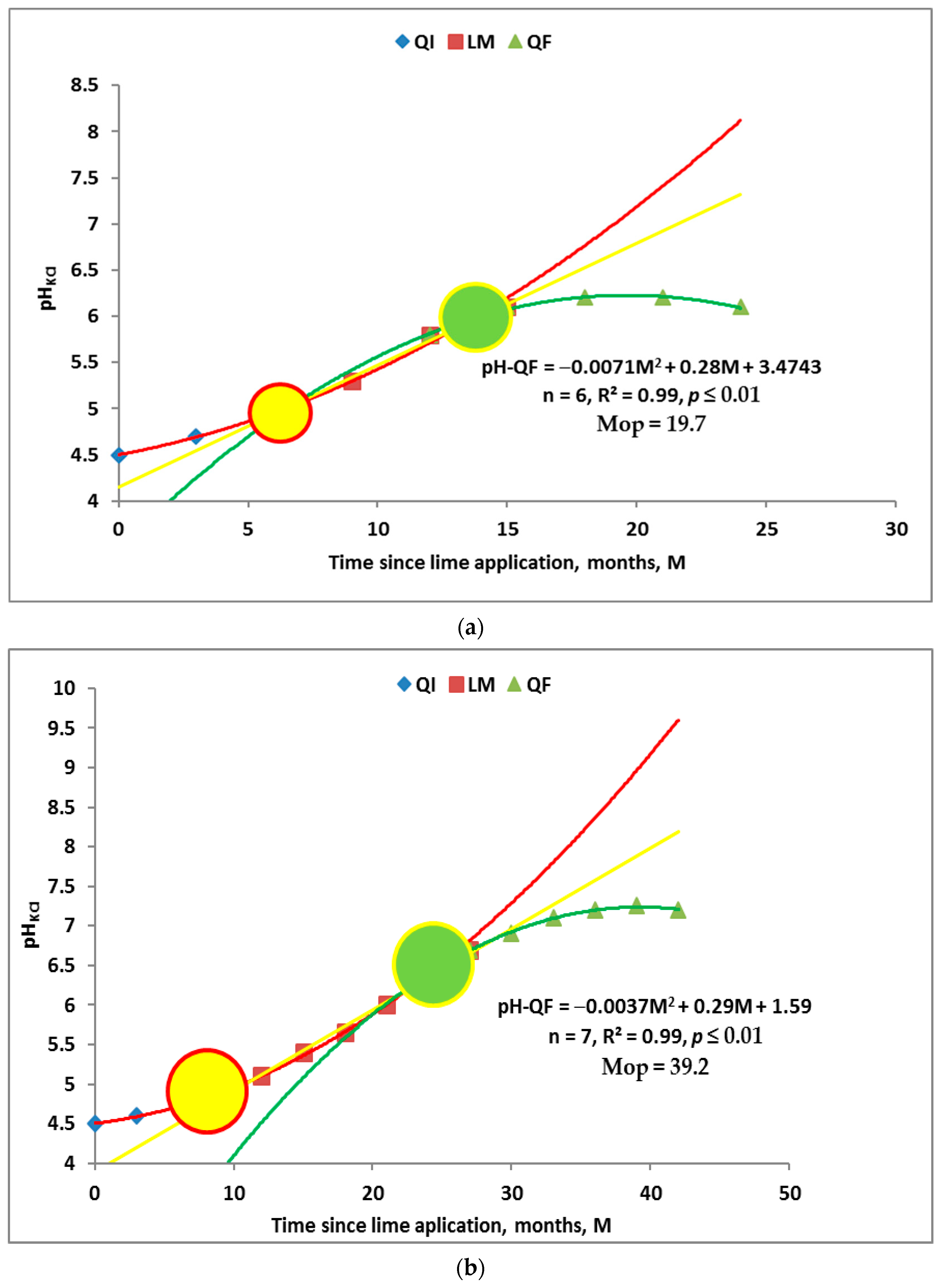
6.3. Liming Systems—Goals and Assumptions
Liming is an important tool, or rather, an agrotechnical measure, aimed at controlling the acidity of arable soils. The main goals of liming stem from important production and environmental tasks. Production goals, and in essence, economic goals on a farm, can be presented as:
- Reducing farm economic losses resulting from both yield losses and input inefficiency.
- Increasing production profitability and preserving investment funds.
Equally important are the environmental goals stemming from the geochemical objectives of liming. Among these goals, the following are essential, even crucial:
- Increasing the carbon absorption capacity of arable soils, which will essentially contribute to increasing flux and controlling CO2 concentrations in the Earth’s atmosphere.
- Reducing the amount of inorganic N dissipated into the environment as a result of disrupted N cycling in acidic soils.
Both of these main goals require the development of a series of specific biogeochemical targets, achievable within the intended soil pH range. These can be grouped based on the expected effects of liming [174,180,205,206,207]:
- Control of toxic aluminum content in soil (mineral soils with a pH < 5.0–5.5):
- removing factors that limit growth of plant roots in the soil, including:
- neutralizing excessive concentrations of acid cations;
- increasing the content of Ca2+ ions the soil solution;
- initiating the mineralization processes of organic N compounds.
- Nutrient management (accros the entire pH range fro crop plants), including:
- restoring the soil cation adsorption complex;
- regulating the structure of the soil cation adsorption complex;
- mobilizing available phosphorus resources in the soil;
- increasing available calcium and magnesium resources in the soil;
- increasing available P and micronutrient resources (boron, molybdenum).
- Control/stimulation of microbiological processes (pH range > 5.5) responsible for:
- decomposition of crop residues, manure, and green manures, including mulch plants, which lead to increased resources of nutrients in the soil;
- mineral nitrogen resources in the soil: control of mineralization/immobilization processes;
- nutrient uptake.
Figure 11 presents a graphical interpretation of achievable liming goals. The target pH values determined by the liming treatment are as follows:
Figure 11.
Conceptual diagram of soil pH regulation strategies—stages of pH control in subsequent years after the treatment. Legend: dashed blue line—an assumed pH stabilization goal.
- (1)
- Neutralization of Al3+ at pH at 5.5, but for pHKCl the target is the critical zone, falling within the pH range of 5.0–5.5;
- (2)
- Stabilization of the pH range for:
- pH-tolerant plants above the critical zone (solid line);
- pH-sensitive plants (dashed line);
- (3)
- Signaled pH decrease, significant for sensitive crop plants.
Extending or, more precisely, maintaining the soil pH in the optimal range for the production of plants sensitive to acidification is the primary task of liming arable soils.
6.4. Liming Systems
A productively and environmentally effective soil liming system on a farm requires the farmer to analyze a number of factors, including:
- Identifying the current soil pH, at least in the topsoil; this is the absolute minimum, but insufficient under conditions of sustainable, intensive production.
- The productive and economic impact of a single liming treatment or a series of liming treatments; an important aspect, but only when the economic impact of N application and the effectiveness of crop plant protection are considered.
- Determining the lime dose; taking into account the production and environment goals (Section 5).
- Designation of zones in the field with varying sensitivity to acidification (Section 6).
- Selecting the type of lime fertilizer; this is important not only for achieving production goals but also for environmental ones (Section 5).
- The agrotechnical and calendar timing of liming; this is an operational step in building a liming system.
The authors of this conceptual paper propose the following solution—liming systems. The category of liming system is defined based on the established goals, with clear emphasis on production and environmental goals. Therefore, the following liming systems were distinguished:
- Regenerative–Cyclic: This system involves the complete, cyclical soil pH revitalization. The key goal is to restore soil pH to the natural level for a given agronomic category/soil type. This system assumes a terminated effect of applied lime.
- Regenerative–Sustainable: This system assumes gradual control of soil pH. Liming goals include:
- 2.1
- Neutralization of toxic aluminum. The primary goal is to raise the pH to a level that eliminates toxic aluminum content for moderately sensitive plants (pHKCl 5.0–5.5).
- 2.2
- Stabilization of soil pH. This goal is to stabilize soil pH at an optimal level for the most pH-sensitive crop plants in a given crop rotation.
- Stabilization and Correction: The goal is the long-term stabilization of soil reaction at the optimal level for a given soil agronomic category. It is necessary to take into account the requirements of the crop plants most sensitive to changes in soil pH.
- Comprehensive: The goal is to combine one of the above-defined liming systems with the simultaneous introduction of dedicated soil amendments and/or nutrients, as well as non-fertilizing components that stimulate plant growth.
- Intervention: The goal is an emergency liming treatment to protect the growth and yield of a currently grown plant that is at risk from toxic aluminum.
A preliminary evaluation of the proposed liming systems was made for six criteria, taking into account advantages and disadvantages (Table 8). In agricultural practice, regardless of the region of the world, the regenerative–cyclic (R-C) and intervention systems dominate [46,47]. This situation results from many factors, most often economic ones, such as a lack of financial resources for fertilizers. The factor of knowledge and skills should not be overlooked [208]. This liming system is a single-stage liming procedure, intended to seemingly complete regulation of soil reaction. In agricultural science and practice, it is incorrectly referred to as soil deacidification. The R-C system is a standard widespread liming method worldwide for restoring soil pH to the seemingly geochemically natural state [84,209,210]. The drawback of the R-C system is the seemingly deliberately designed cyclical nature of this procedure. Farmers’ use of this system is consistent with the mythological Sisyphus Syndrome. Moreover, single application of large doses of lime, especially quick lime, can have negative effects, by excessively increasing the mineralization processes of humus, including native humus. The high sensitivity of soil fauna, including earthworms, to sudden increases in soil pH has also been reported [211,212]. The R-C system should only be a transitional step in achieving the stabilized soil pH that is the natural soil pH goal, i.e., pH stabilization determined by soil texture. Therefore, it is only the first stage of the Regenerative-Sustainable (R-S) system but limited to neutralization of toxic aluminum. Maintaining soil pH, which requires Al3+ neutralization, relies on drastic measures such as quick lime. This treatment is effective, but its use induces increased C and N mineralization and also generates CO2 net losses from the soil (Equations (8) and (12)). In this situation, it is necessary to develop other environmentally friendly solutions. Potential examples include soil amendment mixtures with varying impact on Al3+, such as quick lime with gypsum and/or basalt powder [93,212]. This range of practical solutions is included in a Comprehensive liming system, in which lime is used together with other soil amendments or as a carrier for other compounds that increase soil fertility [213,214].
Table 8.
Advantages and limitations of the proposed liming systems.
The goal, from both a production and environmental perspective, is the Stabilization–Correction liming system (S-C). Only this soil liming system has the potential to meet both production and environmental goals, at least with respect to the balance of denitrification products. In the S-C system, covering pH range of 5.0 (5.5)–7.9 (7.5), the maximum efficiency is achieved by hydrolases (ß-glucosidase, cellobiohydrolase, deaminase, protease) responsible for C and N mineralization. In the lower range of this scale, maximum activity is achieved by acid phosphatase, arylsulfatase, and in the upper range by dehydrogenase. Throughout this range, maximum values are achieved by N and sulfur availability, and in the upper range by phosphorus [80]. Field experiments based on direct measurement of nitrification efficiency indicate pH as an important factor. The degree of nitrification of anhydrous ammonia introduced into the soil in autumn and measured as the nitrate content in the soil in spring (April), was 89% in soil with pH >7.5 and only 39% (in soil with pH < 6.0 [215]. Liming the soil from a long-term tea cultivation, i.e., acidic, resulted in an increase in the number of Proteobacteria, Actinobacteria, and Ascomycota fungi, but a decrease in the number of Basidiomycota fungi [216]. Systematic liming, as shown by studies in grassland soils, not only increases the number of nitrifiers, denitrifiers, and nitrate ammonifiers, but also stabilizes their seasonal variability, which in turn stabilizes the annual N2O emission [217]. Research conducted in France, where the share of acidic soils is 37%, showed that liming can reduce emissions by 15.7% [178]. The use of this system requires, at a minimum, only balancing the soil acidification caused by the applied doses of N fertilizers [201,218]. A meta-analysis for the global terrestrial biome by Wang et al. [47] found no significant effect of liming on greenhouse gas balance. This essentially pessimistic assessment of this agricultural practice may result, among other things, from a failure to take into account the mass of C accumulated by plants in the soil, which is significant [149].
In Europe, specifically the EU-27, the use of lime is subject to standard regulation by the European Parliament. The regulation covers two areas:
- (1)
- fertilizer quality, in terms of the content of key nutrients, as well as heavy metals and mercury;
- (2)
- storage and field application conditions.
With regard to lime, especially quick lime, attention is drawn to the need to wear protective clothing, gloves, and goggles. The alkaline chemical nature of these fertilizers, as well as application in dusty form, can lead to skin and eye irritation [219,220].
7. Future Research—Liming Systems Validation
Out of five liming systems discussed in Section 6, those that pose a potential research challenge are the Regenerative–Cyclic (R-C), Stable–Corrective (S-C), and Comprehensive (C) systems. Taking into account the dominant role of the R-C system in current agriculture, regardless of the region of the world, it should be treated as a control object. This is the only way to validate proposed technological solutions for regulating soil pH. Considering the highly diverse production potential of arable soils, liming systems can be divided into two groups. The first experimental group includes S-C and S-C systems, and the second includes S-C and C systems. In addition to classic field experiments, large-scale field studies, known as observations, are recommended. The goal is to test variable lime application systems.
The first set of field experiments is recommended for soils with high production potential but also with a high susceptibility to acidification. Such soils occur in temperate, humid climate zones. The productivity of cultivated crops depends on effective N management, provided that pH is stabilized at the optimal level for the most sensitive crop in the given crop rotation. A classic example of such a crop plant is rapeseed [101]. A second set of field experiments is proposed for sandy soils in temperate climate zones and for tropical soils. These soils are naturally characterized by strong subsoil acidity [93,221]. In both cases, the sorption complex is often small and highly labile. An example is sugarcane, which in sites with regulated pH and saturation of the soil sorption complex with base cations produces yields of 130 t ha−1. In degraded sites, yields are around 70 t ha−1 [222].
A basic set of geochemical and agrochemical tests should include pH, Al3+ content, the size of the soil sorption complex and its saturation with base cations, and the content of available forms of other nutrients. The scope of measurements should be both spatial (soil profile: topsoil, subsoil) and temporal (trends of change, at least in pH and Al content). Equally important, at the same time-frame are measurements of the condition and diversity of the soil microbiome, including enzymatic activity, microbiome markers of N (amoA-AOB/AOA, nosZ) [153].
In the current system of commercial agriculture, necessary to feed the human population, N use is essential. Therefore, each field experiment should incorporate both the optimal N dose and the suboptimal dose. The latter level results from the fact that liming triggers organic N mineralization processes at varying intensities. Therefore, the N fertilization system must be designed so that the plants in the field are able to “absorb” the “additional” N pool. The rate of mineral N release from organic resources is a function of soil temperature and moisture, which determine the activity of microorganisms [149]. Plants also respond to both of these environmental factors, but each exhibits its own (specific) growth and N uptake dynamics [223]. Compatibility between these two processes is not always possible within plant production, as the decisive factor is usually the economics of production [46].
The scope of necessary measurements should include both biometric and chemical characteristics of the plant itself (biomass, mass of accumulated N) at critical stages of crop yield formation. A set of measurements of mineral N, as well as potentially measurable N in the soil in the plant’s rooting zone, is essential. Knowledge of the state of mineral N resources after harvest is crucial. Crop residue management is an important factor in determining the direction of mineral nitrogen transformation (N-NH4 and N-NO3).
The third essential research area involves comprehensive studies that allow for the assessment of the environmental impact of fertilization systems. Experimental tools include measurements of the dynamics of C and N mineralization processes, which lead to greenhouse gas production. Supporting tools include C and N balances, which take into account the turnover of both elements. In this context, the black box is the nutrient resources released into the soil during the plant’s growing season, as well as those contained in the root mass [10]. The summary and validation of a given liming system is an LCA analysis, which also takes into account the process of lime fertilizer production [224].
8. Conclusions
The negative effects of soil acidification, resulting from the accumulation of acidic protons in the environment, are most often considered in a very narrow, simplified perspective—agricultural production—of yield losses. The magnitude of these losses is difficult to directly measure. They are most often assessed through the increase in crop plant yield following liming. Soil acidification, resulting from both the influx of acidic cations from precipitation and generated by soil processes, significantly affects the growth dynamics, the structure of the biome, and the biomass and activity of microorganisms. These processes, by influencing the dynamics of mineralization of organic carbon and nitrogen compounds, determine not only plant growth conditions but also the CO2 balance in the atmosphere.
Controlling the sources of arable soil acidification is counter effective. This is largely due to the highly ineffective use of nitrogen in agricultural production, which generates additional pressure on the environment, including arable soils. The production goal of a simple treatment such as liming is to increase nitrogen use efficiency. Effective management of soil acidity, and, therefore, control of net proton accumulation in the soil solution, requires the use of a “dual-action strategy.” The first step involves strengthening the soil buffering cascade. This is where the special role of organic matter emerges, as it both absorbs CO2 and neutralizes acidic cations. This requires a change in the approach to crop residue management. The strengthening of the soil buffer cascade is also the result of the appropriate sequence of crop plants, which, through their root systems, participate in the recycling of not only nitrates but also alkaline cations. Soil remineralization is also a possible method of soil acidity control through the use of byproducts from rock mining, especially alkaline ones, such as basalt.
The role of liming also requires a change in approach to controlling soil acidity. Taking into account production and environmental goals, farmers need to move away from a regenerative-cycling system towards a soil pH stabilizing system. From this perspective, liming is intended to achieve three goals. (1) Production: effective plant growth and especially yield stabilization over many subsequent growing seasons. (2) Environmental; reduction in the share of gaseous nitrogen oxides in the products of nitrate denitrification. (3) Environmental production: increasing CO2 sequestration directly in the plant biomass.
An effective liming system for agricultural soils should be based not only on pH measurement but also on assessing the saturation of the soil’s sorption complex with base cations, especially calcium. Furthermore, the operational liming plan for a given field should consider areas sensitive to acidification, i.e., so-called acidity “hot spots.” These areas should be prioritized.
Supplementary Materials
The following supporting information can be downloaded at: https://www.mdpi.com/article/10.3390/agronomy16040483/s1, Figure S1: Nitrogen saved in a 3-year rotation after liming a winter rapeseed forecrop; Figure S2: Raster maps of soil pH, Ca from Mehlich-3 method and Clay contents at depths of 0–30, 30–60 and 60–90 cm, computed by Kriging interpolation from standard sampling and lab analysis (dots representing sampling points, unpublished data of the authors); Figure S3: Raster maps of soil pH, Ca+2 from Mehlich-3 method and Clay contents at depths of 0–30, 30–60 and 60–90 cm, computed by Kriging interpolation from standard sampling and lab analysis; Figure S4: Hypothetical patterns of pH increasing trend over time against the background of the agronomic category of the soil.
Author Contributions
Conceptualization, W.G., J.D., C.K. and W.S.; writing—original draft preparation, W.G. and C.K.; writing—review and editing, J.D.; visualization, W.S.; supervision, W.G.; project administration, W.S. All authors have read and agreed to the published version of the manuscript.
Funding
This research received no external funding.
Data Availability Statement
The original contributions presented in the study are included in the article/Supplementary Materials, and further inquiries can be directed to the corresponding author.
Conflicts of Interest
The authors declare no conflicts of interest.
References
- Schlesinger, W. Biogeochemistry: An Analysis of Global Change, 1st ed.; Academic Press: New York, NY, USA, 1997; 224p. [Google Scholar]
- Westall, F.; Xiao, S. Precambrian Earth: Co-evolution of life and geodynamics. Precambrian Res. 2024, 414, 107509. [Google Scholar] [CrossRef] [Scilit]
- Lin, J.; Qian, Y. Earth’s history from 4.5 billion years to one minute. Atmos. Ocean 2022, 60, 188–232. [Google Scholar] [CrossRef] [Scilit]
- Gao, B.; Xu, G.; Yang, W.; Chem, J. Disentangling continental weathering during the late Paleozoic Ice Age. Gephysic. Res. Lett. 2025, 52, e2025GL117395. [Google Scholar] [CrossRef] [Scilit]
- Meng, C.; Tian, D.; Zeng, H.; Li, Z.; Yi, C.; Niu, S. Global acidification impacts on belowground processes. Environ. Res. Lett. 2019, 14, 074003. [Google Scholar] [CrossRef] [Scilit]
- Lanza, G.R.; Ye, X.; Randhir, T.; Ries, J.B.; Reisen, W.K. Mechanisms and effects of acid rain on environment. J. Earth Sci. Clim. Change 2014, 5, 6. [Google Scholar]
- Reuss, J. Chemical and Biological Relationships Relevant to the Effect of Acid Rainfall on the Soil- Plant System. Water Air Soil Poll. 1977, 7, 461–478. [Google Scholar] [CrossRef] [Scilit]
- Average Carbon Dioxide (CO2) Levels in the Atmosphere Worldwide from 1959 to 2024. Available online: https://www.statista.com/statistics/1091926/atmospheric-concentration-of-co2-historic/?srsltid=AfmBOopdqZYpsolhWC2Bb-4XMeK1QOqBi32gHISoMpv4EFTdFarSELK3 (accessed on 15 October 2025).
- Bogan, R.A.J.; Ohde, S.; Arakaki, T.; Mori, I.; Mc Leaod, C.W. Changes in rainwater pH associated with increasing atmospheric carbon dioxide after the industrial revolution. Water Air Water Poll. 2009, 196, 263–271. [Google Scholar] [CrossRef] [Scilit]
- Kuzyakov, Y.; Horwath, W.R.; Dorodnikov, M.; Blagodatskaya, E. Review and synthesis of the effects of elevated atmospheric CO2 on soil processes: No changes in pools, but increased fluxes and accelerated cycles. Soil Biol. Biochem. 2019, 128, 66–78. [Google Scholar] [CrossRef] [Scilit]
- Galloway, J.; Dentener, F.; Capone, D.G. Nitrogen cycles: Past, present and future. Biogeochemistry 2004, 70, 153–226. [Google Scholar] [CrossRef] [Scilit]
- Sassenrath, G.F.; Schneider, J.M.; Gaj, R.; Grzebisz, W.; Halloran, J.M. Nitrogen balance as an indicator of environmental impact: Toward sustainable agriculture production. Renew. Agric. Food Sys. 2013, 28, 276–289. [Google Scholar] [CrossRef] [Scilit]
- Grzebisz, W.; Łukowiak, R.; Sassenrath, G. Virtual nitrogen as a tool for assessment of nitrogen at the field scale. Field Crops Res. 2018, 218, 182–184. [Google Scholar] [CrossRef] [Scilit]
- Licker, R.; Johnston, M.; Foley, J.A.; Barford, C.; Kucharik, C.J.; Monfreda, C.; Ramankutty, N. Mind the gap: How do climate and agricultural management explain the “yield gap” of croplands around the world? Glob. Ecol. Biogeogr. 2010, 19, 769─782. [Google Scholar] [CrossRef] [Scilit]
- Skowrońska, M.; Filipek, T. Life cycle assessment of fertilizers: A review. Int. Agrophys. 2014, 78, 101–110. [Google Scholar] [CrossRef] [Scilit]
- Conijn, J.G.; Bindraban, P.S.; Schröder, J.J.; Jongschaap, R.E.E. Can our global food system meet food demand within planetary boundries? Agric. Ecosys. Environ. 2018, 251, 244–256. [Google Scholar] [CrossRef] [Scilit]
- Statistics Poland. Agriculture and Environment Department. Environment; GUS: Warszawa, Poland, 2024; 195p. [Google Scholar]
- Prakash, J.; Agrawal, S.B.; Agrawal, M. Global trends of acidity in rainfall and its impact on plants and soil. J. Soil Sci. Plant Nutr. 2023, 23, 398–419. [Google Scholar] [CrossRef] [Scilit]
- Rodhe, H.; Dentener, H.; Schulz, M. The global distribution of acidifying wet deposition. Environ. Sci. Technol. 2002, 36, 4382–4388. [Google Scholar] [CrossRef] [Scilit]
- Fageria, N.K.; Nascente, A.S. Management of soil acidity of South American soils for sustainable crop production. Adv. Agron. 2014, 128, 221–275. [Google Scholar]
- Gomiero, T. Soil degradation, land scarcity and food security: Reviewing a complex challenge. Sustainability 2016, 8, 281. [Google Scholar] [CrossRef] [Scilit]
- Berners-Lee, M.; Kennelly, C.; Watson, R.; Hewitt, C.N. Current global food production is sufficient to meet human nutritional needs in 2050 provided there is radical societal adaptation. Elem. Sci. Anth. 2018, 5, 52. [Google Scholar] [CrossRef] [Scilit]
- Beltran-Peña, A.; Rosa, L.; D’Odorico, P. Global food self-sufficiency in the 21st century under sustainable intensification of agriculture. Environ. Res. Lett. 2020, 15, 095004. [Google Scholar] [CrossRef] [Scilit]
- Prentice, I.C.; Heimann, M.; Sitch, S. The carbon balance of the terrestrial biosphere: Ecosystem models and atmospheric observations. Ecol. Appl. 2000, 10, 1553–1573. [Google Scholar] [CrossRef]
- Ridgwell, A.; Zeebe, R.E. The role of the global carbonate cycle in the regulation of the Earth system. Earth Planet. Sci. Lett. 2005, 234, 299–315. [Google Scholar] [CrossRef] [Scilit]
- Ivlev, A.A. Global redox cycle of biospheric carbon: Interaction of photosynthesis and earth crust processes. BioSystems 2015, 137, 1–11. [Google Scholar] [CrossRef] [Scilit]
- Nunes, L.J.R. The rising threat of atmospheric CO2: A review on the causes, impacts, and mitigation strategies. Enviroments 2023, 10, 66. [Google Scholar] [CrossRef] [Scilit]
- ICCP. Press Release. Available online: https://wmo.int/news/media-centre/carbon-dioxide-levels-increase-record-amount-new-highs-2024 (accessed on 15 October 2025).
- Zomer, R.J.; Bossio, D.A.; Sommer, R.; Verchot, L.V. Global sequestration potential of increased organic carbon in cropland soils. Sci. Rep. 2017, 7, 15554. [Google Scholar] [CrossRef] [Scilit]
- Tan, Z.X.; Lal, R.; Wiebe, K.D. Global soil nutrient depletion and yield reduction. J. Sustain. Develop. 2015, 26, 123–146. [Google Scholar] [CrossRef] [Scilit]
- Lawrence, D.; Coe, M.; Walker, W.; Verchot, L.; Vandecar, K. The unseen effects of deforestation: Biophysical effects on climate. Front. For. Glob. Change 2022, 5, 756115. [Google Scholar] [CrossRef] [Scilit]
- Smith, P.; Gregory, P.J.; van Vuuren, D.; Obersteiner, M.; Havlik, P.; Rounsevell, M.; Woods, J.; Stehfest, E.; Bellarby, J. Competition for land. Phil. Trans. R. Soc. B 2010, 365, 2941–2957. [Google Scholar] [CrossRef] [Scilit]
- Conway, G. The Doubly Green Revolution: Food for All in the Twenty-First Century; Penguin Books: London, UK, 1997; 352p. [Google Scholar]
- Pretty, J.; Bharucha, Z.P. Sustainable intensification in agricultural systems. Ann. Bot. 2014, 114, 1571–1596. [Google Scholar] [CrossRef] [Scilit] [PubMed]
- The Royal Society. Reaping the Benefits: Science and the Sustainable Intensification of Global Agriculture; RS Policy Document; The Royal Society: London, UK, 2009; p. 86. [Google Scholar]
- Smith, P. Delivering food security without increasing pressure on land. Glob. Food Sec. 2013, 2, 18–23. [Google Scholar] [CrossRef] [Scilit]
- Grzebisz, W.; Łukowiak, R. Nitrogen gap amelioration is a core for sustainable intensification of agriculture—A concept. Agronomy 2021, 11, 419. [Google Scholar] [CrossRef] [Scilit]
- Grzebisz, W.; Diatta, J.; Barłóg, P.; Biber, M.; Potarzycki, J.; Łukowiak, R.; Przygocka-Cyna, K.; Szczepaniak, W. Soil fertility clock—Crop rotation as a paradigm in nitrogen fertilizer productivity control. Plants 2022, 11, 2841. [Google Scholar] [CrossRef] [Scilit]
- Grzebisz, W.; Niewiadomska, A. Nitrogen cycle in farming systems. Agronomy 2024, 14, 89. [Google Scholar] [CrossRef] [Scilit]
- Luce, M.S.; Whalen, J.K.; Ziadi, N.; Zebarth, B.J. Nitrogen dynamics and indices to predict soil nitrogen supply in humid temperate soils. Adv. Agron. 2011, 112, 55–102. [Google Scholar]
- Barłóg, P.; Łukowiak, R.; Grzebisz, W. Predicting the content of soil mineral nitrogen based on the content of calcium chloride-extractable nutrients. J. Plant Nutr. Soil Sci. 2017, 180, 624–635. [Google Scholar] [CrossRef] [Scilit]
- Łukowiak, R.; Barłóg, P.; Grzebisz, W. Soil mineral nitrogen and the rating of CaCl2 extractable nutrients. Plant Soil Environ. 2017, 63, 177–183. [Google Scholar] [CrossRef] [Scilit]
- Barłóg, P.; Grzebisz, W.; Łukowiak, R. Fertilizers and fertilization strategies mitigating soil factors constraining efficiency of nitrogen in plant Production. Plants 2022, 11, 1855. [Google Scholar] [CrossRef] [Scilit]
- Shaaban, M. Acidic soils. In Planet Earth: Scientific Proposals to Solve Urgent Issues; Núñez-Delgado, A., Ed.; Springer: Cham, Switzerland, 2024; pp. 293–306. [Google Scholar]
- Farooqi, Z.U.R.; Qadir, A.A.; Riaz, S.; Chaudhary, Z.M.; Mohy-Ud-Din, W.; Ilić, P.; Pržulj, N. Soil acidification: Processes, effects on soil and plants, and remediation strategies. In Environmental Protection and Remediation; Pržulj, I.P., Ed.; Academy of Sciences and Arts of the Republic of Srpska: Banja Luka, Serbia, 2025; Monograph LXIII; pp. 171–206. [Google Scholar]
- Enesi, R.O.; Dyck, M.; Chang, S.; Thilakarathna, M.S.; Fan, X. Liming remediates soil acidity and improves crop yield and profitability—Meta-analysis. Front. Agron. 2023, 10, 3389. [Google Scholar] [CrossRef] [Scilit]
- Wang, Y.; Yao, Z.; Zheng, X.; Zhou, M.; Yan, G.; Wang, L.; Werner, C.; Butterbach-Bahl, K. Potential benefits of liming acid soils on climate change mitigation of food security. Glob. Change Biol. 2021, 27, 2807–2821. [Google Scholar] [CrossRef] [Scilit]
- Zeng, S.; Liu, Z.; Groves, C. Large-scale CO2 removal by enhanced carbonate weathering from changes in land-use practice. Earth-Sci. Rev. 2022, 225, 103915. [Google Scholar] [CrossRef] [Scilit]
- Hawrot, O.; Renforth, P. Atmospheric carbon dioxided removal using layers of line. Sci. Tot. Environ. 2025, 985, 179761. [Google Scholar] [CrossRef] [Scilit]
- Berner, R.A.; Lasaga, A.C.; Garrels, R.M. The carbonate-silicate geochemical cycle and its effect on atmospheric carbon dioxide over the past 100 million years. Am. J. Sci. 1983, 283, 641–688. [Google Scholar] [CrossRef] [Scilit]
- Nagy, N.M.; Konya, J. Study of pH-dependent charges of soils by surface acid-base properties. J. Coll. Interf. Sci. 2007, 305, 94–100. [Google Scholar] [CrossRef] [Scilit] [PubMed]
- Tan, K.H. Principles of Soil Chemistry, 4th ed.; CRC Press: Boca Raton, FL, USA, 2011; 362p. [Google Scholar]
- Bloom, P.R.; Skyllberg, U.L.; Sumner, M.E. Soil Acidity. In Chemical Processes in Soils; Tabatabai, M.A., Sparks, M.A., Al-Amoodi, L., Dick, W.S., Eds.; SSSA Book Series; Soil Science Society of America: Madison, WI, USA, 2005; pp. 411–459. [Google Scholar]
- Bolan, N.S.; Naidu, R.; Syers, J.K.; Tillman, R.W. Surface charge and solute interactions in soils. Adv. Agron. 1999, 67, 87–140. [Google Scholar]
- Schwertmann, U.; Süsser, P.; Nätscher, L. Protonenpuffersubstanzen in Böden. Z. Pflanzenernährung Bodenkd. 1987, 150, 174–178. [Google Scholar] [CrossRef] [Scilit]
- Paul, S.; Sharma, T.; Saikia, D.; Saikia, P.; Borah, D.; Baruach, M.K. Evaluation of pKa values of soil humic acids and their complexation properties. Inter. J. Plant Soil 2015, 6, 218–228. [Google Scholar] [CrossRef] [Scilit]
- Van Breemen, N.; Mulder, J.; Driscoll, C.T. Acidification and alkalinization of soils. Plant Soil 1983, 75, 283–308. [Google Scholar] [CrossRef] [Scilit]
- Conyers, M.K.; Uren, N.C.; Helyar, K.R. Cause of changes in pH in acid mineral soils. Soil. Biol. Biochem. 1995, 27, 1383–1392. [Google Scholar] [CrossRef] [Scilit]
- Hartikainemn, H. Acid neutralizing capacity of Finnish mineral soils. J. Agric. Sci. Finland 1985, 57, 279–283. [Google Scholar]
- Jakubus, M.; Grzebisz, W. Effect of acidification on base cation exchange capacity of two grey-brown podzolic soils under different fertilization management for 36 years. Zesz. Probl. PNR 1994, 413, 141–146. [Google Scholar]
- Vogel, S.; Bonecke, E.; Kling, C.; Kramer, E.; Luck, K.; Nagel, A.; Philipp, G.; Ruhlmann, J.; Schroter, I.; Gebbers, R. Base neutralizing capacity of agricultural soils in a Quatenary landscape of North-East Germany and its relationship to best management practice in lime requirement determination. Agronomy 2020, 10, 877. [Google Scholar] [CrossRef] [Scilit]
- Chodorowski, J.; Dębicki, R.; Smalej, M. Acidity and buffering properties of selected soil types of the Lasy Janowskie Landscape Park. Acta Agrophys. 2002, 50, 59–70. [Google Scholar]
- Clayton, J.L.; Kenedy, D.A.; Nagel, T. Soil response to acid deposition. Wind River Mountains, Wyoming: I. Soil properties. Soil Sci. Soc. Am. J. 1991, 55, 1427–1433. [Google Scholar] [CrossRef] [Scilit]
- Mitchell, M.J.; Jensen, O.E.; Clippe, K.A.; Marato-Valer, M. A model of carbon dioxide dissolution and mineral carbonation kinetics. Proc. R. Soc. Am. 2010, 466, 1265–1290. [Google Scholar] [CrossRef] [Scilit]
- Knapp, W.J.; Tipper, E.T. The efficacy of enhancing carbonate weathering for carbon dioxide sequestration. Front. Clim. 2022, 4, 928215. [Google Scholar] [CrossRef] [Scilit]
- Coulborn, G.; Ridgwell, A.; Lenton, T.M. The time scale of the silicate weathering negative feedback on atmospheric CO2. Glob. Biogeo. Cyc. 2015, 29, 583–596. [Google Scholar] [CrossRef] [Scilit]
- Lindsay, W.L. Chemical Equilibria in Soils; John Wiley and Sons: New York, NY, USA, 1979; 468p. [Google Scholar]
- Huh, Y. Chemical weathering and climate a global experiment: A review. Geosci. J. 2002, 7, 277–288. [Google Scholar] [CrossRef] [Scilit]
- Zhang, S.; Bai, X.; Zhao, C.; Tan, Q.; Luo, G.; Wang, J.; Li, Q.; Wu, L.; Li, C.; Deng, Y.; et al. Global CO2 consumption by silicate chemical weathering: Its past and future. Earth’s Future 2020, 9, e2020EF001938. [Google Scholar] [CrossRef] [Scilit]
- Trap-Muller, G.; Rugenstein, J.C.; Conley, D.J.; Geilert, S.; Hagens, M.; Homg, W.-L.; Jeandel, C.; Longman, J.; Mason, P.R.D.; Middelburg, J.J.; et al. Earth’s silicate weathering continuum. Nat. Geosci. 2025, 18, 691–701. [Google Scholar] [CrossRef] [Scilit]
- Bertrand, I.; Delfosse, O.; Mary, B. Carbon and nitrogen mineralization in acidic, limed and calcareous agricultural soils: Apparent and actual effects. Soil Biol. Biochem. 2007, 39, 276–288. [Google Scholar] [CrossRef] [Scilit]
- Holland, E.; Kuyper, T.W.; Comans, R.N.J.; Creamer, R.E. Eco-functionality of organic matter in soils. Plant Soil 2020, 455, 1–20. [Google Scholar] [CrossRef] [Scilit]
- Evangelou, V.P.; Phillips, R.E. Cation exchange in soils. In Chemical Processes in Soils; Tabatabai, M.A., Sparks, D.L., Eds.; Soil Science Society of America: Madison, WI, USA, 2005; pp. 343–410. [Google Scholar]
- Einsle, O.; Kroneck, P.H.M. Structural basis of denitrification. Biol. Chem. 2004, 386, 875–883. [Google Scholar] [CrossRef] [Scilit]
- Lindsay, W.L.; Wallthall, P.M. The Environmental Chemistry of Aluminum, 2nd ed.; CRC Press: Boca Raton, FL, USA, 1995; 29p. [Google Scholar]
- De Sousa Mendes, W.; Demattê, J.A.M.; Minasny, B.; Silvero, N.W.Q.; Bonfatti, B.R.; Safanelli, J.L.; Rizzo, R.; Saraiva da Costa, A.C. Free iron oxide content in tropical soils predicted by integrative digital mapping. Soil Tillage. Res. 2022, 219, 105346. [Google Scholar] [CrossRef] [Scilit]
- Vodyanitskii, Y.N. Iron hydrolysis in soil: A review for publications. Eurasian J. Soil Sci. 2010, 43, 1244–1254. [Google Scholar] [CrossRef] [Scilit]
- Lovley, D.R. Dissimilatory Fe (III) and Mn (IV) reduction. Microb. Rev. 1991, 55, 259–287. [Google Scholar] [CrossRef] [PubMed]
- Lovley, D.R.; Holmes, D.E.; Nevin, K.P. Dissimilatory Fe(III) and Mn(IV) reduction. Adv. Microb. Physio. 2004, 49, 218–286. [Google Scholar]
- Wang, C.; Kuzyakov, Y. Soil organic matter priming effect: The pH effects. Glob. Change Biol. 2024, 30, e17349. [Google Scholar] [CrossRef] [Scilit]
- Zhang, Y.; Zhang, S.; Wang, R.; Cai, J.; Zhang, Y.; Li, H.; Huang, S.; Jiang, Y. Impacts of fertilization practices on pH and the pH buffering capacity of calcareous soil. Soil Sci. Plant Nutr. 2016, 62, 432–439. [Google Scholar] [CrossRef] [Scilit]
- Olifir, Y.M.; Habryel, A.Y.; Partyka, T.V.; Havryshko, O.S.; Konyk, G.S.; Kozak, N.I.; Lykhochvor, V.V. An acid-base buffering model to describe pH buffering capacity of an acid albic stagnic luvisol under long-term agricultural land use and management. Agric. Sci. Pract. 2022, 9, 18–28. [Google Scholar] [CrossRef] [Scilit]
- Lee, K.K.; Liu, S.; Crocker, K.; Wang, J.; Huggins, D.R.; Tikhonov, M.; Mani, M.; Kuehn, S. Functional regimes define soil microbiome response to environmental change. Nature 2025, 644, 1028–1038. [Google Scholar] [CrossRef] [Scilit]
- Schroeder, J.; Dǎmǎtîrcǎ, C.; Bölscher, T.; Chenu, C.; Elsgaard, L.; Tebbe, C.C.; Skadell, L.; Poeplau, C. Liming effect on microbial carbon use efficiency and its potential consequences fo soil organic carbon stocks. Soil Biol. Biochem. 2024, 191, 109342. [Google Scholar] [CrossRef] [Scilit]
- Rousk, J.; Brookes, P.C.; Baath, E. Contrasting soil pH on fungal and bacterial growth suggest functional redundancy in carbon mineralziation. Appl. Environ. Microbiol. 2009, 75, 1589–1596. [Google Scholar] [CrossRef] [Scilit]
- Wang, T.; Cao, X.; Chen, M.; Lou, Y.; Wang, H.; Yang, Q.; Pan, H.; Zhuge, Y. Effects of soil acidification on bacterial and fungal communities in the Jiodong Peninsula, Northern China. Agronomy 2022, 12, 927. [Google Scholar] [CrossRef] [Scilit]
- Jarboe, L.R.; Roycre, L.A.; Liu, P. Understanding biocatalyst inhibition by carboxylic acids. Front. Microbiol. 2013, 4, 272. [Google Scholar] [CrossRef] [Scilit]
- Wood, M.A. Mechanism of aluminum toxicity to soil bacteria and possible ecological implications. Plant Soil 1995, 171, 63–69. [Google Scholar] [CrossRef] [Scilit]
- Banerjee, S.; Kirkby, C.A.; Schmutter, D.; Bissett, A.; Kirkergaard, J.A.; Richardson, A.E. Network analysis reveals functional redundancy and keystone taxa among bacterial and fungal communities during organic matter decomposition in arable soils. Soil Biol. Biochem. 2016, 97, 188–198. [Google Scholar] [CrossRef] [Scilit]
- Rowley, M.C.; Grabd, S.; Verrecchia, E.P. Calcium-mediated stabilization of organic matter. Biogeochemistry 2018, 137, 27–49. [Google Scholar] [CrossRef] [Scilit]
- Shabtai, I.A.; Wilhelm, R.C.; Schweizer, A.A.; Hoszhen, C.; Buckley, D.H.; Lehmann, J. calcium promotes persistent soil organic matter by altering microbial transformation of plant liter. Nat. Commun. 2023, 14, 6609. [Google Scholar] [CrossRef] [Scilit]
- Wei, H.; Yang, J.; Liu, Z.; Zhang, J. Data integration analysis indicates that soil texture and pH greatly influence the acid buffering capacity of global surface soil. Sustainability 2022, 14, 3017. [Google Scholar] [CrossRef] [Scilit]
- Ramos, F.T.; de Carvalho Dores, R.F.; Dos Santos Weber, O.L.; Beber, D.C.; Campelo, J.H., Jr.; de Souza Maia, J.C. Soil organic matter doubles the cation exchange capacity of tropical soil under no-till farming in Brazil. J. Sci. Food. Agric. 2018, 98, 3595–3602. [Google Scholar] [CrossRef] [Scilit] [PubMed]
- Stella, T.; Mouratiadou, I.; Gaiser, T.; Berg-Mohnicke, M.; Wallor, E.; Ewert, F.; Nendel, K. Estimating the contribution of crop residues to soil organic carbon conservation. Environ. Res. Letter. 2019, 14, 094008. [Google Scholar] [CrossRef] [Scilit]
- Karlen, D.L.; Lal, R.; Follet, R.F.; Komble, J.M.; Hatfield, R.D.; Miranowski, J.M.; Cambardella, C.A.; Manale, A.; Anex, R.P.; Rice, C.W. Crop residues: The rest of the story. Environ. Sci. Technol. 2009, 43, 8011–8015. [Google Scholar] [CrossRef] [Scilit]
- Bolinder, M.A.; Crotty, F.; Elsen, A.; Feąc, M.; Kismányoky, T.; Lipiec, J.; Tits, M.; Tóth, Z.; Kätterer, T. The effect of crop residues, cover crops, manures and nitrogen fertilization on soil organic carbon changes in agroecosystems: A synthesis of reviews. Mitig. Adapt. Strateg. Glob. Change 2020, 25, 929–952. [Google Scholar] [CrossRef] [Scilit]
- Chen, B.; Liu, E.; Tian, Q.; Yan, C.; Zhang, Y. Soil nitrogen dynamics and crop residues. A review. Agron. Sustain. Dev. 2014, 34, 429–442. [Google Scholar] [CrossRef] [Scilit]
- Hue, N.V. Alleviating soil acidity with crop residues. Soil Sci. 2011, 176, 543–549. [Google Scholar] [CrossRef] [Scilit]
- Fu, B.; Chen, L.; Huang, H.; Qu, P.; Wei, Z. Impacts of crop residues on soil health: A review. Environ. Pollut. Bioavail. 2021, 33, 164–173. [Google Scholar] [CrossRef] [Scilit]
- Bruns, H.A. Concepts in crop rotations. In Agricultural Science; Alakpui, G., Ed.; InTech: Rijeka, Croatia, 2012; 26p. [Google Scholar]
- Szulc, W.; Torma, S.; Vilček, J.; Rutkowska, B. Amounts of nutrients from plant residues supplied into the soil after oilseeds harvesting. J. Elem. 2024, 29, 947–959. [Google Scholar] [CrossRef] [Scilit]
- Kautz, T.; Amelung, W.; Ewert, F.; Gaiser, T.; Horn, R.; Jahn, R.; Javaux, M.; Kemna, A.; Kuzyakova, Y.; Munch, J.-C.; et al. Nutrient acquisition from arable subsoils in temperate climates: A review. Soil Biol. Biochem. 2013, 57, 1003–1022. [Google Scholar] [CrossRef] [Scilit]
- Dejene, M.; Abera, G.; Desalegn, T. The effect of phosphorus fertilizer sources and lime on acidic soil properties of Mollic Rhodic Nitisol in Welmera District, Central Ethiopia. App. Environ. Soil Sci. 2023, 7002816. [Google Scholar] [CrossRef] [Scilit]
- Grzebisz, W.; Niewiadomska, A.; Potarzycki, J.; Andrzejewska, A. phosphorus hotSpots in crop production on the farm—Mitigating critical factors. Agronomy 2024, 14, 200. [Google Scholar] [CrossRef] [Scilit]
- Shainberg, I.; Summer, M.E.; Miller, W.P.; Farina, M.P.; Pavan, M.A.; Fey, M.V. Use of gypsum on soils: A review. Adv. Soil Sci. 1989, 9, 111. [Google Scholar]
- Watts, D.B.; Dikc, W.A. Sustainable use of FGD gypsum in agricultural systems: Introduction. J. Environ. Qual. 2014, 42, 246–252. [Google Scholar] [CrossRef] [Scilit]
- Diatta, J.B.; Bocianowski, J.; Skubiszewska, A. Sulphate-based aluminum phytotoxicity mitigation under strong soil acidification. Fres. Environ. Bull. 2010, 19, 3185–3192. [Google Scholar]
- Skubiszewska, A.; Diatta, J.B. Application of geochemical indices (S:Al, Mg:Al) and partition coefficient for evaluating response of crops to aluminum toxicit. J. Elem. 2010, 15, 331–341. [Google Scholar]
- Lei, J.; Yin, J.; Chen, S.; Fenton, O.; Chen, Q.; Fan, B.; Zhang, S. Understanding phosphorus mobilization mechanisms in acidic soil amended with calcium-silicon-magnesium-potassium fertilizer. Sci. Tot. Environ. 2024, 916, 179924. [Google Scholar] [CrossRef] [Scilit] [PubMed]
- Swoboda, P.; Doring, T.; Hamer, M. Remineralizing soils? The agricultural use of silicate powders; a review. Sci. Tot. Environ. 2022, 807, 150976. [Google Scholar] [CrossRef] [Scilit]
- Myszura-Dymek, M. Properties of organic matter in composts based on sewage sludge. J. Ecol. Engin. 2024, 25, 70–81. [Google Scholar] [CrossRef] [Scilit]
- Buta, M.; Hubeny, J.; Zieliński, W.; Harnisz, M.; Korzeniewska, E. Sewage sludge in agriculture—The effects of selected chemical pollutants and emerging genetic resistance determinants on the quality of soil and crops—A review. Ecotox. Environ. Safety 2021, 214, 112070. [Google Scholar] [CrossRef] [Scilit]
- Singh, V.; Phuleria, H.C.; Chandel, M.K. Unlocking the nutrient value of sewage sludge. Water Environ. J. 2021, 36, 321–331. [Google Scholar] [CrossRef] [Scilit]
- Lecciolle Paganini, E.A.; Barroca Silva, R.; Ribeiro Roder, L.; Guerrini, I.A.; Capra, G.F.; Grilli, E.; Ganga, A. A systematic review and meta-analysis of the sustainable impact of sewage sludge application on soil organic matter and nutrient content. Sustainability 2024, 169220, 9865. [Google Scholar]
- Spychalski, W.; Grzebisz, W.; Diatta, J.; Kostarev, D. Humus stock degradation and its impact on the phosphorus forms in arable soils—A case of Ukrainian Forest-Steppe Zone. Chem. Spec. Bioav. 2018, 30, 33–46. [Google Scholar] [CrossRef] [Scilit]
- Matus, F. Fine silt and clay content is the main factor defining maximal C and n accumulation in soils: A meta-analysis. Sci. Rep. 2022, 11, 6438. [Google Scholar] [CrossRef] [Scilit]
- Piéri, C. Fertilité des terres de savanes. In Bilan de Trente Années de Recherches et de Développement Gricole au Sud du Sahara; Ministère de la Coopération et du Développement, CIRAD-IRAT: Paris, France, 1989; 452p. [Google Scholar]
- Andrzejwska, A.; Biber, M. The effect of long-term soil system use and diversified fertilization on the sustainability of the soil fertility-organic matter and selected trace elements. Sustainability 2025, 17, 2907. [Google Scholar] [CrossRef] [Scilit]
- Jadczyszyn, T.; Niedźwiecki, J.; Debaene, G. Analysis of agronomic categories in different soil texture classification systems. Polish J. Soil Sci. 2016, 49, 61–72. [Google Scholar] [CrossRef] [Scilit]
- Oldfield, E.E.; Bradford, M.A.; Wood, S. Global meta-analysis of the relationship between soil organic matter and crop yields. Soil 2019, 5, 15–32. [Google Scholar] [CrossRef] [Scilit]
- Gerke, J. The central role of soil organic matter in soil fertility and carbon storage. Soil Syst. 2022, 6, 33. [Google Scholar] [CrossRef] [Scilit]
- Wander, M.M.; Drinkwater, L.E. Fostering soil stewardship through soil quality assessment. Appl. Soil Ecol. 2000, 15, 61–73. [Google Scholar] [CrossRef] [Scilit]
- Marschner, B.; Noble, A.D. Chemical and biological processes leading to the neutralization of acidity in soil incubated with litter materials. Soil Biol. Biochem. 2000, 32, 805–813. [Google Scholar] [CrossRef] [Scilit]
- Butterly, C.R.; Baldock, J.A.; Tang, C. The contribution of crop residues to changes in soil pH under field conditions. Plant Soil 2013, 366, 185–198. [Google Scholar] [CrossRef] [Scilit]
- Chico-Santamarta, L.; Humphries, A.; White, D.; Chaney, K.; Godwin, R.J. The use of oilseed rape (Brassica napus) straw for combustion purposes: A review of the advantages and disadvantages. Aspects Appl. Biol. 2010, 101, 63–69. [Google Scholar]
- Grzebisz, W.; Szczepaniak, W.; Łączny, S.; Łański, M.; Zawieja, A. Indices of total and unit nutrient uptake by high yielding winter oilseed rape under conditions of intensive magnesium fertilization. Fragm. Agron. 2018, 35, 23–36. [Google Scholar]
- Grzebisz, W.; Zielewicz, W.; Przygocka-Cyna, K. Deficiencies of secondary nutrients in crop plants—A real challenge to improve nitrogen management. Agronomy 2023, 13, 66. [Google Scholar] [CrossRef] [Scilit]
- Lambers, H. Phosphorus acquisition and utilization in plants. Ann. Rev. Plant Biol. 2022, 73, 17–42. [Google Scholar] [CrossRef] [Scilit]
- Łukowiak, R.; Grzebisz, W.; Sassenrath, G.F. New insights into phosphorus management in—A crop rotation approach. Sci. Tot. Environ. 2016, 542, 1062–1077. [Google Scholar] [CrossRef] [Scilit] [PubMed]
- Johan, P.O.; Ahmed, O.H.; Omar, L.; Hasbullach, N.A. Phosphorus transformation in soils following co-application of charcoal and wood ash. Agronomy 2021, 11, 2010. [Google Scholar] [CrossRef] [Scilit]
- Ye, C.; Huang, W.; Hall, S.J.; Hu, S. Association of organic carbon with reactive iron oxides driven by soil pH at the global scale. Glob. Biogeochem. Cycles 2022, 36, e2021GB007128. [Google Scholar] [CrossRef] [Scilit]
- Von Wandruszka, R. Phosphorus retention in calcareous soils and the effect of organic matter on its mobility. Geochemic. Trans. 2006, 7, 6. [Google Scholar] [CrossRef] [Scilit]
- Kumar Gupta, A.; Maheswari, A.; Khanam, R. Assessment of phosphorus fixing capacity in different soil orders in India. J. Plant Nutr. 2020, 43, 2395–2401. [Google Scholar] [CrossRef] [Scilit]
- Oelkers, E.H.; Valsami-Jones, E. Phosphate mineral reactivity and global sustainability. Elements 2008, 4, 83–87. [Google Scholar] [CrossRef] [Scilit]
- Jaworska, H.; Kobierski, M.; Dąbkowska-Naskręt, H. Cation exchange capacity and the content of exchangeable cations in Luvisols of various texture. Rocz. Glebozn. 2008, 59, 84–89. (In Polish) [Google Scholar]
- Härdter, R.; Rex, M.; Orlovius, K. Effects of different Mg fertilizer sources on the magnesium availability in soils. Nutr. Cyc. Agroecosyst. 2005, 70, 249–259. [Google Scholar] [CrossRef] [Scilit]
- Soto, A.L.; Culman, S.W.; Herms, C.; Sprunger, C.; Doohan, D. Managing soil acidity vs. soil Ca:Mg ratio: What is important for crop productivity? Crop Forage Turfgrass Mgmt. 2023, 9, e20210. [Google Scholar] [CrossRef] [Scilit]
- Deng, K.; Yang, S.; Guo, Y. A global temperature control of silicate weathering intensity. Nature Comm. 2023, 13, 1781. [Google Scholar] [CrossRef] [Scilit]
- Petryk, A.; Rtczek, M.; Guzdek, S. Evaluation of the effect of using sewage sludges as a fertilizer on the concentration of heavy metals in soil and the economic implications of its application. Econ. Environ. 2024, 8, 647. [Google Scholar] [CrossRef] [Scilit]
- EU. Regulation (EU) 2019/1009 of the European Parliament and of the Council of 5 June 2019 laying down rules on the making available on the market of EU fertilising products and amending Regulations (EC) No 1069/2009 and (EC) No 1107/2009 and repealing Regulation (EC) No 2003/2003 (Text with EEA relevance). Off. J. Eur. Union 2019, L170, 1–114. [Google Scholar]
- MARD-PL. Regulation of the Minister of Agriculture and Rural Development of 18 June 2008 regarding the implementation of certain provisions of the Act on fertilizers and fertilization. J. Laws 2008, 119, 765. [Google Scholar]
- Soumare, A.; Giedhiou, A.; Thuita, M.; Hafidi, M.; Ouhdouch, Y.; Gopalakrishnan, S.; Kousni, L. Exploiting biological nitrogen fixation: A route towards sustainable agriculture. Plants 2020, 9, 1011. [Google Scholar] [CrossRef] [Scilit]
- Grzebisz, W.; Niewiadomska, A.; Przygocka-Cyna, K. Nitrogen Hotspots on the farm—A practice-oriented approach. Agronomy 2022, 12, 1305. [Google Scholar] [CrossRef] [Scilit]
- Rucker, H.R.; Kacar, B. Enigmatic evolution of microbial nitrogen fixation: Insights from Earth’s past. Trends Microb. 2024, 32, 554–564. [Google Scholar] [CrossRef] [Scilit]
- Masson-Boivin, C.; Sachs, J.L. Symbiotic nitrogen fixation by rhizobia—The roots of a success story. Curr. Opin. Plant Biol. 2018, 44, 7–15. [Google Scholar] [CrossRef] [Scilit]
- Liu, Y.; Wu, L.; Baddeley, J.A.; Watson, C.A. Models of biological nitrogen fixation of legumes. Sustain. Agric. 2011, 2, 883–905. [Google Scholar]
- Smytkiewicz-Buzak, K. The importance of biological fixation of atmospheric nitrogen to leguminous crops. Curr. Agron. 2024, 53, 204–212. [Google Scholar] [CrossRef] [Scilit]
- Cooper, J.; Scherer, H. Nitrogen Fixation. In Mineral Nutrition of Higher Plants, 3rd ed.; Marschner, P., Ed.; Academic Press: London, UK, 2012; pp. 389–408. [Google Scholar]
- Schimel, J.P.; Bennett, J. Nitrogen mineralization: Challenges of a changing paradigm. Ecology 2004, 85, 591–602. [Google Scholar] [CrossRef] [Scilit]
- Paull, J. A century of synthetic fertilizer: 1909–2009. Elem. J. Bio-Dyn. Tasman. 2009, 94, 16–21. [Google Scholar]
- Stewart, B.A. Benefits and unintended consequences of synthetic nitrogen fertilizers. In Soil Nitrogen Uses and Environmental Impacts, 1st ed.; Lal, R., Stewart, B.A., Eds.; CRC Press: Boca Raton, FL, USA, 2018; 20p. [Google Scholar]
- Wiskich, A.; Rapson, T. Economics of emerging ammonia fertilizer production methods—A role for on-farm synthesis. ChemSusChem 2023, 15, e202300565. [Google Scholar] [CrossRef] [Scilit] [PubMed]
- Zhang, L.M.; Hu, H.W.; Shen, J.P.; He, J.Z. Ammonia-oxidizing archaea have more important role than ammonia-oxidizing bacteria in ammonia oxidation of strongly acidic soils. ISME J. 2012, 6, 1032–1045. [Google Scholar] [CrossRef] [Scilit] [PubMed]
- Zhang, Y.; Cai, Z.; Zhang, J.; Müller, C. The controlling factors and the role of soil heterotrophic nitrification from a global review. Appl. Soil Ecol. 2023, 182, 104698. [Google Scholar] [CrossRef] [Scilit]
- Granli, T.; Bockman, O.C. Nitrous oxide from agriculture. Norv. J. Agric. Sci. 1994, 12, 1–128. [Google Scholar]
- Li, Y.; Chapman, S.J.; Nikol, G.W.; Yao, H. Nitrification and nitrifiers in acidic soils. Soil Biol. Biochem. 2018, 116, 290–301. [Google Scholar] [CrossRef] [Scilit]
- Ayiti, O.E.; Babalola, O.O. Factors influencing soil nitrification Process and the effect on environment and health. Front. Sustain. Food Syst. 2022, 6, 821994. [Google Scholar] [CrossRef] [Scilit]
- Tian, D.; Niu, S. A global analysis of soil acidification caused by nitrogen addition. Environ. Res. Lett. 2015, 10, 0240019. [Google Scholar] [CrossRef] [Scilit]
- Zeng, M.; de Vries, W.; Bonten, L.T.C.; Zhu, Q.; Hao, T.; Liu, X.; Xu, M.; Shi, X.; Zhang, F.; Shen, J. Model based analysis of the long-term-effects of fertilization management on cropland acidification. Am. Chem. Soc. Environ. Sci. Technol. 2016, 51, 6b05491. [Google Scholar] [CrossRef] [Scilit] [PubMed]
- Awale, R.; Singh, S.; Machado, S. Soil chemical properties and wheat yields under different tillage and nitrogen rates in eastern Oregon. Agroecosyst. Geosci. Environ. 2022, 5, e20272. [Google Scholar] [CrossRef] [Scilit]
- De Boer, W.; Kowalchuk, G.A. Nitrification in acid soils: Microorganisms and mechanisms. Soil Biol. Biochem. 2001, 33, 853–866. [Google Scholar] [CrossRef] [Scilit]
- Morkwed, P.; Doersch, P.; Bakken, L. The N2O product ratio of nitrification and its dependence on long-term changes in soil pH. Soil Biol. Biochem. 2007, 39, 2048–2057. [Google Scholar] [CrossRef] [Scilit]
- Galloway, J.N.; Leach, A.M.; Bleeker, A.; Erisman, J.W. A chronology of human understanding of the nitrogen cycle. Phil. Trans. R. Soc. B 2013, 368, 20130120. [Google Scholar] [CrossRef] [Scilit]
- Coyne, M.S. Denitrification in soil. In Soil Nitrogen Uses and Environmental Impacts, 1st ed.; Lal, R., Stewart, B.A., Eds.; CRC Press: Boca Raton, FL, USA, 2018; 46p. [Google Scholar]
- Li, Z.; Tang, Z.; Song, Z.; Chen, W.; Tian, D.; Tang, S.; Wang, X.; Wang, J.; Liu, W.; Wang, Y.; et al. Variations and controlling factors of soil denitrification rate. Glob. Chang. Biol. 2022, 28, 2133–2145. [Google Scholar] [CrossRef] [Scilit]
- Tian, H.; Pan, N.; Thompson, R.L.; Canadell, J.G.; Suntharalingam, P.; Regnier, P.; Davidson, E.A.; Prather, M.; Ciais, P.; Muntean, M.; et al. Global Nitrous Oxide Budget (1980–2020). Earth Syst. Sci. 2024, 16, 2543–2604. [Google Scholar] [CrossRef] [Scilit]
- Portmann, R.W.; Daniel, J.S.; Ravishankara, A.R. Stratospheric ozone depletion due to nitrous oxide: Influence of other gases. Phil. Trans. R. Soc. B 2012, 367, 1256–1264. [Google Scholar] [CrossRef] [Scilit]
- Bano, S.; Wu, Q.; Yu, S.; Wang, X.; Zhang, X. Soil properties drive nitrous oxide accumulation patterns by shaping denitrifying bacteriomes. Environ. Microb. 2024, 19, 94. [Google Scholar] [CrossRef] [Scilit]
- Shabaan, M.; Wu, Y.; Wu, L.; Hu, R.; Younas, A.; Nunez-Delgado, A.; Xu, P.; Sun, Z.; Lin, S.; Xu, X. The effects of pH change through soil liming on soil N2O emission. Process 2020, 8, 702. [Google Scholar] [CrossRef] [Scilit]
- Yin, J.; Chen, H.; Duan, P.; Zku, K.; Li, N.; Ma, Y.; Xu, Y.; Guo, J.; Liu, R.; Chen, Q. Soil microbial communities as potential regulators of N2O sources in highly acidic soils. Soil Ecol. Lett. 2023, 5, 230178. [Google Scholar] [CrossRef] [Scilit]
- Šimek, M.; Jišová, L.; Hopkins, D.W. What is the so-called optimum pH for denitrification in soil? Soil Biol. Biochem. 2002, 34, 1227–1234. [Google Scholar] [CrossRef] [Scilit]
- Čuhel, J.; Šimek, M.; Laughlin, R.J.; Bru, D.; Chèneby, D.; Watson, C.J.; Philippot, L. Insight into the effect of soil pH on N2O and N2 emissions and denitrifier community size and activity. Appl. Environ. Microbiol. 2010, 76, 1870–1878. [Google Scholar] [CrossRef] [Scilit]
- Olaya-Abril, A.; Hidalgo-Carrillo, J.; Luque-Almagro, V.M.; Fuentes-Almagro, C.; Urbano, F.J.; Moreno-Vivián, C.; Richardson, D.J.; Roldán, M.D. Effect of pH on the denitrification proteome of the soil bacterium Paracoccus denitrificans PD1222. Sci. Rep. 2021, 11, 17276. [Google Scholar] [CrossRef] [Scilit]
- Clough, T.; Kelliher, F.; Sherlock, R.; Ford, C. Lime and soil moisture effects on nitrous oxide emissions from a urine patch. Soil Sci. Soc. Am. J. 2004, 68, 1600–1609. [Google Scholar] [CrossRef] [Scilit]
- Thompson, A.J.; Giannopoulus, G.; Pretty, J.N.; Baggs, L.; Richardson, D.J. Biological sources and sink of nitrous oxide and strategies to mitigate emissions. Philosoph. Trans. B. 2012, 367, 1157–1168. [Google Scholar] [CrossRef] [Scilit]
- Szarlip, P.; Włodarczyk, T.; Brzezińska, M.; Gliński, J. Production and uptake of nitrous oxide (N2O) as affected by soil conditions. Acta Agroph. 2010, 8, 1–66. [Google Scholar]
- Qiu, Y.; Zhang, Y.; Zhang, K.; Xu, X.; Zhao, Y.; Bai, T.; Xhao, Y.; Wang, H.; Sheng, X.; Bloszies, S.; et al. Intermediate soil acidification induces highest nitrous oxide emissions. Nature Comm. 2024, 15, 2695. [Google Scholar] [CrossRef] [Scilit]
- Hénault, C.; Bourennane, H.; Ayzac, A.; Ratié, C.; Saby, N.P.A.; Cohan, J.-P.; Eglin, T.; Le Gall, C. Management of soil pH promotes nitrous oxide reduction and thus mitigates soil emissions of this greenhouse gas. Sci. Rep. 2019, 9, 20182. [Google Scholar] [CrossRef] [Scilit]
- Kaiser, A.; Schaffer, A. Considering Environmental Factors in Technical Efficiency Analysis of European Crop Production. German J. Agric. Econ. (GJAE) 2022, 71, 92–106. [Google Scholar] [CrossRef] [Scilit]
- Witczak, R.; Diatta, J.B. Application of Calcium-Aluminum-Balance (CAB) indices in acid soils for evaluating winter wheat response to calcium-bearing fertilizers. EJPAU Agron. 2010, 13. Available online: http://www.ejpau.media.pl/volume13/issue2/abs-01.html (accessed on 18 December 2025).
- Mehlich, A. New extractant for soil test evaluation of phosphorus, potassium, magnesium, calcium, sodium, manganese, and zinc. Commun. Soil Sci. Plant Anal. 1978, 9, 477–492. [Google Scholar] [CrossRef] [Scilit]
- Mahecha-Pulido, J.D.; Trulillo-Gonzalez, J.M.; Torres-Mora, M.A.; Garcia-Navarro, F.J.; Jimenez-Ballesta, R. Current status of acid soils under different landform types in an expanding Equatorial Agricultural Region. Land 2020, 14, 1073. [Google Scholar] [CrossRef] [Scilit]
- FAO. FAO Soils Portal [WWW Document 2022]. Acid Soils. Available online: https://www.fao.org/soils-portal/soil-management/management-of-some-problem-soils/acid-soils/en/ (accessed on 15 October 2025).
- Witczak, R. Use of Geochemical Indices for Evaluating the Efficiency of Acid Soils Liming Under Winter Wheat and Sugar Beet Cropping. Ph.D. Thesis, Poznań University of Life Sciences, Poznań, Poland, 2011; 150p. [Google Scholar]
- Iticha, B.; Takele, C. Soil-landscape variability: Mapping and building detail information for soil management. Soil Use Man. 2018, 34, 111–123. [Google Scholar] [CrossRef] [Scilit]
- Hurtado, S.M.C.; Silva, C.A.; Resende, Á.V.; Von Pinho, R.G.; Inácio, E.S.B.; Higashikawa, F.S. Spatial variability of soil acidity attributes and the spatialization of liming requirement for corn. Ciênc. Agrotec. 2009, 33, 1351–1359. [Google Scholar] [CrossRef] [Scilit]
- Buladaco, M.S., II; Tandugon, H.M.; Bunquin, M.A.B.; Sanchez, P.B.; Bugia, S.A.; Yales, N.A.P.; Casacop, S.M. Mapping and assessment of within-field spatial variability of soil pH, electrical conductivity and particle size distribution to delineate management zones. Ecol. Eng. Environ. Technol. 2024, 25, 75–86. [Google Scholar] [CrossRef] [Scilit]
- Buladaco, M.S., II; Tandugon, H.M.; Yales, N.A.P.; Casacop, S.M.; Bunquin, M.A.B.; Bugia, S.A.; Sanchez, P.B. Field-scale spatial variability and uncertainty mapping of soil pH using ordinary kriging and cokriging with auxiliary soil properties. Int. J. Des. Nat. Ecodyn. 2024, 19, 1873–1885. [Google Scholar] [CrossRef] [Scilit]
- Guo, B.-X.; Zhou, J.; Zhan, L.-Q.; Wang, Z.-Y.; Wu, W.; Liu, H.-B. Spatial and temporal variability of soil pH, organic matter and available nutrients (N, P and K) in Southwestern China. Agronomy 2024, 14, 1796. [Google Scholar] [CrossRef] [Scilit]
- Yan, P.; Peng, H.; Yan, L.; Zhang, S.; Chen, A.; Lin, K. Spatial variability in soil pH and land use as the main influential factor in the red beds of the Nanxiong Basin, China. PeerJ 2019, 7, e6342. [Google Scholar] [CrossRef] [Scilit]
- Nawar, S.; Corstanje, R.; Halcro, G.; Mulla, D.; Mouazen, A.M. Delineation of soil management zones for variable-rate fertilization: A review. Adv. Agron. 2017, 143, 175–245. [Google Scholar]
- Liu, H.; Zhang, Y.; Li, X.; Ma, Y.; Zhang, W.; Wang, H. Spatial variability and driving factors of soil pH in the desert grasslands of Northern Xinjiang. Environ. Res. 2025, 276, 121489. [Google Scholar] [CrossRef] [Scilit] [PubMed]
- Helfenstein, A.; Mulder, V.L.; Heuvelink, G.B.M.; Okx, J.P. Tier-4 maps of soil pH at 25 m resolution for the Netherlands. Geoderma 2022, 410, 115659. [Google Scholar] [CrossRef] [Scilit]
- Marcinek, J.; Kaźmierowski, C.; Komisarek, J. Distribution of Soils and the Differentiation of Their Properties in a Catena of an Undulating Ground Moraine in the Poznań Lakeland. Zesz. Probl. Post. Nauk Roln. 1998, 460, 53–73. (In Polish) [Google Scholar]
- Usowicz, B.; Lipiec, J. Spatial variability of soil properties and cereal yield in a cultivated sandy field. Soil Tillage Res. 2017, 172, 10–19. [Google Scholar] [CrossRef] [Scilit]
- Weaver, A.R.; Kissel, D.E.; Chen, F.; West, L.T.; Adkins, W.; Rickman, D.; Luvall, J.C. Mapping soil pH buffering capacity of selected fields in the Coastal Plain. Soil Sci. Am. J. 2004, 68, 662–668. [Google Scholar] [CrossRef]
- Mosley, L.M.; Rengasamy, P.; Fitzpatrick, R. Soil pH: Techniques, challenges and insights from a global data set. Soil Sci. 2024, 75, e70021. [Google Scholar] [CrossRef] [Scilit]
- Tang, C.; Rengel, Z.; Diatlof, E.; Gazey, C. Responses of wheat and barley to liming an a sandy soil with subsoil acidity. Field Crops Res. 2003, 80, 235–244. [Google Scholar] [CrossRef] [Scilit]
- Vieira, F.; He, Z.; Wilson, P.; Bayer, C. Speciation of aluminum in solution of an acidic sandy soil amended with organic composts. Comm. Soil Sci. Plant Anal. 2009, 40, 2094–2110. [Google Scholar] [CrossRef] [Scilit]
- Holland, J.E.; Bennett, A.E.; Newton, A.C.; White, P.J.; McKenzie, P.J.; George, T.S.; Pakeman, R.J.; Bailey, J.S.; Fornara, D.A.; Hayes, R.C. Liming impacts on soils, crops and biodiversity in the UK: A review. Sci. Total Environ. 2018, 610–611, 316–332. [Google Scholar] [CrossRef] [Scilit]
- Grzebisz, W. Crop Plant Fertilization. Part II. Fertilizers and Fertilization Systems; PWRiL: Poznań, Poland, 2015; 376p. (In Polish) [Google Scholar]
- Jouichat, H.; Khiari, L.; Gallichand, J.; Ismail, M. Modelling temporal variation of soil acidity after the application of liming materials. Sol Till. Res. 2024, 240, 106050. [Google Scholar] [CrossRef] [Scilit]
- Moreira, S.G.; Flasino Gaudenci, J.R.; de Moraes, F.A.; de Morais, E.G.; Souza Peixoto, D.; de Resende, H.C.; Resende Silva, J.C.; Vieira Campos, O.L. A practical method for estimating liming requirements based on soil chemical attributes and limestone composition. Soil Till. Res. 2026, 255, 106816. [Google Scholar] [CrossRef] [Scilit]
- Błaszyk, R. Effects of Lime Fertilizer Reactivity on Selected Chemical Properties of Soil and Crop Yielding in Two Different Tillage Systems. Doctoral Dissertation, Poznan University of Life Sciences, Poznań, Poland, 2020; p. 237. (In Polish) [Google Scholar]
- Wenyika, P.; Enesis, R.O.; Gorim, L.Y.; Dyck, M. Effects of liming on physical and chemical properties of Europe and North America: A review. Agrosys. Geosci. Environ. 2025, 8, e70175. [Google Scholar] [CrossRef] [Scilit]
- Wang, T.; Bauke, S.L.; Gocke, M.L.; von Sperber, C.; Guigue, J.; Schweitzer, K.; Seidel, S.J.; Tamburini, F.; Amelung, W. Liming enhances soil phosphorus cycling in long-term agricultural fields. Europ. J. Soil Sci. 2025, 76, e70238. [Google Scholar] [CrossRef] [Scilit]
- Mitsuta, A.; Lourenço, K.S.; Chang, J.; Ros, M.; Schils, R.; Uchida, Y.; Kuramae, E.E. Liming enhances the abundance and stability of nitrogen-cycling microbes: The buffering effect of long term lime application. Biol. Fert. Soils 2025, 61, 761–772. [Google Scholar] [CrossRef] [Scilit]
- Oumer, A.M.; Diro, S.; Taye, G.; Mamo, T.; Jaleta, M. Agricultural lime value chain efficiency for reducing soil acidity in Ethiopia. Soil Secur. 2023, 11, 100092. [Google Scholar] [CrossRef] [Scilit]
- Lukin, V.V.; Epplin, F.M. Optimal frequency and quantity of agricultural lime applications. Agric. Sys. 2003, 76, 949–967. [Google Scholar] [CrossRef] [Scilit]
- Goulding, K.W.T. Soil acidification and the importance of liming agricultural soils with particular reference to the United Kingdom. Soil Use Manag. 2016, 32, 390–399. [Google Scholar] [CrossRef] [Scilit]
- Mülbachová, G.; Tlustoš, P. Effects of liming on the microbial biomass and its activities in soils long-term contaminated by toxic elements. Plant Soil Environ. 2006, 52, 345–352. [Google Scholar] [CrossRef] [Scilit]
- Rayela, R.N.E.; Fetiza, A.P.S.; Estorico, G.C. The impact of soil pH on earthworm diversity and abundance: A systematic review of soil acidity and its effect on vermi-communities. Inter. J. Innov. Sci. Res. Tech. 2025, 10, 488–494. [Google Scholar] [CrossRef] [Scilit]
- Amoakwah, E.; Shim, J.; Kim, S.; Lee, Y.; Kwon, S.; Sangho, J.; Park, S. Impact of silicate and lime application on soil fertility and temporal changes in soil properties and carbon stocks in a temperate ecosystem. Geoderma 2023, 433, 116431. [Google Scholar] [CrossRef] [Scilit]
- Asman, E.A.; Ismail, R.; Ninomiya, S.; Jusop, S.; Tongkaemkaew, U. The effect of calcium silicate and ground magnesium limestone (GML) on the chemical characteristics of acid sulfate soil. PLoS ONE 2023, 18, e0290703. [Google Scholar] [CrossRef] [Scilit] [PubMed]
- Kyveryga, P.; Blackmer, A.M.; Ellsworth, J.W.; Isla, R. Soil pH effects on nitrification of Fall-applied anhydrous ammonia. Soil Sci. Soc. Am. J. 2004, 68, 545–551. [Google Scholar]
- Zhou, J.; Liu, J.; Hungate, B.A.; Smith, P.; Sinsabaugh, R.L.; Kuzyakov, Y.; Noorments, A.; Chen, J. Digging deeper into microbial carbon use efficiency in soil: Perspective from microbial growth and respiration. Innov. Geosci. 2026, 4, 100183. [Google Scholar] [CrossRef] [Scilit]
- Barcelos, J.P.Q.; Sánchez-Rodríguez, A.R.; Bargiels, R.; Mariano, E.; Gloyshina, O.V.; Jones, D.L.; Rosolem, C.A. Lime, gypsum, and nitrogen as drivers to increase the abundance of soil fungi and N-cycling microorganisms in integrated agricultural systems. App. Soil Ecol. 2024, 202, 105549. [Google Scholar] [CrossRef] [Scilit]
- Oliveira, J.G.; Santana Junior, M.L.; Costa Maia, N.J.; Batista Dubeux Junior, J.C.; Gameiro, A.H.; Robinson Kunrath, T.; Mendonca, G.G.; Simili, F.F. Nitrogen balance and efficiency as indicator for monitoring the proper use of fertilizers in agricultural and livestock systems. Sci. Rep. 2022, 12, 12021. [Google Scholar] [CrossRef] [Scilit]
- Ryszko, U.; Rusek, P.; Watros, A.; Ostrowski, J. Mineral fertilizers in light of the new EU fertilizer regulation 2019/1009. Przemysł Chem. 2020, 99, 1072–1078. (In Polish) [Google Scholar]
- Regulation (EU) 2019/1009 of the European Parliament and of the Council. Available online: https://eur-lex.europa.eu/legal-content/EN/TXT/HTML/?uri=PI_COM:Ares(2021)898281 (accessed on 5 June 2019).
- Butterly, C.R.; Amado, T.J.C.; Tang, C. Soil Acidity and Acidification; Oliveira, T.S.d., Bell, R.W., Eds.; Subsoil Constraints for Crop Production; Springer: Cham, Switzerland, 2022. [Google Scholar]
- Greschuk, L.T.; Demattê, J.A.M.; Silvero, N.E.Q.; Rosin, N.A. A soil productivity system reveals most Brazilian agricultural lands are below the maximum potential. Sci. Rep. 2023, 13, 14103. [Google Scholar] [CrossRef] [Scilit]
- Barłóg, P.; Grzebisz, W. Effect of timing and nitrogen fertilizer application on winter oilseed rape (Brassica napus L.). II. Nitrogen uptake dynamics and fertilizer efficiency. J. Agron. Crop Sci. 2004, 190, 314–323. [Google Scholar] [CrossRef] [Scilit]
- Intergovernmental Panel on Climate Change (IPCC). 2019 Refinement to the 2006 IPCC Guidelines for National Greenhouse Gas Inventories; IPCC: Geneva, Switzerland, 2019; Available online: https://www.ipcc.ch/report/2019-refinement-to-the-2006-ipcc-guidelines-for-national-greenhouse-gas-inventories/ (accessed on 29 January 2026).
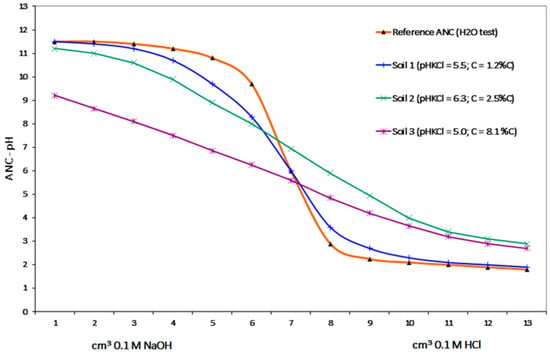
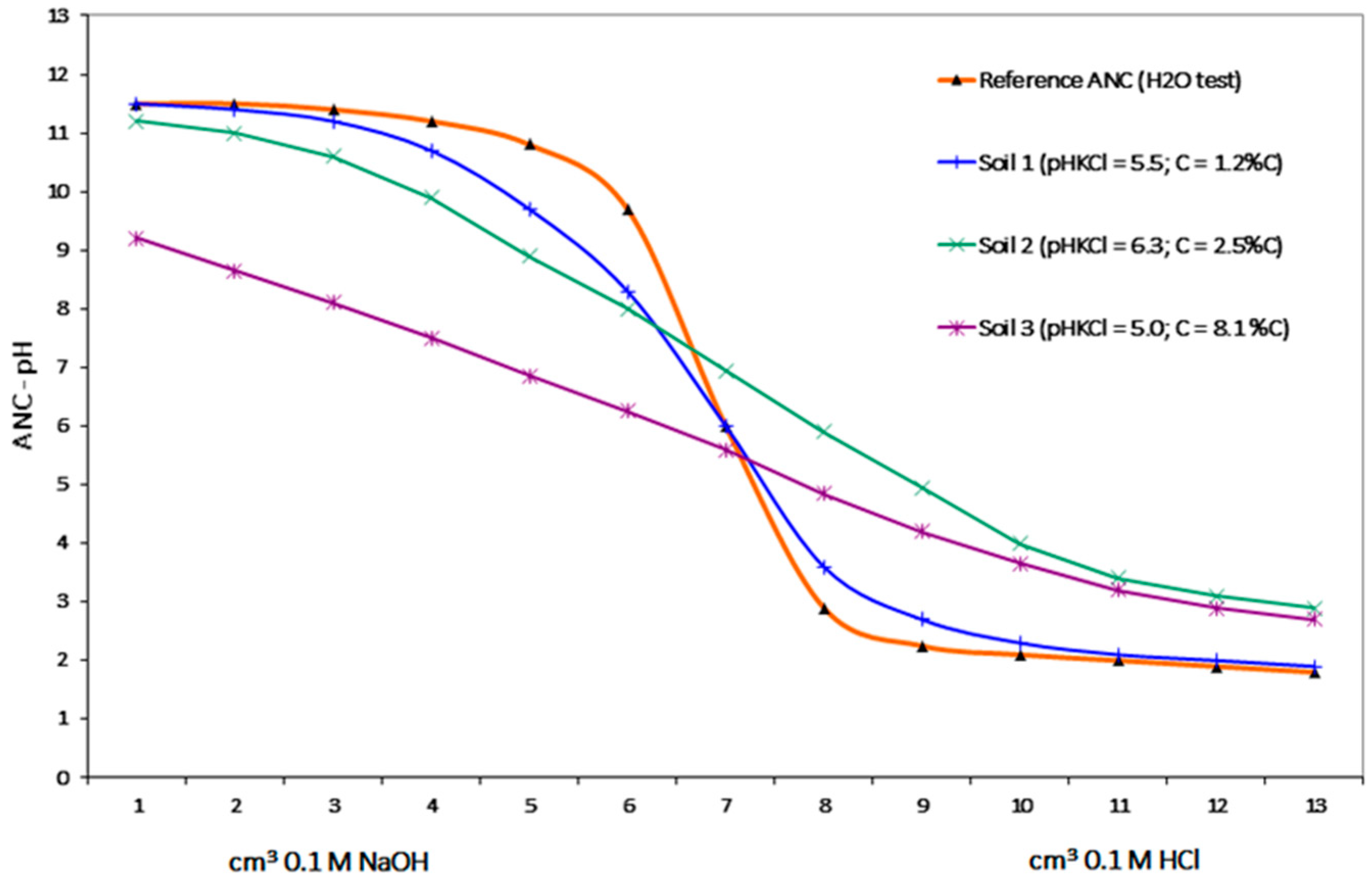
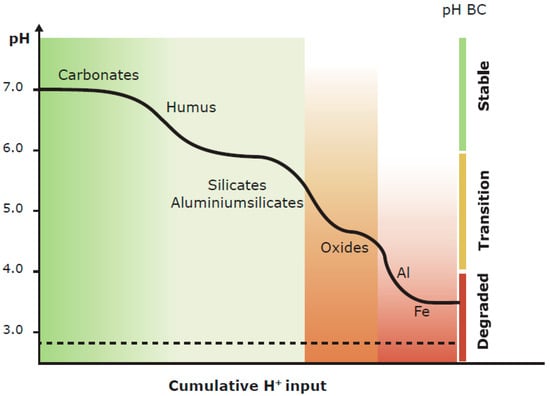
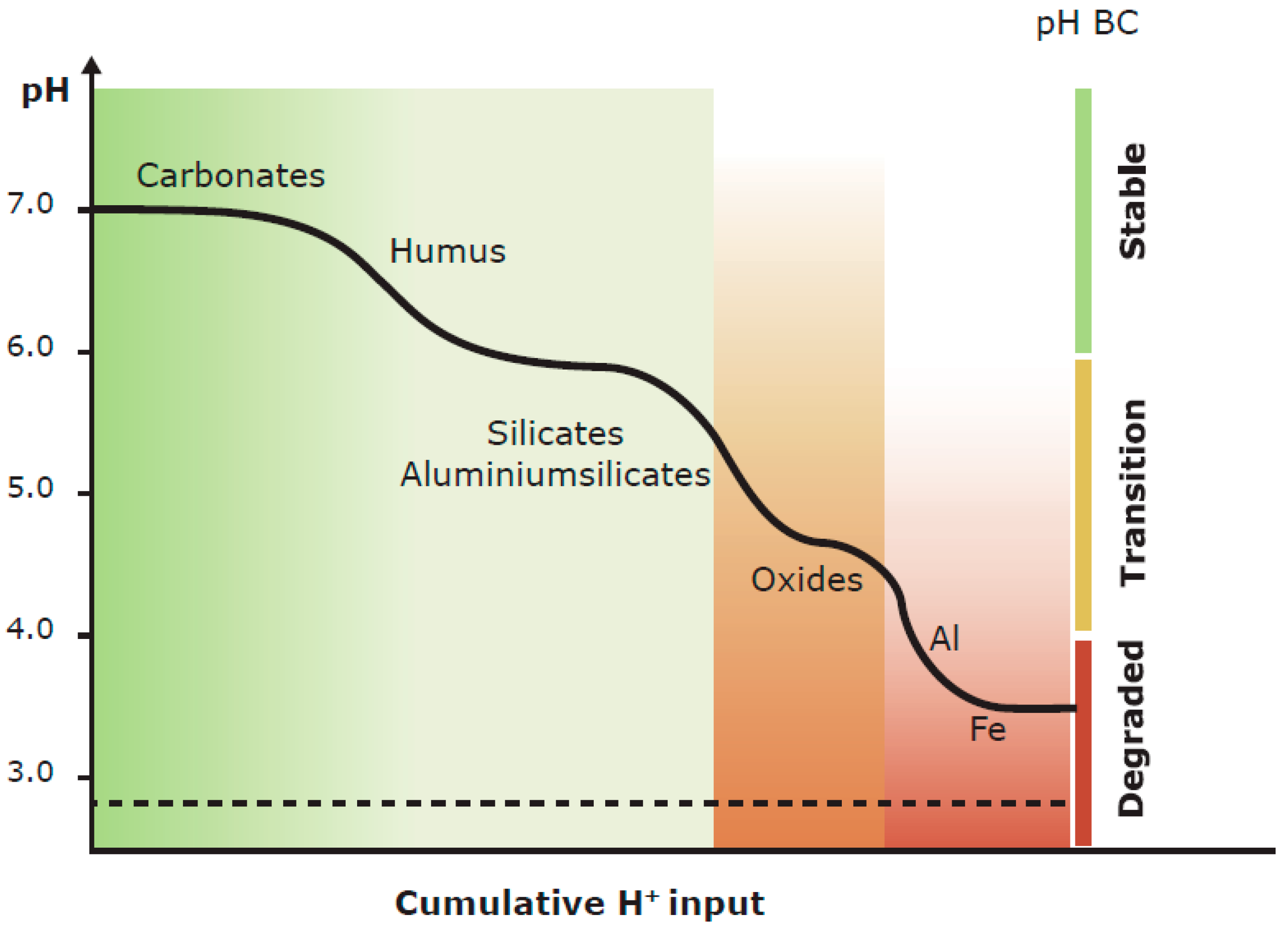
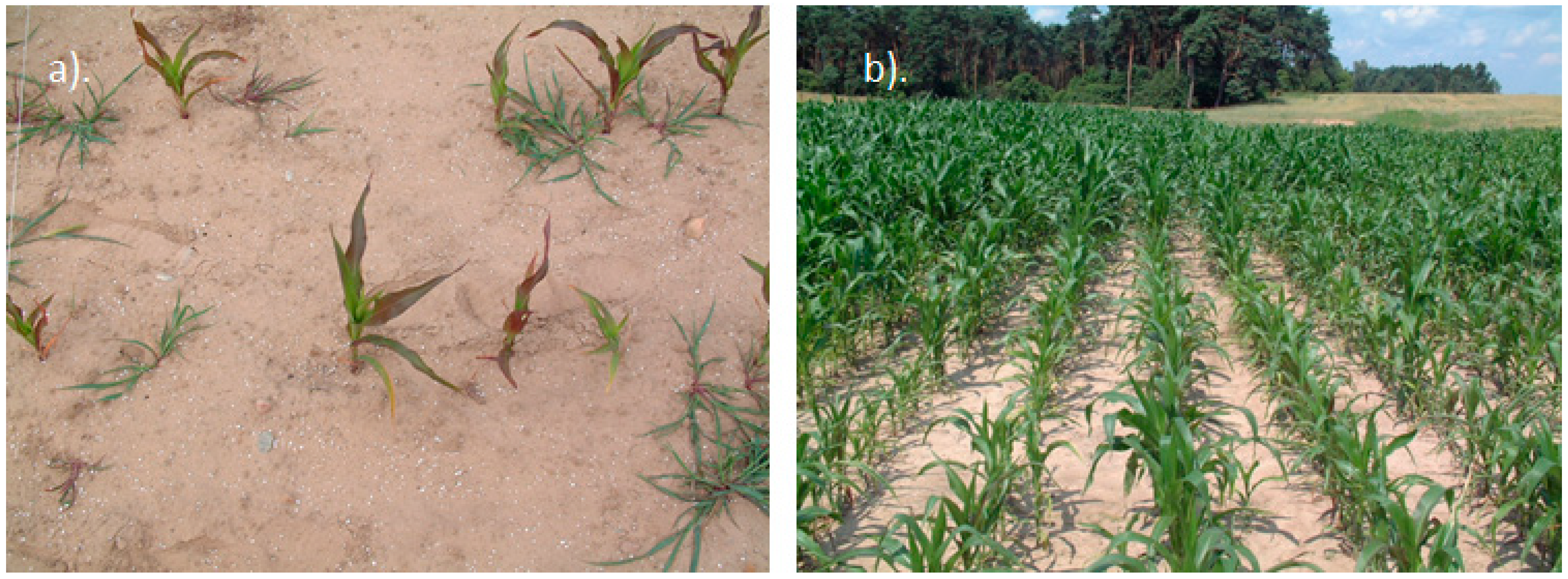
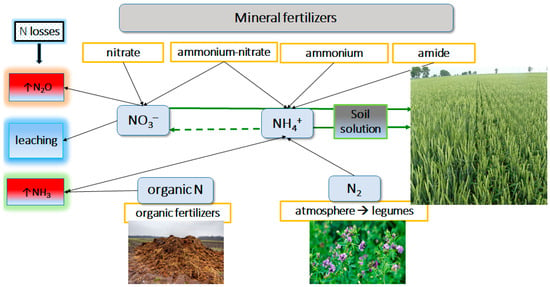
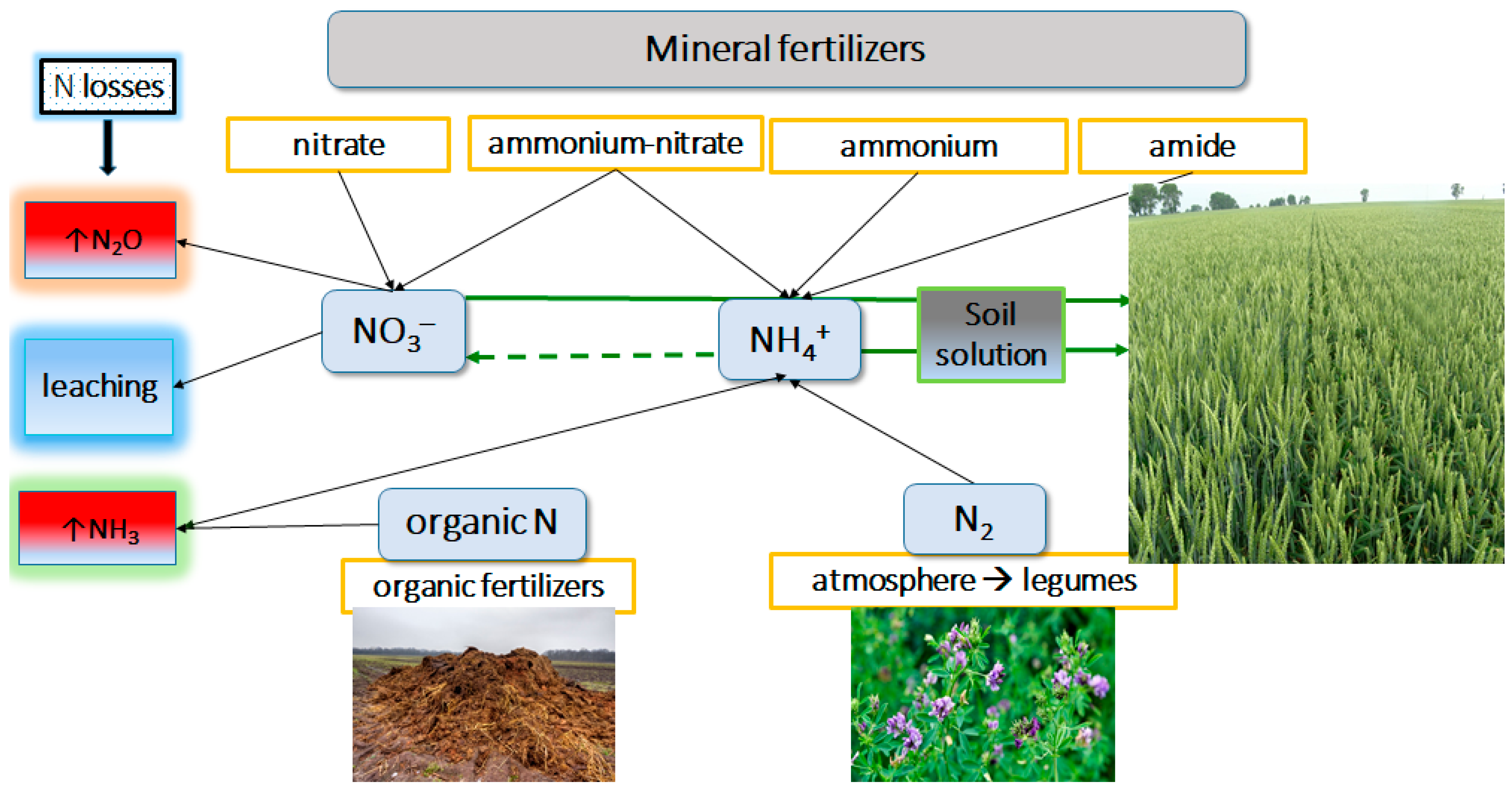
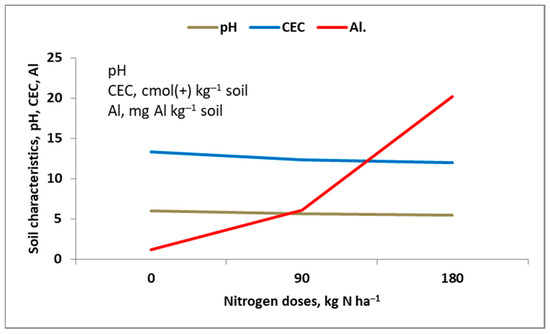
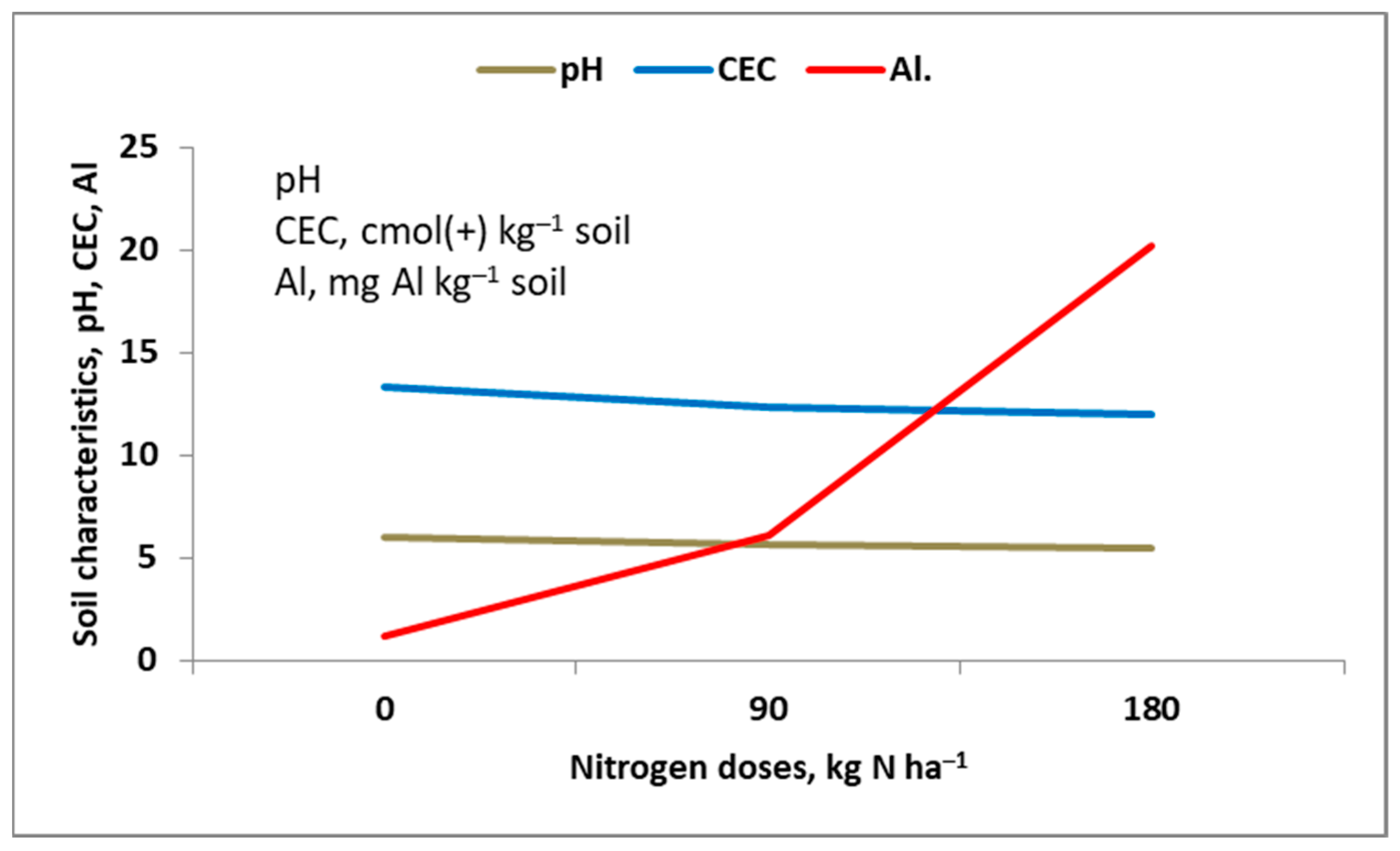
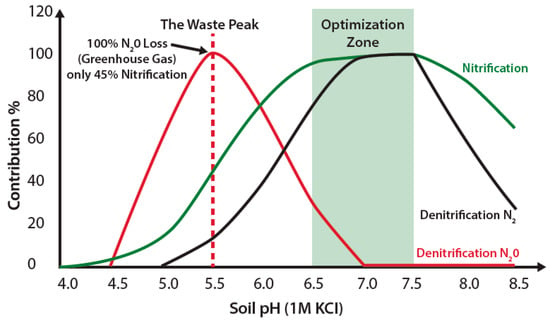
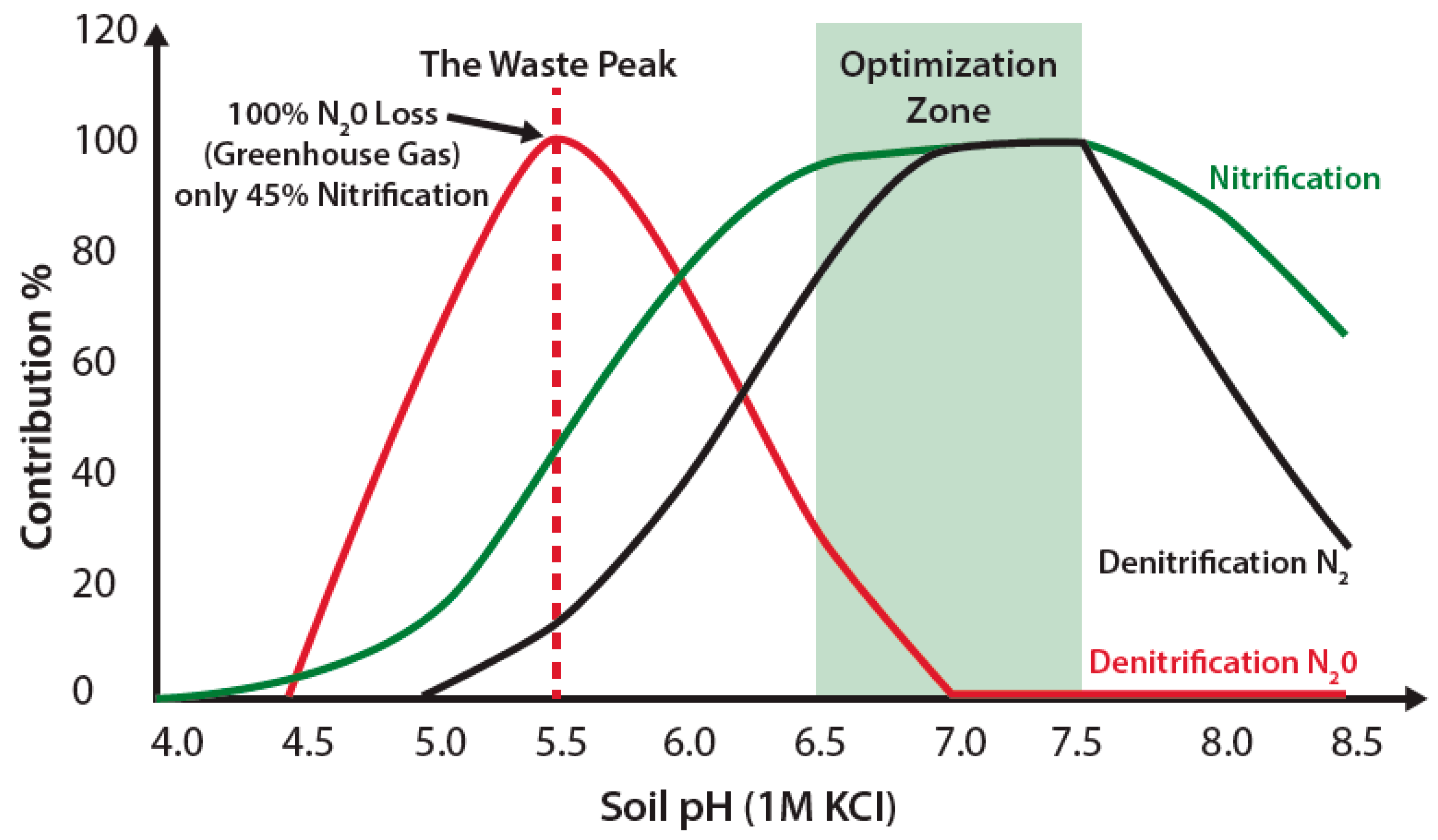
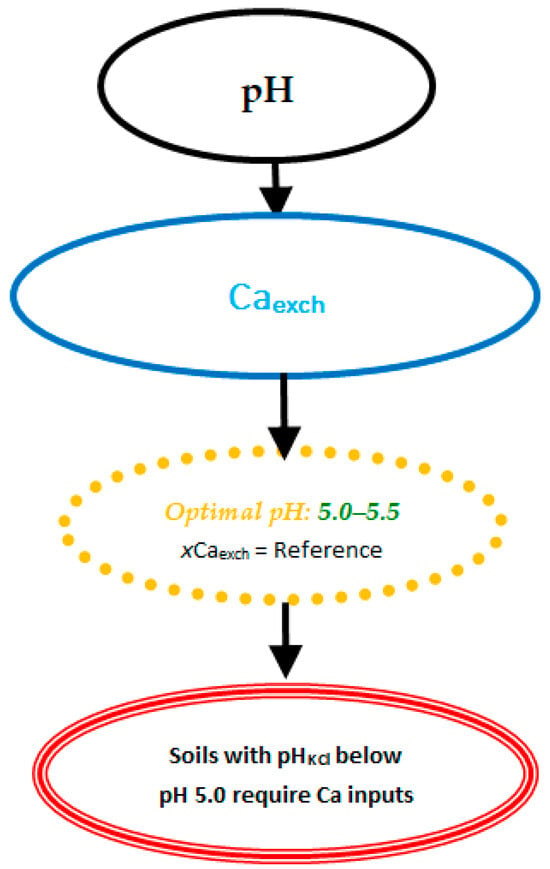
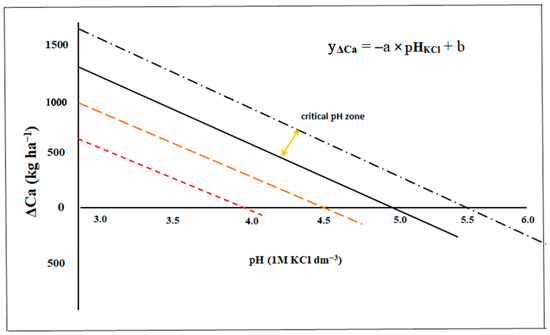
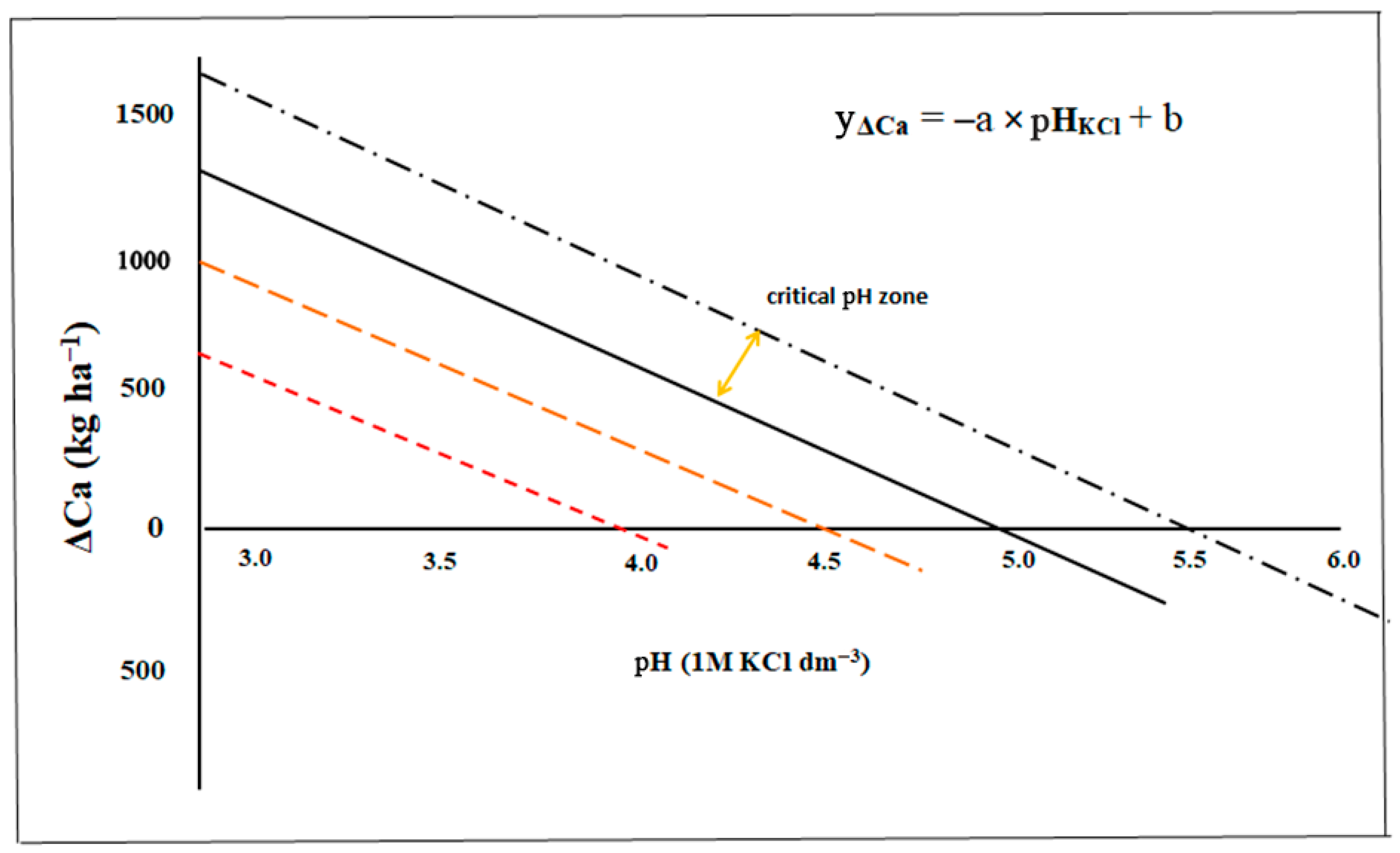
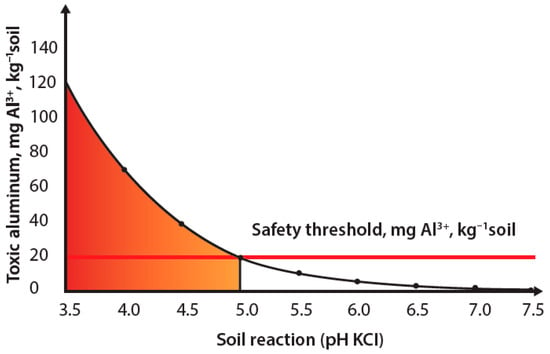
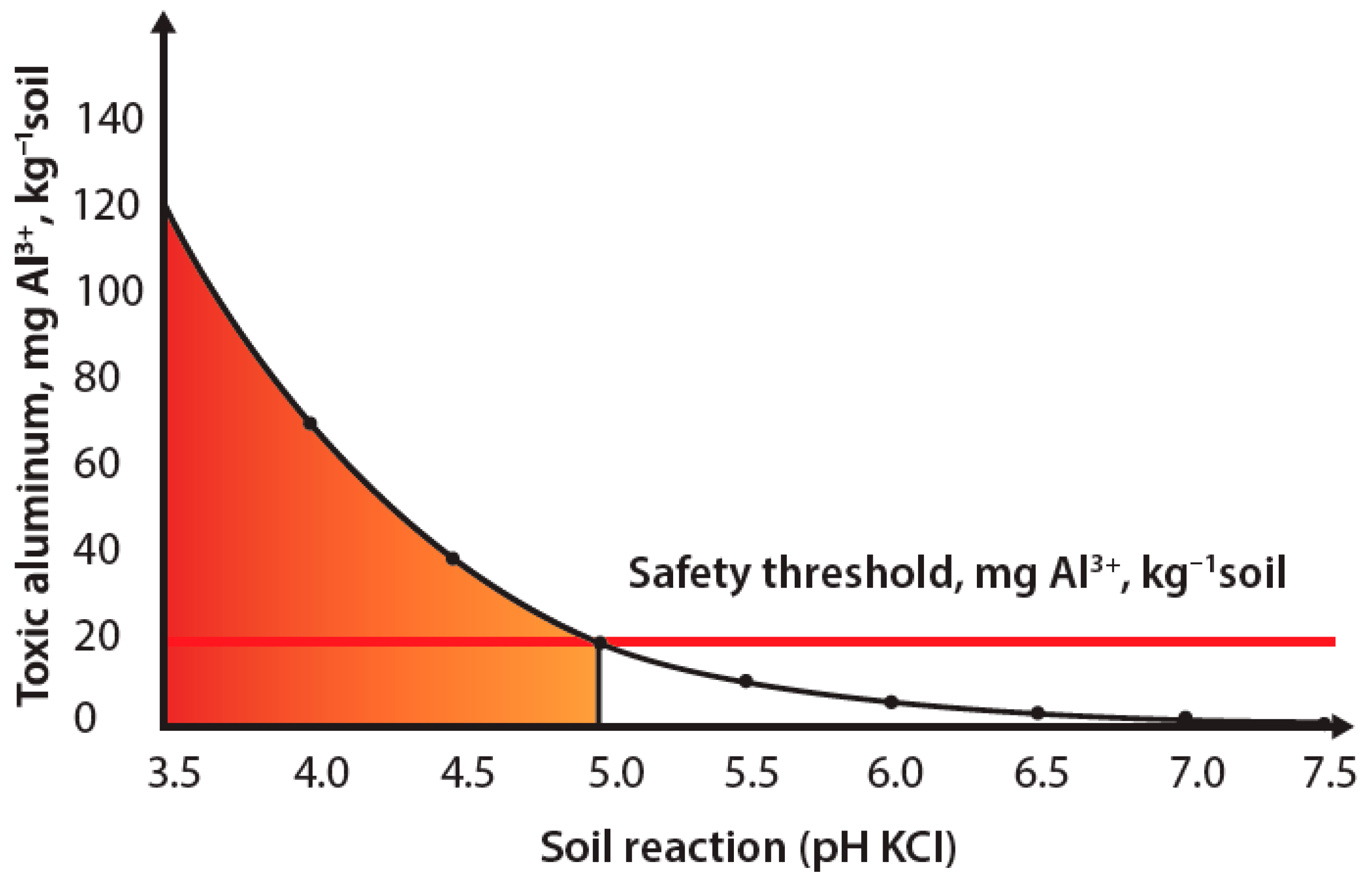
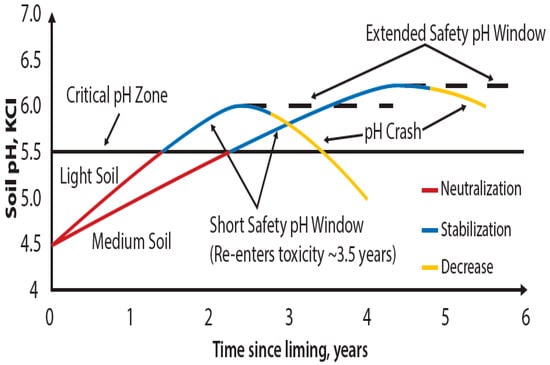
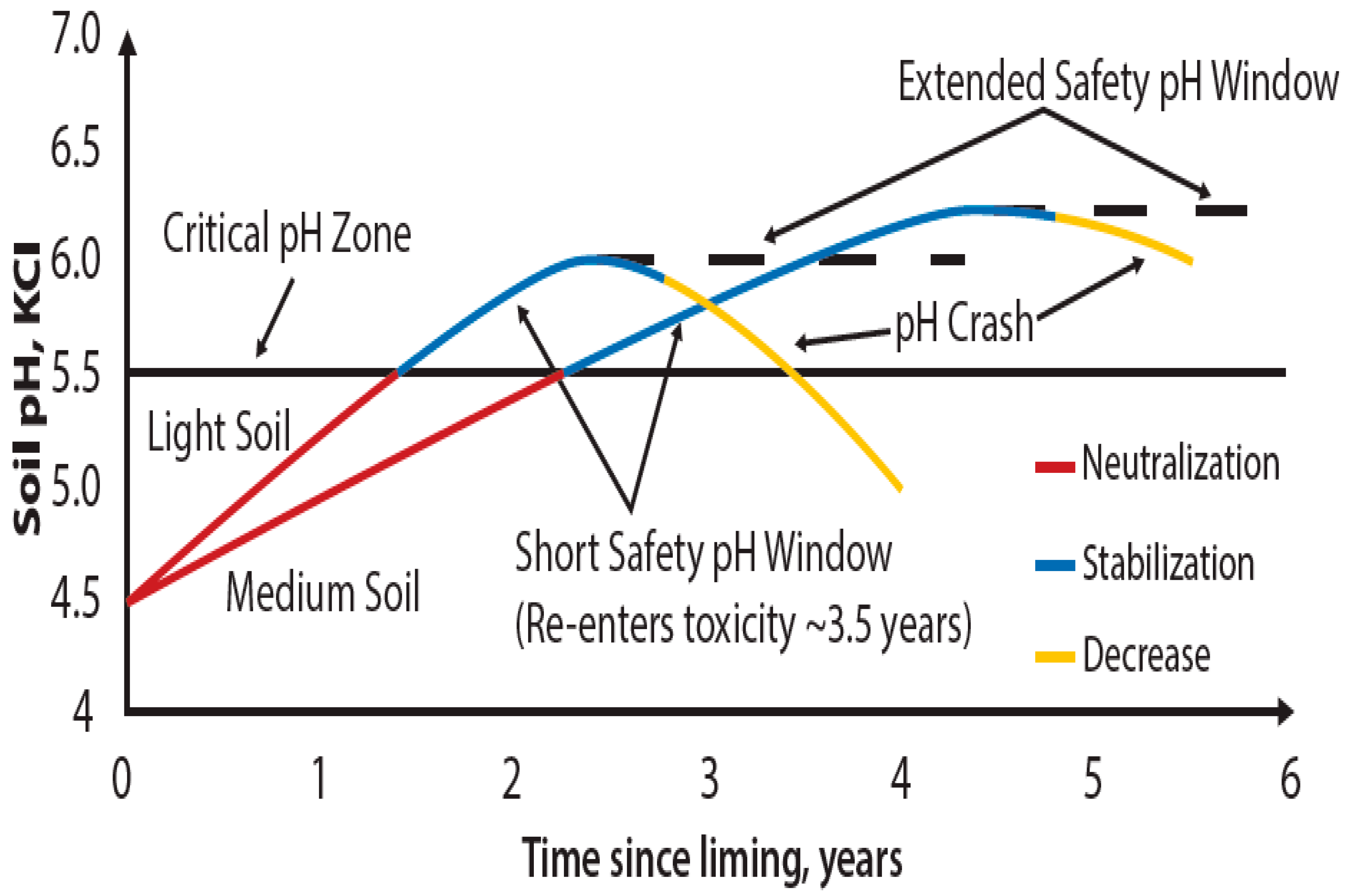

Disclaimer/Publisher’s Note: The statements, opinions and data contained in all publications are solely those of the individual author(s) and contributor(s) and not of MDPI and/or the editor(s). MDPI and/or the editor(s) disclaim responsibility for any injury to people or property resulting from any ideas, methods, instructions or products referred to in the content. |
© 2026 by the authors. Licensee MDPI, Basel, Switzerland. This article is an open access article distributed under the terms and conditions of the Creative Commons Attribution (CC BY) license.