


Abstract
Reducing dependency on chemical pesticides is a core ambition of the European Green Deal, yet adoption of low-input practices remains uneven. This systematic review synthesizes evidence on the behavioural determinants of European farmers’ knowledge, attitudes, and practices (KAP) regarding sustainable pesticide use and evaluates the role of digital tools in facilitating Integrated Pest Management (IPM). Following PRISMA 2020 guidelines, we analysed 65 peer-reviewed articles published between 2011 and 2025, which were identified through Scopus and Web of Science. The synthesis reveals that while pro-environmental attitudes drive the intention to change, actual behaviour is frequently inhibited by loss aversion, ‘clean field’ social norms, and perceived economic risks. Digital tools—specifically Decision Support Systems (DSSs) and precision technologies—demonstrate technical potential to reduce pesticide loads but are constrained by the same behavioural barriers: a lack of trust in models, perceived complexity, and costs. Consequently, we propose a Psycho-Digital Integration Framework which posits that digital innovation acts as a catalyst only when embedded in systemic enablers—specifically green insurance schemes and independent advisory networks. These mechanisms are critical to redistribute perceived agricultural risk and bridge the gap between technical potential and behavioral adoption.
1. Introduction
The perception of pesticides has not followed a linear path from Silent Spring to the present day. Rather, it has generated a complex dynamic of divergent pressures between the imperative for pest control and the environmental and social costs of their use [1,2]. These tensions are particularly evident in the European agricultural sector, where farmers face the dual challenges of maintaining economic profitability while adhering to increasingly stringent environmental and public health standards. Consequently, it is no longer possible to consider productivity as an isolated variable. Rather, it must be recontextualised as an integral part of overall resource management and sustainable development strategies [3,4,5,6]. Globally, pests and pathogens are responsible for annual losses of 20–40% of agricultural production [7], and pesticide consumption reached approximately 3.7 million tons in 2022 [8]. These data confirm the existence of a structural tension between yield requirements and environmental imperatives. This tension is sought to be mitigated by public policies through a focus on low-risk practices and tools. However, it is imperative to emphasise the necessity of rigorous evaluation in order to ensure that the effectiveness of these tools is comparable to that of conventional solutions [9,10,11]. The extensive utilisation of plant protection products (PPPs) engenders considerable externalities, encompassing a broad spectrum of environmental concerns. These include, but are not limited to, soil and water contamination, the repercussions of agricultural inputs on greenhouse gas emissions [12], biodiversity loss, and the acute and chronic risks to the health of agricultural workers and consumers [3,4,6]. Nevertheless, for the majority of farmers, pesticides remain an indispensable tool. Without effective pest control, financial losses directly impact their income and the capacity of the agri-food sector to provide stable and consistent volumes of food, with immediate consequences for food security [5,7,8]. The present discourse does not pertain to the complete elimination of PPPs; rather, it is concerned with the reduction in their utilisation and the attendant risks, thereby ensuring that environmental protection is compatible with the economic viability of farms. Against this background, solutions aimed at reducing use and risk, including IPM and digital decision support tools, are becoming imperative for European farmers. To ensure terminological clarity, this review distinguishes between three categories of technological interventions. ‘Digital tools’ serve as an umbrella term encompassing all software and hardware solutions used for farm management, including farm management information systems and rule-based DSSs. ‘Precision technologies’ refer specifically to hardware capable of site-specific application, such as Variable-Rate Technology sprayers, IoT sensor networks, and autonomous robots. Finally, ‘AI-enabled tools’ are defined as systems that transcend static rules by employing Machine Learning, Computer Vision, or Deep Learning algorithms to perform predictive analytics, pest diagnostics, or autonomous decision-making.
In Europe, the regulatory framework for the sustainable use of PPPs is delineated by Directive 2009/128/EC (SUD) and the subsequent Farm to Fork and Biodiversity 2030 strategies. The withdrawal in 2024 of the proposal for a Regulation on the sustainable use of pesticides maintains the SUD as the primary regulatory instrument. Consequently, the focus is shifting from the development of new targets to the effective implementation of existing rules in Member States [13]. The European Commission employs Harmonized Risk Indicators (HRI) to facilitate the monitoring of progress. Recent reports indicate a structural divergence. While HRI1 (overall risk based on weighted volumes), shows a steady decline driven by the withdrawals, HRI2 (emergency authorisations) remains volatile. This instability in HRI2 signifies that, in the absence of viable alternatives, Member States continue to resort to legislative derogations in order to manage local phytosanitary pressures [14,15]. Furthermore, the relationship between pesticide volume and associated risk is not linear; indicators that include hazard or toxicity criteria can significantly alter the picture compared to strictly quantitative indicators, with direct effects on policy interpretation [16]. For farmers, these discrepancies in risk assessment often result in equivocal indications regarding the practical implementation of “sustainable” pesticide usage at the farm level.
In the absence of clear political signals, the responsibility for operationalising sustainability falls on farmers, for whom IPM remains the only viable technical pillar provided for by SUD, based on prevention, monitoring, economic thresholds, targeted application, rotations, and resistance management [17,18]. Despite its formal mandatory status, the implementation of IPM remains uneven across Europe. Nordic countries have established comprehensive advisory and monitoring systems, resulting in the consistent adoption of these practices [19,20]. In contrast, the implementation in Central and Eastern Europe is influenced by various factors, including farmers’ motivation, their technical proficiency, and the institutional capacity of respective states [21,22]. In addition to regulatory requirements, a genuine transition to effective IPM necessitates ongoing collaboration between research, advisory services, and farmers. This collaboration should be capable of facilitating knowledge exchange and applied learning [17]. The quality of this collaboration and advisory services exerts a direct influence on farmers’ knowledge, attitudes, and practices regarding pesticide use and IPM adoption.
Existing literature confirms that a complex mix of structural constraints and behavioural drivers governs how farmers approach chemical crop protection. According to the Theory of Planned Behaviour (TPB), decisions regarding the utilisation of pesticide treatments are the consequence of the interplay among attitudes, social norms, and perceived behavioural control. These factors collectively influence intentions to employ specific pesticide treatments. The transition from intentions to actual pesticide reduction behaviours is determined by a number of key factors, including perceived risk of loss, economic constraints and institutional constraints [23,24,25,26]. European evidence demonstrates that pro-environmental attitudes and perceptions of health benefits increase the likelihood of adopting low-input systems [27]. Meanwhile, the expectation that plots should be permanently weed-free and show no signs of infestation as a sign of good management, together with market pressure and risk aversion, maintain high treatment frequencies [28,29]. The results of these studies delineate a series of KAP determinants that are unique to European farmers. These determinants reveal a coexistence of environmental concerns with professional norms and economic constraints that give rise to treatment intensity.
In this context, the utilisation of digitisation and artificial intelligence-based applications holds great promise in enhancing the precision of protection measures, whilst concurrently reducing the consumption of pesticides and other chemical inputs. For the purposes of this review, the term “digital tools” is understood to encompass decision support systems based on local rules and data, sensors or electronic traps and monitoring platforms, as well as precision application technologies. The term “AI-enabled” is employed to denote the utilisation of machine learning or computer vision for the purposes of detection, forecasting, and recommendations. Field evaluations have indicated a reduction in treatment frequency and treated area in specific crops and soil and climate contexts when decisions are guided by locally calibrated DSSs in combination with IPM measures [30,31,32,33]. However, the widespread adoption of these technologies is constrained by various factors, including costs, interoperability challenges, digital skills gaps, and pervasive mistrust in models and data, as highlighted by recent participatory studies [34,35,36,37]. For farmers, the challenges are not only technical but also economic: if digital systems and AI-based tools do not provide reliable, intelligible recommendations tailored to the farm context, the perceived risk of losing production or failing to meet quality standards remains too high to justify changing practices. It is evident that digital tools have the capacity to mitigate the cognitive demands associated with the implementation of IPM. However, the efficacy of these tools is contingent not solely on their technical performance but also on their seamless integration into farmers’ existing knowledge, attitudes and practices, particularly with regard to their level of trust, digital literacy, and their capacity to interpret risk [34,35,36,37].
A significant proportion of extant literature addresses the two pillars of transition separately: the behavioural determinants of pesticide reduction (KAP studies, TPB models) and the technical performance of digital and precision technologies. Despite the valuable conceptual frameworks linking behavioural and technological factors at the macro level that have been proposed by recent syntheses [38,39], there is still a paucity of systematic analysis of the specific mechanisms through which digital tools interact with KAP components at the farm level. While recent reviews in Sensors and Agronomy have established the architectural viability of Digital Twins [40], Field Robots [41], and Climate-Smart strategies [42], these technological syntheses often treat adoption as a logical inevitability derived from engineering efficiency. However, the transition from ‘technologically possible’ to ‘agronomically practiced’ remains stalled. This paper extends the current body of knowledge by explicitly integrating these ‘hard’ technical advancements with the ‘soft’ behavioural dimensions of risk perception and trust. We argue that while the technological ecosystem—ranging from IoT optimization [43] to data privacy frameworks [44]—is increasingly mature, the psychological compatibility remains the bottleneck, necessitating a Psycho-Digital framework to bridge the gap. This review addresses this gap by investigating the direct interface between farmer decision-making and digital support.
The analysis that follows will address two fundamental questions: (1) What factors influence the level of knowledge, attitudes, and practices of farmers in Europe regarding the sustainable use of pesticides? (2) How do digital tools and AI solutions interact with these dimensions of KAP to facilitate IPM adoption and risk reduction? In addressing these inquiries, the article makes three primary contributions: (i) the study delineates and compares KAP determinants in different European production systems and institutional contexts, with a focus on how farmers balance crop protection with health and environmental protection.; (ii) it synthesises evidence on the implications of DSS, sensors, and precision application technologies on treatment frequency, treated area, and usage or risk indicators, along with barriers to adoption related to costs, skills, and trust in data and models; (iii) finally, it integrates behavioural and technological dimensions into a conceptual synthesis that connects farmers’ decisions with European policy objectives. In the ensuing sections, the methodology employed is presented, in addition to the results for Q1 and Q2, and the implications for both practice and public policy.
2. Materials and Methods
2.1. Protocol and Eligibility Criteria
The present review was conducted in accordance with the guidelines of PRISMA 2020 (Preferred Reporting Items for Systematic Reviews and Meta-Analyses) [45]. The objectives of this study are twofold: firstly, to identify the determinants of European farmers’ knowledge, attitudes, and practices regarding the sustainable use of pesticides; and secondly, to assess the role of digital tools and AI in reducing the risks associated with pesticides and supporting IPM decisions. The inclusion criteria were defined following the PICOS framework. Studies that cumulatively met the following conditions were eligible: (i) Population: farmers or farm managers in EU Member States and non-EU European countries (including farm-level analyses); (ii) Intervention/phenomenon of interest: use of PPPs or adoption of IPM, including a behavioural dimension or digital/AI component; (iii) Comparator: with or without a control group (including comparative and descriptive studies); (iv) Results: empirical data on decisions, practices, intentions or usage behaviours; (v) Study design: empirical research (quantitative, qualitative or mixed methods) or systematic reviews with transparent methodology and published in English in a peer-reviewed journal. The following studies were excluded from the analysis: those conducted in non-European contexts; those without direct relevance to PPPs/IPM; documents that did not report primary data or clear secondary analyses (editorials, opinions, conference abstracts); and articles with inaccessible full text. The time frame selected for analysis was from January 2011 to November 2025, with the objective of capturing literature published subsequent to the entry into force and effective implementation of the SUD.
2.2. Sources of Information and Search Strategy
A comprehensive search was conducted in the Scopus and Web of Science Core Collection databases, recognised for their extensive coverage of agricultural and social science literature. The search strategy employed two distinct query strings, which were calibrated for the two research directions (KAP–IPM/PPP and Digital/AI–IPM/PPP) using Boolean operators and proximity terms. The complete set of strings is documented in the Supplementary Material (S1). The final search and snowballing process were completed on 12 November 2025.
2.3. Study Selection and Data Extraction
The identified records were automatically exported and deduplicated in Mendeley, then imported into the Rayyan application for screening [46]. The selection process was conducted in two successive stages: (1) the initial step in the process is the screening of titles and abstracts, which is based on exclusion criteria E1–E8; (2) following this, a full-text assessment is conducted for articles that were deemed eligible. The selection was performed in accordance with a predetermined protocol, and to ensure consistency in the application of the selection criteria, articles with uncertain status were re-evaluated and resolved by consensus among the team of authors. The complete selection flow is illustrated in the PRISMA diagram (Figure 1). For the included studies, data were extracted in a standardised format (Excel), which included the following details: bibliographic metadata, population and farm characteristics, study design, KAP/digital methodology, and main results associated with Q1 and Q2. A synthesised representation of these data is presented in Table A1 (Appendix A).
Figure 1.
Flow chart indicating the number of articles hits during the literature review process, paper identification, and data extraction. Source: Developed by the authors following PRISMA 2020 guidelines.
2.4. Quality Assessment and Data Synthesis
In consideration of the methodological heterogeneity of the corpus, which comprises a combination of quantitative, qualitative, and experimental studies, the implementation of a unified metric scale to assess bias risk is deemed inappropriate. Instead, a critical assessment of the methodological limitations of each included study was performed, with the clarity of sampling and the validity of measurement instruments being documented. These characteristics were integrated into the narrative interpretation of the results, with the conclusions being weighted according to methodological robustness. The synthesis of data followed a narrative-thematic approach. Initially, the studies were coded on the KAP/TPB and Digital/AI axes and then aggregated into emerging sub-themes. In order to analyse trends in the selected literature, a bibliometric co-occurrence map of terms was generated using VOSviewer (version 1.6.20) (Figure 2). Quantitative results are reported in the context of this study, with the aim of avoiding statistical aggregation due to the diversity of agronomic contexts.
Figure 2.
VOSviewer keyword co-occurrence map of the included articles. Source: Generated by the authors using the VOSviewer software (version 1.6.20).
3. Results
The qualitative synthesis incorporates a total of 65 studies, which were selected following a thorough evaluation of 183 articles deemed to be relevant. Table A1 (Appendix A) provides a detailed exposition of the methodological characteristics inherent to each study. The corpus under scrutiny here encompasses a variety of European agronomic contexts, ranging from extensive cereal systems in France and Poland to intensive high-value crops (viticulture, orchards, and greenhouses) in the Mediterranean region and the Netherlands. From the perspective of research questions, the analysis reveals a clear thematic distribution: approximately 65% of studies investigate behavioural determinants (Q1), while 35% evaluate the performance and adoption of digital tools (Q2). The bibliometric analysis of term co-occurrence (Figure 2) lends further support to this hypothesis, highlighting a central cluster dominated by “IPM” and “pesticides,” flanked by a behavioural cluster (“attitude,” “planned behaviour”) and a technological cluster (“precision agriculture,” “DSS”). This thematic structure suggests an increasingly close integration between behavioral sciences and agronomy.
3.1. KAP Determinants of Sustainable Pesticide Use (Q1)
3.1.1. Attitudes, Risk Perceptions, and Behavioral Frameworks
A considerable body of research on attitudes and risk perceptions has reached a consensus that decisions on pesticide application are more strongly governed by fear of loss, social norms, and relationships with advisors than by formal knowledge of integrated pest management. Qualitative analyses from the United Kingdom and France [47,48] describe farmers for whom fungicides and insecticides are considered the “safe option,” applied in accordance with accumulated experience and agronomists’ advice, while formal IPM plans play a secondary role.
This phenomenon is influenced by a combination of normative and moral factors. As Mzoughi [49] demonstrates, moral concerns and pro-environmental social norms have been shown to increase the likelihood of adopting integrated protection and organic farming, even beyond strictly economic calculations. However, as demonstrated by studies on transitions to agroecological and pesticide-free systems in the Mediterranean context, sustainable change requires not only technical adjustments but also a reconfiguration of representations of “control” and the role of the farmer [50,51,52,53].
As demonstrated by quantitative models based on the Theory of Planned Behaviour and the Reasoned Action Approach, attitudes, norms and perceived behavioural control have been shown to be positive predictors of the intention to reduce pesticides. However, the perceived risk of economic losses has been identified as a major impediment. For instance, within the Greek agricultural sector, farmers frequently implement a high volume of treatments, often without reference to economic thresholds. Decisions are predominantly influenced by fear of losses and mistrust of alternative solutions. Consequently, efficacy and price remain the primary criteria, while environmental and health toxicity is seldom considered [23,24,54]. In a similar way, in Serbia, although a pro-IPM attitude exerts the strongest positive effect on intention, there is a disconnection between knowledge and practice, with the use of personal protective equipment and waste management remaining inadequate [22,55].
Another type of dissonance between intention and action has been documented in advanced arable systems in Scotland. As Stetkiewicz et al. [56,57] observe, the phenomenon of “contractual lock-in” is of significance in this context. Despite farmers’ positive attitudes towards IPM and high levels of education, the actual adoption of resistant varieties is limited by strict industry quality requirements (e.g., malting barley), which impose the use of sensitive varieties and thus maintain dependence on fungicides, despite the farmer’s agronomic preference. This demonstrates that a pro-environmental attitude cannot be translated into practice in the absence of value chain alignment.
Conversely, research conducted in Western Europe, with a particular focus on the cereal and wine sectors, underscores the pivotal role of environmental and health perceptions. For instance, Finger and Möhring [27] provide evidence that Swiss farmers associating high risks with chemical use show a significantly stronger propensity to implement pesticide-free strategies in wheat farming. However, a critical nuance is provided by Möhring et al. [16,58], who demonstrate that farmers with a high risk aversion tend to reduce the volumes applied but compensate by using pesticides with higher toxicity. This phenomenon results in the underestimation of actual risks by simple quantitative indicators, such as total volume used. Research conducted in the Netherlands [25,26] has underscored the pivotal influence of descriptive norms (the actions of others) on reduction intentions. This research also highlights the heterogeneity among farmer segments: younger farmers who possess higher levels of education and who exhibit less financial dependence on agriculture tend to be more receptive to change.
Beyond immediate financial risks, perceptions of ecological benefits (biodiversity, ecosystem services) have been shown to significantly influence openness to IPM. A multi-country study by Zhang et al. [28] demonstrates that, despite the lower perceived importance of natural pest control in comparison to pollination, the perceived value of this service is the strongest predictor of the adoption of habitats for natural predators. In the aforementioned study, it was established that the perception of significant crop damage and elevated agricultural income are concomitant with an augmented probability of insecticide utilisation. This phenomenon is also evident in Hungary, where while there is a degree of interest in pollinator protection, there remains a high level of dependence on chemicals [29].
With regard to the available alternatives, research conducted on low-risk products and biopesticides has demonstrated that perceptions of the effectiveness of conventional pesticides and health risks are predictive of willingness to replace them [21]. Moreover, the alignment of demand (consumers willing to pay a premium price for healthy food) and supply (producers aware of socio-ecological risks) can engender the conditions for a transition [59].
Conceptual syntheses [38,60] rearrange these results, highlighting the role of practical knowledge, attitudes, social norms, and trust. However, they also highlight the importance of commercial pressures and perceived costs as dominant barriers that maintain dependence on herbicides and other pesticides.
The included studies demonstrate a behavioural paradox, whereby knowledge regarding IPM and pesticide risks is frequently adequate, yet concrete decisions are influenced by perceptions of economic risk and social norms. The logic of “clean fields” and the fear of losses result in high treatment frequencies [23,25,26,27,38].
3.1.2. Structural, Economic, and Policy Factors
The configuration of farms and the design of public policies delimit the “space of possibility” for pesticide reduction, but the relationship between these factors is not linear. At the macro level, econometric analyses of the Common Agricultural Policy (CAP) reveal an intrinsic contradiction. On the one hand, subsidies under Pillar I have been found to be associated with increased pesticide expenditure. In contrast, payments under Pillar II have been found to correlate with reduced pesticide use. However, it is important to note that insurance schemes introduce a critical nuance to this issue. The function of these mechanisms is to serve as a financial safety net, and paradoxically, they may encourage the intensification of input use in order to maximise production [58,60].
Contrary to the perception that reducing pesticides undermines profitability, data from the DEPHY network (France) show that economic losses are not inevitable. Through diversified crop rotations and the integration of livestock farming, integrated systems can achieve an optimal balance between economic performance and a significant reduction in the treatment frequency index (TFI) [48,61,62]. However, the adoption of these practices critically depends on economic incentives. Experiments in Denmark show that farmers’ willingness to create pesticide-free buffer zones is directly influenced by the level of financial compensation and contractual flexibility [63], and in the Netherlands, voluntary programs are only successful when the measures have low costs and clear benefits (e.g., spray drift reduction), while complex instruments (DSS) are ignored [64].
The effectiveness of coercive regulations is also nuanced. The Norwegian case, regarded as quasi-experimental in terms of the implementation of SUD, demonstrates that mandatory regulations can enhance the formal adoption of IPM, driven by compliance and resistance management. However, these regulations do not induce significant alterations in perceptions of profitability [19,20]. Furthermore, the adoption of advanced strategies is only recommended when farmers have a comprehensive understanding of the environmental risks they face. In the absence of this understanding, economic principles of income maximisation tend to prevail [32,65].
In Central and Eastern Europe, the dual agricultural structure further complicates this picture. In Poland, the implementation of IPM has revealed a paradox: the reduction in use has been concentrated in small farms, while large farms have maintained or increased their consumption. More seriously, the knowledge gap and the low accuracy of pathogen identification indicate a superficial application of the concept, limited by structural barriers [66,67].
As summarised by Finger et al. [39], the existing tensions can be encapsulated within the “sustainable crop protection” framework. The authors argue that policies which are exclusively focused on volume or on the adoption of single measures are likely to be unsuccessful. The successful implementation of real adoption is contingent upon a confluence of factors, including technical and economic properties, market dynamics, the prevailing political context, and behavioural aspects. This necessitates a holistic approach to ensure the attainment of risk reduction targets.
3.1.3. Social Networks, Advisory Services, and Multi-Actor Governance
The adoption of IPM is not an isolated decision-making process; rather, it is the result of social and epistemic negotiation. At the micro level, Ilbery et al. [47] define pesticide application (especially fungicides) as the result of a complex interaction between farmer and agronomist, based on varying degrees of trust and professional dependence. This dynamic is significantly influenced by the strategic orientation of the farm. In the context of Dutch horticulture, farmers who are entrepreneurial and oriented towards premium and export markets, as well as those who are connected to independent advisors, demonstrate a higher level of willingness to adopt complex innovations, such as the “New Cultivation Concept,” in contrast to those who are exclusively focused on cost reduction [68].
Beyond the dual relationship, the architecture of social networks exerts a significant influence on the nature of innovation. In Burgundy, the presence of dense professional networks, or ‘bonding’, has been shown to facilitate gradual optimisation of integrated crop protection [69]. In contrast, radical innovations, such as no-tillage, are often introduced by ‘peripheral’ farmers who are oriented towards external private actors. The dissemination of accurate information through these networks is of paramount importance. Research conducted in the United Kingdom and Ireland has demonstrated a significant positive correlation between high IPM scores and the utilisation of independent advisors or engagement in discussion groups. Conversely, dependence on commercial sources, limited farm size, and time constraints are identified as significant barriers to knowledge update [70,71,72].
The transition from farm optimisation to the protection of common goods (e.g., water quality) necessitates multi-stakeholder governance and territorial cooperation. Projects that are oriented towards the reduction in diffuse pollution have demonstrated that success is contingent upon a combination of incentives and participatory design. In East Anglia, the voluntary substitution of metaldehyde was successful, facilitated by financial support and perceived effectiveness [73]. However, complex initiatives (e.g., the WaterProtect project and workshops in Italy) face structural barriers: excessive bureaucracy, lack of concrete feedback on water quality, and low risk awareness in contexts such as Romania [74,75,76]. Whilst the collaborative design of IPM strategies (for example, in southwestern France) has been demonstrated to reduce treatment rates, farmers often perceive this transition as risky and therefore prefer to conduct cautious testing on a small scale [77].
The management of ecosystem services at the landscape level is of particular significance in the context of perennial systems, as it represents the highest level of complexity. In this context, the concept of governance encounters divergent perceptions. In the orchards of Tarn-et-Garonne, vertical integration of the value chain favours individual solutions (e.g., nets and inputs), and semi-natural habitats are viewed with suspicion as sources of pests rather than as biocontrol resources [78]. Conversely, organic apple farmers, driven by concerns over their social image and soil benefits, adopt functional biodiversity techniques. However, this behaviour is contingent on intensive training and access to resistant varieties [79].
3.1.4. Production Systems and Transitions to Low-Input and Pesticide-Free Agriculture
The transition from conventional protection measures to low-input or pesticide-free systems necessitates a paradigm shift from a curative control approach to systemic prevention. In the context of arable crops in France, the DEPHY network studies have demonstrated that the redesign of the system (through diversified rotations, integration of animal husbandry, and reduced doses) enables substantial reductions in TFI while maintaining competitive levels [48,61,62]. This logic of redesign also applies to perennial crops, albeit with different variables. In viticulture in Trento and Switzerland, the adoption of IPM practices and fungal disease-resistant varieties is not merely a technical decision, but rather the result of a combination of factors. These include the pressure of soil and climate conditions, replanting rates, and external requirements (from wineries or integrated production schemes). Here, the perception of health and environmental benefits plays a catalytic role [50,80].
A range of hybrid systems have been developed that capitalise on market niches, occupying a space between conventional and organic farming methods. The KraichgauKorn programme in Germany serves as a case in point, illustrating that the prohibition of pesticides during critical seasonal periods can result in a reduction of up to 60% in their utilisation, accompanied by an enhancement in floral biodiversity that exceeds conventional levels. This is achieved while maintaining financial viability through the establishment of regional value chains [51]. However, the expansion of these pesticide-free systems faces logistical and risk perception barriers: farmers already familiar with such practices are willing to expand their acreage, while conventional producers remain stuck due to fear of costs and lack of differentiated marketing channels [52].
The most significant operational and mental challenges arise in the context of weed and invasive pest management. Discussions pertaining to the potential prohibition of glyphosate (Austria, Mediterranean area) have exposed a plethora of adaptation strategies. Conversely, organic farmers have been observed to demonstrate a greater acceptance of higher infestation levels and a greater investment in mechanical control measures [81,82]. In contrast, conventional farmers continue to rely on chemical solutions. Argüelles and March [53] describe these transitions as ‘relational’: under legislative pressure, farmers combine mechanical and manual methods, sometimes coming to accept the idea of ‘living with weeds’, a fundamental change in mindset. Conversely, the pressure exerted by invasive pests such as Drosophila suzukii is providing a stress test for the resilience of IPM systems. Despite the escalating costs, farmers are predominantly adopting combinations of measures, with the predominant response being the intensification of chemical control. This underscores the fragility of the transition in the absence of robust non-chemical alternatives [83].
The ultimate success of the transition is contingent upon the integration of these practices into a comprehensive package. As Penvern et al. [79] observe in the case of organic apple orchards, functional biodiversity is not merely a technical apparatus, but rather constitutes a transformation in professional identity, whereby the farmer undergoes a reconfiguration of their role from that of a mere user of inputs to that of a manager of ecosystem balance.
3.1.5. Educational Interventions, Training, and Shifts in KAP
Educational and training interventions have been shown to influence KAP components, yet their efficacy in reducing pesticides is contingent on various factors. While these interventions have been demonstrated to modify intentions and attitudes, they frequently encounter structural barriers during the implementation phase. At the micro level, interventions focused on specific topics have been shown to have a high potential for changing intentions. In a Scottish context, an online intervention on the role of carabid beetles resulted in a notable increase in farmers’ propensity to adopt measures that favour biological control. This effect was found to be mediated by the perception of ease of implementation [84,85]. In a similar vein, a Welsh case study demonstrated that a combination of awareness-raising efforts and technological access, in the form of innovative equipment testing, resulted in substantial behavioural changes, leading to a notable reduction in the use of the herbicide MCPA. This underscores the efficacy of integrating educational initiatives with technical facilitation in achieving positive outcomes [85].
At the macro level, national certification programmes have been shown to generate mixed results. France’s Certiphyto programme has been found to have enhanced safety climate scores (communication, feedback), yet its influence on strict compliance with rules remains negligible [86]. In the Norwegian context, mandatory courses have been shown to engender pro-IPM attitudes and environmental values that endure even in the face of potential profit declines [19]. However, the case of Poland demonstrates the limitations of formal training: the introduction of mandatory IPM has not resulted in significant changes to practices, particularly on large farms, indicating that education is insufficient in the absence of aligned economic incentives and structural changes [66,67].
A critical factor in the success of interventions is the adequacy of communication channels. The discrepancy between farmers’ preferences, as reported in the agricultural press, and those of agronomists, as indicated in social media and research organisations, creates significant information gaps. A persistent challenge to acquiring the intricate knowledge necessary for IPM is the scarcity of time [72].
Moreover, a considerable discrepancy exists between theoretical knowledge and practical application, which is further exacerbated by risk perception. A study conducted among tomato growers in Greece has demonstrated that, despite the objective efficacy of preventive practices in reducing the risk of financial losses, their adoption remains limited. Farmers are aware of the benefits, but fear of failure and operational routine block implementation, with the authors suggesting that education must go beyond technical dissemination to risk perception management [54].
In conclusion, the extant evidence suggests that training and participatory projects can effect changes in the cognitive and attitudinal components of KAP. Nevertheless, the narrowing of the discrepancy between knowledge/attitudes and actual practice (the K-P gap) is contingent upon the economic context, the quality of counselling, and the efficacy of interventions to address both the knowledge deficit and the systemic issues that facilitate or impede the sustainable use of pesticides [19,66,72,86]. A structured summary of the critical variables influencing the adoption of sustainable practices is outlined in Table 1, distinguishing between the behavioural, structural, and institutional factors that support or obstruct this process.
Table 1.
Synthesis of behavioural, structural, and institutional determinants of sustainable pesticide use (Q1).
3.2. Digital Tools and AI for IPM and Pesticide Reduction (Q2)
3.2.1. Decision Support Systems: From Information to Policy Integration
The evolution of decision support systems has been marked by a transition from simple risk tables to complex, integrated platforms. Research indicates that, with local calibration, these tools can significantly reduce pesticide dependence. The capacity of expert system-based and web-implemented decision models to rationalise treatments by integrating monitoring data and explicit economic thresholds has been demonstrated [30]. The integration of meteorological data and smart traps with modern solutions has been demonstrated to confirm this potential in various crops. For instance, the LAS-DSS system in olive groves has been shown to reduce insecticide volume by 37% and treated area by 43% [31], thereby favouring the activity of natural predators. Similarly, the NEGFRY system for potato blight in Galicia has been demonstrated to reduce the number of fungicides by more than 50% without compromising yield [33].
Nevertheless, technical effectiveness is not necessarily indicative of adoption. In Norway, the VIPS DSS integrated into IPM strategies for cereals has been shown to reduce pesticide load [32]. However, farmers’ preference for short-term profitability limits the acceptance of zero-use scenarios. Furthermore, the requirement for precise calibration of DSSs to circumvent the occurrence of false alerts during atypical seasons poses a considerable technical challenge, thereby eroding user confidence [33].
A recent innovation is the integration of DSSs into financial policy instruments. Lefebvre et al. [87] propose the concept of “green insurance” for French winegrowers, whereby compensation for diseases is conditional upon adherence to recommendations made by the DSS. The high level of acceptance of this instrument, in particular among those in ecological transition, suggests that DSSs have the potential to become fundamental components of compliance in complex public policy packages, thus surpassing their status as mere agronomic tools.
3.2.2. Precision Technologies, Sensors, and the Trade-Off Dilemma
In addition to software solutions, the integration of hardware technologies (e.g., sensors, the Internet of Things (IoT), and robotics) facilitates the transition to localised application. As demonstrated by Miranda et al. [31], the implementation of continuous monitoring through the utilisation of electronic traps has been shown to optimise the timing of application and to reduce the area treated with insecticides. However, the process of digitisation gives rise to novel ecological trade-offs. Dias et al. [88] utilise a multi-criteria analysis to argue that scenarios which are exclusively digital in nature may result in an increase in the carbon footprint, a consequence of data logistics and monitoring. Conversely, scenarios that combine biopesticides with technology offer the optimal balance between risk, costs, and emissions. The findings of this study indicate that precision technology has the potential to encourage the utilisation of biological inputs, thereby mitigating concerns regarding their perceived instability.
The impact of these technologies is contingent on the competencies of the users. In the context of the TRAINAGRO project, the efficacy of drones and Geographic Information System (GIS) tools in preventing point source pollution is contingent upon the provision of comprehensive practical training [76]. A similar situation is observed in Austria, where the discrepancy in practices between farmers and service providers underscores the pivotal role of digitalisation in the professionalisation of treatments and resistance management [89]. However, there is a risk of “digital exclusion”: in Germany, small farms are vulnerable to high costs, and farmers remain more sceptical than consultants about the macroeconomic benefits of digitization [37].
3.2.3. Determinants of Digital Adoption and Interaction with KAP
The adoption of digital tools is not a purely technical process, but rather a behavioural one, governed by the same KAP dimensions as conventional IPM. The IPM Decisions project and the IPM Adviser platform have been identified as significant sources of information and trust barriers [35]. A subsequent analysis of user typologies has revealed a discernible North–South divide. It was found that small farmers in southern Europe prefer simple tools with clear instructions, while large farmers in the north demand advanced, interoperable, and free DSSs. The fundamental issue underpinning these challenges is the necessity to establish trust in the “black box” of algorithms, which can only be achieved through practical demonstrations and collaborative development [35,36].
Moreover, economic and psychological factors are inextricably linked. The utilisation of DSSs is contingent upon the farmer’s propensity to avoid risk and the relative importance accorded to health versus profit [32]. This is evidenced by the fact that even for analytical innovations such as herbicide resistance testing, a positive attitude is not sufficient if cost and time barriers are perceived as prohibitive [90]. Zachmann et al. [80] confirm that behavioural factors (risk preference, time horizon) act as the conduit between digital innovations and agronomic ones (e.g., resistant varieties). This suggests that digitisation cannot be treated in isolation from the farmer’s psychological profile.
3.2.4. The Interplay Between Digitalization and Behavior (Q1 & Q2)
A review of the extant literature indicates that digital tools and AI have the potential to reduce pesticide-related risks, costs, and emissions while maintaining phytosanitary control [30,31]. The observed technical impact of these tools, along with the specific barriers to adoption that have been identified in the literature, are summarised in Table 2.
Table 2.
Impact of digital tools and AI on pesticide reduction and adoption barriers (Q2).
However, the practical efficacy of these measures is constrained by two main factors: firstly, structural barriers such as cost and interoperability issues; and secondly, human barriers including distrust and digital skills gaps [36,37].
A cross-referencing of the results of Q1 and Q2 reveals that a common set of behavioural determinants underlies both the adoption of IPM and the propensity for digital technology. As Finger et al. [39] and Meunier et al. [38] observe, technology is not a substitute for behavioural change, but rather a facilitator of it. In the absence of a robust foundation of practical knowledge, favourable social norms, and independent advice, there is a risk that digitisation will be utilised solely to enhance existing chemical strategies, thereby missing the opportunity for a structural transition to sustainable systems [72,84,86].
4. Discussion
4.1. Synthesis of Results: When Technology Meets Farmer Psychology
The present analysis confirms the existence of a stable behavioural core that governs European farmers’ decisions. It is demonstrated that the fear of financial loss and social pressure to keep fields clean often outweigh ecological knowledge and formal regulations. While an increased inclination towards environmentally sustainable attitudes has been demonstrated to positively influence the intention to implement change, the practical steps towards reducing pesticide usage are often impeded by risk perception and the absence of economically viable alternatives. Within this behavioral landscape, digital tools (Q2) do not emerge as a panacea, but encounter similar obstacles. Despite the fact that DSSs and precision application have the technical capacity to reduce pesticide consumption without affecting yield, their adoption remains low. Farmers frequently reject algorithms with which they are unfamiliar or which they perceive as restricting their autonomy in decision-making. The central conclusion of the review is that technology only acts as a catalyst when there is a farmer-initiated change to the system. In the absence of intrinsic motivation or external support, digitisation risks being used only to optimize the existing chemical routine, without generating structural transformation.
Although our systematic analysis identifies ‘perceived cost’ as a dominant barrier across the reviewed studies, this perception is increasingly challenged by the rapid evolution of edge-optimized architectures highlighted in recent technical literature. Historical data often points to a ‘Digital Divide’ [91]. However, recent ‘Edge-First’ approaches reviewed in Information and AgriEngineering challenge this view. Studies demonstrate that lightweight Deep Learning models can now perform high-precision diagnostics directly on standard smartphones, effectively mitigating infrastructure costs [92,93,94]. Thus, the persistence of the cost barrier in our results likely can be interpreted as a lag in knowledge transfer rather than a current hardware constraint. Furthermore, capital intensity is challenged by ‘Frugal Innovation’—such as low-pressure gravity systems [95]—and emerging ‘Green’ sensors utilizing RF energy harvesting [96], which address the maintenance fatigue associated with battery replacement. For advanced monitoring, recent developments refute the need for capital-intensive hardware; Kanagarajan et al. [97] introduce resource-efficient models for mite detection capable of running on constrained devices.
Similarly, the ‘Trust Gap’ stemming from the ‘Black Box’ nature of algorithms and sensor calibration issues is being addressed by the shift towards ‘Interpretable AI’ (XAI). As noted by Ochoa-Ornelas et al. [98], XAI allows farmers to visualize decision features (e.g., disease heatmaps), facilitating human verification of algorithmic outputs against their own intuition. Complementing algorithmic trust, hardware reliability remains a hurdle. As highlighted by Loconsole et al. [99], the ‘Calibration Barrier’ in electromagnetic soil sensors is critical, as erroneous data from uncalibrated tools [100] triggers loss aversion. Finally, structural constraints must be addressed. Ferreira et al. [101] highlight that the aging workforce is a key brake on adoption; thus, future tools must prioritize ‘gerontechnological’ usability over complexity to be accessible to the demographic managing the majority of land.
In order to address the observed deadlock, a conceptual framework is proposed (Figure 3). This framework illustrates how systemic enablers must bridge the gap between digital innovation and farmers’ behavioural core.
Figure 3.
The Psycho-Digital Integration Framework for Sustainable Pesticide Use. Source: Developed by the authors based on the reviewed literature.
This conceptual model synthesises the interaction between behavioural determinants and technological innovations identified in the review. The left-hand column (Farmer’s Behavioural Core) represents the status quo, wherein barriers such as loss aversion, social norms (“clean field”), and routine inhibit change. The centre column differentiates between two categories of tools: firstly, digital and agronomic tools, which may be considered the ‘hardware’; and secondly, systemic enablers, which may be considered the ‘software’. Examples of the former may include digital systems and sensors, while examples of the latter may include green insurance and independent advisory services. The visual flow demonstrates that a direct “Tech Push” (blue arrow) is frequently rejected due to cognitive dissonance and risk perception (red dashed arrow). The successful adoption of a given practice necessitates the presence of systemic enablers, which are required to mitigate perceived risks, thereby facilitating a transition that is characterised by the restoration of ecosystem services and the reduction in toxicity risks (green arrows). This transition, in turn, results in resilient crop protection (right-hand column), which is defined by the aforementioned characteristics.
4.2. Implications for Agronomic Practice and Advisory Services
Pesticide reduction cannot be viewed in isolation but must be contextualized within broader Climate-Smart Agriculture (CSA) and Agroecology strategies [42]. Digital tools act as essential ‘enablers’ for these complex systems, which would otherwise impose an unmanageable ‘Cognitive Load’ on farmers [102]. For instance, smart irrigation technologies [103] do not merely save water but act as prophylactic pest management tools by regulating canopy humidity, thereby reducing fungal pressure. Wang et al. [104] further demonstrate that balancing yield against environmental targets is a multi-objective optimization problem that exceeds human calculation capabilities. Consequently, this complexity necessitates the use of Reinforcement Learning agents.
Furthermore, this systemic approach extends to circular economy models [105] and biological alternatives like beneficial microbes [106]. Crucially, the integration of AI-driven CSA [107] with agrometeorological advisory services [108] creates a robust information ecosystem. Beyond agronomy, operational efficiency is a major driver: Machine Learning tools for field logistics [109] and microservices-based platforms [110] provide immediate economic feedback, serving as a ‘trojan horse’ strategy for environmental compliance.
At the farm level, the findings suggest that the reduction in chemicals cannot be accomplished merely by substituting products; rather, it necessitates a systemic redesign. In the context of field crops, success is consistently associated with the implementation of crop rotation diversification, the utilisation of resistant varieties, and the integration of animal husbandry practices. These practices serve to reduce pest pressure prior to the necessity of chemical intervention. In viticulture and pomiculture, functional strategies combine resistant genetics with strict crop hygiene measures. Technological interventions must be tailored to the specific behavioral drivers of each pesticide class:
Insecticides (reaction speed): application relies on immediate thresholds. Cloud latency is a barrier, but emerging Edge Computing architectures [111] enable real-time decision-making. Furthermore, automated monitoring systems (e.g., for Olive Fruit Fly [112]) allow for threshold-based interventions, replacing prophylactic spraying.
Fungicides (prophylaxis): driven by deep Loss Aversion. To counter this, ‘plant wearables’ [113] capable of detecting physiological stress before visual symptoms offer the biological assurance farmers need to delay spraying.
Herbicides (social norms): driven by the ‘Clean Field’ syndrome. Here, robotics offer a direct substitution. As reviewed by Fontani et al. [41], field robots for mechanical weeding are technically mature and satisfy the aesthetic norm without chemical inputs. Complementing this, ‘Spot Spraying’ technologies can reduce herbicide use by up to 90% [114], aligning economic incentives with environmental goals. Similarly, in high-value crops like vineyards, autonomous platforms capable of high-precision operations [115] shift the driver from labor saving to occupational safety.
In order to facilitate these transitions, agricultural advice must evolve beyond the paradigm of discrete recommendations. The integration of digital tools into comprehensive agronomic packages that combine prevention with warning is paramount to their effective utilisation. This integration is of critical importance in the case of biopesticides, whose adoption is limited by their narrow window of effectiveness. The analysis of data indicates that microclimate sensors and AI-based forecasting systems have the capacity to identify the most opportune time for application with a precision that is unattainable by human observation. This, in turn, has the potential to stabilise yields. Under this paradigm, technology is no longer merely a tool for optimising chemical inputs; rather, it becomes a technical validation mechanism for biological alternatives. In addition, in order to address the reluctance of farmers to adopt new IPM technologies and practices, it is essential to validate these through demonstrations in real production conditions. This approach, underpinned by the principle of “seeing is believing”, is more effective than validation in research stations alone. Advisors fulfil a pivotal function in “translating” algorithmic recommendations, offering an explanation to support the rationale behind the decision, thereby mitigating the farmer’s decision-making anxiety. However, technology alone is insufficient. As argued by Charatsari et al. [116], adoption is a systemic outcome; Agricultural Knowledge and Innovation Systems must evolve dynamic capabilities to act as ‘digital translators’, decoding these complex outputs into actionable, risk-mitigating advice.
4.3. Implications for Public Policy and Market
From an institutional perspective, the synthesis suggests that current policies based on passive subsidies or coercion are insufficient. The prevailing theoretical framework posits that loss aversion constitutes the primary impediment to the adoption of such practices. A potentially efficacious innovation to address this deadlock pertains to the concept of “green insurance,” wherein farmers are remunerated in the event of financial losses incurred subsequent to the implementation of DSS recommendations or the execution of stringent IPM measures. This mechanism would transfer the perceived risk from the farmer to a publicly or privately supported financial system.
Concurrently, it is imperative to recalibrate performance indicators. Policies that exclusively target the reduction in pesticide usage (kg/ha) may result in erroneous conclusions regarding the actual evolution of risk. To ensure the alignment of financial incentives with genuine risk reduction, it is imperative to integrate toxicity indices and quantifiable ecological outcomes (e.g., water quality). Finally, it is imperative to ensure that the allocation of funds for digitisation does not engender a state of reliance on proprietary commercial ecosystems. Instead, the promotion of data interoperability should be established as a prerequisite for the allocation of subsidies.
4.4. Limitations and Future Research Directions
This review is subject to certain limitations. The generalization of a “European behavioural core” may overlook regional socioeconomic nuances, particularly the differences between Western and Eastern European contexts. Furthermore, a significant portion of the analyzed literature relies on self-reported intentions (often via the Theory of Planned Behaviour) rather than observed behaviour, preserving the “intention-action gap” as a methodological challenge.
To address these limitations and operationalize the proposed framework, five specific avenues for future research are identified:
- Bridging the Implementation Gap: Research methodologies must transition from cross-sectional TPB-based surveys to longitudinal designs. Future studies should monitor whether high intentions to adopt IPM actually translate into a tangible reduction in the HRI over several consecutive growing seasons.
- Experimental validation of risk transfer: Given the paucity of empirical data on the effectiveness of financial mechanisms, it is necessary to conduct economic experiments. These should test whether “conditional insurance” packages—where compensation is linked to compliance with DSS recommendations—increase adoption rates more effectively than traditional unconditioned subsidies.
- Digital-biological synergy: Future research needs to quantify the extent to which precision application technologies increase the effectiveness of biopesticides under field conditions. Providing farmers with clear evidence of production stability is essential to position biologicals as viable alternatives to synthetic chemistry.
- Explainable AI: To overcome the trust deficit, DSS development must integrate interfaces that explain the logic behind the recommendation (answering “why are we treating now?”). Moving away from “black box” algorithms is crucial for reducing user cognitive dissonance.
- Refining toxicity metrics: Public policy evaluation must move from simply tracking reduced volumes (kg/ha) to employing toxicity-weighted indicators. This shift is necessary to avoid the perverse effects of product substitution, where farmers might reduce volume but increase net toxicity.
5. Conclusions
The present review confirms that the sustainable use of pesticides in European agriculture is not simply a technical issue, but rather a complex behavioural challenge. The synthesis of extant evidence indicates that farmers’ decisions are primarily shaped by loss aversion, commercial pressures and social norms, factors that often prevail over environmental knowledge or formal regulations. The structural factors of farm size and integration into tight value chains have been shown to reinforce dependence on chemical control as the primary means of income insurance.
With regard to digital tools and artificial intelligence, the analysis demonstrates a clear technical potential to reduce treatment frequency and treated area without compromising phytosanitary control. Nevertheless, it is important to acknowledge that technology cannot, in and of itself, substitute for behavioural change. The adoption of digital tools is hindered by the same barriers that limit conventional IPM: perceived costs, a lack of skills, and, crucially, mistrust of algorithms with which the user does not have familiarity. In the absence of local validation and clear explainability of algorithmic decisions, there is a risk that digitisation will remain a technological niche or be used only to optimise existing chemical strategies without effecting a structural transformation.
Achieving ambitious reduction targets while respecting farm economic realities requires a strategic shift. We must transition from isolated technical measures to integrated support ecosystems. The policy implications of this approach underscore the imperative need to integrate informational tools, such as independent advice and practical training, with economic mechanisms that redistribute risk. This can be achieved through the implementation of green insurance, conditional on the use of DSS, and payments for ecosystem services. In order to avoid misguided conclusions about actual progress, future policies must also prioritise the harmonisation of risk metrics (including toxicity) rather than merely volume reporting.
In conclusion, achieving European targets is contingent upon the synchronisation of behavioural, structural, and technological levers. This review highlights that the technological hardware is increasingly mature—with accessible Edge AI and robotics dismantling former cost barriers—yet the behavioural software remains incompatible due to trust deficits and risk aversion. As illustrated by our conceptual framework (Figure 3), bridging this gap requires moving beyond ‘Tech Push’ strategies. Future adoption depends on activating systemic enablers: specifically, ‘Green Insurance’ to redistribute financial risk, ‘Interpretable AI’ to restore user trust, and independent advisory networks to act as digital translators. Only by addressing the psychological core of the farmer can digital precision translate into sustainable practice.
Supplementary Materials
The following supporting information can be downloaded at https://www.mdpi.com/article/10.3390/agronomy16020214/s1, Supplementary Materials S1: Search Strategy.
Author Contributions
All authors contributed to the study conception and design. Data collection and analysis were performed by C.A.C. Material preparation and methodology were led by C.A.C. and C.B.P. provided guidance and feedback. The first draft of the manuscript was written by C.A.C.; editing and reviewing were provided by C.B.P. and C.A.C. led the revision; feedback on the revision was provided by C.B.P. All authors commented on previous versions of the manuscript. All authors have read and agreed to the published version of the manuscript.
Funding
This research received no external funding.
Data Availability Statement
No new data were created or analyzed in this study. Data sharing is not applicable to this article.
Acknowledgments
The authors would like to thank the anonymous reviewers for their constructive comments that helped to improve the quality of this paper.
Conflicts of Interest
The authors declare no conflicts of interest.
Abbreviations
The following abbreviations are used in this manuscript:
| AI | Artificial Intelligence |
| CAP | Common Agricultural Policy |
| CSA | Climate-Smart Agriculture |
| DSS | Decision Support System |
| EU | European Union |
| GiS | Geographic Information System |
| HRI | Harmonized Risk Indicators |
| IPM | Integrated Pest Management |
| IoT | Internet of Things |
| KAP | Knowledge, Attitudes, and Practices |
| PPPs | Plant protection products |
| TFI | Treatment Frequency Index |
| TPB | Theory of Planned Behaviour |
| SUD | Sustainable Use Directive |
| XAI | Interpretable AI |
Appendix A
Table A1.
Characteristics of the 65 studies included in the qualitative synthesis on European farmers’ KAP and digital tools for sustainable pesticide use.
References
- Carson, R. Silent Spring; Houghton Mifflin: Boston, MA, USA, 1962. [Google Scholar]
- Carvalho, F.P. Pesticides, environment, and food safety. Food Energy Secur. 2017, 6, 48–60. [Google Scholar] [CrossRef] [Scilit]
- FAO. Building a Common Vision for Sustainable Food and Agriculture: Principles and Approaches; Food and Agriculture Organization of the United Nations: Rome, Italy, 2014; Available online: https://openknowledge.fao.org/handle/20.500.14283/i3940e (accessed on 12 November 2025).
- FAO. The Future of Food and Agriculture: Trends and Challenges; Food and Agriculture Organization of the United Nations: Rome, Italy, 2017; Available online: https://openknowledge.fao.org/handle/20.500.14283/i6583e (accessed on 12 November 2025).
- OECD. Fostering Productivity and Competitiveness in Agriculture; OECD Publishing: Paris, France, 2011. [Google Scholar] [CrossRef] [Scilit]
- United Nations. The Sustainable Development Goals Report; United Nations: New York, NY, USA, 2024. [Google Scholar] [CrossRef] [Scilit]
- FAO. Scientific Review of the Impact of Climate Change on Plant Pests: A Global Challenge to Prevent and Mitigate Plant Pest Risks in Agriculture, Forestry and Ecosystems; Food and Agriculture Organization of the United Nations: Rome, Italy, 2021. [Google Scholar] [CrossRef] [Scilit]
- FAO. World Food and Agriculture—Statistical Yearbook 2024; Food and Agriculture Organization of the United Nations: Rome, Italy, 2024. [Google Scholar] [CrossRef] [Scilit]
- FAO. Rural Households and Sustainability: Integrating Environmental and Gender Concerns into Home Economics Curricula. Available online: https://www.fao.org/4/v5406e/v5406e00.htm (accessed on 12 November 2025).
- Qiao, K.; Jiang, L.; Wang, H.; Ji, X.; Wang, K. Evaluation of 1,3-Dichloropropene as a Methyl Bromide Alternative in Tomato Crops in China. J. Agric. Food Chem. 2010, 58, 11395–11399. [Google Scholar] [CrossRef] [Scilit] [PubMed]
- Lorek, E.; Lorek, A.; Michaliszyn-Gabryś, B. The importance of innovative technologies in creating sustainable agriculture in the European Union. Econ. Environ. 2024, 88, 741. [Google Scholar] [CrossRef] [Scilit]
- Li, N.; Wei, C.; Zhang, H.; Cai, C.; Song, M.; Miao, J. Drivers of the national and regional crop production-derived greenhouse gas emissions in China. J. Clean. Prod. 2020, 257, 120503. [Google Scholar] [CrossRef] [Scilit]
- European Parliament. Legislative Train Schedule: Revision of the Sustainable Use of Pesticides Directive. Available online: https://oeil.europarl.europa.eu/oeil/en/procedure-file?reference=2022/0196(COD) (accessed on 12 November 2025).
- Helepciuc, F.-E.; Todor, A. Evaluating the effectiveness of the EU’s approach to the sustainable use of pesticides. PLoS ONE 2021, 16, e0256719. [Google Scholar] [CrossRef] [Scilit]
- European Commission. Trends in Harmonised Risk Indicators for Pesticides. Food Safety—European Commission. Available online: https://food.ec.europa.eu/plants/pesticides/sustainable-use-pesticides/harmonised-risk-indicators/trends-eu_en (accessed on 12 November 2025).
- Möhring, N.; Bozzola, M.; Hirsch, S.; Finger, R. Are pesticides risk decreasing? The relevance of pesticide indicator choice in empirical analysis. Agric. Econ. 2020, 51, 429–444. [Google Scholar] [CrossRef] [Scilit]
- Lamichhane, J.R.; Dachbrodt-Saaydeh, S.; Kudsk, P.; Messéan, A. Toward a Reduced Reliance on Conventional Pesticides in European Agriculture. Plant Dis. 2016, 100, 10–24. [Google Scholar] [CrossRef] [Scilit]
- Ferretti, P.; Petkeviciute, A.; Zolin, M.B. Consumption of low pesticides food: Implications for producers and policymakers. Results from a multi-attribute analysis. Br. Food J. 2023, 125, 277–295. [Google Scholar] [CrossRef] [Scilit]
- Kvakkestad, V.; Steiro, Å.L.; Vatn, A. Pesticide Policies and Farm Behavior: The Introduction of Regulations for Integrated Pest Management. Agriculture 2021, 11, 828. [Google Scholar] [CrossRef] [Scilit]
- Steiro, Å.L.; Kvakkestad, V.; Breland, T.A.; Vatn, A. Integrated Pest Management adoption by grain farmers in Norway: A novel index method. Crop Prot. 2020, 135, 105201. [Google Scholar] [CrossRef] [Scilit]
- Petrescu-Mag, R.M.; Banatean-Dunea, I.; Vesa, S.C.; Copacinschi, S.; Petrescu, D.C. What Do Romanian Farmers Think about the Effects of Pesticides? Perceptions and Willingness to Pay for Bio-Pesticides. Sustainability 2019, 11, 3628. [Google Scholar] [CrossRef] [Scilit]
- Despotović, J.; Rodić, V.; Caracciolo, F. Factors affecting farmers’ adoption of integrated pest management in Serbia: An application of the theory of planned behavior. J. Clean. Prod. 2019, 228, 1196–1205. [Google Scholar] [CrossRef] [Scilit]
- Damalas, C.A.; Koutroubas, S.D. Determinants of farmers’ decisions on pesticide use in oriental tobacco: A survey of common practices. Int. J. Pest Manag. 2014, 60, 224–231. [Google Scholar] [CrossRef] [Scilit]
- Damalas, C.A. Farmers’ intention to reduce pesticide use: The role of perceived risk of loss in the model of the planned behavior theory. Environ. Sci. Pollut. Res. 2021, 28, 35278–35285. [Google Scholar] [CrossRef] [Scilit] [PubMed]
- Bakker, L.; Sok, J.; van der Werf, W.; Bianchi, F.J.J.A. Kicking the Habit: What Makes and Breaks Farmers’ Intentions to Reduce Pesticide Use? Ecol. Econ. 2021, 180, 106868. [Google Scholar] [CrossRef] [Scilit]
- Sok, J.; Bakker, L.; van der Werf, W.; Bianchi, F. Not the average farmer: Heterogeneity in Dutch arable farmers’ intentions to reduce pesticide use. Environ. Sci. Policy 2024, 162, 103893. [Google Scholar] [CrossRef] [Scilit]
- Finger, R.; Möhring, N. The adoption of pesticide-free wheat production and farmers’ perceptions of its environmental and health effects. Ecol. Econ. 2022, 198, 107463. [Google Scholar] [CrossRef] [Scilit]
- Zhang, H.; Potts, S.G.; Breeze, T.; Bailey, A. European farmers’ incentives to promote natural pest control service in arable fields. Land Use Policy 2018, 78, 682–690. [Google Scholar] [CrossRef] [Scilit]
- Varga-Szilay, Z.; Pozsgai, G. Plant growers’ environmental consciousness may not be enough to mitigate pollinator declines: A questionnaire-based case study in Hungary. Pest Manag. Sci. 2023, 79, 1284–1294. [Google Scholar] [CrossRef] [Scilit]
- del Águila, I.M.; Cañadas, J.; Túnez, S. Decision making models embedded into a web-based tool for assessing pest infestation risk. Biosyst. Eng. 2015, 133, 102–115. [Google Scholar] [CrossRef] [Scilit]
- Miranda, M.Á.; Barceló, C.; Valdés, F.; Feliu, J.F.; Nestel, D.; Papadopoulos, N.; Sciarretta, A.; Ruiz, M.; Alorda, B. Developing and implementation of decision support system (DSS) for the control of olive fruit fly, Bactrocera oleae, in mediterranean olive orchards. Agronomy 2019, 9, 620. [Google Scholar] [CrossRef] [Scilit]
- Lavik, M.S.; Hardaker, J.B.; Lien, G.; Berge, T.W. A multi-attribute decision analysis of pest management strategies for Norwegian crop farmers. Agric. Syst. 2020, 178, 102741. [Google Scholar] [CrossRef] [Scilit]
- Meno, L.; Escuredo, O.; Seijo, M.C. Opportunity of the NEGFRY Decision Support System for the Sustainable Control of Potato Late Blight in A Limia (NW of Spain). Agriculture 2024, 14, 652. [Google Scholar] [CrossRef] [Scilit]
- Boursianis, A.D.; Papadopoulou, M.S.; Diamantoulakis, P.; Liopa-Tsakalidi, A.; Barouchas, P.; Salahas, G.; Karagiannidis, G.; Wan, S.; Goudos, S.K. Internet of Things (IoT) and Agricultural Unmanned Aerial Vehicles (UAVs) in smart farming: A comprehensive review. Internet Things 2022, 18, 100187. [Google Scholar] [CrossRef] [Scilit]
- Marinko, J.; Blažica, B.; Jørgensen, L.N.; Matzen, N.; Ramsden, M.; Debeljak, M. Typology for Decision Support Systems in Integrated Pest Management and Its Implementation as a Web Application. Agronomy 2024, 14, 485. [Google Scholar] [CrossRef] [Scilit]
- Marinko, J.; Kuzmanovski, V.; Ramsden, M.; Debeljak, M. Overcoming Barriers to the Adoption of Decision Support Systems in Integrated Pest Management in Some European Countries. Agronomy 2025, 15, 426. [Google Scholar] [CrossRef] [Scilit]
- Gaber, K.; Rösch, C.; Bieling, C. Exploring the impact of digitalization on sustainability challenges in German fruit production from the perspectives of stakeholders. Discov. Sustain. 2025, 6, 806. [Google Scholar] [CrossRef] [Scilit]
- Meunier, E.; Smith, P.; Griessinger, T.; Robert, C. Understanding changes in reducing pesticide use by farmers: Contribution of the behavioural sciences. Agric. Syst. 2024, 214, 103818. [Google Scholar] [CrossRef] [Scilit]
- Finger, R.; Sok, J.; Ahovi, E.; Akter, S.; Bremmer, J.; Dachbrodt-Saaydeh, S.; de Lauwere, C.; Kreft, C.; Kudsk, P.; Lambarraa-Lehnhardt, F.; et al. Towards sustainable crop protection in agriculture: A framework for research and policy. Agric. Syst. 2024, 219, 104037. [Google Scholar] [CrossRef] [Scilit]
- Rao, S.; Neethirajan, S. Computational Architectures for Precision Dairy Nutrition Digital Twins: A Technical Review and Implementation Framework. Sensors 2025, 25, 4899. [Google Scholar] [CrossRef] [Scilit]
- Fontani, M.; Luglio, S.M.; Gagliardi, L.; Peruzzi, A.; Frasconi, C.; Raffaelli, M.; Fontanelli, M. A Systematic Review of 59 Field Robots for Agricultural Tasks: Applications, Trends, and Future Directions. Agronomy 2025, 15, 2185. [Google Scholar] [CrossRef] [Scilit]
- Kabato, W.; Getnet, G.T.; Sinore, T.; Nemeth, A.; Molnár, Z. Towards Climate-Smart Agriculture: Strategies for Sustainable Agricultural Production, Food Security, and Greenhouse Gas Reduction. Agronomy 2025, 15, 565. [Google Scholar] [CrossRef] [Scilit]
- Amjad, M.; Arulmozhi, E.; Shin, Y.H.; Kang, M.K.; Cho, W.J. A Review of IoT and Machine Learning for Environmental Optimization in Aeroponics. Agronomy 2025, 15, 1627. [Google Scholar] [CrossRef] [Scilit]
- Miller, T.; Mikiciuk, G.; Durlik, I.; Mikiciuk, M.; Łobodzińska, A.; Śnieg, M. The IoT and AI in Agriculture: The Time Is Now—A Systematic Review of Smart Sensing Technologies. Sensors 2025, 25, 3583. [Google Scholar] [CrossRef] [Scilit]
- Page, M.J.; McKenzie, J.E.; Bossuyt, P.M.; Boutron, I.; Hoffmann, T.C.; Mulrow, C.D.; Shamseer, L.; Tetzlaff, J.M.; Akl, E.A.; Brennan, S.E.; et al. The PRISMA 2020 statement: An updated guideline for reporting systematic reviews. Br. Med. J. 2021, 372, n71. [Google Scholar] [CrossRef] [Scilit]
- Ouzzani, M.; Hammady, H.; Fedorowicz, Z.; Elmagarmid, A. Rayyan—A web and mobile app for systematic reviews. Syst. Rev. 2016, 5, 210. [Google Scholar] [CrossRef] [Scilit]
- Ilbery, B.; Maye, D.; Little, R. Plant disease risk and grower–agronomist perceptions and relationships: An analysis of the UK potato and wheat sectors. Appl. Geogr. 2012, 34, 306–315. [Google Scholar] [CrossRef] [Scilit]
- Chantre, E.; Cerf, M.; Le Bail, M. Transitional pathways towards input reduction on French field crop farms. Int. J. Agric. Sustain. 2015, 13, 69–86. [Google Scholar] [CrossRef] [Scilit]
- Mzoughi, N. Farmers adoption of integrated crop protection and organic farming: Do moral and social concerns matter? Ecol. Econ. 2011, 70, 1536–1545. [Google Scholar] [CrossRef] [Scilit]
- Garini, C.S.; Vanwindekens, F.; Scholberg, J.M.S.; Wezel, A.; Groot, J.C.J. Drivers of adoption of agroecological practices for winegrowers and influence from policies in the province of Trento, Italy. Land Use Policy 2017, 68, 200–211. [Google Scholar] [CrossRef] [Scilit]
- Koch, M.A.; Tosun, J.; Kellermann, L.; Marek, C.; Kiefer, M.; Thiv, M. Reducing pesticides without organic certification? Potentials and limits of an intermediate form of agricultural production. Cogent Food Agric. 2023, 9, 2202892. [Google Scholar] [CrossRef] [Scilit]
- Jahnke, M.; Bieling, C. Factors influencing the acceptance of pesticide-free farming systems by farmers. Landbauforschung 2023, 72, 51–64. [Google Scholar] [CrossRef]
- Argüelles, L.; March, H. A relational approach to pesticide use: Farmers, herbicides, nutsedge, and the weedy path to pesticide use reduction objectives. J. Rural Stud. 2023, 101, 103046. [Google Scholar] [CrossRef] [Scilit]
- Simoglou, K.; Stavrakaki, M.; Alipranti, K.; Mylona, K.; Roditakis, E. Understanding Greenhouse Tomato (Solanum lycopersicum L.) Growers’ Perceptions for Optimal Phthorimaea absoluta (Meyrick) Management—A Survey in Greece. Agriculture 2024, 14, 2291. [Google Scholar] [CrossRef] [Scilit]
- Despotović, J.; Rodić, V.; Bošnjak, D.; Miltojević, V. Understanding Farmers’ Behaviour Regarding Pesticide Use in Vojvodina Region. Ekon. Poljopr. 2023, 70, 47–60. [Google Scholar] [CrossRef] [Scilit]
- Stetkiewicz, S.; Bruce, A.; Burnett, F.J.; Ennos, R.A.; Topp, C.F.E. Perception vs practice: Farmer attitudes towards and uptake of IPM in Scottish spring barley. Crop Prot. 2018, 112, 96–102. [Google Scholar] [CrossRef] [Scilit]
- Stetkiewicz, S.; Bruce, A.; Burnett, F.J.; Ennos, R.A.; Topp, C.F.E. An interdisciplinary method for assessing IPM potential: Case study in Scottish spring barley. CABI Agric. Biosci. 2022, 3, 23. [Google Scholar] [CrossRef] [Scilit]
- Aubert, M.; Enjolras, G. Intensive and extensive impacts of EU subsidies on pesticide expenditures at the farm level. J. Environ. Econ. Policy 2022, 11, 218–234. [Google Scholar] [CrossRef] [Scilit]
- Ketelni, A.; Karelakis, C.; Zafeiriou, E.; Pappas, M.; Papadopoulou, K. Two-Way Perspectives and Attitudes about Environmentally Friendly Agro-Food Production and Consumption: An Empirical Survey for Greece. Sustainability 2024, 16, 6706. [Google Scholar] [CrossRef] [Scilit]
- Moss, S. Integrated weed management (IWM): Why are farmers reluctant to adopt non-chemical alternatives to herbicides? Pest Manag. Sci. 2019, 75, 1205–1211. [Google Scholar] [CrossRef] [Scilit]
- Lechenet, M.; Bretagnolle, V.; Bockstaller, C.; Boissinot, F.; Petit, M.-S.; Petit, S.; Munier-Jolain, N.M. Reconciling pesticide reduction with economic and environmental sustainability in arable farming. PLoS ONE 2014, 9, e97922. [Google Scholar] [CrossRef] [Scilit]
- Lechenet, M.; Makowski, D.; Py, G.; Munier-Jolain, N. Profiling farming management strategies with contrasting pesticide use in France. Agric. Syst. 2016, 149, 40–53. [Google Scholar] [CrossRef] [Scilit]
- Christensen, T.; Pedersen, A.B.; Nielsen, H.O.; Mørkbak, M.R.; Hasler, B.; Denver, S. Determinants of farmers’ willingness to participate in subsidy schemes for pesticide-free buffer zones-A choice experiment study. Ecol. Econ. 2011, 70, 1558–1564. [Google Scholar] [CrossRef] [Scilit]
- van Eerdt, M.M.; Spruijt, J.; van der Wal, E.; van Zeijts, H.; Tiktak, A. Costs and effectiveness of on-farm measures to reduce aquatic risks from pesticides in the Netherlands. Pest Manag. Sci. 2014, 70, 1840–1849. [Google Scholar] [CrossRef] [Scilit] [PubMed]
- Vatn, A.; Kvakkestad, V.; Steiro, Å.L.; Hodge, I. Pesticide taxes or voluntary action? An analysis of responses among Norwegian grain farmers. J. Environ. Manag. 2020, 276, 111074. [Google Scholar] [CrossRef] [Scilit]
- Piwowar, A. The use of pesticides in Polish agriculture after integrated pest management (IPM) implementation. Environ. Sci. Pollut. Res. 2021, 28, 26628–26642. [Google Scholar] [CrossRef] [Scilit]
- Sawinska, Z.; Świtek, S.; Głowicka-Wołoszyn, R.; Kowalczewski, P.Ł. Agricultural practice in Poland before and after mandatory IPM implementation by the European Union. Sustainability 2020, 12, 1107. [Google Scholar] [CrossRef] [Scilit]
- Buurma, J.S.; van der Velden, N.J.A. New approach to Integrated Pest Management research with and for horticulture. A vision from and beyond economics. Crop Prot. 2017, 97, 94–100. [Google Scholar] [CrossRef] [Scilit]
- Compagnone, C.; Hellec, F. Farmers’ Professional Dialogue Networks and Dynamics of Change: The Case of ICP and No-Tillage Adoption in Burgundy (France). Rural Sociol. 2015, 80, 248–273. [Google Scholar] [CrossRef] [Scilit]
- Creissen, H.E.; Jones, P.J.; Tranter, R.B.; Girling, R.D.; Jess, S.; Burnett, F.J.; Gaffney, M.; Thorne, F.S.; Kildea, S. Measuring the unmeasurable? A method to quantify adoption of integrated pest management practices in temperate arable farming systems. Pest Manag. Sci. 2019, 75, 3144–3152. [Google Scholar] [CrossRef] [Scilit]
- Creissen, H.E.; Jones, P.J.; Tranter, R.B.; Girling, R.D.; Jess, S.; Burnett, F.J.; Gaffney, M.; Thorne, F.S.; Kildea, S. Identifying the drivers and constraints to adoption of IPM among arable farmers in the UK and Ireland. Pest Manag. Sci. 2021, 77, 4148–4158. [Google Scholar] [CrossRef] [Scilit] [PubMed]
- Creissen, H.E.; Meador, E. IPM messaging: Who, what, how?—Insights from a survey of farmers and agronomists in Scotland. J. Integr. Pest Manag. 2024, 15, 37. [Google Scholar] [CrossRef] [Scilit]
- Mohamad Ibrahim, I.H.; Gilfoyle, L.; Reynolds, R.; Voulvoulis, N. Integrated catchment management for reducing pesticide levels in water: Engaging with stakeholders in East Anglia to tackle metaldehyde. Sci. Total Environ. 2019, 656, 1436–1447. [Google Scholar] [CrossRef] [Scilit] [PubMed]
- Campling, P.; Joris, I.; Calliera, M.; Capri, E.; Marchis, A.; Kuczyńska, A.; Vereijken, T.; Majewska, Z.; Belmans, E.; Borremans, L.; et al. A multi-actor, participatory approach to identify policy and technical barriers to better farming practices that protect our drinking water sources. Sci. Total Environ. 2021, 755, 142971. [Google Scholar] [CrossRef] [Scilit]
- Calliera, M.; Capri, E.; Marsala, R.Z.; Russo, E.; Bisagni, M.; Colla, R.; Marchis, A.; Suciu, N. Multi-actor approach and engagement strategy to promote the adoption of best management practices and a sustainable use of pesticides for groundwater quality improvement in hilly vineyards. Sci. Total Environ. 2021, 752, 142251. [Google Scholar] [CrossRef] [Scilit]
- Calliera, M.; Di Guardo, A.; L’Astorina, A.; Polli, M.; Finizio, A.; Capri, E. Integrating Environmental and Social Dimensions with Science-Based Knowledge for a Sustainable Pesticides Management—A Project of Lombardy Region in Italy. Sustainability 2023, 15, 7843. [Google Scholar] [CrossRef] [Scilit]
- Perez, M.; Hossard, L.; Gary, C.; Lacapelle, P.; Robin, M.H.; Metay, A. A participatory approach to involve winegrowers in pesticide use reduction in viticulture in the south-western region of France. Ital. J. Agron. 2023, 18, 2209. [Google Scholar] [CrossRef] [Scilit]
- Salliou, N.; Muradian, R.; Barnaud, C. Governance of ecosystem services in agroecology: When coordination is needed but difficult to achieve. Sustainability 2019, 11, 1158. [Google Scholar] [CrossRef] [Scilit]
- Penvern, S.; Fernique, S.; Cardona, A.; Herz, A.; Ahrenfeldt, E.; Dufils, A.; Jamar, L.; Korsgaard, M.; Kruczyńska, D.; Matray, S.; et al. Farmers’ management of functional biodiversity goes beyond pest management in organic European apple orchards. Agric. Ecosyst. Environ. 2019, 284, 106555. [Google Scholar] [CrossRef] [Scilit]
- Zachmann, L.; McCallum, C.; Finger, R. Determinants of the adoption of fungus-resistant grapevines: Evidence from Switzerland. J. Wine Econ. 2024, 19, 232–264. [Google Scholar] [CrossRef] [Scilit]
- Andert, S.; Guguin, J.; Hamacher, M.; Valantin-Morison, M.; Gerowitt, B. How farmers perceive perennial weeds in Northern France and Eastern Germany. Front. Agron. 2023, 5, 1247277. [Google Scholar] [CrossRef] [Scilit]
- Matousek, T.; Mitter, H.; Kropf, B.; Schmid, E.; Vogel, S. Farmers’ Intended Weed Management after a Potential Glyphosate Ban in Austria. Environ. Manag. 2022, 69, 871–886. [Google Scholar] [CrossRef] [Scilit] [PubMed]
- Mazzi, D.; Bravin, E.; Meraner, M.; Finger, R.; Kuske, S. Economic impact of the introduction and establishment of drosophila suzukii on sweet cherry production in Switzerland. Insects 2017, 8, 18. [Google Scholar] [CrossRef] [Scilit] [PubMed]
- Jowett, K.; Milne, A.E.; Potts, S.G.; Senapathi, D.; Storkey, J. Communicating carabids: Engaging farmers to encourage uptake of integrated pest management. Pest Manag. Sci. 2022, 78, 2477–2491. [Google Scholar] [CrossRef] [Scilit]
- Okumah, M.; Chapman, P.J.; Martin-Ortega, J.; Novo, P.; Ferré, M.; Jones, S.; Pearson, P.; Froggatt, T. Do awareness-focussed approaches to mitigating diffuse pollution work? A case study using behavioural and water quality evidence. J. Environ. Manag. 2021, 287, 112242. [Google Scholar] [CrossRef] [Scilit]
- Grimbuhler, S.; Viel, J.F. Pesticide safety training to promote sustainable practices among French tree fruit and fresh vegetable farmers: A pre-post intervention survey. PLoS ONE 2025, 20, e0328161. [Google Scholar] [CrossRef] [Scilit]
- Lefebvre, M.; Raineau, Y.; Aubert, C.; Möhring, N.; Pedehour, P.; Raynal, M. Green Insurance for Pesticide Reduction: Acceptability and Impact for French Viticulture. Eur. Rev. Agric. Econ. 2024, 51, 1201–1272. [Google Scholar] [CrossRef] [Scilit]
- Dias, L.C.; Marques, P.; Garcia, R.; de Santo, F.; Tentúgal, R.; Natal-Da-Luz, T.; Sousa, Á.; Sousa, J.P.; Freire, F. A multicriteria sustainability assessment for improving integrated pest management for vineyards. J. Clean. Prod. 2025, 505, 145489. [Google Scholar] [CrossRef] [Scilit]
- Heinzl, A.; Braun, R.; Köppl, H.; Pöchtrager, S.; Steinkellner, S. Differences Between Farmers and Crop Protection Service Providers in the Use of Pesticides. J. Crop Health 2024, 76, 639–648. [Google Scholar] [CrossRef] [Scilit]
- Michels, M.; Bonke, V.; Musshoff, O. Adoption of herbicide resistance tests in German arable farming: Insights from the theory of planned behaviour. Aust. J. Agric. Resour. Econ. 2024, 68, 847–867. [Google Scholar] [CrossRef] [Scilit]
- Bayih, A.Z.; Morales, J.; Assabie, Y.; de By, R.A. Utilization of Internet of Things and Wireless Sensor Networks for Sustainable Smallholder Agriculture. Sensors 2022, 22, 3273. [Google Scholar] [CrossRef] [Scilit]
- Akhtar, M.H.; Eksheir, I.; Shanableh, T. Edge-Optimized Deep Learning Architectures for Classification of Agricultural Insects with Mobile Deployment. Information 2025, 16, 348. [Google Scholar] [CrossRef] [Scilit]
- Jouini, O.; Aoueileyine, M.O.E.; Sethom, K.; Yazidi, A. Wheat Leaf Disease Detection: A Lightweight Approach with Shallow CNN Based Feature Refinement. AgriEngineering 2024, 6, 2001–2022. [Google Scholar] [CrossRef] [Scilit]
- Zhang, X.; Yan, L.; Abuhaija, B.; Ihnaini, B. MCP-X: An Ultra-Compact CNN for Rice Disease Classification in Resource-Constrained Environments. AgriEngineering 2025, 7, 359. [Google Scholar] [CrossRef] [Scilit]
- Sarker, K.K.; Hossain, A.; Ibn Murad, K.F.; Biswas, S.K.; Akter, F.; Rannu, R.P.; Moniruzzaman, M.; Karim, N.N.; Timsina, J. Development and Evaluation of an Emitter with a Low-Pressure Drip-Irrigation System for Sustainable Eggplant Production. AgriEngineering 2019, 1, 376–390. [Google Scholar] [CrossRef] [Scilit]
- Vassiliou, L.; Nadeem, A.; Chatzichristodoulou, D.; Vryonides, P.; Nikolaou, S. Novel Technologies towards the Implementation and Exploitation of ‘Green’ Wireless Agriculture Sensors. Sensors 2024, 24, 3465. [Google Scholar] [CrossRef] [Scilit] [PubMed]
- Kanagarajan, M.; Natarajan, M.; Rajendran, S.; Velusamy, P.; Ganesan, S.K.; Bose, M.; Sakthivel, R.; Inbaraj, B.S. AIM-Net: A Resource-Efficient Self-Supervised Learning Model for Automated Red Spider Mite Severity Classification in Tea Cultivation. AgriEngineering 2025, 7, 247. [Google Scholar] [CrossRef] [Scilit]
- Ochoa-Ornelas, R.; Gudiño-Ochoa, A.; Rodríguez González, A.Y.; Trujillo, L.; Fajardo-Delgado, D.; Puga-Nathal, K.L. Lightweight and Accurate Deep Learning for Strawberry Leaf Disease Recognition: An Interpretable Approach. AgriEngineering 2025, 7, 355. [Google Scholar] [CrossRef] [Scilit]
- Loconsole, D.; Elia, M.; Conversa, G.; De Lucia, B.; Cristiano, G.; Elia, A. Soil Moisture Sensing Technologies: Principles, Applications, and Challenges in Agriculture. Agronomy 2025, 15, 2788. [Google Scholar] [CrossRef] [Scilit]
- Bicamumakuba, E.; Reza, M.N.; Jin, H.; Samsuzzaman; Lee, K.-H.; Chung, S.-O. Multi-Sensor Monitoring, Intelligent Control, and Data Processing for Smart Greenhouse Environment Management. Sensors 2025, 25, 6134. [Google Scholar] [CrossRef] [Scilit]
- Ferreira, S.; Oliveira, F.; da Silva, F.G.; Teixeira, M.; Gonçalves, M.; Eugénio, R.; Damásio, H.; Gonçalves, J.M. Assessment of Factors Constraining Organic Farming Expansion in Lis Valley, Portugal. AgriEngineering 2020, 2, 111–127. [Google Scholar] [CrossRef] [Scilit]
- Anastasiou, E.; Kasimati, A.; Papadopoulos, G.; Vatsanidou, A.; Gemtou, M.; Kantelhardt, J.; Gabriel, A.; Schwierz, F.; Matavel, C.E.; Meyer-Aurich, A.; et al. Review and Assessment of Crop-Related Digital Tools for Agroecology. Agronomy 2025, 15, 2600. [Google Scholar] [CrossRef] [Scilit]
- Ali, A.; Hussain, T.; Zahid, A. Smart Irrigation Technologies and Prospects for Enhancing Water Use Efficiency for Sustainable Agriculture. AgriEngineering 2025, 7, 106. [Google Scholar] [CrossRef] [Scilit]
- Wang, Z.; Xiao, S.; Wang, J.; Parab, A.; Patel, S. Reinforcement Learning-Based Agricultural Fertilization and Irrigation Considering N2O Emissions and Uncertain Climate Variability. AgriEngineering 2025, 7, 252. [Google Scholar] [CrossRef] [Scilit]
- Faliagka, S.; Kountrias, G.; Dimitriou, E.; Álvarez-Gil, M.; Blanco-Vieites, M.; Magrassi, F.; Notari, M.; Pechlivani, E.M.; Katsoulas, N. Development of a Greenhouse Wastewater Stream Utilization System for On-Site Microalgae-Based Biostimulant Production. AgriEngineering 2024, 6, 1898–1923. [Google Scholar] [CrossRef] [Scilit]
- Rezaee Danesh, Y. Harnessing Beneficial Microbes and Sensor Technologies for Sustainable Smart Agriculture. Sensors 2025, 25, 6631. [Google Scholar] [CrossRef] [Scilit]
- Kumari, K.; Mirzakhani Nafchi, A.; Mirzaee, S.; Abdalla, A. AI-Driven Future Farming: Achieving Climate-Smart and Sustainable Agriculture. AgriEngineering 2025, 7, 89. [Google Scholar] [CrossRef] [Scilit]
- Dhanya, P.; Geethalakshmi, V.; Ramanathan, S.; Senthilraja, K.; Sreeraj, P.; Pradipa, C.; Bhuvaneshwari, K.; Vengateswari, M.; Dheebakaran, G.; Kokilavani, S.; et al. Impacts and Climate Change Adaptation of Agrometeorological Services among the Maize Farmers of West Tamil Nadu. AgriEngineering 2022, 4, 1030–1053. [Google Scholar] [CrossRef] [Scilit]
- Asiminari, G.; Benos, L.; Kateris, D.; Busato, P.; Achillas, C.; Sørensen, C.G.; Pearson, S.; Bochtis, D. Simplifying Field Traversing Efficiency Estimation Using Machine Learning and Geometric Field Indices. AgriEngineering 2025, 7, 75. [Google Scholar] [CrossRef] [Scilit]
- Negulescu, C.; Borangiu, T.; Răileanu, S.; Anghel, V.V. AgriMicro—A Microservices-Based Platform for Optimization of Farm Decisions. AgriEngineering 2025, 7, 299. [Google Scholar] [CrossRef] [Scilit]
- Gong, R.; Zhang, H.; Li, G.; He, J. Edge Computing-Enabled Smart Agriculture: Technical Architectures, Practical Evolution, and Bottleneck Breakthroughs. Sensors 2025, 25, 5302. [Google Scholar] [CrossRef] [Scilit]
- Moreno-Alcaide, F.; Yousef-Yousef, M.; Díaz-Cabrera, J.M.; Cámara-Díaz, L.M.; Quesada-Moraga, E.; Ramírez-Faz, J.C. Development and Validation of an Image Dataset for Automatic Recognition of the Olive Fruit Fly (Bactrocera oleae) Using Machine Learning. AgriEngineering 2025, 7, 422. [Google Scholar] [CrossRef] [Scilit]
- Soussi, A.; Zero, E.; Sacile, R.; Trinchero, D.; Fossa, M. Smart Sensors and Smart Data for Precision Agriculture: A Review. Sensors 2024, 24, 2647. [Google Scholar] [CrossRef] [Scilit]
- Toscano, F.; Fiorentino, C.; Santana, L.S.; Magalhães, R.R.; Albiero, D.; Tomáš, Ř.; Klocová, M.; D’antonio, P. Recent Developments and Future Prospects in the Integration of Machine Learning in Mechanised Systems for Autonomous Spraying: A Brief Review. AgriEngineering 2025, 7, 142. [Google Scholar] [CrossRef] [Scilit]
- Ruiz Mayo, C.; Cheli, F.; Arrigoni, S.; Paparazzo, F.; Mentasti, S.; Pezzola, M.E. Scenario Generation and Autonomous Control for High-Precision Vineyard Operations. AgriEngineering 2025, 7, 46. [Google Scholar] [CrossRef] [Scilit]
- Charatsari, C.; Michailidis, A.; Francescone, M.; De Rosa, M.; Aidonis, D.; Bartoli, L.; La Rocca, G.; Camanzi, L.; Lioutas, E.D. Do Agricultural Knowledge and Innovation Systems Have the Dynamic Capabilities to Guide the Digital Transition of Short Food Supply Chains? Information 2024, 15, 22. [Google Scholar] [CrossRef] [Scilit]
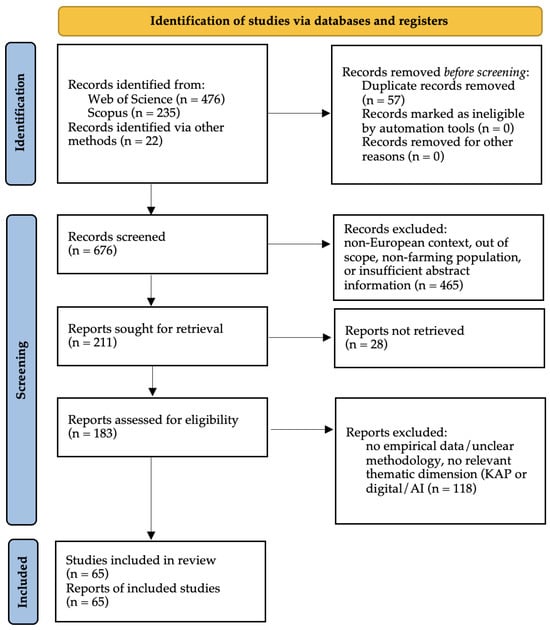
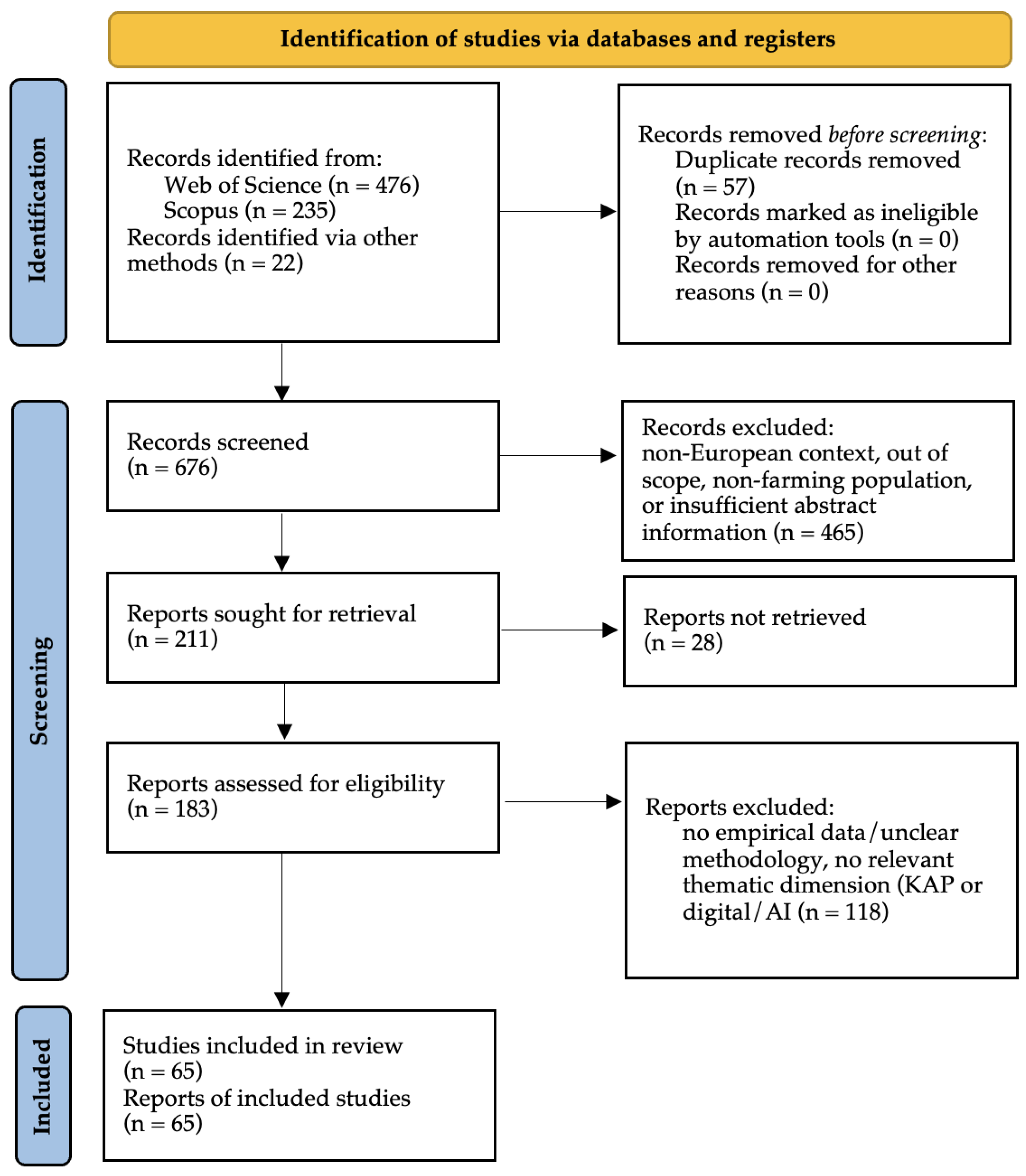
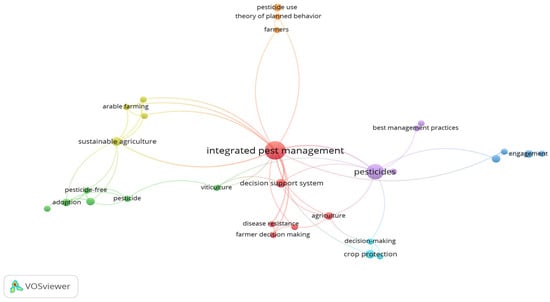
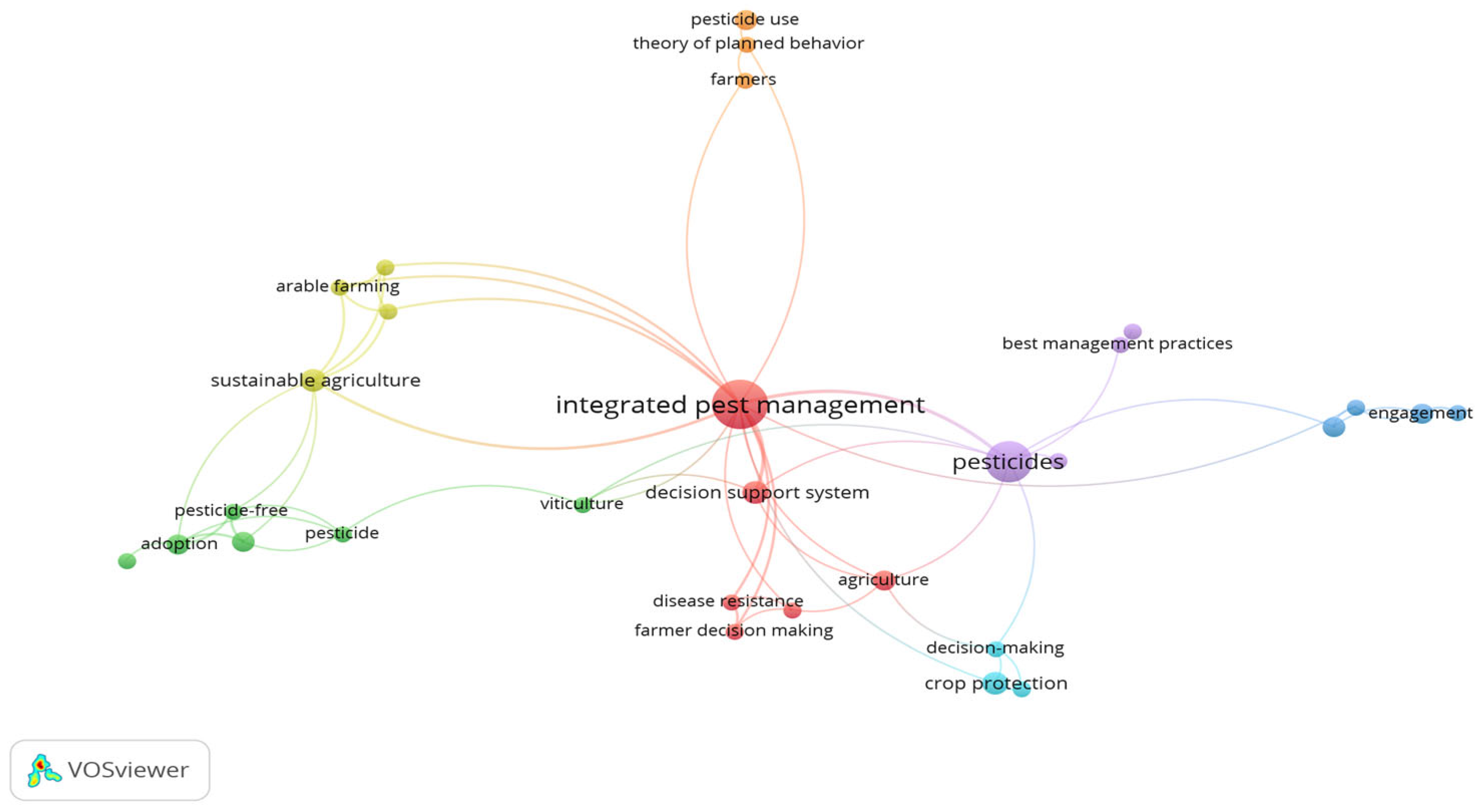
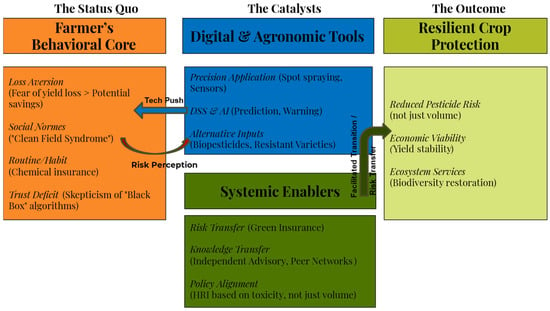
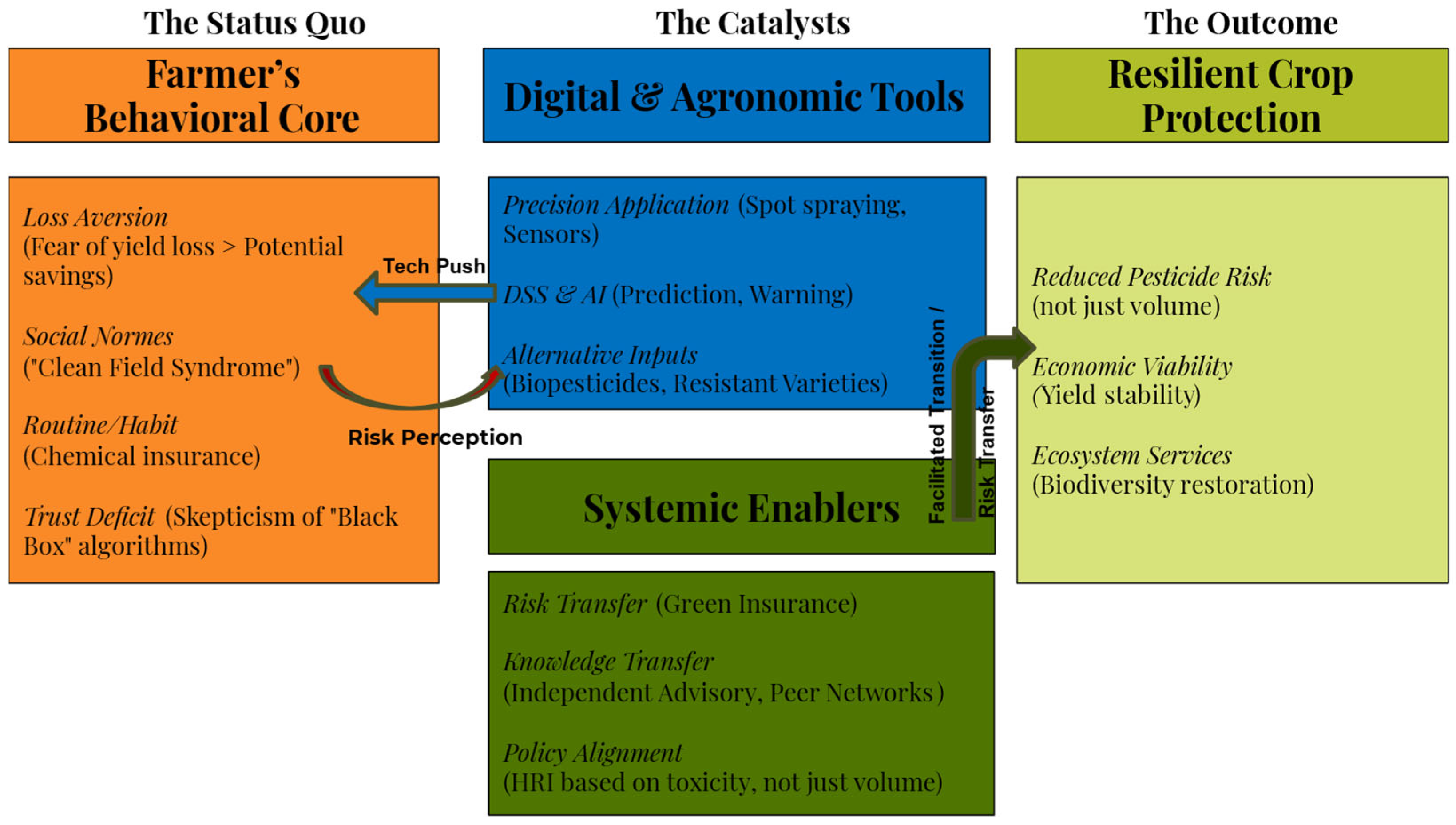

Disclaimer/Publisher’s Note: The statements, opinions and data contained in all publications are solely those of the individual author(s) and contributor(s) and not of MDPI and/or the editor(s). MDPI and/or the editor(s) disclaim responsibility for any injury to people or property resulting from any ideas, methods, instructions or products referred to in the content. |
© 2026 by the authors. Licensee MDPI, Basel, Switzerland. This article is an open access article distributed under the terms and conditions of the Creative Commons Attribution (CC BY) license.