Article

Integrated Remediation of OCP-Contaminated Soils via Surfactant-Enhanced Washing, Selective Adsorption, and Bio-Stimulation

Nanjing Institute of Environmental Science, Ministry of Ecology and Environment, Nanjing 210042, China
*
Author to whom correspondence should be addressed.
Agronomy 2026, 16(12), 1190; https://doi.org/10.3390/agronomy16121190
Submission received: 11 May 2026 / Revised: 9 June 2026 / Accepted: 15 June 2026 / Published: 18 June 2026
(This article belongs to the Special Issue Advances in Soil Remediation Techniques for Degraded Land)

Abstract

Surfactant-enhanced soil washing is a promising strategy for the remediation of organochlorine pesticide (OCPs) contaminated sites. In this study, we constructed a comprehensive evaluation framework integrating efficient parameter optimization, effluent recovery and ecological restoration assessment. Among the 14 evaluated washing agents, the non-ionic surfactant Triton X-100 exhibited superior solubilization capacity for highly hydrophobic OCPs. Under an optimal dosage of 2.0%, Triton X-100 achieved near-complete extraction of γ-chlordane and over 75% removal of mirex in both moderately and severely contaminated soils. Powdered activated carbon (PAC) demonstrated exceptional selective adsorption performance, significantly outperforming activated carbon fiber (ACF). The optimal PAC dosages (20 g/L) could extract over 90% of OCPs from the soil washing effluents, facilitating potential washing agent recycling. Furthermore, community-level physiological profiling (BIOLOG-AWCD) revealed distinct ecological trajectories post-washing. While nitrogen and phosphorus (N/P) bio-stimulation successfully restored and even surpassed the microbial diversity in moderately contaminated soils, it only partially alleviated the ecological vulnerability in severely contaminated soils (Simpson index < 0.45). These findings underscore that while surfactant-enhanced soil washing combined with selective adsorption constitutes a powerful physicochemical remediation cycle, restoring heavily degraded microhabitats necessitates an integrated approach coupling bio-stimulation with phytoremediation.

1. Introduction

Organochlorine pesticides (OCPs), as a typical class of persistent organic pollutants (POPs), pose a long-term and severe threat to global ecological security due to their extreme chemical properties, long-range transport potential, and bioaccumulation [1,2]. In historical contaminated industrial sites, particularly within the sewage discharge areas or material storage areas of pesticide manufacturing enterprises, OCP concentrations in soil are often extremely high, necessitating urgent and effective intervention measures [3]. Conventionally, energy-intensive technologies such as thermal desorption or incineration are prioritized for such heavily contaminated soils. However, large-scale application of these technologies is not only cost-prohibitive and highly carbon-intensive but also causes damage to the soil structure. Furthermore, such aggressive treatments cause damage to the indigenous microbial communities, severely limiting the potential for post-remediation ecological restoration [4].
In contrast, surfactant-enhanced soil washing serves as an engineering alternative that can operate under ambient conditions, offering superior cost-effectiveness while preserving the fundamental soil [5]. Recent studies have demonstrated that non-ionic surfactants, particularly Triton X-100, can significantly reduce interfacial tension and form dense micelles, effectively transferring hydrophobic OCPs from the soil solid phase into the aqueous phase [6]. However, existing soil washing applications face two major practical challenges. First, the treatment of washing effluents and the recovery of washing agents increase the risk of secondary pollution and the cost of remediation [7,8]. Second, the intense washing process can remove nutrients from the soil, causing damage to the ecological functions of the soil microbiome [9]. Previous studies have explored the ecological impacts of various washing agents. For instance, the successive washing has been found to significantly inhibit soil enzyme activities and disrupt microhabitat stability [10,11]. Meanwhile, studies regarding effluent recovery indicated that while activated carbon adsorption was an effective method [12], the high concentration of surfactants in the effluent induced severe matrix interference and competitive inhibition [13]. These factors limit the capture efficiency of such large-molecule pollutants, such as mirex [14]. Furthermore, regarding the ecological restoration of washed soils, simple nutrient amendment strategies exhibit limitations when applied to heavily contaminated soils, leaving the reconstruction of microbial communities a significant challenge [15].
This study constructed a comprehensive evaluation framework integrating agent screening, parameter optimization, effluent recovery and ecological restoration. We aimed to (1) evaluate the removal performance of distinct washing agents for OCPs and optimize the effective dosage of the optimal agent; (2) compare the selective adsorption efficacy of powdered activated carbon (PAC) and activated carbon fiber (ACF); and (3) reveal the potential recovery capacity of multi-washed soils following specific nutrient (N/P). This study emphasizes the establishment of a comprehensive remediation framework integrating efficient eluent optimization, targeted wastewater recovery, and micro-ecological restoration assessment.

2. Materials and Methods

2.1. Preparation of Soil Samples

Soil samples were collected from the surface layer (0–40 cm depth) at two distinct functional zones within an OCP manufacturing enterprise located in Jiangsu Province, China. The first sampling zone was situated in the vicinity of the production workshop, and the second was located in the raw material storage and sewage discharge area. At each zone, multiple subsamples were retrieved using a stainless steel auger and subsequently composited to obtain a representative sample. Based on the preliminary screening concentrations of target OCPs, the two composite samples were classified as moderately contaminated soil and severely contaminated soil, respectively. The collected soils exhibited a yellow–brown color. Soil texture was classified as silty clay according to the Chinese National Standard GB/T 33469-2016 [16] (Soil Texture Classification), based on particle-size distribution determined by the hydrometer method (or pipette method) following ISO 11277:2020 [17]. Upon collection, all samples were immediately sealed in polyethylene bags, transported to the laboratory in an ice-cooled container within 24 h, and stored at 4 °C prior to processing. In the laboratory, the soils were air-dried at room temperature, gently disaggregated to preserve natural aggregates, and passed through a 2 mm stainless steel test sieve (ISO 3310-1:2016 [18]) to remove coarse debris, stones, and plant residues. The sieved fractions were thoroughly homogenized and stored in amber glass containers at −20 °C until analysis. The concentrations of target OCPs in soil matrices were determined by accelerated solvent extraction (ASE) followed by gas chromatography–mass spectrometry (GC-MS). Briefly, 2.00 g of homogenized soil was mixed with an equal mass of diatomaceous earth and extracted in a 22 mL stainless steel cell using n-hexane/dichloromethane (1:1, v/v) at 100 °C and 1500 psi (two static cycles of 5 min each). The extract was concentrated, purified through a Florisil column, and analyzed by GC-MS operating in selected ion monitoring (SIM) mode. This analytical protocol was applied identically to both the original soils and the post-washing soil residues. Comprehensive details regarding extraction, cleanup, GC-MS parameters, and quality assurance/quality control (QA/QC) protocols (including matrix spike recoveries of 89–98% and method detection limits of 0.1–0.5 μg/kg) are provided in the Supporting Information (Sections S1.1–S1.4). The specific initial concentrations and physicochemical properties of the two experimental soils are detailed in Table 1. Given the significant differences in their initial OCPs concentrations and distinct physicochemical properties (e.g., pH and organic matter), these two samples were selected to represent two distinct real-world engineering scenarios (i.e., moderately contaminated soil and severely contaminated soil) for the purpose of this study. Analytical methods for soil physicochemical properties are detailed in Section S2 of the Supporting Information.

2.2. Screening of Washing Agents Experiments

To evaluate and compare the washing efficacy of different agents for OCP-contaminated soil, a total of 14 representative washing agents were systematically screened. These agents were classified into six categories, and their specifications are summarized in Table 2. To comprehensively assess the dose–response effect, each agent was evaluated at two distinct concentration levels. Specifically, the synthetic surfactants were prepared at 50 and 100 times their critical micelle concentration (50×CMC and 100×CMC). Cyclodextrin derivatives were applied at 15 g/L and 100 g/L, while biosurfactants were dosed at 25 g/L and 50 g/L. Furthermore, both organic solvents and bio-solvents were prepared as aqueous solutions at volume fractions of 5% and 10% (v/v). Detailed screening results for all 14 agents are provided in Table S1 of the Supporting Information.
The batch washing experiments were conducted by placing 0.5 g of the sieved contaminated soil into sealed glass centrifuge tubes. The selected washing agents were then added at a specific liquid-to-solid (L/S) ratio of 10:1 (mL/g). The tubes were agitated using an end-over-end shaker for 48 h at a constant temperature of 25 ± 1 °C. After washing, the soil residues were collected, air-dried, and subjected to the same ASE extraction and GC-MS quantification protocol as described in Section 2.1 to determine the residual OCP concentrations (Cw). All experimental treatments were performed in triplicate (n = 3). The removal efficiency (RE, %) was calculated using the following equation:
RE (%) = (1 − Cw/C0) × 100%
where Cw (mg/kg) is the residual OCPs content in the soil after washing, and C0 (mg/kg) is the initial OCPs content in the original soil. Both C0 and Cw were quantified using the identical ASE-GC-MS analytical procedure. All OCP concentrations in soil were calculated on a dry weight basis and expressed as mean ± standard deviation (SD).
Statistical analyses were performed using IBM SPSS Statistics (Version 22.0, IBM Corp., Armonk, NY, USA). One-way analysis of variance (ANOVA) followed by Tukey’s honestly significant difference (HSD) post hoc test was used to compare the removal efficiencies among different washing agents and dosages. An independent samples t-test was used to compare the differences between two groups (e.g., PAC vs. ACF). Statistical significance was set at p < 0.05. Figures were generated using Origin 2017 (OriginLab Corp., Northampton, MA, USA).
Based on the screening experiment, Triton X-100 was the most effective in solubilizing OCPs from soil. Notably, one-way analysis of variance (ANOVA) revealed no statistically significant difference in removal efficiency between the 50×CMC and 100×CMC treatments (p > 0.05), indicating that excessively high surfactant concentrations did not proportionally enhance OCPs removal. This phenomenon is attributable to the significant increase in systemic viscosity at elevated surfactant concentrations, which imposes substantial mass transfer resistance and impedes the mobilization of pollutants from the solid phase into the aqueous micelles [19]. Consequently, Triton X-100 was selected as the optimal agent for subsequent investigations. To identify the most cost-effective dosage while ensuring effective remediation, dosage optimization was performed using concentrations below and around 100×CMC (~1.9%, w/v), with particular attention to the threshold where micellar solubilization capacity becomes sufficient to mobilize highly recalcitrant compounds such as mirex.

2.3. Optimization of Triton X-100 Dosage for Soil Washing

To ensure consistency with the initial screening phase (Section 2.2), the maximum Triton X-100 concentration of 100×CMC was calculated to correspond to approximately 1.9% (w/v), based on the CMC of Triton X-100 under the experimental conditions (25 ± 1 °C, aqueous solution). To evaluate the influence of surfactant concentration on OCP removal from both moderately and severely contaminated soils, batch desorption experiments were performed using Triton X-100 at concentrations of 0.25%, 0.5%, 1.0%, and 2.0% (w/v), corresponding to approximately 13×, 26×, 53×, and 105×CMC, respectively. This specific concentration gradient was designed with the following rationale: (i) 0.25% (~13×CMC) was selected as the lowest concentration to assess the solubilization capacity at the early stage of micelle formation, where micellar structures are present but may be insufficient for highly hydrophobic pollutants; (ii) 0.5% (~26×CMC) and 1.0% (~53×CMC) were included to evaluate the dose–response relationship in the intermediate range, bridging the gap between sub-optimal and screening-level concentrations; and (iii) 2.0% (~105×CMC) was set as the upper limit, marginally exceeding the 100×CMC (~1.9%) reference from the screening phase. The upper limit was deliberately constrained based on the screening result that 50×CMC and 100×CMC showed no statistically significant difference in removal efficiency (p > 0.05; Section 2.2), suggesting that concentrations beyond this range would likely suffer from diminishing returns due to viscosity-induced mass transfer limitations, while substantially increasing reagent costs and complicating subsequent effluent treatment and surfactant recovery (Section 3.1) [20]. The experiments were conducted at an L/S ratio of 10:1 with a washing duration of 48 h. All other experimental procedures followed the protocols described in the previous section. To prepare for the subsequent selective adsorption experiments (Section 2.4), bulk washing effluents were generated using the optimal Triton X-100 dosage under these exact conditions. Note on experimental design: The dosage optimization experiments were conducted as a preliminary screening with single measurements per concentration level. While this approach is sufficient for identifying a promising dosage range and observing mechanistically interpretable dose–response trends, it does not provide replicated data for formal statistical comparison (e.g., ANOVA). The selected 2% dosage is therefore based on the observed asymptotic trend in removal efficiency (Section 3.2), theoretical considerations of micellar solubilization capacity for highly hydrophobic OCPs (log Kow > 6.8), and practical cost-effectiveness considerations, with full acknowledgment that definitive statistical optimization would require independent replicated experiments with appropriate statistical design.

2.4. Selective Adsorption of OCPs from Washing Effluents

Batch adsorption experiments were conducted to evaluate the OCP removal efficacy of soil washing effluents (Figure 1). Given the substantial difference in physicochemical properties between the two soils (Table 1), the effluent generated from the moderately contaminated soil (treated with 2% Triton X-100) was first employed as a representative matrix to systematically compare the intrinsic OCP removal performance of powdered activated carbon (PAC) and activated carbon fiber (ACF, uniformly cut into 5 mm × 5 mm pieces). The moderately contaminated soil was selected because its moderate pollutant load and lower organic matter content (32.9 g/kg versus 116 g/kg) minimized competitive adsorption interference, thereby enabling a clearer mechanistic comparison of the two adsorbents. Subsequent validation experiments were performed using the severely contaminated soil effluent to confirm the scalability of the findings under extreme contamination scenarios (Section 3.3).
A fixed dosage of 0.4 g of either PAC or ACF was mixed with 20 mL of the prepared effluent in 100 mL stoppered Erlenmeyer flasks. The initial pH of the reaction systems was adjusted to 7.0 ± 0.1. The flasks were agitated on a thermostatic shaker at 150 rpm and a constant temperature of 25 ± 1 °C. To evaluate the adsorption progression over time, sample mixtures were harvested at predetermined contact intervals of 6 and 24 h. Upon collection, the mixtures were immediately centrifuged at 4000 rpm for 10 min and the supernatants were filtered through 0.45 μm PTFE membranes. For the determination of residual OCPs, the filtered effluents were subjected to liquid–liquid extraction (LLE) with n-hexane rather than solid-phase extraction (SPE). Specifically, a 20 mL aliquot of effluent was vigorously shaken with 10 mL of n-hexane, oscillated for 30 min, and centrifuged at 3000 rpm for 3 min to break emulsions; the aqueous phase was extracted again with another 10 mL of n-hexane. The combined organic extracts were concentrated and purified through a Florisil column, followed by quantification using gas chromatography–mass spectrometry (GC-MS, 7890B GC system coupled with a 5977B MS detector, Agilent Technologies, Santa Clara, CA, USA) under selected ion monitoring (SIM) mode. The use of LLE instead of SPE was necessitated by the high concentration of Triton X-100 (2%, w/v) present in the effluents, which induces severe matrix interference, competitive suppression, and emulsion formation that would compromise SPE cartridge performance and analyte recovery [13]. Full details of the extraction, cleanup, GC-MS parameters, and quality assurance/quality control (QA/QC) are provided in the Supporting Information (Sections S1.2–S1.4). Finally, the purified extracts were analyzed to determine the residual OCP concentrations, allowing for the calculation of the adsorption removal efficiency at each specific time point. Furthermore, to optimize the adsorbent dosage, varying amounts of PAC corresponding to concentration gradients of 2.5, 5, 10, 20, and 30 g/L were evaluated under identical batch conditions. All experiments were carried out in triplicate [5].

2.5. Analysis of Soil Microbial Community Diversity

The BIOLOG microplate assay was employed to evaluate the efficacy of nutrient amendment in restoring the microbial ecological functions of moderately and heavily contaminated soils post-washing [21]. To simulate the worst scenarios of physicochemical disruption, the soil samples were subjected to three consecutive washing cycles. Particularly, Triton X-100 (100×CMC) was utilized as the washing agent at a liquid-to-solid ratio of 10:1 (mL/g). For each cycle, the soil suspensions were shaken for 48 h at 25 °C. Subsequently, the multi-washed soils were amended with specific nitrogen and phosphorus (N/P) nutrient sources, namely (NH4)2SO4 and K2HPO4. The amended soils were thoroughly homogenized and incubated at a constant temperature of 25 °C in the dark for 10 weeks. During the incubation period, the soil moisture content was strictly maintained at 60% of the maximum water holding capacity by periodically adding sterile deionized water [22].
Following the 10-week incubation, 3.0 g of soil was suspended in sterile 0.85% NaCl solution, serially diluted to a 10−3 concentration, and subsequently inoculated into BIOLOG EcoPlates (150 µL per well). The plates were incubated at 25 °C, and the absorbance at 590 nm was recorded every 24 h using a microplate reader.
The average well color development (AWCD) was used to characterize the carbon source utilization profile, calculated as follows:
AWCD   =   i = 1 31 ( C i R ) / 31
where Ci and R represent the optical densities (OD) of the i-th substrate-containing well and the blank control well, respectively. Any negative (Ci-R) values were set to zero for subsequent analyses.
Based on the absorbance data collected at 96 h of incubation, the Shannon index (H) and the Simpson index (λ) functional diversity indices were calculated as follows [23]:
H   =   i = 1 31 p i l n p i
λ = 1 i = 1 31 p i 2
where pi is the ratio of the relative absorbance in the i-th well (Ci-R) to the total corrected absorbance of the entire microplate ( C i R ) ).

2.6. Software and Statistical Analysis

Data processing and statistical analyses were conducted using IBM SPSS Statistics (Version 22.0, IBM Corp., Armonk, NY, USA). One-way ANOVA with Tukey’s HSD post hoc test was used for multiple comparisons, and independent samples t-test was used for two-group comparisons. Statistical significance was defined as p < 0.05. All data were expressed as mean ± standard deviation (SD) unless otherwise stated. Graphical presentations were created using Origin 2017 (OriginLab Corp., Northampton, MA, USA) and ArcGIS 12.4 (Esri Inc., Redlands, CA, USA).

3. Results and Discussion

3.1. The Removal Efficiency of OCPs by Different Washing Agents

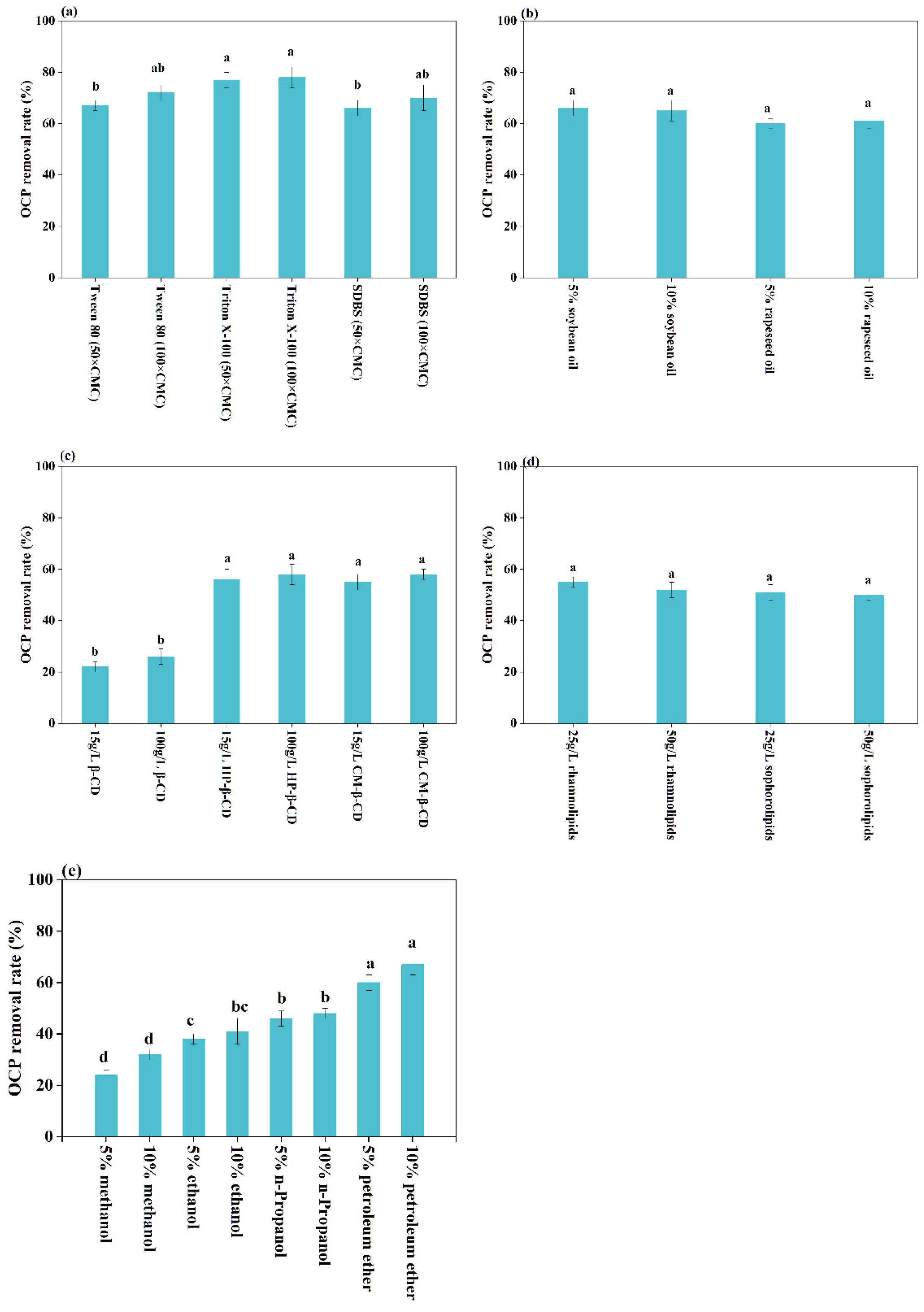
Among the evaluated washing agents, non-ionic surfactants (Triton X-100 and Tween 80) and the anionic surfactant SDBS exhibited effective removal capabilities, achieving total OCP removal efficiencies ranging from 65% to 78% (Figure 2a). Categorized by agent type, non-ionic surfactants outperformed the anionic surfactants, with removal efficiency following the descending order: Triton X-100 (100×CMC) > Triton X-100 (50×CMC) > Tween 80 (100×CMC) > SDBS (100×CMC). Notably, Triton X-100 demonstrated superior solubilization performance, primarily attributable to its low critical micelle concentration (CMC) [24]. This property promotes the efficient assembly of stable micelles at lower concentrations, effectively sequestering hydrophobic OCPs through robust hydrophobic partitioning. One-way ANOVA analysis revealed no statistically significant difference in removal efficiency between the 50×CMC and 100×CMC treatments (p > 0.05). Previous research suggested that excessively high surfactant concentrations could significantly increase systemic viscosity, thereby posing substantial mass transfer resistance. Such resistance impedes the mobilization of pollutants from the solid phase into the aqueous micelles, indicating that elevating the surfactant concentration is insufficient for optimizing soil washing performance [19].
Two eco-friendly bio-solvents, soybean and rapeseed oil, achieved notable OCP removal efficiencies ranging from 60% to 66% (Figure 2b). Statistical analysis indicated no significant difference in performance between the 5% and 10% dosage groups (p > 0.05). As environmentally friendly agents, these oils serve as exogenous carbon substrates for indigenous microbial communities, thereby facilitating the post-remediation recovery of soil ecological functions. However, their inherent hydrophobicity and low aqueous solubility pose a significant challenge for the recovery and recycling of the washing agents [25,26].
In parallel, cyclodextrin-based agents demonstrated removal efficiencies ranging from 22% to 58%, displaying a strong dependence on their molecular structures. Native β-CD exhibited a limited removal efficiency of only 22–26% (Figure 2c), which was attributed to its inherently low aqueous solubility (~18.5 g/L). In contrast, its chemically modified derivatives, HP-β-CD and CM-β-CD, displayed markedly superior performance. This enhancement is primarily driven by their significantly increased solubility, exceeding that of β-CD by over 17-fold, as well as their characteristic molecular architecture featuring a hydrophilic exterior and a hydrophobic cavity. These unique structural attributes facilitate the effective capture of OCPs through host–guest inclusion complexation [27,28], thereby elevating the total removal efficiencies to approximately 58% and 55%, respectively.
The evaluated biosurfactants, specifically rhamnolipids and sophorolipids, achieved the moderate and consistent OCP removal efficiencies within a range of 50–55% (Figure 2d). Similarly to synthetic surfactants, elevated concentrations of these biosurfactants can substantially increase the viscosity of the washing system, thereby imposing significant mass transfer resistance. This phenomenon effectively impedes the mobilization of pollutants from the soil matrix into the aqueous phase [29,30]. Furthermore, while these biologically derived agents offer distinct environmental benefits and excellent eco-compatibility, their prohibitive production costs currently remain a primary bottleneck, limiting their viability for large-scale industrial remediation.
As illustrated in Figure 2e, the OCP removal efficiencies of small-molecule alcohols and petroleum ether ranged from 24% to 67%, following the order of 10% petroleum ether > 5% petroleum ether > 10% n-propanol > 5% n-propanol > 10% ethanol > 5% ethanol > 10% methanol > 5% methanol. Evidently, the non-polar solvent petroleum ether exhibited distinctly superior performance compared to the short-chain alcohols. Among the evaluated alcohols, the enhancement in remediation efficacy correlates directly with the extension of the carbon chain and the consequent increase in lipophilicity, which significantly facilitates the solubilization of benzene-ring-containing OCPs. Furthermore, petroleum ether, an alkane mixture predominantly comprising hydrocarbons with a carbon number of C ≥ 6, provides a highly potent hydrophobic environment. This inherent hydrophobicity drives the profound solubilization and mobilization of OCPs from the soil matrix into the liquid phase [31,32].
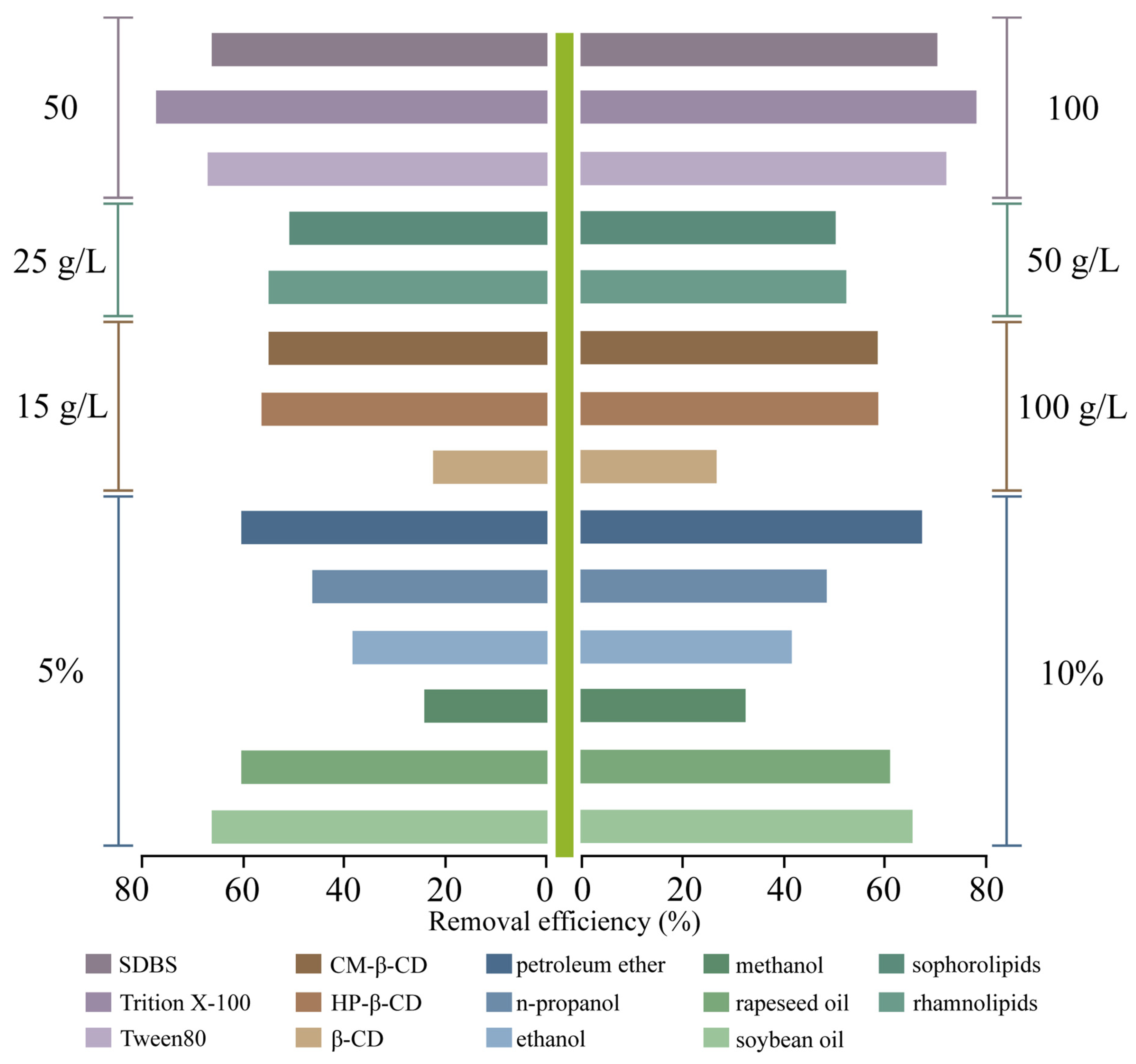
Comprehensively, the overall extraction performance of the fourteen evaluated washing agents established the following order: Triton X-100 > Tween 80 > SDBS > soybean oil > rapeseed oil > petroleum ether > HP-β-CD > CM-β-CD > rhamnolipids > sophorolipids > n-propanol > ethanol > methanol > β-CD. Specifically, categorized by agent classification, the OCP removal efficiency followed a descending order: non-ionic surfactants > anionic surfactants > bio-solvents/petroleum ether> modified cyclodextrins > biosurfactants > short-chain alcohols (C ≤ 3) > native β-CD.
The category of the washing agent emerged as the primary factor governing OCP removal efficiency, whereas variations in dosage had a negligible impact. Based on the extraction performance, the evaluated agents were classified into three levels. The high-efficiency group (>60%) was Triton X-100 (a non-ionic surfactant), showing the highest efficacy, followed sequentially by Tween 80, SDBS, bio-solvents, and petroleum ether [33]. The moderate-efficiency group comprised cyclodextrin derivatives and biosurfactants, while the low-efficiency group included small-molecule alcohols and native β-CD, among which methanol exhibited the lowest removal (~24%).
As depicted in Figure 3, comparative analysis confirmed that the applied concentration was not the principal driver of remediation efficiency. For a certain washing agent, increasing the dosage from 50×CMC to 100×CMC did not significantly improve pollutant removal (p > 0.05), indicating that once the micellar solubilization capacity reached a threshold, further elevation of surfactant concentration entered a plateau phase due to viscosity-induced mass transfer limitations. In contrast, specific agents exhibited slightly higher efficacies at lower concentrations. Within this high-concentration range (≥50×CMC), the amount of the washing agent was not the critical variable affecting the extraction process.
Balancing removal efficiency, specific contamination levels, and cost-effectiveness, Triton X-100 was identified as the optimal washing agent for this OCP-contaminated site. Moreover, the finding that lower dosages exhibited comparable or superior results provides a valuable framework for field-scale engineering. By optimizing the minimum effective dosage, practitioners can significantly curtail operational costs while minimizing the environmental impact [34].

3.2. Effect of Triton X-100 Concentration on OC Removal

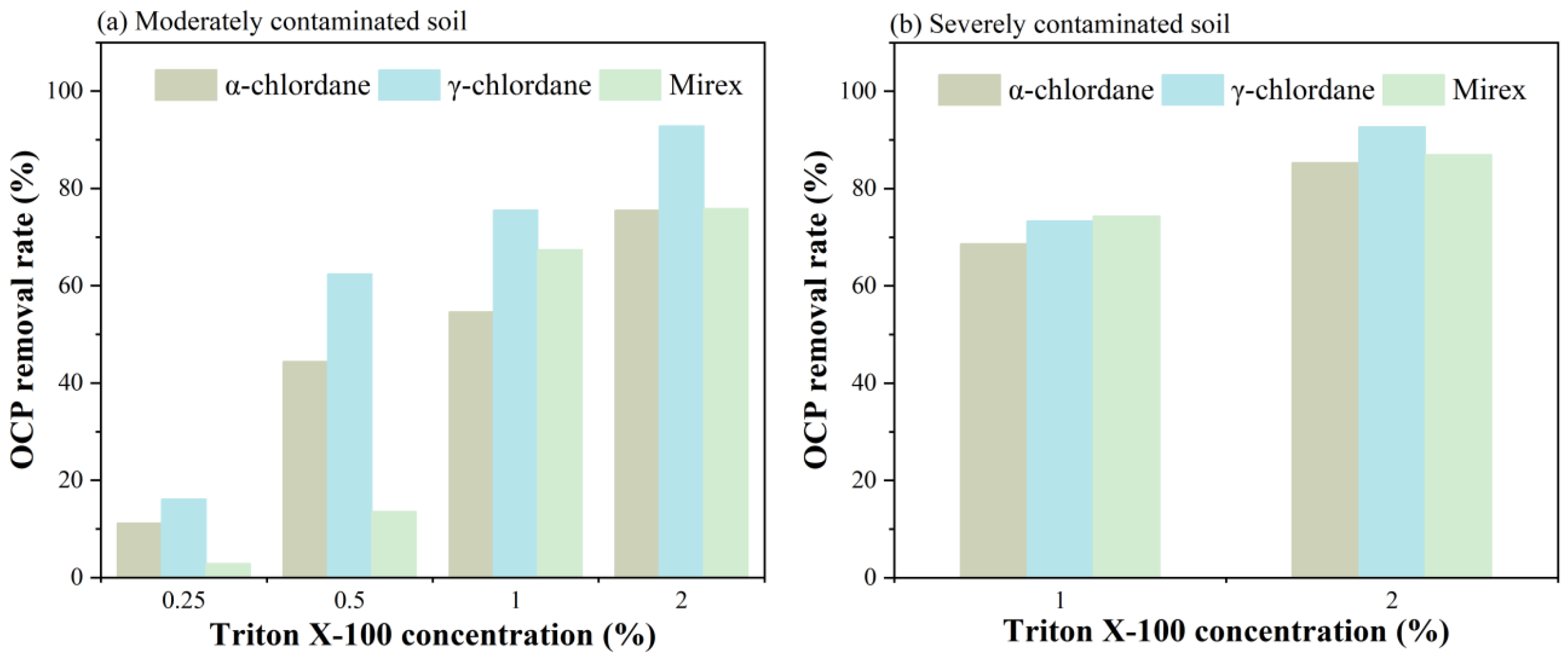
As illustrated in Figure 4, the OCP removal efficiencies exhibited a clear dose-dependent trend with Triton X-100 concentration across the sub-optimal to optimal range (0.25–2.0%, i.e., 13×CMC-105×CMC) in both moderately and severely contaminated soils. Notably, this dependency was most pronounced at lower concentrations (≤0.5%), where micellar capacity was insufficient for highly hydrophobic OCPs, whereas the incremental gain diminished as concentrations approached 2.0%, consistent with the plateau observed between 50×CMC and 100×CMC in the screening phase (Section 3.1 and Figure 3). At lower dosages (≤0.5%, corresponding to ≤26×CMC), the remediation efficacy was markedly constrained, with mirex removal rates below 20% in both soil types. This suggests that the limited micellar capacity at low concentrations is rapidly exhausted by more bioavailable fractions (e.g., γ-chlordane), leaving highly recalcitrant compounds like mirex largely partitioned into soil organic matter. The poor performance at ≤0.5% underscores the necessity of elevated surfactant concentrations for effective mobilization of extremely hydrophobic OCPs.
A substantial improvement in removal efficiency was observed when the dosage increased to 1.0% (~53×CMC), particularly for mirex, where removal rates increased markedly compared to the 0.5% treatment. This improvement reflects the transition from insufficient to adequate micellar solubilization capacity, as the micellar pseudo-phase volumetric fraction expanded to accommodate the sequestration of high-molecular-weight pollutants. Further enhancement was achieved at 2.0% (~105×CMC), where γ-chlordane approached near-complete removal (>95%) and mirex removal exceeded 75% in both soil types. The identification of 2.0% as the preferred dosage was governed by multiple converging criteria. Firstly, 2.0% achieved the remediation performance targets established for this work: near-complete removal of γ-chlordane and >75% removal of mirex, the most recalcitrant target pollutant. Secondly, the dose–response curve exhibited an asymptotic trend between 1.0% and 2.0%, with diminishing incremental gains at higher concentrations, consistent with the screening-phase observation that 50×CMC and 100×CMC produced statistically equivalent removal efficiencies (p > 0.05; Section 2.2). Thirdly, from a cost-effectiveness perspective, increasing the dosage beyond 2.0% would disproportionately increase reagent expenditure and effluent treatment burden without commensurate improvement in removal performance, given the viscosity-induced mass transfer limitations documented for surfactant-enhanced soil washing systems (Mulligan et al., 2001 [19]; Wu et al., 2024 [35]). Fourth, the 2.0% dosage facilitated the technical feasibility of downstream processes, including PAC-based effluent treatment (Section 3.3) and potential surfactant recovery, by avoiding excessive surfactant loading that would exacerbate competitive adsorption and matrix interference [13].
It is important to acknowledge the limitations of this dosage optimization. The experiments were conducted as a preliminary screening with single measurements per concentration, without independent replication suitable for formal statistical comparison (e.g., ANOVA). Therefore, the identification of 2% as the preferred dosage is based on the observed asymptotic trend in removal efficiency and practical cost-effectiveness considerations, rather than rigorous statistical hypothesis testing. While the dose–response pattern is consistent and mechanistically interpretable, reflecting the expansion of micellar solubilization capacity with increasing surfactant concentration [34,35], we recognize that definitive dosage optimization would require replicated experiments with appropriate statistical design.
The differential removal among OCPs is governed by their distinct physicochemical properties, particularly hydrophobicity (log Kow) and molecular volume . Mirex, characterized by high molecular weight and extreme hydrophobicity (log Kow > 6.8) [36,37], demands a structurally dense micellar network for effective solubilization, which is only achieved at elevated surfactant concentrations. The progressive improvement from 0.5% to 2.0% reflects the critical expansion of the micellar pseudo-phase volumetric fraction, providing sufficient capacity to mobilize these recalcitrant compounds from the solid phase.

3.3. Selective Adsorption of OCPs from Soil Washing Effluent by Activated Carbon

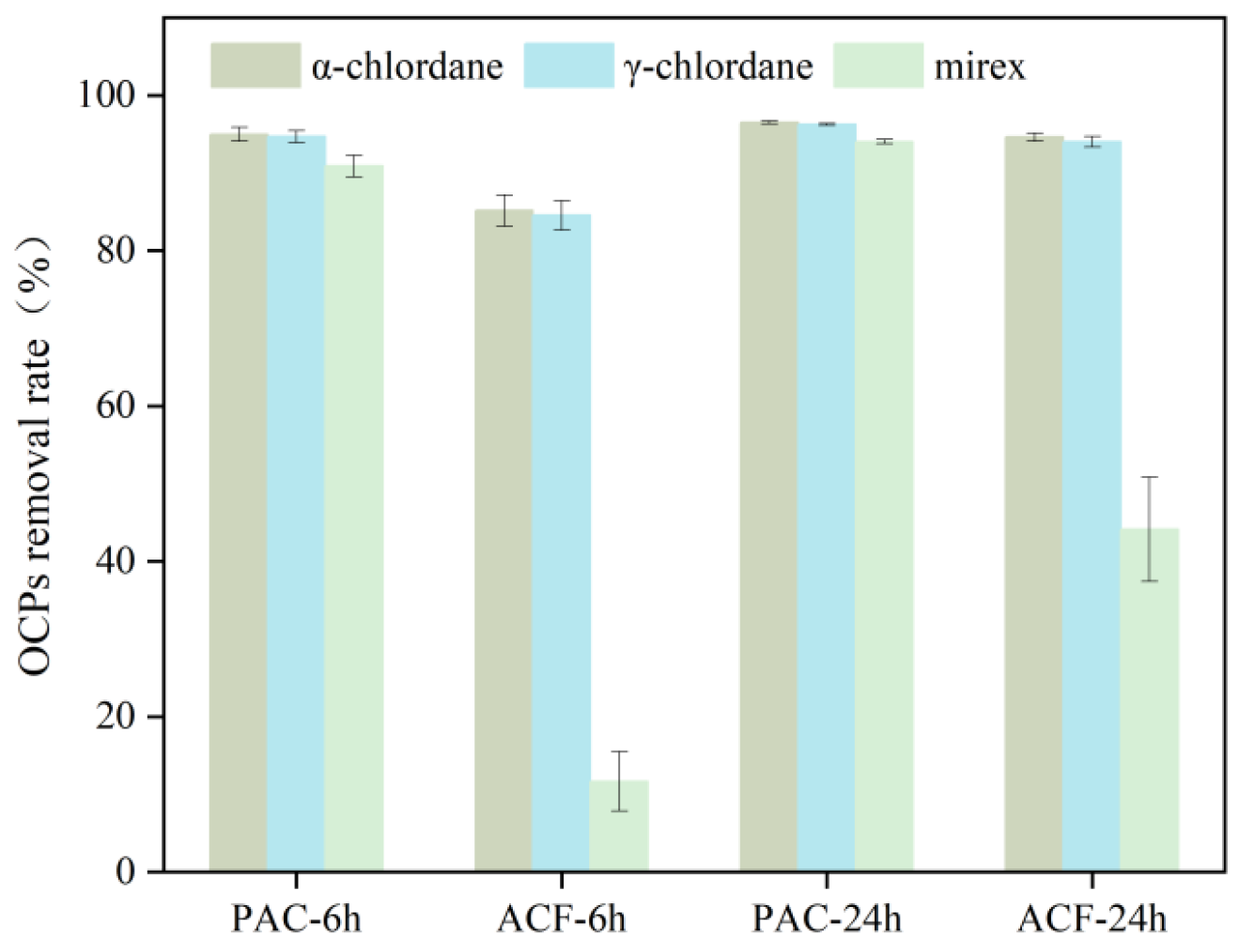
To evaluate the feasibility of post-remediation wastewater treatment, the soil washing effluent generated from the moderately contaminated soil (treated with 2% Triton X-100) was selected as a representative. This selection was methodologically justified for four reasons. First, the moderately contaminated soil effluent provided pollutant concentrations (Table 1) that were suitable for discriminating the intrinsic adsorption capacities of PAC and ACF without causing rapid adsorbent saturation, which would otherwise obscure performance differences under extreme loads. Second, its lower organic matter content (32.9 g/kg) and acidic pH (4.5) relative to the severely contaminated soil (116 g/kg SOM, pH 7.9) reduced competitive interference from dissolved humic substances and hydroxide precipitation, thereby yielding clearer interpretation of OCP selective adsorption mechanisms. Third, moderately contaminated soils represent the more prevalent scenario in practical remediation engineering, whereas the severely contaminated soil constitutes an extreme end-member (Table 1). Finally, the subsequent dosage optimization experiments using severely contaminated soil effluent confirmed that PAC maintained its superior performance advantage over ACF under extreme conditions, substantiating that the trends identified in the moderately contaminated matrix were fully transferable. From Figure 5, PAC demonstrated superior adsorption capacity, with removal efficiencies exceeding 94% within 24 h. In contrast, ACF displayed comparatively lower and highly selective adsorption behavior, particularly for mirex, which only reached 44% removal. These results were substantially lower than those of PAC, indicating a clear performance advantage for PAC in the treatment of soil washing agents.
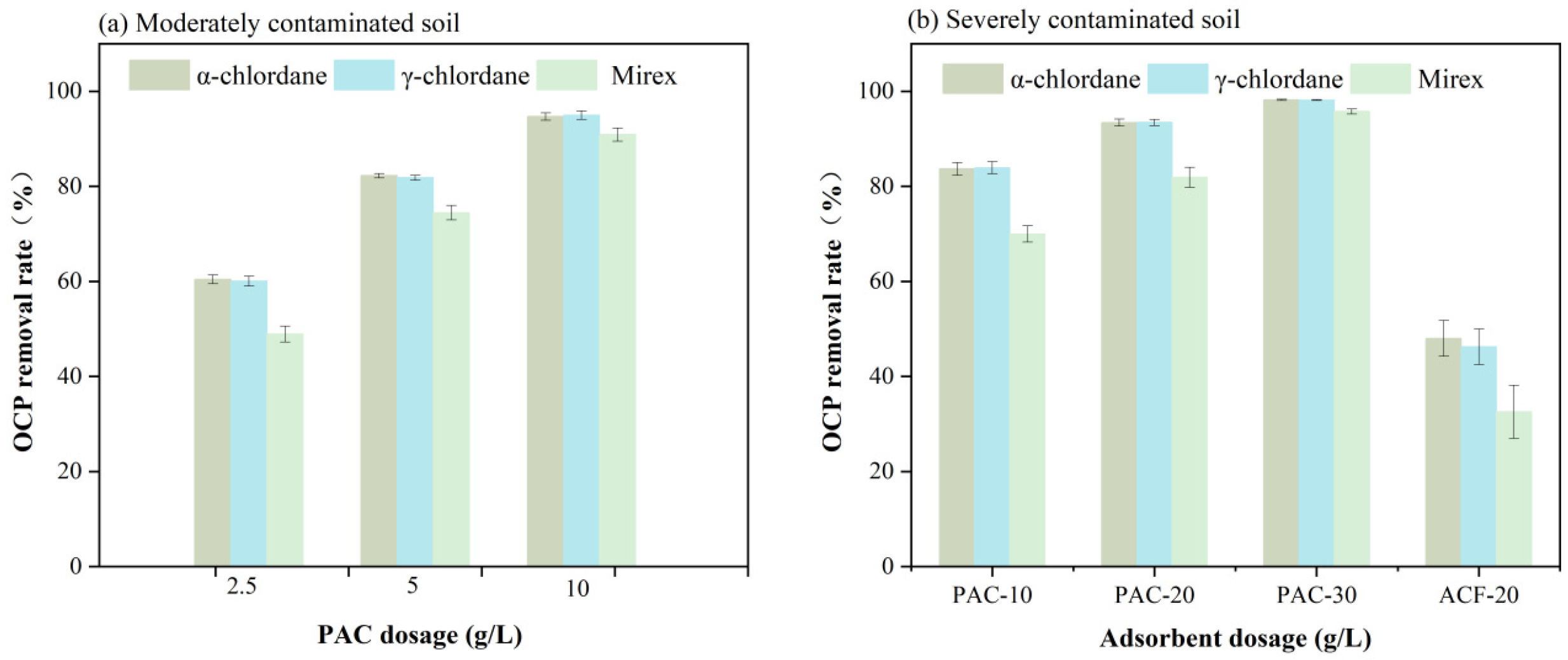
The dosage optimization experiments revealed that the OCP removal rates were highly dependent on PAC concentration [5]. For the moderately contaminated soil effluent, increasing the PAC dosage gradually enhanced the extraction of all OCPs. Notably, a dosage of 10 g/L was sufficient to consistently obtain removal efficiencies exceeding 90% for all OCPs (Figure 6a). In the severely contaminated soil effluent, PAC continued to demonstrate superior adsorption capacity compared to ACF (Figure 6b). Specifically, at a dosage of 10 g/L, PAC removal rates achieved approximately 84% for chlordane-related pollutants and 70% for mirex. Elevating the PAC dosage to 20 g/L, the removal rates for chlordane pollutants exceeded 90%, while mirex removal reached approximately 88%. Nearly 100% complete removal for all targeted OCPs was only attained at a maximum dosage of 30 g/L. In contrast, even at an elevated dosage of 20 g/L, ACF removed merely 32–48% of the OCPs, performing significantly worse than PAC.
From an engineering perspective, the distinct performance gap between PAC and ACF in the surfactant-rich effluent (2% Triton X-100) highlights the importance of adsorbent selection for complex matrices. While ACF is known for its high microporosity, its performance in this study suggests limited accessibility for OCPs molecules when massive surfactant micelles are present in the bulk solution. PAC, with its smaller particle size and different surface characteristics, proved to be a more reliable candidate for capturing hydrophobic OCPs from concentrated micellar effluents [38]. This high removal efficiency at optimized dosages (10–20 g/L) confirms the technical feasibility of PAC-based treatment for large-scale effluent recovery, effectively addressing the secondary pollution bottleneck associated with surfactant-enhanced soil washing.
Consequently, PAC was identified as the optimal adsorbent for treating OCP-containing effluents. To balance maximum remediation efficacy with the economic feasibility of recovering and reusing the Triton X-100 washing agent, optimal PAC dosages were established at 10 g/L for moderately contaminated soils and 20 g/L for severely contaminated soils [20].

3.4. Evaluation of Microbial Toxicity and Recovery of Eco-Environmental Functions in Washed Soil

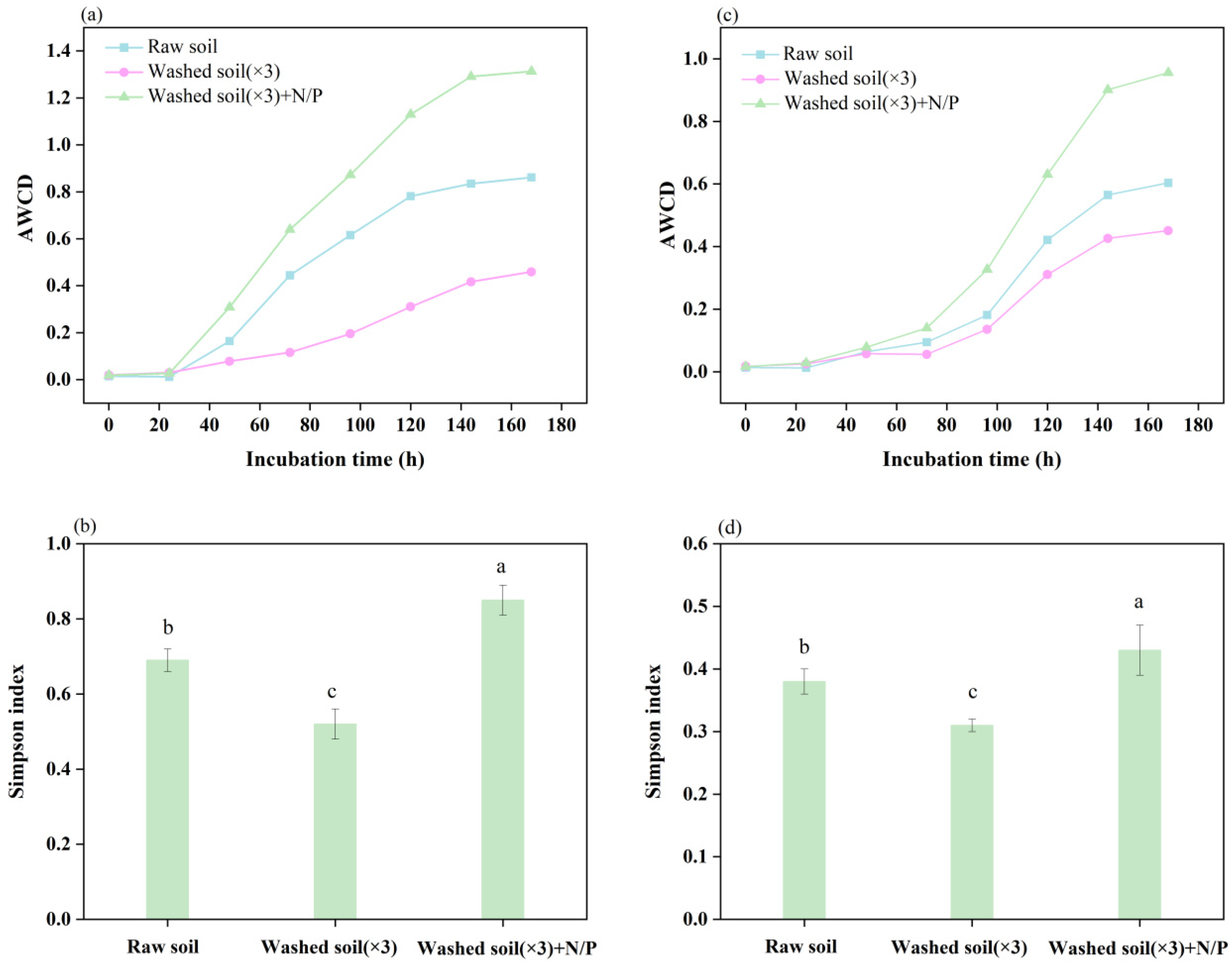
In this study, AWCD kinetic curves and the Simpson index were employed to systematically evaluate the ecological remediation efficacy of moderately and severely OCP-contaminated soils, following continuous washing and subsequent nutrient amendment (N/P addition). The dynamic evolution of soil microbial ecological functions post-washing provides a vital indicator for site reuse. As illustrated in Figure 7, following 10 weeks of incubation with N/P nutrients, both moderately and severely contaminated soils demonstrated positive successional trajectories. For the moderately contaminated soil, independent samples t-test showed that the AWCD values and λ index not only recovered but significantly surpassed those of the unwashed raw soil (p < 0.05), indicating a strong ecological recovery (Figure 7a,b).
For the severely contaminated soil, N/P supplementation also triggered a significant functional improvement, with the λ index increasing from 0.31 (washed soil) to 0.43 (N/P amended soil), thereby exceeding the baseline of the original raw soil (~0.38) (Figure 7c,d). This result confirmed that nutrient compensation is an effective bio-stimulation strategy even under extreme contamination history [21,39]. However, the absolute diversity of the recovered severely contaminated soil (λ < 0.45) remained lower than that of the moderate group (λ > 0.80). This disparity is likely due to the fundamentally poor initial ecological baseline of the core discharge area and the persistent stress from residual high-concentration OCPs. These findings suggested that while bio-stimulation is a valid first step for severely degraded sites, achieving long-term ecosystem stability may require more integrated biological approaches [40].
Furthermore, as this study primarily focused on the restorative potential of washed soils, a “raw soil + N/P amendment” control group was not included in the experimental design. Consequently, while the positive impact of nutrient compensation on the post-washed soil is evident, the potential direct stimulatory effects of nutrients on the initial indigenous community cannot be entirely decoupled. Future investigations should incorporate a more comprehensive control framework to elucidate these intricate ecological interactions.

4. Conclusions

This work established a comprehensive remediation paradigm for OCP-contaminated sites, integrating efficient eluent optimization, targeted wastewater recovery, and micro-ecological restoration assessment. The principal findings are discussed in the context of the three hypotheses addressed:
(1)
Washing agent screening and dosage optimization. Among the 14 agents, Triton X-100 exhibited the highest solubilization capacity for hydrophobic OCPs due to its low CMC and efficient micellar sequestration. Dosage optimization revealed a non-linear dose–response relationship: removal efficiency increased sharply from 0.25% to 1.0%, but plateaued beyond 2.0% due to viscosity-induced mass transfer limitations. The 2.0% dosage was identified as optimal, balancing remediation efficacy (near-complete γ-chlordane and >75% mirex removal), cost-effectiveness, and downstream feasibility. These findings underscore that threshold-based optimization, rather than reagent maximization, is essential for sustainable field-scale implementation.
(2)
Selective adsorption of OCPs from surfactant-laden effluents. In surfactant-laden effluents, PAC outperformed ACF, achieving >90% OCP removal at 20 g/L. PAC’s smaller particle size and favorable surface characteristics enhanced accessibility for hydrophobic OCPs within the micellar matrix, whereas ACF’s microporosity suffered limited pollutant accessibility under high surfactant loads. Optimized PAC dosages (10 g/L for moderate effluents; 20 g/L for severe effluents) confirm the technical feasibility of coupling surfactant washing with PAC-based effluent recovery. This selective adsorption strategy effectively resolves the secondary pollution bottleneck and enables potential washing agent recycling.
(3)
Ecological restoration potential of multi-washed soils. Post-washing ecological recovery is fundamentally baseline-dependent. In moderately contaminated soils, N/P bio-stimulation restored and even surpassed pre-washing microbial diversity (Simpson index > 0.80). However, in severely contaminated soils, although N/P amendment improved functionality (Simpson index from 0.31 to 0.43), the recovered absolute diversity was comparable to the original baseline (~0.38) yet remained far below the moderate group (~0.80). This persistent vulnerability reflects both the degraded initial ecological state and chronic residual toxicity. Consequently, nutrient amendment alone is sufficient for moderately degraded sites, but heavily degraded sites require integrated bioaugmentation or phytoremediation to reconstruct stable ecological networks.
It should be acknowledged that this work was conducted under controlled laboratory conditions using homogenized soil samples (0.5 g, sieved to 2 mm) at fixed L/S ratios and constant temperature, which may not fully capture the soil heterogeneity, particle size variability, and operational complexities encountered at actual field sites. The continuous end-over-end agitation and optimized pH conditions employed herein also differ substantially from field-scale mixing systems. Future research should therefore prioritize pilot-scale validation of the optimized surfactant washing–PAC adsorption cycle under heterogeneous field conditions to confirm engineering feasibility, assess reagent recycling economics, and evaluate treatment efficacy across diverse soil textures. For severely contaminated sites, integrated strategies coupling post-washing bio-stimulation with phytoremediation and bioaugmentation warrant investigation to overcome persistent ecological vulnerability. Additionally, long-term monitoring of residual OCP bioavailability and microbial community resilience under fluctuating environmental conditions is essential for ensuring sustainable site reuse.

Supplementary Materials

The following supporting information can be downloaded at https://www.mdpi.com/article/10.3390/agronomy16121190/s1, Table S1: Removal efficiencies (%) of total OCPs by the 14 evaluated washing agents (n = 3, mean ± SD).

Author Contributions

S.Z.: Methodology, Formal analysis, Writing—original draft, Resources. Y.Z. (Yuanchao Zhao): Data Curation. X.W.: Investigation. T.F.: Visualization. Q.L.: Validation. J.W.: Supervision. Y.Z. (Yan Zhou): Data Curation, Writing—review and editing. All authors have read and agreed to the published version of the manuscript.

Funding

This work was supported by the National Science and Technology Major Project for Comprehensive Environmental Improvement in the Beijing-Tianjin-Hebei Region (Grant No. 2025ZD1205905), the National Key Research and Development Program of China (2025YFE0116800).

Data Availability Statement

The original contributions presented in this study are included in the article/Supplementary Material. Further inquiries can be directed to the corresponding author.

Acknowledgments

We acknowledge the use of ChatGPT-5.4 for English language editing and polishing during the preparation of this manuscript.

Conflicts of Interest

The authors declare no conflict of interest.

References

  1. Ali, U.; Syed, J.H.; Malik, R.N.; Katsoyiannis, A.; Li, J.; Zhang, G.; Jones, K.C. Organochlorine pesticides (OCPs) in South Asian region: A review. Sci. Total Environ. 2014, 476, 705–717. [Google Scholar] [CrossRef] [PubMed]
  2. Kieta, K.A.; Owens, P.N. Elevated concentrations and temporal persistence of polycyclic aromatic hydrocarbons in soils after wildfires in different biogeoclimatic zones of British Columbia, Canada. Environ. Pollut. 2026, 396, 127826. [Google Scholar] [CrossRef] [PubMed]
  3. Guarino, A.; Dominech, S.; De Falco, A.; Iannone, A.; Albanese, S. Assessing the recency of organochlorine pesticides (OCPs) inputs and their related risks in the soils of a heavily anthropized area. J. Hazard. Mater. 2026, 508, 141893. [Google Scholar] [CrossRef] [PubMed]
  4. Fan, T.T.; Peng, L.; Yang, L.; Ding, D.; Wei, J.; Kong, L.Y.; Deng, S.P. Dynamic response of soil ecological function in a contaminated site treated by thermal conductive heating: Pollutants removal, nutrition and microbial community restoration. Environ. Technol. Innov. 2025, 40, 104471. [Google Scholar] [CrossRef]
  5. Zhang, S.T.; He, Y.; Wu, L.N.; Wan, J.Z.; Ye, M.; Long, T.; Yan, Z.; Jiang, X.; Lin, Y.S.; Lu, X.H. Remediation of organochlorine pesticide-contaminated soils by surfactant-enhanced washing combined with activated carbon selective adsorption. Pedosphere 2019, 29, 400–408. [Google Scholar] [CrossRef]
  6. Mata-Sandoval, J.C.; Karns, J.; Torrents, A. Influence of rhamnolipids and Triton X-100 on the desorption of pesticides from soils. Environ. Sci. Technol. 2002, 36, 4669–4675. [Google Scholar] [CrossRef] [PubMed]
  7. Ren, Z.M.; Cheng, R.; Chen, P.; Xue, Y.Y.; Xu, H.; Yin, Y.; Huang, G.T.; Zhang, W.; Zhang, L.H. Plant-associated microbe system in treatment of heavy metals-contaminated soil: Mechanisms and applications. Water Air Soil Pollut. 2023, 234, 39. [Google Scholar] [CrossRef]
  8. Ji, G.S.; Huan, C.C.; Zeng, Y.; Lyu, Q.; Du, Y.L.; Liu, Y.; Xu, L.S.; He, Y.; Tian, X.P.; Yan, Z.Y. Microbiologically induced calcite precipitation (MICP) in situ remediated heavy metal contamination in sludge nutrient soil. J. Hazard. Mater. 2024, 473, 134600. [Google Scholar] [CrossRef] [PubMed]
  9. Jiang, Y.X.; Hu, C.; Zhou, A.Y.; Qiu, H.Y.; Cao, B.Y.; Xu, J. Effectiveness of various chemical leaching systems in the remediation of chromium-contaminated soil and their impact on chromium speciation. J. Environ. Sci. 2025, 157, 77–89. [Google Scholar] [CrossRef] [PubMed]
  10. Wei, H.; Liu, Y.; Chao, Y.Q.; Tsang, D.C.W.; Zhao, N.; Liu, K.Y.; Zhang, W.H.; Qiu, R.L. Recovery of the biological function of ethylenediaminetetraacetic acid-washed soils: Roles of environmental variations and microbes. Sci. Total Environ. 2020, 715, 137032. [Google Scholar] [CrossRef] [PubMed]
  11. Wang, Z.Z.; Wang, H.B.; Wang, H.J.; Li, Q.C.; Li, Y. Effect of soil washing on heavy metal removal and soil quality: A two-sided coin. Ecotoxicol. Environ. Saf. 2020, 203, 110981. [Google Scholar] [CrossRef] [PubMed]
  12. Zhang, X.; Zhang, X.D.; Zhao, S.; Cai, Y.P.; Wang, S.G. Sulfurized bimetallic biochar as adsorbent and catalyst for selective co-removal of cadmium and PAHs from soil washing effluents. Environ. Pollut. 2022, 314, 120333. [Google Scholar] [CrossRef] [PubMed]
  13. Omer, A.M.; El-Monaem, E.M.A.; Eltaweil, A.S. Novel reusable amine-functionalized cellulose acetate beads impregnated aminated graphene oxide for adsorptive removal of hexavalent chromium ions. Int. J. Biol. Macromol. 2022, 208, 925–934. [Google Scholar] [CrossRef] [PubMed]
  14. Ahn, C.K.; Kim, Y.M.; Woo, S.H.; Park, J.M. Selective adsorption of phenanthrene dissolved in surfactant solution using activated carbon. Chemosphere 2007, 69, 1681–1688. [Google Scholar] [CrossRef] [PubMed]
  15. Kästner, M.; Miltner, A. Application of compost for effective bioremediation of organic contaminants and pollutants in soil. Appl. Microbiol. Biotechnol. 2016, 100, 3433–3449. [Google Scholar] [CrossRef] [PubMed]
  16. GB/T 33469-2016; Soil Texture Classification. Standardization Administration of China: Beijing, China, 2016.
  17. ISO 11277:2020; Soil Quality—Determination of Particle Size Distribution in Mineral Soil Material—Method by Sieving and Sedimentation. International Organization for Standardization: Geneva, Switzerland, 2020.
  18. ISO 3310-1:2016; Test Sieves—Technical Requirements and Testing—Part 1: Test Sieves of Metal Wire Cloth. International Organization for Standardization: Geneva, Switzerland, 2016.
  19. Mulligan, C.N.; Yong, R.N.; Gibbs, B.F. Surfactant-enhanced remediation of contaminated soil: A review. Eng. Geol. 2001, 60, 371–380. [Google Scholar] [CrossRef]
  20. Ramírez-Arias, A.M.; Moreno-Pirajan, J.C.; Giraldo, L. Adsorption of Triton X-100 in aqueous solution on activated carbon obtained from waste tires for wastewater decontamination. Adsorpt.-J. Int. Adsorpt. Soc. 2020, 26, 303–316. [Google Scholar] [CrossRef]
  21. Ling, H.; Hou, J.Y.; Du, M.J.; Zhang, Y.; Liu, W.X.; Christie, P.; Luo, Y.M. Surfactant-enhanced bioremediation of petroleum-contaminated soil and microbial community response: A field study. Chemosphere 2023, 322, 138225. [Google Scholar] [CrossRef] [PubMed]
  22. Cisneros-de la Cueva, S.; Martínez-Prado, M.A.; Rojas-Contreras, J.A.; López-Miranda, J. Effect of surfactants on the removal of total petroleum hydrocarbons and microbial CONTENIDO communities during bioremediation of a contaminated mining soil. Rev. Mex. Ing. Quím. 2024, 23, Bio24172. [Google Scholar] [CrossRef]
  23. Peng, X.; Wang, S.; Wang, M.X.; Feng, K.; He, Q.; Yang, X.S.; Hou, W.G.; Li, F.R.; Zhao, Y.X.; Hu, B.L.; et al. Metabolic interdependencies in thermophilic communities are revealed using co-occurrence and complementarity networks. Nat. Commun. 2024, 15, 8166. [Google Scholar] [CrossRef] [PubMed]
  24. Paria, S. Surfactant-enhanced remediation of organic contaminated soil and water. Adv. Colloid Interface Sci. 2008, 138, 24–58. [Google Scholar]
  25. Gan, S.; Lau, E.V.; Ng, H.K. Remediation of soils contaminated with polycyclic aromatic hydrocarbons (PAHs). J. Hazard. Mater. 2009, 172, 532–549. [Google Scholar] [CrossRef] [PubMed]
  26. Chen, H.J.; Cao, Y.D.; Qin, W.; Lin, K.S.; Yang, Y.; Liu, C.Q.; Ji, H.B. Machine learning models for predicting thermal desorption remediation of soils contaminated with polycyclic aromatic hydrocarbons. Sci. Total Environ. 2024, 927, 172173. [Google Scholar] [CrossRef] [PubMed]
  27. Ye, M.; Sun, M.M.; Hu, F.; Kengara, F.O.; Jiang, X.; Luo, Y.M.; Yang, X.L. Remediation of organochlorine pesticides (OCPs) contaminated site by successive methyl-β-cyclodextrin (MCD) and sunflower oil enhanced soil washing—Portulaca oleracea L. cultivation. Chemosphere 2014, 105, 119–125. [Google Scholar] [CrossRef] [PubMed]
  28. Huang, C.Y.; Zhang, X.N.; Li, X.T.; Zhao, H.X. β-Cyclodextrin enhanced bioavailability of petroleum hydrocarbons in industrially contaminated soil: A phytoremediation field study. Int. J. Phytoremediation 2024, 26, 2348–2355. [Google Scholar] [CrossRef] [PubMed]
  29. Posada-Baquero, R.; Grifoll, M.; Ortega-Calvo, J.J. Rhamnolipid-enhanced solubilization and biodegradation of PAHs in soils after conventional bioremediation. Sci. Total Environ. 2019, 668, 790–796. [Google Scholar] [CrossRef] [PubMed]
  30. Fernandez-Vazquez, A.; Posada-Baquero, R.; Ortega-Calvo, J.J. A plant biosurfactant enhances the biodegradation of slowly desorbing PAHs in contaminated soil. J. Hazard. Mater. 2025, 495, 139102. [Google Scholar] [CrossRef] [PubMed]
  31. Lau, E.V.; Gan, S.Y.; Ng, H.K.; Poh, P.E. Extraction agents for the removal of polycyclic aromatic hydrocarbons (PAHs) from soil in soil washing technologies. Environ. Pollut. 2014, 184, 640–649. [Google Scholar] [CrossRef] [PubMed]
  32. Yang, L.; Zou, G.Q.; Xiu, F.F.; Zhao, D.D.; Fei, J.L.; Xie, J. Improved detection limits for polycyclic aromatic hydrocarbons (PAHs) in soil and sediments by gas chromatography-mass spectrometry (GC-MS) and pseudo-multiple reaction monitoring (PMRM). Anal. Lett. 2026, 59, 1203–1220. [Google Scholar] [CrossRef]
  33. Taherian, A.; Yazdi, M.; Danaei, I.; Zad, A. The effect of Triton X100 and Tween 80 surfactants on diesel removal from soil using electrokinetic remediation. Int. J. Environ. Sci. Technol. 2025, 22, 1577–1590. [Google Scholar] [CrossRef]
  34. Zhang, M.; Chen, W.X.; Chuan, X.; Guo, X.Y.; Shen, X.F.; Zhang, H.Y.; Wu, F.; Hu, J.; Wu, Z.P.; Wang, X.L. Remediation of heavily PAHs-contaminated soil with high mineral content from a coking plant using surfactant-enhanced soil washing. Sci. Total Environ. 2024, 909, 168499. [Google Scholar] [CrossRef] [PubMed]
  35. Wu, L.J.; Zhang, J.R.; Chen, F.F.; Li, J.J.; Wang, W.; Li, S.Y.; Hu, L.F. Mechanisms, applications, and risk analysis of surfactant-enhanced remediation of hydrophobic organic contaminated soil. Water 2024, 16, 2093. [Google Scholar] [CrossRef]
  36. Onyando, Z.O.; Omukunda, E.; Okoth, P.; Khatiebi, S.; Omwoma, S.; Otieno, P.; Osano, O.; Lalah, J. Screening and prioritization of pesticide application for potential human health and environmental risks in largescale farms in western kenya. Agriculture 2023, 13, 1178. [Google Scholar] [CrossRef]
  37. Lewis, K.A.; Tzilivakis, J.; Warner, D.J.; Green, A. An international database for pesticide risk assessments and management. Hum. Ecol. Risk Assess. 2016, 22, 1050–1064. [Google Scholar] [CrossRef]
  38. Sophia, A.C.; Lima, E.C. Removal of emerging contaminants from the environment by adsorption. Ecotoxicol. Environ. Saf. 2018, 150, 1–17. [Google Scholar] [CrossRef] [PubMed]
  39. Kumar, M.; Bolan, N.; Jasemizad, T.; Padhye, L.P.; Sridharan, S.; Singh, L.; Bolan, S.; O’Connor, J.; Zhao, H.C.; Shaheen, S.M.; et al. Mobilization of contaminants: Potential for soil remediation and unintended consequences. Sci. Total Environ. 2022, 839, 156373. [Google Scholar] [CrossRef] [PubMed]
  40. Xiang, L.L.; Harindintwali, J.D.; Wang, F.; Redmile-Gordon, M.; Chang, S.X.; Fu, Y.H.; He, C.; Muhoza, B.; Brahushi, F.; Bolan, N.; et al. Integrating biochar, bacteria, and plants for sustainable remediation of soils contaminated with organic pollutants. Environ. Sci. Technol. 2022, 56, 16546–16566. [Google Scholar] [CrossRef] [PubMed]
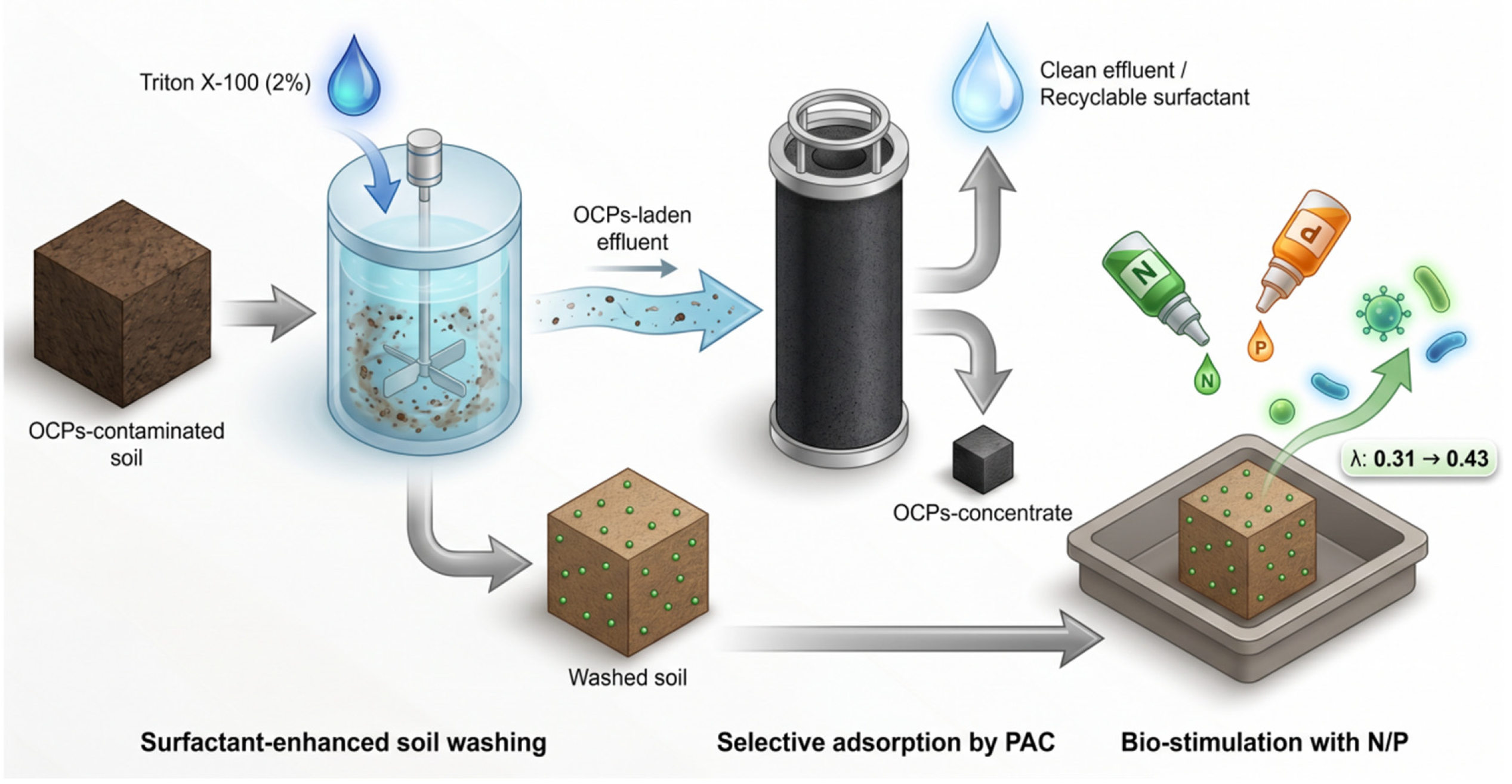
Figure 1. Schematic diagram of this work.
Agronomy 16 01190 g001
Figure 2. Removal efficiency of total OCPs from soils using different washing agents: (a) non-ionic and anionic surfactants; (b) bio-solvents; (c) cyclodextrin-based agents; (d) biosurfactants; (e) small-molecule alcohols and petroleum ether. Different lowercase letters above the bars indicate statistically significant differences in removal efficiency among the tested agents/dosages (Tukey’s HSD post hoc test, p < 0.05); the same letter indicates no significant difference.
Agronomy 16 01190 g002
Figure 3. Comparative analysis of the removal effect of different types of agents.
Agronomy 16 01190 g003
Figure 4. Effect of Triton X-100 concentration on OCP removal in moderately (a) and severely (b) contaminated soils. Data points represent single measurements from preliminary screening experiments.
Agronomy 16 01190 g004
Figure 5. The removal rate of PAC and ACF on OCPs in eluent of moderately polluted soil with different treatment time. Data are presented as mean ± standard deviation (SD) of three independent replicates (n = 3).
Agronomy 16 01190 g005
Figure 6. Adsorption and removal effect of PAC and ACF on OCPs in effluent from moderately and severely contaminated soils. Data are presented as mean ± standard deviation (SD) of three independent replicates (n = 3).
Agronomy 16 01190 g006
Figure 7. Changes in microbial ecological function diversity in moderately contaminated soil (a,b) and severely contaminated soil (c,d) after three cycles of washing. Data are presented as mean ± standard deviation (SD) of three independent replicates (n = 3). Different lowercase letters above the bars indicate statistically significant differences in the diversity indices among the tested agents/dosages (Tukey’s HSD post hoc test, p < 0.05); the same letter indicates no significant difference.
Agronomy 16 01190 g007
Table 1. Main properties and OCP concentrations of two experimental soils.
PropertiesUnitModerately Contaminated SoilSeverely Contaminated Soil
Texture (GB/T 33469-2016)-Silty claySilty clay
pH-4.57.9
SOM ag/kg32.9116
CEC bcmol/kg18.835.9
OCPsmg/kg  
α-chlordanemg/kg341.41304
γ-chlordanemg/kg395.21337
Mirexmg/kg71.112746
a Soil organic matter; b Cation exchange capacity.
Table 2. Summary of the 14 washing agents evaluated for the remediation of OCP-contaminated soil.
CategoryType/ClassAgentAbbreviationTested Concentration Levels
SurfactantsNon-ionicTriton X-100/50×CMC, 100×CMC
SurfactantsNon-ionicTween 80/50×CMC, 100×CMC
SurfactantsAnionicSodium dodecyl benzene sulfonateSDBS50×CMC, 100×CMC
Bio-solvents/Soybean oil/5% (v/v), 10% (v/v)
Bio-solvents/Rapeseed oil/5% (v/v), 10% (v/v)
Cyclodextrin derivatives/β-cyclodextrinβ-CD15 g/L, 100 g/L
Cyclodextrin derivatives/Hydroxypropyl-β-cyclodextrinHP-β-CD15 g/L, 100 g/L
Cyclodextrin derivatives/Carboxymethyl-β-cyclodextrinCM-β-CD15 g/L, 100 g/L
Biosurfactants/Rhamnolipids/25 g/L, 50 g/L
Biosurfactants/Sophorolipids/25 g/L, 50 g/L
Organic solvents/Methanol/5% (v/v), 10% (v/v)
Organic solvents/Ethanol/5% (v/v), 10% (v/v)
Organic solvents/n-Propanol/5% (v/v), 10% (v/v)
Organic solvents/Petroleum ether/5% (v/v), 10% (v/v)
Disclaimer/Publisher’s Note: The statements, opinions and data contained in all publications are solely those of the individual author(s) and contributor(s) and not of MDPI and/or the editor(s). MDPI and/or the editor(s) disclaim responsibility for any injury to people or property resulting from any ideas, methods, instructions or products referred to in the content.