Article

The Biocontrol Effect and Induced Disease Resistance Mechanism of Bacillus velezensis FJ17-4 on Cucumber Fusarium Wilt


1
Fujian Crop Variety Resistance Engineering Technology Research Center, Institute of Plant Protection, Fujian Academy of Agricultural Sciences, Fuzhou 350013, China
2
Fujian Engineering Research Center for Green Pest Management, Institute of Plant Protection, Fujian Academy of Agricultural Sciences, Fuzhou 350013, China
3
Rural Revitalization Service Center of Kangcuo Town, Fuan County, Ningde 355007, China
*
Author to whom correspondence should be addressed.
Agronomy 2026, 16(11), 1028; https://doi.org/10.3390/agronomy16111028
Submission received: 17 March 2026 / Revised: 6 May 2026 / Accepted: 21 May 2026 / Published: 22 May 2026
(This article belongs to the Special Issue Interaction Mechanisms Between Crops and Pathogens)

Abstract

Fusarium wilt caused by Fusarium oxysporum f. sp. cucumerinum Owen (FOC) is a major disease affecting cucumber production. Developing environmentally friendly prevention and control strategies is essential for managing cucumber Fusarium wilt (CFW). Bacillus velezensis is a beneficial microorganism with biocontrol potential against plant diseases. To investigate the biocontrol efficacy and induced disease resistance mechanism of B. velezensis FJ17-4 against CFW, the biocontrol effect of FJ17-4 on CFW was determined through indoor pot cultivation experiments, and the transcriptome of cucumber root samples treated with FJ17-4 was sequenced and analyzed by RNA-Seq technology. The results showed that CFW incidence was significantly reduced after FJ17-4 treatment, with 68.75% control efficacy, higher than that of Kasugamycin. A total of 1041 differentially expressed genes (DEGs) were induced, including 477 upregulated and 564 downregulated genes. DEGs associated with plant–pathogen interaction pathways (such as carbon metabolism, phenylpropanoid biosynthesis and amino acid biosynthesis), calcium (Ca2+) signaling pathway, and plant hormone signaling pathways [such as salicylic acid (SA), ethylene (ET), and jasmonic acid (JA)] were induced. These responses activated the disease resistance system of cucumber against CFW. Quantitative RT-PCR validation of 10 annotated DEGs confirmed consistent expression trends with the transcriptomic data. The results indicate that FJ17-4-induced disease resistance involves multiple genes and coordinated regulation of metabolisms, with hormone-mediated defense signaling pathways playing important roles. The transcriptome sequencing data provides a scientific basis for exploring the induced disease resistance mechanism of FJ17-4 and developing environmentally friendly biocontrol strategies.

1. Introduction

Cucumber Fusarium wilt (CFW), caused by Fusarium oxysporum f. sp. cucumerinum (FOC), is a common soil-borne fungal disease that seriously affects cucumber production. It occurs in cucumber-growing regions worldwide and significantly impacts cucumber yield, quality, and economic returns [1,2,3]. With the expansion of cucumber cultivation areas and increased frequency of continuous cropping, the incidence of Fusarium wilt has shown a rising trend in recent years. The incidence of cucumber Fusarium wilt ranges from 3% to 60%, and in severe cases can exceed 80%, resulting in yield losses of 30% to 70%, or even complete crop failure. This poses a serious threat to the healthy and sustainable development of the cucumber industry [4,5,6]. Identifying effective prevention and control measures for cucumber Fusarium wilt is therefore of great significance for disease management and reducing economic losses [7,8].
Conventional management strategies for CFW include the use of resistant varieties, soilless cultivation, soil high-temperature disinfection, crop rotation, grafting with resistant rootstocks, and optimized irrigation and fertilization practices [9,10,11]. However, these approaches have several limitations. For example, high-yielding and high-quality resistant varieties remain limited, whereas soilless cultivation, soil disinfection, and grafting with resistant rootstocks are often time-consuming, labor-intensive, and costly [12,13]. In addition, conidia and chlamydospores of FOC can survive in soil for extended periods, which reduces the effectiveness of crop rotation and conventional water and fertilizer management practices, making it difficult to achieve satisfactory disease control [14,15]. Consequently, chemical fungicides are still widely used for controlling CFW in production. However, their use has raised concerns due to environmental pollution, excessive pesticide residues, and the development of pathogen resistance, all of which pose risks to human health and ecological security [16,17]. There is therefore an urgent need to develop environmentally friendly, pollution-free, and ecologically safe strategies for controlling CFW in production [18,19].
The use of beneficial microorganisms (biocontrol agents) represents a key research direction in plant disease management [20,21,22,23,24]. Bacillus spp. are a group of beneficial bacteria that are widely applied for biocontrol, particularly against soil-borne disease. They offer environmental and ecological safety and are the most commercialized microbial pesticide [25,26,27,28,29,30]. Almasoudi et al. isolated 10 Bacillus spp. strains from tomato rhizosphere soil, among which 3 strains exhibited the strongest inhibition against tomato root rot caused by Fusarium spp., with suppression rates of 78.5%, 71%, and 65%, respectively. These 3 strains could significantly reduce the severity of tomato Fusarium wilt while and have good potential for agricultural application [21]. Duan et al. screened two Bacillus strains (JF-4 and FJ-5) with antagonistic effects on banana Fusarium wilt (Fusarium oxysporum f. sp. cubense, Foc). Greenhouse trials demonstrated biocontrol efficiencies of 48.3% and 40.3% for JF-4 and JF-5, respectively. Moreover, crude extracts of JF-4 and JF-5 can inhibit pathogen growth by enhancing oxidative stress and disrupting cellular metabolism. The results provide physiological and biochemical insights into the biocontrol mechanisms of Bacillus spp. [31]. Numerous studies have shown that biological control mechanisms of Bacillus spp. mainly include antagonistic effects (competition for nutrients and ecological niches), secretion of antagonistic substances, promotion of plant growth, induction of systemic resistance in plants, and alteration of the soil microbial community [31,32,33,34,35].
Induced systemic resistance (ISR) is one of the key mechanisms by which Bacillus spp. suppress plant diseases [35,36]. Previous studies have primarily focused on elucidating ISR mechanisms through physiological and biochemical perspectives, including plant defense-related genes, hormones, reactive oxygen species (ROS), defense enzyme activities, and antimicrobial secondary metabolites [37,38]. Yang et al. [39] found that Bacillus proteolyticus can induce systemic disease resistance in Arabidopsis thaliana against Pseudomonas syringae and Botrytis cinerea. After treatment with B. proteolyticus, the contents of callose deposition, ROS accumulation, SA levels, and jasmonoyl-isoleucine (JA-Ile) were significantly increased. qRT PCR analysis showed that the expression level of induced systemic resistance responsive gene MYC2, ROS-responsive gene RBOHD, SA-related genes (PR1, PR2, PR5, EDS5, and SID2), and Jasmonate (JA)-related genes (PDF1.2, LOX3, JAR1, and COI1) significantly increased. Additionally, B. proteolyticus can also stimulates the production of a novel rhizosphere bacterium ISR inducer (acetoin) in plants [39]. Chen et al. found that Bacillus spp. act as potent ISR elicitors by enhancing callose deposition, ROS accumulation, defense hormone biosynthesis, and the expression of key defense-related genes, thus activating plant resistance to disease [40,41]. Currently, studies exploring the mechanisms of biocontrol agent-induced systemic resistance at the functional genomics level remain scarce.
The rapid development of high-throughput transcriptomic sequencing and genome assembly technologies has generated vast amounts of gene annotation data, providing reliable methods for analyzing differential expression of functional genes under specific biological conditions [42,43]. These technologies classify, localize, and functionally annotate differentially expressed genes (DEGs) by leveraging existing genomic and functional databases, thereby offering foundational scientific data to uncover molecular mechanisms underlying physiological differences and to identify key functional genes [44,45]. Currently, high-throughput transcriptomic sequencing has been extensively applied to studies on plant–pathogen interactions, identifying numerous functional genes associated with plant disease resistance and providing scientific insights into the molecular mechanisms of pathogen virulence and plant immunity [46,47,48,49]. However, studies are yet to report the use of transcriptomic approaches to investigate the induced disease mechanisms of Bacillus velezensis in controlling cucumber Fusarium wilt.
Bacillus velezensis FJ17-4, isolated from cucumber rhizosphere soil, is a beneficial microorganism exhibiting antagonistic activity against multiple plant pathogens. Previous studies have shown that the application of FJ17-4 can significantly improve the resistance of cucumber to Fusarium wilt under both pot and field conditions; however, its biocontrol mechanism remains unclear [50,51]. To elucidate the mechanism by which FJ17-4 induces disease resistance in cucumber, transcriptome data from cucumber plants treated with FJ17-4 were analyzed using high-throughput RNA sequencing (RNA-Seq) combined with bioinformatics analysis. This study aimed to explore the molecular-level interactions between FJ17-4 and cucumber plants and provide a foundation for further understanding the induced disease mechanisms of FJ17-4 and screening resistance-related candidate genes for breeding programs.

2. Materials and Methods

2.1. Materials

Cucumber cultivar: Jinyan No. 4 (Tianjin Hongfeng Vegetable Research Co., Ltd., Tianjin, China). Tested strain: Bacillus velezensis FJ17-4 (preserved in the China General Microbiological Culture Collection Center, accession number CGMCC No. 14642), Fusarium oxysporum f. sp. cucumerinum FOC-1 (preserved in Institute of Plant Protection, Fujian Academy of Agricultural Sciences). Tested culture medium: LB medium (yeast extract 5 g, peptone 10 g; NaCl 10 g, and distilled water 1000 mL, pH 7.2). To obtain solid LB medium, 17 g agar powder was added per liter of distilled water, and the medium was autoclaved at 121 °C for 15 min. PDA medium (peeled potatoes 200 g, glucose 20 g, agar powder 17 g, distilled water 1000 mL, autoclaved at 121 °C for 15 min). Tested control fungicides: 98% Hymexazol soluble powder (registration number: PD20190146, manufacturer: Tianjin Lvheng Chemical Co., Ltd., Tianjin, China, application concentration: 2000-fold dilution) and 4% Kasugamycin wettable powder (registration number: PD85164, manufacturer: Shanxi Xinyuan Huakang Biotechnology Co., Ltd., Linfen, China, application concentration: 150-fold dilution).

2.2. Experimental Methods

2.2.1. Preparation of Cell and Spore Suspension of FJ17-4 and FOC-1

Preparation of bacterial suspension for FJ17-4: The FJ17-4 strain was activated on LB agar plates for 24 h. A sterilized inoculation loop was used to transfer one loop of bacterial culture into a 250 mL Erlenmeyer flask containing 100 mL of LB liquid medium. The flask was incubated at 28 °C and shaken at 180 rpm in the dark for 2 days. The bacterial suspension was adjusted to a concentration of 5 × 10⁷ cfu/mL (OD600 = 0.8) using sterile water and stored for subsequent use.
Preparation of spore suspension for FOC-1: FOC-1 was inoculated onto PDA plates and cultured in the dark at 28 °C for 5 days. Subsequently, an appropriate amount of sterile water was added to the plates containing well-developed hyphae. The hyphae were gently scraped and filtered through double-layer gauze to obtain the FOC-1 spore suspension. The suspension was diluted with sterile water to a concentration of 108 spores/mL and stored for subsequent use.

2.2.2. Cultivation of Cucumber Plants

Cucumber seeds (Jinyan No. 4) were sown in plastic flowerpots (upper outer Φ = 17 cm, lower outer Φ = 13 cm, height = 20 cm) filled with peat soil. Five seeds were sown per pot and cultivated in a plastic greenhouse under temperatures of 20–30 °C and relative humidity of 80–90%. When the seedlings developed two fully expanded true leaves, 2–4 seedlings were retained per pot for subsequent experiments.

2.2.3. Inoculation of Cucumber Plants with FJ17-4 and FOC-1

The cucumber plants cultivated in Section 2.2.2 were divided into six groups (A–F) for evaluating the control effects.
A (FJ17-4 treatment group): The roots of each cucumber seedling were irrigated with 40 mL FJ17-4 suspension prepared in Section 2.2.1.
B (Blank control group): Cucumber plants were irrigated only with sterile water.
C (FJ17-4/FOC-1 treatment group): Cucumber seedlings were first inoculated with FJ17-4 suspension prepared in Section 2.2.1 through root irrigation (same as FJ17-4 treatment group). After 4 days, each plant was irrigated with 40 mL of FOC-1 conidia suspension prepared in Section 2.2.1 using the same method.
D (FOC treatment group): Each cucumber plant was irrigated with 40 mL of sterile water. After 4 days, each plant was inoculated with 40 mL of FOC-1 conidia suspension prepared as described in Section 2.2.1 through root irrigation.
E (FOC/Hymexazol treatment group): Each plant was first irrigated with 40 mL of FOC-1 spore suspension prepared as described in Section 2.2.1. After 24 h, each plant was irrigated with 40 mL of a 2000-fold dilution of 98% Hymexazol soluble powder.
F (FOC/Kasugamycin treatment group): Each plant was first irrigated with 40 mL of FOC-1 spore suspension prepared as described in Section 2.2.1. After 24 h, each plant was irrigated with 40 mL of a 150-fold dilution of 4% Kasugamycin wettable powder.
Each treatment group was replicated three times, with 30 plants per replicate. The treated cucumber plants were maintained in a greenhouse at 20–30 °C and watered daily.

2.2.4. Investigation and Statistical Analysis of the Biocontrol Effect of FJ17-4

When the incidence of CFW in Group D (FOC treatment group) reached 100% (approximately 4 days after inoculation with FOC-1), the disease incidence in the different treatment groups described in Section 2.2.3 was recorded.
Incidence rate (%) = (number of diseased plants/total number of investigated plants) × 100.
Based on the incidence rate, the biocontrol efficacy of FJ17-4 on cucumber Fusarium wilt in the pot experiment was calculated as follows:
Biocontrol efficacy (%) = [(average incidence rate of FOC treatment group − average incidence rate of the corresponding treatment group)/incidence rate of FOC treatment group] × 100.
The data obtained from each treatment in the experiment were statistically analyzed using Excel software, and then subjected to one-way ANOVA and Duncan multiple comparison using DPS software. Based on the results of analysis of variance, make a scientific, objective, and fair evaluation of the biocontrol effect.

2.2.5. Collection of Cucumber Root Samples

Cucumber plants were irrigated with FJ17-4 bacterial suspension (5 × 10⁷ cfu/mL) prepared as described in Section 2.2.1 (each plant was irrigated with 40 mL). After 4 days, the roots of cucumber plants in group A (FJ17-4 treatment group) and group B (Blank control group) described in Section 2.2.3 were collected. The root soil was first removed by gently shaking, the residual soil in the roots was thoroughly washed under tap water, and the root surface water was absorbed by sterilized filter paper. Root tissues were flash-frozen in liquid nitrogen, ground into powder, and stored at −80 °C in 2.0 mL centrifuge tubes for transcriptomic sequencing. Three biological replicates were prepared for each treatment, labeled as A-1, A-2, and A-3 in group A (FJ17-4 treatment group), and B-1, B-2-1, and B-2-2 in group B (blank control group). Preliminary results indicated that the plant resistance-related defense enzyme activities (PAL, PPO, SOD, POD, CAT) in cucumber roots peaked 4 days after FJ17-4 treatment; root tissue samples were therefore collected after 4 days.

2.2.6. RNA Extraction, cDNA Library Construction, and Transcriptomic Sequencing

Total RNA was extracted from cucumber root tissue samples (prepared as described in Section 2.2.2) using the TRIzol reagent kit (TIANGEN Biotech (Beijing) Co., Ltd., Beijing, China). The purity, concentration, and integrity of the extracted RNA were assessed using a NanoDrop 2000 spectrophotometer (Thermo Fisher Scientific, Inc., Waltham, MA, USA) to ensure quality. Qualified RNA samples were sent to Beijing Biomarker Technologies Co., Ltd. (Beijing, China) for cDNA library construction, library quality control, and transcriptomic sequencing on the Illumina HiSeq™ 2500 platform (San Diego, CA, USA).

2.2.7. Transcriptomic Data Processing and Analysis

Transcriptomic data analysis was performed using the bioinformatics cloud platform (BMKCloud, www.biocloud.net) provided by Beijing Biomarker Technologies Co., Ltd. Sequences were aligned against the cucumber genome (http://www.cucurbitgenomics.org/organism/2, accessed on 1 December 2029) and eight functional databases including the Gene Ontology (GO), Clusters of Orthologous Groups (COG), euKaryotic Orthology Groups (KOG), Kyoto Encyclopedia of Genes and Genomes (KEGG), Pfam, Swiss-Prot, eggNOG, and Non-redundant Protein (Nr) databases. Functional annotation of genes and KEGG pathway enrichment analysis were conducted based on sequence similarity. Gene expression levels were quantified as Fragments Per Kilobase of transcript per Million fragments mapped (FPKM) using the StringTie algorithm with maximum flow analysis [52]. Unigene expression was calculated following the method described by Florea et al. [53]. Differential expression analysis between sample groups was performed using DESeq2 software developed by Love et al. [54], and DEG sets were obtained. During DEG detection, a normalized difference fold (log2 Fold Change) of ≥2 and false discovery rate (FDR) of <0.05 were used as screening criteria for DEGs. The distribution, number, and hypergeometric testing of DEGs in the KEGG pathway were analyzed using BMKCloud. Based on the annotations of DEGs in known functional databases, the distribution and number of upregulated DEGs in signaling and metabolic pathways related to plant disease resistance were analyzed.

2.2.8. qRT-PCR Validation

Ten upregulated DEGs related to salicylic acid (SA) (associated with systemic acquired resistance (SAR)), ethylene (ET) (associated with induced systemic resistance (ISR)), and jasmonic acid (JA) (often synergizes with JA to enhance induction) were selected for qRT-PCR validation, and their expression levels were compared and compared with RNA-seq results from the transcriptomic database. Quantitative PCR (qPCR) primers were designed using Primer Premier 5.0 software for detecting SYBR Green fluorescence, with information of the relevant gene and primer were listed in Table 1. The housekeeping genes GAPDH and 18SrRNA from the cucumber genome were used as internal controls. Reverse transcription and real-time qPCR reactions were performed according to the protocols of commercial kits (One-Step qRT-PCR Kit, Item number: GOY-M1915, Shanghai Guyan Industrial Co., Ltd., Shanghai, China). Cycle threshold values of 12 genes (including two internal controls) were recorded, and the relative expression levels of the 10 target genes were calculated between the two treatment groups.

3. Results

3.1. Biocontrol Effect of FJ17-4 on Cucumber Fusarium Wilt

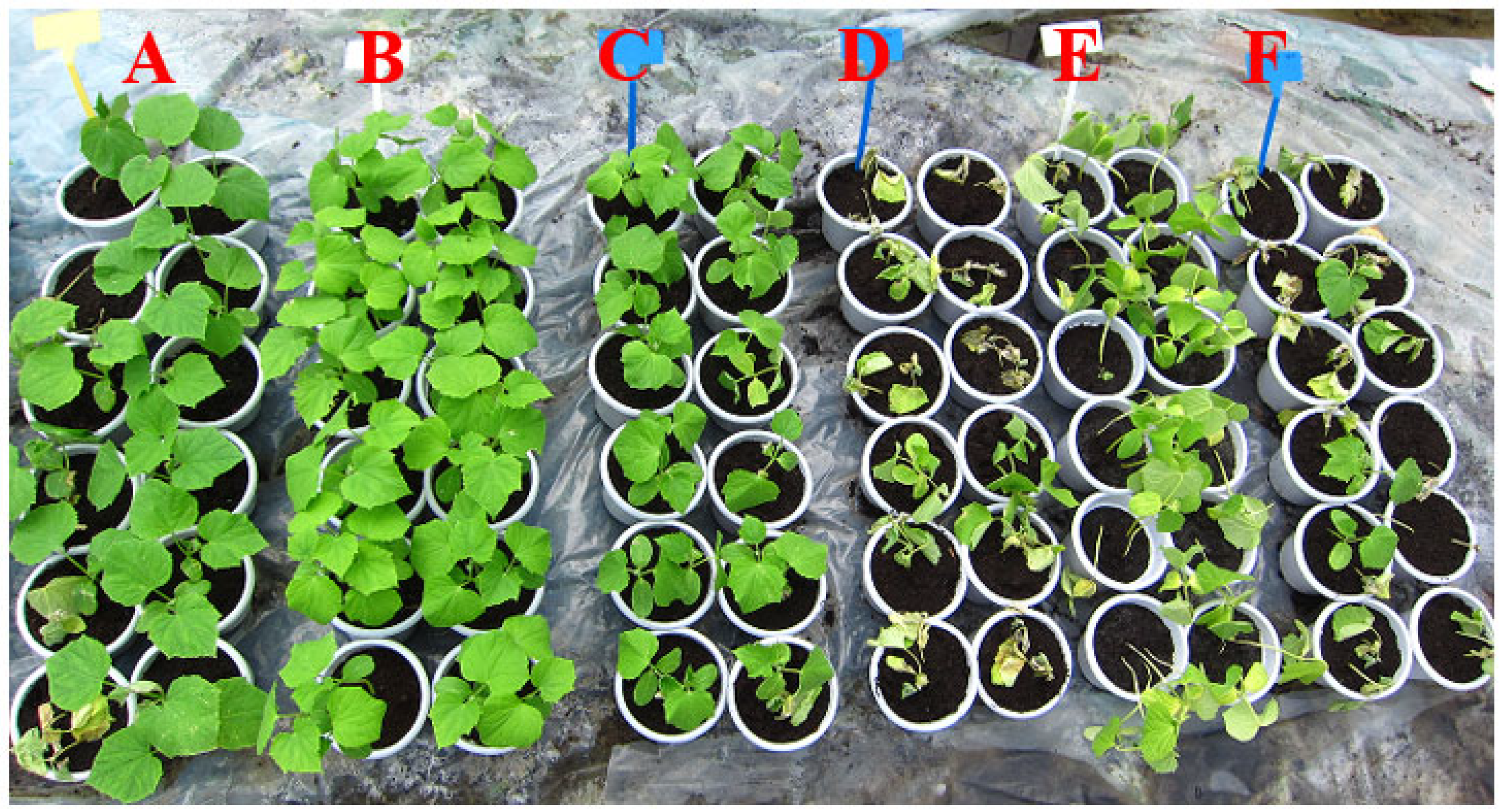
The biocontrol effects of FJ17-4, Hymexazol and Kasugamycin on cucumber Fusarium wilt are shown in Table 2 and Figure 1. The cucumber plants in the blank control group remained healthy and showed no disease symptoms. In contrast, the cucumber plants in the FOC treatment exhibited obvious wilting symptoms, with an average incidence rate of 100%. Although the plants in the FJ17-4/FOC-1 treatment group showed wilting symptoms, the symptoms were relatively mild. The average incidence rate was 31.25%, corresponding to a biocontrol efficacy of 68.75%. The biocontrol efficacies of Hymexazol and Kasugamycin were 70.19% and 65.21%, respectively. The biocontrol efficacy of FJ17-4 was higher than that of Kasugamycin. Statistical analysis indicated that the differences in biocontrol efficacy among FJ17-4, Hymexazol and Kasugamycin treatments against cucumber Fusarium wilt were significant at both the 5% and 1% significance levels.

3.2. Quality Assessment of Total RNA and Assembly Results

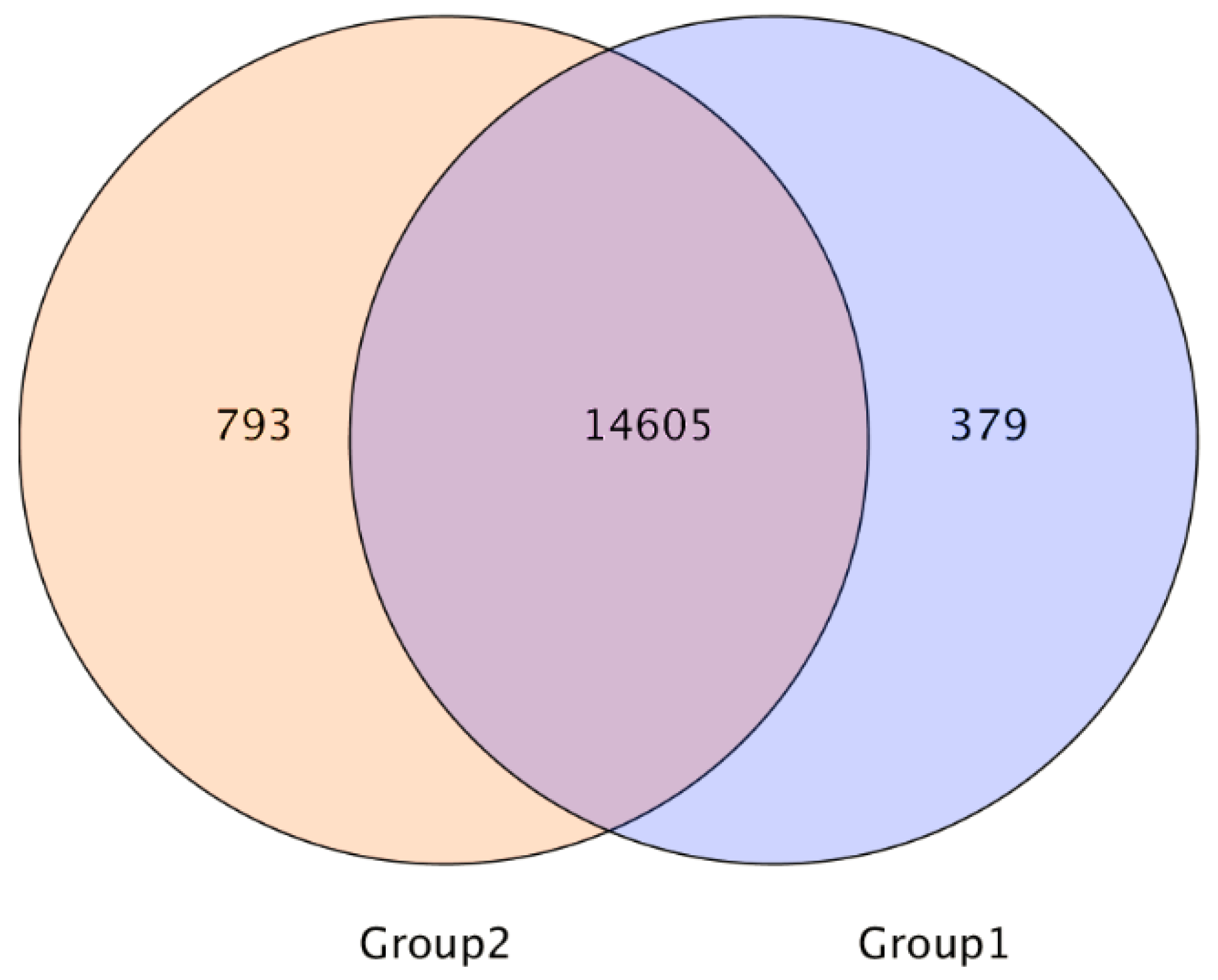
Transcriptomic sequencing generated 39.24 Gb of clean data, with an average of 6.23 Gb per sample. The GC content of all samples exceeded 42.39%, and Q30 base percentages were ≥90.16%. Clean reads from each sample were aligned to the reference genome with mapping efficiencies of 91.03–94.76% (Table 3), indicating high accuracy and reliability of the sequencing data for downstream analysis. A total of 23,974 genes were assembled from the merged sequencing data. Gene expression analysis revealed 14,605 genes co-expressed in both the group A and group B, with 379 and 793 genes uniquely expressed, respectively (Figure 2).

3.3. Distribution of Novel Transcripts Across Annotated Databases

This study identified 726 novel transcripts, of which 508 (69.97%) were annotated in functional databases including COG, GO, KEGG, and KOG (Table 4). The highest number of novel transcripts was annotated in the Nr database, with 505 novel transcripts, accounting for 69.56%, followed by 403 genes (55.50%) in the eggNOG database. The COG database contained the fewest annotated genes, with only 100 genes, accounting for 13.77%.

3.4. Analysis of Differentially Expressed Genes

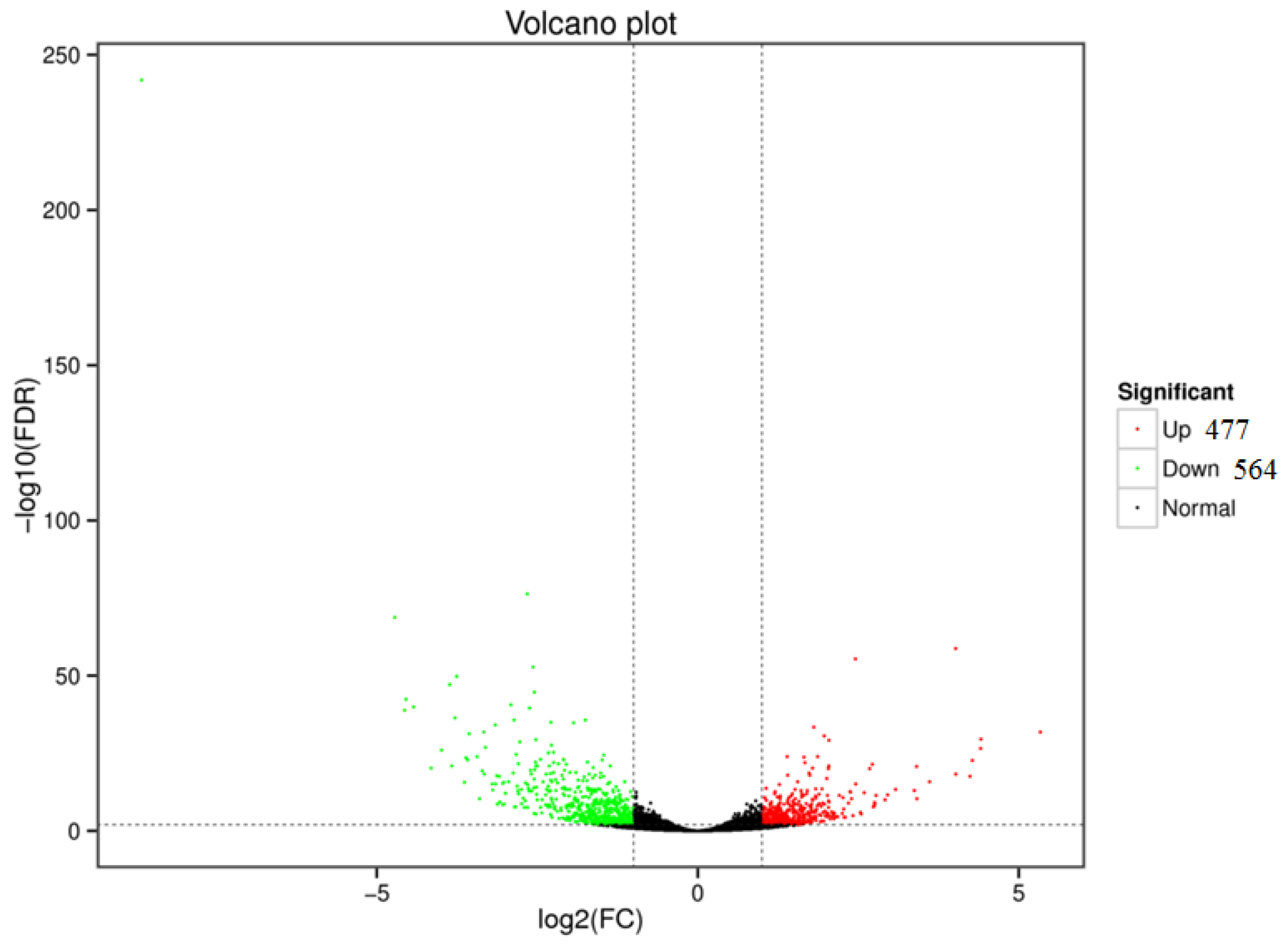
DEGs were identified using thresholds of FDR < 0.05 and log2 FC ≥ 2. The results showed that FJ17-4 treatment induced 1041 DEGs in cucumber roots, with 477 genes upregulated and 564 genes downregulated (Figure 3).

3.5. Functional Annotation and Enrichment Analysis of DEGs

DEGs were functionally annotated using databases such as the GO Consortium, and the number of annotated DEGs is shown in Table 5. Among the 1041 DEGs, 1028 (98.75%) were annotated across functional databases (COG, GO, KEGG, KOG, etc.). The number (and proportion) of annotated genes in each database were 443 (42.56%) in COG, 774 (74.35%) in GO, 388 (37.27%) in KEGG, 472 (45.34%) in KOG, 873 (83.86%) in Pfam, 807 (77.52%) in Swiss-Prot, 946 (90.87%) in eggNOG, and 1024 (98.36%) in Nr. The Nr database contained the highest number of annotated DEGs, followed by eggNOG, while KEGG had the fewest.

3.6. GO Functional Annotation of DEGs

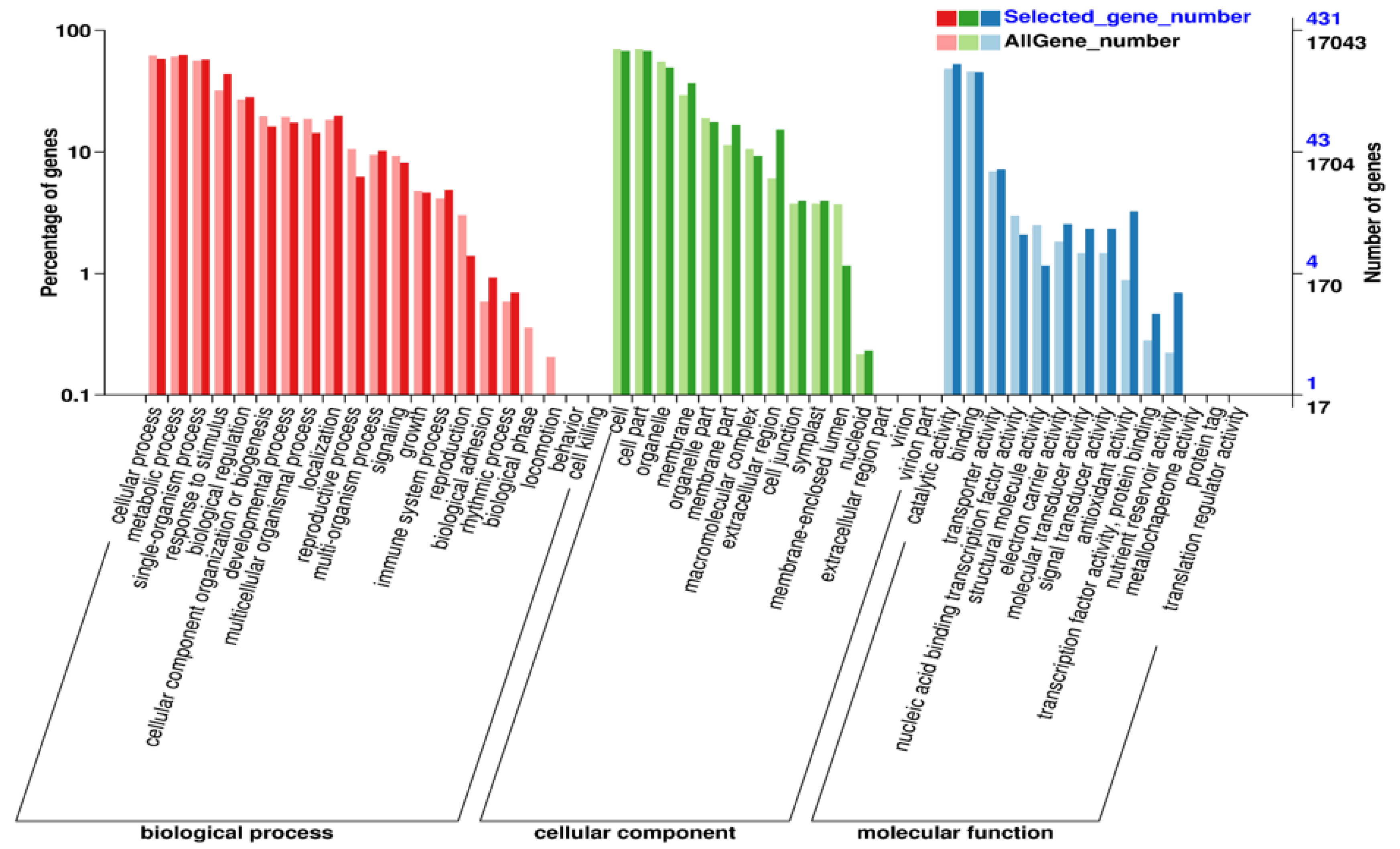
The GO database provides functional annotations for genes and proteins. Analysis of DEGs revealed that 774 of the 1041 DEGs were annotated in GO and enriched into three major categories (biological processes, cellular components, molecular function) and 51 subcategories (Figure 4). DEGs involved in biological processes were mainly distributed in cellular processes, metabolic processes, single-organism processes, response to stimulus, biological regulation, and localization. DEGs involved in cellular components were mainly distributed in the cell, cell part, organelle, membrane, organelle part, membrane part, and extracellular region. DEGs involved in molecular functions were mainly distributed in catalytic, binding, transporter, and antioxidant activities.

3.7. KOG Classification and Annotation of DEGs

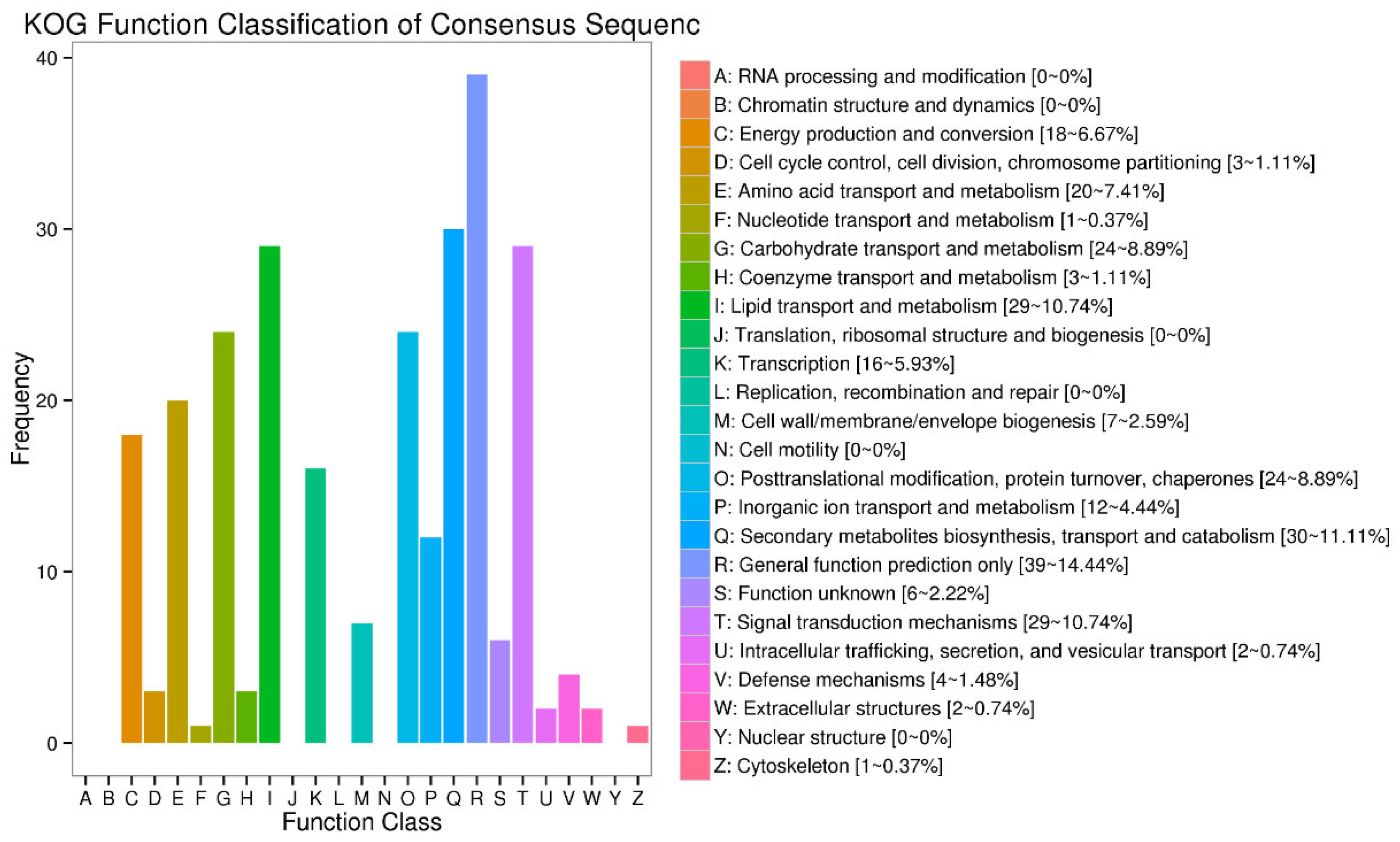
DEGs were compared with the KOG database and functionally annotated using its 25 predefined categories. As shown in Figure 5, DEGs were annotated and distributed across 24 functional categories, with “general function prediction” exhibiting the highest number of DEGs. This category was also the largest functional group. The numbers of DEGs in general function prediction, secondary metabolite biosynthesis–transport–catabolism, signal transduction mechanisms, lipid transport and metabolism, carbohydrate transport and metabolism, and post-translational modification–protein turnover-chaperones were 39, 30, 29, 29, 24, and 24, respectively. No genes were distributed in nuclear structure.

3.8. KEGG Functional Annotation Analysis of DEGs

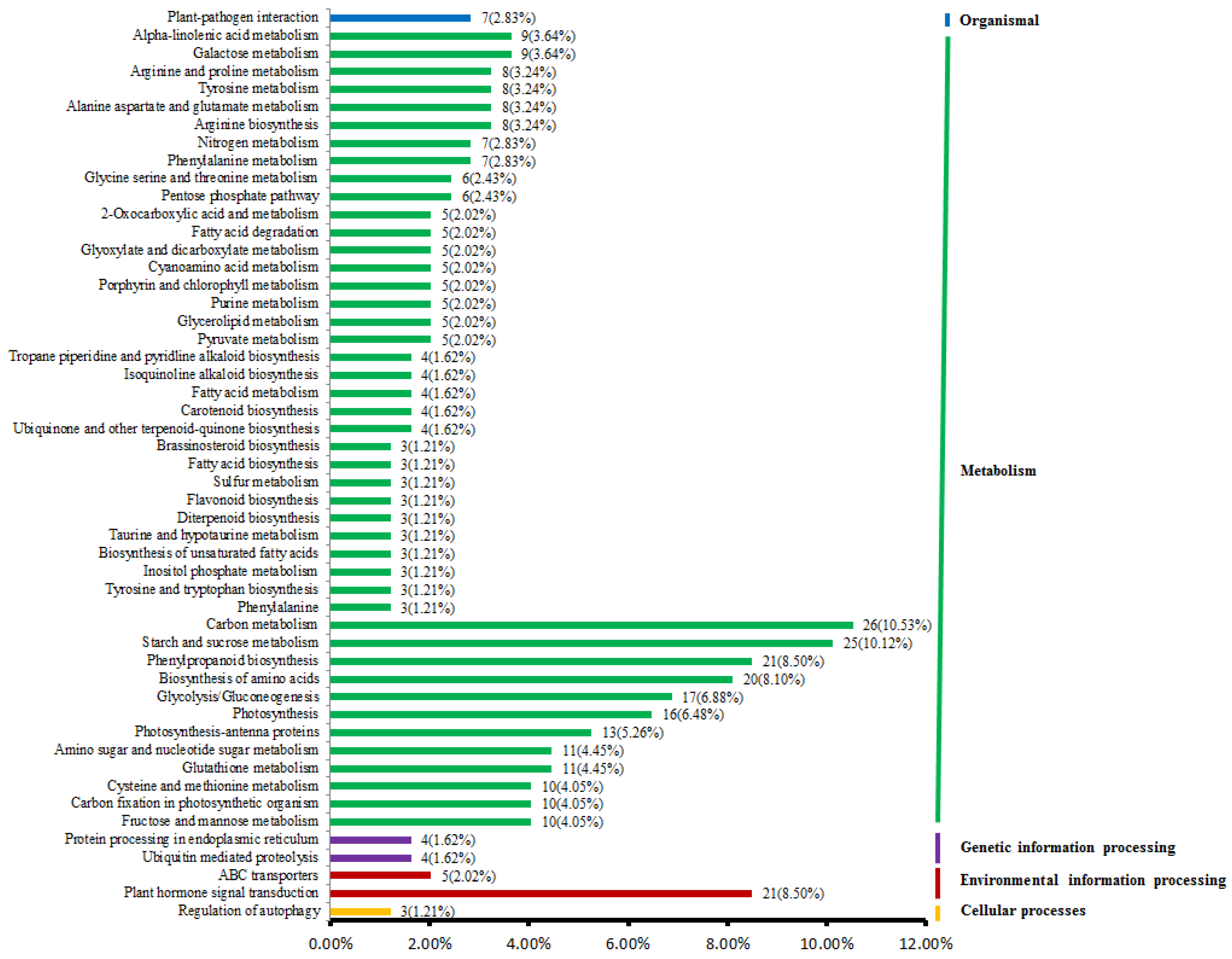
The metabolic pathways of DEGs were classified using the KEGG database. The results showed that DEGs were involved in 5 major categories and 51 subcategories of metabolic pathways. As shown in Figure 6, in the 5 major categories, 3 DEGs were involved in cellular processes and distributed in 1 subcategory, 26 DEGs were involved in environmental information processing and distributed in 2 subcategories, and 8 DEGs were involved in genetic information processing and distributed in 2 subcategories. The number of DEGs involved in metabolism was the highest and distributed in 45 subcategories, and 7 DEGs were involved in organismal and distributed in 1 subcategory. The DEGs were further divided across 45 metabolic pathways related to metabolism, and the highest number of DEGs was involved in carbon metabolism (26), followed by starch and sucrose metabolism (25), phenylpropanoid biosynthesis (21), biosynthesis of amino acids (20), glycolysis/gluconeogenesis (17), and photosynthesis (16). Further, 7 DEGs were enriched in plant–pathogen interactions, among which 4 (GeneID: Csa3G167380, encodes calmodulin, also involved in phosphatidylinositol signaling system; GeneID: Csa3G061000, encodes calcium-binding protein; GeneID: Csa3G874390, encodes calcium-binding protein; and GeneID: Csa6G376250, encodes calcium-dependent protein kinase) were upregulated and 3 (GeneID: Csa6G439940, encodes calcium-dependent protein kinase; GeneID: Csa5G638350, encodes cyclic nucleotide gated channel; GeneID: Csa1G569450, encodes respiratory burst oxidase) were downregulated. These findings indicated that plant–pathogen interactions involve multiple interconnected metabolic branches, necessitating the coordinated action of diverse genes and enzymes to complete this life activity.

3.9. KEGG Pathway Enrichment Analysis of DEGs

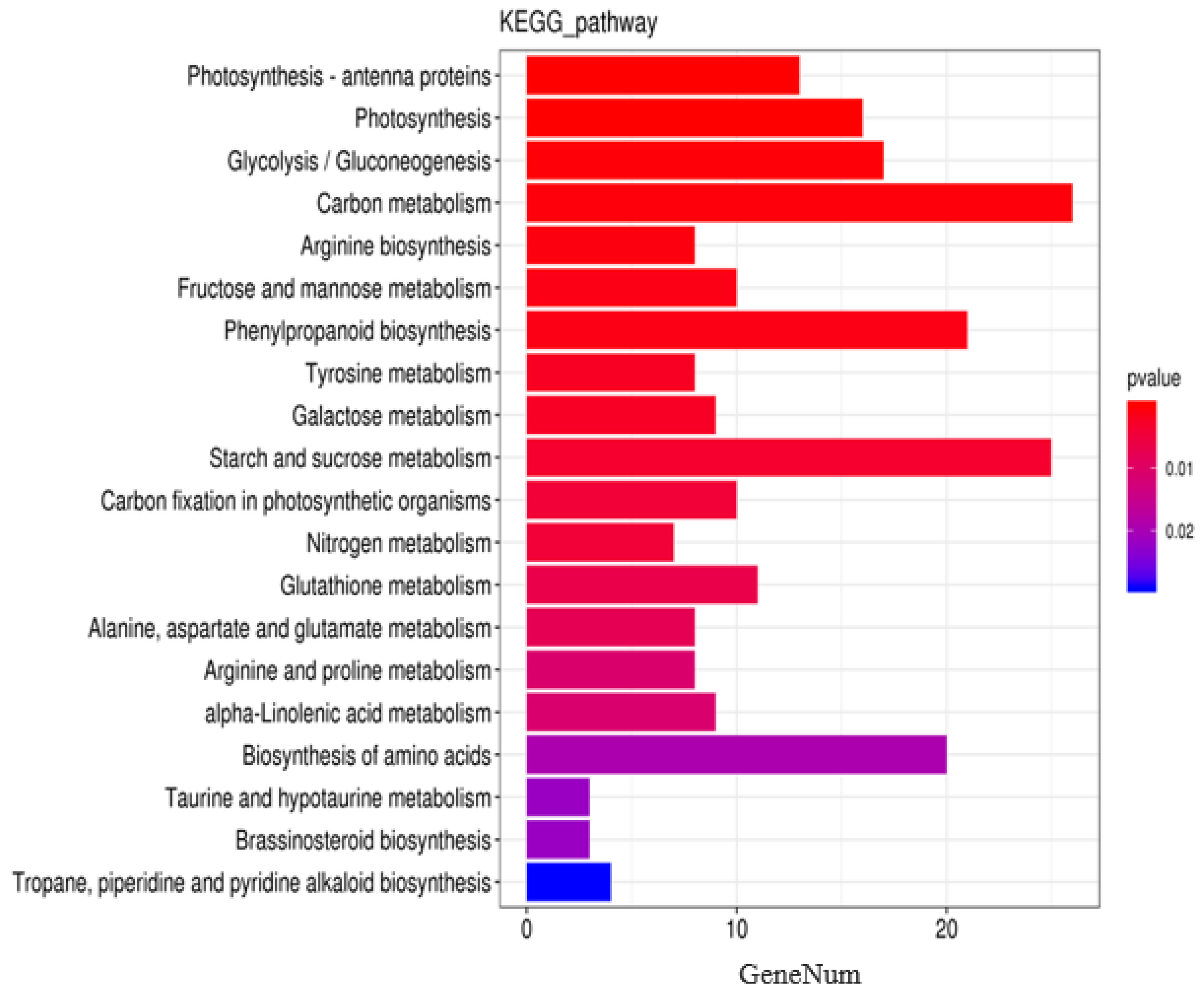
Using the KEGG database, the KEGG pathways of the DEGs were annotated and pathway enrichment was analyzed to assess significant over-representation of DEGs in specific metabolic pathways. The analysis results revealed 84 KEGG pathways involved in DEGs, among which the top 20 pathways enriched by DEGs in the KEGG pathway are shown in Figure 7. The top five enriched pathways were photosynthesis-antenna proteins, photosynthesis, glycolysis/gluconeogenesis, carbon metabolism, and arginine biosynthesis, most of which are associated with plant growth and stress resistance. The distribution of DEGs in different pathways revealed the largest number of genes in the carbon metabolism pathway, followed by the starch and sucrose metabolism, phenylpropanoid biosynthesis, amino acid biosynthesis, and glycolysis/gluconeogenesis pathways.

3.10. Distribution of Upregulated DEGs in Signaling or Metabolic Pathways Related to Plant Disease Resistance

The distribution analysis results of upregulated DEGs in signaling or metabolic pathways related to plant disease resistance were shown in Table 6, among the 477 upregulated DEGs, the main resistance-inducing pathways or metabolic pathways involved included the SA signaling (12 genes), JA signaling (14 genes), ET signaling (23 genes), defense-related gene (20 genes), and pathogenesis-related protein (6 genes) pathways. In total, 10 signaling or metabolic pathways and 97 functional genes were involved.

3.11. qRT-PCR Validation

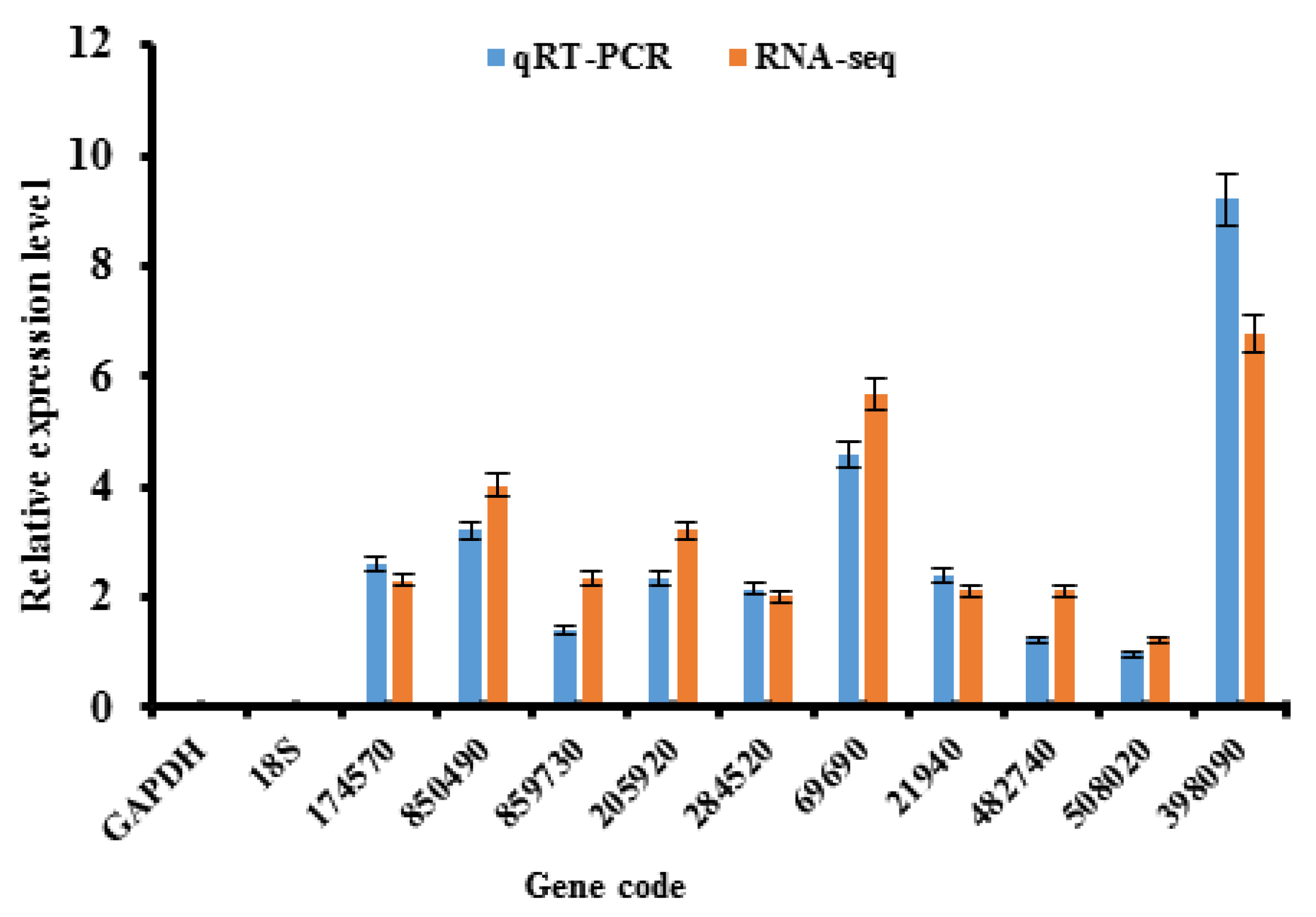
To validate the reliability of transcriptomic data, 10 upregulated genes related to plant disease resistance (Table 6) were analyzed using qRT-PCR. The results (Figure 8) revealed that the expression trends of all 10 genes were highly consistent with RNA-seq data, confirming the accuracy of the transcriptomic analysis.

4. Discussion

CFW is a serious fungal disease that threatens cucumber production. Effective prevention and control of CFW, as well as improving cucumber resistance, remain important topics in plant protection research. Recent studies have shown that B. velezensis can regulate healthy plant growth and induce plant resistance to pathogens [55,56,57]. However, there are few reports on the mechanisms by which B. velezensis induces cucumber resistance to CFW. In the present study, B. velezensis FJ17-4 significantly reduced the incidence rate of CFW, and its control efficacy was slightly higher than that of Kasugamycin, indicating that FJ17-4 has good application potential. The purpose of conducting transcriptome analysis on the interaction between FJ17-4 and cucumber was to reveal the biological control mechanisms of FJ17-4 against plant diseases, and provide scientific basis for the rational and efficient utilization of this strain.
The transcriptome sequencing results of FJ17-4 interacting with cucumber roots showed that a total of 39.24 Gb of clean data was obtained, with a GC content of >42.39% and a Q30 base of ≥90.16%. The clean reads alignment rate ranged from 91.03% to 94.76%. After merging and assembling the sequencing data, 23,974 genes were obtained. A total of 726 novel transcripts were discovered, of which 508 (69.97%) were annotated in various functional gene databases (COG, GO, KEGG, KOG, etc.). This indicated that, although most of the sequenced genes were functionally annotated in existing databases, not all could be. This may be due to factors such as relatively short gene sequences, alternative splicing, novel exons, or un-translated regions, which hinder functional analysis [58,59,60]. Moreover, the transcriptome sequencing data obtained from the interaction between cucumber roots and FJ17-4 has high quality, with broad coverage, and high accuracy, making it suitable for further in-depth analysis.
DEG analysis offers valuable molecular biological information about gene functions in the regulation of biological processes [61,62,63]. The results of DEG analysis in this study showed that, compared with the control group, 1041 genes were differentially expressed in the treatment group, among which 477 were upregulated and 564 were downregulated. This suggested that FJ17-4 significantly induced the differential expression of numerous responsive genes in cucumber roots, thereby contributing to the development of systemic disease resistance. In-depth analysis of the structure and function of these DEGs can help identify genes related to FJ17-4-induced cucumber disease resistance, providing a foundational dataset for further molecular mechanism studies.
Functional annotation analysis of DEGs provides a macroscopic perspective of functional gene distribution patterns [64]. GO functional annotation results showed that DEGs were predominantly enriched in cellular processes, metabolic processes, single-organism processes, response to stimulus, biological regulation, and localization. This distribution was consistent with previous reports on GO classification of Bacillus cereus-induced systemic resistance in lilies [65,66], indicated FJ17-4 can induce upregulation or downregulation of related genes in cucumber, thereby enhancing cucumber to develop disease resistance. In the KEGG database, 388 DEGs were annotated, covering 84 metabolic pathways. The most represented pathway was carbon metabolism, followed by starch and sucrose metabolism, phenylpropanoid biosynthesis, amino acid biosynthesis, and glycolysis/gluconeogenesis. These pathways play key roles in plant–pathogen interactions and the induction of systemic resistance in plants [67,68,69,70,71]. FJ17-4 can regulate the relevant disease resistance signal transduction pathways in plant pathogen interactions, initiate defense gene expression, activate immune responses, and induce plant disease resistance.
Further analysis of four upregulated genes in the plant–pathogen interaction pathway (Csa3G167380, Csa3G061000, Csa6G376250, and Csa3G874390) in the KEGG database revealed that these genes were primarily associated with calmodulin, calcium-binding proteins, and calcium-dependent protein kinase functions. Calcium signaling pathways are involved in regulating many cellular and physiological processes in living organisms and are crucial in responses to various biotic and abiotic stresses [72,73,74]. When plants encounter biotic or abiotic stress, Ca2+ acts as a secondary messenger that regulates various cellular functions [75,76]. Numerous studies have shown that many downstream targets of calmodulin (CaM), including nitric oxide synthase [77], barley MLO protein [78], and maize Ca2+-binding calmodulin [74], play important roles in triggering plant disease resistance responses. The KEGG functional analysis of upregulated genes in the plant–pathogen interaction pathway further confirmed that calcium-binding proteins were key regulators in plant defense responses to disease. B. velezensis FJ17-4 may play an important role in regulating the calcium signaling pathway involved in cucumber resistance to Fusarium wilt.
According to relevant reports, induced disease resistance in plants is mainly associated with plant–pathogen interactions [79]; defense-related enzymes such as phenylalanine ammonia-lyase (PAL) [80]; plant hormones including SA, JA, and ET [36,81,82,83]; phenylpropanoids [84]; siderophores [85]; allose [86]; pathogenesis-related proteins (PR proteins) [87]; lignin [88]; reactive oxygen species (ROS) [89,90]; and other signaling or metabolic pathways. The signal transduction pathway mediated by plant hormones plays a crucial role in plant resistance to adversity [91]. Plant hormones such as JA, ET, and SA are closely involved in plant defense response networks, such as systemic acquired resistance (SAR) and induced systemic resistance (ISR) [92,93]. ISR induced JA and ET signaling pathways can enhance the systemic resistance of host plants to subsequent pathogen invasion [94]. Similarly, the upregulation of JA/ET pathway-related genes induced by Pectobacterium carotovorum has been widely reported in plants such as water chestnut and Chinese cabbage [95,96]. Building upon these previously reported induced resistance-related signaling or metabolic pathways, this study identified and classified upregulated DEGs related to induced resistance based on transcriptome sequencing results. A total of 97 functional genes were found, mainly distributed among plant defense signaling pathways involving SA, JA, and ET. Root drenching with FJ17-4 likely activated the expression of relevant defense genes in cucumber root cells, and plant hormone-mediated signaling pathways involving SA, JA, and ET played key roles in the induction of resistance. Future studies on the mechanism of induced resistance should focus on how strain FJ17-4 regulates the synthesis of SA and other plant hormones. Moreover, the characteristics of the specific hormone that dominates the FJ17-4-induced resistance of cucumber against Fusarium wilt should be investigated.

5. Conclusions

This study conducted a preliminarily transcriptome-level analysis of the DEGs, gene functions, and metabolic pathway distributions in cucumber root tissues in response to systemic resistance induced by B. velezensis FJ17-4. The results showed that FJ17-4 has strong potential for inducing cucumber resistant to CFW, and the cucumber root response to FJ17-4-induced systemic resistance was a complex process involving multiple genes and the coordinated regulation of various metabolic pathways. Plant hormone mediated defense signaling pathways such as Ca2+ signaling, SA, JA, and ET play important roles in interaction between FJ17-4 and cucumber. Inducing resistance through beneficial microbial mediated defense initiation is a potential effective method for controlling plant diseases. The results of this study provide foundation for further scientific analysis of the mechanism by which B. velezensis FJ17-4 controlling CFW, and provided basic scientific data for further development of B. velezensis FJ17-4 as a commercial biological control agent.

Author Contributions

Conceptualization, C.L. and H.R.; methodology, C.L., L.G., X.L. and Z.L.; data curation (date analysis and discussion), C.L., L.G. and H.R.; software, C.L., L.G., X.Y. and Y.D.; visualization, X.Y.; writing—original draft preparation, C.L., L.G. and H.R.; formal analysis: Z.L. and H.R.; funding acquisition and project administration, C.L. and H.R.; investigation, C.L. and H.R.; resources, C.L. and X.Y.; writing—review and editing, C.L. and H.R.; supervision, H.R.; validation, L.G. and H.R. All authors have read and agreed to the published version of the manuscript.

Funding

This research was funded by the Fujian Province Welfare Scientific Research Program, grant number 2022R1024008; the Agricultural High-Quality Development “5511” Collaborative Innovation Project of the Fujian Provincial People’s Government—Chinese Academy of Agricultural Sciences, grant number XTCXGC2021011; and the Science and Technology Innovation Foundation of the Fujian Academy of Agricultural Sciences, grant number CXTD2021002-1.

Data Availability Statement

The original contributions presented in the study are included in the article; further inquiries can be addressed to the corresponding author.

Acknowledgments

The bioinformatics cloud platform (BMKCloud, www.biocloud.net) provided by Beijing Biomarker Technologies Co., Ltd. and GenAI tools (Molecular Biology Software) StringTie, DESeq2 were used to analyzed transcriptomic data in this study.

Conflicts of Interest

The authors declare no conflicts of interest.

Abbreviations

The following abbreviations are used in this manuscript:
CFWCucumber Fusarium wilt
ISRInduced Systemic Resistance
ROSReactive Oxygen Species
PALPhenylalanine Ammonia Lyase
PPOPolyphenol Oxidase
SODSuperoxide Dismutase
PODPeroxidase
CATCatalase
FPKMFragments Per Kilobase of transcript per Million fragments mapped
DEGsDifferentially Expressed Genes
GOGene Ontology
COGClusters of Orthologous Groups
KOGeuKaryotic Orthology Groups
KEGGKyoto Encyclopedia of Genes and Genomes
NrNon-redundant Protein
SASalicylic Acid
ETEthylene
JAJasmonic Acid
qRT-PCRQuantitative Reverse Transcription PCR
IAAIndole-3-Acetic Acid

References

  1. Zheng, Z.J.; Zhou, W.P.; Zeng, X.P.; Gao, X.S.; Ding, F.; Ma, J.J.; Zhang, Z.P.; Liu, J.X.; Waiya, A.M.; Miao, M.M. Wet-dry rotation plus straw mulching alleviates soil secondary salinization, nitrogen leaching, cucumber Fusarium wilt and net global warming potential. Plant Soil 2026, 519, 1821–1842. [Google Scholar] [CrossRef]
  2. Zeng, J.X.; Gu, Z.C.; Li, J.; Wang, R.F.; Huang, M.T.; Wang, M.; Guo, S.W. Nitrate supply increases the resistance of cucumber to Fusarium wilt disease by regulating root exudation. Biol. Fert. Soils 2025, 61, 805–820. [Google Scholar] [CrossRef]
  3. Raza, W.; Ling, N.; Zhang, R.F.; Huang, Q.W.; Xu, Y.C.; Shen, Q.R. Success evaluation of the biological control of Fusarium wilts of cucumber, banana, and tomato since 2000 and future research strategies. Crit. Rev. Biotechnol. 2017, 37, 202–212. [Google Scholar] [CrossRef]
  4. Li, S.W.; Li, J.J.; Yuan, M.H.; Ren, J.X.; Jiao, Y.; Zhao, L.J.; Wang, Y.Y.; Yan, Z.H.; Li, J.Y.; Du, J.F. Dual benefits of Bacillus velezensis LJ-19: Contact-dependent biocontrol of Fusarium wilt and growth promotion in cucumber. Front. Plant Sci. 2025, 16, 1711383. [Google Scholar] [CrossRef] [PubMed]
  5. Yang, W.; Wang, L.; Li, X.; Yan, H.X.; Zhong, B.B.; Du, X.R.; Guo, Q.; He, T.T.; Luo, Y.M. Biological control potential of Bacillus subtilis Isolate 1JN2 against Fusarium wilt on cucumber. Horticulturae 2024, 10, 843. [Google Scholar] [CrossRef]
  6. Hao, Z.P.; Christie, P.; Qin, L.; Wang, C.X.; Li, X.L. Control of fusarium wilt of cucumber seedlings by inoculation with an arbuscular mycorrhical fungus. J. Plant Nutr. 2005, 28, 1961–1974. [Google Scholar] [CrossRef]
  7. Zhang, M.M.; Wang, R.; Khan, R.A.A.; Zhan, X.; Ren, S.; Jiang, H.N.; Zheng, C.Y.; Wu, Y.G.; Yang, F.X.; Yu, X.L. Trichoderma asperellum FJ035 restructure the rhizosphere microbiome to control the cucumber Fusarium wilt. Plant Cell Environ. 2026, 29, 858–877. [Google Scholar] [CrossRef] [PubMed]
  8. Fan, Z.Q.; Feng, J.H.; Zheng, L.X.; Chen, Y.R.; Wang, M.L.; Peng, X.Q.; Wang, S.; Chen, F. Bacillus subtilis B579 controls cucumber Fusarium wilt by improving thizosphere microbial vommunity. Microorganisms 2025, 13, 1382. [Google Scholar] [CrossRef] [PubMed]
  9. Dong, J.P.; Xu, J.; Xu, X.W.; Xu, Q.; Chen, X.H. Inheritance and quantitative trait locus mapping of Fusarium wilt resistance in cucumber. Front. Plant Sci. 2019, 10, 1425. [Google Scholar] [CrossRef]
  10. Shalaby, T.A.; Taha, N.A.; Rakha, M.T.; El-Beltagi, H.S.; Shehata, W.F.; Ramadan, K.M.A.; El-Ramady, H.; Bayoumi, Y.A. Can grafting manage Fusarium wilt disease of cucumber and increase productivity under heat stress? Plants 2022, 11, 1147. [Google Scholar] [CrossRef]
  11. Lan, C.Z.; Ruan, H.C.; Yang, X.J.; Yao, J.N.; Jiang, J.X. Development of a loop-mediated isothermal amplification assay for sensitive and specific detection of Fusarium oxysporum f. sp. cucumerinum Owen. Phytoparasitica 2018, 46, 283–293. [Google Scholar] [CrossRef]
  12. Li, X.F.; Liu, J.Y. Soil amendments with nanoparticles control cucumber wilt caused by Fusarium oxysporium. S. Afr. J. Bot. 2024, 168, 384–393. [Google Scholar] [CrossRef]
  13. Zhang, S.S.; Raza, W.; Yang, X.M.; Hu, J.; Huang, Q.W.; Xu, Y.C.; Liu, X.H.; Ran, W.; Shen, Q.R. Control of Fusarium wilt disease of cucumber plants with the application of a bioorganic fertilizer. Biol. Fert. Soils 2008, 44, 1073–1080. [Google Scholar] [CrossRef]
  14. Costa, A.E.S.; da Cunha, F.S.; Honorato, A.D.; Capucho, A.S.; Dias, R.D.S.; Borel, J.C.; Ishikawa, F.H. Resistance to Fusarium wilt in watermelon accessions inoculated by chlamydospores. Sci. Hortic. 2018, 228, 181–186. [Google Scholar] [CrossRef]
  15. Jin, X.; Shi, Y.J.; Wu, F.Z.; Pan, K.; Zhou, X.G. Intercropping of wheat changed cucumber rhizosphere bacterial community composition and inhibited cucumber Fusarium wilt disease. Sci. Agr. 2020, 77, e20190005. [Google Scholar] [CrossRef]
  16. Wang, L.Y.; Yi, Q.X.; Yu, P.P.; Kumar, S.; Zhang, X.Y.; Wu, C.X.; Weng, Z.L.; Xing, M.Y.; Huo, K.S.; Chen, Y.L. Rootstock selection for resisting cucumber Fusarium Wilt in Hainan and corresponding transcriptome and metabolome analysis. Plants 2025, 14, 359. [Google Scholar] [CrossRef]
  17. Maliang, H.D.; Wang, P.W.; Chen, A.L.; Liu, H.B.; Lin, H.P.; Ma, J.Y. Bamboo Tar as a novel fungicide: Its chemical components, laboratory evaluation, and field efficacy against false smut and sheath blight of rice and powdery mildew and Fusarium wilt of cucumber. Plant Dis. 2021, 105, 331–338. [Google Scholar] [CrossRef]
  18. Jefferson, T.A.; Miranti, M.; Awal, M.A.; Hafsari, A.R.; Prismantoro, D.; Joshi, R.C.; Febri-Doni, F. Plant growth-promoting fungi (PGPF) for controlling rice diseases: A sustainable approach. Cogen Food Agric. 2026, 12, 2610015. [Google Scholar] [CrossRef]
  19. Ons, L.; Bylemans, D.; Thevissen, K.; Cammue, B.P.A. Combining biocontrol agents with chemical fungicides for integrated plant fungal disease control. Microorganisms 2020, 8, 1930. [Google Scholar] [CrossRef]
  20. Moon, J.H.; Ajuna, H.B.; Choi, S.I.; Yun, J.Y.; Lee, S.Y.; Choub, V.; Ahn, Y.S. Biological control of Bacillus licheniformis PR2 biological control of against Fusarium oxysporum and growth promotion of Pinus strobus L. as an urban greening strategy. Biol. Control 2026, 213, 105966. [Google Scholar] [CrossRef]
  21. Almasoudi, N.M.; Sallam, N.M.A.; Ali, E.F.; Alqurashi, A.S.; Issa, A.A.; Althobaiti, F.; Housny, M.; Alomari, H.; Abo-Elyousr, K.A.M. Development of Bacillus spp. for controlling wilt disease and improving the growth of tomato. Eur. J. Plant Pathol. 2025, 172, 355–366. [Google Scholar] [CrossRef]
  22. Liu, S.W.; Yang, W.L.; Yang, X.F.; Gong, R.G.; Xiang, D.D.; Li, C.Y. Integrated control of Fusairum wilt in banana by Bacillus velezensis EB1 and potassium sorbate. BMC Microbiol. 2024, 24, 457. [Google Scholar] [CrossRef] [PubMed]
  23. Ben Gharsa, H.; Bouri, M.; Schuster, C.; Rhouma, A.; Leclerque, A. Bacillus strains from Tunisian Sabkhas as promising biocontrol agents for several plant diseases in the Mediterranean. BMC Microbiol. 2026, 26, 323. [Google Scholar] [CrossRef] [PubMed]
  24. Liao, Y.H.; Shen, J.Y.; Yang, T.; Peng, H.J.; Qi, T.W.; Li, Y.; Li, C.C. Identification of the Biocontrol Effect of Bacillus velezensis LYH8 Against Fusarium Head Blight of Wheat. J. Fungi 2026, 12, 199. [Google Scholar] [CrossRef] [PubMed]
  25. Yao, X.; Guo, H.L.; Zhang, K.X.; Zhao, M.Y.; Ruan, J.J.; Chen, J. Trichoderma and its role in biological control of plant fungal and nematode disease. Front. Microbiol. 2023, 14, 1160551. [Google Scholar] [CrossRef]
  26. Maung, C.E.H.; Choi, T.G.; Nam, H.H.; Kim, K.Y. Role of Bacillus amyloliquefaciens Y1 in the control of Fusarium wilt disease and growth promotion of tomato. Biocontrol Sci. Technol. 2017, 27, 1400–1415. [Google Scholar] [CrossRef]
  27. Yang, F.; Wang, X.; Jiang, H.Y.; Chang, X.K.; Chen, W.W.; Shi, G.Y.; Tian, B.M.; Yao, Q.J. Formation of a Novel Antagonistic Bacterial Combination to Enhance Biocontrol for Cucumber Fusarium Wilt. Microorganisms 2025, 13, 133. [Google Scholar] [CrossRef]
  28. Zhu, C.Y.; Li, X.; Gao, Y.; Yang, X.Y.; Gao, Y.L.; Li, K.H. Potential of Streptomyces rochei G-6 for biocontrol of cucumber wilt disease and growth enhancement. J. Fungi 2024, 10, 885. [Google Scholar] [CrossRef]
  29. Li, H.L.; Zhao, S.S.; Zhang, X.Y.; Yang, F.Y.; Feng, C.S.; Huang, Y.H.; Tang, X.X.; Sun, P.T.; Wang, Y.P. Inoculation of Bacillus velezensis Bv-116 and its bio-organic fertilizer serve as an environmental friendly biocontrol strategy against cucumber Fusarium wilt. Front. Plant Sci. 2024, 15, 1467265. [Google Scholar] [CrossRef]
  30. Zhai, Y.; Zhu, J.X.; Tan, T.M.; Xu, J.P.; Shen, A.R.; Yang, X.B.; Li, J.L.; Zeng, L.B.; Wei, L. Isolation and characterization of antagonistic Paenibacillus polymyxa HX-140 and its biocontrol potential against Fusarium wilt of cucumber seedlings. BMC Microbiol. 2021, 21, 75. [Google Scholar] [CrossRef]
  31. Duan, Y.J.; Pang, Z.C.; Yin, S.L.; Xiao, W.J.; Hu, H.G.; Xie, J.H.; Moussa, E. Screening and Analysis of Antifungal Strains Bacillus subtilis JF-4 and B. amylum JF-5 for the Biological Control of Fusarium Wilt of Banana. J. Fungi 2023, 9, 886. [Google Scholar] [CrossRef]
  32. Xing, Z.X.; Liu, D.; Luo, M.; Yang, Z.L.; Pang, W.Y.; Feng, Y.X.; Yan, J.N.; He, F.M.; Feng, X.; Yuan, Q. Analysis of the control effect of Bacillus amyloliquefaciens C4 wettable powder on potato bacterial wilt caused by Ralstonia solanacearum. Agronomy 2025, 15, 206. [Google Scholar] [CrossRef]
  33. Zhu, F.; Cao, M.Y.; Zhang, Q.P.; Mohan, R.; Schar, J.; Mitchell, M.; Chen, H.; Liu, F.Q.; Wang, D.W.; Fu, Z.Q. Join the green team: Inducers of plant immunity in the plant disease sustainable control toolbox. J. Adv. Res. 2024, 57, 15–42. [Google Scholar] [CrossRef]
  34. Li, C.Y.; Hu, W.C.; Pan, B.; Liu, Y.; Yuan, S.F.; Ding, Y.Y.; Li, R.; Zheng, X.Y.; Shen, B.; Shen, Q.R. Rhizobacterium Bacillus amyloliquefaciens strain SQRT3-mediated induced systemic resistance controls bacterial wilt of tomato. Pedosphere 2018, 6, 1135–1146. [Google Scholar] [CrossRef]
  35. Abdelkhalek, A.; Behiry, S.I.; Al-Askar, A.A. Bacillus velezensis PEA1 inhibits Fusarium oxysporum growth and induces systemic resistance to cucumber mosaic virus. Agronomy 2020, 10, 1312. [Google Scholar] [CrossRef]
  36. Chen, Y.; He, Y.J.; Xia, S.T. Root-irrigation with Bacillus velezensis TX2 induces systemic resistance to soft rot disease via jasmonic acid and salicylic acid dependent pathways in Colocasia esculenta. Biol. Control 2026, 214, 105976. [Google Scholar] [CrossRef]
  37. Bathke, K.J.; Jochum, C.C.; Yuen, G.Y. Biological control of bacterial leaf streak of corn using systemic resistance-inducing Bacillus strains. Crop Prot. 2022, 155, 105932. [Google Scholar] [CrossRef]
  38. Wang, M.L.; Geng, L.L.; Jiao, S.M.; Wang, K.; Xu, W.Y.; Shu, C.L.; Zhang, J. Bacillus thuringiensis exopolysaccharides induced systemic resistance against Sclerotinia sclerotiorum in Brassica campestris L. Biol. Control 2023, 183, 105267. [Google Scholar] [CrossRef]
  39. Yang, P.; Zhao, Z.Z.; Fan, J.B.; Liang, Y.P.; Bernier, M.C.; Gao, Y.; Zhao, L.J.; Opiyo, S.O.; Xia, Y. Bacillus proteolyticus OSUB18 triggers induced systemic resistance against bacterial and fungal pathogens in Arabidopsis. Front. Plant Sci. 2023, 14, 1078100. [Google Scholar] [CrossRef]
  40. Chen, L.; Wang, X.H.; Ma, Q.H.; Bian, L.S.; Liu, X.; Xu, Y.; Zhang, H.H.; Shao, J.H.; Liu, Y.P. Bacillus velezensis CLA178-induced systemic resistance of Rosa multiflora against crown gall disease. Front. Microbiol. 2020, 11, 587667. [Google Scholar] [CrossRef]
  41. Chen, Z.N.; Wang, Z.G.; Xu, W.H. Bacillus velezensis WB induces systemic resistance in watermelon against Fusarium wilt. Pest Manag. Sci. 2024, 88, 1423–1434. [Google Scholar] [CrossRef]
  42. Wang, F.; Zhang, F.; Chen, M.M.; Liu, Z.H.; Zhang, Z.H.; Fu, J.F.; Ma, Y. Comparative transcriptomics reveals differential gene expression related to Colletotrichum gloeosporioides resistance in the Octoploid strawberry. Front. Plant Sci. 2017, 8, 779. [Google Scholar] [CrossRef]
  43. Xie, Z.; Yu, H.Y.; Peng, S.J.; Zhang, B.D.; Liu, G.H.; Wei, C.M.; Lai, J.H.; Cai, C.; Xu, F.R. Comparative transcriptome analysis reveals key genes responsible for the differences in polyphyllin composition in two Paris polyphylla species. Gene 2025, 946, 149325. [Google Scholar] [CrossRef]
  44. Halimaa, P.; Blande, D.; Aarts, M.G.M.; Tuomainen, M.; Tervahauta, A.; Kärenlampi, S. Comparative transcriptome analysis of the metal hyperaccumulator Noccaea caerulescens. Front. Plant Sci. 2014, 5, 213. [Google Scholar] [CrossRef]
  45. Su, J.S.; Zhao, L.M.; Yang, Y.N.; Yang, Y.; Zhang, X.F.; Guan, Z.Y.; Fang, W.M.; Chen, F.D.; Zhang, F. Comparative transcriptome analysis provides molecular insights into heterosis of waterlogging tolerance in Chrysanthemum indicum. BMC Plant Biol. 2024, 24, 259. [Google Scholar] [CrossRef] [PubMed]
  46. Jadhav, P.; Magar, S.; Sharma, P.; Shinde, U.; Vaidya, E.; Moharil, M.; Jaiswal, S.; Nichal, S.; Ghawade, R.; Iquebal, M.A. Comparative transcriptome and co-expression network analysis uncovers the regulatory mechanism of silicon-induced soybean defense against charcoal rot disease. Curr. Plant Biol. 2025, 41, 100442. [Google Scholar] [CrossRef]
  47. Ye, W.; Liu, T.M.; Zhang, W.M.; Li, S.N.; Zhu, M.Z.; Li, H.H.; Kong, Y.L.; Xu, L.Q. Disclosure of the molecular mechanism of wheat leaf spot disease caused by Bipolaris sorokiniana through comparative transcriptome and metabolomics analysis. Int. J. Mol. Sci. 2019, 20, 6090. [Google Scholar] [CrossRef] [PubMed]
  48. Zheng, L.; Zhang, M.; Zhuo, Z.; Wang, X.; Gao, Y.; Li, Y.; Liu, W.; Zhang, W. Transcriptome profiling analysis reveals distinct resistance response of cucumber leaves infected with powdery mildew. Plant Biol. 2021, 23, 327–340. [Google Scholar] [CrossRef]
  49. Xu, T.S.; Liu, T.G.; Liu, B.; Chen, W.Q.; Gao, L. Application and progresses in transcriptome sequencing for the study of plant pathogens and plant-fungal interactions. Plant Prot. 2020, 6, 13–17. [Google Scholar]
  50. Lan, C.Z.; Lin, X.; Gan, L.; Dai, Y.L.; Liu, X.F.; Yang, X.J.; Jiang, J.X. Optimization of Bacillus velezensis FJ17-4 fermentation. Fujian J. Agri. Sci. 2022, 37, 1335–1343. [Google Scholar]
  51. Lan, C.Z.; Gan, L.; Dai, Y.L.; Liu, X.F.; Yang, X.J.; Jiang, J.X. Screening, identification and biocontrol effect of antagonistic strain against Fusarium oxysporum f. sp. cucumerinum. Chin. J. Biol. Control 2023, 39, 184–193. [Google Scholar]
  52. Pertea, M.; Pertea, G.M.; Antonescu, C.M.; Chang, T.C.; Mendell, J.T.; Salzberg, S.L. StringTie enables improved reconstruction of a transcriptome from RNA-seq reads. Nat. Biotechnol. 2015, 33, 290–295. [Google Scholar] [CrossRef]
  53. Florea, L.; Song, L.; Salzberg, S.L. Thousands of exon skipping events differentiate among splicing patterns in sixteen human tissues. F1000Research 2013, 2, 188. [Google Scholar] [CrossRef]
  54. Love, M.I.; Huber, W.; Anders, S. Moderated estimation of fold change and dispersion for RNA-seq data with DESeq2. Genome Biol. 2014, 15, 550. [Google Scholar] [CrossRef]
  55. Fan, Y.J.; He, X.J.; Dai, J.W.; Yang, N.; Jiang, Q.Y.; Xu, Z.F.; Tang, X.R.; Yu, Y.T.; Xiao, M. Induced resistance mechanism of Bacillus velezensis S3 against pepper wilt. Curr. Microbiol. 2023, 80, 367. [Google Scholar] [CrossRef] [PubMed]
  56. Shahzaib, Y.; Zhong, T.H.; Zhang, P. Bacillus velezensis BY6 controls armillaria root rot in poplar by reshaping rhizosphere-phyllosphere microbiomes and inducing systemic resistance. Microorganisms 2026, 14, 612. [Google Scholar] [CrossRef] [PubMed]
  57. Tian, D.D.; Song, X.P.; Li, C.S.; Zhou, W.; Qin, L.Y.; Wei, L.P.; Di, W.; Huang, S.M.; Li, B.S.; Huang, Q.Y.; et al. Antifungal mechanism of Bacillus amyloliquefaciens strain GKT04 against Fusarium wilt revealed using genomic and transcriptomic analyses. MicrobiologyOpen 2021, 10, e1192. [Google Scholar] [CrossRef] [PubMed]
  58. Wang, S.A.; Wu, H.J.; Qiao, J.Q.; Ma, L.L.; Liu, J.; Xia, Y.F.; Gao, X.W. Molecular mechanism of plant growth promotion and induced systemic resistance to tobacco mosaic virus by Bacillus spp. J. Microbiol. Biotechnol. 2009, 19, 1250–1258. [Google Scholar] [CrossRef]
  59. Zeng, S.X.; Li, X.J.; Leng, J.S.; Wisniewski, M.; Chen, M.R.; Wang, Y.; Liu, J. Transcriptomic and metabolomics analyses provide evidence on the biocontrol mechanism responsible for the inhibition of Botrytis cinerea and Alternaria alternate by Bacillus velezensis in kiwifruit. Food Front. 2024, 5, 2623–2640. [Google Scholar] [CrossRef]
  60. Xiao, J.; Jin, X.H.; Jia, X.P.; Wang, H.Y.; Cao, A.Z.; Zhao, W.P.; Pei, H.Y.; Xue, Z.K.; He, L.Q.; Chen, Q.G. Transcriptome-based discovery of pathways and genes related to resistance against Fusarium head blight in wheat landrace Wangshuibai. BMC Genom. 2013, 14, 197. [Google Scholar] [CrossRef]
  61. Kauffmann, A.; Huber, W. Microarray data quality control improves the detection of differentially expressed genes. Genomics 2010, 95, 138–142. [Google Scholar] [CrossRef] [PubMed]
  62. Wang, Y.Q.; Li, S.X.; Zhang, X.T.; Wang, Y.J.; Zhang, C.H. Isolation and analysis of differentially expressed genes during ovule abortion in the seedless grape. Sci. Hortic. 2016, 211, 376–383. [Google Scholar] [CrossRef]
  63. Tohge, T.; Nishiyama, Y.; Hirai, M.Y.; Yano, M.; Nakajima, J.; Awazuhara, M.; Inoue, E.; Takahashi, H.; Goodenowe, D.B.; Kitayama, M.; et al. Functional genomics by integrated analysis of metabolome and transcriptome of Arabidopsis plants over-expressing an MYB transcription factor. Plant J. 2005, 42, 218–235. [Google Scholar] [CrossRef] [PubMed]
  64. Liu, N.; Qiao, M.; Sun, J.W.; Chen, Y.; Hou, C.Y.; Han, S.F.; Wang, D.M. Transcriptome analysis of wheat leaves infected by Puccinia triticina. J. Plant Genet. Resour. 2019, 20, 991–1000. [Google Scholar]
  65. Liu, Y.H.; Huang, C.J.; Chen, C.Y. Identification and transcriptional analysis of genes involved in Bacillus cerenus induced systemic resistance in Lilium. Biol. Plant. 2010, 54, 697–702. [Google Scholar] [CrossRef]
  66. Jiang, C.H.; Yao, X.F.; Mi, D.D.; Li, Z.J.; Yang, B.Y.; Zheng, Y.; Qi, Y.J.; Guo, J.H. Comparative transcriptome analysis reveals the biocontrol mechanism of Bacillus velezensis F21 against Fusarium wilt on watermelon. Front. Microbiol. 2019, 10, 652. [Google Scholar] [CrossRef]
  67. Udvardi, M.K.; Kakar, K.; Wandrey, M.; Montanari, O.; Murray, J.; Andriankaja, A.; Zhang, J.Y.; Benedito, V.; Hofer, J.M.I.; Chueng, F.; et al. Legume transcription factors: Global regulators of plant development and response to the environment. Plant Physiol. 2007, 144, 538–549. [Google Scholar] [CrossRef]
  68. Liang, Y.Q.; Li, X.S.; Lei, F.Y.; Yang, R.R.; Bai, W.W.; Yang, Q.L.; Zhang, D.Y. Transcriptome profiles reveals ScDREB10 from Syntrichia caninervis regulated phenylpropanoid biosynthesis and starch –sucrose metabolism to enhance plant stress tolerance. Plants 2024, 13, 205. [Google Scholar] [CrossRef]
  69. Maeda, H.; Dudareva, N. The shikimate pathway and aromatic amino acid biosynthesis in plants. Annu. Rev. Plant Biol. 2012, 63, 73–105. [Google Scholar] [CrossRef]
  70. Yang, J.; An, D.; Zhang, P. Expression profiling of cassava storage roots reveals an active process of glycolysis/gluconeogenesis. J. Integr. Plant Biol. 2011, 53, 193–211. [Google Scholar] [CrossRef]
  71. Li, N.; Zou, L.F.; Xin, Y.D.; Sun, S.; Geng, X.Q. Transcriptome analysis of coronatine-induced resistance to Ralstonia solanacearum. Acta Phytopathol. Sin. 2024, 54, 343–354. [Google Scholar]
  72. Lederer, S.; Liese, A.; Lee, J.; Romeis, T. Sense and sensitivity-decoding calcium signalling across cellular, autocrine, paracrine and endocrine pathways in plant resilience. Curr. Opin. Plant Biol. 2025, 87, 102782. [Google Scholar] [CrossRef]
  73. Bundó, M.; Coca, M. Calcium-dependent protein kinase OsCPK10 mediates both drought tolerance and blast disease resistance in rice plants. J. Exp. Bot. 2017, 68, 2963–2975. [Google Scholar] [CrossRef]
  74. Kiselev, K.V.; Dubrovina, A.S. The role of calcium-dependent protein kinase (CDPK) genes in plant stress resistance and secondary metabolism regulation. Plant Growth Regul. 2025, 105, 535–552. [Google Scholar] [CrossRef]
  75. Zhu, Q.N.; Kang, X.M.; Zhang, K.Y.; Rahman, F.U.; Wang, X.T.; Huang, Y.K.; Luo, R.Y.; Lei, H.T.; Chen, W.X.; Li, X.P.; et al. Calmodulin-like protein CpCML46 interacts with transcription factor CpERF12 to regulate papaya fruit ripening. Postharvest Biol. Tec. 2026, 234, 114146. [Google Scholar] [CrossRef]
  76. Zhang, H.; Liu, W.Z.; Zhang, Y.; Deng, M.; Niu, F.F.; Yang, B.; Wang, X.L.; Wang, B.Y.; Liang, W.W.; Deyholos, M.K.; et al. Identification expression and interaction analyses of calcium-dependent protein kinase (CPK) genes in canola (Brassica napus L.). BMC Genom. 2014, 15, 211. [Google Scholar] [CrossRef] [PubMed]
  77. Sun, T.J.; Busta, L.; Zhang, Q.; Ding, P.T.; Jetter, R.; Zhang, Y.L. TGACG-binding factor 1 (TGA1) and TGA4 regulate salicylic acid and pipecolic acid biosynthesis by modulating the expression of systemic acquired resistance deficient 1 (SARD1) and calmodulin-Binding protein 60 g (CBP60g). New Phytol. 2018, 217, 344–354. [Google Scholar] [CrossRef]
  78. Zhao, Q.Q.; Liu, R.; Zhou, Q.Z.; Ye, J.; Meng, F.W.; Liu, J.; Yang, C. Calcium-binding protein OsANN1 regulates rice blast disease resistance by inactivating jasmonic acid signaling. Plant Physiol. 2023, 192, 1621–1637. [Google Scholar] [CrossRef]
  79. Wang, X.; Wang, B.Q.; Jin, B.X.; Wang, W.J.; Zhu, X.L.; Liu, W.Y.; Yang, L.; Wei, X.H. AmiRNA technology enhances tomato disease resistance by suppressing plant-pathogen interaction pathways through inhibiting TYLCV replication. J. Agric. Food Chem. 2024, 72, 26558–26571. [Google Scholar] [CrossRef]
  80. He, J.; Liu, Y.Q.; Yuan, D.Y.; Duan, M.J.; Liu, Y.L.; Shen, Z.J.; Yang, C.Y.; Qiu, Z.Y.; Liu, D.M.; Wen, P.Z.; et al. An R2R3 MYB transcription factor confers brown planthopper resistance by regulating the phenylalanine ammonia-lyase pathway in rice. Proc. Natl. Acad. Sci. USA 2020, 117, 271–277. [Google Scholar] [CrossRef]
  81. Gaur, K.; Kaur, N.; Sharma, A.B.; Sharma, S.; Choudhary, A.; Chhabra, R. Salicylic acid seed priming induces systemic acquired resistance to Fusarium fujikuroi in aromatic rice. Eur. J. Plant Pathol. 2025, 172, 423–433. [Google Scholar] [CrossRef]
  82. Grunseich, J.M.; Huang, P.C.; Bernal, J.S.; Kolomiets, M. Western corn rootworm resistance in maize persists in the absence of jasmonic acid. Planta 2025, 261, 6. [Google Scholar] [CrossRef]
  83. Yang, C.; Li, W.; Cao, J.D.; Meng, F.W.; Yu, Y.Q.; Huang, J.K.; Jiang, L.; Liu, M.X.; Zhang, Z.G.; Chen, X.W.; et al. Activation of ethylene signaling pathways enhances disease resistance by regulation ROS and phytoalexin production in rice. Plant J. 2017, 89, 338–353. [Google Scholar] [CrossRef]
  84. Lu, D.D.; Ren, Y.F.; Yan, T.Y.; Jia, X.W.; Xu, H.J.; Yang, B.Y.; Zhang, X.Y.; He, J.Y. Melatonin improves the postharvest anthracnose resistance of mango fruit by regulating antioxidant activity, the phenylpropane pathway and cell wall metabolism. Eur. J. Plant Pathol. 2025, 171, 17–36. [Google Scholar] [CrossRef]
  85. Ongena, M.; Daayf, F.; Jacques, P.; Thonart, P.; Benhamou, N.; Paulitz, T.C.; Cornélis, P.; Koedam, N.; Bélanger, R.R. Protection of cucumber against Pythium root rot by fluorescent pseudomonads: Predominant role of induced resistance over siderophores and antibiosis. Plant Pathol. 1999, 48, 66–76. [Google Scholar] [CrossRef]
  86. Kano, A.; Gomi, K.; Yamasaki-Kokudo, Y.; Satoh, M.; Fukumoto, T.; Ohtani, K.; Tajima, S.; Izumori, K.; Tanaka, K.; Ishida, Y.; et al. A rare sugar, d-allose, confers resistance to rice bacterial blight with upregulation of defense-related genes in Oryza sativa. Phytopathology 2010, 100, 85–90. [Google Scholar] [CrossRef]
  87. Hao, X.Y.; Liu, F.N.; Liu, L.M.; Wu, H.J.; Liang, Z.L.; Zhao, W.; Wang, Y.; Gu, Q.S.; Kang, B.S. Zucchini yellow mosaic virus-induced hypersensitive response is associated with pathogenesis-related 1 protein expression and confers resistance in watermelon. Plant Cell Rep. 2014, 43, 277. [Google Scholar] [CrossRef]
  88. Li, D.D.; Li, X.M.; Wang, Z.C.; Wang, H.C.; Gao, J.Z.; Liu, X.T.; Zhang, Z. Transcription factors RhbZIP17 and RhWRKY30 enhance resistance to Botrytis cinerea by increasing lignin content in rose petals. J. Exp. Bot. 2024, 75, 1633–1646. [Google Scholar] [CrossRef]
  89. Lehmann, S.; Serrano, M.; L’Haridon, F.; Tjamos, S.E.; Metraux, J.P. Reactive oxygen species and plant resistance to fungal pathogens. Phytochemstry 2015, 112, 54–62. [Google Scholar] [CrossRef]
  90. Pieterse, C.M.J.; Van Wees, S.C.M.; Ton, J.; Van Pelt, J.A.; Van Loon, L.C. Signalling in rhizobacteria-induced systemic resistance in Arabidopsis thaliana. Plant Biol. 2002, 4, 535–544. [Google Scholar] [CrossRef]
  91. Lopez, M.A.; Bannenberg, G.; Castresana, C. Controlling hormone signaling is a plant and pathogen challenge for growth and survival. Curr. Opin. Plant Biol. 2008, 11, 420–427. [Google Scholar] [CrossRef]
  92. Ramirez-Prado, J.S.; Abulfaraj, A.A.; Rayapuram, N.; Benhamed, M.; Hirt, H. Plant immunity: From signaling to epigenetic control of defense. Trends Plant Sci. 2018, 23, 833–844. [Google Scholar] [CrossRef]
  93. Glazebrook, J. Contrasting mechanisms of defense against biobrophic and necrotrophic pathogens. Annu. Rev. Phytopathol. 2005, 43, 205–227. [Google Scholar] [CrossRef]
  94. Heil, M.; Bostock, R.M. Induced systemic resistance (ISR) against pathogens in the context of induced plant defense. Ann. Bot. 2002, 89, 503–512. [Google Scholar] [CrossRef]
  95. Boller, T.; Felix, G. A renaissance of elicitors: Perteption of microbe-associated molecular patterns and danger signals by pattern-recognition peceptors. Ann. Rev. Plant Biol. 2009, 60, 379–406. [Google Scholar] [CrossRef]
  96. Pieterse, C.M.J.; Van der Does, D.; Zamioudis, C.; Leon-Reyes, A.; Van Wees, S.C.M. Hormonal modulation of plant immunity. Ann. Rev. Cell Dev. Biol. 2012, 28, 489–521. [Google Scholar] [CrossRef]
Figure 1. Biocontrol efficacy of FJ17-4 on cucumber Fusarium wilt in a pot experiment. (A) Cucumber plants treated with FJ17-4 (FJ17-4-treated group); (B) healthy cucumber seedlings in the untreated group (blank control); (C) cucumber plants pretreated with FJ17-4 three days in advance and then inoculated with FOC (FJ17-4/FOC); (D) cucumber plants inoculated with FOC (FOC-treated group); (E) cucumber plants inoculated with FOC one day in advance and then irrigated with a 2000-fold dilution of Hymexazol soluble powder (FOC/Hymexazol); (F) cucumber plants inoculated with FOC one day in advance and then irrigated with a 150-fold dilution of Kasugamycin wettable powder (FOC/Kasugamycin).
Agronomy 16 01028 g001
Figure 2. Venn diagram of expressed genes.
Agronomy 16 01028 g002
Figure 3. Volcano plot of differentially expressed genes (DEGs). Each point in the volcano represents a gene, the abscissa represents the logarithm of the expression difference multiple of a gene in the two samples, and the ordinate represents the negative logarithm of the statistical significance of the gene expression change. The greater the absolute value of the abscissa, the greater the expression multiple difference between the two samples; the greater the value of the ordinate, the more significant the differential expression and the more reliable the DEGs. The green dots on the left represent downregulated DEGs, the red dots on the right represent upregulated DEGs, and the black dots in the middle represent non-DEGs.
Agronomy 16 01028 g003
Figure 4. Functional annotation of differentially expressed genes (DEGs) with gene ontology (GO). The GO functions of DEGs included biological processes (cellular process, metabolic process, single-organism process, response to stimulus, biological regulation, cellular component organization or biogenesis, developmental process, multicellular organismal process, localization, reproductive process, multi-organism process, signaling, growth, immune system process, reproduction, biological adhesion, rhythmic process, biological phase, locomotion, behavior, and cell killing), cellular component (cell, cell part, organelle, membrane, organelle part, membrane part, macromolecular complex, extracellular region, cell junction, symplast, membrane-enclosed lumen, nucleoid, extracellular region part, virion, and virion part), and molecular function (catalytic activity, binding, transporter activity, nucleic acid binding transcription factor activity, structural molecule activity, electron carrier activity, molecular transducer activity, signal transducer activity, antioxidant activity, transcription factor activity protein binding, nutrient reservoir activity, metallochaperone activity, protein tag, and translation regulator activity).
Agronomy 16 01028 g004
Figure 5. Functional annotation of DEGs with KOG (Clusters of Orthologous Groups of protein).
Agronomy 16 01028 g005
Figure 6. Kyoto Encyclopedia of Genes and Genomes (KEGG) classification of DEGs. DEG KEGG metabolic pathways were divided into 5 categories and 51 subclasses, as follows: cellular processes (regulation of autophagy), environmental information processing (plant hormone signal transduction and ABC transporters), genetic information processing (ubiquitin mediated proteolysis and protein processing in endoplasmic reticulum), metabolism (fructose and mannose metabolism, carbon fixation in photosynthetic organisms, cysteine and methionine metabolism, glutathione metabolism, amino sugar and nucleotide sugar metabolism, photosynthesis-antenna proteins, photosynthesis, glycolysis/gluconeogenesis, biosynthesis of amino acids, phenylpropanoid biosynthesis, starch and sucrose metabolism, carbon metabolism, phenylalanine, tyrosine and tryptophan biosynthesis, inositol phosphate metabolism, biosynthesis of unsaturated fatty acids, taurine and hypotaurine metabolism, diterpenoid biosynthesis, flavonoid biosynthesis, sulfur metabolism, fatty acid biosynthesis, brassinosteroid biosynthesis, ubiquinone and other terpenoid-quinone, biosynthesis, carotenoid biosynthesis, fatty acid metabolism, isoquinoline alkaloid biosynthesis, tropane piperidine and pyridine alkaloid, biosynthesis, pyruvate metabolism, glycerolipid metabolism, purine metabolism, porphyrin and chlorophyll metabolism, cyanoamino acid metabolism, glyoxylate and dicarboxylate metabolism, fatty acid degradation, 2-Oxocarboxylic acid and metabolism, pentose phosphate pathway, glycine serine and threonine metabolism, phenylalanine metabolism, nitrogen metabolism, arginine biosynthesis, alanine aspartate and glutamate metabolism, tyrosine metabolism, arginine and proline metabolism, galactose metabolism, and alpha-linolenic acid metabolism), organismal (plant–pathogen interaction).
Agronomy 16 01028 g006
Figure 7. KEGG pathway of DEGs. Note: The abscissa is the number of genes of interest annotated in the KEGG pathway, and the ordinate is each KEGG pathway. The color of the column represents the p-value of the hypergeometric test. Each pathway was as follows: photosynthesis-antenna proteins, photosynthesis, glycolysis/gluconeogenesis, carbon metabolism, arginine biosynthesis, fructose and mannose metabolism, phenylpropanoid biosynthesis, tyrosine metabolism, galactose metabolism, starch and sucrose metabolism, carbon fixation in photosynthetic organisms, nitrogen metabolism, glutathione metabolism, alanine aspartate and glutamate metabolism, arginine and proline metabolism, alpha-linolenic acid metabolism, biosynthesis of amino acids, taurine and hypotaurine metabolism, brassinosteroid biosynthesis, and tropane piperidine and pyridine alkaloid biosynthesis.
Agronomy 16 01028 g007
Figure 8. qRT-PCR validation of related DEGs.
Agronomy 16 01028 g008
Table 1. Specific primers of SYBR Green fluorescence quantitative PCR for related genes.
Gene IDPrimer Sequences
Forward (5′–3′)Reverse (5′–3′)
GAPDHGTTCCTACCGTTGATGTCTCTGTCCCTTCAATTTTCCCTCGG
18SrRNAAAGGAATTGACGGAAGGGCACCAGACAAATCGCTCCAC
174570CCTCCCATCCAAAACTCCCAGTCTCTTGCTGGTTTCGTC
850490CATCTGGTCACCTCGATTCTGGGCGAATTAACTTTTGACTGGAG
859730CTAACCAGAGGCCAACGAGTGGTTGAACAATGGTCCCATAATG
205920GTTACATCAAGCCTCCGTCTGTGATTGGGATGTTCATGGAGG
284520GCATTTCGTTGGCATGTGTCAGAAACCTCACAGCCATAGC
069690CTAGCAGGAAGATTGAGATGGGACCCGAAATCTGCAATCCTAG
021940ATCCAGAACACCGACACAAGGGAGCTTGATGGGACATGAC
482740TGTAGGCTTATTTGGTGATCGGTTTACCACGCTTAAGACCAGG
508020TGTAAAGACGGTTGCCAGAGAGCCCCGACATTGACTTTG
398090ACTTCTCCATTCACCTCAACCCAACAGCGGAGAGGATCTTAG
Table 2. Biocontrol efficacy of FJ17-4 against cucumber Fusarium wilt in an indoor pot experiment.
TreatmentIncidence Rate
(%)
Biocontrol Efficacy
(%)
5%
Significance Level
1%
Significance Level
A0 ± 0///
B0 ± 0///
C31.25 ± 0.6668.75 ± 0.11bB
D100 ± 0///
E29.81 ± 0.2070.19 ± 0.06aA
F34.79 ± 0.1165.21 ± 0.12cC
Note: Lowercase letters (a–c) indicate significant differences at the 5% significance level, uppercase letters (A–C) indicate differences at the 1% significance level, ± indicate standard deviation (SD). Values followed by the same letters within a column indicate no significant difference. “/” indicates that the data were not included in the statistical analysis.
Table 3. Evaluation statistics of sequencing data.
SamplesTotal ReadsClean ReadsClean BasesMapped ReadsUniq Mapped ReadsMulti Map ReadsGC Content% ≥ Q30
A-144,995,75222,497,8766,723,602,56842,204,184 (93.80%)41,221,966 (91.61%)982,218 (2.18%)43.39%91.26%
A-241,855,33820,927,6696,229,469,95638,915,195 (92.98%)38,033,009 (90.87%)882,186 (2.11%)42.42%90.16%
A-343,927,61621,963,8086,562,983,71441,350,213 (94.13%)40,428,686 (92.03%)921,527 (2.10%)43.76%91.31%
B-144,194,82222,097,4116,604,471,07241,880,247 (94.76%)40,881,594 (92.50%)998,653 (2.26%)43.88%92.11%
B-2-143,899,69821,949,8496,550,355,71841,393,129 (94.29%)40,406,596 (92.04%)986,533 (2.25%)43.71%91.41%
B-2-244,082,37422,041,1876,568,545,57840,946,413 (92.89%)40,129,818 (91.03%)816,595 (1.85%)42.39%90.98%
Table 4. Statistics of new transcript functional annotation results.
Annotated DatabasesNumber of New TranscriptsPercentage (%)
COG10013.77
GO25434.98
KEGG16422.58
KOG26236.08
Pfam30742.28
Swiss-Prot29841.04
eggNOG40355.50
Nr50569.56
All50869.97
Table 5. Statistical results of the number of annotated DEGs.
Annotated DatabasesNumber of DEGsPercentage (%)
COG44342.56
GO77474.35
KEGG38837.27
KOG47245.34
Pfam87383.86
Swiss-Prot80777.52
eggNOG94690.87
Nr102498.36
All102898.75
Table 6. Distribution of differentially expressed upregulated genes in induced resistance-related signaling or metabolic pathways.
Signaling or Metabolic PathwayNumber of GenesPercentage (%)
Plant–pathogen interaction 40.83
Phenylalanine metabolism 100.42
Pathogenesis-related protein 61.26
Superoxide dismutase 10.20
Peroxidase 40.83
Salicylic acid 122.52
Jasmonic acid/Jasmonate 142.94
Ethylene 234.82
Defense response genes 204.19
Lignin 30.62
Disclaimer/Publisher’s Note: The statements, opinions and data contained in all publications are solely those of the individual author(s) and contributor(s) and not of MDPI and/or the editor(s). MDPI and/or the editor(s) disclaim responsibility for any injury to people or property resulting from any ideas, methods, instructions or products referred to in the content.