Article

Bacillus atrophaeus Strain BaAZ2 Shows Antagonism Against Phytophthora infestans In Vitro and Induces Defense Reaction to Late Blight in Potato


1
Department of Horticultural Sciences, Faculty of Agriculture and Natural Resources, University of Mohaghegh Ardabili, Ardabil 56199-11367, Iran
2
Department of Plant Protection, Faculty of Agriculture and Natural Resources, University of Mohaghegh Ardabili, Ardabil 56199-11367, Iran
3
Plant Breeding and Acclimatization Institute—National Research Institute, Research Center Młochów, Platanowa 19, 05-831 Młochów, Poland
*
Authors to whom correspondence should be addressed.
Agronomy 2026, 16(10), 993; https://doi.org/10.3390/agronomy16100993
Submission received: 2 February 2026 / Revised: 6 March 2026 / Accepted: 14 May 2026 / Published: 18 May 2026
(This article belongs to the Section Pest and Disease Management)

Abstract

Potato late blight, caused by Phytophthora infestans, is the most devastating disease affecting potatoes, leading to substantial annual yield losses. This study investigated the potential of three bacterial strains for the biological control of this disease under both in vitro and greenhouse conditions. In vitro, in a dual-culture test, Bacillus atrophaeus strain BaAZ2 demonstrated an antagonistic effect against P. infestans stronger than the Stenotrophomonas rhizophila strain SrAZ1 and Bacillus halotolerans strain BhAZ6. In planta, treatment with strain BaAZ2 led to a significant reduction in hydrogen peroxide accumulation in potato leaf tissue. Total phenolic content, and the activity of defense-related enzymes (polyphenol oxidase, and phenylalanine ammonia-lyase) as well as antioxidant enzymes (catalase, ascorbate peroxidase, and peroxidase) were significantly elevated in response to BaAZ2 treatment. Furthermore, the expression levels of stress and defense-related genes StuPR, StuMAPK4, StuWRKY1, StuPPO9, and StuPAL increased in strain BaAZ2-treated plants, while SrAZ1 showed moderate activity and BhAZ6 displayed comparatively limited responses. These findings highlight the strain-specific nature of bacterial biocontrol efficacy and emphasize the importance of evaluating individual isolates before their potential application in sustainable late blight management.

1. Introduction

Potato (Solanum tuberosum L.), ranked as the fourth most important crop in the world after wheat, rice, and corn, is among the most widely cultivated plant species and plays a crucial role in ensuring global food security [1,2]. Potato tubers are a highly nutritious food and contain high levels of carbohydrates, proteins with essential amino acids, minerals, antioxidants, and vitamins [3,4]. According to the most recent data published by FAOSTAT, the global potato industry reached a record level of production in 2024, which was 390 million metric tons. During growth, potato plants face various oomycetes, fungal, bacterial and viral pathogens [5,6]. Late blight is the most significant disease limiting potato production worldwide, affecting all plant parts and causing plant death [7]. The primary cause of late blight is Phytophthora infestans (Mont.) de Bary, an oomycete with fungal characteristics [8]. P. infestans mainly infects potato plants in areas with high humidity and temperatures of 18 °C.
Management of potato late blight is based on the use of synthetic fungicides; however, the main limitation of synthetic chemicals is that they cause environmental concerns, including the presence of fungicide residues in the soil, contamination of tubers, and adverse effects on human health and food safety [9,10]. The continuous application of chemical fungicides has been demonstrated to result in the development of pathogen resistance to their active ingredients [7,11]. To overcome these challenges, integrated disease management has been identified as a critical strategy for achieving sustainable control of late blight in potatoes [12]. The use of beneficial bacteria and fungi as biocontrol agents has emerged as a promising alternative to chemical fungicides [13]. Biological control of plant diseases offers a safer, cost-effective and environmentally friendly alternative to chemical treatments, without adverse impacts on human health. Various biocontrol agents, such as Trichoderma spp. strains and bacterial strains, have been evaluated and successfully employed to manage diseases in potatoes [14,15]. Biocontrol agents used for the management of major potato diseases, including Rhizoctonia solani and late blight, have been shown to activate diverse defense mechanisms in host plants [16,17,18].
Bacillus species are extensively used for the biological control of numerous diseases, including potato late blight caused by P. infestans [9,16,17,18,19,20]. The bacterium Stenotrophomonas rhizophila has been identified in the rhizosphere of rape and potato, and it is recognized as a growth-promoting and biocontrol agent for plants. It has been reported to colonize roots and behave as an endophyte in these plants [21,22,23,24]. Both Bacillus spp. and Stenotrophomonas rhizophila are well-known for their ability to produce diverse bioactive compounds, and they are also effective in suppressing the growth of phytopathogens and enhancing systemic resistance in host plants [21,25,26,27,28]. Another well-documented mechanism employed by these bacteria is the secretion of hydrolytic enzymes, including lipases, cellulases, glucanases, and chitinases, which facilitate the breakdown of pathogen cell walls and contribute to biocontrol activity [21,25]. Previous studies have demonstrated that these bacteria can induce resistance to plant pathogens by modulating the activity of defense-related enzymes, such as peroxidase (POX), polyphenol oxidase (PPO), and phenylalanine ammonia-lyase (PAL) [24,29,30]. In addition, strains of Bacillus spp. have been reported to regulate the expression of plant genes involved in defense and signaling pathways, thereby contributing to their biocontrol potential [27,30,31]. The present study aimed to comprehensively evaluate the biocontrol potential of three bacterial strains BaAZ2, BhAZ6 and SrAZ1 against late blight in potato. Specifically, we assessed their antagonistic activity against Phytophthora infestans under in vitro conditions using a dual-culture assay and further investigated their capacity to induce defense responses in two susceptible potato cultivars under greenhouse conditions. The study integrates physiological, biochemical, and molecular analyses, including the assessment of antioxidant and defense-related enzyme activities, total phenolic content, hydrogen peroxide accumulation, and the expression of key defense-related genes involved in signaling and pathogenesis-related pathways. Through this multi-level approach, we aimed to elucidate both the direct antagonistic effects and the induced systemic resistance mechanisms associated with these bacterial strains.

2. Materials and Methods

2.1. Bacterial Strains and Growth Conditions

Three bacterial strains were provided by the University of Mohaghegh Ardabili (Iran) and are currently preserved in the Faculty of Agriculture and the Tissue Culture and Biotechnology Laboratory of the university. The strains used in this study were isolated from rhizosphere soil of wheat fields in Iran. The strains were identified by sequencing 16S ribosomal RNA gene fragments, and the NCBI accession numbers of the obtained sequences are provided following the strain short name: B. atrophaeus strain AZARMI2 (BaAZ2, OR617401), S. rhizophila strain AZ1 (SrAZ1, PQ394663), and B. halotolerans strain AZ6 (BhAZ6, PQ422101). To evaluate their antagonistic properties, the bacterial strains were cultured at 25 °C for 48 h in nutrient broth medium composed of 3 g/L beef extract and 5 g/L peptone, using a laboratory incubator shaker set at 120 rpm. The bacterial concentration was adjusted to 106 CFU/mL using a spectrophotometer at 600 nm. These suspensions were subsequently used as inocula for in vitro assays [32,33].

2.2. Phytophthora Infestans Inoculum Preparation

The P. infestans isolate was obtained from an infected potato sample collected in Ardabil Province (northwest Iran) in 2023, and its identity was confirmed based on morphological characteristics, including the structure of sporangia, hyphal growth patterns, and colony morphology. The oomycete was cultured on Rye B medium composed of 60 g rye grains (boiled in distilled water and filtered out), 20 g sucrose, and 15 g agar per liter of distilled water and incubated in darkness at 18 °C for 7 days [34,35]. To release the zoospores, sterile distilled water was added to fully cover the mycelium in each Petri dish. The resulting suspension, containing both zoospores and hyphal fragments, was filtered through a double layer of cheesecloth. For optimal zoospore release, the sporangia were incubated at 4 °C for 30 min. Finally, the zoospore concentration was adjusted to approximately 106 zoospores/mL using a hemocytometer [33,36].

2.3. Antagonistic Assay of Bacterial Strains Against P. infestans

The antagonistic effects of selected bacterial strains on the growth of P. infestans were evaluated using a dual-culture assay on potato-dextrose agar (PDA) medium, according to the method described in [37]. In brief, mycelium plugs (5 mm in diameter) from 10-day-old cultures of P. infestans were placed in the center of 10 cm Petri dishes and four 10 µL aliquots of bacterial suspension (106 CFU mL−1) were placed as single drops onto the surface of PDA medium using a sterile micropipette tip 3.5 cm apart. Each treatment was performed in triplicate, and the entire experiment was independently repeated twice. The growth of both bacterial colonies and P. infestans was monitored daily over a period of seven days. Percent of Growth Inhibition (PGI) was calculated using the formula: ((D1 − D2)/D1) × 100, where D1 represented the radial growth of P. infestans in the control plates, and D2 was its growth in treated plates [33,37].

2.4. Greenhouse Experiment

Potato cultivars Agria and Jelly, both exhibiting low resistance to the P. infestans, were obtained from the Potato Research Center in Ardabil for use in these experiments. The tubers were sterilized in a 1% sodium hypochlorite solution for 1 min, followed by thorough rinsing with distilled water to ensure complete decontamination. The soil was autoclaved twice before planting in pots containing a mixture of soil and vermiculite in a 2:1 (v/v) ratio. Ten milliliters of a bacterial suspension at a concentration of 106 CFU/mL were added to each pot at the time of cultivation. Plants were grown in a greenhouse maintained at 20 ± 3 °C with a photoperiod of 16/8 h (day/night) and a relative humidity of 75%. A 5 mL suspension containing 106 zoospores/mL of P. infestans was applied to the leaf surfaces of one-month-old potato plants using a sprayer. The experimental design included the following treatments: (1) untreated control (plants sprayed with sterile distilled water), (2) pathogen-only treatment (plants inoculated with P. infestans without bacterial application), and (3–5) three bacterial treatments combined with pathogen inoculation. To minimize cross-contamination, treatments were spatially separated in the greenhouse, and independent sterile tools and sprayers were used for each treatment. Plants were handled carefully during inoculation to prevent unintended pathogen spread. Each treatment consisted of five plants per replication. After inoculation, the plants were covered with transparent plastic bags to maintain high humidity for 48 h. Samples were collected 15 days after the initial pathogen inoculation and stored in a −80 °C freezer for subsequent analysis. Random leaves with disease lesions were collected from each plant in the treatment (five pots per treatment) and pooled together for analyses.

2.5. Redox Assessments

2.5.1. Hydrogen Peroxide (H2O2) Determinations

To quantify hydrogen peroxide, 1 g of leaf tissue was ground in liquid nitrogen and transferred into a 2 mL microtube. Subsequently, 1 mL of 0.1% (w/v) trichloroacetic acid was added, and the mixture was vortexed to homogenize. The homogenized sample was centrifuged at 9000 rpm for 30 min 12,000× g for 15 min at 4 °C. A 0.5 mL aliquot of the supernatant was transferred to a 2 mL microtube, followed by the addition of 0.5 mL of 10 mM potassium phosphate buffer (pH 6.5) and 1 mL of 1 M potassium iodide solution. The absorbance was measured at 390 nm using a spectrophotometer (Shanghai Labtech Co, Shanghai, China). A standard curve prepared with known concentrations of H2O2 was used for quantification [38].

2.5.2. Measurement of Enzymatic Antioxidant Compounds

To prepare the enzyme extract, 1 g of leaf tissue from each treatment was ground in liquid nitrogen and homogenized with potassium phosphate buffer (pH 7.0), disodium ethylenediaminetetraacetic acid (Na-EDTA), and 0.5% poly vinyl pyrrolidone (PVP). The homogenate was centrifuged at 20,000 rpm for 20 min at 4 °C, and the supernatant was used as the enzyme extract for the analysis of enzymatic activities: ascorbate peroxidase (APX: EC 1.11.1.11), catalase (CAT: EC 1.11.3.6), and peroxidase (POX: EC 1.11.1.7) [39].

2.5.3. Catalase (CAT) Activity Assay

The CAT activity was measured following the method described by Dixit (2024), with slight modifications [40]. The reaction mixture of a total volume of 3.0 mL contained 750 μL of 50 mM potassium phosphate buffer (pH 7.0), 750 μL of 10 mM hydrogen peroxide (H2O2), 1500 μL of distilled water and 20 μL of enzyme extract. The decomposition of H2O2 was monitored by measuring the decrease in absorbance at 240 nm for 3 min at 25 °C using a spectrophotometer. One unit of CAT activity was defined as the amount of enzyme that decomposes 1 μM of H2O2 per minute under the assay conditions.

2.5.4. Ascorbate Peroxidase (APX) Activity Assay

The activity of APX (EC 1.11.1.11) was determined using the method described by Dehnavi et al. (2025) with slight modifications [41]. The reaction mixture (total volume: 3.0 mL) contained 50 mM potassium phosphate buffer (pH 7.0), 0.5 mM ascorbate, 0.1 mM hydrogen peroxide (H2O2), and 0.1 mM EDTA. The reaction was initiated by adding 20 μL of enzyme extract, and the decrease in absorbance at 290 nm was recorded for 3 min at 25 °C using a spectrophotometer. The enzyme activity was calculated using the molar extinction coefficient of 2.8 mM−1 cm−1 for ascorbate. One unit of APX activity was defined as the amount of enzyme that oxidizes 1 μM of ascorbate per minute under the assay conditions.

2.5.5. Peroxidase (POX) Activity Assay

The activity of POX (EC 1.11.1.7) was determined using the pyrogallol oxidation colorimetric method according to [39]. To initiate the reaction, a 980 μL reaction mixture was prepared, containing potassium phosphate (100 mM), guaiacol (102 mM), and H2O2 (70 mM), to which 20 μL of enzyme extract was added. POX activity was measured by recording pyrogallol absorbance at 420 nm for 3 min at room temperature and expressed as μmol pyrogallol min−1 mg−1 protein.

2.5.6. Polyphenol Oxidase (PPO) Activity Assay

The activity of PPO (EC 1.14.18.1) was determined using the 3-methylcatechol oxidation method. Leaf tissue (0.4 g) was ground in liquid nitrogen and homogenized in 50 mM potassium phosphate buffer (pH 6.5) containing 0.1% sodium dodecyl sulfate (SDS). The homogenate was centrifuged at 10,000× g for 15 min at 4 °C, and the supernatant was collected as an enzyme extract. The reaction mixture (total volume: 1.0 mL) consisted of 50 mM potassium phosphate buffer (pH 6.5), 10 mM 3-methylcatechol, and 50 μL of enzyme extract [42]. The increase in absorbance at 400 nm was recorded for 3 min at 25 °C using a spectrophotometer. One unit of PPO activity was defined as the amount of enzyme that increases the absorbance by 0.001 per minute under the assay conditions.

2.5.7. Total Phenolic Content

To determine the total phenolic content, 200 mg of leaf tissue was powdered in liquid nitrogen and homogenized with 0.6 mL of distilled water. Subsequently, 0.2 mL of Folin–Ciocalteu reagent (diluted 1:1 v/v with water) was added to the mixture. After 5 min, 1 mL of sodium carbonate solution (75 g/L) was added, and the total volume was adjusted to 3 mL with distilled water. The mixture was then incubated for 30 min in the dark and centrifuged. The absorbance of the supernatant was measured at 765 nm using a spectrophotometer. The results were expressed as mg of gallic acid equivalents per gram of fresh weight (mg GAE/g FW), based on a standard curve of gallic acid, following the method described in reference [43].

2.5.8. Activity of Phenylalanine Ammonia-Lyase (PAL)

PAL activity was measured as described in the reference [44]. The enzyme extraction process involved grinding 1000 mg of leaf sample in liquid nitrogen and homogenizing it in a Tris-HCl buffer solution containing 15 mM 2-mercaptoethanol and 0.5% polyvinylpyrrolidone (PVP). The mixture was then centrifuged at 12,000 rpm for 10 min at 4 °C. The supernatant obtained from the centrifugation was used as the enzyme extract for the PAL assay. The assay was performed in a 3 mL reaction mixture containing Tris-HCl buffer, 10 mM L-phenylalanine, distilled water, and the enzyme extract. The homogenate was then incubated at 30 °C for 90 min, and HCl was added to stop the reaction. Next, 15 mL of toluene was added before centrifugation. The upper layer (toluene phase) was removed, and its absorbance was measured at 290 nm. Toluene without enzyme extract was used as a blank. To quantify the amount of cinnamic acid produced in the sample, a standard curve for trans-cinnamic acid (0–100 μM) was generated.

2.6. Defense Gene Expression Analyses

2.6.1. RNA Isolation and cDNA Synthesis

Total RNA was extracted from 100 mg of leaf, ground in liquid nitrogen, using TRIzol® (Yekta Tajhiz, Tehran, Iran) reagent according to the manufacturer’s instructions. The RNA concentration was assessed using a NanoDrop spectrophotometer (Thermo Scientific Inc., Waltham, MA, USA), and its integrity was evaluated by 1% agarose gel electrophoresis. cDNA synthesis was performed using the IScript™ cDNA synthesis kit (Yekta Tajhiz, Tehran, Iran).

2.6.2. Quantitative Real-Time PCR

Seven pathogenesis-related (PR) genes were selected based on previous studies [45]. Gene-specific primers were designed using Oligo 7.0 software (National Bioscience Inc., version 5.0; Plymouth, MA, USA), as detailed in Table 1.
Quantitative real-time PCR (qRT-PCR) was performed on three independent biological replicates of each control and bacterium-treated leaf samples using the Rotor-Gene Q Real-Time PCR System (Qiagen, Hilden, Germany) and SYBR Green qPCR mastermix (2X, Yekta Tajhiz, Cat No.YT2551, Tehran, Iran). The qRT-PCR conditions included an initial denaturation step at 95 °C for 5 min, followed by 35 cycles of denaturation at 95 °C for 30 s, annealing at 60–62 °C for 45 s, extension at 72 °C for 45 s, and the final extension step at 72 °C for 5 min. EF1α was used as a reference gene to normalize target gene expression levels [18]. Relative transcript quantification was conducted using the 2−ΔΔCT method [46] with amplification efficiency validation and melt curve analysis to ensure primer specificity.

2.7. Data Analysis

Statistical analyses were performed using ANOVA followed by Duncan’s post hoc test for all quantitative datasets, including pathogen growth inhibition, defense-related enzyme activities, and gene expression, employing SPSS version 16.0. Differences were considered significant at p < 0.05.

3. Results

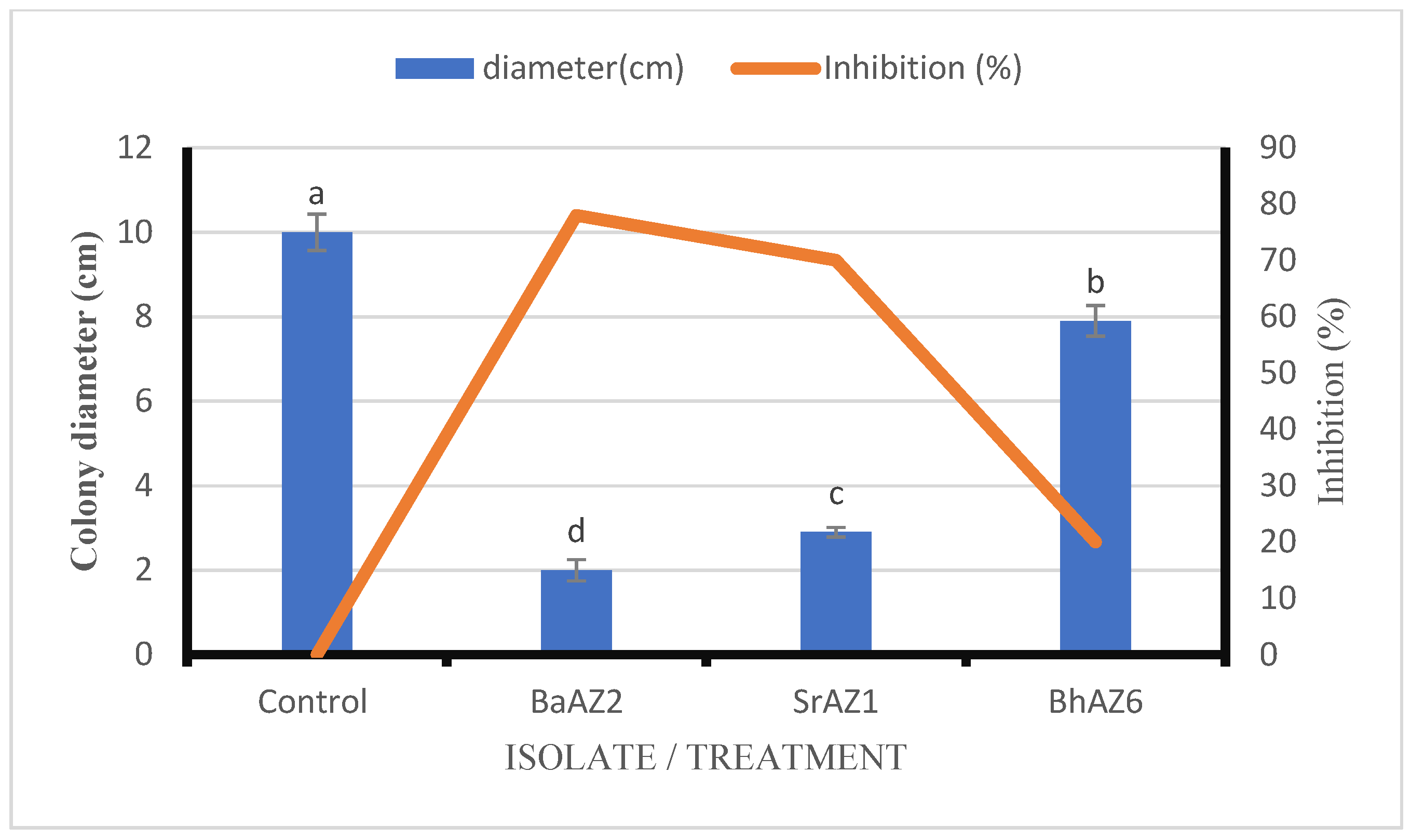
In a dual-culture assay, the antagonistic potential of three bacterial strains against P. infestans was evaluated. After seven days of incubation, all strains significantly inhibited the mycelial growth of P. infestans (Figure 1). Strains BaAZ2 and SrAZ1 exhibited the strongest antagonistic activity, suppressing pathogen growth by 78.8% and 70%, respectively. In contrast, strain BhAZ6 showed the weakest inhibitory effect (20%) against P. infestans (Figure 1 and Figure 2).
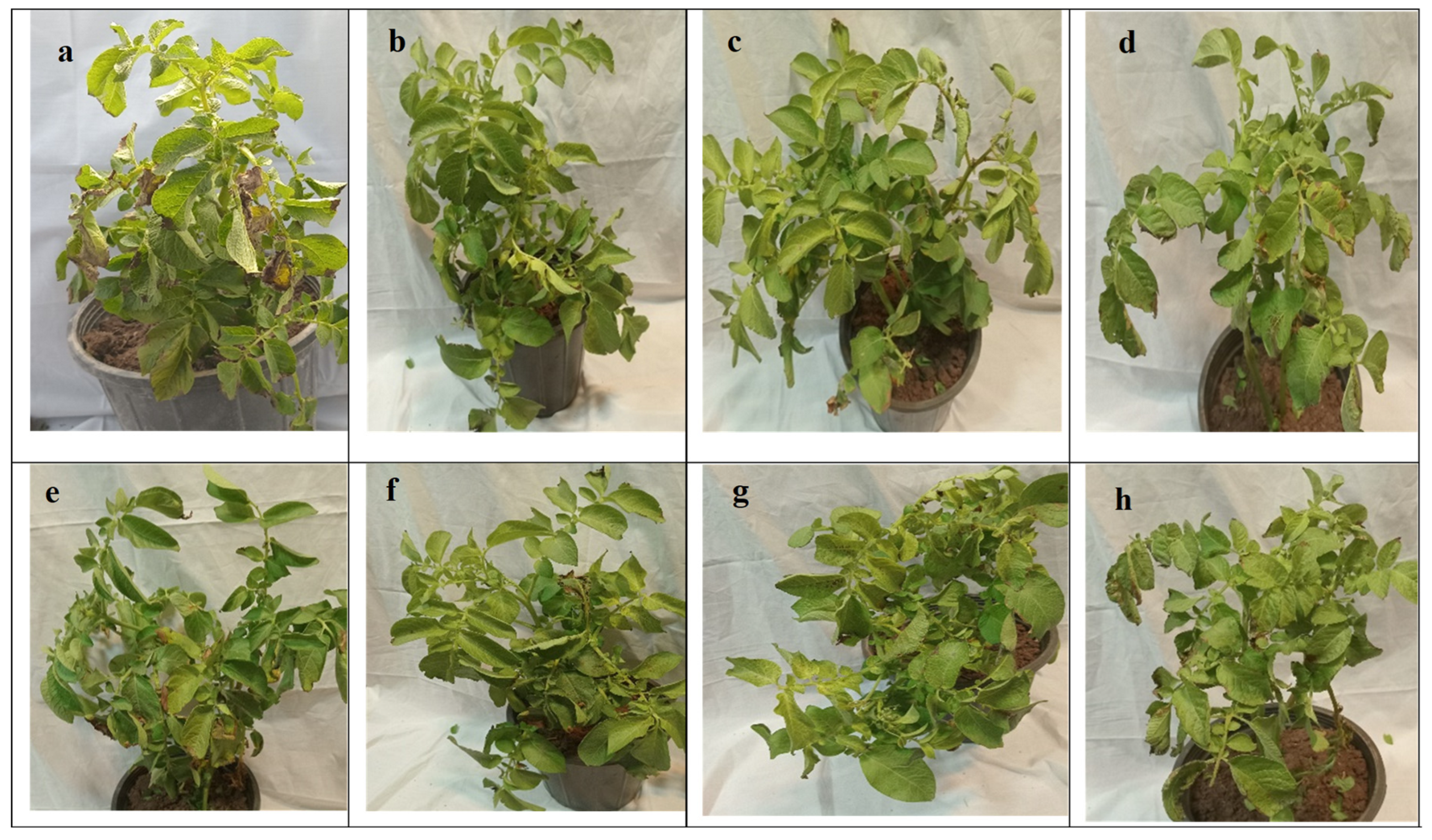
In a greenhouse test, the plants of both potato cultivars pre-treated with any of the three strains of bacteria and inoculated with P. infestans showed weaker late blight symptoms than the untreated controls (Figure 3). Leaf samples were collected by randomly selecting leaves showing pathogen infection symptoms from all five plants in each treatment group. For each analysis, leaves were pooled from these plants to ensure representative sampling and to capture variability within the treatment. Leaf samples were collected 15 days after inoculation with P. infestans and the RNA as well as the enzymatic extracts were prepared.
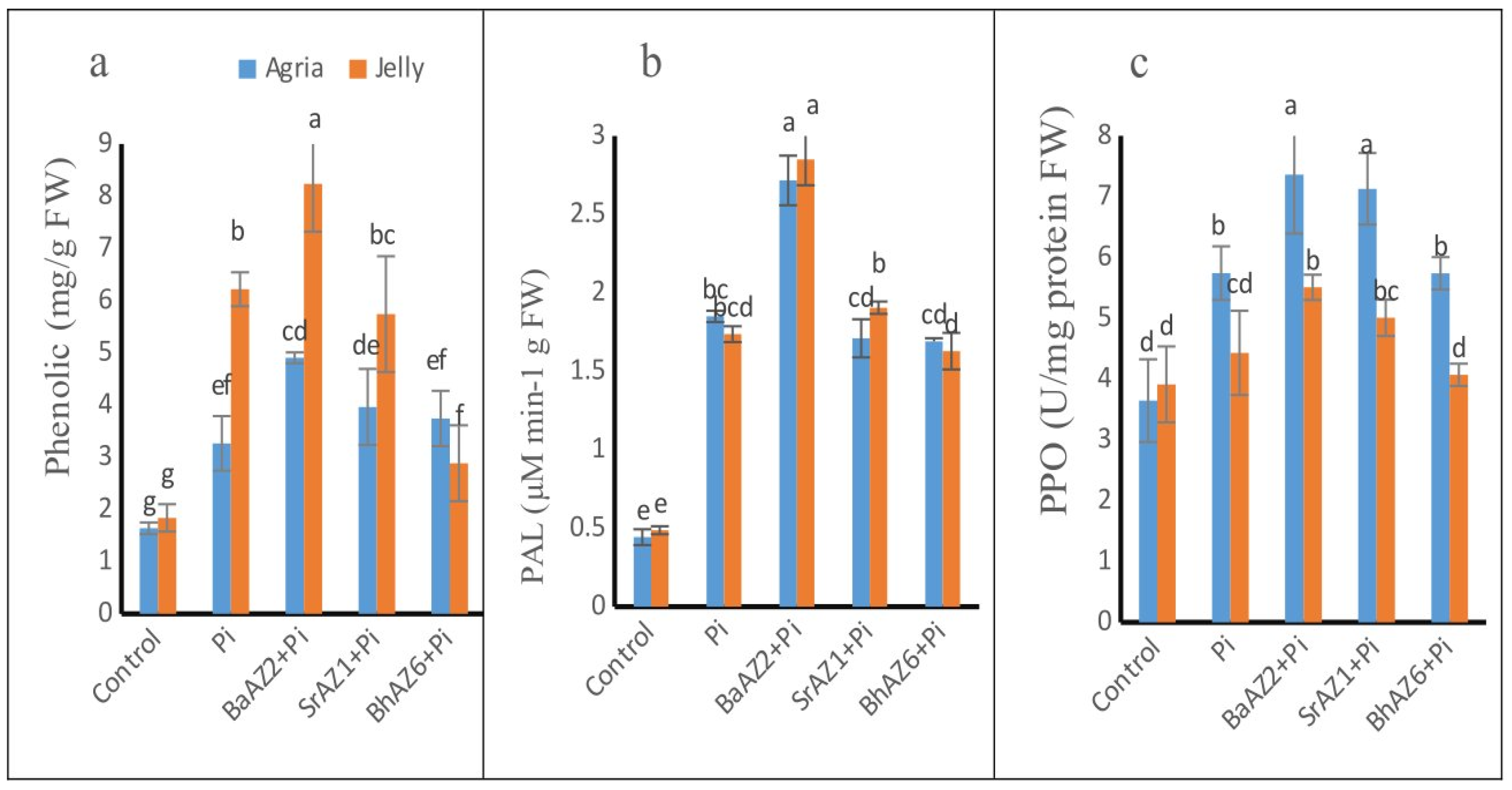
To investigate whether bacterial strains could enhance systemic resistance to late blight in potato, the levels of several defense-related compounds and enzymes, including total phenolics, peroxidase (POX), ascorbate peroxidase (APX), polyphenol oxidase (PPO), and phenylalanine ammonia lyase (PAL), were measured 15 days after being infected with P. infestans (Figure 4).
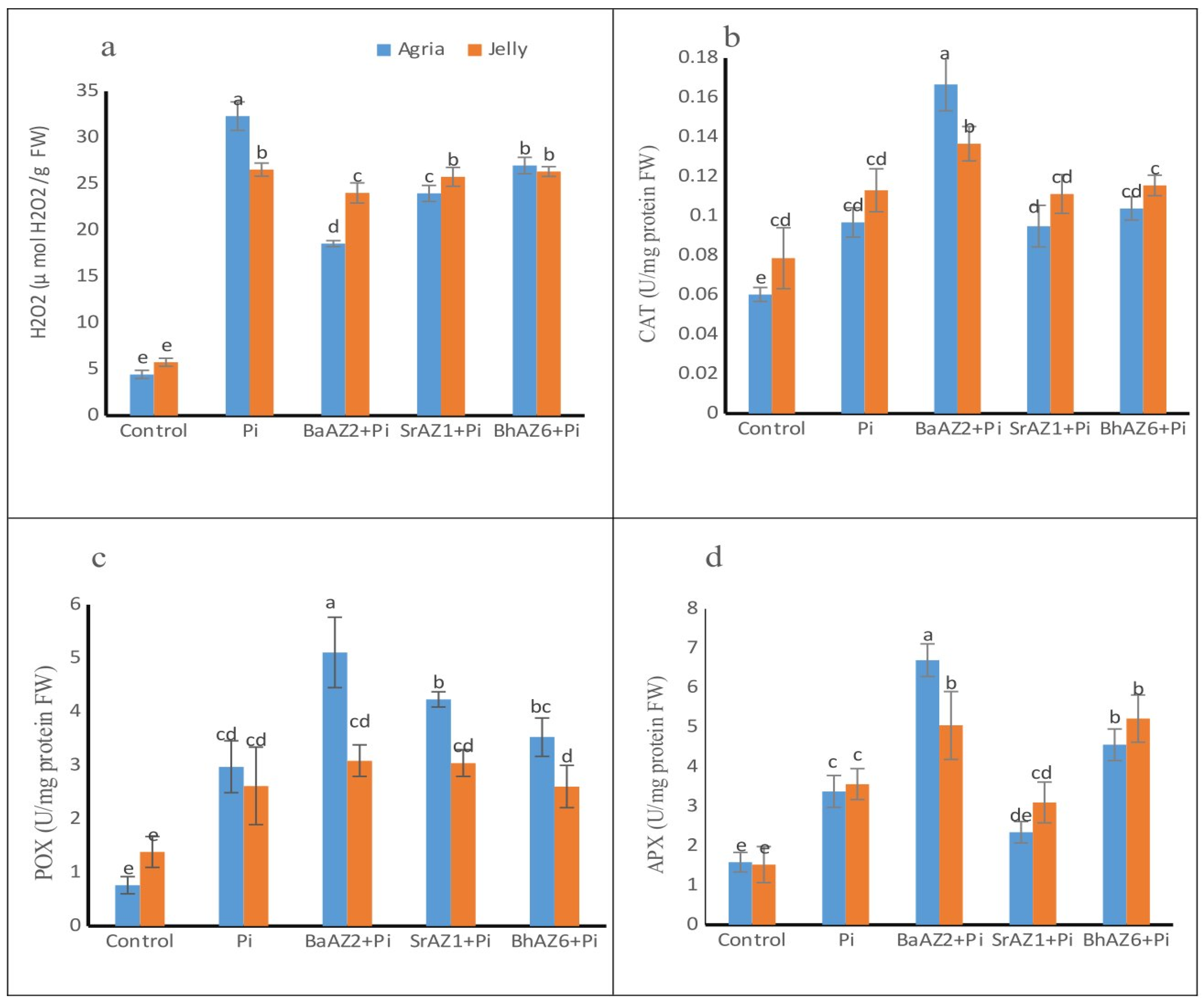
Figure 4a illustrates that hydrogen peroxide (H2O2) content was significantly affected by late blight pathogen inoculation and bacterial strains treatments. Inoculation with the pathogen led to a 2.4-fold increase in H2O2 production in the Agria cultivar and a 1.4-fold increase in the Jelly cultivar, compared to uninoculated (control) plants. Additionally, a decrease in H2O2 content was observed in the Agria potato cultivar treated with all bacterial strains in combination with P. infestans compared to those inoculated with the pathogen alone. In the case of cultivar Jelly, only BaAZ2 caused a significant decrease in H2O2 content in comparison to plants inoculated with P. infestans alone. An increase in catalase (CAT) (Figure 4b) was observed in both potato cultivars treated with the late blight pathogen, in comparison to the uninoculated plants. The most pronounced increase in CAT activity was detected in both cultivars inoculated with strain BaAZ2 under pathogen stress. Moreover, pathogen treatment resulted in elevated peroxidase (POX) activity in both cultivars relative to the control group. In the Agria cultivar, POX activity was further increased upon inoculation with both strains BaAZ2 and SrAZ1 in the presence of the pathogen. The highest POX activity was recorded in the Agria cultivar inoculated with the strain BaAZ2 under pathogen challenge (Figure 4c). Treatment with strain BaAZ2 in the presence of the pathogen caused a 2- fold and 1.1-fold increase in ascorbate peroxidase (APX) activity in the Agria and Jelly cultivars, respectively, compared to plants exposed to the pathogen alone. In contrast, treatment with strain SrAZ1 under pathogen stress slightly reduced APX activity in both cultivars compared to pathogen-only-treated plants (Figure 4d). As illustrated in Figure 5, the synthesis of defense-related compounds was considerably impacted by the inoculation of late blight pathogens and bacterial strains. Treatment with strain BaAZ2 in the presence of the pathogen caused a 1.5-fold increase in total phenolic content in the Agria cultivar and a 1.3-fold increase in the Jelly cultivar, compared to plants exposed to the pathogen alone. In addition, treatment with other bacterial strains led to a reduction in total phenolic production in Jelly cultivars relative to pathogen-only treatments (Figure 5a).
Figure 5b shows that in both cultivars, inoculation with the pathogen led to an increase in PAL activity compared to the uninoculated control. While both cultivars were under late blight pathogen stress, treatment with strain BaAZ2 showed a significant increase in PAL activity by 1.6- and 2.4-fold in Agria and Jelly cultivars, respectively. In the Agria cultivar, in the presence of the pathogen, the activity of PAL was slightly reduced when inoculated with two other bacterial strains. Pathogen inoculation significantly increased PPO activity levels by 1.5-fold and 1.1-fold in Agria and Jelly cultivars, respectively, compared to the uninoculated plants (Figure 5c). The greatest induction of PPO activity was observed in the Agria cultivar following co-inoculation with strain BaAZ2 and strain SrAZ1 under late blight pathogen challenge.
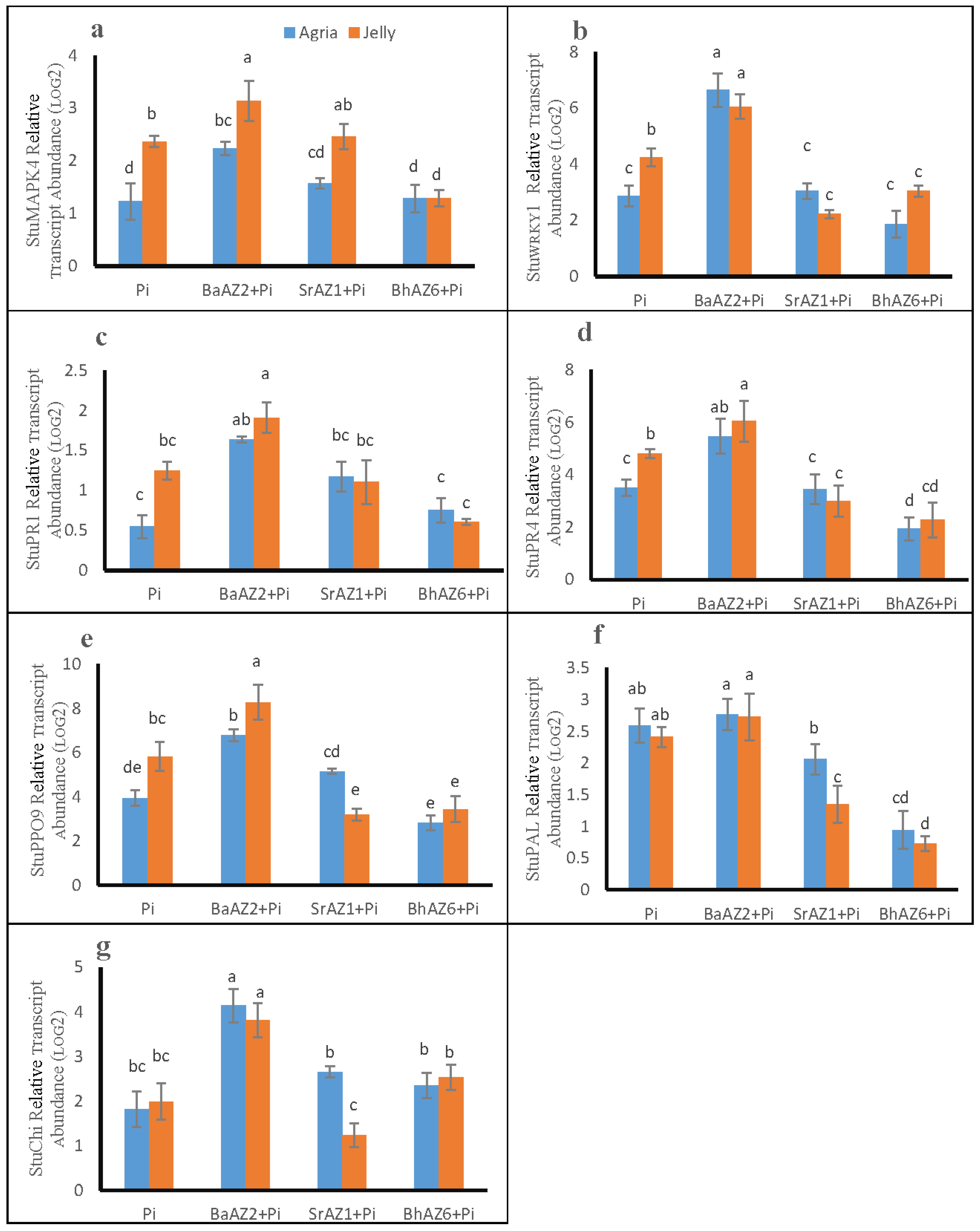
The potential influence of bacterial strains on the expression of seven pathogenesis-related genes (StuMAPK4, StuWRKY1, StuPR-1b, StuPR-4, StuPPO9, StuPAL, StuChi) was investigated using RT-qPCR analysis (Figure 6).
The inoculation with the pathogen caused a 1.2-fold increase in StuMAPK4 gene expression in the Agria cultivar and a 2.3-fold increase in the Jelly cultivar, compared to uninoculated control plants. However, the induced expression of StuMAPK4 under the influence of inoculation with P. infestans and the strain BaAZ2 increased 1.8-fold in the Agria cultivar and 1.3-fold in the Jelly cultivar compared to those treated with the pathogen alone. Inoculation with P. infestans and the strain BhAZ6 led to a 1.9-fold decrease in StuMAPK4 gene expression in the Jelly cultivar compared to plants treated only with the pathogen. In contrast, the Agria cultivar showed no significant differences in StuMAPK4 gene expression relative to the pathogen-treated plants (Figure 6a).
The inoculation with pathogen increased the expression of the StuWRKY1 gene in both cultivars compared to the uninoculated (control) plants. The highest expression levels of the StuWRKY1 genes in both cultivars were observed after inoculation with strain BaAZ2 and P. infestans (Figure 6b). A similar expression pattern to that of StuWRKY1 was also observed for the StuChi gene (Figure 6g).
The expression level of the StuPR-1b gene also increased in both cultivars under late blight conditions (Figure 6c). The induced expression of StuPR-1b under the influence of strain BaAZ2 exhibited a 2.9-fold increase in the Agria cultivar and a 1.4-fold increase in the Jelly cultivar, in comparison with plants that received the pathogen alone. In contrast, inoculation with strains BhAZ6 and SrAZ1 resulted in a reduction in StuPR-1b gene expression in the plants of cultivar Jelly compared to the Agria one.
Pathogen inoculation caused a 3.5-fold increase in StuPR-4 gene expression in Agria cultivar and a 4.8-fold increase in the Jelly cultivar compared to control plants (Figure 6d). The highest expression level of the StuPR-4 gene in both cultivars was observed after inoculation with BaAZ2 under late blight conditions. In contrast, inoculation with strain BhAZ6 resulted in a 1.8-fold decrease in StuPR-4 gene expression in the Agria cultivar and a 2.1-fold decrease in the Jelly cultivar, compared to plants treated the pathogen alone.
Pathogen treatment caused a 3.9-fold increase in StuPPO9 gene expression in the Agria cultivar and a 5.8-fold increase in Jelly one, compared to untreated plants. The highest StuPPO9 expression level in both cultivars was observed after inoculation with strain BaAZ2 under late blight infection. Inoculation with strain BaAZ2 led to a 1.7-fold increase in the Agria cultivar and a 1.4-fold increase in the Jelly cultivar, compared to plants inoculated with the pathogen alone.
Conversely, inoculation with strains BhAZ6 and SrAZ1 resulted in a 1.8 and 2.1-fold decrease, respectively, in StuPPO9 expression in the Jelly cultivar relative to pathogen-only treatments (Figure 6e). The changes observed in StuPPO9 expression correlated with the patterns seen in its corresponding enzyme activity.
Pathogen inoculation led to a 1.5-fold increase in StuPAL gene expression in the Agria cultivar and a 1.4-fold increase in the Jelly one in comparison to uninoculated plants. The highest StuPAL expression levels in both cultivars were recorded following inoculation with strain BaAZ2 under late blight pathogen infection (Figure 6f). Inoculation with strain BhAZ6 resulted in a noticeable decrease in StuPAL gene expression across both cultivars. The changes in StuPAL expression mirrored the trends in PAL enzyme activity.

4. Discussion

Many studies have shown that bacterial strains can enhance and stimulate plant immune responses, thereby offering broad-spectrum resistance against various pathogens [47,48]. Our study demonstrated that strains BaAZ2 and SrAZ1 are highly effective as P. infestans antagonists under in vitro conditions. The strains tested in this study significantly inhibited the mycelial growth and development of P. infestans in a dual-culture assay. This antagonistic activity is likely mediated by the production of various antimicrobial compounds, including volatile organic compounds (VOCs), lipopeptides, hydrolytic enzymes, and other bioactive metabolites, which have been commonly reported in Bacillus species [20,49]. This aligns with previous studies that have highlighted the biocontrol potential of Bacillus species against P. infestans [1,7,10,36].
To investigate the defense mechanisms involved in reduction in P. infestans infection in planta, we measured the activity of APX, PPO, POX, PAL enzymes, as well as total phenolics in potato leaves using a spectrophotometer. The present study demonstrated that pretreatment with strain BaAZ2 significantly enhanced the production of total phenolics and defense-related enzymes, including PAL, PPO, APX, and POX. Several studies indicate that Bacillus strains can suppress plant diseases in various species by boosting defense-related enzymes activities, such as PPO, POX, PAL, and CAT, thereby reducing disease incidence [18,50,51]. The synthesis and accumulation of defense-related enzymes are known to be important factors in plant defense mechanisms. These enzymes, including POX, PPO, and PAL, play key roles in the biosynthesis of lignin, phytoalexins, and phenolic compounds [52]. Phenolic compounds, as plant secondary metabolites, contribute to the formation of complex defense systems against diverse pathogens, thereby enhancing plant survival and boosting metabolic resistance to diseases [53]. Phenolics also act as stress indicators, as their production typically increases under stress conditions. Their protective function is attributed to their ability to scavenge reactive oxygen species (ROS), thereby shielding plants from oxidative damage [54]. Endophytic bacteria have been shown to decrease ROS accumulation in plant cells, a process linked to increased levels of glutathione and ascorbate, two key redox regulators. Endophytes are known to stimulate defense-related enzymes and maintain ROS homeostasis, as they are often located at ROS generation sites within tissues plant [55]. The beneficial effects of Bacillus subtilis on tomato plants include suppression of bacterial wilt caused by Ralstonia solanacearum, achieved through the activation of defense-related enzymes such as PAL, PPO, POX, and SOD. Additionally, it promotes plant growth and induces systemic resistance against early and late blight by enhancing antioxidant defense responses [56]. Previous studies have also shown that inoculation with Azospirillum lipoferum AL-3 induces systemic resistance in potato plants, aiding in defense against early blight. Total phenolic content, activities of defense-related enzymes (including peroxidase (POX), polyphenol oxidase (PPO), and phenylalanine ammonia-lyase (PAL)) as well as transcript levels of the PR gene were significantly increased by A. lipoferum AL-3 inoculation [57].
Antimicrobial compounds, enzymatic activities, signal transduction and other pathogenesis-related proteins are often changed upon contact with the pathogens and modulated at the level of host gene expression. Studies have shown that Bacillus species can regulate transcriptional levels of resistance-related genes in potato and Capsicum, thereby contributing to enhanced disease resistance [30,31]. Of the investigated genes in the present study, StuMPK4 and StuWRKY1 were strongly upregulated in both genotypes in response to P. infestans stress and bacterial inoculation (Figure 6a). MAPK cascades have been shown to play pivotal roles in diverse physiological processes, including immune signaling, hormone regulation, and cell differentiation. These cascades also contribute to developmental regulation, adding specificity and complexity to plant defense networks [58,59]. In plant immunity, MAPK cascades mediate signal transduction through phosphorylation by upstream MAPKKKs/MEKKs, which trigger defense gene expression [59,60]. Previous studies have demonstrated that overexpression of StMPK4 enhances resistance to P. infestans in potato. In addition, transient expression assays in Nicotiana benthamiana revealed that StMPK4 positively regulates resistance to both P. infestans and P. parasitica, whereas silencing of StMPK4 increases susceptibility to P. infestans [61]. Similarly, the GmMKK4-GmMPK6-GmERF113 signaling pathway in soybean has been shown to enhance resistance to P. sojae, further underscoring the central role of MAPK cascades in disease resistance [62]. A defining characteristic of the MAPK pathway is its ability to phosphorylate and activate transcription factors, especially WRKY transcription factors, which are key regulators of pathogen response [63,64,65].
A pervious study has shown that overexpression of StuWRKY1 in potato plants improves resistance to P. infestans and enhances drought tolerance. This resistance was associated with upregulation of pathogenesis-related (PR) genes, including PR-2, PR-3, and PR-9, compared to control plants [66]. StuWRKY1 is believed to modulate PR gene expression via complex signaling pathways involving plant hormones [66]. Moreover, upregulation of StuWRKY1 has been shown to affect secondary cell wall thickening, a process critical for quantitative resistance. It is achieved by regulating phenylpropanoid and phospholipid metabolism, contributing to structural defenses against P. infestans [64]. Conversely, silencing StuWRKY1 led to thinner cell walls, increased fungal biomass, and greater disease severity [64]. In a related study [67], it was demonstrated that overexpression of SpWRKY1 in tobacco increased resistance to P. nicotianae. This was accompanied by enhanced activity of antioxidant enzymes (e.g., POX, SOD, PAL) and upregulation of PR genes such as NtPR1, NtPR2, and NtPR4, supporting a conserved role of WRKYs in defense activation [67]. These prior findings are consistent with and support the current study’s results. Among the genes examined in the present study, the pathogenesis-related (PR) genes StuPR1 and StuPR4 were markedly upregulated in both potato genotypes in response to P. infestans stress and bacterial inoculation (Figure 6c,d). The PR gene family plays a crucial role in plant defense mechanisms against pathogen attacks. Alterations in the expression of these genes lead to enhanced disease resistance [68,69].
PR genes have been identified in numerous plants [70,71] species, and 22 PR genes have been sequenced in the potato genome [72]. These genes encode antimicrobial proteins with proven activity against various pathogens [73,74], including Phytophthora and Pythium species [75,76]. Upon pathogen attack, PR gene expression can increase substantially, serving as a first line of defense to reduce pathogen-induced damage and plant mortality [76]. The function of PR1 against P. infestans was evaluated through transgenic potato lines overexpressing or silencing StPR1.2, StPR1.3, and StPR1.8. Overexpression enhanced resistance to late blight, lowered H2O2 accumulation, and increased the activities of antioxidant enzymes including SOD, POX, and CAT. Conversely, silencing PR1 increased disease susceptibility [76]. Another study demonstrated that the overexpression of MuPR1 in Arabidopsis conferred resistance to Botrytis cinerea [77]. Zhao (2022) showed that transgenic tobacco plants overexpressing PaPR4-a and PaPR4-b exhibited increased disease resistance, associated with enhanced activity of ROS-scavenging enzymes (SOD, PO, and CAT) [78]. In grapevine (Vitis vinifera L.), upregulation of the PR4 gene improved resistance to powdery mildew, likely by modulating salicylic acid (SA) and methyl jasmonate (MeJA) signaling pathways [79].
Polyphenol oxidase (PPO) is an inducible enzyme-encoding gene involved in plant defense responses against pathogens and secondary metabolic processes [80,81]. In the present study, we examined the impact of pathogen inoculation and bacterial treatment on the expression of the Stu.PPO9 gene. Research on transgenic plants has demonstrated the critical role of PPO genes in mediating plant defense mechanisms. For instance, a study showed overexpression of StuPPO9 in Nicotiana benthamiana enhanced the plant’s resistance to P. infestans. Specifically, StuPPO9 overexpression elevated the expression of resistance-related genes (NtPR1, NtPR3, NtPR10, and NtHin1) in transgenic tobacco plants [82]. Moreover, StuPPO9 has been shown to participate in hormone signaling pathways and induce systemic acquired resistance (SAR) in genetically modified plants [83,84]. Additional studies revealed that overexpression of PPO genes in tomato plants significantly increased resistance to bacterial pathogens, whereas PPO knockdown lines exhibited heightened susceptibility to Pseudomonas syringae [85]. Likewise, overexpression of the FaPPO1 gene in strawberry resulted in altered expression of several pathogenesis-related genes, including PAL (phenylalanine ammonia-lyase), POX (peroxidase), and chitinase, highlighting its role in enhancing plant immunity [85]. Consistent with previous studies, our findings showed that the induction of StuPPO9 following pathogen inoculation and bacterial treatment was accompanied by the upregulation of the PR1 gene as well as increased activities of PAL and PPO enzymes, further confirming that PPO-mediated pathways contribute to enhanced plant immunity against P. infestans.
Chitinases have been identified in a wide range of organisms, where they serve specific biological functions. In plants, chitinases are produced in various tissues including stems, seeds, flowers, and tubers. Plant-derived chitinases are essential components of critical pathways, particularly those involved in responses to pathogen attacks, environmental stress, and developmental processes. Numerous studies across plants have explored the role of chitinases in defending against various [86,87] diseases. For instance, previous research demonstrated that overexpression of PbChia1 gene in Arabidopsis thaliana significantly increased resistance to Plasmodiophora brassicae. This enhanced resistance was attributed to upregulated MAPK (mitogen-activated protein kinase) activity and increased expression of pathogen-related (PR) genes [87]. Our results also demonstrated that the bacterial strain BaAZ2 significantly enhanced the expression of StuMAPK4, StuPR-1b, and StuPR-4 under pathogen challenge. These findings indicate that BaAZ2 activates MAPK signaling pathways and upregulates chitinase and PR genes, thereby contributing to increased resistance against late blight.
In the present study, we investigated the expression levels of the PAL gene (StuPAL) in response to P. infestans stress and bacterial inoculation. Our results showed a marked upregulation of StuPAL in both genotypes under these conditions. PAL is a key rate-limiting enzyme in the phenylpropanoid biosynthetic pathway, which plays a critical role in plant defense mechanisms against biotic stressors, as repeatedly demonstrated across various plant species [88]. A previous study identified GmPAL2.1 as a central regulator of resistance to Phytophthora sojae in soybean (Glycine max). Overexpression of this gene conferred enhanced resistance to P. sojae in transgenic soybean plants. Furthermore, PAL activity was significantly elevated in GmPAL2.1 overexpressing (OX) lines following infection, while reduced activity was observed in RNAi-silenced lines, confirming its functional importance in resistance signaling [89].

5. Conclusions

The in vitro dual-culture assay demonstrated that strain BaAZ2 significantly inhibited the mycelial growth of P. infestans, suggesting that this bacterial strain may contribute to disease control through direct antagonistic activity, potentially mediated by antimicrobial metabolites. When applied in two potato cultivars, Jelly and Agria, the same strain BaAZ2 demonstrated superior efficacy in inducing defense reaction to P. infestans compared to the other tested strains. This work does not demonstrate biocontrol of late blight but rather the antagonistic properties in vitro and induction of the plant’s defense response by the tested bacterial strains. The induction of plant defense responses, as observed in our experiments, is an essential first step in understanding how BaAZ2 could act as a biocontrol agent. In future studies, we plan to incorporate the Disease Severity Index or other disease assessment methods to more directly link BaAZ2’s impact to late blight control. While the antimicrobial activity observed in vitro suggests the additional biocontrol mechanism, the results do not yet directly link bacterial metabolites to disease reduction in planta, and more research is needed to identify the bacterial metabolites produced by tested strains that are potentially active against P. infestans. Collectively, these findings deepen our understanding of the mode of action of the bacterial strains applied as potential future biocontrol agents against potato late blight.

Author Contributions

A.A., M.T.G. and M.D. designed the experiments. M.T.G., M.D. and R.A. supervised the research. A.A. performed the experiments and drafted the manuscript. A.A., M.T.G., A.E. and R.H.G. analyzed the data. M.T.G., A.A. and. J.Ś. analyzed results and revised the manuscript. All authors have read and agreed to the published version of the manuscript.

Funding

This research was funded by the University of Mohaghegh Ardabili under research grant number 152-2023-9-23.

Data Availability Statement

All the data generated or analyzed during the current study were included in the manuscript.

Conflicts of Interest

The authors declare no conflicts of interest.

References

  1. Ragunathan, J.; Appusami, S.; Kadiri, M.; Venkatesan, R.; Nallusamy, S.; Sevugapperumal, N. Deciphering the biomolecules from Bacillus atrophaeus NMB01 untangles the anti-oomycetes action of trioxsalen and corynan-17-ol, against Phytophthora infestans inciting late blight of potato. Indian J. Microbiol. 2022, 62, 641–650. [Google Scholar] [CrossRef]
  2. Alaoui, K.; Chafik, Z.; Arabi, M.; Abouloifa, H.; Asehraou, A.; Chaoui, J.; Kharmach, E.-Z. In vitro antifungal activity of Lactobacillus against potato late blight Phytophthora infestans. Mater. Today Proc. 2021, 45, 7725–7733. [Google Scholar] [CrossRef]
  3. Khalid, W.; Khalid, M.Z.; Aziz, A.; Tariq, A.; Ikram, A.; Rehan, M.; Younas, S.; Bashir, A.; Fatima, A. Nutritional composition and health benefits of potato: A review. Adv. Food. Nutr. Sci. 2020, 5, 7–16. [Google Scholar]
  4. Liang, Z.; Zhang, R.-f. Nutritional evaluation of different cultivars of potatoes (Solanum tuberosum L.) from China by grey relational analysis (GRA) and its application in potato steamed bread making. J. Integr. Agric. 2019, 18, 231–245. [Google Scholar] [CrossRef]
  5. Shi, H.; Li, W.; Zhou, Y.; Wang, J.; Shen, S. Can we control potato fungal and bacterial diseases?—Microbial regulation. Heliyon 2023, 9, e22390. [Google Scholar] [CrossRef]
  6. Petrushin, I.S.; Filinova, N.V.; Gutnik, D.I. Potato microbiome: Relationship with environmental factors and approaches for microbiome modulation. Int. J. Mol. Sci. 2024, 25, 750. [Google Scholar] [CrossRef] [PubMed]
  7. Zhang, J.; Huang, X.; Yang, S.; Huang, A.; Ren, J.; Luo, X.; Feng, S.; Li, P.; Li, Z.; Dong, P. Endophytic Bacillus subtilis H17-16 effectively inhibits Phytophthora infestans, the pathogen of potato late blight, and its potential application. Pest. Manag. Sci. 2023, 79, 5073–5086. [Google Scholar] [CrossRef]
  8. Dufková, H.; Greplová, M.; Hampejsová, R.; Kuzmenko, M.; Hausvater, E.; Brzobohatý, B.; Černý, M. Secondary metabolites, other prospective substances, and alternative approaches that could promote resistance against Phytophthora infestans. Agronomy 2023, 13, 1822. [Google Scholar] [CrossRef]
  9. Volynchikova, E.; Kim, K.D. Biological control of oomycete soilborne diseases caused by Phytophthora capsici, Phytophthora infestans, and Phytophthora nicotianae in solanaceous crops. Mycobiology 2022, 50, 269–293. [Google Scholar] [CrossRef]
  10. Wang, Y.; Liang, J.; Zhang, C.; Wang, L.; Gao, W.; Jiang, J. Bacillus megaterium WL-3 lipopeptides collaborate against Phytophthora infestans to control potato late blight and promote potato plant growth. Front. Microbiol. 2020, 11, 1602. [Google Scholar] [CrossRef] [PubMed]
  11. Abuley, I.K.; Lynott, J.S.; Hansen, J.G.; Cooke, D.E.; Lees, A.K. The EU43 genotype of Phytophthora infestans displays resistance to mandipropamid. Plant Pathol. 2023, 72, 1305–1313. [Google Scholar] [CrossRef]
  12. Lin, L.; Yang, Z.; Tao, M.; Shen, D.; Cui, C.; Wang, P.; Wang, L.; Jing, M.; Qian, G.; Shao, X. Lysobacter enzymogenes prevents Phytophthora infection by inhibiting pathogen growth and eliciting plant immune responses. Front. Plant Sci. 2023, 14, 1116147. [Google Scholar] [CrossRef]
  13. Harba, M.; Jawhar, M.; Eddin Arabi, M.I. A simple method for assessing antagonistic activity of Bacillus atrophaeus against common root rot of barley. Mycopath 2021, 19, 29–33. [Google Scholar]
  14. Mannai, S.; Boughalleb-M’Hamdi, N. Evaluation of Trichoderma harzianum, Bacillus subtilis and Aspergillus species efficacy in controlling Pythium ultimum associated with apple seedlings decline in nurseries and their growth promotion effect. Egypt. J. Biol. Pest Control 2023, 33, 59. [Google Scholar] [CrossRef]
  15. Wang, W.; Long, Y. A review of biocontrol agents in controlling late blight of potatoes and tomatoes caused by Phytophthora infestans and the underlying mechanisms. Pest Manag. Sci. 2023, 79, 4715–4725. [Google Scholar] [CrossRef]
  16. El-Abeid, S.E.; Elshewy, E.S.; Ahmed, A.Y. Bio-stimulants for plant growth promotion and sustainable management of Rhizoctonia solani causing black scurf of potato tubers. BMC Plant Biol. 2025, 25, 1695. [Google Scholar] [CrossRef]
  17. Põldmets, M.; Koppel, M.; Puidet, B.; Abuley, I.K.; Belle, N.; Lynott, J.; Hansen, J.G.; Hausladen, H.; Hokka, M.; Lukkala, R.; et al. Use of biocontrol control agents and plant resistance inducers for the control of potato late blight (Phytophthora infestans). Potato Res. 2025, 68, 3843–3863. [Google Scholar] [CrossRef]
  18. Malik, J.; Moosa, A.; Zulfiqar, F.; Aslam, M.N.; Albalawi, M.A.; Almowallad, S.; Mahmood, T.; Alasmari, A.; Yong, J.W.H. Biocontrol potential of lipopeptides produced by the novel Bacillus altitudinis strain TM22A against postharvest Alternaria rot of tomato. LWT 2024, 191, 115541. [Google Scholar] [CrossRef]
  19. Albayrak, Ç.B. Bacillus species as biocontrol agents for fungal plant pathogens. In Bacilli and Agrobiotechnology: Phytostimulation and Biocontrol: Volume 2; Springer: Berlin/Heidelberg, Germany, 2020; pp. 239–265. [Google Scholar]
  20. Ragunathan, J.; R U, K.N.; Ashraf, S.; Nakkeeran, S.; Nallusamy, S.; Mahendra, K.; Raish, M. Nonanol, an induced biomolecule produced by Bacillus atrophaeus NMB01 during interaction with Phytophthora infestans can be explored as a novel formulation for the management of late blight of potatoes. J. Basic Microbiol. 2025, 65, e70033. [Google Scholar] [CrossRef]
  21. Ghosh, R.; Chatterjee, S.; Mandal, N.C. Stenotrophomonas. In Beneficial Microbes in Agro-Ecology; Elsevier: Amsterdam, The Netherlands, 2020; pp. 427–442. [Google Scholar]
  22. Kai, M.; Effmert, U.; Berg, G.; Piechulla, B. Volatiles of bacterial antagonists inhibit mycelial growth of the plant pathogen Rhizoctonia solani. Arch. Microbiol. 2007, 187, 351–360. [Google Scholar] [CrossRef] [PubMed]
  23. Raio, A.; Brilli, F.; Neri, L.; Baraldi, R.; Orlando, F.; Pugliesi, C.; Chen, X.; Baccelli, I. Stenotrophomonas rhizophila Ep2.2 inhibits growth of Botrytis cinerea through the emission of volatile organic compounds, restricts leaf infection and primes defense genes. Front. Plant Sci. 2023, 14, 1235669. [Google Scholar] [CrossRef]
  24. Singh, R.P.; Jha, P.N. The PGPR Stenotrophomonas maltophilia SBP-9 augments resistance against biotic and abiotic stress in wheat plants. Front. Microbiol. 2017, 8, 1945. [Google Scholar] [CrossRef] [PubMed]
  25. Chen, L.; Zhang, H.; Zhao, S.; Xiang, B.; Yao, Z. Lipopeptide production by Bacillus atrophaeus strain B44 and its biocontrol efficacy against cotton rhizoctoniosis. Biotechnol. Lett. 2021, 43, 1183–1193. [Google Scholar] [CrossRef] [PubMed]
  26. Hossain, M.T.; Chung, Y.R. Endophytic bacillus species induce systemic resistance to plant diseases. In Bacilli and Agrobiotechnology: Phytostimulation and Biocontrol: Volume 2; Springer: Berlin/Heidelberg, Germany, 2020; pp. 151–160. [Google Scholar]
  27. Li, H.; Huang, W.; Xu, L.; Zhou, X.; Liu, H.; Cheng, Z. Stenotrophomonas maltophilia HW2 enhanced cucumber resistance against cucumber green mottle mosaic virus. J. Plant Biol. 2016, 59, 488–495. [Google Scholar] [CrossRef]
  28. Mohamad, O.A.; Li, L.; Ma, J.-B.; Hatab, S.; Xu, L.; Guo, J.-W.; Rasulov, B.A.; Liu, Y.-H.; Hedlund, B.P.; Li, W.-J. Evaluation of the antimicrobial activity of endophytic bacterial populations from Chinese traditional medicinal plant licorice and characterization of the bioactive secondary metabolites produced by Bacillus atrophaeus against Verticillium dahliae. Front. Microbiol. 2018, 9, 924. [Google Scholar] [CrossRef]
  29. Keerthana, U.; Nagendran, K.; Raguchander, T.; Prabakar, K.; Rajendran, L.; Karthikeyan, G. Deciphering the role of Bacillus subtilis var. amyloliquefaciens in the management of late blight pathogen of potato, Phytophthora infestans. Proc. Natl. Acad. Sci. India Sect. B Biol. Sci. 2018, 88, 1071–1080. [Google Scholar] [CrossRef]
  30. Yarullina, L.; Cherepanova, E.A.; Burkhanova, G.F.; Sorokan, A.V.; Zaikina, E.A.; Tsvetkov, V.O.; Mardanshin, I.S.; Fatkullin, I.Y.; Kalatskaja, J.N.; Yalouskaya, N.A.; et al. Stimulation of the defense mechanisms of potatoes to a late blight causative agent when treated with Bacillus subtilis bacteria and chitosan composites with hydroxycinnamic acids. Microorganisms 2023, 11, 1993. [Google Scholar] [CrossRef]
  31. Samaniego-Gámez, B.Y.; Valle-Gough, R.E.; Garruña-Hernández, R.; Reyes-Ramírez, A.; Latournerie-Moreno, L.; Tun-Suárez, J.M.; Villanueva-Alonzo, H.d.J.; Nuñez-Ramírez, F.; Diaz, L.C.; Samaniego-Gámez, S.U.; et al. Induced systemic resistance in the Bacillus spp.—Capsicum chinense Jacq.—PepGMV interaction, elicited by defense-related gene expression. Plants 2023, 12, 2069. [Google Scholar] [CrossRef]
  32. Arkhipov, A.; Carvalhais, L.C.; Schenk, P.M. PGPR control Phytophthora capsici in tomato through induced systemic resistance, early hypersensitive response and direct antagonism in a cultivar-specific manner. Eur. J. Plant Pathol. 2023, 167, 811–832. [Google Scholar] [CrossRef]
  33. Chinheya, C.C.; Mlambo, L.C.; Shamudzarira, G.; Jere, J.; Karavina, C.; Mahere, T.; Marunda, M.; Zvobgo, G.; Dimbi, S. Evaluation of the potentials of Bacillus and Trichoderma isolates as biocontrol agents against Meloidogyne javanica and Phytophthora infestans and plant growth promoters in potatoes (Solanum tuberosum). Eur. J. Plant Pathol. 2023, 167, 699–714. [Google Scholar] [CrossRef]
  34. Al-Harethi, A.; Abdullah, Q.Y.; Al-Jobory, H.J. Phytophthora infestans culture media: A comparative study of cost-effective V8 agar and rye agar. Sana’a Univ. J. Appl. Sci. Technol. 2024, 2, 103–106. [Google Scholar] [CrossRef]
  35. Sobkowiak, S.; Śliwka, J. Phytophthora infestans: Isolation of pure cultures, storage and inoculum preparation. Plant Breed. Seed Sci. 2017, 76, 9–15. [Google Scholar] [CrossRef]
  36. Lastochkina, O.; Pusenkova, L.; Garshina, D.; Kasnak, C.; Palamutoglu, R.; Shpirnaya, I.; Mardanshin, I.d.; Maksimov, I. Improving the biocontrol potential of endophytic bacteria Bacillus subtilis with salicylic acid against Phytophthora infestans-caused postharvest potato tuber late blight and impact on stored tubers quality. Horticulturae 2022, 8, 117. [Google Scholar] [CrossRef]
  37. Bhusal, B.; Mmbaga, M. Biological control of Phytophthora blight and growth promotion in sweet pepper by Bacillus species. Biol. Control 2020, 150, 104373. [Google Scholar] [CrossRef]
  38. Junglee, S.; Urban, L.; Sallanon, H.; Lopez-Lauri, F. Optimized assay for hydrogen peroxide determination in plant tissue using potassium iodide. Am. J. Anal. Chem. 2014, 5, 730. [Google Scholar] [CrossRef]
  39. Akbari, A.; Gharanjik, S.; Koobaz, P.; Sadeghi, A. Plant growth promoting Streptomyces strains are selectively interacting with the wheat cultivars especially in saline conditions. Heliyon 2020, 6, e03445. [Google Scholar] [CrossRef]
  40. Dixit, N. Differential oxidative stress management in industrial hemp (IH: Cannabis sativa L.) for fiber under saline regimes. Metabolites 2024, 14, 420. [Google Scholar] [CrossRef] [PubMed]
  41. Dehnavi, A.R.; Lubińska-Mielińska, S.; Lewandowska, W.; Piernik, A. Stage-specific responses of Spergularia marina to salinity reveal strategies of tolerance and restoration potential. Sci. Rep. 2025, 15, 37795. [Google Scholar] [CrossRef] [PubMed]
  42. Roylawar, P.; Khandagale, K.; Nanda, S.; Soumia, P.S.; Jadhav, S.; Mahajan, V.; Gawande, S. Colonization of Serendipita indica promotes resistance against Spodoptera exigua in onion (Allium cepa L.). Front. Microbiol. 2023, 14, 1190942. [Google Scholar] [CrossRef] [PubMed]
  43. Mohammadi, M.A.; Han, X.; Zhang, Z.; Xi, Y.; Boorboori, M.; Wang-Pruski, G. Phosphite application alleviates Phytophthora infestans by modulation of photosynthetic and physio-biochemical metabolites in potato leaves. Pathogens 2020, 9, 170. [Google Scholar] [CrossRef]
  44. Roylawar, P.; Khandagale, K.; Randive, P.; Shinde, B.; Murumkar, C.; Ade, A.; Singh, M.; Gawande, S.; Morelli, M. Piriformospora indica primes onion response against stemphylium leaf blight disease. Pathogens 2021, 10, 1085. [Google Scholar] [CrossRef]
  45. Hou, L.; Zhu, H.; Xian, W.; Ma, Y. Selection and validation of stable reference genes in potato infected by Pectobacterium atrosepticum using real-time quantitative PCR. Sci. Rep. 2025, 15, 14205. [Google Scholar] [CrossRef]
  46. Akbari, A.; Ismaili, A.; Amirbakhtiar, N.; Pouresmael, M.; Shobbar, Z.-S. Genome-wide transcriptional profiling provides clues to molecular mechanisms underlying cold tolerance in chickpea. Sci. Rep. 2023, 13, 6279. [Google Scholar] [CrossRef] [PubMed]
  47. Grahovac, J.; Pajčin, I.; Vlajkov, V. Bacillus VOCs in the context of biological control. Antibiotics 2023, 12, 581. [Google Scholar] [CrossRef] [PubMed]
  48. Ni, L.; Punja, Z.K. Management of fungal diseases on cucumber (Cucumis sativus L.) and tomato (Solanum lycopersicum L.) crops in greenhouses using Bacillus subtilis. In Bacilli and Agrobiotechnology: Phytostimulation and Biocontrol: Volume 2; Springer: Berlin/Heidelberg, Germany, 2020; pp. 1–28. [Google Scholar]
  49. Wang, Y.; Zhang, C.; Liang, J.; Wang, L.; Gao, W.; Jiang, J.; Chang, R. Surfactin and fengycin B extracted from Bacillus pumilus W-7 provide protection against potato late blight via distinct and synergistic mechanisms. Appl. Microbiol. Biotechnol. 2020, 104, 7467–7481. [Google Scholar] [CrossRef]
  50. Chowdappa, P.; Kumar, S.M.; Lakshmi, M.J.; Upreti, K. Growth stimulation and induction of systemic resistance in tomato against early and late blight by Bacillus subtilis OTPB1 or Trichoderma harzianum OTPB3. Biol. Control. 2013, 65, 109–117. [Google Scholar] [CrossRef]
  51. Rais, A.; Jabeen, Z.; Shair, F.; Hafeez, F.Y.; Hassan, M.N. Bacillus spp., a bio-control agent enhances the activity of antioxidant defense enzymes in rice against Pyricularia oryzae. PLoS ONE 2017, 12, e0187412. [Google Scholar] [CrossRef]
  52. Dhanabalan, S.; Muthusamy, K.; Iruthayasamy, J.; Kumaresan, P.V.; Ravikumar, C.; Kandasamy, R.; Natesan, S.; Periyannan, S. Unleashing Bacillus species as versatile antagonists: Harnessing the biocontrol potentials of the plant growth-promoting rhizobacteria to combat Macrophomina phaseolina infection in Gloriosa superba. Microbiol. Res. 2024, 283, 127678. [Google Scholar] [CrossRef]
  53. Kumar, S.; Korra, T.; Thakur, R.; Arutselvan, R.; Kashyap, A.S.; Nehela, Y.; Chaplygin, V.; Minkina, T.; Keswani, C. Role of plant secondary metabolites in defence and transcriptional regulation in response to biotic stress. Plant Stress 2023, 8, 100154. [Google Scholar] [CrossRef]
  54. Dehghanian, Z.; Habibi, K.; Dehghanian, M.; Aliyar, S.; Lajayer, B.A.; Astatkie, T.; Minkina, T.; Keswani, C. Reinforcing the bulwark: Unravelling the efficient applications of plant phenolics and tannins against environmental stresses. Heliyon 2022, 8, e09094. [Google Scholar] [CrossRef]
  55. Sahu, P.K.; Jayalakshmi, K.; Tilgam, J.; Gupta, A.; Nagaraju, Y.; Kumar, A.; Hamid, S.; Singh, H.V.; Minkina, T.; Rajput, V.D.; et al. ROS generated from biotic stress: Effects on plants and alleviation by endophytic microbes. Front. Plant Sci. 2022, 13, 1042936. [Google Scholar] [CrossRef]
  56. Padró, M.D.A.; Caboni, E.; Morin, K.A.S.; Mercado, M.A.M.; Olalde-Portugal, V. Effect of Bacillus subtilis on antioxidant enzyme activities in tomato grafting. PeerJ 2021, 9, e10984. [Google Scholar] [CrossRef]
  57. Mehmood, T.; Li, G.; Anjum, T.; Akram, W. Azospirillum lipoferum strain AL-3 reduces early blight disease of potato and enhance yield. Crop Prot. 2021, 139, 105349. [Google Scholar] [CrossRef]
  58. Li, J.; Deng, F.; Wang, H.; Qiang, X.; Meng, Y.; Shan, W. The Raf-like kinase Raf36 negatively regulates plant resistance against the oomycete pathogen Phytophthora parasitica by targeting MKK2. Mol. Plant Pathol. 2022, 23, 530–542. [Google Scholar] [CrossRef]
  59. Yang, H.; Chen, X.; Yang, R.; Cheng, J.; Chen, Y.; Joosten, M.H.; Du, Y. The potato StMKK5-StSIPK module enhances resistance to Phytophthora pathogens through activating the salicylic acid and ethylene signalling pathways. Mol. Plant Pathol. 2023, 24, 399–412. [Google Scholar] [CrossRef]
  60. Ding, L.-N.; Li, Y.-T.; Wu, Y.-Z.; Li, T.; Geng, R.; Cao, J.; Zhang, W.; Tan, X.-L. Plant disease resistance-related signaling pathways: Recent progress and future prospects. Int. J. Mol. Sci. 2022, 23, 16200. [Google Scholar] [CrossRef]
  61. Zhang, H.; Li, F.; Li, Z.; Cheng, J.; Chen, X.; Wang, Q.; Joosten, M.H.; Shan, W.; Du, Y. Potato StMPK7 is a downstream component of StMKK1 and promotes resistance to the oomycete pathogen Phytophthora infestans. Mol. Plant Pathol. 2021, 22, 644–657. [Google Scholar] [CrossRef]
  62. Gao, H.; Jiang, L.; Du, B.; Ning, B.; Ding, X.; Zhang, C.; Song, B.; Liu, S.; Zhao, M.; Zhao, Y. GmMKK4-activated GmMPK6 stimulates GmERF113 to trigger resistance to Phytophthora sojae in soybean. Plant J. 2022, 111, 473–495. [Google Scholar] [CrossRef]
  63. Long, L.; Gu, L.; Wang, S.; Cai, H.; Wu, J.; Wang, J.; Yang, M. Progress in the understanding of WRKY transcription factors in woody plants. Int. J. Biol. Macromol. 2023, 242, 124379. [Google Scholar] [CrossRef]
  64. Yogendra, K.N.; Kumar, A.; Sarkar, K.; Li, Y.; Pushpa, D.; Mosa, K.A.; Duggavathi, R.; Kushalappa, A.C. Transcription factor StWRKY1 regulates phenylpropanoid metabolites conferring late blight resistance in potato. J. Exp. Bot. 2015, 66, 7377–7389. [Google Scholar] [CrossRef]
  65. Zhang, J.; Zhao, H.; Chen, L.; Lin, J.; Wang, Z.; Pan, J.; Yang, F.; Ni, X.; Wang, Y.; Wang, Y.; et al. Multifaceted roles of WRKY transcription factors in abiotic stress and flavonoid biosynthesis. Front. Plant Sci. 2023, 14, 1303667. [Google Scholar] [CrossRef]
  66. Shahzad, R.; Harlina, P.W.; Cong-hua, X.; Ewas, M.; Nishawy, E.; Zhenyuan, P.; Foly, M.M. Overexpression of potato transcription factor (StWRKY1) conferred resistance to Phytophthora infestans and improved tolerance to water stress. Plant Omics 2016, 9, 149–158. [Google Scholar] [CrossRef]
  67. Li, J.-b.; Luan, Y.-s.; Liu, Z. Overexpression of SpWRKY1 promotes resistance to Phytophthora nicotianae and tolerance to salt and drought stress in transgenic tobacco. Physiol. Plant. 2015, 155, 248–266. [Google Scholar] [CrossRef]
  68. Dos Santos, C.; Franco, O.L. Pathogenesis-related proteins (PRs) with enzyme activity activating plant defense responses. Plants 2023, 12, 2226. [Google Scholar] [CrossRef]
  69. Zhou, Z.; Zhu, Y.; Tian, Y.; Yao, J.-L.; Bian, S.; Zhang, H.; Zhang, R.; Gao, Q.; Yan, Z. MdPR4, a pathogenesis-related protein in apple, is involved in chitin recognition and resistance response to apple replant disease pathogens. J. Plant Physiol. 2021, 260, 153390. [Google Scholar] [CrossRef]
  70. Akbudak, M.A.; Yildiz, S.; Filiz, E. Pathogenesis related protein-1 (PR-1) genes in tomato (Solanum lycopersicum L.): Bioinformatics analyses and expression profiles in response to drought stress. Genomics 2020, 112, 4089–4099. [Google Scholar] [CrossRef]
  71. Javed, T.; Wang, W.; Sun, T.; Shen, L.; Feng, X.; Huang, J.; Zhang, S. Pathogenesis-Related 1 (PR1) protein family genes involved in sugarcane responses to Ustilago scitaminea stress. Int. J. Mol. Sci. 2024, 25, 6463. [Google Scholar] [CrossRef]
  72. Zaynab, M.; Peng, J.; Sharif, Y.; Al-Yahyai, R.; Jamil, A.; Hussain, A.; Khan, K.A.; Alotaibi, S.S.; Li, S. Expression profiling of pathogenesis-related Protein-1 (PR-1) genes from Solanum tuberosum reveals its critical role in Phytophthora infestans infection. Microb. Pathol. 2021, 161, 105290. [Google Scholar] [CrossRef]
  73. Han, Z.; Xiong, D.; Schneiter, R.; Tian, C. The function of plant PR1 and other members of the CAP protein superfamily in plant–pathogen interactions. Mol. Plant Pathol. 2023, 24, 651–668. [Google Scholar] [CrossRef]
  74. Mazumdar, P.; Singh, P.; Kethiravan, D.; Ramathani, I.; Ramakrishnan, N. Late blight in tomato: Insights into the pathogenesis of the aggressive pathogen Phytophthora infestans and future research priorities. Planta 2021, 253, 119. [Google Scholar] [CrossRef]
  75. Gamir, J.; Darwiche, R.; Van’t Hof, P.; Choudhary, V.; Stumpe, M.; Schneiter, R.; Mauch, F. The sterol-binding activity of PATHOGENESIS-RELATED PROTEIN 1 reveals the mode of action of an antimicrobial protein. Plant J. 2017, 89, 502–509. [Google Scholar] [CrossRef]
  76. Luo, X.; Tian, T.; Feng, L.; Yang, X.; Li, L.; Tan, X.; Wu, W.; Li, Z.; Treves, H.; Serneels, F.; et al. Pathogenesis-related protein 1 suppresses oomycete pathogen by targeting against AMPK kinase complex. J. Adv. Res. 2023, 43, 13–26. [Google Scholar] [CrossRef]
  77. Fang, L.-J.; Qin, R.-L.; Liu, Z.; Liu, C.-R.; Gai, Y.-P.; Ji, X.-L. Expression and functional analysis of a PR-1 Gene, MuPR1, involved in disease resistance response in mulberry (Morus multicaulis). J. Plant Interact. 2019, 14, 376–385. [Google Scholar] [CrossRef]
  78. Zhao, W.; Liu, L.; Li, C.; Yang, C.; Li, S.; Han, S.; Lin, T.; Liu, Y. Cloning and characterization of two novel PR4 genes from Picea asperata. Int. J. Mol. Sci. 2022, 23, 14906. [Google Scholar] [CrossRef]
  79. Dai, L.; Wang, D.; Xie, X.; Zhang, C.; Wang, X.; Xu, Y.; Wang, Y.; Zhang, J. The novel gene VpPR4-1 from Vitis pseudoreticulata increases powdery mildew resistance in transgenic Vitis vinifera L. Front. Plant Sci. 2016, 7, 695. [Google Scholar]
  80. Llorente, B.; López, M.G.; Carrari, F.; Asís, R.; Di Paola Naranjo, R.D.; Flawiá, M.M.; Alonso, G.D.; Bravo-Almonacid, F. Downregulation of polyphenol oxidase in potato tubers redirects phenylpropanoid metabolism enhancing chlorogenate content and late blight resistance. Mol. Breed. 2014, 34, 2049–2063. [Google Scholar] [CrossRef]
  81. Zhang, S. Recent advances of polyphenol oxidases in plants. Molecules 2023, 28, 2158. [Google Scholar] [CrossRef]
  82. Chi, M.; Tang, D.; Xue, C.; Huang, J.; Liu, B.; Cao, M. Genome-wide analysis of polyphenol oxidase gene family in Solanum tuberosum and functional identification of StuPPO9 in regulating tolerance to Phytophthora infestans. Physiol. Mol. Plant Pathol. 2024, 132, 102310. [Google Scholar] [CrossRef]
  83. Li, L.; Steffens, J.C. Overexpression of polyphenol oxidase in transgenic tomato plants results in enhanced bacterial disease resistance. Planta 2002, 215, 239–247. [Google Scholar] [CrossRef]
  84. Richter, C.; Dirks, M.E.; Gronover, C.S.; Prüfer, D.; Moerschbacher, B.M. Silencing and heterologous expression of ppo-2 indicate a specific function of a single polyphenol oxidase isoform in resistance of dandelion (Taraxacum officinale) against Pseudomonas syringae pv. tomato. Mol. Plant-Microbe Interact. 2012, 25, 200–210. [Google Scholar] [CrossRef]
  85. Jia, H.; Zhao, P.; Wang, B.; Tariq, P.; Zhao, F.; Zhao, M.; Wang, Q.; Yang, T.; Fang, J. Overexpression of polyphenol oxidase gene in strawberry fruit delays the fungus infection process. Plant Mol. Biol. Report. 2016, 34, 592–606. [Google Scholar] [CrossRef]
  86. Parveen, S.; Khan, A.; Jahan, N.; Aaliya, K.; Muzaffar, A.; Tabassum, B.; Inayatullah, S.; Moeezullah, S.; Tariq, M.; Rehmat, Z.; et al. Expression of chitinase and shRNA gene exhibits resistance to fungi and virus. Genes 2023, 14, 1090. [Google Scholar] [CrossRef]
  87. Zhao, Y.; Li, C.; Chen, X.; Cheng, J.; Xie, J.; Lin, Y.; Fu, Y.; Jiang, D.; Chen, T. Overexpression of chitinase PbChia1 from Plasmodiophora brassicae improves broad-spectrum disease resistance of Arabidopsis. Virulence 2023, 14, 2233147. [Google Scholar] [CrossRef]
  88. Zhan, C.; Li, Y.; Li, H.; Wang, M.; Gong, S.; Ma, D.; Li, Y. Phylogenomic analysis of phenylalanine ammonia-lyase (PAL) multigene family and their differential expression analysis in wheat (Triticum aestivum L.) suggested their roles during different stress responses. Front. Plant Sci. 2022, 13, 982457. [Google Scholar] [CrossRef]
  89. Zhang, C.; Wang, X.; Zhang, F.; Dong, L.; Wu, J.; Cheng, Q.; Qi, D.; Yan, X.; Jiang, L.; Fan, S.; et al. Phenylalanine ammonia-lyase2. 1 contributes to the soybean response towards Phytophthora sojae infection. Sci. Rep. 2017, 7, 7242. [Google Scholar] [CrossRef]
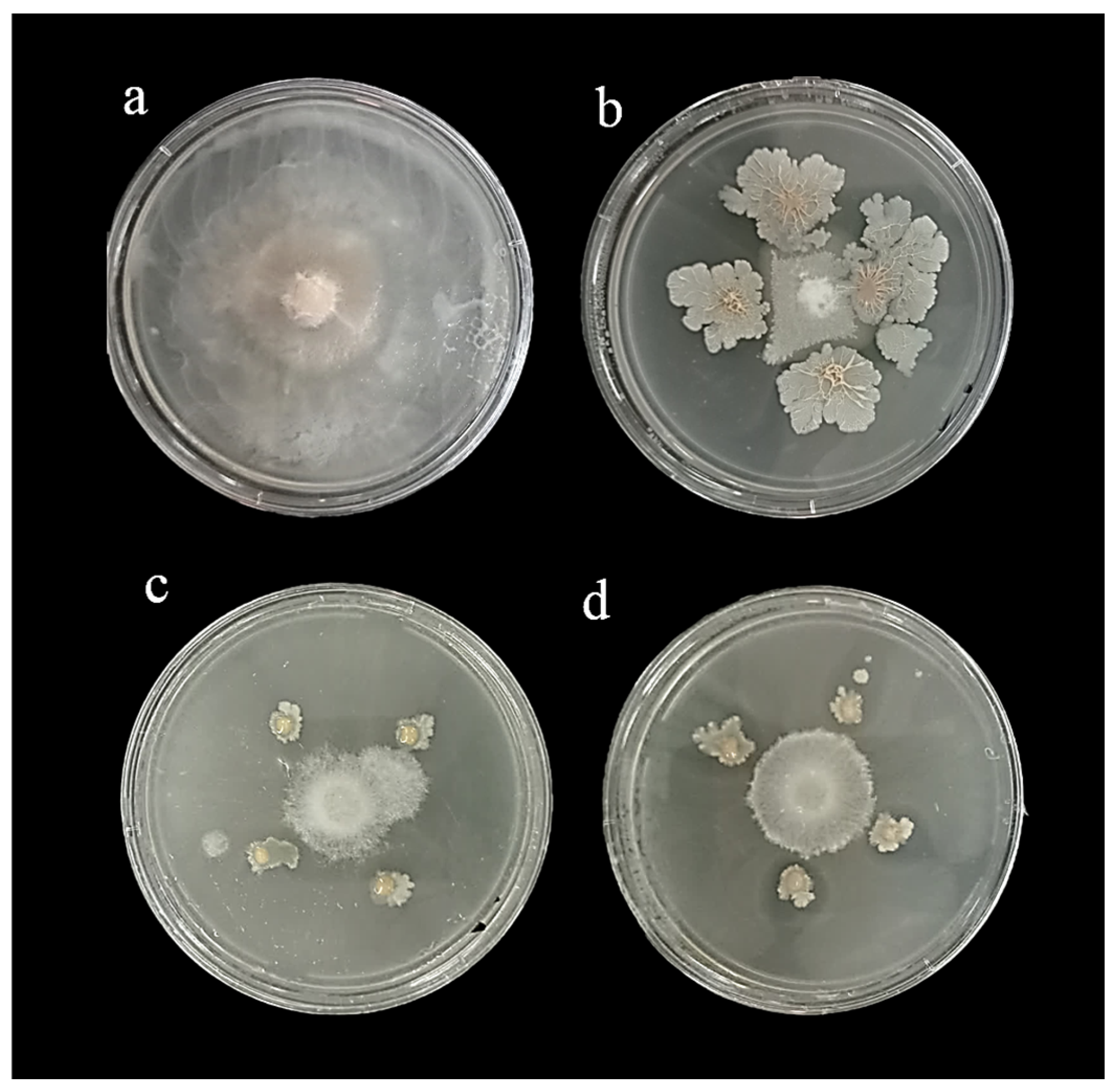
Figure 1. Effect of bacterial strains on mycelial growth of P. infestans. (a) Colony diameter of P. infestans; diameter of the P. infestans colony co-cultured with bacterial strains: BaAZ2 (b), SrAZ1 (c) and BhAZ6 (d).
Agronomy 16 00993 g001
Figure 2. Antagonistic activity of bacterial isolates against P. infestans in a dual-culture assay. Bars represent colony diameter (cm), while the line indicates percentage of inhibition relative to the P. infestans control. Mean results of two independent experiments are shown, whiskers indicate ± SD. Different letters indicate significant differences according to Duncan’s multiple-range test at p < 0.05. BaAZ2 (Bacillus atrophaeus), BhAZ6 (Bacillus halotolerans), SrAZ1 (Stenotrophomonas rhizophila).
Agronomy 16 00993 g002
Figure 3. The effect of bacterial species and P. infestans inoculation on potato cultivars Agria and Jelly: (a) cv. Agria plants inoculated with P. infestans; (b) cv. Agria inoculated with strain BaAZ2 and P. infestans; (c) cv. Agria inoculated with strain SrAZ1 and P. infestans; (d) cv. Agria inoculated with strain BhAZ6 and P. infestans; (e) cv. Jelly plants inoculated with P. infestans; (f) cv. Jelly inoculated with strain BaAZ2 and P. infestans; (g) cv. Jelly inoculated with strain SrAZ1 and P. infestans; (h) cv. Jelly inoculated with strain BhAZ6 and P. infestans. BaAZ2 (Bacillus atrophaeus), BhAZ6 (Bacillus halotolerans), SrAZ1 (Stenotrophomonas rhizophila).
Agronomy 16 00993 g003
Figure 4. Influence of bacterial strains and P. infestans (Pi) on the (a) hydrogen peroxide (H2O2) contents, (b) catalase (CAT) activity, (c) peroxidase (POX) activity, (d) ascorbate peroxidase (APX) activity in potato leaves 15 days post-inoculation. BaAZ2 (Bacillus atrophaeus strain), BhAZ6 (Bacillus halotolerans), SrAZ1 (Stenotrophomonas rhizophila). Cultivar Agria in blue and cv. Jelly in orange. Data bars represent mean ± SE indicated by whiskers. Different letters indicate significant differences among treatments based on one-way ANOVA followed by Duncan post hoc test (p ≤ 0.05). FW refers to fresh weight.
Agronomy 16 00993 g004
Figure 5. Influence of bacterial strains and P. infestans on the (a) total phenolic contents, (b) phenylalanine ammonia lyase activity (PAL), (c) PPO activity. BaAZ2 (Bacillus atrophaeus), BhAZ6 (Bacillus halotolerans), SrAZ1 (Stenotrophomonas rhizophila). Cultivar Agria in blue and cv. Jelly in orange. Data are presented as mean ± SE. Different letters indicate significant differences among treatments based on one-way ANOVA followed by Duncan’s multiple-range test using SPSS software (p ≤ 0.05) FW refers to fresh weight.
Agronomy 16 00993 g005
Figure 6. Influence of bacterial strains and Phytophthora infestans in the expression patterns pathogenesis-related genes (a) StuMAPK4, (b) StuWRKY1, (c) StuPR-1b, (d) StuPR-4, (e) StuPPO9, (f) StuPAL, (g) StuChi. BaAZ2 (Bacillus atrophaeus), BhAZ6 (Bacillus halotolerans), SrAZ1 (Stenotrophomonas rhizophila). Cultivar Agria in blue and cv. Jelly in orange. Gene expression levels were normalized to the EF1α reference gene and calculated using the 2−ΔΔCT method, relative to the control uninoculated with P. infestans and bacteria. Data are presented as mean ± SE. Different letters indicate significant differences among treatments based on one-way ANOVA followed by Duncan’s multiple range test using SPSS software (p ≤ 0.05).
Agronomy 16 00993 g006
Table 1. The list of primers used in this study for gene expression analysis from potato leaves.
Gene NameAccessionPrimer NamePrimer Sequence (5′ to 3′)Product Length (bp)
S. tuberosum elongation factor 1-alpha-like (StuEF1α)DQ252511Stu.EF1α-FCAGTGTGATGCTAGTGTTTCC184
Stu.EF1α-RCTCCAAATCATGCTCGCCAC
S. tuberosum phenylalanine ammonia-lyase (StuPAL)MH636300Stu.PAL-FGTGAGGAGATTGACAAGGTG151
Stu.PAL-RGCACTAGACAAGCATTAACAAC
PREDICTED: S. tuberosum WRKY transcription factor 1-like (StuWRKY1)XM_006362961Stu.WRKY1-FGCTAAACAATCAAACTCAATAC188
Stu.WRKY1-RCATTAACTTTAGGAATCCACAC
PREDICTED: S. tuberosum pathogenesis-related leaf protein 4 (StuPR4)XM_006345633Stu.PR4-FCCCTTTGATGTTGCTAGTATG168
Stu.PR4-RGGAAACCAGAAGATGCAATAC
S. tuberosum pathogenesis-related protein 1b precursor (StuPR1b)NM_001288166Stu.PR1B-FGGGAGAAGCCAAACTACAAC146
Stu.PR1B-RGCATGAAATGAACCACCATCC
S. tuberosum cultivar Rywal MAPK4_2 protein (Mitogen-activated protein kinase 4 (StuMAPK4))KJ027595Stu.MAPK4-FGAGATGATGACACGACAGCC133
Stu.MAPK4-RCATACCTCCGAGCATTATCAC
S. tuberosum catechol oxidase B, chloroplastic-like (StuPPO9)NM_001425349Stu.PPO9-FCTCTATCACCAGACCAGCTTC113
Stu.PPO9-RCATCGAACCTTACATACTGAG
PREDICTED: S. tuberosum chitinase-like protein 1 (Stu.Chi)XM_006349819Stu.Chi-FCTTCTTGATTAACTCGTATGGG182
Stu.Chi-RAGGGTCAACACATCCTTAATCC
Disclaimer/Publisher’s Note: The statements, opinions and data contained in all publications are solely those of the individual author(s) and contributor(s) and not of MDPI and/or the editor(s). MDPI and/or the editor(s) disclaim responsibility for any injury to people or property resulting from any ideas, methods, instructions or products referred to in the content.