Review

Seed Coatings as Biofilm Micro-Habitats: Principles, Applications, and Sustainability Impacts

1
Key Laboratory of Green and Low-Carbon Agriculture in Southwest Mountain, College of Resources and Environment, Interdisciplinary Research Center for Agriculture Green Development in Yangtze River Basin, Academy of Agricultural Sciences, Ministry of Agriculture and Rural Affairs, Chongqing 400715, China
2
Key Laboratory for Improving Quality and Productivity of Arable Land of Yunnan Province, College of Resources and Environment, Yunnan Agricultural University, Kunming 650201, China
3
Guizhou Research and Designing Institute of Environmental Sciences, Guiyang 550081, China
4
Wengfu (Group) Co., Ltd., Guiyang 550002, China
5
State Key Laboratory of Green and Efficient Development of Phosphorus Resources, Guiyang 550016, China
*
Authors to whom correspondence should be addressed.
Agronomy 2025, 15(12), 2854; https://doi.org/10.3390/agronomy15122854
Submission received: 14 November 2025 / Revised: 6 December 2025 / Accepted: 9 December 2025 / Published: 12 December 2025
(This article belongs to the Section Farming Sustainability)

Abstract

Seed coating, which involves the application of materials such as nutrients, growth regulators, and protective agents, can significantly enhance seed germination. This review introduces and assesses a paradigm shift in seed technology: the conceptualization of seed coatings as engineered biofilm micro-habitats. This approach moves beyond mere physical protection and chemical delivery by utilizing the coating matrix to host beneficial microbial consortia that form functional biofilms, thereby creating the potential for a dynamic, living interface at the seed–root junction. Furthermore, guided by perspectives from chemistry biology, we synthesize design principles for these micro-habitats at a systems level. Within this framework, we demonstrate their potential to enhance crop growth, stress resilience, and pathogen suppression. By framing seed coating as a dynamic microbial environment, this review aims to guide future research and development toward ecology-driven seed enhancement strategies.

1. Introduction

Biofilms are ubiquitous in nature and play pivotal roles in ecosystem functioning, biogeochemical cycling, and host–microbe interactions [1,2,3,4,5]. Within agricultural systems, the microbial communities at the rhizosphere are fundamental to plant health, driving nutrient mobilization, enhancing stress resilience, and suppressing soil-borne pathogens [6,7,8,9]. More specifically, successful seed germination and seedling establishment depend not only on the innate vigor of the seed but also critically on the early and beneficial interactions it forms with beneficial microbial communities in the rhizosphere [10,11,12,13,14,15]. However, conventional agricultural practices and degraded soil environments often lead to crucial microbial dysbiosis. This condition is characterized by a depletion of beneficial microbial consortia in the soil, the dominance of pathogenic microbes in ecological niches, and the failure of seeds to effectively recruit beneficial symbiotic partners. These microbial deficiencies exacerbate common challenges—such as low seed vigor and poor soil conditions—leading to reduced germination rates and establishment failures. [16,17,18]. Given this critical role, leveraging these beneficial communities presents a transformative opportunity for sustainable agriculture. A formidable obstacle remains, however, in achieving the effective delivery and precise establishment of these introduced microbes into the complex and competitive soil environment.
Seed coating emerges as a dependable seed treatment technique for advancing modern agriculture. Its multifaceted benefits include protecting seeds from pathogens and enhancing germination, survival, and growth rates. However, there is currently no well-defined set of principles and procedures for seed coating, and consequently no comprehensive model of seed coating and its interactions has been established; this gap limits our ability to address the complex issues involved in seed coating research with greater precision [19].
The aims of this review are as follows: (1) to elucidate the fundamental principles underlying the design of seed coatings as functional Micro-habitats, focusing on material selection and the dynamics of biofilm establishment; (2) to critically review the applications of this technology across major crop systems, highlighting its efficacy in enhancing plant growth, nutrient uptake, and resistance to biotic and abiotic stresses; (3) to evaluate the sustainability impacts of biofilm-based seed coatings, assessing their contribution to reducing agrochemical inputs, improving resource efficiency, and supporting the achievement of global sustainable development goals.
By establishing this comprehensive framework, this review aims to guide future research and development in harnessing seed coating to engineer the rhizosphere for a more productive and resilient agricultural system.
To ensure the novelty and comprehensiveness of this review, we adopt a systematic literature search and screening protocol. The literature search for this review is primarily conducted in the Web of Science database. A topic-based search strategy (covering titles, abstracts, and keywords) is employed, using keywords including ‘seed coating’, ‘seed treatment’, ‘microbial consortium, ‘plant growth-promoting rhizobacteria’, ’vegetables’, ‘cereal crops’, ‘oil crops’ and their combinations. Search queries are constructed using Boolean logic operators (AND, OR). The search timeframe primarily focuses on literature published between 2015 and 2025, to encompass the latest research advances in the field. In terms of publication type, we focus on research articles and review articles. The initial search yielded 380 relevant publications. An initial screening based on reading titles and abstracts excluded literature clearly unrelated to the core theme of ‘seed coatings as biofilm micro-habitats’. Following a full-text review of the remaining articles, those with irrelevant study designs, insufficient data, or unclear conclusions were further excluded. Ultimately, approximately 138 publications were identified as highly relevant to the topic of this review and served as the core basis for our analysis and discussion. These publications form the basis for clarifying principles, evaluating application scenarios, and analyzing the sustainable impacts here in order to align with the SDGs.

2. Seed Coatings: From Inert Carriers to Living Biofilm Micro-Habitats

Seed coating involves the application of fillers, binders, nutrients, growth regulators, dyes, and other materials onto the surface of seeds through artificial or mechanical means, tailored to the specific characteristics of the seeds and the environmental needs for planting [19,20]. The process ensures controlled release of seed coating components for root absorption and plant development during germination [21,22].
Seed coating agents refer to a layer of material uniformly wrapped on the surface of seeds using adhesives and fillers [23]. Commonly utilized adhesives in previous research include methyl cellulose, polyethylene glycol, chitosan, polyvinyl alcohol [24], and gum Arabic [25]. Different binders protect seeds physically and prevent chemical contact, while their quantity affects coating properties like compressibility and integrity [26].
Fillers typically include inert substances and active ingredients. Inert components encompass materials like bentonite [19], calcium carbonate [17], talc, diatomaceous earth [27], sand, wood chips, pigments [28], and tracers [29]. Active ingredients encompass bio-stimulants, plant nutrients, stress protectants, and inoculants, such as synthetic chemical, organic certified substance, and biological product [30]. Moreover, seed protectants are commonly employed for managing pathogens and pests during sowing, including fungicides, insecticides, nematicides, and bactericides, collectively categorized as protective agents [31,32,33,34]. Binders and fillers improve the physical and mechanical characteristics of coated seeds, whereas active ingredients are designed to protect and stimulate seed germination and plant development [35]. When selecting fillers, it is crucial to assess their potential impact on germination of seeds [36], along with considering factors such as availability, safety, and environmental impact.
Traditional seed coating technologies have inherent limitations, which are increasingly evident, particularly in terms of environmental sustainability and the delivery efficiency of biological agents [37]. Chemical seed coatings, especially those containing systemic insecticides such as neonicotinoids, are widely used due to their high efficacy; however, substantial evidence suggests that their environmental footprint and ecological risks far exceed initial understanding [38,39]. The chemical pesticides in the coatings are not entirely used by the seed. A study treated maize seeds with a pesticide containing TMX, RUISHENG (registration numbers pd20160110, Syngenta, Shanghai, China) with active ingredients of 30%, as the active ingredient, as TMX residue levels in the soil declined by the end of the maize growth period, and its effects on soil microbial communities similarly diminished. This occurred because most of the TMX was leached from the seeds and remained in the soil, resulting in minimal transfer of residues to the aboveground plant tissues [40]. This impact ascends the food chain, further endangering ecosystem service providers such as birds and predatory insects, ultimately undermining the stability and resilience of agricultural ecosystems [41,42,43]. Some synthetic polymer carriers and chemical agents have extremely long degradation cycles (>100 years), allowing them to accumulate persistently in the soil and become potential long-term sources of pollution [44]. These residues may not only cause phytotoxicity to subsequent crops but also pose indirect risks to human health through groundwater contamination [45].
To circumvent chemical risks, biological seed coatings have emerged. However, simple coating strategies suffer from fundamental inefficiencies in delivering active microorganisms; a typical simple coating strategy usually encompasses features such as simple and direct material selection, crude and singular process design, a lack of systematic protection design, and neglect of dynamic interactions and release [46,47] primarily due to the neglect of the biological requirements for microbial colonization and functionality in the rhizosphere [48]. A laboratory study showed that for microbially coated seeds of cruciferous plants and onions, the viable count of the inoculated microorganisms continuously declined during a three-month storage period, and survival rates exhibited variability [49]. During coating preparation and seed storage, microorganisms are exposed to stresses such as desiccation and temperature fluctuations, resulting in a viable cell count at sowing that is far below the theoretical value [49]. This means farmers purchase inoculants based on an initial viable count but may end up sowing partially inactivated products with significantly reduced efficacy. Furthermore, the design of simple inert carriers is often tailored for delivering single strains or fails to account for synergistic interactions within microbial communities [50,51]. In the complex rhizosphere environment, the functionality of a single strain tends to be fragile and unstable [52,53]. Without interspecies signaling and support, its growth-promoting or biocontrol efficacy is difficult to sustain and maximize.

3. Fundamental Principles of Biofilm Microhabitat Establishment

Figure 1 illustrates the sequential mechanisms of a conventional seed coating. The process begins with water uptake by the seed, leading to the swelling and softening of the seed coat. This creates micro-cracks (denoted as ‘Gap’ in the figure), which allow oxygen ingress, initiating seed respiration. Concurrently, the hydrated coating matrix releases its payload of active ingredients (e.g., nutrients, protectants). The arrows in the figure illustrate the release of the active ingredients in the seed coating from the coating to the rhizosphere, as well as the subsequent absorption or action process of these ingredients. Released nutrients and biostimulants promote radicle emergence and seedling growth (symbolized by the plant icon). Simultaneously, pesticidal or fungicidal agents form a chemical barrier zone around the seed, protecting against soil-borne pathogens and pests. This coordinated release and barrier establishment constitute the core physicochemical functions of seed coatings in enhancing germination and providing early-stage protection.
By establishing a microbiome at the seed–root interface, advanced seed coatings transition from passive protection to active ecological mediation [54,55]. They are designed to improve germination, foster plant growth via microbial processes such as nutrient mobilization and biocontrol, and enhance stress tolerance. The following sections detail the sequential mechanisms through which this plant–microbe partnership, initiated by the coating, develops and exerts its influence.
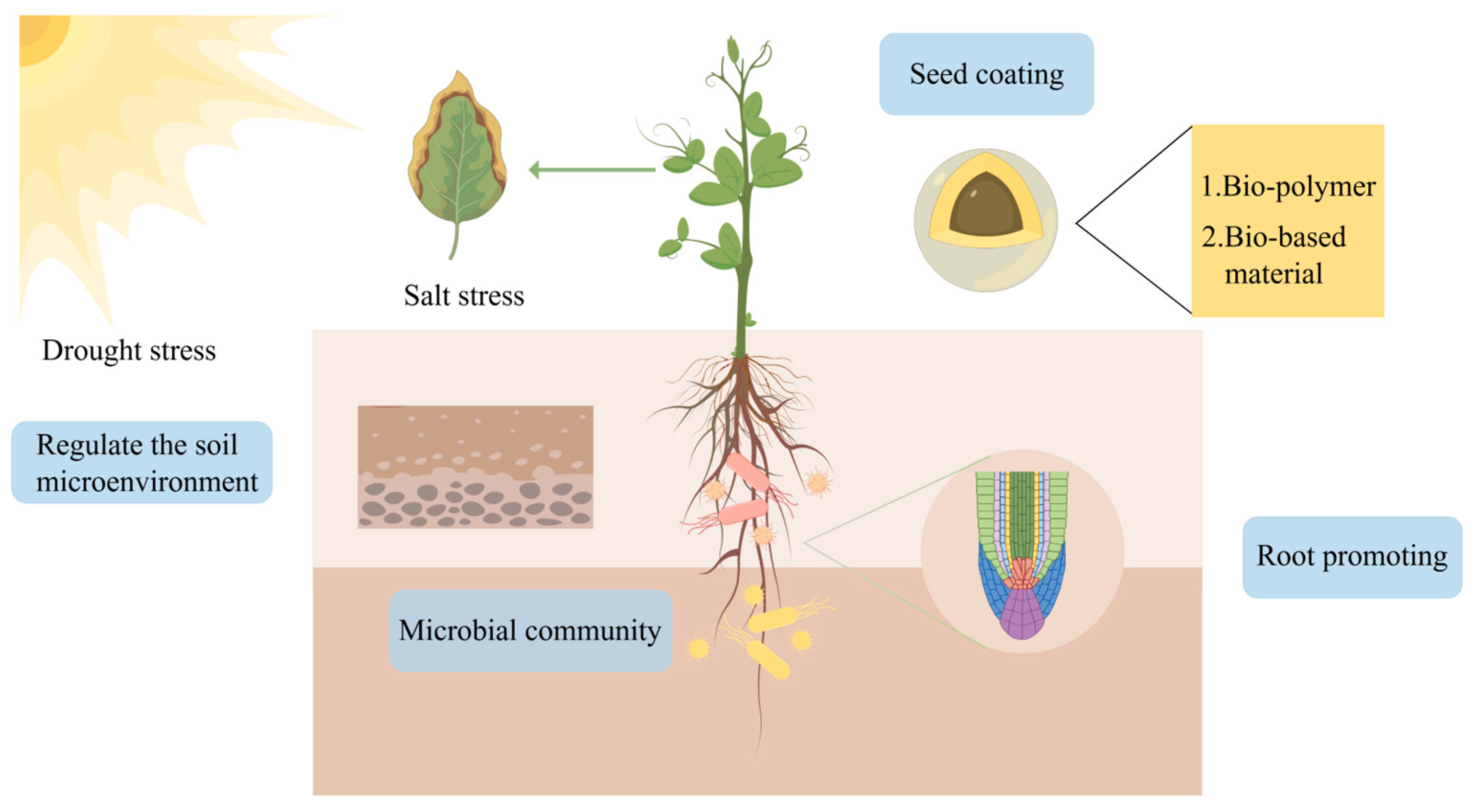
Figure 2 presents a conceptual model outlining the key stages and interactions involved in the formation of a biofilm micro-habitat initiated by seed coating. Upon sowing, the hydrated coating releases biopolymers or bio-based materials, which improve soil structure and fertility (represented by the ‘Regulate the soil microenvironment’ module). Simultaneously, it inoculates the developing plant with a tailored microbial consortium. This consortium rapidly forms a protective biofilm around the roots. This biofilm functions as a permeable, living filter: it selectively excludes soil-borne pathogens while facilitating the uptake of water and nutrients. Crucially, the enhancement of soil biochemical properties contributes to overall plant health and resilience, thereby indirectly reducing the plant’s susceptibility to pathogen threats and abiotic stress (represented by the ‘Salt stress’ module and ‘Drought stress’ module).

4. Multifunctional Roles of Biofilm Micro-Habitats in Crop Growth

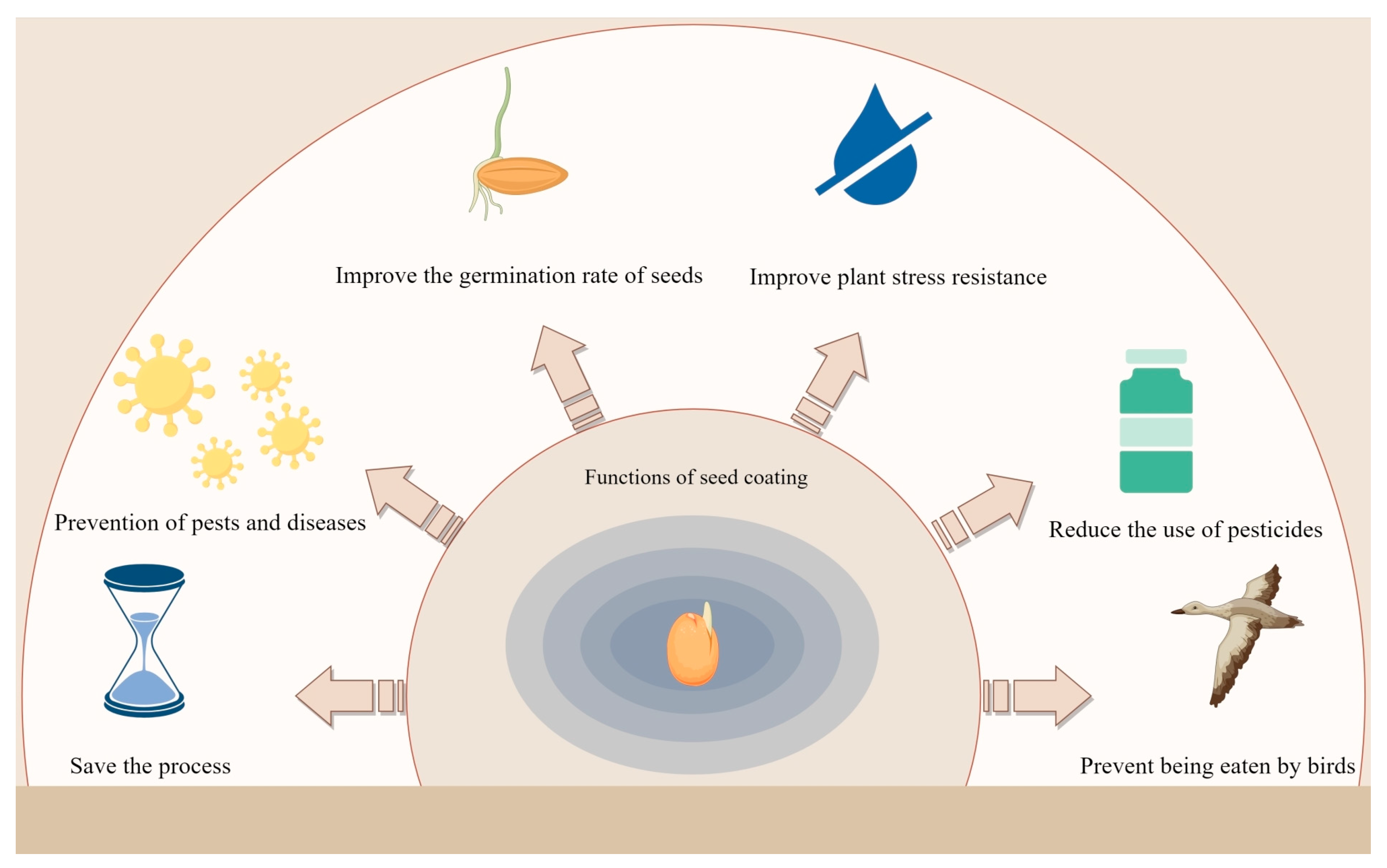
Seed coating achieves a significant leap in functionality by creating a structured ‘biological membrane micro-environment’, transitioning from traditional physical protection to active ecological regulation. Its core functions can be systematically summarized into the following aspects (Figure 3).

4.1. Save Processes and Physical Protection

Seed coating, though historically rooted in agriculture, gained significant traction in large-scale restoration efforts starting in the 1940s, aligned with advances in mechanized seeding. By improving seed flowability and batch uniformity, seed coatings enhance handling, seeding accuracy, and uniform soil distribution during restoration deployments [56]. These logistical advantages are foundational, as they enable the precise delivery and strategic placement of advanced coatings designed to function as microbial delivery systems for beneficial biofilm establishment. The coating layer initially functions as a physical barrier, protecting seeds from mechanical damage, bird predation, and insect feeding [57,58]. More significantly, it precisely regulates moisture and gas exchange in the seed’s immediate microenvironment through water-absorbing polymers, thereby creating the optimal initial hydration conditions crucial for the subsequent successful colonization of biofilms.

4.2. Nutrient Mobilization and Growth Promotion

The biofilm community within the coating acts as an efficient ‘bio-factory’. This biofilm-mediated system of nutrient cycling and microclimate optimization establishes a rhizosphere environment that reduces dependence on chemical fertilizers while promoting rapid growth and increased crop yields [26,31,59,60,61]. The biofilm micro-habitat transcends the simplistic role of traditional coatings as nutrient depots by establishing an active bio-factory at the rhizosphere interface to optimize crop nutrient acquisition. Research indicates that microbial communities introduced via the coating colonize the rhizosphere and mobilize immobilized soil nutrients through various pathways [62]. Notably, a study demonstrates that treating wheat seeds with coatings containing phosphate-solubilizing bacteria can increase seedling phosphorus uptake by up to 25% [63]. Research also indicates that a novel organic acid-based matrix can serve as an antimicrobial coating for germinating seeds; it combines organic acids with functional microorganisms into a durable material that dissolves upon water contact. When applied as a seed coating, this matrix releases its components during seed hydration, disinfecting the seeds and potentially enhancing antimicrobial efficacy. A study has shown that this coating reduces pathogenic E. coli O157:H7 on alfalfa seeds and significantly improves germination rates, promoting growth [64]. However, their efficacy is significantly influenced by soil type and competition from the indigenous microbiota, highlighting the importance of tailoring microbial consortia to specific environments [65]. Researchers found that a seed coating material based on commercial polymers, namely sodium alginate and carboxymethyl cellulose, which also contains antibacterial agents and exhibits bio-stimulant effects when applied to Lactuca sativa, promoting root growth and development; however, the dosage applied to seeds must be carefully controlled to minimize negative environmental impacts and support sustainable agricultural practices [66]. From the micro-habitat perspective, the coating matrix is designed to act as a starter platform, aiming to deliver a concentrated inoculum of functional microbes close to the emerging root. Polyglycerol-citrate has been demonstrated to be an effective carrier and protective agent for inoculating soybean seeds with the rhizobia strain B. japonicum, significantly enhancing biological nitrogen fixation. This indicates that polyglycerol-citrate is a promising alternative to traditional carriers such as peat, as it not only protects the microorganisms but also serves as a direct nutrient source for the bacteria [67]. This may provide an initial inoculum density advantage, which could be crucial for early establishment and function in nutrient cycling processes.

4.3. Biocontrol and Immune Induction

As one of the core functions of the biofilm microhabitat, beneficial microorganisms inoculated within the coating, such as Bacillus and Pseudomonas, form a protective biofilm in the rhizosphere [68,69,70,71,72]. This membranous structure operates through multiple mechanisms: competing for nutrients and spatial niches, secreting antimicrobial compounds (e.g., antibiotics, bacteriocins), and inducing plant systemic resistance (ISR) [73,74,75,76,77]. Together, these actions effectively suppress soil-borne pathogens, functioning as a ‘living shield’ against diseases. Neonicotinoid insecticides like imidacloprid and thiacloprid, when used as seed coatings, effectively protect rapeseed from insect damage, reducing pesticide use and mitigating yield losses [69,78,79,80,81]. However, their application poses significant risks to wild bee populations, predator species, and overall biodiversity, highlighting the need for comprehensive risk assessments and precise monitoring of application rates and field impacts [82,83]. Based on this, a study showed that coating sweet corn seeds with all non-neonicotinoid insecticides such as chlorantraniliprole, cyantraniliprole, isocycloseram, spinosad, and tetraniliprole were effective in protecting sweet corn from Delia spp. [84]. More efficiently and in an eco-friendly manner, a recent study developed a hydrogel-based microbial seed coating agent using a sodium alginate–polyethylene glycol–glycero matrix loaded with Aspergillus tamarii TPD11 and Bacillus cereus LgD2. The optimized formulation significantly enhanced seed vigor, shoot and root growth, and demonstrated good compatibility with biocontrol bacteria used in tobacco [85].

4.4. Stress Resilience and Abiotic Stress Alleviation

Seed coating technologies enhance plant resilience by leveraging biofilm-mediated protection against a spectrum of biotic and abiotic stresses [86]. The structured microbial consortia, such as those formed by P. fluorescens CHA0 and Trichoderma harzianum T39, function as a living barrier that mitigates drought stress through exopolysaccharide secretion for water retention and induces systemic resistance against pathogens [87]. Under drought and salt stress conditions, microbes such as Pseudomonas putida produce exopolysaccharides (EPS) that form a hydrated biofilm around the roots, effectively reducing water loss. From the micro-habitat perspective, its core value lies in shifting the timing of stress protection forward, providing immediate microbial support during the most vulnerable seed germination stage, rather than relying on the plant’s slow recruitment from the soil. A study successfully utilized a biostimulant extracted from grape fruit-induced cell cultures to partially reverse the negative effects of salt stress on the tomato germination process. When applied at concentrations of 0.1% and 0.01% (v/v), it notably shortened the time required for germination and enhanced the vigor of the developing seedlings [88]. Another study indicated that applying an optimal dose of diethylaminoethyl octanoate citrate (30 mg) during seed treatment could completely alleviate the symptoms of low-temperature stress in wheat and even promote root growth under such conditions. For drought stress, treatments with plant growth-promoting rhizobacteria (PGPR) demonstrate potential in mitigating the adverse effects of drought on soybeans; even under conditions prone to drought, PGPR applications support the growth and physiological functions of soybean plants [89]. For maize seed, a study developed a novel thermoresponsive coating material with dual efficacies of intelligent chilling resistance and anti-counterfeiting. After treatment, it significantly increased the seed germination rate of maize by 17.8% and enhanced the vigor index by 53.1% under freezing stress. The shoot height and dry weight of the seedlings were also significantly improved [90].

4.5. Soil Amendment and Ecological Remediation

Plants transport photosynthetically assimilated carbon to the rhizosphere via root exudates [91]. This process specifically enriches microbial strains capable of efficiently utilizing these carbon sources, strongly stimulating their synthesis of large amounts of EPS. These EPS serve as key microbial-derived organic matter [92]. On one hand, their binding properties directly promote the formation and stability of soil aggregates, optimizing soil physical structure [93,94]. On the other hand, as high-quality carbon sources, they enhance soil organic carbon pools, microbial biomass, and activity, thereby strengthening soil nutrient cycling capacity [95,96,97]. This process creates a microecosystem within the root zone of the current crop season that is more harmonized in terms of water, nutrients, air, and heat, directly promoting crop growth and nutrient uptake. After the seasonal crop harvest, the improved soil properties persist as a ‘legacy effect’, establishing a more fertile starting point for subsequent crops [98]. Even without re-inoculation, this foundation supports superior growth in follow-up crops, completing a sustainable, positive cycle that flows from plants to soil and back to plants [99]. Furthermore, specific functional microorganisms immobilized in the coating can adsorb, precipitate, or transform heavy metals and organic pollutants in the soil, enabling the ecological remediation of degraded or contaminated farmland. This approach not only improves seed germination rates but also promotes the healthy growth of seedlings during early developmental stages [100,101]. Seed priming with Fe3O4-SiO2 nanocomposites enhances photosynthetic performance, antioxidant enzyme activity, and biomass yield in spinach, mitigating the toxic effects of heavy metals like cadmium and chromium [102]. Similarly, coating cotton seeds with active ingredients such as Fludioxonil and metalaxyl-M·fludioxonil·azoxystrobin suppresses microbial activity in rhizosphere soil without affecting urease activity, promoting a more controlled soil environment [103]. Collectively, these strategies—whether through direct nutrient and stress priming, or through the selective modulation of rhizosphere communities—aim to engineer an optimal rhizosphere microhabitat conducive to plant health, a principle that is most fully realized through the self-sustaining regulation offered by beneficial biofilms.

5. Three Methods of Seed Coating

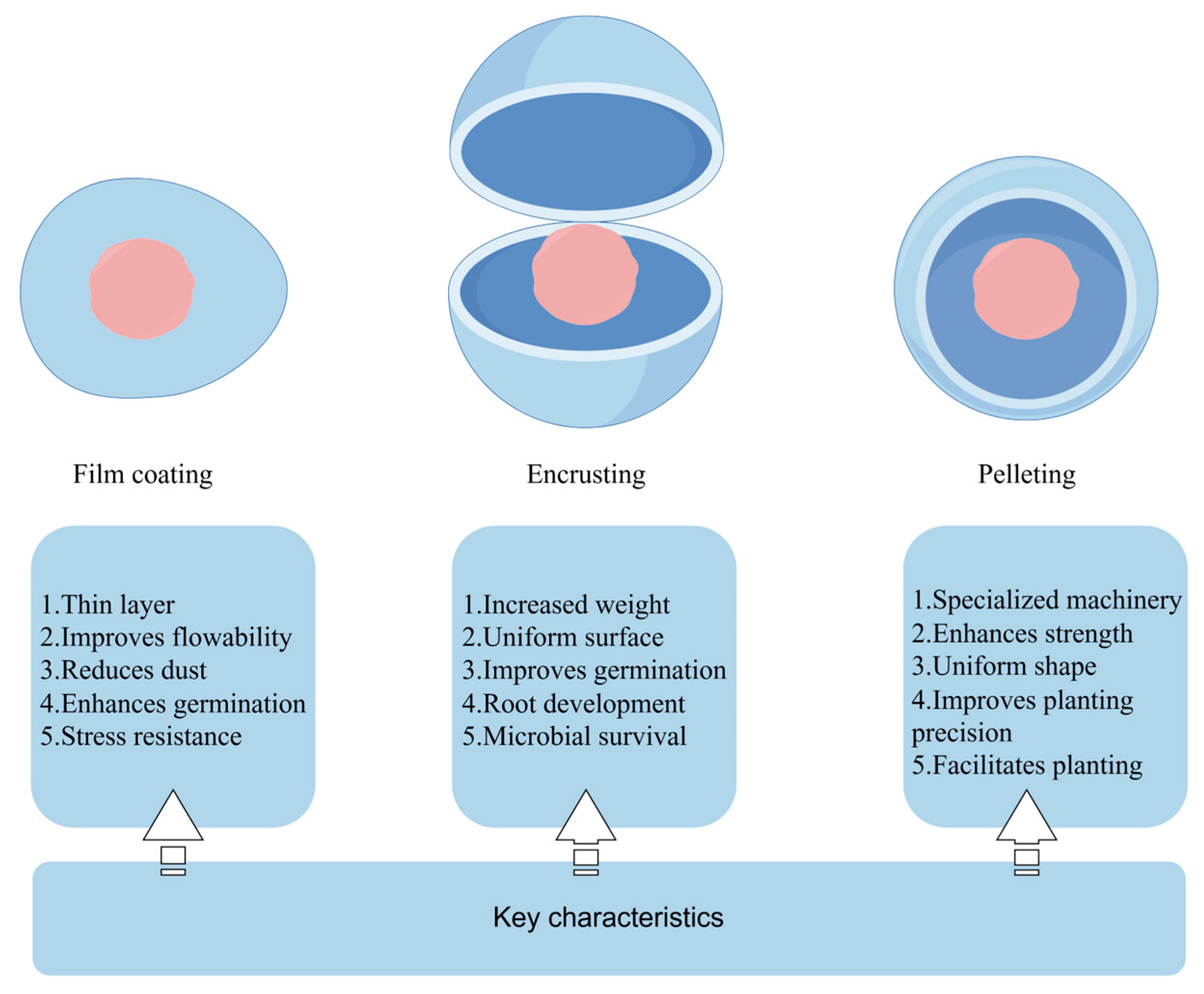
Seed coating methods include film coating, encrusting, and pelleting [29] (Figure 4). Film coating and encrusting are typically distinguished by weight, while pelleting is categorized by diameter. Both film coating and pelleting serve as effective methods for the application of insecticides and fungicides [23,104].
Film coating is a fundamental seed coating method that involves applying a thin layer of material to the seed surface, typically accounting for less than 10% of the seed weight [29]. The film coating polymer is initially prepared in a solution that can disperse or dissolve active ingredients before application. This technique enhances seed flowability during treatment and sowing processes while simultaneously reducing dust generation [68,105]. Polymer film coating improves seed germination, enhances protection against stresses and diseases, and reduces active ingredient loss, making it an efficient method for improving seed quality.
Encrusted seeds can be effectively utilized in both field and greenhouse settings, ultimately enhancing planting productivity. This method provides a larger volume and more protective environment for encapsulating beneficial microorganisms and supporting their biofilm formation, which is crucial for maintaining microbial viability and functionality. Seed encrusting not only enhances germination, root development, and seedling vigor but also supports the preservation of plant growth-promoting rhizobacteria during storage. Additionally, seed inoculation with beneficial microorganisms like rhizobia and fungi boosts plant performance, stress tolerance, and germination while reducing dependence on agricultural chemicals [47].
Seed pelleting is a specialized seed coating technique that employs seed pelleting machinery and various fillers to enhance the strength, shape, and weight of light or irregularly shaped seeds [106]. Seed pelleting enhances the size, weight, and shape of seeds, improving precision in mechanical planting and overall plant suitability [107]. More importantly, the substantial volume of the pellet offers an expanded and sheltered microenvironment ideal for encapsulating a higher density of beneficial microorganisms and facilitating robust biofilm development [108]. However, it demands more time, expertise, and costly materials, with its effectiveness heavily reliant on the quality of the coating materials and equipment used [109].
These three coating methods essentially represent three distinct design philosophies and engineering strategies for constructing microbial ‘Micro-habitats’. They are not merely a simple enumeration of techniques but rather demonstrate a spectrum of microhabitat construction ranging from ‘streamlined’ to ‘comprehensive’: Film coating achieves precise inoculation with a limited payload, focusing on creating an ‘efficient and precise’ micro-habitat that tests the synergistic efficiency of materials and microbial agents. Encrusting provides the maximum space and strongest protection, making it the ideal choice for building a ‘high-density, high-activity’ biofilm microhabitat, particularly suitable for carrying complex microbial communities. Pelleting occupies an intermediate position, improving the physical characteristics of seeds while providing a survival space for microorganisms that is significantly superior to film coating though slightly less than encrusting.

6. Applications of Seed Coating Across Different Crop Types

The efficacy of biofilm-based seed coatings transcends crop boundaries, yet its application is strategically tailored to address the distinct physiological and agronomic challenges inherent to different cropping systems. This section critically examines the application of seed coating in major cereal, vegetable, and oilseed crops, highlighting how the biofilm microhabitat paradigm provides targeted solutions for enhancing productivity and sustainability.

6.1. Cereal Crops

In cereal crops such as rice, wheat, and maize, biofilm-based seed coatings primarily aim to enhance seedling vigor, promote nutrient uptake, and increase resistance to biotic stresses [110,111,112,113]. Studies have shown that in rice production, coating seeds with zinc-solubilizing bacteria (e.g., Pseudomonas spp.) effectively increases grain zinc content and improves seedling establishment in the field [114]. For wheat, coatings containing Bacillus subtilis not only promote root development but also significantly reduce Fusarium wilt (Fusarium spp.) through induced systemic resistance mechanisms [115]. In maize, coating technology combining biochar with specific plant growth-promoting bacteria demonstrates dual benefits: improving emergence rates and early biomass in saline soils, while the biochar matrix prolongs microbial survival [116,117]. A S. nematodiphila-biochar seed coating was applied to maize grown in saline soil, results indicated that this coating increased maize yield, likely due to biochar enhancing bacterial colonization in plants, the treatment also raised the abundance of salinity-responsive microorganisms, such as Proteobacteria [18]. However, the effectiveness of this technology in cereal production systems is highly dependent on soil type, competition from indigenous microbiota, and field water management, with potential reduced efficacy in nutrient-poor or highly acidic soils. Compared to widely used chemical seed treatments, existing biological coatings still lag in the speed and consistency of controlling certain specific soil-borne diseases [118]. Furthermore, cost-effectiveness in large-scale production and shelf life under conventional storage conditions are key constraints affecting their widespread adoption.

6.2. Vegetable Crops

Vegetable production often faces unique challenges such as small and irregular seed size, high seed value, and high susceptibility to soil-borne diseases, making bio-film-based seed coatings particularly valuable for precision seeding and early protection [119,120]. For vegetables with small and irregular seeds, pellet coating is the preferred technique, not only standardizing seeds into spherical shapes suitable for mechanical sowing but also providing a high-load carrier for core microbial com-munities such as biocontrol Pseudomonas spp., effectively suppressing damping-off [121,122,123]. In intensive production of solanaceous vegetables (e.g., pepper, tomato), continuous cropping obstacles pose serious problems [124,125,126,127]; coatings containing compound agents of Bacillus spp. and Trichoderma spp. can significantly reduce the incidence of bacterial wilt and Verticillium wilt by establishing a ‘protective biofilm’ in the rhizosphere in advance [31]. Additionally, chemical pesticides commonly used in vegetable cultivation may interact unpredictably with active microorganisms in the coating, potentially compromising their biocontrol efficacy—factors that require careful consideration in technology promotion [128]. A study suggested that cyanobacteria can be used as seed coatings, which represents a viable strategy for sustainable agriculture. By evaluating and comparing the storability of spinach seeds coated with three different cyanobacterial formulations, it was found that biometric indices of the coated seeds improved by 15–40%, while germination and vigor indices increased significantly by 46–83%. After 12 months of storage, seeds from each treatment were sown in climate-controlled nursery trays, and their viability, growth, nutrient profiles, and enzyme activities related to carbon-nitrogen metabolism were compared with control plants. The results showed that plants derived from coated seeds exhibited significantly higher values (20–22%) in terms of germination indices, fresh/dry weight, leaf enzymatic activities, and micronutrient content [129]. Overall, all cyanobacterial treatments enhanced seed storability and plant performance, demonstrating their potential as effective seed-coating interventions for extending shelf life and sustaining quality traits. Cyanobacteria themselves constitute a vast group of microorganisms with diverse species and varied functions. The use of ‘three different cyanobacterial formulations’ in the study implies the diversity of possible formulations. This means that to achieve optimal effects for different vegetables (e.g., leafy spinach versus fruiting tomatoes), specific cyanobacterial strains or combinations would likely need to be screened and tested—which is part of the ‘R&D complexity.’ The study primarily evaluated cyanobacteria as biofertilizers and growth stimulants (based on their carbon- and nitrogen-fixing abilities) and did not directly test their biocontrol functions or compatibility with chemical pesticides. If the goal of cyanobacterial seed coatings is expanded to ‘biocontrol’ in the future, their compatibility with existing chemical pesticide systems would become a new issue requiring rigorous assessment.

6.3. Oil Crops

In oil crops, the primary application of biofilm-based coatings lies in ensuring robust seedling establishment and managing specialized pathogens [130,131]. The technology functions similarly as in vegetable systems, by delivering a protective microbial consortium at the most vulnerable growth stage. Studies consistently show that seed coatings formulated with beneficial Bacillus strains or fungi like Trichoderma harzianum are effective in improving germination, increasing seedling biomass, and providing targeted suppression against wilts and other soil-borne diseases in various oilseeds [31,132]. The use of biodegradable biopolymers as coating materials further ensures that this microbial inoculation is both effective and environmentally benign, aligning with the sustainability goals of modern oilseed production [133,134,135]. Peanut seeds are highly susceptible to microbial contamination, insect infestation, and aflatoxin production during long-term storage, which severely compromises seed quality and agricultural production [57]. A study evaluated the protective effect of a chitosan-based composite coating enriched with perilla essential oil on peanut seeds over a 12-month storage period. The composite coating significantly inhibited fungal proliferation, reducing the fungal load from 5.6 Log CFU/g to 3.4 Log CFU/g and decreasing Aflatoxin B1 levels by over 70% compared to the control group. Moreover, the coating treatment reduced the insect damage rate from 18.5% to 6.2% while increasing the germination rate from 62.1% to 85.3% and the normal seedling rate from 55.8% to 81.7% [57]. The results demonstrate that the chitosan–perilla essential oil composite coating effectively protects peanut seeds from microbial and insect damage, preserves seed vigor and quality, and offers a viable natural alternative for postharvest preservation.

7. Discussion

The transition from conventional seed coatings to engineered biofilm micro-habitats represents a significant stride toward sustainable agriculture. This paradigm shift aligns closely with multiple United Nations Sustainable Development Goals (SDGs), offering tangible contributions while also presenting distinct challenges that must be addressed for widespread adoption [136].

7.1. Sustainability Contributions

Reduction in Agrochemical Inputs (SDG 2, 12, 15): By harnessing beneficial microbial consortia for nutrient mobilization and biocontrol, biofilm-based coatings can substantially decrease dependence on synthetic fertilizers and chemical pesticides [137]. This reduction can contribute to mitigating soil and water pollution. More importantly, by minimizing the application of broad-spectrum chemical pesticides, it helps reduce the exposure risk to non-target organisms, including pollinators, thereby supporting efforts to conserve agricultural biodiversity.
Enhancement of Resource Use Efficiency (SDG 2, 12): Precise delivery of microbes and nutrients directly to the rhizosphere improves nutrient uptake efficiency and reduces losses through leaching or volatilization [138]. This targeted approach optimizes water and nutrient use, which is critical in resource-limited environments.
Improvement of Crop Resilience and Yield Stability (SDG 2): Enhanced tolerance to biotic and abiotic stresses—such as drought, salinity, and soil-borne diseases—contributes to more stable and productive cropping systems, supporting food security under climate variability.
Soil Health and Ecosystem Restoration (SDG 13, 15): The introduction of functional microbes improves soil structure, increases organic matter, and can facilitate the remediation of contaminated soils. These changes promote long-term soil fertility and ecosystem services.
Economic Benefits for Farmers (SDG 1, 8): Potential Economic Benefits for Farmers (SDG 1, 8): While initial costs are often higher, the potential for reduced agrochemical input costs, improved yield stability, and lower crop failure risks could lead to improved net incomes and livelihoods for farmers in the long term, provided that the technology is cost-effective and accessible.

7.2. Key Challenges and Constraints

Despite its promise, the implementation of biofilm-based seed coating technology faces several interrelated challenges:
High-performance, biodegradable materials that balance protective function, microbial viability, and environmental safety are still under development. Many effective carriers (e.g., certain hydrogels or functionalized polymers) are costly or difficult to scale. Ensuring microbial survival during coating production, storage, and after sowing remains a major hurdle. Field performance is often variable due to competition with indigenous microbiota, environmental stresses, and host-specific compatibility issues. The cost of advanced coatings, especially those containing specialized microbial consortia or novel materials, can be prohibitive for smallholder farmers. Lack of access to coating equipment and technical knowledge further limits adoption in low-income regions.
There is often a lack of clear regulatory frameworks for evaluating and approving microbial-based coatings, leading to market uncertainty and slow commercialization. While designed to be beneficial, the large-scale introduction of non-native microbial consortia requires careful risk assessment to avoid unintended ecological disruptions or reduced microbial diversity.

7.3. Pathways Forward

To realize the full sustainability potential of biofilm-based seed coatings, a coordinated effort is needed: Research should prioritize low-cost, locally available, and biodegradable materials that do not compromise functionality. Emphasis should be placed on selecting and engineering microbial strains with high stress tolerance, broad host compatibility, and synergistic community functions. Building local capacity for coating application and storage will enhance technology uptake and effectiveness. Governments and international agencies can play a key role by subsidizing sustainable inputs, establishing clear product standards, and supporting field validation trials.

8. Future Perspectives and Concluding Remarks

This review has articulated a transformative vision of seed coatings as engineered biofilm micro-habitats—a shift from static, chemical-centric treatments to dynamic, ecology-driven systems. The evidence compiled underscores that such coatings can significantly enhance crop performance, resource efficiency, and system resilience. However, bridging the gap between laboratory innovation and field-scale impact requires a focused and interdisciplinary research agenda.

8.1. Advancing Smart Coating Materials

Future efforts should prioritize the design of intelligent-responsive coatings capable of sensing and adapting to environmental cues (e.g., soil moisture, pH, pathogen presence). Materials that exhibit staged functionality—providing physical protection during germination and then degrading to release microbes—will better align with crop phenology and ecological cycles. Integration of nanotechnology, such as nano-encapsulation of microbes or nutrients, could enhance stability and targeted delivery.

8.2. Harnessing Microbial Synergies Through Systems Biology

A deeper understanding of plant-microbe and microbe-microbe interactions is essential. Employing omics technologies (metagenomics, metabolomics, transcriptomics) will help identify key functional traits and optimize microbial consortium design. Breeding or engineering crop varieties that better recruit and sustain beneficial biofilms could further enhance coating efficacy.

8.3. Integrated Life-Cycle and Resilience Assessment

Evaluation frameworks must evolve beyond short-term agronomic metrics to include long-term ecological, economic, and social dimensions. Life-cycle assessments (LCA) should quantify net sustainability gains across the entire value chain—from material sourcing and production to field performance and post-harvest soil health.

8.4. Promoting Inclusive and Adaptive Innovation

The future of seed coating lies in context-specific innovation. Technologies must be adaptable to diverse agroecological zones, cropping systems, and farmer circumstances. Participatory research involving farmers, industry, and policymakers will ensure that solutions are not only scientifically sound but also practical, accessible, and equitable.

8.5. Conclusions

The concept of seed coatings as biofilm micro-habitats redefines the seed as a nucleus of ecological engineering. By fostering a beneficial dialogue between plant and microbiome from the earliest stage of growth, this approach harnesses natural processes to build more resilient and productive agricultural systems. Realizing this potential will depend on continued convergence across materials science, microbiology, agronomy, and sustainability science. Through collaborative and responsible innovation, seed coating technology can truly become a cornerstone of the agroecological transition, turning each sown seed into a pledge for a more sustainable future.

Author Contributions

Writing—review and editing, Writing—original draft, Y.W. (Yujie Wang); Writing—review and editing, S.L.; Writing—review and editing, Supervision, Y.W. (Yuan Wang); Writing—review and editing, Supervision, Z.Y. (Zhi Yao); Writing—review and editing, Supervision, Z.Y. (Zhi Yu); Supervision, W.Z.; Supervision, J.Y. All authors have read and agreed to the published version of the manuscript.

Funding

This work was supported by the National Key Research and Development Program of China (2023YFE0105000), the Deutsche Forschungsgemeinschaft (DFG)-328017493/GRK 2366 (Sino-German IRTG AMAIZE-P), Guizhou Province Science and Technology Plan Project (Qiankehezhongyindi [2023] 004).

Data Availability Statement

No new data were created or analyzed in this study. Data sharing is not applicable to this article.

Acknowledgments

We thank Figdraw software (https://www.figdraw.com/static/index.html#/) for providing an excellent tool that assisted in the creation of visually compelling figures for this manuscript.

Conflicts of Interest

Author Jingzhi Yang was employed by the company Wengfu (Group) Co., Ltd. The remaining authors declare that the research was conducted in the absence of any commercial or financial relationships that could be construed as a potential conflict of interest.

Abbreviations

The following abbreviations are used in this manuscript:
PGPRPlant Growth-Promoting Rhizobacteria
ISRInduced Systemic Resistance
SDGsSustainable Development Goals
H2O2Hydrogen Peroxide

References

  1. Franzino, T.; Boubakri, H.; Merlin, L.; M’Sakni, A.; Droux, M.; Mermillod-Blondin, F.; Moënne-Loccoz, Y.; Bendahmane, M.; Szécsi, J.; Haichar, F.e.Z. Carbon source utilization regulates biofilm formation and plant-beneficial interactions of Pseudomonas ogarae F113. iScience 2025, 28, 113639. [Google Scholar] [CrossRef] [PubMed]
  2. Thakur, R.; Yadav, S. Exopolysaccharides and biofilm forming microbial inoculant AB-13 acting in a consortium promotes growth of economically important medicinal plant Catharanthus roseus. Int. J. Biol. Macromol. 2025, 319, 145122. [Google Scholar] [CrossRef]
  3. Silva, E.; Teixeira, J.A.; Pereira, M.O.; Rocha, C.M.R.; Sousa, A.M. Evolving biofilm inhibition and eradication in clinical settings through plant-based antibiofilm agents. Phytomedicine 2023, 119, 154973. [Google Scholar] [CrossRef] [PubMed]
  4. Li, Y.; Narayanan, M.; Shi, X.; Chen, X.; Li, Z.; Ma, Y. Biofilms formation in plant growth-promoting bacteria for alleviating agro-environmental stress. Sci. Total Environ. 2024, 907, 167774. [Google Scholar] [CrossRef]
  5. Çam, S.; Küçük, Ç.; Almaca, A. Bacillus strains exhibit various plant growth promoting traits and their biofilm-forming capability correlates to their salt stress alleviation effect on maize seedlings. J. Biotechnol. 2023, 369, 35–42. [Google Scholar] [CrossRef]
  6. Haq, M.Z.U.; Bai, Z.; Gu, G.; Liu, Y.; Yang, D.; Yang, H.; Yu, J.; Wu, Y. Continuous cropping obstacles in medicinal plants: Driven by soil microbial communities and root exudates. A review. Plant Sci. 2025, 359, 112686. [Google Scholar] [CrossRef]
  7. Zhang, X.; Liu, Y.; Zhang, Z.; Liang, Q.; Wang, G. Soil moisture influences wheat yield by affecting root growth and the composition of microbial communities under drip fertigation. Agric. Water Manag. 2024, 305, 109102. [Google Scholar] [CrossRef]
  8. Arellano-Wattenbarger, G.L.; Córdoba-Agudelo, M.; Rocha, J. Ancestral roots: Exploring microbial communities in traditional agroecosystems for sustainable agriculture. Geoderma Reg. 2025, 41, e00960. [Google Scholar] [CrossRef]
  9. Gong, X.; Feng, Y.; Dang, K.; Jiang, Y.; Qi, H.; Feng, B. Linkages of microbial community structure and root exudates: Evidence from microbial nitrogen limitation in soils of crop families. Sci. Total Environ. 2023, 881, 163536. [Google Scholar] [CrossRef] [PubMed]
  10. Tanikawa, T.; Maie, N.; Fujii, S.; Sun, L.; Hirano, Y.; Mizoguchi, T.; Matsuda, Y. Contrasting patterns of nitrogen release from fine roots and leaves driven by microbial communities during decomposition. Sci. Total Environ. 2023, 855, 158809. [Google Scholar] [CrossRef] [PubMed]
  11. Jiang, O.; Li, L.; Duan, G.; Gustave, W.; Zhai, W.; Zou, L.; An, X.; Tang, X.; Xu, J. Root exudates increased arsenic mobility and altered microbial community in paddy soils. J. Environ. Sci. 2023, 127, 410–420. [Google Scholar] [CrossRef]
  12. Wen, T.; Yu, G.-H.; Hong, W.-D.; Yuan, J.; Niu, G.-Q.; Xie, P.-H.; Sun, F.-S.; Guo, L.-D.; Kuzyakov, Y.; Shen, Q.-R. Root exudate chemistry affects soil carbon mobilization via microbial community reassembly. Fundam. Res. 2022, 2, 697–707. [Google Scholar] [CrossRef]
  13. Magaña Ugarte, R.; Hurtado Martínez, M.; Díaz-Santiago, E.; Pugnaire, F.I. Microbial controls on seed germination. Soil Biol. Biochem. 2024, 199, 109576. [Google Scholar] [CrossRef]
  14. Liu, Y.; Zhao, K.; Stirling, E.; Wang, X.; Gao, Z.; Ma, B.; Xu, C.; Chen, S.; Chu, G.; Zhang, X.; et al. Heterosis of endophytic microbiomes in hybrid rice varieties improves seed germination. mSystems 2024, 9, e00004-24. [Google Scholar] [CrossRef] [PubMed]
  15. Corredor-Perilla, I.C.; Cuervo Andrade, J.L.; Olejar, K.J.; Park, S.-H. Beneficial properties of soil bacteria from Cannabis sativa L.: Seed germination, phosphorus solubilization and mycelial growth inhibition of Fusarium sp. Rhizosphere 2023, 27, 100780. [Google Scholar] [CrossRef]
  16. Chandrika, K.S.V.P.; Prasad, R.D.; Prasanna, S.L.; Shrey, B.; Kavya, M. Impact of biopolymer-based Trichoderma harzianum seed coating on disease incidence and yield in oilseed crops. Heliyon 2024, 10, e38816. [Google Scholar] [CrossRef]
  17. Chen, L.; Wang, X.; Deng, Q.; Wang, H.; Luo, B.; Tang, T. Modified red clay with calcium carbonate: Experimental testing and mechanical characterisation. Proc. Inst. Civ. Eng. Ground Improv. 2025, 178, 138–148. [Google Scholar] [CrossRef]
  18. Cheng, Y.; Cao, M.; Shi, X.; Chen, X.; Li, Z.; Ma, Y. Mitigating salt stress in Zea mays: Harnessing Serratia nematodiphila-biochar-based seed coating for plant growth promotion and rhizosphere microecology regulation. Ind. Crops Prod. 2025, 223, 120164. [Google Scholar] [CrossRef]
  19. Javed, T.; Afzal, I.; Shabbir, R.; Ikram, K.; Saqlain Zaheer, M.; Faheem, M.; Haider Ali, H.; Iqbal, J. Seed coating technology: An innovative and sustainable approach for improving seed quality and crop performance. J. Saudi Soc. Agric. Sci. 2022, 21, 536–545. [Google Scholar] [CrossRef]
  20. Wang, Y.; Yu, X.; He, H.; Zhu, W.; Yuan, X.; Wang, H. Engineering high-performance and multifunctional seed coating agents from lignocellulosic components. Ind. Crops Prod. 2024, 222, 119768. [Google Scholar] [CrossRef]
  21. Fertahi, S.; Elhaissoufi, W.; Bargaz, A.; Touchaleaume, F.; Habibi, Y.; Oukarroum, A.; Zeroual, Y.; Barakat, A. Lignin-rich extracts as slow-release coating for phosphorus fertilizers. Prog. Org. Coat. 2024, 190, 108394. [Google Scholar] [CrossRef]
  22. Kumari, P.; Kumari, N.; Mohan, C.; Chinglenthoiba, C.; Amesho, K.T.T. Environmentally benign approach to formulate nanoclay/starch hydrogel for controlled release of zinc and its application in seed coating of Oryza sativa plant. Int. J. Biol. Macromol. 2024, 257, 128278. [Google Scholar] [CrossRef]
  23. Accinelli, C.; Abbas, H.K.; Little, N.S.; Kotowicz, J.K.; Mencarelli, M.; Shier, W.T. A liquid bioplastic formulation for film coating of agronomic seeds. Crop Prot. 2016, 89, 123–128. [Google Scholar] [CrossRef]
  24. Ryu, C.-M.; Kim, J.; Choi, O.; Kim, S.H.; Park, C.S. Improvement of biological control capacity of Paenibacillus polymyxa E681 by seed pelleting on sesame. Biol. Control 2006, 39, 282–289. [Google Scholar] [CrossRef]
  25. Singh, A.; Jain, A.; Sarma, B.K.; Upadhyay, R.S.; Singh, H.B. Rhizosphere competent microbial consortium mediates rapid changes in phenolic profiles in chickpea during Sclerotium rolfsii infection. Microbiol. Res. 2014, 169, 353–360. [Google Scholar] [CrossRef]
  26. Qiu, Y.; Amirkhani, M.; Mayton, H.; Chen, Z.; Taylor, A.G. Biostimulant Seed Coating Treatments to Improve Cover Crop Germination and Seedling Growth. Agronomy 2020, 10, 154. [Google Scholar] [CrossRef]
  27. Kosini, D.; Adamou, M.; Tchindebe, G.; Goudoungou, J.W.; Fotso, T.G.; Moukhtar, M.; Nukenine, E.N. Insecticidal potential of diatomaceous earth against Callosobruchus maculatus (Coleoptera: Chrysomelidae) infesting stored cowpea, Bambara groundnut and soybean in the Sudano-Guinean climatic conditions of Cameroon. J. Stored Prod. Res. 2025, 111, 102533. [Google Scholar] [CrossRef]
  28. Mohamed, M.G.; Emira, H.S.; Ahmed, N.M. Empowering the anticorrosive coatings performance via employing ZnO.CoO @ sand core-shell pigment. Prog. Org. Coat. 2025, 199, 108947. [Google Scholar] [CrossRef]
  29. Pedrini, S.; Merritt, D.J.; Stevens, J.; Dixon, K. Seed Coating: Science or Marketing Spin? Trends Plant Sci. 2017, 22, 106–116. [Google Scholar] [CrossRef]
  30. Afzal, A.; Bano, A.; Fatima, M. Higher soybean yield by inoculation with N-fixing and P-solubilizing bacteria. Agron. Sustain. Dev. 2010, 30, 487–495. [Google Scholar] [CrossRef]
  31. Rocha, I.; Ma, Y.; Souza-Alonso, P.; Vosátka, M.; Freitas, H.; Oliveira, R.S. Seed Coating: A Tool for Delivering Beneficial Microbes to Agricultural Crops. Front. Plant Sci. 2019, 10, 1357. [Google Scholar] [CrossRef] [PubMed]
  32. Yousuf, S.; Maktedar, S.S. Exploring the use of quince seed mucilage as novel coating material for enhancing quality and shelf-life of fresh apples during refrigerated storage. Sustain. Food Technol. 2024, 2, 1527–1536. [Google Scholar] [CrossRef]
  33. Shahedi, Y.; Zandi, M.; Bimakr, M. Effect of Balangu seed mucilage/gelatin coating containing dill essential oil and ZnO nanoparticles on sweet cherry quality during cold storage. Heliyon 2024, 10, e41057. [Google Scholar] [CrossRef]
  34. Zou, X.; Zhang, J.; Cheng, T.; Guo, Y.; Han, X.; Liu, H.; Qin, Y.; Li, J.; Xiang, D. Preparation of Tartary Buckwheat Seed Coating Agent and Its Effect on Germination. Phyton-Int. J. Exp. Bot. 2024, 93, 699–712. [Google Scholar] [CrossRef]
  35. Pedrini, S.; Balestrazzi, A.; Madsen, M.D.; Bhalsing, K.; Hardegree, S.P.; Dixon, K.W.; Kildisheva, O.A. Seed enhancement: Getting seeds restoration-ready. Restor. Ecol. 2020, 28, S266–S275. [Google Scholar] [CrossRef]
  36. Kangsopa, J.; Hynes, R.K.; Siri, B. Lettuce seeds pelleting: A new bilayer matrix for lettuce (Lactuca sativa) seeds. Seed Sci. Technol. 2018, 46, 521–531. [Google Scholar] [CrossRef]
  37. Sohail, M.; Pirzada, T.; Opperman, C.H.; Khan, S.A. Recent advances in seed coating technologies: Transitioning toward sustainable agriculture. Green Chem. 2022, 24, 6052–6085. [Google Scholar] [CrossRef]
  38. Hauer, M.; Hansen, A.L.; Manderyck, B.; Olsson, Å.; Raaijmakers, E.; Hanse, B.; Stockfisch, N.; Märländer, B. Neonicotinoids in sugar beet cultivation in Central and Northern Europe: Efficacy and environmental impact of neonicotinoid seed treatments and alternative measures. Crop Prot. 2017, 93, 132–142. [Google Scholar] [CrossRef]
  39. Krupke, C.H.; Long, E.Y. Intersections between neonicotinoid seed treatments and honey bees. Curr. Opin. Insect Sci. 2015, 10, 8–13. [Google Scholar] [CrossRef] [PubMed]
  40. Li, K.; Cheng, Q.; Zeng, C.; Shen, H.; Lu, C. The fate and transport of pesticide seed treatments and its impact on soil microbials. Ecotoxicol. Environ. Saf. 2025, 290, 117508. [Google Scholar] [CrossRef] [PubMed]
  41. Li, F.; Xiong, W.; Zhang, C.; Wang, D.; Zhou, C.; Li, W.; Zeng, G.; Song, B.; Zeng, Z. Neonicotinoid insecticides in non-target organisms: Occurrence, exposure, toxicity, and human health risks. J. Environ. Manag. 2025, 383, 125432. [Google Scholar] [CrossRef]
  42. Hou, J.; Chen, L.; Wang, J.; Wang, L.; Han, B.; Li, Y.; Yu, L.; Liu, W. Neonicotinoid metabolites in farmland surface soils in China based on multiple agricultural influencing factors: A national survey. J. Hazard. Mater. 2025, 483, 136633. [Google Scholar] [CrossRef]
  43. John, A.; Khan, M.A.; Mashlawi, A.M.; Kumar, A.; Rahayuningsih, S.; Wuryantini, S.; Endarto, O.; Gusti Agung Ayu Indrayani, I.; Suhara, C.; Rahayu, F.; et al. Environmental contaminants and insects: Genetic strategies for ecosystem and agricultural sustainability. Sci. Total Environ. 2025, 982, 179660. [Google Scholar] [CrossRef]
  44. Rydz, J. Sustainability and Environmental Degradability of Synthetic Polymers. In Encyclopedia of Green Chemistry, 1st ed.; Török, B., Ed.; Elsevier: Oxford, UK, 2025; pp. 144–153. [Google Scholar]
  45. Khan, B.; Iqbal, J.; Marwat, S.; Ahmad, M.N.; Khan, A.A.; Jabbir, F.; Aziz, T.; Alghamdi, S.A.; Alamri, A.S.; Alhomrani, M. Sorption and desorption of bisphenol A on agricultural soils and its implications for surface and groundwater contamination. Desalin. Water Treat. 2025, 322, 101180. [Google Scholar] [CrossRef]
  46. Cook, K.A.; Geary, B.; Allen, P.S.; Hulet, A.; Gunnell, K.L.; Landeen, M.; Nelson, S.V.; Johansen, S.K.; McKee, C.T.; Madsen, M.D. Improving Winterfat Seedling Emergence Using Hydrophobic Seed Coatings. Rangel. Ecol. Manag. 2025, 103, 288–294. [Google Scholar] [CrossRef]
  47. Paravar, A.; Piri, R.; Balouchi, H.; Ma, Y. Microbial seed coating: An attractive tool for sustainable agriculture. Biotechnol. Rep. 2023, 37, e00781. [Google Scholar] [CrossRef] [PubMed]
  48. Harris, J.E.; Bledsoe, R.B.; Guha, S.; Omari, H.; Crandall, S.G.; Burghardt, L.T.; Couradeau, E. The activity of soil microbial taxa in the rhizosphere predicts the success of root colonization. mSystems 2025, 10, e00458-25. [Google Scholar] [CrossRef]
  49. Köhl, J.; van der Heijden, L.; Butterbach, P.; Gaildry, T.; Haas, L.G.-d.; Houwers, I.; de Lange, E.; Lopez, G.; van Nieuwenhoven, A.; Touceda, M. Survival of seed-coated microbial biocontrol agents during seed storage. Biol. Control 2025, 207, 105809. [Google Scholar] [CrossRef]
  50. Varma, K.N.; Govindasamy, V.; Vijaysri, D.; Kavya, T.; Bhargava, K.; Sai Akhil, V. Chapter 21—Seed biopriming: Harnessing microbial inoculants for enhanced crop yield. In Enzyme Biotechnology for Environmental Sustainability; Dahiya, P., Singh, J., Kumar, A., Eds.; Academic Press: Cambridge, MA, USA, 2024; pp. 531–545. [Google Scholar]
  51. Rojas-Padilla, J.; Díaz-Rodríguez, A.M.; Villalobos, S.d.l.S. Chapter 11—Bioformulation of bacterial inoculants. In New Insights, Trends, and Challenges in the Development and Applications of Microbial Inoculants in Agriculture; Villalobos, S.d.l.S., Ed.; Academic Press: Cambridge, MA, USA, 2024; pp. 105–116. [Google Scholar]
  52. Wen, Z.; Yu, P.; Shen, J.; Lambers, H. Do rhizosphere microbiomes match root functional traits? Trends Ecol. Evol. 2025, 40, 885–899. [Google Scholar] [CrossRef]
  53. Bouwmeester, H.; Dong, L.; Wippel, K.; Hofland, T.; Smilde, A. The chemical interaction between plants and the rhizosphere microbiome. Trends Plant Sci. 2025, 30, 1002–1019. [Google Scholar] [CrossRef]
  54. Ahmad, W.; Coffman, L.; Ray, R.; Woldesenbet, S.; Singh, G.; Khan, A.L. Flooding episodes and seed treatment influence the microbiome diversity and function in the soybean root and rhizosphere. Sci. Total Environ. 2025, 982, 179554. [Google Scholar] [CrossRef]
  55. Sandhu, S.S.; Alom, J.; Ansari, B.H.; Singh, D. The secret dialogue between plant roots and the soil microbiome: A hidden force shaping plant growth and development. Physiol. Mol. Plant Pathol. 2025, 140, 102908. [Google Scholar] [CrossRef]
  56. Hoose, B.W.; Call, R.S.; Bates, T.H.; Anderson, R.M.; Roundy, B.A.; Madsen, M.D. Seed conglomeration: A disruptive innovation to address restoration challenges associated with small-seeded species. Restor. Ecol. 2019, 27, 959–965. [Google Scholar] [CrossRef]
  57. Zhu, Y.; Wu, S. Chitosan–Perilla frutescens essential oil composite coating improves microbial safety and vigor of peanut seeds during long-term storage. J. Stored Prod. Res. 2026, 115, 102843. [Google Scholar] [CrossRef]
  58. Chandrika, K.S.V.P.; Singh, A.; Prasad, R.D.; Yadav, P.; Dhara, M.; Kavya, M.; Kumar, A.; Gopalan, B. Porous crosslinked CMC-PVA biopolymer films: Synthesis, standardization, and application in seed coating for improved germination. Carbohydr. Polym. Technol. Appl. 2025, 11, 100900. [Google Scholar] [CrossRef]
  59. Riseh, R.S.; Vazvani, M.G.; Vatankhah, M.; Kennedy, J.F. Chitosan coating of seeds improves the germination and growth performance of plants: A Rreview. Int. J. Biol. Macromol. 2024, 278, 134750. [Google Scholar] [CrossRef] [PubMed]
  60. Khatun, M.; Prasanna, R.; Bhardwaj, A.; Makur, S.; Lal, S.K.; Basu, S.; Kumar, P.R. Developing microbial seed coating for enhancing seed vigour and prolonging storability in chickpea. S. Afr. J. Bot. 2024, 172, 289–301. [Google Scholar] [CrossRef]
  61. Grant, C.A.; Wu, R.; Selles, F.; Harker, K.N.; Clayton, G.W.; Bittman, S.; Zebarth, B.J.; Lupwayi, N.Z. Crop yield and nitrogen concentration with controlled release urea and split applications of nitrogen as compared to non-coated urea applied at seeding. Field Crops Res. 2012, 127, 170–180. [Google Scholar] [CrossRef]
  62. Yildirim, K.C.; Orel, D.C.; Okyay, H.; GÜRsan, M.M.; Yildiz, G. Enhancing seed quality and plant growth through modification of seed microbiome with beneficial endophytic bacteria. Sci. Hortic. 2025, 354, 114531. [Google Scholar] [CrossRef]
  63. Maitra, S.; Sairam, M.; Ray, S.; Praharaj, S.; Gouda, H.S.; Gitari, H.I.; Santosh, D.T.; Atapattu, A.J.; Gaikwad, D.J.; Pramanick, B.; et al. Chapter 7—Seed priming with endophytic microbiome enhances crop yield. In Microbial Inoculants; Kumar, A., Singh, J., Queijeiro López, A.M., Kharwar, R.N., Eds.; Academic Press: Cambridge, MA, USA, 2025; pp. 111–130. [Google Scholar]
  64. Bridges, D.F.; Hendricks, A.R.; Colella, N.J.; Compel, W.S.; Melotto, M. Treatment of Alfalfa Seeds with Food-grade Organic Acid Mixtures Reduces Loads of Pathogenic Escherichia coli O157:H7 and Salmonella typhimurium on Sprouts Without Reducing Germination Percentage or Sprout Mass. J. Food Prot. 2025, 88, 100513. [Google Scholar] [CrossRef]
  65. Etesami, H. The dual nature of plant growth-promoting bacteria: Benefits, risks, and pathways to sustainable deployment. Curr. Res. Microb. Sci. 2025, 9, 100421. [Google Scholar] [CrossRef] [PubMed]
  66. De Angelis, M.; Napoletano, P.; Cofelice, M.; Di Iorio, E.; Colombo, C.; Baglioni, M.; Rossi, C.; Sorrentino, E.; Alvino, A.; Lopez, F.; et al. Agronomic evaluation of hydrogels containing antimicrobial agents applied on Lactuca sativa L. seeds and plantlets. J. Agric. Food Res. 2025, 24, 102496. [Google Scholar] [CrossRef]
  67. Giroto, A.S.; Valle, S.F.; Guimarães, G.G.F.; Ohrem, B.; Bresolin, J.; Lücke, A.; Wissel, H.; Hungria, M.; Ribeiro, C.; Mattoso, L.H.C.; et al. Polyglycerol citrate: A novel coating and inoculation material for soybean seeds. Environ. Technol. Innov. 2024, 34, 103627. [Google Scholar] [CrossRef]
  68. Lodi, L.A.; Borges, R.; Bortoletto-Santos, R.; Oliveira-Paiva, C.A.d.; Ribeiro, C.; Farinas, C.S. Biodegradable PVA-based films for delivery of Bacillus megaterium as seed coating. J. Environ. Chem. Eng. 2024, 12, 114539. [Google Scholar] [CrossRef]
  69. Abdukerim, R.; Li, L.; Li, J.-H.; Xiang, S.; Shi, Y.-X.; Xie, X.-W.; Chai, A.L.; Fan, T.-F.; Li, B.-J. Coating seeds with biocontrol bacteria-loaded sodium alginate/pectin hydrogel enhances the survival of bacteria and control efficacy against soil-borne vegetable diseases. Int. J. Biol. Macromol. 2024, 279, 135317. [Google Scholar] [CrossRef]
  70. Menéndez-Cañamares, S.; Blázquez, A.; Albertos, I.; Poveda, J.; Díez-Méndez, A. Probiotic Bacillus subtilis SB8 and edible coatings for sustainable fungal disease management in strawberry. Biol. Control 2024, 196, 105572. [Google Scholar] [CrossRef]
  71. Chin, J.M.; Lim, Y.Y.; Ting, A.S.Y. Biopriming Pseudomonas fluorescens to vegetable seeds with biopolymers to promote coating efficacy, seed germination and disease suppression. J. Saudi Soc. Agric. Sci. 2022, 21, 493–505. [Google Scholar] [CrossRef]
  72. Kangsopa, J.; Hynes, R.K.; Siri, B. Lettuce seed pelleting with Pseudomonas sp. 31-12: Plant growth promotion under laboratory and greenhouse conditions. Can. J. Microbiol. 2024, 70, 529–537. [Google Scholar] [CrossRef]
  73. Perveen, S.; Pablos, C.; Reynolds, K.; Stanley, S.; Marugán, J. Growth and prevalence of antibiotic-resistant bacteria in microplastic biofilm from wastewater treatment plant effluents. Sci. Total Environ. 2023, 856, 159024. [Google Scholar] [CrossRef] [PubMed]
  74. Nag, M.; Lahiri, D.; Mukherjee, I.; Ghosh, S.; Dutta, B.; Dey, A.; Ray, R.R. Chapter 11—Efficacy of green synthesized silver nanoparticles (AgNP) over crude plant extract of Allium cepa and standard antibiotic against bacterial biofilms. In Contemporary Medical Biotechnology Research for Human Health; Joshi, S., Mukherjee, S., Nag, M., Eds.; Academic Press: Cambridge, MA, USA, 2022; pp. 103–114. [Google Scholar]
  75. Kranjec, C.; Mathew, J.P.; Ovchinnikov, K.; Fadayomi, I.; Yang, Y.; Kjos, M.; Li, W.-W. A bacteriocin-based coating strategy to prevent vancomycin-resistant Enterococcus faecium biofilm formation on materials of interest for indwelling medical devices. Biofilm 2024, 8, 100211. [Google Scholar] [CrossRef]
  76. Wang, D.; Zeng, N.; Pang, J.; Li, C.; Zhang, D.; Ge, J.; Zhao, D.; Li, J.; Ran, R.; Gao, X.; et al. Synergistic interaction in mixed pant growth promoting rhizobacteria consortium enhances biofilm formation and rhizosphere colonization to promote tomato (Solanum lycopersicum) growth. Sci. Hortic. 2025, 351, 114383. [Google Scholar] [CrossRef]
  77. Choudhary, D.K.; Johri, B.N. Interactions of Bacillus spp. and plants—With special reference to induced systemic resistance (ISR). Microbiol. Res. 2009, 164, 493–513. [Google Scholar] [CrossRef]
  78. Kumar Behera, R.; Muralimohan, K. Seed treatment with diamides provides protection against early and mid-stage larvae of the fall armyworm, Spodoptera frugiperda (Lepidoptera: Noctuidae), in maize. J. Asia-Pac. Entomol. 2024, 27, 102187. [Google Scholar] [CrossRef]
  79. Liaqat, M.; Riaz, S.; Yahya, I.; Pervez, M. Synthesis and application of biodegradable seed coatings to assess the infestation of chickpea (Cicer arietinum L.) seeds by pests. J. Saudi Soc. Agric. Sci. 2024. [Google Scholar] [CrossRef]
  80. Fan, T.-F.; Luan, Y.-Y.; Xiang, S.; Shi, Y.-X.; Xie, X.-W.; Chai, A.L.; Li, L.; Li, B.-J. Seed coating with biocontrol bacteria encapsulated in sporopollenin exine capsules for the control of soil-borne plant diseases. Int. J. Biol. Macromol. 2024, 281, 136093. [Google Scholar] [CrossRef] [PubMed]
  81. Morcuende, J.; Martín-García, J.; Velasco, P.; Sánchez-Gómez, T.; Santamaría, Ó.; Rodríguez, V.M.; Poveda, J. Effective biological control of chickpea rabies (Ascochyta rabiei) through systemic phytochemical defenses activation by Trichoderma roots colonization: From strain characterization to seed coating. Biol. Control 2024, 193, 105530. [Google Scholar] [CrossRef]
  82. Calvo-Agudo, M.; Dregni, J.; González-Cabrera, J.; Dicke, M.; Heimpel, G.E.; Tena, A. Neonicotinoids from coated seeds toxic for honeydew-feeding biological control agents. Environ. Pollut. 2021, 289, 117813. [Google Scholar] [CrossRef]
  83. Hladik, M.L.; Bradbury, S.; Schulte, L.A.; Helmers, M.; Witte, C.; Kolpin, D.W.; Garrett, J.D.; Harris, M. Neonicotinoid insecticide removal by prairie strips in row-cropped watersheds with historical seed coating use. Agric. Ecosyst. Environ. 2017, 241, 160–167. [Google Scholar] [CrossRef]
  84. Salgado, L.D.; Groves, R.L.; Owens, D.; Waters, T.D.; Burkness, E.C.; Hutchison, W.D.; Yang, F.; Nault, B.A. Performance of novel alternatives to neonicotinoid insecticide seed treatments for managing maggots (Diptera: Anthomyiidae) in large-seeded vegetable crops. Crop Prot. 2025, 197, 107355. [Google Scholar] [CrossRef]
  85. Jiang, J.; Yan, F.; Shi, C.; Zhang, H.; Tiến, L.H.; Tín, H.T.; Yang, N.; Fu, R.; Yu, Z.; Zhou, Y.; et al. Enhancing beneficial microbe viability and tobacco black shank disease control via sodium alginate–polyethylene glycol–glycerol hydrogel seed coating. Ind. Crops Prod. 2025, 238, 122308. [Google Scholar] [CrossRef]
  86. Kaur, P.; Sharma, N.; Agrawal, R. Chapter 21—Seed treatment with biopolymers for alleviation of abiotic stresses in plants. In Nanotechnology for Abiotic Stress Tolerance and Management in Crop Plants; Pudake, R.N., Tripathi, R.M., Gill, S.S., Eds.; Academic Press: Cambridge, MA, USA, 2024; pp. 327–334. [Google Scholar]
  87. Hosseini-Moghaddam, M.; Moradi, A.; Piri, R.; Glick, B.R.; Fazeli-Nasab, B.; Sayyed, R.Z. Seed coating with minerals and plant growth-promoting bacteria enhances drought tolerance in fennel (Foeniculum vulgare L.). Biocatal. Agric. Biotechnol. 2024, 58, 103202. [Google Scholar] [CrossRef]
  88. Martí-Guillén, J.M.; Martínez-Lorente, S.E.; Pedreño, M.Á.; Almagro, L.; Sabater-Jara, A.B. Grapevine cell culture-based biostimulant alleviates salt stress in tomato seeds. J. Agric. Food Res. 2025, 22, 102145. [Google Scholar] [CrossRef]
  89. Dubey, A.; Malla, M.A.; Kumar, A.; Khan, M.L.; Kumari, S. Seed bio-priming with ACC deaminase-producing bacterial strains alleviates impact of drought stress in Soybean (Glycine max (L.) Merr.). Rhizosphere 2024, 30, 100873. [Google Scholar] [CrossRef]
  90. Gao, Y.; Pan, S.; Guo, G.; Gu, Q.; Pan, R.; Guan, Y.; Hu, J. Preparation of a thermoresponsive maize seed coating agent using polymer hydrogel for chilling resistance and anti-counterfeiting. Prog. Org. Coat. 2020, 139, 105452. [Google Scholar] [CrossRef]
  91. Shafi, Z.; Shahid, M. Root exudates as molecular architects shaping the rhizobacterial community: A review. Rhizosphere 2025, 36, 101212. [Google Scholar] [CrossRef]
  92. Wei, Z.; Niu, S.; Wei, Y.; Liu, Y.; Xu, Y.; Yang, Y.; Zhang, P.; Zhou, Q.; Wang, J.J. The role of extracellular polymeric substances (EPS) in chemical-degradation of persistent organic pollutants in soil: A review. Sci. Total Environ. 2024, 912, 168877. [Google Scholar] [CrossRef]
  93. Bi, Y.; Tan, H.; Zhang, S.; Zhao, J. Unraveling the role of dark septate endophytes and extracellular polymeric substances in soil aggregate formation and alfalfa growth enhancement. Rhizosphere 2025, 34, 101093. [Google Scholar] [CrossRef]
  94. Fei, W.; Ge, Z.; Zheng, T.; Wu, N.; Wang, M.; Zhi, L.; Ma, J.; Wei, W.; Feng, Y.; Liu, Y.; et al. Isolation, Identification, and Potential Biotechnological Application on Soil Porosity of the Microbial Exopolysaccharides (EPS) from Bacillus polymyxa. Biomacromolecules 2025, 26, 3771–3785. [Google Scholar] [CrossRef]
  95. Feng, M.; Zhang, M.; Cai, P.; Wu, Y.; Fu, Q.; Zhang, X.; Miao, F.; Xing, W.; Chen, S.; Xiao, K.-Q.; et al. Increased microbial extracellular polymeric substances as a key factor in deep soil organic carbon accumulation. Soil Biol. Biochem. 2026, 212, 109998. [Google Scholar] [CrossRef]
  96. Redmile-Gordon, M.; Gregory, A.S.; White, R.P.; Watts, C.W. Soil organic carbon, extracellular polymeric substances (EPS), and soil structural stability as affected by previous and current land-use. Geoderma 2020, 363, 114143. [Google Scholar] [CrossRef]
  97. Nishad, H.; Kashyap, S.; Khan, A.; Kumar, R.; Mohapatra, R.K.; Nayak, M. Microalgal EPS as a bio-flocculant for sustainable biomass harvesting: A review. Sep. Purif. Technol. 2025, 378, 134844. [Google Scholar] [CrossRef]
  98. Peng, Y.; Zhang, H.; Lv, Z.; Zhang, J.; Li, G. Microbial inoculation improves soil aggregation by enhancing exopolysaccharides and lipopolysaccharides-related gene abundance in saline soil. Appl. Soil Ecol. 2025, 214, 106388. [Google Scholar] [CrossRef]
  99. Zouitane, I.; Ferioun, M.; Tirry, N.; Derraz, K.; Louahlia, S.; El Ghachtouli, N. Chapter 18—EPS producing plant growth-promoting rhizobacteria for stress tolerance. In Phytomicrobiome and Stress Regulation; Ilyas, N., Sayyed, R., Khan, A., Mix, K.D., Eds.; Academic Press: Cambridge, MA, USA, 2025; pp. 371–397. [Google Scholar]
  100. Procházka, P.; Štranc, P.; Vostřel, J.; Řehoř, J.; Brinar, J.; Křováček, J.; Pazderů, K. The influence of effective soybean seed treatment on root biomass formation and seed production. Plant Soil Environ. 2019, 65, 588–593. [Google Scholar] [CrossRef]
  101. Tang, Q.; Gu, Y.; Du, L.; Zhou, M.; Yang, D. Effects of lignin/polyethylene glycol as film-forming agents in 5 wt% of chlorantraniliprole flowable concentrate for seed coating on coating performance, germination and growth of different seeds. Ind. Crops Prod. 2024, 217, 118834. [Google Scholar] [CrossRef]
  102. Irshad, M.K.; Ansari, J.R.; Noman, A.; Javed, W.; Lee, J.C.; Aqeel, M.; Waseem, M.; Lee, S.S. Seed priming with Fe3O4-SiO2 nanocomposites simultaneously mitigate Cd and Cr stress in spinach (Spinacia oleracea L.): A way forward for sustainable environmental management. Ecotoxicol. Environ. Saf. 2024, 286, 117195. [Google Scholar] [CrossRef]
  103. Ma, Z.; Feng, H.; Yang, C.; Ma, X.; Li, P.; Feng, Z.; Zhang, Y.; Zhao, L.; Zhou, J.; Xu, X.; et al. Integrated microbiology and metabolomics analysis reveal responses of cotton rhizosphere microbiome and metabolite spectrum to conventional seed coating agents. Environ. Pollut. 2023, 333, 122058. [Google Scholar] [CrossRef]
  104. Zheng, X.; Huang, J.; Li, Y.; Wan, L.; Ma, X.; Song, J.; Liu, Z. Numerical simulation method of seed pelletizing: Increasing seed size by powder adhesion. Powder Technol. 2024, 444, 119991. [Google Scholar] [CrossRef]
  105. Wardak, M.H.; Nkede, F.N.; Van, T.T.; Meng, F.; Xirui, Y.; Jothi, J.S.; Tanaka, F.; Tanaka, F. Development of a coating material composed of sodium alginate and kiwifruit seed essential oil to enhance persimmon fruit quality using a novel partial coating technique. Food Packag. Shelf Life 2024, 45, 101331. [Google Scholar] [CrossRef]
  106. Pedrini, S.; Lullfitz, D.; Fontaine, A.; Just, M.; Turner, S. Effectiveness and economic viability of native seed pelleting in large-scale seedling production for revegetation. Sci. Total Environ. 2025, 993, 180008. [Google Scholar] [CrossRef]
  107. Pedrini, S.; Webber, Z.; D’Agui, H.; Dixon, K.; Just, M.; Arya, T.; Turner, S. Customise the seeds, not the seeder: Pelleting of small-seeded species for ecological restoration. Ecol. Eng. 2023, 196, 107105. [Google Scholar] [CrossRef]
  108. Lotfi, N.; Soleimani, A.; Vahdati, K.; Wei, W.; Mohammadi, P. Bio-priming walnut seeds with novel PGPR strains enhances germination and drought resilience under osmotic stress. Sci. Hortic. 2025, 344, 114073. [Google Scholar] [CrossRef]
  109. Davies, K.W.; Clenet, D.R.; Madsen, M.D.; Brown, V.S.; Ritchie, A.L.; Svejcar, L.N. Activated carbon seed technologies: Innovative solutions to assist in the restoration and revegetation of invaded drylands. J. Environ. Manag. 2024, 371, 123281. [Google Scholar] [CrossRef]
  110. Zhang, Q.; Liu, X.; Gu, A.; Chang, X.; Shi, X.; Li, X.; Hao, J.; Liu, P. Nano-formulated prothioconazole seed coating improves rice bakanae control and seedling establishment via metabolome and respiration modulation. Chem. Eng. J. 2025, 524, 169529. [Google Scholar] [CrossRef]
  111. Zeng, D.; Wang, H. Preparation of a Novel Highly Effective and Environmental Friendly Wheat Seed Coating Agent. Agric. Sci. China 2010, 9, 937–941. [Google Scholar] [CrossRef]
  112. Yonsel, Ş.; Demir, M. Coating of wheat seeds with the PGP fungus Trichoderma harzianum KUEN 1581. New Biotechnol. 2012, 29, S23. [Google Scholar] [CrossRef]
  113. Lira, A.C.d.; Mascarin, G.M.; Delalibera Júnior, Í. Microsclerotia production of Metarhizium spp. for dual role as plant biostimulant and control of Spodoptera frugiperda through corn seed coating. Fungal Biol. 2020, 124, 689–699. [Google Scholar] [CrossRef] [PubMed]
  114. Hasan Naqvi, S.A.; Rehman, A.U.; Din Umar, U.U. Synergistic interplay of microbial probiotics in rice rhizosphere: A sustainable strategy for bacterial blight management through microbiome engineering. Physiol. Mol. Plant Pathol. 2025, 136, 102568. [Google Scholar] [CrossRef]
  115. Kemp, N.D.; Vaughan, M.M.; McCormick, S.P.; Brown, J.A.; Bakker, M.G. Sarocladium zeae is a systemic endophyte of wheat and an effective biocontrol agent against Fusarium head blight. Biol. Control 2020, 149, 104329. [Google Scholar] [CrossRef]
  116. Hayat, H.S.; Rehman, A.-u.; Farooq, S.; Naveed, M.; Ali, H.M.; Hussain, M. Boron seed coating combined with seed inoculation with boron tolerant bacteria (Bacillus sp. MN-54) and maize stalk biochar improved growth and productivity of maize (Zea mays L.) on saline soil. Heliyon 2023, 9, e22075. [Google Scholar] [CrossRef]
  117. Pandit, N.R.; Mulder, J.; Hale, S.E.; Martinsen, V.; Schmidt, H.P.; Cornelissen, G. Biochar improves maize growth by alleviation of nutrient stress in a moderately acidic low-input Nepalese soil. Sci. Total Environ. 2018, 625, 1380–1389. [Google Scholar] [CrossRef]
  118. Dong, Q.; Huang, T.; Zhou, C.; Wan, X.; He, X.; Miao, P.; Cheng, H.; Wang, X.; Yu, H.; Hu, M.; et al. Nano-priming with selenium nanoparticles reprograms seed germination, antioxidant defense, and phenylpropanoid metabolism to enhance Fusarium graminearum resistance in maize seedlings. J. Adv. Res. 2025. [Google Scholar] [CrossRef] [PubMed]
  119. Alegbeleye, O.; Boas, D.M.V.; Sant’Ana, A.S. Harnessing the microbiota of vegetables and ready-to-eat (RTE) vegetables for quality and safety. Food Res. Int. 2025, 214, 116667. [Google Scholar] [CrossRef]
  120. Koo, A.; Ghate, V.; Zhou, W. Direct seeding compromised the vitamin C content of baby vegetables and the glucosinolate content of mature vegetables in Asian leafy brassicas. Food Chem. 2024, 437, 137783. [Google Scholar] [CrossRef]
  121. Shah, K.; Qin, Y. Seed-borne bacterial infections: From infection mechanisms to sustainable control strategies. Physiol. Mol. Plant Pathol. 2025, 139, 102858. [Google Scholar] [CrossRef]
  122. Kolomiiets, Y.; Butsenko, L.; Yemets, A.; Blume, Y. The Use of PGPB-based Bioformulations to Control Bacterial Diseases of Vegetable Crops in Ukraine. Open Agric. J. 2024, 18. [Google Scholar] [CrossRef]
  123. Zaidi, A.; Ahmad, E.; Khan, M.S.; Saif, S.; Rizvi, A. Role of plant growth promoting rhizobacteria in sustainable production of vegetables: Current perspective. Sci. Hortic. 2015, 193, 231–239. [Google Scholar] [CrossRef]
  124. Xu, W.; Li, H.; Ma, Q.; Dong, Q.; Gao, J.; Zhang, F.; Xie, H. Mitigating continuous cropping challenges in alkaline soils: The role of biochar in enhancing soil health, microbial dynamics, and pepper productivity. Ind. Crops Prod. 2025, 234, 121576. [Google Scholar] [CrossRef]
  125. Xu, W.; Li, H.; Ma, Q.; Mu, S.; Zhao, Z.; Gao, J.; Zhang, F.; Xie, H. Exploring the mitigation effect of microbial inoculants on the continuous cropping obstacle of capsicum. Sci. Hortic. 2024, 338, 113507. [Google Scholar] [CrossRef]
  126. Wang, H.-W.; Zhu, Y.-X.; Xu, M.; Cai, X.-Y.; Tian, F. Co-application of spent mushroom substrate and PGPR alleviates tomato continuous cropping obstacle by regulating soil microbial properties. Rhizosphere 2022, 23, 100563. [Google Scholar] [CrossRef]
  127. Luo, X.; Xu, M.; Yan, X.-L.; Xing, R.; Kang, Y.-J.; Wang, H.-W. Co-inoculation of Bacillus amyloliquefaciens and Pleurotus ostreatus alleviates replanting obstacles in continuously cropped soil by enhancing the soil nutrient cycle and beneficial microorganisms. Rhizosphere 2025, 36, 101175. [Google Scholar] [CrossRef]
  128. Suárez-Estrella, F.; Jurado, M.M.; López-González, J.A.; Toribio, A.; Martínez-Gallardo, M.R.; Estrella-González, M.J.; López, M.J. Seed priming by application of Microbacterium spp. strains for control of Botrytis cinerea and growth promotion of lettuce plants. Sci. Hortic. 2023, 313, 111901. [Google Scholar] [CrossRef]
  129. Nivedha, R.M.; Prasanna, R.; Khatun, M.; Varsha, D.; Bhardwaj, A.; Lal, S.K.; Basu, S.; Rej, S.; Singh, A.K.; Shivay, Y.S. Beneficial cyanobacteria as seed coatings to enhance the storability and viability indices of spinach seeds. Biocatal. Agric. Biotechnol. 2025, 70, 103844. [Google Scholar] [CrossRef]
  130. Tan, X.; Wang, Z.; Zhang, Y.; Wang, X.; Shao, D.; Wang, C.; Wang, J.; Wang, B.; Zhao, J.; Xu, Z.; et al. Biochar-based pelletized seed enhances the yield of late-sown rapeseed by improving the relative growth rate and cold resistance of seedlings. Ind. Crops Prod. 2025, 223, 119993. [Google Scholar] [CrossRef]
  131. Hosseini, H.; Yaghoubi Hamgini, E.; Jafari, S.M.; Bolourian, S. Improving the oxidative stability of sunflower seed kernels by edible biopolymeric coatings loaded with rosemary extract. J. Stored Prod. Res. 2020, 89, 101729. [Google Scholar] [CrossRef]
  132. Raza, A.; Hassan, A.; Akram, W.; Anjum, T.; Aftab, Z.-e.-H.; Ali, B. Seed coating with the synthetic consortium of beneficial Bacillus microbes improves seedling growth and manages Fusarium wilt disease. Sci. Hortic. 2024, 325, 112645. [Google Scholar] [CrossRef]
  133. Kasbaji, M.; Atmani, F.E.; Kasbaji, M.A.; Grimi, N.; M’Barki, M.; El Achaby, M.; Moubarik, A.; Oubenali, M. Chapter 3—Biocompatibility, biodegradability, toxicity, life cycle analysis, social economic aspects, environmental, and health impact of biopolymers. In Functionalized Biopolymers; Sharma, S., Nadda, A.K., Deshmukh, K., Hussain, C.M., Eds.; Elsevier: Amsterdam, The Netherlands, 2026; pp. 89–121. [Google Scholar]
  134. Moulahoum, H.; Ghorbanizamani, F. Chapter 15—Functionalized biopolymer-based coatings and adhesives. In Functionalized Biopolymers; Sharma, S., Nadda, A.K., Deshmukh, K., Hussain, C.M., Eds.; Elsevier: Amsterdam, The Netherlands, 2026; pp. 557–601. [Google Scholar]
  135. Pinaeva, L.G.; Noskov, A.S. Biodegradable biopolymers: Real impact to environment pollution. Sci. Total Environ. 2024, 947, 174445. [Google Scholar] [CrossRef]
  136. Xu, Z.; Peng, J. Recognizing ecosystem service’s contribution to SDGs: Ecological foundation of sustainable development. Geogr. Sustain. 2024, 5, 511–525. [Google Scholar] [CrossRef]
  137. Garduño-Jiménez, A.-L.; Gomes, R.L.; López-Maldonado, Y.; Carter, L.J. Addressing the global data imbalance of contaminants of emerging concern in the context of the United Nations sustainable development goals. RSC Sustain. 2025, 3, 3384–3391. [Google Scholar] [CrossRef]
  138. Navarrete, S.D.S.; Borini, F.M.; Avrichir, I. Environmental upgrading and the United Nations Sustainable Development Goals. J. Clean. Prod. 2020, 264, 121563. [Google Scholar] [CrossRef]
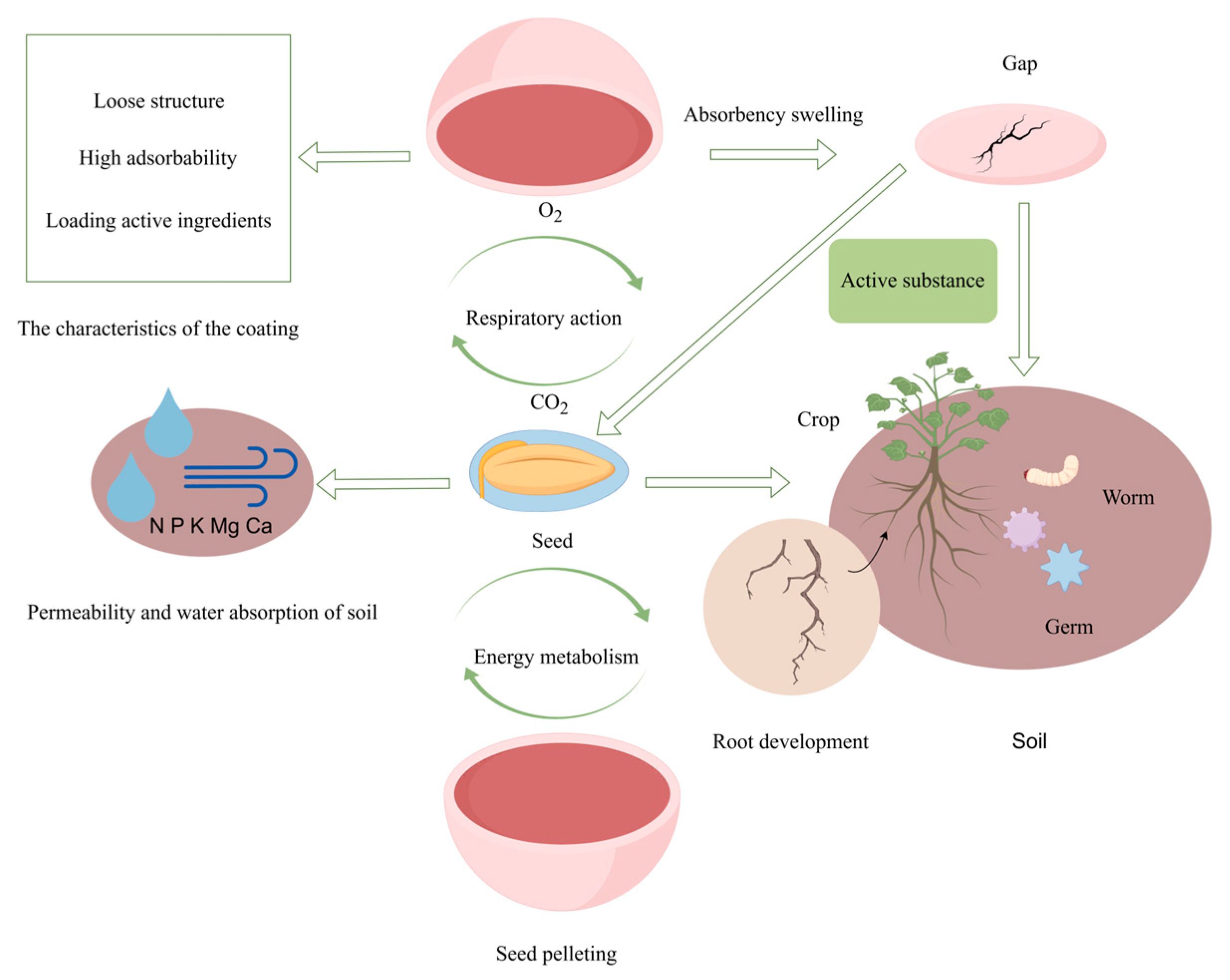
Figure 1. Mechanism of seed coating action: water uptake, release of actives, and formation of protective zones.
Agronomy 15 02854 g001
Figure 2. From seed coating to functional biofilm: key processes and interactions in the rhizosphere.
Agronomy 15 02854 g002
Figure 3. Functions of seed coating.
Agronomy 15 02854 g003
Figure 4. Three primary methods of seed coating and their key characteristics.
Agronomy 15 02854 g004
Disclaimer/Publisher’s Note: The statements, opinions and data contained in all publications are solely those of the individual author(s) and contributor(s) and not of MDPI and/or the editor(s). MDPI and/or the editor(s) disclaim responsibility for any injury to people or property resulting from any ideas, methods, instructions or products referred to in the content.