Article

Biocontrol and Microscopic Observations of Bacillaceae Strains Against Root-Knot Nematodes on Cotton, Soybean and Tomato: A Brazilian Experience


by
Vanessa S. Mattos
,
Caio A. R. Torres
,
Marcilene F. A. Santos
,
Ana C. M. M. Gomes
,
Nanci A. Ribeiro
,
Lívia M. L. Hoepers
,
Barbara Eckstein
and
Regina M. D. G. Carneiro
*
EMBRAPA-Recursos Genéticos e Biotecnologia, CP 02372, Brasília 70849-970, DF, Brazil
*
Author to whom correspondence should be addressed.
Agronomy 2025, 15(12), 2828; https://doi.org/10.3390/agronomy15122828
Submission received: 13 September 2025 / Revised: 27 October 2025 / Accepted: 19 November 2025 / Published: 9 December 2025

Abstract

Root-knot nematodes (RKNs), Meloidogyne spp., are the most economically important plant parasites with a worldwide distribution and a very wide host spectrum. The use of rhizobacteria for biocontrol has seen a marked increase in recent years, with particular emphasis on members of the Bacillaceae family in Brazil. This work reports on five years of experience using Bacillus-based products as nematicides, including both commercial and experimental formulations. Trials on cotton (200–300 mL/100 kg of seeds) against M. incognita race 3 produced inconsistent results: one trial achieved approximately 50% control, while another showed no significant effect. In soybean, Bacillus-based biological products (200–300 mL/100 kg) were able to reduce the final population of M. javanica and M. incognita by an average of approximately 30%, although in some cases, no effect was observed. The use of different doses of a product containing the RTI 545 strain (B. thuringiensis) resulted in control efficiencies of approximately 60–80% at a dose of 500 mL/100 kg, when applied as a seed treatment in soybean. This dose is too high to employ in field conditions. In tomato crop, strain S2538 of Priestia aryabhattai and strain RTI 545 (150 mL/100 kg) reduced the final population of M. incognita by 45–50%, confirming the results obtained in previous trials. Additionally, microscopic observations of Bacillus spp. against Meloidogyne spp. in soybean were made during histopathological studies. The bacteria were found to colonize root tissues early, including the cortex and vascular cylinder, probably producing chemical compounds and later disrupting giant cells. This microscopic observation suggests a mechanism aligned with induced resistance. Currently, biological products must be used in integrated management, such as resistant varieties, crop rotation, and other agronomic practices that aim to balance the physical, chemical and biological conditions of soils.

1. Introduction

Root-knot nematodes (RKNs) form the most important plant-parasitic genus, due to their global distribution and effects, especially in tropical countries [1] like Brazil. Their obligate parasitism of the root (in tomato [2], soybean [3], cotton [4]), tubers and corms of thousands of plant species results in devastating adverse effects on the quality and yield of crops [1,2,3,4]. The most important RKN species in Brazil are Meloidogyne incognita (Kofoid & White, 1919) and M. javanica (Treub, 1885), which have an economic impact on different crops [2,3,4]. Plant resistance and nematicides remain the most widely employed strategies for managing root-knot nematodes (RKNs) [5]. Plant resistance is a very promising control method, but resistance genes are not present in all cultivated plants, and it takes years to breed resistance traits into commercial varieties. In addition, a major limitation of resistant cultivars is that nematodes may break resistance in the field, especially after frequent exposure to the same resistance source, giving rise to virulent nematode populations [5].
In relation to another control strategy, chemical nematicides are highly toxic to both human health and the environment [6]. Most nematicides are being gradually banned or highly restricted to ensure the safety of vegetable production. Examples include methyl bromide, aldicarb, and ethoprop, which have been banned or strictly regulated in many countries due to their toxicity and environmental impact. Consequently, growers are increasingly turning to safer alternatives, such as biological control agents and reduced-risk nematicides, to manage nematode populations sustainably. Thus, the development of alternative control strategies and long-term integrative approaches is urgently needed to replace chemical nematicides [2,3,4,7]. These restrictions on the use of chemical products have led to an increase in the use of biological control. A wide variety of organisms are known to act as biological control agents (BCAs) against plant-parasitic nematodes such as fungi, bacteria, viruses, protists, nematode antagonists and other invertebrates. BCAs can interact directly with the pathogen (by antagonism, antibiosis and competition for nutrients or space, among others) or may interact indirectly through the host plant, for example inducing plant resistance [8,9].
In Brazil, the application of Bacillaceae bacteria, particularly Bacillus spp., for biocontrol of nematodes has expanded significantly and now constitutes a key component of over 60% of commercial microbial-based bio-defensives [10]. These bacteria are very versatile and are of great importance in agriculture, helping producers by promoting the growth of plants and controlling diseases and insects [11]. The nematicidal activity of biological products has been demonstrated by several genera and species of bacteria, such as Bacillus firmus Bredemann and Werner, 1933; B. subtilis (Ehrenberg, 1835) Cohn, 1872; B. cereus Frankland and Frankland, 1887; B. pumilus Meyer and Gottheil, 1901; B. thuringiensis Berliner, 1915; and Priestia aryabhattai (Shivaji et al., 2009) Gupta et al., 2020. Several products based on Bacillaceae strains are marketed worldwide. More than 60 products are registered for the control of nematodes in Brazil alone [9]. However, the effects of these microorganisms depend greatly on the environmental conditions in which the product is applied, and the regulation of the nematode population by these products is usually variable and low (less than 30% reduction of the final nematode population), as reviewed by Stirling [8].
The study of the mode of action of these BCAs on plant-parasitic nematodes is very important in understanding and improving the efficacy of biological products. Although there is a considerable number of studies in the literature aimed at understanding the bacteria-plant-nematode interaction, many of these studies do not consider the bacterium’s ability to colonize roots; nor do they assess the nematicidal activity after more than one generation of the nematode in different hosts [12]. Three main factors/mechanisms are attributed to bacteria in relation to their nematicidal activity in vivo: (1) ability to colonize the root surface; (2) direct antagonism, through harmful metabolites that inhibit nematode (J2) penetration; and (3) induction of systemic resistance (ISR) [9,12].
The first mode of action, considered one of the most important, is associated with the ability of the bacterium to colonize plant roots (rhizocompetence) and consequently reduce the availability of space (niche exclusion) [12,13] and enable the bacterium to employ direct antagonism throughout the entire extent of the root.
The second mode of action is based on the antagonistic activity against plant parasitic nematodes, through the secretion of antimicrobial compounds by the bacterium. These compounds (proteins, enzymes, antibiotics or other toxic molecules) are secreted by the bacterium, and their effects on the nematodes are usually verified in in vitro tests (without the host plant). But this methodology of in vitro selection is sometimes not consistent with in vivo results [9].
Finally, the third relevant mode of action of some strains of bacteria is the ability to trigger a hypersensitivity response in plant tissues, leading to the expression of induced systemic resistance, which makes the host less susceptible to subsequent infection. This resistance induction may be linked to the production of phenolic compounds and to lignification of cell walls, among other mechanisms [12,13,14].
The aim of this work was to investigate the efficiency of different species of Bacillaceae family members (commercial and non-commercial strains) against the main RKN species: Meloidogyne javanica and M. incognita. Experiments were performed in vitro to assess the root colonization of Bacillaceae strains and under greenhouse conditions, after 2–4 generations of RKN (60–120 Days After Inoculation-DAI), in three different pathosystems: M. incognita and cotton; M. javanica and M. incognita on soybean and M. incognita on tomato. In addition, the mode of action of B. subtilis + B. licheniformis (Presence®) and B. thuringiensis (RTI 545) was investigated against M. javanica in soybean through histopathological studies.

2. Material and Methods

2.1. Meloidogyne spp. Isolates and Bacillaceae Strains

Isolates of M. incognita and M. javanica used in these studies belong to Embrapa’s collection and were confirmed by analysis of the esterase enzymatic profile [15]. The products and Bacillaceae strains are described in detail in Table 1.

2.2. Rhizocompetence of Bacillaceae-Commercial and Non-Commercial Strains

Colonization by Bacillaceae strains (Table 1) was evaluated using the methodology of Queiroz et al. [16]. The method consisted of treating seeds of cotton (FM 966) and soybean (cv. Potência) with commercial products and non-commercial strains and placing them in test tubes containing Phytagel® (11 g/L) to germinate. The visualization of bacterial growth throughout the root system allowed for the detection of colonization patterns and the evaluation of rhizocompetence of the strains.

2.3. Evaluation of the Biocontrol of Commercial and Non-Commercial Bacillaceae Strains Against Meloidogyne spp. in Greenhouse (S = 15°43′46.6″, W = 47°54′00.5″) Conditions

The experiments were carried out at Embrapa Genetic Resources and Biotechnology in Brasilia, Brazil (temperature 25–30 °C; relative humidity 30–80%; photoperiod of 11 h). The greenhouse was equipped with an automated ventilation system programmed to maintain the temperature within 25–30 °C. Irrigation was performed manually as needed, temperature and relative humidity were monitored daily using a digital thermo-hygrometer Different experiments (described in detail below), involving three different pathosystems, were set up in the greenhouse and repeated twice. The inoculum was prepared by extracting eggs from Meloidogyne spp. using the method of Hussey & Barker [17], modified by Boneti & Ferraz [18], with 0.5% sodium hypochlorite (NaOCl). In this modified method, infected roots were placed in a blender (Skymsen) with NaOCl solution and blended for 30 s to release the eggs from the egg masses. The suspension was poured through a series of sieves (20, 100, and 500 mesh), and the eggs retained on the 500-mesh sieve were collected and thoroughly rinsed with water. The concentration of eggs was determined using Peters counting slides under an optical microscope (Reichert MicroStar IV 410) at 10× magnification The concentration of eggs was determined on Peters slides under an optical microscope. For all experiments, the number of eggs per gram of root and the nematode reproduction factor (RF = final population/initial population) were evaluated. Data that did not meet the assumptions of normality were log10(x + 1) transformed prior to analysis of variance. Mean comparisons between treatments were performed using the Scott–Knott test at a 5% significance level, with analyses conducted in SISVAR software version 5.6 [19].

2.3.1. Control of Meloidogyne incognita on Cotton

The first pathosystem included two assays evaluating the biological control of Meloidogyne incognita on cotton (cv. FM 966). Two evaluation times were considered: 60 and 120 days after nematode inoculation (DAI), with an inoculum of 10,000 eggs. Seeds of cotton cultivar FM 966 were microbiolized with the respective bacterial treatments according to the doses and concentrations detailed in Table 1. Seeds were immersed in the suspension for 30 min, air-dried at room temperature (25 °C) for 1 h, and sown immediately into 2 L plastic bags filled with a substrate composed of 50% sand and 50% autoclaved soil (121 °C, 1 atm, 1 h on two consecutive days). Cotton plants were inoculated with M. incognita race 3, 21 days after germination, by pipetting the nematode egg suspension into two 2-cm-deep holes around the root zone. The experimental design was a randomized block with eight replications and five treatments: Quartzo® (seed treatment—ST, and drench only in the second experiment), Rizos®, Onix®, Priestia aryabhattai strain S2538, and an untreated control. Doses and treatment details are provided in Table 1.

2.3.2. Control of Meloidogyne javanica and M. incognita in Soybean

In the second pathosystem, the nematicidal effect of Bacillus spp. on Meloidogyne javanica and M. incognita in soybean (cv. Potência) was evaluated 60 DAI. Seeds were microbiolized with the respective bacterial treatments as a seed treatment, following the procedure described in Section 2.3.1 and Table 1. Soybean plants at the two-leaf stage were transplanted into 2 L plastic bags filled with a substrate composed of 50% sand and 50% autoclaved soil, and inoculated with a suspension containing 5000 eggs of M. incognita or M. javanica directly around the root zone. Treatments included Presence®, a combination of Rizos® and Onix®, RTI 545 (Bacillus thuringiensis), and an untreated control. Two chemical nematicides, Marshal® Start and Rugby®, were also included for comparison. The experimental design was a randomized block with eight replications and two nematode species. Doses and treatment details are provided in Table 1.

2.3.3. Control of M. incognita on Tomato Plants

In the third pathosystem, Priestia aryabhattai strain S2538 was re-evaluated against M. incognita to confirm the ~45% control previously observed in studies conducted by EMBRAPA/CENARGEN. Tomato plants with four true leaves were transplanted into 2 L plastic pots filled with a substrate composed of 50% sand and 50% autoclaved soil, as described for the other pathosystems. The experiment was carried out in a greenhouse under the following treatments: (i) C—untreated control, with nematode inoculation only and no application of a biocontrol agent; (ii) RT—root immersion treatment with P. aryabhattai S2538 at a concentration of 108 CFU/mL; (iii) SDT—soil drench with 20 mL of P. aryabhattai S2538 suspension at the same concentration; and (iv) ST—tomato seeds treated with 1010 CFU/mL, following the seed treatment procedure described in Section 2.3.1. For comparison, the same application methods (RT, ST, and SDT) were also tested using Bacillus thuringiensis strain RTI 545. The experimental design was a randomized block with eight replications, and the nematode species used was M. incognita. Doses and treatment details are provided in Table 1.

2.3.4. Evaluation of Bacteria in Reducing the Penetration of M. javanica Second-Stage Juveniles (J2) and the Histopathological Technique in Soybean Roots

The effect of the commercial product Presence® (Bacillus subtilis + B. licheniformis) and strain RTI 545 (B. thuringiensis) on juvenile penetration and nematode development in soybean roots was evaluated. Seeds of the susceptible cultivar Potência were microbiolized using the manufacturer’s recommended dose for Presence® and the BT RTI 545 (protocol provided by the company and mentioned above in Section 2.3.1). Seeds were sown in autoclaved sand, and when seedlings reached approximately 10 cm in height, they were inoculated with a suspension containing 5000–10,000 s-stage juveniles (J2) of M. javanica per plant. Plants were harvested at various intervals, and roots were stained with acid fuchsin following the methodology described by Byrd et al. [20]. Nematodes inside the roots were observed under an optical microscope (Zeiss Axiophot 5) to quantify penetration during early days of post-inoculation and to monitor nematode development over time. Histopathological analysis was performed according to the protocol described by Pegard et al. [21], without the use of UV observations. Evaluations were conducted at 2, 5, 8, 12, 17, 21, 24, 30, and 35 days after inoculation (DAI) [19].

3. Results

3.1. Rhizocompetence of Bacillaceae Bacteria on Commercial and Non-Commercial Strains

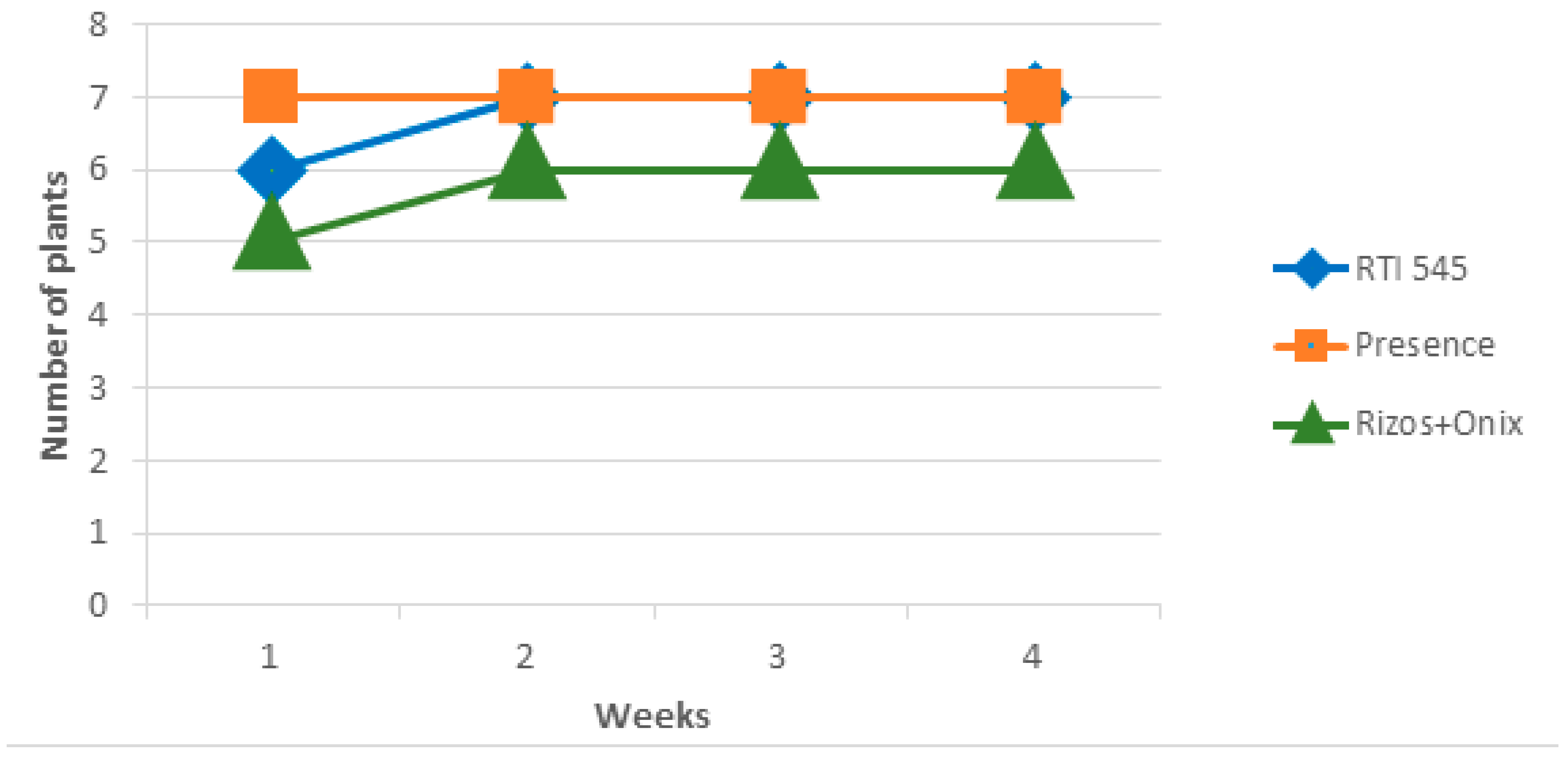
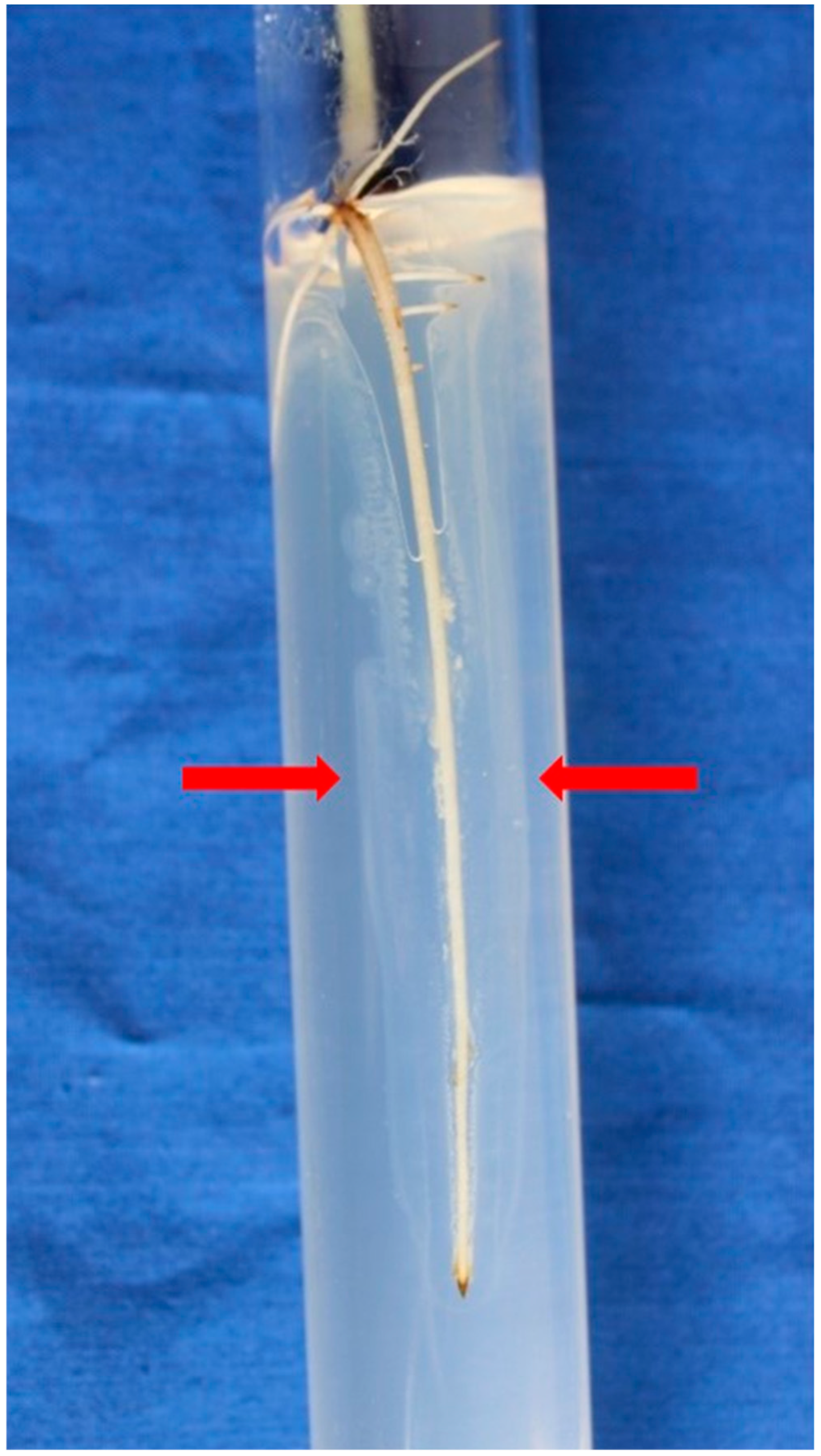
All treatments achieved full colonization of cotton plants within three weeks and remained stable until the end of the trial. Among the 12 replicates per treatment, Rizos® showed root colonization in 50% of plants. Quartzo® exhibited a more gradual colonization pattern, with 75% of roots colonized. Onix® and P. aryabhattai S2538 treatments showed the first colonized plants in the first week. P. aryabhattai S2538 reached its peak colonization at 21 days, with 58% of plants colonized, while Onix® progressed more gradually, reaching a peak of 83% (Figure 1 and Figure 2).
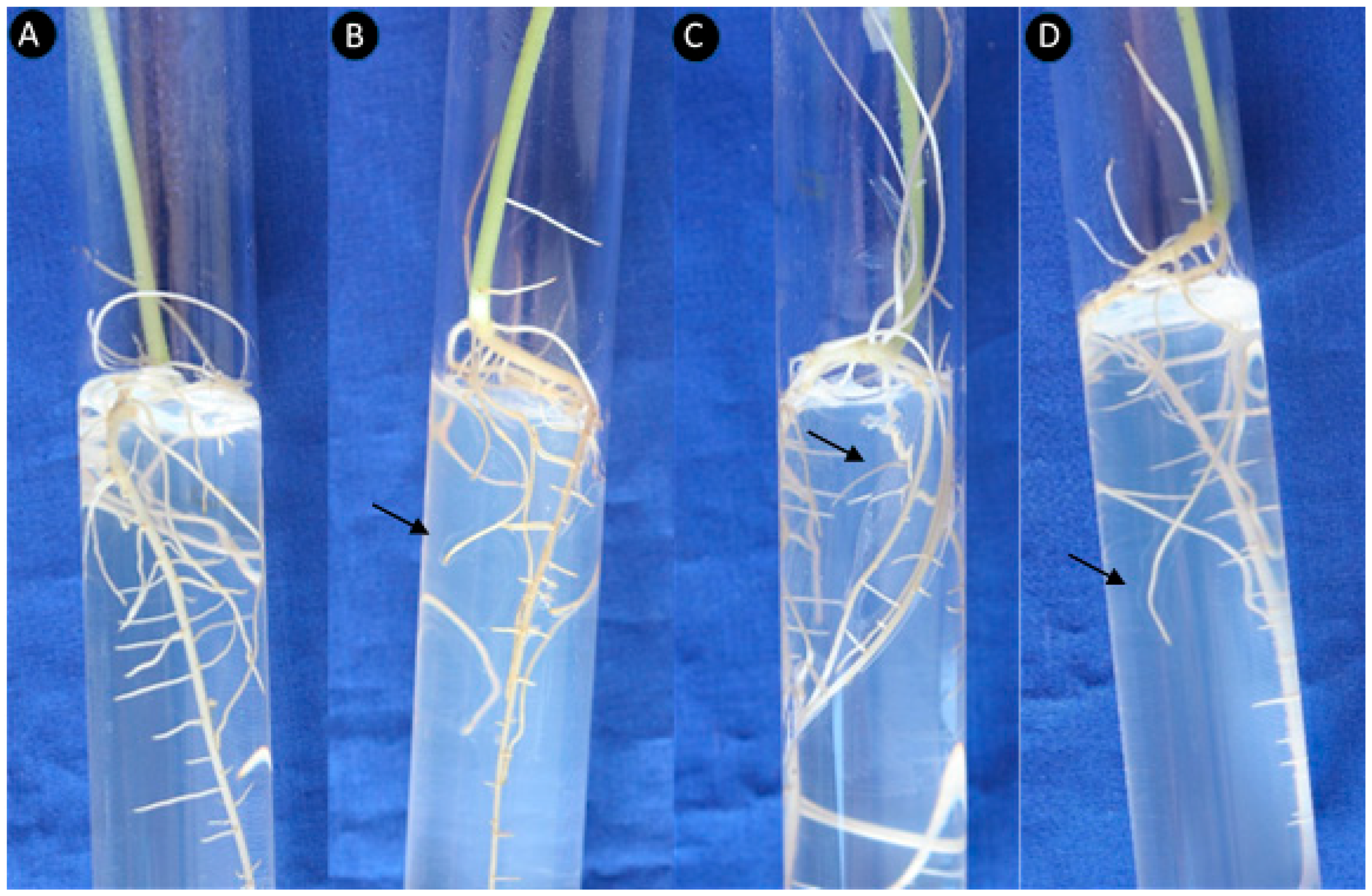
In soybean, bacterial colonization was observed for all biological products tested (Figure 2). Presence® was the first to show a bacterial halo on soybean roots, with 87% of plants colonized one week after inoculation. Strain BT RTI 545 demonstrated a gradual increase in the number of colonized plants, reaching a maximum of 87% in the second week. The Onix® + Rizos® combination showed 75% colonization in the second week of evaluation. However, not all roots treated with these products showed visible bacterial halos, indicating that colonization was not consistent across all treated seeds (Figure 3 and Figure 4).

3.2. Evaluation of the Biocontrol of Commercial and Non-Commercial Bacillaceae Strains Against Meloidogyne spp. in Greenhouse Conditions

3.2.1. Cotton

The root-knot nematode (M. incognita) is a major pathogen affecting cotton crops. Our studies highlighted the potential of certain Bacillaceae strains for controlling this nematode. Efficacy evaluations were conducted at 60 and 120 days after inoculation (DAI), corresponding to the full crop cycle (120 DAI). When analyzing the data from both time points (Table 2 and Table 3), an increase was observed in all measured variables—RF (reproduction factor), RFB (root fresh biomass), SDB (shoot dry biomass), and EGR (eggs per gram of roots)—which may be attributed to plant growth and more nematode life cycles, as previously noted in the literature.
Overall, results showed that at 60 DAI, M. incognita populations were still low, and no significant bacterial effect was observed. At 120 DAI, population levels were significantly reduced in some treatments (Table 2 and Table 3). In the first trial (Table 2), all bacterial treatments—except Rizos®—achieved approximately 50% control at 120 DAI, although no statistical difference was observed. In contrast, in the second trial (Table 3), no consistent control was observed; some treatments resulted in higher nematode multiplication than the untreated control. Only strain S2538 showed a reproduction factor (RF) that did not differ statistically from the control.
Thus, the outcomes from the two evaluation periods were inconclusive, highlighting the variability in bacterial efficacy under greenhouse conditions.

3.2.2. Soybean

The results of the soybean bioassays with different Bacillus-based products applied at recommended doses (Table 1), and inoculated with M. incognita and M. javanica, are presented in Table 4 and Table 5, respectively. Chemical commercial products were also included in these trials. Both bioassays were conducted during the summer.
In the first trial, Rugby® (a contact organophosphate nematicide) was used as the chemical control treatment. However, the supplier later raised concerns regarding the storage conditions of the product after application, which may have affected its performance. As a result, Rugby® was replaced in the second trial by Marshal® Star, a systemic nematicide based on carbosulfan. While more effective, Marshal® Star caused noticeable phytotoxicity when applied as a planting drench: in 3 to 4 replicates, seed germination was impaired or seedlings died before producing trifoliate leaves.
For M. incognita, only the Onix® + Rizos® combination and the chemical treatments showed statistically significant differences from the untreated control in both trials, based on RF values analyzed using the Scott-Knott test (p ≤ 0.05). Additionally, in the second trial, the chemical treatment with Marshal® Star differed significantly from all other treatments across all evaluated parameters (Table 4).
No statistically significant differences in RF or other evaluated parameters were observed among the biological treatments in either the first or second M. javanica trials. The only treatment that differed significantly from the untreated control was the chemical nematicide Marshal®. This limited efficacy among the biological treatments may be attributed to challenges in achieving uniform seed coverage, likely due to the very small volume of product used. In a subsequent trial, the application dose was increased, resulting in better product distribution and improved homogeneity among replicates (Table 6).
Another assay was conducted using strain RTI 545 at two doses: 3 mL/kg and 5 mL/kg of soybean seeds. The results were promising in terms of biological control, with approximately 30% reduction in the reproduction factor (RF) at the lower dose (Table 7) and 70–80% reduction at the higher dose, consistently observed across two independent trials (Table 6 and Table 7). At the higher dose, seed treatment was more homogeneous, resulting in uniform colonization and no significant variability among replicates (Table 6).
The RTI 545 doses presented in Table 7 resulted in increased root growth at all tested concentrations compared to the untreated control, except for the highest dose (10 mL/kg), which showed signs of phytotoxicity. The percentage of nematode control ranged from approximately 30% to 80% for doses between 3 mL and 6 mL of RTI 545, respectively. Notably, the treatment combining 5 mL of bacterial suspension with water allowed for better distribution of the product over the soybean seeds, leading to more uniform root development. However, despite the improved root growth, the reduction in reproduction factor (RF) and overall control percentage remained similar to that of the non-diluted 5 mL treatment.
Soybean seed germination tests using a 5 mL dose of product RTI 545 at a concentration of 1010 CFU/mL resulted in a 35–40% reduction in germination rates for the Potência cultivar across different trials. The 10 mL dose produced phytotoxicity, reducing seed germination by approximately 60% and also significantly decreasing root biomass (Table 7).

3.2.3. Tomato

The results obtained in tomato plants treated with two different Bacillaceae strains at a concentration of 108 CFU/mL showed no significant effect on root growth promotion (Table 8 and Table 9). Regarding nematode control, both strains were effective in the first trial, reducing egg counts and reproduction factors by approximately 50%, with the exception of RTI 545 when applied via soil drench (SDT-20 mL of bacterial solution at 108 CFU/mL at the time of transplanting).
In subsequent trials, seed treatment (ST-150 mL of bacterial solution at 1010 CFU/mL per 100 kg of seeds) proved to be the most effective method for RTI 545. Conversely, for strain S2538, the best results were obtained with root immersion (RT-root submerged in a bacterial solution at 108 CFU/mL) and soil drench application (SDT), both showing higher efficacy in controlling Meloidogyne incognita.

3.3. Comparative Histopathology of M. javanica in Soybean Roots Treated or Not with Bacillus spp.

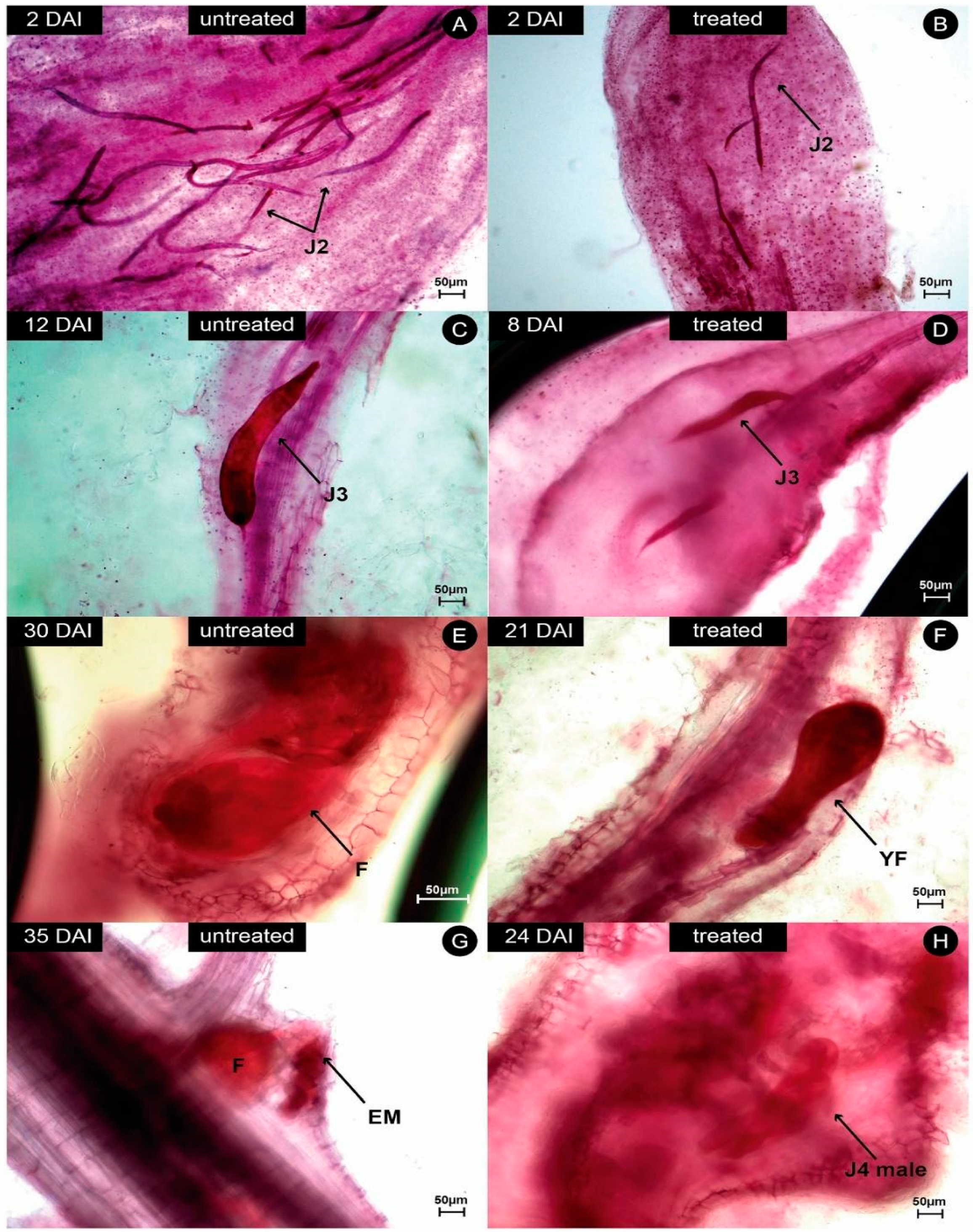
Histopathological studies using acid fuchsin staining enabled the observation of the M. javanica life cycle in soybean roots, both untreated and treated with Bacillus spp. (Figure 5). All developmental stages of the nematode were observed at various time points from 2 to 40 days after inoculation (DAI) in both treatments.
In both control and treated roots, second-stage juveniles (J2) were seen penetrating between 2 and 15 DAI (Figure 5A,B). However, in the treated samples, the number of penetrating J2s was reduced by approximately 30–70%, depending on the bacterial dose used. Later stages, such as J3–J4, were also observed (Figure 5C,D) at 8–12 DAI. In the untreated control, adult females were visible at 30 DAI, and the first egg masses were recorded at 35 DAI (Figure 5E,G). In contrast, in the bacteria-treated roots, young females were seen earlier at 21 DAI (Figure 5F), along with J4 males (Figure 5H) and even adult males emerging from the roots at 30 DAI. Males were not observed in the control treatment.
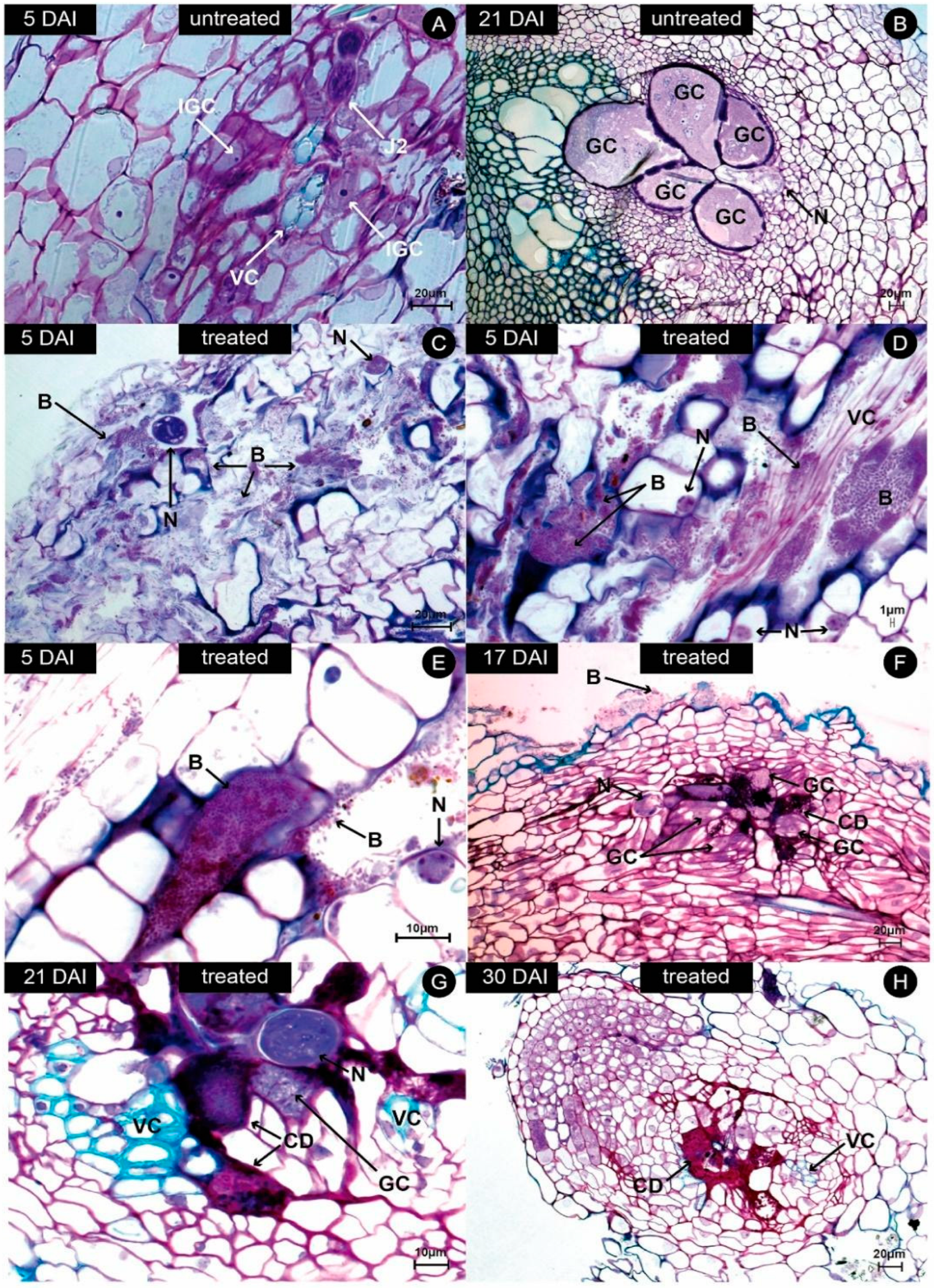
Histological sections revealed the formation of young feeding sites as early as 5 DAI in untreated roots (Figure 6A), with the first giant cells appearing at 21 DAI (Figure 6B). The bacterial treatments included Bacillus thuringiensis (RTI 545) and a combination of B. subtilis + B. licheniformis (Presence®), applied at high doses (5 mL and 6 g per kg of seed) to ensure effective root colonization.
Across bacterial treatments, similar histopathological effects were observed, suggesting three main mechanisms of action against root-knot nematodes: (a) Reduction of J2 penetration (30–70%)—likely due to the formation of bacterial barriers and/or toxic compounds at the root epidermis, particularly visible from 2 to 17 DAI (Figure 6F). Homogeneous colonization of the root surface appeared to limit juvenile entry; (b) Inhibition of nematode migration to the vascular cylinder—bacteria colonizing the root cortex were frequently observed surrounding nematodes (Figure 6C–E), impeding their progression. Colonization extended into the vascular tissues (Figure 6D), which was not observed in the untreated control (Figure 6A,B); (c) Interference with feeding site establishment and nematode development—bacterial colonization in the vascular cylinder disrupted the formation of functional giant cells.
The cellular disorganization (Figure 6C) hindered and delayed the development of the nematode until the adult stage, and consequently reduced reproduction. By 20 DAI, bacteria were no longer observed in the epidermis, cortex or vascular tissues, but a high number of dead cells surrounded the nematodes (Figure 6G), and collapsed giant cells (Figure 6F–H) were observed. By 30 DAI, giant cells had fully degenerated, replaced by dense, dark-stained (blue/purple) areas (Figure 6H).
These cellular changes (blue/purple areas) suggested a hypersensitive response (HR) in the plant tissue, likely mediated by phenolic compounds or other antimicrobial metabolites. This response may immobilize or kill juveniles (Figure 6C) and contribute to the collapse of feeding sites (Figure 6F–H), ultimately reducing nematode development and reproduction.

4. Discussion

This study provides insights into Bacillus-based products aimed at reducing root-knot nematode (RKN) populations in cotton, soybean, and tomato plants. The modes of action of rhizobacteria used in biological control of nematodes are dependent on the bacterium’s ability to colonize the plant roots that the nematode will parasitize. This characteristic is often a prerequisite for generating protective effects [9,12]. In addition to their direct effects on plant growth, rhizobacteria can indirectly suppress other soilborne pathogens. Three mechanisms are involved in nematode control: (i) competition for an ecological niche or substrate; (ii) production of inhibitory allelochemicals; (iii) induction of systemic resistance [8,22]. The results of bacterial root colonization indicated that maximum colonization of the root system occurred between 14 and 21 days, depending on the crops, namely soybean and cotton, respectively, and this was likely due to root lignification. Rapid root colonization is essential for the success of biocontrol agents [23]. Considering this, Meloidogyne second-stage juveniles (J2) likely penetrated the roots within the first 15 days, when cotton roots were not yet fully colonized by the bacteria. This allowed nematodes to establish themselves near the vascular tissues, leading to successful reproduction of M. incognita. Bacillaceae strains generally colonize young roots more effectively, given that these roots actively produce exudates and have lower lignin content [23].
Low populations of M. incognita were observed in cotton at the early evaluation point (60 DAI), including in the control treatment, reflecting the slower development of the pathogen in this semi-perennial crop [24,25,26]. Evaluations conducted at 60 DAI are therefore premature, producing very low RF and EGR values and complicating the assessment of bacterial effects. Across the two cotton trials, variation between assays and replicates was considerable. No statistically significant differences were observed in RF or EGR, indicating neither effective nematode control nor growth promotion. As reported by Lopes et al. [25], gall index (GI) and egg mass index (EMI) do not correlate well with nematode reproduction in cotton and are more appropriate for characterizing root symptoms rather than population reduction [2,9,27,28,29,30].
The commercial nematicide Nimitz®, registered for M. incognita in Brazil without crop-specific restrictions, demonstrated phytotoxicity to cotton. Unlike in Europe, Brazilian product registration does not require crop-specific trials, a concern given that Meloidogyne spp. are polyphagous [1]. Treatments effective in one crop may be harmful in another, highlighting the importance of crop-specific evaluations.
Soybean trials using company-recommended doses of biological products showed limited nematicidal effects, with efficacy varying depending on the Meloidogyne species (M. incognita or M. javanica) [31]. Variability between replicates likely arose from uneven product distribution on seeds due to low application volumes. Subsequent tests using higher doses produced more consistent nematode suppression across replicates, though some phytotoxic effects on germination were observed, probably due to antimicrobial compounds or secondary metabolites [8].
Histopathological studies revealed bacterial colonization of soybean root tissues—including epidermis, cortex, and vascular cylinder—and evidence of induced resistance from 17 to 30 DAI. Nematode suppression appeared linked to three mechanisms: (i) reduced J2 penetration (30–70%), (ii) impaired J2 migration through the cortex into the vascular cylinder, and (iii) disruption of giant cell development. Dense bacterial colonization impeded nematode migration, while cell death and degeneration of giant cells were observed in vascular tissues. These effects are likely mediated by phenolic compounds or other metabolites [21,32]. Similar colonization patterns and biocontrol efficacy were reported by Hallmann et al. using Rhizobium etli G12 with a GFP marker. The methodology used here, although labor-intensive, allowed detailed visualization of bacterial colonization and plant defense responses, confirming that uniform root colonization enhances nematode suppression.
In tomato, treatments with P. aryabhattai strain S2538 (planting drench) and B. thuringiensis strain RTI 545 (seed treatment) were most effective against M. incognita, depending on the application method. P. aryabhattai performed best as a planting drench, whereas RTI 545 showed superior results with seed treatment. These findings highlight that delivery method critically affects efficacy. Seed treatment is particularly effective for precise placement of microbial inoculants, ensuring colonization of seeds and roots and interaction with soil-dwelling nematodes [33].
These trials demonstrate that Bacillus-based products alone do not provide consistent control of RKN in cotton or soybean under high infestation conditions. The variable effects across trials and replicates suggest that current formulations cannot yet be reliably classified as biological nematicides. Nonetheless, the interactions between plants, nematodes, and soil microbiomes are a promising avenue for sustainable pest management. Advances such as synthetic microbial communities (SynComs) may deliver multiple benefits—nematode suppression, induced resistance, and plant growth promotion—through synergistic effects [32]. Biological control should therefore be integrated into broader Integrated Nematode Management strategies, including crop rotation, soil improvement, and use of resistant cultivars, tailored to Brazilian agricultural conditions [9].

5. Conclusions

Over the past decade, biological control has rapidly expanded in Brazil, with more than 60 commercial products registered for the management of plant-parasitic nematodes. However, the absence of robust scientific publications and the limited regulatory rigor of the Ministry of Agriculture, Livestock and Supply (MAPA) for biological products has led to widespread and often inappropriate use of these agents by farmers, including on-farm production. Many growers have adopted these products based on aggressive marketing campaigns and the perception that they are inherently beneficial to soil and the environment, an assumption that is not always accurate.
In this work, several Bacillaceae-based products were evaluated under controlled laboratory and greenhouse conditions against root-knot nematodes in cotton, soybean, and tomato. The results revealed high variability and frequent inconsistency in product performance, particularly at company-recommended doses, which often failed to achieve homogeneous seed treatment. Histopathological analyses confirmed that bacterial colonization can reduce nematode penetration and induce resistance in root tissues, but efficacy was strongly influenced by colonization dynamics, application method, and crop physiology. These findings highlight that the biological potential of these products is not always fully realized under practical application conditions.
Important limitations exist in current formulations and application strategies. These limitations have practical implications for farmers and regulatory agencies, emphasizing the urgent need for more rigorous product development, standardization of application protocols, and transparent communication about expected efficacy. Recognizing these constraints is essential to avoid misplaced confidence in biological agents and to guide informed use in agricultural systems.
Enhancing product stability and consistency through advanced formulations, such as microbial consortia or encapsulation, and considering interactions with native soil microbiomes are crucial steps for improving nematicidal activity. Integration of these biological agents into broader, sustainable nematode management strategies, including crop rotation, resistant cultivars, and soil health improvement, will further strengthen their effectiveness. Combined with strengthened regulatory oversight and rigorous efficacy testing, these efforts are key to transforming Bacillus-based products into reliable tools for sustainable root-knot nematode management in Brazilian agriculture.

Author Contributions

Conceptualization, R.M.D.G.C. and B.E.; methodology, R.M.D.G.C., B.E. and A.C.M.M.G.; validation, V.S.M., M.F.A.S., C.A.R.T., L.M.L.H. and N.A.R.; formal analysis, R.M.D.G.C. and B.E.; investigation, V.S.M., M.F.A.S., C.A.R.T., L.M.L.H., N.A.R. and A.C.M.M.G.; resources, R.M.D.G.C. and B.E.; data curation, R.M.D.G.C., B.E., C.A.R.T., V.S.M., M.F.A.S. and A.C.M.M.G.; writing—original draft preparation, R.M.D.G.C.; writing—review and editing, V.S.M., R.M.D.G.C. and B.E.; supervision, R.M.D.G.C. and B.E.; project administration, R.M.D.G.C. and B.E.; funding acquisition, R.M.D.G.C. and B.E. All authors have read and agreed to the published version of the manuscript.

Funding

This research was funded by FAPDF (Nº 00193-00002251/2023-77) through the ‘PROGRAMA FAPDF LEARNING’, supported by the funding institution, for the execution of the project entitled ‘Avaliação da atividade nematicida de Bacillus aryabhattai no controle de Meloidogyne incognita e M. javanica em tomateiro’, DF, Brazil.

Data Availability Statement

The original contributions presented in this study are included in the article. Further inquiries can be directed to the corresponding author(s).

Conflicts of Interest

The authors declare no conflicts of interest.

References

  1. Moens, M.; Perry, R.N.; Starr, J.L. Meloidogyne species-a diverse group of novel and important plant parasites. In Root-Knot Nematodes; Perry, R.N., Moens, M., Starr, J.L., Eds.; CABI: Wallingford, UK, 2009; pp. 1–17. [Google Scholar]
  2. Pinheiro, J.B.; Pereira, R.B.; Suinaga, F.A. Manejo de nematoides na cultura do tomate. Circ. Téc. Embrapa Hortaliças 2014, 132, 1–12. [Google Scholar]
  3. Dias, W.P.; Garcia, A.; Silva, J.F.V.; Carneiro, G.E.S. Nematoides em soja: Identificação e controle. Circ. Téc. Embrapa Soja 2010, 76, 1–8. [Google Scholar]
  4. Galbieri, R.; Inomoto, M.M.; Silva, R.A.; Asmus, G.L. Manejo de nematoides na cultura do algodão. In Manual de Boas Práticas; AMPA-IMA: Cuiabá, Brazil, 2015; pp. 214–225. [Google Scholar]
  5. Davis, R.F.; Galbieri, R.; Asmus, G.L. Nematode parasites of cotton and other tropical fibre crops. In Plant Parasitic Nematodes in Subtropical and Tropical Agriculture; Luc, M., Sikora, R.A., Bridge, J., Eds.; CABI: Wallingford, UK, 2022; pp. 738–754. [Google Scholar] [CrossRef]
  6. Abawi, G.S.; Widmer, T.L. Impact of soil health management practices on soilborne pathogens, nematodes and root diseases of vegetable crops. Appl. Soil Ecol. 2000, 15, 37–47. [Google Scholar] [CrossRef]
  7. Coyne, D.L.; Fourie, H.H.; Moens, M. Current and future management strategies in resource-poor farming. In Root-Knot Nematodes; Perry, R.N., Moens, M., Starr, J.L., Eds.; CABI: Wallingford, UK, 2009; pp. 444–475. [Google Scholar]
  8. Stirling, G.R. Biological Control of Plant-Parasitic Nematodes, 2nd ed.; CABI: Wallingford, UK, 2019; p. 510. [Google Scholar]
  9. Carneiro, R.M.D.G.; Monteiro, T.S.A.; Eckstein, B.; Freitas, L.G. Controle biológico de nematoides fitoparasitas. In Controle Biológico de Pragas da Agricultura, 1st ed.; Fontes, E.M.G., Valadares-Inglis, M.C., Eds.; Embrapa: Brasília, Brazil, 2019; pp. 371–399. [Google Scholar]
  10. Andreata, M.F.L.; Alves, S.M.; Andrade, G.; Bueno, A.; Ventura, M.U.; Marcondes De Almeida, J.E.; Fonseca, E.A.; Mosela, M.; Simionato, A.; Robaina, R.R.; et al. The Current Increase and Future Perspectives of the Microbial Pesticides Market in Agriculture: The Brazilian Example. Front. Microbiol. 2025, 16, 1574269. [Google Scholar] [CrossRef]
  11. Fontes, E.M.G.; Pires, C.S.S.; Sujii, E.R. Estratégias de uso e histórico. In Controle Biológico de Pragas da Agricultura, 1st ed.; Fontes, E.M.G., Valadares-Inglis, M.C., Eds.; Embrapa: Brasília, Brazil, 2019; pp. 21–43. [Google Scholar]
  12. Mariutto, M.; Ongena, M. Molecular patterns of rhizobacteria involved in plant immunity elicitation. In Advances in Botanical Research; Bais, H., Sherrier, J., Eds.; Academic Press: Cambridge, MA, USA, 2015; Volume 75, pp. 21–56. [Google Scholar] [CrossRef]
  13. Sikora, R.A.; Schäfer, K.; Dababat, A.A. Modes of action associated with microbially induced in planta suppression of plant-parasitic nematodes. Australas. Plant Pathol. 2007, 36, 124–134. [Google Scholar] [CrossRef]
  14. Adam, M.; Heuer, H.; Hallmann, J. Bacterial antagonists of fungal pathogens also control root-knot nematodes by induced systemic resistance of tomato plants. PLoS ONE 2014, 9, e90402. [Google Scholar] [CrossRef] [PubMed]
  15. Carneiro, R.M.D.G.; Souza, C.F.B.; Mattos, V.S.; Correia, V.R. Molecular techniques for root-knot nematode identification. In Plant-Nematode Interactions; Molinari, S., Ed.; Springer Protocols: Bari, Italy, 2024; pp. 227–245. [Google Scholar]
  16. Queiroz, B.P.V.; Aguilar-Vildoso, C.I.; Melo, I.S. Visualização in vitro da colonização de raízes por rizobactérias. Summa Phytopathol. 2006, 32, 95–97. [Google Scholar] [CrossRef]
  17. Hussey, R.S.; Barker, K.R. A comparison of methods of collecting inocula of Meloidogyne spp., including a new technique. Plant Dis. Rep. 1973, 57, 1025–1028. [Google Scholar]
  18. Boneti, J.I.S.; Ferraz, S. Modificação do método de Hussey & Barker para extração de ovos de Meloidogyne exigua de raízes de cafeeiro. Fitopatol. Bras. 1981, 6, 553. [Google Scholar]
  19. Ferreira, D.F. Sisvar: A computer statistical analysis system. Ciênc. Agrotec. 2011, 35, 1039–1042. [Google Scholar] [CrossRef]
  20. Byrd Jr, D.W.; Kirkpatrick, T.; Barker, K.R. An improved technique for clearing and staining plant tissues for detection of nematodes. J. Nematol. 1983, 15, 142–143. [Google Scholar]
  21. Pegard, A.; Brizzard, G.; Fazari, A.; Soucaze, O.; Abad, P.; Djian-Caporalino, C. Histological characterization of resistance to different root-knot nematode species related to phenolics accumulation in Capsicum annuum. Phytopathology 2005, 95, 158–165. [Google Scholar] [CrossRef]
  22. Hallmann, J.; Davies, K.G.; Sikora, R. Biological control using microbial pathogens, endophytes and antagonists. In Root-Knot Nematodes; Perry, R.N., Moens, M., Starr, J.L., Eds.; CABI: Wallingford, UK, 2009; pp. 380–411. [Google Scholar]
  23. Hu, H.J.; Chen, Y.L.; Wang, Y.F.; Tang, Y.Y.; Chen, S.L.; Yan, S.Z. Endophytic Bacillus cereus effectively controls Meloidogyne incognita on tomato plants through rapid rhizosphere occupation and repellent action. Plant Dis. 2017, 101, 448–455. [Google Scholar] [CrossRef]
  24. Mota, F.C.; Alves, G.C.S.; Giband, M.; Gomes, A.C.M.M.; Sousa, F.R.; Mattos, V.S.; Barbosa, V.H.S.; Barroso, P.A.V.; Nicole, M.; Peixoto, J.R.; et al. New sources of resistance to Meloidogyne incognita race 3 in wild cotton accessions and histological characterization of the defense mechanisms. Plant Pathol. 2013, 62, 1173–1183. [Google Scholar] [CrossRef]
  25. Lopes, C.M.L.; Cares, J.E.; Perina, F.J.; Nascimento, G.F.; Mendonça, J.S.F.; Moita, A.W.; Castagnone-Sereno, P.; Carneiro, R.M.D.G. Diversity of Meloidogyne incognita populations from cotton and aggressiveness to Gossypium spp. accessions. Plant Pathol. 2019, 68, 816–824. [Google Scholar] [CrossRef]
  26. Souza, C.F.B.; Suassuna, N.D.; Mattos, V.S.; Cruz, A.L.P.; Cares, J.E.; Carneiro, R.M. Residual-resistance effect of two known QTLs in cotton genotypes on Meloidogyne enterolobii reproduction. Nematology 2025, 27, 507–519. [Google Scholar] [CrossRef]
  27. Terefe, M.; Tefera, T.; Sakhuja, P.K. Effect of formulation of Bacillus firmus on root-knot nematode Meloidogyne incognita infestation and growth of tomato plants in the greenhouse and nursery. J. Invertebr. Pathol. 2009, 100, 94–99. [Google Scholar] [CrossRef] [PubMed]
  28. Xiong, J.; Zhou, Q.; Luo, H.; Xia, L.; Li, L.; Sun, M.; Yu, Z. Systemic nematicidal activity and biocontrol efficacy of Bacillus firmus against the root-knot nematode Meloidogyne incognita. World J. Microbiol. Biotechnol. 2015, 31, 661–667. [Google Scholar] [CrossRef]
  29. Padgham, J.L.; Sikora, R.A. Biological control potential and modes of action of Bacillus megaterium against Meloidogyne graminicola on rice. Crop Prot. 2007, 26, 971–977. [Google Scholar] [CrossRef]
  30. Xiao, L.; Wang, J.W.; Yao, J.H.; Feng, H.; Wei, L.H. Effects of Bacillus cereus strain Jdm1 on Meloidogyne incognita and the bacterial community in tomato rhizosphere soil. 3 Biotech 2018, 8, 319–326. [Google Scholar] [CrossRef]
  31. Castro, J.M.C.; D’Arc de Lima, R.; Carneiro, R.M.D.G. Variabilidade isoenzimática de populações de Meloidogyne spp. provenientes de regiões brasileiras produtoras de soja. Nematol. Bras. 2003, 27, 1–12. [Google Scholar]
  32. Hallmann, J.; Quadt-Hallmann, A.; Miller, W.G.; Sikora, R.A.; Lindow, S.E. Endophytic colonization of plants by the biocontrol agent Rhizobium etli G12 in relation to Meloidogyne incognita infection. Phytopathology 2001, 91, 415–422. [Google Scholar] [CrossRef] [PubMed]
  33. O’Callaghan, M. Microbial inoculation of seed for improved crop performance: Issues and opportunities. Appl. Microbiol. Biotechnol. 2016, 100, 5729–5746. [Google Scholar] [CrossRef] [PubMed]
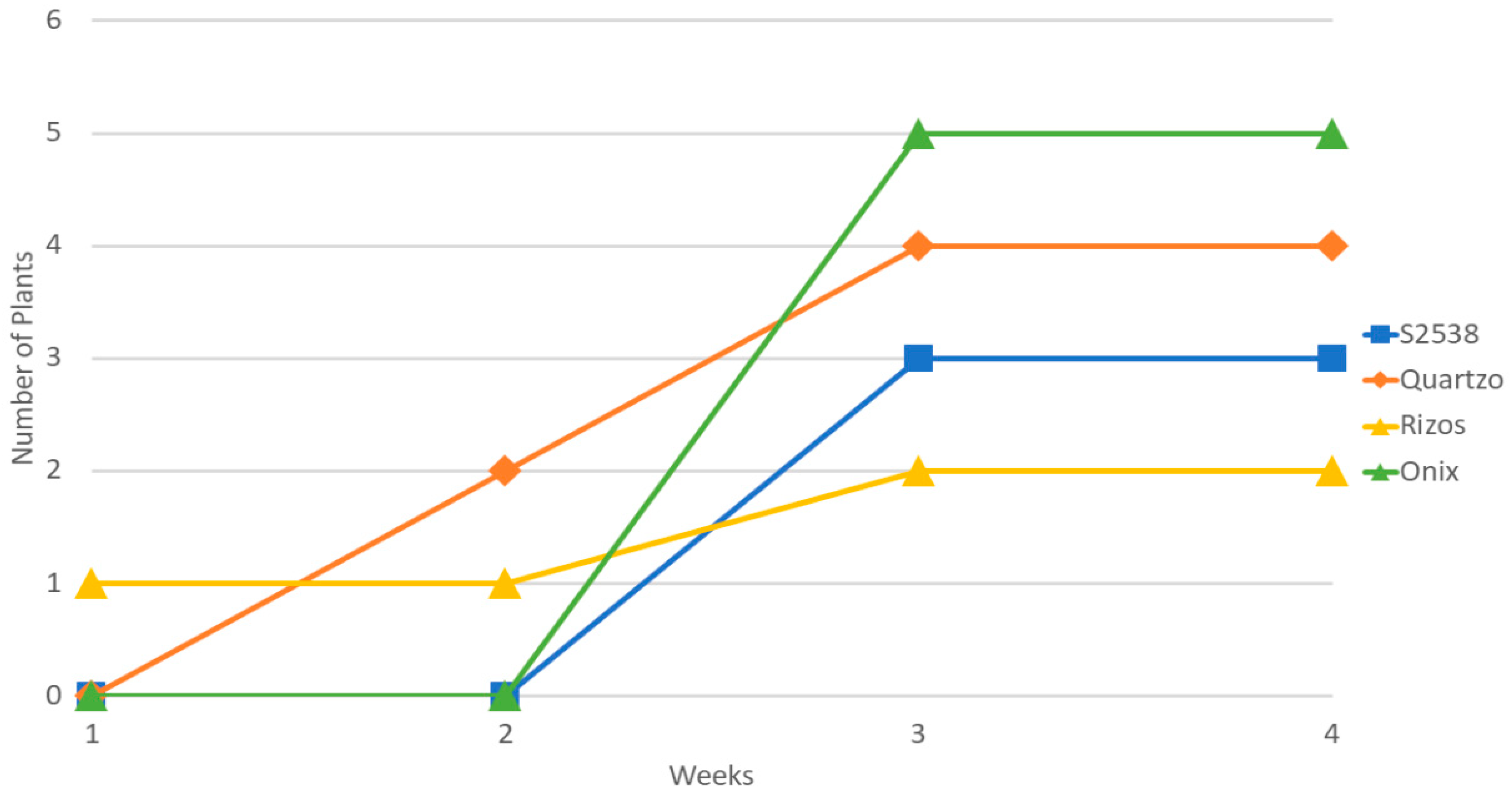
Figure 1. Colonization of cotton plants (cv. FM966) by Bacillaceae strains at different time points (experiment repeated twice).
Agronomy 15 02828 g001
Figure 2. Bacterial halo formed by Onix® (Bacillus velezensis), indicating root rhizocompetence after 21 days of observation. Arrow indicates bacterial halo.
Agronomy 15 02828 g002
Figure 3. Colonization of soybean plants (cv. Potência) by Bacillus spp. at different time points (experiment repeated twice).
Agronomy 15 02828 g003
Figure 4. Colonization of the roots of ‘Potência’ soybean plants with different biological products based on Bacillus spp. (A)—Untreated root (negative control); (B)—Treatment with strain RTI 545 (Bacillus thuringiensis); (C)—Treatment with the commercial product Presence® (B. subtilis + B. licheniformis); (D)—Treatment with the commercial products Rizos® (B. subtilis) + Onix® (B. velezensis). Arrows in panels (BD) indicate regions of the roots where bacterial halos were observed after 21 days.
Agronomy 15 02828 g004
Figure 5. Roots of Glycine max L. cv. Potência infected with Meloidogyne javanica. Bright-field microscopy of root fragments stained with acid fuchsin, showing roots either untreated (control; (A,C,E,G)) or treated with Bacillus spp. (B,D,F,H). The nematode life cycle was observed in both conditions.; J2, J3 = second- and third-stage juveniles; F = adult females; YF = young females; J4 = fourth-stage juvenile males; EM = egg masses.
Agronomy 15 02828 g005
Figure 6. Roots of Glycine max L. cv. Potência infected with Meloidogyne javanica. Bright-field microscopy of root sections stained with toluidine blue. Photos (A,B) showed untreated control samples; photos (CH) showed roots from seeds treated with Bacillus spp. N = nematode; J2 = second-stage juvenile; IGC = initial giant cells; GC = mature giant cell; VC = vascular cylinder; B = bacteria; CD = cell death.
Agronomy 15 02828 g006
Table 1. Bacillaceae strains used in different assays to control Meloidogyne spp. in different crops in vitro and in vivo (greenhouse conditions).
TreatmentsBacillus spp.ConcentrationDose
S2538 1P. aryabhattai1.0 × 1010 UFC/mL3 mL/kg of seed
S2538 1P. aryabhattai1.0 ×108 UFC/mL20 mL in 2 Kg of soil
PresenceBacillus subtilis + B. licheniformis1.0 × 1011 UFC/mL1 g/1 kg of seed
Quartzo® STB. licheniformis + B. subtilis1.0 × 1011 UFC/g +
1.0 × 10¹¹ UFC/g
20 g/3 kg of seed
Quartzo® DrenchB. licheniformis + B. subtilis1.0 × 1011 UFC/g +
1.0 × 10¹¹ UFC/g
200 g/ha
Onix®B. velezensis1.0 × 109 UFC/mL3 mL/kg of seed
Rizos®B. subtilis3.0 × 109 UFC/mL2 mL/kg of seed
RTI 545B. thuringiensis2.5 × 1010 UFC/mL1.5 mL–6 mL/kg of seed
Untreated controldistilled waterNA3 mL/kg of seed
1 Bacteria from the Invertebrate Bacteria Collection of the Brazilian Agricultural Research Corporation, Brasilia, Brazil.
Table 2. Effect of seed treatment with Bacillaceae strains on susceptible cotton cultivar FM966 on Meloidogyne incognita reproduction, in an in vivo greenhouse trial during the spring, inoculated at 21 days with 10,000 eggs and nematodes evaluated at 60 and 120 days after inoculation (DAI). Spring 2023.
TreatmentRF 1SDB (g) 1 RFB (g) 1 EGR 1
60
DAI
120
DAI
60
DAI
120
DAI
60
DAI
120
DAI
60
DAI
120
DAI
Untreated control9.11 a104.8 a19.87 a45.06 a23.75 b90.56 a2003.92 a6338.84 a
S25387.59 a58.5620.25 a45.75 a27.37 b67.75 b1418.72 a4270.9 a
Onix®4.59 a49.86 b18.87 a43.7 a33.0 a67.81 b692.16 b3820.03 a
Quartzo®8.91 a43.15 b18.12 a40.81 a33.06 a73.81 b1355.18 a4498.57 a
Rizos®7.62 a81.56 a18.87 a44.6 a31.25 a65.16 b1395.42 a6085.37 a
CV4.817.182.468.137.6518.0222.525.4
1 Means followed by the same letter in the column do not differ by Scott-Knott test (p ≤ 0.05). CV = 30.0 at 60 DAI and CV = 28.4 at 120 DAI. RF = Reproduction Factor; SDB = shoot dry biomass; RFB = root fresh biomass; EGR = eggs per gram of roots.; CV = coefficient of variation.
Table 3. Effect of seed and in-strip treatments with Bacillaceae strains on susceptible cotton cultivar FM966 on Meloidogyne incognita reproduction, in an in vivo greenhouse trial in spring, inoculated at 21 days with 10,000 eggs and nematodes evaluated at 60 and 120 days after inoculation (DAI), spring 2023. 1 Means followed by the same lowercase letter in the column and capital in the row do not differ by the Scott-Knott test (p ≤ 0.05). CV = 19.0 at 60 DAI and CV = 9.5 at 120 DAI; RF = reproduction factor; SDB = shoot dry biomass; RFB = root fresh biomass; EGR = number of eggs per gram of root, CV = coefficient of variation.
Treatment RF 1 SDB (g) 1 RFB (g) 1 EGR 1
60 DAI 120 DAI 60 DAI 120 DAI 60 DAI 120 DAI 60
DAI
120
DAI
Untreated control13.9 a85.9 a40.8 a53.5 a33.8 a124.5 a4212.4 a6889.8 a
S25388.4 b74.6 a41.9 a55.5 a37.5 a95.8 b2317 b8138.7 b
Onix®11.4 b188.0 a38.6 a52.6 a36.1 a99.6 b3685.2 b18,195.6 b
Quartzo® drench8.5 b152.4 a38.3 a51.0 a37.0 a106.5 a2586.5 b14,688.4 a
Quartzo® ST10.2 a144.9 a40.3 a52.1 a42 a89.3 b2513.7 b15,700.1 b
Rizos®18.6 a104.6 a41.8 a49.4 a36 a108.1 a3196.4 a13,524.2 a
CV7.437.926.777.199.1420.7922.720.79
Table 4. Reproduction of the nematode Meloidogyne incognita in soybean plants (cv. Potência) treated with commercial products based on Bacillus spp. and a chemical product 60 days after inoculation with 5000 eggs (Bioassay 1 and 2 = first and second repetitions), summer 2024.
Bioassay 1
TreatmentsRF 1EGR 1RFB (g) 1
Untreated control9.43 a2368.92 a19.9 a
Rugby®4.30 b1176.97 a18.25 a
Presence®9.00 a3194.86 a14.08 a
RTI 545 (3 mL)5.42 a1980.90 a13.68 a
Onix + Rizos3.11 b1245.20 a12.50 a
CV20.2331.2614.03
Bioassay 2
TreatmentsRF 1EGR 1RFB (g) 1
Untreated control17.36 a3297.24 a26.33 a
Marshal®3.75 c3655.55 c5.13 b
Presence®14.57 a2658.79 a27.41 a
RTI 545 (3 mL)16.83 a2928.34 a28.75 a
Onix + Rizos9.27 b1590.76 b29.16 a
CV29.8036.4930.65
1 Means followed by the same letter in the column do not differ by Scott-Knott test (p ≤ 0.05). CV = coefficient of variation. RF = Reproduction Factor; EGR = eggs per gram of roots. RFB = root fresh biomass.
Table 5. Reproduction of the nematode Meloidogyne javanica in soybean plants (cultivar Potência) treated with commercial products based on Bacillus spp. and a chemical product 60 days after inoculation with 5000 eggs (Bioassay 1 and 2 = first and second repetitions), summer 2024.
Bioassay 1
TreatmentsRF 1EGR 1RFB (g) 1
Untreated control8.23 a4145.15 a9.93 a
Rugby®6.24 a4120.22 a7.57 a
Presence®7.08 a3348.39 a10.57 a
RTI 545 (3 mL)5.06 a3035.60 a8.34 a
Onix + Rizos7.28 a4348.54 a8.37 a
CV29.8632.2525.82
Bioassay 2
TreatmentsRF 1EGR 1RFB (g) 1
Untreated control18.40 a6737.36 a13.66a
Marshal®Start3.85 b3977.95 a4.84 b
Presence®13.74 a8591.93 a8.00 b
RTI 545 (3 mL)15.12 a5160.11 a14.66 a
Onix + Rizos13.27 a9267.65 a7.16 b
CV22.0531.3125.84
1 Means followed by the same letter in the column do not differ by Scott-Knott test (p ≤ 0.05). CV = coefficient of variation. RF = Reproduction Factor; EGR = eggs per gram of roots. RFB = root fresh biomass.
Table 6. Reproduction of the nematode Meloidogyne javanica in soybean plants (cultivar Potência) treated with RTI 545 (5 mL/Kg of seeds), 60 days after inoculation with 5000 eggs, showing homogeneity among replicates (Bioassay 1 and 2 = first and second repetitions), Spring 2024.
Bioassay 1-UntreatedBioassay 1-Treated with RTI 545
ReplicatesRFB (g) 1EGR 1RF 1RFB (g) 1EGR 1RF 1
1274440.424.452321.03.3
2344412.030.060.5441.55.4
339.54895.038.734.5966.06.7
421.56512.028.045.51245.211.3
5353524.024.750933.09.3
Means31.44756.729.248.5781.37.2
Bioassay 2-UntreatedBioassay 2-Treated with RTI 545
ReplicatesRFB (g) 1EGR 1RF 1RFB (g) 1EGR 1RF 1
129.06490.224.763.5787.010.0
246.52867.026.740.11083.28.7
330.14444.226.734.3882.06.1
423.04348.020.033.41210.28.1
529.26430.737.324.2417.02.0
Means29.64916.027.139.1875.97.0
1 RFB = root fresh biomass; EGR = eggs per gram of roots; RF = reproduction factor.
Table 7. Reproduction of the nematode Meloidogyne javanica in soybean plants (cultivar Potência) treated with product RTI 545 with different doses, 60 days after inoculation with 5000 eggs.
TreatmentsRFBEGRRF% of
Control
Untreated control33.4 b 110,190.56 a69.27 a_
3 mL RTI 545/1 kg of seeds71.1 a3310.92 a47.06 a32.07
5 mL RTI 545/1 kg of seeds43.3 b1400.74 b8.99 b87.0
5 mL RTI 545 + 5 mL H2O/1 kg of seeds60.5 a720.23 b8.70 b87.4
10 mL RTI 545/1 kg18.1 c3590.0912.93 b_
CV30.726.520.2-
1 Means followed by the same letter in the column do not differ by Scott-Knott test (p ≤ 0.05). CV = coefficient of variation. RF = Reproduction Factor; EGR = eggs per gram of roots. RFB = root fresh biomass.
Table 8. Evaluation of strain S2538 (Priestia aryabhattai) and strain RTI 545 (Bacillus thuringiensis) in susceptible tomato cv. Santa Clara against Meloidogyne incognita, 70 days after inoculation.
TreatmentsRFBEGRRF% of Control
Untreated control60.90 b 12605.65 a44.09 a-
S2538 RT *68.38 b1103.10 b24.14 c45.25
S2538 DT **59.38 b1113.46 b21.64 c50.92
RTI 545 RT87.5 a792.61 c23.05 c47.70
RTI 545 DT57.37 b1880.47 b36.88 b16.33
CV25.432.528.3-
1 Means followed by the same letter in the column do not differ by Scott-Knott test (p ≤ 0.05). CV = coefficient of variation. RF = Reproduction Factor; EGR = eggs per gram of roots, RFB = root fresh biomass in grams. * RT: root submerged in a bacterial solution at a concentration of 108 CFU/mL. ** SDT: application in the planting drench at the time of transplanting (20 mL of bacterial solution at 108 CFU/mL).
Table 9. Evaluation of strain S2538 (Priestia aryabhattai) and strain RTI 545 (Bacillus thuringiensis) in susceptible tomato cv. Santa Clara against Meloidogyne incognita, 70 days after inoculation.
TreatmentsRFBEGRRF% of Control
Untreated control44.00 b 11886.3 a25.4 a-
S2538 DT **74.00 a658.3 c15.2 b40.17
S2538 ST ***56.3 b1246.3 b24.5 a3.78
RTI 545 ST42.50 b665.7 c9.5 c62.81
CV28.538.726.3-
1 Means followed by the same letter in the column do not differ by Scott-Knott test (p ≤ 0.05). CV = coefficient of variation. RF = Reproduction Factor; EGR = eggs per gram of roots, RFB = root fresh biomass in grams. ** SDT: application in the planting drench at the time of transplanting (20 mL of bacterial solution at 108 CFU/mL). *** ST = seed treatment with bacterial solution at 1010 CFU/mL (150 mL/100 kg of seeds).
Disclaimer/Publisher’s Note: The statements, opinions and data contained in all publications are solely those of the individual author(s) and contributor(s) and not of MDPI and/or the editor(s). MDPI and/or the editor(s) disclaim responsibility for any injury to people or property resulting from any ideas, methods, instructions or products referred to in the content.