Article

Transcriptomic Dynamics Associated with the Seed Germination Process of the Invasive Weed Cenchrus longispinus


1
Key Laboratory of Biohazard Monitoring and Green Prevention and Control for Artificial Grassland, Ministry of Agriculture and Rural Affairs, Grassland Research Institute, Chinese Academy of Agricultural Science, Hohhot 100190, China
2
Inner Mongolia Farmland Construction Service Center, Hohhot 100190, China
3
State Key Laboratory for Biology of Plant Diseases and Insect Pests, Institute of Plant Protection, Chinese Academy of Agricultural Sciences, Beijing 100193, China
*
Author to whom correspondence should be addressed.
Agronomy 2025, 15(12), 2789; https://doi.org/10.3390/agronomy15122789
Submission received: 15 September 2025 / Revised: 21 November 2025 / Accepted: 28 November 2025 / Published: 3 December 2025
(This article belongs to the Special Issue Weed Biology and Ecology: Importance to Integrated Weed Management)

Abstract

Sandbur [Cenchrus longispinus (Hack.) Fernald] is a major invasive weed in the agro-pastoral ecotone of northern China. It propagates via seeds encased in spiny burs. Each bur encloses a pair of seeds, and the larger M-type seeds germinate first, functioning as pioneer plants, while smaller P-type seeds remain dormant. Thus, the rapid germination of M-type seeds is pivotal for population sustenance. In this study, we investigated the transcription response involved in the germination of C. longispinusus M-type seeds during four stages (drying, imbibition, exposure, and sprouting). A total of 24,399 DEGs were identified by comparing two consecutive germination stages, with most DEGs found in the imbibition stage. GO enrichment analysis showed that the DEGs were mainly enriched in substance metabolic and regulatory processes. Correspondingly, KEGG enrichment analysis indicated that the functions of DEGs were significantly concentrated in secondary metabolite synthesis pathways, as well as substance and energy metabolic pathways. Notably, the expression of starch-and-sugar metabolism-related genes increased as germination progressed. Additionally, ABA synthesis-related genes were notably downregulated, while those regulating ABA catabolism were significantly upregulated. Moreover, GA synthesis-related genes were activated, especially in the imbibition stage, with nine GA20ox genes highly expressed. These research findings help us gain a deeper understanding of the seed germination mechanism of C. longispinus.

1. Introduction

Sandbur (Cenchrus longispinus (Hack.) Fernald) is an annual herb belonging to the Poaceae family, and a major invasive weed in agro-pastoral ecotone regions of northern China [1]. C. longispinus grows mainly in sandy soils. It is a drought-tolerant plant and can easily form mono-dominant communities, competing with crops and pasture plants for light, water, and fertilizer, reducing crop yields and degrading pastures. This has a significant effect on the agro-pastoral ecotone ecosystem, and the spiny burs can cause ulcers in the oral cavities and gastrointestinal tracts of livestock, such as cattle and sheep, leading to losses in livestock production [2]. In the 1930s, C. longispinus was initially documented in China [3]. Subsequently, its distribution expanded across multiple Chinese regions, including Inner Mongolia, Jilin, and Liaoning. By 2020, the infested area in Inner Mongolia had reached 1.28 million hectares [4]. C. longispinus reproduces via seeds, which are heterotypic, i.e., there are two seeds in a spiny bur, with relatively larger mango-like seeds, termed M-type seeds, and relatively smaller plum-like seeds, called P-type seeds [5] (Figure 1). These two heteromorphic seeds differ significantly in length, width, height, and 100-grain weight, yet exhibit similar viability [6]. Under natural conditions, C. longispinus M-type seeds rapidly germinate after rainfall with a germination rate of 90%, and usually germinate to form pioneer plants, while P-type seeds adopt a dormancy strategy [7]. Therefore, the rapid and high germination rate of C. longispinus M-type seeds dominates the reproduction of the population. The spread of C. longispinus is contingent upon seed dispersal and the successful establishment of new populations. Thus, seed germination is a pivotal stage in its life cycle [8]. Elucidating the germination mechanisms of M-type seeds is essential for devising an effective prevention and control strategy to manage C. longispinus by diminishing its soil seed bank.
Seed germination is the process of transitioning from dormancy to seedling growth. It starts with a rapid water-uptake phase, followed by a plateau phase, then radicle emergence, and finally leads to the growth of the seedling [9]. It is influenced by a combination of seed morphology, genetics, and the external environment [10]. The genetic material within seeds forms a complex network regulating a variety of cellular metabolic pathways, including pathways involved in cell membrane repair, cell structure, synthesis of secondary metabolites, energy production and conversion, enzyme catalysis, and plant hormone signaling [11]. The molecular mechanisms underlying these processes can be revealed by transcriptome sequencing [12]. Currently, transcriptomics is used widely in research on seed dormancy and germination. Huang et al. [13] used transcriptome sequencing to examine disordered germination in Cinnamomum migao seeds, demonstrating the important part played by the antioxidant system, together with the synergistic expression and actions of genes involved in the metabolism of storage substances and hormone synthesis, as well as the regulatory mechanisms of Cinnamomum migao seed germination. Meng et al. [14] investigated seed germination in the plant Abutilon theophrasti by transcriptome sequencing and found that differentially expressed genes (DEGs) were associated with weakening of the endosperm cell wall and the abscisic acid signaling pathway, demonstrating the importance of these processes in the regulation of seed germination.
Previous studies indicate that the expansion of invasive plants is positively correlated with the ability of seed germination [15]. The total storage of C. longispinus seeds in natural grassland habitats is as high as 12,923 seeds/m2 [16]. When investigating the seed bank and seed vigor of C. longispinus in the Horqin sandland during July, we found that more than 50%, even up to 90%, of the seeds were viable and ungerminated. These seeds could germinate between May and September, and could produce seeds as long as they grew out, even if in a short growing period [17]. Therefore, the extensive soil seed bank is the primary reason for the difficulty of C. longispinus eradication, and comprehending the seed germination mechanism of C. longispinus can facilitate the development of control technologies based on seed-bank reduction strategies, but the dynamic molecular mechanisms associated with C. longispinus M-type seeds are poorly understood. Therefore, this study utilized transcriptome sequencing for four key periods during the germination of C. longispinus M-type seeds, and performed RT-qPCR verification of DEG expression to elucidate the molecular dynamics of germination of C. longispinus M-type seeds. Our objectives were to (1) analyze the dynamics of gene expression during the germination of C. longispinus M-type seeds; (2) analyze pathways and genes regulating seed germination of C. longispinus; and (3) mine potential genes in starch and sucrose metabolism and plant hormone signaling pathways that might be used in the regulation of seed germination for the management of C. longispinus.

2. Materials and Methods

2.1. Plants Materials and Seed Germination

The spiny burs of C. longispinus were collected in Dongfeng Town, Kailu County, Tongliao City (43°40′ N, 121°34′ E) in October 2021 and stored in paper bags. After drying indoors, uniformly sized disease-free spiny burs with a moisture content of 4.2% were selected and the skin of the burs was removed by hand to obtain the M-type seeds, which were used for the present experimental study.
The M-type seeds were sterilized by soaking in 1% NaClO solution for 5 min and then rinsed five times with distilled water. The sterilized seeds were sown in Petri dishes with a diameter of 9 cm. Each dish was lined with a double layer of qualitative filter paper and contained 100 seeds, with three replicates per treatment. A total of 12 dishes (4 germination stages × 3 biological replicates) were prepared, amounting to 1200 seeds. The seeds were soaked in sterile water and placed in a light incubator (Binder, Germany) for germination at 25 °C and 75% humidity, with a 12 h/12 h light/dark cycle [18]; the morphology of the seeds was monitored daily with the naked eye and a stereomicroscope (Stemi 508, Jena, Germany) to observe and photograph their shape, color, and other visual characteristics. According to the germination dynamics, the whole germination process can be clearly divided into four separate stages. The first stage is the initial dry state, which serves as the control group. The second stage is the imbibition stage, during which seeds rapidly absorb water. The third stage is when the radicle is on the brink of breaking through the seed coat, and the fourth stage is characterized by the germination and subsequent growth initiation of the plumule. Sampling was performed at four germination stages of M-type seeds: the dry stage (DM), the imbibition stage (IM, 0–10 h post-treatment), the exposure stage (EM, 16 h post-treatment), and the sprouting stage (SM, 48 h post-treatment), with three biological replicates for each stage. The collected samples were rinsed with sterile water, snap-frozen in liquid nitrogen, and stored at −80 °C for subsequent RNA extraction.

2.2. RNA Extraction, cDNA Library Construction, and Sequencing

The total RNA of C. longispinus M-type seeds from the above four treatments was extracted using the Tiangen RNAprep Pure DP432 Total RNA Extraction Kit (Tiangen, Beijing, China). The RNA purity was evaluated using a Nanodrop spectrophotometer (Thermo Fisher, Waltham, MA, USA), the concentration was evaluated using a Qubit 2.0 fluorometer (Thermo Fisher), and the integrity was evaluated by agarose gel electrophoresis and an Agilent 2100 bioanalyzer (Agilent Technologies, Santa Clara, CA, USA). The starting RNA used for library construction was Total RNA, and the effective concentration was >2 nM. Library construction was carried out using the Illumina NEBNext® UltraTM RNA Library Prep Kit (Illumina, San Diego, CA, USA) according to the specific operating steps. Upon completion of library construction, the libraries were initially quantified using a Qubit 2.0 fluorometer. Quality control was then conducted by assessing the insert size distribution with an Agilent 2100 Bioanalyzer and determining the effective concentration via qPCR. The library was sequenced on an Illumina HiSeq 2000 platform by Wuhan Metware Biotechnology Co., Ltd. (Wuhan, China).

2.3. Data Quality Control, Assembly, and Annotation

The raw data were filtered by FASTP (v0.23.2) for the removal of reads with adapters, reads containing more than 10 ‘N’ bases, and paired reads where over 50% of the bases had a quality score (Q) ≤ 20. The resulting clean reads were used for all subsequent analyses. The clean reads were subjected to transcript assembly using Trinity [19], and redundant sequences were removed using Corset [20]. The redundant transcripts were compared with the KEGG, NR, Swiss-Prot, GO, COG/KOG, and TrEMBL(2022_03) databases using DIAMOND (v2.0.9) [21], and the amino acid sequences were compared with the Pfam database using HMMER (v3.3.2) for annotation of the transcripts.

2.4. Identification of Differentially Expressed Genes

The expression of the transcripts was calculated using RSEM [22], and the fragments per kilobase per million reads (FPKM) of each transcript were calculated based on the transcript length. DEGs between sample groups were identified using DESeq2 [23,24] with the criteria of |log2Fold Change| ≥ 2 and a false discovery rate (FDR) of <0.05. Dry seeds (DM) served as the control for comparing gene expression across the different germination stages of C. longispinus M-type seeds (drying, imbibition, exposure, and sprouting). KEGG and GO enrichment analyses were performed based on the hypergeometric test.

2.5. Verification of the Expression of Key Genes Using RT-qPCR

Six DEGs were randomly selected and primers were designed using Primer 5.0 (Table 1). RNA extracted from each germination stage of C. longispinus M-type seeds was used as a template for reverse-transcription to cDNA using TransScript® All-in-One First-Strand cDNA Synthesis SuperMix for qPCR (One-Step gDNA Removal) (AT341, TRAN, Beijing, China) kits. RT-qPCR was performed using the SYBR qPCR RT-qPCR kits (RR420, TaKaRa, Dalian, China). The volume of the RT-qPCR reaction system was 20 μL, containing 1.5 μL of RNA, 0.4 μL of gene-specific primers (10 μmol/L), 10 μL of SYBR Green Mix, and 7.7 μL of RNase-free ddH2O. The PCR program was as follows: reverse transcription at 50 °C for 6 min; pre-denaturation at 95 °C for 30 s; cycling at 95 °C for 10 s and 60 °C for 30 s, for 40 cycles; solubilization at 95 °C for 15 s, 60 °C for 60 s, and 95 °C for 15 s. The relative expression levels of the target genes were normalized to the internal control gene EF-1α [25]. The relative expression of the different genes was calculated using the 2−ΔΔCt method and graphing with GraphPad Prism 8.0.

2.6. Statistical Analyses

All data were analyzed via one-way ANOVA and Duncan’s multiple range test to identify significant differences (p ≤ 0.05, 0.01, or 0.001) using SPSS 22.0. Data are presented as mean ± SD from at least three replicates. Graphs were generated using GraphPad Prism 8.0.
Pearson’s correlation coefficient was calculated to assess the linear relationships across all 12 sequenced samples, with a p-value < 0.05 considered statistically significant. For the transcriptomic data, gene expression levels were quantified as FPKM and normalized prior to multivariate analysis. Principal component analysis (PCA) was performed using R software (v4.2.3) to visualize global gene expression patterns and sample clustering.

3. Results

3.1. Changes in Seed Morphology During Germination

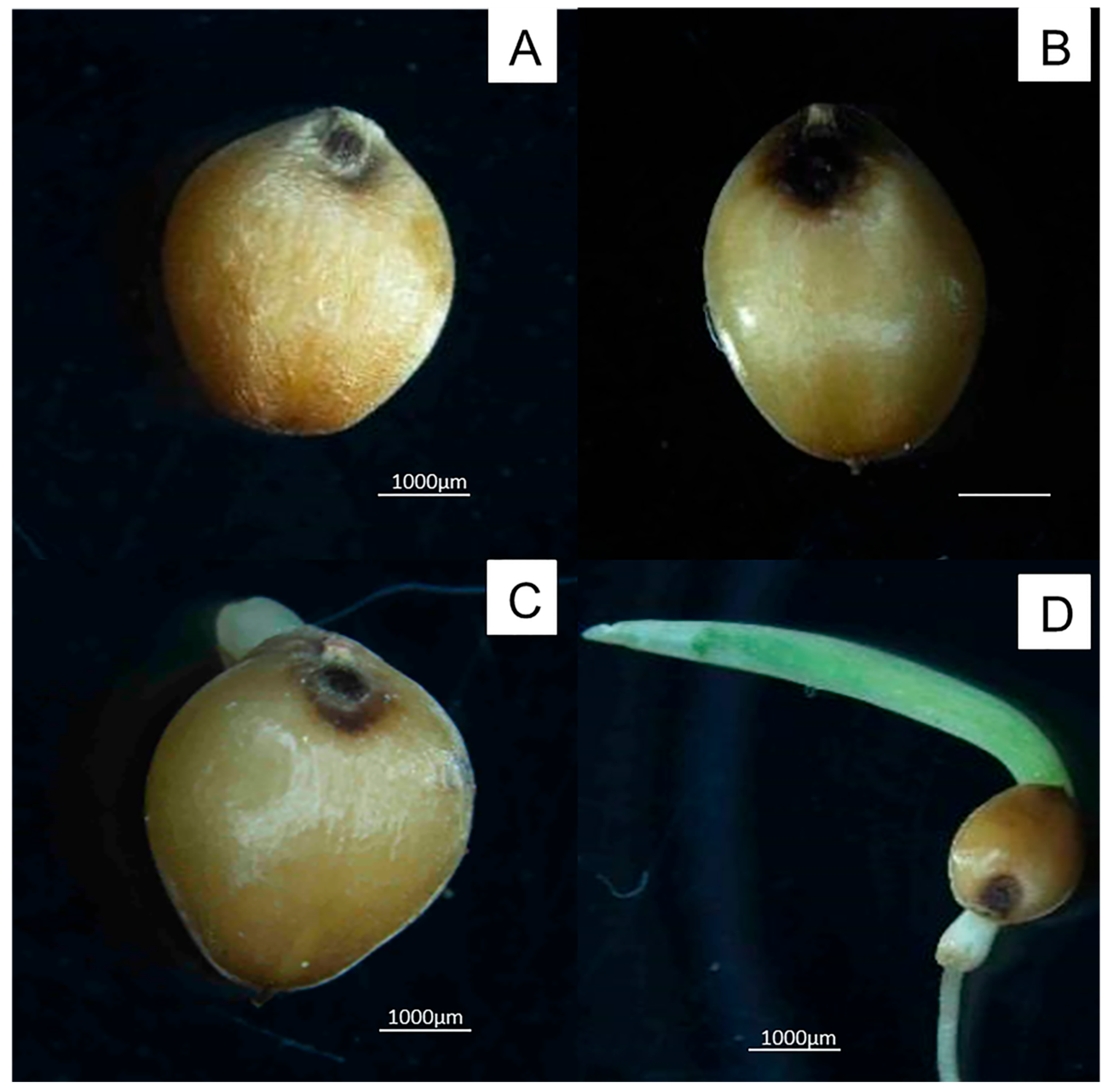
The germination of C. longispinus M-type seeds can be divided into four stages. The dry M-type (DM) stage was defined as when the spiny burs were removed in indoor shade; at this time, the C. longispinus M-type seeds had rough, mango-shaped surfaces (Figure 2A). When the seeds began to absorb water, they entered the imbibition M-type (IM) stage. At this time, the morphology of the seeds changed rapidly, as the seed embryo expanded rapidly from the previously shriveled state due to water absorption, and the seed coat gained a certain luster (Figure 2B). The exposure stage (EM) (Figure 2C) was reached at approximately 16 h, when water uptake plateaued and the radicle began to protrude through the seed coat. Subsequently, the radicle gradually broke through the seed coat and the coleoptile emerged by 48 h, defining the sprouting stage (SM) (Figure 2D).

3.2. Transcriptomics of C. longispinus M-Type Seeds During Germination

3.2.1. Transcriptome Sequencing Assembly and Correlation Analysis

To study the transcriptional profile of the germination of C. longispinus M-type seeds, 12 samples from four different germination stages of the M-type seeds were subjected to transcriptome sequencing. A total of 108.06 Gb of clean reads were obtained, with the Q30 of all 12 samples greater than or equal to 93.39%, and the GC content of the samples was in the range of 54.5–60.92% (Table 2). Since the whole genome of C. longispinus was not yet available, the sequence was assembled by the de novo method to obtain transcripts. The longest cluster sequences obtained from the Corset hierarchical clustering were used as unigenes for subsequent analyses.
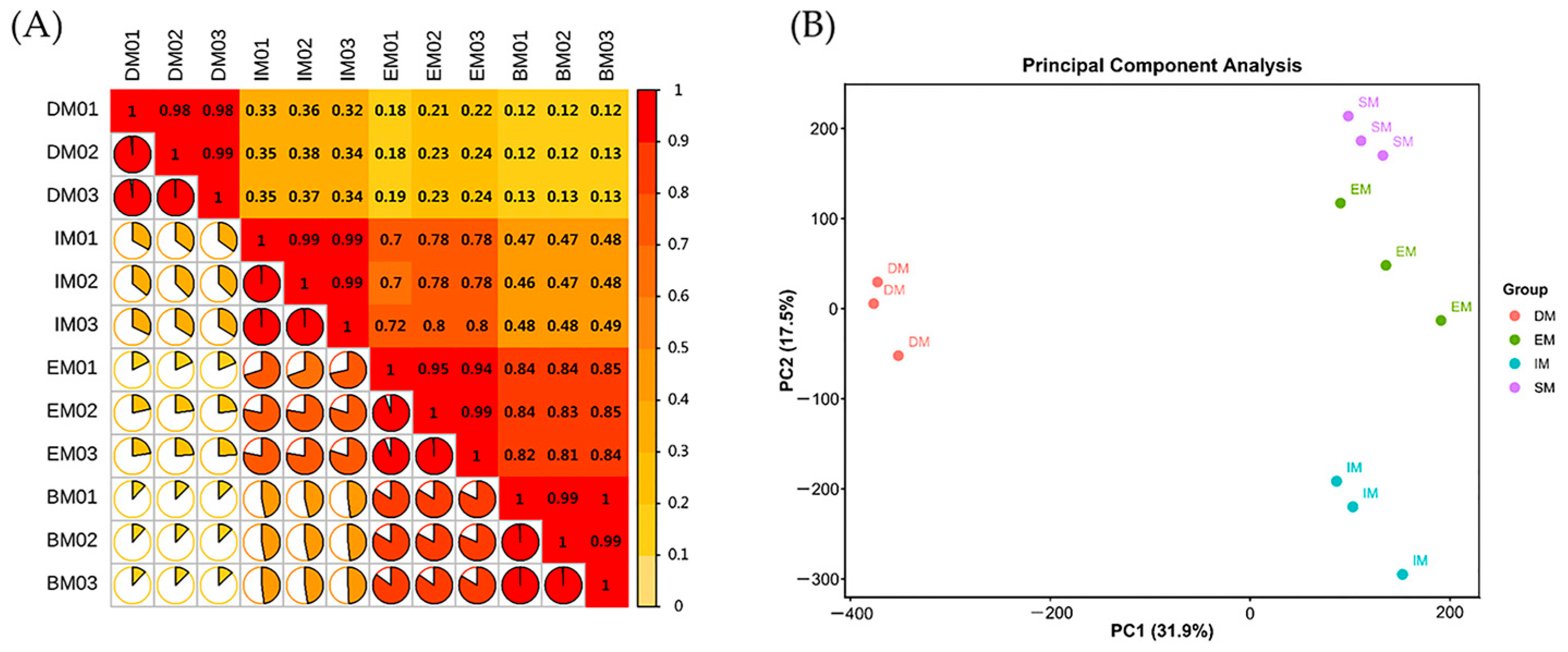
Pearson’s correlation analysis (Figure 3A) was performed on the biological triplicates of 12 different sequencing samples. This showed strong correlations between three biological duplicates from each sample, with correlation coefficients > 0.94 (p < 0.01). Principal component analysis (PCA) (Figure 3B) showed clustering of the samples according to each germination period, forming clear groupings, and demonstrating the reliability of the biological duplicates.

3.2.2. DEGs Associated with Germination in C. longispinus M-Type Seeds

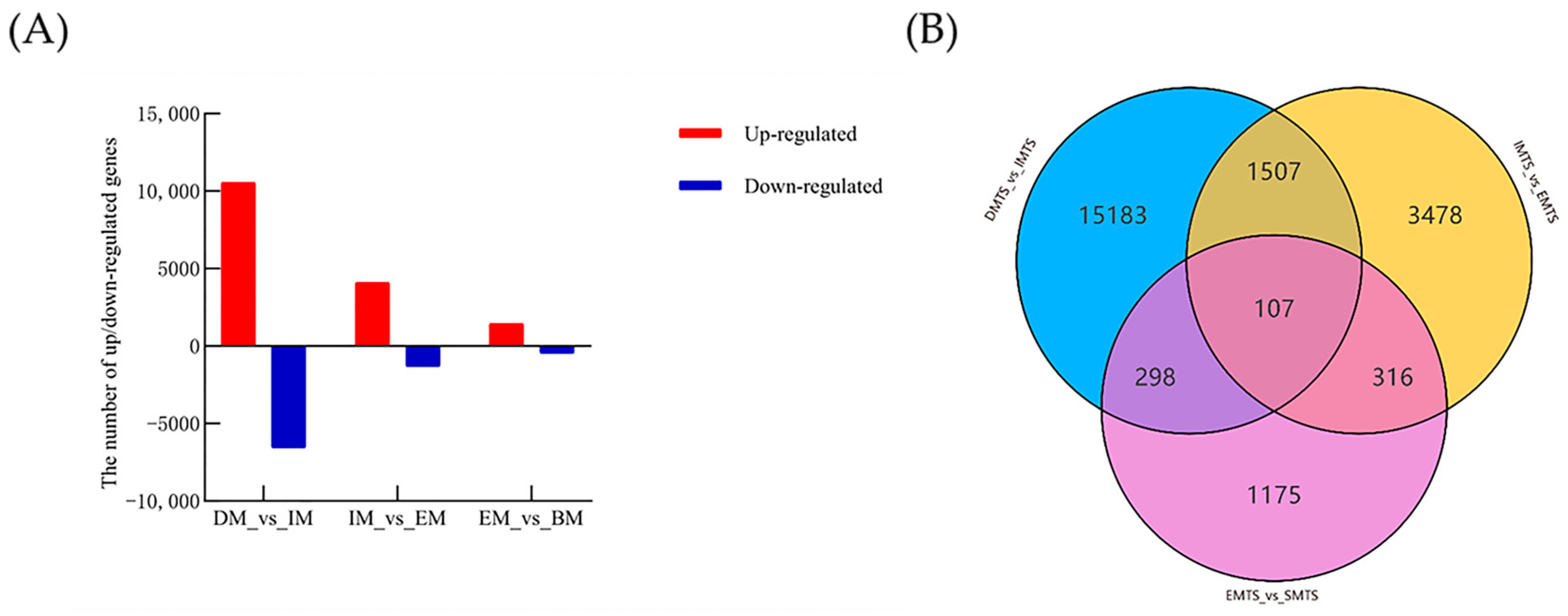
To precisely dissect the transcriptomic dynamics at each specific stage of germination, pairwise comparisons between adjacent stages were performed. Differentially expressed genes (DEGs) were identified using the criteria of |log2Fold change| ≥ 2 and FDR < 0.05. A total of 24,399 DEGs were identified from the pairwise comparisons among the four sample groups (Figure 4A). The number of DEGs between consecutive stages varied significantly: Compared to the dry M-type seeds (DM), the imbibed M-type seeds (IM) exhibited 10,542 upregulated and 6553 downregulated DEGs. The comparison between IM and exposed M-type seeds (EM) revealed a reduced number of DEGs, with 4103 upregulated and 1305 downregulated. Furthermore, the number of DEGs decreased sharply between EM and sprouting M-type seeds (SM), with only 1449 upregulated and 447 downregulated DEGs (Figure 4B). These data clearly demonstrate that the most extensive transcriptional reorganization occurs at the initial stage of germination (from DM to IM). This finding strongly indicates that the most dramatic molecular-level changes, relative to the state of the dry seeds, take place during the early imbibition phase. As germination progresses, the transcriptional changes gradually stabilize. A Venn diagram illustrates the overlap of DEGs across the three consecutive comparison groups (DM vs. IM, IM vs. EM, EM vs. SM; Figure 4B). Among these, 107 DEGs were shared across all three comparisons, 1851 DEGs were common to both the DM&IM and IM&EM groups, while the early germination group (DM&IM) contained 16,005 unique DEGs. This further supports the conclusion that the early germination stage is characterized by the most distinct and active transcriptional reprogramming events.

3.3. Dynamic Changes in the Transcriptome During M-Type Seed Germination and GO and KEGG Enrichment Analyses

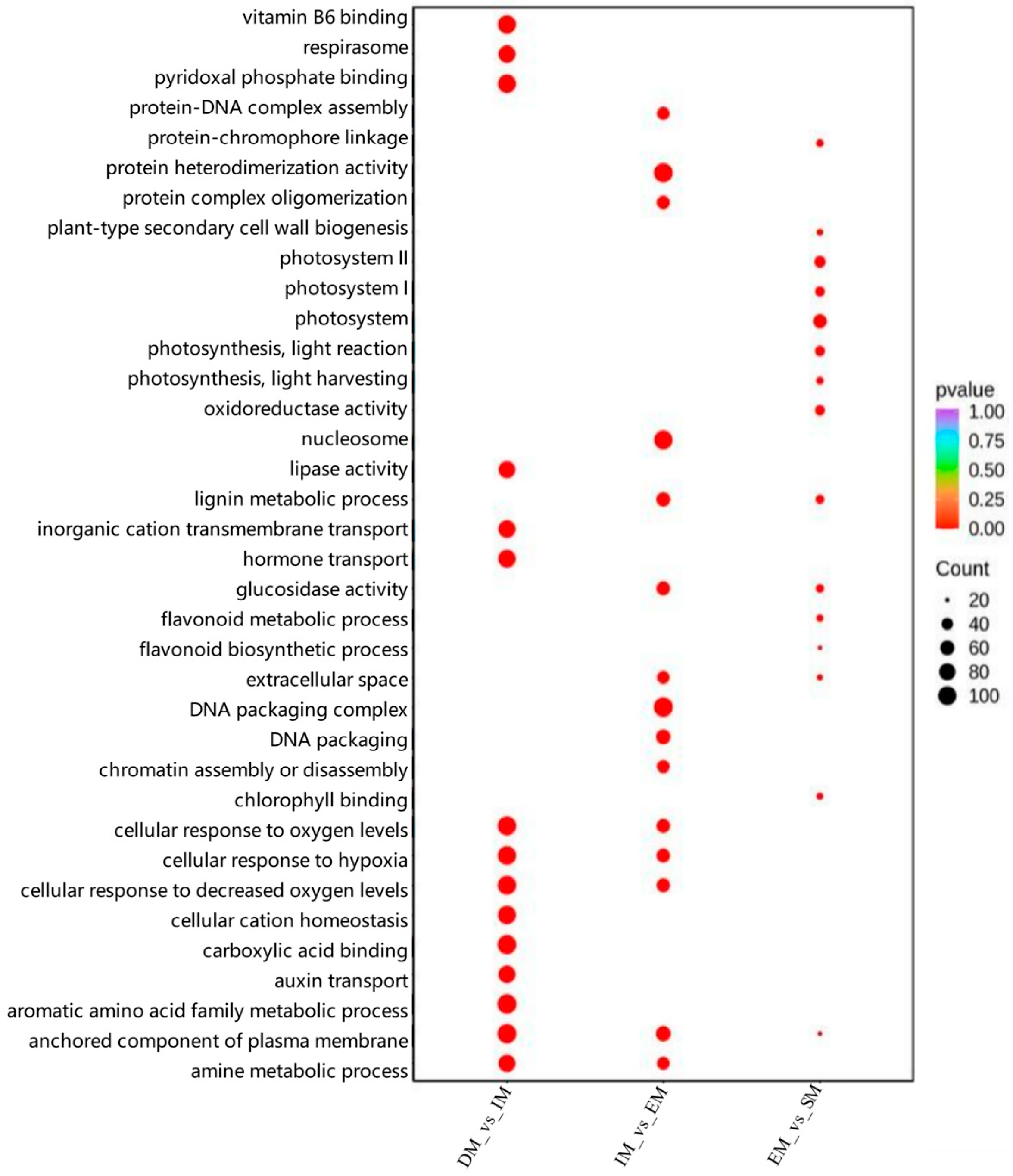
To elucidate the mechanism underlying the germination of C. longispinus M-type seeds, GO enrichment analysis of the DEGs between each two adjacent stages was performed, identifying the top 15 GO annotations (Figure 5). The DEGs from the DM vs. IM comparison were primarily enriched in terms related to metabolic and regulatory processes, including “aromatic amino acid family metabolic process”, “cellular cation homeostasis”, “inorganic cation transmembrane transport”, “auxin transport”, “amine metabolic process” and “hormone transport”, and responses to oxygen levels, including “cellular response to decreased oxygen levels”, “cellular response to hypoxia,” and “cellular response to oxygen levels”. The DEGs associated with the IM vs. EM comparison were enriched in cellular repair and activation, as well as in the cellular response to oxygen (e.g., “DNA packaging”, “Chromatin assembly or disassembly”, and “Protein-DNA complex assembly”) and protein assembly (e.g., “protein complex oligomerization”), and lignin (e.g., “lignin metabolic process”). The DEGs of the EM vs. SM comparison were mainly enriched in aspects of photosynthesis (e.g., “Photosynthesis, light reaction”, “Photosynthesis, light harvesting”, and “Protein-chromophore linkage”), flavonoid synthesis and metabolism (e.g., “flavonoid metabolic process” and “flavonoid biosynthetic process”), and plant secondary cell wall formation (e.g., “plant-type secondary cell wall biogenesis”).
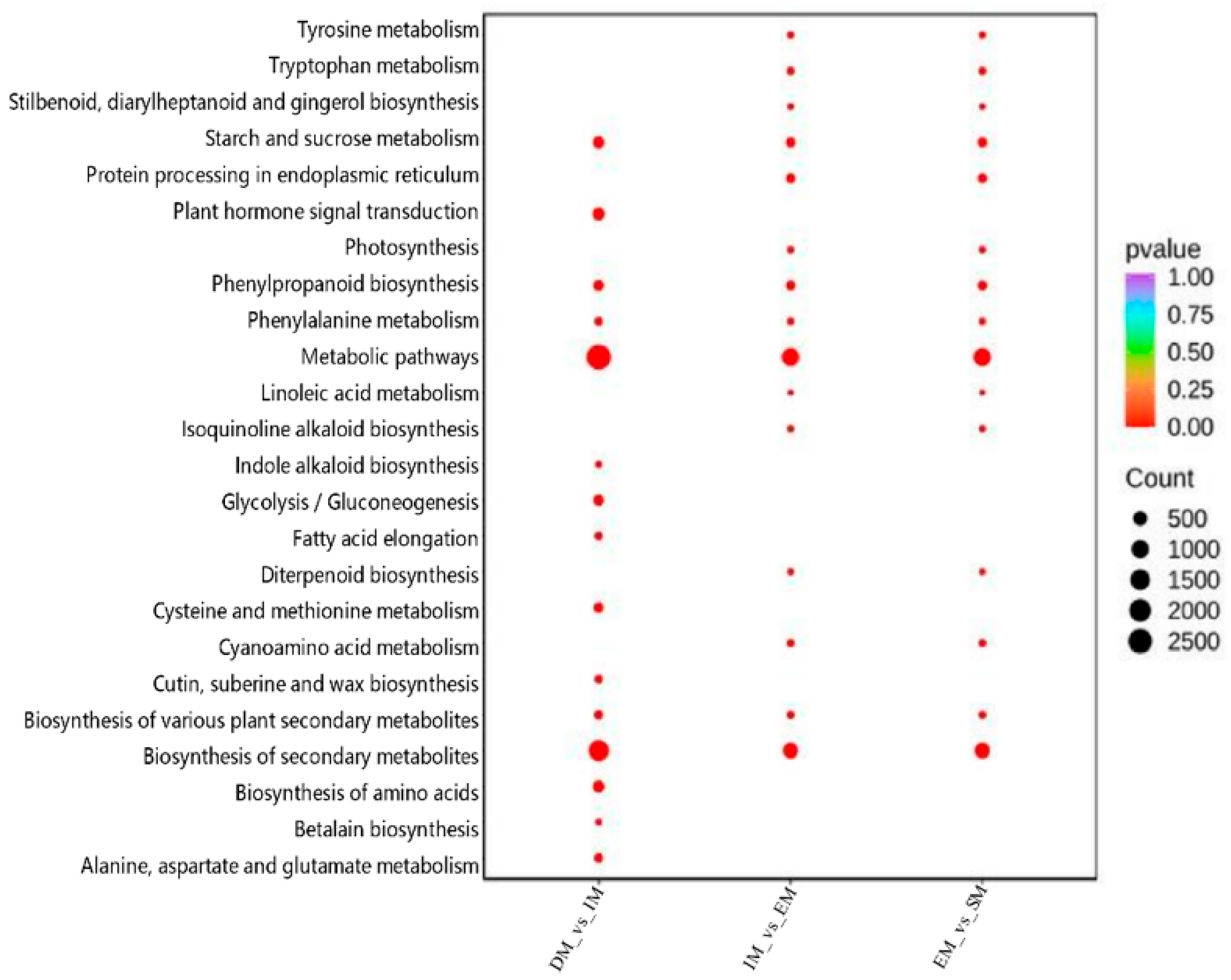
The top 15 KEGG pathways showing the greatest enrichment with DEGs were identified (Figure 6), indicating that DEGs in all three comparisons (DM vs. IM, IM vs. EM, and EM vs. SM) were significantly enriched in pathways associated with the biosynthesis of secondary metabolites, phenylpropanoid biosynthesis, metabolism, phenylalanine metabolism, starch and sucrose metabolism, and the biosynthesis of various plant secondary metabolites. Additionally, the DEGs of the DM vs. IM group were also enriched in pathways involved in fatty acid elongation, plant hormone signal transduction, indole alkaloid biosynthesis, betalain biosynthesis, metabolism of alanine, aspartate, and glutamate, metabolism of cysteine and methionine, biosynthesis of cutin, suberine and wax, glycolysis/gluconeogenesis), and biosynthesis of amino acids. The DEGs of the IM vs. EM and EM vs. SM groups were found to be enriched in the same pathways, including protein processing in the endoplasmic reticulum, cyanoamino acid metabolism, photosynthesis, metabolism of linoleic acid, biosynthesis of isoquinoline alkaloid, diterpenoid biosynthesis, tryptophan metabolism, biosynthesis of stilbenoid, diarylheptanoid and gingerol, and tyrosine metabolism pathways.

3.4. DEGs Involved in Plant Hormone Signaling Pathways Related to Seed Germination

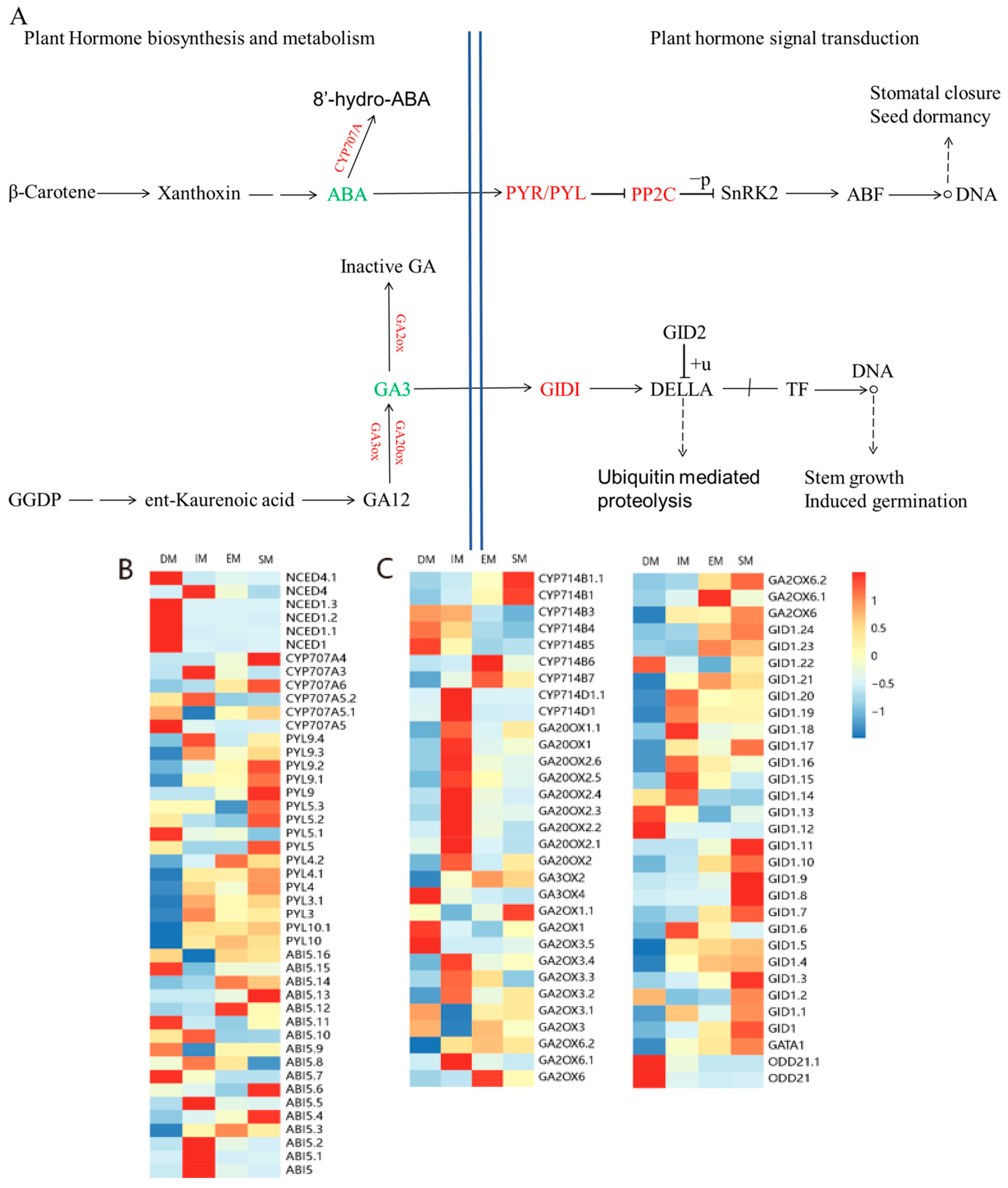
To systematically investigate the roles of plant hormones during seed germination, we analyzed the differentially expressed genes (DEGs) involved in hormone biosynthesis, metabolism, and signal transduction. These DEGs were identified by comparing the imbibed (IM), exposed (EM), or sprouted (SM) stages uniformly against the dry seed (DM) stage as the common control. The biosynthetic, metabolic, and signal transduction pathways of plant hormones are depicted in Figure 7A. Analysis of the abscisic acid (ABA) pathway suggested a probable decrease in its content during germination, thereby gradually alleviating its inhibitory effect on germination. Among the key rate-limiting enzymes for ABA synthesis, 9-cis-epoxycarotenoid dioxygenase (NCED), multiple genes were significantly downregulated compared to the DM state. Concurrently, several members of the key enzyme regulating ABA catabolic inactivation, 8′-hydroxylase (CYP707A), were significantly upregulated. In the ABA signaling pathway, a total of 16 ABA receptor PYR/PYL genes and 17 key ABA signaling component ABI5 genes were identified as differentially expressed in one or more germination stages (compared to DM) (Figure 7B), highlighting the importance of ABA signaling in regulating the germination of C. longispinus M-type seeds. The gibberellin (GA) pathway was strongly activated during germination. In GA biosynthesis, nine GA20ox genes were significantly upregulated as early as the IM stage (compared to DM). Additionally, another 14 metabolism-related GA2ox genes were differentially expressed during germination. Regarding GA signal transduction, 19 out of 25 gibberellin receptor GID1 genes were significantly upregulated during the germination stages (compared to DM) (Figure 7C). These data robustly demonstrate that GA signaling was extensively activated throughout the seed germination process.

3.5. Starch and Sucrose-Associated Metabolic Pathways Involved in Seed Germination

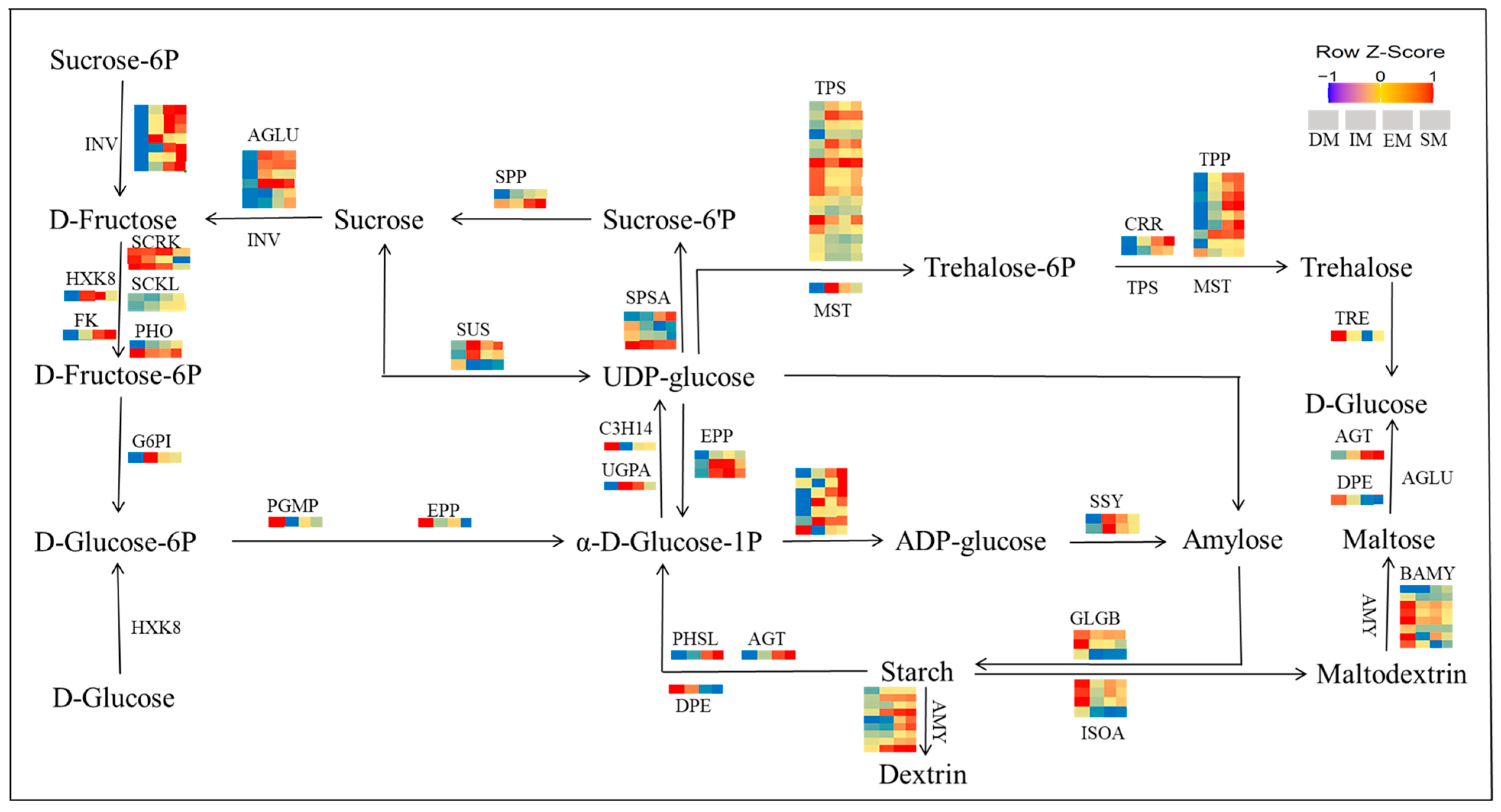
Starch and sucrose are the primary energy sources for seed germination. In this study, 137 genes were found to be involved in starch and sucrose metabolism during the germination of C. longispinus M-type seeds (Figure 8), with the expression of most genes increased as germination progressed and remained elevated at the EM and SM stages. The expression of genes encoding β-fructofuranosidase (INV), hexokinase (HXK), fructokinase (FK), α-glucosidase (AGLU), sucrose phosphatase (SPP), ectonucleotide pyrophosphatase/phosphodiesterase (ENPP), trehalose-phosphate phosphatase (TPP), and α-amylase (AMY) showed high expression levels at the EM and SM stages, which may be related to the decomposition and metabolism of starch and sucrose. Furthermore, the expression of several genes encoding INV, FK, ENPP, and AMY increased continuously, up to 4–5-fold, throughout the germination process.

3.6. Analysis of DEGs by RT-qPCR

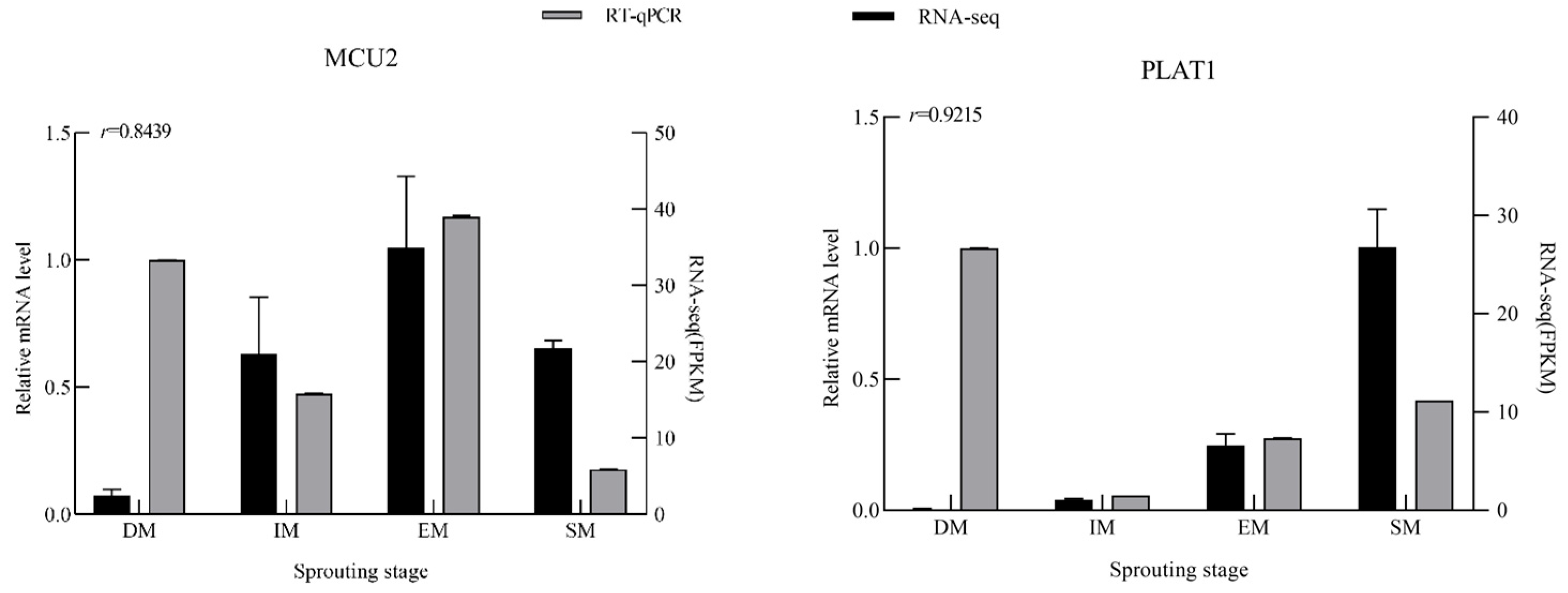
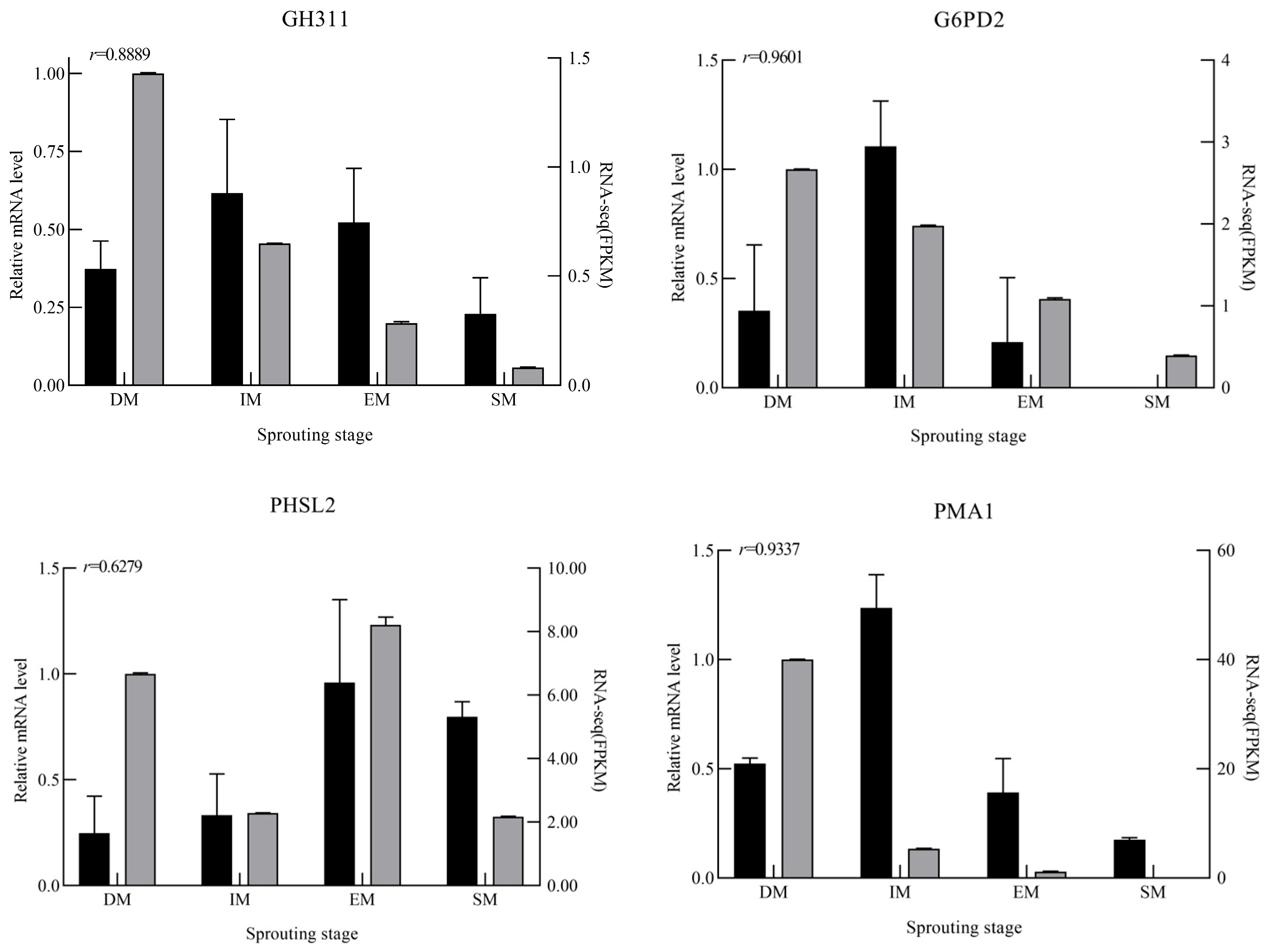
To verify the reliability of the RNA-seq data, we randomly selected six DEGs related to seed germination for RT-qPCR validation (Figure 9). These genes exhibited diverse expression patterns and magnitudes in the RNA-seq data, covering low to high expression ranges, thus providing systematic representativeness. The RT-qPCR results showed that the relative expression levels of the six genes across different samples were highly consistent with the trends observed in the RNA-seq FPKM values. For instance, PLAT1 displayed a significant upregulation trend in RNA-seq, which was correspondingly confirmed by RT-qPCR. Similarly, G6PD2, which showed substantial variation in RNA-seq, was also supported by the RT-qPCR results. Although absolute values differed somewhat between the two methods—likely due to differences in technical principles—the relative expression relationships among genes and the trends across samples remained consistent. Further correlation analysis between the RNA-seq and RT-qPCR data revealed a significant positive correlation, indicating high reliability and biological reproducibility of the RNA-seq data obtained in this study. In conclusion, the validation of the six genes via RT-qPCR supports the accuracy of the RNA-seq data, providing an experimental basis for its subsequent application in functional analysis and mechanistic investigation.

4. Discussion

C. longispinus is a highly stress resistant invasive weed. Its M-type seeds germinate rapidly: within 16 h, the plumules breach the seed coat. This rapid germination trait allows the plant to sprout and grow promptly after rainfall in arid areas, which enhances the population’s environmental adaptability and survival rate, thereby increasing its invasiveness. This study represents the first exploration of the seed germination dynamics in C. longispinus, aiming to clarify its rapid germination mechanism and provide insights for its prevention and control.

4.1. Transcriptomes Dynamics Changed During the Germination of C. longispinus M-Type Seeds

This study conducted a comprehensive transcriptomic analysis of the germination process in C. longispinus M-type seeds, identifying a total of 24,399 genes involved in germination. Notably, during the initial germination stage—from the dry stage (DM) to the imbibition stage (IM)—10,542 genes were significantly upregulated and 6553 genes were significantly downregulated, suggesting that large-scale transcriptional reprogramming occurs in the early germination of C. longispinus M-type seeds. This pattern is consistent with the metabolic activation observed in the early germination of grass seeds [26], suggesting that C. longispinus M-type seeds possess the ability to rapidly respond to short-term rainfall. This capacity enables the seeds to swiftly initiate extensive genetic reorganization upon contact with brief rainfall, transitioning from a metabolically dormant state to a metabolically active growth state, thereby gaining a germination advantage. Furthermore, 107 genes were differentially expressed throughout the entire germination process of C. longispinus M-type seeds, indicating their sustained role across all germination stages.
Previous studies have indicated that during rapid water imbibition, seeds can suffer damage due to excessive and swift swelling [27], and their compact internal structure may restrict gas exchange with the external environment, leading to oxidative stress in the early germination stage. To ensure successful germination, a series of stress-related genes are activated during this process to maintain normal germination progression [28]. In the present study, GO enrichment analysis revealed that genes involved in cellular response to oxygen were significantly active during the early germination stage of C. longispinus M-type seeds, suggesting that oxygen-related regulatory genes may be activated to maintain cellular redox balance, repair potential damage, and ensure the initiation of germination. In addition, during the mid-germination stage, differentially expressed genes were not only enriched in oxygen response-related terms but also showed active involvement in processes such as DNA packaging, chromatin assembly, and protein-DNA complex assembly, indicating active replication and repair activities at this stage. Concurrently, enhanced lignin metabolism suggests the initiation of cell wall remodeling, preparing for subsequent radicle penetration of the seed coat. By the late germination stage, the metabolic focus of the seeds shifted markedly, with significant activation of photosynthesis-related terms, indicating a rapid transition of the germinated seeds into photoautotrophic seedlings. This suggests that the molecular programs for chloroplast development and photosynthetic apparatus assembly are initiated even before the cotyledons emerge and are exposed to light [29], laying the molecular foundation for the seedlings to establish autonomous energy production promptly after emergence. Furthermore, processes such as flavonoid metabolism and secondary cell wall formation were also enhanced at this stage, potentially contributing to improved stress tolerance and mechanical resistance in the seedlings. According to KEGG enrichment results, in addition to pathways consistently active throughout the entire germination process of C. longispinus M-type seeds—such as biosynthesis of secondary metabolites, phenylpropanoid biosynthesis, and starch and sucrose metabolism—pathways such as fatty acid elongation, plant hormone signal transduction, and amino acid biosynthesis were more active during early germination. In the mid to late stages, activity shifted toward protein processing in the endoplasmic reticulum, photosynthesis, and diterpenoid biosynthesis, reflecting distinct metabolic requirements at different phases of germination in C. longispinus M-type seeds.

4.2. Starch and Sucrose-Associated Metabolic Pathways Involved in Seed Germination

Starch and sucrose play crucial roles in seed germination, as their ultimate breakdown provides energy for the germination process [28]. In C. longispinus M-type seeds, differentially expressed genes were consistently enriched in the starch and sucrose metabolism pathways throughout germination (Figure 6), indicating that starch and sucrose serve as the primary energy sources for germination. The expression levels of genes involved in these pathways generally increased as germination progressed, peaking particularly during the transition from the exposure stage (EM) to the sprouting stage (SM). This suggests a sharp rise in energy demand during late germination, requiring extensive carbohydrate catabolism to supply both energy and carbon skeletons for radicle protrusion and seedling establishment. Key hydrolytic enzymes in starch degradation include isoamylase (ISA) and α-/β-amylase (AMY), which primarily convert starch into maltose. During the germination of C. longispinus M-type seeds, four ISA genes encoding isoamylase showed relatively high expression during the dry stage (DM). In contrast, only three genes encoding α-amylase were highly expressed at the imbibition stage (IM), while most α-amylase genes were upregulated during the EM and BM stages. Conversely, most genes encoding β-amylase were highly expressed in the DM stage (Figure 8). This expression pattern differs from that observed in germinating Quercus acorns, where β-amylase exhibited significant activity and mRNA levels without a clear correlation to α-amylase activity [30]. Previous studies have identified several key genes involved in sucrose biosynthesis and metabolism, including β-fructofuranosidase (Inv), sucrose phosphate synthase (Bvsps1, SPS), starch synthase (SS), glucose-6-phosphate isomerase (GPI), and ADP-glucose pyrophosphorylase (glgC). Among these, SS facilitates the conversion of sucrose into fructose and glucose, which then enter the glycolytic pathway to supply energy for germination [31]. In this study, all seven Inv genes were upregulated during germination of C. longispinus M-type seeds, with notably higher expression during the EM and BM stages, likely supporting initial energy supply and cellular construction in early seedlings. These findings collectively demonstrate that metabolic activity in C. longispinus M-type seeds is initiated in early germination and intensifies in mid to late stages, marked by enhanced degradation of starch and sucrose to meet energy and carbon demands. This reflects a multi-gene regulatory network underlying material metabolism during germination, highlighting the highly coordinated and sequential nature of energy metabolism in C. longispinus M-type seeds.

4.3. DEGs Involved in Plant Hormone Signaling Pathways Related to Seed Germination

Abscisic acid (ABA) and gibberellins (GA) are widely recognized as two key hormones regulating seed dormancy and germination [13,32]. ABA primarily promotes dormancy and inhibits germination, whereas GA breaks dormancy and stimulates germination. During the transition from dormancy to germination, ABA levels generally decrease over time [33,34]. The carotenoid biosynthesis pathway plays an important regulatory role in ABA synthesis [35], with ZEP and NCED acting as key rate-limiting enzymes in ABA biosynthesis [36], while the inactivation of ABA via catabolism is regulated by the key enzyme CYP707A [37]. The expression levels of NCED and CYP707A genes during germination modulate ABA content, thereby influencing germination. In this study, six NCED genes showed relatively high expression during the imbibition stage of C. longispinus M-type seeds but were significantly downregulated as germination progressed (Figure 7A). This is consistent with previous studies in rice, where ABA levels are often marked by OsNCED expression, and phenotypes promoting germination or reducing dormancy are generally accompanied by downregulation of OsNCED (except for OsNCED1) [38,39]. In addition, six CYP707A genes were highly expressed at various stages throughout germination, suggesting that CYP707A contributes to gradually weakening germination inhibition by modulating the rate of ABA degradation. Furthermore, PYL genes, which function as ABA signal receptors, showed low expression during early germination stages and only slightly increased by the budding stage (Figure 7A), indicating weak ABA signaling and limited inhibitory effects on germination. The slight upregulation of PYL during the sprouting stage may be involved in stress responses. GA20ox and GA3ox primarily catalyze the formation of bioactive GAs, while GA2ox controls their inactivation [40]. In C. longispinus M-type seeds, nine GA20ox genes were highly expressed at the emergence stage, whereas GA3ox and GA2ox genes were upregulated to varying degrees across different germination stages (Figure 7B). This suggests that GA levels are not only elevated through catalysis by GA20ox at the emergence stage but also finely regulated via the opposing actions of GA3ox and GA2ox during different phases of germination. GID genes act as positive regulators of GA signaling. In Arabidopsis, GID1 and GID2 play important roles in promoting germination [41]. In this study, 25 GID genes were upregulated to varying extents throughout germination, likely modulating germination via differential signaling activity across stages. Overall, transcriptomic data indicate that during germination of C. longispinus M-type seeds, increased expression of CYP707A and decreased expression of NCED may work together to reduce dormancy maintenance. Meanwhile, upregulation of GA20ox and GID1 may enhance GA signaling, potentially driving the expression of starch hydrolases and directly activating energy metabolism [42]. These results suggest that the germination process in C. longispinus M-type seeds is under complex hormonal regulation, which may facilitate rapid germination and enhance its adaptability and invasive potential.

5. Conclusions

In summary, we utilized RNA-seq technology to comprehensively analyze the transcriptome dynamics of C. longispinus M-type seeds throughout the germination process. Our results demonstrate that distinct sets of genes regulate seed germination at each of the four stages. Through the integration of GO and KEGG enrichment analyses, it was revealed that during the imbibition stage, the relevant pathways mainly involved hormone transport, response to reduced oxygen levels, starch and sucrose metabolism, and plant hormone signaling. In the subsequent exposure and sprouting stages, pathways related to photosynthesis and secondary metabolite biosynthesis became prominent. Moreover, throughout the entire germination period, key genes involved in starch and sucrose metabolism as well as plant hormone signaling were found to be upregulated. These findings provide valuable insights into the germination mechanism of C. longispinus M-type seeds. These findings also illuminate the strategies underlying the successful invasion of this species, thereby contributing to a deeper understanding of its ecological behavior and invasive potential.

Author Contributions

Conceptualization, K.-J.L. and L.-F.H.; methodology, L.-F.H.; software, Y.-Y.L.; validation, R.W.; formal analysis, X.-Y.X.; investigation, Y.J.; resources, H.B.; data curation, L.-Z.G.; writing—original draft preparation, X.-Y.X.; writing—review and editing, X.-Y.X.; visualization, X.-Y.X.; supervision, L.-F.H.; project administration, K.-J.L.; funding acquisition, L.-F.H. All authors have read and agreed to the published version of the manuscript.

Funding

This work was supported by the Earmarked Fund for National Key Research and Development Program of China (2023YFD1400500), China Forage and Grass Research System CARS (CARS-34), Inner Mongolia Natural Science Foundation (2022LHQN03002), Central Public-interest Scientific Institution Basal Research Fund (1610332023002), and Inner Mongolia Autonomous Region Science & Technology Plan Project (2025YFHH0163).

Data Availability Statement

The raw RNA-Seq data generated in this study have been deposited in the NCBI Sequence Read Archive (SRA) under BioProject accession number PRJNA1363711.

Conflicts of Interest

The authors declare no conflicts of interest. The funders had no role in the design of the study; in the collection, analyses, or interpretation of data; in the writing of the manuscript; or in the decision to publish the results.

References

  1. Du, G.M.; Cao, F.Q.; Liu, W.B.; Hao, F.G. Cenchrus pauciflorus and its damage in grassland of Liaoning Province. Grassl. China 1995, 71–73. [Google Scholar]
  2. Zhou, Q.L.; Wang, Z.W.; Qi, F.L.; Yang, D.Z.; Men, H.Y.; Sun, B.; Qi, N.; Cui, X.; Wang, Y.C. Biological and ecological characteristics of Cenchrus pauciflorus and the integrated control strategies. J. Ecol. 2021, 40, 2593–2600. [Google Scholar]
  3. Li, Z.Y.; Xie, Y. Invasive Alien Species in China; China Forestry Publishing House: Beijing, China, 2002; pp. 4–5. [Google Scholar]
  4. Bao, H.; Fu, J.W.; Wang, Y.F.; Luo, J.; Yao, Y.; Yang, B.; Shao, R.J.; Zhang, L. Occurrence monitoring and control of Cenchrus pauciflorus in Inner Mongolia. J. Plant Prot. 2021, 41, 85–87. [Google Scholar]
  5. Wang, Z.X. Study on the Biological Characteristics of Cenchrus calyculatus Cav. Bachelor’s Thesis, Inner Mongolia Normal University, Hohhot, China, 2010. [Google Scholar]
  6. Zhou, L.Y.; Li, J.H.; Ma, F.; Liu, H.Y. Study on seed germination characteristics of Cenchrus pauciflorus Benth. J. Inn. Mong. Univ. Natl. (Nat. Sci. Ed.) 2013, 28, 203–205. [Google Scholar]
  7. Qu, T.; Zhou, L.Y. Heteromorphic seed germination strategy and seedling growth characteristics of invasive plant Cenchrus pauciflorus. Pratac. J. 2022, 31, 91–100. [Google Scholar]
  8. Stoian-Dod, R.L.; Dan, C.; Morar, I.M.; Sestras, A.F.; Truta, A.M.; Roman, G.; Sestras, R.E. Seed germination within genus rosa: The complexity of the process and influencing factors. Horticulturae 2023, 9, 914. [Google Scholar] [CrossRef]
  9. Tong, J.; He, R.; Tang, X.; Li, M.; Yi, T. RNA-Sequencing analysis reveals critical roles of hormone metabolism and signaling transduction in seed germination of Andrographis paniculata. J. Plant Growth Regul. 2019, 38, 273–282. [Google Scholar] [CrossRef]
  10. Finch-Savage, W.; Leubner-Metzger, G. Seed dormancy and the control of germination. New Phytol. 2006, 171, 501–523. [Google Scholar] [CrossRef]
  11. Howell, K.A.; Narsai, R.; Carroll, A.; Ivanova, A.; Lohse, M.; Usadel, B.; Millar, A.H.; Whelan, J. Mapping metabolic and transcript temporal switches during germination in rice highlights specific transcription factors and the role of RNA instability in the germination process. Plant Physiol. 2008, 149, 961–980. [Google Scholar] [CrossRef] [PubMed]
  12. Wei, T.; He, Z.L.; Tan, X.Y.; Liu, X.; Yuan, X.; Luo, Y.F.; Hu, S.N. An integrated RNA-Seq and network study reveals a complex regulation process of rice embryo during seed germination. Biochem. Biophys. Res. Commun. 2015, 464, 176–181. [Google Scholar] [CrossRef]
  13. Huang, X.L.; Tian, T.; Chen, J.Z.; Wang, D.; Tong, B.L.; Liu, J.M. Transcriptome analysis of Cinnamomum migao seed germination in medicinal plants of southwest China. BMC Plant Biol. 2021, 21, 270. [Google Scholar] [CrossRef] [PubMed]
  14. Meng, S.S. Seed Germination and Differential Expression of Related Enes in Different Abutilon theophrasti Populations. Bachelor’s Thesis, Chinese Academy of Agricultural Sciences, Beijing, China, 2021. [Google Scholar]
  15. Strgulc Krajšek, S.; Kladnik, A.; Skočir, S.; Bačič, M. Seed germination of invasive Phytolacca americana and potentially invasive P. acinosa. Plants 2023, 12, 1052. [Google Scholar] [CrossRef] [PubMed]
  16. Zhang, Y.L.; Zhang, R.H.; Fu, W.D.; Song, Z.; Ni, H.W.; Zhang, G.L. Effects of different cultivation practices on the amount of seeds in the soils and seed production of Cenchrus pauciflorus Benth. J. Agric. Res. Environ. 2015, 32, 312–320. [Google Scholar]
  17. Tian, X.; Zhang, Z.X.; Chen, Y.D. Seed bank and seed vigor structure characteristics of Cenchrus pauciflorus in different regions of Horqin sandy land. Chin. J. Grassl. 2015, 37, 85–90. [Google Scholar]
  18. International Rules for Seed Testing. Available online: https://www.seedtest.org/ (accessed on 18 November 2024).
  19. Grabherr, M.G.; Haas, B.J.; Yassour, M.; Levin, J.Z.; Thompson, D.A.; Amit, I.; Adiconis, X.; Fan, L.; Raychowdhury, R.; Zeng, Q.; et al. Full-length transcriptome assembly from RNA-Seq data without a reference genome. Nat. Biotechnol. 2011, 29, 644–652. [Google Scholar] [CrossRef]
  20. Davidson, N.M.; Oshlack, A. Corset: Enabling differential gene expression analysis for de novo assembled transcriptomes. Genome Biol. 2014, 15, 410. [Google Scholar]
  21. Buchfink, B.; Chao, X.; Huson, D.H. Fast and sensitive protein alignment using DIAMOND. Nat. Methods 2015, 12, 59–60. [Google Scholar] [CrossRef] [PubMed]
  22. Li, B.; Dewey, C.N. RSEM: Accurate transcript quantification from RNA-seq data with or without a reference genome. BMC Bioinform. 2011, 12, 323. [Google Scholar] [CrossRef]
  23. Love, M.I.; Huber, W.; Anders, S. Moderated estimation of fold change and dispersion for RNA-seq data with DESeq2. Genome Biol. 2014, 15, 550. [Google Scholar] [CrossRef]
  24. Varet, H.; Brillet-Guéguen, L.; Coppée, J.Y.; Dillies, M.A. SARTools: A DESeq2- and EdgeR-based rpipeline for comprehensive differential analysis of RNA-seq data. PLoS ONE 2016, 11, e0157022. [Google Scholar] [CrossRef]
  25. Zhang, G.L.; Zhu, Y.; Fu, W.D.; Wang, P.; Zhang, R.H.; Zhang, Y.L.; Song, Z.; Xia, G.X.; Wu, J.H. iTRAQ protein profile differential analysis of dormant and germinated grassbur twin seeds reveals that ribosomal synthesis and carbohydrate metabolism promote germination possibly through the PI3K pathway. Plant Cell Physiol. 2016, 57, 1244–1256. [Google Scholar] [CrossRef] [PubMed]
  26. Derek, B.J.; Bradrord, J.J.; Hihorst, H.M.; Nonogaki, H. Seed: Physiology of Development, Germination and Dormancy; Springer: Berlin/Heidelberg, Germany, 2007; Volume 3. [Google Scholar]
  27. Mccormac, A.C.; Keefe, P.D. Cauliflower (Brassica oleracea L.) seed vigour:imbibition effects. J. Exp. Bot. 1990, 7, 893–899. [Google Scholar] [CrossRef]
  28. Weitbrecht, K.; Mueller, K.; Leubner-Metzger, G. First off the mark: Early seed germination. J. Exp. Bot. 2011, 62, 3289–3309. [Google Scholar] [CrossRef] [PubMed]
  29. Law, S.R.; Chrobok, D.; Juvany, M.; Delhomme, N.; Lindén, P.; Brouwer, B.; Ahad, A.; Moritz, T.; Jansson, S.; Gardeström, P.; et al. Darkened leaves use different metabolic strategies for senescence and survival. Plant Physiol. 2018, 177, 132–150. [Google Scholar] [CrossRef]
  30. Sreenivasulu, N.; Usadel, B.; Winter, A.; Radchuk, V.; Scholz, U.; Stein, N.; Weschkr, W.; Strickert, M.; Close, T.J.; Stitt, M.; et al. Barley grain maturation and germination: Metabolic pathway and regulatory network commonalities and differences highlighted by new MapMan/PageMan profiling tools. Plant Physiol. 2008, 146, 1738–1758. [Google Scholar] [CrossRef]
  31. Mohammad, M.; Smith, D.L. Plant hormones and seed germination. Environ. Exp. Bot. 2014, 99, 110–121. [Google Scholar] [CrossRef]
  32. Graeber, K.; Nakabayashi, K.; Miatton, E.; Leubner-Metzger, G.; Soppe, W.J. Molecular mechanisms of seed dormancy. Plant Cell Environ. 2012, 35, 1769–1786. [Google Scholar] [CrossRef]
  33. Shu, K.; Liu, X.D.; Xie, Q.; He, Z.H. Two faces of one seed: Hormonal regulation of dormancy and germination. Mol. Plant 2016, 9, 34–45. [Google Scholar] [CrossRef]
  34. Lai, X.L.; Yan, L.H.; Yan, Y.J.; Chen, W.B. Study on seed morphological structure and seed germination of Sinocalycanthus chinensis. Seed 2021, 40, 86–90. [Google Scholar]
  35. Corner, E.J.H. The Seeds of Dicotyledons; Cambridge University Press: Cambridge, UK, 1976; Volume 1–2. [Google Scholar]
  36. Bao, Y.Z.; Yao, Z.Q.; Cao, X.L.; Peng, J.F.; Xu, Y.; Chen, M.X.; Zhao, S.F. Transcriptome analysis of Phelipanche aegyptiaca seed germination mechanisms stimulated by fluridone, TIS108, and GR24. PLoS ONE 2017, 12, e187539. [Google Scholar] [CrossRef]
  37. Priya, R.; Siva, R. Analysis of phylogenetic and functional diverge in plant nine-cis epoxycarotenoid dioxygenase gene family. J. Plant Res. 2015, 128, 519–534. [Google Scholar] [CrossRef]
  38. Todoroki, Y.; Ueno, K. Development of specific inhibitors of CYP707A, a key enzyme in the catabolism of abscisic acid. Curr. Med. Chem. 2010, 17, 3230–3244. [Google Scholar] [CrossRef]
  39. Zhou, Y.; Yang, P.; Zhang, F.; Luo, X.; Xie, J. Histone deacetylase HDA19 interacts with histone methyltransferase SUVH5 to regulate seed dormancy in Arabidopsis. Plant Biol. 2020, 22, 1062–1071. [Google Scholar] [CrossRef] [PubMed]
  40. Yuan, Z.; Fan, K.; Wang, Y.; Tian, L.; Zhang, C.; Sun, W.; He, H.; Yu, S. OsGRETCHENHAGEN3-2 modulates rice seed storability via accumulation of abscisic acid and protective substances. Plant Physiol. 2021, 186, 469–482. [Google Scholar] [CrossRef] [PubMed]
  41. Gong, D.; He, F.; Liu, J.; Zhang, C.; Wang, Y.; Tian, S.; Sun, C.; Zhang, X. Understanding of hormonal regulation in rice seed germination. Life 2022, 12, 1021. [Google Scholar] [CrossRef] [PubMed]
  42. Voegele, A.; Linkies, A.; Müller, K.; Leubner-Metzger, G. Members of the gibberellin receptor gene family GID1 (GIBBERELLIN INSENSITIVE DWARF1) play distinct roles during Lepidium sativum and Arabidopsis thaliana seed germination. J. Exp. Bot. 2011, 62, 5131–5147. [Google Scholar] [CrossRef]
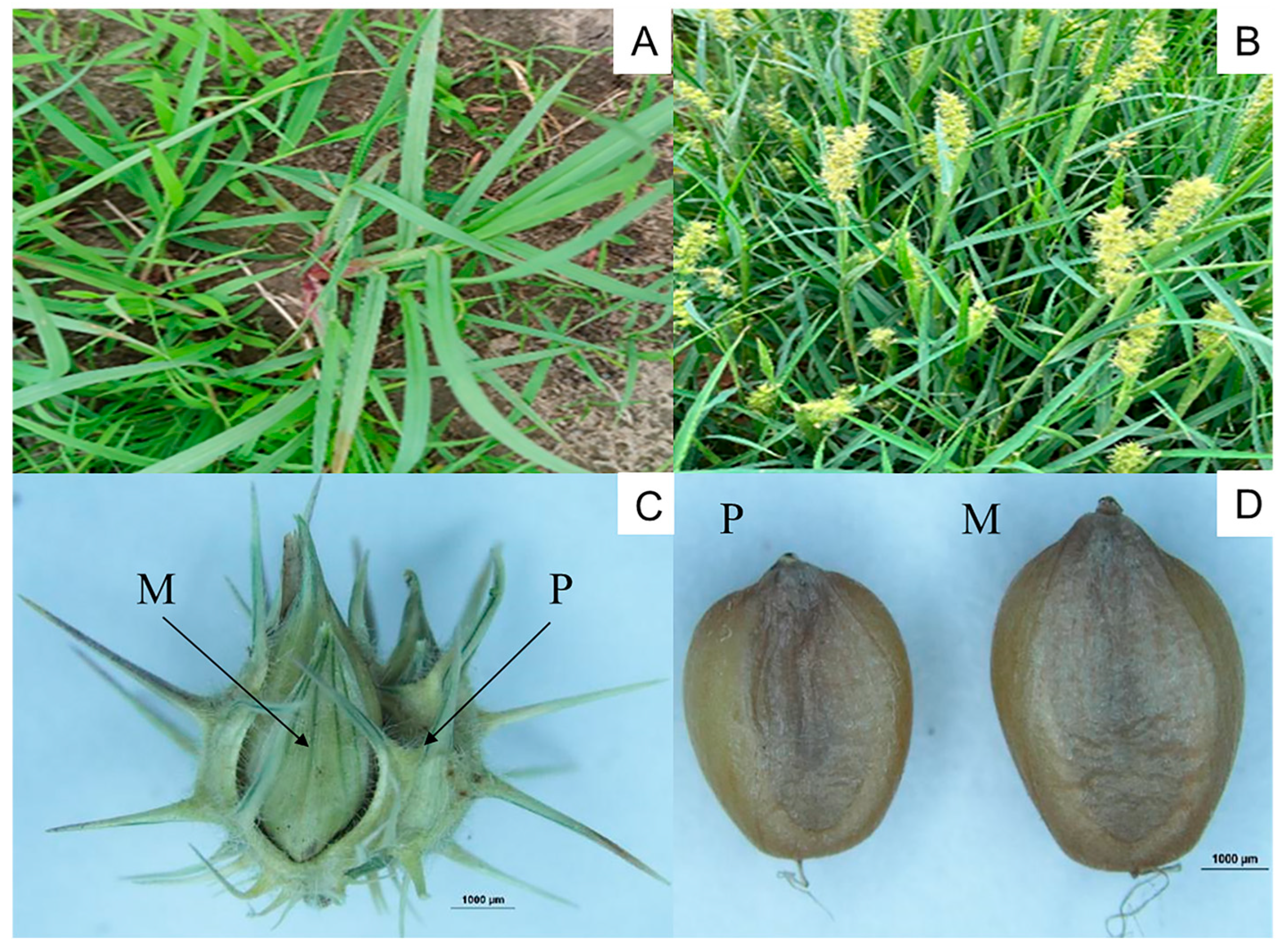
Figure 1. (A) Seedling stage and (B) fruiting stage of C. longispinus, (C) burs, and (D) seeds of C. longispinus.
Agronomy 15 02789 g001
Figure 2. (A) Drying, (B) imbibition, (C) exposure, and (D) sprouting of M-type seeds of C. longispinus.
Agronomy 15 02789 g002
Figure 3. Correlations and principal component analysis of biological duplicates of the samples. (A) Correlation heatmap displaying Pearson correlation coefficients among all samples. Biological replicates are expected to show high correlation (dark red). (B) PCA score plot based on gene expression profiles. DM, IM, EM, and SM represent the seed samples of Cenchrus longispinus (M-type) at the Dry, Imbibed, Emerged, and Sprouting stages, respectively, with each sample including three biological replicates.
Agronomy 15 02789 g003
Figure 4. Gene expression during the different germination stages of C. longispinus M-type seeds. (A) Number of upregulated (red) and downregulated (blue) DEGs between consecutive germination stages; (B) Venn diagram showing overlapping DEGs. All differentially expressed genes occurred in different differential combinations; n denotes the number of DEGs included in each subset.
Agronomy 15 02789 g004
Figure 5. GO enrichment analysis of DEGs during seed germination. The red dots represent pathways with statistical significance (p < 0.05), and the size of the dot indicates the number of enriched genes, with larger dots representing a greater number.
Agronomy 15 02789 g005
Figure 6. KEGG enrichment analysis of DEGs during seed germination. The red dots represent pathways with statistical significance (p < 0.05), and the size of the dot indicates the number of enriched genes, with larger dots representing a greater number.
Agronomy 15 02789 g006
Figure 7. Differentially expressed genes related to hormonal metabolic pathways in the four germination stages of C. longispinus M-type seeds. (A) Schematic of ABA and GA biosynthesis, metabolism, and signaling pathways; (B) DEGs involved in ABA signaling at different seed germination stages; (C) DEGs involved in GA signaling at different seed germination stages.
Agronomy 15 02789 g007
Figure 8. Differentially expressed genes related to the starch and sucrose metabolism pathways in the four germination stages of C. longispinus M-type seeds.
Agronomy 15 02789 g008
Figure 9. Analysis of the correlation between RNA-seq and RT-qPCR expression levels Gray bars represent RT-qPCR results (left y-axis), and black bars represent RNA-seq FPKM values. r: Pearson correlation coefficient.
Agronomy 15 02789 g009aAgronomy 15 02789 g009b
Table 1. Primers used for RT-qPCR amplification.
Gene NameGene IDPrimer Sequence
GH311Cluster-73386.4F: 5′-AATAGCGTCACTCGTGCCAA-3′R: 5′-CGCGTCAATAGGTGTTGCAT-3′
G6PD2Cluster77460.1F: 5′-TGCGTTCCATGAAGCCGTTG-3′R: 5′-ACTATCCTTGGGAACTGTCTGG-3′
MCU2Cluster-73819.0F: 5′-GCAGAAGGCAGACATCGACC-3′R: 5′-GTAGCCGGCCATGAAGTACA-3′
PLAT1Cluster-77858.1F: 5′-GGAGGACAAGTGCGTGTACA-3′R: 5′-TGAAGATGTCGAGGTTGCCC-3′
PMA1Cluster-56206.2F: 5′- CCGGTGTATTGATCGTCCTTGT-3′R: 5′-AGGTACACGGCAGAGGCTA-3′
PHSLCluster-65501.3F: 5′-ATCCTCAACACAGCTGGCTC-3′R: 5′-AGGAAAGGATGACAGGCTTGA-3′
EF1F (Reference)LOC_Os03g08010F: 5′-GTGCTCATTGGCCATGTCGAC-3′R: 5′-CCTTGTACCAGTCAAGGTTGG-3′
Table 2. Quality of the transcriptome data from C. longispinus M-type seeds.
SampleClean ReadsClean Bases (Gb)Q30 (%)GC Content (%)
DM0157,427,2748.6193.9960.92
DM0267,936,67810.1994.5959.44
DM0359,877,8428.9894.5259.83
IM0167,624,92810.1494.8354.68
IM0260,568,3709.0994.8555.39
IM0351,387,0847.7195.0155.3
EM0151,180,0727.6896.1354.5
EM0276,538,25411.4893.3955.74
EM0357,874,4968.6895.0156.05
SM0154,008,9108.194.4856.08
SM0257,269,0488.5994.4156.72
SM0358,710,9648.8194.655.97
Disclaimer/Publisher’s Note: The statements, opinions and data contained in all publications are solely those of the individual author(s) and contributor(s) and not of MDPI and/or the editor(s). MDPI and/or the editor(s) disclaim responsibility for any injury to people or property resulting from any ideas, methods, instructions or products referred to in the content.