Article

Genome-Wide Identification and Characterization of the PPPDE Gene Family in Rice


1
China National Center for Rice Improvement, State Key Laboratory of Rice Biology and Breeding, Zhejiang Key Laboratory of Super-Rice, China National Rice Research Institute, Hangzhou 311401, China
2
Northern Rice Center, China National Rice Research Institute, Shuangyashan 155600, China
3
National Nanfan Research Institute, Chinese Academy of Agricultural Sciences, Sanya 572025, China
*
Author to whom correspondence should be addressed.
These authors contributed equally to this work.
Agronomy 2024, 14(5), 1035; https://doi.org/10.3390/agronomy14051035

Submission received: 13 March 2024 / Revised: 26 April 2024 / Accepted: 2 May 2024 / Published: 13 May 2024
(This article belongs to the Special Issue Innovative Research on Rice Breeding and Genetics)

Abstract

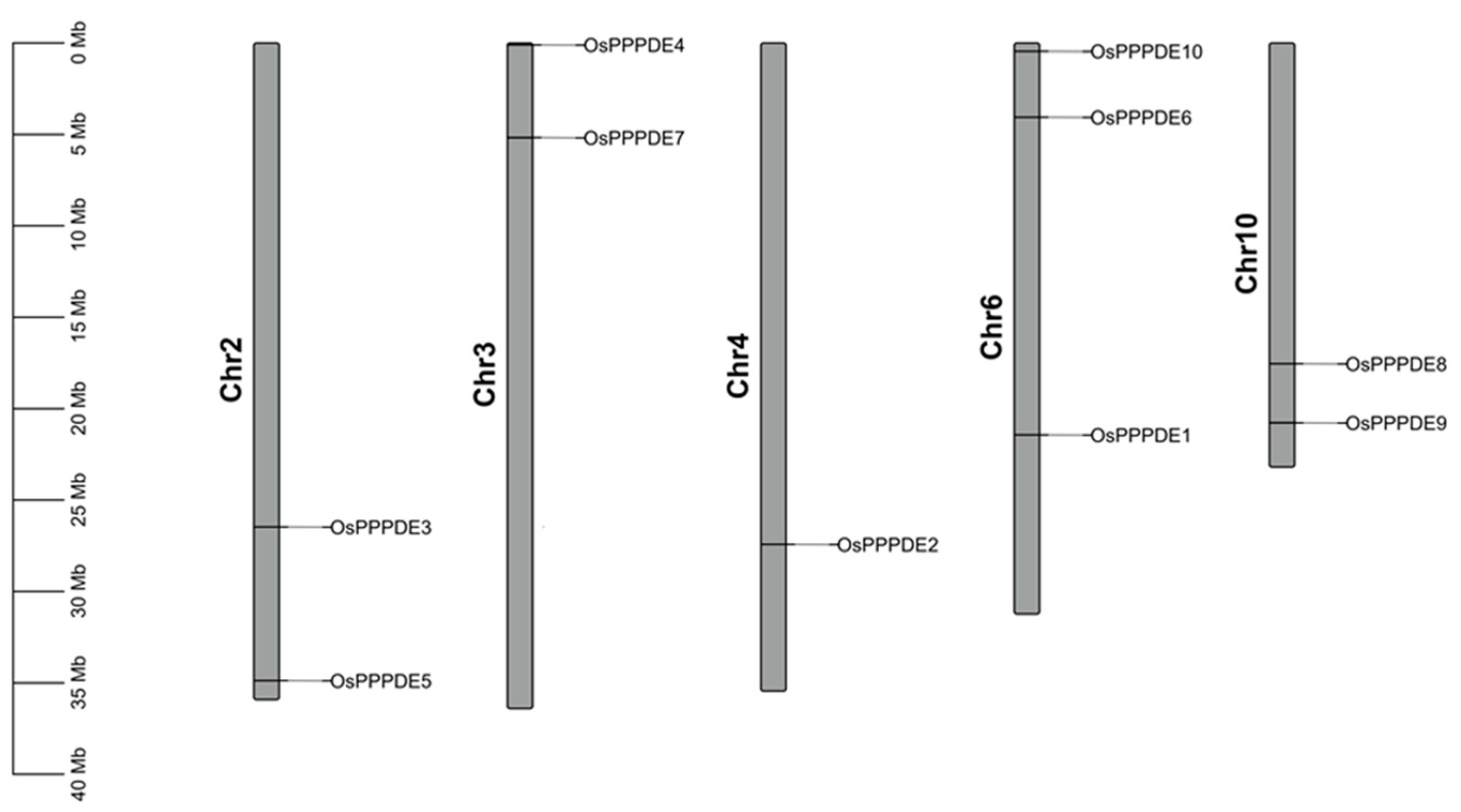
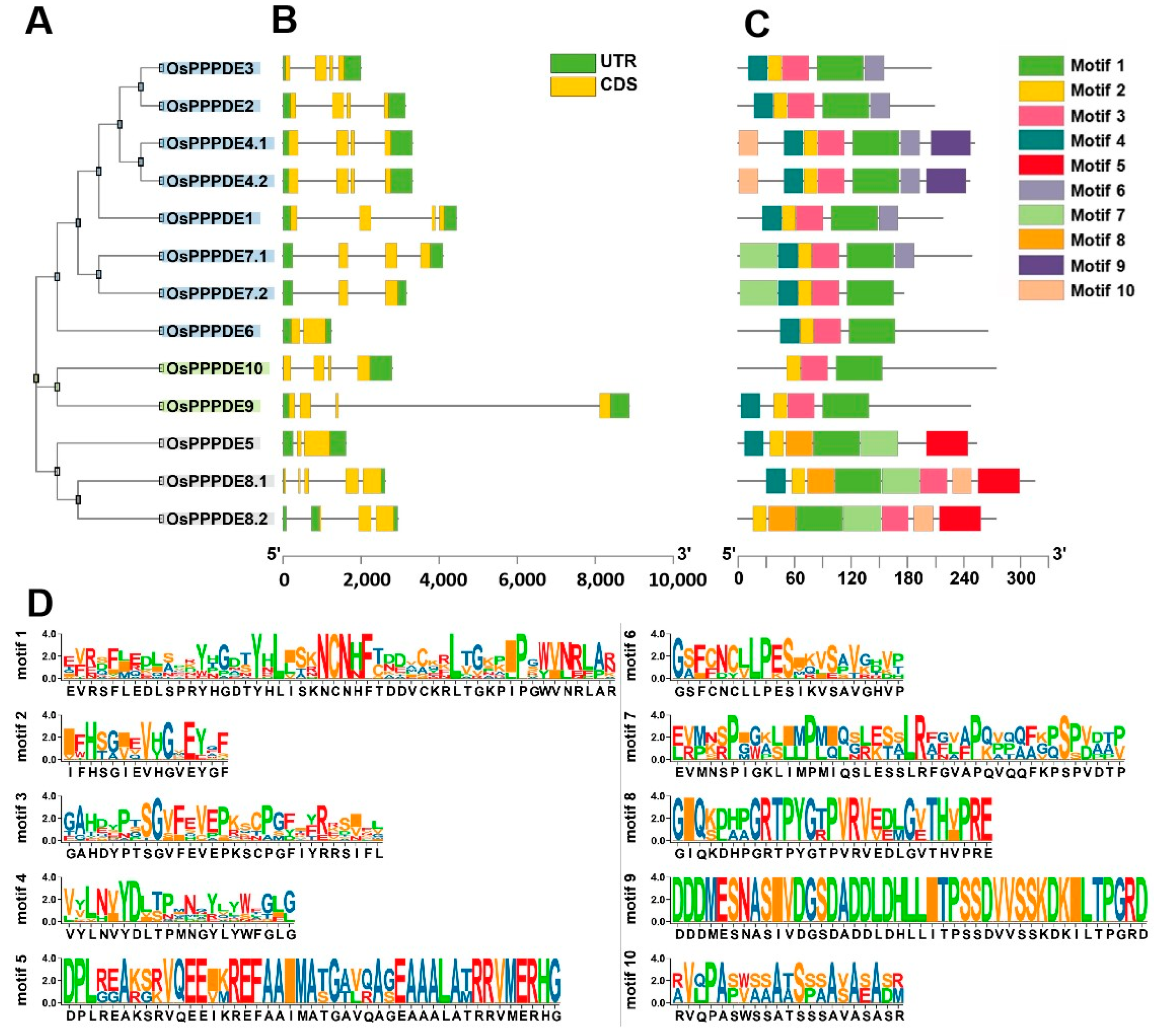
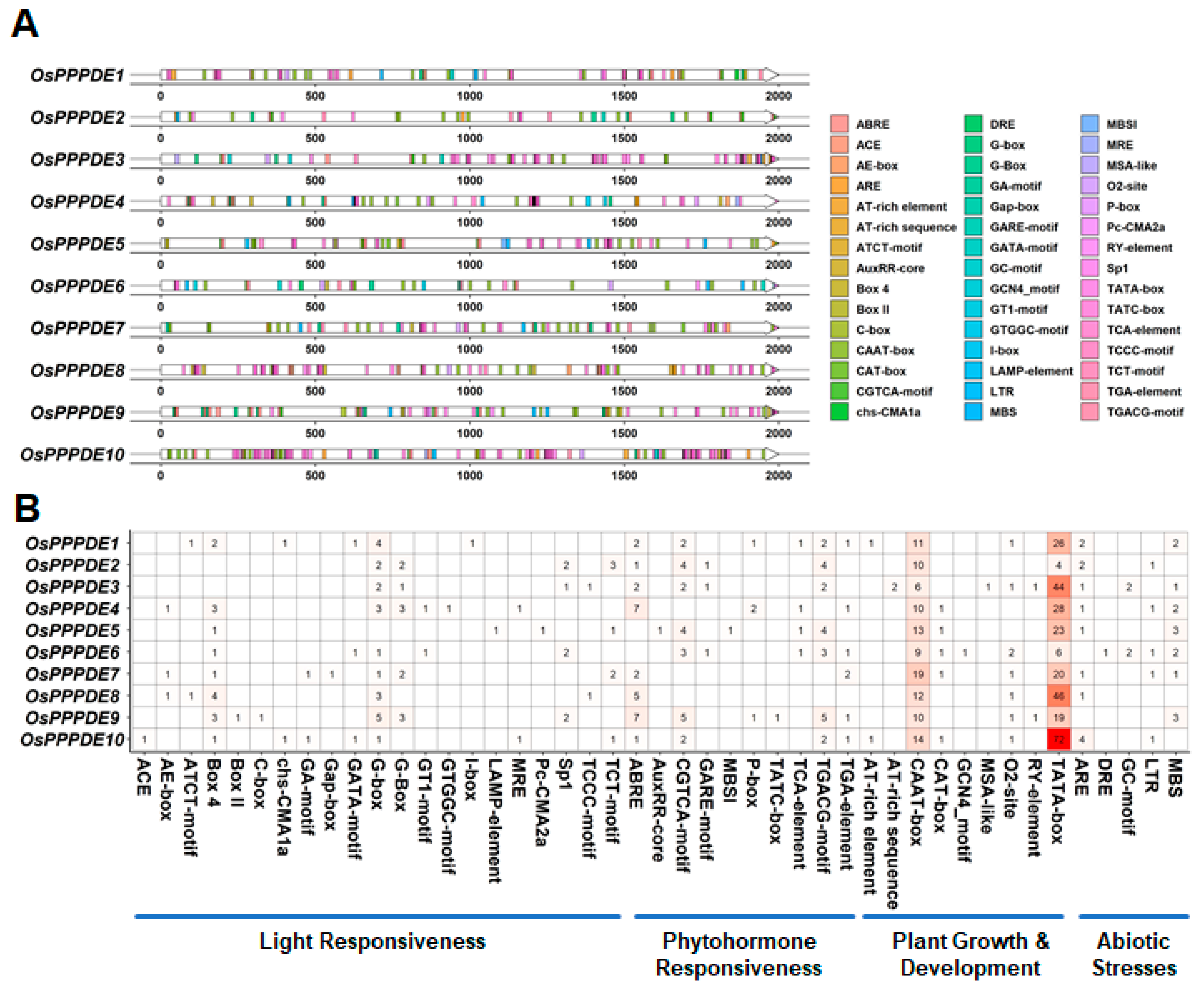
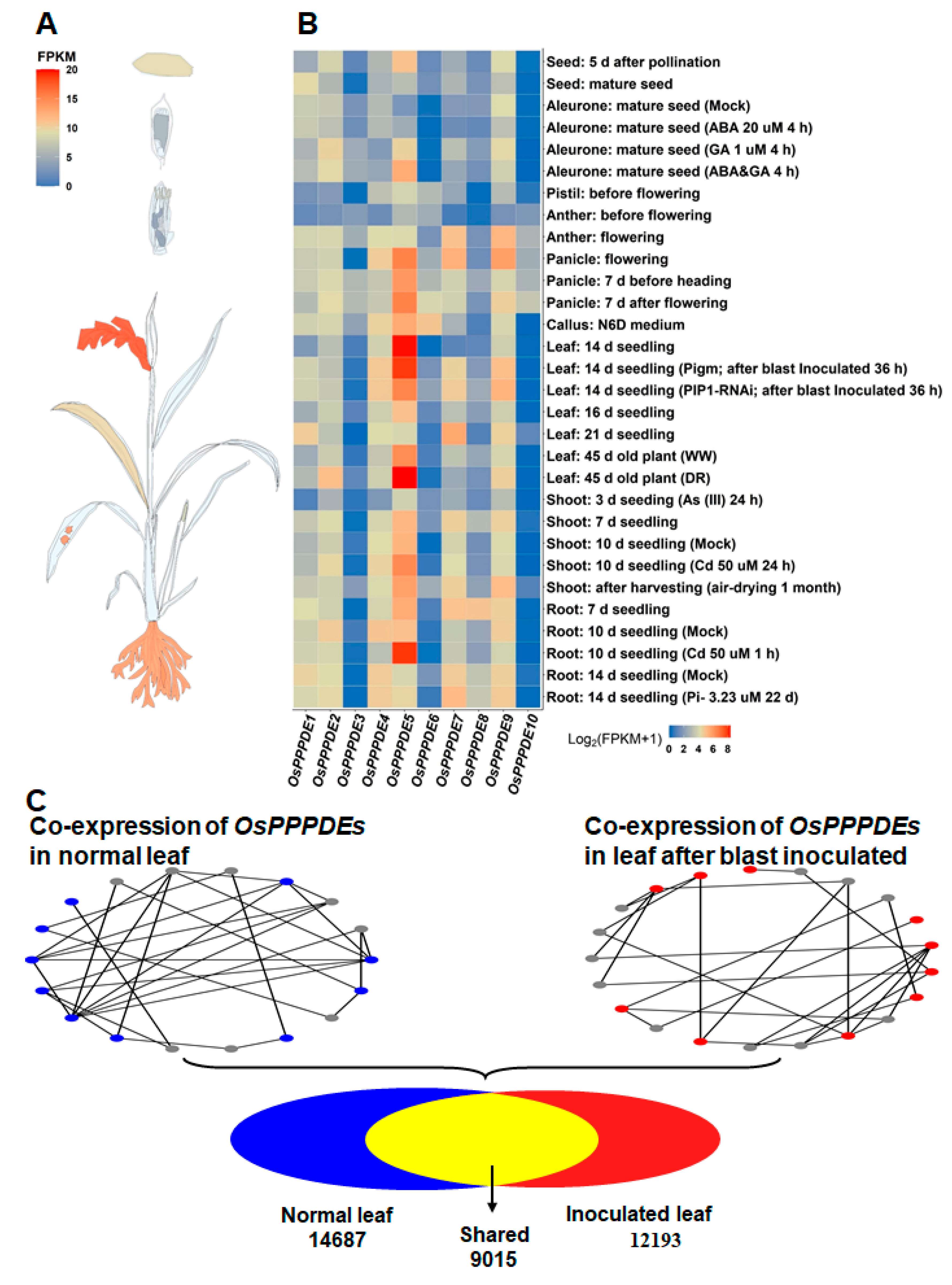
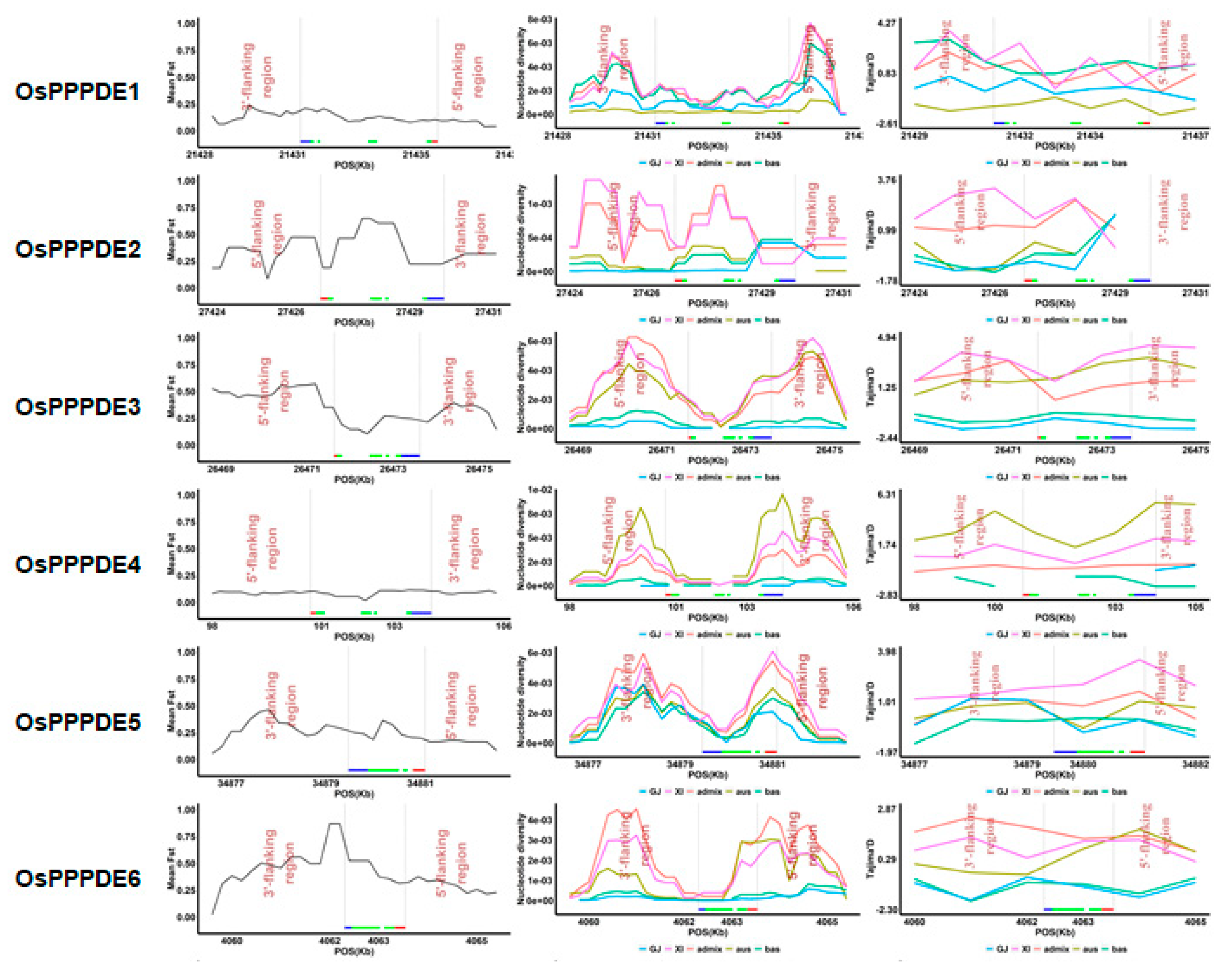
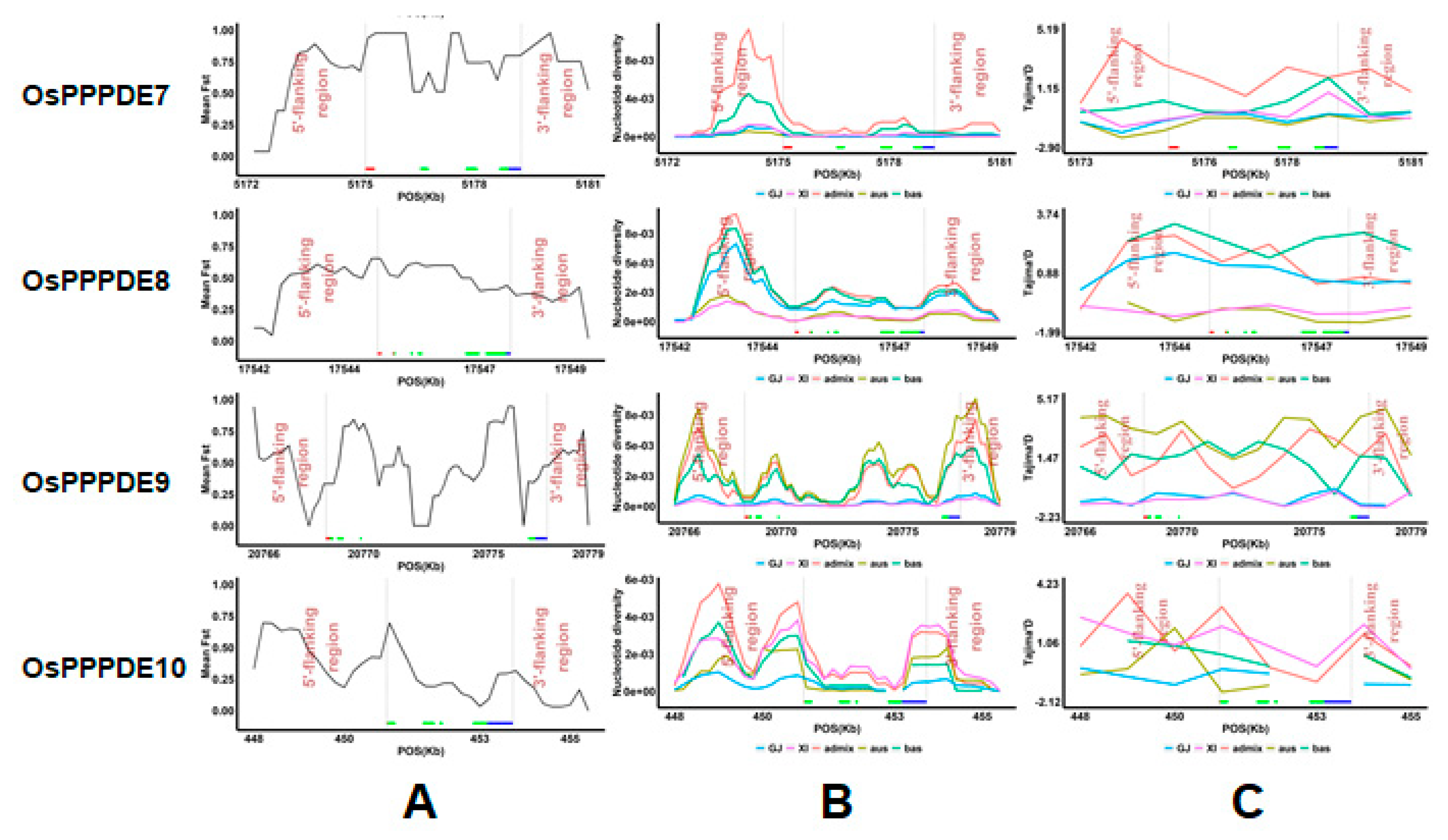
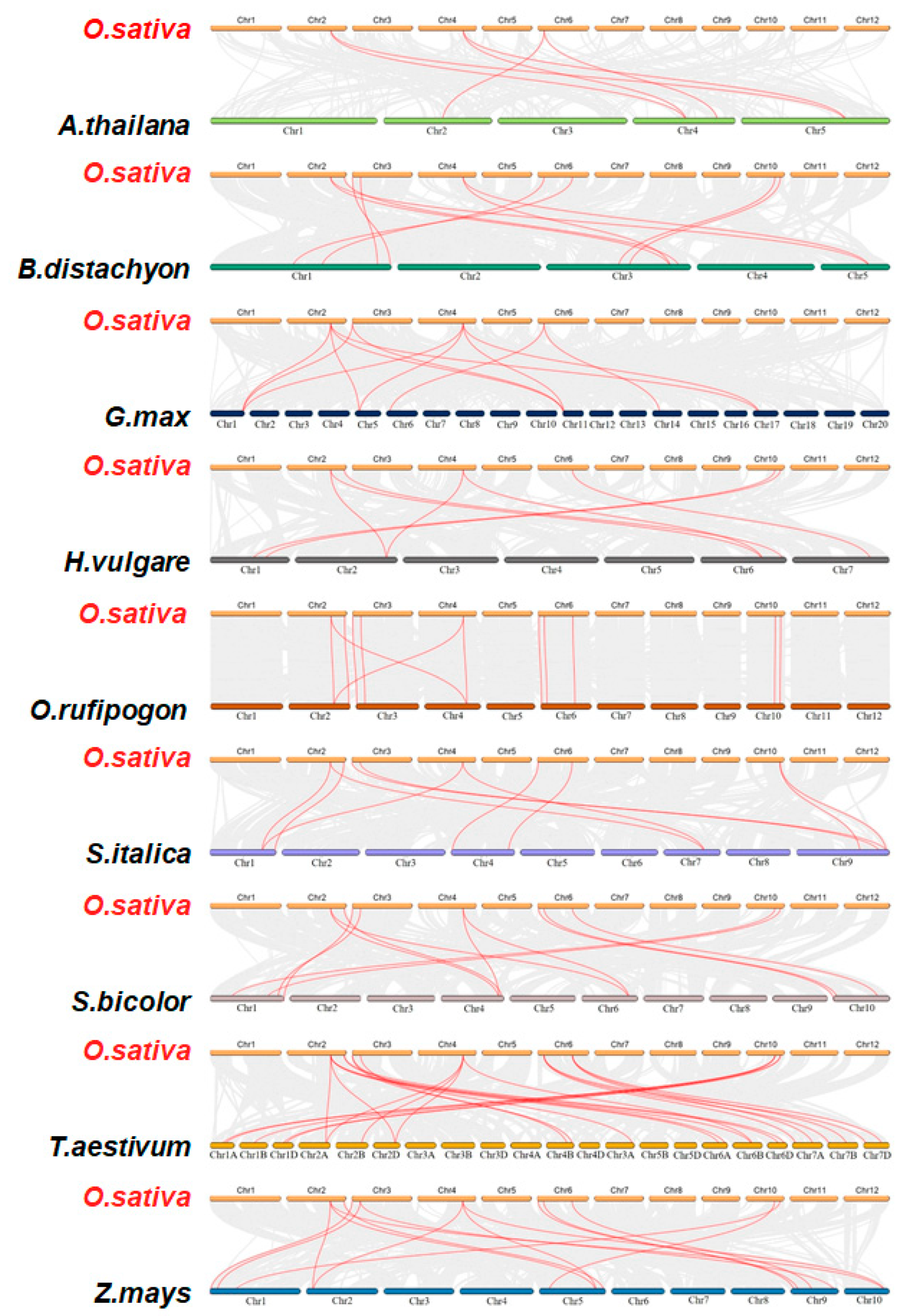
Protein ubiquitination is common and crucial in cellular functions, however, little is known about how deubiquitinating enzymes (DUBs) reverse regulate the ubiquitination signaling process. PPPDE family proteins are a novel class of deubiquitinating peptidases with demonstrated deubiquitination/deSUMOylating activities. In this study, we identified 10 PPPDE genes from the rice (Oryza sativa L.) genome unevenly distributed on five chromosomes, where most of these members have not been reported to date. Based on the gene structure, the OsPPPDE family consists of three distinct subgroups within the phylogenetic tree. Cis-element analysis identified light/phytohormone-responsive, development, and abiotic stress-related elements in the promoters of OsPPPDE. Furthermore, we conducted and analyzed the transcript abundance of OsPPPDE under various tissues and stresses using the transcriptome data of 352 samples from the Rice Expression Database and GEO datasets. Moreover, OsPPPDE5 showed differential regulation of its transcript abundance during Cd and drought stress. Collinearity and syntenic analysis of 101 PPPDEs and PPPDE-like proteins in 10 plant genomes indicated that this family is evolutionarily conserved. Domestication analysis suggests that OsPPPDEs may contribute to indica–japonica divergence using the data from the 3K Rice Genome Project. Our study provides a foundation for further study on the function and molecular mechanism of the OsPPPDE gene family.
Keywords: PPPDE gene family; rice; phylogenetic analysis; domestication; stress response PPPDE gene family; rice; phylogenetic analysis; domestication; stress response