Article

Optimizing Training Population Size and Content to Improve Prediction Accuracy of FHB-Related Traits in Wheat


1
Department of Agronomy and Plant Genetics, University of Minnesota, 411 Borlaug Hall, 1991 Upper Buford Circle, St. Paul, MN 55108, USA
2
Department of Plant Pathology, University of Minnesota, 495 Borlaug Hall, 1991 Upper Buford Circle, St. Paul, MN 55108, USA
*
Author to whom correspondence should be addressed.
Agronomy 2020, 10(4), 543; https://doi.org/10.3390/agronomy10040543

Submission received: 10 March 2020 / Revised: 3 April 2020 / Accepted: 6 April 2020 / Published: 9 April 2020
(This article belongs to the Special Issue Breeding Healthy Cereals: Genetic Improvement of Fusarium Resistance)

Abstract

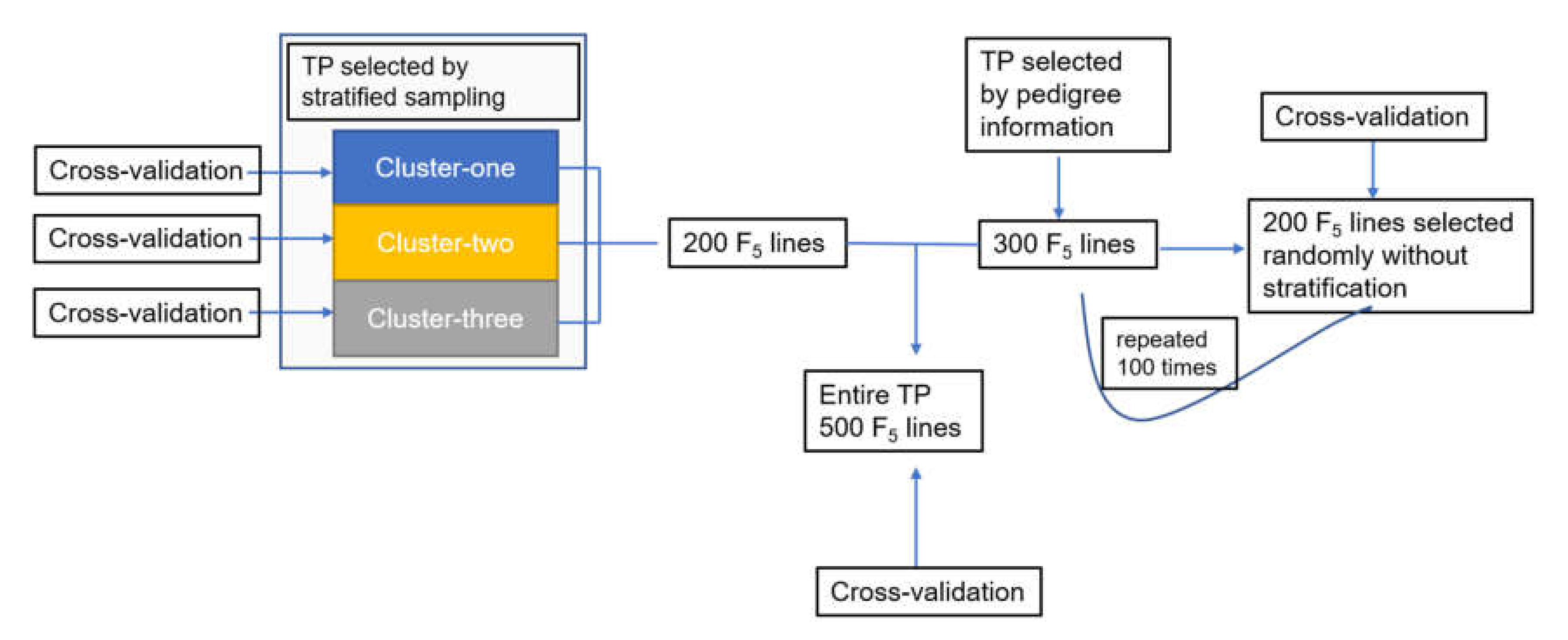
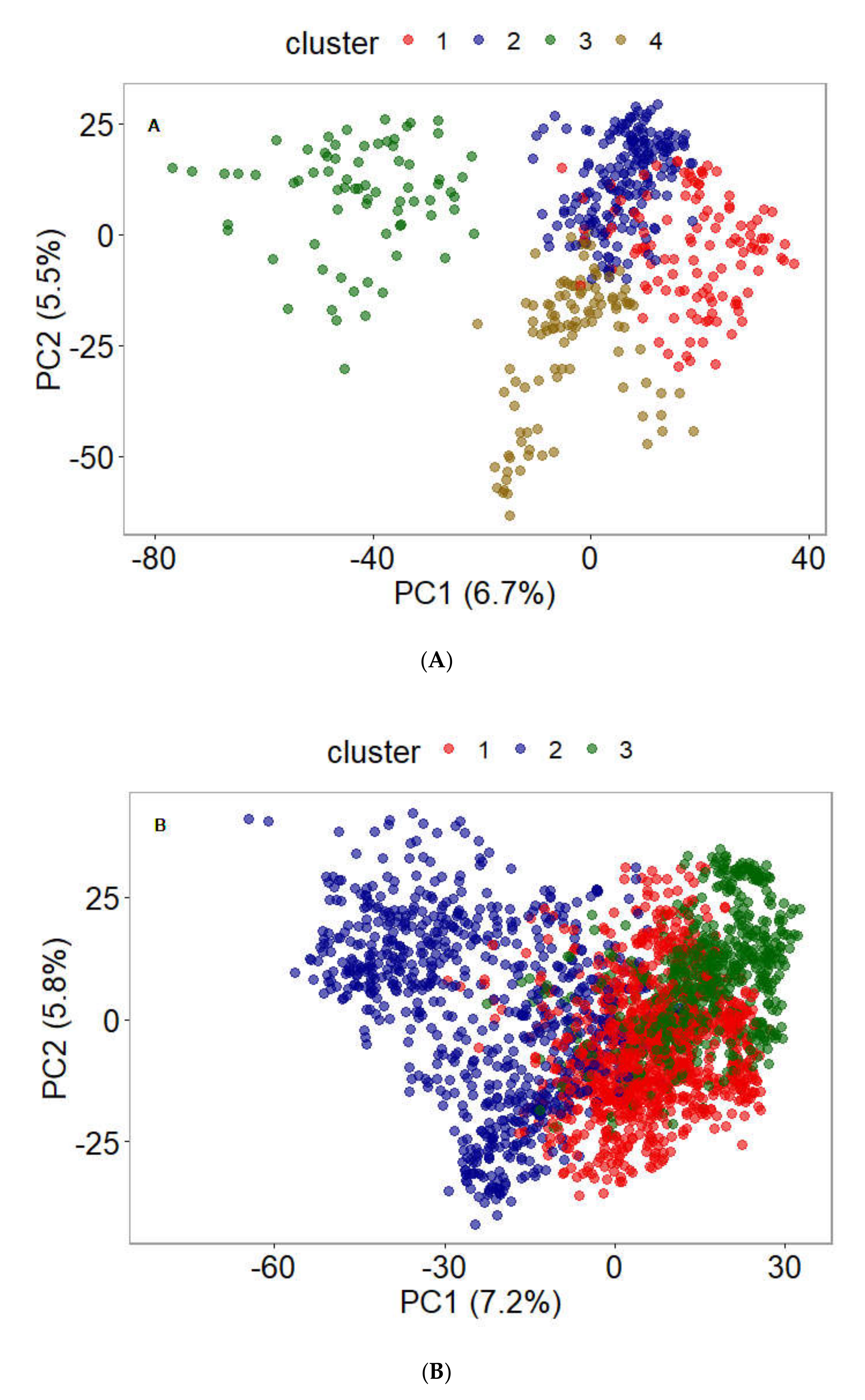
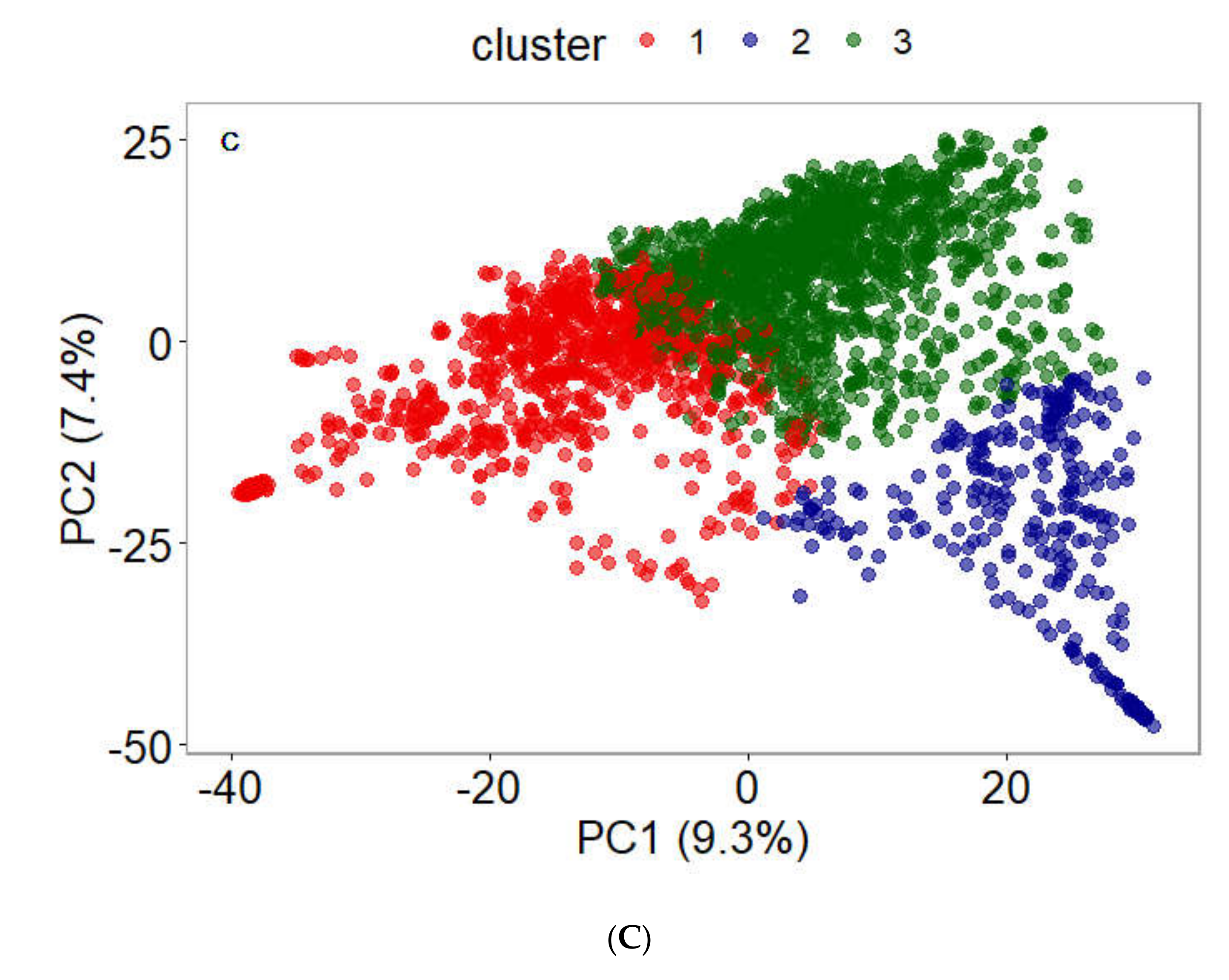
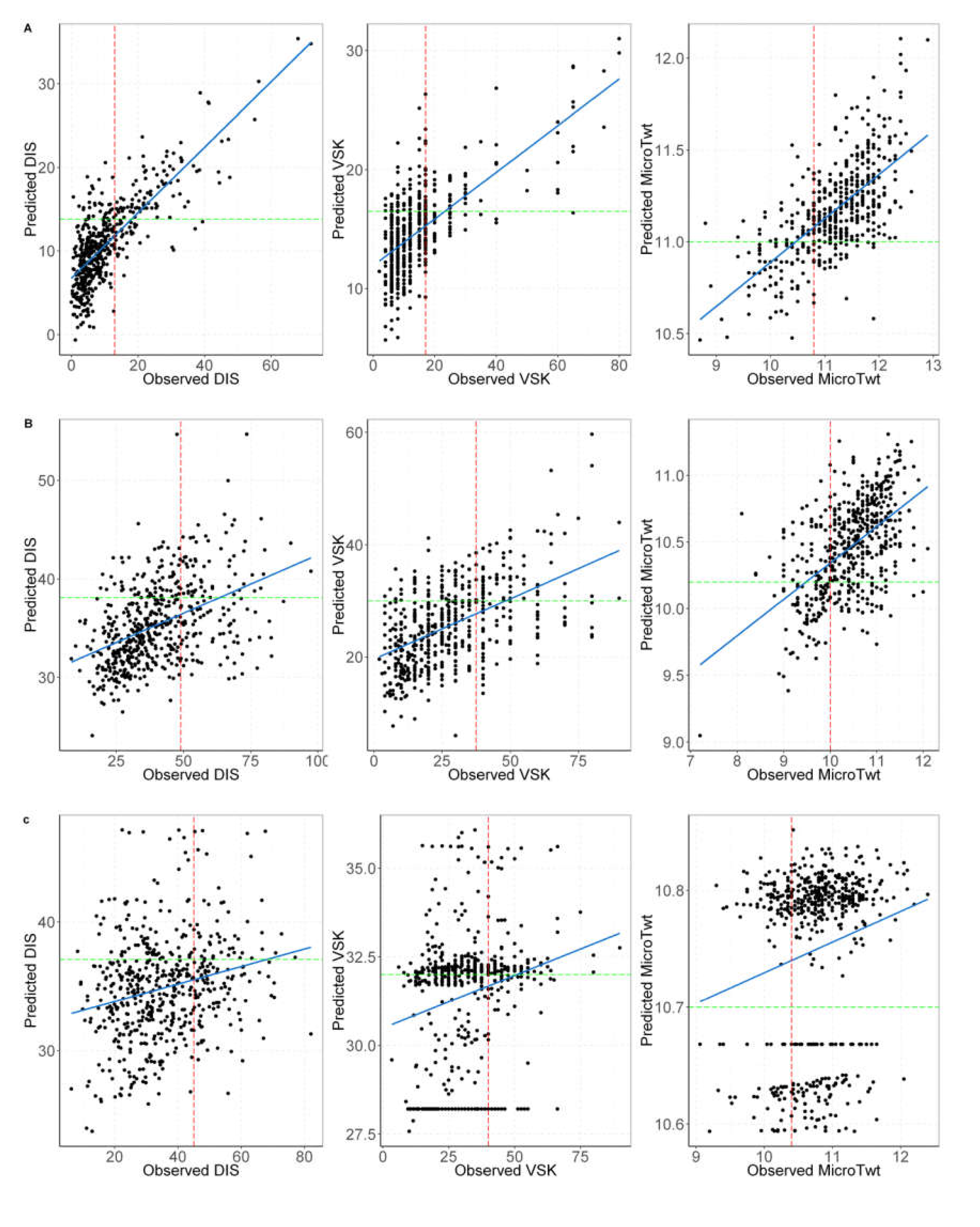
Genomic selection combines phenotypic and molecular marker data from a training population to predict the genotypic values of untested lines. It can improve breeding efficiency as large pools of untested lines can be evaluated for selection. Training population (TP) composition is one of the most important factors affecting the accuracy of genomic prediction. The University of Minnesota wheat breeding program implements genomic selection at the F5 stage for Fusarium head blight (FHB) resistance. This study used field data for FHB resistance in wheat (Triticum aestivum L.) to investigate the use of small-size TPs designed with and without stratified sampling for three FHB traits in three different F5 populations (TP17, TP18, and TP19). We also compared the accuracies of these two TP design methods with the accuracy obtained from a large size TP. Lastly, we evaluated the impact on trait predictions when the parents of F5 lines were included in the TP. We found that the small size TP selected randomly, without stratification, had the lowest predictive ability across the three F5 populations and across the three traits. This trend was statistically significant (p = 0.05) for all three traits in TP17 and two traits in TP18. Designing a small-size TP by stratified sampling led to a higher accuracy than a large-size TP in most traits across TP18 and TP19; this is because stratified sampling allowed the selection of a small set of closely related lines. We also observed that the addition of parental lines to the TP and evaluating the TP in two replications led to an increase in predictive abilities in most cases.
Keywords: Fusarium head blight; genomic selection; wheat; training population optimization; stratified sampling Fusarium head blight; genomic selection; wheat; training population optimization; stratified sampling