Article

Adhesives for Achieving Durable Bonds with Acetylated Wood


USDA Forest Service Forest Products Laboratory, Madison, WI 53726-2398, USA
*
Author to whom correspondence should be addressed.
Polymers 2017, 9(12), 731; https://doi.org/10.3390/polym9120731
Submission received: 30 October 2017 / Revised: 12 December 2017 / Accepted: 13 December 2017 / Published: 20 December 2017
(This article belongs to the Collection Polymeric Adhesives)

Abstract

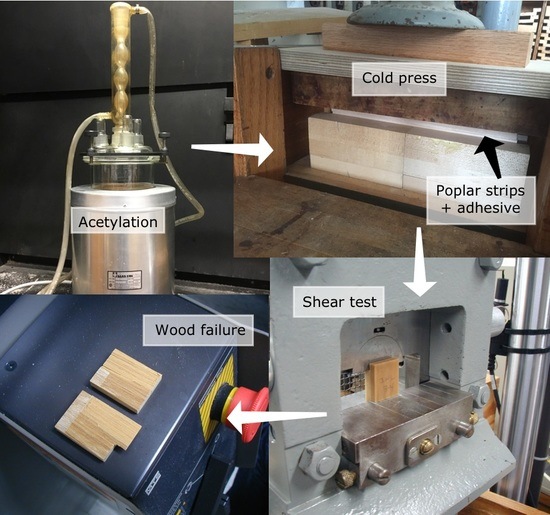
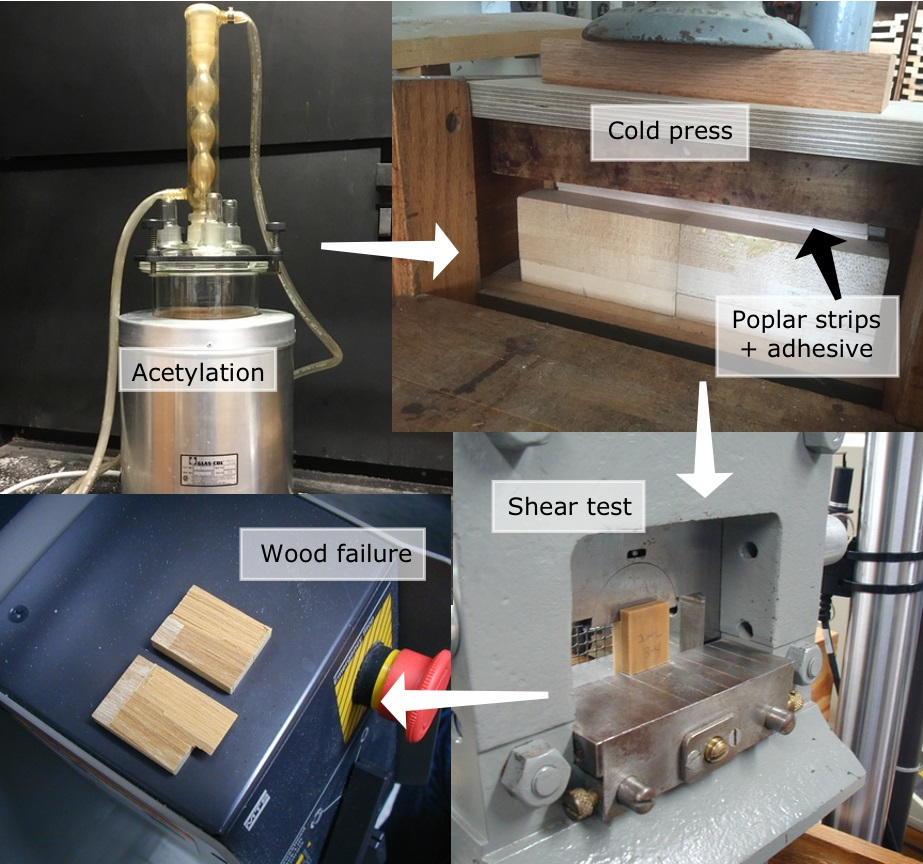
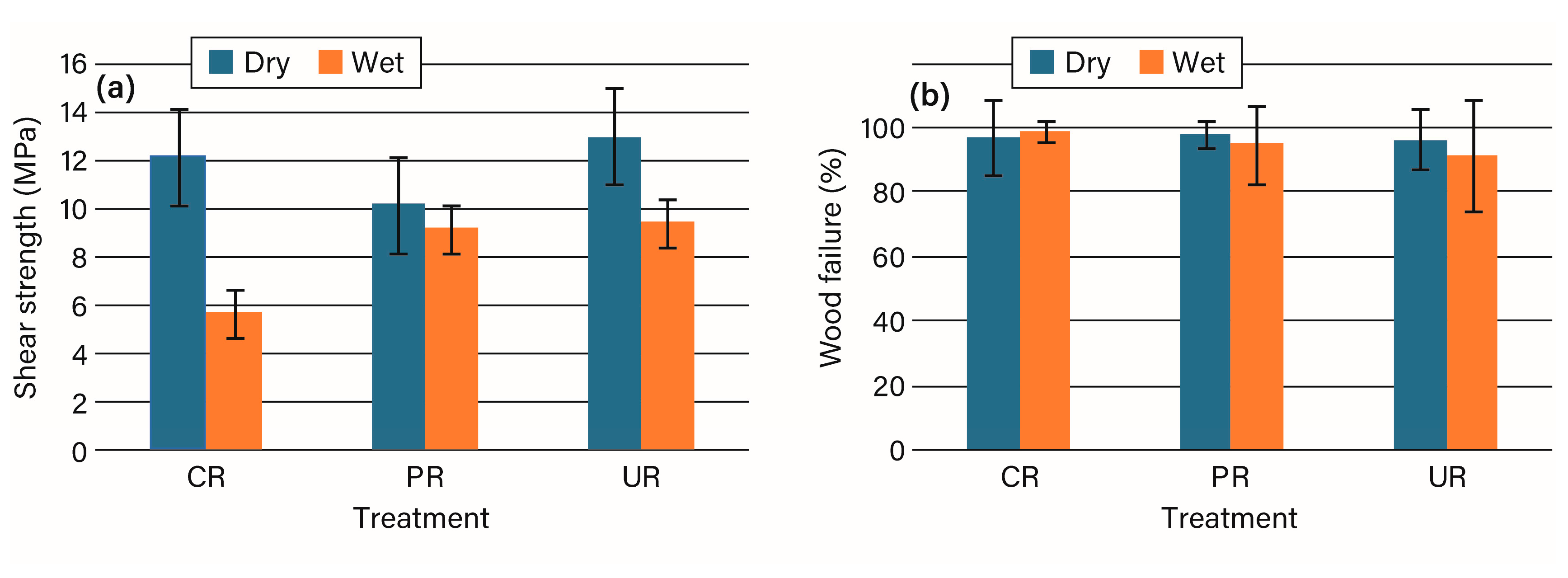
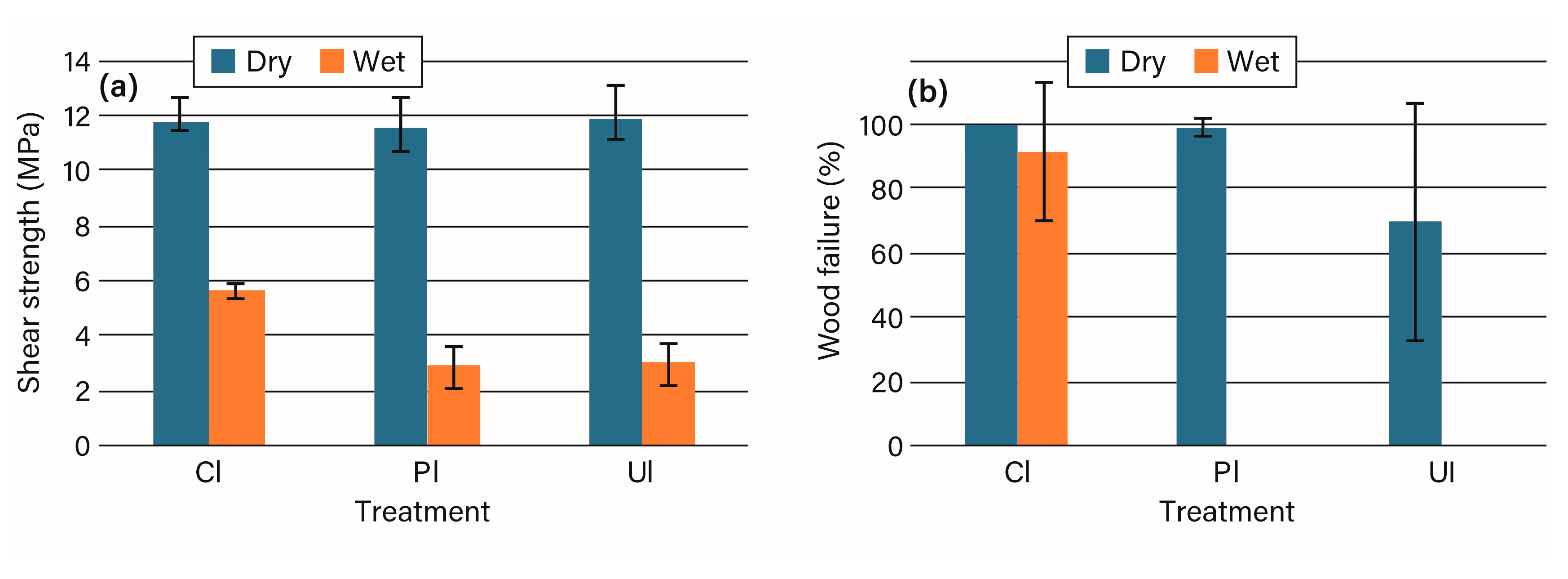
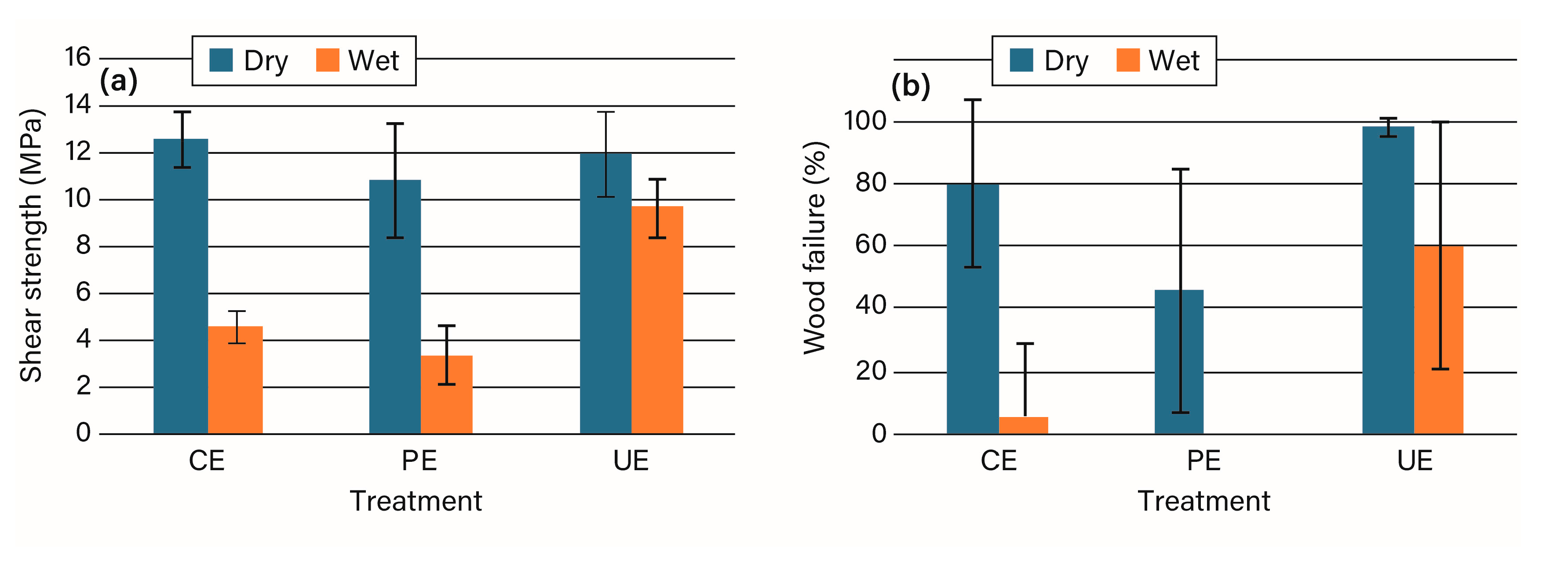
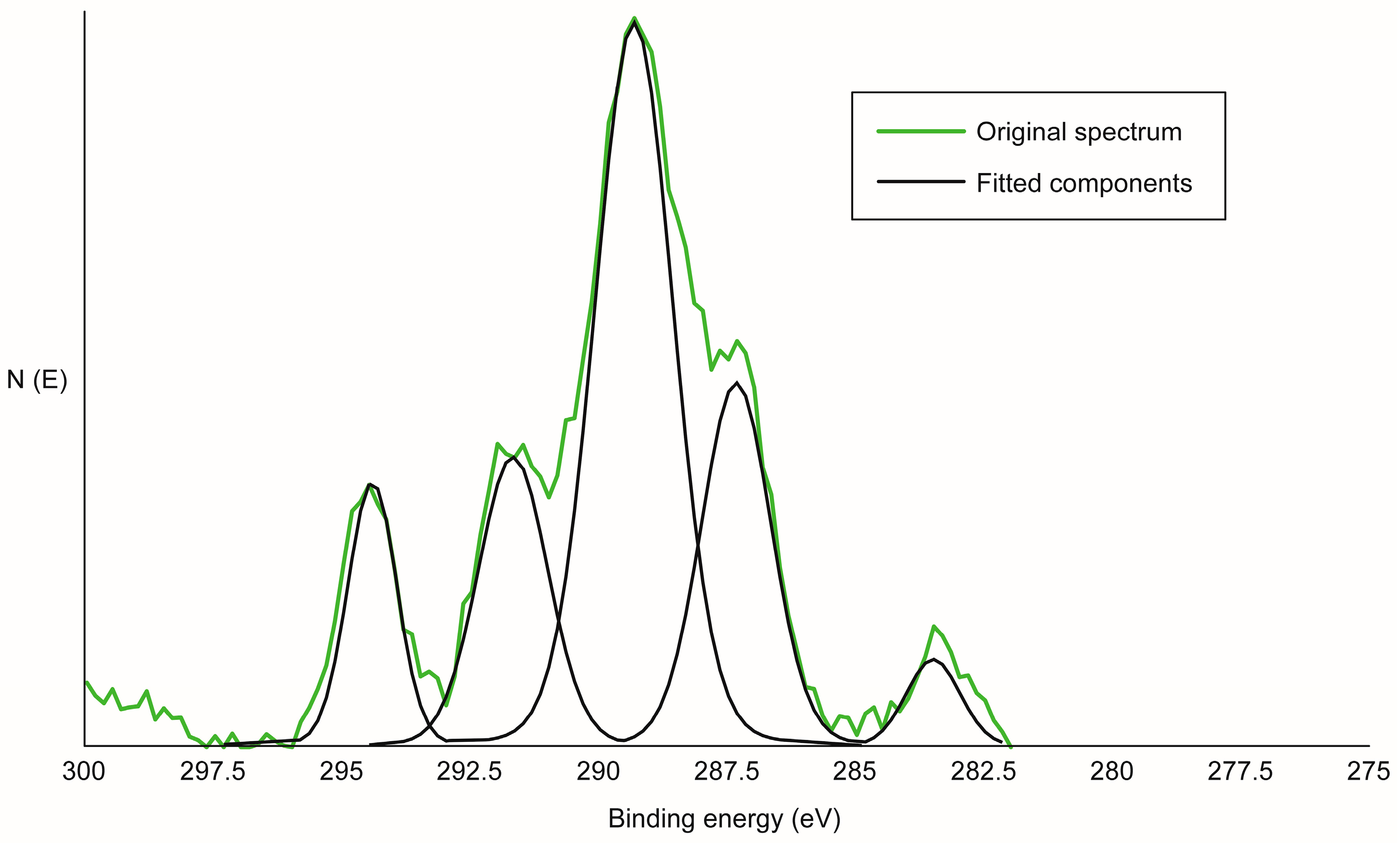
Acetylation of wood imparts moisture durability, decay resistance, and dimensional stability to wood; however, making durable adhesive bonds with acetylated wood can be more difficult than with unmodified wood. The usual explanation is that the acetylated surface has fewer hydroxyl groups, resulting in a harder-to-wet surface and in fewer hydrogen bonds between wood and adhesive. This concept was evaluated using four different adhesives (resorcinol–formaldehyde, emulsion polymer isocyanate, epoxy, and melamine–formaldehyde) with unmodified wood, acetylated wood, and acetylated wood that had been planed. Strikingly, acetylation did not hinder adhesive bonds with a waterborne resorcinol–formaldehyde adhesive that bonded equally well to both unmodified and acetylated yellow poplar. An epoxy adhesive bonded better to the acetylated wood than to the unmodified wood, in contrast to an emulsion polymer isocyanate, which gave less durable bonds to acetylated than to unmodified wood. Planing of the acetylated wood surface prior to bonding reduced bond durability for the epoxy adhesive and increased the amount of surface hydroxyl groups, as measured using X-ray photoelectron spectroscopic analysis of the trifluoroacetic anhydride-treated wood. These experiments showed that wood modification is useful in understanding wood-adhesive interactions, in addition to determining how to develop adhesives for acetylated woods.
Keywords: wood; adhesion; acetylated; planing; hydroxyls; phenolic; epoxy; isocyanate; strength; failure wood; adhesion; acetylated; planing; hydroxyls; phenolic; epoxy; isocyanate; strength; failure
Graphical Abstract