Assessing the Potential of Olive Stone Powder as a Bitumen Biopolymer Through Physical, Chemical, and Rheological Characterization

 , , ,
, , ,  and
and
Abstract
1. Introduction
2. Materials and Methods
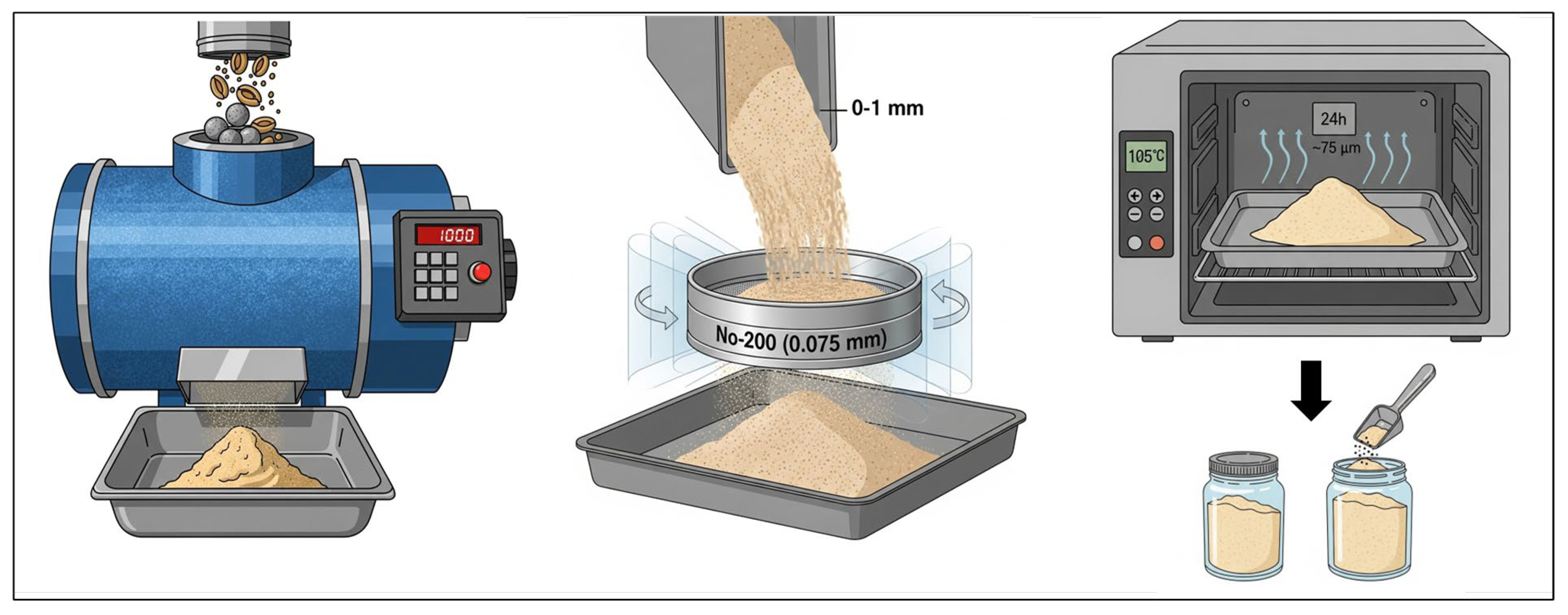
2.1. Material
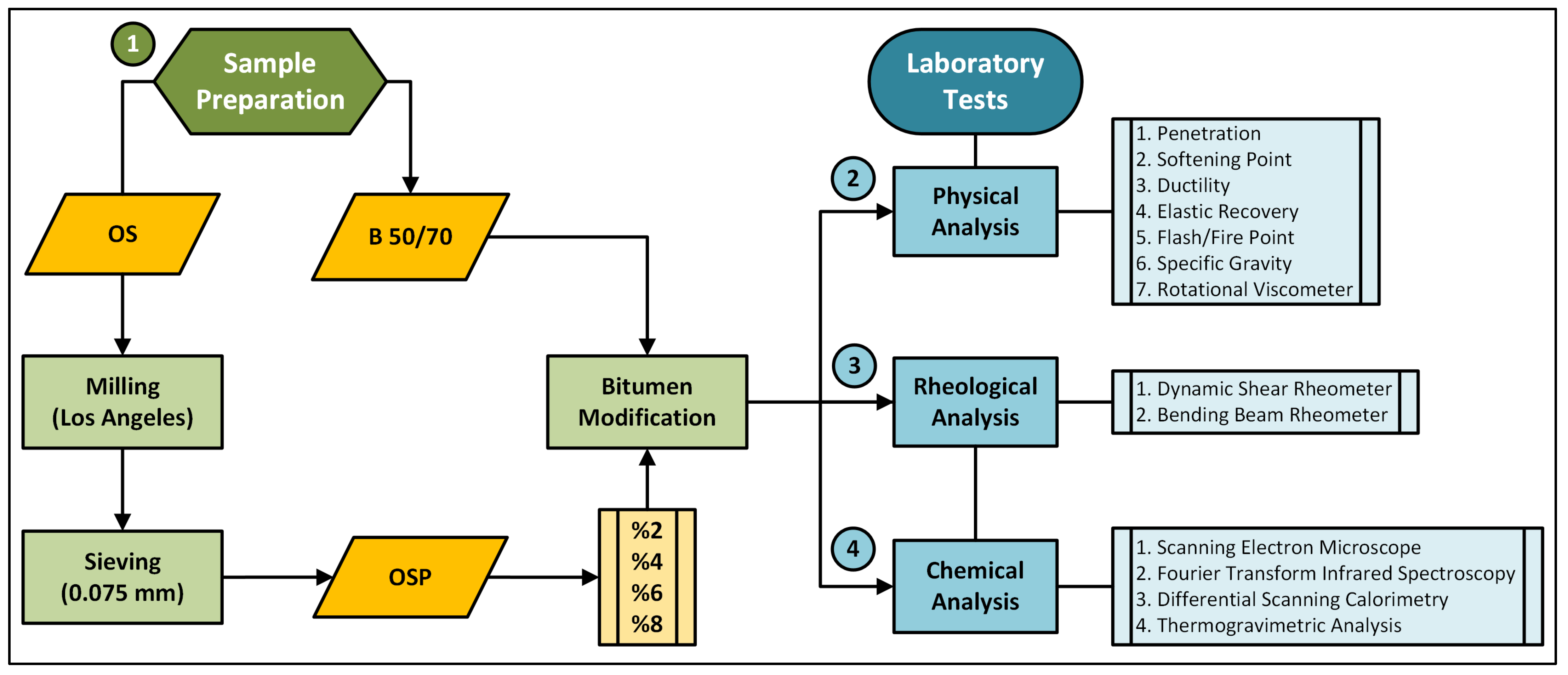
2.2. Method
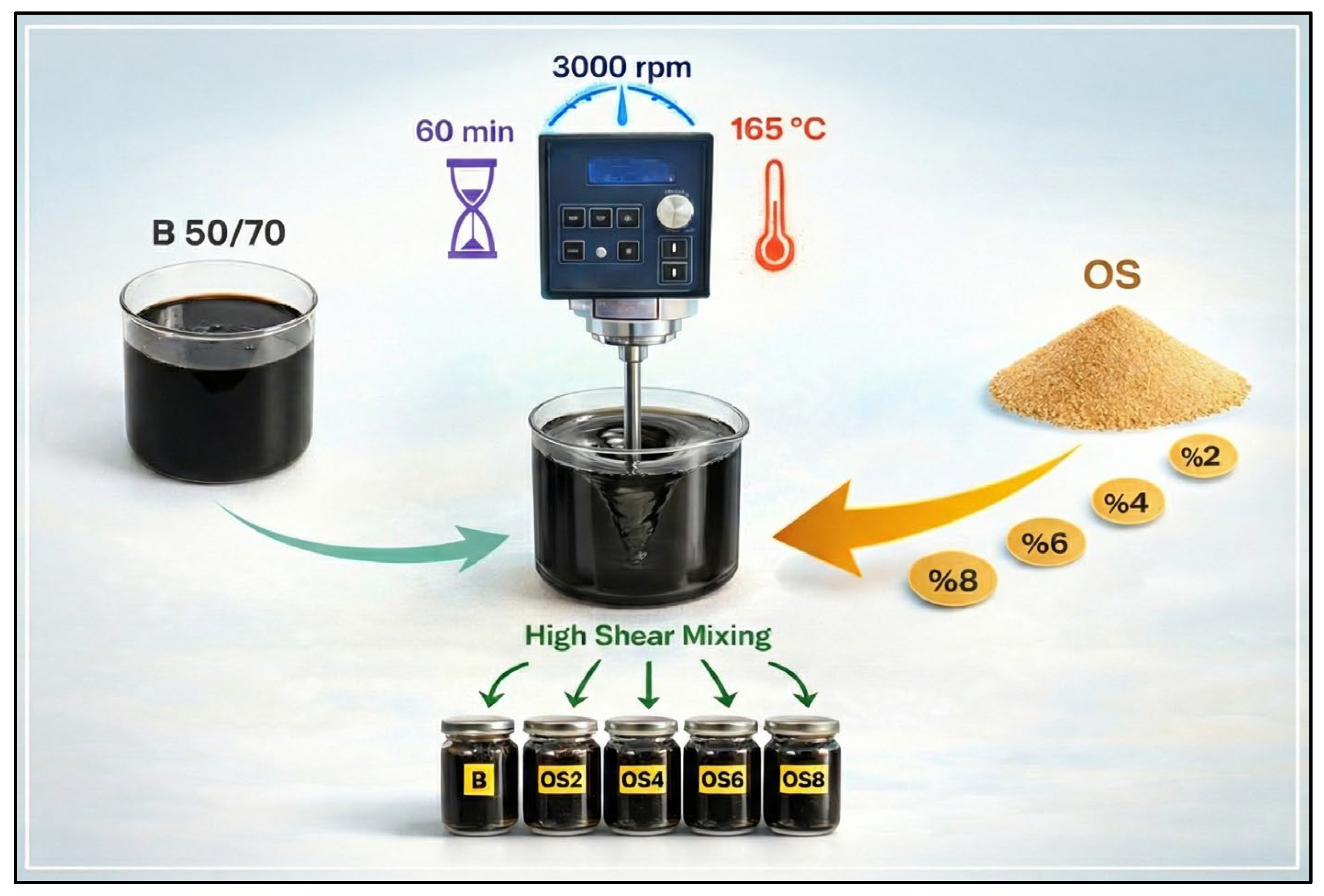
2.2.1. Bitumen Modification with OSP
2.2.2. Physical Analysis
2.2.3. Rheological Analysis
2.2.4. Chemical Analysis
3. Results
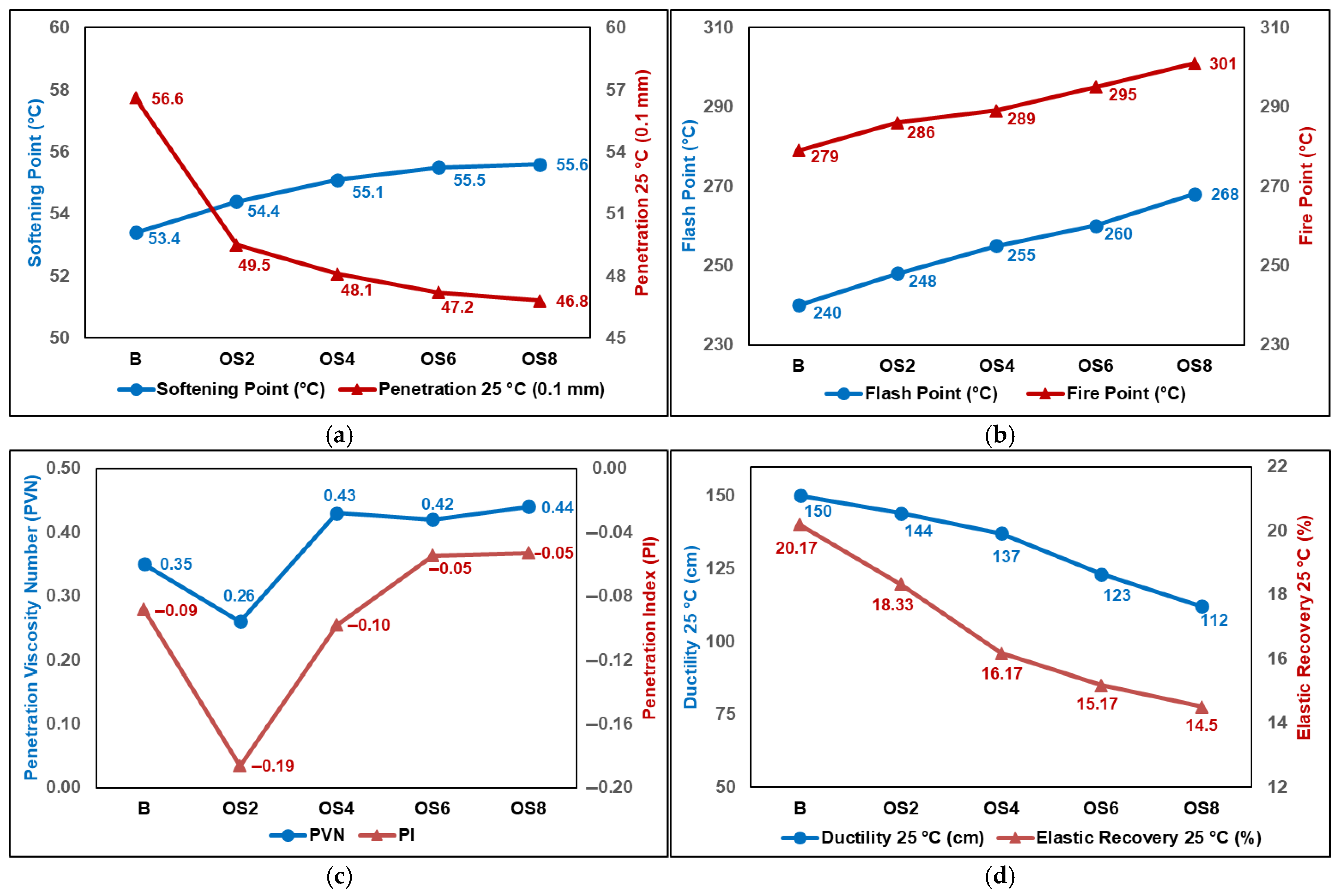
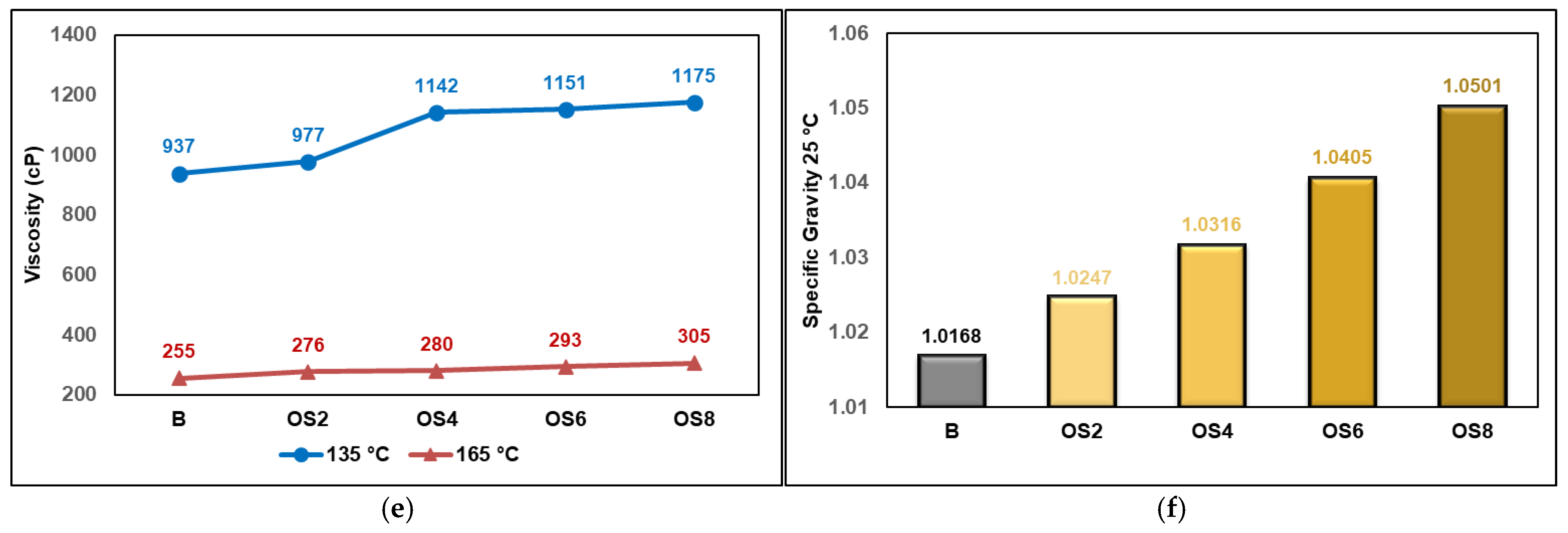
3.1. Physical Properties
- is the penetration value measured at 25 °C (0.1 mm);
- is the rotational viscosity measured at 135 °C (Pa·s);
- is the softening point temperature (°C).
3.2. Rheological Performance
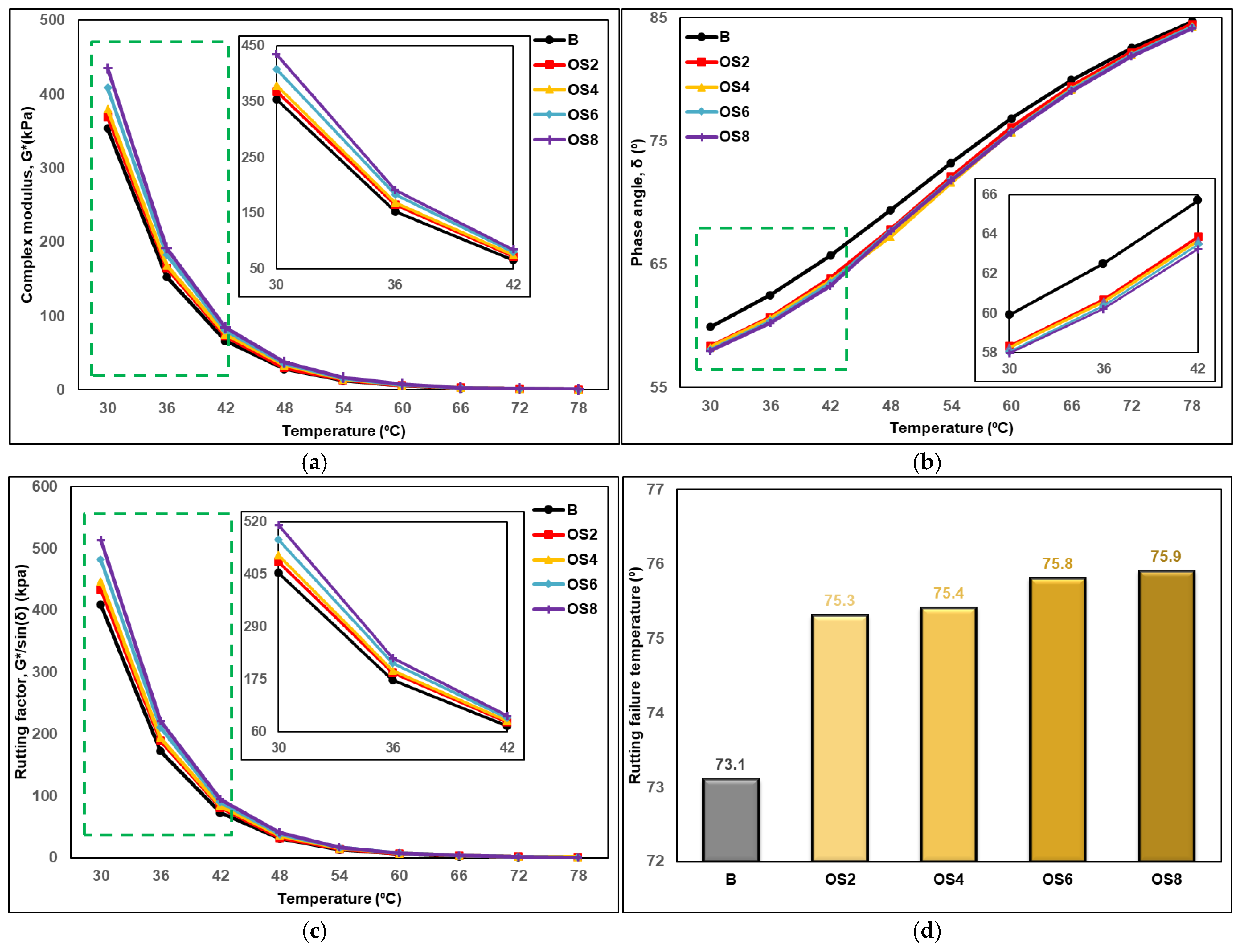
3.2.1. DSR Results
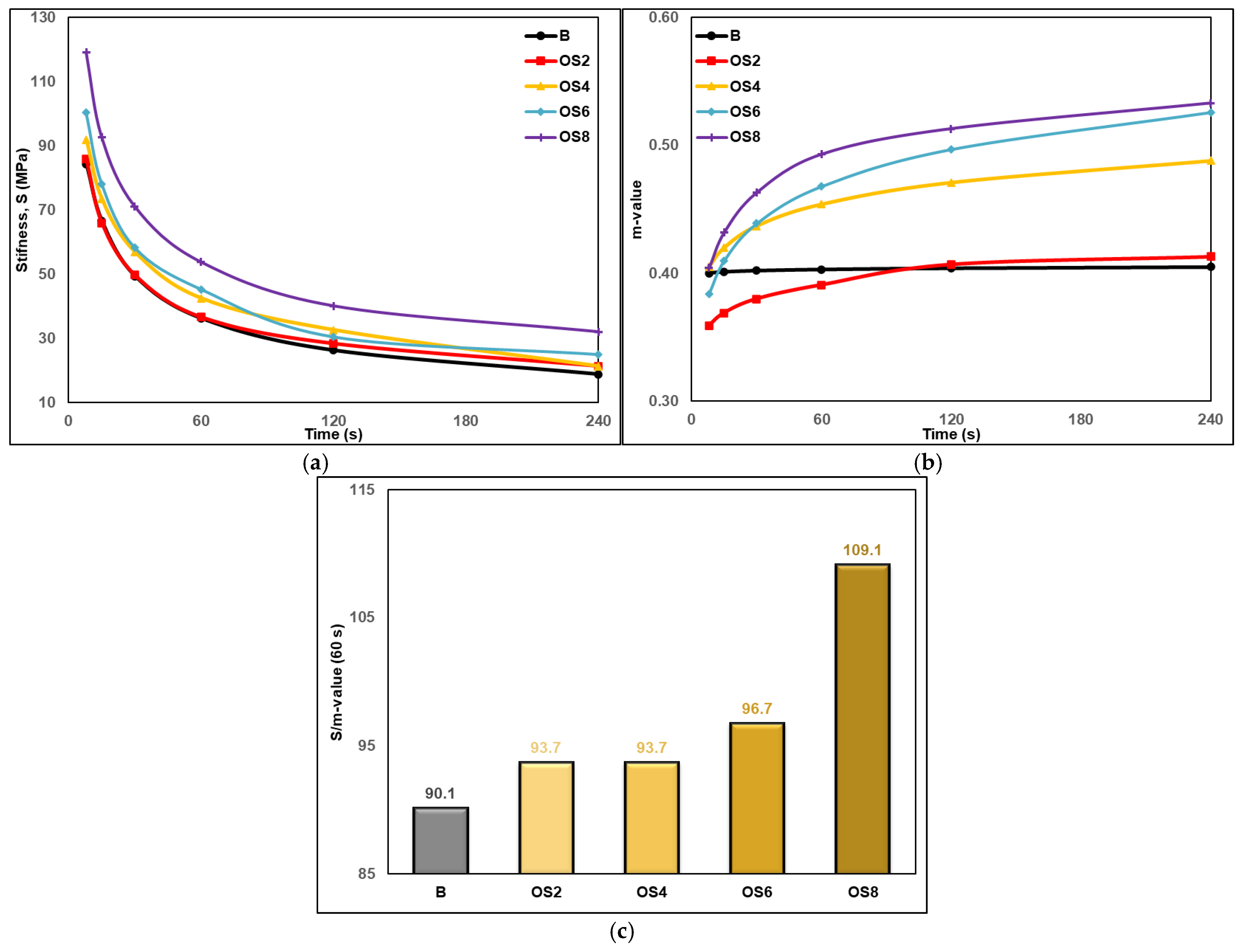
3.2.2. BBR Results
3.3. Chemical Characterization
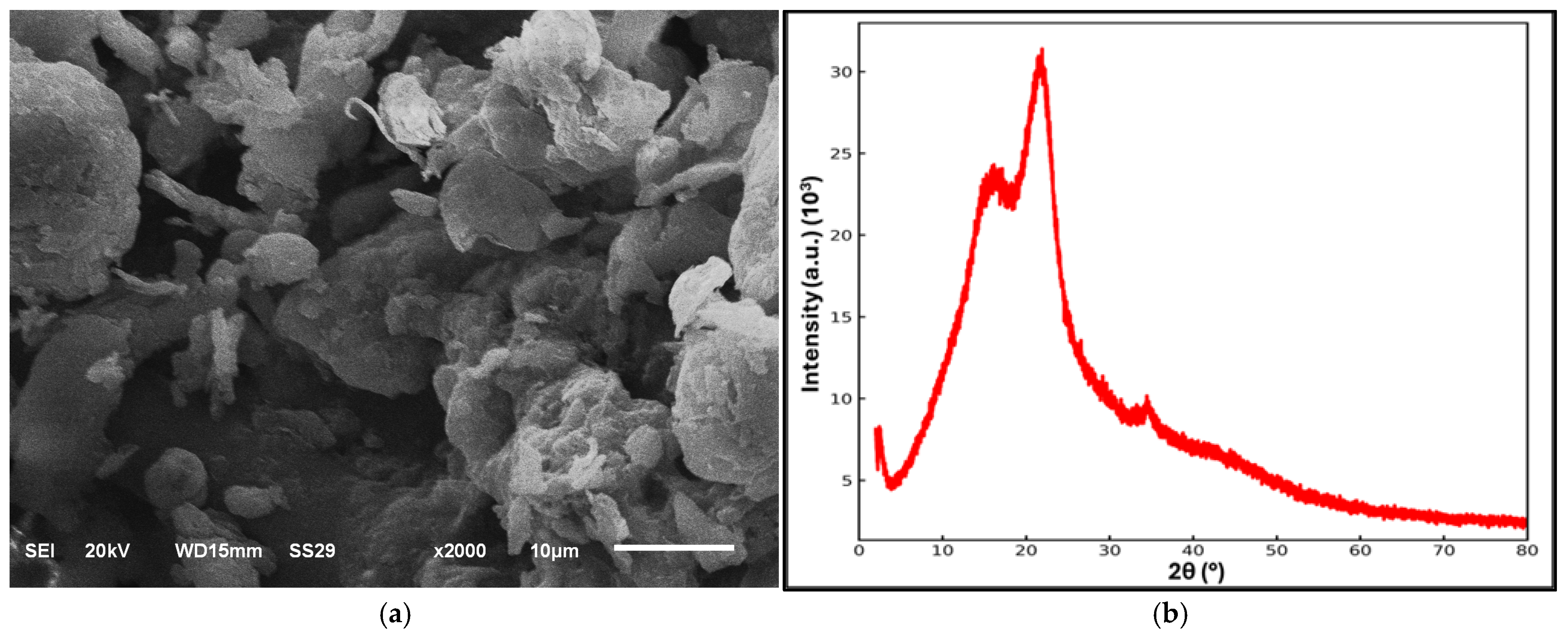
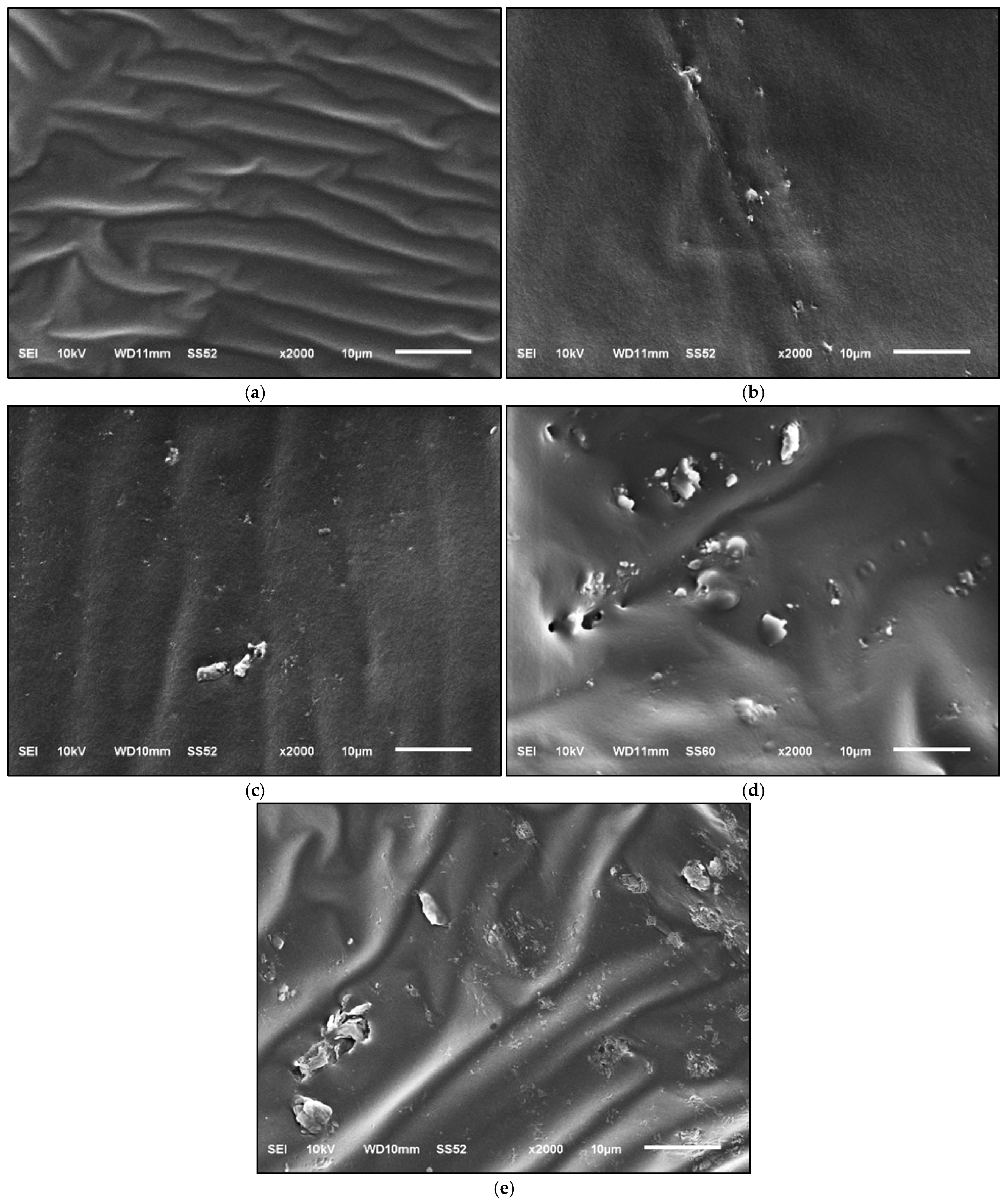
3.3.1. SEM-EDX Analysis
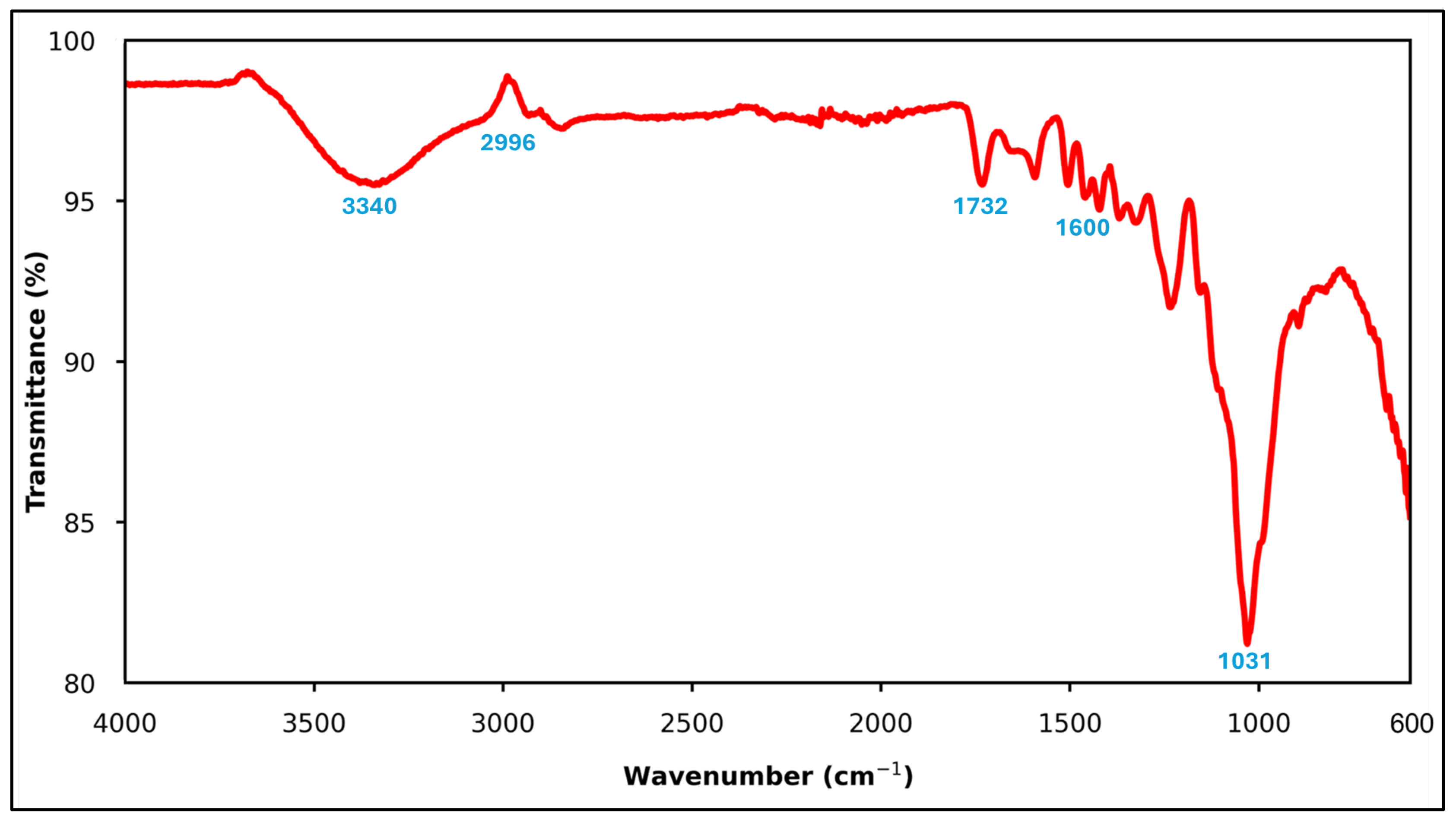
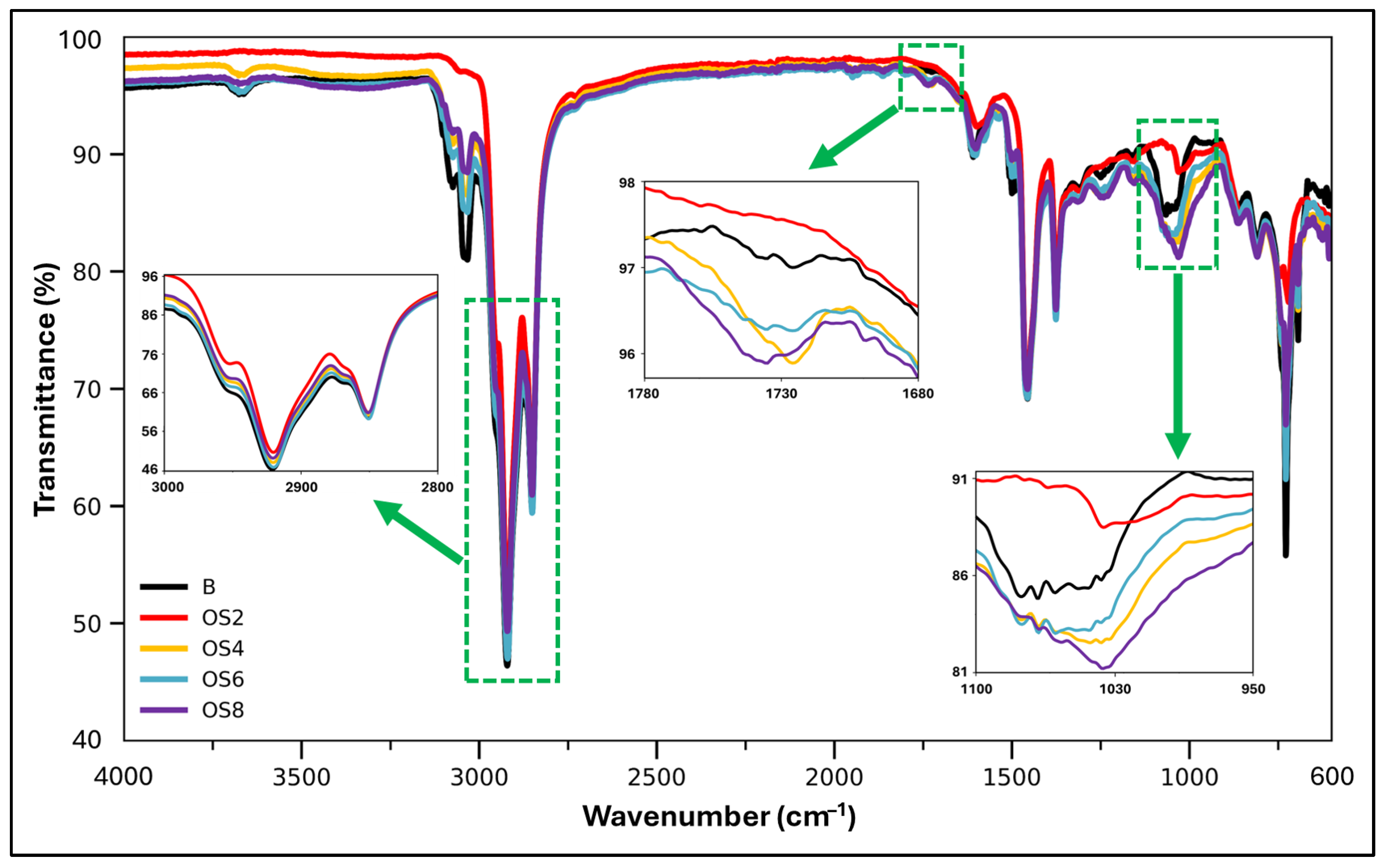
3.3.2. FTIR Analysis
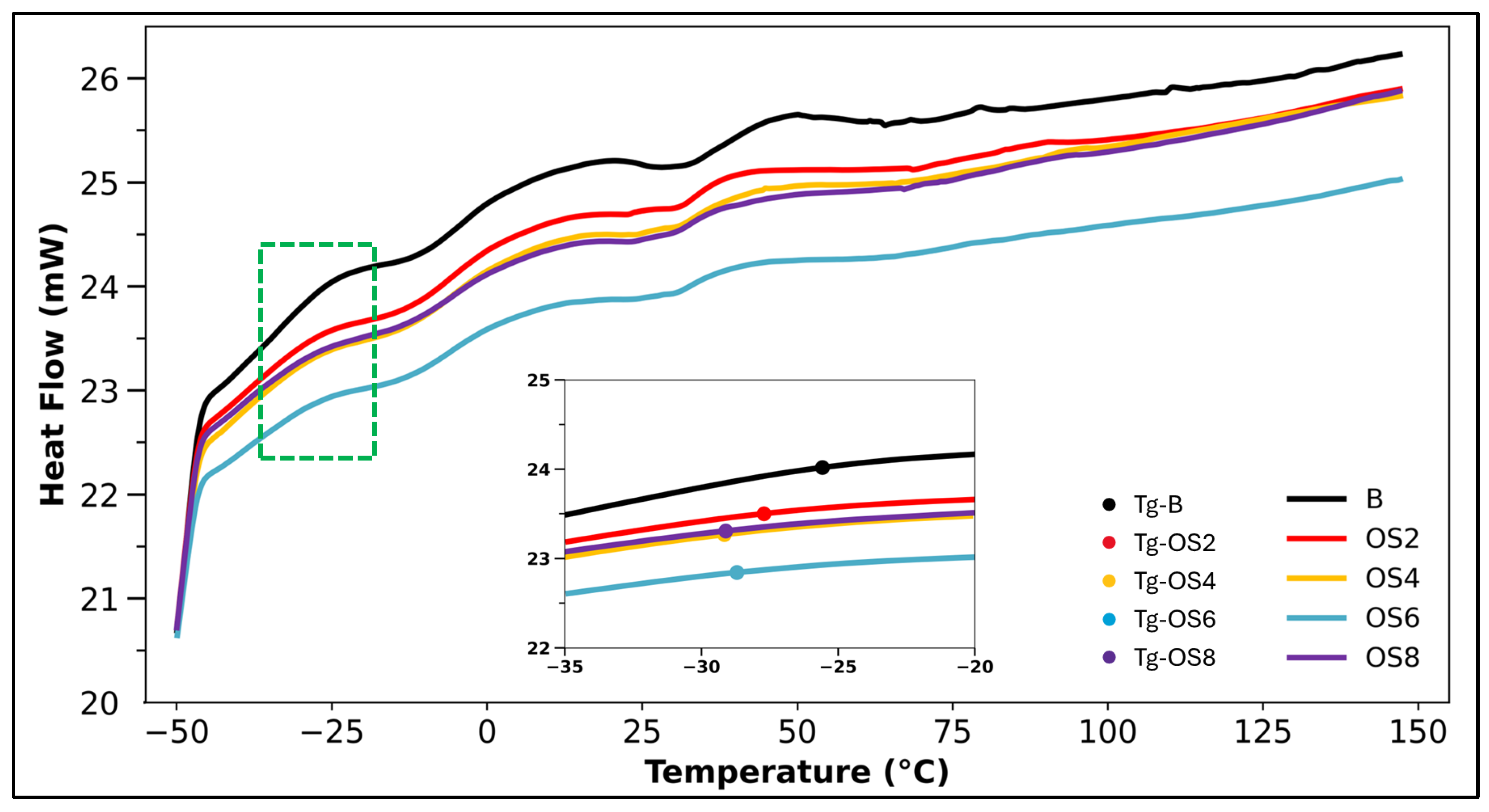
3.3.3. DSC Analysis
3.3.4. TGA
4. Conclusions
- Conventional physical tests showed that OSP incorporation leads to generally linear changes in binder properties. At the highest dosage (OS8), penetration decreased by 17.3% and the softening point increased by 4.1%, indicating improved resistance to temperature-induced softening. PI (−0.19 to −0.05) and PVN (0.26–0.44) values remained within acceptable ranges, while rotational viscosity results confirmed that all binders maintained adequate workability despite moderate viscosity increases at high OSP contents.
- Rheological evaluations demonstrated a strong dosage-dependent behavior. DSR results revealed a progressive increase in failure temperature, reaching an improvement of approximately 2.8 °C for OS8, indicating enhanced high-temperature rutting resistance. In contrast, BBR results showed that S/m-values increased only moderately up to OS6 (~7.3%) but rose sharply for OS8 (~20%), reflecting stiffness-dominated behavior at high OSP contents.
- Optimal performance balance was achieved at moderate OSP dosages (OS4–OS6), which significantly improved high-temperature performance while avoiding excessive stiffness and adverse low-temperature effects under the applied laboratory conditions.
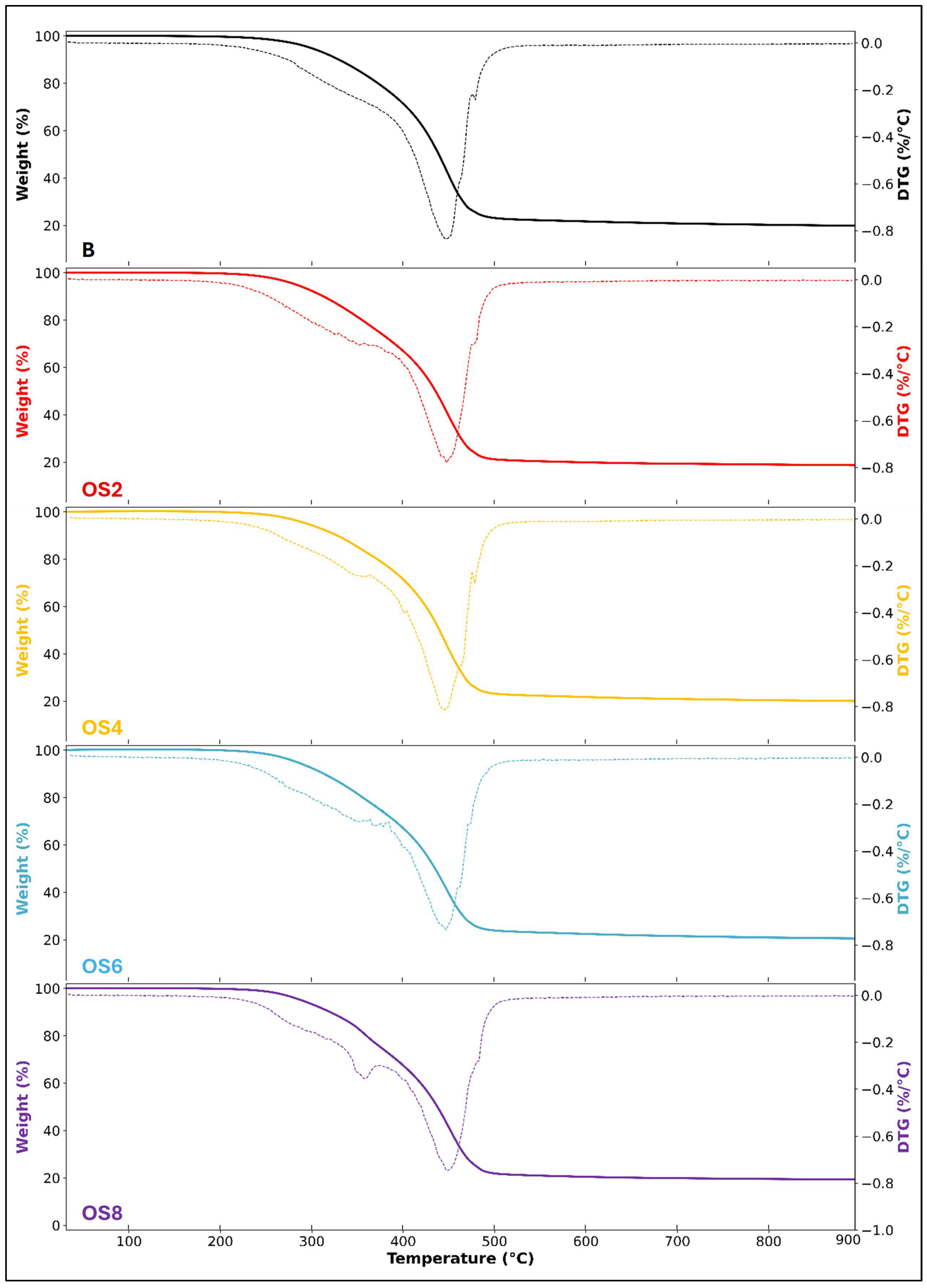
- Microstructural and thermal analyses confirmed that OSP modification is predominantly physical in nature. FTIR analysis showed no formation of new functional groups, SEM–EDX observations indicated a generally homogeneous dispersion of OSP particles, and DSC/TGA results demonstrated preserved thermal stability with a moderate reduction in glass transition temperature.
- Sustainability considerations highlight that the use of OSP, an agricultural by-product, provides an environmentally and economically viable alternative to conventional modifiers by valorizing waste materials in line with circular economic principles.
- Overall, the findings confirm that the performance of OSP-modified binders is highly dosage dependent; excessive OSP contents may increase brittleness and hinder workability, whereas careful optimization of OSP content enables balanced improvements in binder performance.
Author Contributions
Funding
Data Availability Statement
Acknowledgments
Conflicts of Interest
References
- Man, J.; Yan, K.; Miao, Y.; Liu, Y.; Yang, X.; Diab, A.; You, L. 3D spectral element model with a space-decoupling technique for the response of transversely isotropic pavements to moving vehicular loading. Road. Mater. Pavement Des. 2022, 23, 2567–2591. [Google Scholar] [CrossRef]
- Lingyun, Y.; Kezhen, Y.; Jianhong, M.; Tingwei, S. 3D Spectral Element Solution of Multilayered Half-Space Medium with Harmonic Moving Load: Effect of Layer, Interlayer, and Loading Properties on Dynamic Response of Medium. Int. J. Geomech. 2020, 20, 04020227. [Google Scholar] [CrossRef]
- Laurance, W.F.; Clements, G.R.; Sloan, S.; O’Connell, C.S.; Mueller, N.D.; Goosem, M.; Venter, O.; Edwards, D.P.; Phalan, B.; Balmford, A.; et al. A global strategy for road building. Nature 2014, 513, 229–232. [Google Scholar] [CrossRef] [PubMed]
- Morsali, S. A novel perspective to bitumen refineries life cycle assessment and processes emissions. Acta Ecol. Sin. 2018, 38, 242–247. [Google Scholar] [CrossRef]
- International Bitumen Emulsion Federation (IBEF). Production Statistics 2020–2022; IBEF: Paris, France, 2023; Available online: https://www.ibef.net/en/home/download/9361/?tmstv=1757145839 (accessed on 18 January 2026).
- Gedik, A.; Ozcan, O.; Ozcanan, S. Novel approaches and materials for healing asphalt cracks. Građevinar 2023, 75, 907–917. [Google Scholar] [CrossRef]
- Zhu, J.; Birgisson, B.; Kringos, N. Polymer modification of bitumen: Advances and challenges. Eur. Polym. J. 2014, 54, 18–38. [Google Scholar] [CrossRef]
- Alnadish, A.M.; Katman, H.Y.B.; Ibrahim, M.R.; Gamil, Y.; Mashaan, N.S. A bibliometric analysis and review on the performance of polymer-modified bitumen. Front. Mater. 2023, 10, 1225830. [Google Scholar] [CrossRef]
- Porto, M.; Caputo, P.; Loise, V.; Eskandarsefat, S.; Teltayev, B.; Oliviero Rossi, C. Bitumen and Bitumen Modification: A Review on Latest Advances. Appl. Sci. 2019, 9, 742. [Google Scholar] [CrossRef]
- Vamvuka, D.; Pasadakis, N.; Kastanaki, E.; Grammelis, P.; Kakaras, E. Kinetic Modeling of Coal/Agricultural By-Product Blends. Energy Fuels 2003, 17, 549–558. [Google Scholar] [CrossRef]
- Balat, M.; Ayar, G. Biomass Energy in the World, Use of Biomass and Potential Trends. Energy Sources 2005, 27, 931–940. [Google Scholar] [CrossRef]
- Cho, E.J.; Trinh, L.T.P.; Song, Y.; Lee, Y.G.; Bae, H.-J. Bioconversion of biomass waste into high value chemicals. Bioresour. Technol. 2020, 298, 122386. [Google Scholar] [CrossRef]
- Koutinas, A.A.; Vlysidis, A.; Pleissner, D.; Kopsahelis, N.; Lopez Garcia, I.; Kookos, I.K.; Papanikolaou, S.; Kwan, T.H.; Lin, C.S.K. Valorization of industrial waste and by-product streams via fermentation for the production of chemicals and biopolymers. Chem. Soc. Rev. 2014, 43, 2587–2627. [Google Scholar] [CrossRef]
- Sukanta, K.; Tapas, K.R. Evaluation of the performance of sawdust ash in bituminous concrete against moisture damage. J. Mater. Civ. 2024, 36, 04024012. [Google Scholar] [CrossRef]
- Su, Y.; Tang, S.; Cai, M.; Nie, Y.; Hu, B.; Wu, S.; Cheng, C. Thermal oxidative aging mechanism of lignin modified bitumen. Constr. Build. Mater. 2023, 363, 129863. [Google Scholar] [CrossRef]
- Zahoor, M.; Nizamuddin, S.; Madapusi, S.; Giustozzi, F. Sustainable asphalt rejuvenation using waste cooking oil: A comprehensive review. J. Clean. Prod. 2021, 278, 123304. [Google Scholar] [CrossRef]
- Ali, B.; Li, P.; Khan, D.; Hasan, M.R.M.; Khan, W.A. Investigation into the effect of waste engine oil and vegetable oil recycling agents on the performance of laboratory-aged bitumen. Bud. Archit. 2024, 23, 033–054. [Google Scholar] [CrossRef]
- Hernández, V.; Romero-García, J.M.; Dávila, J.A.; Castro, E.; Cardona, C.A. Techno-economic and environmental assessment of an olive stone based biorefinery. Resour. Conserv. Recycl. 2014, 92, 145–150. [Google Scholar] [CrossRef]
- Ribeiro, T.B.; Oliveira, A.L.; Costa, C.; Nunes, J.; Vicente, A.A.; Pintado, M. Total and sustainable valorisation of olive pomace using a fractionation approach. Appl. Sci. 2020, 10, 6785. [Google Scholar] [CrossRef]
- Therios, I. Olives: Crop Production Science in Horticulture Series; CABI: Wallingford, UK, 2009. [Google Scholar]
- Cheng, Z.; Zhan, M.; Yang, Z.; Zumstein, K.; Chen, H.; Huang, Q. The major qualitative characteristics of olive (Olea europaea L.) cultivated in Southwest China. Front. Plant Sci. 2017, 8, 559. [Google Scholar] [CrossRef] [PubMed]
- Ouazzane, H.; Laajine, F.; El Yamani, M.; Hilaly, J.E.L.; Rharrabti, Y.; Amarouch, M.-Y.; Mazouzi, D. Olive mill solid waste characterization and recycling opportunities: A review. J. Mater. Environ. Sci. 2017, 8, 2632–2650. [Google Scholar]
- International Olive Council. World Market of Olive Oil and Table Olives. 2025. Available online: https://www.internationaloliveoil.org/world-market-of-olive-oil-and-table-olives-data-from-december-2024/ (accessed on 18 January 2026).
- Xie, P.; Cecchi, L.; Bellumori, M.; Balli, D.; Giovannelli, L.; Huang, L.; Mulinacci, N. Phenolic compounds and triterpenes in different olive tissues and olive oil by-products, and cytotoxicity on human colorectal cancer cells. Foods 2021, 10, 2823. [Google Scholar] [CrossRef] [PubMed]
- Safarzadeh Markhali, F. Effect of processing on phenolic composition of olive oil products and olive mill by-products and possibilities for enhancement of sustainable processes. Processes 2021, 9, 953. [Google Scholar] [CrossRef]
- Moubarik, A.; Barba, F.J.; Grimi, N. Understanding the physicochemical properties of olive kernel to be used as a potential tool in the development of phenol-formaldehyde wood adhesive. Int. J. Adhes. Adhes. 2015, 61, 122–126. [Google Scholar] [CrossRef]
- Arabani, M.; Hassanjani, M.H. The influence of olive kernel ash obtained from canning factory as a bitumen modifier. Constr. Build. Mater. 2024, 441, 137532. [Google Scholar] [CrossRef]
- Arabani, M.; Hassanjani, M.H.; Farkhondeh, J.; Taleghani, M.Y. Enhancing mechanical properties of hot mix asphalt with olive kernel ash: A sustainable modifier. Constr. Build. Mater. 2024, 451, 138740. [Google Scholar] [CrossRef]
- Khedaywi, T.S.; Haddad, M.A.; Al Qadi, A.N.S.; Al-Rababa’ah, O.A. Investigating the effect of addition of olive husk ash on asphalt binder properties. Ann. Chim.-Sci. Mat. 2021, 45, 239–243. [Google Scholar] [CrossRef]
- Al Qadi, A.N.S.; Khedaywi, T.S.; Haddad, M.A.; Al-Rababa’ah, O.A. Investigating the effect of olive husk ash on the properties of asphalt concrete mixture. Ann. Chim.-Sci. Mat. 2021, 45, 11–15. [Google Scholar] [CrossRef]
- Haddad, M.; Khedaywi, T. Investigating the effect of olive husk ash on dynamic creep of asphalt concrete mixtures. J. Eng. Sci. Technol. 2023, 18, 931–948. [Google Scholar]
- Özel, F.; Deniz, M.T.; Yüce, M.İ. Evaluation of olive pomace and SBS modified bitumen to the performance characteristics. Case Stud. Constr. Mater. 2023, 19, e02432. [Google Scholar] [CrossRef]
- Alobeidyeen, A.; Al-Hanaktah, A.; Assolie, A.A. Sustainable asphalt modification: Innovative use of olive pomace lignin in asphalt binder and concrete mixtures. Int. J. Pavement Res. Technol. 2025. [Google Scholar] [CrossRef]
- Zhang, K.; Wang, S.C.; Zhang, J. Characterization of bioactivities of olive pomace as bio-renewable antioxidant for asphalt binder. Biomass Convers. Biorefin. 2026, 16, 6. [Google Scholar] [CrossRef]
- Zhang, K.; Zhao, H.; Wang, S.C. Upcycle olive pomace as antioxidant and recycling agent in asphalt paving materials. Constr. Build. Mater. 2022, 330, 127217. [Google Scholar] [CrossRef]
- Khedaywi, T.; Al-Kofahi, N.; Al-Zoubi, M. Effect of olive waste ash on properties of asphalt cement and asphalt concrete mixtures. Int. J. Pavement Res. Technol. 2020, 13, 276–285. [Google Scholar] [CrossRef]
- Özkıcı, G.; Saltan, M. Investigation of Using Pomace in Bitumen Modification. Int. J. Technol. Sci. 2020, 12, e02432. [Google Scholar]
- Arabani, M.; Amiri, A.; Hassanjani, M.H. Utilizing olive pomace oil and the extrusion of SBS and PVC to enhance the physical and rheological characteristics of asphalt binder. Case Stud. Constr. Mater. 2024, 21, e04097. [Google Scholar] [CrossRef]
- Loise, V.; Abe, A.A.; Porto, M.; Muzzalupo, I.; Madeo, L.; Colella, M.F.; Rossi, C.O.; Caputo, P. Plant waste-based bioadditive as an antioxidant agent and rheological modifier of bitumen. Materials 2024, 17, 2303. [Google Scholar] [CrossRef]
- Ferkous, S.A.; Soudani, K.; Haddadi, S. Laboratory study of the skid resistance of asphalt concrete by partially replacing sand with olive mill waste. Constr. Build. Mater. 2022, 324, 126657. [Google Scholar] [CrossRef]
- Yener, E.; Yadollahi, M.M. The Effect of Olive Pomace on Asphalt Binder Properties. In Proceedings of the International Conference on Civil Engineering, Architecture & Urban Sustainable Development, Tabriz, Iran, 11–12 December 2013. [Google Scholar]
- EN 12591; Bitumen and Bituminous Binders—Specifications for Paving Grade Bitumens. European Committee for Standardization (CEN): Brussels, Belgium, 2009.
- Moya-Muriana, J.Á.; Navas-Martos, F.J.; Jurado-Contreras, S.; Bachino-Fagalde, E.; La Rubia, M.D. Effect of olive stone biomass ash filler in polylactic acid biocomposites on accelerated weathering tests. Polymers 2026, 18, 30. [Google Scholar] [CrossRef]
- Jurado-Contreras, S.; Navas-Martos, F.J.; Rodríguez-Liébana, J.A.; La Rubia, M.D. Effect of olive pit reinforcement in polylactic acid biocomposites on environmental degradation. Materials 2023, 16, 5816. [Google Scholar] [CrossRef] [PubMed]
- Kaya Özdemir, D.; Topal, A.; Sengoz, B. The influences of altering the mixing conditions on the properties of polymer modified bitumen: An overview. Uludag Univ. J. Fac. Eng. 2020, 25, 1105–1116. [Google Scholar] [CrossRef]
- ASTM D5; Standard Test Method for Penetration of Bituminous Materials. ASTM International: West Conshohocken, PA, USA, 2020.
- ASTM D36; Standard Test Method for Softening Point of Bitumen (Ring-and-Ball Apparatus). ASTM International: West Conshohocken, PA, USA, 2020.
- ASTM D113; Standard Test Method for Ductility of Asphalt Materials. ASTM International: West Conshohocken, PA, USA, 2017.
- ASTM D6084; Standard Test Method for Elastic Recovery of Asphalt Materials by Ductilometer. ASTM International: West Conshohocken, PA, USA, 2021.
- ASTM D1480; Standard Test Method for Density and Relative Density (Specific Gravity) of Viscous Materials by Bingham Pycnometer. ASTM International: West Conshohocken, PA, USA, 2021.
- ASTM D4402; Standard Test Method for Viscosity Determination of Asphalt at Elevated Temperatures Using a Rotational Viscometer. ASTM International: West Conshohocken, PA, USA, 2023.
- ASTM D92; Standard Test Method for Flash and Fire Points by Cleveland Open Cup Tester. ASTM International: West Conshohocken, PA, USA, 2018.
- ASTM D7175; Standard Test Method for Determining the Rheological Properties of Asphalt Binder Using a Dynamic Shear Rheometer. ASTM International: West Conshohocken, PA, USA, 2023.
- ASTM D6648; Standard Test Method for Determining the Flexural Creep Stiffness of Asphalt Binder Using the Bending Beam Rheometer (BBR). ASTM International: West Conshohocken, PA, USA, 2016.
- AASHTO M320-16; Standard Method of Test for Performance-Graded Asphalt Binder. AASHTO: Washington, DC, USA, 2016.
- Turkish State Meteorological Service (MGM). Climate Data of Türkiye. Available online: https://www.mgm.gov.tr/eng/forecast-cities.aspx (accessed on 11 February 2026).
- Yi, Y.; Chen, Y.; Shi, S.; Zhao, Y.; Wang, D.; Lei, T.; Duan, P.; Cao, W.; Wang, Q.; Li, H. Study on properties and micro-mechanism of RHB-SBS composite-modified asphalt. Polymers 2023, 15, 1718. [Google Scholar] [CrossRef]
- Ni, N.; Tang, J.; Li, M.; Zhang, L.; Yuan, H. Study of the rheological properties of rubberized asphalt mortar: Mechanisms of action of rubber powder and filler–binder ratio. Buildings 2025, 15, 107. [Google Scholar] [CrossRef]
- Luan, Y.; Ma, Y.; Ma, T.; Wang, C.; Xia, F. Research on the effects of asphalt performance on rutting resistance and its correlation with rutting performance indicators. Constr. Build. Mater. 2023, 400, 132773. [Google Scholar] [CrossRef]
- Chuhong, W.; Zhichao, W. Prediction model for rutting of asphalt concrete pavement considering temperature influence. Case Stud. Constr. Mater. 2025, 22, e04831. [Google Scholar] [CrossRef]
- Ren, S.; Liu, X.; Erkens, S. Unraveling the critical indicators for evaluating the high-temperature performance of rejuvenator-aged bitumen blends. Case Stud. Constr. Mater. 2023, 19, e02522. [Google Scholar] [CrossRef]
- Guo, M.; Yao, X.; Du, X. Low temperature cracking behavior of asphalt binders and mixtures: A review. J. Road Eng. 2023, 3, 350–369. [Google Scholar] [CrossRef]
- Ma, R.; Li, Y.; Cheng, P.; Chen, X.; Cheng, A. Low-temperature cracking and improvement methods for asphalt pavement in cold regions: A review. Buildings 2024, 14, 3802. [Google Scholar] [CrossRef]
- Yuan, H.; Nawarathna, H.M.C.; Ma, J.; Hesp, S.A.M. Ranking low temperature cracking performance of asphalt binders based on limiting phase angle temperatures and stress relaxation properties. Fuel 2026, 404, 136287. [Google Scholar] [CrossRef]
- Gedik, A. Repurposing recycled walnut shell as an anti-aging agent into asphalt binder: A multi-aspect evaluation. Constr. Build. Mater. 2025, 498, 143969. [Google Scholar] [CrossRef]
- Ragab, M.; Deef-Allah, E.; Abdelrahman, M. FTIR characterization of asphalt SARA fractions in response to rubber modification. Appl. Sci. 2025, 15, 8062. [Google Scholar] [CrossRef]



| Reference | Material | Process | Application | Improvements | Limitations |
|---|---|---|---|---|---|
| [27,28] | ash-based; OKA | incinerated at 600 °C | binder & mixture |
|
|
| [29,30,31] | ash-based; OHA | incinerated at 400 °C | binder & mixture |
|
|
| [32] | raw; OP | dried & grounded | binder & mixture |
|
|
| [33] | extracted; OPL | sulfuric acid hydrolysis | binder & mixture |
|
|
| [34] | processed; OP | dried & grounded | binder |
|
|
| [35] | processed; OP | dried & grounded | binder & mixture |
|
|
| [36] | ash-based; OWA | incinerated at 600 °C | binder & mixture |
|
|
| [37] | processed; OP | incinerated at 300–350 °C | binder & mixture |
|
|
| [38] | extracted; OPO | extracted at 120 °C | binder |
|
|
| [39] | processed; OLR | grounded | binder |
|
|
| [40] | raw; OMW | washed & sieved | mixture |
|
|
| [41] | processed; OP | dried & grounded | binder |
|
|
| Characteristic | Value | Criteria (EN 12591) |
|---|---|---|
| Penetration at 25 °C (0.1 mm) | 59.5 | 50–70 |
| Softening Point (°C) | 53.1 | 46–54 |
| Flash Point (°C) | 240 | ≥230 |
| Ductility at 25 °C (cm) | 150 | ≥100 |
| Specific Gravity at 25 °C | 1.0155 | 1.01–1.06 |
| Mass Loss (%) | 0.24 | ≤0.50 |
| Penetration Index (PI) | −0.03 | - |
| Element | C | O | Zn | N | Si | Fe | K | Ca | Al | Ni | Mn | Mg | Total |
|---|---|---|---|---|---|---|---|---|---|---|---|---|---|
| wt. (%) | 58.559 | 34.83 | 2.442 | 1.397 | 1.023 | 0.421 | 0.401 | 0.295 | 0.210 | 0.153 | 0.138 | 0.132 | 100 |
| Element (%) | B | OS2 | OS4 | OS6 | OS8 |
|---|---|---|---|---|---|
| C | 76.632 | 76.173 | 76.757 | 76.814 | 76.387 |
| O | 14.378 | 14.521 | 13.473 | 13.348 | 13.692 |
| Mg | 0.053 | 0.040 | 0.076 | 0.015 | 0.049 |
| P | 0.240 | 0.236 | 0.273 | 0.344 | 0.344 |
| S | 8.483 | 8.730 | 9.129 | 9.050 | 8.989 |
| Ca | 0.044 | 0.104 | 0.069 | 0.168 | 0.185 |
| Zn | 0.170 | 0.196 | 0.223 | 0.261 | 0.354 |
| Total | 100.000 | 100.000 | 100.000 | 100.000 | 100.000 |
| Sample | Tg (°C) | Tg Onset (°C) | Tg End (°C) | ΔH (J/g) |
|---|---|---|---|---|
| B | −25.58 | −39.96 | −13.08 | ~2.27 |
| OS2 | −27.71 | −41.27 | −14.55 | ~2.15 |
| OS4 | −29.16 | −43.19 | −10.07 | ~2.19 |
| OS6 | −28.70 | −42.81 | −13.21 | ~2.18 |
| OS8 | −29.11 | −42.70 | −14.28 | ~2.23 |
| Sample | OTDT (°C) | DTG Peak Value (°C) | Residue Mass (%) |
|---|---|---|---|
| B | 374.67 | 450.90 | 19.87 |
| OS2 | 371.09 | 449.09 | 18.71 |
| OS4 | 372.65 | 450.11 | 20.09 |
| OS6 | 373.77 | 450.45 | 20.56 |
| OS8 | 373.34 | 451.31 | 19.30 |
Disclaimer/Publisher’s Note: The statements, opinions and data contained in all publications are solely those of the individual author(s) and contributor(s) and not of MDPI and/or the editor(s). MDPI and/or the editor(s) disclaim responsibility for any injury to people or property resulting from any ideas, methods, instructions or products referred to in the content. |
© 2026 by the authors. Licensee MDPI, Basel, Switzerland. This article is an open access article distributed under the terms and conditions of the Creative Commons Attribution (CC BY) license.
Share and Cite
Ozcan, O.; Yumrutas, H.I.; Gedik, A.; Ozcanan, S.; Apak, M.Y. Assessing the Potential of Olive Stone Powder as a Bitumen Biopolymer Through Physical, Chemical, and Rheological Characterization. Polymers 2026, 18, 661. https://doi.org/10.3390/polym18050661
Ozcan O, Yumrutas HI, Gedik A, Ozcanan S, Apak MY. Assessing the Potential of Olive Stone Powder as a Bitumen Biopolymer Through Physical, Chemical, and Rheological Characterization. Polymers. 2026; 18(5):661. https://doi.org/10.3390/polym18050661
Chicago/Turabian StyleOzcan, Ozgur, Halil Ibrahim Yumrutas, Abdulgazi Gedik, Sedat Ozcanan, and Mustafa Yurdabal Apak. 2026. "Assessing the Potential of Olive Stone Powder as a Bitumen Biopolymer Through Physical, Chemical, and Rheological Characterization" Polymers 18, no. 5: 661. https://doi.org/10.3390/polym18050661
APA StyleOzcan, O., Yumrutas, H. I., Gedik, A., Ozcanan, S., & Apak, M. Y. (2026). Assessing the Potential of Olive Stone Powder as a Bitumen Biopolymer Through Physical, Chemical, and Rheological Characterization. Polymers, 18(5), 661. https://doi.org/10.3390/polym18050661