1. Introduction
In modern engineering applications, composite materials, which are synthetic, multi-phase systems produced by combining two or more different phases within a defined structure, are increasingly preferred. In this context, both synthetic and natural fiber-reinforced composites are utilized [
1,
2]. Composites can simultaneously fulfill multiple functions in modern applications by combining the lightness and flexibility of the matrix with the superior properties of the reinforcing fillers [
3].
To meet specific requirements, the adjustment of electrical properties involves the selection of compression pressure, particle size, and composition. In these materials, there exists a clearly defined interface between phases, which provides enhanced performance characteristics that cannot be achieved by individual components alone. Due to their advantages such as lightness, high strength, flexibility, and environmental resistance, composites have gained strategic importance [
4,
5].
The effective and safe use of these materials is not limited to understanding the properties of their components but also requires an understanding of how these properties contribute to the overall material integrity. The behavior of composites becomes complex when subjected to variable external conditions such as impact, temperature fluctuations, vibration, and cyclic loading. Therefore, fiber-reinforced composites are widely preferred in aerospace and other engineering fields due to their excellent specific strength, stiffness, and corrosion resistance. At this point, the interfacial region that ensures load transfer within the material is of vital importance. The structural integrity of the interface enables efficient load transfer, while weaknesses in this region can negatively affect the overall durability of the structure [
6,
7].
Composites formed by combining phases with different physical and chemical properties in an orderly manner offer both structural and functional advantages in various engineering fields. These materials, which stand out for their high strength-to-weight ratio, formability, and resistance to environmental conditions, are widely used in aircraft and automotive industries, construction, energy systems, and defense technologies. In tribological applications, environmental conditions should also be considered when selecting GFRP and CFRP [
4,
8,
9].
Fiber-reinforced polymer (FRP) composites are widely preferred for both wind turbine blades and marine structural components due to their light weight and high structural strength. While the production of large-span wind turbine blades from these materials increases energy efficiency, because the structures are often composed of multiple composite parts bonded with adhesives, the interface and bonding zones are at risk of failure over time under environmental influences and cyclic loading [
10,
11,
12]. Similarly, in FRP structures used in marine environments, conditions such as saltwater, wave forces, UV radiation, and temperature changes can weaken the interface strength and pose critical challenges to long-term structural integrity [
13,
14,
15]. Therefore, understanding the failure mechanisms of bonding surfaces and interface zones in both turbine blades and marine structures is crucial for ensuring long-term performance. The sustainability of structural integrity depends not only on the mechanical properties of the reinforcing fibers and matrix but also on the quality of their interaction, the homogeneity of the interface, and the accuracy of manufacturing techniques. Under dynamic loading, temperature variations, and wind effects, the behavior of the interface plays a decisive role. In particular, fiber orientation directly affects load distribution, shaping the overall performance of the structure [
13].
Similarly, FRP structures used in marine environments are exposed to harsh conditions such as wave forces, the chemical effects of seawater, and thermal cycles; therefore, the strength of adhesive and interfacial regions constitutes a critical design issue in marine engineering as well [
14,
15]. Hence, comparing carbon fiber-reinforced composites with glass fiber-reinforced composites will enable a better understanding of their superior properties [
16].
Today, fiber-reinforced polymer (FRP) composites are among the fundamental materials preferred in both wind turbine blades and marine structural components. In wind turbines, the lightweight and high-strength nature of large-span blades not only enhances energy efficiency but also challenges structural durability. Since these structures are mostly composed of multiple composite parts joined by adhesive bonding, interfacial and bonding regions are at risk of degradation over time under environmental effects and cyclic loading. Similarly, FRP structures used in marine environments face critical design challenges related to interface strength due to exposure to wave forces, saltwater, ultraviolet radiation, temperature changes, and repeated mechanical loads [
13,
17,
18].
In this context, understanding the primary damage modes occurring in composite materials is a critical requirement for both performance evaluations and long-term durability analyses. FRP structures may develop various types of damage depending on loading conditions, environmental exposure, and manufacturing parameters. Below, a literature review of the primary damage modes of the composite materials analyzed in this study is presented. Delamination is characterized by the initiation and propagation of separation between fiber layers and is frequently observed under bending, impact, and fatigue loading conditions [
19,
20,
21,
22]. Manufacturing-induced voids, resin-rich or resin-deficient regions, and hygrothermal aging significantly accelerate the onset of delamination [
20,
21]. Fracture mechanics-based approaches and cohesive zone models are widely employed to model this type of damage [
22,
23]. The degradation of the fiber–matrix interface represents a critical damage mechanism that directly affects load transfer efficiency. Exposure to saltwater, UV radiation, and thermal cycling reduces interfacial strength and accelerates the formation of debonding [
4,
6,
7]. Interfacial separation also facilitates the propagation of matrix cracks, which may evolve into larger-scale delamination [
24,
25,
26,
27]. Matrix cracking initiates at the microscale as a result of cyclic loading, environmental aging, and the accumulation of thermal stresses, and progressively leads to weakening of the fiber–matrix interface [
21,
25]. The coalescence of microcracks triggers the transition to more extensive damage modes such as delamination. These damage mechanisms include intralaminar cracking, cohesive damage, and shear-related failures [
23,
28]. Under realistic service conditions, damage in composite materials is rarely limited to a single mechanism; rather, delamination, matrix cracking, fiber breakage, and interfacial debonding often evolve in an interactive manner. Progressive damage analyses play a crucial role in understanding these multi-mode damage processes [
21,
23,
26,
28]. Wind turbine blades and marine structures are simultaneously exposed to multiple damage mechanisms due to environmental aging, hygrothermal effects, wave-induced loading, UV radiation, and repeated mechanical stresses. Therefore, an interactive assessment of delamination, interfacial debonding, and matrix damage is of critical importance for ensuring the structural reliability of such systems [
25,
26,
27].
In addition to intralaminar and interlaminar damage mechanisms, recent studies have emphasized the significant influence of manufacturing techniques and joint configurations on damage initiation and propagation in composite structures.
Kadıoğlu (2025) focused on carbon fiber-reinforced thermoplastic single-lap joints and reported that co-cured configurations enhance damage tolerance and post-damage recovery through improved interfacial integrity and healing capability [
14].
Sam-Daliri et al. (2025) investigated unidirectional glass fiber-reinforced epoxy composite joints manufactured using adhesive bonding and co-curing techniques, demonstrating that co-cured joints exhibit improved mechanical performance and more uniform stress transfer, thereby reducing damage susceptibility at the joint interfaces [
29].
Similarly, Jiang et al. (2025) numerically analyzed adhesive-free glass fiber hydrofoil structures under flexural loading and showed that integrated, co-cured composite designs can sustain bending-induced damage without premature interfacial failure [
29]. These studies collectively highlight that joint design and co-curing strategies play a critical role in controlling multi-mode damage evolution in composite structures, particularly under marine and energy-related service conditions.
In both application areas, microstructural interactions within the interfacial region, load transfer mechanisms, and manufacturing quality are critical factors in maintaining structural integrity. Accordingly, ensuring the long-term and reliable performance of composite structures used in wind turbine and marine environments requires comprehensive analyses and improvement strategies addressing the durability of both adhesive systems and interfacial materials [
11]. A thorough understanding of damage formation and evolution mechanisms in interfacial regions under environmental exposure and cyclic mechanical loading is therefore of vital importance for the sustainability and safety of these technologies.
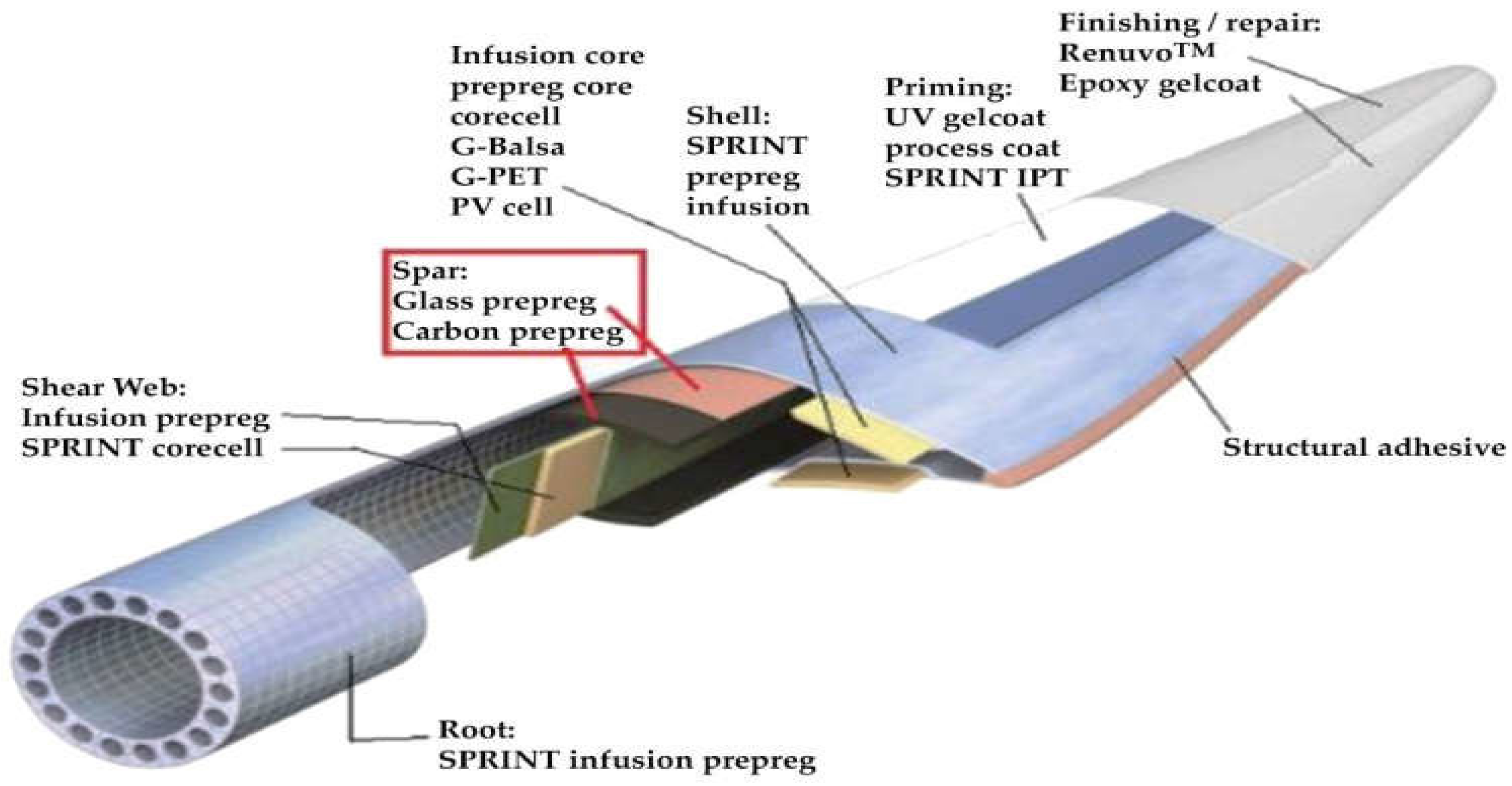
In wind energy technologies, blade design represents a critical engineering challenge in terms of both structural durability and energy efficiency. In particular, materials used in offshore wind turbine blades must withstand harsh environmental conditions such as high humidity, salinity, temperature fluctuations, and repeated mechanical loading over long service periods. In this context, glass fiber-reinforced polymer (GFRP) and carbon fiber-reinforced polymer (CFRP) composites are widely preferred in offshore wind turbines and marine structures due to their high specific strength, corrosion resistance, and manufacturing versatility [
30,
31,
32,
33]. GFRP composites are commonly used in the outer shell (skin) and surface layers of wind turbine blades owing to their low density, high impact resistance, and cost-effective production. In these regions, GFRP contributes to the overall structural stability of the blade by distributing aerodynamically induced stresses more uniformly. In contrast, CFRP reinforcements are typically employed in blade root and main spar regions, where higher bending stiffness and fatigue resistance are required. Due to their high elastic modulus and superior fatigue performance, CFRP materials reduce the overall weight of long blades and improve vibration characteristics [
32,
33].
Figure 1 illustrates the types of materials preferred in different structural regions of a wind turbine blade.
In modern blade designs, hybrid lamination strategies combining GFRP and CFRP are increasingly adopted to achieve an optimal balance between mechanical performance and material cost. In such configurations, CFRP is used in high load-bearing layers, while GFRP is preferred for outer surfaces, thereby enhancing fatigue life while controlling material costs [
35]. Similarly, the use of composite materials in marine applications has increased significantly due to advantages such as reduced structural weight, improved corrosion resistance, and lower maintenance requirements. GFRP has become a standard material for small- and medium-sized marine vessels, including yachts, boats, and submarine structures, owing to its ease of manufacturing, low cost, and high resistance to seawater. It is frequently employed in hull panels, deck structures, and internal structural components [
14,
19,
20,
21,
22,
23,
24,
25,
26,
27,
28,
29,
30].
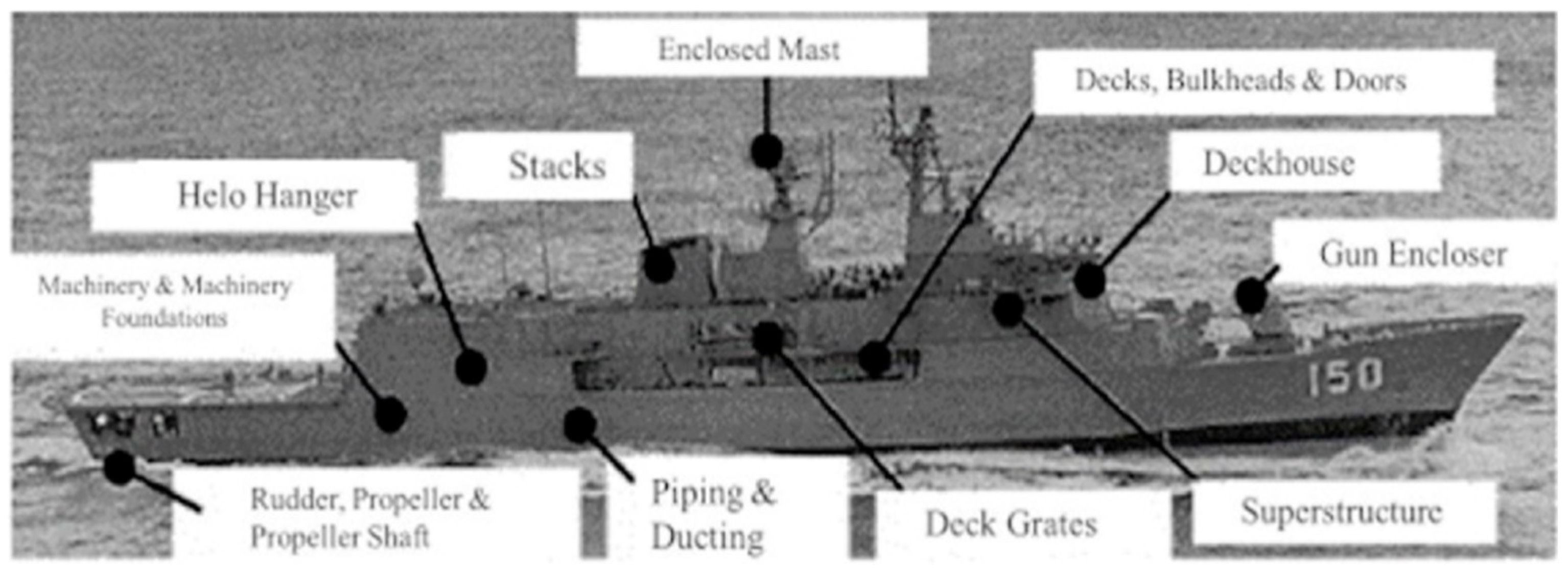
Figure 2 shows the main applications of composite materials in marine vessels.
CFRP, on the other hand, is mainly used in high-performance marine vessels, where its high specific modulus contributes to weight reduction, increased speed, and improved fuel efficiency. However, due to its susceptibility to galvanic corrosion when in contact with metallic fasteners, CFRP components require appropriate surface insulation layers or interfacial materials in such applications [
32,
33]. Seawater environments interact with FRP composites through both physical and chemical mechanisms, adversely affecting material stability and mechanical performance over time. Continuous moisture exposure, aggressive saline conditions, wave-induced loading, and repeated impact forces pose significant risks to the safety and service life of marine engineering structures [
37]. Although polymer matrices provide partial protection to reinforcing fibers, moisture and ions can penetrate the composite through microcracks, voids, and fiber matrix interfaces. Moisture diffusion leads to matrix plasticization, swelling, and hydrolysis, resulting in degradation of mechanical properties [
38]. Under hygrothermal conditions, these processes accelerate damage mechanisms such as anisotropic expansion, residual stress development, microcracking, delamination, and interfacial degradation [
39]. Moisture diffusion behavior in FRP composites is commonly described using Fickian or anomalous (Langmuir-type) diffusion models, with Fickian diffusion generally considered dominant in thermoset-based systems. Recent experimental studies have demonstrated that moisture absorption significantly deteriorates not only the quasi-static properties of FRP composites, such as tensile, flexural, and interlaminar shear strength, but also their dynamic and viscoelastic responses [
40]. These findings highlight the necessity of multiscale material optimization for marine and offshore wind energy applications. Accordingly, GFRP and CFRP composites used in offshore wind turbine blades and marine structures must be evaluated based on their region-specific loading conditions and environmental exposure. In marine structures, FRP components are often subjected to localized contact forces and irregular load transfer, which can be effectively represented by three-point bending (3PB) loading conditions. In contrast, loads in offshore wind turbine blades and bonded interface regions are distributed over a wider area, resulting in constant moment regions; therefore, four-point bending (4PB) loading regimes provide a more realistic representation of service conditions.
In this study, single-lap bonded specimens fabricated from seven-layer GFRP and eight-layer CFRP laminates were immersed under controlled conditions in natural seawater collected from the Aegean Sea, with a temperature of 22 °C and salinity levels ranging from 3.3% to 3.7%. Three-point bending tests were conducted on specimens representing marine applications, while four-point bending tests were applied to specimens representing offshore wind turbine interface regions. Following mechanical testing, microstructural damage mechanisms and deformation features in the bonded interface regions were examined in detail using scanning electron microscopy (SEM). The comparative results reveal the time-dependent effects of seawater exposure on damage initiation and evolution at the adhesive interfaces of GFRP and CFRP composites, providing reliable design data for both marine and offshore wind energy applications.
2. Materials and Methods
In this study, to obtain 2 mm thick laminate layers, the number of layers in GFRP and CFRP composites was determined by considering fiber-to-resin volume ratios and material densities. In this context, GFRP laminates with a 0/90° fiber orientation and a twill weave structure were composed of seven layers of 390 g/m2 glass fiber, while CFRP laminates were composed of eight layers of 245 g/m2 3K carbon fiber.
Both materials used the same epoxy-based resin system (F-RES 21 resin and F-Hard 22 hardener mixed at a 100:21 ratio) and were produced using hand lay-up and hot pressing methods at 120 °C and 8–10 bar pressure for 60 min.
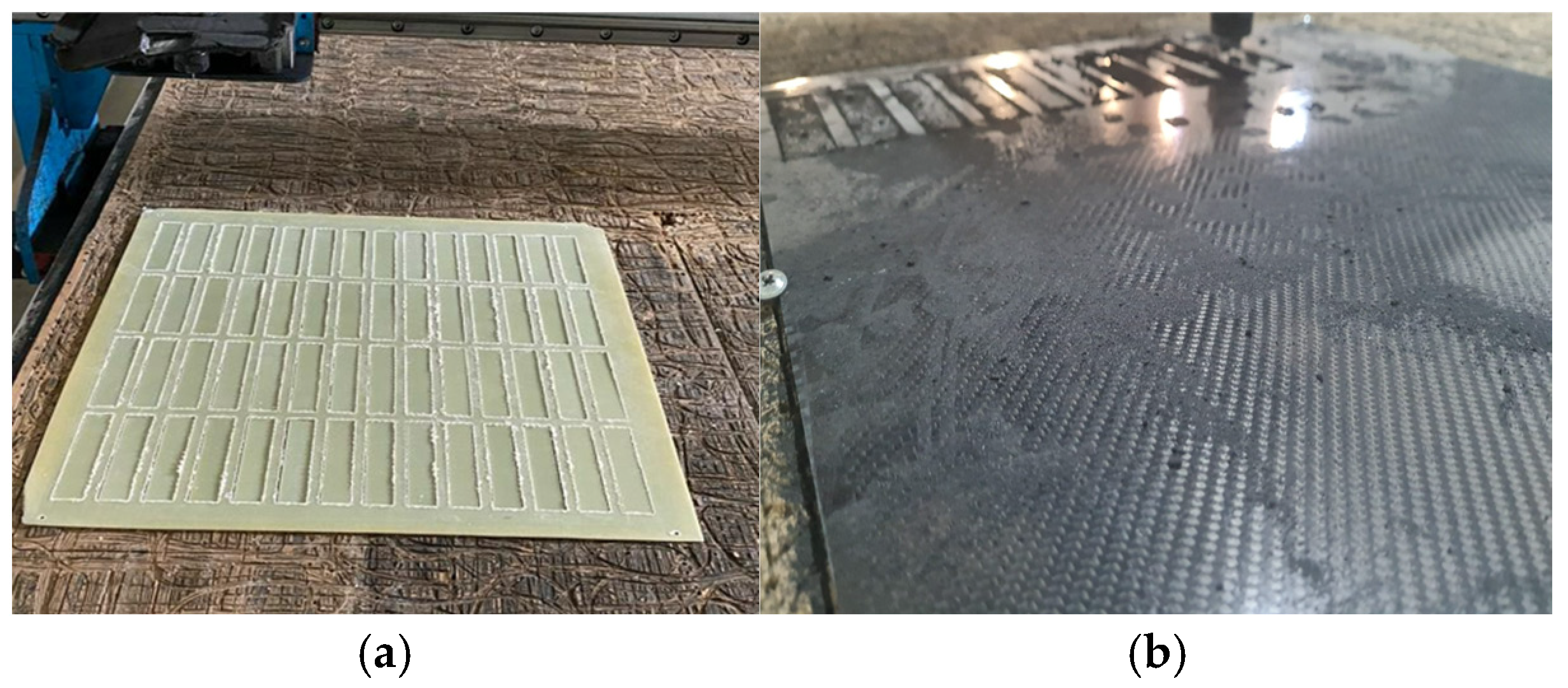
Prepreg production was performed with a drum-type machine, and the fiber-reinforced sheets were manufactured by Fibermak Engineering Company, located in İzmir, Turkey. The composite laminates were cut into 500 mm × 500 mm sheets using CNC machining, and the final laminate thickness was set to 2 mm (
Figure 3). The mechanical properties of the laminates were determined as follows: tensile strength 80 MPa, tensile modulus 3300 MPa, flexural strength 125 MPa, and flexural modulus 3200 MPa.
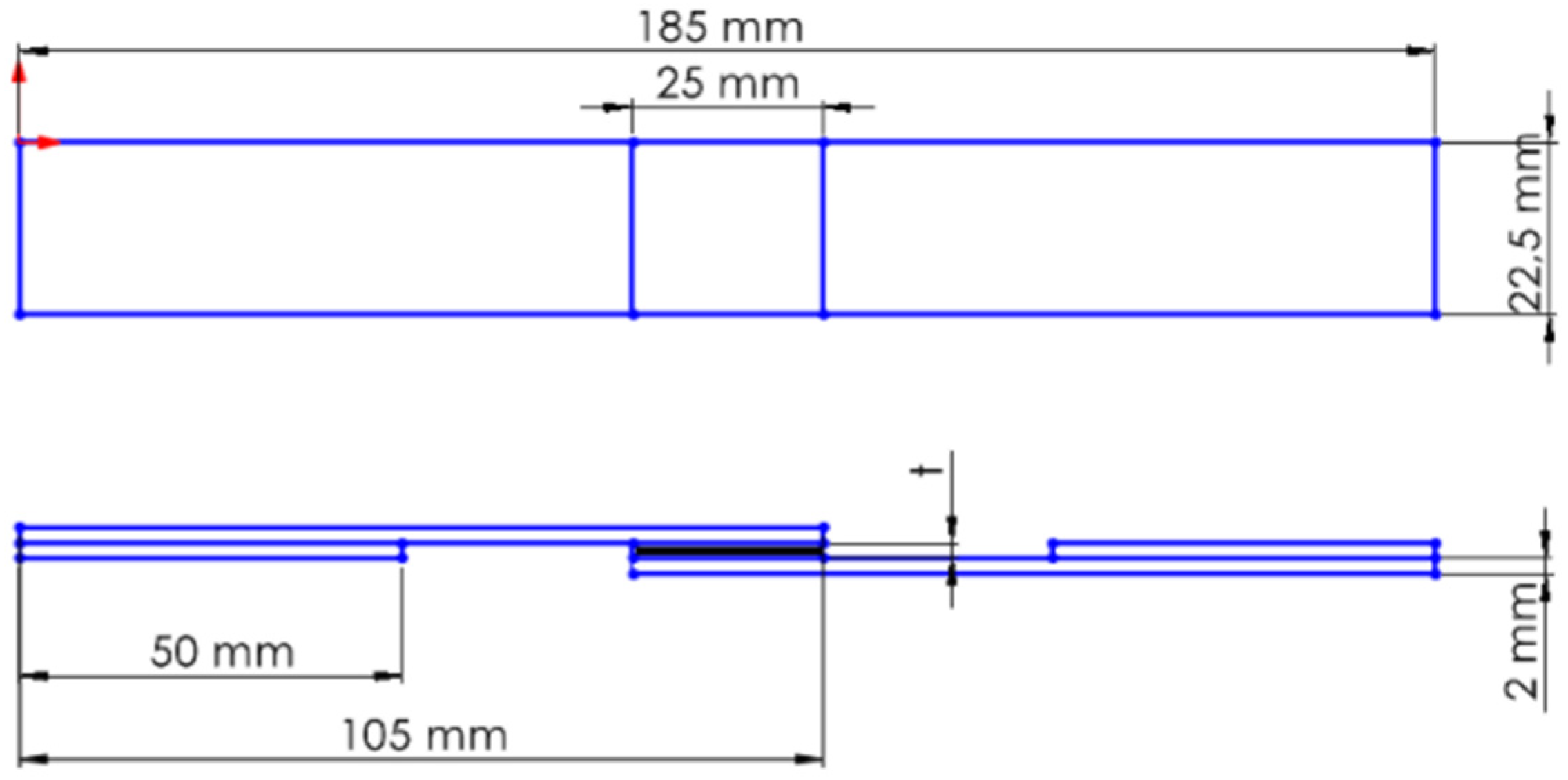
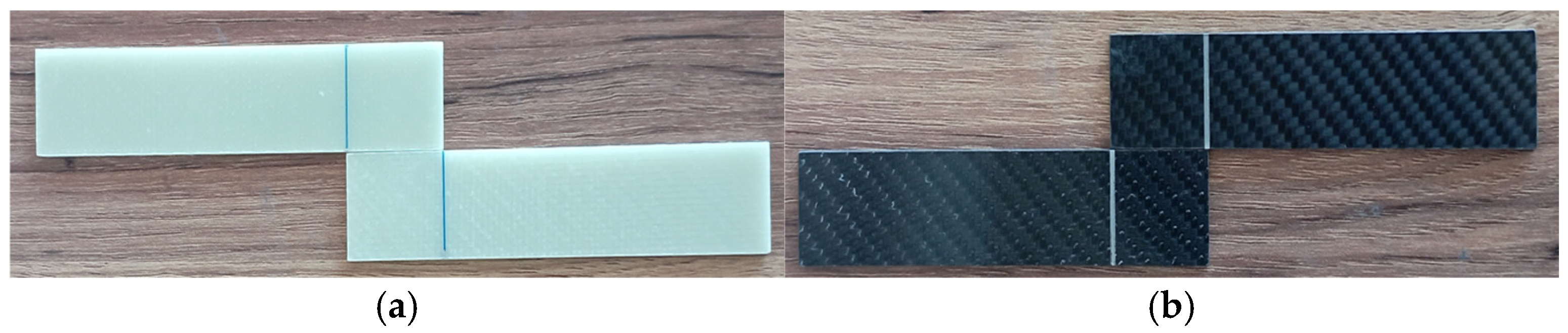
GFRP and CFRP specimens were then cut to the required dimensions in accordance with the ASTM D5868–01 standard [
41] (
Figure 4). Afterwards, 25 mm from the ends of the specimens were measured and marked (
Figure 5).
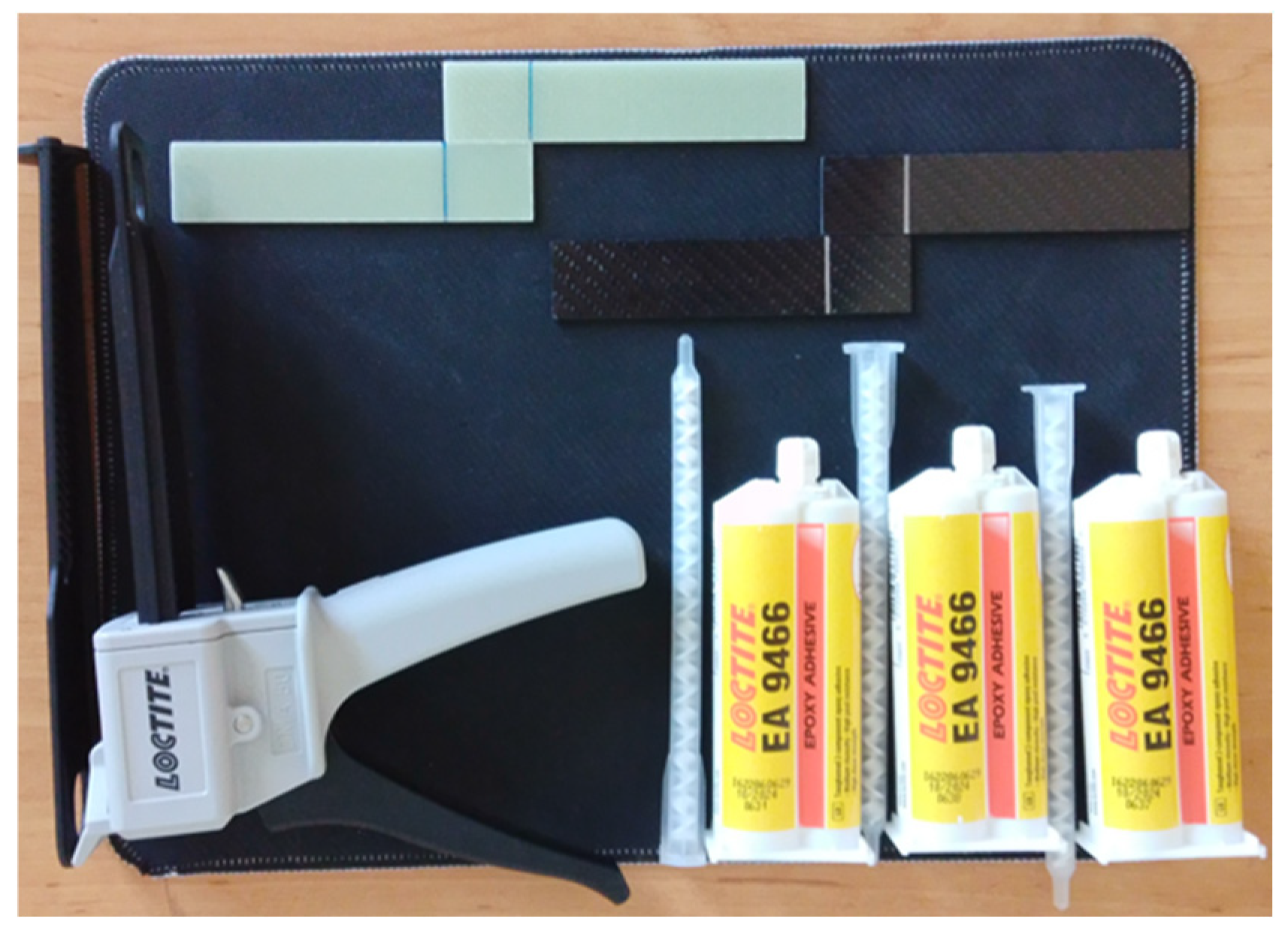
The samples were prepared by bonding solvent-cleaned surfaces with adhesive. Bonding was achieved with two-component Loctite Hysol-9466 (Alpanhidrolik, Eskişehir, Turkey) epoxy, cured at room temperature and mixed at a 2:1 ratio in the applicator gun (
Figure 6). The literature reports that adhesive layers of 0.1–0.3 mm thick provide high bond strength, while thicknesses greater than 0.6 mm reduce strength [
42,
43].
This is attributed to the fact that thin layers provide more effective mechanical resistance. After bonding, the samples were cured at room temperature for 7 days, in accordance with the product data sheet, and then moved on to the testing phase. This is attributed to the thin adhesive layers’ ability to support mechanical loads more effectively. Application was carried out under a constant pressure of 0.1 MPa and a target thickness of 0.2 mm; the evenness of the adhesive layer was confirmed by measuring it with a digital caliper.
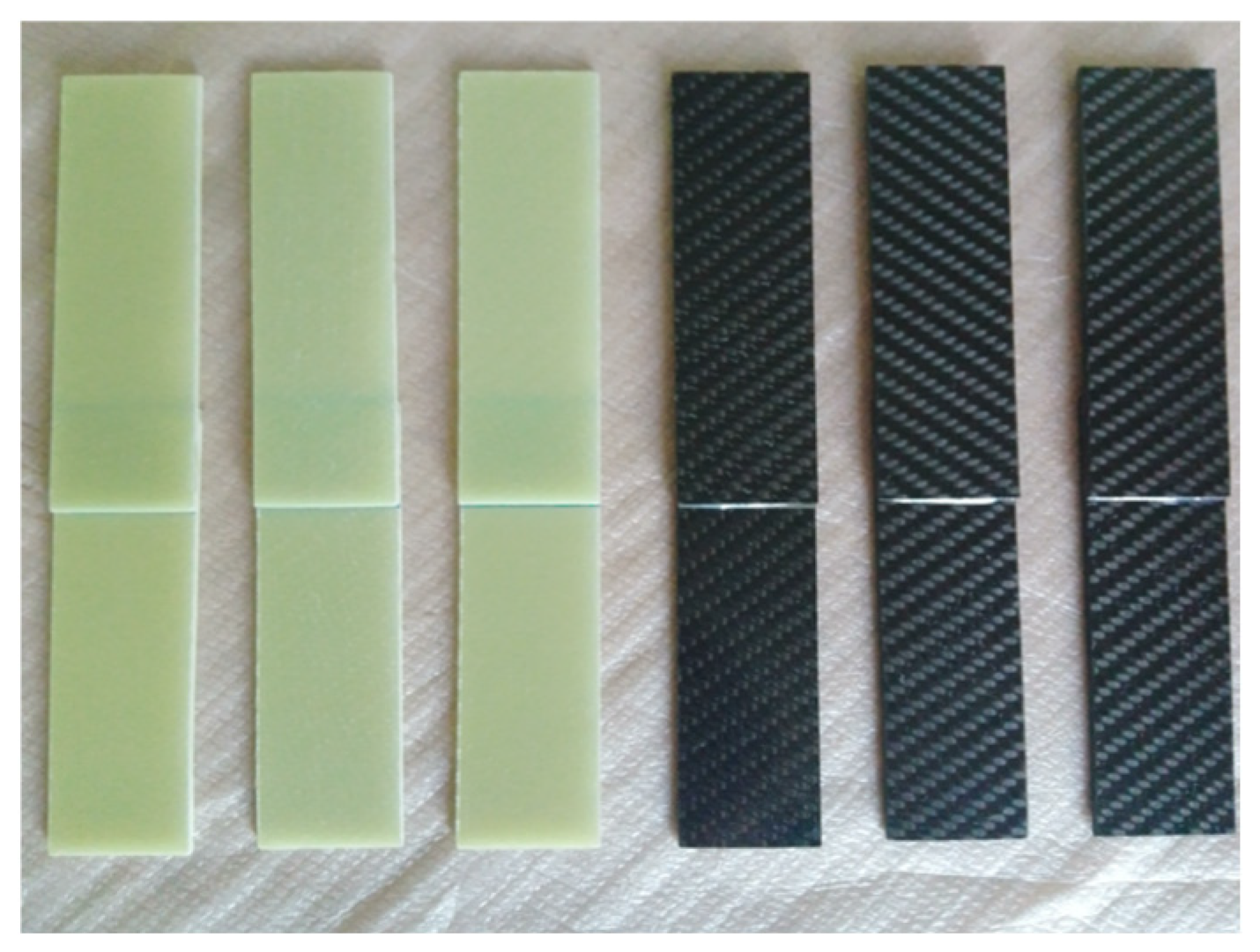
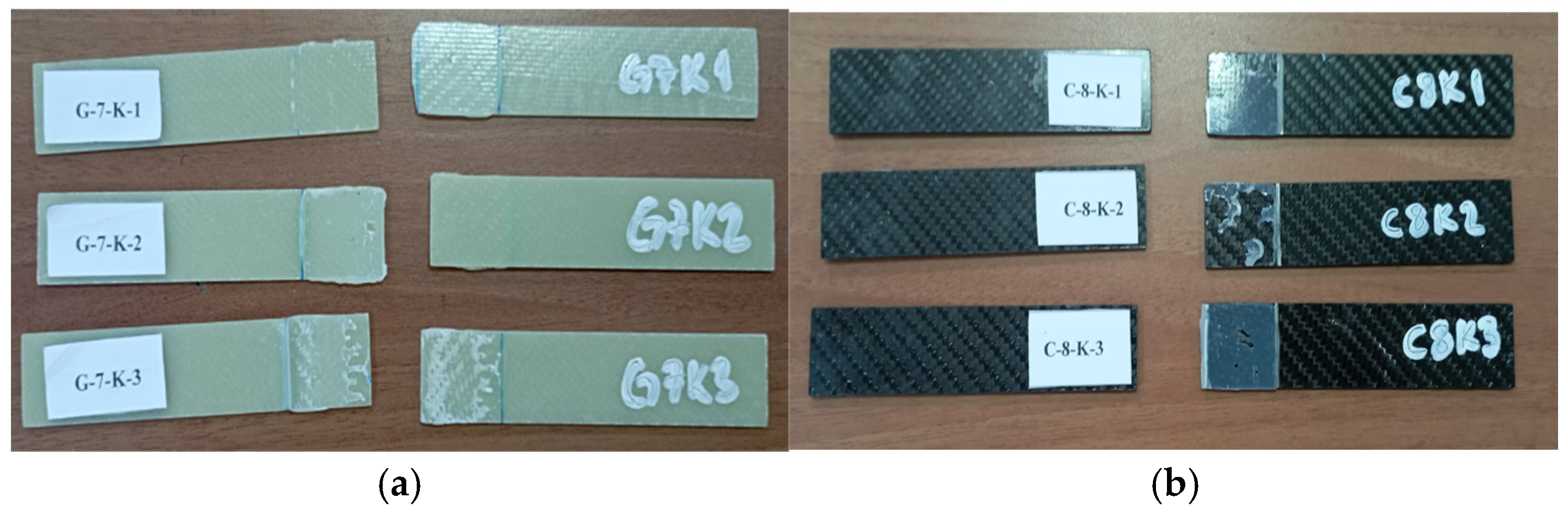
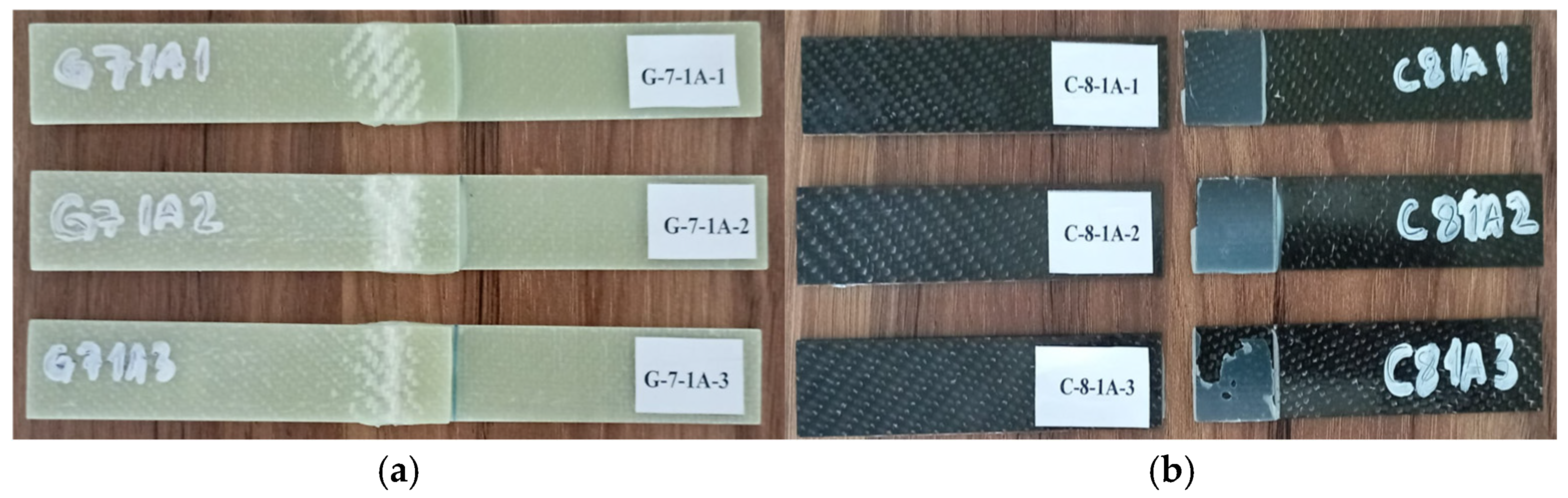
General views of the surface areas of the GFRP and CFRP samples bonded with Loctite Hysol-9466 epoxy adhesive before the three-point and four-point bending tests are presented in
Figure 7 and
Figure 8, respectively. At this stage, it is observed that the adhesive layer is evenly distributed and a homogeneous bond is achieved between the samples.
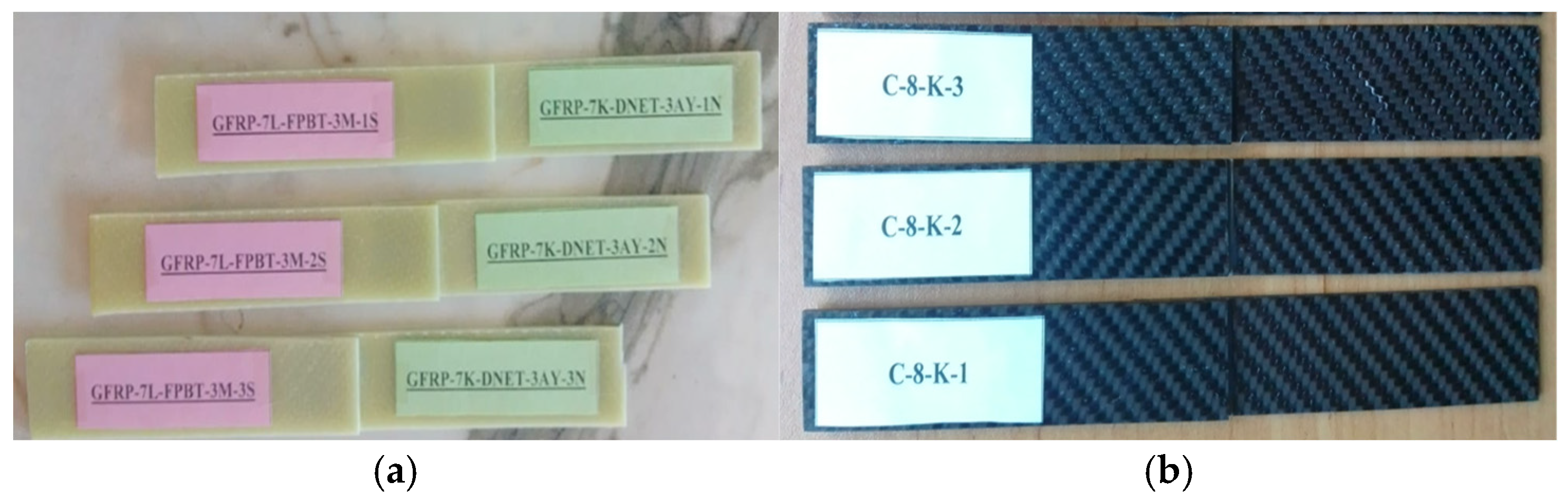
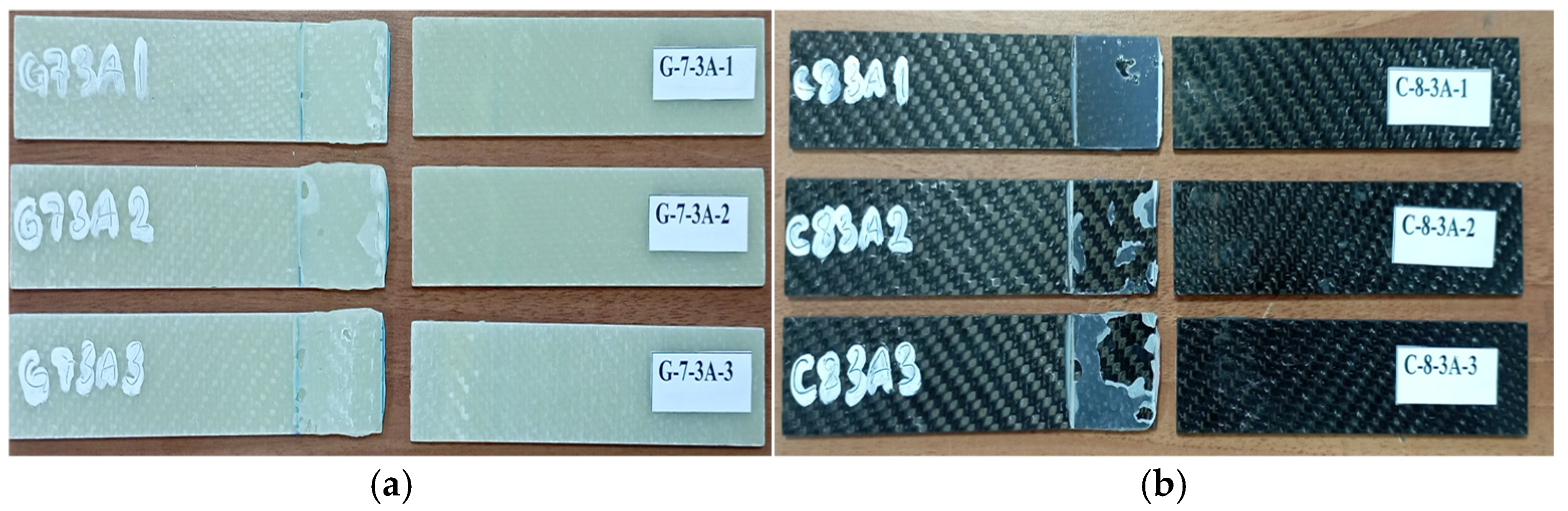
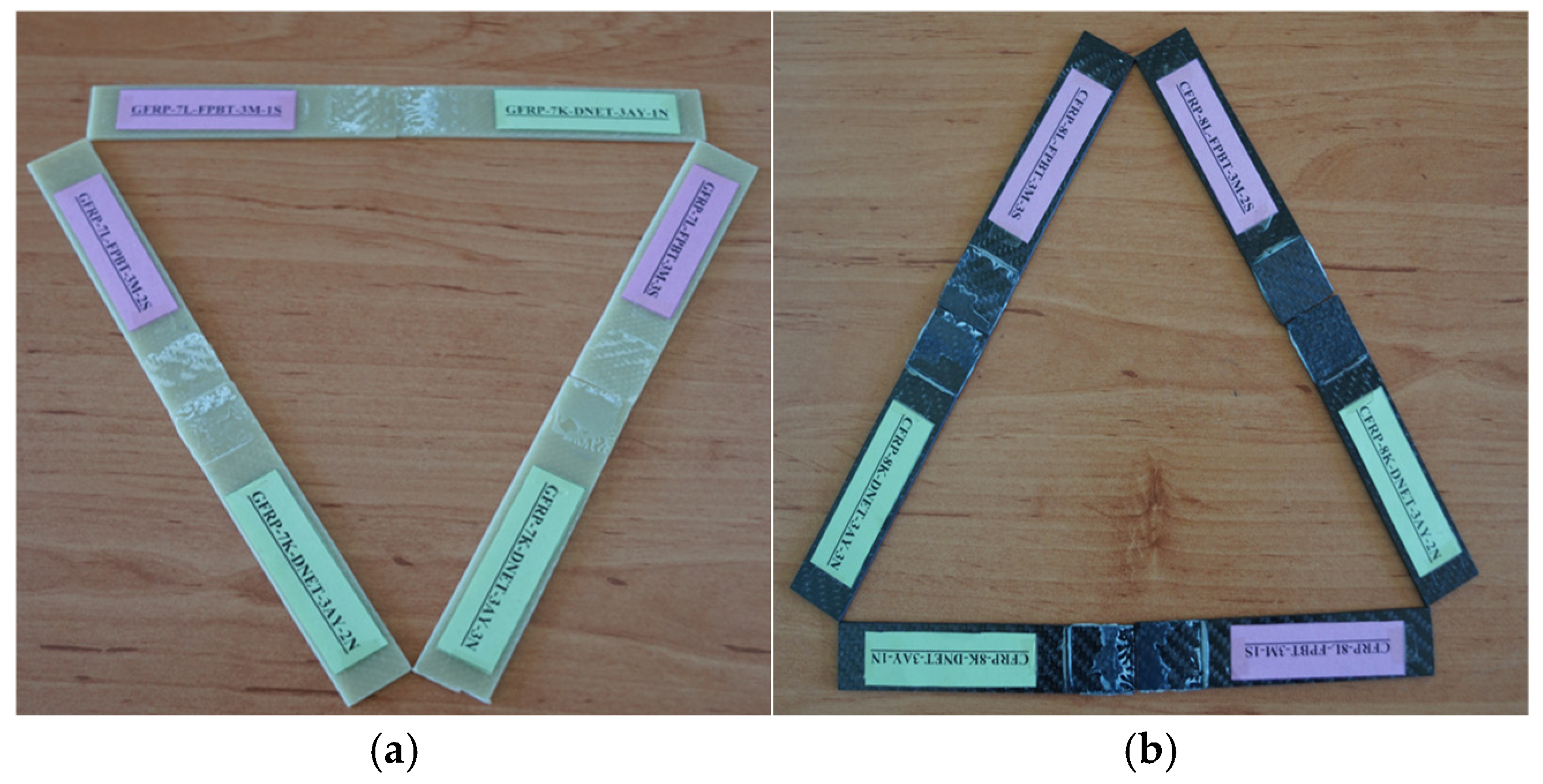
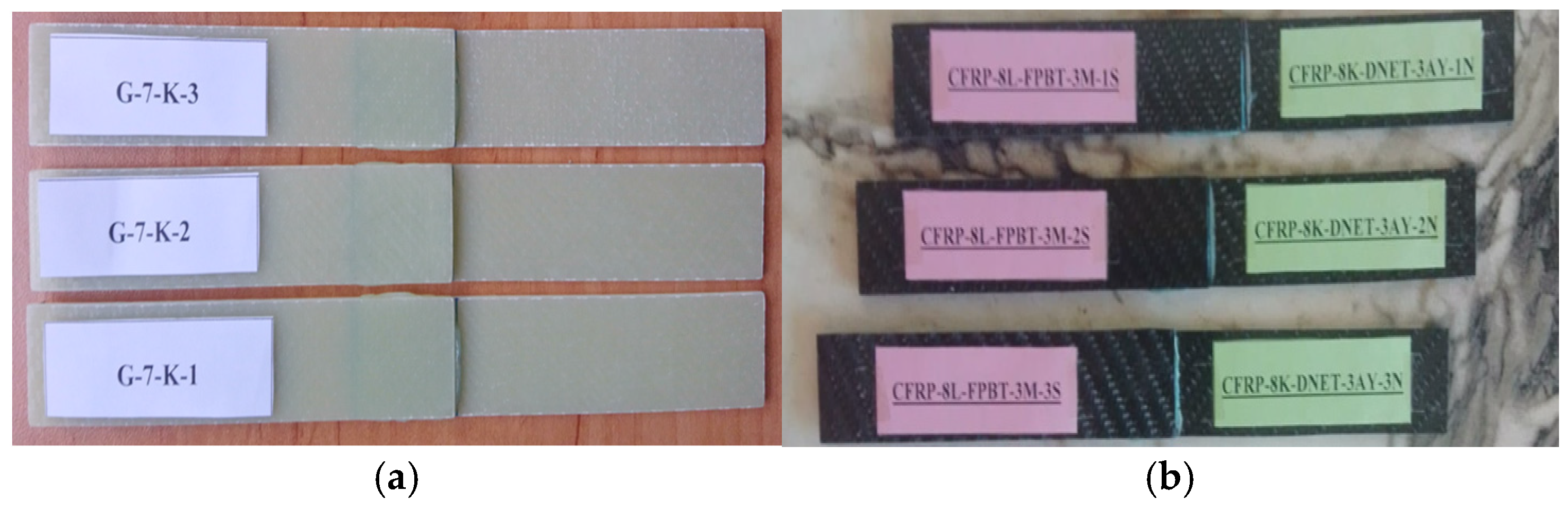
In order to ensure that the experiments were conducted systematically and without confusion, distinctive codes were assigned to each specimen. The coding system used for the specimens tested in the three-point and four-point bending tests was organized to include the material type, number of layers, environmental conditions, and specimen sequence number. The following table presents example codes and explains their meanings (
Table 1).
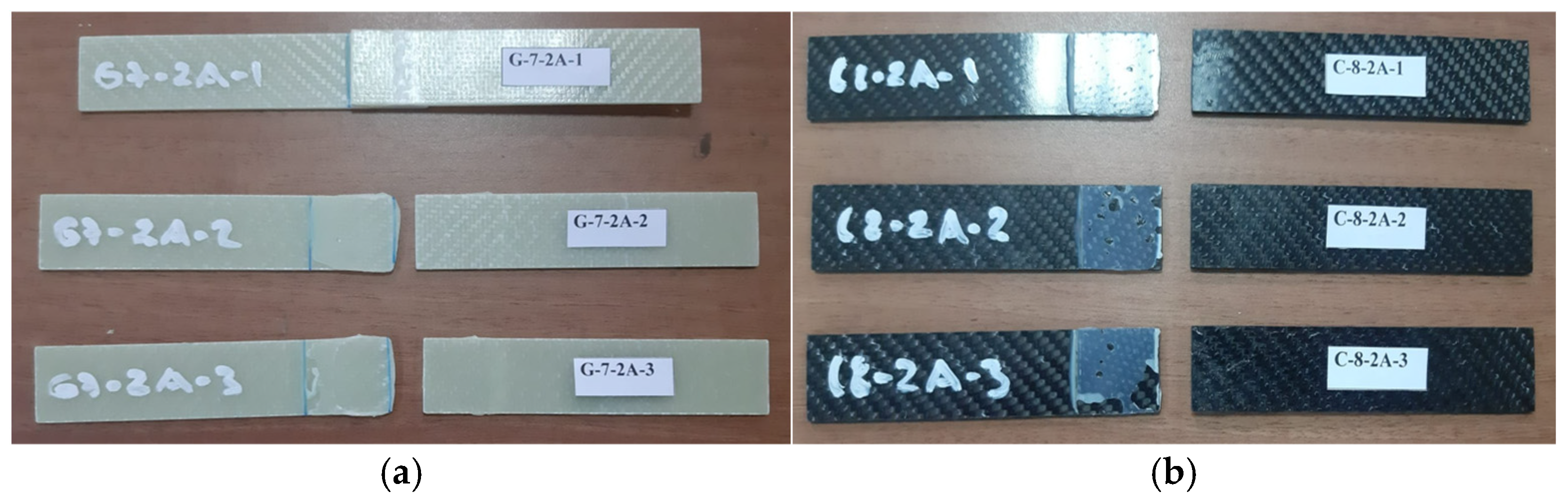
For instance, the code G-7-K-1 refers to the first specimen made of glass fiber, consisting of seven layers, and tested in a dry environment (not exposed to seawater). Similarly, G-7-1A-1 represents the first specimen with the same properties but exposed to seawater for one month before testing. For the specimens made of carbon fiber, C-8-K-1 denotes the first eight-layer specimen tested under dry conditions (
Figure 9).
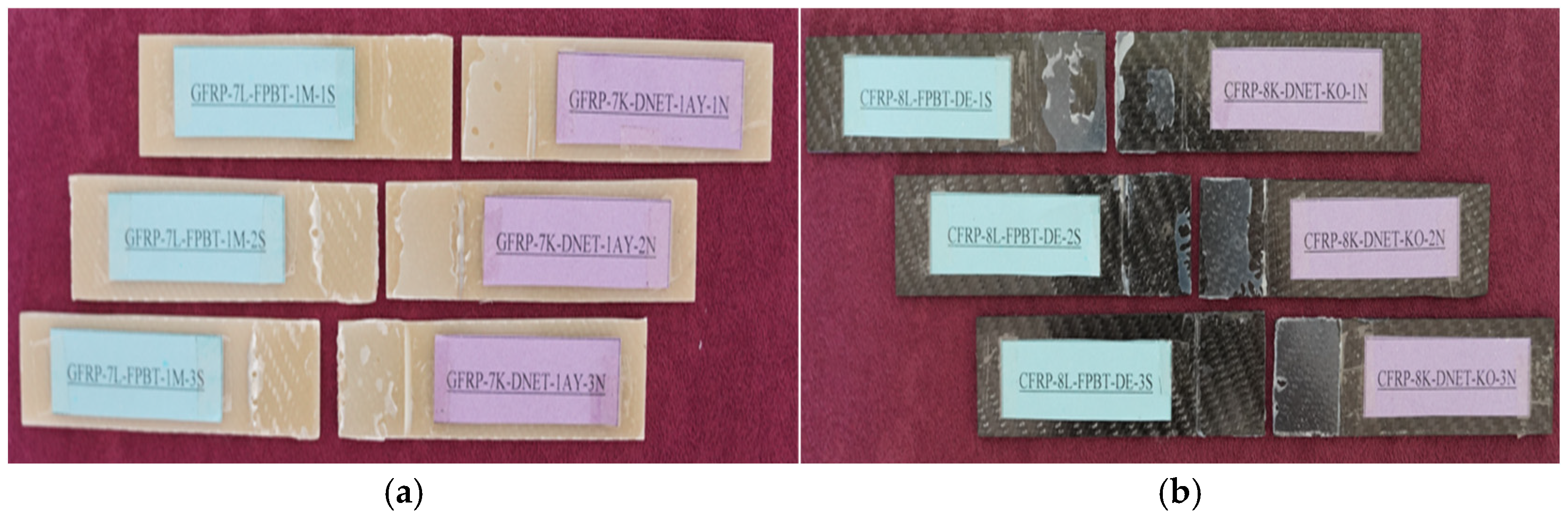
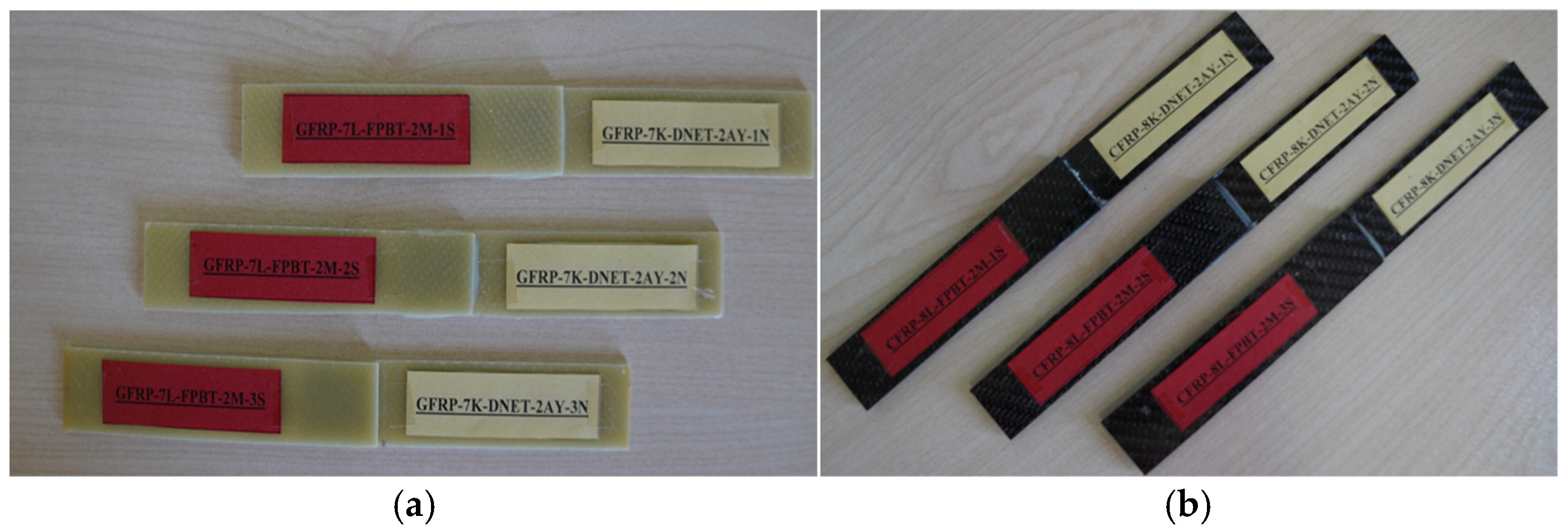
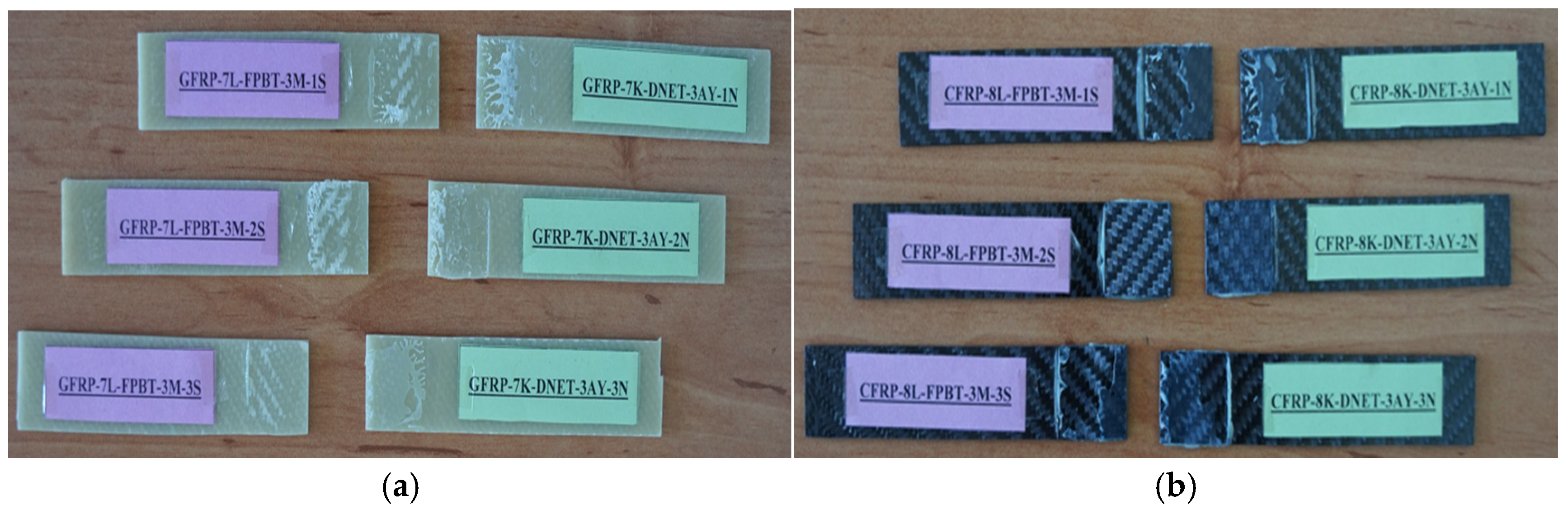
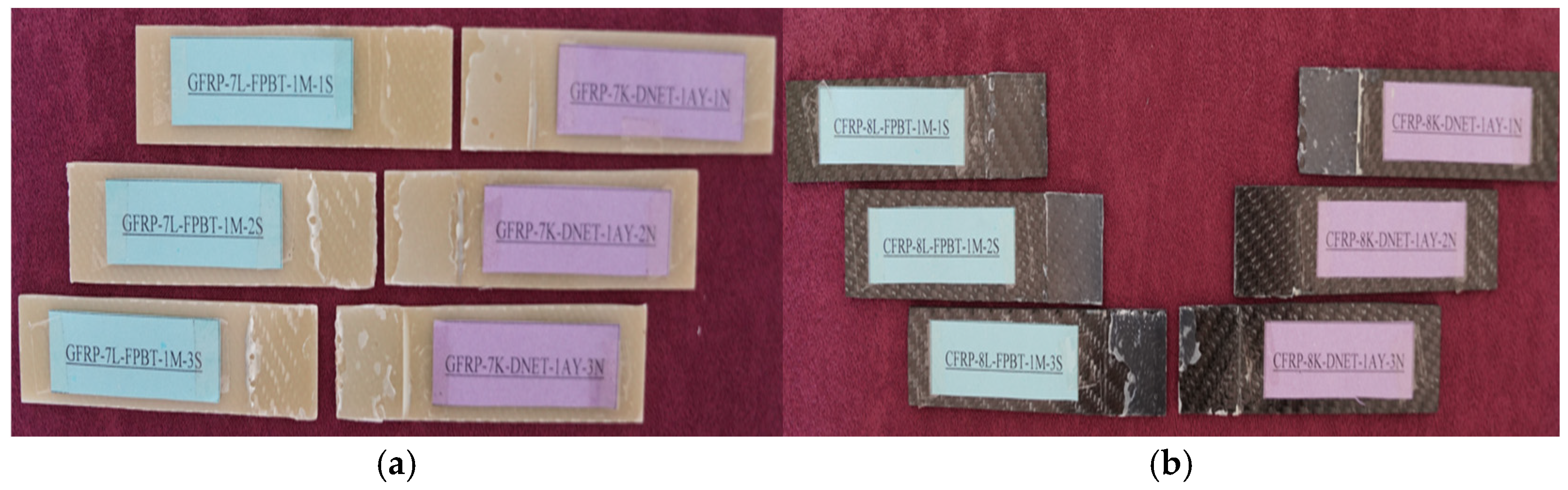
In the specimens subjected to the four-point bending test, the coding system was arranged as follows: for example, GFRP-7L-FPBT-DE-1S represents a specimen made of glass fiber-reinforced polymer (GFRP), consisting of seven layers (7L), tested under the four-point bending test (FPBT), kept in a dry environment (DE not exposed to seawater), and being the first specimen (1S). Similarly, GFRP-7L-FPBT-2M-1S indicates a specimen with the same structural features but immersed in seawater for two months (2M) before testing. For carbon fiber-reinforced specimens, CFRP-8L-FPBT-DE-1S denotes an eight-layer (8L) specimen tested under dry conditions (DE not exposed to seawater) and identified as the first specimen (1S) (
Figure 10).
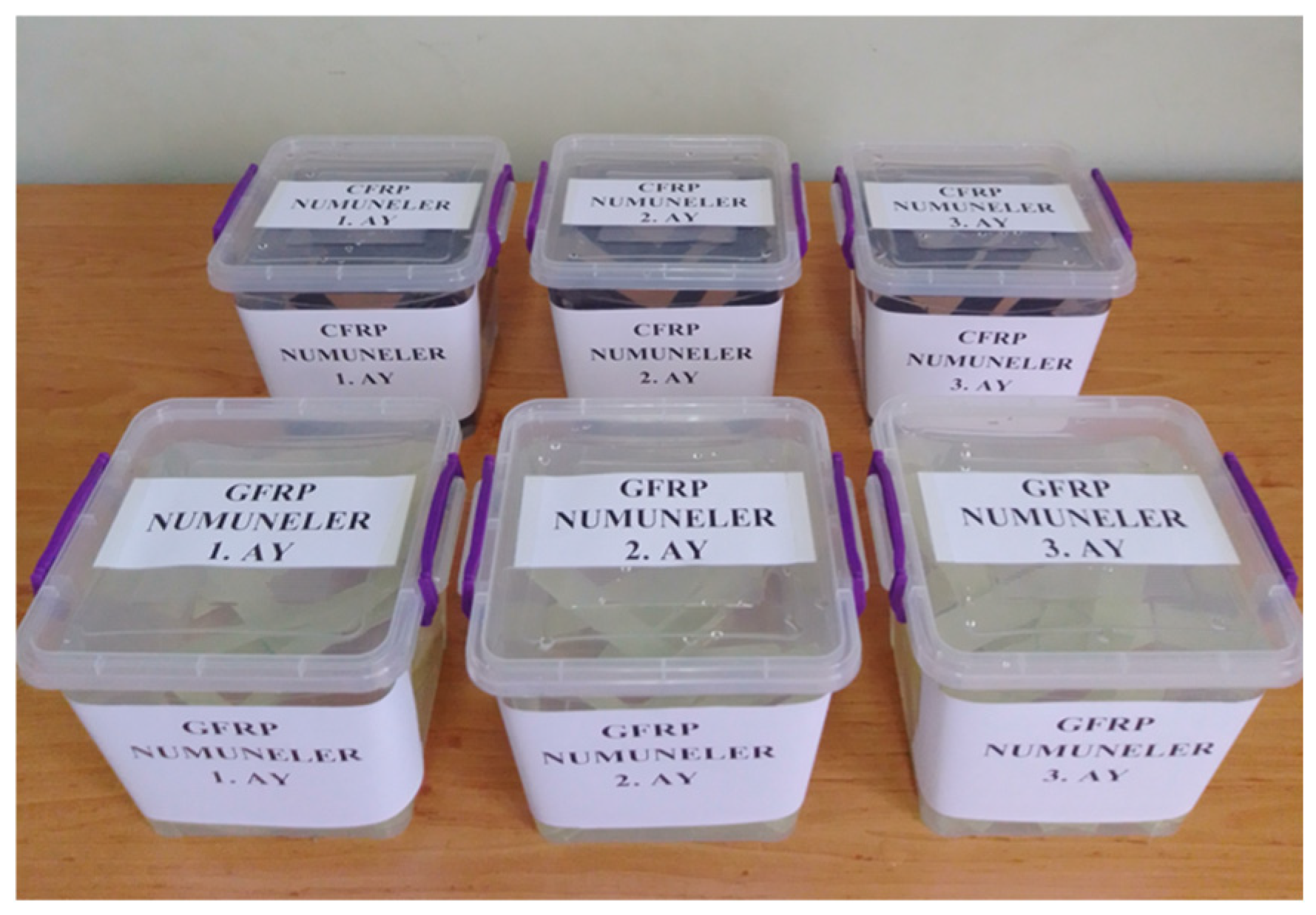
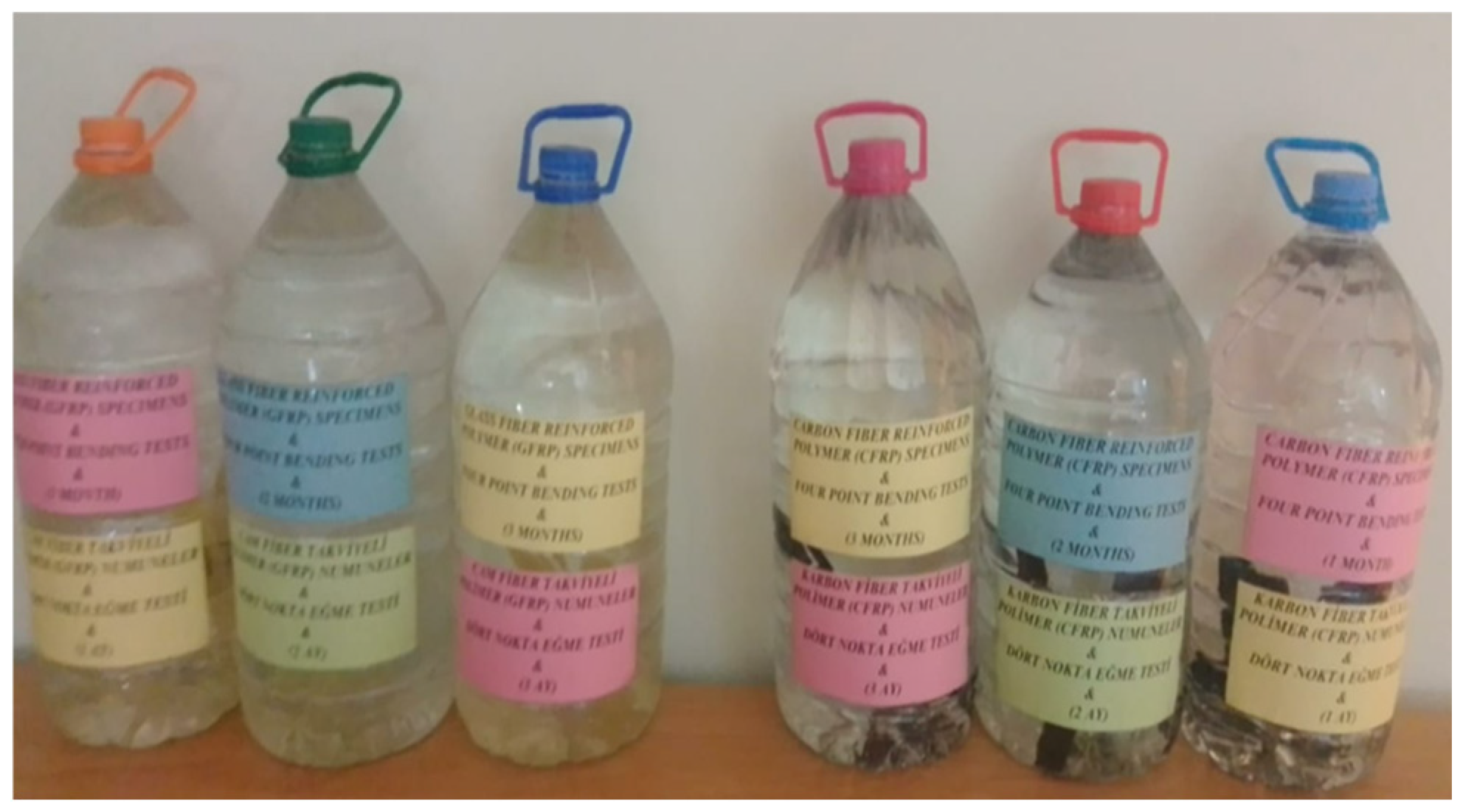
Samples prepared using the single-lap method were first conditioned in a dry environment for three-point bending tests and then conditioned in seawater for periods of 1, 2, and 3 months (
Figure 11). The same procedure was applied for the four-point bending tests. The seawater medium was prepared with a salinity range of 3.3–3.7% and a constant temperature of 22 °C, and all experiments were conducted under the same conditions (
Figure 12).
Comparative Analysis of Three- and Four-Point Bending Tests for GFRP and CFRP Composites in Marine Environment and Offshore Wind Turbine Blades
Flexural tests are commonly employed to evaluate the mechanical performance of materials and to determine their characteristic properties such as ductility, flexural strength, yield strength, elastic modulus, and fracture toughness. In the three-point bending test, the specimen is supported at both ends, and deformation is observed under a centrally applied load. This method allows the mechanical behavior of materials with different cross-sectional geometries to be analyzed under the assumption of a simple beam model, considering an ideal moment distribution and negligible shear stresses. In contrast, the four-point bending test involves supporting the specimen at both ends and applying two equal loads, thereby creating a constant moment region that enables a detailed examination of both elastic and plastic deformation behaviors. Accordingly, under dynamic bending type loading conditions, the mechanical reliability of the system is strongly influenced by the fiber matrix interfacial integrity of the composite structure [
43].
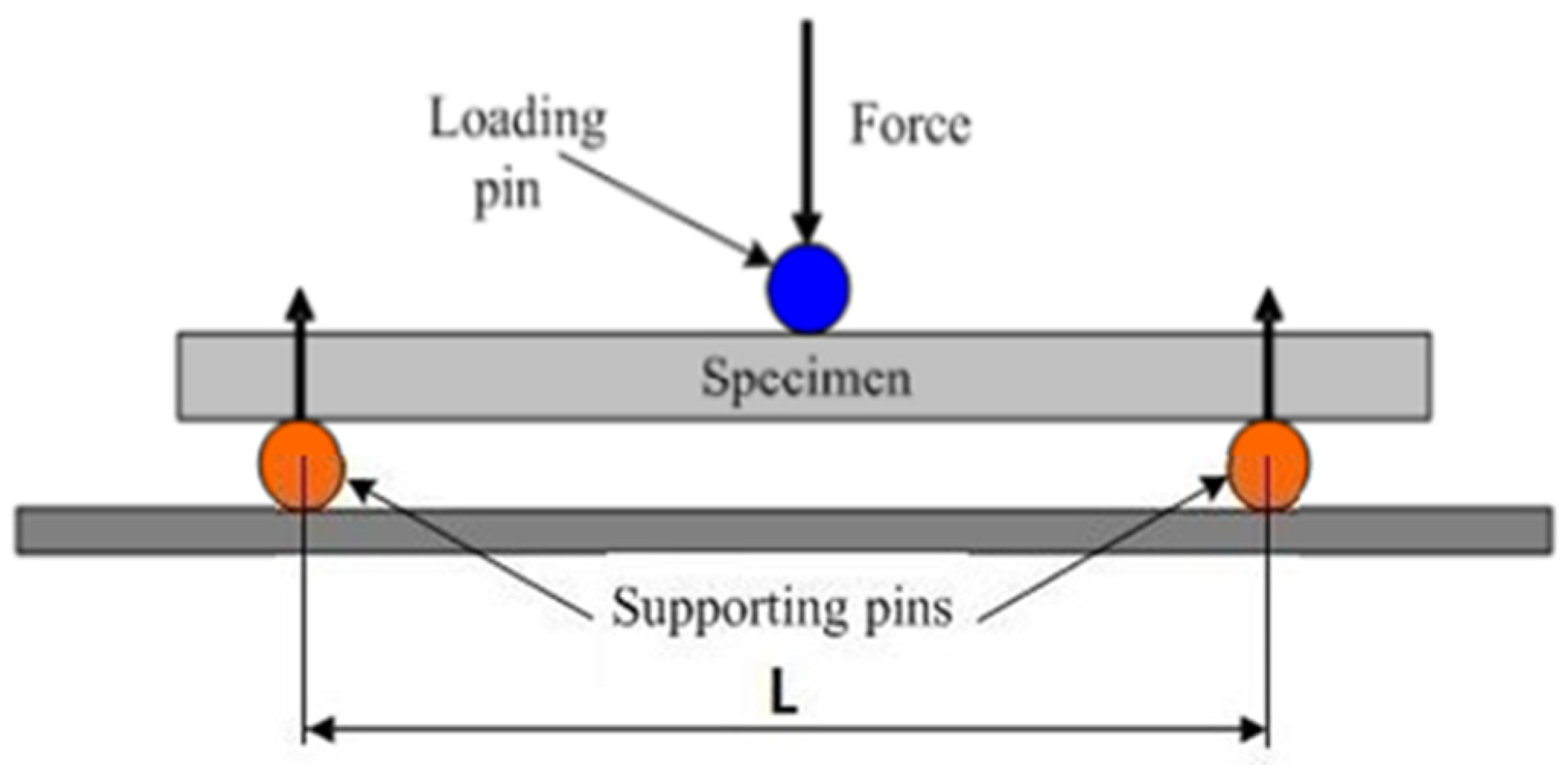
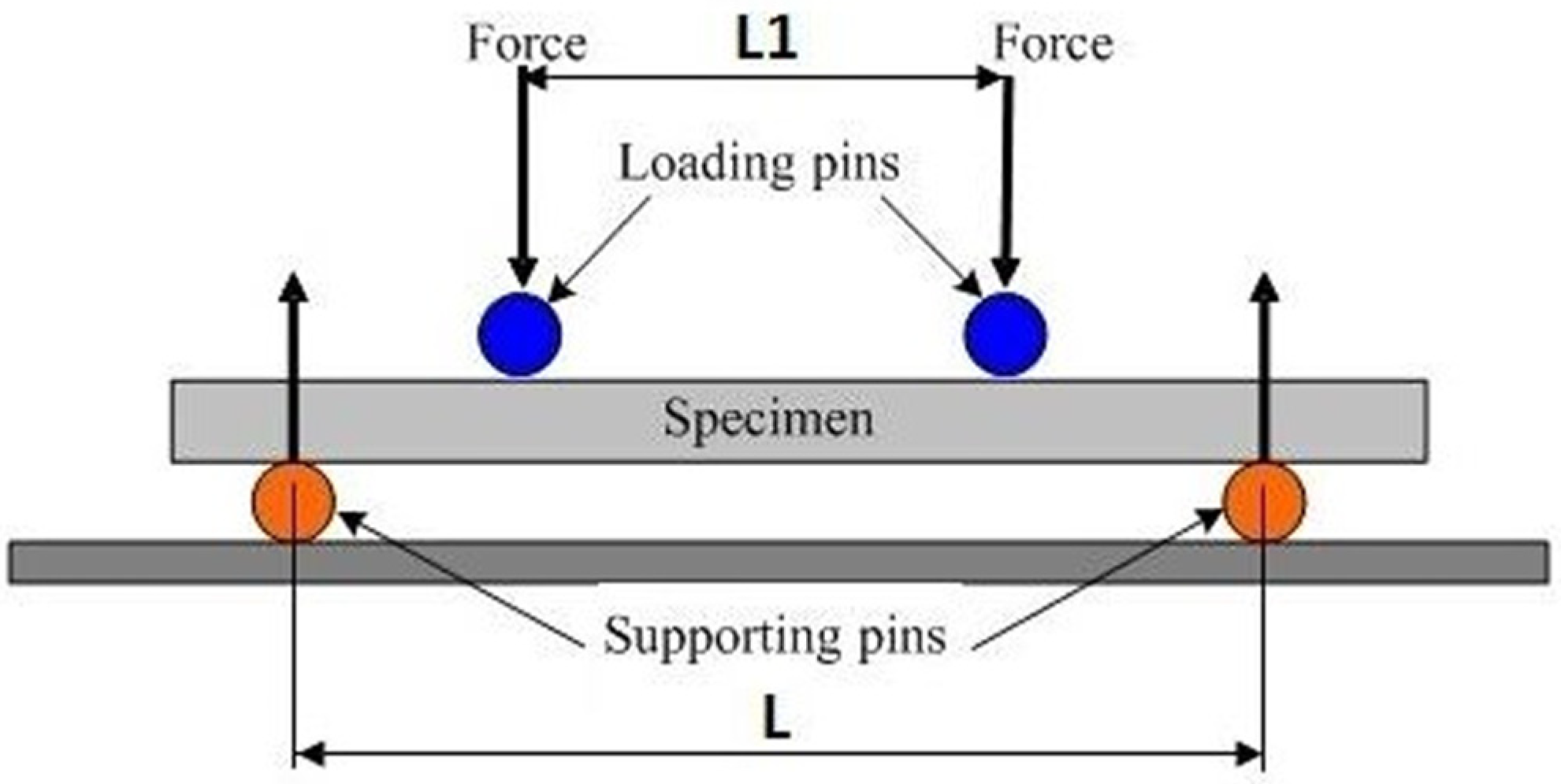
In this study, the effects of adhesive type, joint geometry, and composite material type on mechanical performance were comprehensively investigated through both three-point and four-point bending tests. In the three-point bending test, the specimen was supported at both ends, and a load was applied at the center generated maximum stress; this condition caused the highest stress to occur in the outermost fibers at the midspan of the beam, thus identifying the region most susceptible to failure under bending (
Figure 13). This test method is particularly useful for determining the damage mechanisms that occur in the adhesive interface and joint regions of single-lap GFRP and CFRP composite joints aged in marine environments, as well as for analyzing time-dependent variations in their mechanical properties.
On the other hand, the four-point bending test was applied to offshore wind turbine blade composites. The presence of a constant moment region enabled a detailed assessment of the specimen’s elastic and plastic behavior (
Figure 14). During this test, the maximum stress and strain values occurring at the center of the adhesive-bonded joint specimens were calculated at each load level, allowing for a reliable evaluation of the mechanical performance of the composite joints. Both testing methods provide a systematic and comprehensive approach to analyzing the behavior of different composite materials and bonding parameters under marine environmental conditions.
The following formula is applied to calculate the amount of stress at a particular point on the load–deflection curve.
Flexural Stress (
σf):
where:
: stress in the outer fibers at midpoint, MPa.
P: load at a given point on the load–deflection curve, N.
L: support span, mm.
b: width of beam tested, mm.
d: depth of beam tested, mm.
Flexural Strain,
εf:
where:
: strain in the outer surface, mm/mm.
D: maximum deflection of the center of the beam, mm.
L: support span, mm.
d: depth, mm.
During the test, the stress and strain values at the center of the adhesively bonded joint specimen were determined at each loading step in the four-point bending test, thus evaluating the material’s mechanical performance.
The following formula is used to calculate the maximum stress value in the area between the loading points in the four-point bending test.
where:
L: span between supports, mm.
L1: distance between the applied forces, mm.
b: specimen width, mm.
h: specimen thickness, mm.
F: applied force, N.
The strain
is calculated using the following formula:
where:
: strain, mm/mm.
h: thickness of the specimen, mm.
L: support span, mm.
L1: half the loading span, mm.
: deflection at the middle of the span, mm.
Both the three-point and four-point bending tests were conducted in the Biomechanics Laboratory of Ege University, Department of Mechanical Engineering, using bending fixtures compatible with a 100 kN capacity Shimadzu AG-100 (Shimadzu, Kyoto, Japan) testing machine. The experiments were performed under a 5 kN load and a crosshead speed of 1 mm/min. All tests were carried out in accordance with the ASTM D790 standard [
41] on smooth GFRP and CFRP single-lap joint specimens with an adhesive thickness of 0.2 mm. The specimens were tested under both dry and seawater-conditioned environments to investigate the effects of environmental exposure on mechanical performance.
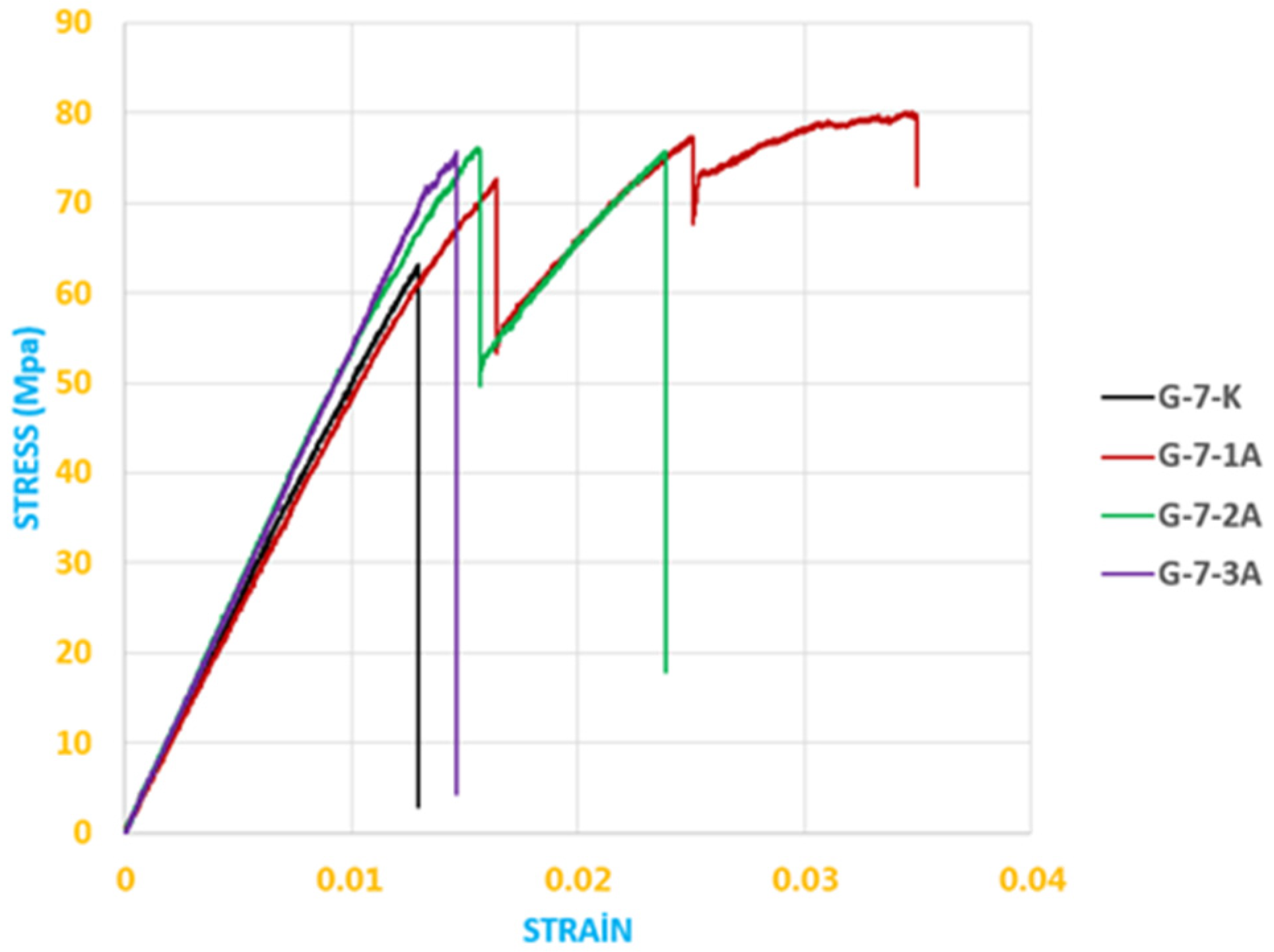
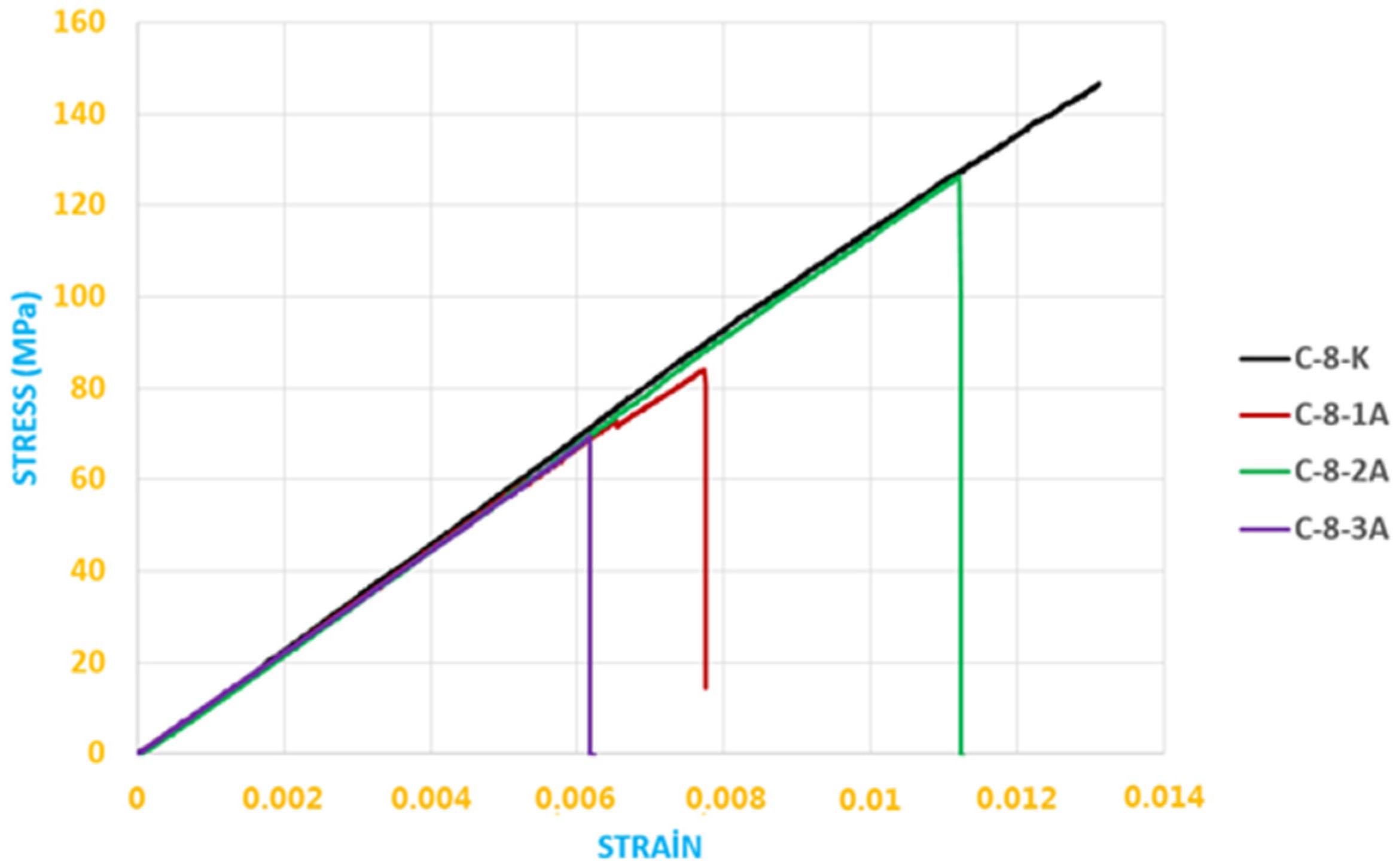
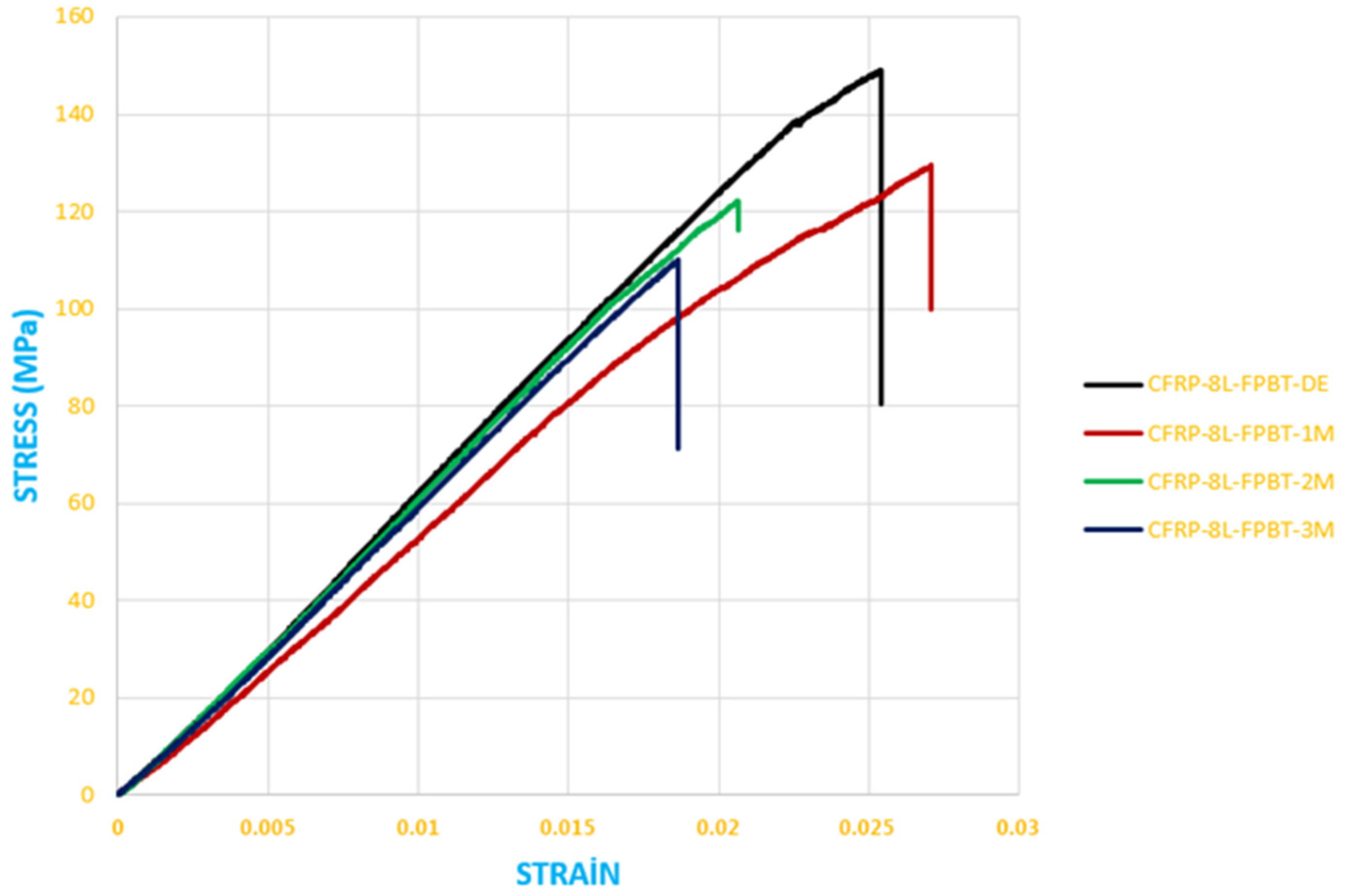
During the three-point bending tests, stress–strain curves were obtained and analyzed based on the experimental data. In the four-point bending tests, parameters such as applied load, test speed, and specimen geometry were defined on the testing system, and measurements were automatically recorded through the test software.
As a result, the influence of environmental factors on the flexural behavior of the adhesive interface was evaluated for all specimens, and variations in mechanical properties were comparatively analyzed based on the experimental findings.
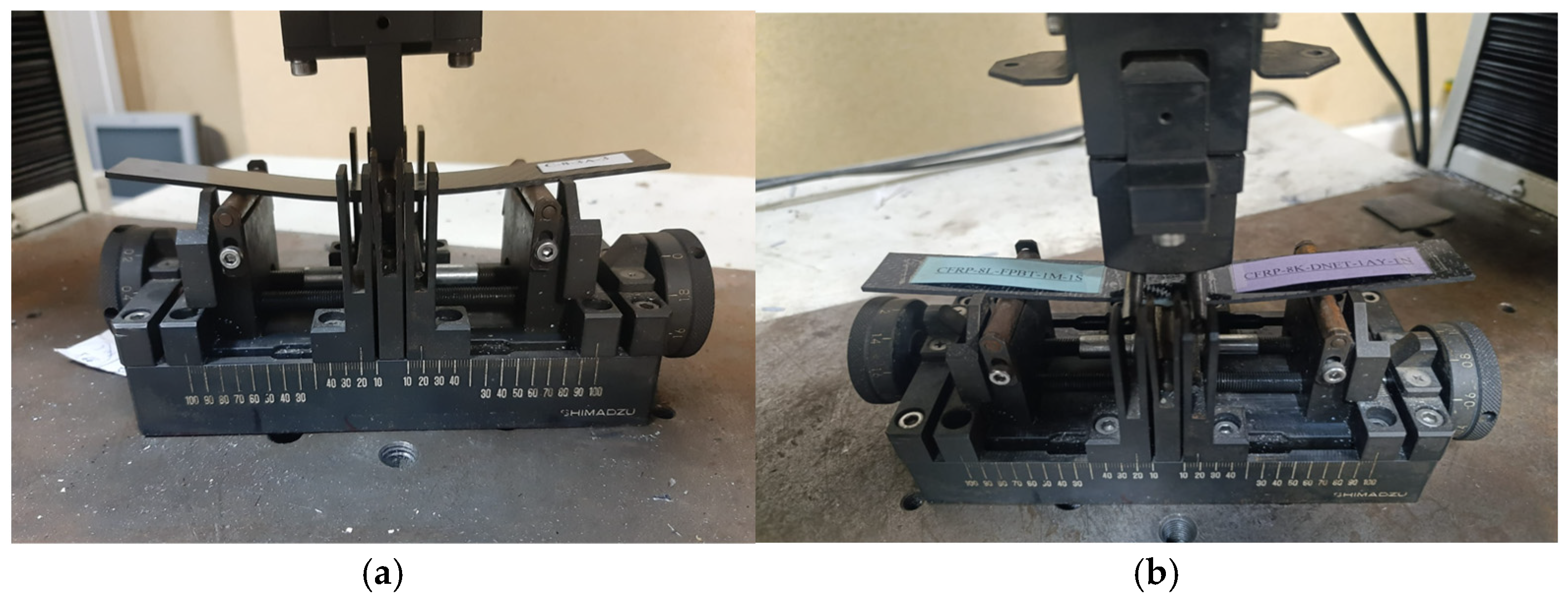
Figure 15 shows the placement of the specimens in the testing machine during both the three-point and four-point bending tests.
A total of 24 connection samples were used within the scope of the experiment, 12 of which were used for the three-point bending test and 12 for the four-point bending test.
4. Discussion and Conclusions
The strength of adhesively bonded single-lap GFRP and CFRP joints used in marine environments, particularly in offshore wind turbine blades, is critically dependent on long-term exposure to seawater. Existing studies have generally been conducted under single-material conditions and limited environmental scenarios, leaving the effects of different composite types and seawater exposure largely unexplored.
In this study, GFRP and CFRP specimens were stored both under dry conditions and in natural seawater collected from the Aegean Sea (22 °C, 3.3–3.7% salinity) for 1, 2, and 3 months. Their mechanical behavior and damage characteristics were comparatively evaluated through three-point and four-point bending tests.
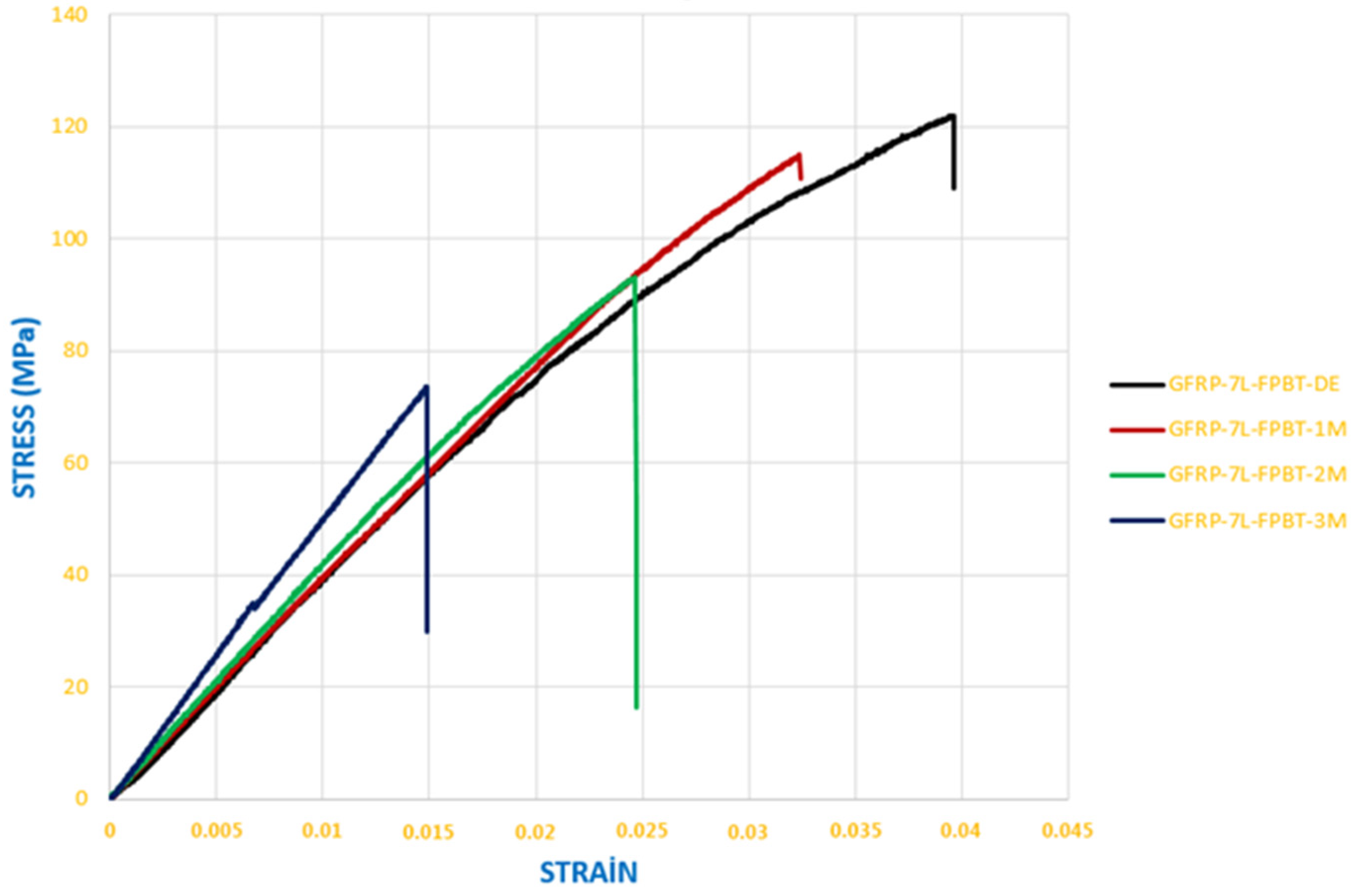
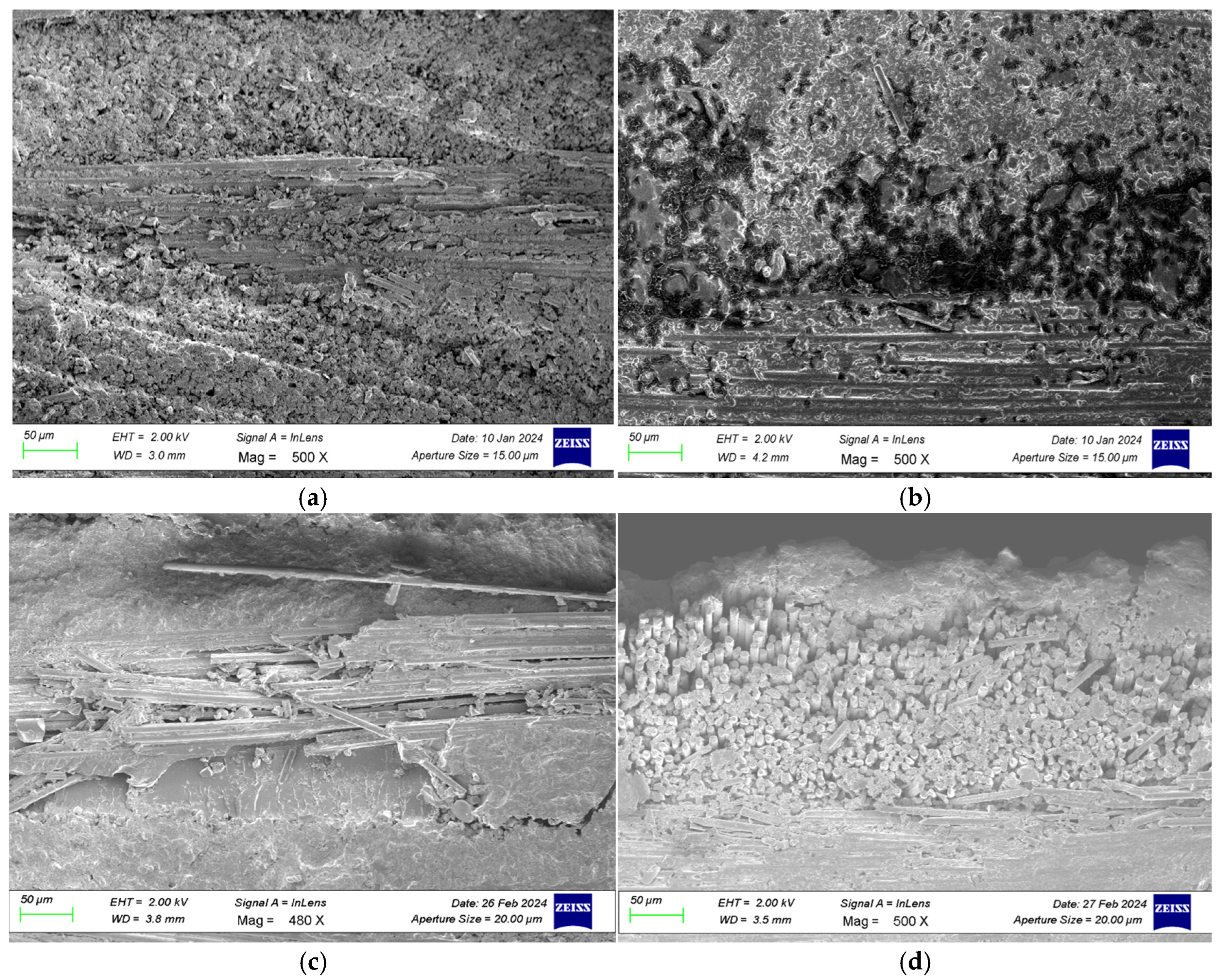
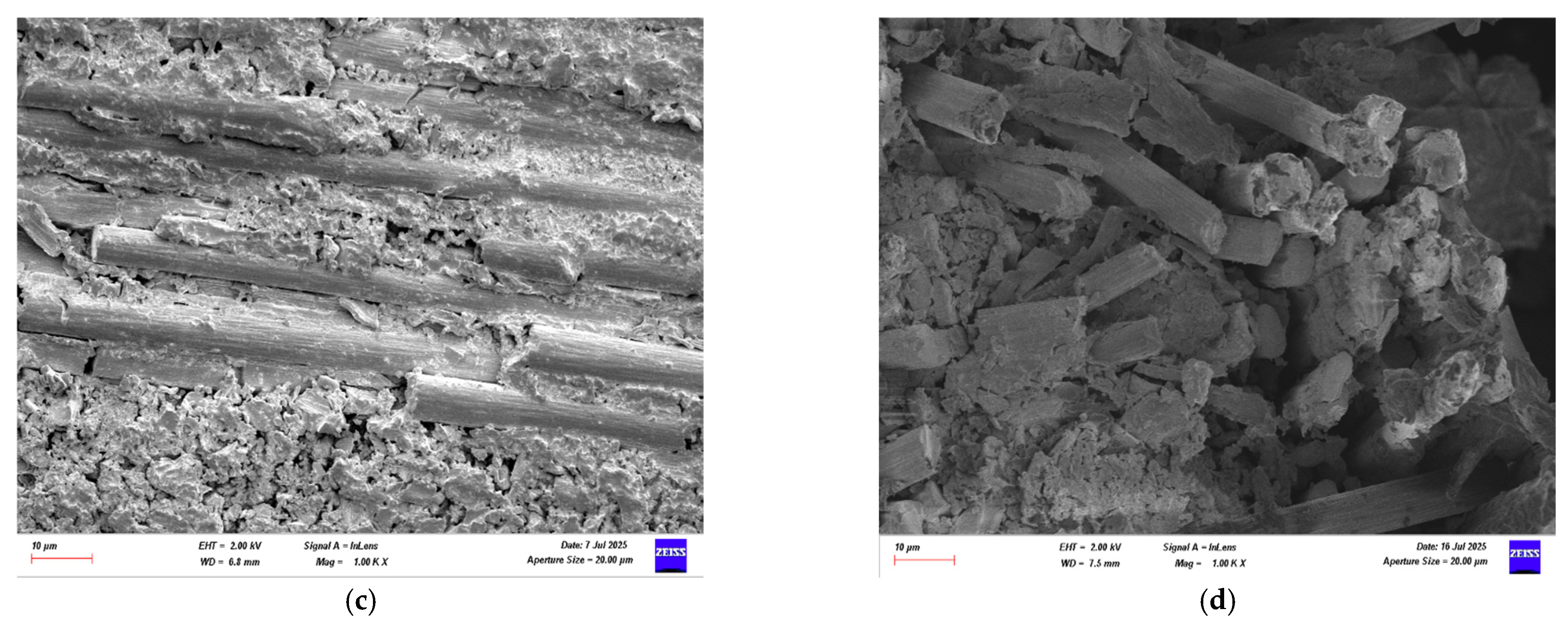
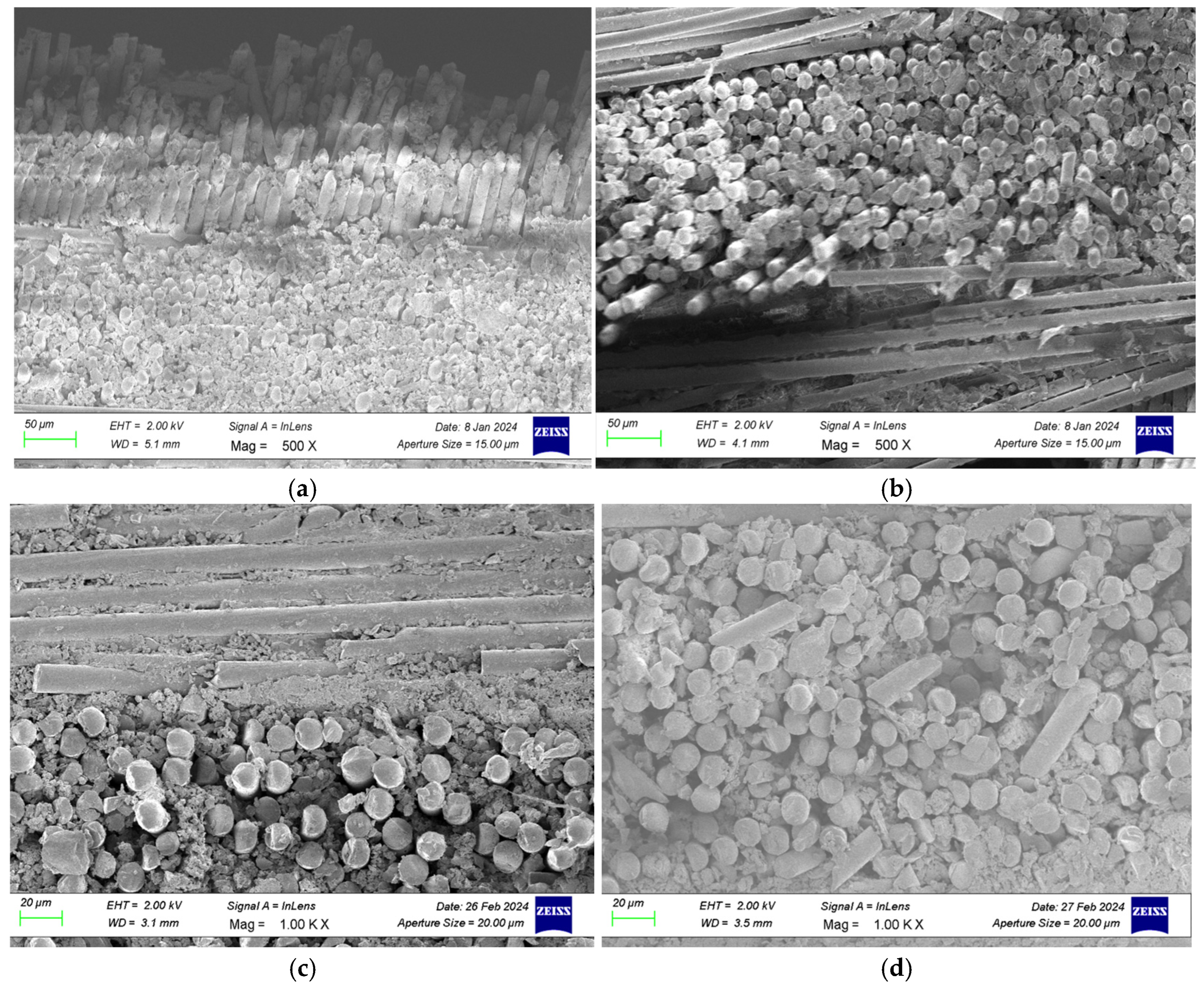
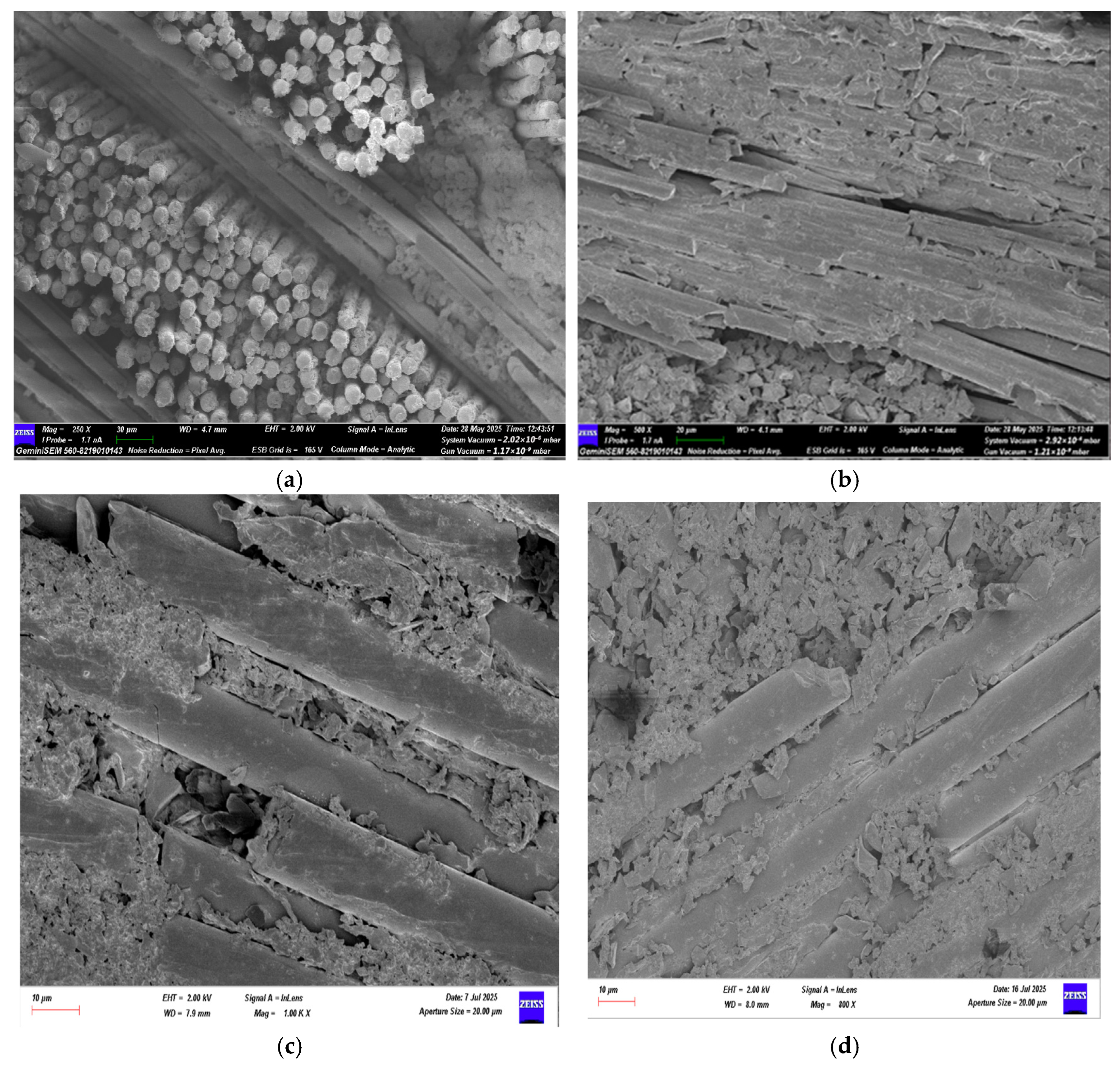
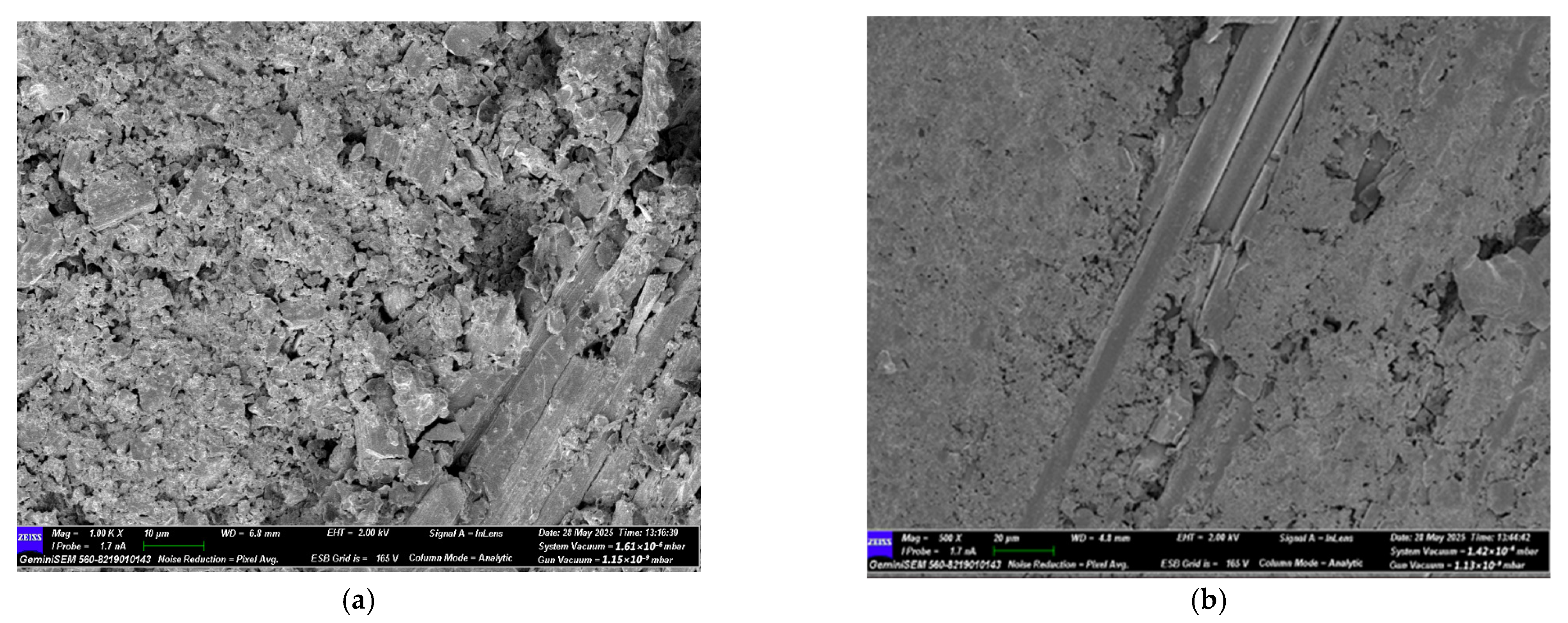
The results from the three-point bending tests showed that the Young’s modulus of GFRP decreased by approximately 13% after 3 months of seawater exposure, whereas the reduction observed for CFRP was limited to only 3.7%. In GFRP, micro-separations, partial fiber pull-outs, and matrix deformation were observed, while CFRP exhibited minimal damage, maintaining better structural strength. SEM analyses revealed that, in both materials, damage initiated in the matrix phase before propagating to the fiber phase, with CFRP maintaining a more uniform fiber matrix interfacial bond compared to GFRP.
A similar trend was observed in the four-point bending tests. GFRP’s Young’s modulus decreased by 9.5%, whereas the reduction observed for CFRP remained limited to 3.5%. In GFRP, cracks and layer delamination progressed gradually, whereas CFRP demonstrated more homogeneous load transfer and controlled fracturing. Seawater exposure in GFRP led to interfacial weakening and microvoid formation, whereas the adhesive–layer bond in CFRP remained largely intact, resulting in fracturing at higher load levels. The use of F-RES 21 epoxy resin and F-Hard 22 hardener contributed to preserving structural integrity in both material groups.
Overall, both three-point and four-point bending tests demonstrated that CFRP joints are more resistant to seawater exposure compared to GFRP joints, offering higher mechanical strength and structural stability. While stress concentration at a single point in three-point bending led to local and sudden damage, the broader load transfer in four-point bending allowed for more uniform distribution of damage.