Utilization of Spent Coffee Waste Biomass as a Promising Feedstock in Bioplastics Production Using Cupriavidus necator


 , and
, and 
Abstract
1. Introduction
2. Materials and Methods
2.1. Collection and Preparation of SCG Feedstock and Microbial Strain
2.2. Chemical Pretreatments of SCGO
2.3. SCGO Enzymatic Hydrolysis Using a Produced Crude Enzyme Cocktail
2.4. PHA Production Studies Using Chemically Pretreated SCGO
2.5. PHA Extraction and Purification
2.6. Analytical Methods
2.7. PHA Characterization
2.8. Statistical Analysis
3. Results and Discussion
3.1. Compositional Analysis of Spent Coffee Ground (SCG) Biomass
3.2. Chemical Pretreatments of Defatted SCGO
3.3. Enzymatic Hydrolysis of SCGO
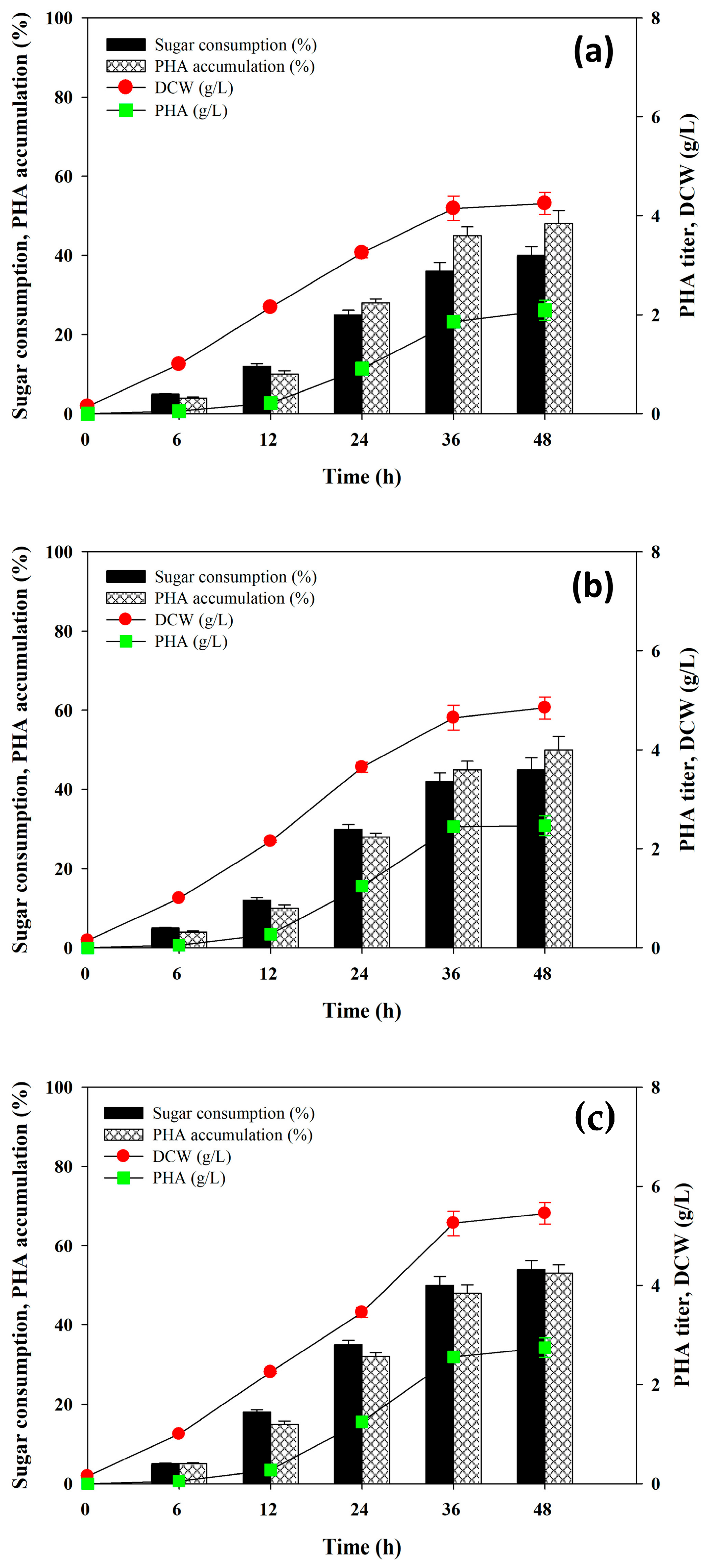
3.4. PHA Production Using Chemically Pretreated SCGO Enzymatic Hydrolysates
3.5. PHA Production Using Alkaline Pretreated SCGO Hydrolysates by C. necator
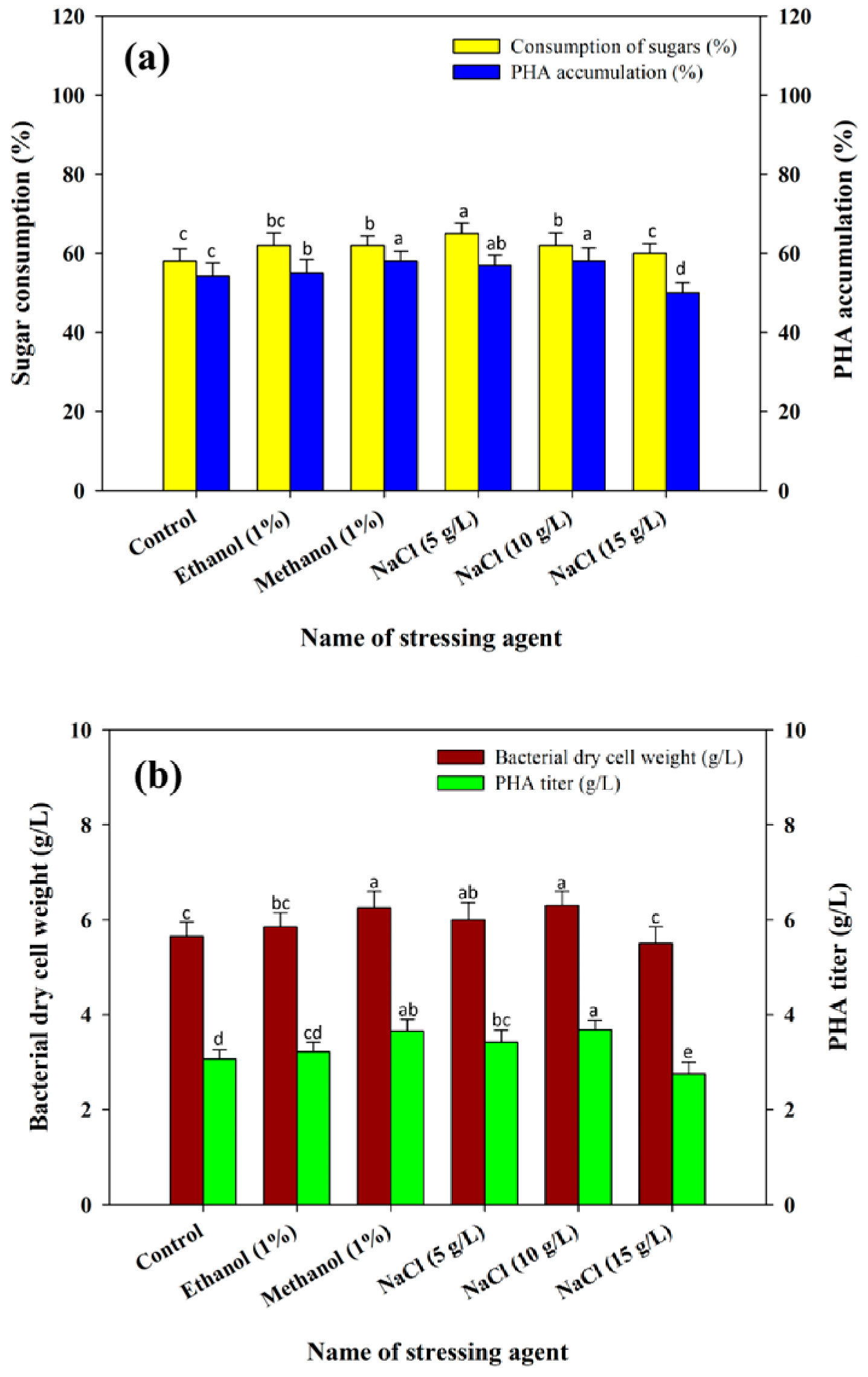
3.6. Enhanced PHA Accumulation Under Stress Conditions
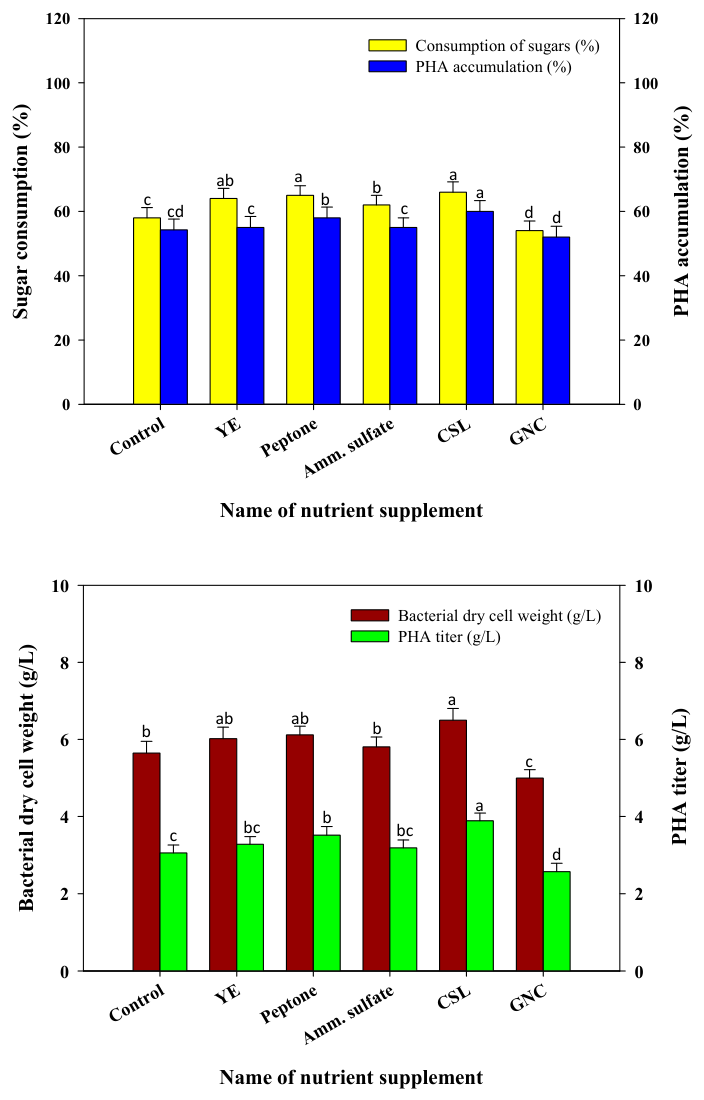
3.7. Enhanced PHA Accumulation by Supplying Complex Nutrient Supplements
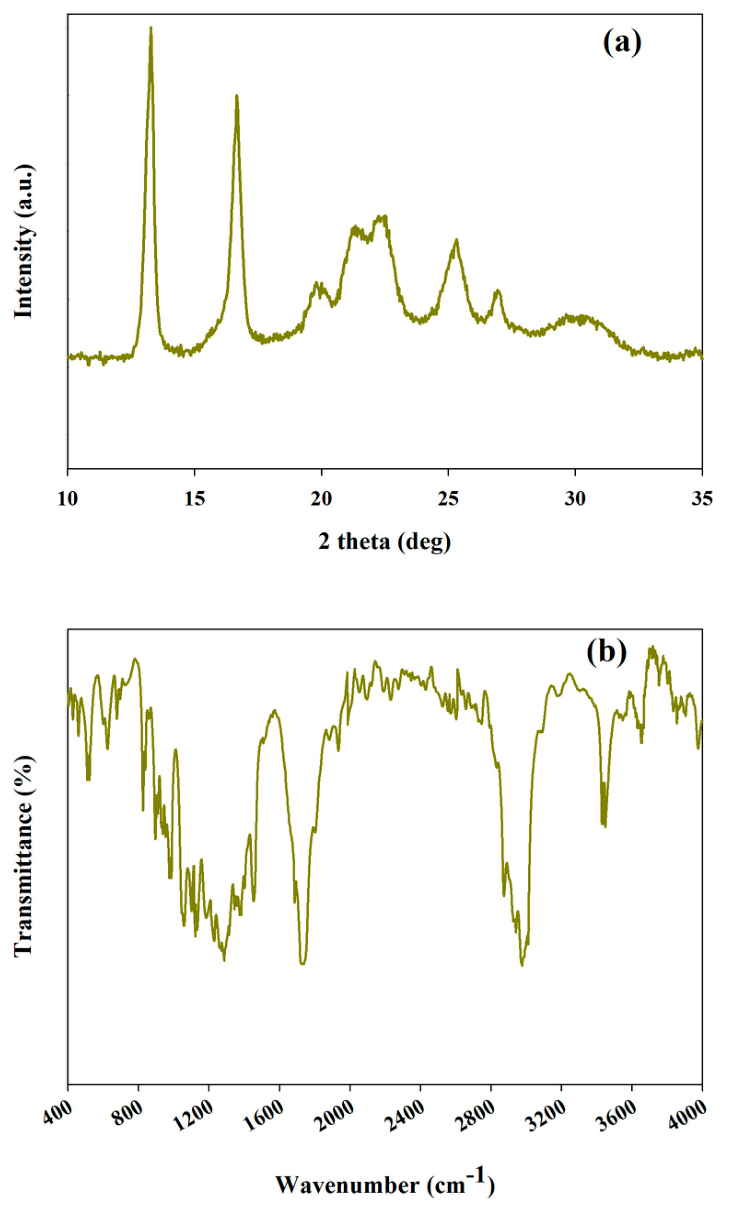
3.8. Characterization of Produced PHA
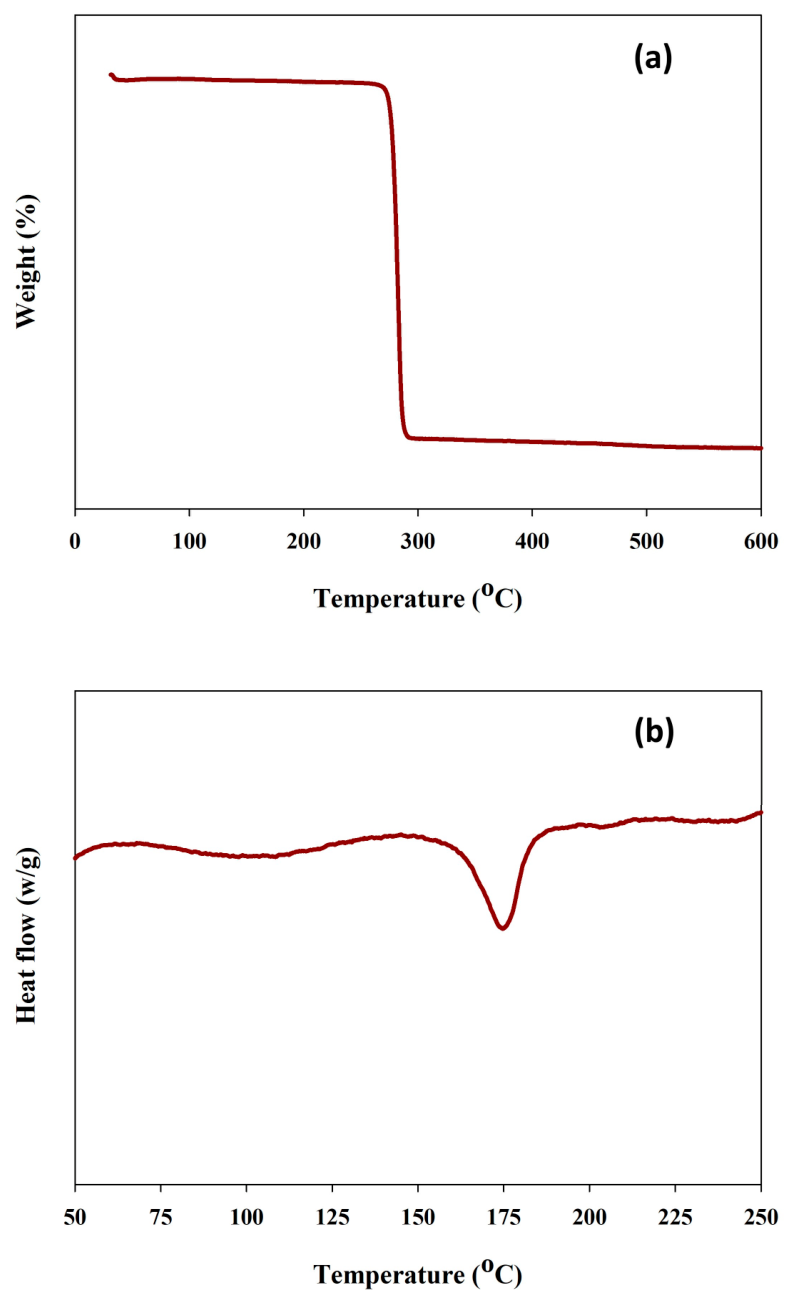
3.9. TGA and DSC Analysis
4. Technical Challenges and Future Research Directions
- (1)
- The highest priority is improving carbon utilization efficiency. Although alkaline pretreatment generated fermentable sugars, the predominant sugars in hemicellulose, mannose and galactose, which constitute a significant proportion of the SCGO hydrolysate, were not efficiently utilized by Cupriavidus necator. Therefore, metabolic engineering to improve the conversion efficiency of these sugars to PHA represents the most important research direction for increasing carbon conversion efficiency, PHA yield, and overall process productivity. Future research should focus on metabolic engineering of Cupriavidus necator or the development of robust microbial consortia capable of efficiently assimilating mixed sugars, which can increase carbon conversion efficiency and PHA production.
- (2)
- When efficient sugar utilization is attained, scale-up of the process becomes the next major challenge. Optimizing and scaling up oxygen transfer, mixing hydrolysates, handling variable feedstocks, advanced detoxification, enzyme use, sterilization, and polymer recovery are essential issues that need to be addressed for industrial implementation.
- (3)
- To understand the costs associated with PHA production, a complete techno-economic/life-cycle assessment and process-scale mass balance analysis should be conducted to compare these costs and environmental impacts with conventional plastics. These were not within the scope of this study but were marked as priorities for future work.
- (4)
- Integrating PHA production within SCG biorefinery offers an additional opportunity to improve process economics and resource efficiency. Sequential recovery of coffee oil, phenolic compounds, PHAs, and lignin-rich residues can maximize resource utilization, diversify revenue streams, and enhance the sustainability of coffee waste valorization within a circular bioeconomy framework, therefore improving the overall economic viability. These considerations favor a more balanced view of the possible industrial application of the proposed process and sustainable bioplastics production.
5. Conclusions
Author Contributions
Funding
Institutional Review Board Statement
Data Availability Statement
Conflicts of Interest
References
- Gonçalves, R.; Serra, J.; Reizabal, A.; Correia, D.M.; Fernandes, L.C.; Brito-Pereira, R.; Lizundia, E.; Costa, C.M.; Lanceros-Méndez, S. Biobased polymers for advanced applications: Towards a sustainable future. Prog. Polym. Sci. 2025, 162, 101934. [Google Scholar] [CrossRef] [Scilit]
- Pires, J.R.A.; Souza, V.G.L.; Fuciños, P.; Pastrana, L.; Fernando, A.L. Methodologies to assess the biodegradability of bio-based polymers—Current knowledge and existing gaps. Polymers 2022, 14, 1359. [Google Scholar] [CrossRef] [Scilit] [PubMed]
- Rosenboom, J.G.; Langer, R.; Traverso, G. Bioplastics for a circular economy. Nat. Rev. Mater. 2022, 7, 117–137. [Google Scholar] [CrossRef] [Scilit] [PubMed]
- Surendran, A.; Lakshmanan, M.; Chee, J.Y.; Sulaiman, A.M.; Van Thuoc, D.; Sudesh, K. Can polyhydroxyalkanoates be produced efficiently from waste plant and animal oils? Front. Bioeng. Biotechnol. 2020, 8, 169. [Google Scholar] [CrossRef] [Scilit] [PubMed]
- De Donno Novelli, L.; Moreno Sayavedra, S.; Rene, E.R. Polyhydroxyalkanoate (PHA) production via resource recovery from industrial waste streams: A review of techniques and perspectives. Bioresour. Technol. 2021, 331, 124985. [Google Scholar] [CrossRef] [Scilit] [PubMed]
- Kourmentza, C.; Plácido, J.; Venetsaneas, N.; Burniol-Figols, A.; Varrone, C.; Gavala, H.N.; Reis, M.A. Recent advances and challenges towards sustainable polyhydroxyalkanoate (PHA) production. Bioengineering 2017, 4, 55. [Google Scholar] [CrossRef] [Scilit] [PubMed]
- Saratale, R.G.; Cho, S.-K.; Bharagava, R.N.; Patel, A.K.; Vivekanand, V.; Bhatia, S.K.; Ferreira, L.F.R.; Shin, H.S.; Awasthi, M.K.; Chakrabortty, S.; et al. Third-generation biomass for bioplastics: A comprehensive review of microalgae-driven polyhydroxyalkanoate production. Biofuel Res. J. 2024, 11, 2256–2282. [Google Scholar] [CrossRef] [Scilit]
- Mukherjee, A.; Koller, M. Polyhydroxyalkanoate (PHA) biopolyesters—Emerging and major products of industrial biotechnology. Eurobiotech J. 2022, 6, 49–60. [Google Scholar] [CrossRef] [Scilit]
- Bhatia, S.K.; Otari, S.V.; Jeon, J.-M.; Gurav, R.; Choi, Y.-K.; Bhatia, R.K.; Pugazhendhi, A.; Kumar, V.; Banu, J.R.; Yoon, J.J.; et al. Biowaste-to-bioplastic (polyhydroxyalkanoates): Conversion technologies, strategies, challenges, and perspective. Bioresour. Technol. 2021, 326, 124733. [Google Scholar] [CrossRef] [Scilit] [PubMed]
- Ali, I.; Jamil, N. Polyhydroxyalkanoates: Current applications in the medical field. Front. Biol. 2016, 11, 19–27. [Google Scholar] [CrossRef] [Scilit]
- Kovalcik, A.; Kucera, D.; Matouskova, P.; Pernicova, I.; Obruca, S.; Kalina, M.; Enev, V.; Marova, I. Influence of removal of microbial inhibitors on PHA production from spent coffee grounds employing Halomonas halophila. J. Environ. Chem. Eng. 2018, 6, 3495–3501. [Google Scholar] [CrossRef] [Scilit]
- Mussatto, S.I.; Santos, J.C.; Roberto, I.C. Effect of pH and activated charcoal adsorption on hemicellulosic hydrolysate detoxification for xylitol production. J. Chem. Technol. Biotechnol. 2004, 79, 590–596. [Google Scholar] [CrossRef] [Scilit]
- Banu, R.J.; Kavitha, S.; Yukesh Kannah, R.; Dinesh Kumar, M.; Preethi; Atabani, A.E.; Kumar, G. Biorefinery of spent coffee grounds waste: A viable pathway towards circular bioeconomy. Bioresour. Technol. 2020, 302, 122821. [Google Scholar] [CrossRef] [Scilit] [PubMed]
- Saratale, R.G.; Cho, S.K.; Saratale, G.D.; Kadam, A.A.; Ghodake, G.S.; Kumar, M.; Bharagava, R.N.; Kumar, G.; Kim, D.S.; Mulla, S.I.; et al. A comprehensive overview and recent advances on polyhydroxyalkanoate (PHA) production using various organic waste streams. Bioresour. Technol. 2021, 325, 124685. [Google Scholar] [CrossRef] [Scilit] [PubMed]
- Obruca, S.; Benesova, P.; Kucera, D.; Petrik, S.; Marova, I. Biotechnological conversion of spent coffee grounds into polyhydroxyalkanoates and carotenoids. New Biotechnol. 2015, 32, 569–574. [Google Scholar] [CrossRef] [Scilit] [PubMed]
- Sidło, W.; Latosińska, J. Reuse of spent coffee grounds: Alternative applications, challenges, and prospects—A review. Appl. Sci. 2025, 15, 137. [Google Scholar] [CrossRef] [Scilit]
- International Coffee Organization. Coffee Market Report, January 2024; ICO: London, UK, 2024; Available online: https://www.icocoffee.org/documents/cy2023-24/cmr-0124-e.pdf (accessed on 9 November 2024).
- Huang, M.; Chatzifragkou, A.; Rastall, R.A. Valorisation of spent coffee grounds in the context of prebiotic potential: A review. Food Biosci. 2025, 69, 106936. [Google Scholar] [CrossRef] [Scilit]
- Singh, T.A.; Pal, N.; Sharma, P.; Passari, A.K. Spent coffee ground: Transformation from environmental burden into valuable bioactive metabolites. Rev. Environ. Sci. Biotechnol. 2023, 22, 887–898. [Google Scholar] [CrossRef] [Scilit]
- Orfanoudaki, A.; Makridakis, G.; Maragkaki, A.; Fountoulakis, M.S.; Kallithrakas-Kontos, N.G.; Manios, T. Anaerobic co-digestion of pig manure and spent coffee grounds for enhanced biogas production. Waste Biomass Valorization 2020, 11, 4613–4620. [Google Scholar] [CrossRef] [Scilit]
- Forcina, A.; Petrillo, A.; Travaglioni, M.; Di Chiara, S.; De Felice, F. A comparative life cycle assessment of different spent coffee ground reuse strategies and a sensitivity analysis based on site location. J. Clean. Prod. 2023, 385, 135727. [Google Scholar] [CrossRef] [Scilit]
- Vanyan, L.; Aghekyan, H.; Vassilian, A.; Poladyan, A.; Trchounian, K. Biotechnological potential of spent coffee grounds for biohydrogen production by Escherichia coli. Int. J. Hydrogen Energy 2025, 142, 1121–1131. [Google Scholar] [CrossRef] [Scilit]
- Atabani, A.E.; Ali, I.; Naqvi, S.R.; Badruddin, I.A.; Aslam, M.; Mahmoud, E.; Almomani, F.; Juchelková, D.; Atelge, M.R.; Khan, T.M.Y. A state-of-the-art review on spent coffee ground pyrolysis for future biorefinery. Chemosphere 2022, 286, 131730. [Google Scholar] [CrossRef] [Scilit] [PubMed]
- Alkhrissat, T.; Matarneh, S. Assessing the ratio for co-digestion of spent coffee grounds and cow manure: Methane production and kinetic analysis. Biomass Bioenergy 2026, 206, 108676. [Google Scholar] [CrossRef] [Scilit]
- Han, Q.; Zhang, S.; Fan, X.; Li, W.; Dong, W.; Wang, X.; Zhang, Y. Impact of extraction methods on structural and physicochemical properties of polysaccharides from spent coffee grounds and their potential as food-packaging co-ingredients. Int. J. Biol. Macromol. 2025, 323, 147050. [Google Scholar] [CrossRef] [Scilit] [PubMed]
- Mata, T.M.; Martins, A.A.; Caetano, N.S. Bio-refinery approach for spent coffee grounds valorization. Bioresour. Technol. 2018, 247, 1077–1084. [Google Scholar] [CrossRef] [Scilit] [PubMed]
- Luo, Q.; Zeng, T.; Gu, K.; Lin, Q.; Yang, W. Research progress of lignin-derived functional materials for electrochemical energy storage. ACS Appl. Energy Mater. 2024, 7, 11610–11632. [Google Scholar] [CrossRef] [Scilit]
- Abraham, B.; Syamnath, V.; Arun, K.; Fathima Zahra, P.; Anjusha, P.; Kothakotta, A.; Chen, Y.H.; Ponnusamy, V.K.; Nisha, P. Lignin-based nanomaterials for food and pharmaceutical applications: Recent trends and future outlook. Sci. Total Environ. 2023, 881, 163316. [Google Scholar] [CrossRef] [Scilit] [PubMed]
- Abedini, A.; Amiri, H.; Karimi, K. Efficient biobutanol production from potato peel wastes by separate and simultaneous inhibitor removal and pretreatment. Renew. Energy 2020, 160, 269–277. [Google Scholar] [CrossRef] [Scilit]
- Kumar, G.; Dharmaraja, J.; Arvindnarayan, S.; Shobana, S.; Bakonyi, P.; Saratale, G.D.; Nemestóthy, N.; Bélafi-Bakó, K.; Yoon, J.-J.; Kim, S.-H. A comprehensive review on thermochemical, biological, biochemical, and hybrid conversion methods of bio-derived lignocellulosic molecules into renewable fuels. Fuel 2019, 251, 352–367. [Google Scholar] [CrossRef] [Scilit]
- Sivagurunathan, P.; Kumar, G.; Mudhoo, A.; Rene, E.R.; Saratale, G.D.; Kobayashi, T.; Xu, K.; Kim, S.-H.; Kim, D.-H. Fermentative hydrogen production using lignocellulose biomass: An overview of pretreatment methods, inhibitor effects, and detoxification experiences. Renew. Sustain. Energy Rev. 2017, 77, 28–42. [Google Scholar] [CrossRef] [Scilit]
- Duncan, S.; Jing, Q.; Katona, A.; Kazlauskas, R.J.; Schilling, J.; Tschirner, U.; Aldajani, W.W. Increased saccharification yields from aspen biomass upon treatment with enzymatically generated peracetic acid. Appl. Biochem. Biotechnol. 2010, 160, 1637–1652. [Google Scholar] [PubMed]
- Zhao, X.; Wang, L.; Liu, D. Peracetic acid pretreatment of sugarcane bagasse for enzymatic hydrolysis: A continued work. J. Chem. Technol. Biotechnol. 2008, 83, 950–956. [Google Scholar] [CrossRef] [Scilit]
- Liang, J.; Liu, C.; Lu, H.; Yang, G.; Zhang, G.; Wang, A. Enhanced anaerobic fermentation of potato waste for volatile fatty acid production by dilute sulfuric acid pretreatment: Performance, microbial community, and gene expression. J. Water Process Eng. 2024, 59, 105054. [Google Scholar] [CrossRef] [Scilit]
- Bhattacharyya, S.; Chakraborty, S.; Datta, S.; Drioli, E.; Bhattacharjee, C. Production of total reducing sugar from acid-hydrolysed potato peels by sonication and its optimization. Environ. Technol. 2013, 34, 1077–1084. [Google Scholar] [CrossRef] [Scilit] [PubMed]
- Saratale, G.D.; Saratale, R.G.; Oh, S.E. Production and characterization of multiple cellulolytic enzymes by isolated Streptomyces sp. MDS. Biomass Bioenergy 2012, 47, 302–315. [Google Scholar] [CrossRef] [Scilit]
- Deswal, D.; Khasa, Y.P.; Kuhad, R.C. Optimization of cellulase production by a brown-rot fungus, Fomitopsis sp. RCK2010, under solid-state fermentation. Bioresour. Technol. 2011, 102, 6065–6072. [Google Scholar] [CrossRef] [Scilit] [PubMed]
- Saratale, G.D.; Oh, M.K. Characterization of poly(3-hydroxybutyrate) (PHB) produced from Ralstonia eutropha using an alkali-pretreated biomass feedstock. Int. J. Biol. Macromol. 2015, 80, 627–635. [Google Scholar] [CrossRef] [Scilit] [PubMed]
- Balan, V.; Mohammadi, M.; Dale, B.E. Advancements in ammonia-based pretreatment: Key benefits and industry applications. RSC Sustain. 2025, 3, 4228–4249. [Google Scholar] [CrossRef] [Scilit]
- Kumar, P.; Barrett, D.M.; Delwiche, M.J.; Stroeve, P. Methods for pretreatment of lignocellulosic biomass for efficient hydrolysis and biofuel production. Ind. Eng. Chem. Res. 2009, 48, 3713–3729. [Google Scholar] [CrossRef] [Scilit]
- Gao, Q.; Yang, H.; Wang, C.; Xie, X.-Y.; Liu, K.-X.; Lin, Y.; Lin, Y. Advances and trends in microbial production of polyhydroxyalkanoates and their building blocks. Front. Bioeng. Biotechnol. 2022, 10, 966598. [Google Scholar] [CrossRef] [Scilit] [PubMed]
- Goering, H.K.; Van Soest, P.J. Forage Fiber Analyses (Apparatus, Reagents, Procedures, and Some Applications); Handbook No. 379; Agricultural Research Service, U.S. Department of Agriculture: Washington, DC, USA, 1970.
- Singleton, V.L.; Orthofer, R.; Lamuela-Raventós, R.M. Analysis of total phenols and other oxidation substrates and antioxidants by means of Folin–Ciocalteu reagent. Methods Enzymol. 1999, 299, 152–178. [Google Scholar] [CrossRef] [Scilit]
- Kumaran, A.; Joel, K.R. In vitro antioxidant activities of methanol extracts of five Phyllanthus species from India. LWT Food Sci. Technol. 2007, 40, 344–352. [Google Scholar] [CrossRef] [Scilit]
- Miller, G.L. Use of dinitrosalicylic acid reagent for determination of reducing sugar. Anal. Chem. 1959, 31, 426–428. [Google Scholar] [CrossRef] [Scilit]
- Kim, D.; Cha, J.; Lee, C. Enhanced methane production with co-feeding spent coffee grounds using spare capacity of existing anaerobic food-waste digesters. Sci. Rep. 2024, 14, 4472. [Google Scholar] [CrossRef] [Scilit] [PubMed]
- Harb, R.; Salloum Abou Jaoudeh, L. Oil extraction from spent coffee grounds and its conversion into biodiesel. Energies 2025, 18, 4603. [Google Scholar] [CrossRef] [Scilit]
- Al-Hamamre, Z.; Foerster, S.; Hartmann, F.; Kröger, M.; Kaltschmitt, M. Oil extracted from spent coffee grounds as a renewable source for fatty acid methyl ester manufacturing. Fuel 2012, 96, 70–76. [Google Scholar] [CrossRef] [Scilit]
- Somnuk, K.; Eawlex, P.; Prateepchaikul, G. Optimization of coffee-oil extraction from spent coffee grounds using four solvents and prototype-scale extraction using a circulation process. Agric. Nat. Resour. 2017, 51, 181–189. [Google Scholar] [CrossRef] [Scilit]
- Kwon, E.E.; Yi, H.; Jeon, Y.J. Sequential co-production of biodiesel and bioethanol with spent coffee grounds. Bioresour. Technol. 2013, 136, 475–480. [Google Scholar] [CrossRef] [Scilit] [PubMed]
- Ravindran, R.; Jaiswal, S.; Abu-Ghannam, N.; Jaiswal, A.K. Two-step sequential pretreatment for the enhanced enzymatic hydrolysis of coffee-spent waste. Bioresour. Technol. 2017, 239, 276–284. [Google Scholar] [CrossRef] [Scilit] [PubMed]
- Saratale, G.D.; Bhosale, R.; Shobana, S.; Banu, J.R.; Pugazhendhi, A.; Mahmoud, E.; Sirohi, R.; Bhatia, S.K.; Atabani, A.E.; Mulone, V.; et al. A review on valorization of spent coffee grounds (SCG) towards biopolymer and biocatalyst production. Bioresour. Technol. 2020, 314, 123800. [Google Scholar] [CrossRef] [Scilit] [PubMed]
- Ravindran, R.; Jaiswal, S.; Abu-Ghannam, N.; Jaiswal, A.K. Evaluation of ultrasound-assisted potassium permanganate pretreatment of spent coffee waste. Bioresour. Technol. 2017, 224, 680–687. [Google Scholar] [CrossRef] [Scilit] [PubMed]
- Palmqvist, E.; Hahn-Hägerdal, B. Fermentation of lignocellulosic hydrolysates. I: Inhibition and detoxification. Bioresour. Technol. 2000, 74, 17–24. [Google Scholar] [CrossRef] [Scilit]
- Jönsson, L.J.; Martín, C. Pretreatment of lignocellulose: Formation of inhibitory by-products and strategies for minimizing their effects. Bioresour. Technol. 2016, 199, 103–112. [Google Scholar] [CrossRef] [Scilit] [PubMed]
- Andrade, C.; Perestrelo, R.; Câmara, J.S. Bioactive compounds and antioxidant activity from spent coffee grounds as a powerful approach for its valorization. Molecules 2022, 27, 7504. [Google Scholar] [CrossRef] [Scilit] [PubMed]
- Ballesteros, L.F.; Teixeira, J.A.; Mussatto, S.I. Chemical, functional, and structural properties of spent coffee grounds and coffee silverskin. Food Bioprocess Technol. 2014, 7, 3493–3503. [Google Scholar] [CrossRef] [Scilit]
- Chou, W.L.; Wang, C.T.; Huang, K.Y.; Chang, Y.C.; Shu, C.M. Investigation of indium-ion removal from aqueous solutions using spent coffee grounds. Int. J. Phys. Sci. 2012, 7, 2445–2454. [Google Scholar] [CrossRef] [Scilit]
- Cruz, M.V.; Paiva, A.; Lisboa, P.; Freitas, F.; Alves, V.D.; Simões, P.; Barreiros, S.; Reis, M.A. Production of polyhydroxyalkanoates from spent coffee grounds oil obtained by supercritical fluid extraction technology. Bioresour. Technol. 2014, 157, 360–363. [Google Scholar] [CrossRef] [Scilit] [PubMed]
- Bhatia, S.K.; Kim, J.H.; Kim, M.S.; Kim, J.; Hong, J.W.; Hong, Y.G.; Kim, H.J.; Jeon, J.M.; Kim, S.H.; Ahn, J.; et al. Production of poly(3-hydroxybutyrate-co-3-hydroxyhexanoate) copolymer from coffee-waste oil using engineered Ralstonia eutropha. Bioprocess Biosyst. Eng. 2018, 41, 229–235. [Google Scholar] [CrossRef] [Scilit] [PubMed]
- Kang, B.-J.; Jeon, J.-M.; Bhatia, S.K.; Kim, D.-H.; Yang, Y.-H.; Jung, S.; Yoon, J.-J. Two-stage biohydrogen and polyhydroxyalkanoate production: Upcycling of spent coffee grounds. Polymers 2023, 15, 681. [Google Scholar] [CrossRef] [Scilit] [PubMed]
- Zuorro, A.; Lavecchia, R. Spent coffee grounds as a valuable source of phenolic compounds and bioenergy. J. Clean. Prod. 2012, 34, 49–56. [Google Scholar] [CrossRef] [Scilit]
- Volova, T.G.; Zhila, N.O.; Kiselev, E.G.; Sukovaty, A.G.; Lukyanenko, A.V.; Shishatskaya, E.I. Biodegradable polyhydroxyalkanoates with different sets of valerate monomers: Chemical structure and physicochemical properties. Int. J. Mol. Sci. 2023, 24, 14082. [Google Scholar] [CrossRef] [Scilit] [PubMed]
- Batista, M.J.P.A.; Ávila, A.F.; Franca, A.S.; Oliveira, L.S. Polysaccharide-rich fraction of spent coffee grounds as a promising biomaterial for film fabrication. Carbohydr. Polym. 2020, 233, 115851. [Google Scholar] [CrossRef] [Scilit] [PubMed]
- Grasel, F.D.S.; Ferrão, M.F.; Wolf, C.R. Development of a methodology for identifying the nature of polyphenolic extracts by FTIR associated with multivariate analysis. Spectrochim. Acta A Mol. Biomol. Spectrosc. 2016, 153, 94–101. [Google Scholar] [CrossRef] [Scilit] [PubMed]
- United Nations. The Sustainable Development Goals Report 2022; United Nations: New York, NY, USA, 2022. [Google Scholar]
- Obruca, S.; Petrik, S.; Benesova, P.; Svoboda, Z.; Eremka, L.; Marova, I. Utilization of oil extracted from spent coffee grounds for sustainable production of polyhydroxyalkanoates. Appl. Microbiol. Biotechnol. 2014, 98, 5883–5890. [Google Scholar] [CrossRef] [Scilit] [PubMed]
- Obruca, S.; Marova, I.; Stankova, M.; Mravcova, L.; Svoboda, Z. Effect of ethanol and hydrogen peroxide on the poly(3-hydroxybutyrate) biosynthetic pathway in Cupriavidus necator H16. World J. Microbiol. Biotechnol. 2010, 26, 1261–1267. [Google Scholar] [CrossRef] [Scilit] [PubMed]
- Passanha, P.; Kedia, G.; Dinsdale, R.M.; Guwy, A.J.; Esteves, S.R. The use of NaCl addition for the improvement of polyhydroxyalkanoate production by Cupriavidus necator. Bioresour. Technol. 2014, 163, 287–294. [Google Scholar] [CrossRef] [Scilit] [PubMed]
- Wen, Q.; Chen, Z.; Tian, T.; Chen, W. Effects of phosphorus and nitrogen limitation on PHA production in activated sludge. J. Environ. Sci. 2010, 22, 1602–1607. [Google Scholar] [CrossRef] [Scilit] [PubMed]
- Lee, I.Y.; Kim, M.K.; Park, Y.H.; Lee, S.Y. Regulatory effects of cellular nicotinamide nucleotides and enzyme activities on poly(3-hydroxybutyrate) synthesis in recombinant Escherichia coli. Biotechnol. Bioeng. 1996, 52, 707–712. [Google Scholar] [CrossRef] [Scilit]
- Chen, J.; Li, W.; Zhang, Z.Z.; Tan, T.W.; Li, Z.J. Metabolic engineering of Escherichia coli for the synthesis of polyhydroxyalkanoates using acetate as a main carbon source. Microb. Cell Fact. 2018, 17, 102. [Google Scholar] [CrossRef] [Scilit] [PubMed]
- Obruca, S.; Benesova, P.; Petrik, S.; Oborna, J.; Prikryl, R.; Marova, I. Production of polyhydroxyalkanoates using hydrolysate of spent coffee grounds. Process Biochem. 2014, 49, 1409–1414. [Google Scholar] [CrossRef] [Scilit]
- Pradhan, S.; Dikshit, P.K.; Moholkar, V.S. Production, ultrasonic extraction, and characterization of poly(3-hydroxybutyrate) (PHB) using Bacillus megaterium and Cupriavidus necator. Polym. Adv. Technol. 2018, 29, 2392–2400. [Google Scholar] [CrossRef] [Scilit]
- Etxabide, A.; Kilmartin, P.A.; Guerrero, P.; de la Caba, K.; Hooks, D.O.; West, M.; Singh, T. Polyhydroxybutyrate (PHB) produced from red grape pomace: Effect of purification processes on structural, thermal, and antioxidant properties. Int. J. Biol. Macromol. 2022, 217, 449–456. [Google Scholar] [CrossRef] [Scilit] [PubMed]
- Suhazsini, P.; Keshav, R.; Narayanan, S.; Chaudhuri, A.; Radha, P. A study on the synthesis of poly(3-hydroxybutyrate-co-3-hydroxyvalerate) by Bacillus megaterium utilizing cheese-whey permeate. J. Polym. Environ. 2020, 28, 1390–1405. [Google Scholar] [CrossRef] [Scilit]
- Das, S.; Majumder, A.; Shukla, V.; Suhazsini, P.; Radha, P. Biosynthesis of poly(3-hydroxybutyrate) from cheese whey by Bacillus megaterium NCIM 5472. J. Polym. Environ. 2018, 26, 4176–4187. [Google Scholar] [CrossRef] [Scilit]
- Pramanik, N.; Das, R.; Rath, T.; Kundu, P.P. Microbial degradation of linseed-oil-based elastomer and subsequent accumulation of poly(3-hydroxybutyrate-co-3-hydroxyvalerate) copolymer. Appl. Biochem. Biotechnol. 2014, 174, 1613–1630. [Google Scholar] [CrossRef] [Scilit] [PubMed]
- Getachew, A.; Woldesenbet, F. Production of biodegradable plastic by polyhydroxybutyrate (PHB)-accumulating bacteria using low-cost agricultural waste material. BMC Res. Notes 2016, 9, 509. [Google Scholar] [CrossRef] [Scilit] [PubMed]
- Blanco, I.; Siracusa, V. The use of thermal techniques in the characterization of bio-sourced polymers. Materials 2021, 14, 1686. [Google Scholar] [CrossRef] [Scilit] [PubMed]
- Corre, Y.M.; Bruzaud, S.; Audic, J.L.; Grohens, Y. Morphology and functional properties of commercial polyhydroxyalkanoates: A comprehensive and comparative study. Polym. Test. 2012, 31, 226–235. [Google Scholar] [CrossRef] [Scilit]
- Mandragutti, T.; Jarso, T.S.; Godi, S.; Begum, S.S.; K, B. Physicochemical characterization of polyhydroxybutyrate (PHB) produced by the rare halophile Brachybacterium paraconglomeratum MTCC 13074. Microb. Cell Fact. 2024, 23, 59. [Google Scholar] [CrossRef] [Scilit] [PubMed]
- Yang, J.E.; Jeon, H.S.; Kim, S.; Kim, Y.Y.; Kim, J.-C.; Kim, H.M.; Hwang, I.M.; Park, H.W. Valorization of cabbage waste as a feedstock for microbial polyhydroxyalkanoate production: Optimizing hydrolysis conditions and polyhydroxyalkanoate production. J. Agric. Food Chem. 2024, 72, 6110–6117. [Google Scholar] [CrossRef] [Scilit] [PubMed]
- Sharma, P.K.; Munir, R.I.; Blunt, W.; Dartiailh, C.; Cheng, J.; Charles, T.C.; Levin, D.B. Synthesis and physical properties of polyhydroxyalkanoate polymers with different monomer compositions by recombinant Pseudomonas putida LS46 expressing a novel PHA synthase (PhaC116) enzyme. Appl. Sci. 2017, 7, 242. [Google Scholar] [CrossRef] [Scilit]



| Name of Component | Chemical Composition (%) |
|---|---|
| Dry solid matter | 96.8 ± 3.25 |
| Proteins | 9.1 ± 0.84 |
| Fats/Lipids | 12.4 ± 0.92 |
| Lignin | 22.5 ± 1.10 |
| Total sugars | 48.6 ± 2.12 |
| Cellobiose | 2.85 ± 0.05 |
| Glucose | 6.45 ± 0.25 |
| Mannose | 16.8 ± 0.35 |
| Galactose | 22.5 ± 0.44 |
| Arabinose | ND |
| Total polyphenols | 2.75 ± 0.01 |
| HMF | 0.16 ± 0.001 |
| Furfural | ND |
| Ashes | 4.58 ± 0.12 |
| Parameters Studied | SCGO Hydrolysates Concentration (g/L) | |||
|---|---|---|---|---|
| 10 | 20 | 30 | 40 | |
| Sugar utilization of SCGO hydrolysates (%) | 75 | 58 | 52 | 40 |
| Bacterial dry cell weight (g/L) | 3.75 ± 0.16 | 5.65 ± 0.25 | 7.06 ± 0.32 | 7.53 ± 0.34 |
| PHA accumulation (%) | 60.0 ± 2.45 | 54.2 ± 1.90 | 52.4 ± 1.65 | 50.0 ± 1.50 |
| PHA titer (g/L) | 2.25 ± 0.12 | 3.06 ± 0.14 | 3.70 ± 0.16 | 3.75 ± 0.15 |
| Residual biomass (g/L) | 1.50 ± 0.08 | 2.59 ± 0.11 | 3.36 ± 0.16 | 3.78 ± 0.18 |
| PHA yield (g/g of sugar) | 0.300 ± 0.001 | 0.255 ± 0.001 | 0.237 ± 0.001 | 0.234 ± 0.001 |
| Qp g PHA/L/h | 0.046 ± 0.001 | 0.063 ± 0.001 | 0.077 ± 0.002 | 0.078 ± 0.003 |
Disclaimer/Publisher’s Note: The statements, opinions and data contained in all publications are solely those of the individual author(s) and contributor(s) and not of MDPI and/or the editor(s). MDPI and/or the editor(s) disclaim responsibility for any injury to people or property resulting from any ideas, methods, instructions or products referred to in the content. |
© 2026 by the authors. Licensee MDPI, Basel, Switzerland. This article is an open access article distributed under the terms and conditions of the Creative Commons Attribution (CC BY) license.
Share and Cite
Saratale, G.; Saratale, R.G.; Bharagava, R.N.; Patel, A.K.; Kim, D.S.; Kumar, R.; Shin, H.S. Utilization of Spent Coffee Waste Biomass as a Promising Feedstock in Bioplastics Production Using Cupriavidus necator. Polymers 2026, 18, 1945. https://doi.org/10.3390/polym18161945
Saratale G, Saratale RG, Bharagava RN, Patel AK, Kim DS, Kumar R, Shin HS. Utilization of Spent Coffee Waste Biomass as a Promising Feedstock in Bioplastics Production Using Cupriavidus necator. Polymers. 2026; 18(16):1945. https://doi.org/10.3390/polym18161945
Chicago/Turabian StyleSaratale, Ganesh, Rijuta Ganesh Saratale, Ram Naresh Bharagava, Anil Kumar Patel, Dong Su Kim, Ramesh Kumar, and Han Seung Shin. 2026. "Utilization of Spent Coffee Waste Biomass as a Promising Feedstock in Bioplastics Production Using Cupriavidus necator" Polymers 18, no. 16: 1945. https://doi.org/10.3390/polym18161945
APA StyleSaratale, G., Saratale, R. G., Bharagava, R. N., Patel, A. K., Kim, D. S., Kumar, R., & Shin, H. S. (2026). Utilization of Spent Coffee Waste Biomass as a Promising Feedstock in Bioplastics Production Using Cupriavidus necator. Polymers, 18(16), 1945. https://doi.org/10.3390/polym18161945