Advances in Polyurethane-Modified Asphalt via the Prepolymer Method: Molecular Design, Modification Mechanisms, Structural Evolution, and Performance Optimisation



Abstract
1. Introduction
2. Material Basis and Reactive Components of Prepolymer Method Polyurethane-Modified Asphalt Binders
2.1. Molecular Structure and Reactive-Component Basis of Polyurethane Prepolymers
2.2. Chemical Composition and Structural Features of Asphalt Binder
3. Synthesis Mechanisms and Morphological Evolution of Prepolymer Method PU-Modified Asphalt Binders
3.1. Chemical Synthesis Mechanisms of Prepolymers
3.2. Microstructural Changes During Synthesis by the Prepolymer Method
3.3. Modification Mechanisms of Asphalt Binder Using the Prepolymer Method
4. Process-Control Differences in PU-Modified Asphalt Binder and Preparation Advantages of the Prepolymer Method
4.1. Differences Among PU-Modified Asphalt Binders Prepared by Different Processes
4.2. Advantages of the Prepolymer Method
5. Performance of PU-Modified Asphalt Binder Prepared by the Prepolymer Method and Its Influencing Factors
5.1. Analysis of Physical and Rheological Properties and Durability
5.2. Performance-Influencing Factors of PU-Modified Asphalt Binder Prepared by the Prepolymer Method
5.3. Storage-Stability Limitations of Prepolymers and Improvement Methods
6. Composite Modification Processes Using Prepolymer PU and Applications in Non-Traditional Asphalt Binder Systems
6.1. Application in SBS-Modified Asphalt Binder
6.2. Application in Composite Modification
6.3. Other Applications
7. Conclusions and Recommendations
- (1)
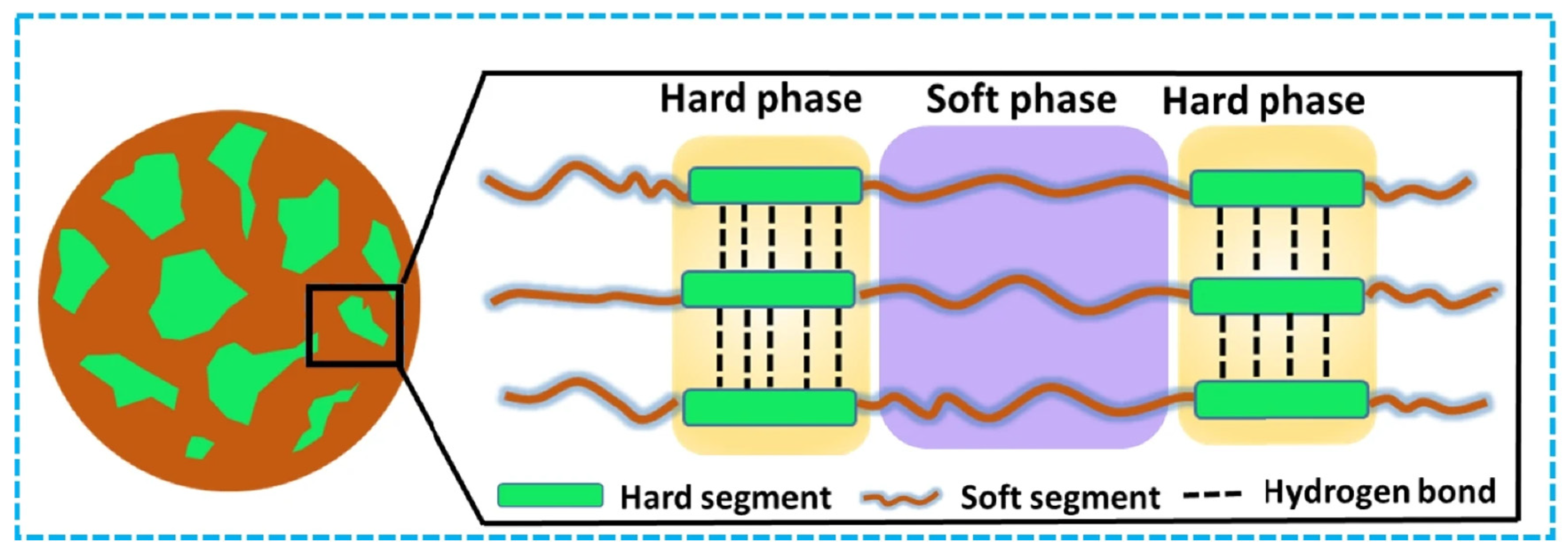
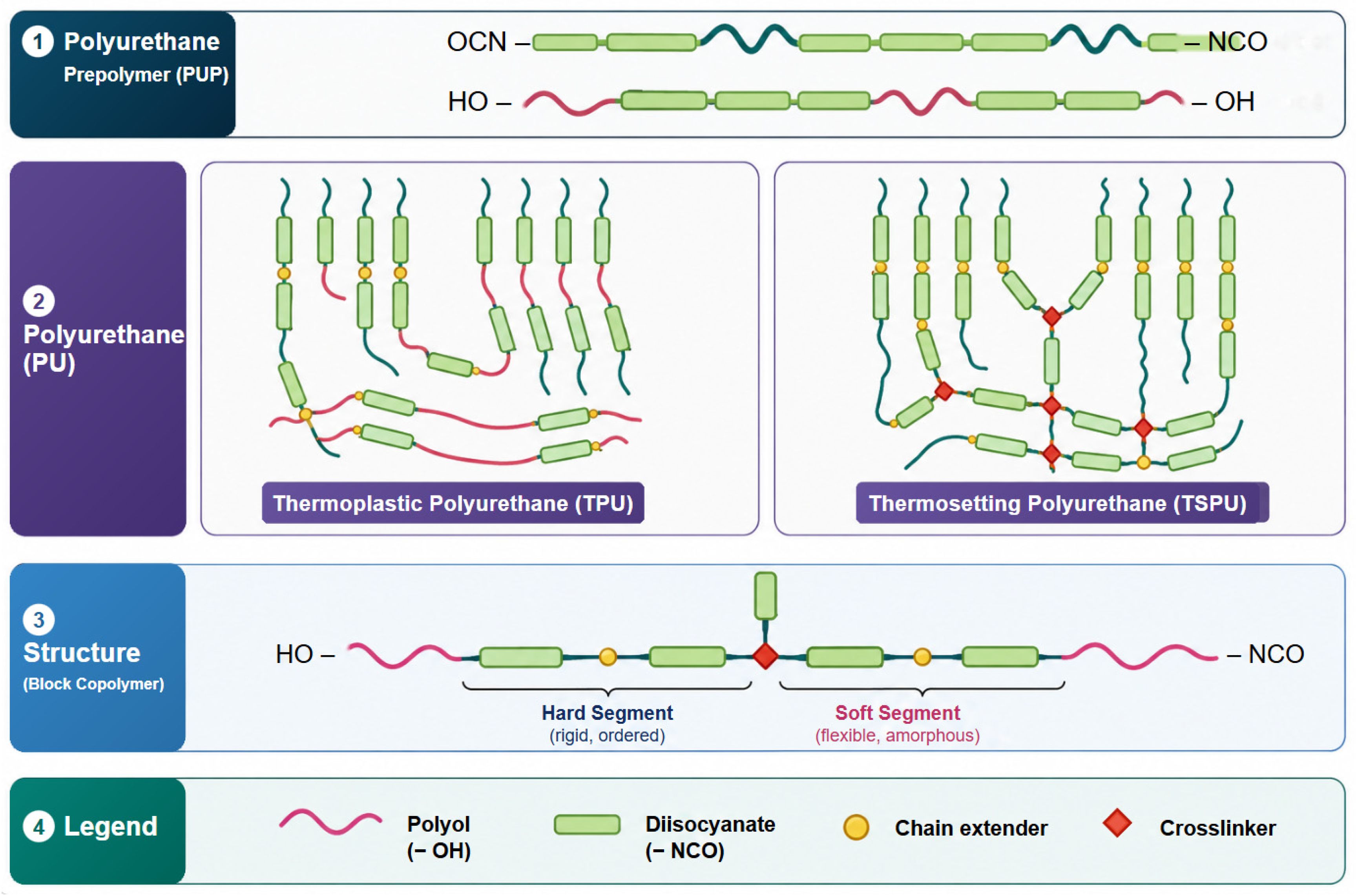
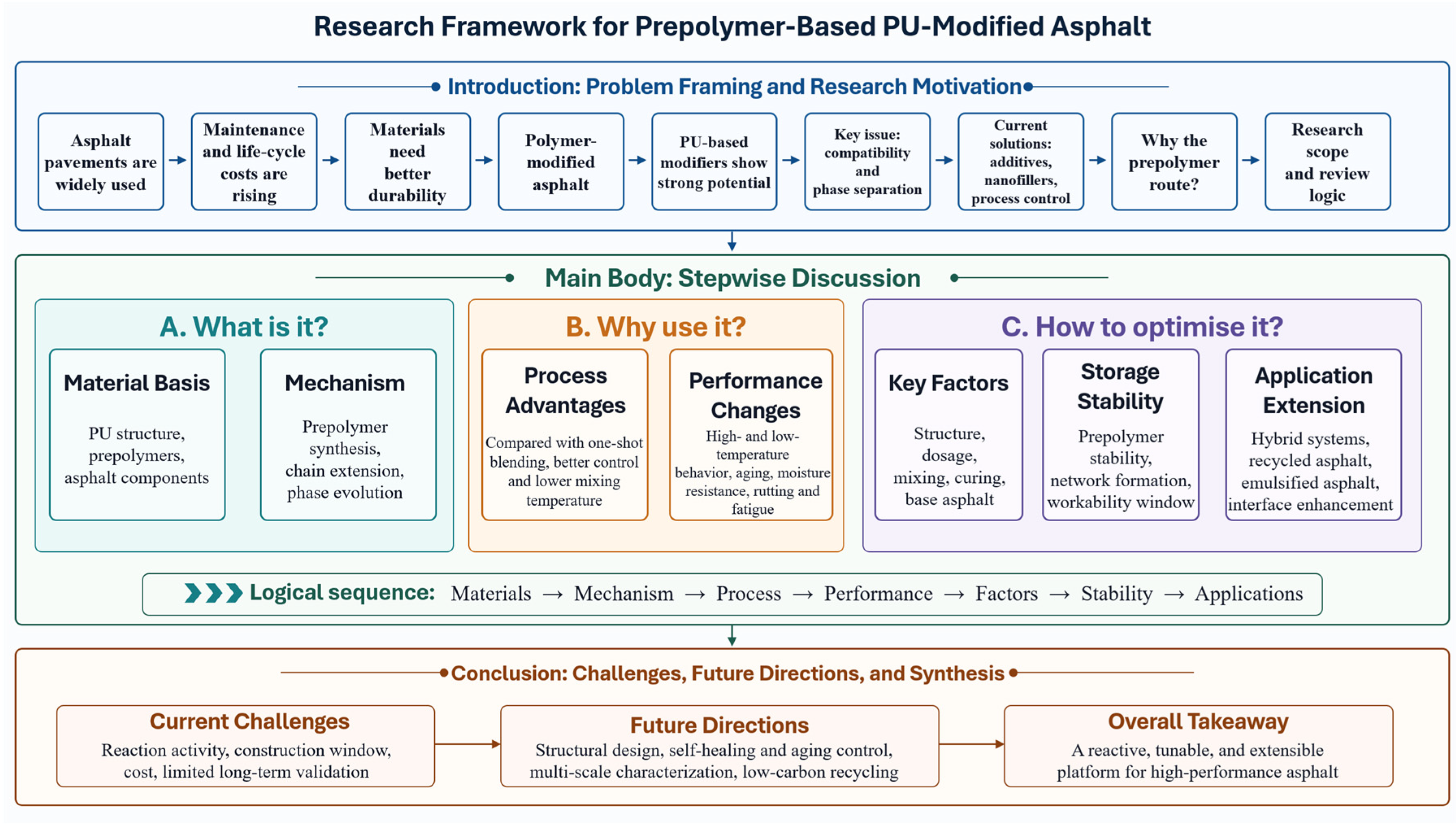
- The soft/hard segment structure, urethane/urea bonds, and hydrogen bonding of polyurethane provide flexibility, strength, elastic recovery, and microphase-structure regulation. In asphalt binder systems, however, these capabilities are restricted by several factors, including the SARA fraction ratio, polar functional group distribution, asphaltene aggregation state, and ageing evolution, which ultimately affect prepolymer dispersion, reaction, and interfacial action. Existing studies suggest that prepolymer-route PU modification is not a simple physical blending but a continuous process in which a low-viscosity prepolymer disperses, reacts, cures, and anchors within the asphalt binder, with macroscopic performance governed by both PU network formation and local interfacial connections.
- (2)
- The prepolymer method has clear processing advantages over other preparation methods in PU-modified asphalt binder systems. Compared with blending with preformed PU, it reduces the high-temperature swelling and dispersion difficulties associated with solid polymers; compared with one-step in situ polymerisation, it moves part of the chain-segment construction process to an earlier stage, thereby reducing uncertainty from simultaneous multicomponent reactions. The prepolymer method is therefore a reactive modification strategy that combines prior structural design, low-viscosity dispersion, terminal-group reactions, and post-curing regulation.
- (3)
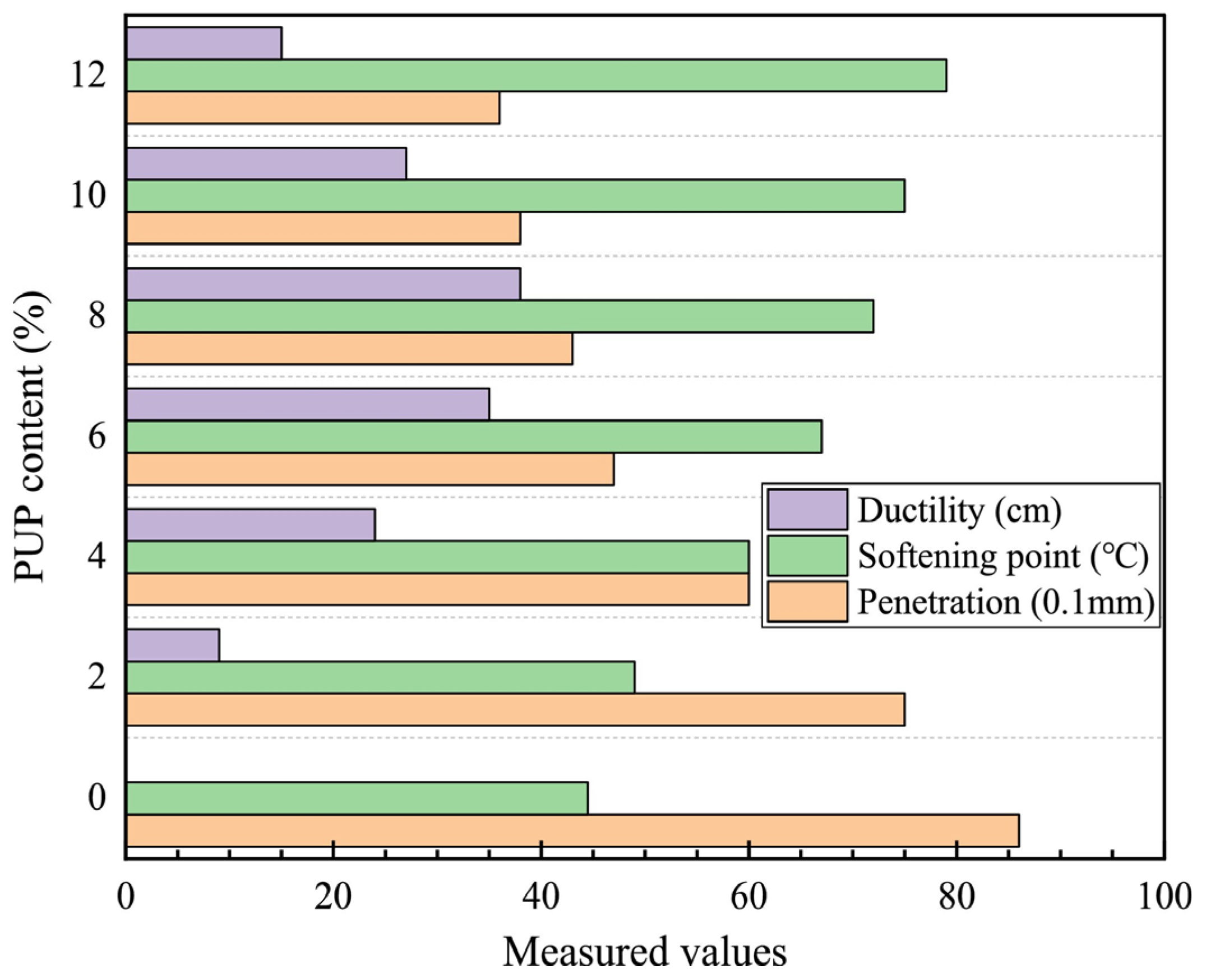
- An appropriate amount of prepolymer enhances modified asphalt binder performance, whereas excessive addition reduces it. Suitable prepolymer structure, dosage, NCO/OH ratio, free NCO content, chain extender, and processing conditions can improve high-temperature rutting resistance, elastic recovery, fatigue performance, water stability, and interfacial adhesion. However, when reaction activity, dosage, temperature, or curing time exceeds the suitable range, the system becomes prone to rapid viscosity increase, reduced low-temperature relaxation capacity, a narrowed construction window, and increased phase-separation risk. Preparation design for the prepolymer method should therefore balance processing conditions with performance.
- (4)
- Beyond traditional modified asphalt binder systems, prepolymer-route PU applications have expanded into composite modification, reactive recycling, porous asphalt, and interfacial reinforcement. In SBS-modified and aged-SBS recycling systems, PUP can participate in repairing aged polymer networks and connecting old and new structures. In RAP/FRAP systems, reactive terminal groups help improve adhesion among aged asphalt films, aggregate interfaces, and newly added components. In porous asphalt and composite-modified systems, prepolymers act synergistically with warm-mix additives, crumb rubber, fibres, or inorganic particles; this synergy improves deformation resistance, water-damage resistance, fatigue resistance, and structural durability. Prepolymer-route PU is therefore also suitable as a composite-modification auxiliary that can regulate reaction sites, curing processes, and composite partners according to service scenarios.
Author Contributions
Funding
Institutional Review Board Statement
Data Availability Statement
Conflicts of Interest
References
- Perkins, S. Realizing the Roads of the Future. Proc. Natl. Acad. Sci. USA 2021, 118, e2024425118. [Google Scholar] [CrossRef] [Scilit] [PubMed]
- Liu, Y.; Su, P.; Li, M.; You, Z.; Zhao, M. Review on Evolution and Evaluation of Asphalt Pavement Structures and Materials. J. Traffic Transp. Eng. (Engl. Ed.) 2020, 7, 573–599. [Google Scholar] [CrossRef] [Scilit]
- Fernández-Gómez, W.D.; Quintana, H.A.R. A Review of Asphalt and Asphalt Mixture Aging. Ing. Investig. 2013, 33, 5–12. [Google Scholar] [CrossRef] [Scilit]
- Lv, S.; Ju, Z.; Ge, D.; Bai, Y.; Li, Z. Performance Evaluation and Correlation Analysis of UV Aged Asphalt Mixture and Its Extracted Asphalt. Constr. Build. Mater. 2026, 510, 145272. [Google Scholar] [CrossRef] [Scilit]
- Offenbacker, D.; Mehta, Y. Assessing the Life-Cycle Costs of Pavement Rehabilitation Strategies Used in Long-Term Pavement Performance Program. J. Transp. Eng. B Pavements 2022, 148, 04022002. [Google Scholar] [CrossRef] [Scilit]
- Deng, F.; Jin, J.; Chen, X.; Zhao, F. On the Scheduling of Lifecycle Network-Level Pavement Maintenance: Modelling and Applications. Int. J. Pavement Eng. 2023, 24, 2271631. [Google Scholar] [CrossRef] [Scilit]
- Rucker, G.; Zhang, L. Studying Different Polymer Modified Model Asphalt Using Molecular Dynamics Simulation Methods. Environ. Sci. Pollut. Res. Int. 2026, 33, 1512–1527. [Google Scholar] [CrossRef] [Scilit] [PubMed]
- Li, M.; Chen, X.; Cong, P.; Luo, C.; Zhu, L.; Li, H.; Zhang, Y.; Chao, M.; Yan, L. Facile Synthesis of Polyethylene-Modified Asphalt by Chain End-Functionalization. Compos. Commun. 2022, 30, 101088. [Google Scholar] [CrossRef] [Scilit]
- Vargas, M.A.; Vargas, M.A.; Sánchez-Sólis, A.; Manero, O. Asphalt/Polyethylene Blends: Rheological Properties, Microstructure and Viscosity Modeling. Constr. Build. Mater. 2013, 45, 243–250. [Google Scholar] [CrossRef] [Scilit]
- Šrámek, J.; Kozel, M.; Remek, L.; Mikolaj, J. Evaluation of Bitumen Modification Using a Fast-Reacting SBS Polymer at a Low Modifier Percentage. Materials 2023, 16, 2942. [Google Scholar] [CrossRef] [Scilit] [PubMed]
- Porto, M.; Caputo, P.; Loise, V.; Eskandarsefat, S.; Teltayev, B.; Oliviero Rossi, C. Bitumen and Bitumen Modification: A Review on Latest Advances. Appl. Sci. 2019, 9, 742. [Google Scholar] [CrossRef] [Scilit]
- Gunka, V.; Astakhova, O.; Hrynchuk, Y.; Sidun, I.; Reutskyy, V.; Mirchuk, I.; Poliak, O. A Review of Road Bitumen Modification Methods. Part 1—Physical Modification. Chem. Chem. Technol. 2024, 18, 295. [Google Scholar] [CrossRef] [Scilit]
- Kohut, A.; Poliak, O.; Sidun, I.; Astakhova, O.; Onyshchenko, A.; Besaha, K.; Gunka, V. A Review of Road Bitumen Modification Methods. Part 2—Chemical Modification. Chem. Chem. Technol. 2025, 19, 141. [Google Scholar] [CrossRef] [Scilit]
- Behnood, A. Application of Rejuvenators to Improve the Rheological and Mechanical Properties of Asphalt Binders and Mixtures: A Review. J. Clean. Prod. 2019, 231, 171–182. [Google Scholar] [CrossRef] [Scilit]
- Pyshyev, S.; Demchuk, Y.; Poliuzhyn, I.; Kochubei, V. Obtaining and Use Adhesive Promoters to Bitumen from the Phenolic Fraction of Coal Tar. Int. J. Adhes. Adhes. 2022, 118, 103191. [Google Scholar] [CrossRef] [Scilit]
- Cong, L.; Yang, F.; Guo, G.; Ren, M.; Shi, J.; Tan, L. The Use of Polyurethane for Asphalt Pavement Engineering Applications: A State-of-the-Art Review. Constr. Build. Mater. 2019, 225, 1012–1025. [Google Scholar] [CrossRef] [Scilit]
- Wang, C.; Huang, S.; Chen, Q.; Ji, X.; Duan, K. Materials, Preparation, Performances and Mechanism of Polyurethane Modified Asphalt and Its Mixture: A Systematic Review. J. Road Eng. 2023, 3, 16–34. [Google Scholar] [CrossRef] [Scilit]
- Sun, G.; Kelomae, J.M.; Li, T.; Hu, M.; Cheng, L.; Liu, S. Valorization of PET Waste via Glycolysis-Derived Polyol into High Performance Polyurethane-Modified Asphalt: Performance Optimization and Sustainability Assessment. Int. J. Adhes. Adhes. 2026, 147, 104287. [Google Scholar] [CrossRef] [Scilit]
- Sun, G.; Kelomae, J.M.; Wu, H.; Cheng, L.; Cao, Z.; Wang, G. Sustainable Pavement Binder Application of Glycolyzed Waste Polyethylene Terephthalate to Synthesize High-Performance Polyurethane Modified Bitumen. Constr. Build. Mater. 2026, 514, 145483. [Google Scholar] [CrossRef] [Scilit]
- Zhang, Z.; Sun, J.; Jia, M.; Qi, B.; Zhang, H.; Lv, W.; Mao, Z.; Chang, P.; Peng, J.; Liu, Y. Study on a Thermosetting Polyurethane Modified Asphalt Suitable for Bridge Deck Pavements: Formula and Properties. Constr. Build. Mater. 2020, 241, 118122. [Google Scholar] [CrossRef] [Scilit]
- Jin, X.; Guo, N.; You, Z.; Wang, L.; Wen, Y.; Tan, Y. Rheological Properties and Micro-Characteristics of Polyurethane Composite Modified Asphalt. Constr. Build. Mater. 2020, 234, 117395. [Google Scholar] [CrossRef] [Scilit]
- Kong, L.; Wang, Z.; Su, S.; Yue, J.; Luo, W.; Zhou, S.; Ren, D.; Ai, C. Exploring the Interplay between Thermo-Oxidative Degradation and Asphalt Aging in Thermoplastic Polyurethane-Modified Asphalt: Mechanisms, Properties, and Performance Evolution. Constr. Build. Mater. 2024, 412, 134694. [Google Scholar] [CrossRef] [Scilit]
- Long, K.; Huang, C.; Yang, Y.; Qu, C.; Huang, H.; Ai, C.; Yan, C. Investigation of the Rheological Properties and Aging Performance of Rock Asphalt/Thermoplastic Polyurethane Composite Modified Asphalt. Constr. Build. Mater. 2025, 458, 139699. [Google Scholar] [CrossRef] [Scilit]
- Shirzad, S.; Hassan, M.; Mohammad, L.N. Rheological and Mechanical Evaluation of Polyurethane Prepolymer-Modified Asphalt Mixture with Self-Healing Abilities. J. Mater. Civ. Eng. 2020, 32, 04020231. [Google Scholar] [CrossRef] [Scilit]
- Huang, T.; Zhang, Z.; Wang, L.; Sun, J.; Wang, Z.; Liu, H.; Chen, L. Study on the Compatibility between Polyurethane and Asphalt Based on Experiment and Molecular Dynamics Simulation. Case Stud. Constr. Mater. 2022, 17, e01424. [Google Scholar] [CrossRef] [Scilit]
- Zhang, Z.; Wang, Z.; Zhang, S.; Liu, H.; Guo, Y.; Liu, X.; Tian, P.; Yang, Y.; Xia, J. Experimental Studies and Molecular Dynamics Simulation of the Compatibility between Thermoplastic Polyurethane Elastomer (TPU) and Asphalt. Constr. Build. Mater. 2024, 411, 134316. [Google Scholar] [CrossRef] [Scilit]
- Zhang, M.; Hu, Z.; Zhao, J.; Li, H.; Zhang, J.; Lyu, L.; Wang, X.; Niu, Z.; Cai, J.; Pei, J. Components Optimization of Polyurethane-Modified Asphalt Binder towards Compatibility: Insight from Molecular Dynamics Simulations. Constr. Build. Mater. 2024, 448, 138229. [Google Scholar] [CrossRef] [Scilit]
- Jia, M.; Zhang, Z.; Liu, H.; Peng, B.; Zhang, H.; Lv, W.; Zhang, Q.; Mao, Z. The Synergistic Effect of Organic Montmorillonite and Thermoplastic Polyurethane on Properties of Asphalt Binder. Constr. Build. Mater. 2019, 229, 116867. [Google Scholar] [CrossRef] [Scilit]
- Ji, H.; He, D.; Li, B.; Lu, G.; Wang, C. Evaluation of Rheological and Anti-Aging Properties of TPU/Nano-TiO2 Composite-Modified Asphalt Binder. Materials 2022, 15, 3000. [Google Scholar] [CrossRef] [Scilit] [PubMed]
- Zhang, Z.; Wei, Y.; Liu, X.; Guo, Y.; Liu, H.; Sun, J.; Yu, X.; Kan, S. Combined Modification of Asphalt with Organic Attapulgite (OATT) and Polyurethane (PU): Preparation, Properties and Modification Mechanisms. Constr. Build. Mater. 2023, 406, 133435. [Google Scholar] [CrossRef] [Scilit]
- Carrera, V.; Cuadri, A.A.; García-Morales, M.; Partal, P. Influence of the Prepolymer Molecular Weight and Free Isocyanate Content on the Rheology of Polyurethane Modified Bitumens. Eur. Polym. J. 2014, 57, 151–159. [Google Scholar] [CrossRef] [Scilit]
- Cuadri, A.A.; García-Morales, M.; Navarro, F.J.; Partal, P. Processing of Bitumens Modified by a Bio-Oil-Derived Polyurethane. Fuel 2014, 118, 83–90. [Google Scholar] [CrossRef] [Scilit]
- Xia, L.; Zhang, H.; Cao, D.; Guo, Y. Study on Property of Castor Oil Based Polyurethane Modified Asphalt. J. Highw. Transp. Res. Dev. 2016, 33, 13–18. [Google Scholar] [CrossRef]
- Zhang, Z.; Sun, J.; Jia, M.; Ban, X.; Wang, L.; Chen, L.; Huang, T.; Liu, H. Effects of Polyurethane Thermoplastic Elastomer on Properties of Asphalt Binder and Asphalt Mixture. J. Mater. Civ. Eng. 2021, 33, 04020477. [Google Scholar] [CrossRef] [Scilit]
- Li, Z.; Yang, F.; Yuan, J.; Cong, L.; Yu, M. Study on Preparation and Pavement Performance of Polyurethane Modified Asphalt Based on In-Situ Synthesis Method. Constr. Build. Mater. 2021, 309, 125196. [Google Scholar] [CrossRef] [Scilit]
- Cuadri, A.A.; García-Morales, M.; Navarro, F.J.; Partal, P. Effect of Transesterification Degree and Post-Treatment on the in-Service Performance of NCO-Functionalized Vegetable Oil Bituminous Products. Chem. Eng. Sci. 2014, 111, 126–134. [Google Scholar] [CrossRef] [Scilit]
- Gholami, M.; Haddadi-Asl, V.; Jouibari, I.S. A Review on Microphase Separation Measurement Techniques for Polyurethanes. J. Plast. Film Sheeting 2022, 38, 502–541. [Google Scholar] [CrossRef] [Scilit]
- Santamaria-Echart, A.; Fernandes, I.; Barreiro, F.; Corcuera, M.A.; Eceiza, A. Advances in Waterborne Polyurethane and Polyurethane-Urea Dispersions and Their Eco-Friendly Derivatives: A Review. Polymers 2021, 13, 409. [Google Scholar] [CrossRef] [Scilit] [PubMed]
- Li, Y.; Jin, Y.; Fan, W.; Zhou, R. A Review on Room-Temperature Self-Healing Polyurethane: Synthesis, Self-Healing Mechanism and Application. J. Leather Sci. Eng. 2022, 4, 24. [Google Scholar] [CrossRef] [Scilit]
- Gallu, R.; Méchin, F.; Gérard, J.-F.; Dalmas, F. Influence of the Chain Extender of a Segmented Polyurethane on the Properties of Polyurethane-Modified Asphalt Blends. Constr. Build. Mater. 2022, 328, 127061. [Google Scholar] [CrossRef] [Scilit]
- Cong, P.; Liu, C.; Han, Z.; Zhao, Y. A Comprehensive Review on Polyurethane Modified Asphalt: Mechanism, Characterization and Prospect. J. Road Eng. 2023, 3, 315–335. [Google Scholar] [CrossRef] [Scilit]
- Wang, H.; Cao, L.; Wang, X.; Lang, X.; Cong, W.; Han, L.; Zhang, H.; Zhou, H.; Sun, J.; Zong, C. Effects of Isocyanate Structure on the Properties of Polyurethane: Synthesis, Performance, and Self-Healing Characteristics. Polymers 2024, 16, 3045. [Google Scholar] [CrossRef] [Scilit] [PubMed]
- Liu, H.; Zhang, Z.; Zhang, S.; Chang, P.; Liang, Y.; Wang, Z.; Ban, X.; Guo, Y.; Liu, X. Study on the Effect of Soft Segment Length on the Performance of Polyether-Based Polyurethane Modified Asphalt. Int. J. Adhes. Adhes. 2024, 130, 103642. [Google Scholar] [CrossRef] [Scilit]
- Gong, X.; Liu, Q.; Wan, P.; Chen, S.; Wang, H.; Wu, J.; Wu, S. A Comparative Study of the Properties CO2-Based Polyurethane Modified Asphalts Prepared by Prepolymer and in-Situ Polymerization Methods. Constr. Build. Mater. 2023, 364, 129958. [Google Scholar] [CrossRef] [Scilit]
- Huang, G.; Yang, T.; He, Z.; Yu, L.; Xiao, H. Polyurethane as a Modifier for Road Asphalt: A Literature Review. Constr. Build. Mater. 2022, 356, 129058. [Google Scholar] [CrossRef] [Scilit]
- Yang, C.; Xie, J.; Wu, S.; Amirkhanian, S.; Zhou, X.; Ye, Q.; Yang, D.; Hu, R. Investigation of Physicochemical and Rheological Properties of SARA Components Separated from Bitumen. Constr. Build. Mater. 2020, 235, 117437. [Google Scholar] [CrossRef] [Scilit]
- Werkovits, S.; Bacher, M.; Theiner, J.; Rosenau, T.; Grothe, H. Multi-Spectroscopic Characterization of Bitumen and Its Polarity-Based Fractions. Constr. Build. Mater. 2022, 352, 128992. [Google Scholar] [CrossRef] [Scilit]
- Li, F.; Wang, Y.; Miljković, M.; Chan, K.M. Changes in the Nanoscale Asphaltene Particles and Relaxation Spectra of Asphalt Binders during Aging and Rejuvenation. Mater. Des. 2022, 219, 110808. [Google Scholar] [CrossRef] [Scilit]
- Xiao, X.; Wang, J.; Wang, T.; Amirkhanian, S.N.; Xiao, F. Linear Visco-Elasticity of Asphalt in View of Proportion and Polarity of SARA Fractions. Fuel 2024, 363, 130955. [Google Scholar] [CrossRef] [Scilit]
- Mirwald, J.; Werkovits, S.; Camargo, I.; Maschauer, D.; Hofko, B.; Grothe, H. Investigating Bitumen Long-Term-Ageing in the Laboratory by Spectroscopic Analysis of the SARA Fractions. Constr. Build. Mater. 2020, 258, 119577. [Google Scholar] [CrossRef] [Scilit]
- Hu, Z.; Zhang, H.; Wang, S.; Xu, T. Thermal-Oxidative Aging Mechanism of Asphalt Binder Based on Isothermal Thermal Analysis at the SARA Level. Constr. Build. Mater. 2020, 255, 119349. [Google Scholar] [CrossRef] [Scilit]
- Camargo, I.G.d.N.; Hofko, B.; Mirwald, J.; Grothe, H. Effect of Thermal and Oxidative Aging on Asphalt Binders Rheology and Chemical Composition. Materials 2020, 13, 4438. [Google Scholar] [CrossRef] [Scilit] [PubMed]
- Pipintakos, G.; Vincent Ching, H.Y.; Soenen, H.; Sjövall, P.; Mühlich, U.; Van Doorslaer, S.; Varveri, A.; Van den bergh, W.; Lu, X. Experimental Investigation of the Oxidative Ageing Mechanisms in Bitumen. Constr. Build. Mater. 2020, 260, 119702. [Google Scholar] [CrossRef] [Scilit]
- Pipintakos, G.; Soenen, H.; Ching, H.Y.V.; Velde, C.V.; Doorslaer, S.V.; Lemière, F.; Varveri, A.; Van den bergh, W. Exploring the Oxidative Mechanisms of Bitumen after Laboratory Short- and Long-Term Ageing. Constr. Build. Mater. 2021, 289, 123182. [Google Scholar] [CrossRef] [Scilit]
- Lu, X.; Soenen, H.; Sjövall, P.; Pipintakos, G. Analysis of Asphaltenes and Maltenes before and after Long-Term Aging of Bitumen. Fuel 2021, 304, 121426. [Google Scholar] [CrossRef] [Scilit]
- Bruneau, L.; Tisse, S.; Michon, L.; Cardinael, P. Evaluation of Asphalt Aging Using Multivariate Analysis Applied to Saturates, Aromatics, Resins, and Asphaltene Determinator Data. ACS Omega 2023, 8, 24773–24785. [Google Scholar] [CrossRef] [Scilit] [PubMed]
- Werkovits, S.; Bacher, M.; Mirwald, J.; Theiner, J.; Rosenau, T.; Hofko, B.; Grothe, H. The Impact of Field Ageing on Molecular Structure and Chemistry of Bitumen. Fuel 2023, 343, 127904. [Google Scholar] [CrossRef] [Scilit]
- Li, X.; Dong, Z.; Zhang, J.; Xu, S.; Wu, W.; Liu, J. Research on the Application of Polyurethane Modified Asphalt and Mixture. Mater. Sci. 2023, 13, 1073–1080. [Google Scholar] [CrossRef]
- Yang, F.; Cong, L.; Li, Z.; Yuan, J.; Guo, G.; Tan, L. Study on Preparation and Performance of a Thermosetting Polyurethane Modified Asphalt Binder for Bridge Deck Pavements. Constr. Build. Mater. 2022, 326, 126784. [Google Scholar] [CrossRef] [Scilit]
- Sun, M.; Wang, J.; Sun, H.; Hong, B. Feasibility Analysis of Polyurethane-Prepolymer-Modified Bitumen Used for Fully Reclaimed Asphalt Pavement (FRAP). Materials 2023, 16, 5686. [Google Scholar] [CrossRef] [Scilit] [PubMed]
- Yang, F.; Gong, H.; Cong, L.; Shi, J.; Guo, G.; Mei, Z. Investigating on Polymerization Process and Interaction Mechanism of Thermosetting Polyurethane Modified Asphalt. Constr. Build. Mater. 2022, 335, 127261. [Google Scholar] [CrossRef] [Scilit]
- Jin, X.; Sun, S.; Guo, N.; Huang, S.; You, Z.; Tan, Y. Influence on Polyurethane Synthesis Parameters upon the Performance of Base Asphalt. Front. Mater. 2021, 8, 656261. [Google Scholar] [CrossRef] [Scilit]
- Blaj, D.-A.; Diaconu, A.-D.; Harabagiu, V.; Peptu, C. Polyethylene Glycol-Isophorone Diisocyanate Polyurethane Prepolymers Tailored Using MALDI MS. Materials 2023, 16, 821. [Google Scholar] [CrossRef] [Scilit] [PubMed]
- Fage, A.M.; Backhaus, C.A.; Becker, W.; Lorenz, G.; Lorenz, A.; Rebner, K.; Henning, F. Mid- and near-Infrared Spectroscopies for Quantitative Tracking of Isocyanate Content: Streamlined Development of Monitoring Tools for Reactive Extrusion Synthesis of Specialty Polyurethanes. Polym. Test. 2025, 150, 108925. [Google Scholar] [CrossRef] [Scilit]
- Zhou, T.; Liu, R.; Xie, S.; Fini, E.; Dong, Z.; You, L. Disaggregation Mechanisms of Asphaltenes Induced by Castor-Based Bio-Oil: A Molecular Dynamics and Rheological Study. Fuel 2026, 416, 138558. [Google Scholar] [CrossRef] [Scilit]
- Xia, L.; Cao, D.; Zhang, H. Rheological and Aging Properties of Vegetable Oil-Based Polyurethane (V-PU) Modified Asphalt. Polymers 2023, 15, 2158. [Google Scholar] [CrossRef] [Scilit] [PubMed]
- Yang, J.; Yin, X.; Fang, Y. Preparation Process Optimization of Polyurethane Prepolymer Modified Asphalt Binder Based on Response Surface Methodology and Its Rheological Behaviors. J. Appl. Polym. Sci. 2025, 142, e56909. [Google Scholar] [CrossRef] [Scilit]
- Navarro, F.J.; Partal, P.; García-Morales, M.; Martinez-Boza, F.J.; Gallegos, C. Bitumen Modification with a Low-Molecular-Weight Reactive Isocyanate-Terminated Polymer. Fuel 2007, 86, 2291–2299. [Google Scholar] [CrossRef] [Scilit]
- Martín-Alfonso, M.J.; Partal, P.; Navarro, F.J.; García-Morales, M.; Gallegos, C. Use of a MDI-Functionalized Reactive Polymer for the Manufacture of Modified Bitumen with Enhanced Properties for Roofing Applications. Eur. Polym. J. 2008, 44, 1451–1461. [Google Scholar] [CrossRef] [Scilit]
- Martín-Alfonso, M.J.; Partal, P.; Navarro, F.J.; García-Morales, M.; Gallegos, C. Role of Water in the Development of New Isocyanate-Based Bituminous Products. Ind. Eng. Chem. Res. 2008, 47, 6933–6940. [Google Scholar] [CrossRef] [Scilit]
- Martín-Alfonso, M.J.; Partal, P.; Navarro, F.J.; García-Morales, M.; Bordado, J.C.M.; Diogo, A.C. Effect of Processing Temperature on the Bitumen/MDI-PEG Reactivity. Fuel Process. Technol. 2009, 90, 525–530. [Google Scholar] [CrossRef] [Scilit]
- Carrera, V.; Partal, P.; García-Morales, M.; Gallegos, C.; Páez, A. Influence of Bitumen Colloidal Nature on the Design of Isocyanate-Based Bituminous Products with Enhanced Rheological Properties. Ind. Eng. Chem. Res. 2009, 48, 8464–8470. [Google Scholar] [CrossRef] [Scilit]
- Li, R.; Zhu, X.; Wang, Y. Investigation of the Physicochemical Interactions and Modification Effects of Polyurethane on Asphalt Binder. Transp. Res. Rec. J. Transp. Res. Board 2024, 2678, 876–890. [Google Scholar] [CrossRef] [Scilit]
- Ban, X.; Zhang, Z.; Chang, P.; Zhang, S.; Liu, H.; Liang, Y.; Chen, Y. The Performance and Distribution of Polyurethane-Modified Asphalt That Exhibits Different Molecular Weights. Sustainability 2023, 15, 6627. [Google Scholar] [CrossRef] [Scilit]
- Zhuang, W.; Ding, T.; Pang, C.; Jiao, X.; Geng, L.; Sun, M. Mechanical Properties and Modification Mechanism of Thermosetting Polyurethane-Modified Asphalt. Coatings 2025, 15, 912. [Google Scholar] [CrossRef] [Scilit]
- Wang, J.; Hong, B.; Wang, D.; Liu, W.; Tan, S.; Lin, J.; Li, T. Performance and Modification Mechanism Investigation of Polyurethane Prepolymer System Modified Bitumen for 100% Reclaimed Asphalt Pavement (RAP) Application. Constr. Build. Mater. 2025, 462, 139882. [Google Scholar] [CrossRef] [Scilit]
- Shirzad, S.; Idris, I.I.; Hassan, M.; Mohammad, L.N. Self-Healing Capability and Mechanical Properties of Asphalt Mixtures Prepared with Light-Activated Polyurethane Prepolymer Modified Asphalt Binder. Transp. Res. Rec. 2025, 2679, 710–728. [Google Scholar] [CrossRef] [Scilit]
- Guo, T.; Guo, X.; Chen, Y.; Fang, C.; Yang, J.; Li, Z.; Feng, J.; Huang, H.; Li, Z.; Chen, H.; et al. A Study on the Performance of Gel-Based Polyurethane Prepolymer/Ceramic Fiber Composite-Modified Asphalt. Gels 2025, 11, 558. [Google Scholar] [CrossRef] [Scilit] [PubMed]
- Shu, S.; Chen, G.; Yan, J.; Li, Z.; Shen, W.; Gong, K.; Luo, Y. Combined Use of Polyurethane Prepolymer and Aromatic Oil in Physicochemical Rejuvenation of Aged SBS Modified Bitumen for Performance Recovery. Polymers 2023, 15, 1120. [Google Scholar] [CrossRef] [Scilit] [PubMed]
- Hu, J.; Jiang, X.; Shen, W.; Sreeram, A.; Ren, H.; Xu, X. Innovative Use of Polyurethane Precursor to Facilitate the Reaction-Rejuvenation of Aged SBS-Modified Asphalt. J. Mater. Civ. Eng. 2024, 36, 04024224. [Google Scholar] [CrossRef] [Scilit]
- Li, G.; Wang, Y.; Liu, H.; Li, R.; Lu, G.; Chen, R.; Leng, Z. Enhancement of the Interface Bonding between Asphalt Binder and Aggregate Using Polyurethane Prepolymer as a Chemical Modifier. Int. J. Pavement Eng. 2025, 26, 2507804. [Google Scholar] [CrossRef] [Scilit]
- Yang, T.; He, Z.; Huang, G.; Zhao, Y.; Fu, J.; Xiang, H.; Zhou, Y. Study on Materials Composition and Process Parameters of Polyurethane-Modified Asphalt Synthesized in-Situ by the One-Shot Process. Constr. Build. Mater. 2023, 374, 130661. [Google Scholar] [CrossRef] [Scilit]
- Cong, P.; Zhang, X. Synthesis and Performance of Methyl Ethyl Ketone Oxime Blocked Polyurethane Prepolymer as Modifier for Asphalt Binder. Constr. Build. Mater. 2025, 486, 141998. [Google Scholar] [CrossRef] [Scilit]
- Zhao, Y.; Gong, X.; Liu, Q. Research on Rheological Properties and Modification Mechanism of Waterborne Polyurethane Modified Bitumen. Constr. Build. Mater. 2023, 371, 130775. [Google Scholar] [CrossRef] [Scilit]
- Gong, X.; Liu, Q.; Liu, X.; Wan, P.; Jiang, P.; Chen, S.; Wang, H.; Wu, S. Green Synthesis of End-Capped Polyurethane Prepolymer with High Storage Stability and Its Effects on Bitumen Properties. Constr. Build. Mater. 2023, 401, 132860. [Google Scholar] [CrossRef] [Scilit]
- Wu, C.; Yang, H.; Cui, X.; Chen, Y.; Xi, Z.; Cai, J.; Zhang, J.; Xie, H. Performance and Morphology of Waterborne Polyurethane Asphalt in the Vicinity of Phase Inversion. Materials 2024, 17, 3368. [Google Scholar] [CrossRef] [Scilit] [PubMed]
- Onyshchenko, A.; Lisnevskyi, R.; Viesich, I.; Poliak, O.; Rybchynskyi, S.; Shyshkin, E. Study on the Effect of Butonal NX4190 Polymer Latex on the Properties of Bitumen Binder and Asphalt Concrete. Chem. Chem. Technol. 2023, 17, 688–700. [Google Scholar] [CrossRef] [Scilit]
- Li, T.; Carreño Gómez, N.H.; Lu, G.; Liang, D.; Wang, D.; Oeser, M. Use of Polyurethane Precursor–Based Modifier as an Eco-Friendly Approach to Improve Performance of Asphalt. J. Transp. Eng. B Pavements 2021, 147, 04021031. [Google Scholar] [CrossRef] [Scilit]
- Sun, J.; Zhang, S.; Liu, Y.; Zhang, Z.; Liu, X.; Zhang, Z.; Ban, X. Construction Technology and Pavement Performance of Dry-Mix Polyurethane Modified Asphalt Mixtures: A Case Study. Sustainability 2023, 15, 13635. [Google Scholar] [CrossRef] [Scilit]
- Hao, J.; Xu, Q.; Lv, Z.; Rui, Z.; Ding, Z.; Di, E. Study on the Preparation and Mechanism of High–Modulus Polyurethane Prepolymer (HM–PU)–Modified Bitumen. J. Compos. Sci. 2026, 10, 321. [Google Scholar] [CrossRef] [Scilit]
- Li, G.; Kan, J.; Liu, H.; Leng, Z.; Lu, G.; Li, D.; Zou, F.; Yang, B. A Novel High-Performance Warm-Mix Porous Asphalt Prepared with Polyurethane Prepolymer: Strength Development Mechanism and Mechanical and Functional Performance. J. Clean. Prod. 2024, 475, 143698. [Google Scholar] [CrossRef] [Scilit]
- Li, G.; Niu, K.; Yang, B.; Lu, G.; Han, M.; Zou, F.; Leng, Z. Mitigating Moisture-Induced Damage in Porous Asphalt via Polyurethane Prepolymer Modification: Performance Investigation and Void Structure Assessment. Clean. Mater. 2026, 20, 100403. [Google Scholar] [CrossRef] [Scilit]
- Li, T.; Guo, Z.; Liang, D.; Luo, S.; Zhang, Y.; Hong, B.; Lu, G.; Wang, D.; Oeser, M. Chemical and Physical Effects of Polyurethane-Precursor-Based Reactive Modifier on the Low-Temperature Performance of Bitumen. Constr. Build. Mater. 2022, 328, 127055. [Google Scholar] [CrossRef] [Scilit]
- Liu, J.; Song, L.; Xu, J.; Li, T.; Fan, Z.; Tan, Y.; Wang, D. Performance Enhancement of SBS Modified Asphalt Using Polyurethane Precursor-Based Reactive Modifiers. Constr. Build. Mater. 2026, 519, 145899. [Google Scholar] [CrossRef] [Scilit]
- Zheng, W.; Liu, Q.; Ren, S.; Wu, S.; Gong, X.; Wang, H.; Lu, Z. Reactive Repair of Degraded SBS Structure in Aged SBS-Modified Asphalt Mixtures via Polyurethane Prepolymer: From Molecular-Level Chemo-Rheological Mechanisms to Macroscopic Performance Recovery. Constr. Build. Mater. 2026, 525, 146364. [Google Scholar] [CrossRef] [Scilit]
- Li, R.; Ma, X.; Chen, J.; Tang, N.; Zhu, H.; Leng, Z.; Tan, Z. Performance Enhancement of Recycled Asphalt Mixtures Using Polyurethane Prepolymer. Constr. Build. Mater. 2026, 526, 146402. [Google Scholar] [CrossRef] [Scilit]
- Xu, C.; Zhang, Z.; Zhao, F.; Liu, F.; Wang, J. Improving the Performance of RET Modified Asphalt with the Addition of Polyurethane Prepolymer (PUP). Constr. Build. Mater. 2019, 206, 560–575. [Google Scholar] [CrossRef] [Scilit]
- Tian, Z.; Zhang, Z.; Zhang, K.; Huang, S.; Luo, Y. Preparation and Properties of High Viscosity and Elasticity Asphalt by Styrene–Butadiene–Styrene/Polyurethane Prepolymer Composite Modification. J. Appl. Polym. Sci. 2020, 137, e49123. [Google Scholar] [CrossRef] [Scilit]
- Liu, J.; Fan, Z.; Wang, D.; Li, T.; Yang, Q.; Wang, J.; Lu, G. Study on the Performance and Mechanism of Physicochemically Modified Asphalt Based on Spatial Crosslinking by the Crumb Rubber and Polyurethane Precursor. Int. J. Pavement Eng. 2024, 25, 2385685. [Google Scholar] [CrossRef] [Scilit]
- Jin, X.; Li, D.; Gong, M.; Jiao, B.; Sun, B.; Yang, Y.; Yang, Y.; Zhang, J. Study on the Intrinsic Mechanism and Adhesion Performance Mapping of Block Copolymer Modified Polyurethane Prepolymer (M-PPU) Modified Asphalt. Constr. Build. Mater. 2025, 494, 143368. [Google Scholar] [CrossRef] [Scilit]
- Zhao, Y.; Lin, M.; Liu, B.; Zhou, H.; Zeng, S.; Mei, Y. Performance Optimization and Synergistic Mechanism of Polyurethane/Sasobit Composite-Modified Asphalt with Different Prepolymer Proportions. Constr. Build. Mater. 2026, 534, 146889. [Google Scholar] [CrossRef] [Scilit]
- Zhou, T.; Wan, S.; Dong, Z.; Xie, S.; You, L.; Jin, C. Physicochemical Mechanisms of Asphalt–Aggregate Interface Adhesion: Effects of Mineral Composition and Surface Energy. Constr. Build. Mater. 2026, 513, 145469. [Google Scholar] [CrossRef] [Scilit]



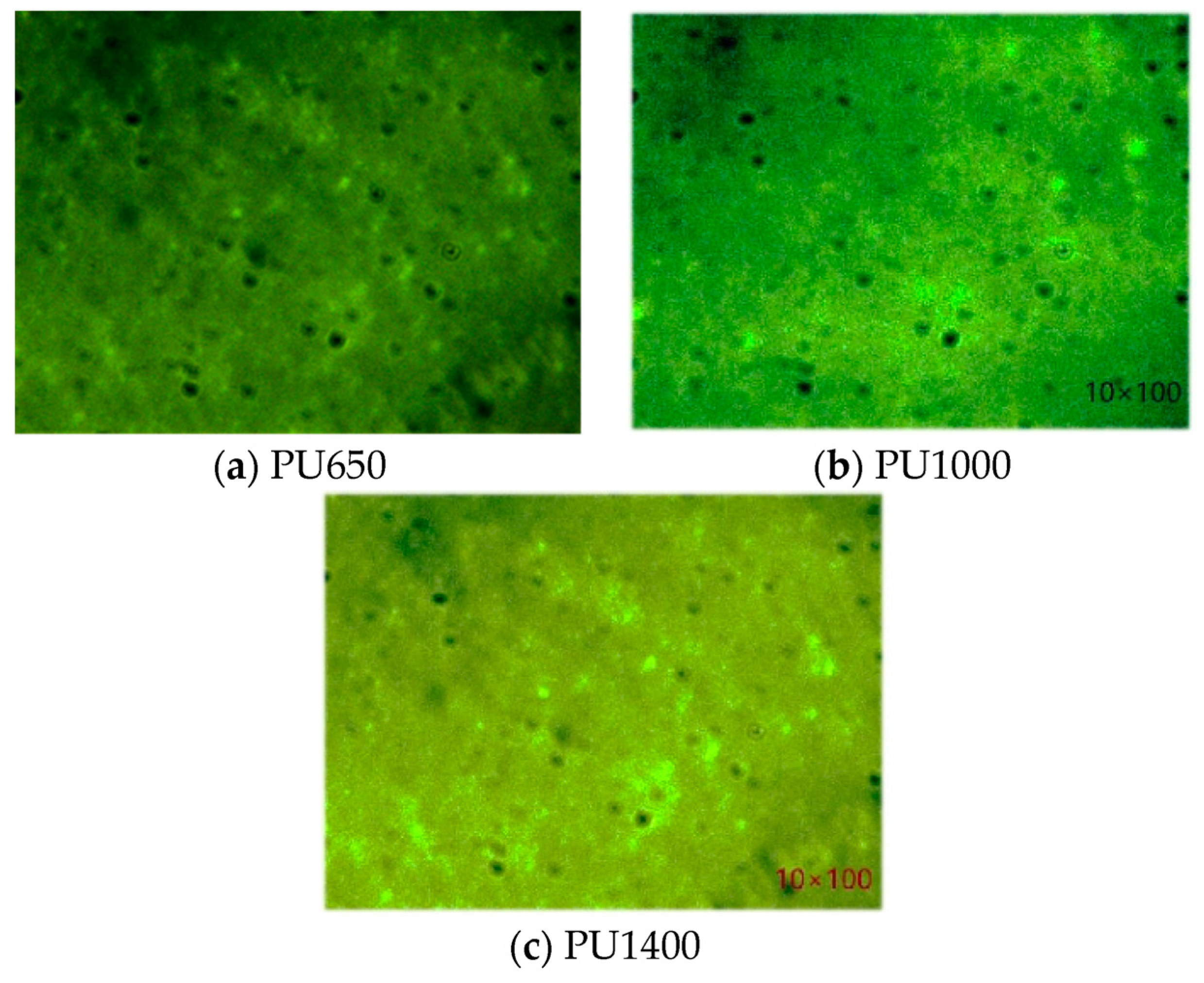
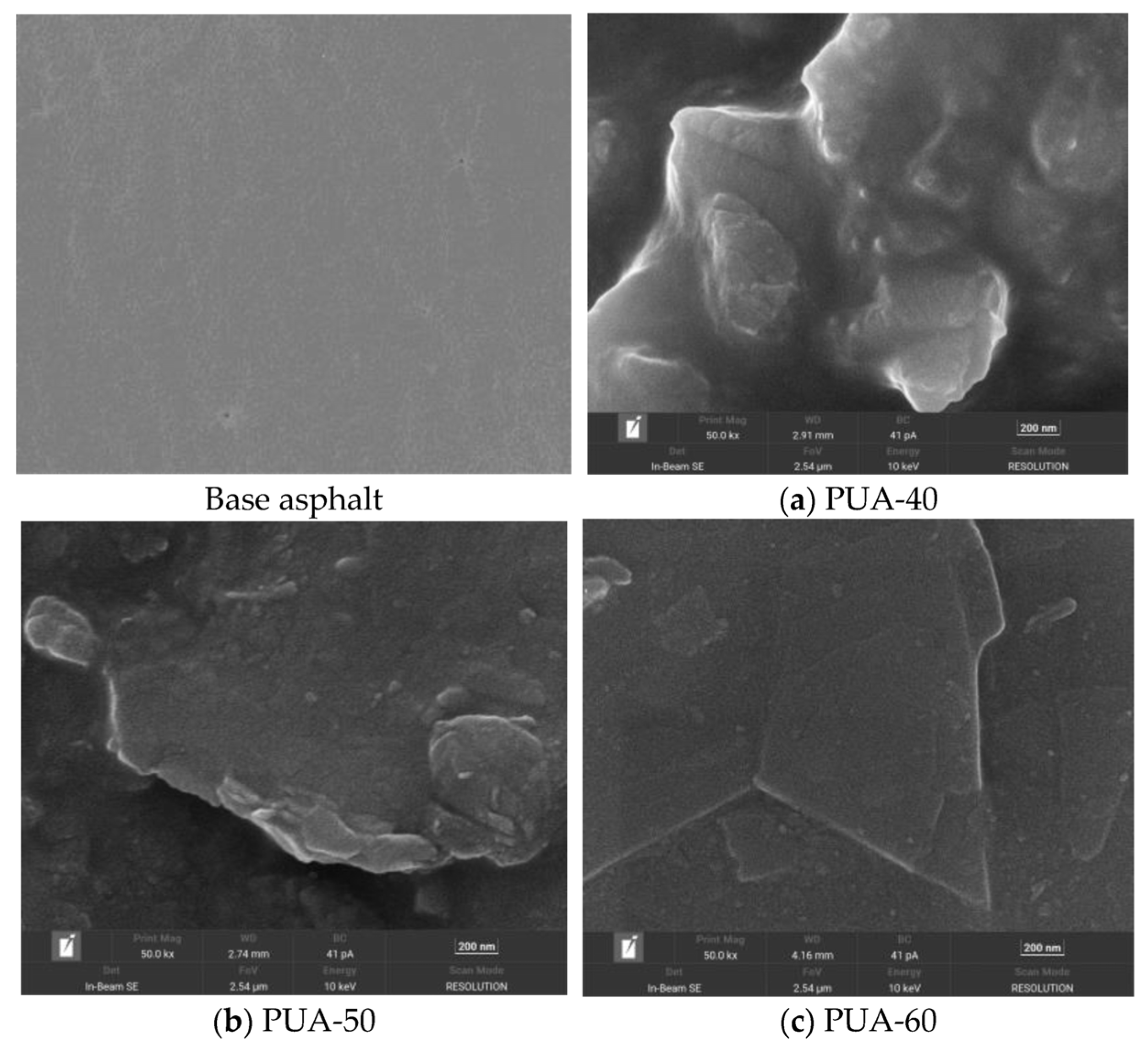
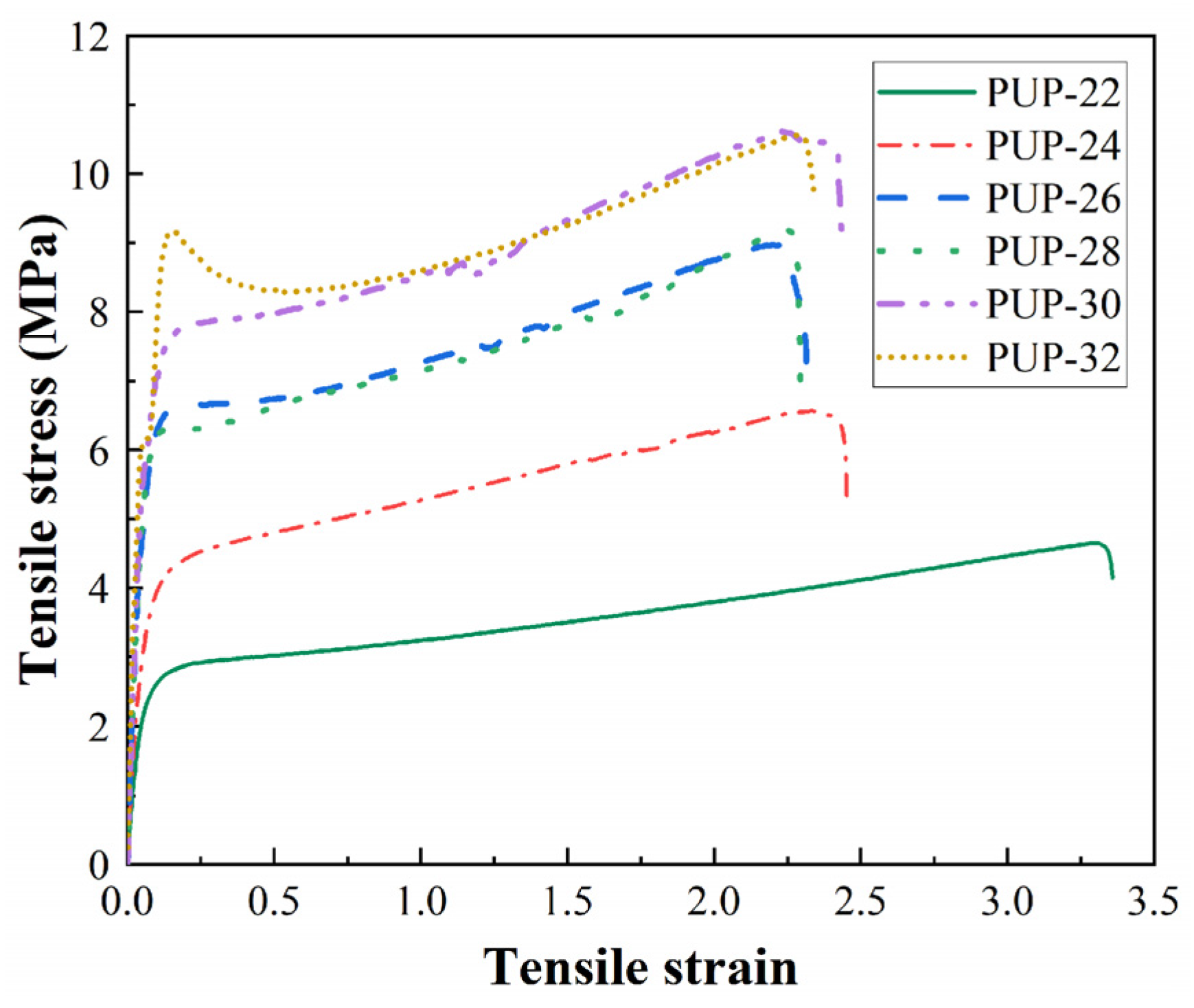
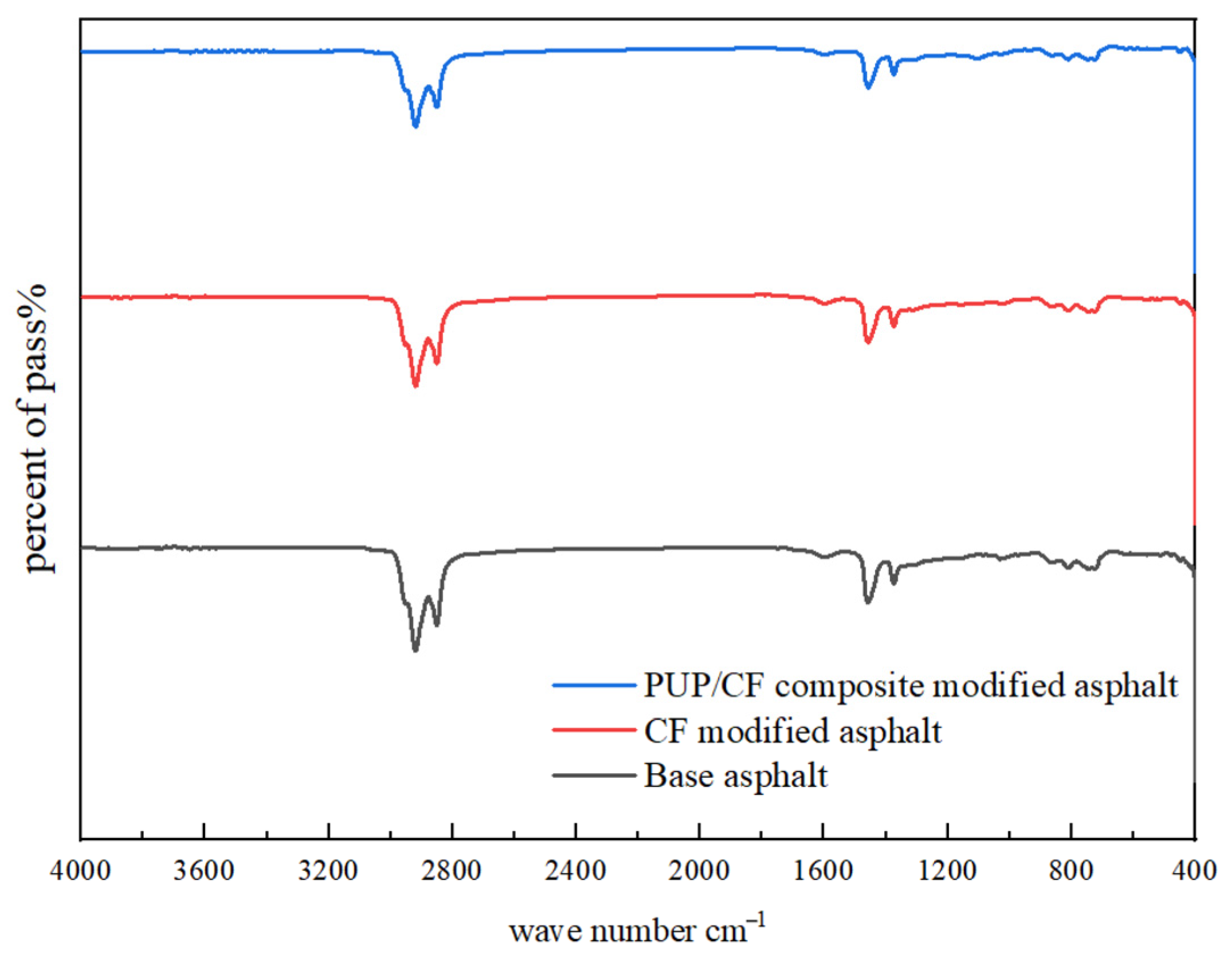



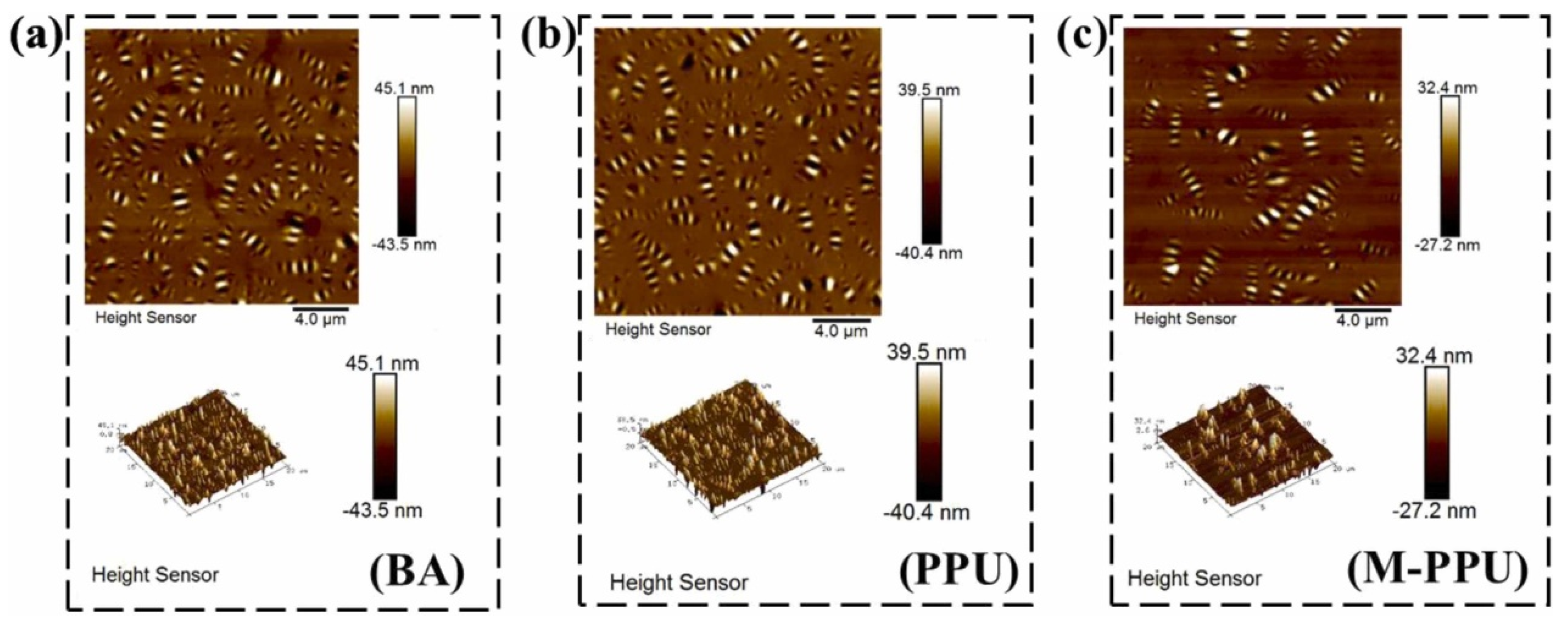

| Raw Material Name | Category | Structural Formula and Chemical Name | ||
|---|---|---|---|---|
| Isocyanate | Aromatic isocyanates |  Toluene diisocyanate (TDI) | 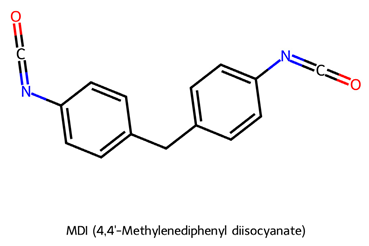 Diphenylmethane diisocyanate (MDI) |  Polymethylene polyphenyl polyisocyanate (PAPI) |
| Aliphatic/alicyclic isocyanates | 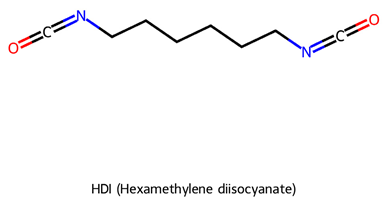 Hexamethylene diisocyanate (HDI) | 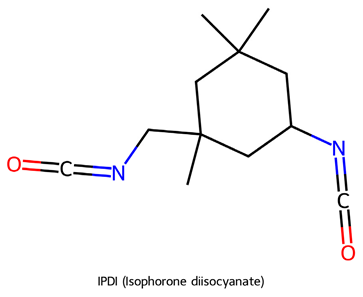 Isophorone diisocyanate (IPDI) | 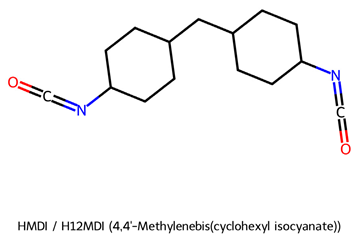 Dicyclohexylmethane diisocyanate (HMDI) | |
| Polyols | Polyether polyols | 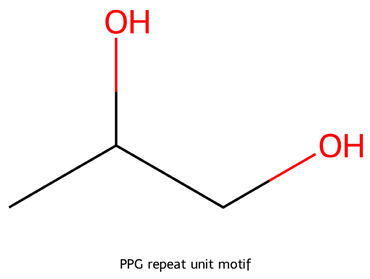 Polypropylene glycol (PPG) | 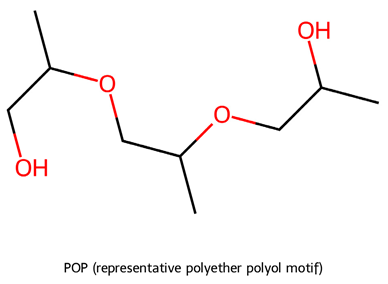 Polyether polyol (POP) | 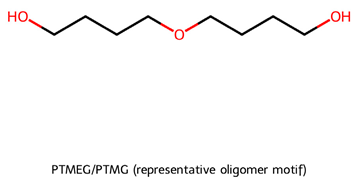 Polytetramethylene ether glycol (PTMEG/PTMG) |
| Polyester/polycarbonate polyols | 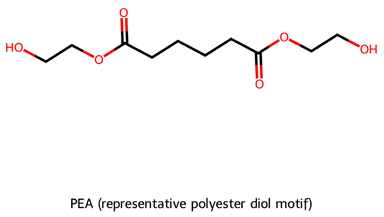 Poly(ethylene adipate) diol (PEA) |  Polycaprolactone diol (PCL) | 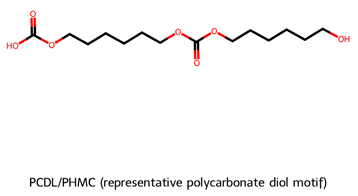 Polycarbonate diol (PCDL/PHMC) | |
| Other polyols | Hydroxyl-terminated polybutadiene (HTPB) | 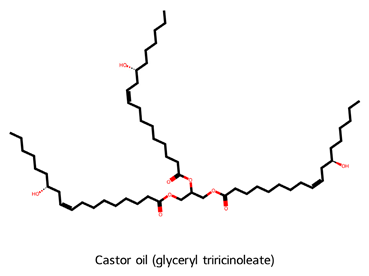 Castor oil polyol (castor oil) | ||
| Chain extenders | Linear small-molecule diols | 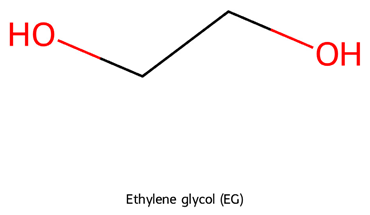 Ethylene glycol (EG) | 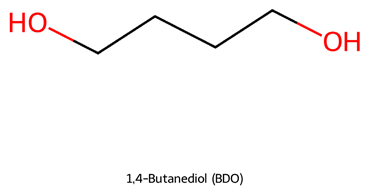 1,4-Butanediol (BDO) | 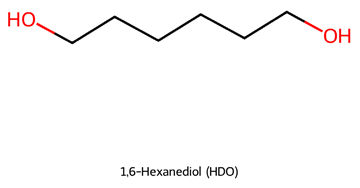 1,6-Hexanediol (HDO) |
| Branched/alicyclic chain extenders |  Isosorbide | 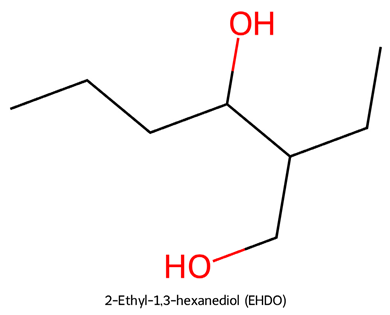 2-Ethyl-1,3-hexanediol (EHDO) | 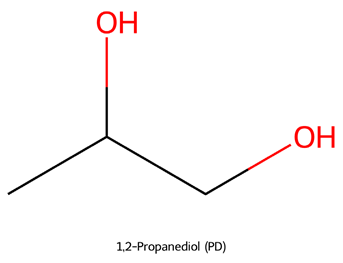 1,2-Propanediol (PD) | |
| Other/functionalised chain extenders | 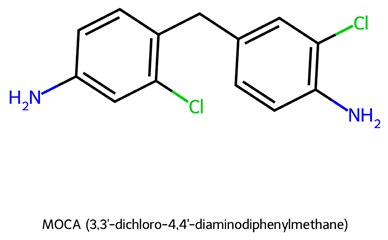 3,3′-Dichloro-4,4′-diaminodiphenylmethane (MOCA) | 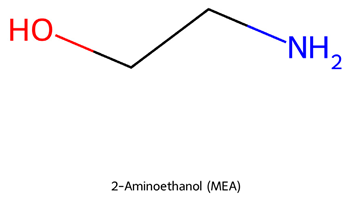 Aminoethanol (MEA) | ||
 BDO MDI BDO chain extender (BMB) |  Bisurea diol (BU) | |||
| Variable | Effect on Prepolymer/PU Structure | Representative Evidence |
|---|---|---|
| NCO/OH ratio and free NCO content | Determine terminal NCO retention, chain-extension/crosslinking capacity, and potential for side reactions; the optimal structure usually depends on the balance between NCO content and molecular size. | In MDI-PPG prepolymers, the combination of 17.4 wt% free NCO and PPG molecular weight of 940 gives a stronger structural-growth effect [31] |
| Polyol type and molecular weight | Determine soft-segment flexibility, polarity, viscosity, and hard-segment compatibility, and affect NCO accessibility. | PPC-PU and V-PU show that CO2-based and vegetable-oil-based soft segments can regulate curing and phase structure [44,66] |
| Chain extender/crosslinker structure | Determines hard-segment length, hydrogen-bond density, microphase separation, and gelation rate. | BDO, isosorbide, and EHDO alter hard-segment phase separation and crystallisation; MDBA crosslinks with PUP and affects the reaction rate [40,60] |
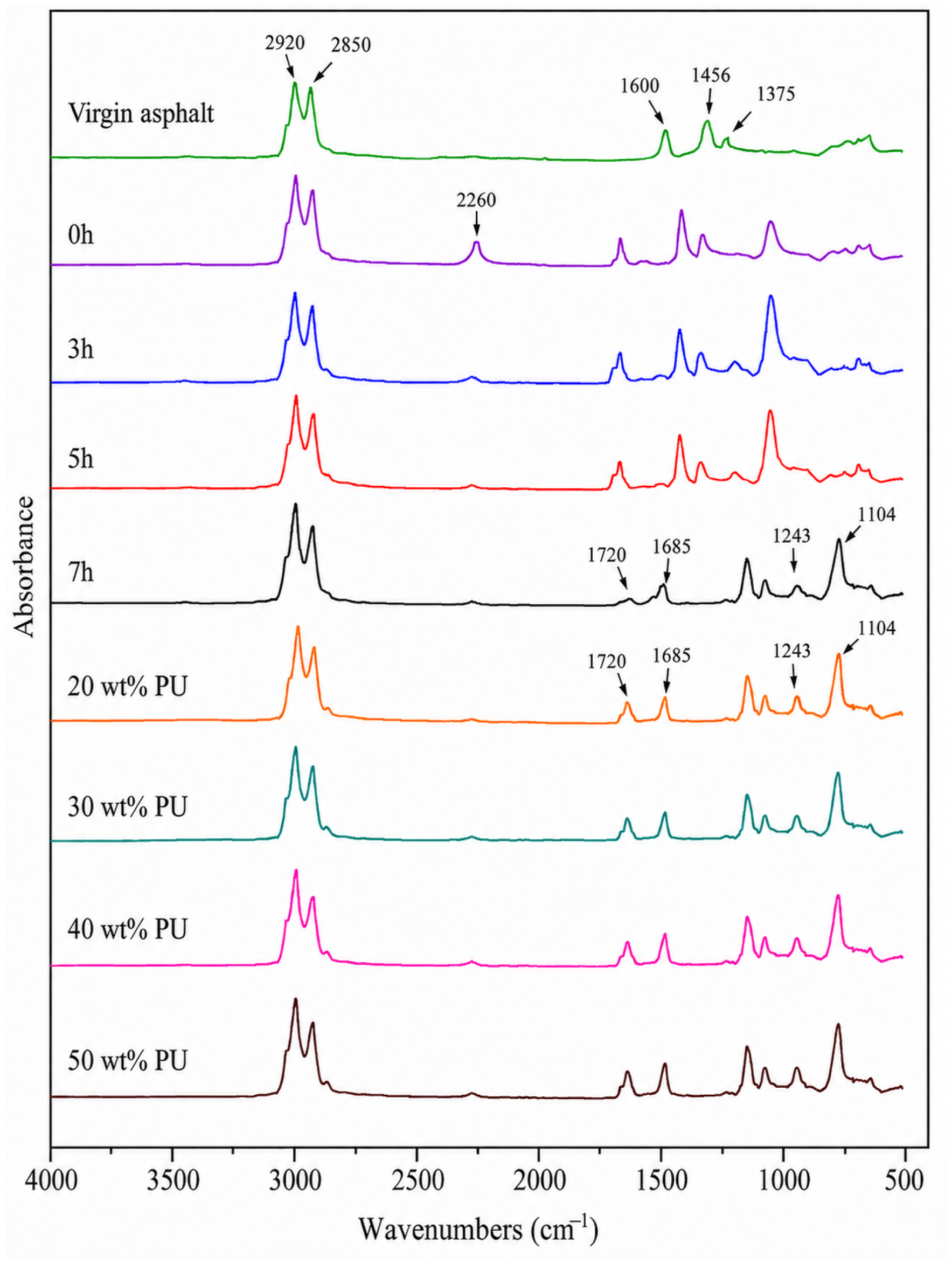
| Temperature, catalyst, and moisture | Alter the NCO/OH primary reaction rate and affect NCO–water–amine–urea side reactions and viscosity growth. | MALDI MS and MIR/NIR studies indicate that temperature, catalyst, and moisture are key factors controlling PU prepolymer/polymerisation [63,64] |
| Shear and residence time | Determine initial dispersion, the contact probability of reactive groups, and the workable viscosity window. | Optimised shear parameters for PUP and the effects of PUP/chain extender on viscosity growth in PPB both show that processing variables are coupled with reaction progress [60,67] |
| Process Route | Addition Mode/Reaction Location | PU-Phase Formation State | Main Advantages | Main Limitations | References |
|---|---|---|---|---|---|
| Preformed PU/TPU blending method | Prefabricated PU particles, elastomers, or films are added to the hot asphalt binder and dispersed by shear. | PU is formed before entering the asphalt binder and is mainly physically dispersed in the asphalt binder. | Defined composition, few side reactions, and similarity to conventional polymer modification | Requires high temperature or prolonged shear; insufficient compatibility can cause aggregation/phase separation | [83,84] |
| One-step in situ synthesis | Polyol, isocyanate, chain extender, and catalyst are directly added to the asphalt binder. | PU chain growth and asphalt binder modification occur simultaneously. | Short process, suitable for continuous operation | Concurrent multicomponent reactions, affected by moisture, impurities, and active groups; narrow processing window | [82,83] |
| Prepolymer method | Active-terminal PU prepolymer is synthesised first and then introduced into the asphalt binder for curing or chain extension. | Some chain segments form externally, followed by terminal-group reactions and network completion in the asphalt binder. | Controllable reaction; liquid prepolymer disperses readily; adjustable NCO, soft/hard segments, and curing process | Limited storage stability, with the construction window constrained by viscosity growth | [31,44,67] |
| Semi-prepolymer/blocked-prepolymer method | Partial prereaction or NCO blocking, followed by component addition or thermal deblocking after introduction into the asphalt binder. | Delayed activity, with chain growth/crosslinking retriggered in the asphalt binder. | Improves storage stability and workable time while retaining reactive modification capability | Requires matching of deblocking temperature, time, and ageing-resistance requirements | [83,85] |
| Waterborne PU/emulsified asphalt binder method | WPU particles, dispersions, or emulsions are mixed with asphalt binder/emulsified asphalt binder. | Dominated by physical compositing and phase-state transition, without reliance on NCO reactions. | Low-emission and low-temperature preparation, suitable for emulsified asphalt binder and cold construction | High dosage can cause phase inversion, aggregation, or reduced storage stability | [84,86] |
| Liquid PU precursor method | A liquid precursor containing isocyanate functional groups is mixed with hot asphalt binder. | The precursor reacts with polar components and forms PU-related structures. | Liquid–liquid mixing facilitates dispersion, enables lower preparation temperatures, and provides chemical modification | High dosage or excessive reaction increases viscosity and reduces flexibility | [88] |
| High-content PUP thermosetting asphalt binder | High-dosage PUP, chain extender, and compatibilising components are introduced together into the asphalt binder. | PUP cures to form a continuous or semi-continuous network. | Suitable for high-reclaimed-material or thermosetting binder systems | Viscosity and curing time strongly affect construction timing | [60] |
| Advantage Dimension | Core Advantage or Issue | Mechanism and Specific Manifestation | References |
|---|---|---|---|
| Reaction-process controllability | The prepolymer method can separate PU segment construction from asphalt binder modification, improving reaction controllability. | Compared with the one-step method, where the reaction system is complex and relatively uncertain, the prepolymer method first defines the soft/hard segment structure and terminal group content in a comparatively simple system and then introduces the prepolymer into the asphalt binder. The modification stage is therefore mainly focused on dispersion, terminal-group reactions, and the formation of a cured network. | [31,44] |
| Simplified solid-liquid conversion | The prepolymer method can simplify the softening, melting, or swelling processes required for solid-polymer modification. | Solid PU or TPU usually requires prior softening, melting, or swelling, whereas PU prepolymers are mostly liquid or low-viscosity reactive components that can fully contact hot asphalt binder at lower temperatures. Yang et al. noted that liquid PU feedstocks do not require the high-temperature swelling needed for solid polymers. | [82] |
| Regulation of physical properties | The prepolymer method preserves chemical modification capability while providing a broader scope for molecular-structure and process regulation. | Prepolymer molecular weight, free NCO content, soft-segment type, hard-segment content, and chain-extension position can all affect the thermal transitions, viscoelasticity, and rheological properties of modified asphalt binder. Dosage, temperature, shear intensity, time, and system scale also jointly control the final properties. | [31,44,67] |
| Synergistic improvement of interfacial adhesion | PUP can improve adhesion between materials in asphalt mixtures. | PUP can not only disperse within the asphalt binder and form a crosslinked network, but also participate, through reactive terminal groups, in rebinding aged asphalt binder, interfacial interactions, and chemical coupling. | [76,79,80,81] |
| Object | Main Destabilising Factor | Typical Manifestation | Regulation Method | References |
|---|---|---|---|---|
| Prepolymer | Reaction of NCO with moisture/active hydrogen | Viscosity increase, gelation, and curing | Drying and water exclusion; control NCO/OH | [63,64] |
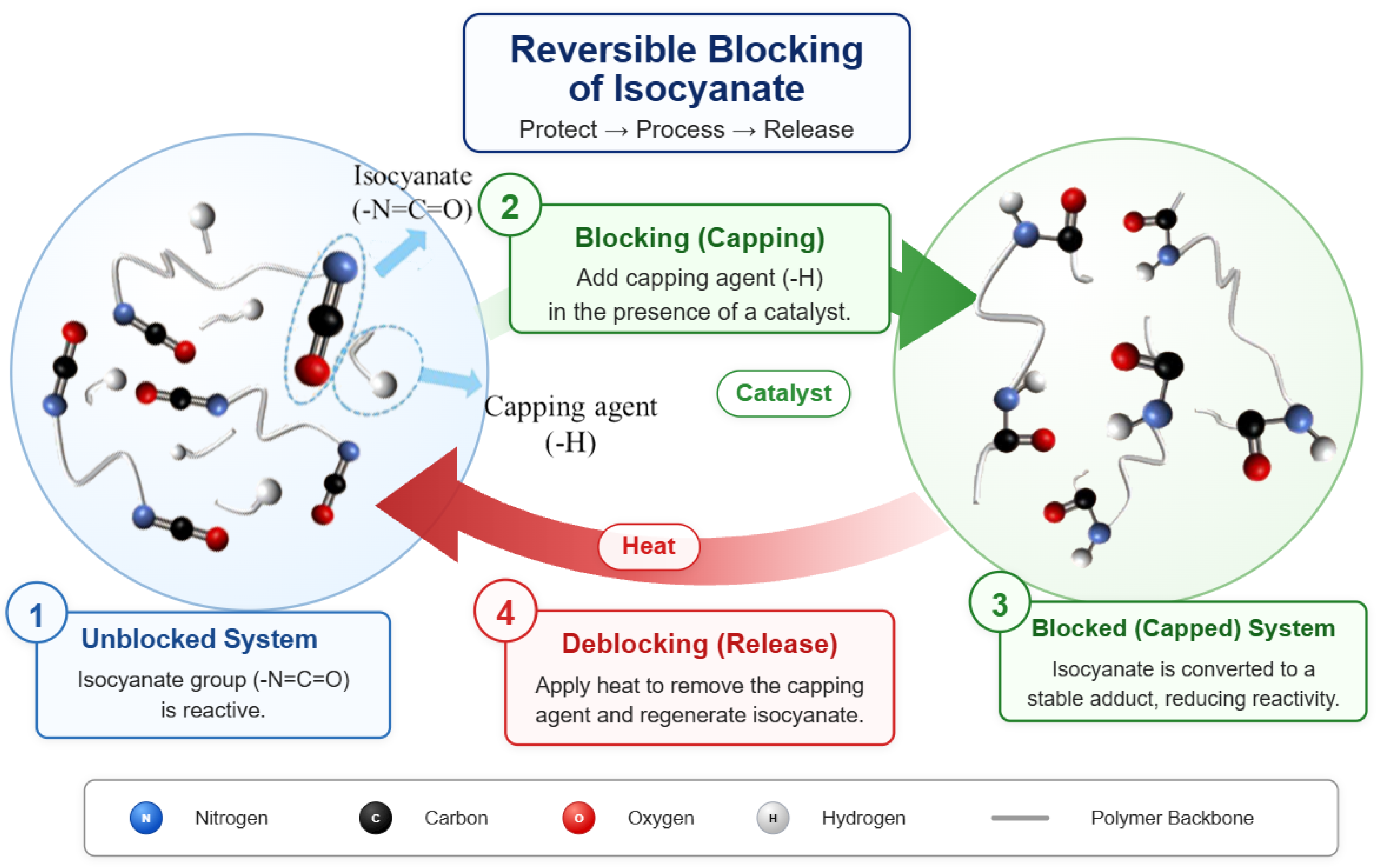
| Prepolymer | Excessive activity during storage | Short working time and premature failure | MEKO/caprolactam end-capping; deblock before use | [83,85] |
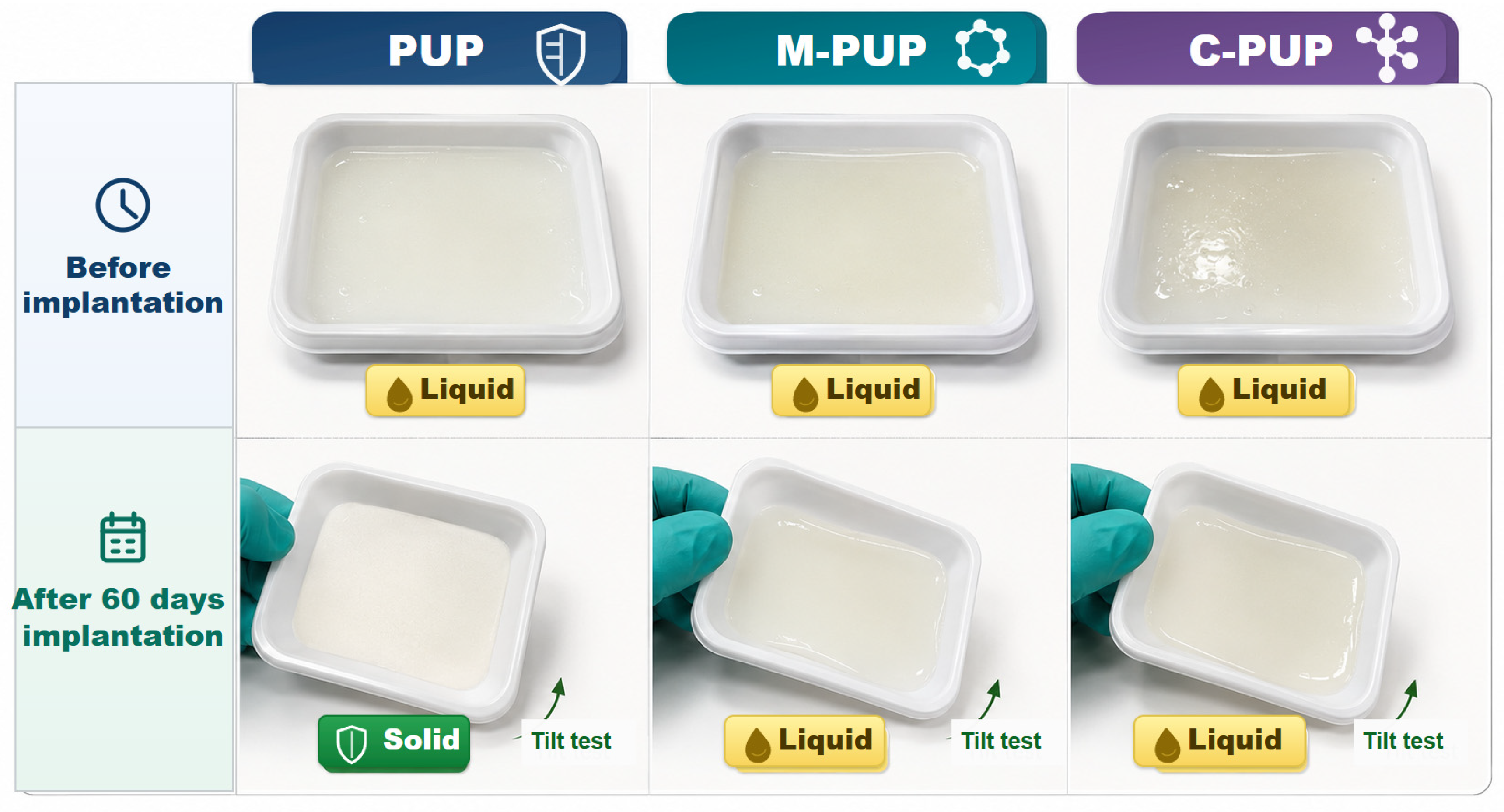
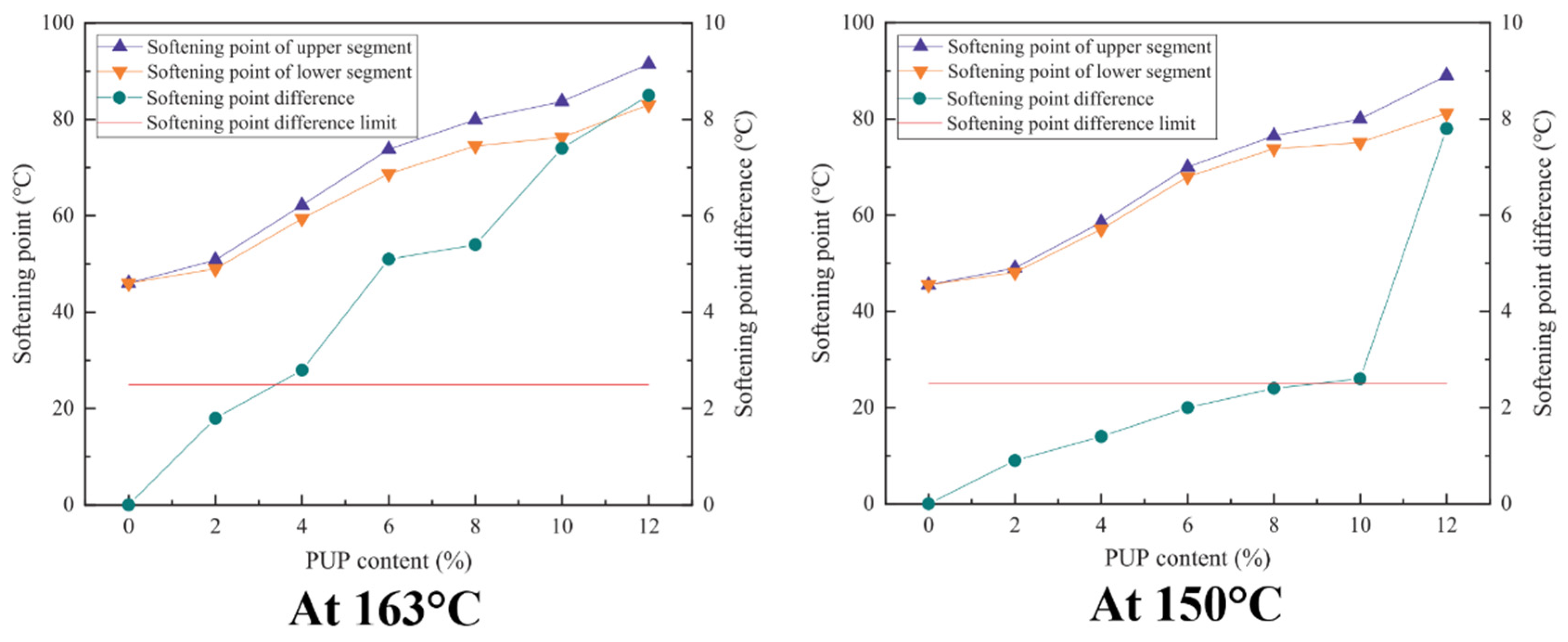
| PUP-modified asphalt binder | Excessive PUP dosage | Increased softening point difference and viscosity | Control dosage and avoid exceeding the compatibility threshold | [67] |
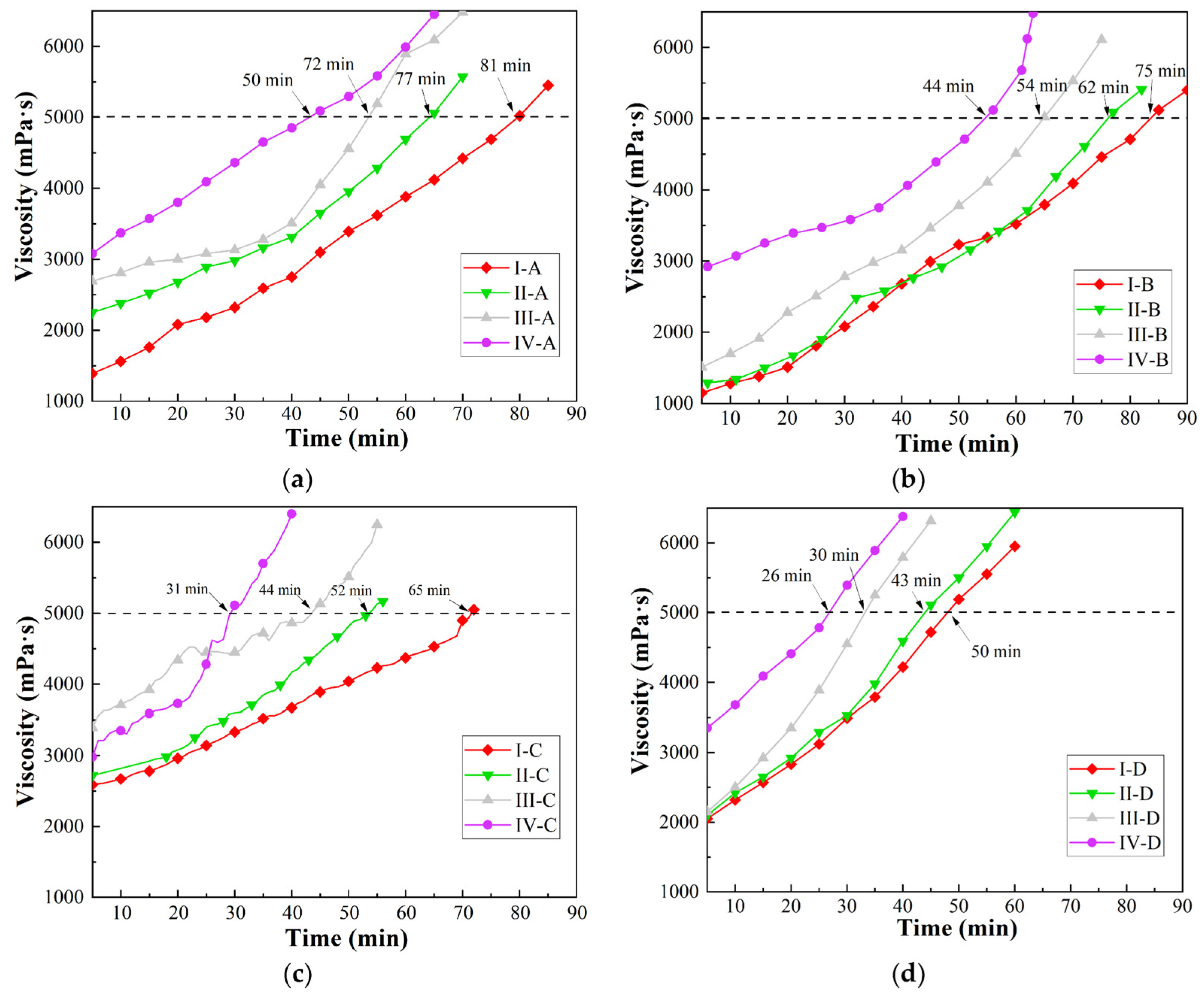
| PUP binder | Excessively fast PUP/chain-extender reaction | Shortened construction retention time | Optimise the ratio and evaluate using viscosity–time behaviour | [60] |
| PUP binder | Insufficient interfacial interaction | Segregation and PU enrichment | Add an appropriate amount of compatibiliser | [60] |
| Blocked PUP-modified asphalt binder | Mismatched deblocking temperature | Insufficient curing or thermal ageing | Select low-deblocking-temperature blocking agents and optimise the heating regime | [83,85] |
| HM-PU-modified asphalt binder | Excessive NCO/PU dosage | Excessive crosslinking and particle agglomeration | Control NCO content and dosage | [90] |
| Composite System | Role of Prepolymer/Precursor | Main Performance Changes | Application Relevance |
|---|---|---|---|
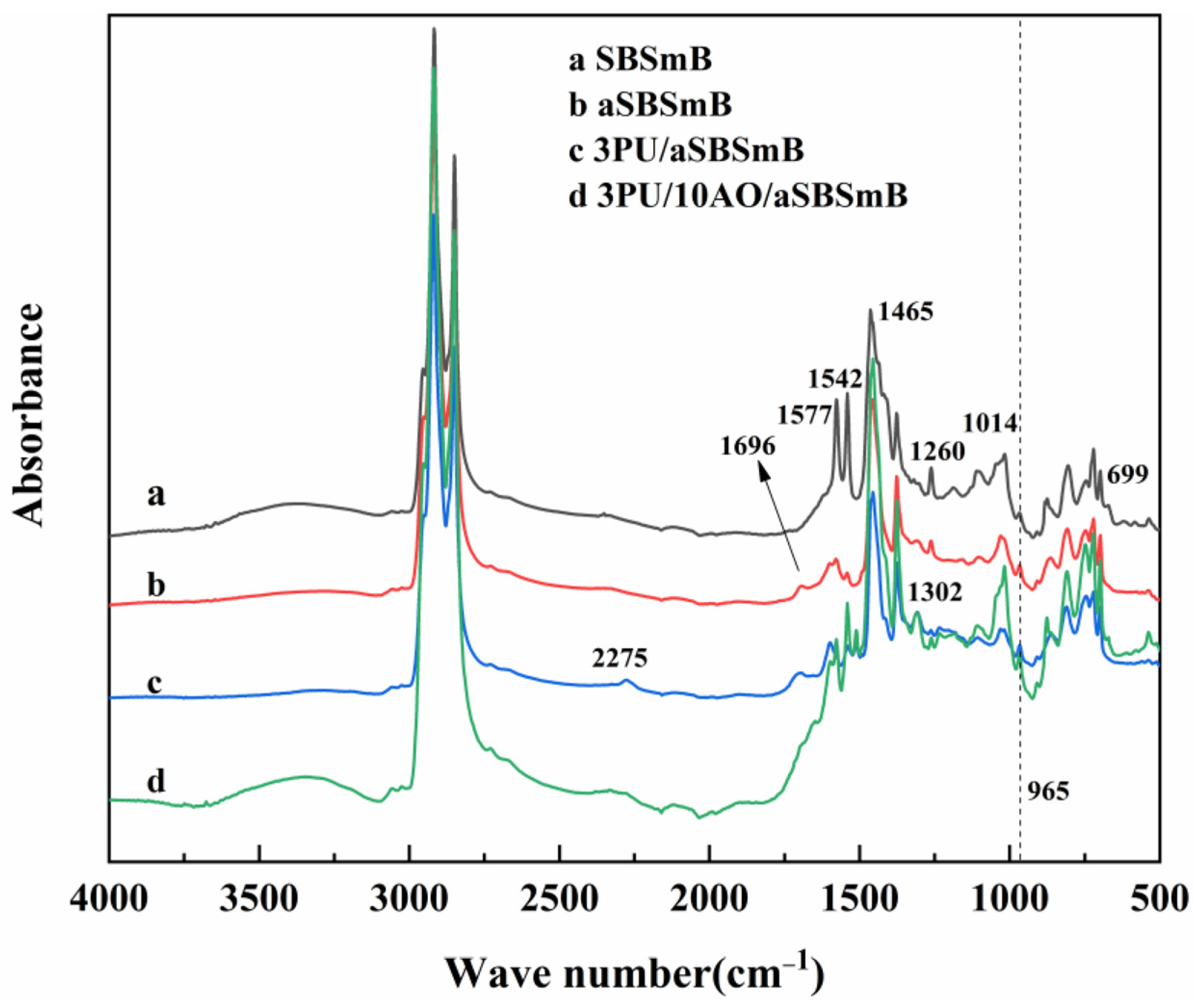
| SBS-PRM | PRM reacts with polar asphalt binder components and improves the phase morphology of the SBS network | High-temperature PG, MSCR elastic recovery, and LAS fatigue life are improved, with no obvious deterioration in low-temperature PG [94] | High-temperature, heavy-duty SBS-modified asphalt binder |
| PUP-regenerated aged SBS | Terminal NCO groups in PUP react with degradation products of aged SBS | Low-temperature bending-tensile properties, TSR, and residual Marshall stability after immersion are close to or exceed freshly mixed levels [95] | High-value recycling of aged SBS |
| PUP/RET | PUP reacts chemically with RETMA | Improves low-temperature performance and water stability; 1.5% RET with 8–10% PUP is recommended [97] | Compensates for the low-temperature limitation of RET |
| SBS/PUP-HVEA | PUP participates in reactions and improves SBS dispersion | Storage stability, high-temperature performance, and thermal stability are superior to those of SBSMA [98] | High-viscosity, high-elasticity, and porous asphalt binders |
| CR/PRM | PRM provides crosslinking, and CR provides flexible rebound | High-temperature performance, fatigue life, and thermal storage stability are superior to those of singly modified systems [99] | Resource utilisation of crumb rubber combined with reactive modification |
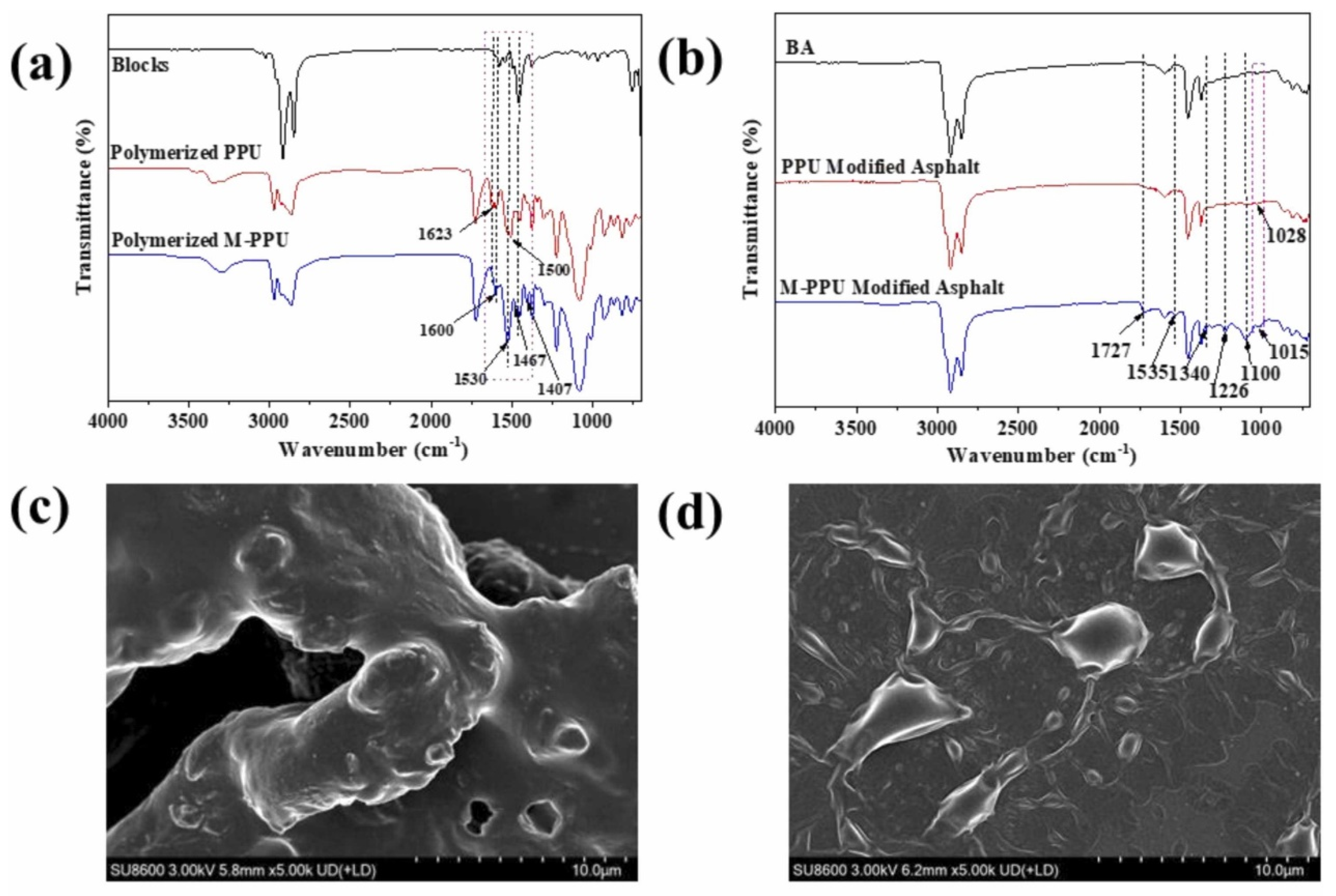
| M-PPU | Block copolymers participate in prepolymer design and form an IPN | The surface becomes denser, and adhesion and stripping resistance are improved [100] | Balances reactivity, flexibility, and interfacial adhesion |
| PU/Sasobit | PU forms a reactive network, and Sasobit modulates viscosity–temperature behaviour | High-temperature rheology is improved, and viscosity in the construction temperature range is reduced [101] | Warm-mix composite modification |
| PUP/ceramic fibre | PUP forms a gel network, and fibres provide support | Ageing, rheological, and deformation-recovery performance are improved [78] | Composite enhancement of high-temperature deformation resistance and ageing resistance |
Disclaimer/Publisher’s Note: The statements, opinions and data contained in all publications are solely those of the individual author(s) and contributor(s) and not of MDPI and/or the editor(s). MDPI and/or the editor(s) disclaim responsibility for any injury to people or property resulting from any ideas, methods, instructions or products referred to in the content. |
© 2026 by the authors. Licensee MDPI, Basel, Switzerland. This article is an open access article distributed under the terms and conditions of the Creative Commons Attribution (CC BY) license.
Share and Cite
Sheng, H.; Ma, R.; Li, Y.; Cheng, P.; Cheng, A. Advances in Polyurethane-Modified Asphalt via the Prepolymer Method: Molecular Design, Modification Mechanisms, Structural Evolution, and Performance Optimisation. Polymers 2026, 18, 1803. https://doi.org/10.3390/polym18151803
Sheng H, Ma R, Li Y, Cheng P, Cheng A. Advances in Polyurethane-Modified Asphalt via the Prepolymer Method: Molecular Design, Modification Mechanisms, Structural Evolution, and Performance Optimisation. Polymers. 2026; 18(15):1803. https://doi.org/10.3390/polym18151803
Chicago/Turabian StyleSheng, Haoran, Rui Ma, Yiming Li, Peifeng Cheng, and Aoting Cheng. 2026. "Advances in Polyurethane-Modified Asphalt via the Prepolymer Method: Molecular Design, Modification Mechanisms, Structural Evolution, and Performance Optimisation" Polymers 18, no. 15: 1803. https://doi.org/10.3390/polym18151803
APA StyleSheng, H., Ma, R., Li, Y., Cheng, P., & Cheng, A. (2026). Advances in Polyurethane-Modified Asphalt via the Prepolymer Method: Molecular Design, Modification Mechanisms, Structural Evolution, and Performance Optimisation. Polymers, 18(15), 1803. https://doi.org/10.3390/polym18151803