Article

Comprehensive Analysis of Chlorine-Induced Aging in High-Density Polyethylene: Insights into Structural, Thermal, and Mechanical Degradation Mechanisms

1
Chemistry Department, Petroleum-Gas University of Ploiești, 100680 Ploiesti, Romania
2
Mechanical Engineering Department, Petroleum-Gas University of Ploiești, 100680 Ploiesti, Romania
3
Petroleum Geology and Reservoir Engineering Department, Petroleum-Gas University of Ploiești, 100680 Ploiesti, Romania
4
Department of Chemical and Biochemical Engineering, National University of Science and Technology POLITEHNICA Bucharest, 060042 Bucharest, Romania
*
Authors to whom correspondence should be addressed.
Polymers 2026, 18(1), 14; https://doi.org/10.3390/polym18010014
Submission received: 22 November 2025 / Revised: 18 December 2025 / Accepted: 18 December 2025 / Published: 21 December 2025
(This article belongs to the Special Issue Functional Polymer Composites: Synthesis and Application)

Abstract

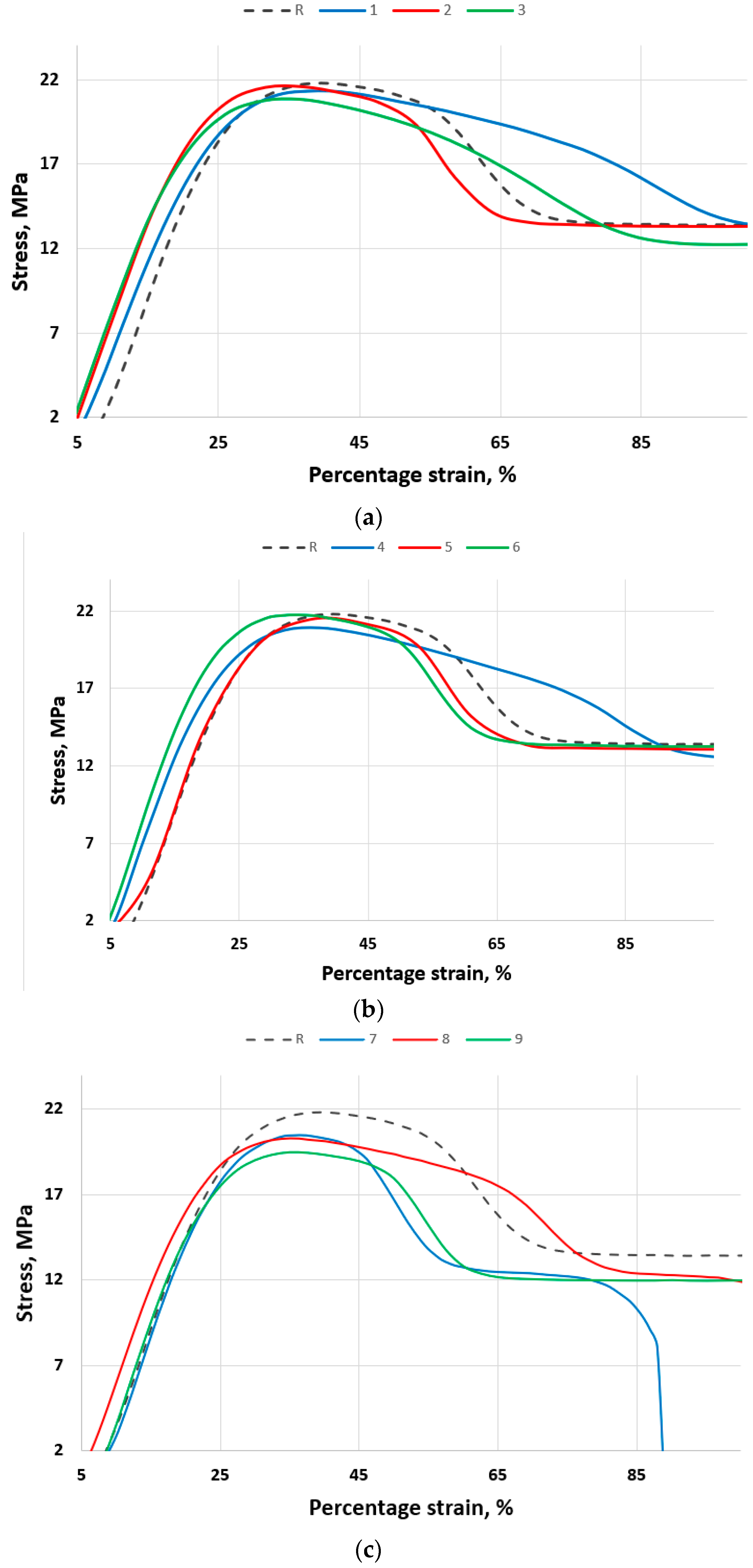
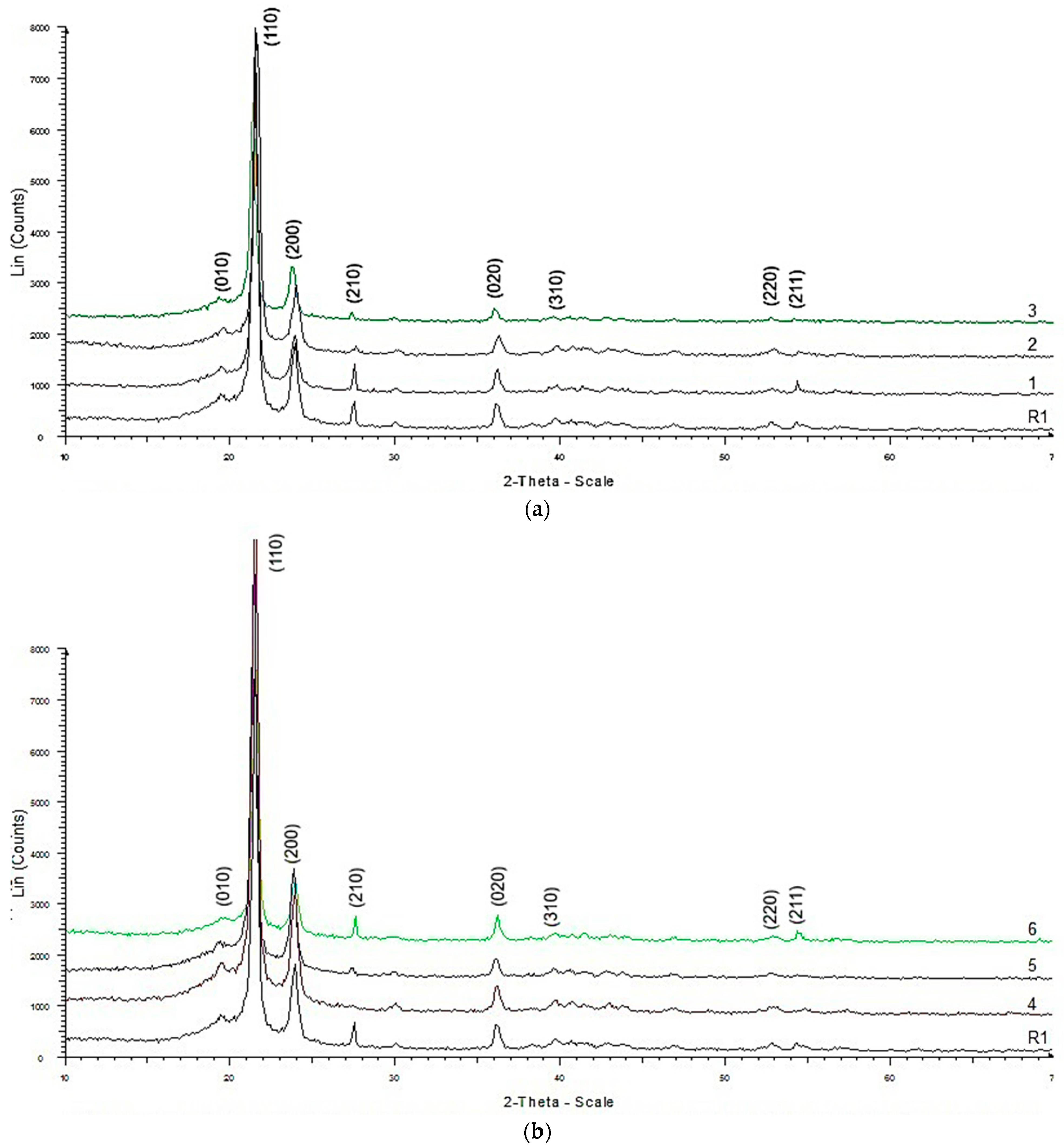
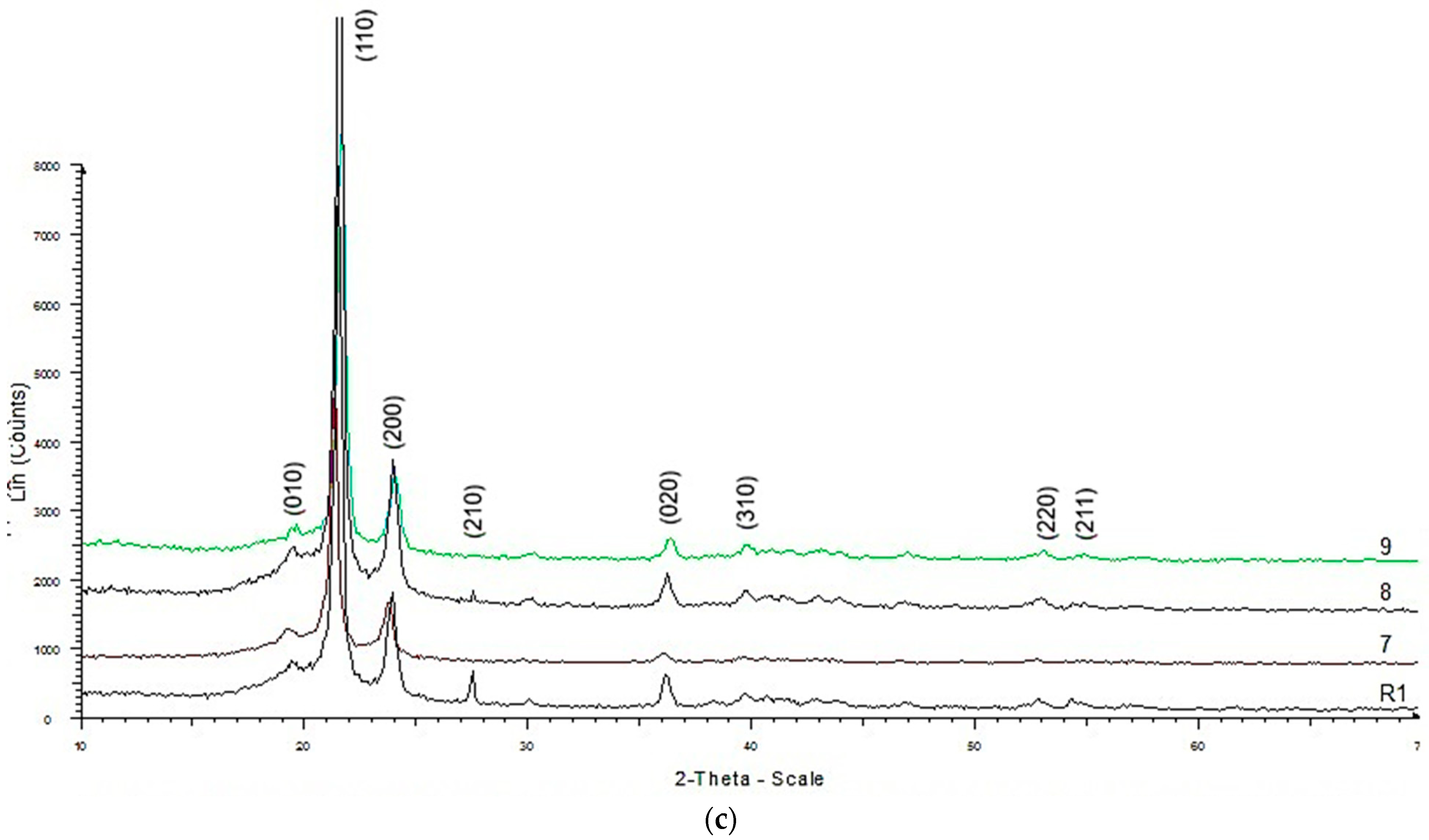
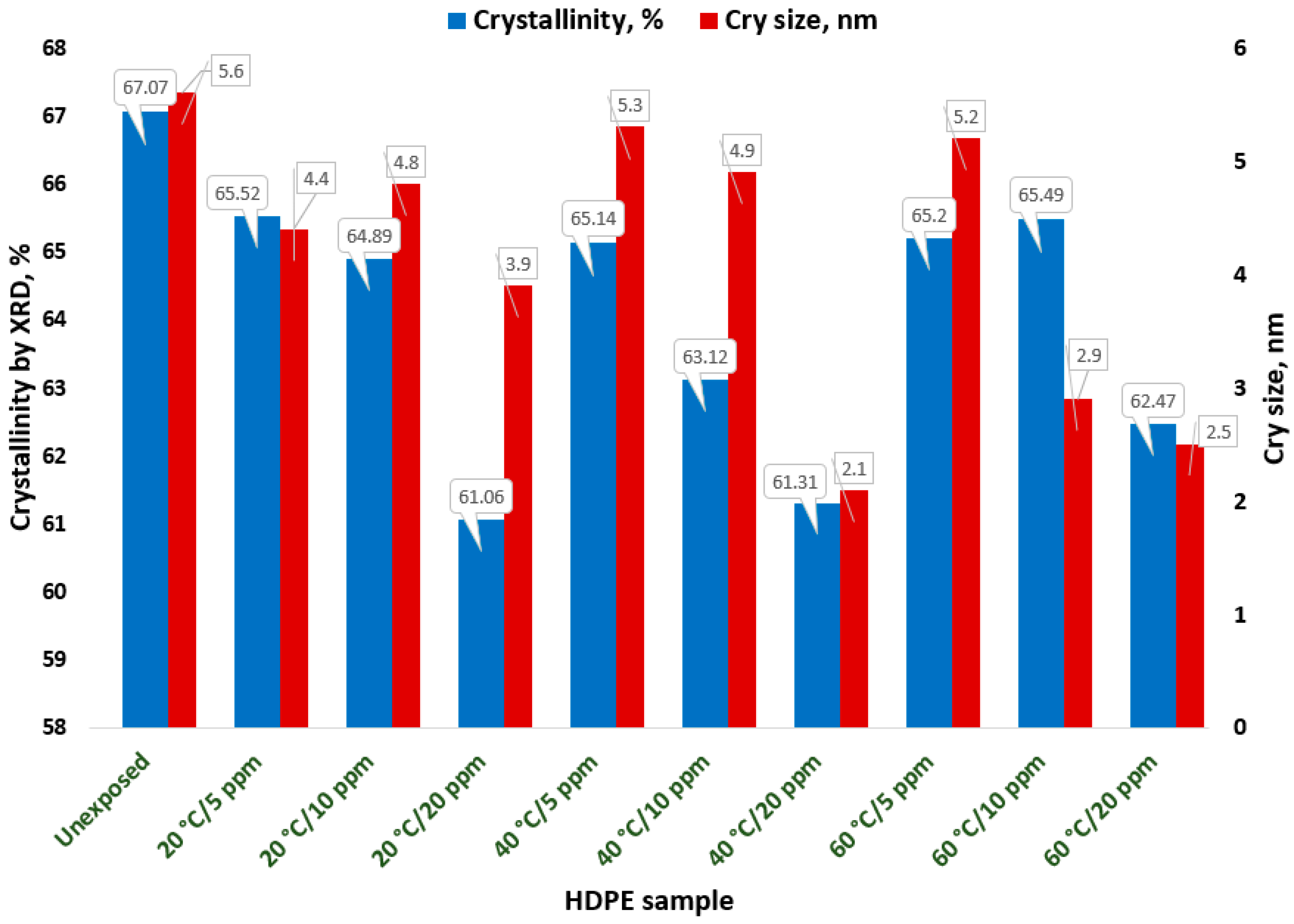
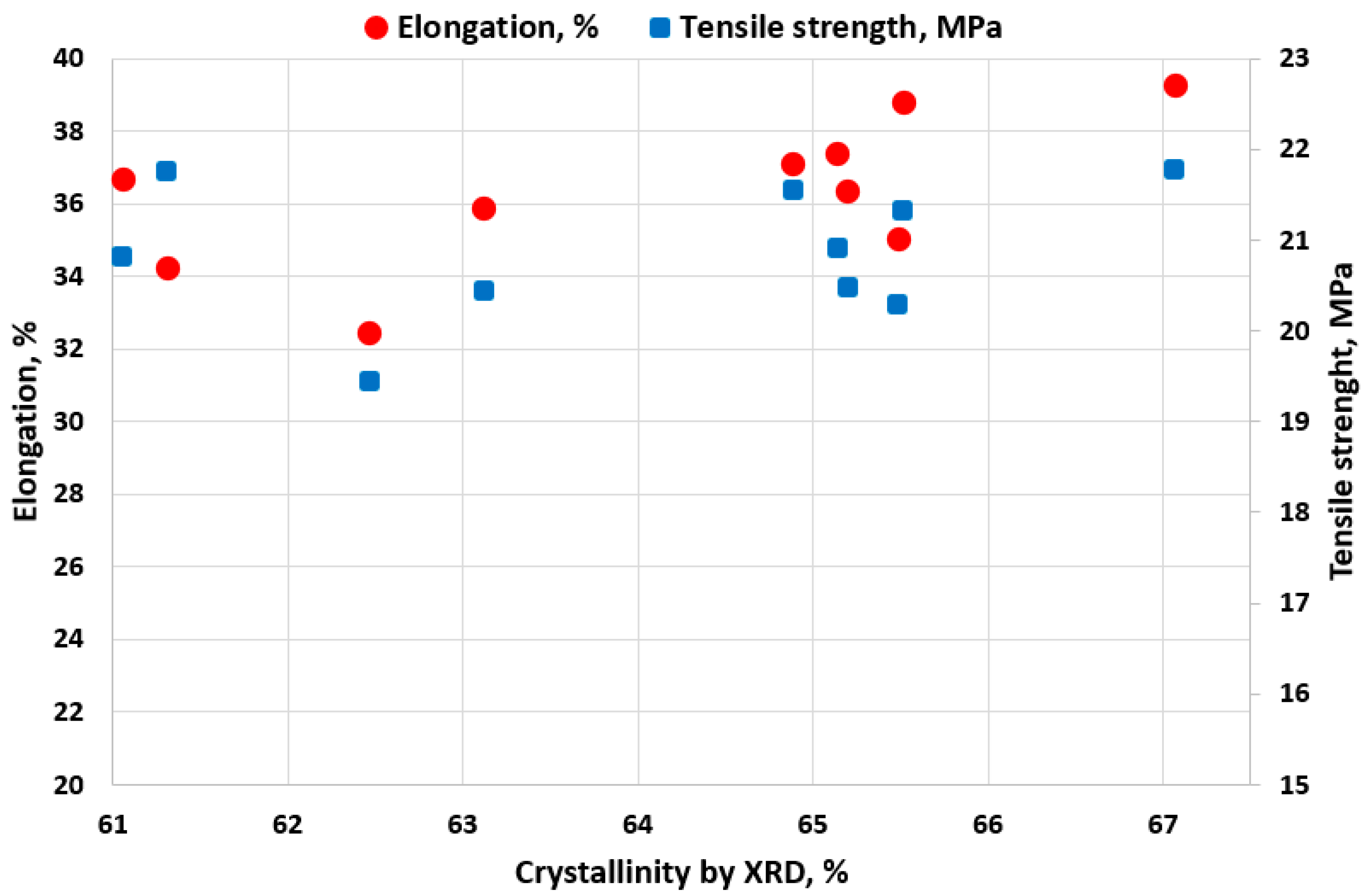
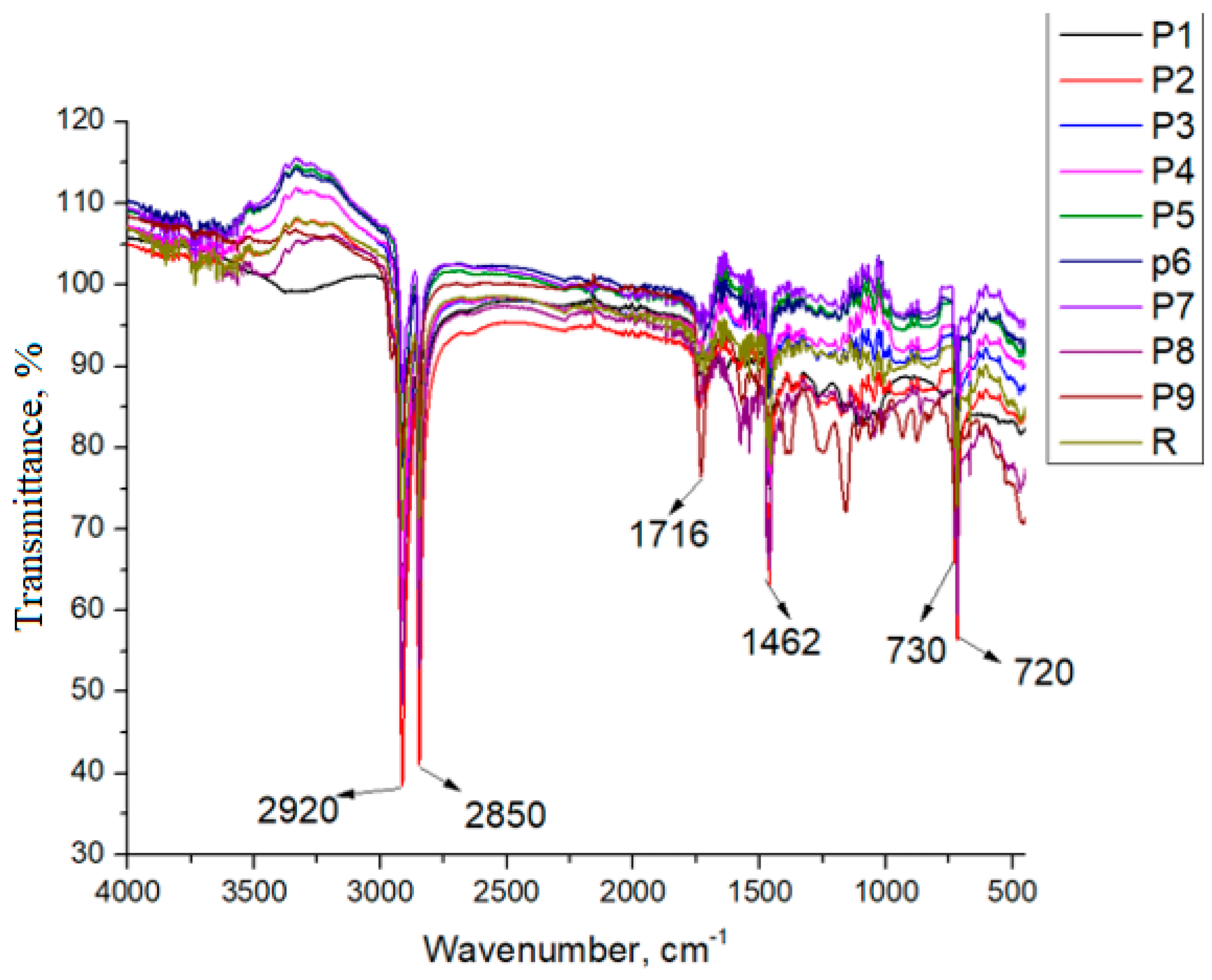
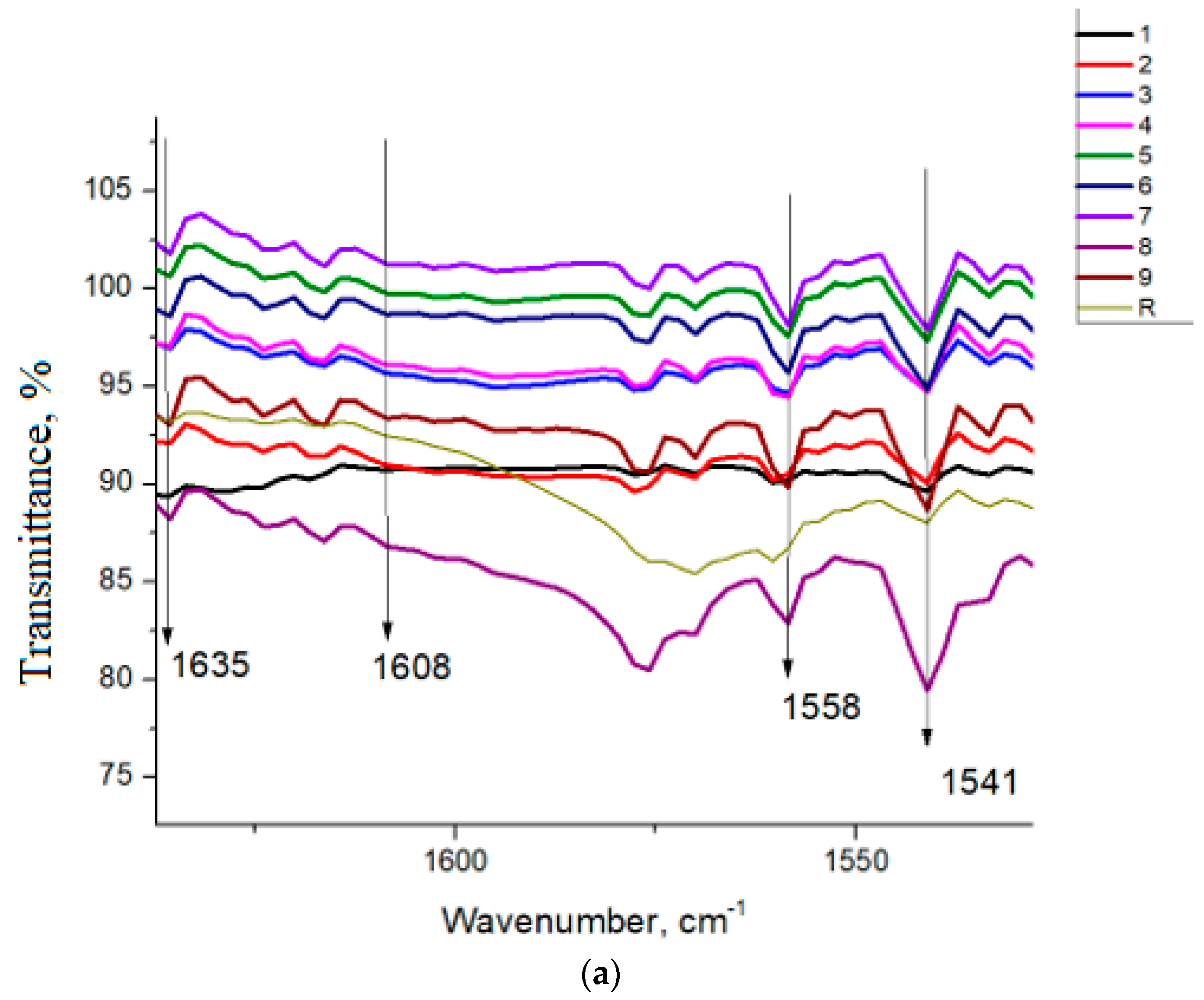
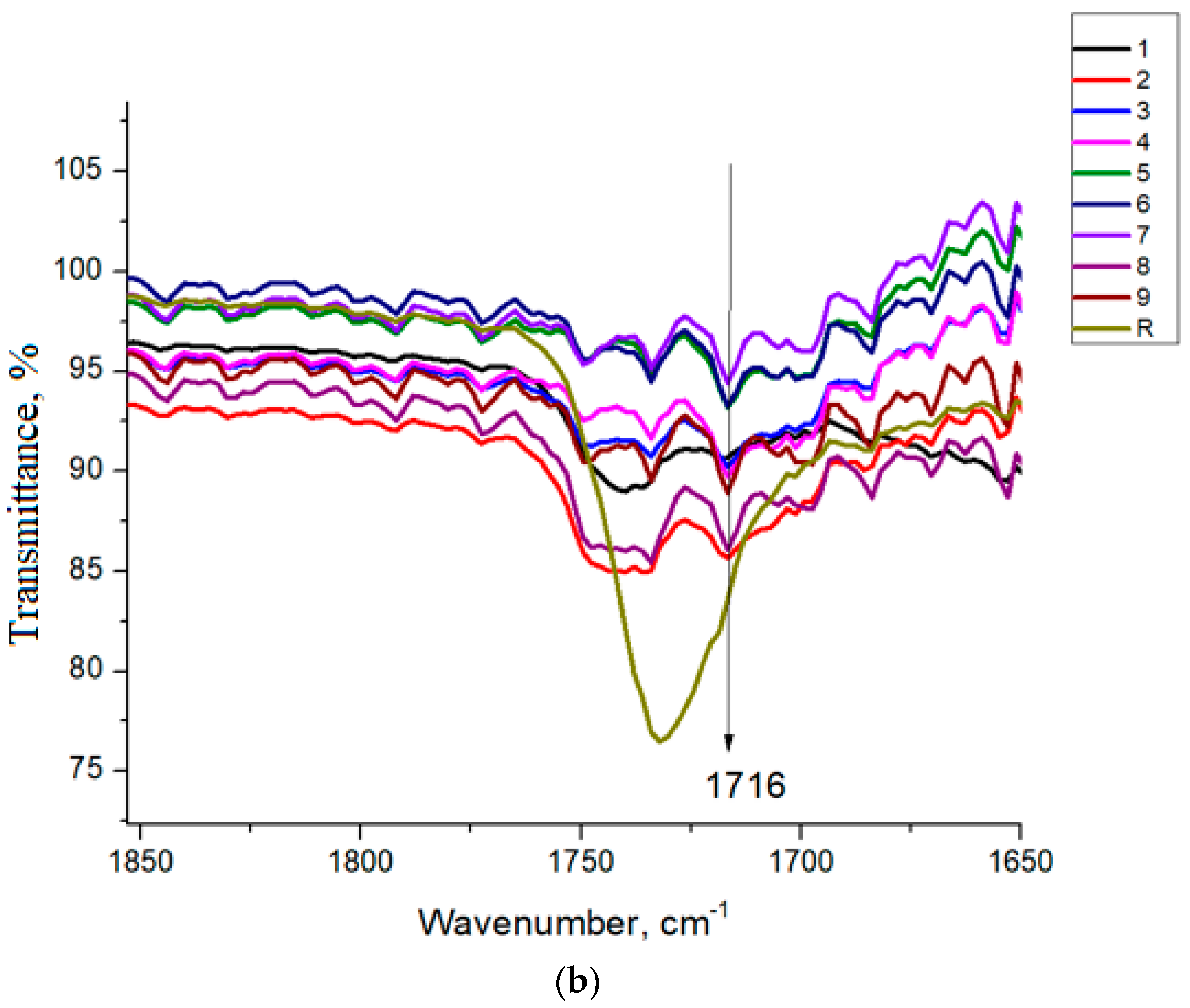
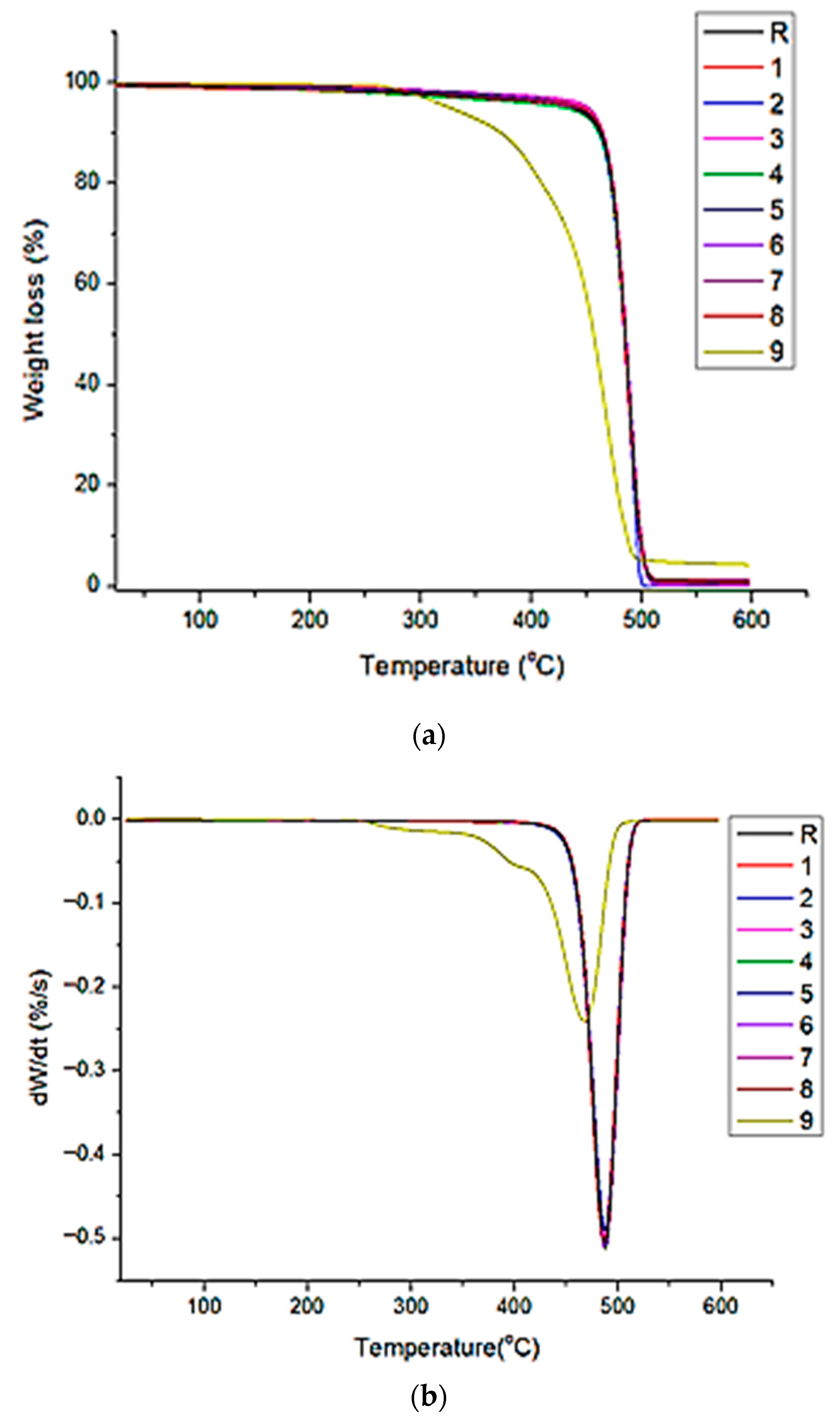
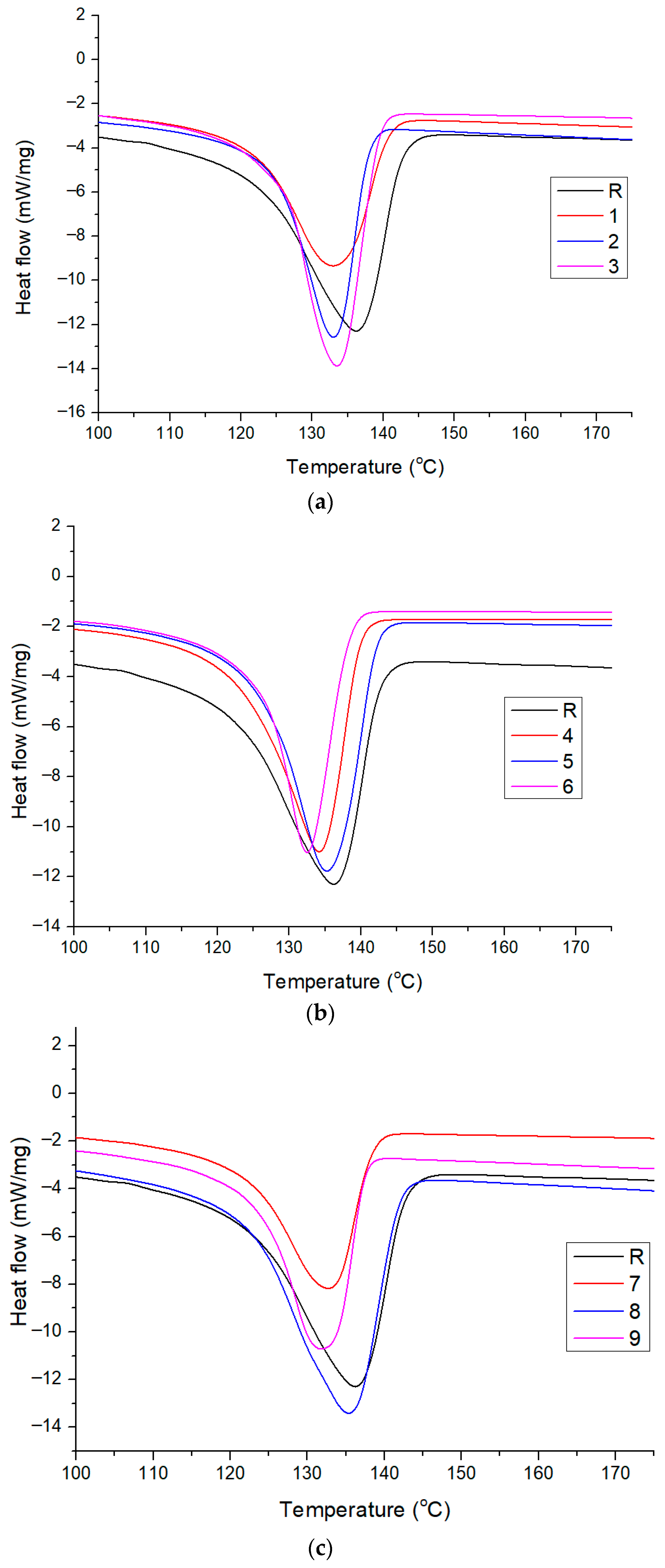
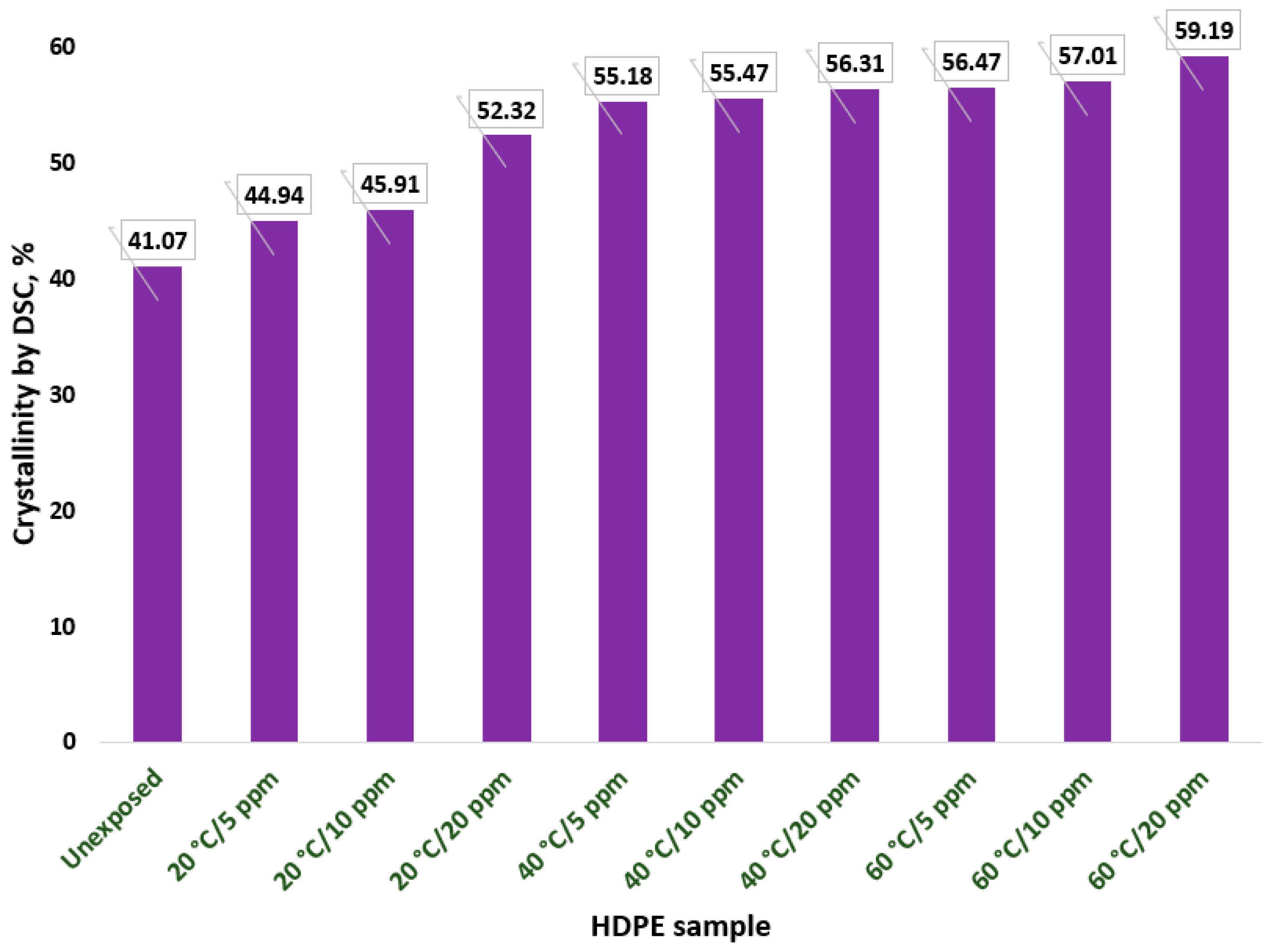
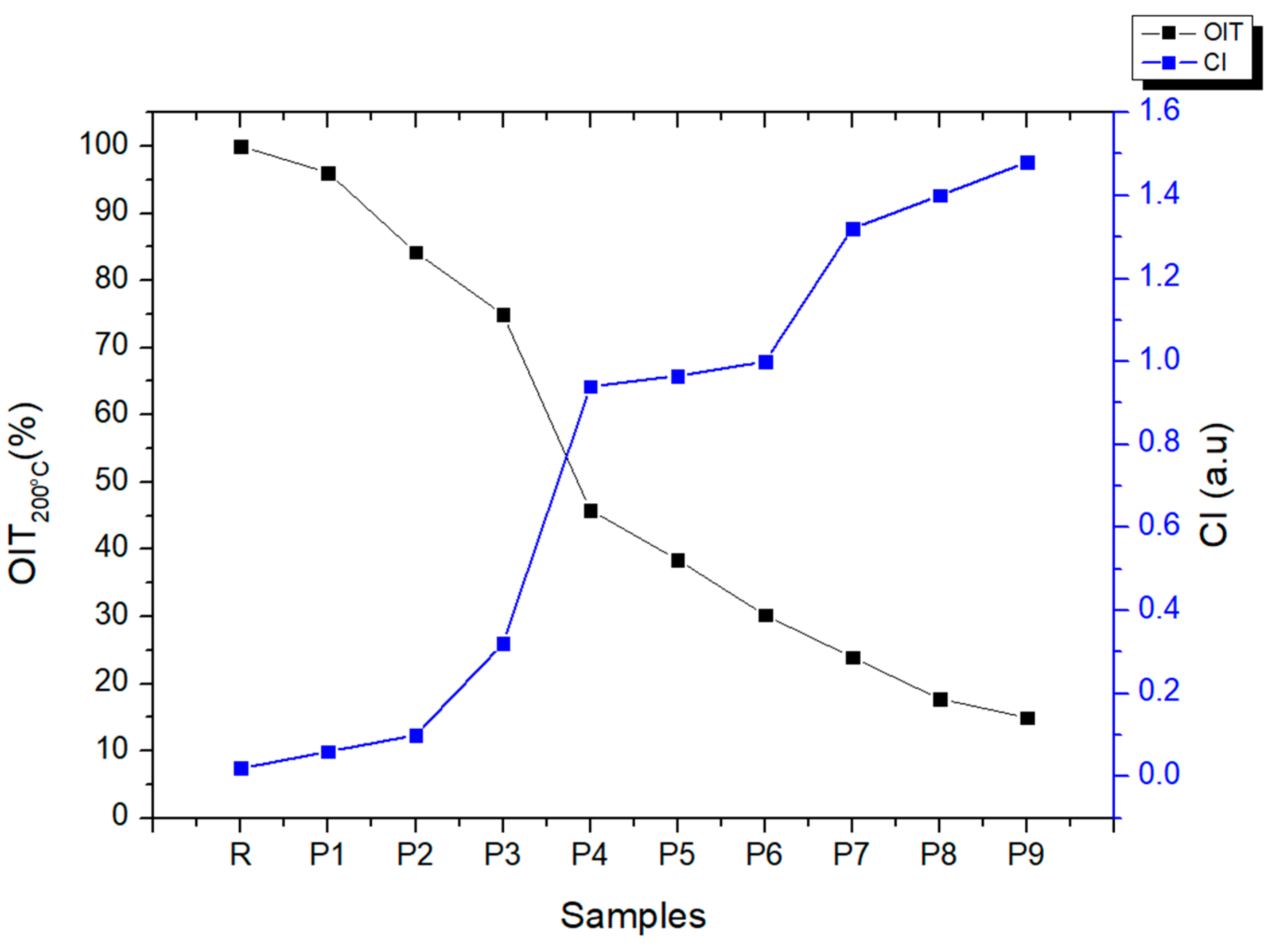
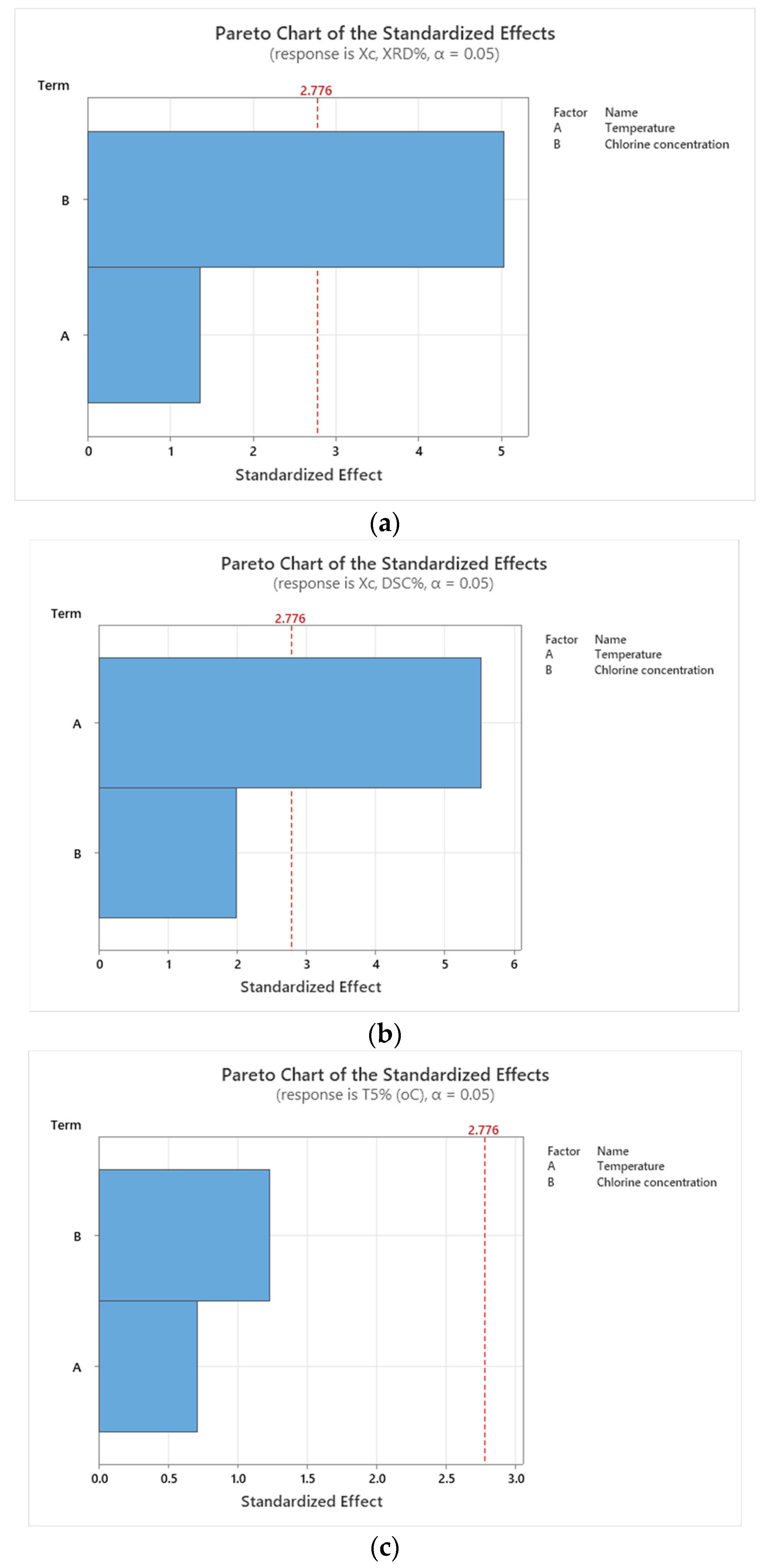
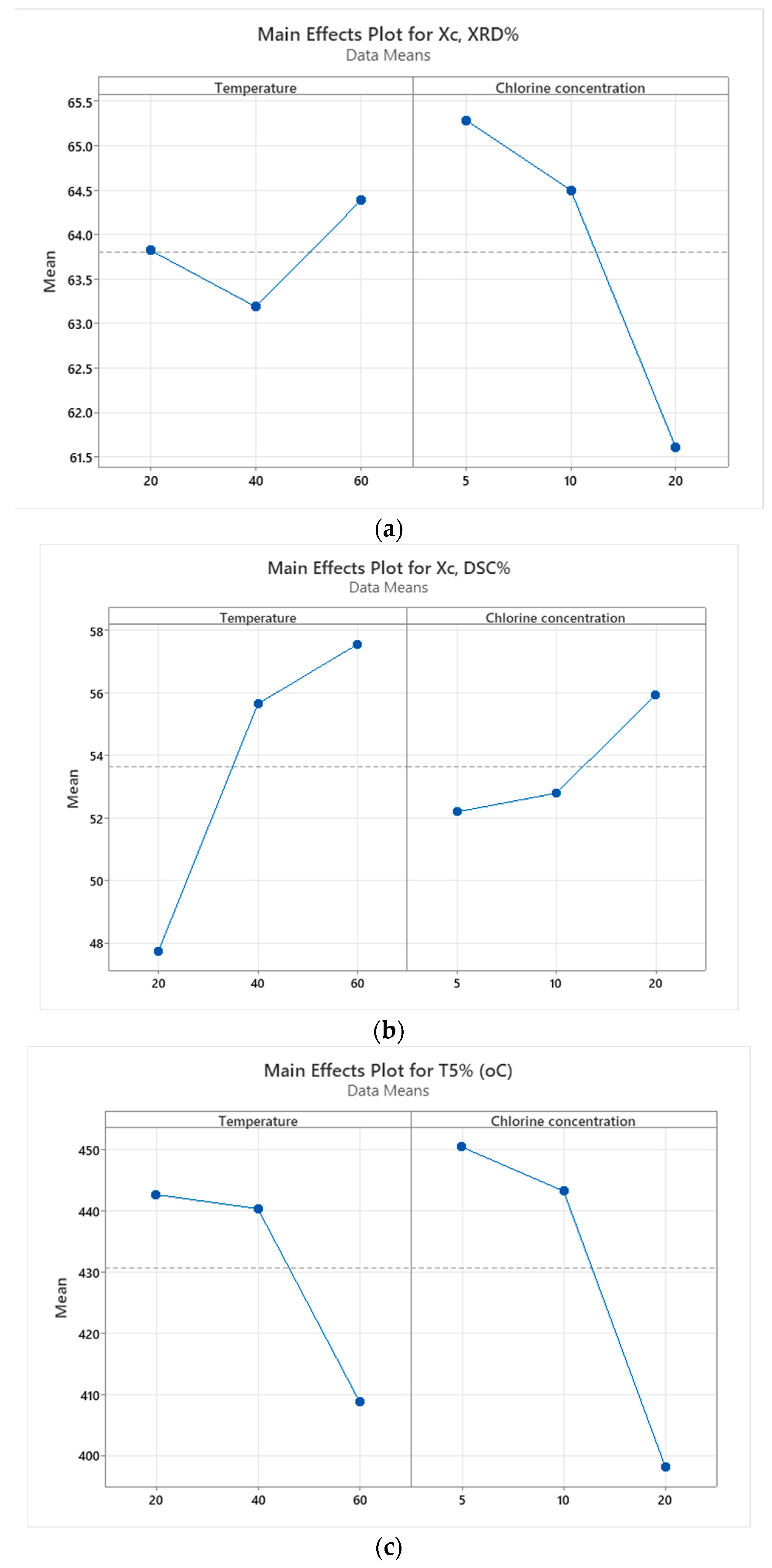
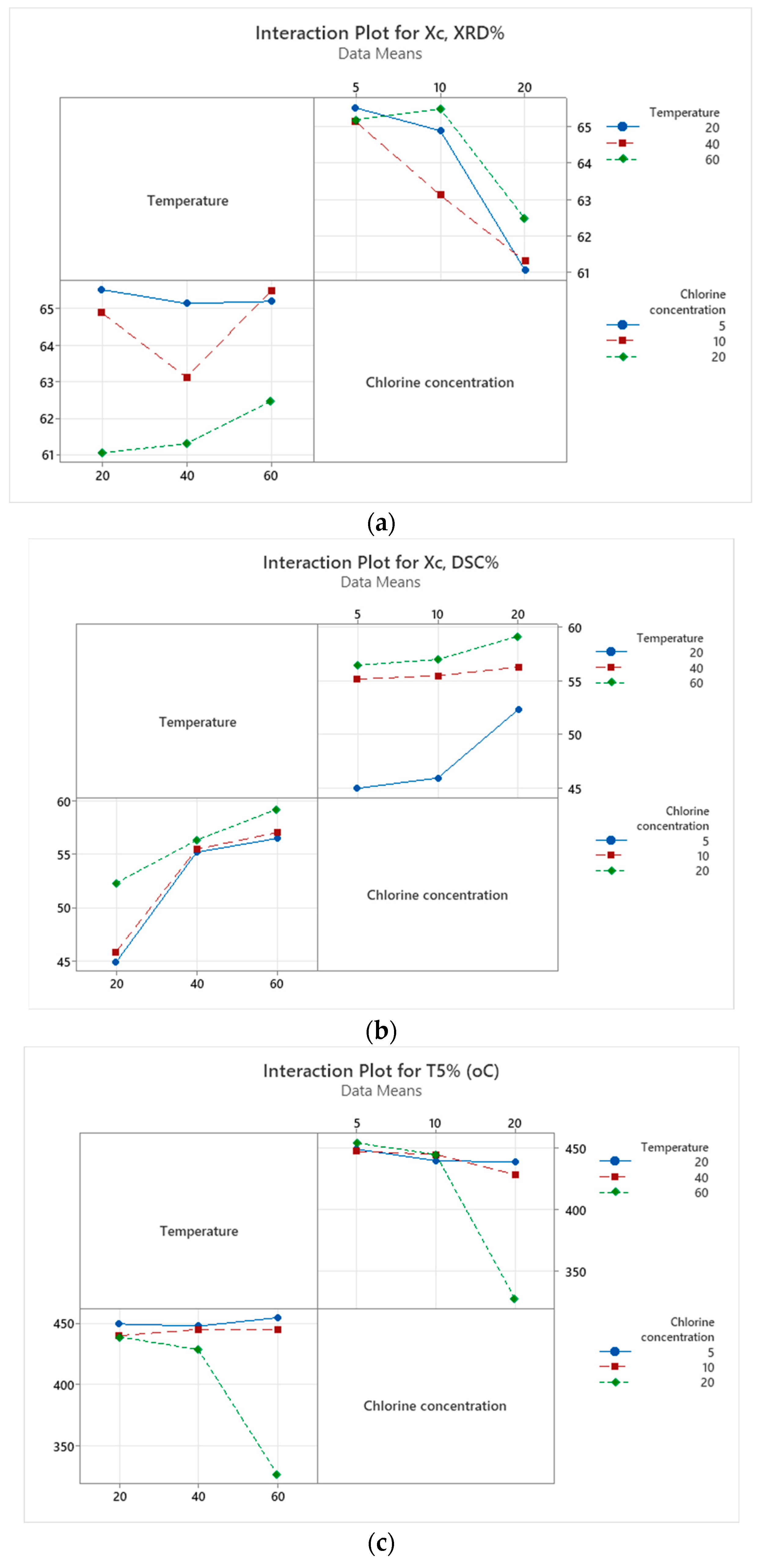
This study investigates chlorine-induced aging of high-density polyethylene (HDPE) through a 3 × 3 factorial matrix combining three temperatures (20, 40, 60 °C) and three chlorine concentrations (5, 10, 20 ppm) over 45 days. Tensile tests revealed progressive embrittlement, with elongation at break decreasing sharply under severe aging; samples exposed to 60 °C and 20 ppm exhibited premature brittle failure despite peak stresses remaining near ~22 MPa. XRD results showed a reduction in crystallinity from 67.07% (reference) to 61.06–61.31% under the most aggressive conditions, accompanied by a decrease in crystallite size from 5.60 nm to 2.10–2.50 nm. FTIR analysis confirmed oxidation through increased carbonyl absorption at 1716 cm−1 and new bands at 1608–1635 cm−1. TGA revealed substantial thermal deterioration, with T5% falling from 450 °C (reference) to 327 °C at 60 °C/20 ppm, along with an additional degradation peak at 398 °C. DSC showed a melting temperature decrease from 136.32 °C to 131.67 °C and an increase in crystallinity from 41.07% (unexposed sample) to 59.19% (60 °C/20 ppm). Statistical analysis of the results established that degradation is governed by different dominant factors depending on the measured property: Chlorine concentration was found to be the dominant factor for XRD crystallinity and thermal decomposition T5%, confirming that surface structural damage and early molecular weight loss are driven primarily by chlorine-induced oxidation. Conversely, DSC crystallinity was governed primarily by temperature, reflecting thermally driven molecular reorganization within the bulk material. Overall, chlorine exposure, amplified by temperature, accelerates chemical oxidation, structural degradation, and mechanical embrittlement, reducing the long-term reliability of HDPE in chlorinated water systems. The findings provide critical data for predicting the service life and informing material selection for HDPE components used in high-temperature or high-chlorine water distribution systems.
Keywords: HDPE; aging; chlorine action; XRD; DSC; TGA; FTIR; mechanical performance HDPE; aging; chlorine action; XRD; DSC; TGA; FTIR; mechanical performance