Article

In Situ Changes in Mechanical Properties Based on Gas Saturation Inside Pressure Vessels

1
School of Mechanical Engineering, Yonsei University, 50 Yonsei-ro, Seodaemoon-gu, Seoul 03722, Republic of Korea
2
Convergence Research Center for Solutions to Electromagnetic Interference in Future-Mobility, Korea Institute of Science and Technology (KIST), 5, Hwarang-ro 14-gil, Seongbuk-gu, Seoul 02792, Republic of Korea
*
Author to whom correspondence should be addressed.
Polymers 2024, 16(9), 1276; https://doi.org/10.3390/polym16091276
Submission received: 8 April 2024 / Revised: 25 April 2024 / Accepted: 28 April 2024 / Published: 2 May 2024
(This article belongs to the Section Polymer Processing and Engineering)

Abstract

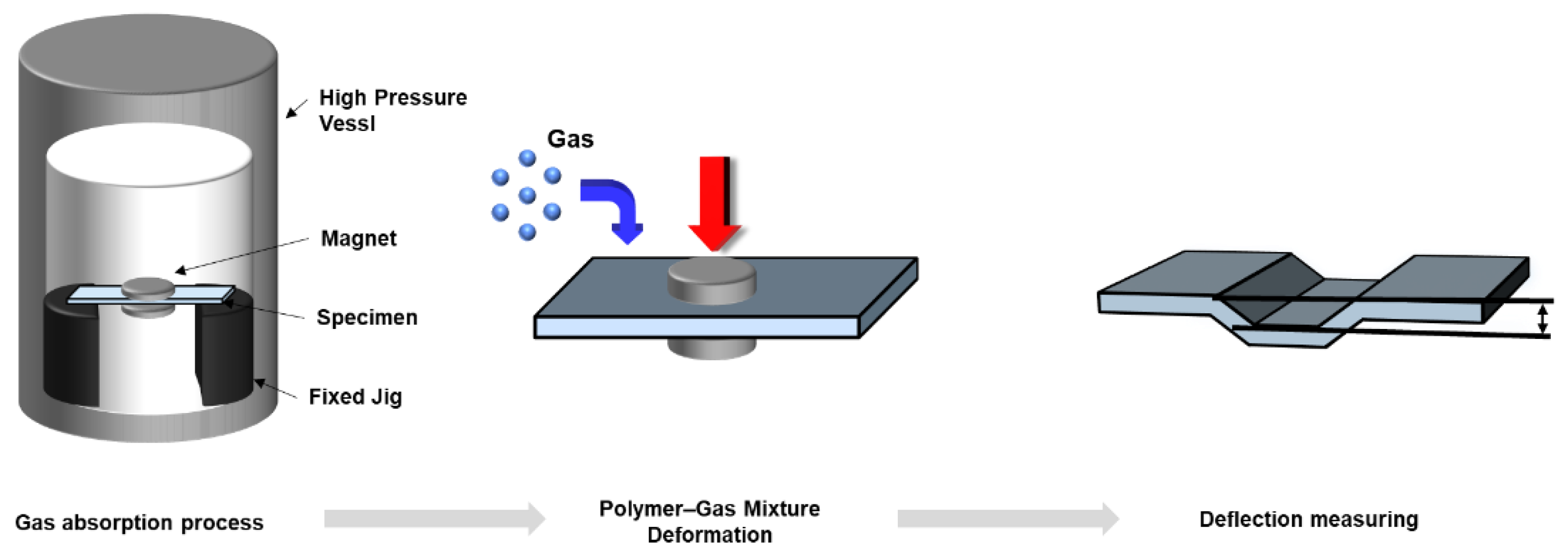
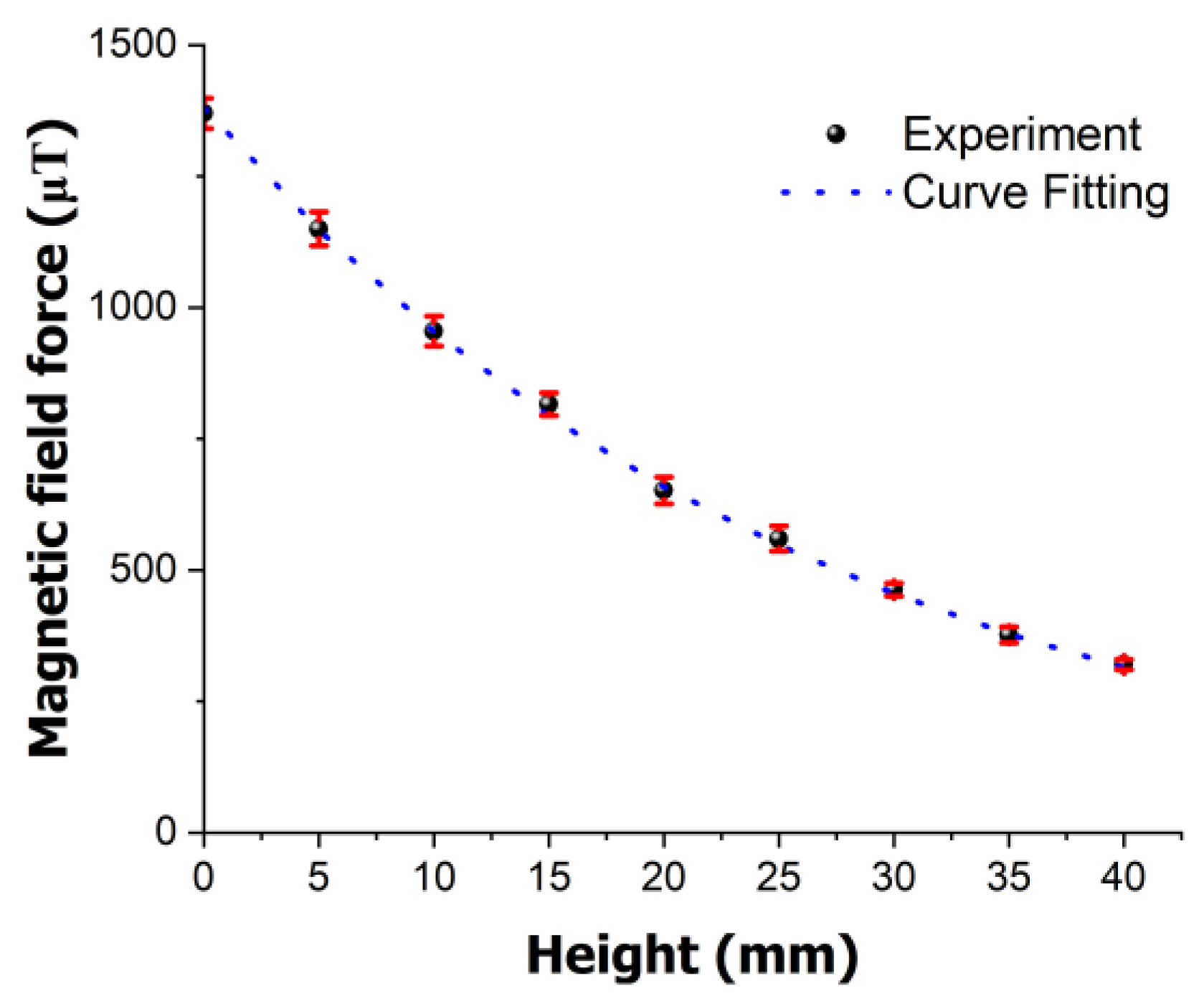
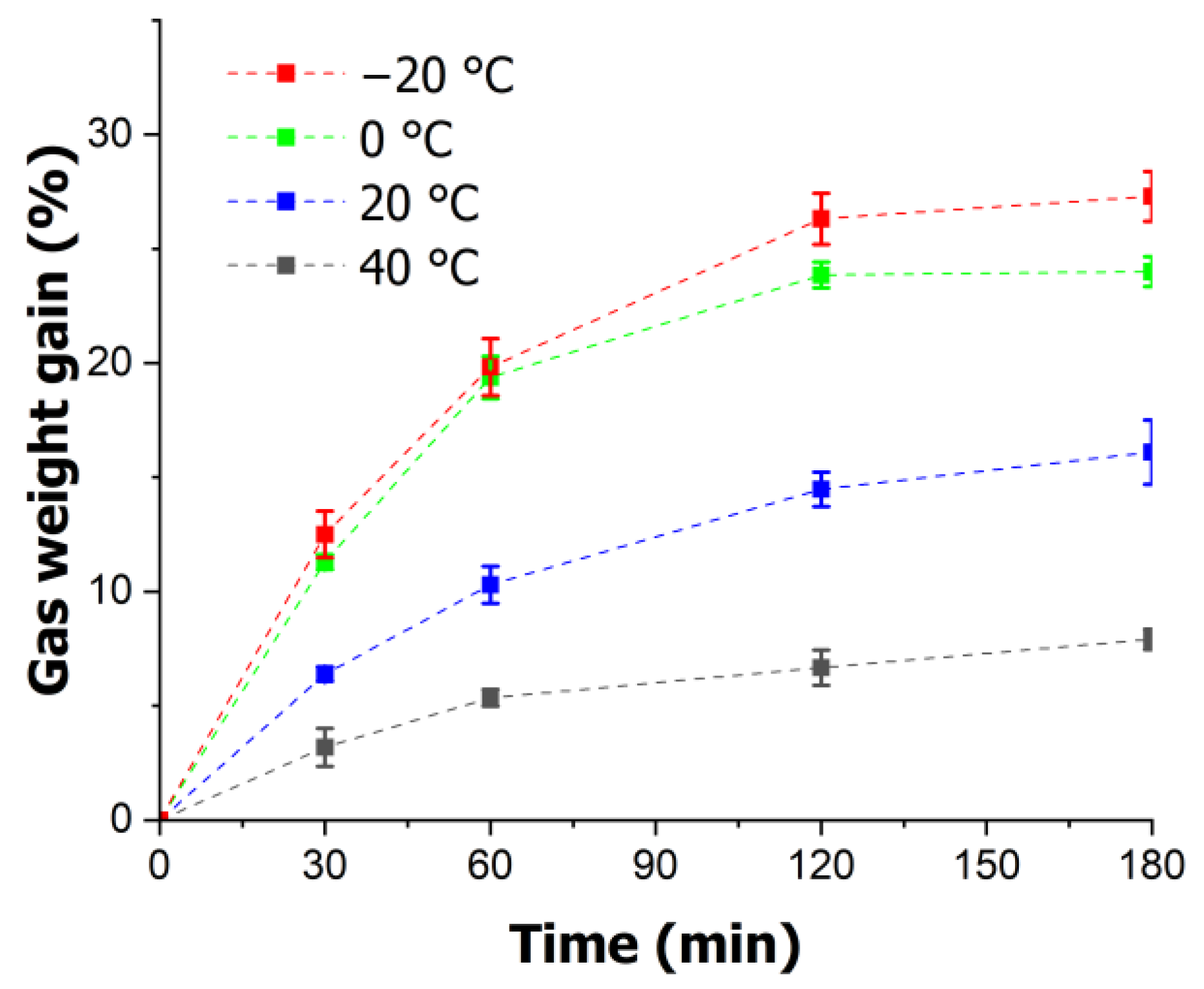
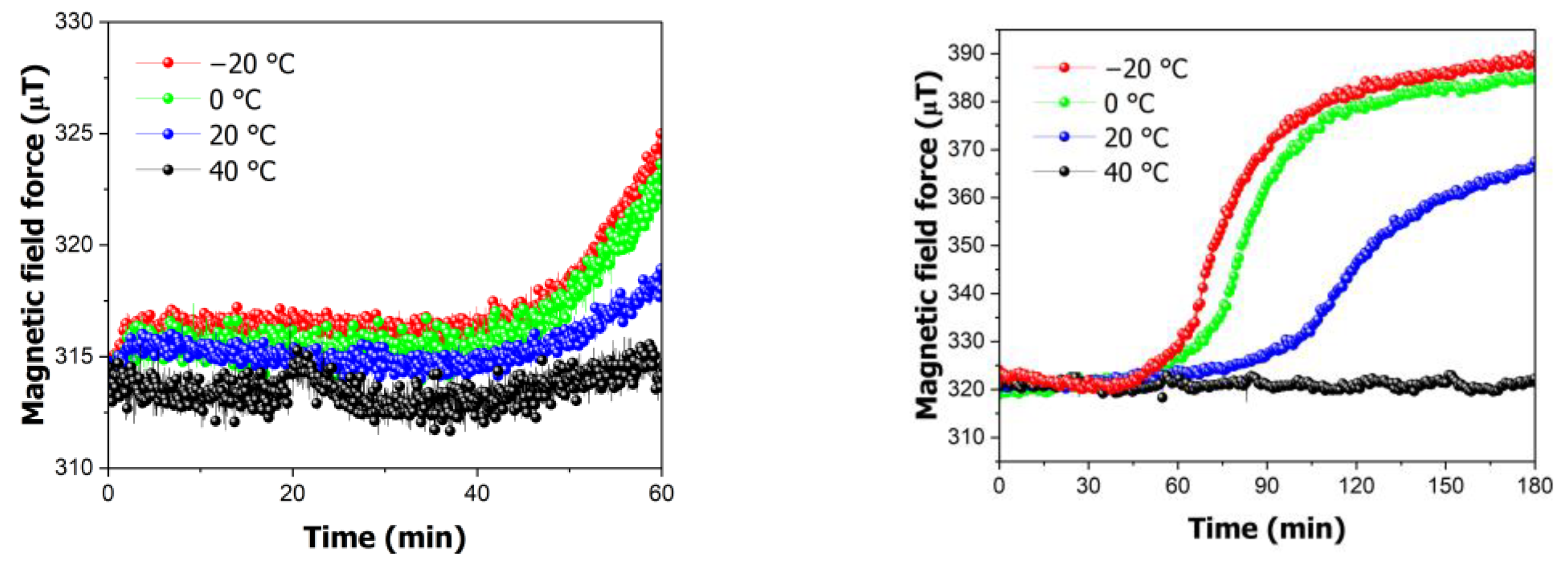
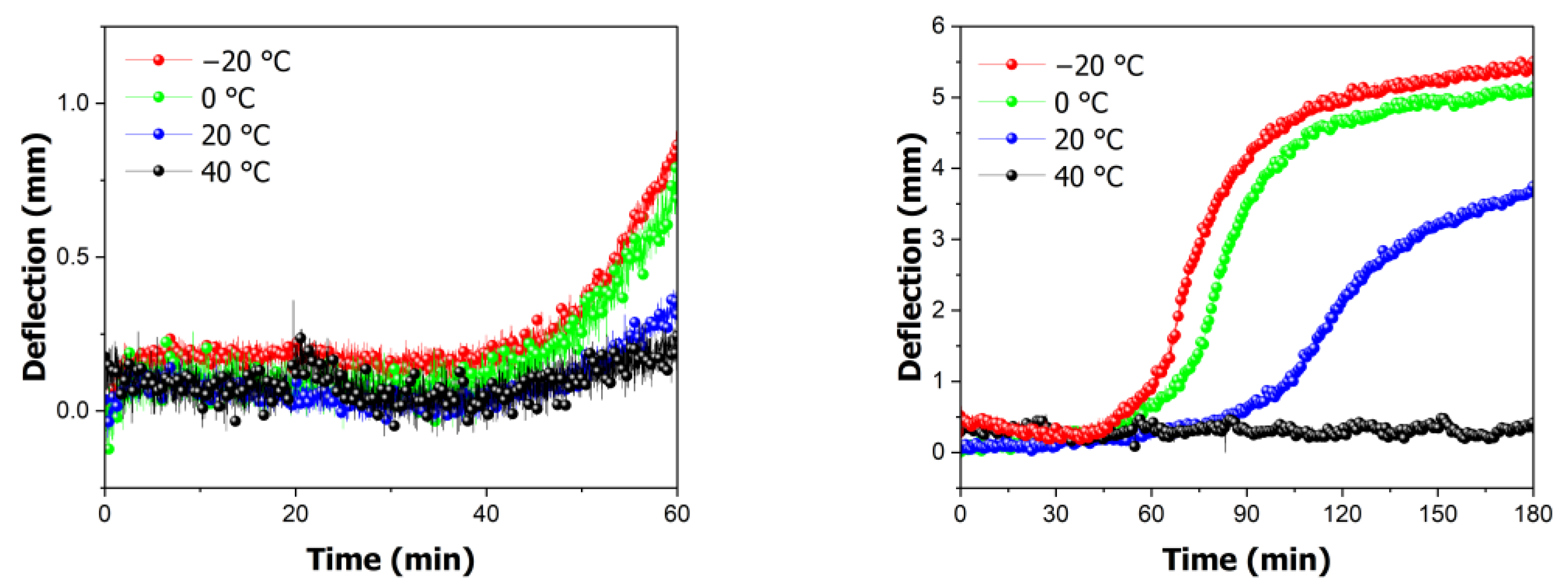
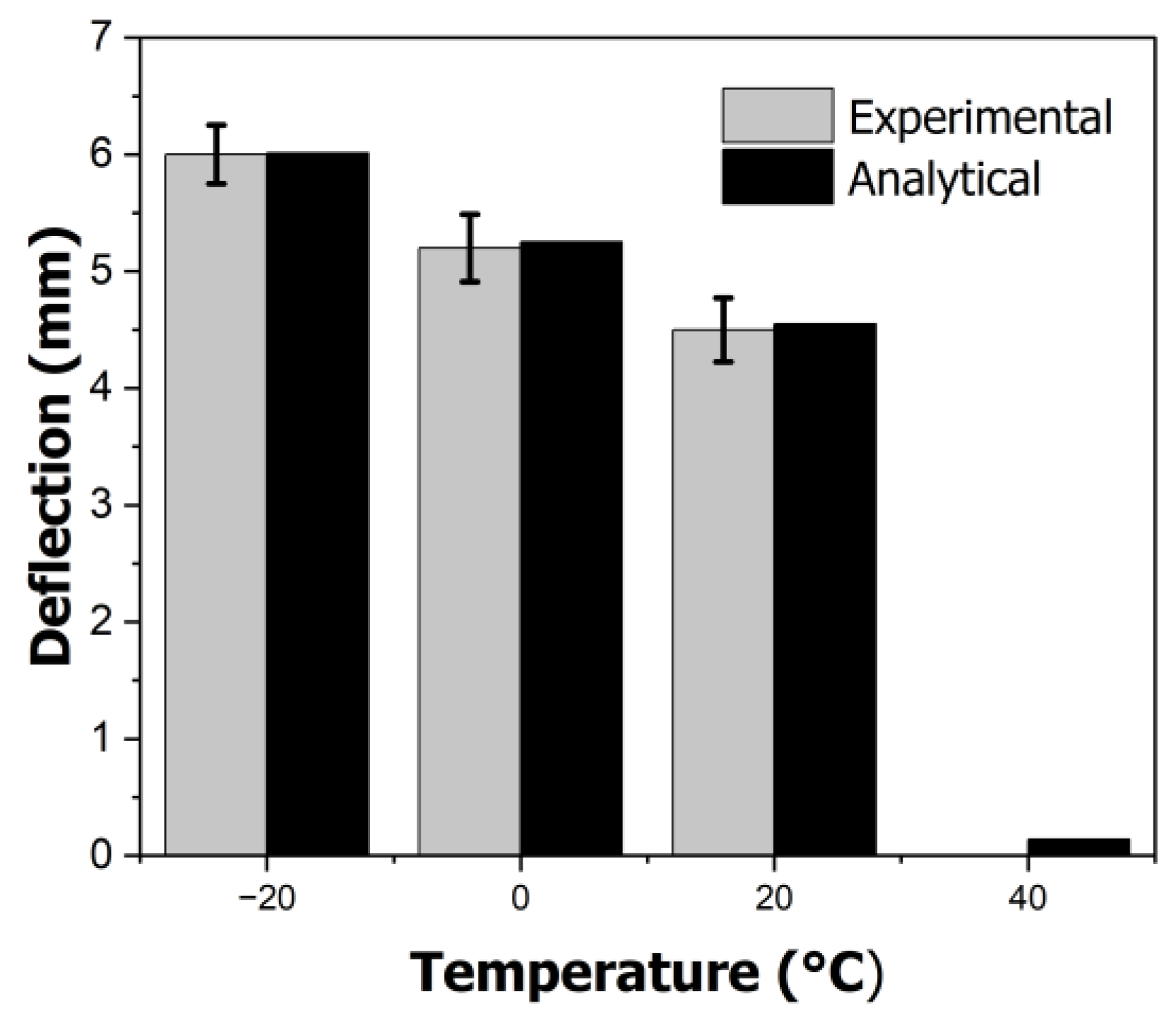
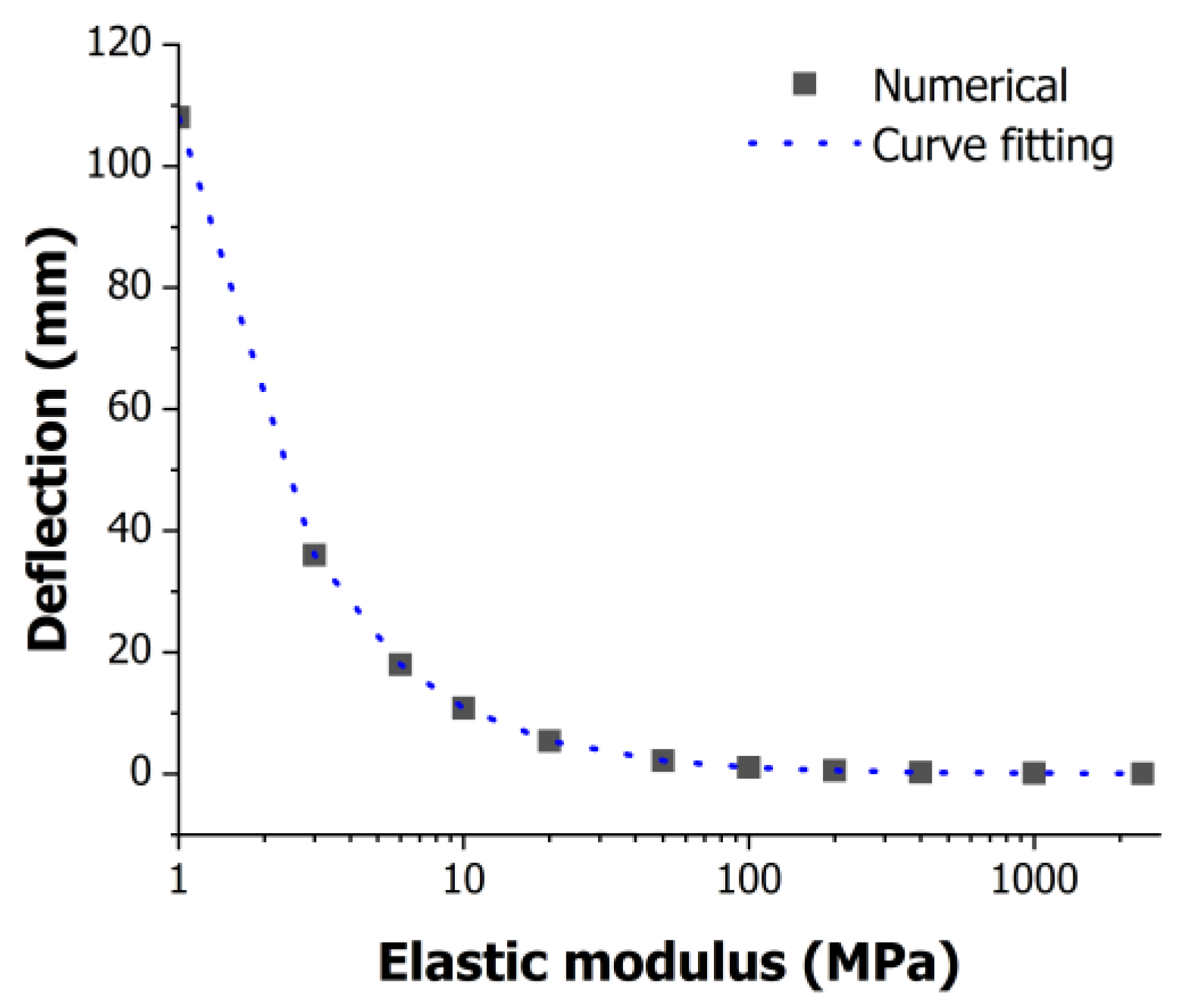
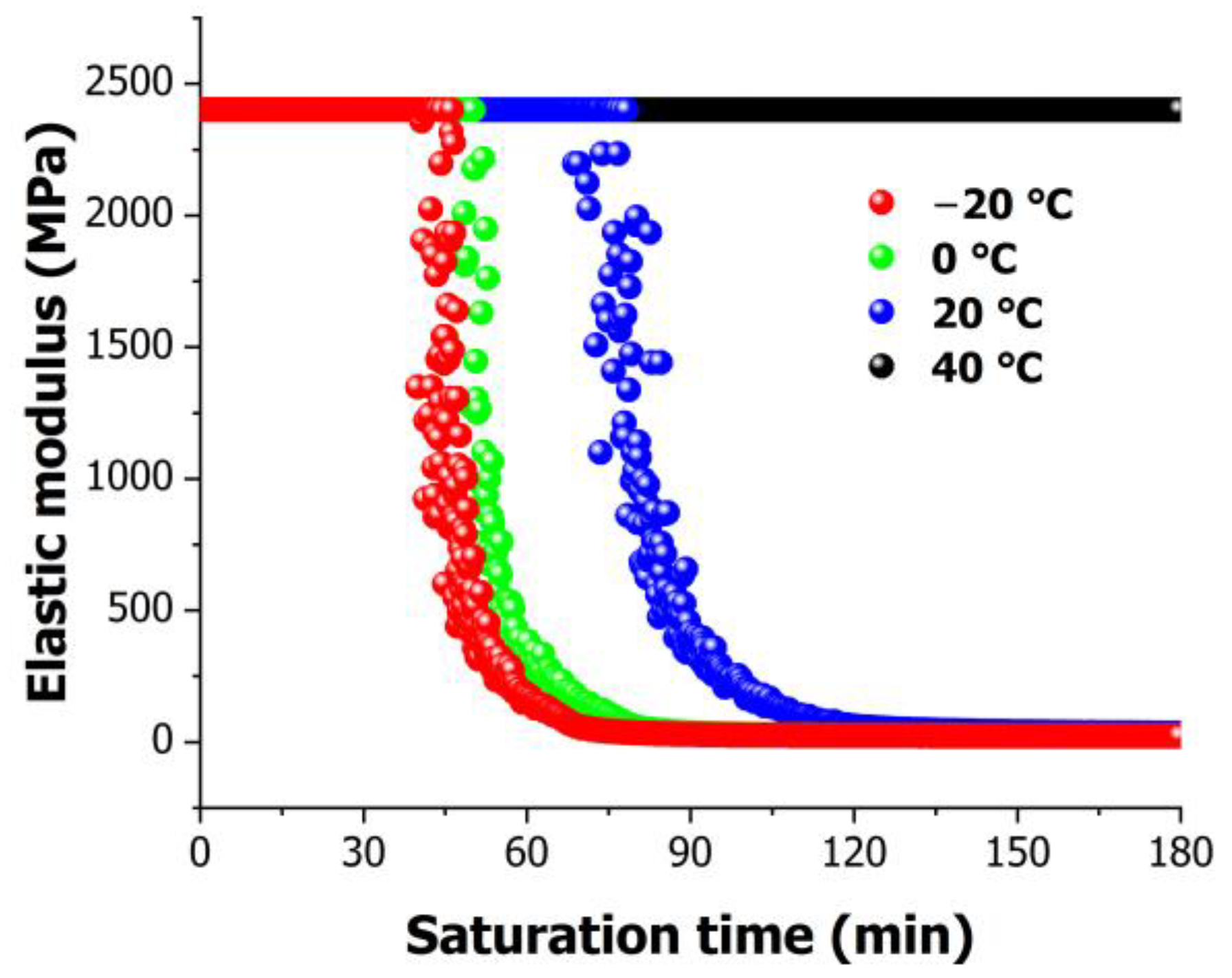
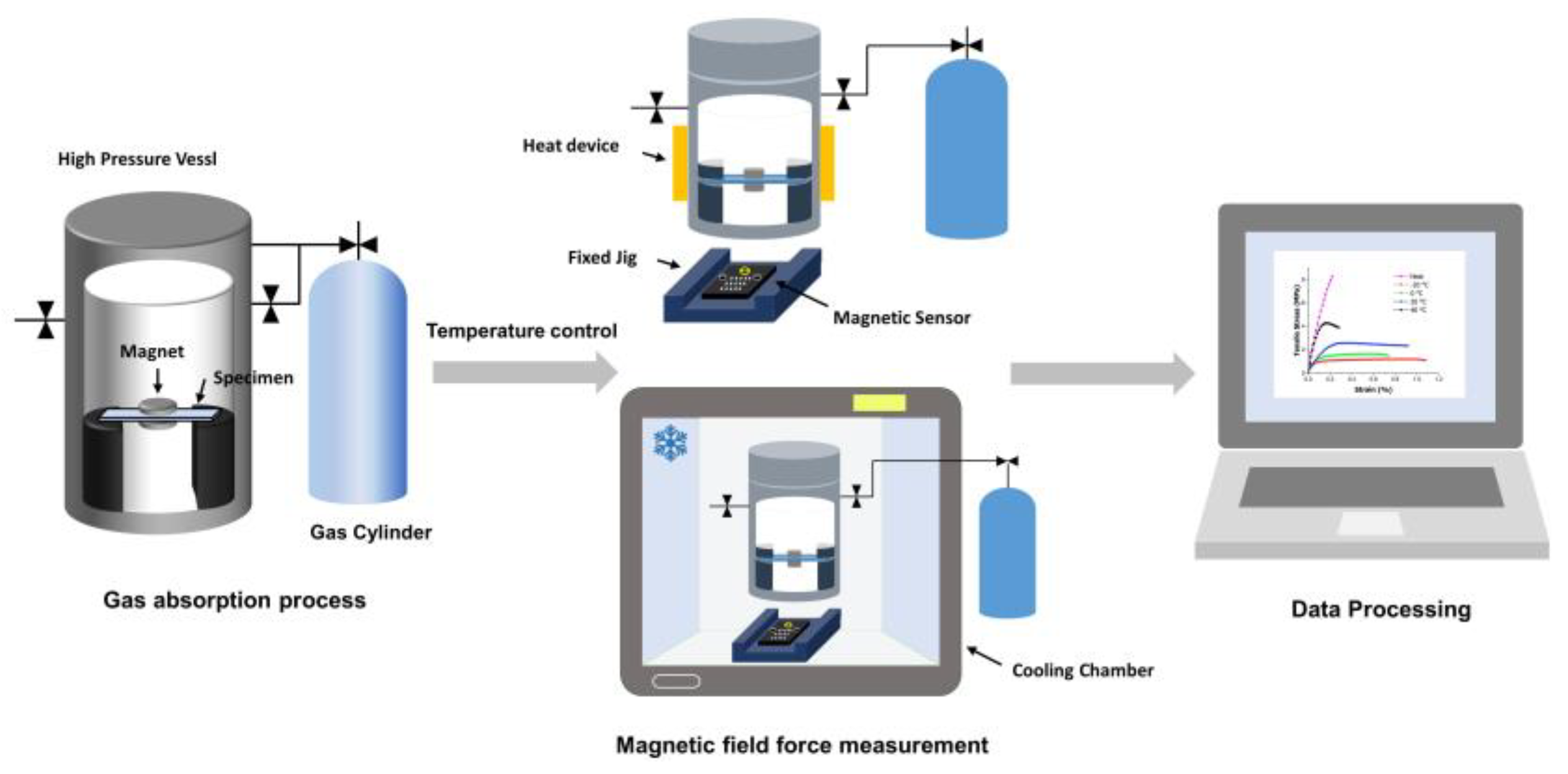
In previous studies, difficulties were encountered in measuring changes within high-pressure vessels owing to limitations such as sensor connectors and sensor failures under high-pressure conditions. In addition, polymer–gas mixtures experience instantaneous gas desorption upon exiting high-pressure vessels owing to pressure differentials, leading to measurement errors. In this study, a device using magnetic sensors was developed to measure the real-time changes in gas-saturated polymers inside pressure vessels. Experiments on polymethyl methacrylate gas adsorption were conducted with parameters including pressure at 5 MPa and temperatures ranging from −20 to 40 °C for 60 and 180 min. It was observed that at −20 °C, the maximum magnetic field force density and deflection were 391.53 μT and 5.83 mm, respectively, whereas at 40 °C, deflection did not occur, with a value of 321.79 μT. Based on gas saturation experiments, a new model for deflection in high-pressure atmospheres is proposed. Additionally, an ANSYS analysis was conducted to predict the changes in Young’s modulus based on gas saturation. In previous studies, mechanical properties were measured outside the pressure vessel, resulting in an error due to a pressure difference, while the proposed method is characterized by the ability to directly measure polymer behavior according to gas saturation in high-pressure vessels using a magnetic sensor in real time. Therefore, it is possible to predict polymer behavior, making it easy to control variables in high-pressure polymer processes.
Keywords: polymer–gas mixture; batch process; magnetic sensor; polymer deflection; elastic modulus polymer–gas mixture; batch process; magnetic sensor; polymer deflection; elastic modulus