Article

Study of Low-Velocity Impact Behavior of Hybrid Fiber-Reinforced Metal Laminates

1
School of Civil Engineering, Southwest Forestry University, Kunming 650224, China
2
Key Laboratory of Forest Disaster Warning and Control of Yunnan Province, Southwest Forestry University, Kunming 650224, China
3
School of Resources, Environment and Safety Engineering, University of South China, Hengyang 421001, China
*
Author to whom correspondence should be addressed.
Polymers 2024, 16(2), 173; https://doi.org/10.3390/polym16020173
Submission received: 3 November 2023 / Revised: 22 December 2023 / Accepted: 4 January 2024 / Published: 6 January 2024

Abstract

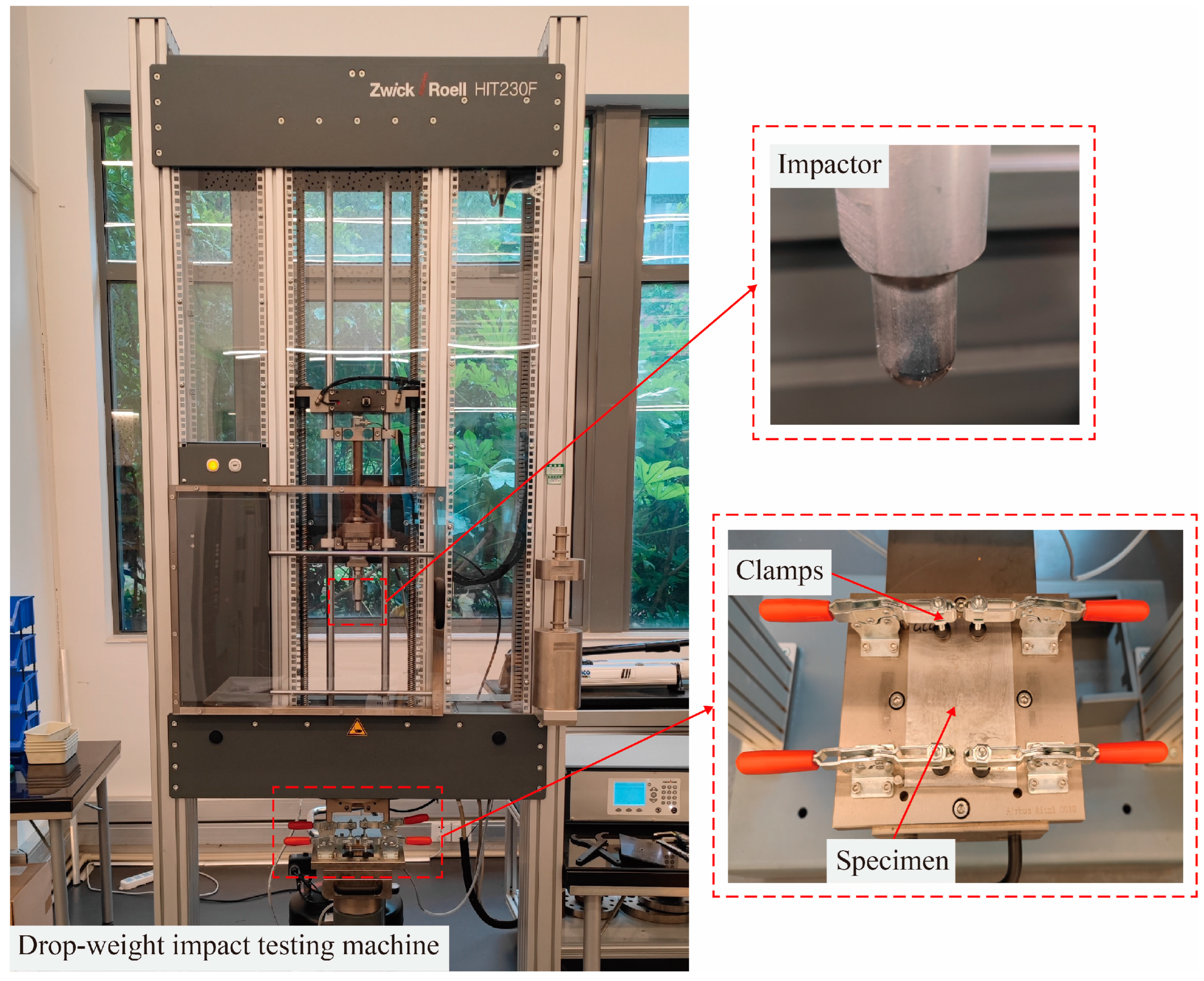
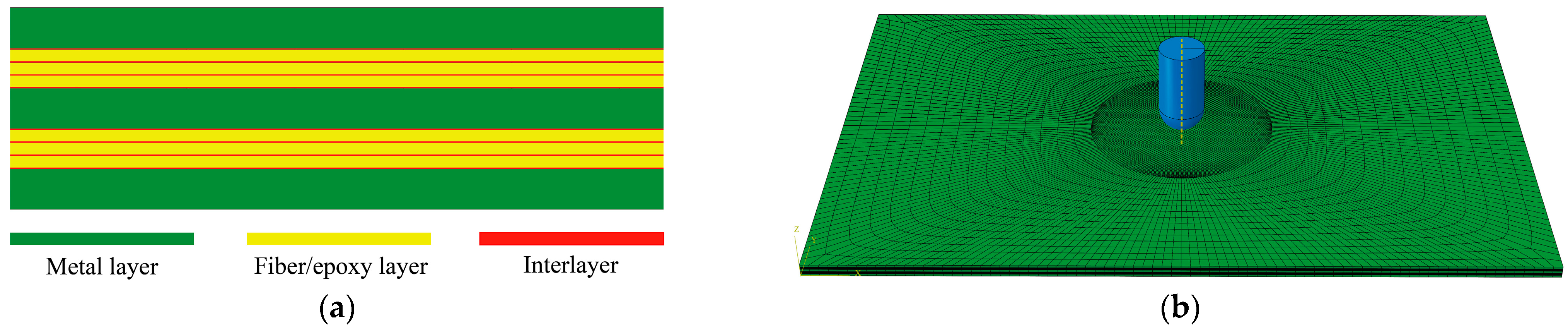
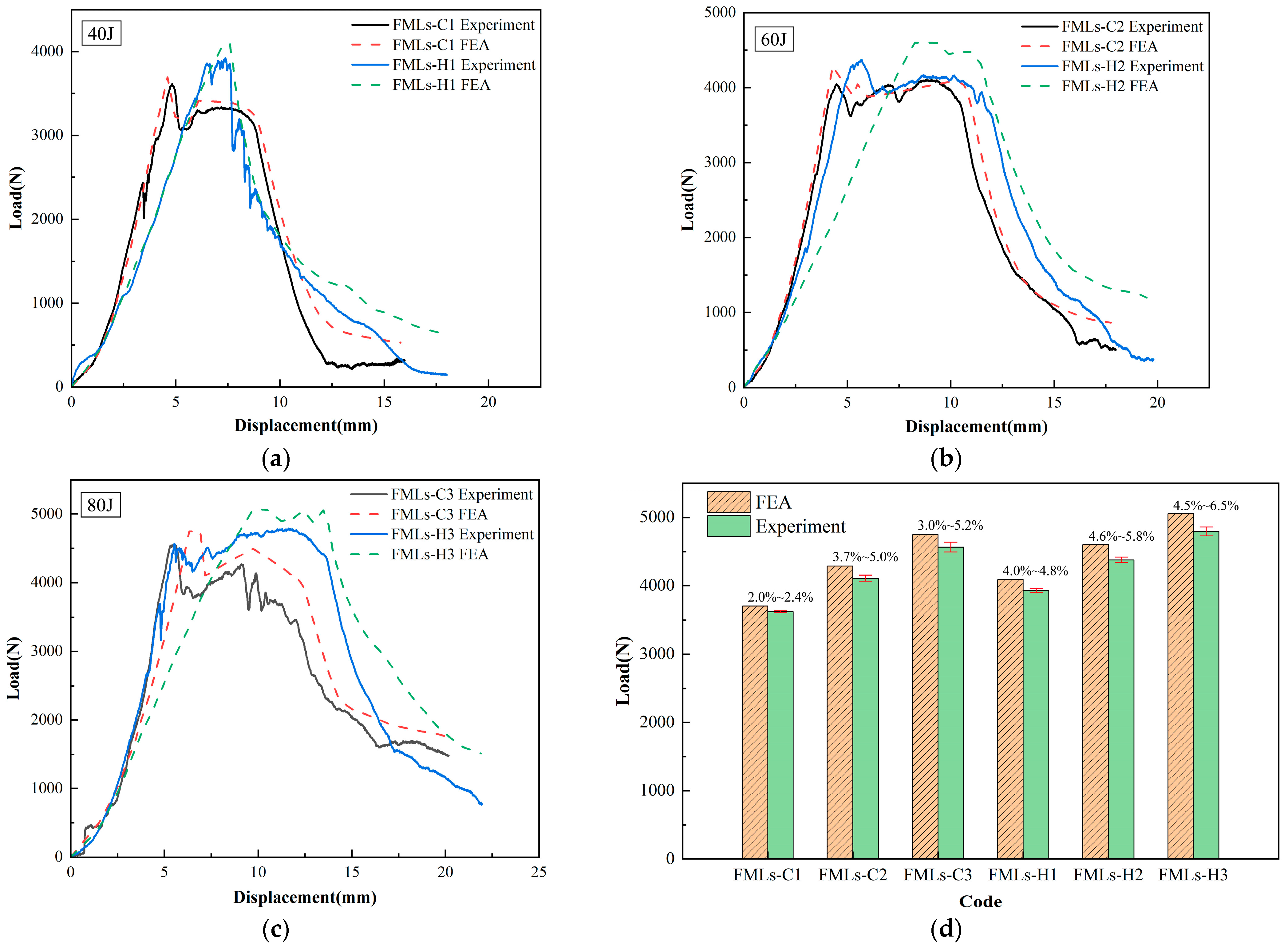
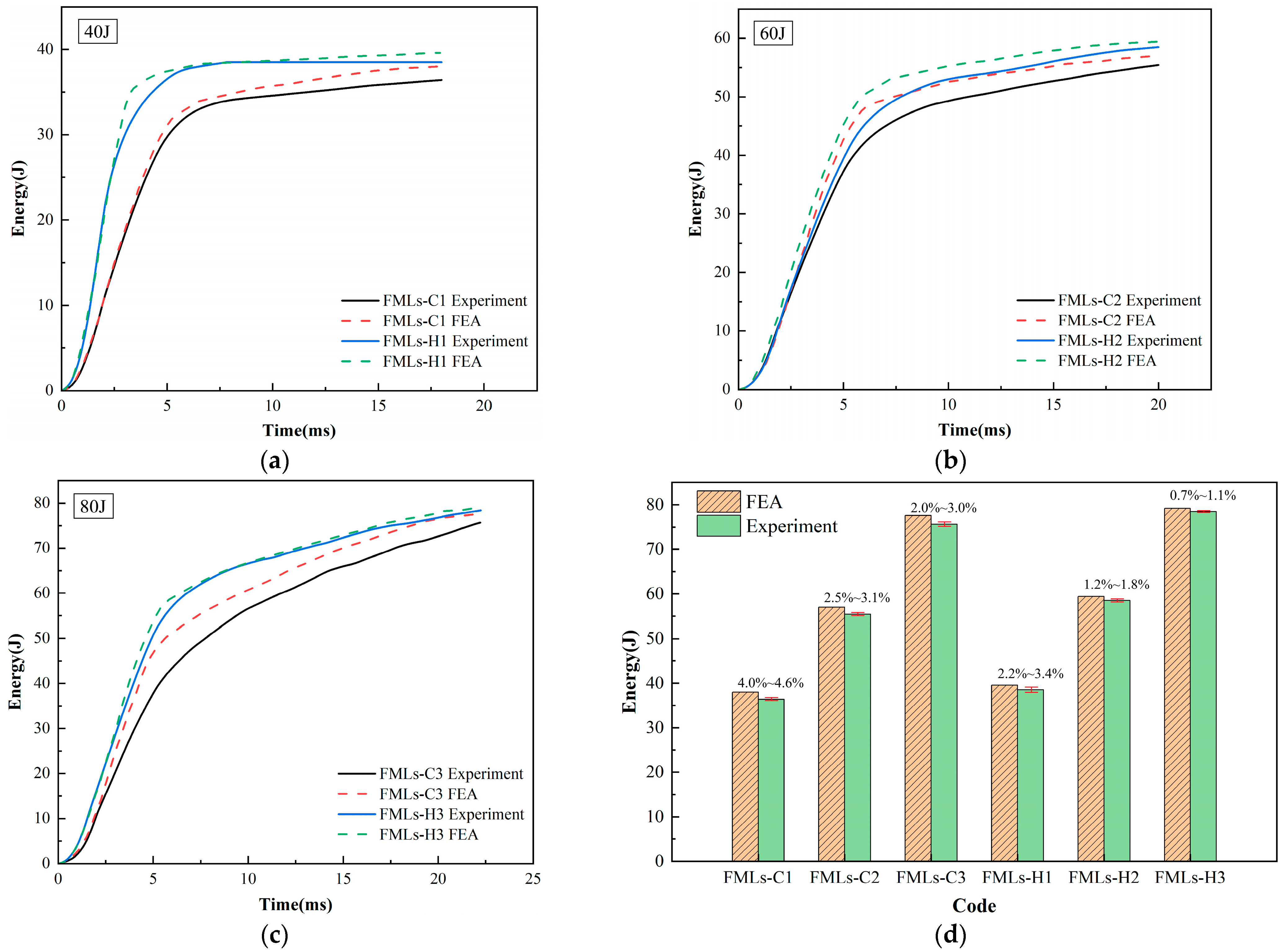
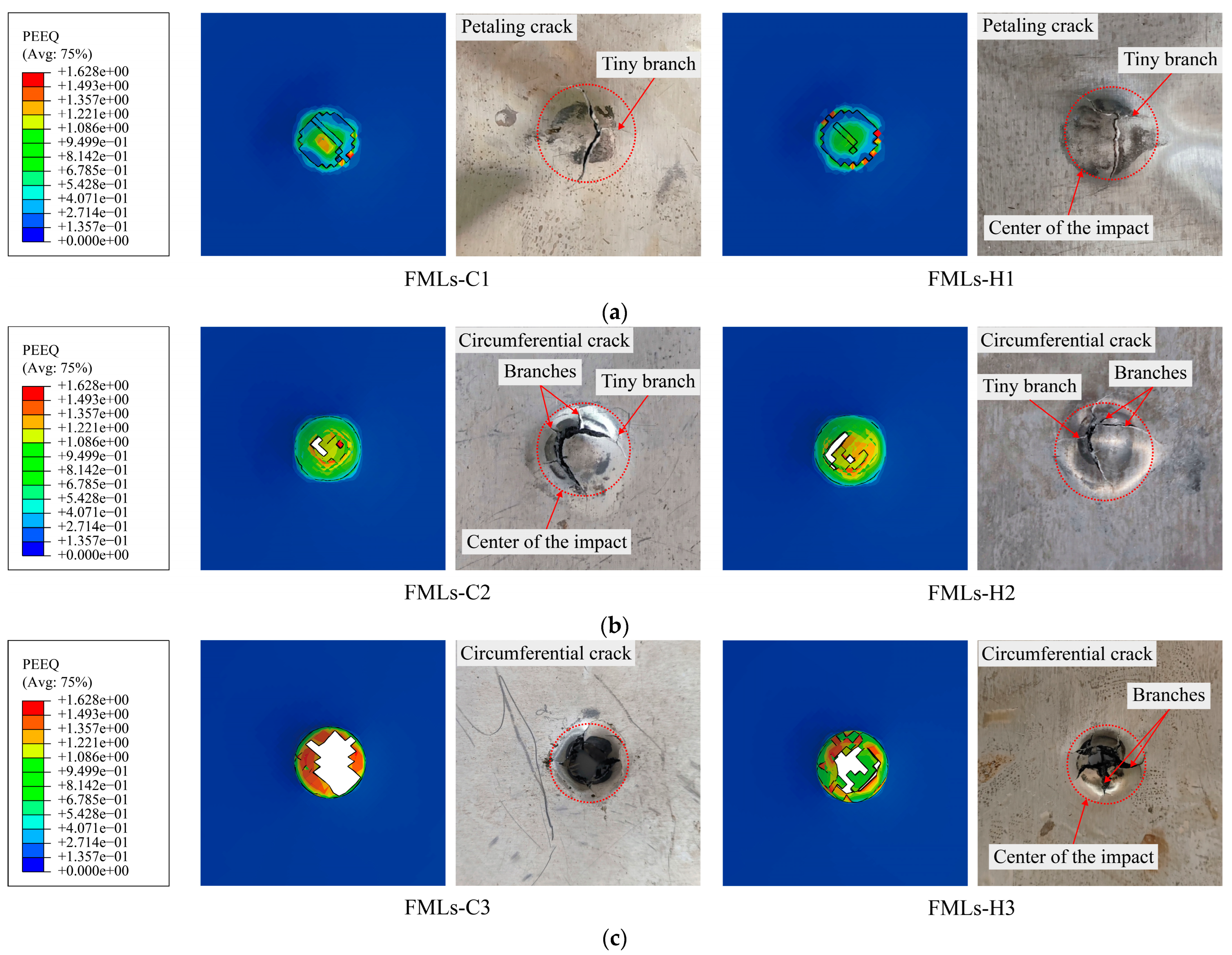
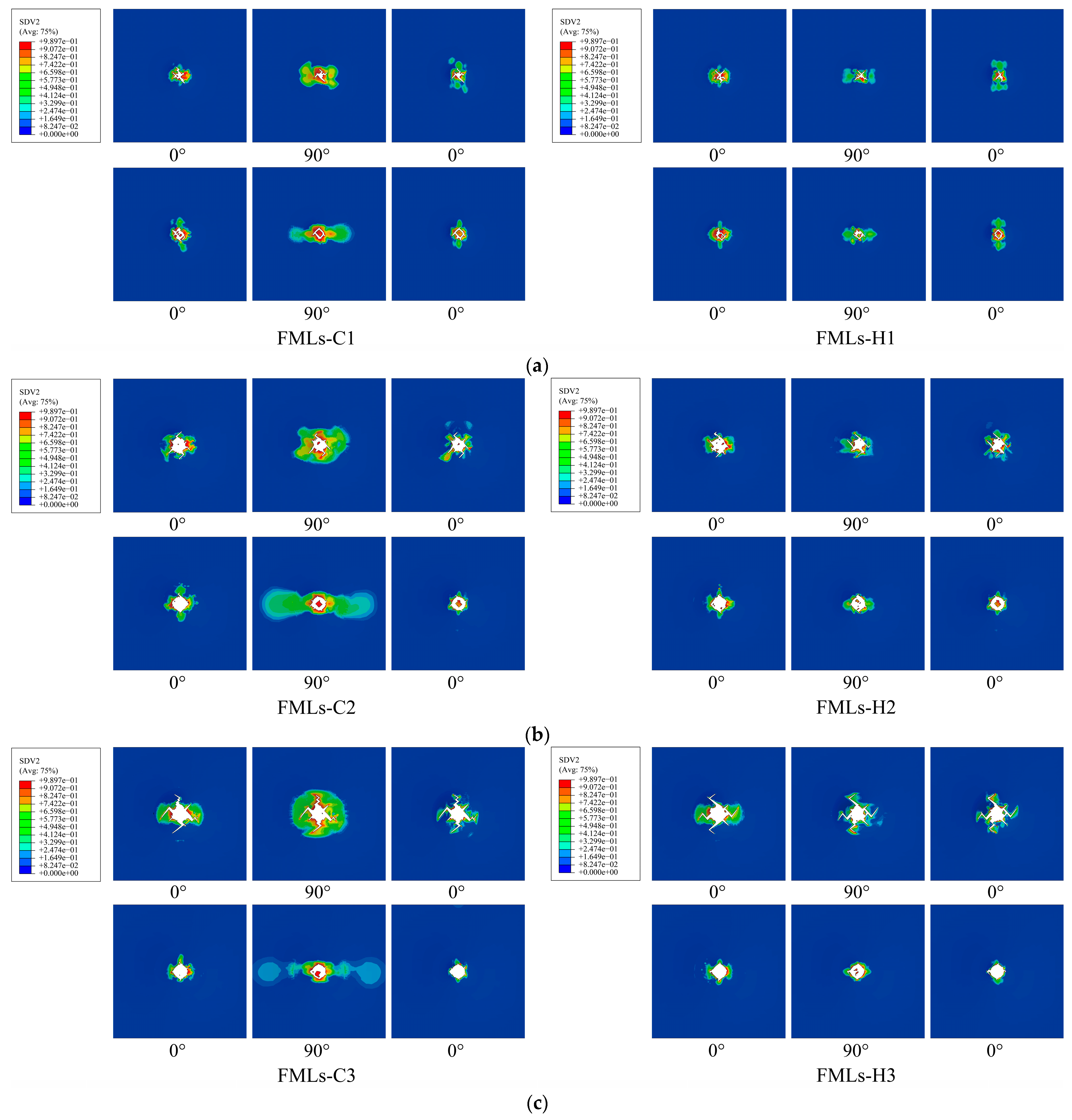
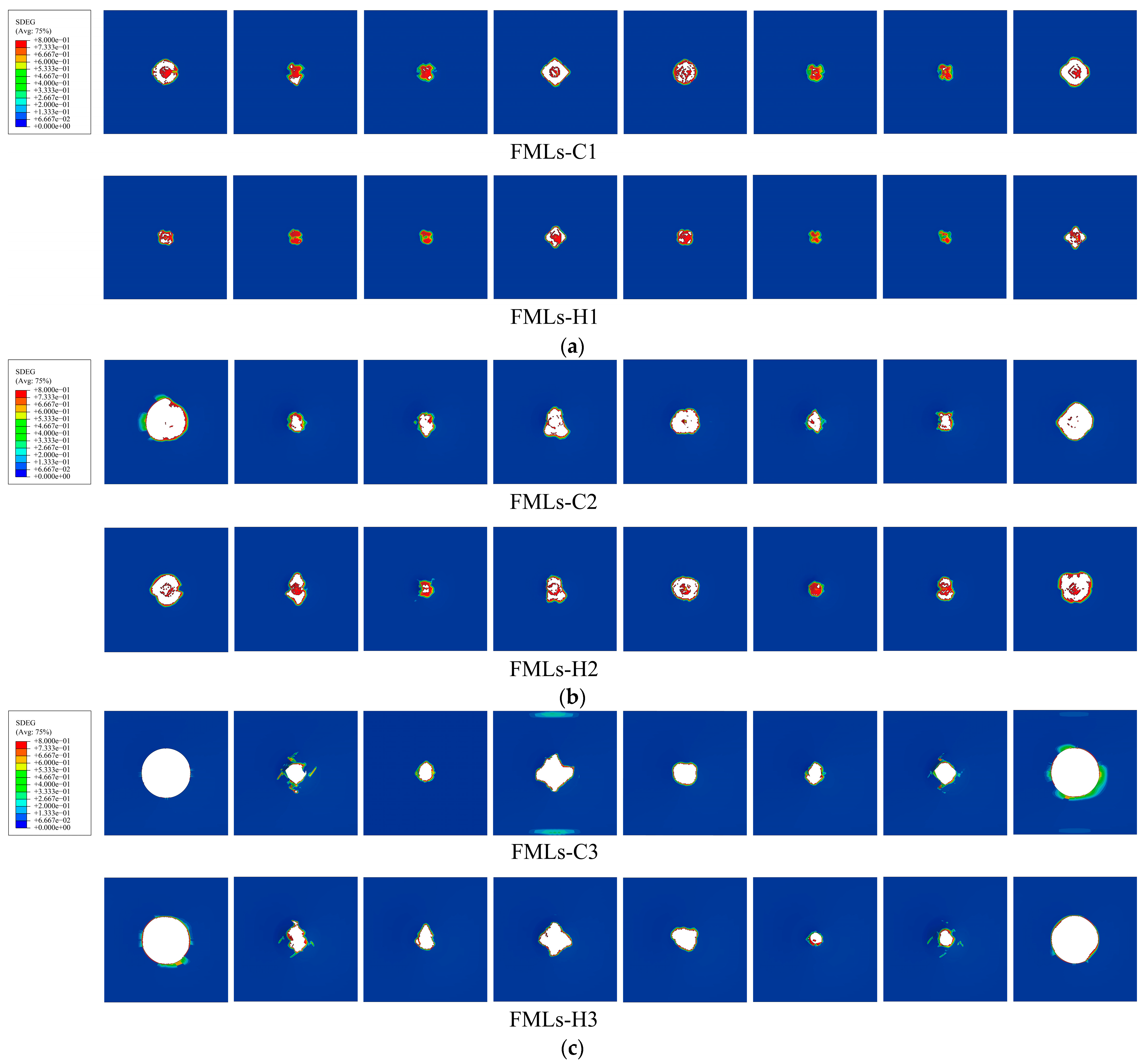
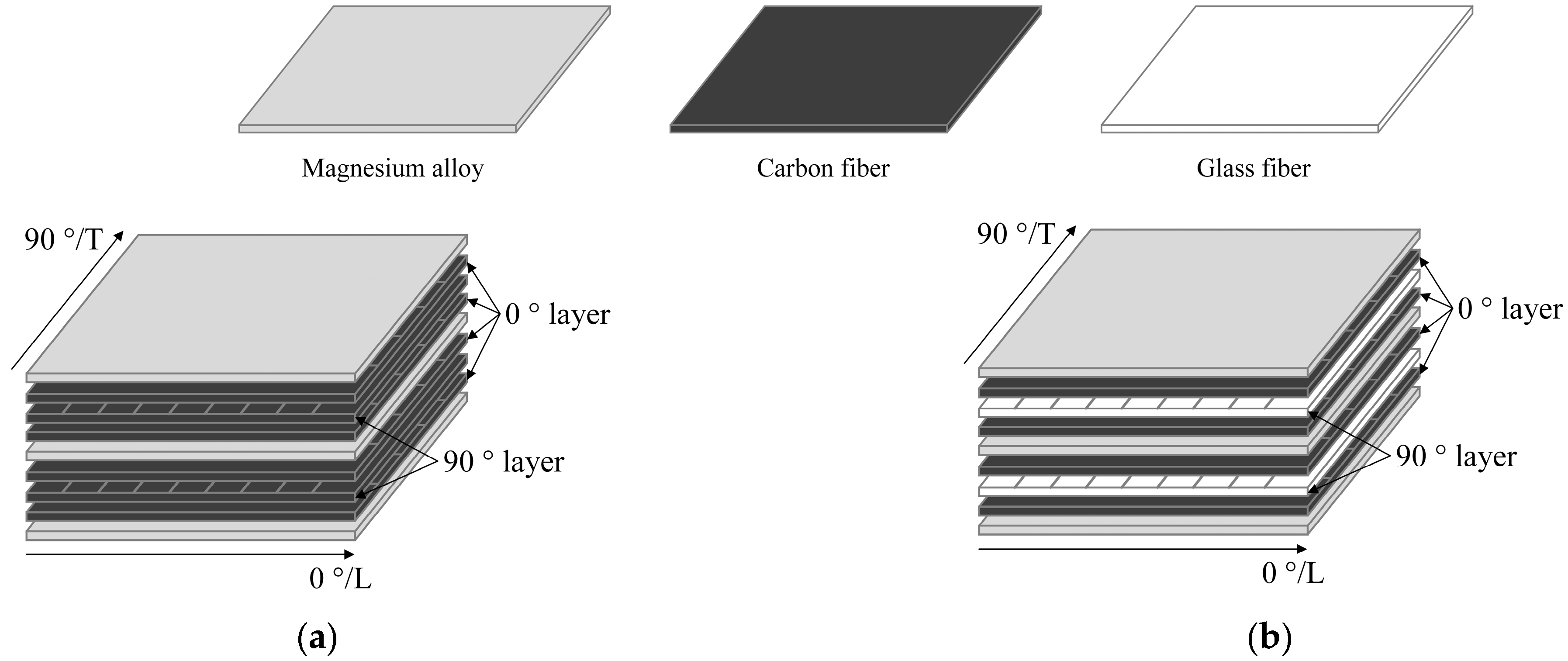
In this paper, the low-velocity impact behavior and damage modes of carbon/glass-hybrid fiber-reinforced magnesium alloy laminates (FMLs-H) and pure carbon-fiber-reinforced magnesium alloy laminates (FMLs-C) are investigated using experimental, theoretical modeling, and numerical simulation methods. Low-velocity impact tests were conducted at incident energies of 20 J, 40 J, and 60 J using a drop-weight impact tester, and the load–displacement curves and energy–time curves of the FMLs were recorded and plotted. The results showed that compared with FMLs-C, the stiffness of FMLs-H was slightly reduced, but the peak load and energy absorption were both greatly improved. Finally, a finite element model based on the Abaqus-VUMAT subroutine was developed to simulate the experimental results, and the damage modes of the metal layer, fiber layer, and interlayer were observed and analyzed. The experimental results are in good agreement with the finite element analysis results. The damage mechanisms of two kinds of FMLs under low-velocity impacts are discussed, providing a reference for the design and application of laminates.
Keywords: fiber metal laminates; hybrid fiber; low-velocity impact; numerical simulation; low-velocity impact behavior; damage mode fiber metal laminates; hybrid fiber; low-velocity impact; numerical simulation; low-velocity impact behavior; damage mode