Article

Radiation-Grafting on Polypropylene Copolymer Membranes for Using in Cadmium Adsorption

Chemistry Department Al Leith, University College, Umm Al-Qura University, Mecca 24382, Saudi Arabia
Polymers 2023, 15(3), 686; https://doi.org/10.3390/polym15030686
Submission received: 26 December 2022 / Revised: 21 January 2023 / Accepted: 28 January 2023 / Published: 29 January 2023
(This article belongs to the Special Issue Novel Wastewater Treatment Applications Using Effective Materials)

Abstract

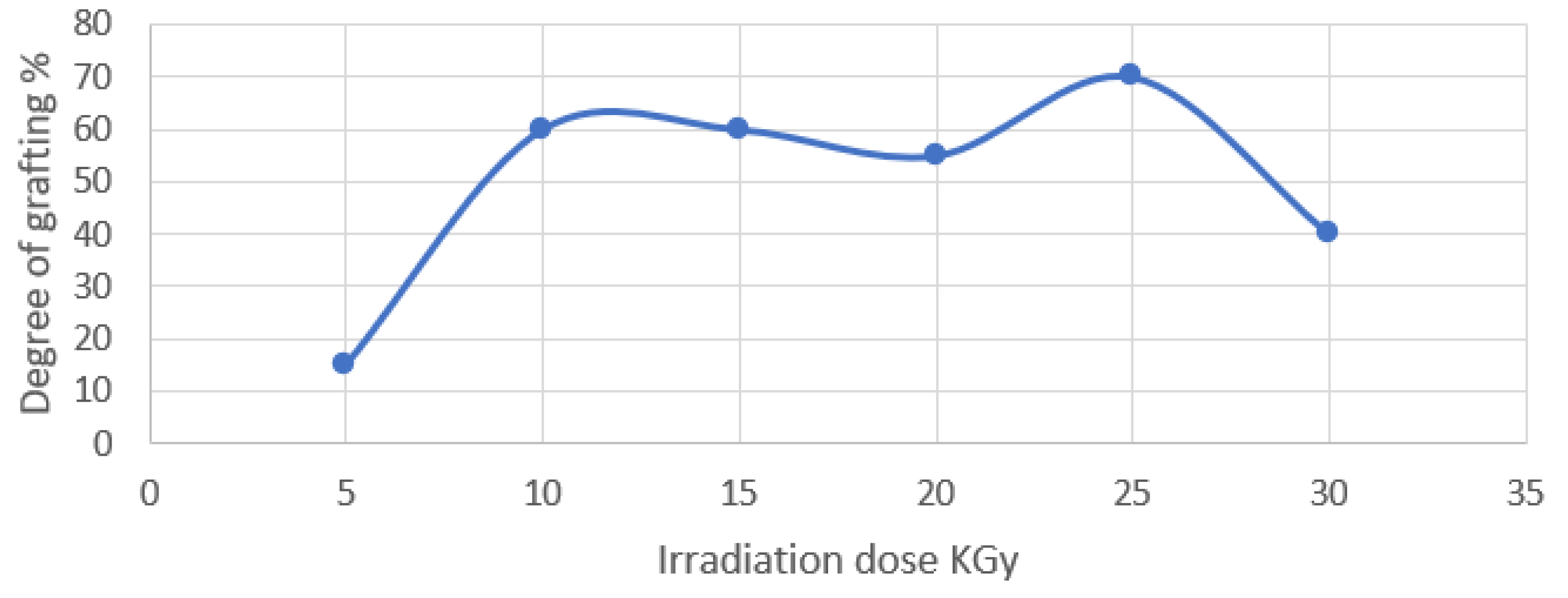
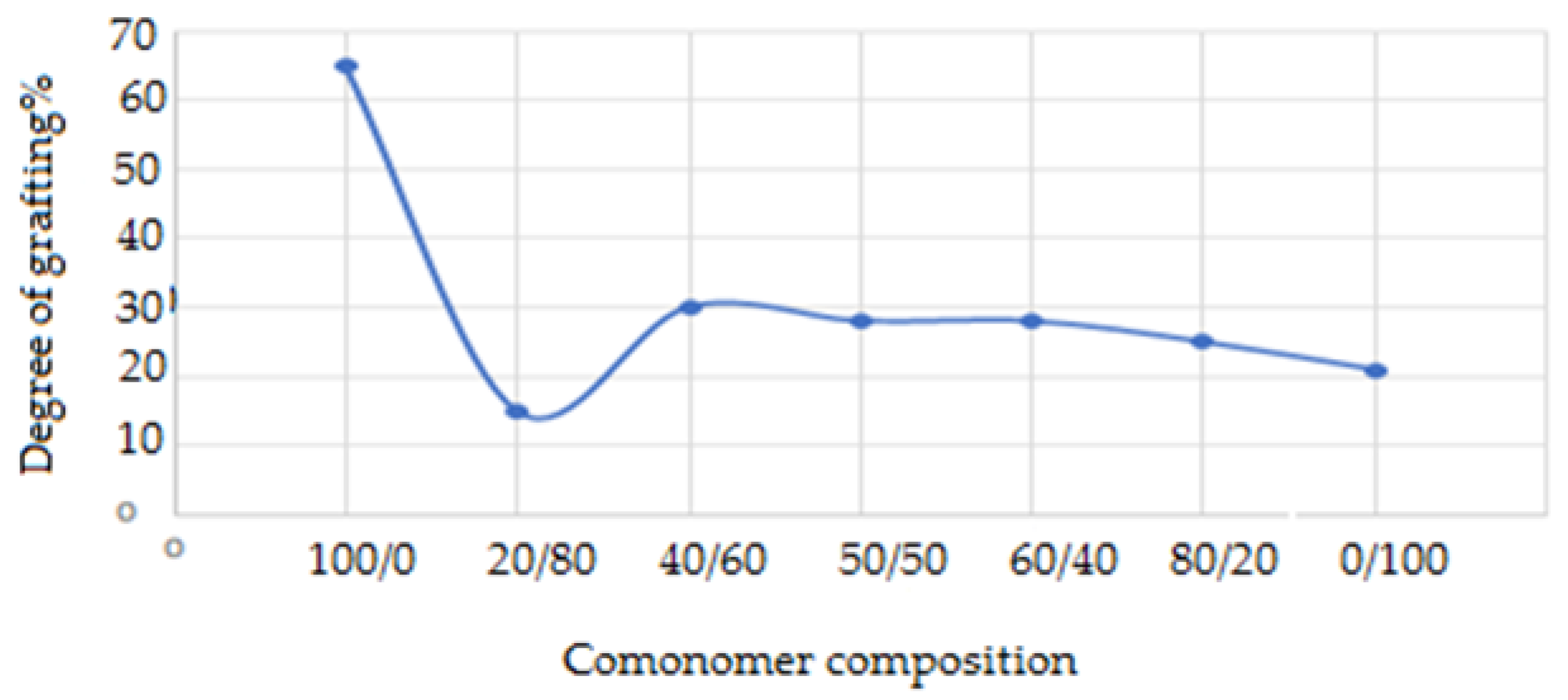
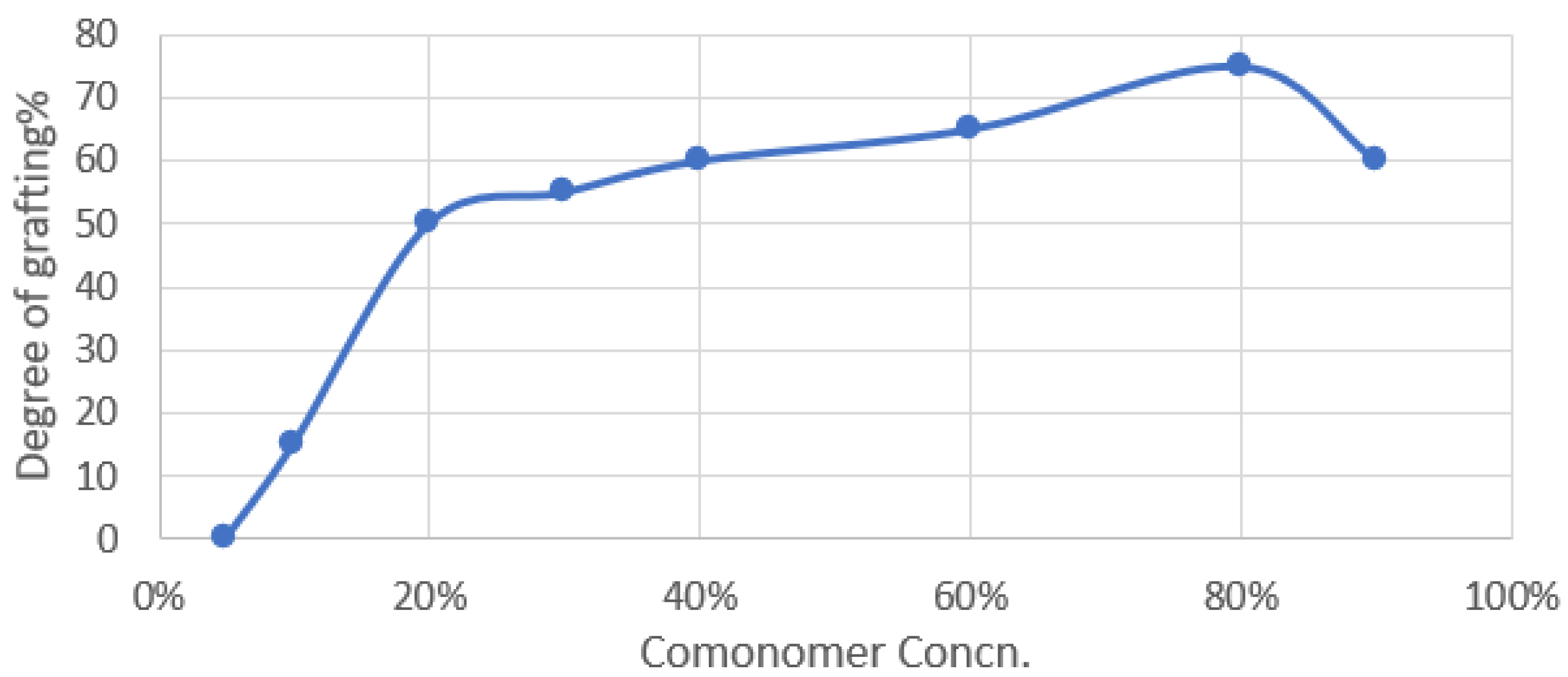
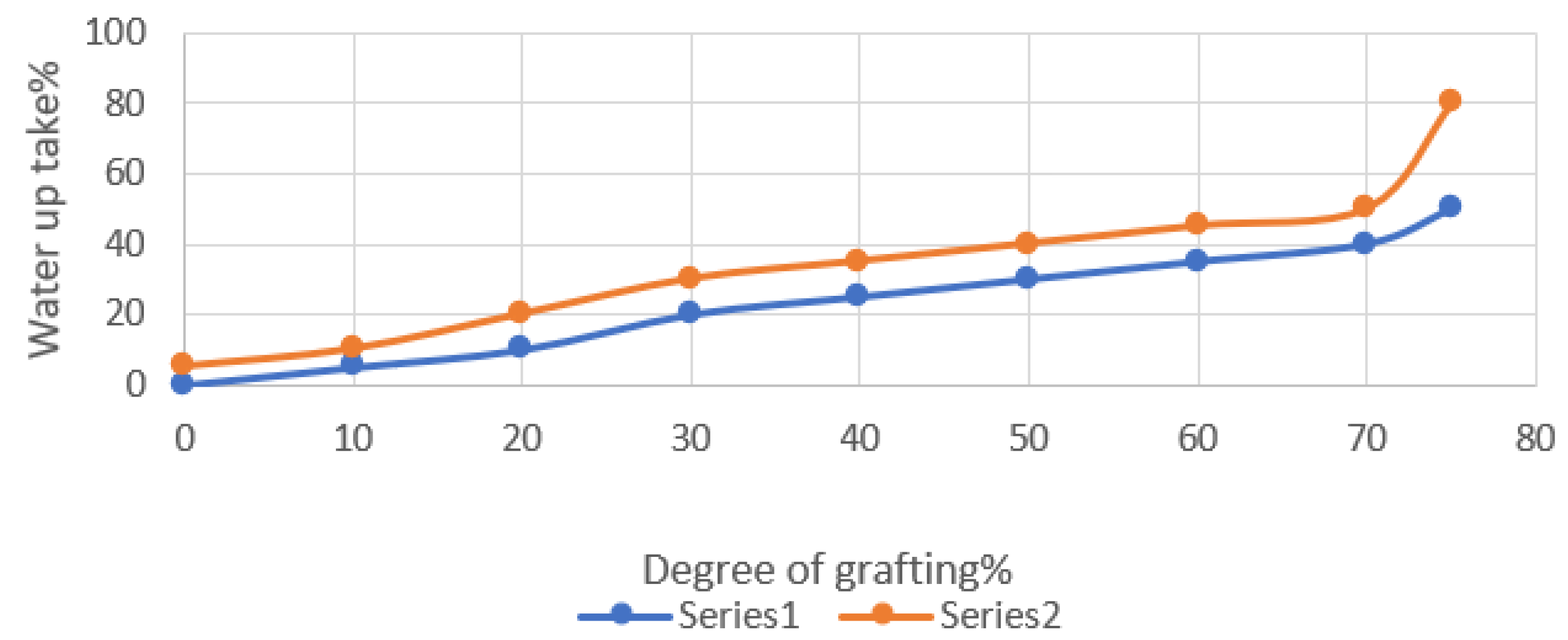
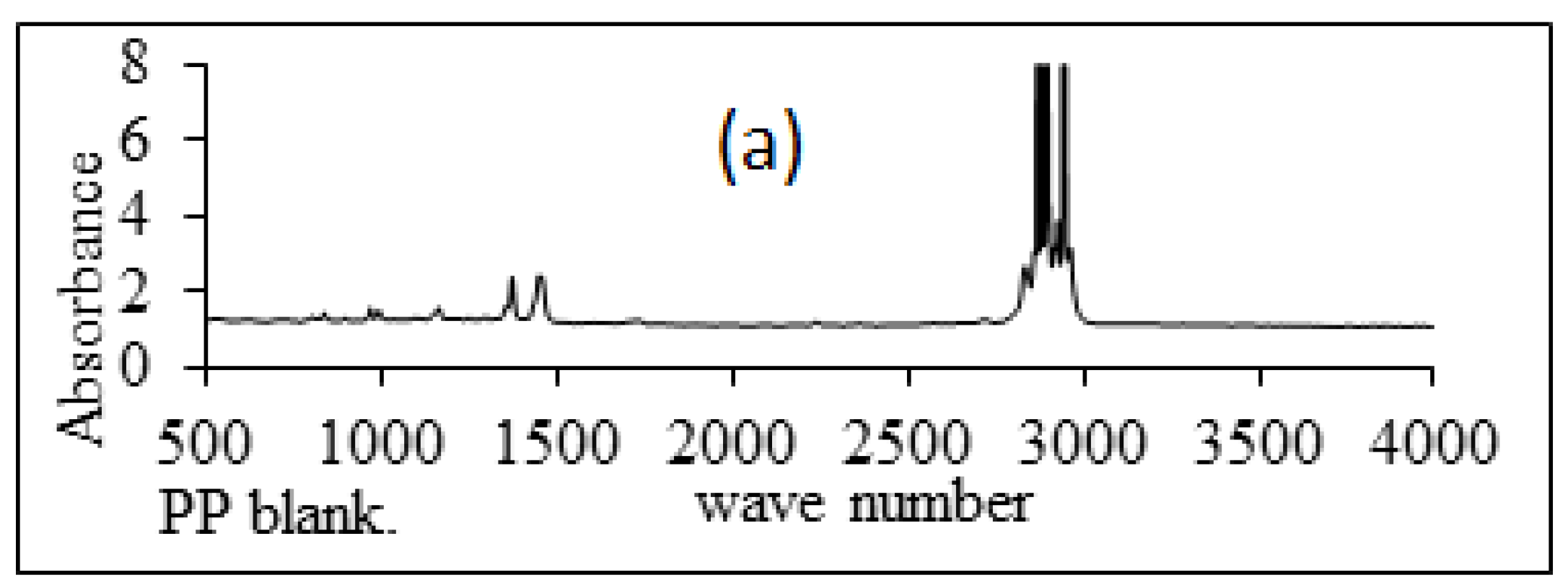
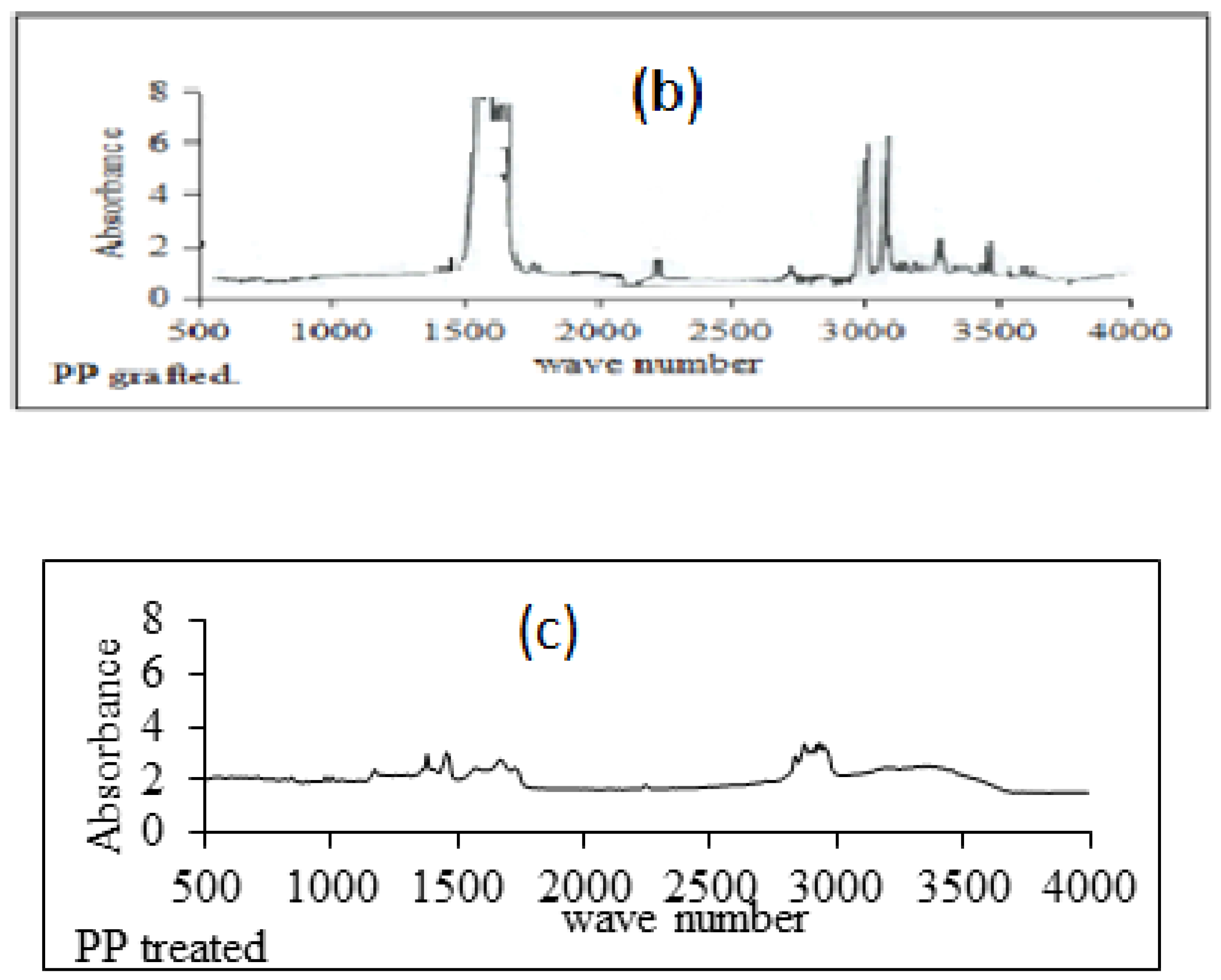
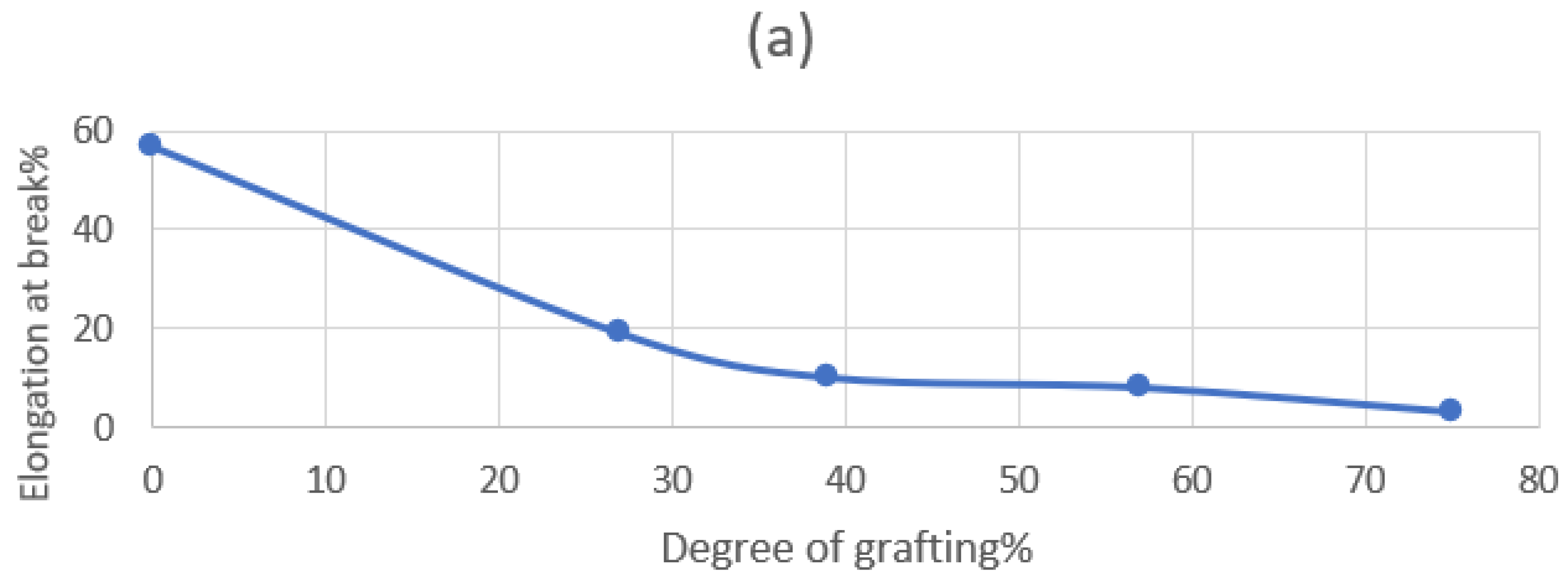
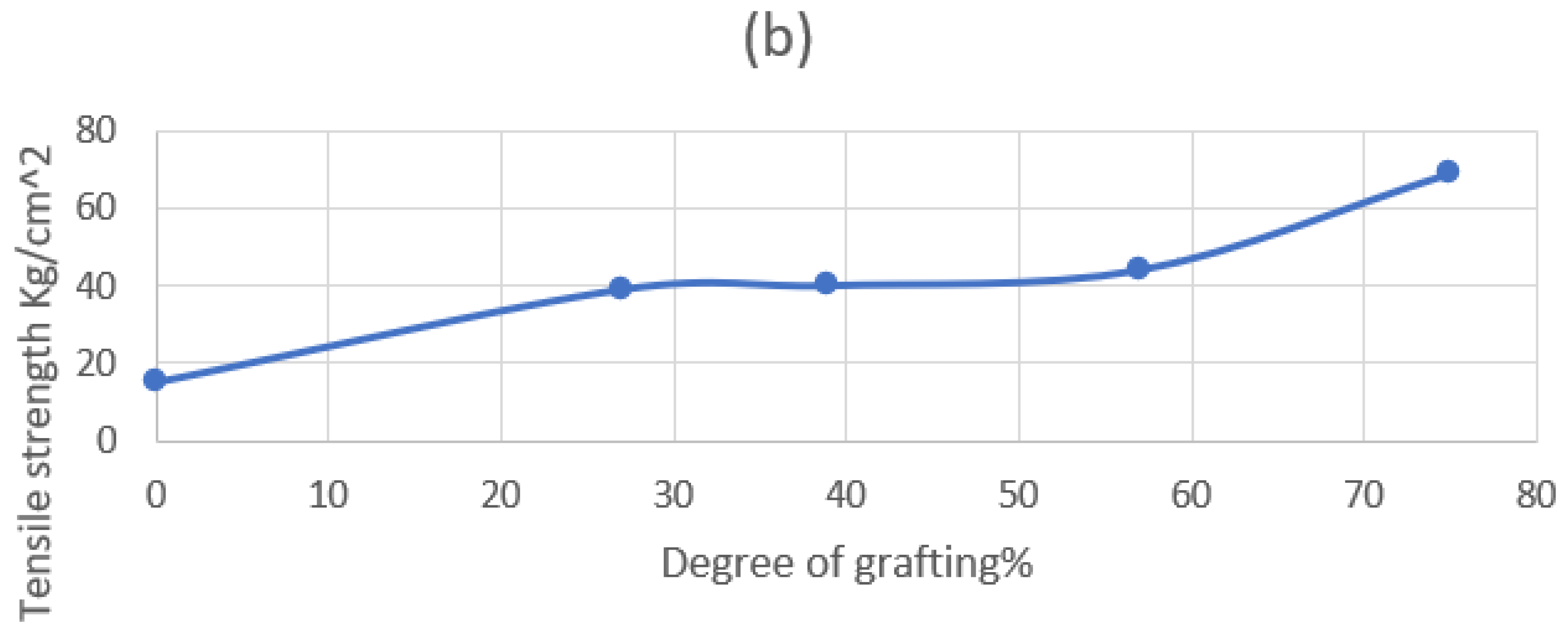
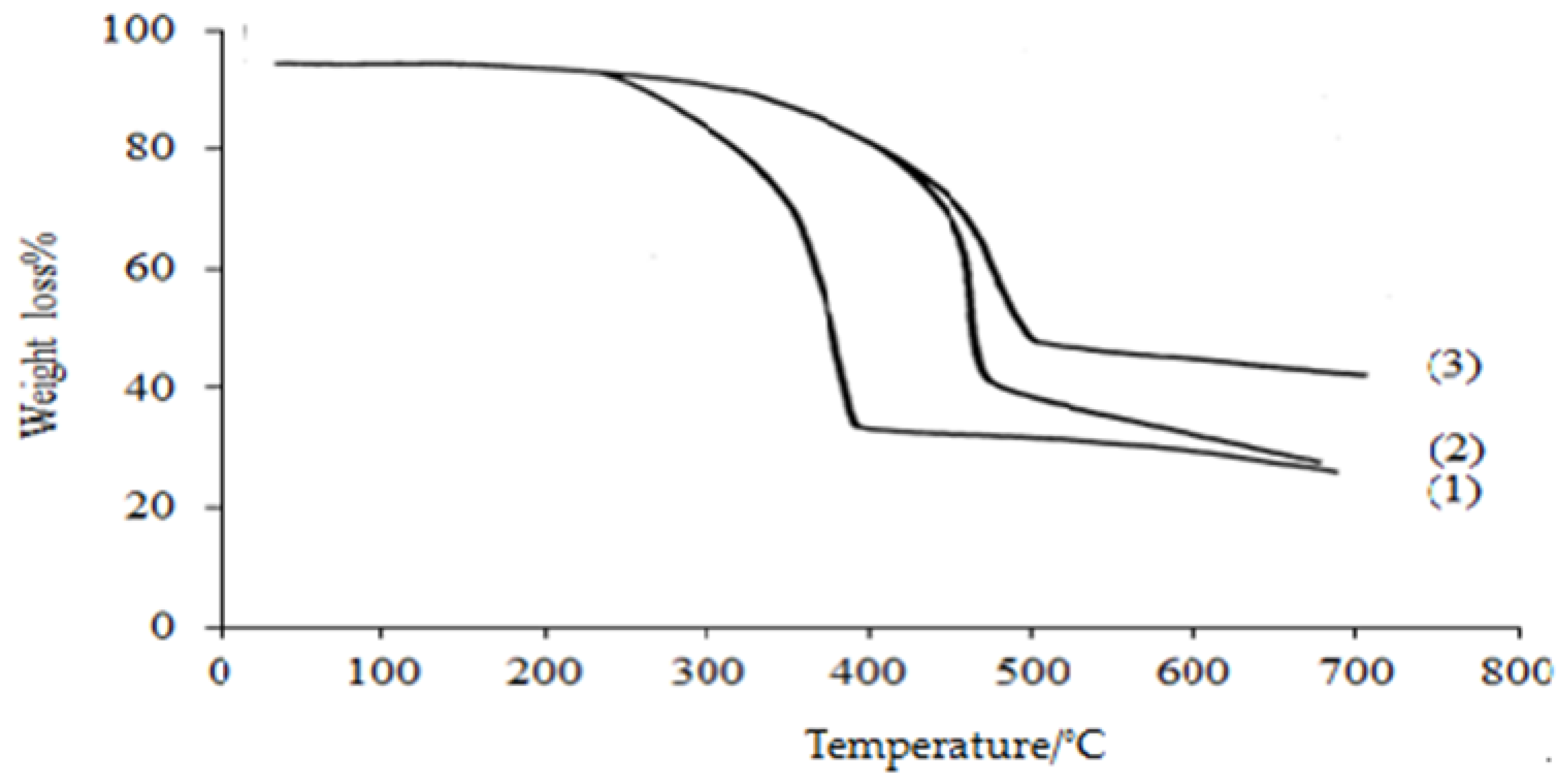
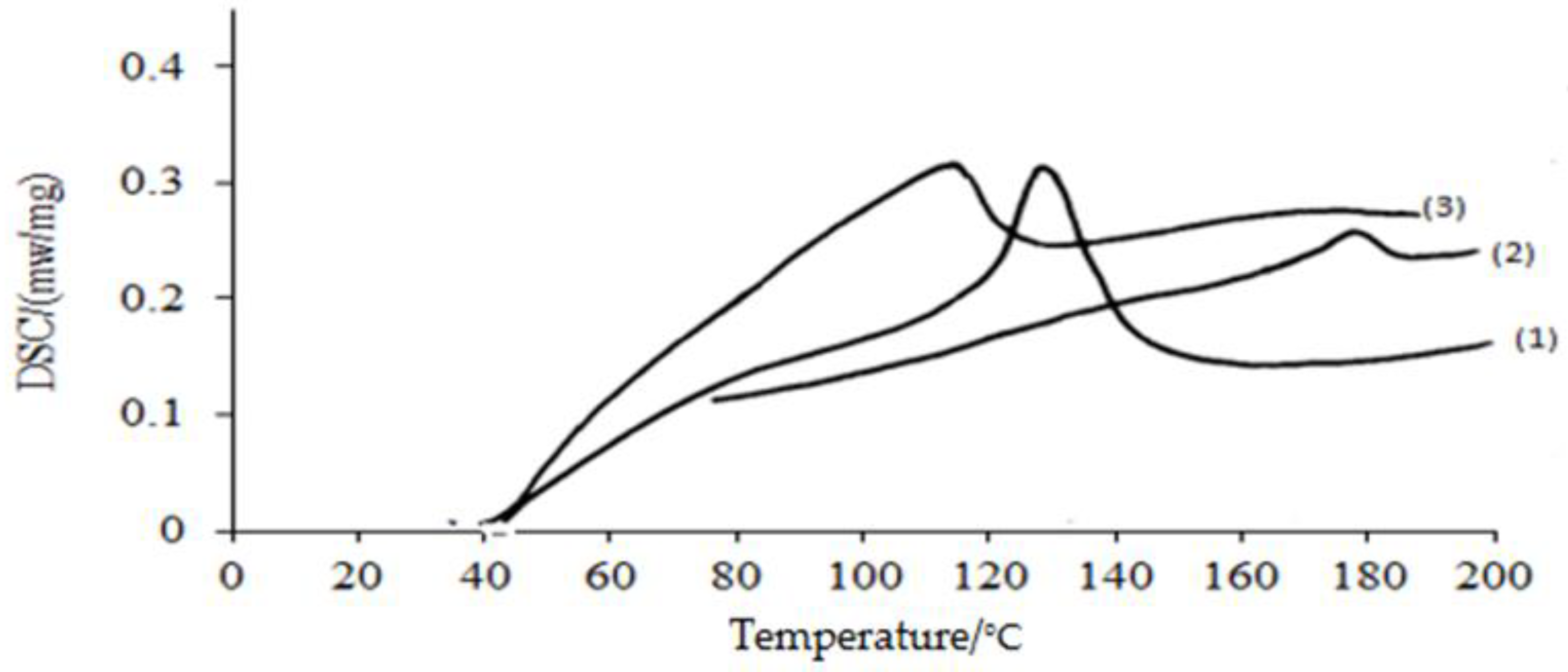
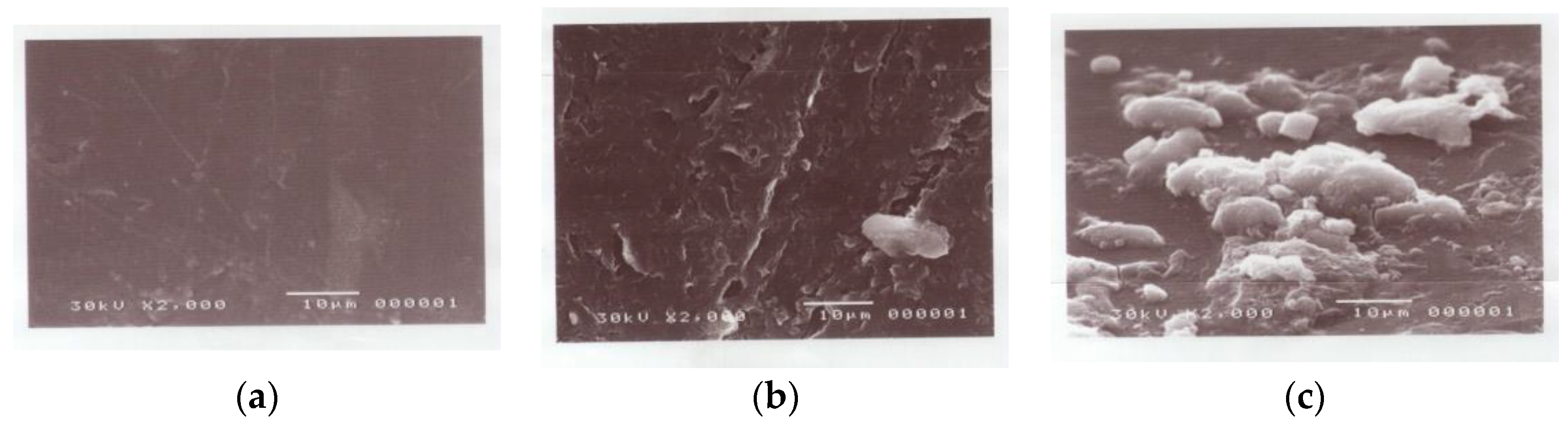
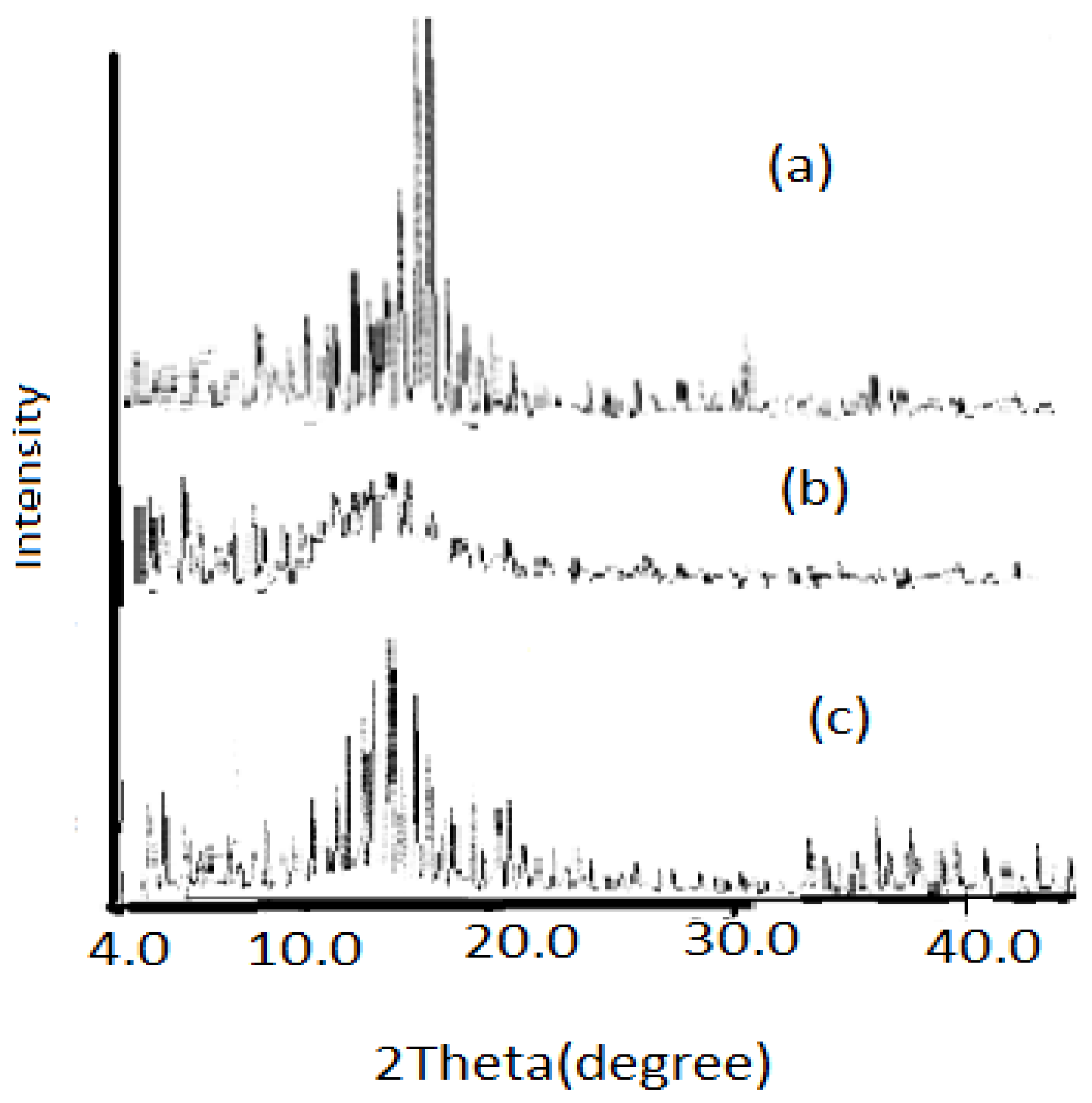
Graft copolymerization has been a popular technique in recent years for adding different functional groups to polymers. In our research, polypropylene (PP) films are grafted with acrylonitrile (An) and acrylic acid (AAc) monomers to make them hydrophilic while retaining their mechanical qualities. Gamma radiation is used in this approach to establish active spots on an inert polymer that are appropriate for adding monomers radicals to form grafts, a procedure that is extremely difficult to perform using normal chemical processes. The graft parameters are investigated in order to acquire the highest percentage of graft. FTIR (Fourier transform infrared spectroscopy) spectra are used to analyze the grafting of AAc and An. SEM (scanning electron microscopy) and XRD (X-ray diffraction) micrographs are used to validate them. The specimens’ tensile strength and hardness are measured and contrasted with blank PP films. Measurements are made of the effects of grafting on the tensile strength and elongation of the films, and a crucial grafting degree is established in order to preserve these properties. Water uptake is measured to adapt the copolymer to water treatment, and thermal behavior TGA (thermal gravimetric analysis) and DSC (diffraction scanning calorimeter) of the produced copolymer were performed. The elimination of cadmium was verified by an atomic absorption spectrophotometer (AAS) under different conditions of pH, time, and degree of grafting.
Keywords: PP films; graft copolymerization; removal of Cd(II) PP films; graft copolymerization; removal of Cd(II)