Advancements and Limitations in 3D Printing Materials and Technologies: A Critical Review




Abstract
1. Introduction
2. Types of 3D Printing Technology
3. Implications of Popular Materials in Additive Manufacturing
3.1. Polymers
3.2. Metals
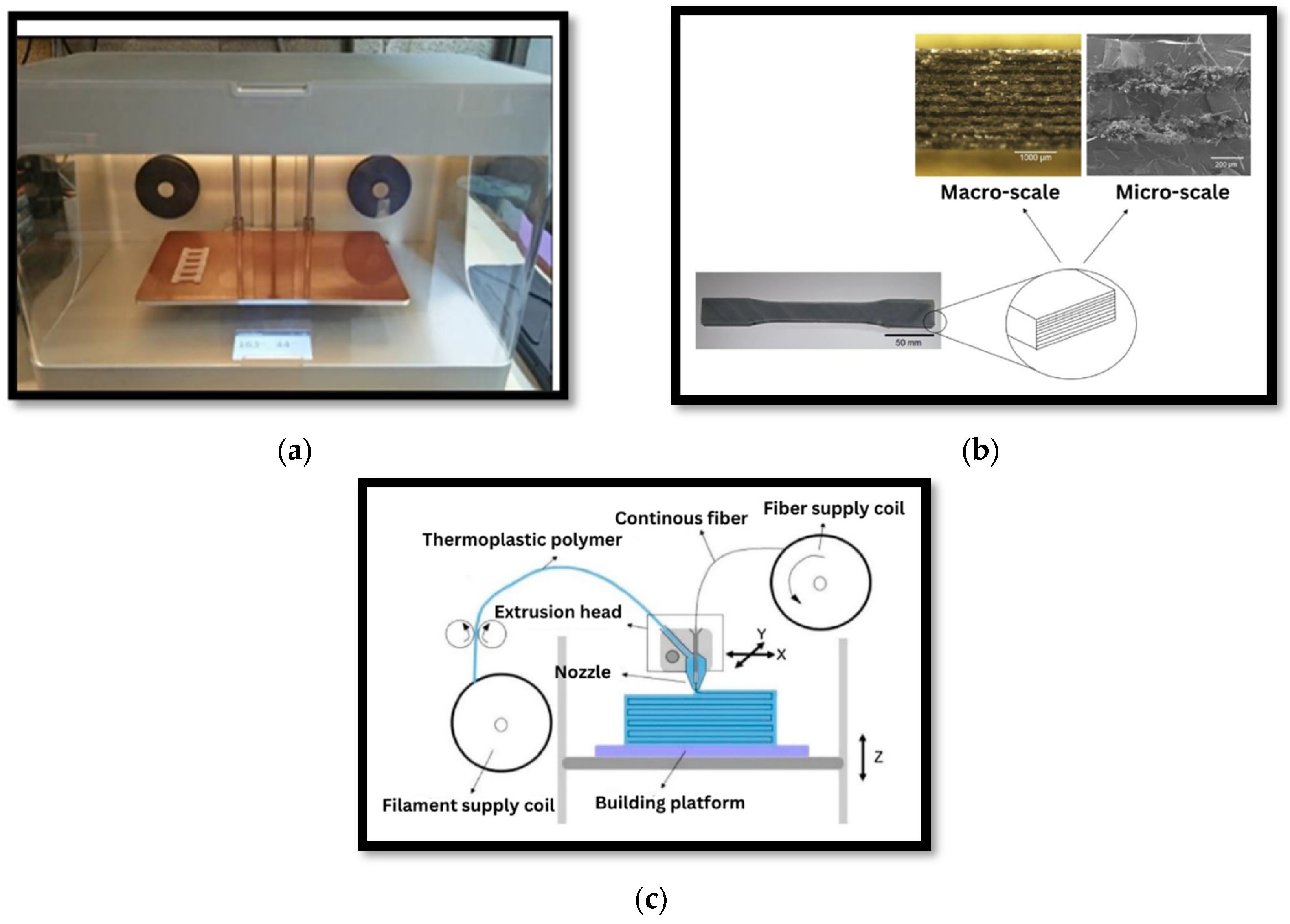
3.3. Fiber-Reinforced Composites
4. Other Important 3D Printing Materials
4.1. Smart Materials
- Shape memory alloys (SMA) are interesting metals with a fascinating ability to “remember” their original shape. Therefore, if they are distorted, they may be restored their original shape by heating or cooling. Nitinol, an alloy consisting of nickel and titanium, is a well-known shape memory material. It is included in surgical instruments and implantable medical equipment. These implants may be compressed and then heated before being inserted into the body to restore their original form and functionality.
- Ferrofluid: Ferrofluid is a substance composed of minute magnetic particles floating in a liquid. The particles align and stiffen the substance when it is exposed to a magnetic field. To accurately regulate the loudspeaker’s diaphragm’s movement, ferrofluid is frequently utilized in loudspeakers. Additionally, it could also be used to seal items.
- Magnetorheological (MR) fluids: Similar to ferrofluids, magnetorheological (MR) fluids are composed of tiny magnetizable particles. However, compared to ferrofluids, magnetorheological (MR) material particles are bigger. Brakes and adaptive damping systems frequently employ these materials.
- Electroactive polymers (EAPs): When exposed to an electrical field, EAPs, which are intelligent materials, alter their structure, size, or volume. Electroactive polymers (EAPs) are fascinating because of their remarkable flexibility, high load capacity, and quick reaction times. They can be used in soft robotics, energy harvesting technology, and artificial muscles. Electroactive polymers (EAPs) are light weight, have a low power consumption, and are compatible with various production processes, making them favorable over conventional actuators.
- Piezoelectric materials: These clever materials can convert mechanical energy into electrical energy and vice versa. They are commonly employed in sensors, actuators, transducers, and energy harvesting devices. Piezoelectric materials produce an electric charge separation when mechanical stress is applied, whereas an electric field induces mechanical deformation. While there are natural and artificial piezoelectric materials, artificial materials such as lead zirconate titanate (PZT) are commonly used due to their high sensitivity and output signals.
- Chromogenic materials: These materials have the capacity to alter their color or optical characteristics in response to a variety of external stimuli, including electric fields, heat, light, and mechanical stresses. Sunglasses with photochromic lenses, which get dark when exposed to UV light, is a well-known example. Chromogenic materials are used in security inks, temperature-sensitive paints, and smart windows, as well as a few other applications.
4.2. Ceramic Materials
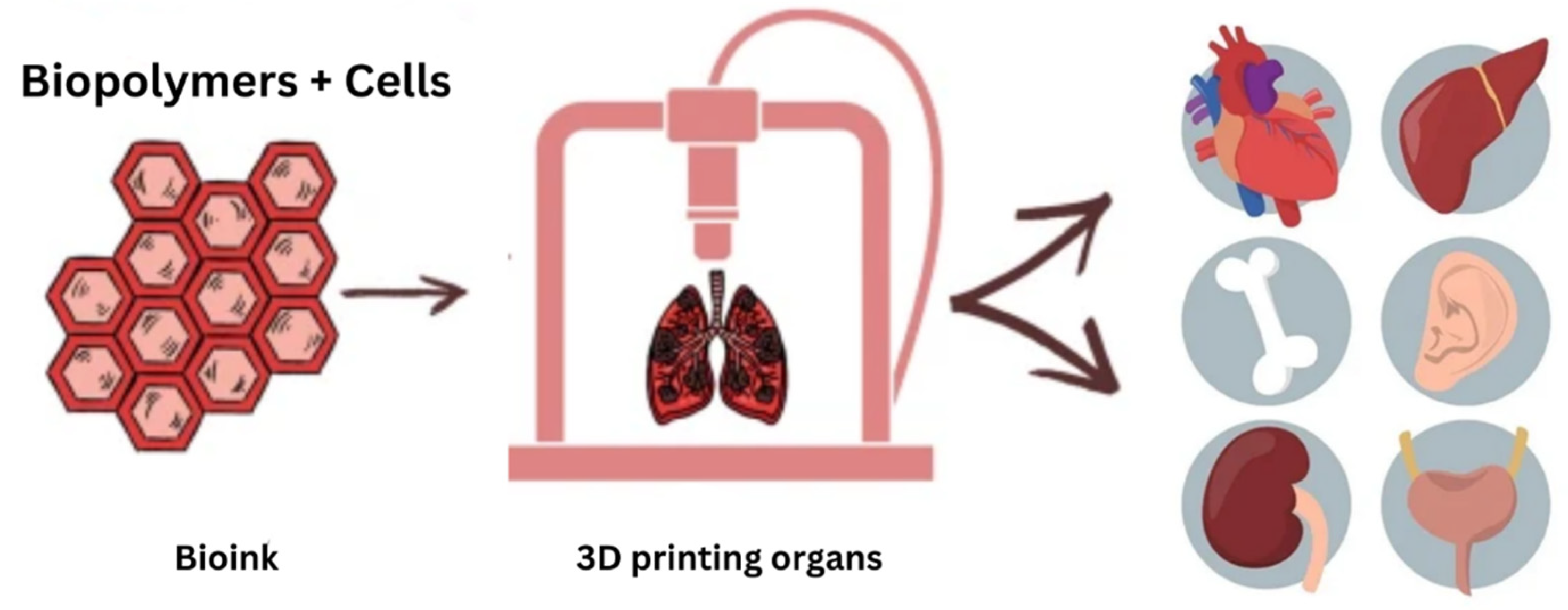
4.3. Bioink Material
5. 3D Printing Applications
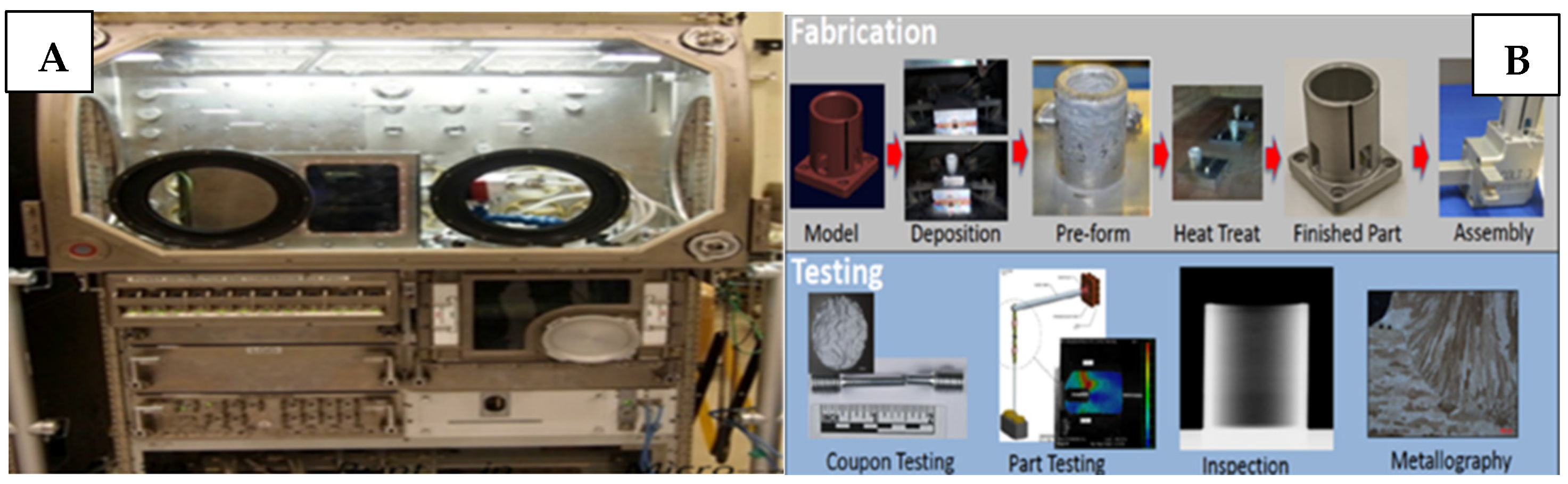
5.1. Aerospace and Defense
5.2. Biomedical and Healthcare
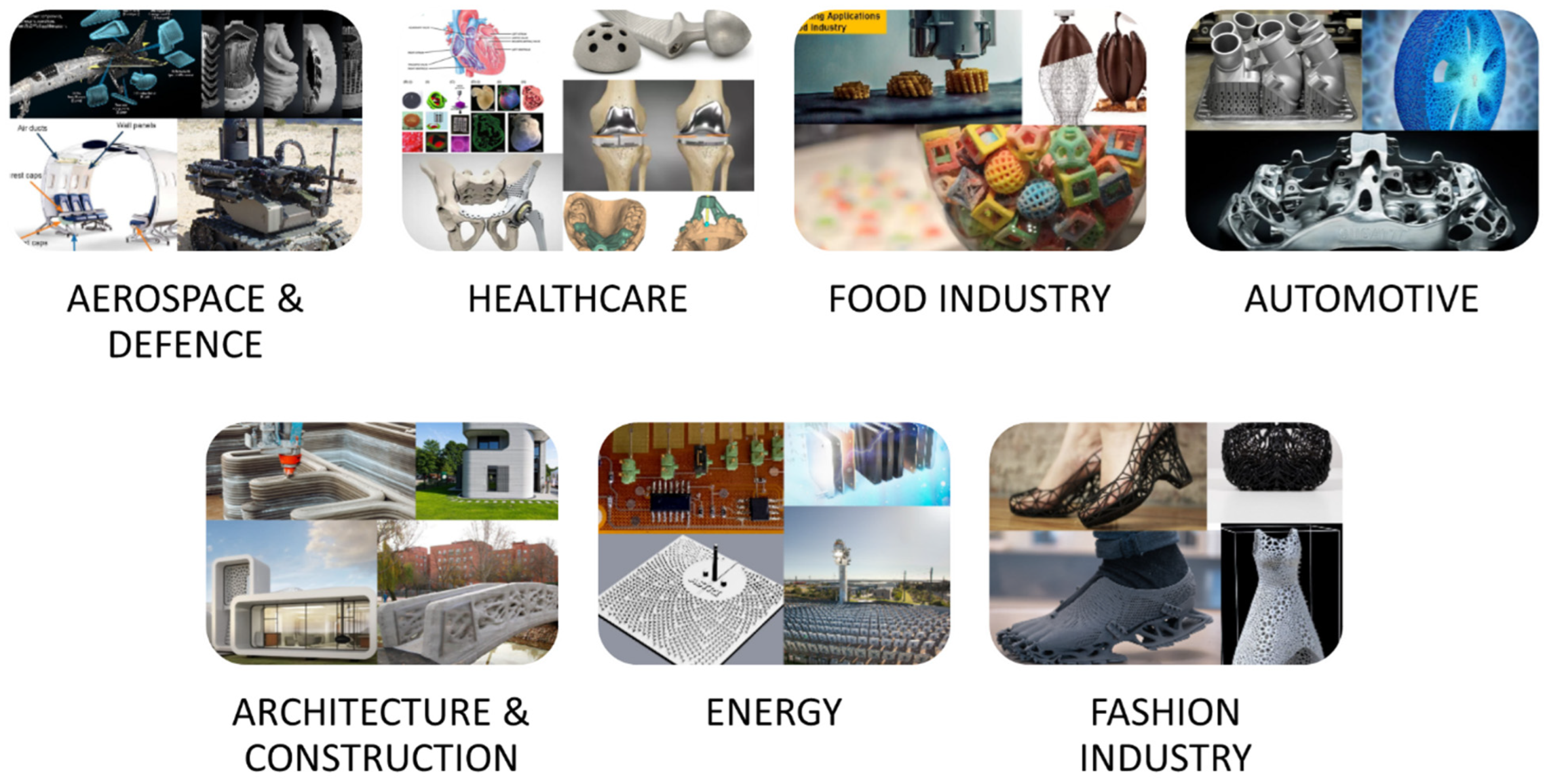
5.3. Other Applications
5.3.1. Food Industry
5.3.2. Automotive Industry
5.3.3. Architecture and Construction
5.3.4. Energy
5.3.5. Fashion Industry
6. Advancements and Limitations
6.1. Summary and Limitations
6.2. Discussion
- Applications: 3D printing technology has become commonplace in a variety of industries, including healthcare, aerospace, automotive, and manufacturing. Its major applications include rapid prototyping, tooling, and end-use part production. Furthermore, 3D printing can solve societal problems, such as food scarcity and homelessness, by enabling the government to fund the production of free foods and homes for people in need. However, the development of this technology is still in its early phases, and more research is needed to explore its full potential.
- Materials: The materials used in 3D printing technology include thermoplastics, metals, ceramics, and composites. Despite the wide range of materials available, there is still a need to develop high-strength and high-temperature materials that are more affordable. The research on materials is continuously advancing, but there is still a considerable way to go.
- The direction of research: The amount of research on 3D printing technology is consistently increasing, but limitations of the research have been acknowledged. Many studies have only focused on a limited range of materials, with insufficient information, a lack of in-depth study, and a smaller number of samples, thereby reducing the overall understanding of the consistency of the experiments. More research is needed to address these limitations and explore the potential of this trending technology.
- Cost and speed: The cost and speed of 3D printing technology remain significant challenges. While the average cost of 3D printers has decreased in recent years, the cost of materials and maintenance remains high. In addition, when compared to conventional manufacturing methods, the speed of 3D printers is still slow. More experimentation and innovation will be needed to cut prices and increase the speed of 3D printing technology.
- Sustainability: The 3D printing industry is focused on sustainability by developing eco-friendly materials and adopting circular economy models. This is a crucial area of research that desperately needs to be explored further.
6.3. Research Gap
- Limited research on high-strength and high-temperature materials that are affordable: Although there has been significant progress in the development of new materials for 3D printing, there is still a need for more research on high-strength and high-temperature materials that are more affordable for widespread use.
- Insufficient details and clarity in research studies: Many studies in the field of 3D printing technology have been criticized for providing insufficient details and clarity in their explanations. Future research should aim to provide more detailed and transparent reporting of the research methodologies and results.
- Lack of in-depth studies and smaller sample sizes: While there has been a rapid increase in the research on 3D printing, many studies have only focused on a limited range of materials, with insufficient information, lack of in-depth studies, and smaller sample sizes. Future research should aim to conduct more comprehensive studies with larger sample sizes to improve the consistency of the experiments.
- Limited research on the environmental impact of 3D printing: While there is growing interest in the potential of 3D printing technology to enable sustainable manufacturing, there is still limited research on the environmental impact of 3D printing. Future research should focus on developing eco-friendly materials and adopting circular economy models.
- Limited research on 3D printing in medical contexts: While there is potential for 3D printing technology to be used in medical contexts to lower the cost of surgeries for patients who cannot afford the current cost chain of manufacturers, sellers, hospitals, and doctors, there is still limited research in this area. Further research is needed to explore the potential applications of 3D printing technology in healthcare.
- Limited research on the societal impact of 3D printing: While there is growing interest in the potential of 3D printing technology to address societal challenges, such as food scarcity and homelessness, there is still limited research on the societal impact of 3D printing. Future research should focus on exploring the potential of 3D printing technology to enable the production of free foods and homes for people in need, and to reduce the fear and impact of poverty.
7. Conclusions and Recommendations
Author Contributions
Funding
Institutional Review Board Statement
Informed Consent Statement
Data Availability Statement
Acknowledgments
Conflicts of Interest
References
- Jakus, A.E. An Introduction to 3D Printing-Past, Present, and Future Promise. In 3D Printing in Orthopaedic Surgery; Elsevier: Amsterdam, The Netherlands, 2018; pp. 1–15. [Google Scholar] [CrossRef]
- Deshmukh, K.; Houkan, M.T.; AlMaadeed, M.A.A.; Sadasivunid, K.K. Introduction to 3D and 4D printing technology: State of the art and recent trends. In 3D and 4D Printing of Polymer Nanocomposite Materials: Processes, Applications, and Challenges; Elsevier: Amsterdam, The Netherlands, 2019; pp. 1–24. [Google Scholar] [CrossRef]
- Kabir, S.M.F.; Mathur, K.; Seyam, A.F.M. A critical review on 3D printed continuous fiber-reinforced composites: History, mechanism, materials and properties. Compos. Struct. 2020, 232, 111476. [Google Scholar] [CrossRef]
- Shabbirahmed, A.M.; Sekar, R.; Gomez, L.A.; Sekhar, M.R.; Hiruthyaswamy, S.P.; Basavegowda, N.; Somu, P. Recent Developments of Silk-Based Scaffolds for Tissue Engineering and Regenerative Medicine Applications: A Special Focus on the Advancement of 3D Printing. Biomimetics 2023, 8, 16. [Google Scholar] [CrossRef]
- Ali, M.H.; Batai, S.; Sarbassov, D. 3D printing: A critical review of current development and future prospects. Rapid Prototyp. J. 2019, 25, 1108–1126. [Google Scholar] [CrossRef]
- Huang, J.; Qin, Q.; Wang, J. A Review of Stereolithography: Processes and Systems. Processes 2020, 8, 1138. [Google Scholar] [CrossRef]
- Kuang, X.; Wu, J.; Chen, K.; Zhao, Z.; Ding, Z.; Hu, F.; Fang, D.; Qi, H.J. Grayscale digital light processing 3D printing for highly functionally graded materials. Sci. Adv. 2019, 5, eaav5790. [Google Scholar] [CrossRef]
- Dumpa, N.R.; Bandari, S.; Repka, M.A. Novel Gastroretentive Floating Pulsatile Drug Delivery System Produced via Hot-Melt Extrusion and Fused Deposition Modeling 3D Printing. Pharmaceutics 2020, 12, 52. [Google Scholar] [CrossRef]
- Kaierle, S.; Overmeyer, L.; Hoff, C.; Meier, O.; Hermsdorf, J. Development of a laser ablation process model and a disposable 3D-printed tool head for weakening thick steel sheets for the deflagration of hazardous substances. CIRP J. Manuf. Sci. Technol. 2019, 26, 94–99. [Google Scholar] [CrossRef]
- Zhang, Q.; Boniface, A.; Parashar, V.K.; Moser, C. Multiphoton polymerization using upconversion nanoparticles for adaptive high-resolution 3D printing. In Advanced Fabrication Technologies for Micro/Nano Optics and Photonics XVI; von Freymann, G., Blasco, E., Chanda, D., Eds.; SPIE: Bellingham, WA, USA, 2023; 27p. [Google Scholar] [CrossRef]
- Zhou, L.; Fu, J.; He, Y. A Review of 3D Printing Technologies for Soft Polymer Materials. Adv. Funct. Mater. 2020, 30, 2000187. [Google Scholar] [CrossRef]
- Fafenrot, S.; Grimmelsmann, N.; Wortmann, M.; Ehrmann, A. Three-dimensional (3D) printing of polymer-metal hybrid materials by fused deposition modeling. Materials 2017, 10, 1199. [Google Scholar] [CrossRef]
- Liu, Z.; Wang, Y.; Wu, B.; Cui, C.; Guo, Y.; Yan, C. A critical review of fused deposition modeling 3D printing technology in manufacturing polylactic acid parts. Int. J. Adv. Manuf. Technol. 2019, 102, 2877–2889. [Google Scholar] [CrossRef]
- Moradi, M.; Beygi, R.; Yusof, N.M.; Amiri, A.; da Silva, L.F.M.; Sharif, S. 3D Printing of Acrylonitrile Butadiene Styrene by Fused Deposition Modeling: Artificial Neural Network and Response Surface Method Analyses. J. Mater. Eng. Perform. 2023, 32, 2016–2028. [Google Scholar] [CrossRef]
- Kotomin, S.V.; Kramarev, D.V.; Obidin, I.M.; Polunin, S.V. Influence of 3D Printing Conditions of Polyethylene Terephthalate Glycol on the Mechanical Properties of Products Based on It. Polym. Sci. Ser. A 2022, 64, 617–623. [Google Scholar] [CrossRef]
- León-Calero, M.; Valés, S.C.R.; Marcos-Fernández, Á.; Rodríguez-Hernandez, J. 3D Printing of Thermoplastic Elastomers: Role of the Chemical Composition and Printing Parameters in the Production of Parts with Controlled Energy Absorption and Damping Capacity. Polymers 2021, 13, 3551. [Google Scholar] [CrossRef]
- Radzuan, N.A.M.; Khalid, N.N.; Foudzi, F.M.; Royan, N.R.R.; Sulong, A.B. Mechanical Analysis of 3D Printed Polyamide Composites under Different Filler Loadings. Polymers 2023, 15, 1846. [Google Scholar] [CrossRef]
- Vidakis, N.; Petousis, M.; David, C.N.; Sagris, D.; Mountakis, N.; Karapidakis, E. Mechanical Performance over Energy Expenditure in MEX 3D Printing of Polycarbonate: A Multiparametric Optimization with the Aid of Robust Experimental Design. J. Manuf. Mater. Process. 2023, 7, 38. [Google Scholar] [CrossRef]
- Hanitio, E.W.; Lutfhyansyah, N.R.; Efendi, B.M.; Mardiyati, Y.; Steven, S. From Electronic Waste to 3D-Printed Product, How Multiple Recycling Affects High-Impact Polystyrene (HIPS) Filament Performances. Materials 2023, 16, 3412. [Google Scholar] [CrossRef]
- Mallakpour, S.; Tabesh, F.; Hussain, C.M. A new trend of using poly(vinyl alcohol) in 3D and 4D printing technologies: Process and applications. Adv. Colloid Interface Sci. 2022, 301, 102605. [Google Scholar] [CrossRef]
- El Magri, A.; Ouassil, S.; Vaudreuil, S. Effects of printing parameters on the tensile behavior of 3D-printed acrylonitrile styrene acrylate (ASA) material in Z direction. Polym. Eng. Sci. 2022, 62, 848–860. [Google Scholar] [CrossRef]
- Nematollahi, B.; Vijay, P.; Sanjayan, J.; Nazari, A.; Xia, M.; Nerella, V.N.; Mechtcherine, V. Effect of Polypropylene Fibre Addition on Properties of Geopolymers Made by 3D Printing for Digital Construction. Materials 2018, 11, 2352. [Google Scholar] [CrossRef]
- Galeja, M.; Wypiór, K.; Wachowicz, J.; Kędzierski, P.; Hejna, A.; Marć, M.; Klewicz, K.; Gabor, J.; Okła, H.; Swinarew, A.S. POM/EVA Blends with Future Utility in Fused Deposition Modeling. Materials 2020, 13, 2912. [Google Scholar] [CrossRef]
- Kannan, S.; Ramamoorthy, M. Mechanical characterization and experimental modal analysis of 3D Printed ABS, PC and PC-ABS materials. Mater. Res. Express 2020, 7, 015341. [Google Scholar] [CrossRef]
- Polzin, C.; Spath, S.; Seitz, H. Characterization and evaluation of a PMMA-based 3D printing process. Rapid Prototyp. J. 2013, 19, 37–43. [Google Scholar] [CrossRef]
- Gadagi, B.; Lekurwale, R. A review on advances in 3D metal printing. Mater. Today Proc. 2021, 45, 277–283. [Google Scholar] [CrossRef]
- Sampath, V.K.; Silori, P.; Paradkar, P.; Niauzorau, S.; Sharstniou, A.; Hasib, A.; Villalobos, S.; Azeredo, B. 3d printing of stainless steel 316L and its weldability for corrosive environments. Mater. Sci. Eng. A 2022, 833, 142439. [Google Scholar] [CrossRef]
- Rajan, K.M.; Sahoo, A.K.; Routara, B.C.; Panda, A.; Kumar, R. A review on various approaches of 3D printing of Ti-Alloy. Mater. Today Proc. 2022, 62, 3865–3868. [Google Scholar] [CrossRef]
- Hua, L.; Lei, T.; Qian, H.; Zhang, Y.; Hu, Y.; Lei, P. 3D-printed porous tantalum: Recent application in various drug delivery systems to repair hard tissue defects. Expert Opin. Drug Deliv. 2021, 18, 625–634. [Google Scholar] [CrossRef]
- Baranowski, M.; Senkara, J. Mechanical Properties of Structural Components in Hastelloy X Joints Brazed with Ni-Pd-Cr-B-Si Alloy. Materials 2023, 16, 1115. [Google Scholar] [CrossRef]
- Pan, S.-H.; Yao, G.-C.; Cui, Y.-N.; Meng, F.-S.; Luo, C.; Zheng, T.-Q.; Singh, G. Additive manufacturing of tungsten, tungsten-based alloys, and tungsten matrix composites. Tungsten 2023, 5, 1–31. [Google Scholar] [CrossRef]
- AMCM. AMCM M 4K Large Scale, High Productivity System for Demanding AM Applications. 1 Meter Building Height with up to 4 × 1000 W Laser Power. Available online: https://amcm.com/machines/amcm-m4k (accessed on 19 February 2023).
- Malekjafarian, A.; OBrien, E.J.; Micu, L.A. Investigation of Buckling Capacity of Metal Materials Manufactured by Laser 3D Printing. Procedia Manuf. 2017, 7, 696–700. [Google Scholar] [CrossRef]
- Jafari, D.; Wits, W.W.; Geurts, B.J. Metal 3D-printed wick structures for heat pipe application: Capillary performance analysis. Appl. Eng. 2018, 143, 403–414. [Google Scholar] [CrossRef]
- Ramesh, R.; Prasanth, A.S.; Krishna, R.; Koushiksundaram, K.; Mozhiselvan, R.A.; Roy, A. Experimental and numerical analysis of compression behaviour of 3D printed metal foams. J. Phys. Conf. Ser. 2020, 1706, 012213. [Google Scholar] [CrossRef]
- Kumar, K.P.A.; Ghosh, K.; Alduhaish, O.; Pumera, M. Metal-plated 3D-printed electrode for electrochemical detection of carbohydrates. Electrochem. Commun. 2020, 120, 106827. [Google Scholar] [CrossRef]
- Woods, B.K.S.; Yu, H.N.; Longana, M.; Potter, K. 3D Printed Composites—Benchmarking the State-of-the-Art, University of Bristol. 2017. Available online: https://research-information.bris.ac.uk/en/publications/3d-printed-composites-benchmarking-the-state-of-the-art (accessed on 26 May 2023).
- Khosravani, M.R.; Zolfagharian, A.; Jennings, M.; Reinicke, T. Structural performance of 3D-printed composites under various loads and environmental conditions. Polym. Test. 2020, 91, 106770. [Google Scholar] [CrossRef]
- Yang, D.; Wu, K.; Wan, L.; Sheng, Y. A particle element approach for modelling the 3d printing process of fibre reinforced polymer composites. J. Manuf. Mater. Process. 2017, 1, 10. [Google Scholar] [CrossRef]
- Mark Forged. High Temperature Materials—HSHT Fiberglass. Available online: https://markforged.com/resources/blog/announcing-high-temperature-materials-hsht-fiberglass (accessed on 19 February 2023).
- Dickson, A.N.; Barry, J.N.; McDonnell, K.A.; Dowling, D.P. Fabrication of continuous carbon, glass and Kevlar fibre reinforced polymer composites using additive manufacturing. Addit. Manuf. 2017, 16, 146–152. [Google Scholar] [CrossRef]
- Vemuganti, S.; Soliman, E.; Taha, M.R. 3D-printed pseudo ductile fiber-reinforced polymer (FRP) composite using discrete fiber orientations. Fibers 2020, 8, 53. [Google Scholar] [CrossRef]
- He, Q.; Wang, H.; Fu, K.; Ye, L. 3D printed continuous CF/PA6 composites: Effect of microscopic voids on mechanical performance. Compos. Sci. Technol. 2020, 191, 108077. [Google Scholar] [CrossRef]
- Baumann, F.; Scholz, J.; Fleischer, J. Investigation of a New Approach for Additively Manufactured Continuous Fiber-reinforced Polymers. Procedia CIRP 2017, 66, 323–328. [Google Scholar] [CrossRef]
- Mohammadizadeh, M.; Fidan, I. Tensile Performance of 3D-Printed Continuous Fiber-Reinforced Nylon Composites. J. Manuf. Mater. Process. 2021, 5, 68. [Google Scholar] [CrossRef]
- Krajangsawasdi, N.; Blok, L.G.; Hamerton, I.; Longana, M.L.; Woods, B.K.S.; Ivanov, D.S. Fused Deposition Modelling of Fibre Reinforced Polymer Composites: A Parametric Review. J. Compos. Sci. 2021, 5, 29. [Google Scholar] [CrossRef]
- Khoo, Z.X.; Teoh, J.E.M.; Liu, Y.; Chua, C.K.; Yang, S.; An, J.; Leong, K.F.; Yeong, W.Y. 3D printing of smart materials: A review on recent progresses in 4D printing. Virtual Phys. Prototype 2015, 10, 103–122. [Google Scholar] [CrossRef]
- Zhang, Z.; Demir, K.G.; Gu, G.X. Developments in 4D-printing: A review on current smart materials, technologies, and applications. Int. J. Smart Nano Mater. 2019, 10, 205–224. [Google Scholar] [CrossRef]
- Chen, Z.; Li, Z.; Li, J.; Liu, C.; Lao, C.; Fu, Y.; Liu, C.; Li, Y.; Wang, P.; He, Y. 3D printing of ceramics: A review. J. Eur. Ceram. Soc. 2019, 39, 661–687. [Google Scholar] [CrossRef]
- Mohammadrezaei, D.; Moghimi, N.; Vandvajdi, S.; Powathil, G.; Hamis, S.; Kohandel, M. Predicting and elucidating the post-printing behavior of 3D printed cancer cells in hydrogel structures by integrating in-vitro and in-silico experiments. Sci. Rep. 2023, 13, 1211. [Google Scholar] [CrossRef] [PubMed]
- Werkheiser, N. In-Space Manufacturing Project Manager Marshall Space Flight Center NIKI.WERKHEISER@NASA.GOV. Available online: https://ntrs.nasa.gov/api/citations/20150002612/downloads/20150002612.pdf (accessed on 25 May 2023).
- Gradl, P.R.; Protz, C.; Greene, S.E.; Ellis, D.; Lerch, B.; Locci, I. Development and Hot-fire Testing of Additively Manufactured Copper Combustion Chambers for Liquid Rocket Engine Applications. In 53rd AIAA/SAE/ASEE Joint Propulsion Conference; American Institute of Aeronautics and Astronautics: Reston, VA, USA, 2017. [Google Scholar] [CrossRef]
- Yu, X.; Yu, H.; Zhang, W.; DeLuca, L.T.; Shen, R. Effect of Penetrative Combustion on Regression Rate of 3D Printed Hybrid Rocket Fuel. Aerospace 2022, 9, 696. [Google Scholar] [CrossRef]
- Grefen, B.; Becker, J.; Linke, S.; Stoll, E. Design, production and evaluation of 3d-printed mold geometries for a hybrid rocket engine. Aerospace 2021, 8, 220. [Google Scholar] [CrossRef]
- Deters, J. 3d-Printing Impacts on Systems Engineering in Defense Industry. In Additive Manufacturing Handbook; CRC Press: Boca Raton, FL, USA, 2015. [Google Scholar]
- Joshi, S.C.; Sheikh, A.A. 3D printing in aerospace and its long-term sustainability. Virtual Phys. Prototyp. 2015, 10, 175–185. [Google Scholar] [CrossRef]
- Yan, Q.; Dong, H.; Su, J.; Han, J.; Song, B.; Wei, Q.; Shi, Y. A Review of 3D Printing Technology for Medical Applications. Engineering 2018, 4, 729–742. [Google Scholar] [CrossRef]
- Vlasman, C. The Modular Body. Available online: https://nextnature.net/projects/the-modular-body (accessed on 25 May 2023).
- Chua, K.; Khan, I.; Malhotra, R.; Zhu, D. Additive manufacturing and 3D printing of metallic biomaterials. Eng. Regen. 2021, 2, 288–299. [Google Scholar] [CrossRef]
- Nagib, R.; Farkas, A.Z.; Szuhanek, C. FEM Analysis of Individualized Polymeric 3D Printed Guide for Orthodontic Mini-Implant Insertion as Temporary Crown Support in the Anterior Maxillary Area. Polymers 2023, 15, 879. [Google Scholar] [CrossRef]
- Zhao, M.; Yang, D.; Fan, S.; Yao, X.; Wang, J.; Zhu, M.; Zhang, Y. 3D-Printed Strong Dental Crown with Multi-Scale Ordered Architecture, High-Precision, and Bioactivity. Adv. Sci. 2022, 9, 2104001. [Google Scholar] [CrossRef] [PubMed]
- Nachal, N.; Moses, J.A.; Karthik, P.; Anandharamakrishnan, C. Applications of 3D Printing in Food Processing. Food Eng. Rev. 2019, 11, 123–141. [Google Scholar] [CrossRef]
- Tuazon, B.J.; Custodio, N.A.V.; Basuel, R.B.; Reyes, L.A.D.; Dizon, J.R.C. 3D Printing Technology and Materials for Automotive Application: A Mini-Review. Key Eng. Mater. 2022, 913, 3–16. [Google Scholar] [CrossRef]
- El-Sayegh, S.; Romdhane, L.; Manjikian, S. A critical review of 3D printing in construction: Benefits, challenges, and risks. Arch. Civ. Mech. Eng. 2020, 20, 34. [Google Scholar] [CrossRef]
- Ruiz-Morales, J.C.; Tarancón, A.; Canales-Vázquez, J.; Méndez-Ramos, J.; Hernández-Afonso, L.; Acosta-Mora, P.; Rueda, J.R.M.; Fernández-González, R. Three dimensional printing of components and functional devices for energy and environmental applications. Energy Environ. Sci. 2017, 10, 846–859. [Google Scholar] [CrossRef]
- Xiao, Y.Q.; Kan, C.W. Review on Development and Application of 3D-Printing Technology in Textile and Fashion Design. Coatings 2022, 12, 267. [Google Scholar] [CrossRef]
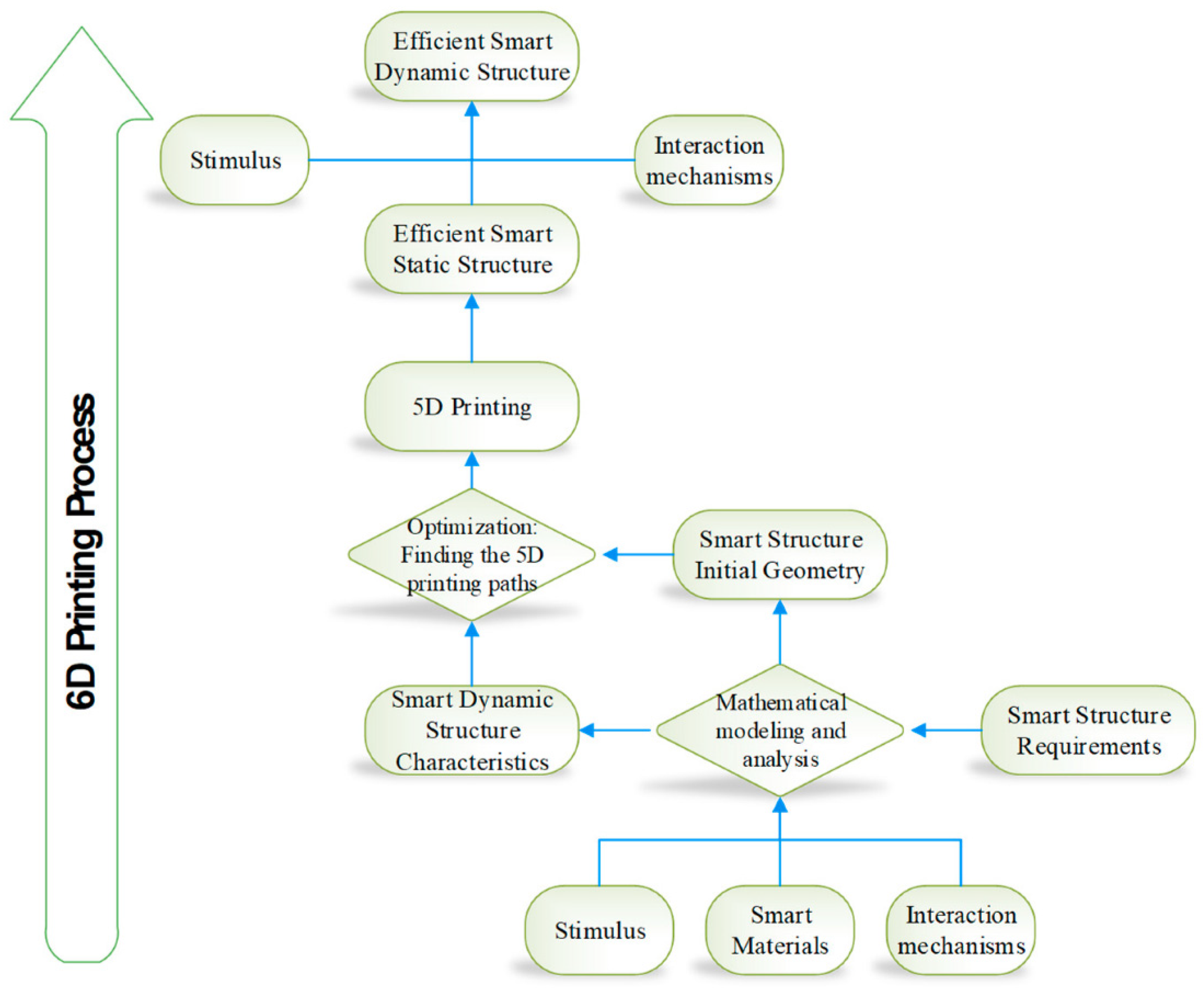
- Georgantzinos, S.K.; Giannopoulos, G.I.; Bakalis, P.A. Additive manufacturing for effective smart structures: The idea of 6d printing. J. Compos. Sci. 2021, 5, 119. [Google Scholar] [CrossRef]
- Lee, J.Y.; Tan, W.S.; An, J.; Chua, C.K.; Tang, C.Y.; Fane, A.G.; Chong, T.H. The potential to enhance membrane module design with 3D printing technology. J. Membr. Sci. 2016, 499, 480–490. [Google Scholar] [CrossRef]
- Balogun, H.A.; Sulaiman, R.; Marzouk, S.S.; Giwa, A.; Hasan, S.W. 3D printing and surface imprinting technologies for water treatment: A review. J. Water Process Eng. 2019, 31, 100786. [Google Scholar] [CrossRef]
- Zhang, Y.; Zhang, F.; Yan, Z.; Ma, Q.; Li, X.; Huang, Y.; Rogers, J.A. Printing, folding and assembly methods for forming 3D mesostructures in advanced materials. Nat. Rev. Mater. 2017, 2, 17019. [Google Scholar] [CrossRef]
- Costa, C.M.; Gonçalves, R.; Lanceros-Méndez, S. Recent advances and future challenges in printed batteries. Energy Storage Mater. 2020, 28, 216–234. [Google Scholar] [CrossRef]
- Tay, Y.W.D.; Panda, B.; Paul, S.C.; Mohamed, N.A.N.; Tan, M.J.; Leong, K.F. 3D printing trends in building and construction industry: A review. Virtual Phys. Prototyp. 2017, 12, 261–276. [Google Scholar] [CrossRef]
- Munina, I.; Grigoriev, I.; O’Donnell, G.; Trimble, D. A review of 3D printed gradient refractive index lens antennas. IEEE Access 2023, 11, 8790–8809. [Google Scholar] [CrossRef]
- Jeong, H.; Kim, D.; Kim, G.; Kim, S. “VitRad: A low-cost continuous wave Doppler radar system with 3D-printed horn antennas for human vital sign detection,”. HardwareX 2022, 12, e00361. [Google Scholar] [CrossRef] [PubMed]
- Goh, G.D.; Dikshit, V.; Nagalingam, A.P.; Goh, G.L.; Agarwala, S.; Sing, S.L.; Wei, J.; Yeong, W.Y. Characterization of mechanical properties and fracture mode of additively manufactured carbon fiber and glass fiber reinforced thermoplastics. Mater. Des. 2018, 137, 79–89. [Google Scholar] [CrossRef]
- Yamawaki, M.; Kouno, Y. Fabrication and mechanical characterization of continuous carbon fiber-reinforced thermoplastic using a preform by three-dimensional printing and via hot-press molding. Adv. Compos. Mater. 2018, 27, 209–219. [Google Scholar] [CrossRef]
- Al Abadi, H.; Thai, H.T.; Paton-Cole, V.; Patel, V.I. Elastic properties of 3D printed fibre-reinforced structures. Compos. Struct. 2018, 193, 8–18. [Google Scholar] [CrossRef]
- Yao, T.; Deng, Z.; Zhang, K.; Li, S. A method to predict the ultimate tensile strength of 3D printing polylactic acid (PLA) materials with different printing orientations. Compos. B Eng. 2019, 163, 393–402. [Google Scholar] [CrossRef]
- Adumitroaie, A.; Antonov, F.; Khaziev, A.; Azarov, A.; Golubev, M.; Vasiliev, V.V. Novel continuous fiber bi-matrix composite 3-D printing technology. Materials 2019, 12, 3011. [Google Scholar] [CrossRef]
- Forcellese, A.; di Pompeo, V.; Simoncini, M.; Vita, A. Manufacturing of isogrid composite structures by 3D printing. Procedia Manuf. 2020, 47, 1096–1100. [Google Scholar] [CrossRef]
- Polyzos, E.; Katalagarianakis, A.; Polyzos, D.; Van Hemelrijck, D.; Pyl, L. A multi-scale analytical methodology for the prediction of mechanical properties of 3D-printed materials with continuous fibres. Addit. Manuf. 2020, 36, 101394. [Google Scholar] [CrossRef]
- Zhang, H.; Dickson, A.N.; Sheng, Y.; McGrail, T.; Dowling, D.P.; Wang, C.; Neville, A.; Yang, D. Failure analysis of 3D printed woven composite plates with holes under tensile and shear loading. Compos. B Eng. 2020, 186, 107835. [Google Scholar] [CrossRef]
- Todoroki, A.; Oasada, T.; Mizutani, Y.; Suzuki, Y.; Ueda, M.; Matsuzaki, R.; Hirano, Y. Tensile property evaluations of 3D printed continuous carbon fiber reinforced thermoplastic composites. Adv. Compos. Mater. 2020, 29, 147–162. [Google Scholar] [CrossRef]
- Dou, H.; Cheng, Y.; Ye, W.; Zhang, D.; Li, J.; Miao, Z.; Rudykh, S. Effect of process parameters on tensile mechanical properties of 3D printing continuous carbon fiber-reinforced PLA composites. Materials 2020, 13, 3850. [Google Scholar] [CrossRef]
- Pascual-González, C.; Iragi, M.; Fernández, A.; Fernández-Blázquez, J.P.; Aretxabaleta, L.; Lopes, C.S. An approach to analyse the factors behind the micromechanical response of 3D-printed composites. Compos. B Eng. 2020, 186, 107820. [Google Scholar] [CrossRef]
- Sugiyama, K.; Matsuzaki, R.; Malakhov, A.V.; Polilov, A.N.; Ueda, M.; Todoroki, A.; Hirano, Y. 3D printing of optimized composites with variable fiber volume fraction and stiffness using continuous fiber. Compos. Sci. Technol. 2020, 186, 107905. [Google Scholar] [CrossRef]
- Wei, X.; Behm, I.; Winkler, T.; Scharf, S.; Li, X.; Bähr, R. Experimental Study on Metal Parts under Variable 3D Printing and Sintering Orientations Using Bronze/PLA Hybrid Filament Coupled with Fused Filament Fabrication. Materials 2022, 15, 5333. [Google Scholar] [CrossRef] [PubMed]
- Koh, H.K.; Moo, J.G.S.; Sing, S.L.; Yeong, W.Y. Use of Fumed Silica Nanostructured Additives in Selective Laser Melting and Fabrication of Steel Matrix Nanocomposites. Materials 2022, 15, 1869. [Google Scholar] [CrossRef]
- Kogo, B.; Xu, C.; Wang, B.; Chizari, M.; Kashyzadeh, K.R.; Ghorbani, S. An Experimental Analysis to Determine the Load-Bearing Capacity of 3D Printed Metals. Materials 2022, 15, 4333. [Google Scholar] [CrossRef]
- Karolewska, K.; Ligaj, B. Comparison analysis of titanium alloy Ti6Al4V produced by metallurgical and 3D printing method. In AIP Conference Proceedings; American Institute of Physics Inc.: Melville, NY, USA, 2019. [Google Scholar] [CrossRef]
- Król, M.; Snopiński, P.; Hajnyš, J.; Pagáč, M.; Łukowiec, D. Selective laser melting of 18Ni-300 maraging steel. Materials 2020, 13, 4268. [Google Scholar] [CrossRef]
- Mergulhão, M.V.; Podestá, C.E.; das Neves, M.D.M. Mechanical properties and microstructural characterization of cobalt-chromium (CoCr) obtained by casting and selective laser melting (SLM). In Materials Science Forum; Trans Tech Publications Ltd.: Bäch, Switzerland, 2017; pp. 534–539. [Google Scholar] [CrossRef]
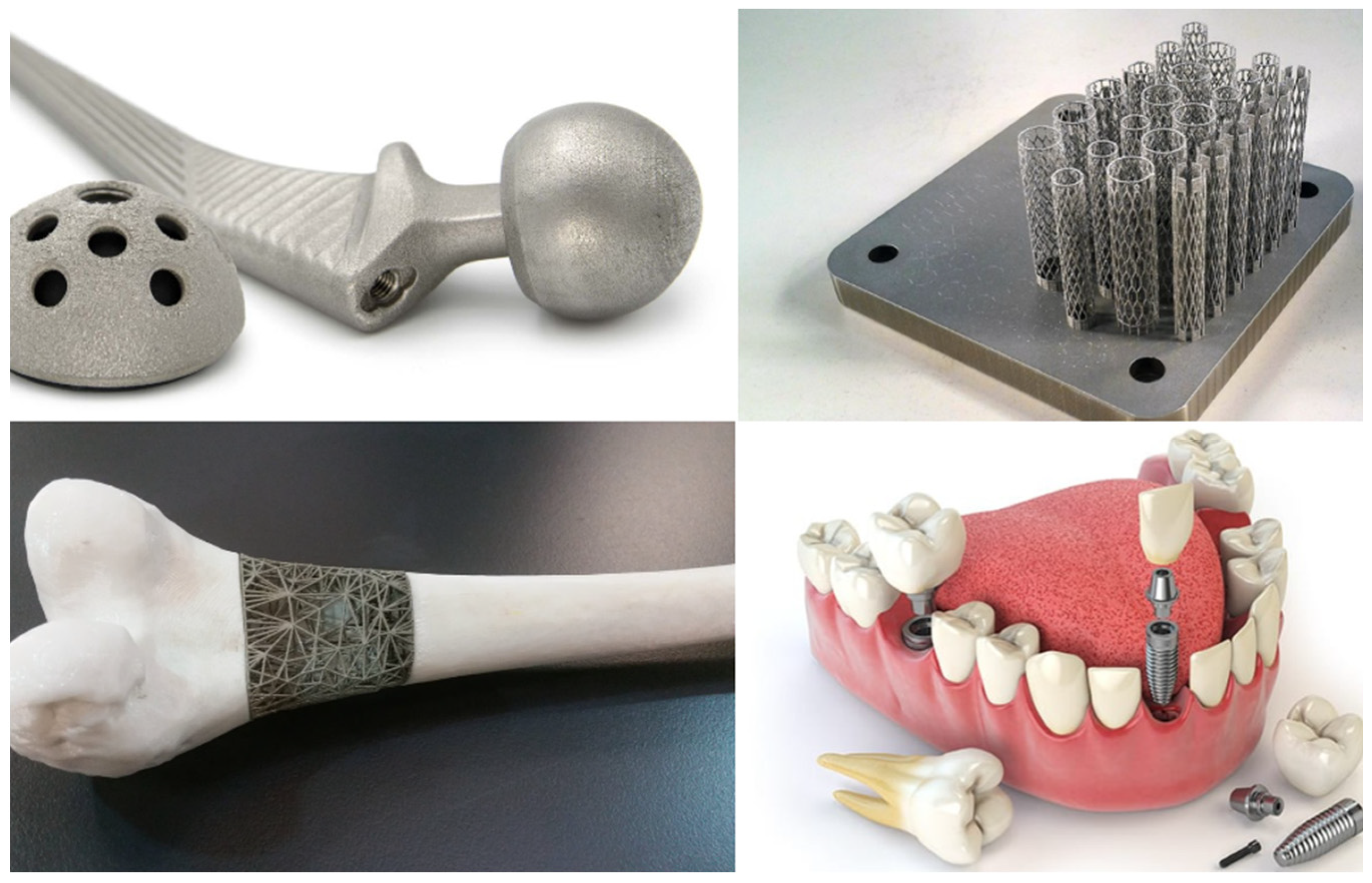
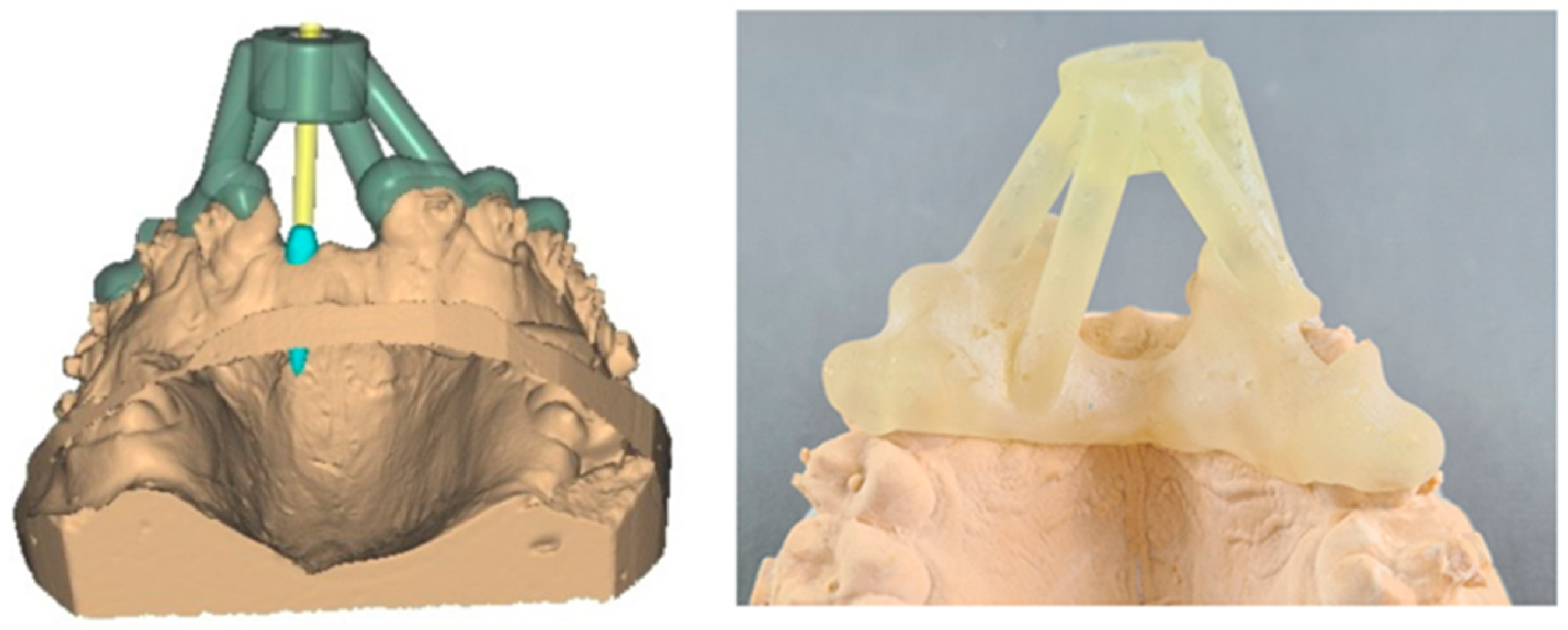


| Ref. | Focus | Technic Adopted | Limitations |
|---|---|---|---|
| Malekjafarian et al. [33] | Metallic materials created using 3D printing with lasers can resist bending. | Data analysis of the metal material. | The bending behavior could have an impact on 3D-printed metal parts by limiting their strength and durability during manufacturing. |
| Jafari et al. [34] | Testing of 3D-printed metal filaments heat transfer pipes. | Additive manufacturing for stainless steel porous structures followed by running liquid through those pores to measure the time. | Limited sample size, and a lack of generalizability to the other materials. |
| Ramesh et al. [35] | How 3D-printed metal foams behave when they are compressed. | Selective laser sintering to print the metal; used both experimental and numerical methods. | Comparison of the metal foams. |
| Yang et al. [39] | 3D Printing of fiber-reinforced polymer composites. | Concentrated on fused deposition modeling and a discrete element technique. | 2D model. |
| Dickson et al. [41] | Carbon, Kevlar, and glass fiber-reinforced polymers. | FDM technology was used for 3D printing and a mechanical test. | Material combinations were subject to change and the volume fraction could change. |
| Vemuganti et al. [42] | A laminate of fiber-glass-reinforced composite from multiple angles. | 3D finite element (FE) model and experiments. | The impact of the interlaminar bonding capacity controlled by 3D printing. |
| He et al. [43] | Impact of voids or cracks on 3D-printed continuous fiber-reinforced polymers. | Micro-CT and optical microscopy. | Root cause of the void formation during the 3D printing process. |
| Baumann et al. [44] | A continuous fiber-reinforced polymer. | Experimental technique. | Overprinting of the fiber strands, placement of the fiber strands through a needle. |
| Grefen et al. [54] | Potential of creating molds for the complicated shapes required in hybrid rocket engines. | 3D printer to create different shapes of fuel blocks. | Further research and testing are required to determine whether it works well. |
| Nagib et al. [60] | Examining the polymeric 3D printing guides for orthopedic implants. | FE method for performing the simulation to analyze the problem. | More research was needed with different operators, to ensure the strength of the guide and that it will work in different situations. |
| Zhao et al. [61] | Dental crowns with a highly ordered structure that mimics the multi-scale structure of natural tooth enamel. | 3D printing and direct ink writing. | Limited to different materials. |
| Munina et al. [73] | Application of lens antennas with a specific feature known as the “gradient refractive index” | Fused deposition modeling technique to produce the complex structure of the antenna. | Impacted the performance of the antennas at higher frequencies. |
| Jeong et al. [74] | A low-cost radar system to detect the vital signs of a person. | The experimental method, signal processing with electrical components, and data analysis using the MATLAB software. | Lack of detailed information about the design and fabrication process of the gradient refractive index lens antennas. |
| Goh et al. [75] | Characterization of mechanical properties of additively built carbon fiber and glass fire-reinforced thermoplastics. | Experimentation with fused filament fabrication (FFF) 3D printing from Stratasys. | Experimental approach. |
| Yamawaki et al. [76] | Fabrication and mechanical characterization of continuous carbon fiber-reinforced thermoplastics. | Mechanical characteristics were measured. | Possibility to conduct a parametric investigation and numerical simulation. |
| Abadi et al. [77] | Elastic characteristics of 3D-printed fiber-reinforced polymer (FRP) structures. | Method of analytical volume average stiffness (VAS) and Numerical Abaqus. | Limited to 2D models. |
| Yao et al. [78] | Ultimate tensile strength of polylactic acid (PLA) materials. | Experimental work specimens with different thicknesses and different angles of printing. | Could determine the angle at which the interlayer or inlayer fracture occurs. |
| Adumitroe et al. [79] | Composite microstructure and the performance of 3D-printed materials. | Toughened semi-interpenetrating polymer network—thermoplastic polymer bi-matrix composite FFF technology. | Could utilize high-temperature epoxy or TS polymers for high durability and mechanical strength. |
| Forcellese et al. [80] | 3D printing of isogrid structures. | Experimental fused filament fabrication (FFF) printing and testing. | Polyamide reinforced with short carbon fibers were manufactured; only compression test. |
| Polyzos et al. [81] | Mechanical properties of 3D-printed materials with continuous fibers using the multi-scale analytical technique. | Experimental and multi-scale analytical technique. | The analytical method predicted the stress or strain from the addition of cross-wood laminates while considering the failure conditions and remaining hygrothermal stresses. |
| Zhang et al. [82] | Failure of weaved composite plates with holes under tensile and shear stresses. | The finite element software to predict and analyze the failure of 3D-printed weaved plates. | 3D printing could be used for manufacturing continuous fiber-reinforced composites. |
| Todoroki et al. [83] | Tensile properties of composites reinforced with continuous carbon fibers using thermoplastics. | Experimental tensile test with different orientations. | Only the fiber direction was considered during the tensile test. |
| Dou et al. [84] | Process parameters of 3D printing continuous CFRP composites. | Experimental 3D printing and specimen test. | Enhancing the point of contact between the carbon fiber and the matrix component. |
| Pascual-González et al. [85] | Influencing variables in the microstructural reaction. | Experimental method. | Micromechanical behavior of the 3D-printed composite. |
| Sugiyama et al. [86] | Continuous fibers to 3D print composites with varying stiffnesses and fibers. | Experimental approach. | Could increase the strength and stiffness of the samples by improving the design and using an appropriate filament-cutting mechanism. |
| Wei et al. [87] | Arrangement of various 3D printing methods that affect the properties. | 3D printing and tensile testing. | Factors such as chemical composition and microstructure were not considered. |
| Koh et al. [88] | Adding nano bits of fumed silica to 3D printing to make stronger steel parts. | Used the SLM technique to fabricate the specimens. | The results were based on a small number of samples, and there was no consistency in the sample outcomes. |
| Kogo et al. [89] | Amount of weight 3D-printed metals can hold without breaking. | Additive manufacturing and mechanical tests. | The scanning strategy utilized in the study may not have been appropriate or optimal. |
| Karolewska et al. [90] | Testing titanium alloy and observing its strength while the load is stable. | SLM method to print the titanium alloy. | Lack of consistency in reporting the important parameters and the influence of the factors. |
| Król et al. [91] | Experimenting with 3D printing maraging steel and investigating various parameters. | Selective laser melting to print the steel and examine the part porosity, microstructure, and hardness test. | The lack of information on the impact of the temperature and ageing time on the maraging steel. |
| Mergulhão et al. [92] | The strength and structure of cobalt–chromium (Co–Cr) alloy. | 3D-printed cobalt–chromium alloy was used for selective laser melting and further tests. | The mechanical characteristics or microstructures of the samples changed between the SLM and casting techniques. |
Disclaimer/Publisher’s Note: The statements, opinions and data contained in all publications are solely those of the individual author(s) and contributor(s) and not of MDPI and/or the editor(s). MDPI and/or the editor(s) disclaim responsibility for any injury to people or property resulting from any ideas, methods, instructions or products referred to in the content. |
© 2023 by the authors. Licensee MDPI, Basel, Switzerland. This article is an open access article distributed under the terms and conditions of the Creative Commons Attribution (CC BY) license (https://creativecommons.org/licenses/by/4.0/).
Share and Cite
Iftekar, S.F.; Aabid, A.; Amir, A.; Baig, M. Advancements and Limitations in 3D Printing Materials and Technologies: A Critical Review. Polymers 2023, 15, 2519. https://doi.org/10.3390/polym15112519
Iftekar SF, Aabid A, Amir A, Baig M. Advancements and Limitations in 3D Printing Materials and Technologies: A Critical Review. Polymers. 2023; 15(11):2519. https://doi.org/10.3390/polym15112519
Chicago/Turabian StyleIftekar, Syed Fouzan, Abdul Aabid, Adibah Amir, and Muneer Baig. 2023. "Advancements and Limitations in 3D Printing Materials and Technologies: A Critical Review" Polymers 15, no. 11: 2519. https://doi.org/10.3390/polym15112519
APA StyleIftekar, S. F., Aabid, A., Amir, A., & Baig, M. (2023). Advancements and Limitations in 3D Printing Materials and Technologies: A Critical Review. Polymers, 15(11), 2519. https://doi.org/10.3390/polym15112519