Article

Sulphate Corrosion Mechanism of Ultra-High-Performance Concrete (UHPC) Prepared with Seawater and Sea Sand
1
Key Laboratory of Marine Environmental Corrosion and Bio-Fouling, Institute of Oceanology, Chinese Academy of Sciences, Qingdao 266071, China
2
University of Chinese Academy of Sciences, 19 A Yuquan Road, Beijing 100049, China
3
College of Mechanics and Materials, Hohai University, Nanjing 210098, China
4
College of the Environment, Hohai University, Nanjing 210098, China
5
College of Chemistry and Molecular Engineering, Qingdao University of Science and Technology, Qingdao 266071, China
*
Authors to whom correspondence should be addressed.
Polymers 2022, 14(5), 971; https://doi.org/10.3390/polym14050971
Submission received: 7 February 2022 / Revised: 21 February 2022 / Accepted: 24 February 2022 / Published: 28 February 2022
(This article belongs to the Topic Innovative Construction and Building Materials)

Abstract

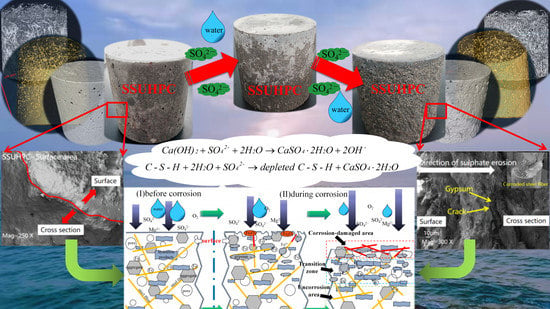
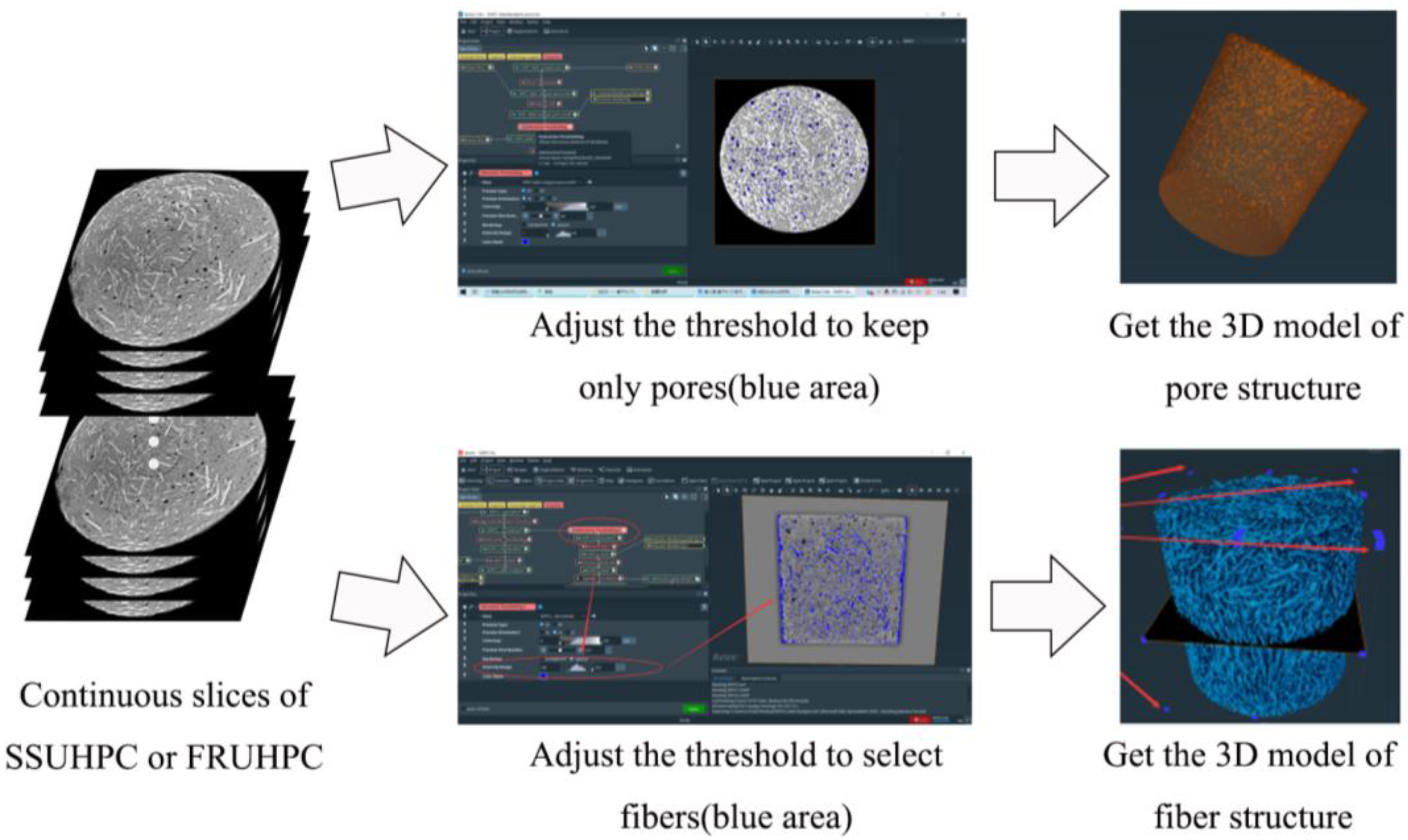
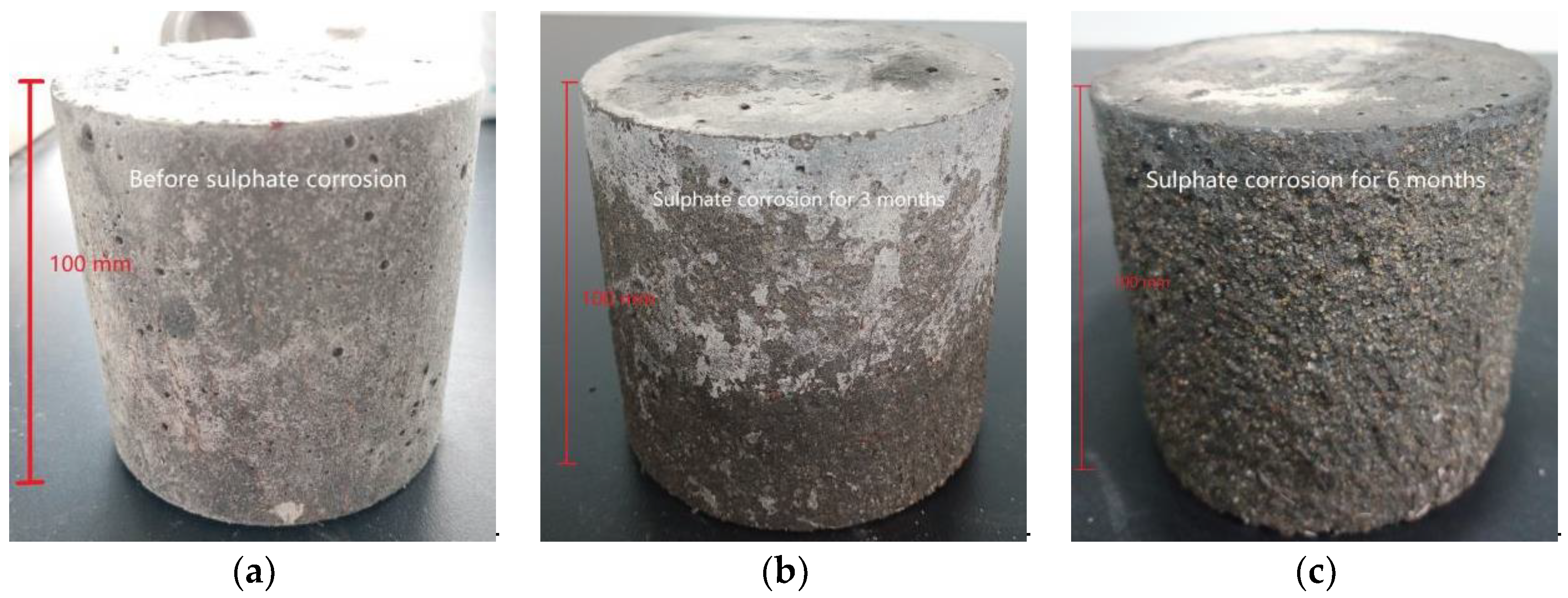
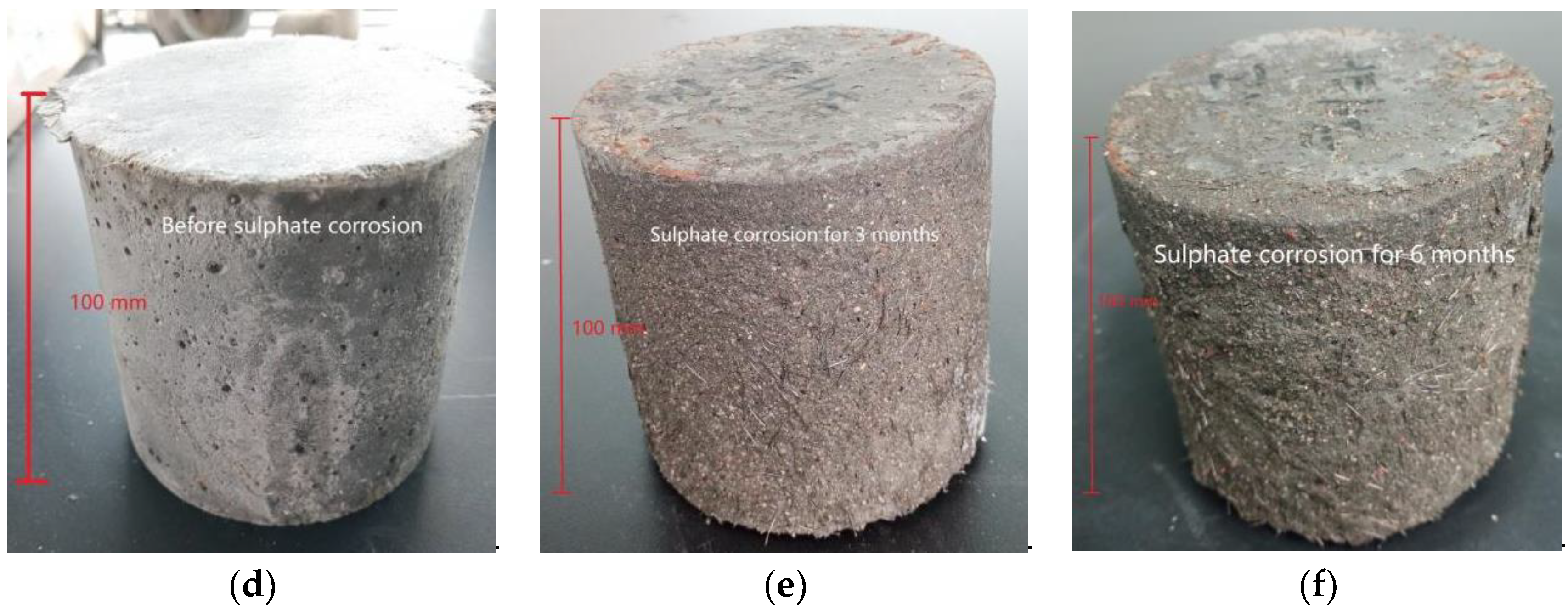
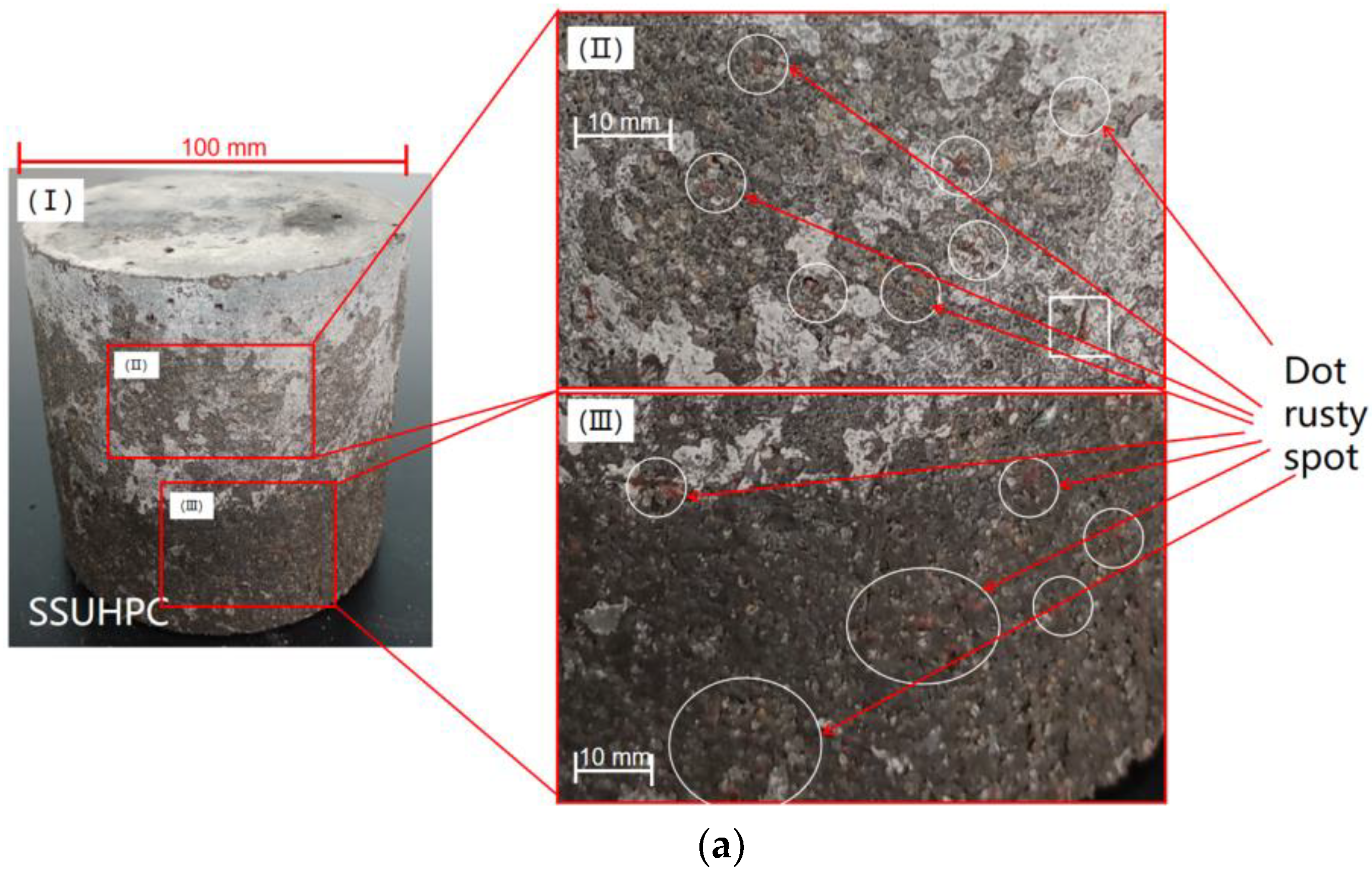
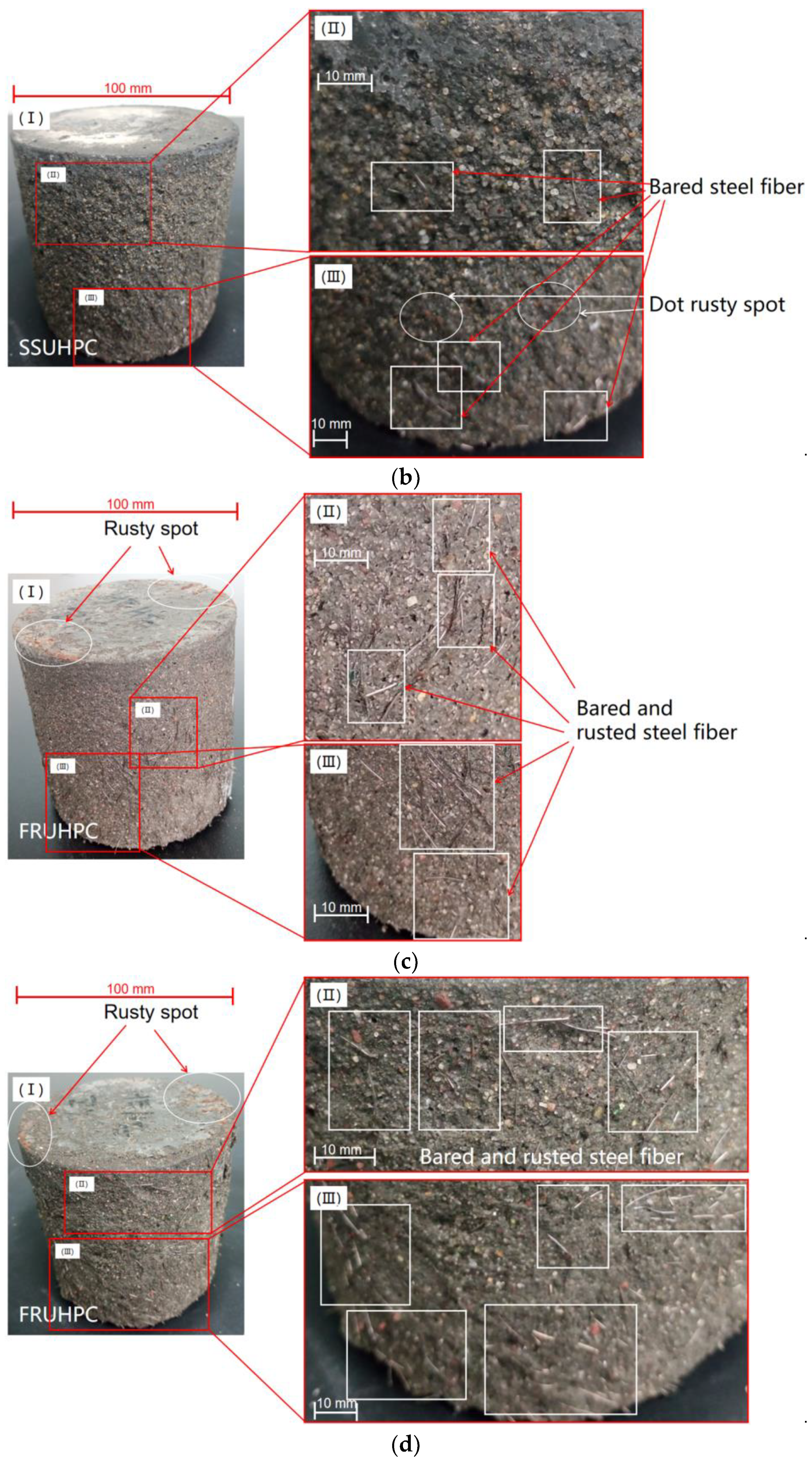
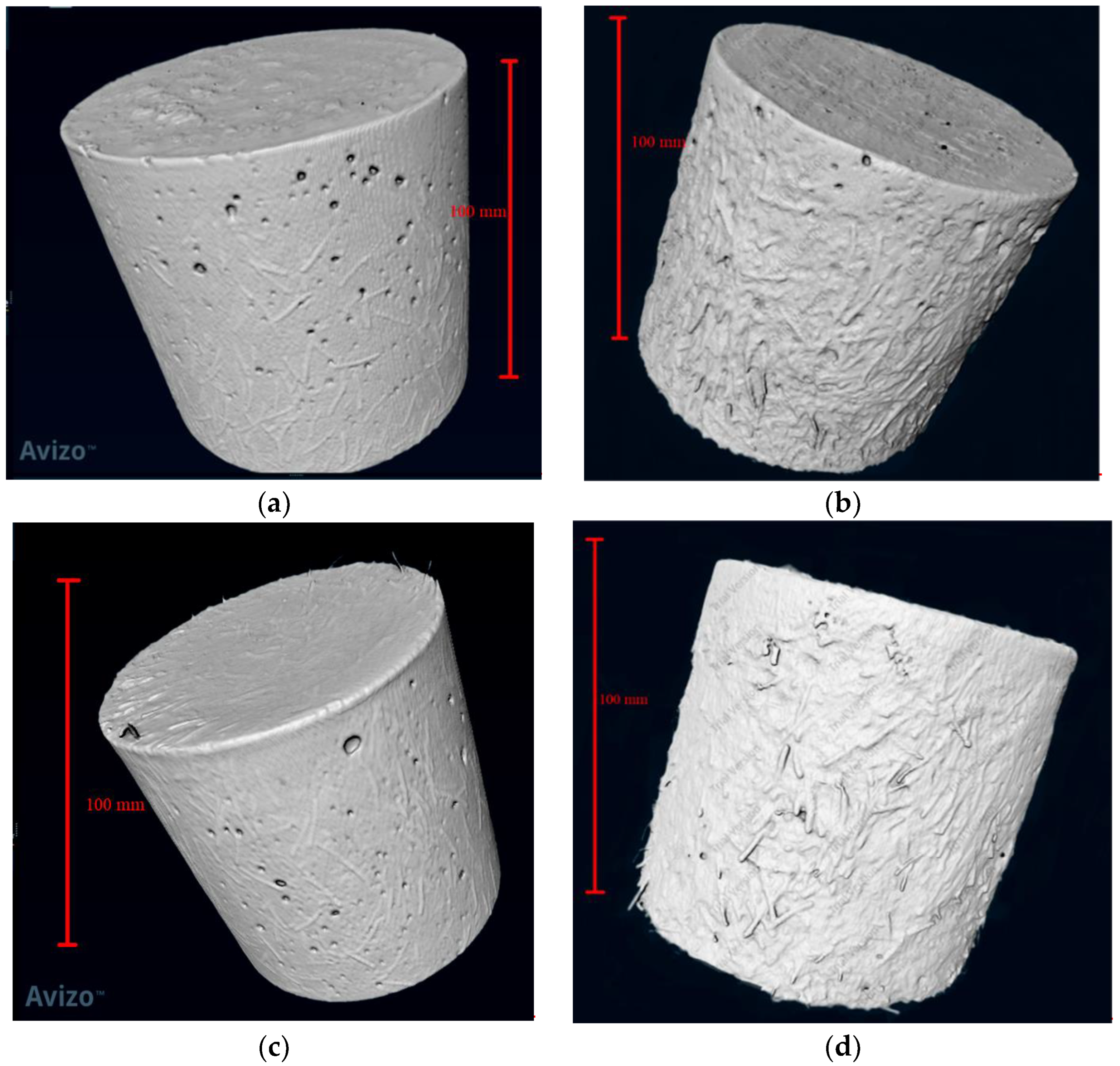
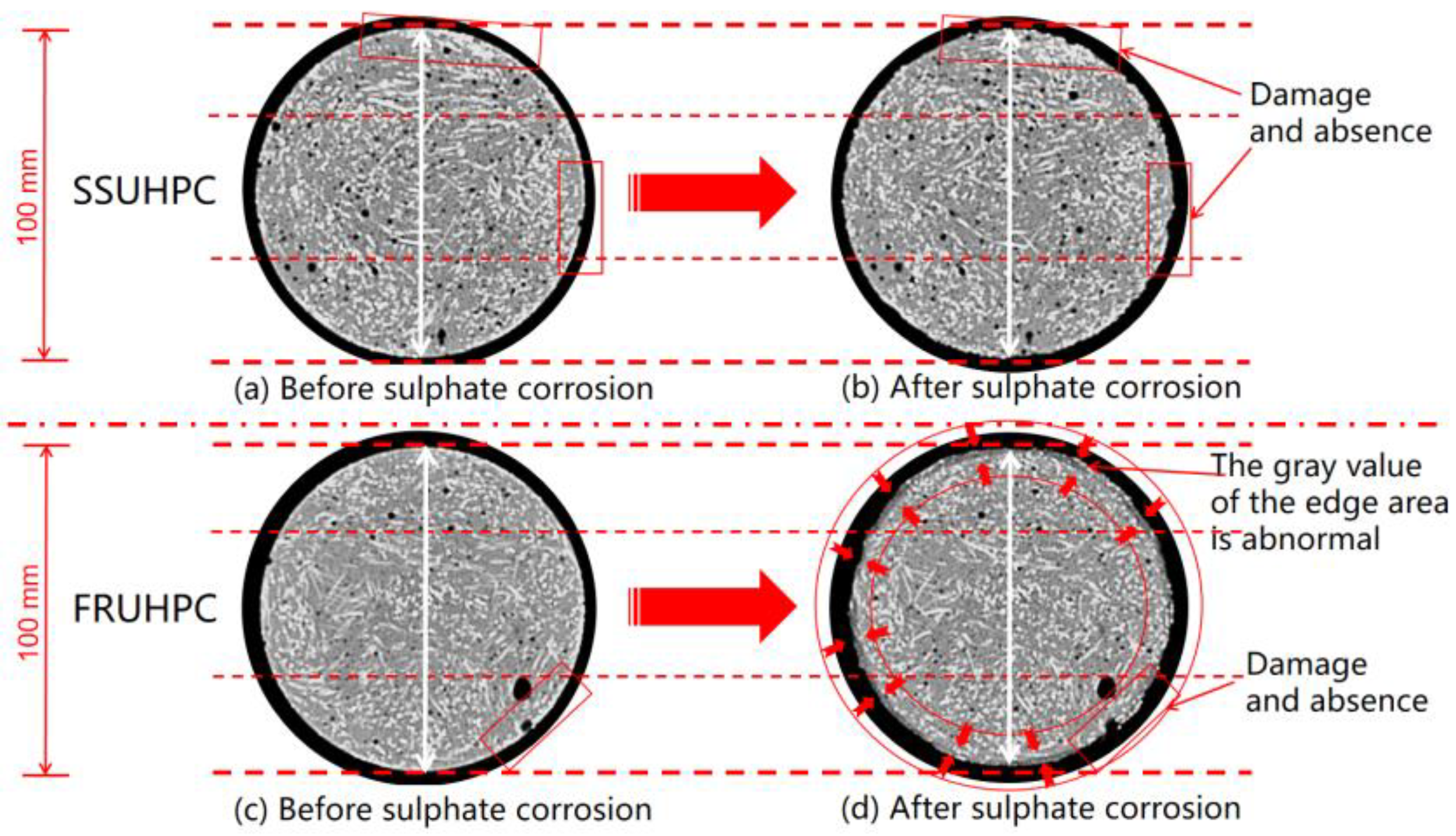
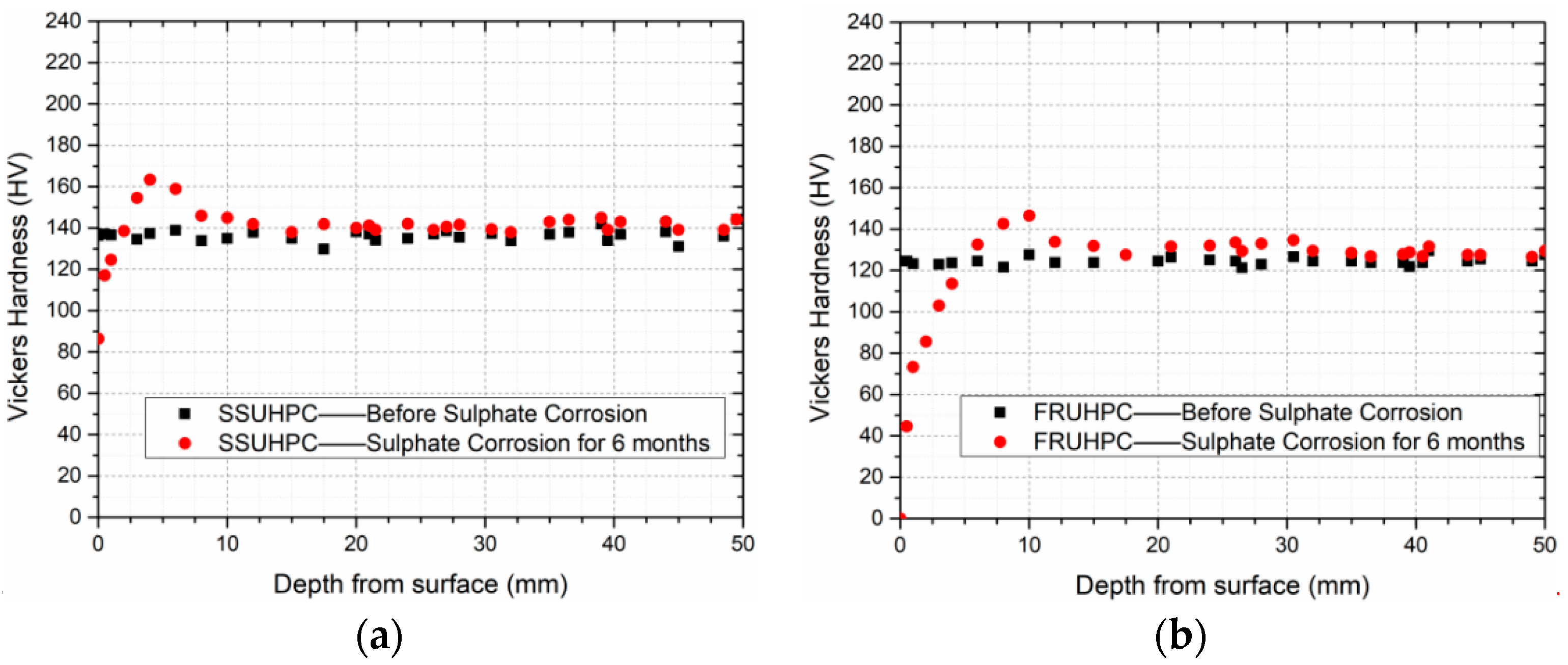
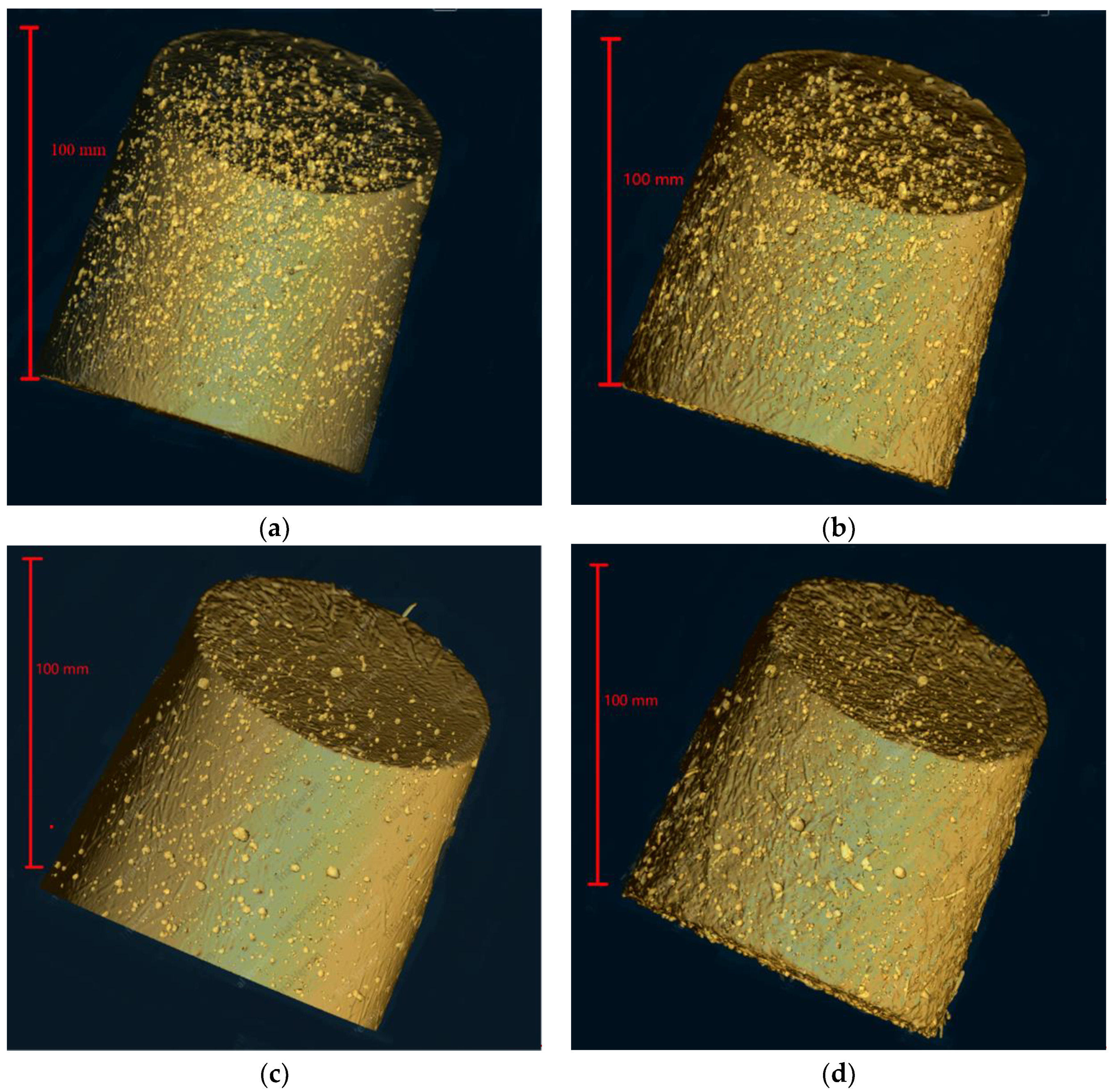
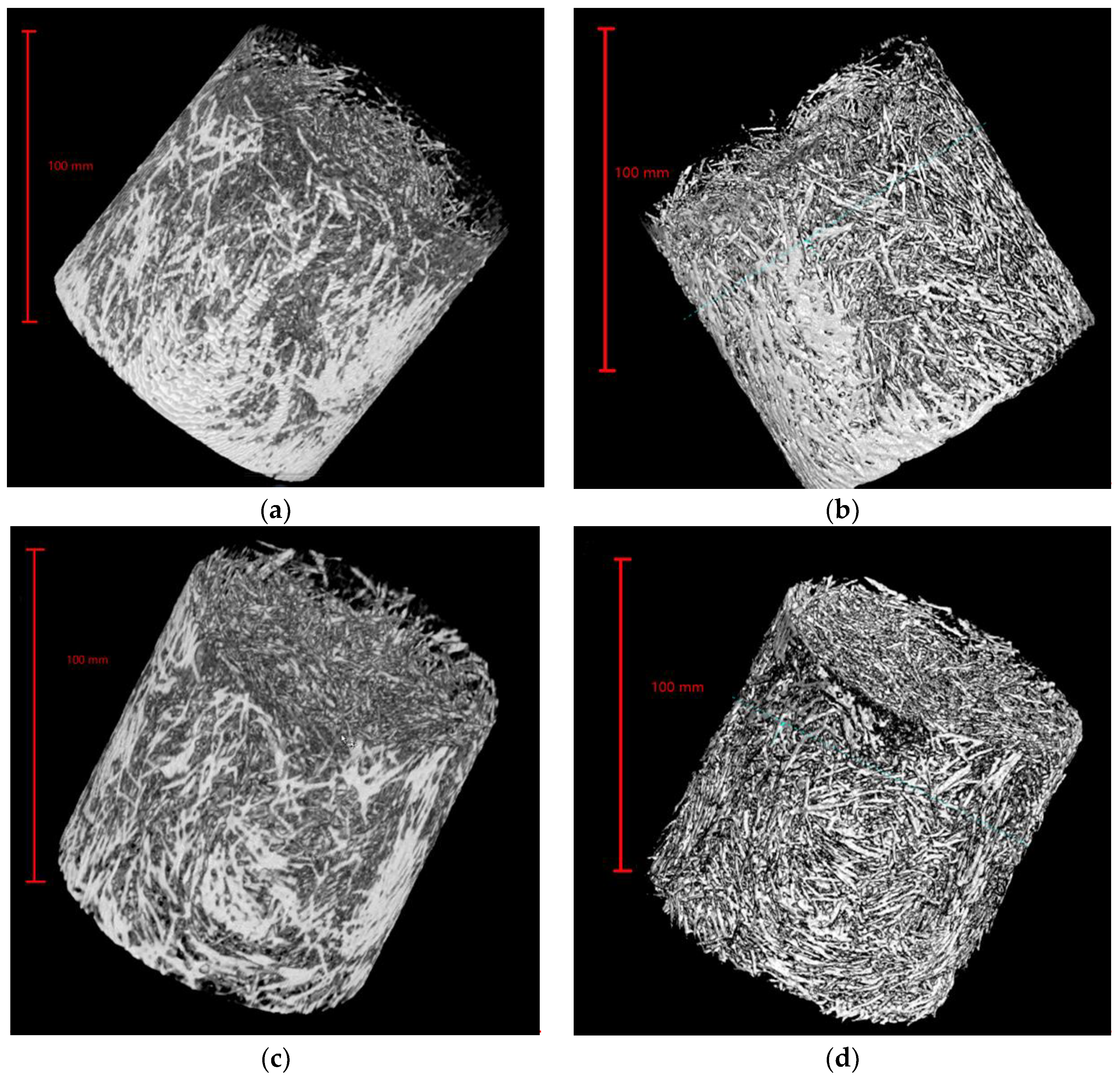
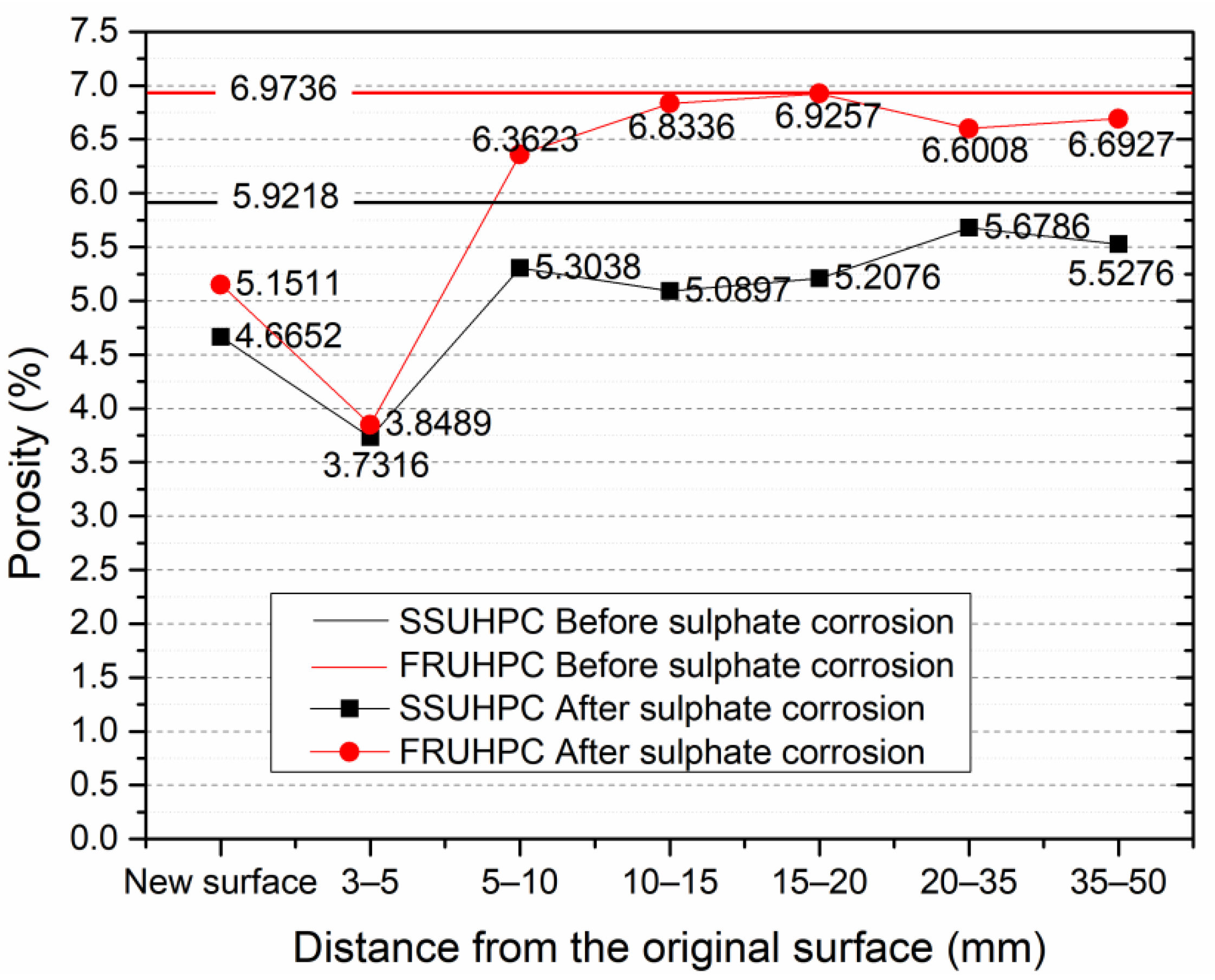
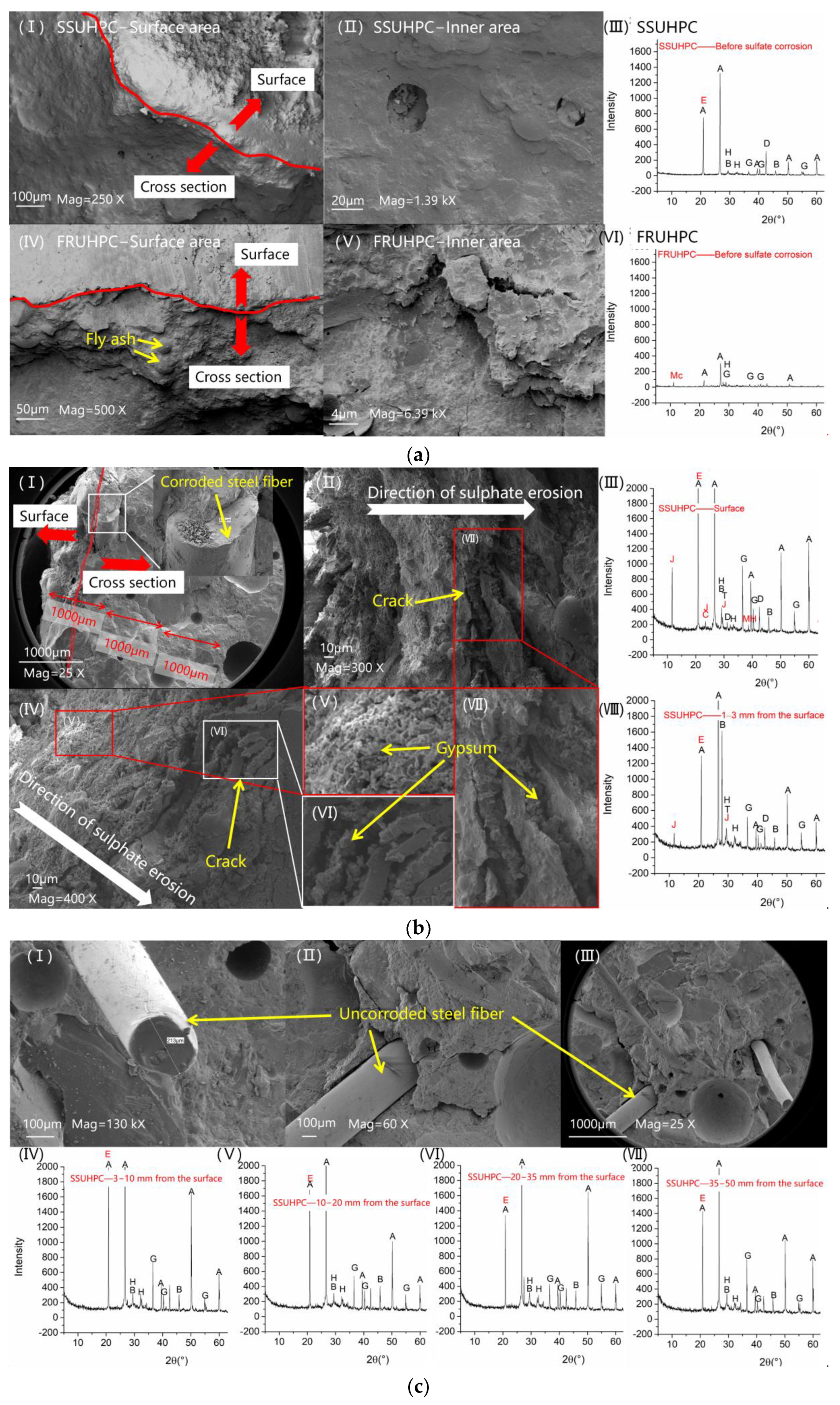
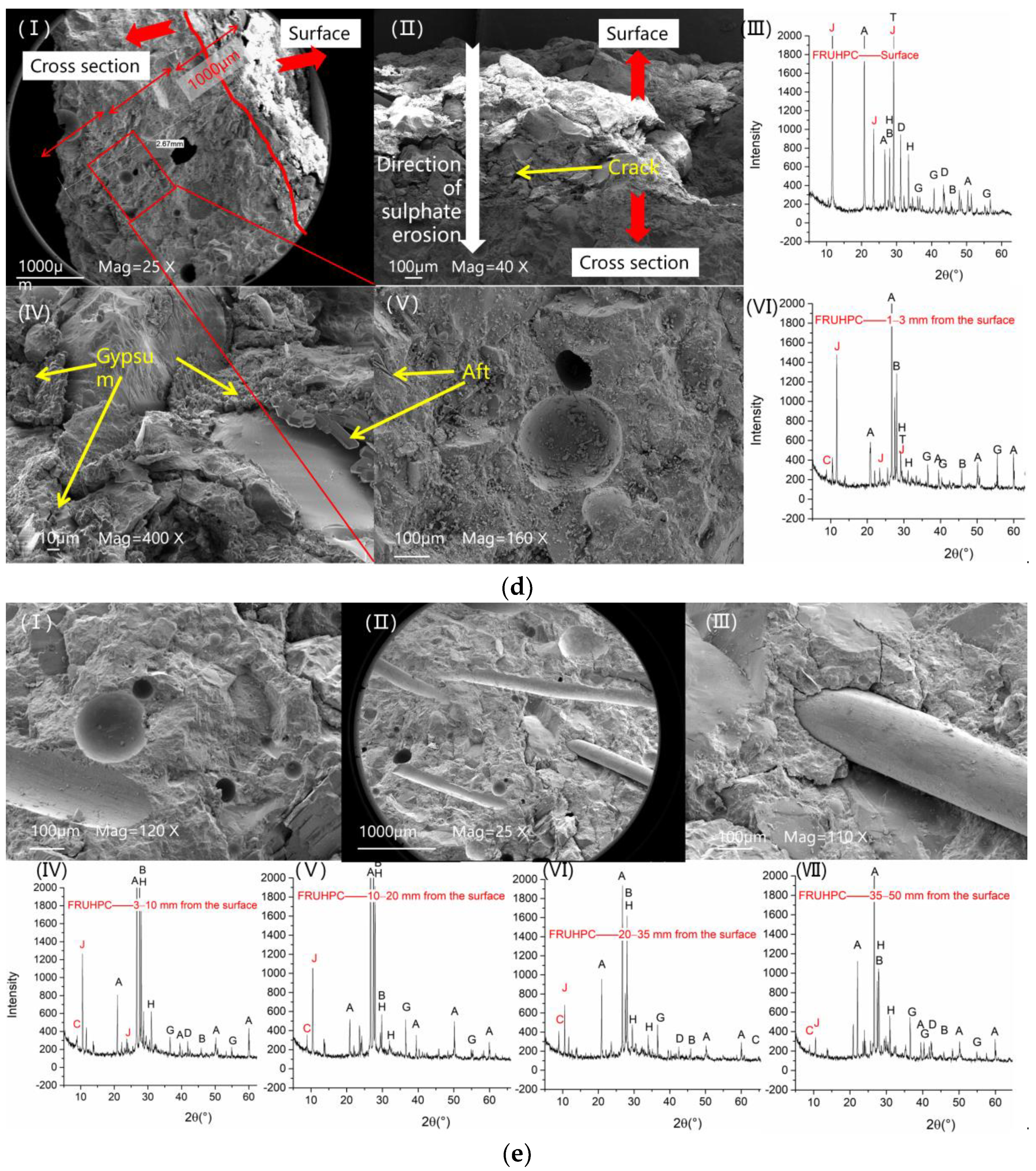
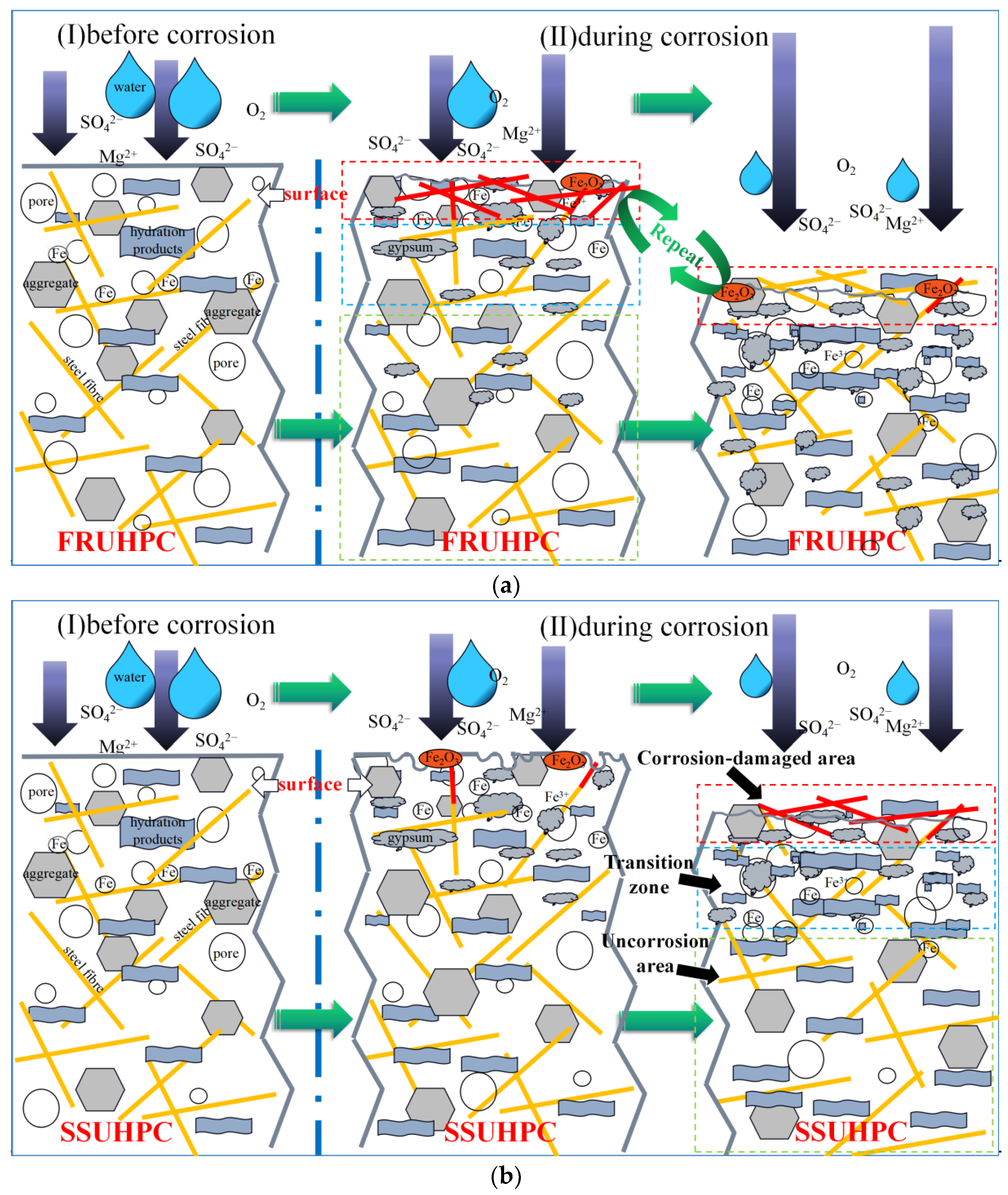
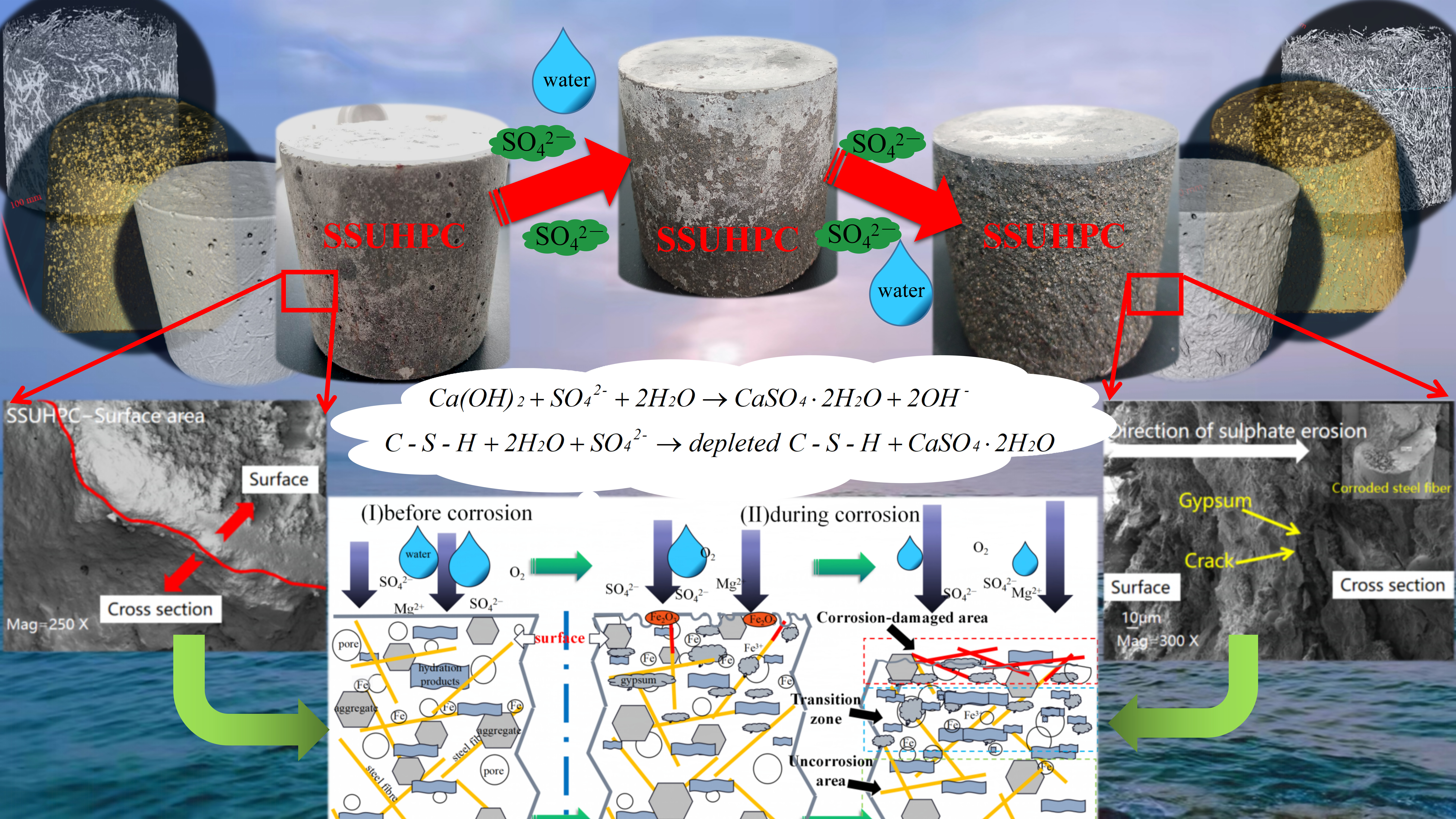
The lack of river sand is becoming increasingly serious. In this study, we consider how to use sea sand to prepare innovative construction and building materials with excellent mechanical and durability properties. Sulphate corrosion causes expansion, cracking and spalling of concrete, resulting in the reduction or even loss of concrete strength and cementation force. In this paper, artificial seawater, sea sand, industrial waste, steel fiber and polycarboxylate superplasticizer were used to prepare ultra-high-performance polymer cement mortar (SSUHPC), and the sulphate corrosion mechanism was investigated. The strength and cementation force of mortar on the SSUHPC surface decreased and flaked off with the development of sulphate erosion, and the steel fiber rusted and fell off. A 3D model was established based on X-ray computed tomography (X-CT), and the results showed that SSUHPC maintained excellent internal structural characteristics despite severe sulphate erosion on the surface. Mercury intrusion porosimetry (MIP), scanning electron microscopy (SEM) and X-ray diffraction (XRD) techniques were adopted to investigate the sulphate corrosion mechanism of SSUHPC. We found a transition zone within 1–5 mm of the surface of SSUHPC. The Vickers hardness of mortar in this area was increased by 5~15%, and the porosity was reduced to 3.8489%. Obvious structural damage did not occur in this area, but a high content of gypsum appeared. UHPC prepared with seawater sea sand was found to have better sulphate resistance than that prepared with freshwater river sand, which supports the development and utilization of sea sand in concrete.
Keywords: sea sand; polymer cement mortar; UHPC; sulphate corrosion; material characterization; X-CT sea sand; polymer cement mortar; UHPC; sulphate corrosion; material characterization; X-CT
Graphical Abstract