Article

Analysis of Force Sensing Accuracy by Using SHM Methods on Conventionally Manufactured and Additively Manufactured Small Polymer Parts


Department of Mechanical and Materials Engineering, Florida International University, Miami, FL 33174, USA
*
Authors to whom correspondence should be addressed.
Polymers 2022, 14(18), 3755; https://doi.org/10.3390/polym14183755
Submission received: 8 August 2022 / Revised: 1 September 2022 / Accepted: 5 September 2022 / Published: 8 September 2022

Abstract

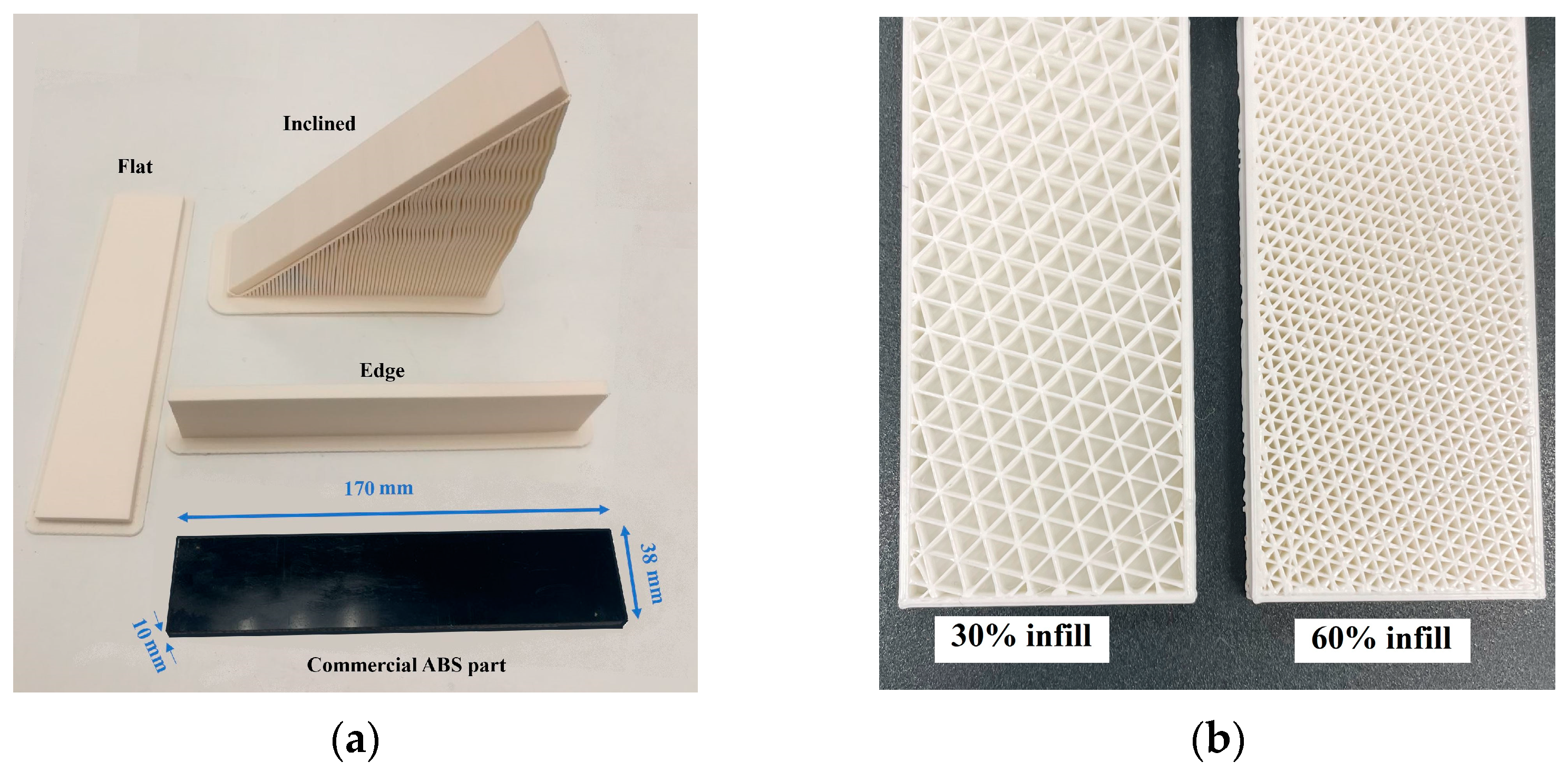
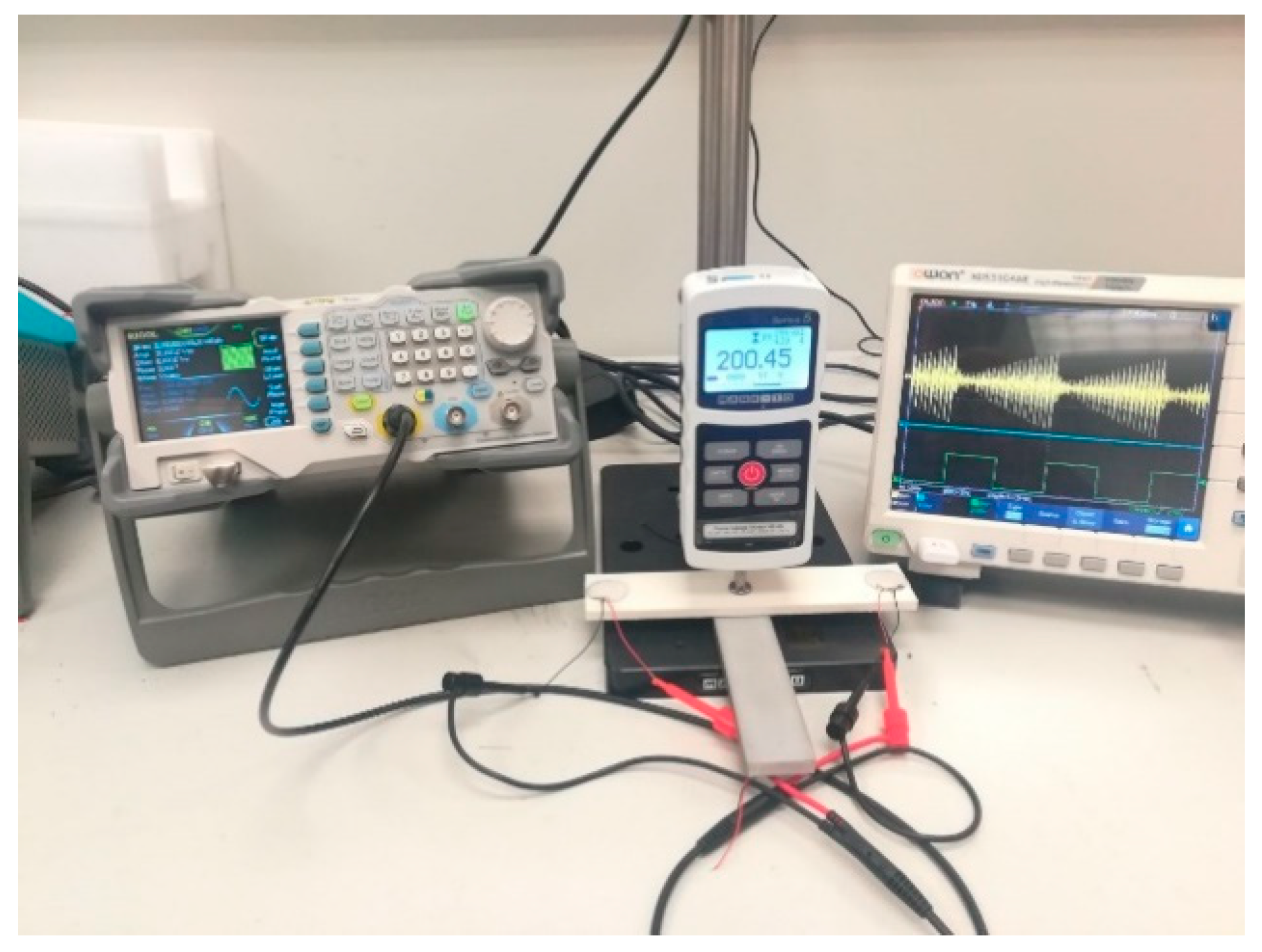
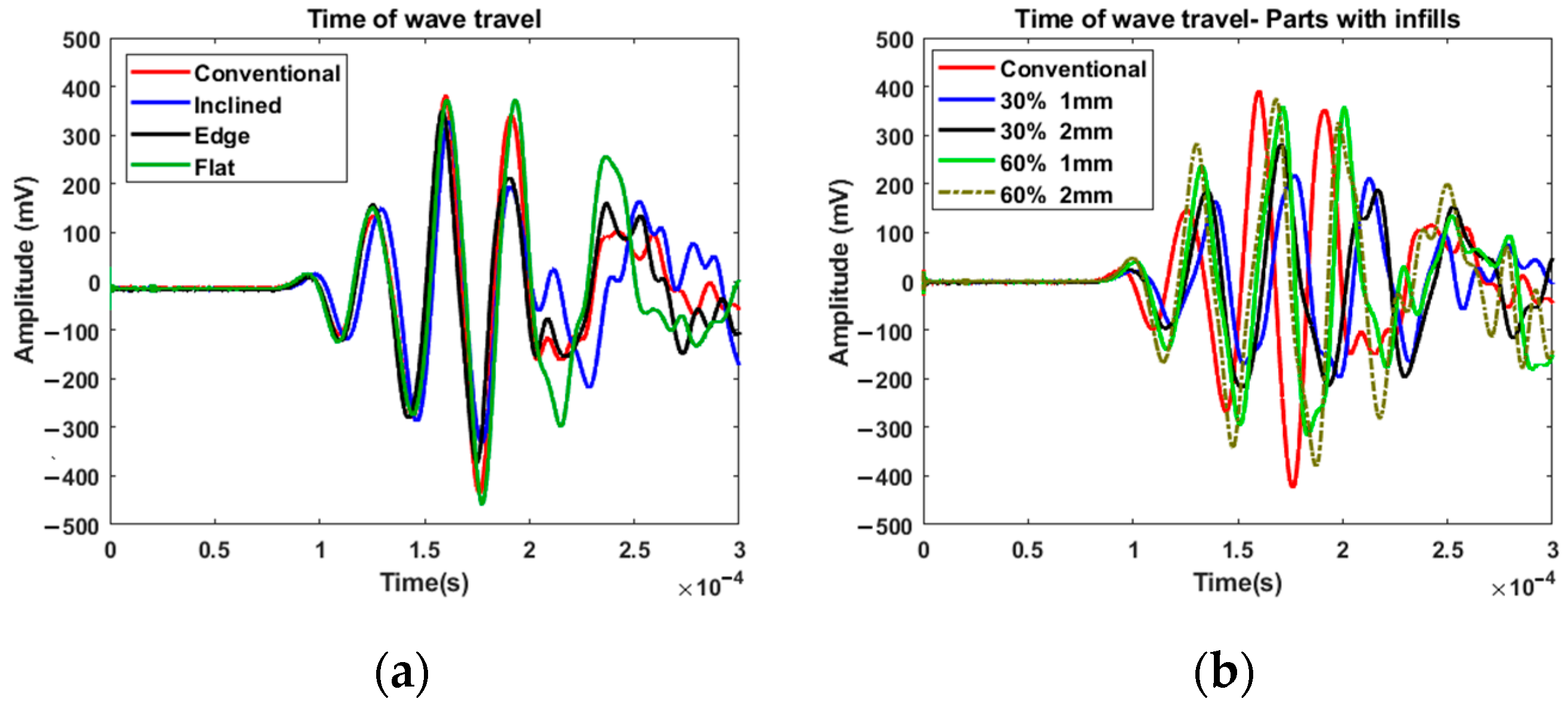
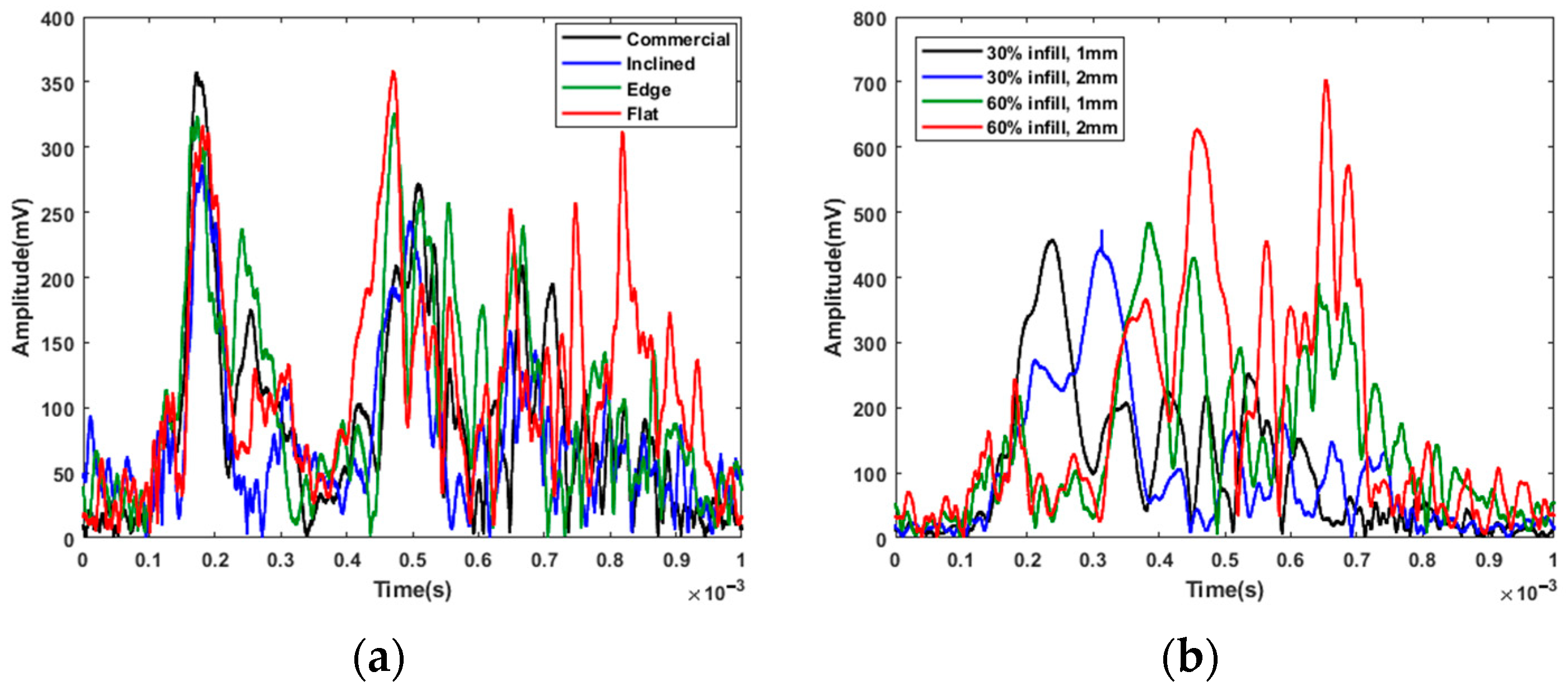
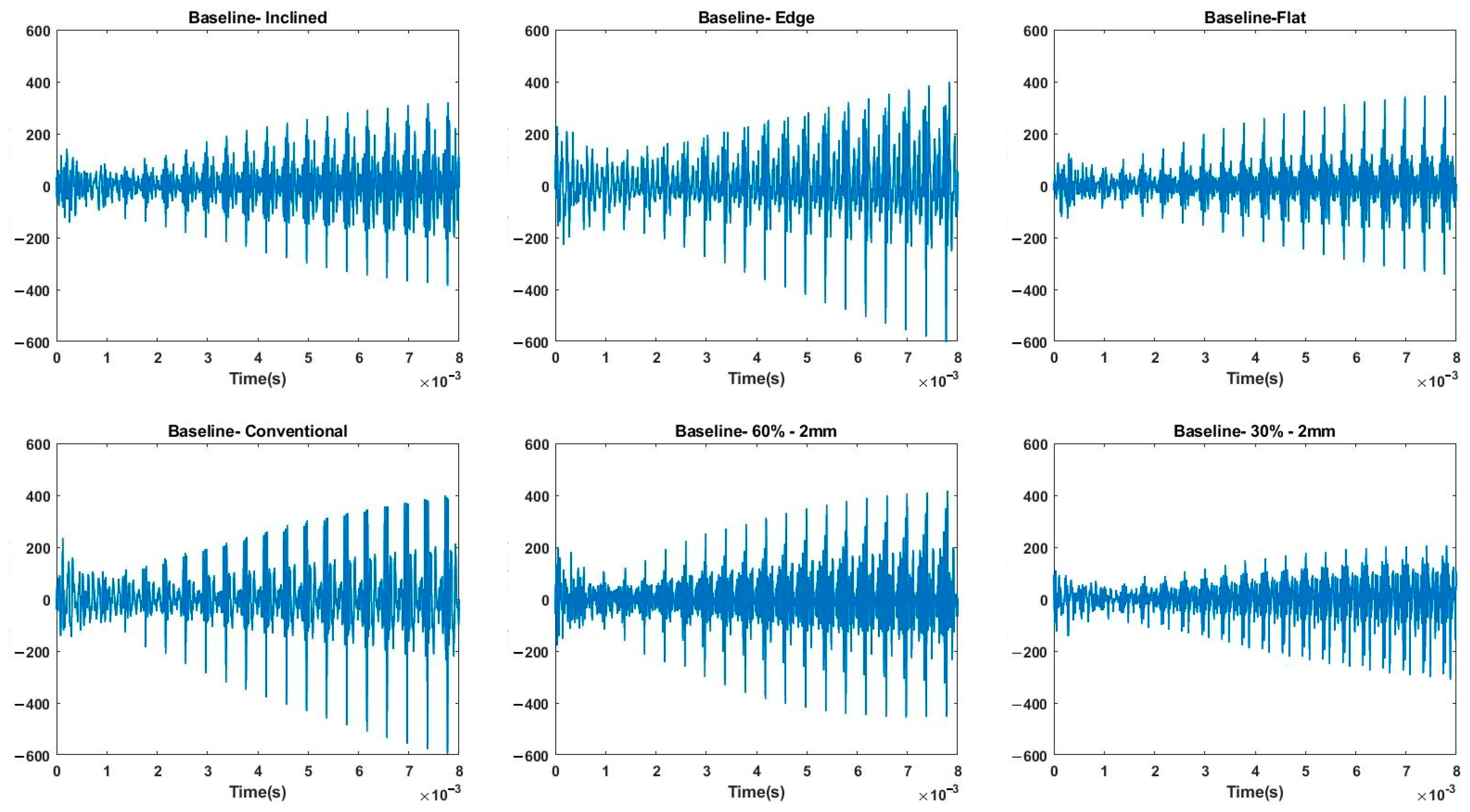
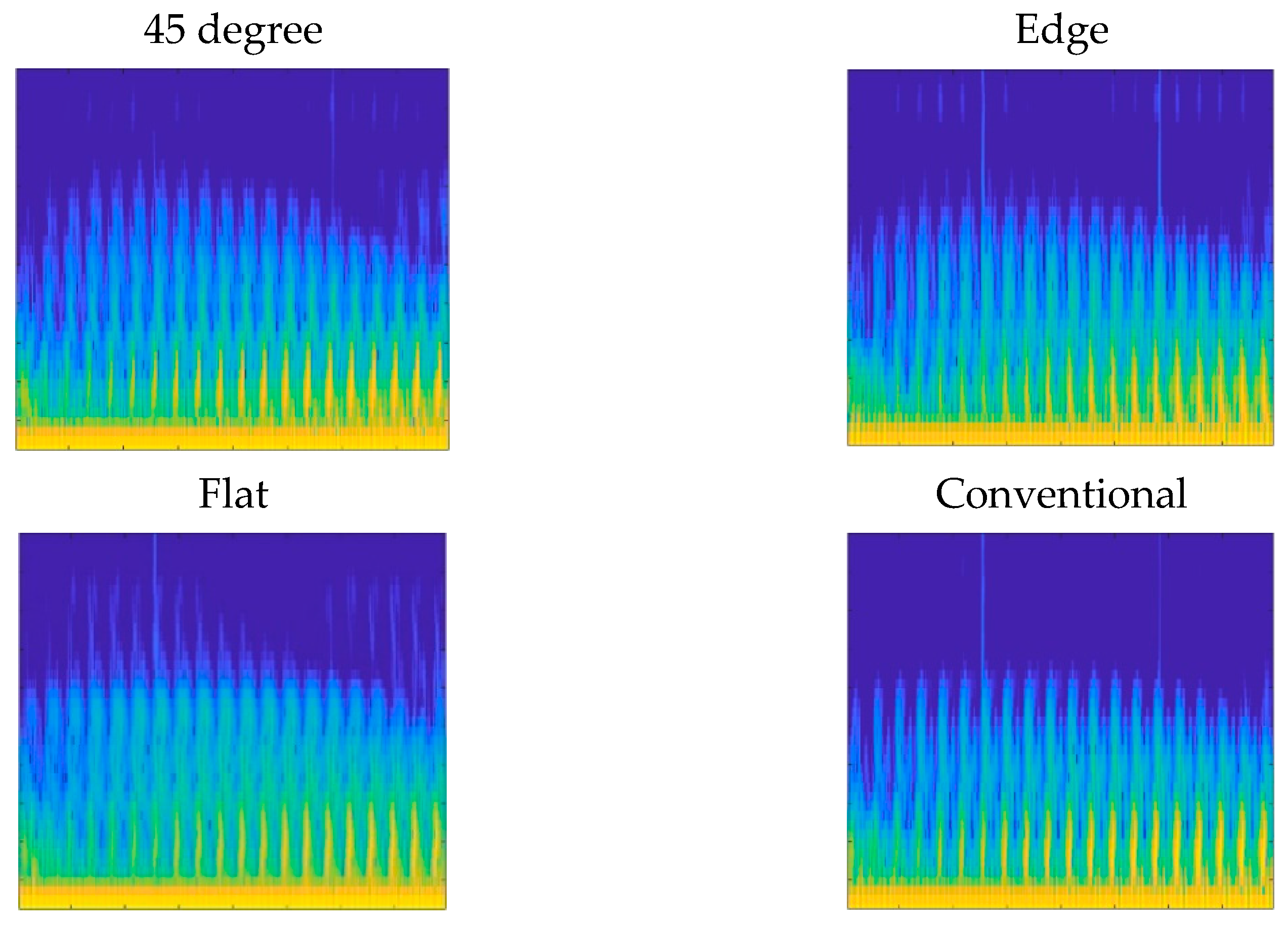
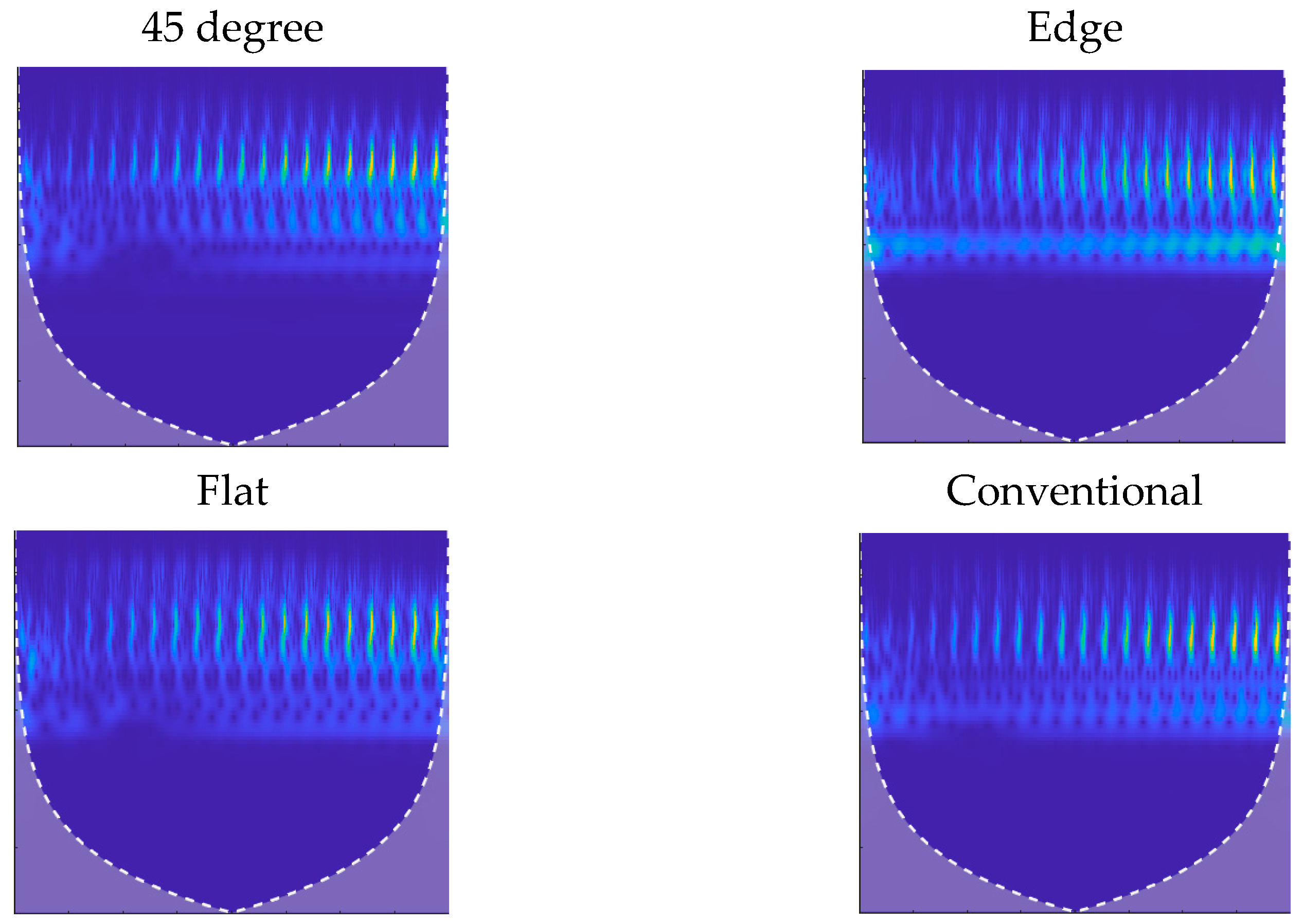
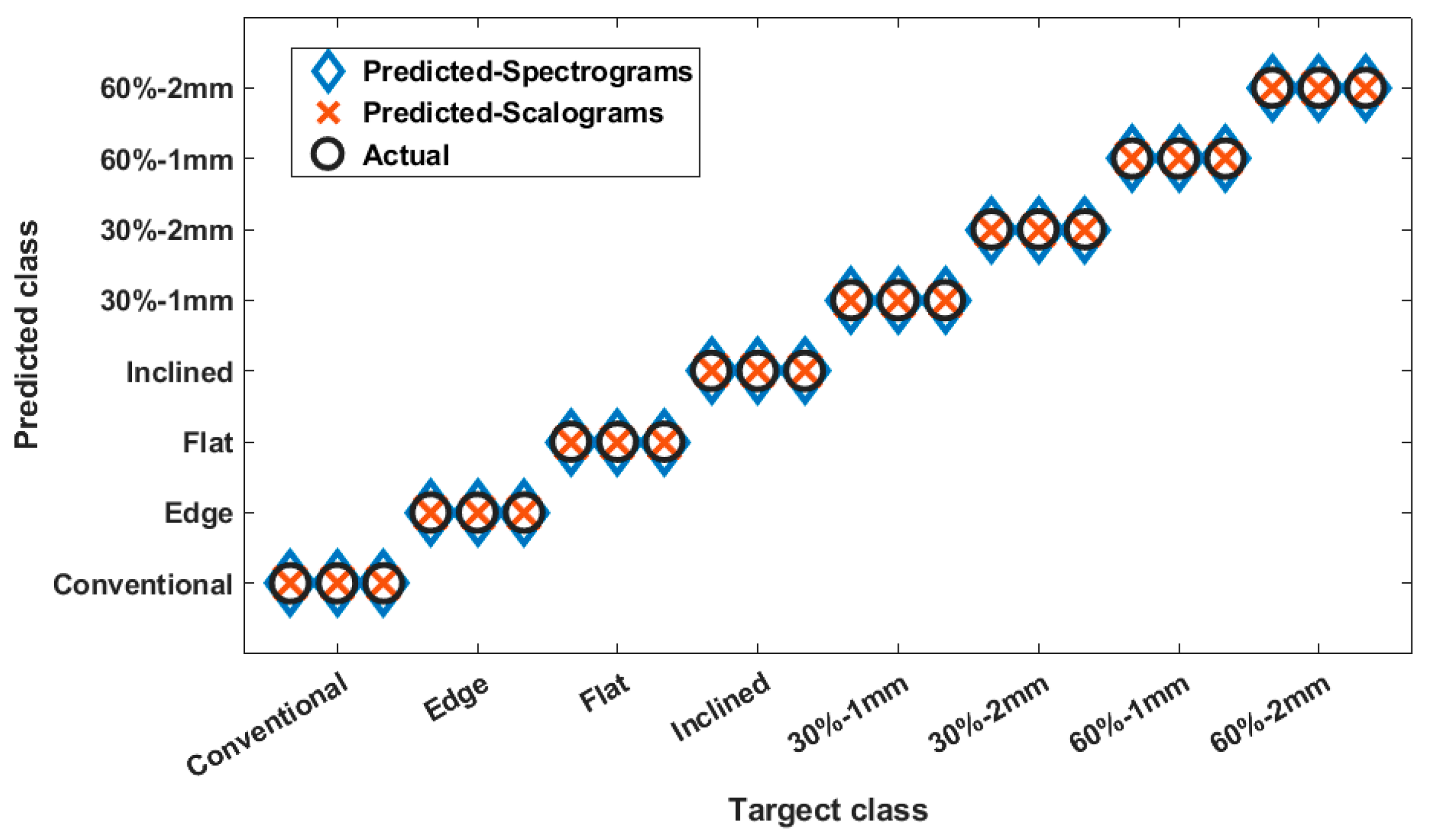
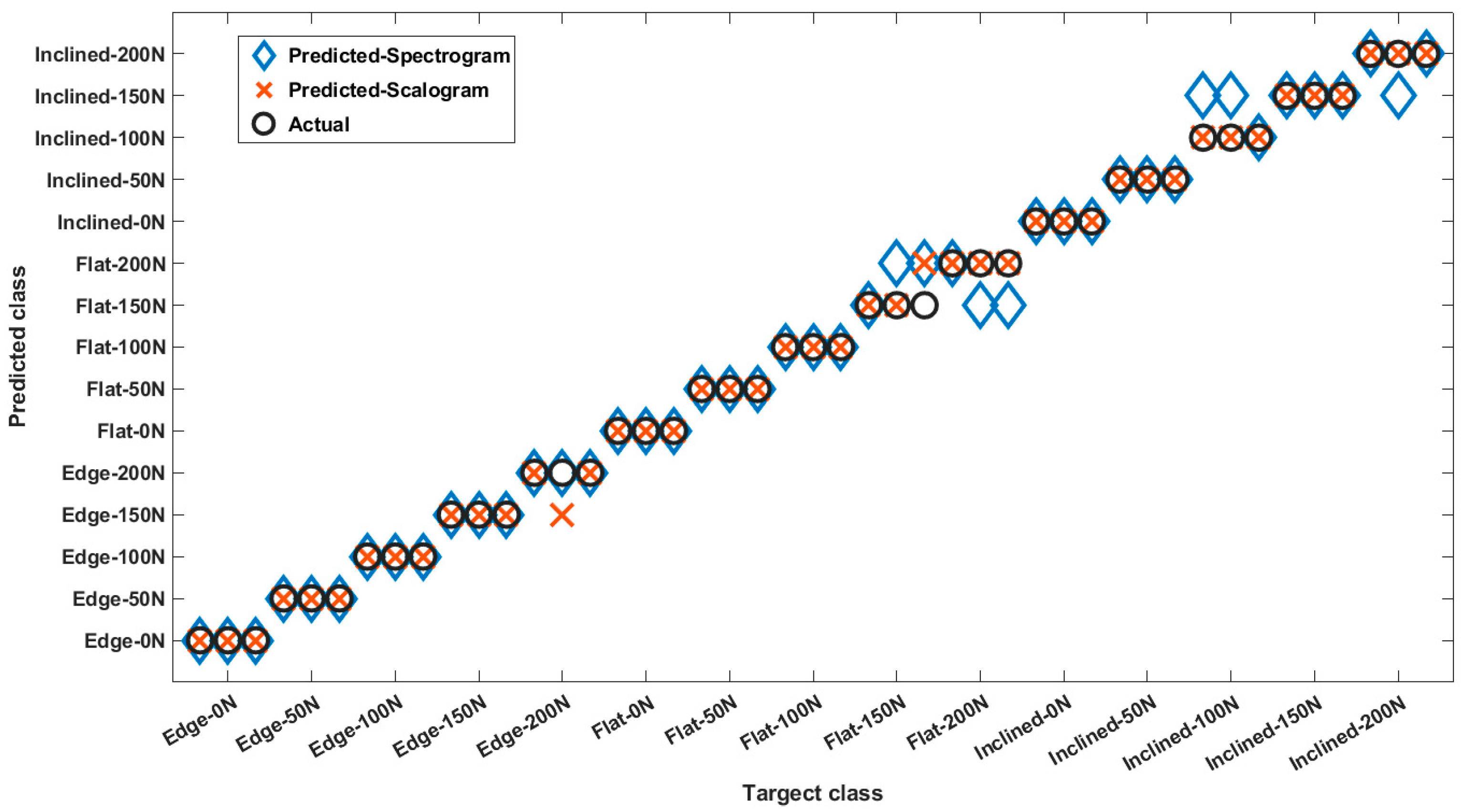
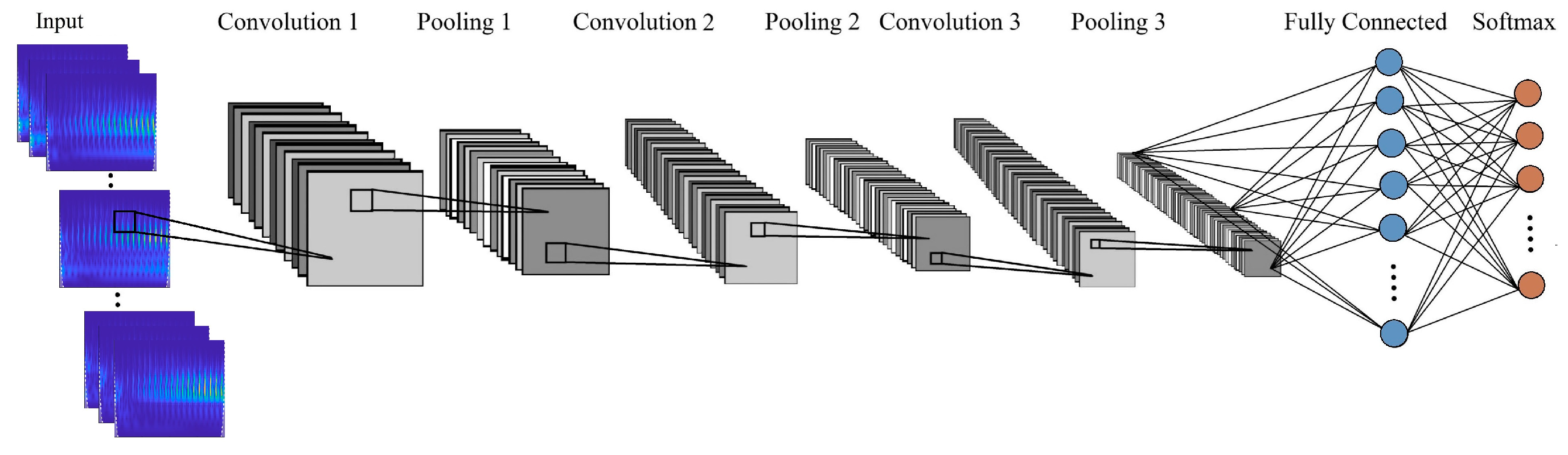
Fabricating complex parts using additive manufacturing is becoming more popular in diverse engineering sectors. Structural Health Monitoring (SHM) methods can be implemented to reduce inspection costs and ensure structural integrity and safety in these parts. In this study, the Surface Response to Excitation (SuRE) method was used to investigate the wave propagation characteristics and load sensing capability in conventionally and additively manufactured ABS parts. For the first set of the test specimens, one conventionally manufactured and three additively manufactured rectangular bar-shaped specimens were prepared. Moreover, four additional parts were also additively manufactured with 30% and 60% infill ratios and 1 mm and 2 mm top surface thicknesses. The external geometry of all parts was the same. Ultrasonic surface waves were generated using three different signals via a piezoelectric actuator bonded to one end of the part. At the other end of each part, a piezoelectric disk was bonded to monitor the response to excitation. It was found that hollow sections inside the 3D printed part slowed down the wave travel. The Continuous Wavelet Transform (CWT) and Short-Time Fourier Transform (STFT) were implemented for converting the recorded sensory data into time–frequency images. These image datasets were fed into a convolutional neural network for the estimation of the compressive loading when the load was applied at the center of specimens at five different levels (0 N, 50 N, 100 N, 150 N, and 200 N). The results showed that the classification accuracy was improved when the CWT scalograms were used.
Keywords: convolutional neural network; additive manufacturing; ABS; SHM convolutional neural network; additive manufacturing; ABS; SHM