Article

Sensorized Robotic Skin Based on Piezoresistive Sensor Fiber Composites Produced with Injection Molding of Liquid Silicone


by
Antonia Georgopoulou
1,2,*,
Silvain Michel
3 and
Frank Clemens
1,*
1
Department of Functional Materials, Empa–Swiss Federal Laboratories for Materials Science and Technology, Überlandstrasse 129, 8600 Dübendorf, Switzerland
2
Department of Mechanical Engineering (MECH), Vrije Universiteit Brussel (VUB), and Flanders Make Pleinlaan 2, B-1050 Brussels, Belgium
3
Department of Engineering Sciences, Empa–Swiss Federal Laboratories for Materials Science and Technology, Überlandstrasse 129, 8600 Dübendorf, Switzerland
*
Authors to whom correspondence should be addressed.
Polymers 2021, 13(8), 1226; https://doi.org/10.3390/polym13081226
Submission received: 22 March 2021 / Revised: 6 April 2021 / Accepted: 8 April 2021 / Published: 10 April 2021
(This article belongs to the Special Issue New Advances in Composites Design and Manufacturing)

Abstract

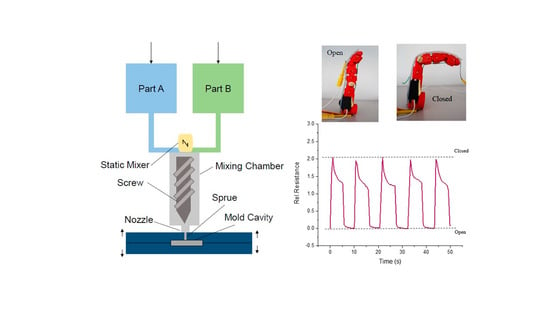
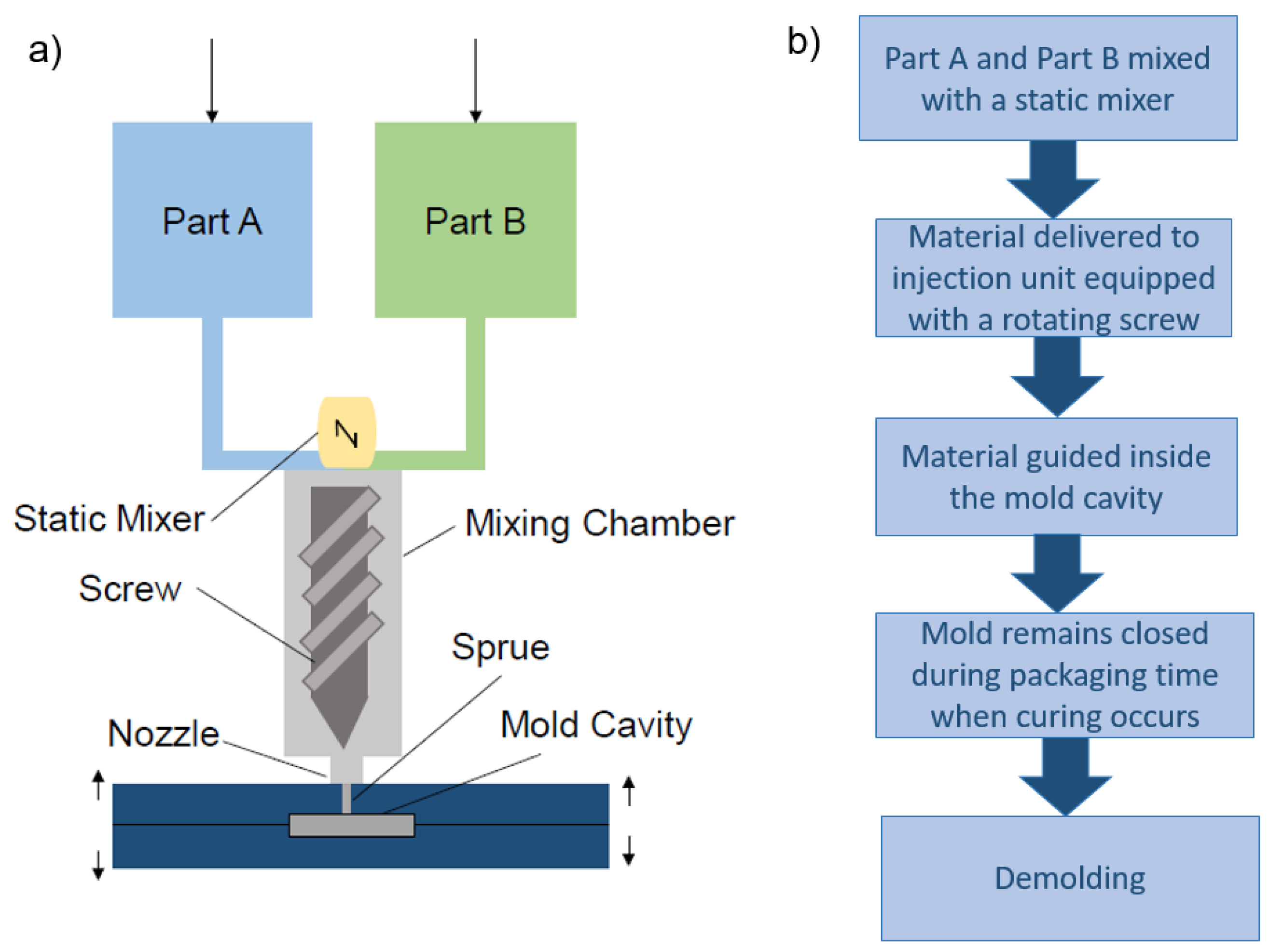
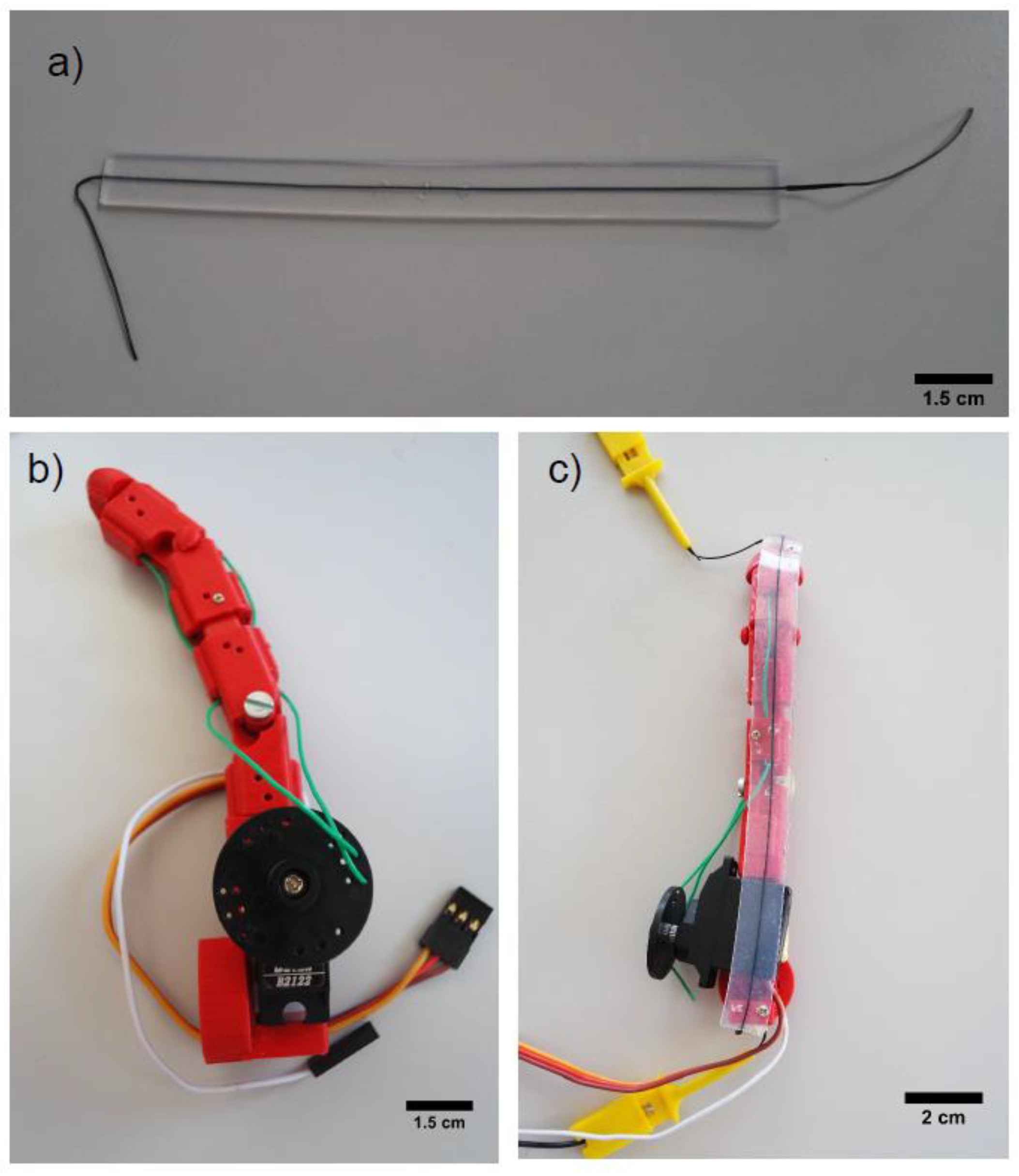
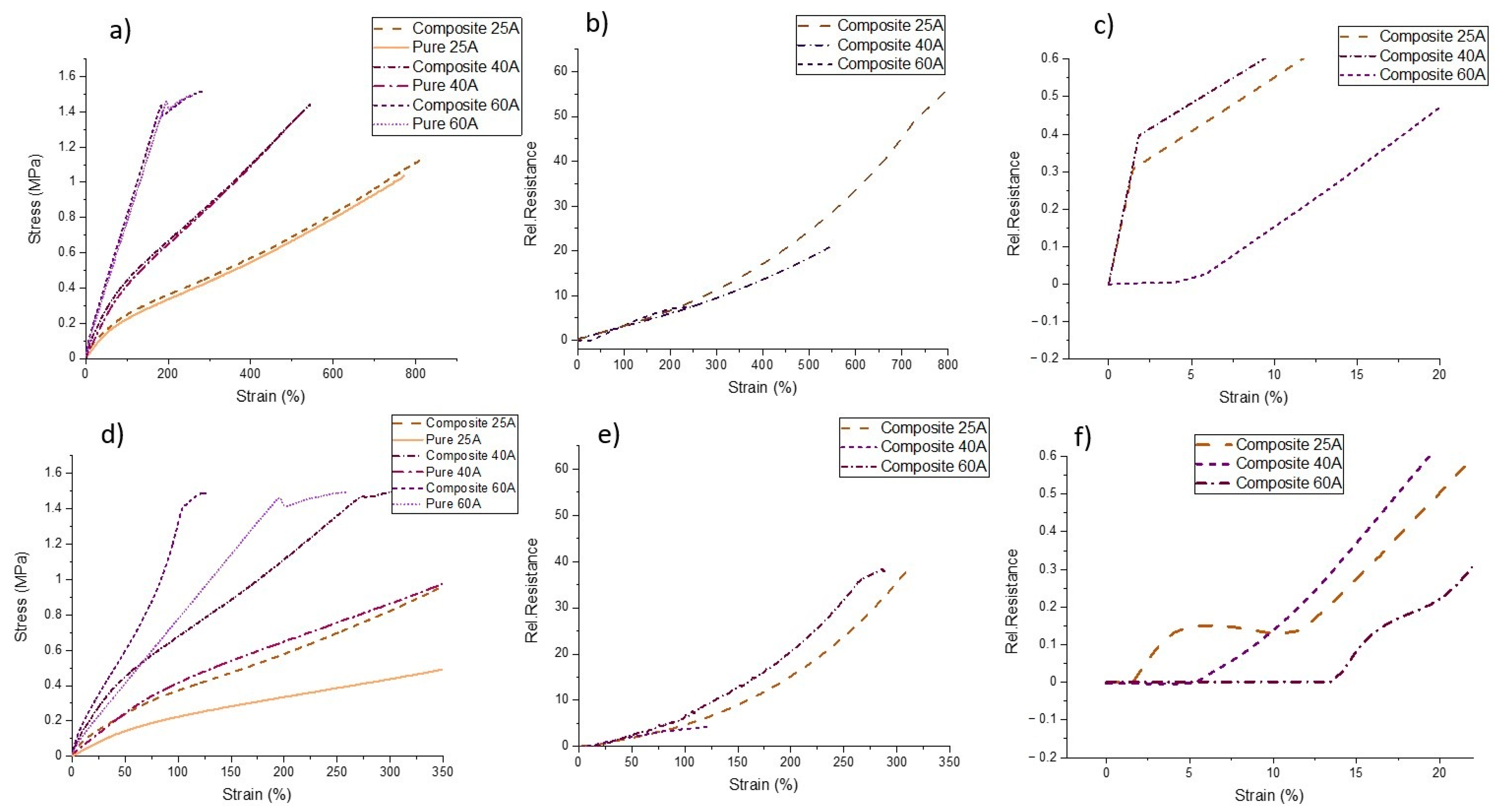
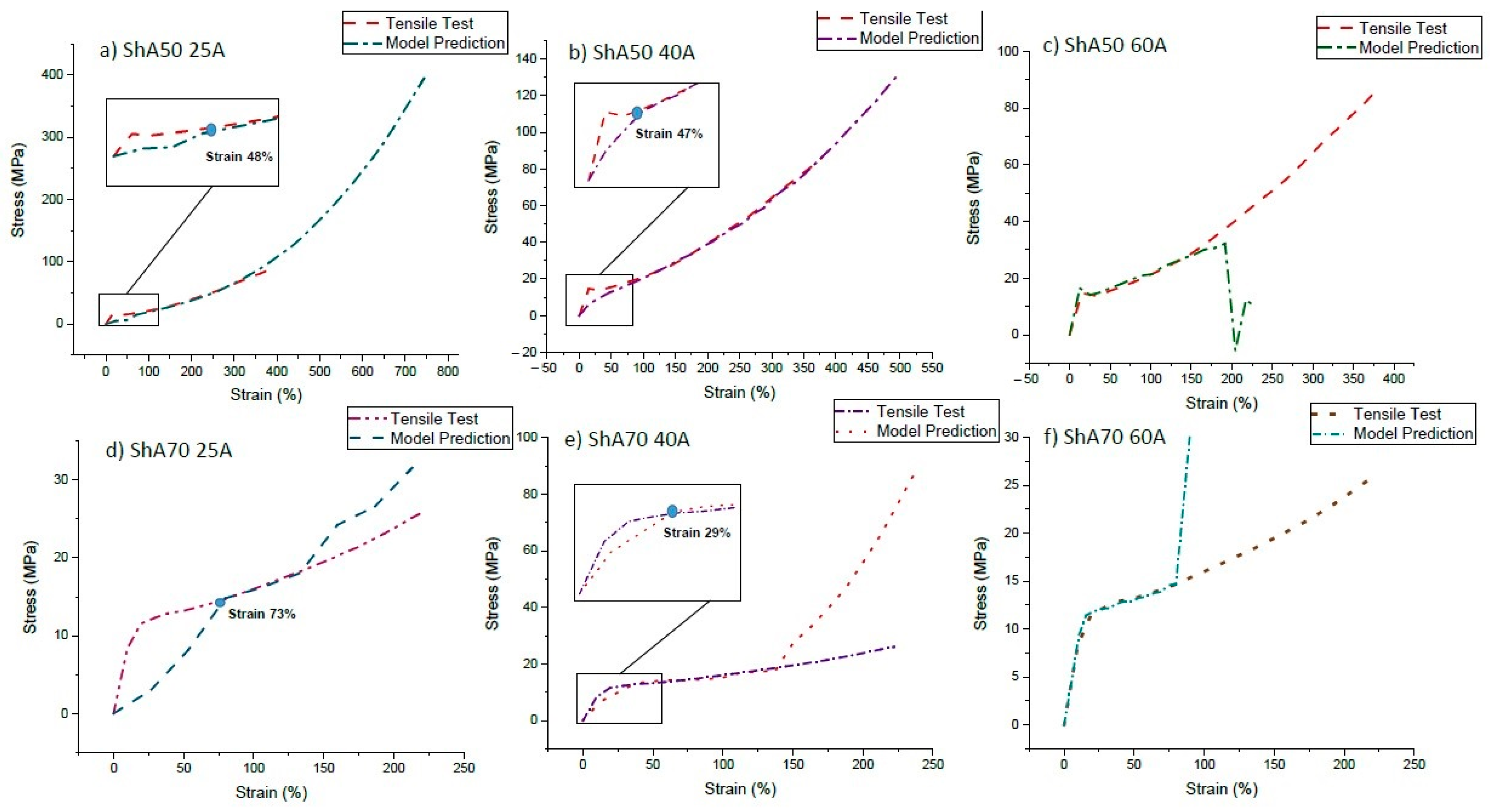
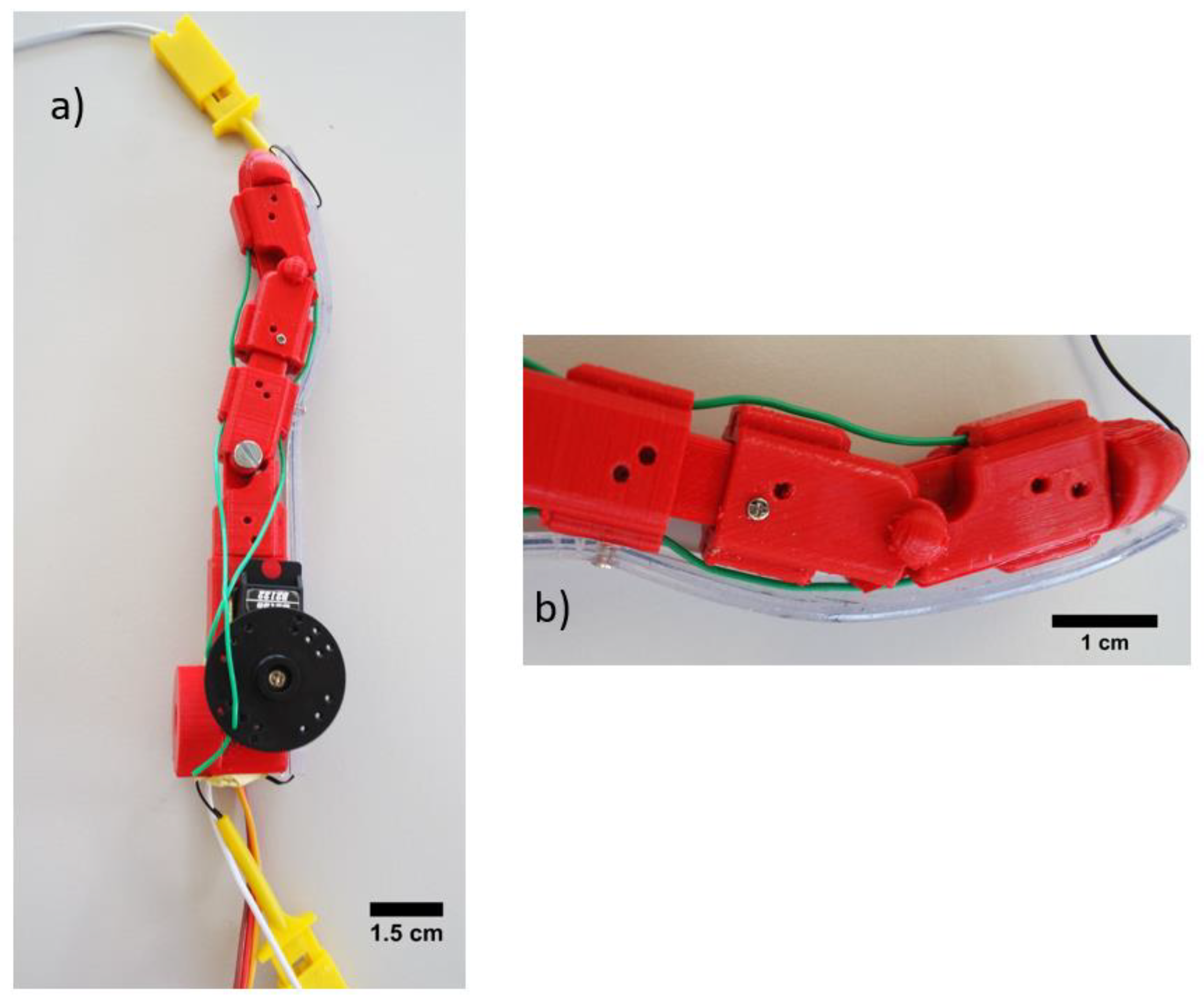
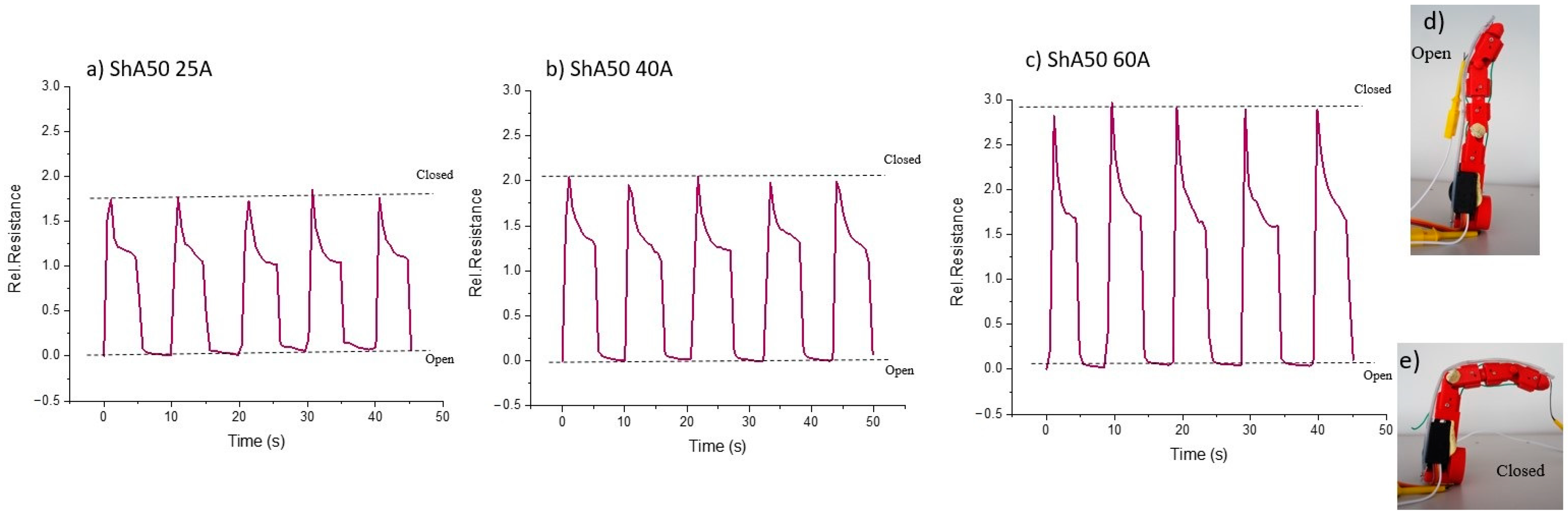
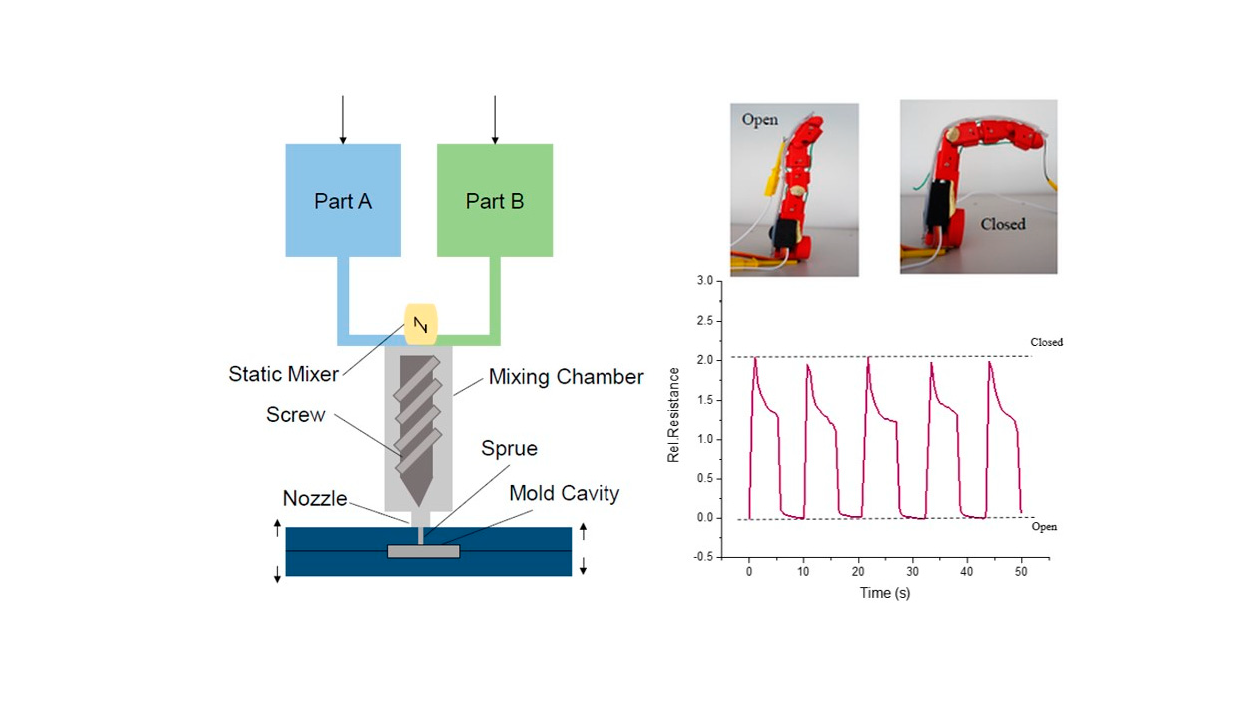
Soft robotics and flexible electronics are rising in popularity and can be used in many applications. However, there is still a need for processing routes that allow the upscaling in production for functional soft robotic parts in an industrial scale. In this study, injection molding of liquid silicone is suggested as a fabrication method for sensorized robotic skin based on sensor fiber composites. Sensor fibers based on thermoplastic elastomers with two different shore hardness (50A and 70A) are combined with different silicone materials. A mathematical model is used to predict the mechanical load transfer from the silicone matrix to the fiber and shows that the matrix of the lowest shore hardness should not be combined with the stiffer fiber. The sensor fiber composites are fixed on a 3D printed robotic finger. The sensorized robotic skin based on the composite with the 50A fiber in combination with pre-straining gives good sensor performance as well as a large elasticity. It is proposed that a miss-match in the mechanical properties between fiber sensor and matrix should be avoided in order to achieve low drift and relaxation. These findings can be used as guidelines for material selection for future sensor integrated soft robotic systems.
Keywords: injection molding; fiber composites; electronic skin; stretchable electronics injection molding; fiber composites; electronic skin; stretchable electronics
Graphical Abstract