Article

Surface and Thermal Characterization of Cotton Fibers of Phenotypes Differing in Fiber Length

1
USDA-ARS, Southern Regional Research Center, 1100 Robert E Lee Blvd., New Orleans, LA 70124, USA
2
Coordinated Instrument Facility, Tulane University, New Orleans, LA 70118, USA
*
Author to whom correspondence should be addressed.
Polymers 2021, 13(7), 994; https://doi.org/10.3390/polym13070994
Submission received: 2 March 2021 / Revised: 17 March 2021 / Accepted: 22 March 2021 / Published: 24 March 2021
(This article belongs to the Special Issue Polymers and Fibers)

Abstract

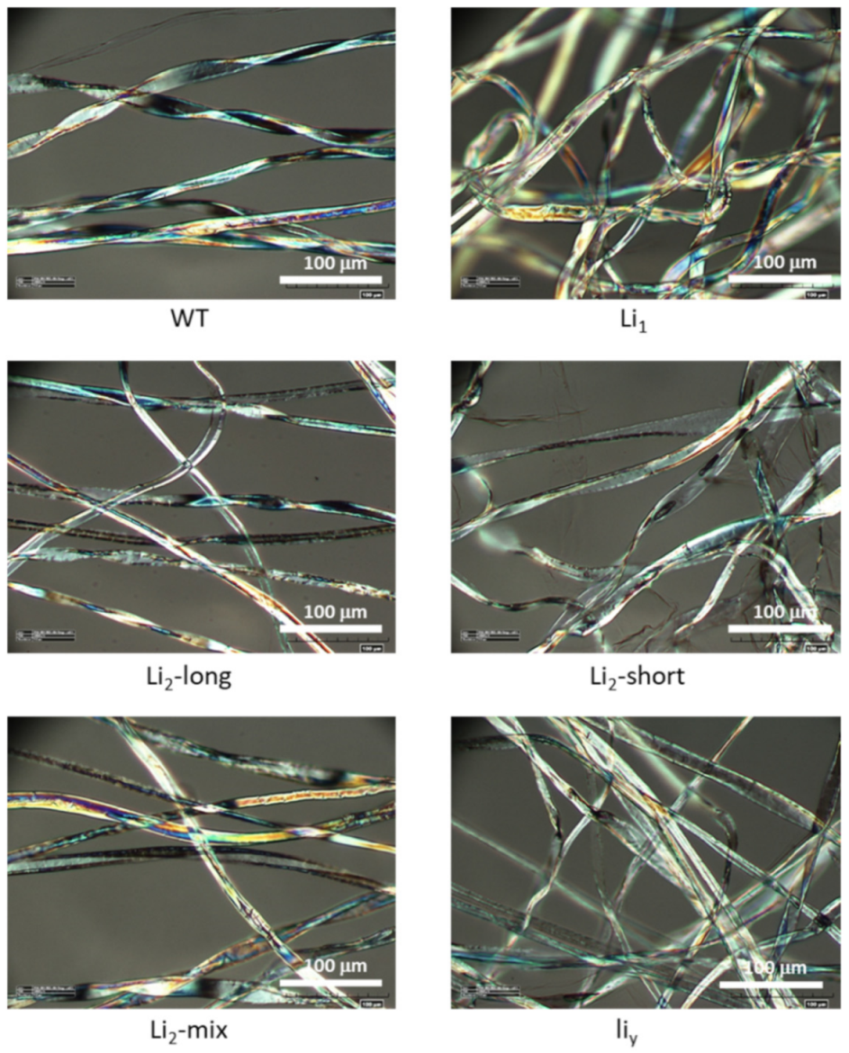
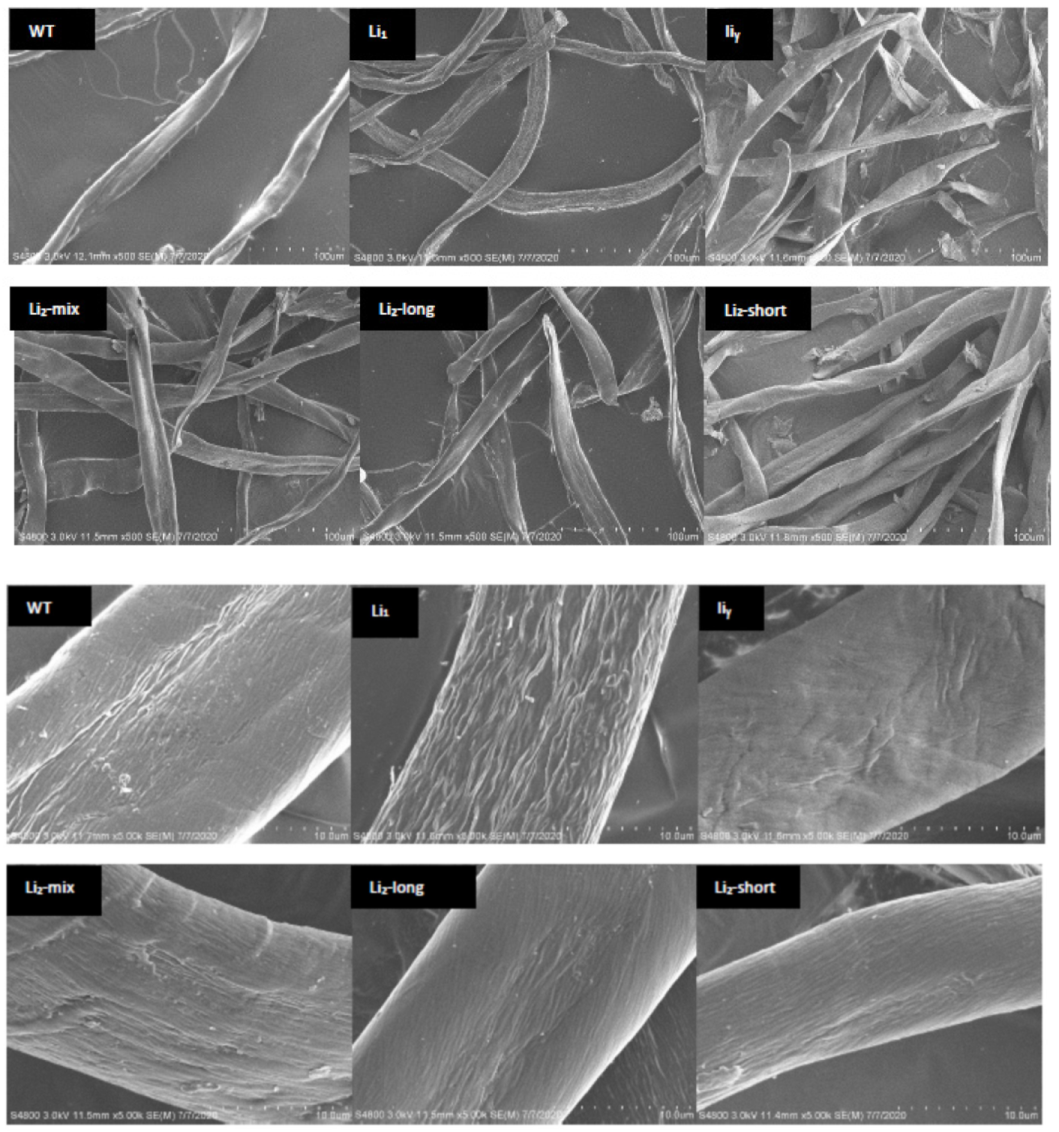
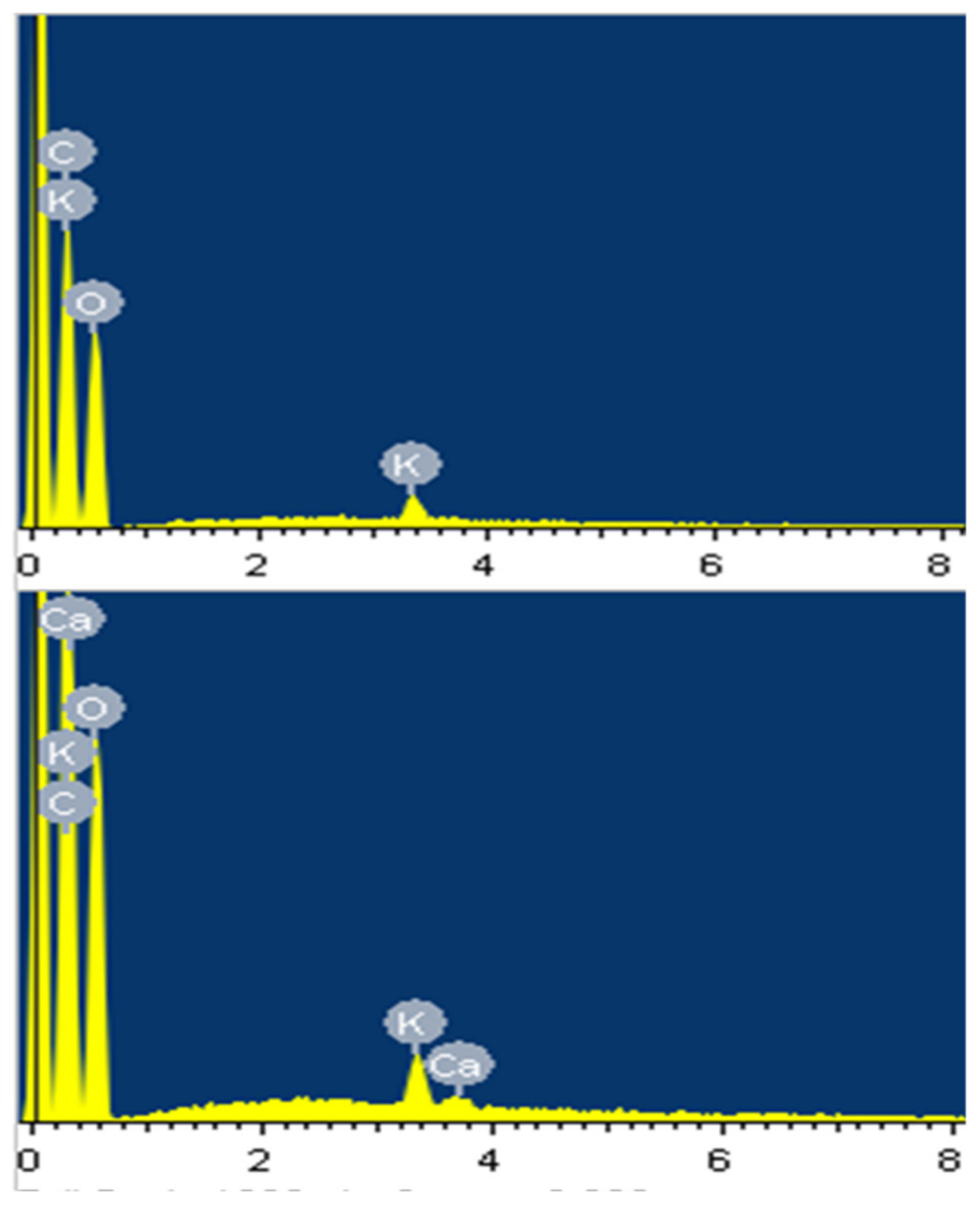
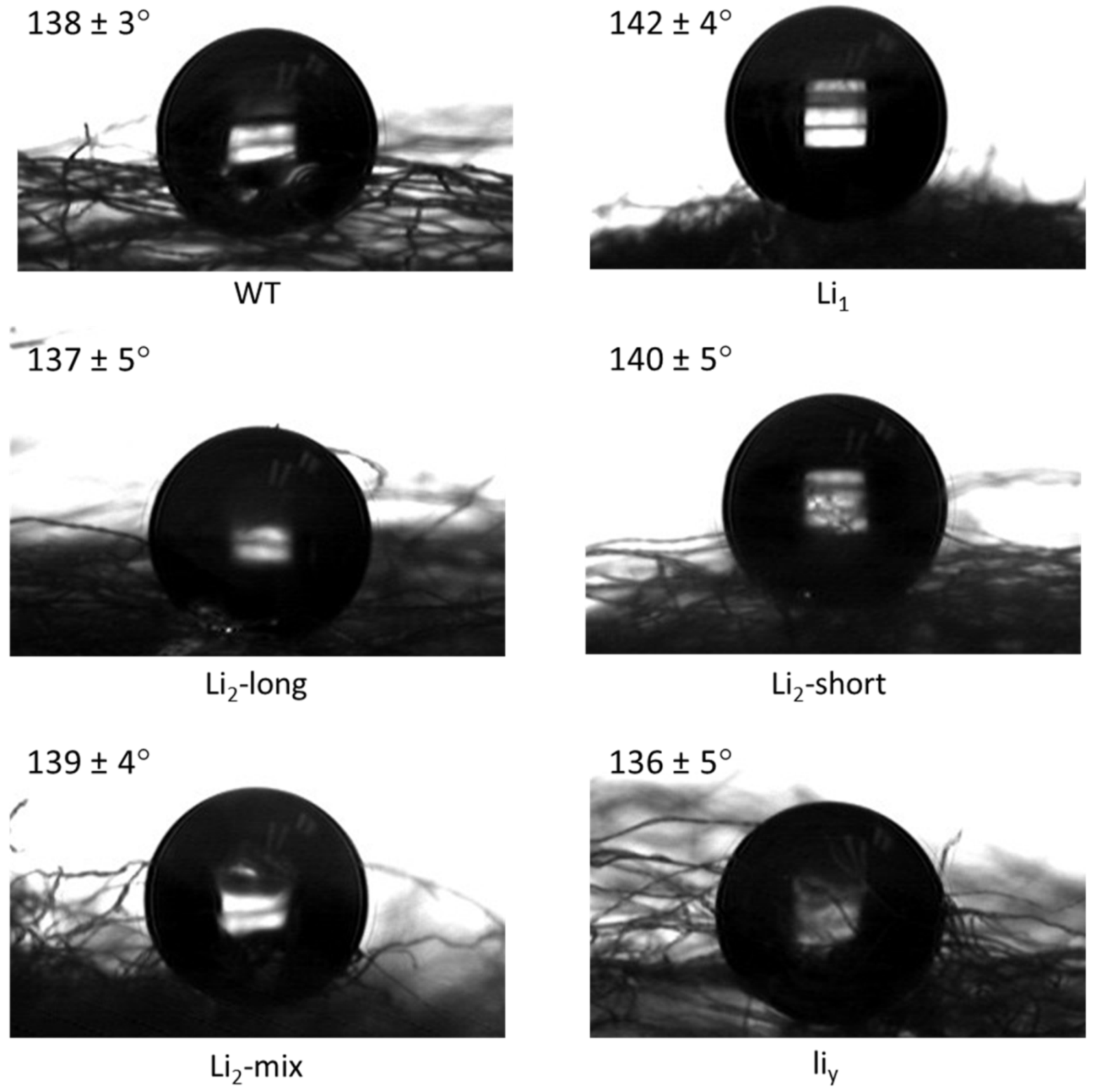
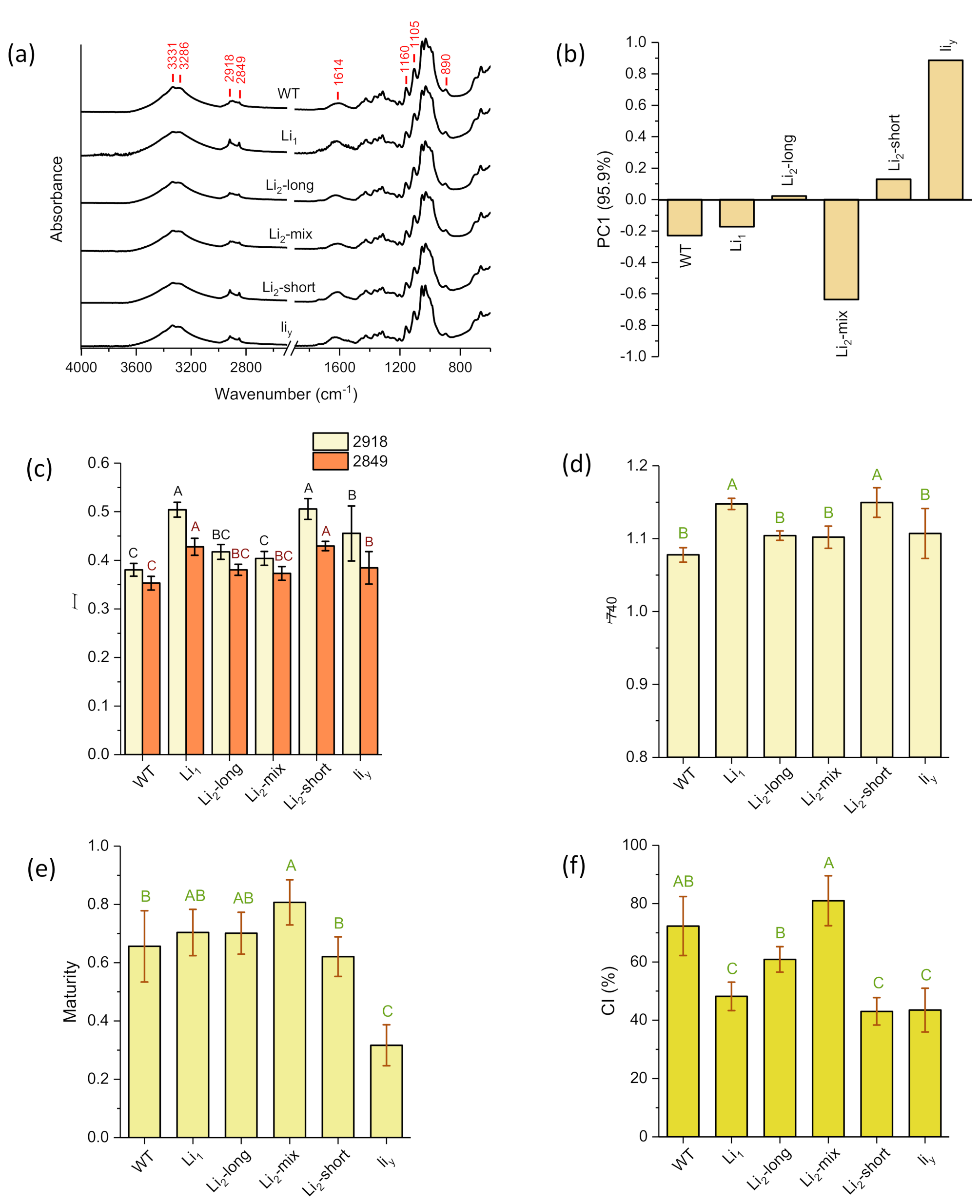
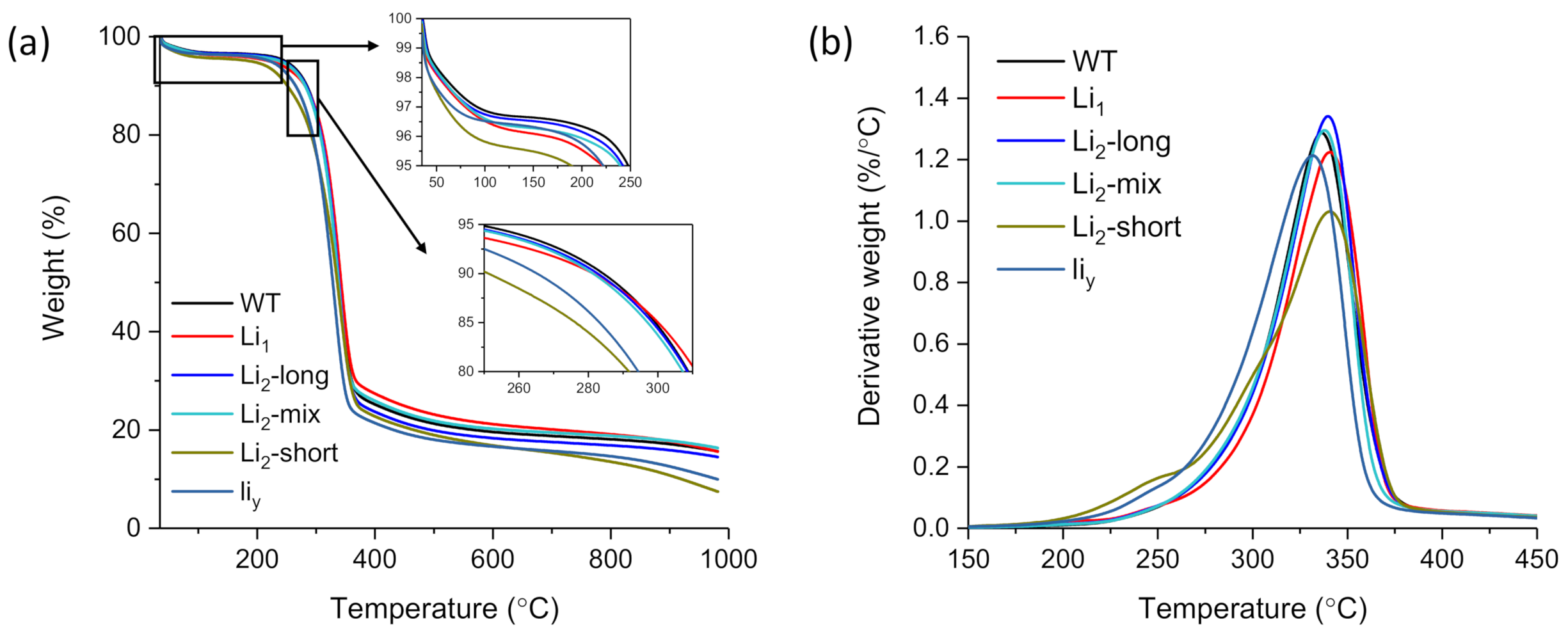
Cotton is one of the most important and widely grown crops in the world. Understanding the synthesis mechanism of cotton fiber elongation can provide valuable tools to the cotton industry for improving cotton fiber yield and quality at the molecular level. In this work, the surface and thermal characteristics of cotton fiber samples collected from a wild type (WT) and three mutant lines (Li1, Li2-short, Li2-long, Li2-mix, and liy) were comparatively investigated. Microimaging revealed a general similarity trend of WT ≥ Li2-long ≈ Li2-mix > Li1 > Li2 short ≈ liy with Ca detected on the surface of the last two. Attenuated total reflectance Fourier transform infrared (ATR FT-IR) spectroscopy and thermogravimetric measurements also showed that Li2-short and liy were more similar to each other, and Li2-long and Li2-mix closer to WT while Li1 was quite independent. FT-IR results further demonstrated that wax and amorphous cellulose were co-present in fiber structures during the fiber formation processes. The correlation analysis found that the FT-IR-based maturity parameter was well correlated (p ≤ 0.05) to the onset decomposition temperature and all three weight-loss parameters at onset, peak, and end decomposition stages, suggesting that the maturity degree is a better parameter than crystallinity index (CI) and other FT-IR parameters that reflect the thermal stability of the cotton fiber. In summary, this work demonstrated that genetic mutation altered the surface and thermal characteristics in the same way for Li2-short and liy, but with different mechanisms for the other three mutant cotton fiber samples.
Keywords: cotton; Fourier transform infrared spectroscopy; ligon-lintless mutation; micromorphology; short fiber mutant; surface composition cotton; Fourier transform infrared spectroscopy; ligon-lintless mutation; micromorphology; short fiber mutant; surface composition