Review

Advanced Hydrogels for Cartilage Tissue Engineering: Recent Progress and Future Directions
by
Mahshid Hafezi
1,
Saied Nouri Khorasani
1,*,
Mohadeseh Zare
2,
Rasoul Esmaeely Neisiany
3 and
Pooya Davoodi
4,5,*
1
Department of Chemical Engineering, Isfahan University of Technology, Isfahan 84156-83111, Iran
2
School of Metallurgy and Materials, University of Birmingham, Birmingham B15 2TT, UK
3
Department of Materials and Polymer Engineering, Faculty of Engineering, Hakim Sabzevari University, Sabzevar 96179-76487, Iran
4
School of Pharmacy and Bioengineering, Hornbeam Building, Keele University, Staffordshire ST5 5BG, UK
5
Guy Hilton Research Centre, Institute of Science and Technology in Medicine, Keele University, Staffordshire ST4 7QB, UK
*
Authors to whom correspondence should be addressed.
Polymers 2021, 13(23), 4199; https://doi.org/10.3390/polym13234199
Submission received: 8 November 2021 / Revised: 23 November 2021 / Accepted: 24 November 2021 / Published: 30 November 2021

Abstract

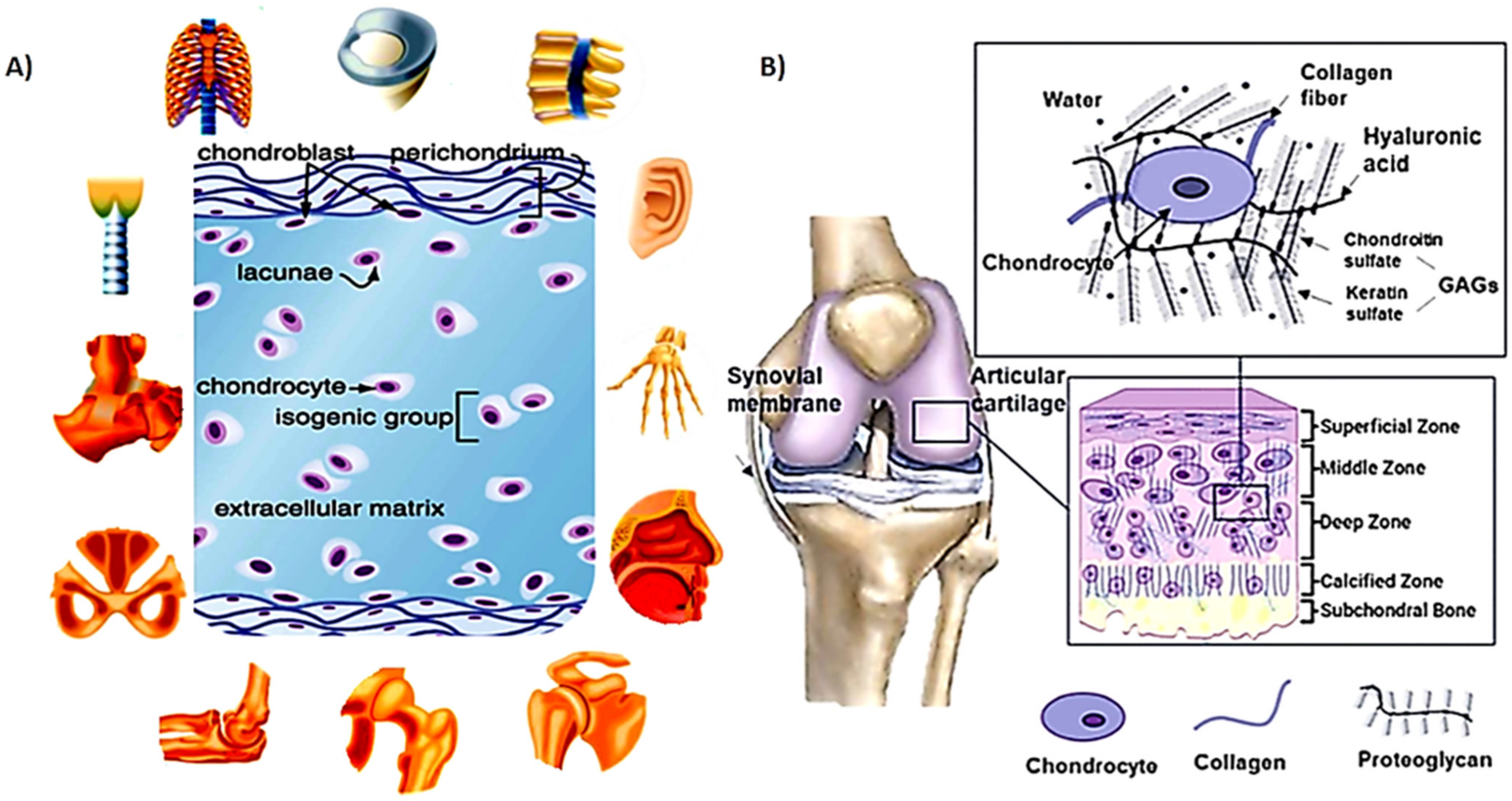
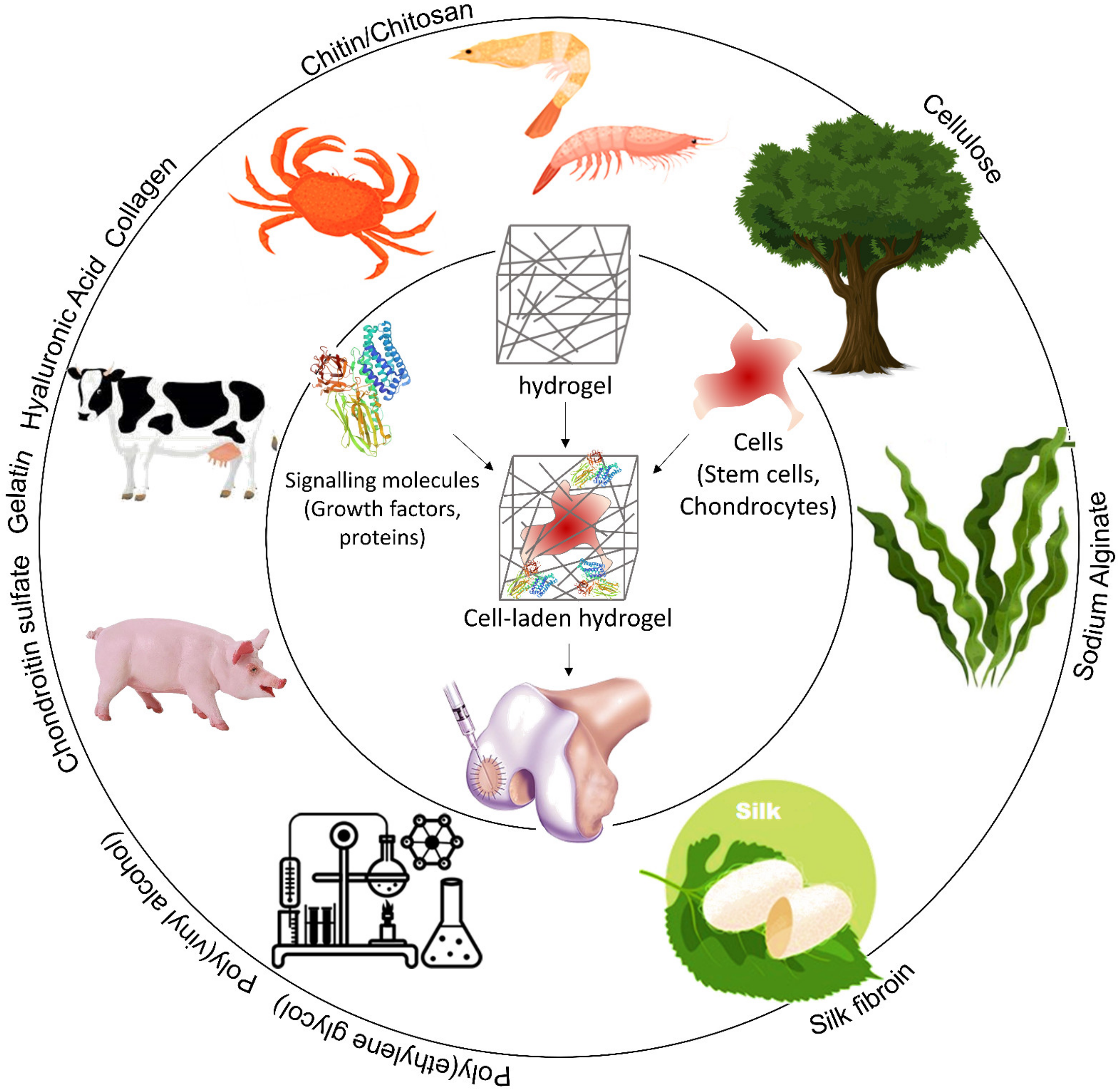
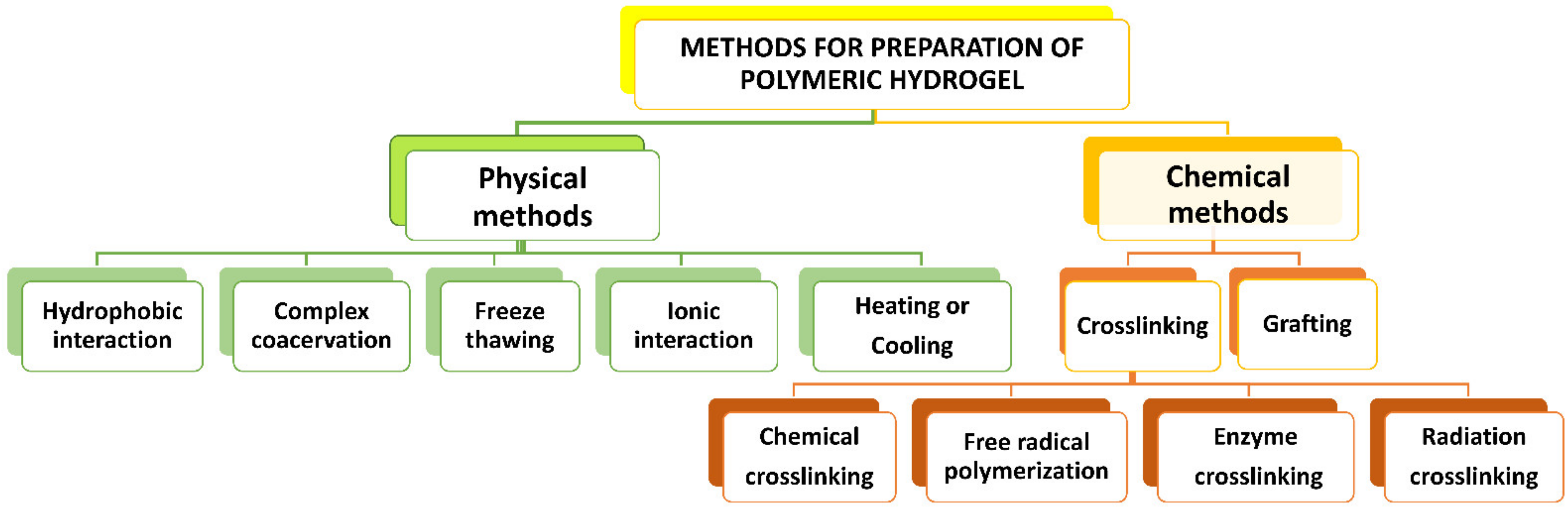
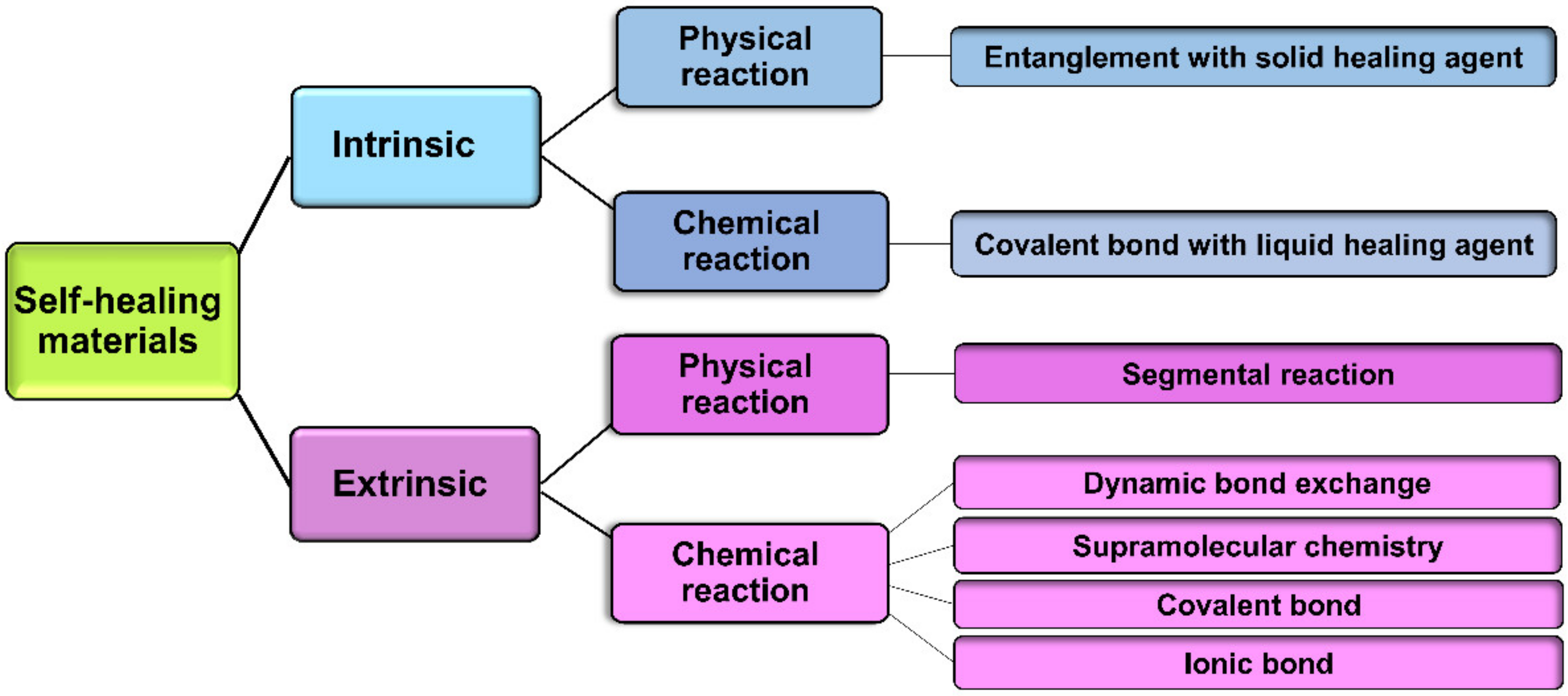
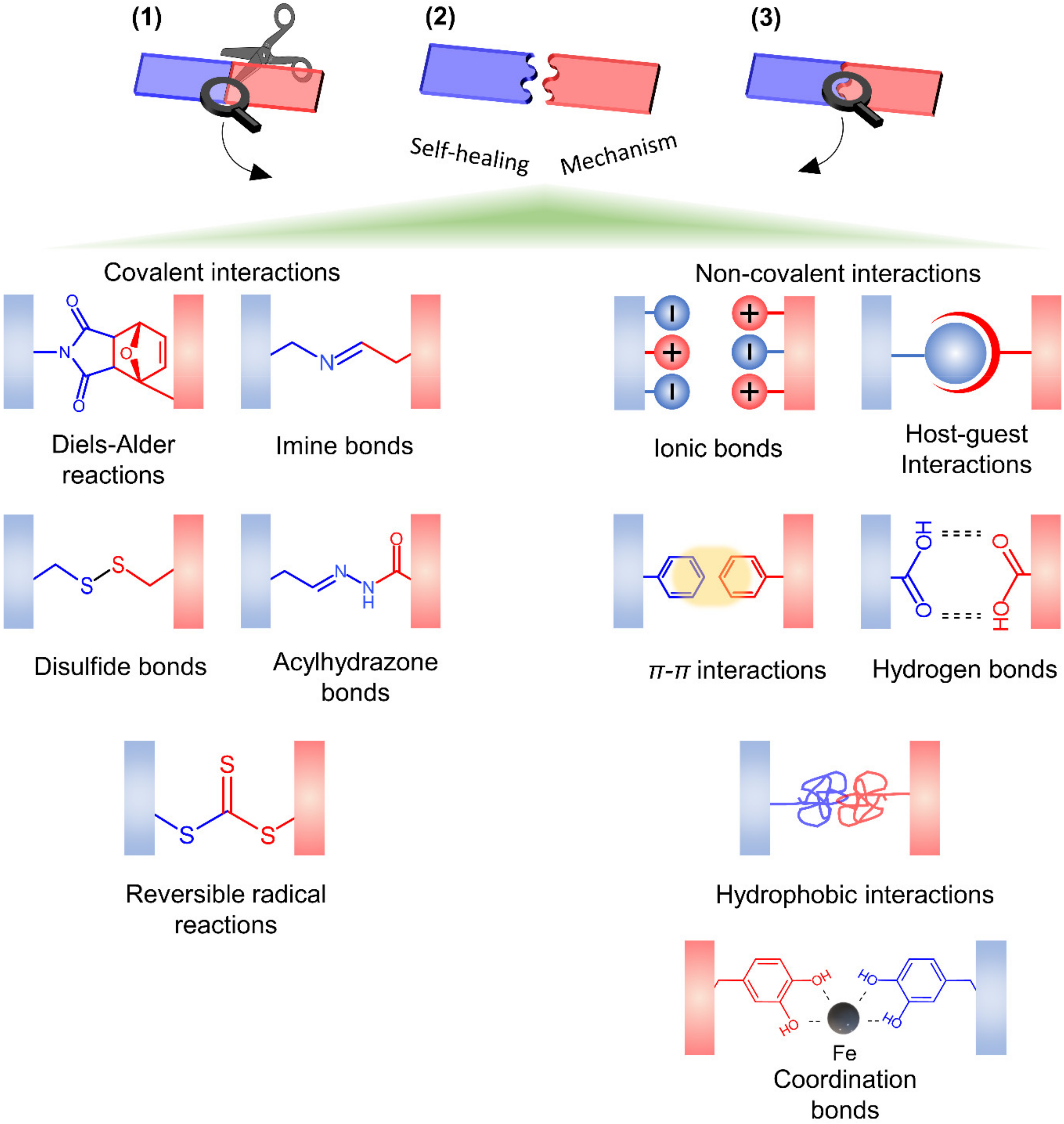
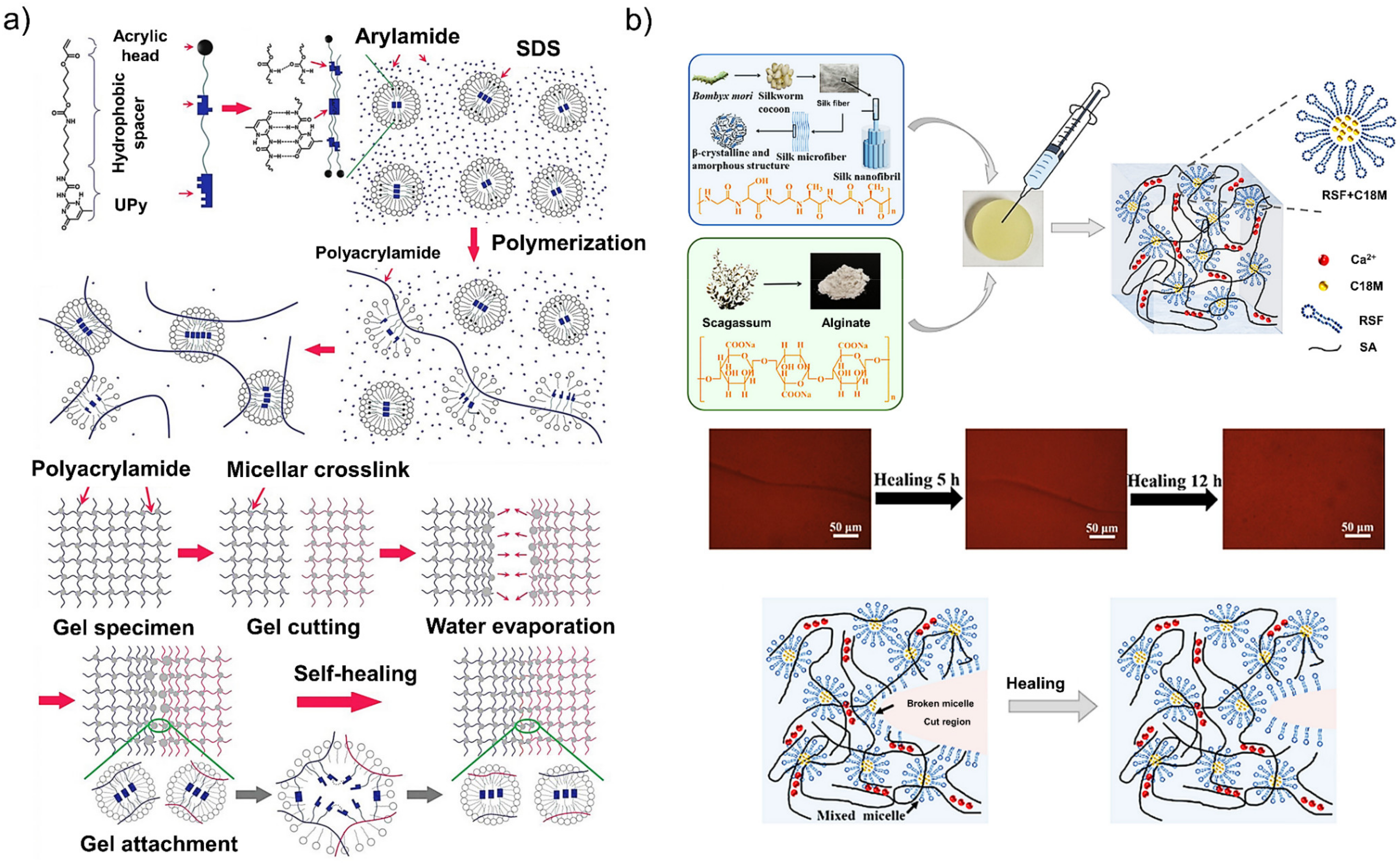
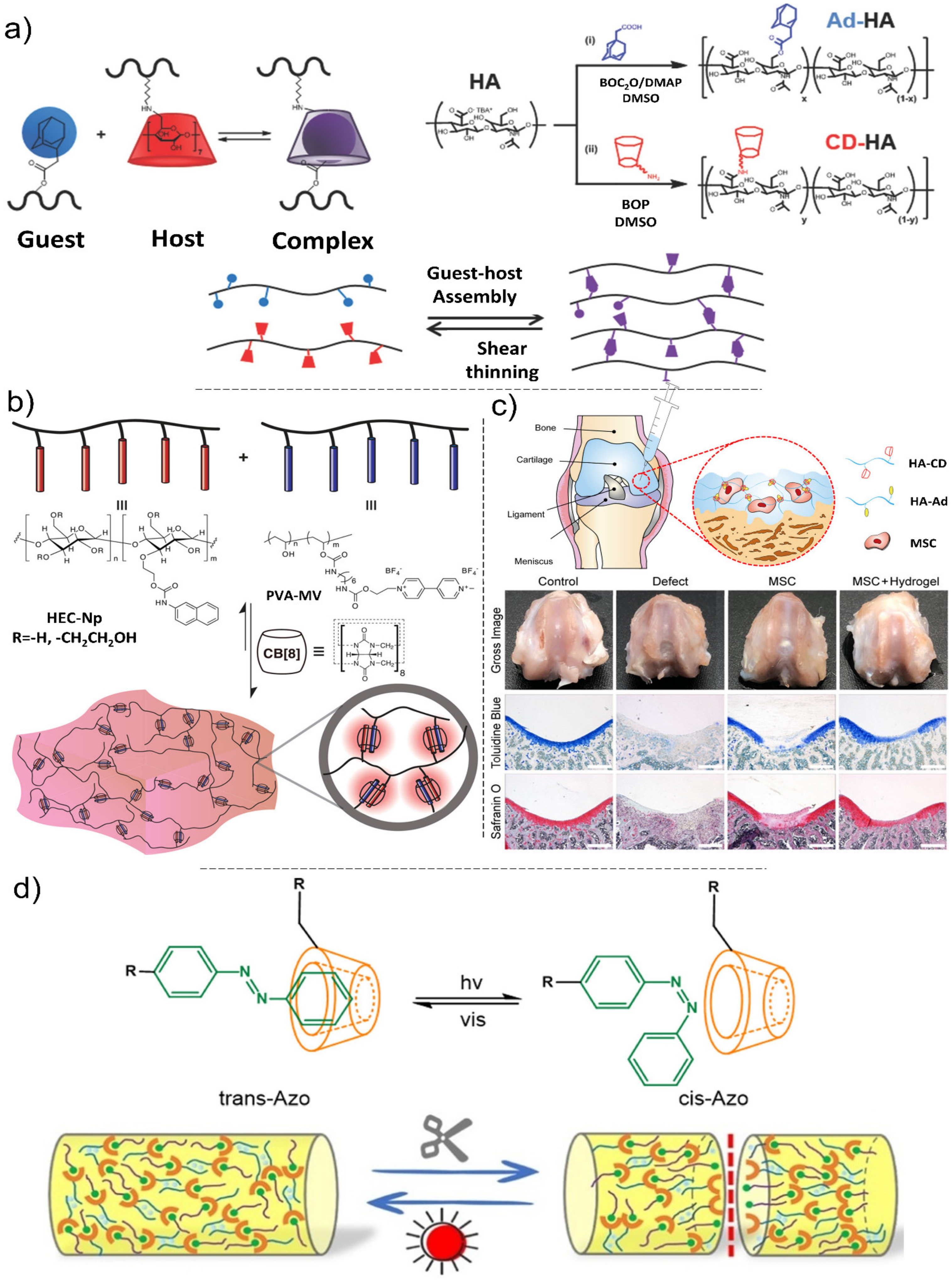
Cartilage is a tension- and load-bearing tissue and has a limited capacity for intrinsic self-healing. While microfracture and arthroplasty are the conventional methods for cartilage repair, these methods are unable to completely heal the damaged tissue. The need to overcome the restrictions of these therapies for cartilage regeneration has expanded the field of cartilage tissue engineering (CTE), in which novel engineering and biological approaches are introduced to accelerate the development of new biomimetic cartilage to replace the injured tissue. Until now, a wide range of hydrogels and cell sources have been employed for CTE to either recapitulate microenvironmental cues during a new tissue growth or to compel the recovery of cartilaginous structures via manipulating biochemical and biomechanical properties of the original tissue. Towards modifying current cartilage treatments, advanced hydrogels have been designed and synthesized in recent years to improve network crosslinking and self-recovery of implanted scaffolds after damage in vivo. This review focused on the recent advances in CTE, especially self-healing hydrogels. The article firstly presents the cartilage tissue, its defects, and treatments. Subsequently, introduces CTE and summarizes the polymeric hydrogels and their advances. Furthermore, characterizations, the advantages, and disadvantages of advanced hydrogels such as multi-materials, IPNs, nanomaterials, and supramolecular are discussed. Afterward, the self-healing hydrogels in CTE, mechanisms, and the physical and chemical methods for the synthesis of such hydrogels for improving the reformation of CTE are introduced. The article then briefly describes the fabrication methods in CTE. Finally, this review presents a conclusion of prevalent challenges and future outlooks for self-healing hydrogels in CTE applications.
Keywords: polymeric hydrogels; self-healing; articular cartilage; tissue engineering polymeric hydrogels; self-healing; articular cartilage; tissue engineering