1. Introduction
Recently, green composites which are made of recycled or degradable polymers and renewable plant resources, have aroused the great interest of researchers due to severe environmental concerns such as increasing energy consumption, greenhouse gas exhaustion, depletion of fossil fuels, and accumulation of plastic waste [
1,
2].
Polylactic acid (PLA) is one of the most used raw materials for the preparation of green composites [
3,
4]. It is a thermoplastic aliphatic polyester which has mechanical, thermal, and barrier properties comparable with commercial common plastics [
5,
6,
7]. It is a fully biodegradable biopolymer that can be processed by conventional plastics processing equipment [
8]. PLA has found a wide range of applications in packaging [
9,
10,
11], biological medicine [
12,
13], the automotive industry [
14,
15,
16], textiles [
17], disposable utensils [
18], construction and building [
19,
20], and 3D printing [
21,
22].
Another kind of raw material for the preparation of green composites is natural fiber (NF), especially recycled natural fiber. The recycling of discarded NFs such as wood flour (WF), rice chaff (RF), bagasse fiber (BF), and sisal fiber (SF) has caught more and more people’s attention with the upgrading of environment protection as a priority. Compared with inorganic fibers such as glass fiber and carbon fiber, NF has advantages in terms of light weight, low cost, high strength, high modulus, and biodegradation, and have been widely used to prepare green composites [
23,
24,
25,
26].
BF is a kind of NF that is common in tropical and subtropical regions. It is the residue of squeezed sugarcane bagasse. Currently most BF is treated as fertilizer, feed, or fuel. These treatments are not benign to the environment and do not take full advantage of BF. Compounding BF with polymeric materials to prepare natural fiber reinforced polymer-based composites not only realizes the efficient recycling of BF but also improves the integrated properties of polymeric materials and expands their application ranges.
The main components of BF are cellulose (40%–50%), hemicellulose (25%–35%) and lignin (15%–35%) which have many hydroxyls [
27]. These hydroxyls have strong polarity and hygroscopicity, which makes BF weak compatible to most polymeric materials at their interfaces when they are fabricated into composites, resulting in the decreasing of mechanical properties of the composites. Meanwhile, these hydroxyls tend to form the intramolecular hydrogen bonds inside the cellulose, which makes BF easily aggregate when BF is compounded with polymers. The inferior dispersion of BF impedes the reinforcement of BF to polymeric materials and limits the applications of BF reinforced polymer-based composites.
Therefore, how to improve the interfacial compatibility between BF and polymeric materials plays a key role in improving the mechanical properties of BF reinforced polymer-based composites [
28,
29,
30,
31,
32,
33,
34]. At present, the methods to improve the interfacial compatibility of natural fiber (NF) reinforced polymer-based composites are filling compatibilizers into the composites [
32,
34] or surface treatment and modification of NF [
28,
29,
30,
31,
33].
The filled compatibilizers are the strongly interfacial interactive polymers such as the graft copolymers or ammonium lignosulphonate (AL). Csikós [
32] used maleic anhydride grafted polylactic acid as the interfacial compatibilizers for PLA/WF composites. Results showed that maleic anhydride grafted polylactic acid significantly enhanced the interfacial compatibility of PLA/WF and evidently increased the mechanical properties of PLA/WF composites. Since maleic anhydride grafted polylactic acid can offer strong and powerful interfacial interactions through chemical bonds, the observed interfacial morphology by scanning electron microscope shows that WF was broken during the stretching of the composites. Hu [
34] used AL as interfacial modifiers and investigated the effect AL on the mechanical and thermal properties of PLA/WF composites. Results showed that AL increased the flexural strength, flexural modulus, and internal bond strength of PLA/WF composites when the mass ratio of PLA to BF is 7:3.
The surface treatment and modification of natural fiber use alkali solution to treat natural fiber and to clear up the small molecular compounds that covered on the surface of natural fibers, or use silane coupling agents to modify the surface of natural fiber to organize and functionalize the surface of natural fiber. As a result, the interfacial compatibility between natural fiber and polymeric materials is enhanced. Orue et al. [
33] used methods such as the treatment of NaOH and modification of silane coupling agents to modify SF and investigated the effect of various methods on the mechanical properties of PLA/SF composites. Results shows that alkali treatment made the surface of SF became rough and thin, and silane coupling agents made the surface of SF organized, as well as increasing the interfacial compatibility between SF and PLA. These two methods both improved the interfacial compatibility of PLA/SF composites and therefore increased the mechanical properties of the composites at various grades.
Due to the complexity of NF microstructure, how the NF microstructure affects the performances of its reinforced composites is associated with the types of NF used or the microstructure tailoring conditions such as the concentration and time used for alkali treatment and silane modification of NF. At present there is little research on the quantitative characterization of tailored BF microstructure after alkali treatment and silane modification, and its effect on the thermal and mechanical properties of PLA-based composites though other NF reinforced PLA-based composites have been widely reported. In this paper, the methods in terms of alkali treatment, silane coupling agent modification and combination of alkali treatment and silane coupling agent modification were used to modify BF. Fourier transform infrared spectroscopy (FTIR), X-ray diffraction (XRD), scanning electron microscopy (SEM), Polarizing optical microscope (POM), thermogravimetry (TGA), differential scanning calorimetry (DSC), and mechanical properties testing were used to investigate the microstructure of modified BF and its effects on the compatibility and properties of PLA/BF composites.
2. Materials and Methods
PLA (Nature Works® 4032D in pellet) was purchased from Nature Works LLC. The melting flow rate of PLA is 7.72 g/10 min at 230 °C and 2.16 kg. Bagasse fiber (BF), with an average size of 180 μm and aspect ratio of 2.89, was supplied by Guangzhou sugarcane and the Sugar Research Institute. The major components of BF are 46.1% cellulose, 24.7% hemicellulose, 22.6% lignin, and 6.6% ash and other impurities, as offered by the supplier. Sodium hydroxide (analytical reagent) was purchased from Tianjin Shigeru Chemical Reagent Factory (Tianjin, China). 3-aminopropyltriethoxysilane (APTES) was the analytical reagent that was purchased from Shanghai Aladdin biochemical Polytron Technologies Inc. Acetone (analytical reagent) was purchased from Tianjin Shigeru Chemical Reagent Factory.
BF was dried for 6 h in an 80 °C drying oven and smashed for 5 min in a high-speed disintegrator. The smashed BF was soaped in 3 wt % NaOH/water solution with 1: 20 solid-to-liquid ratios for 4 h under mechanical stirring. The alkali treated BF was rinsed with water 5 times to sufficiently clean NaOH and then filtered. The cleaned BF was air dried for 12 h and then dried for 24 h in a drying oven at 80 °C. The as-prepared BF was designated as alkali treated BF (ABF).
BF was dried for 6 h in a drying oven at 80 °C and smashed for 5 min in a high-speed disintegrator. The smashed BF was soaped in 6 wt % APTES/acetone solution with 1: 20 solid-to-liquid ratios for 48 h. The silane treated BF was eluted with acetone for 5 times to sufficiently clean uncoupled APTES and filtered. The cleaned BF was air dried for 12 h and then dried for 24 h in a drying oven at 80 °C. The as-prepared BF was designated as SBF. The BF prepared successively by alkali treatment and silane treatment described above was designated as alkali treatment with silane coupling agent (ASBF).
Before processing, the untreated bagasse fiber (UBF), ABF, BF modified by silane coupling agent (SBF), BF modified combining alkali treatment with silane coupling agent (ASBF), and PLA were dried in a drying oven at 80 °C. The dried PLA and various BF (UBF, ABF, SBF and ASBF) were uniformly mixed according to the compositions listed in
Table 1. The uniformly mixed raw materials were extruded and pelleted in a two-screw extruder at 185 °C to obtain 4 different PLA/BF pellets. The PLA/BF pellets were dried in a drying oven at 80 °C. The dried PLA/BF pellets were injected at 190 °C in an injection molding machine into PLA/BF composites with standard specifications for a tensile test, bending test, and notched impact test. No preferred orientation of the bagasse fibers was set in all PLA/BF composites. The as-prepared PLA/BF composites were designated as PLA/UBF composites, PLA/ABF composites, PLA/SBF composites, and PLA/ASBF composites, respectively. A pristine PLA sample was also prepared under the same conditions for comparison.
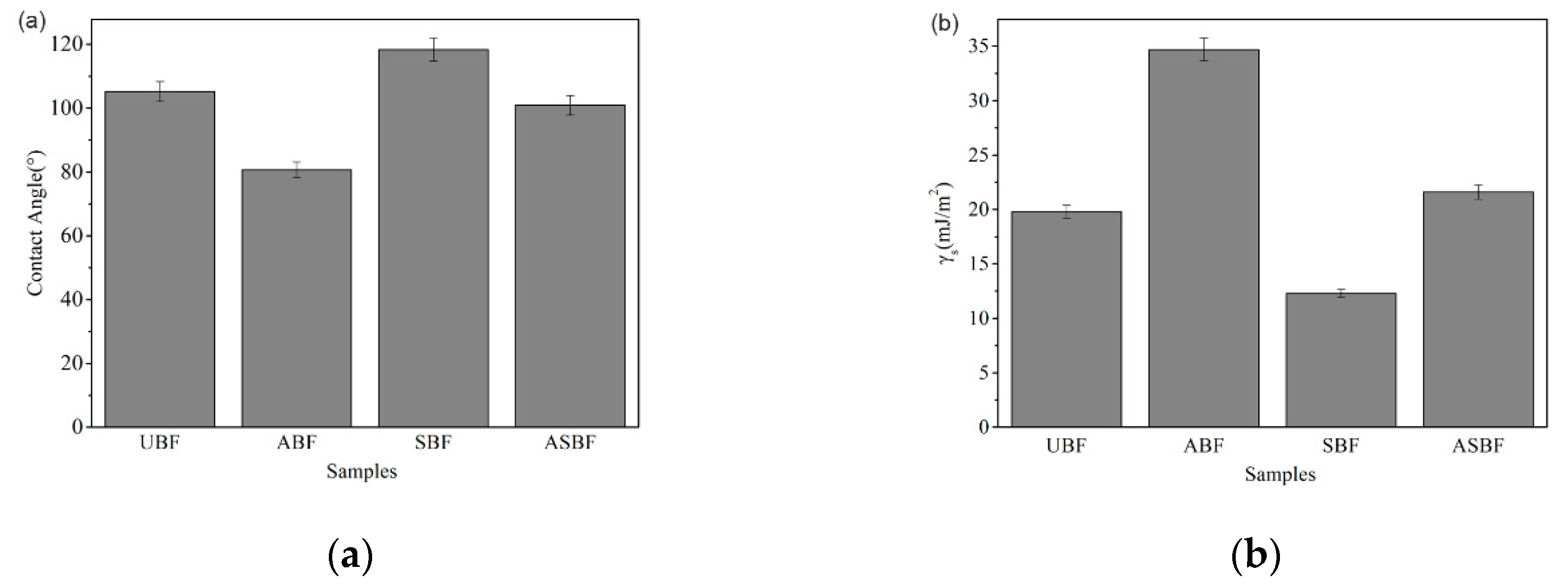
The surface contact angle was performed on a Data physics OCA15 surface contact angle analyzer. The samples were compressed into a surface-smooth tablet with diameter of 20 mm and thickness of 2 mm. Distilled water and glycerol were used to measure the surface contact angle. For each sample, 10 different locations were used to measure the surface contact angle. The surface energy was calculated based on the measured surface contact angle according to the Owens–Wendt formula [
35,
36] as shown in Equation (1):
where
θ is the contact angle of the fibers with the test liquid,
,
and
are dispersive, polar and total surface energy of the test liquid, respectively, and
,
are dispersive and polar components of the surface energy of fibers, respectively. The total surface energy
was calculated by
.
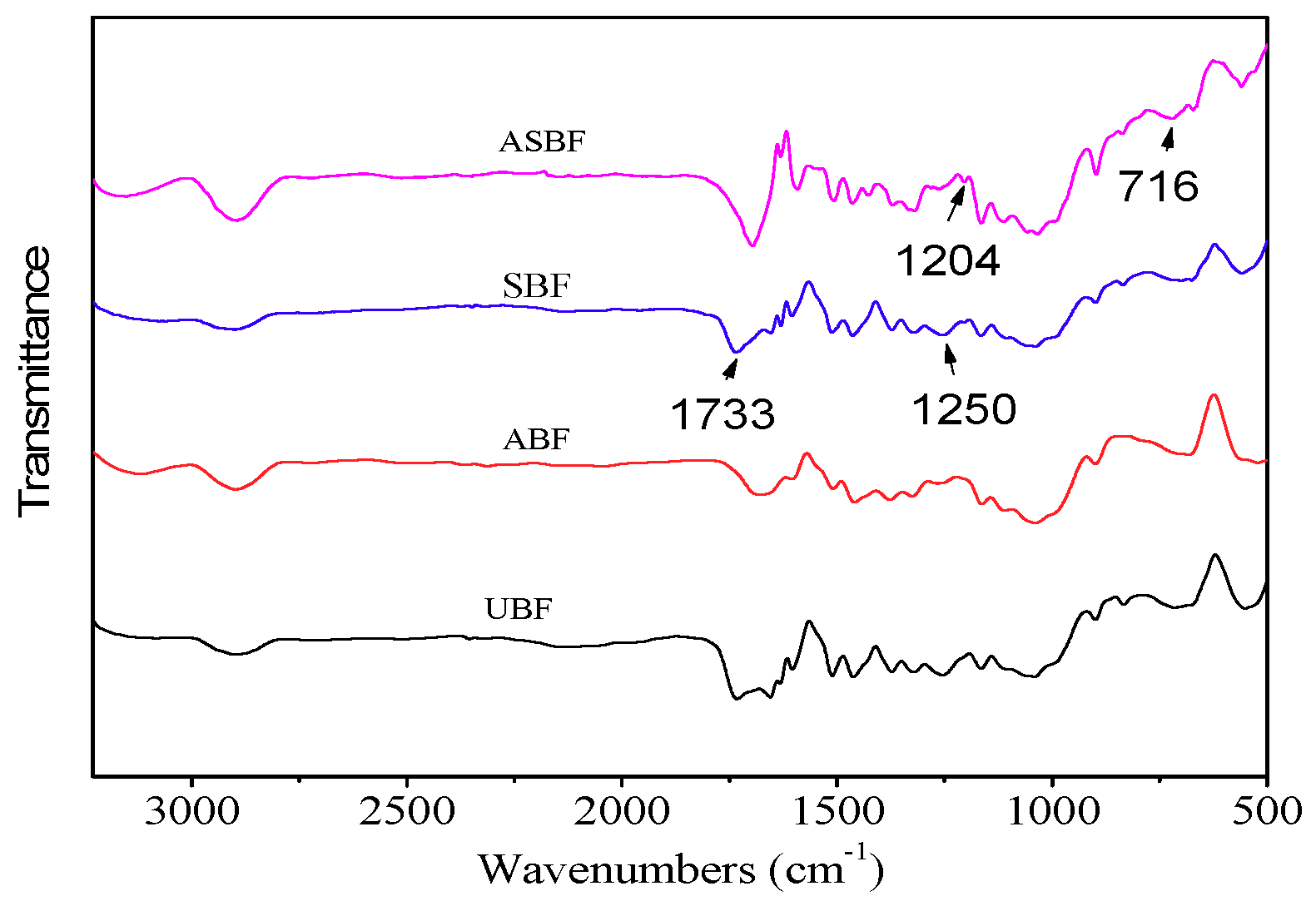
Chemical structures of the fibers were characterized on an FTIR spectrophotometer (Thermoscientific NICOLET 6700, Thermo Scientific, Waltham, MA, USA). The samples were prepared by mixing the materials and KBr in a proportion of 1:100 (w/w). For each detection, 16 scans were accumulated with a 4 cm−1 resolution.
SEM micrographs were obtained using a FEI Quanta 200 scanning electron microscope (Thermo Scientificcompany, Hillsboro, OR, USA) performing from 15 to 20 kV, using secondary electrons to obtain information of fibers morphology. The PLA/BF samples were brittle broken in liquid nitrogen, fixed to a holder with double-side adhesive carbon tape, and submitted to metallic recovering with gold.
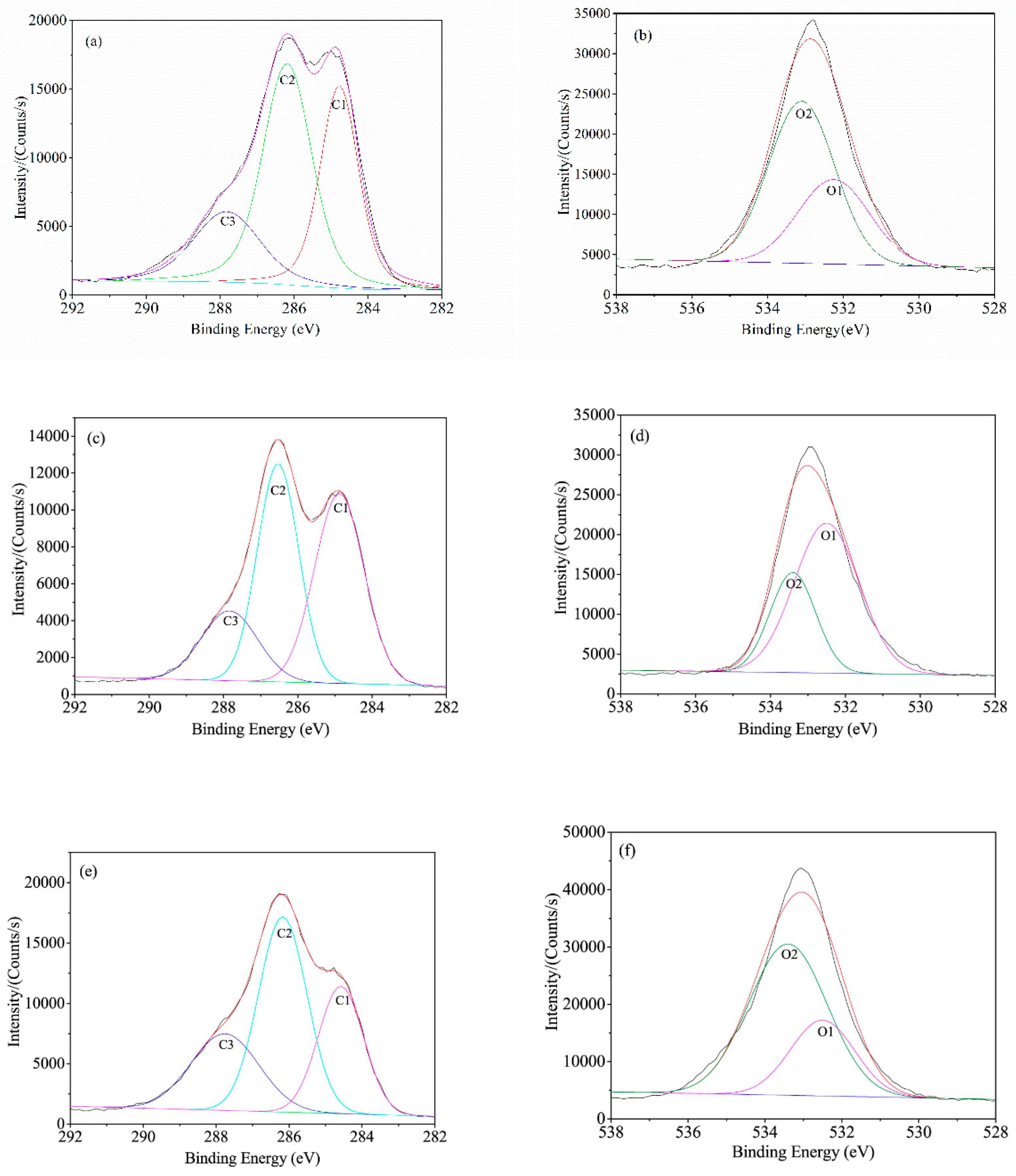
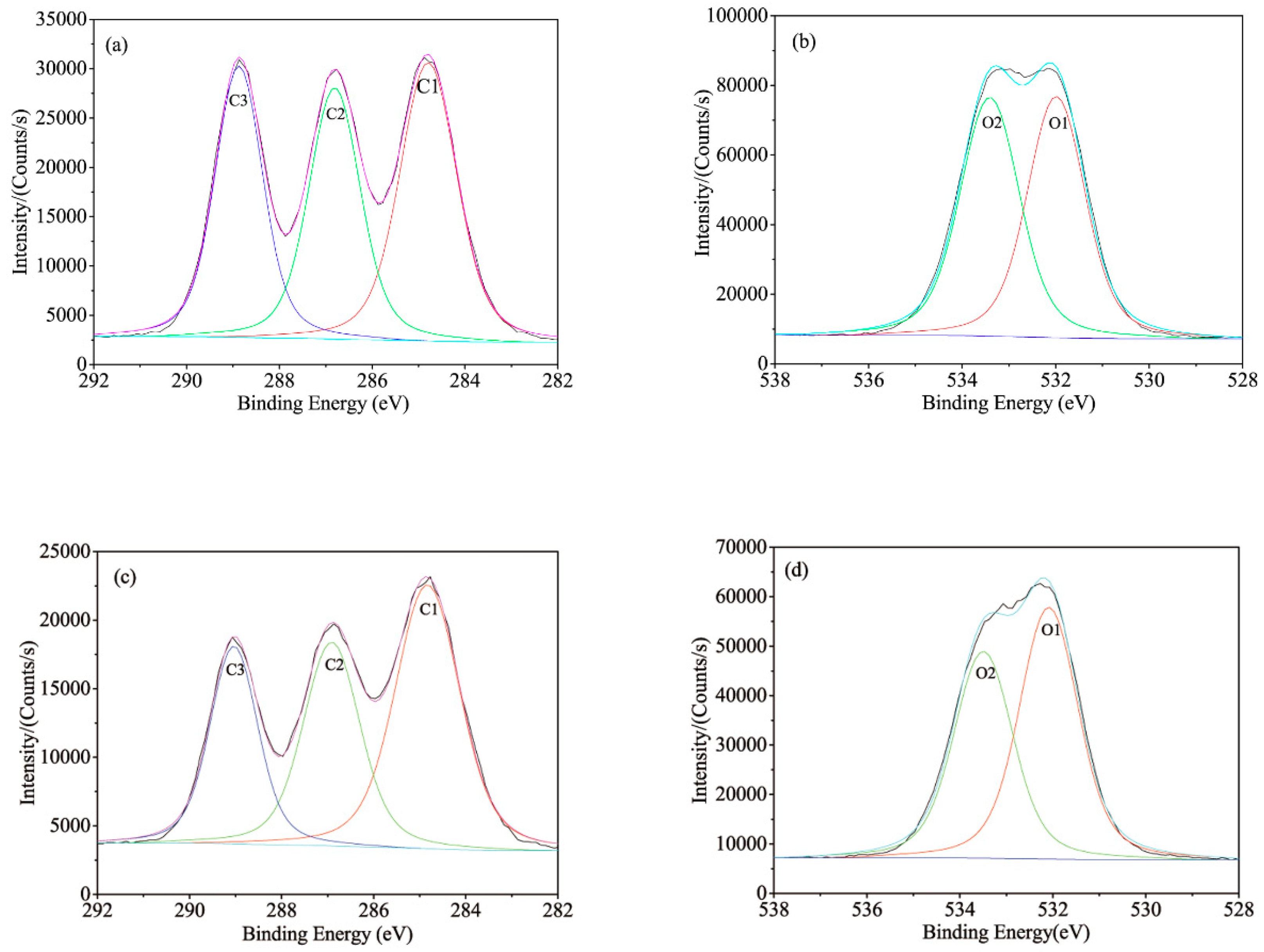
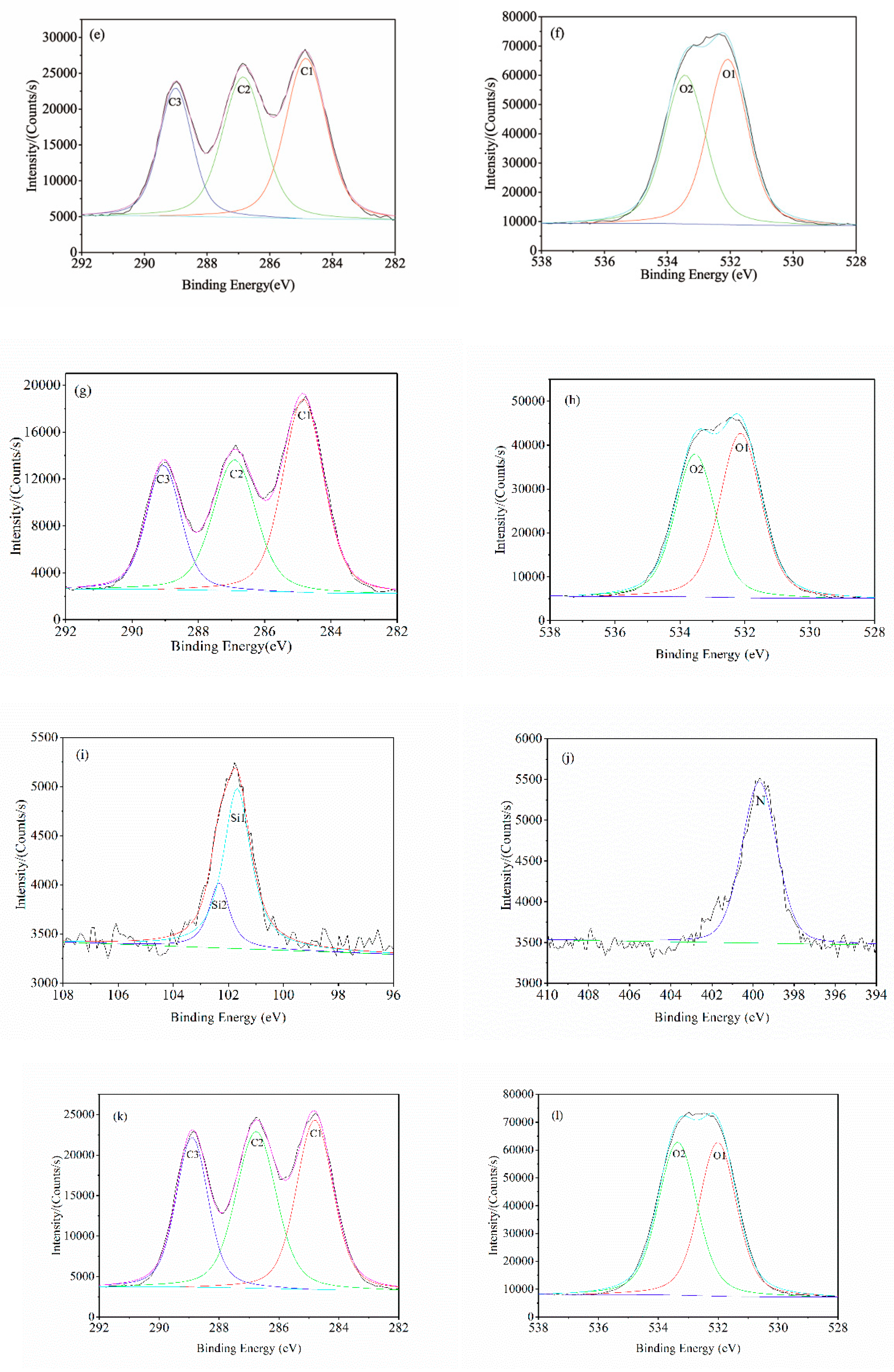
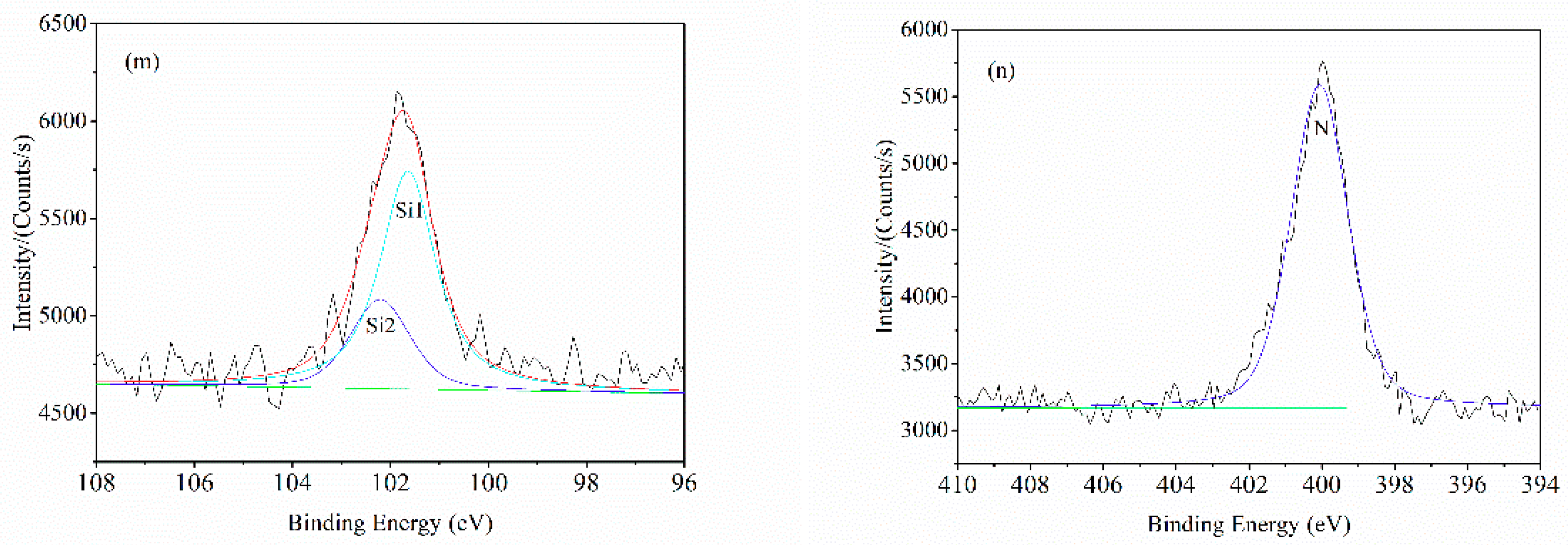
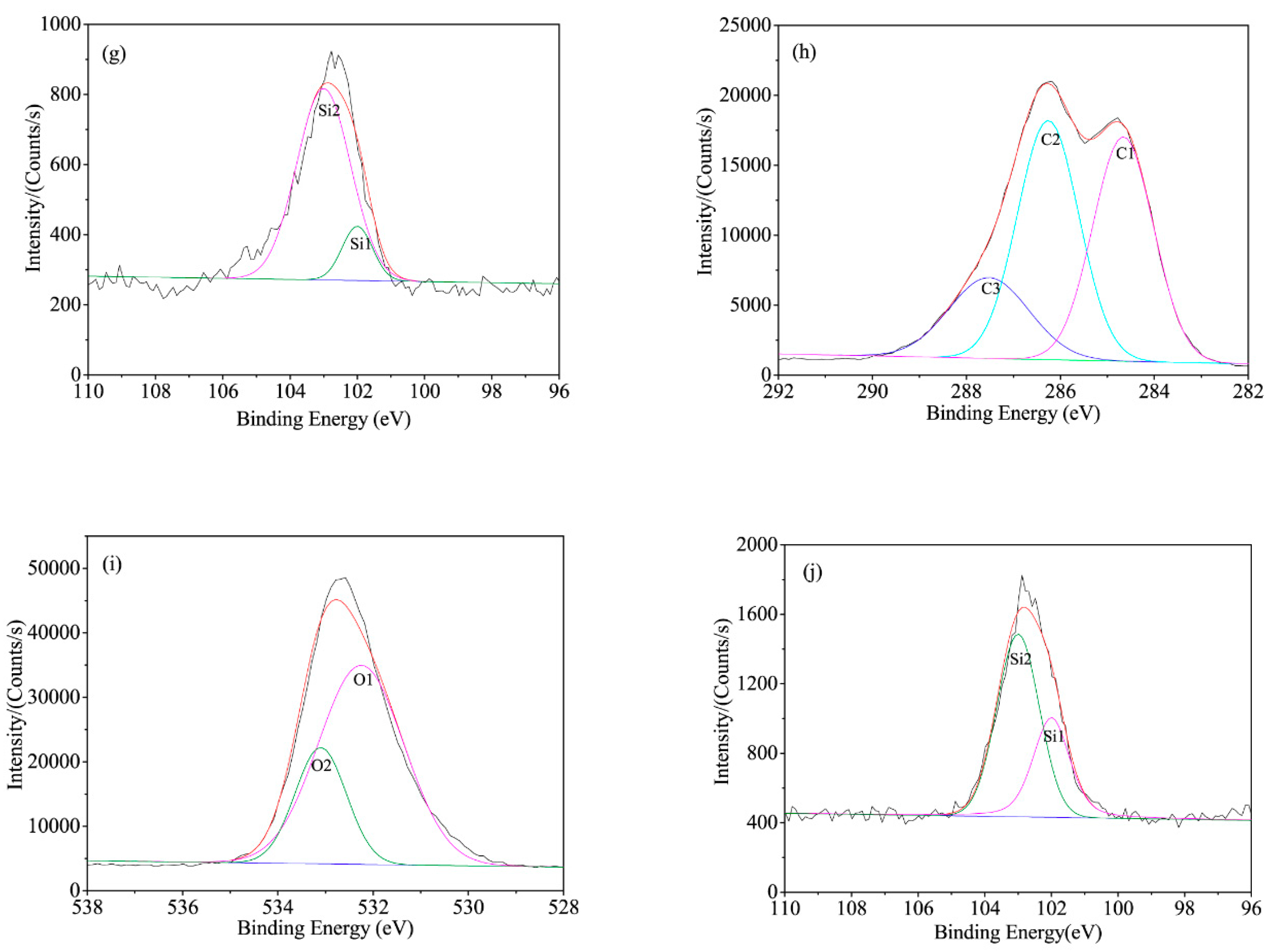
XPS was carried out on an X-ray scanning micro-prober photoelectronic energy spectrometer (250Xi, Thermofisher Scientific Co., Ltd.) by using a monochromatic Al Kα X-ray source (1486.68 eV). The scanning spectra and high-resolution spectra were recorded in the constant pass energy of 150 eV and 50 eV, respectively. High-resolution spectra of C1s, O1s, Si1s, and N1s were measured to quantitatively characterize the binding energy and atomic concentration at a pass energy of 10 eV and resolution of 0.05 eV/step acquired by five scans. The peak differentiation was carried out by using the XPS peak software. The curve differentiating deviation was controlled as little as possible.
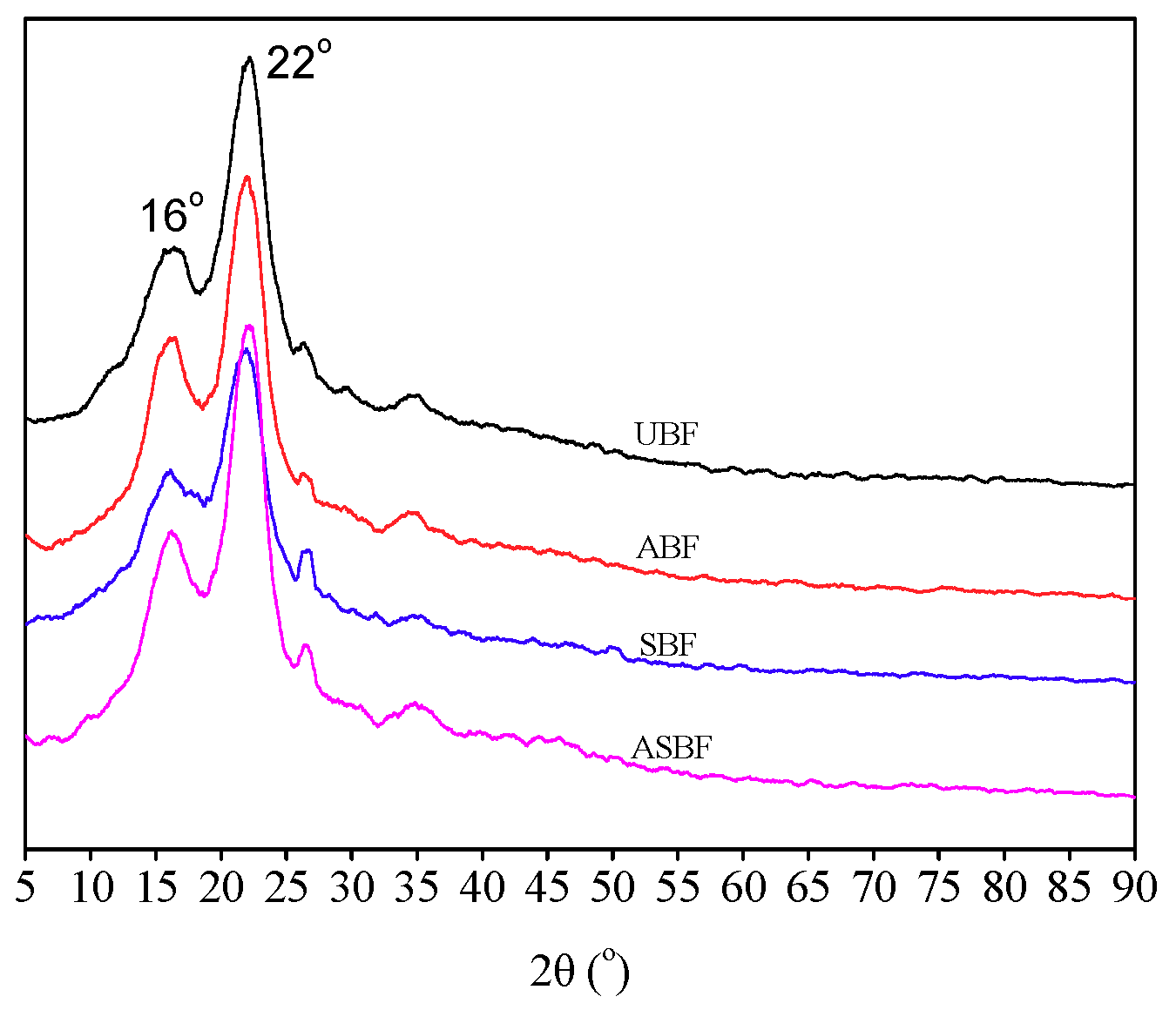
The XRD patterns were obtained in a Shimadzu XRD 6000 diffractometer. The measuring conditions were: CuKa radiation with graphite monochromator, 40 kV voltage, and 40 mA electric current. The patterns were obtained in 5–90°2θ angular intervals with 0.05° step and 1 s of counting time.
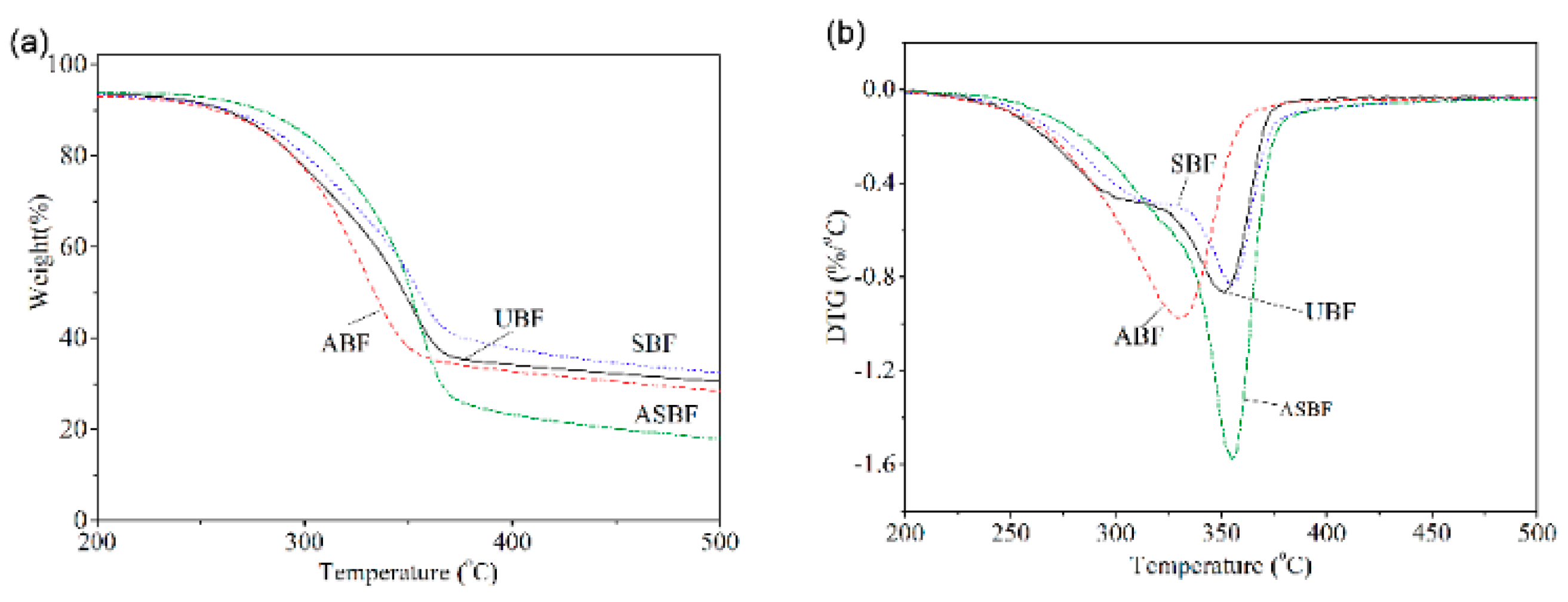
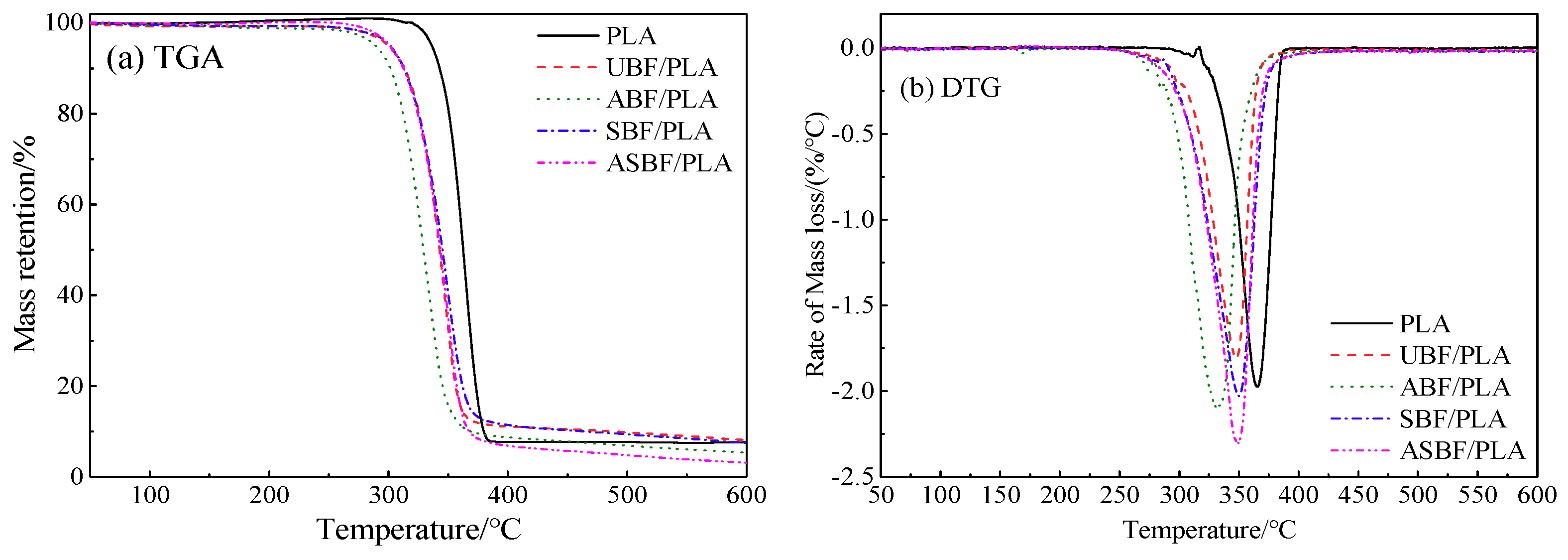
TGA was carried out on a TA SDT 2960 simultaneous DSC-TGA instrument (TA Instruments, New Castle, DE, USA). 5–10 mg samples were taken out from various BF and their composites, respectively, for analysis. The samples were heated from room temperature to 600 °C at calefactive rates of 10 °C/min under nitrogen condition. The weight loss of the samples was recorded as a function of temperature.
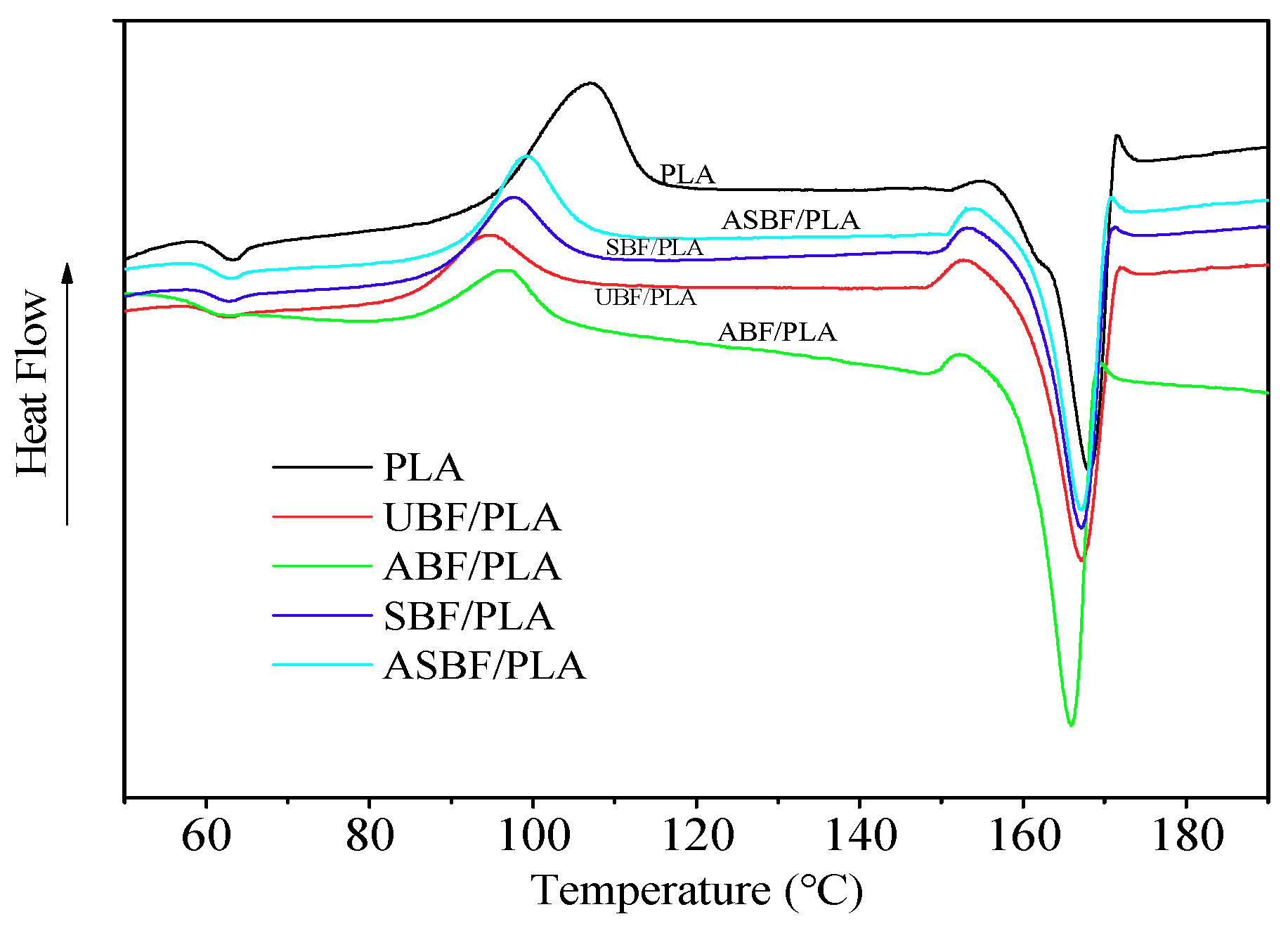
DSC was carried out on a TA DSC 2910 instrument (TA Instruments, New Castle, DE, USA) by heating the samples to 200 °C at calefactive rates of 10 °C/min, holding for 10 min to avoid the thermal history, cooling to 40 °C (with 5 min equilibration at 40 °C) and reheating to 200 °C at constant rates of 10 °C/min under nitrogen condition.
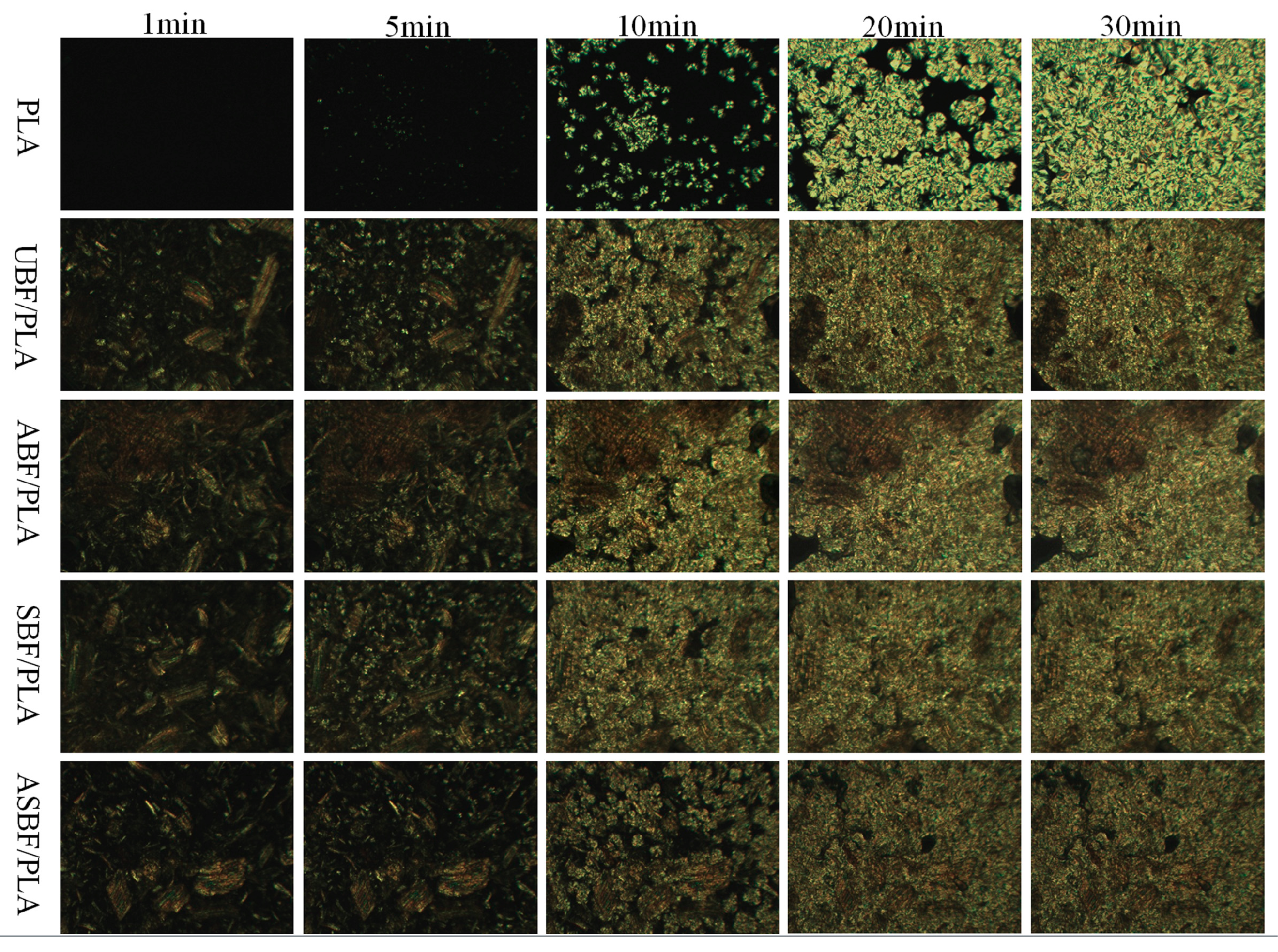
POM micrographs were obtained through a polarizing microscope (BA310Pol, Motic China Group Co., Ltd., Shenzhen, China). A small amount of PLA based composites were put on the slide glass and then transferred to the temperature control platform. The samples were heated to 220 °C, which was maintained until the samples were completely melted. The melted samples were covered by the cover glass and held for 3 min. Then the melted samples were cooled to room temperature at 60 s/°C. The growing crystalline morphology of the cooling samples was captured at various times.
The tensile and flexural tests were performed on a universal testing machine (DCS-5000, Shimadzu, Japan) at room temperature according to ISO527-2: 1993 (with dumbbell sample dimensions of 170 × 10 × 4 mm) and ISO178: 2001 (with sample dimensions of 80×10×4 mm), respectively. A non-notched impact test was performed according to ISO179, with the sample dimensions of 80 × 10 × 4 mm. For each testing, five specimens of composites were analyzed.
4. Conclusions
The microstructure of BF was successfully tailored by alkali treatment and surface modification. The surface polarity of BF could be tailored by alkali treatment and surface modification. The alkali treatment removed the small molecule compounds, hemicellulose and parts of amorphous cellulose, resulting in the decrease of thermal stability and an increase of the crystallinity of BF. The surface energies of UBF, ABF, SBF, and ASBF were 19.8 mJ/m2, 34.7 mJ/m2, 12.3 mJ/m2, and 21.6 mJ/m2.
The surface of UBF was coarse and impure and the fiber strand inside UBF was tight. After alkali treatment, fiber fragments were spotted on ABF surface, indicating that ABF was severely fibrillated. The surface of SBF was rather smooth, but the molecular layer of coupling agents was not easily spotted.
Since the alkali treatment made ASBF fibrillated, the effective contact interfacial area of ASBF with the coupling agents increased and ASBF could interact with more coupling agents. As a result, the content of silicon element on the surface of ASBF was higher than that on the surface of ABF. The O/C ratios of UBF, ABF, SBF, and ASBF were 0.48, 0.53, 0.47, and 0.51, respectively. The content of silicon elements on the surface of ASBF (4.15%) was higher than that of SBF (2.38%) due to the synergistic effect of alkali treatment and silane coupling agent modification on the surface chemical properties.
As for the PLA/UBF composites and PLA/ABF composites, BF was an effective heterogeneous nucleating agent which promoted the crystallization rate and decreased the temperature of cold crystallization. The coupling agents had little effect on the intramolecular interactions and lamellar crystal structure. But the interfacial compatibility of PLA/SBF composites and PLA/ASBF were effectively improved by silane coupling agents, resulting in the decreasing of mobility of PLA chains which hindrance the crystallization of PLA/SBF composites and PLA/ASBF composites. Meanwhile, SBF and ASBF destroyed the regularity of PLA chains and thus led to the decreasing of crystallinity of PLA/SBF composites and PLA/ASBF composites. Moreover, PLA chains in PLA/ASBF composites had lower crystallinity by comparison with that in PLA/SBF. The silane coupling agent played a more important role than alkali treatment did in improving the interfacial compatibility of PLA/BF composites. However, the alkali treatment had no prominently synergetic effect with coupling agent modification on the mechanical properties of PLA/BF composites due to the destruction of alkali treatment on the microstructure of BF.