Article

Alternating Magnetic Field-Triggered Switchable Nanofiber Mesh for Cancer Thermo-Chemotherapy

1
International Center for Materials Nanoarchitectonics (WPI-MANA), National Institute for Materials Science (NIMS), Tsukuba, Ibaraki 305-0044, Japan
2
Graduate School of Pure and Applied Sciences, University of Tsukuba, Tsukuba, Ibaraki 305-8577, Japan
3
International Center for Young Scientists (ICYS), National Institute for Materials Science (NIMS), Tsukuba, Ibaraki 305-0044, Japan
4
Medical Center for Translational Research, Osaka University Hospital, Suita, Osaka 565-0871, Japan
5
Graduate School of Industrial Science and Technology, Tokyo University of Science, Katsushika-ku, Tokyo 125-8585, Japan
*
Author to whom correspondence should be addressed.
Polymers 2018, 10(9), 1018; https://doi.org/10.3390/polym10091018
Submission received: 31 July 2018 / Revised: 4 September 2018 / Accepted: 12 September 2018 / Published: 13 September 2018
(This article belongs to the Special Issue Polymeric Micro/Nanoparticles for Bio-Medical Applications)

Abstract

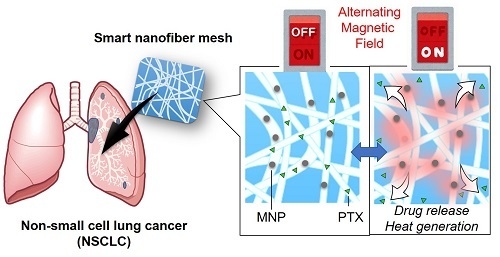
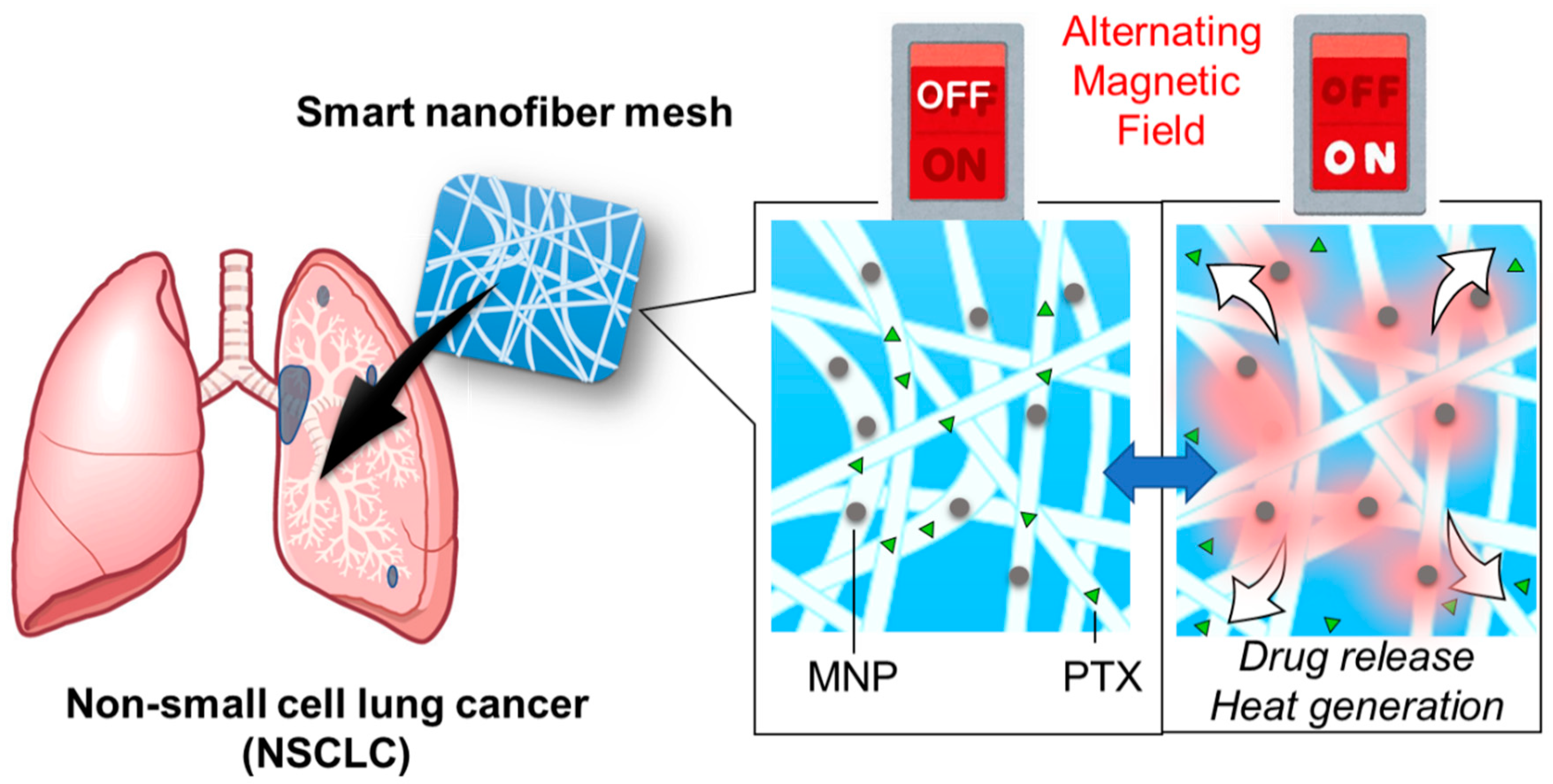
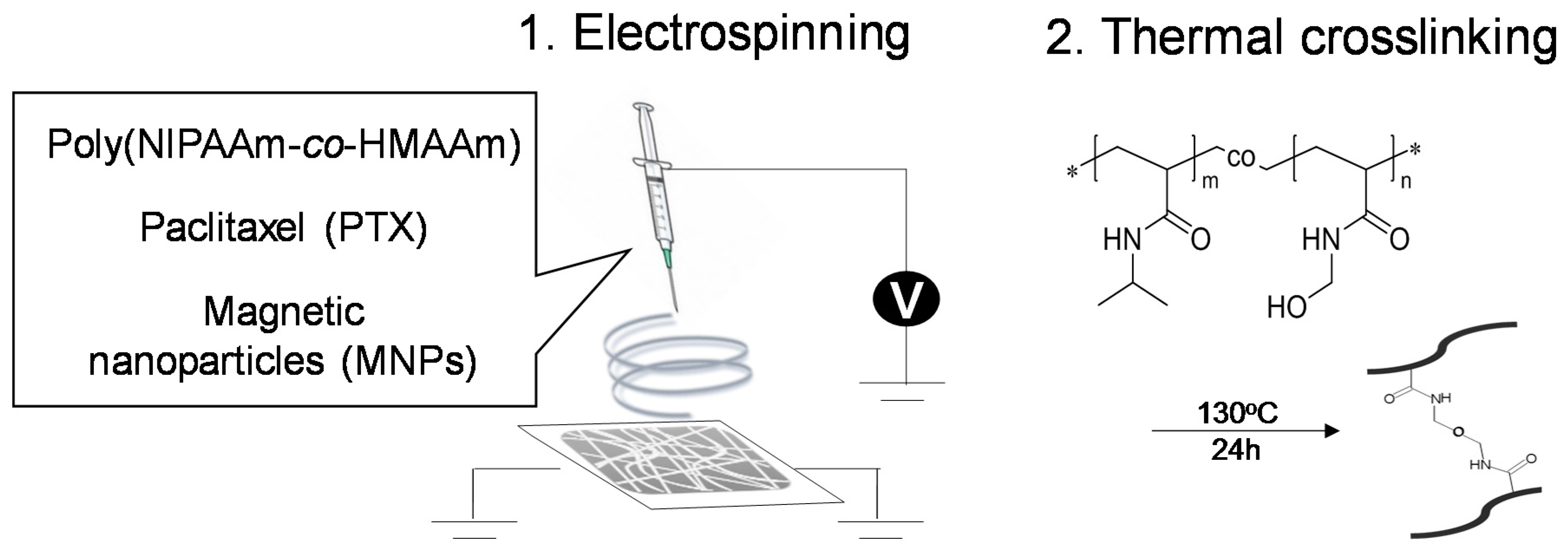
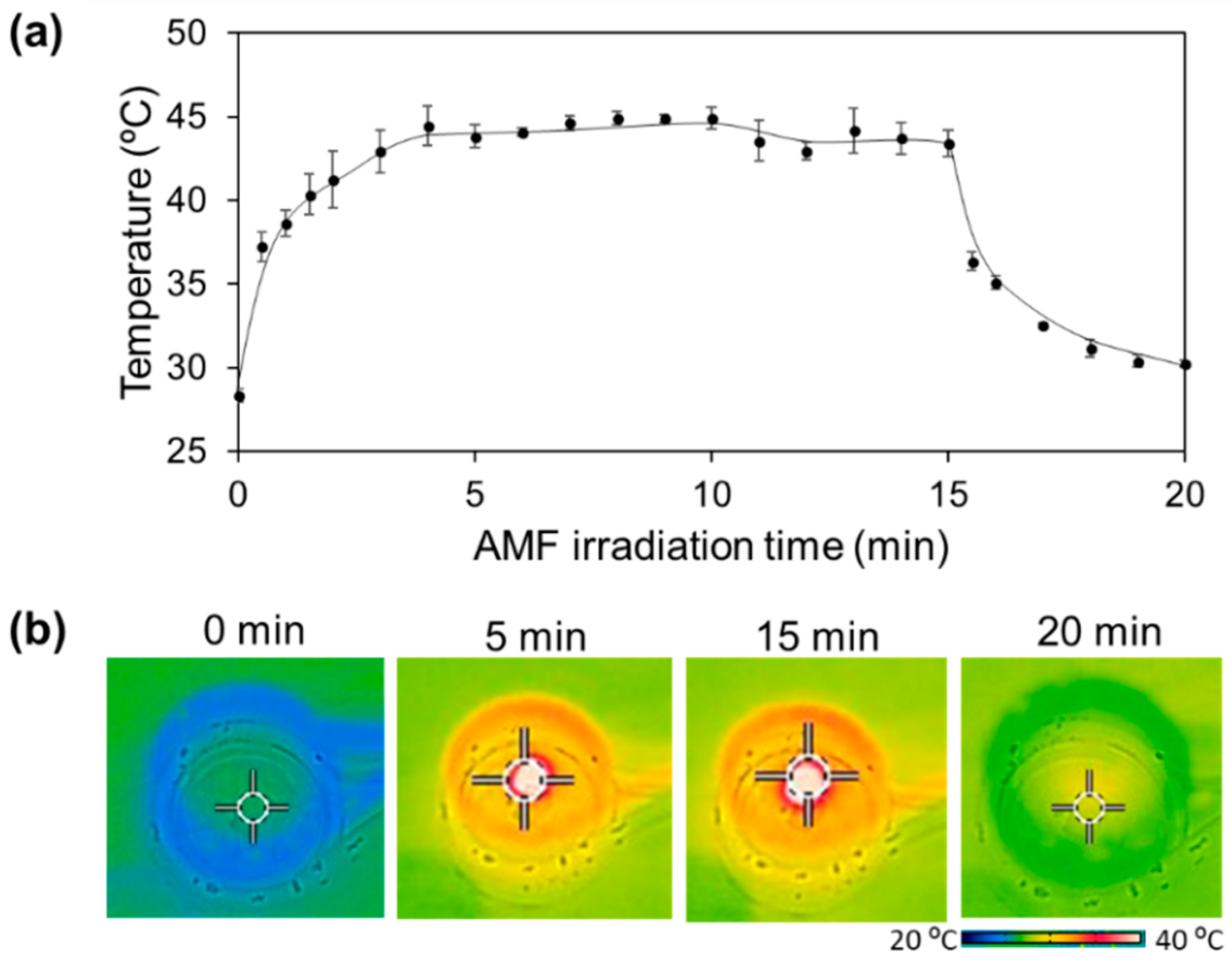
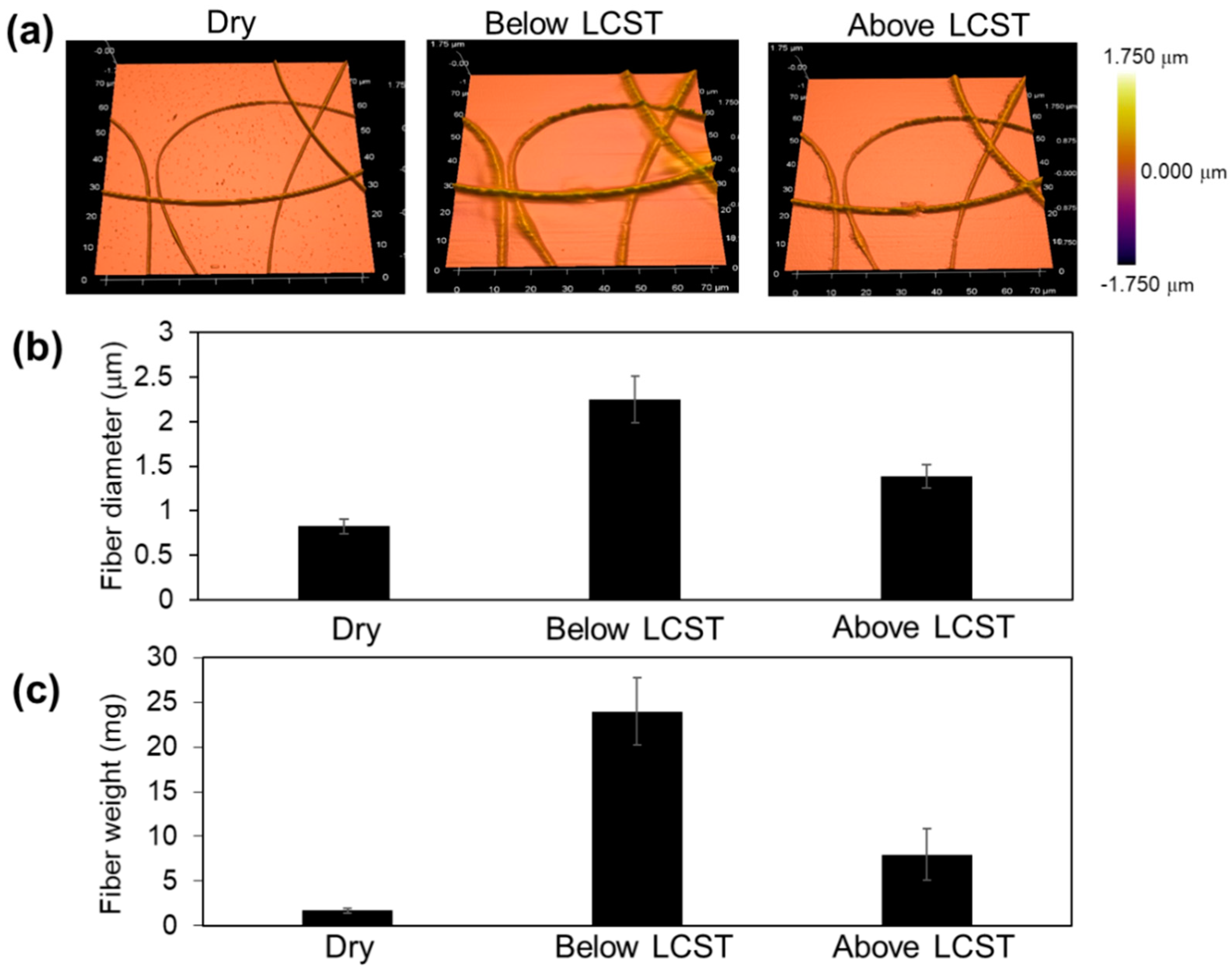
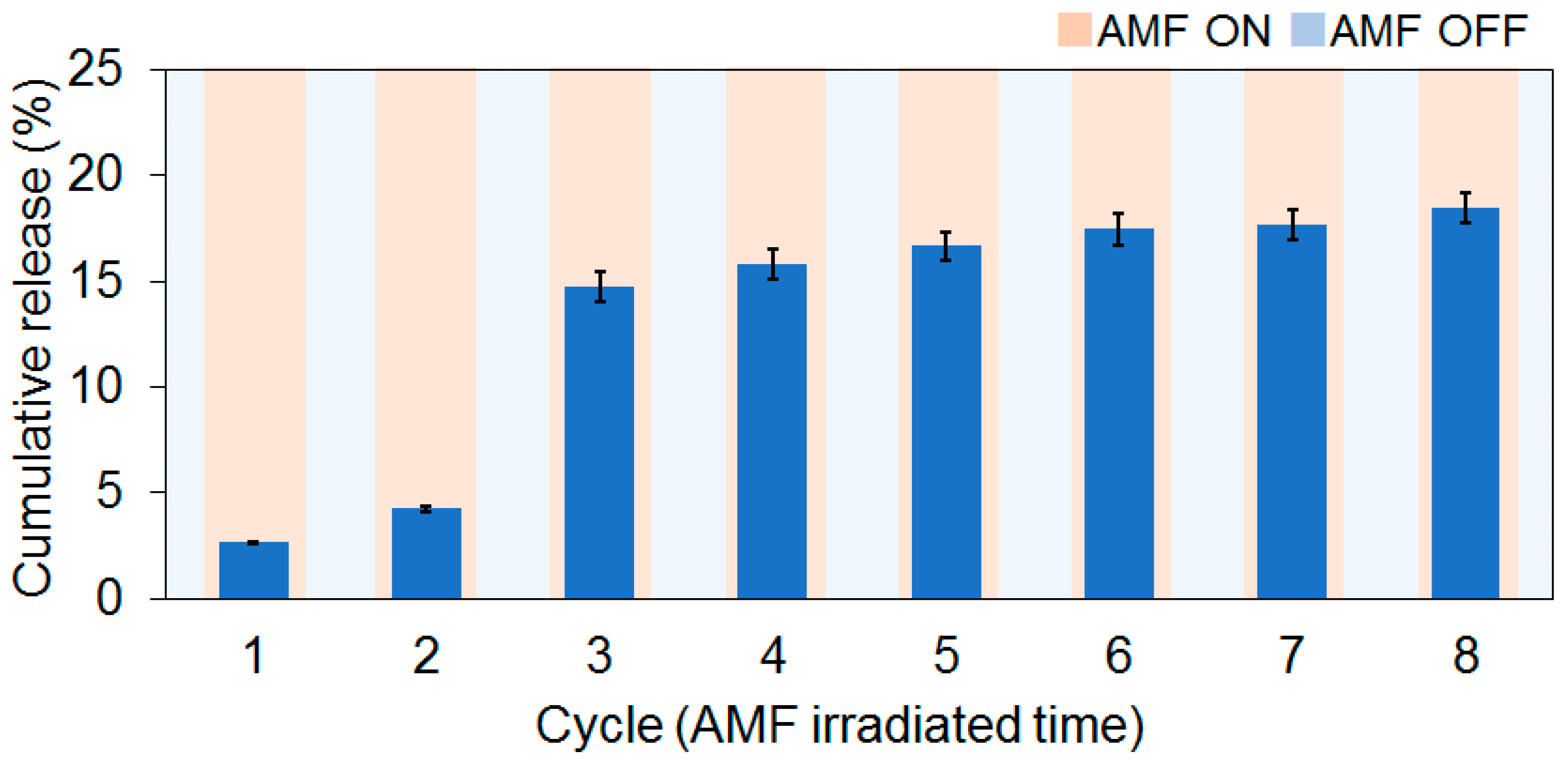
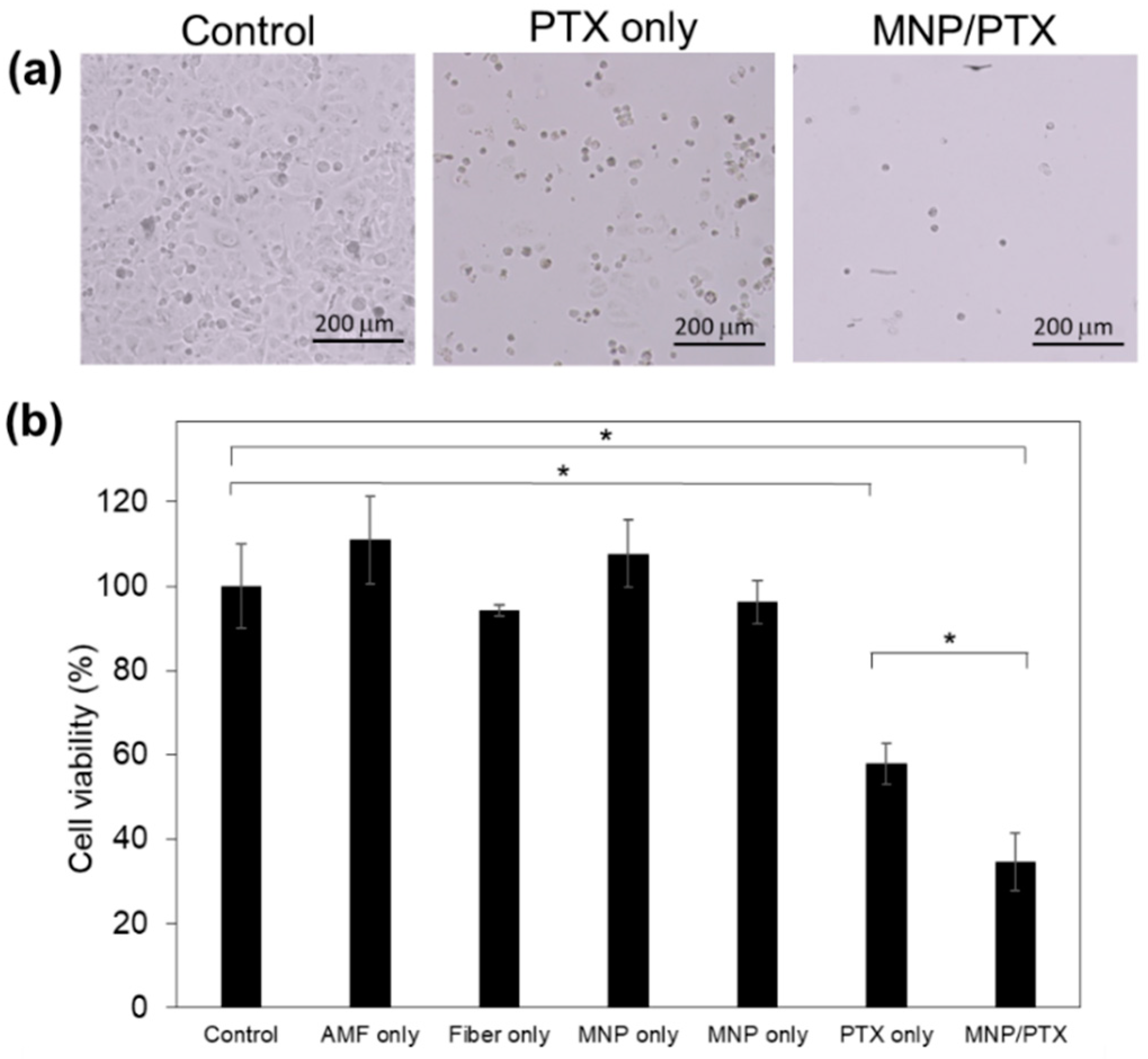
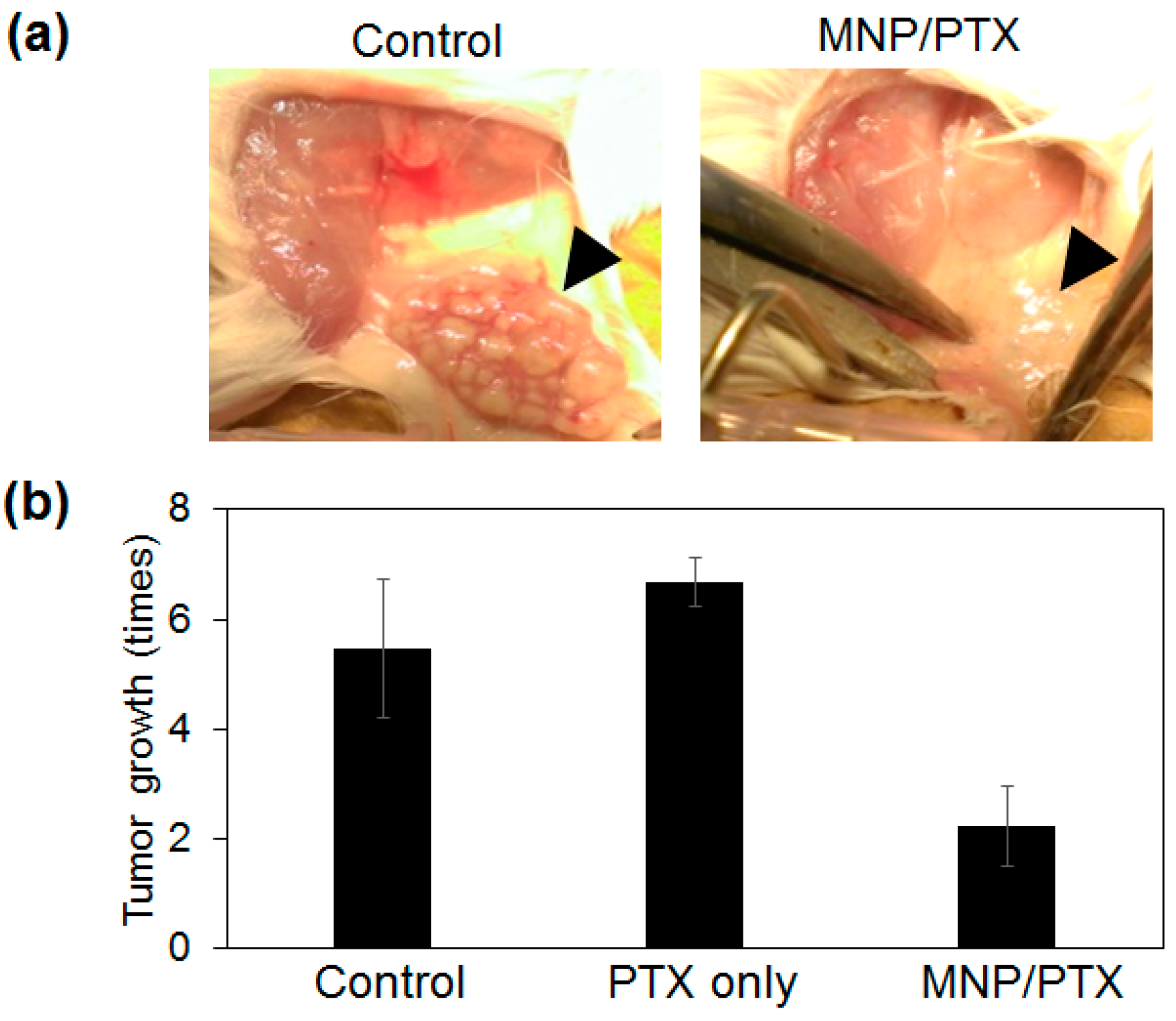
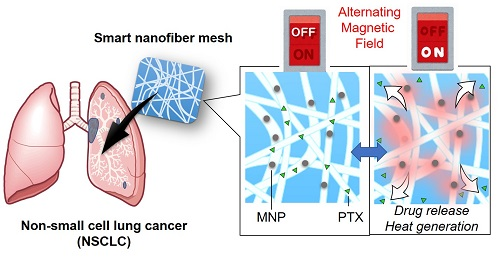
We have developed a smart anti-cancer fiber mesh that is able to control tumor-killing activity against lung adenocarcinoma precisely. The mesh is capable of carrying large loads of chemotherapeutic drug, paclitaxel (PTX), as well as magnetic nanoparticles (MNPs). The mesh generates heat when the loaded MNPs are activated in an alternating magnetic field (AMF). The mesh is thermo-responsive, so the heat generated can be also used to trigger PTX release from the mesh. An electrospinning method was employed to fabricate the mesh using a copolymer of N-isopropylacrylamide and N-hydroxymethylacrylamide, the phase transition temperature of which was adjusted to the mild-hyperthermia temperature range around 43 °C. In vitro anti-tumor studies demonstrated that both MNP- and PTX-loaded mesh killed about 66% of cells, whereas only PTX-loaded mesh killed about 43% of cells. In a mouse lung cancer model, the thermo-chemotherapy combo displayed enhanced anti-tumor activity and the systemic toxic effects on mice were eliminated due to local release of the chemotherapeutic agents. The proposed fiber system might provide a blueprint to guide the design of the next generation of local drug delivery systems for safe and effective cancer treatment.
Keywords: fiber; thermo-chemotherapy; drug delivery system; smart polymer; cancer therapy fiber; thermo-chemotherapy; drug delivery system; smart polymer; cancer therapy
Graphical Abstract