Article

Laccase Enzyme Polymerization by Soft Plasma Jet for Durable Bioactive Coatings


by
Szymon Malinowski
1,
P. Anthony F. Herbert
2,*,
Jerzy Rogalski
3 and
Justyna Jaroszyńska-Wolińska
1
1
Civil Engineering and Architecture Faculty, Lublin University of Technology, 20-618 Lublin, Poland
2
Plasma Ireland, T23 N592 Cork, Ireland
3
Department of Biochemistry, Maria Curie-Skłodowska University, 20-031 Lublin, Poland
*
Author to whom correspondence should be addressed.
Polymers 2018, 10(5), 532; https://doi.org/10.3390/polym10050532
Submission received: 9 April 2018 / Revised: 7 May 2018 / Accepted: 11 May 2018 / Published: 16 May 2018

Abstract

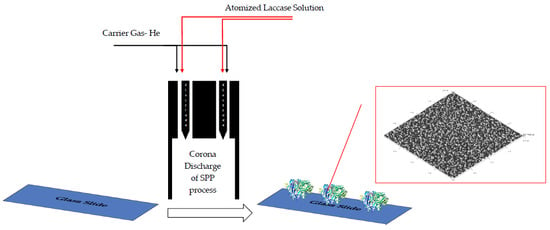
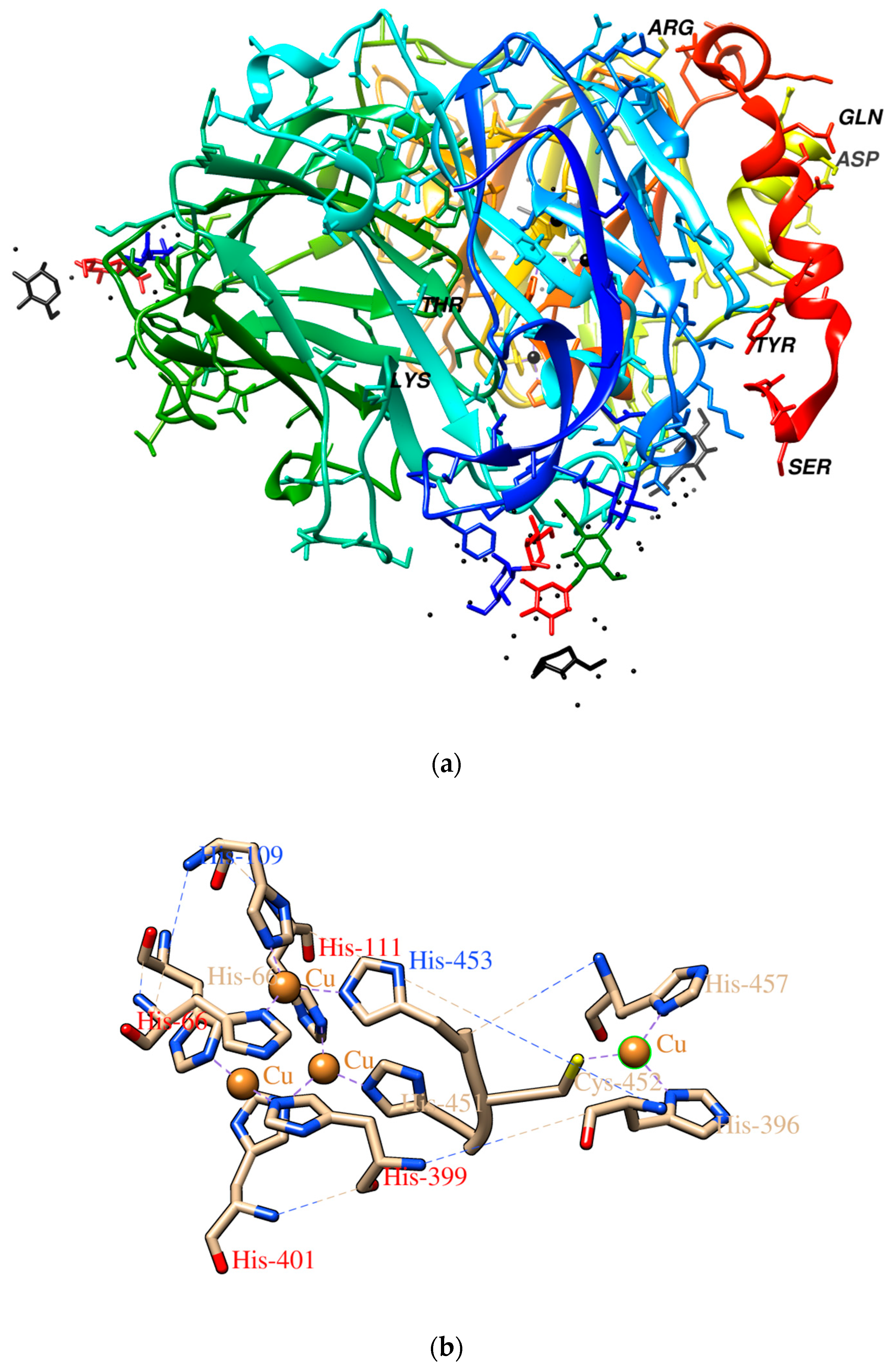
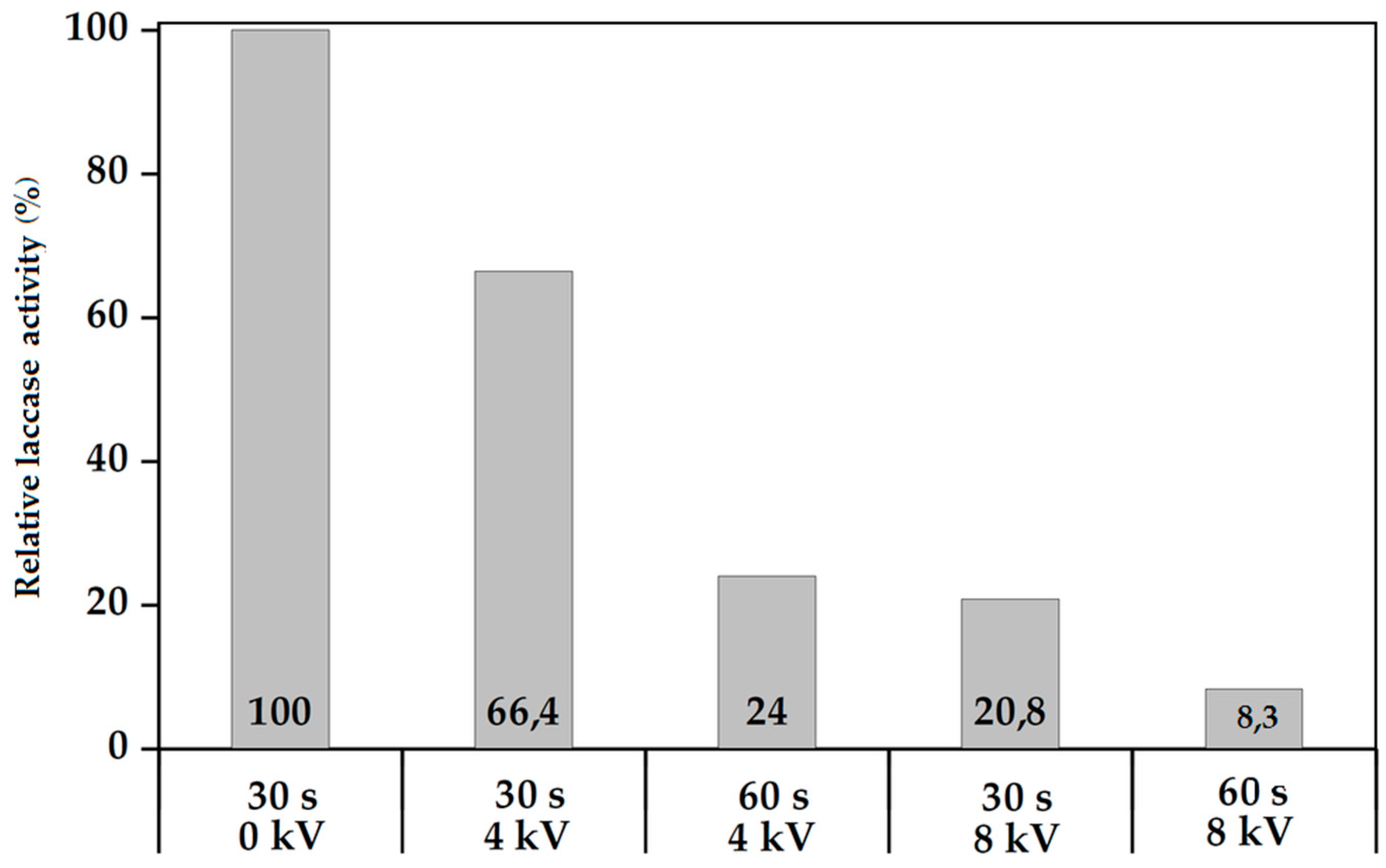
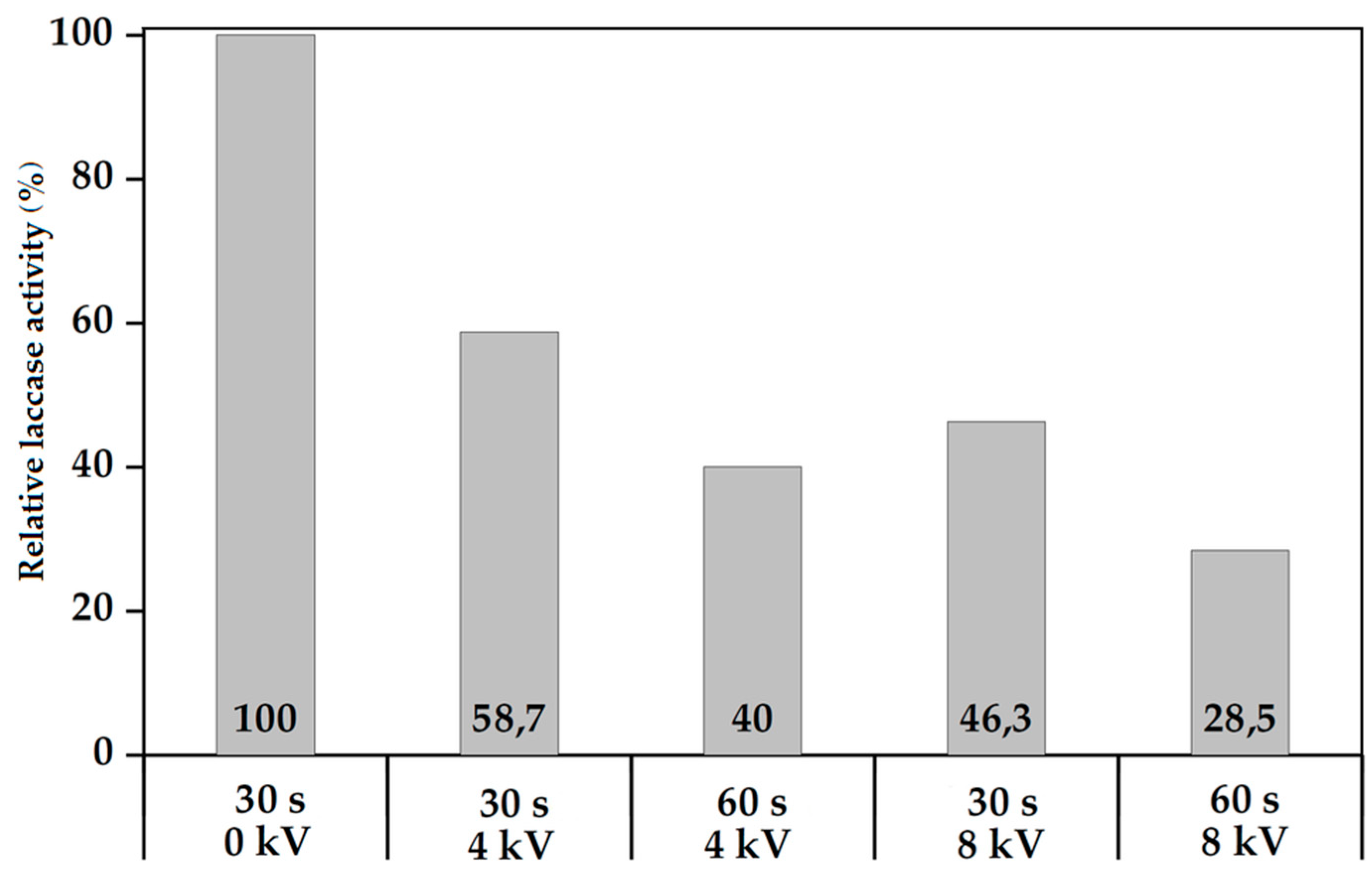
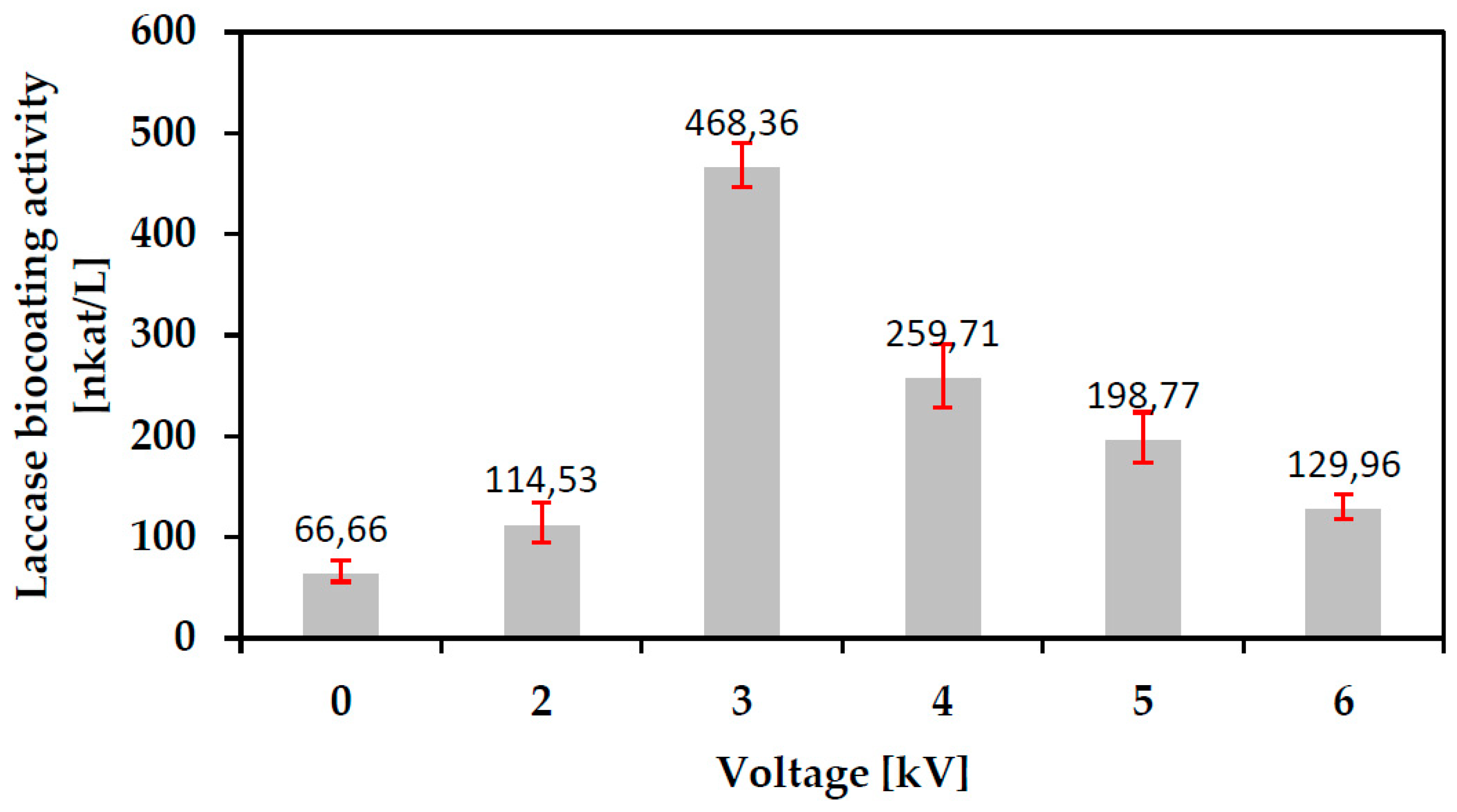
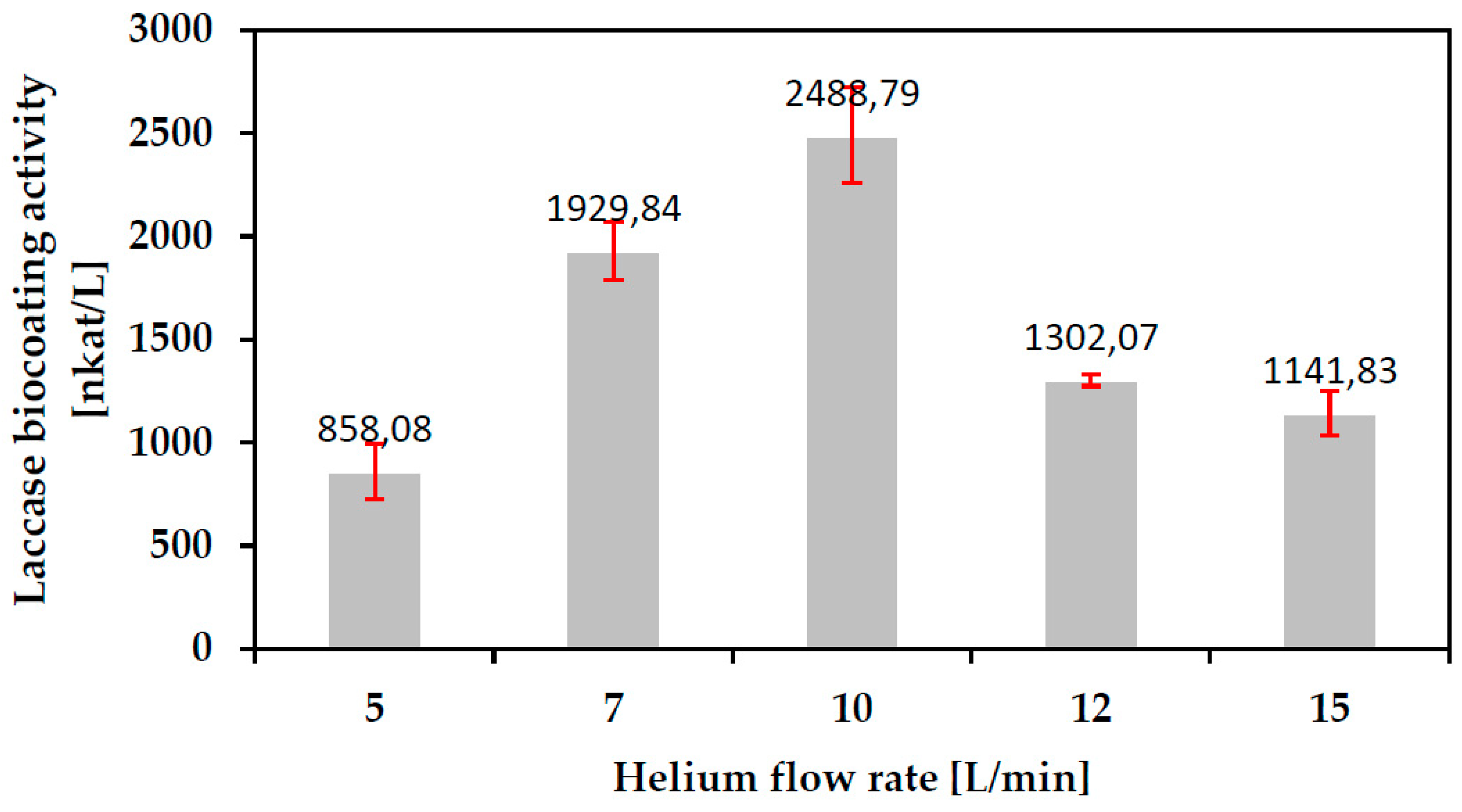
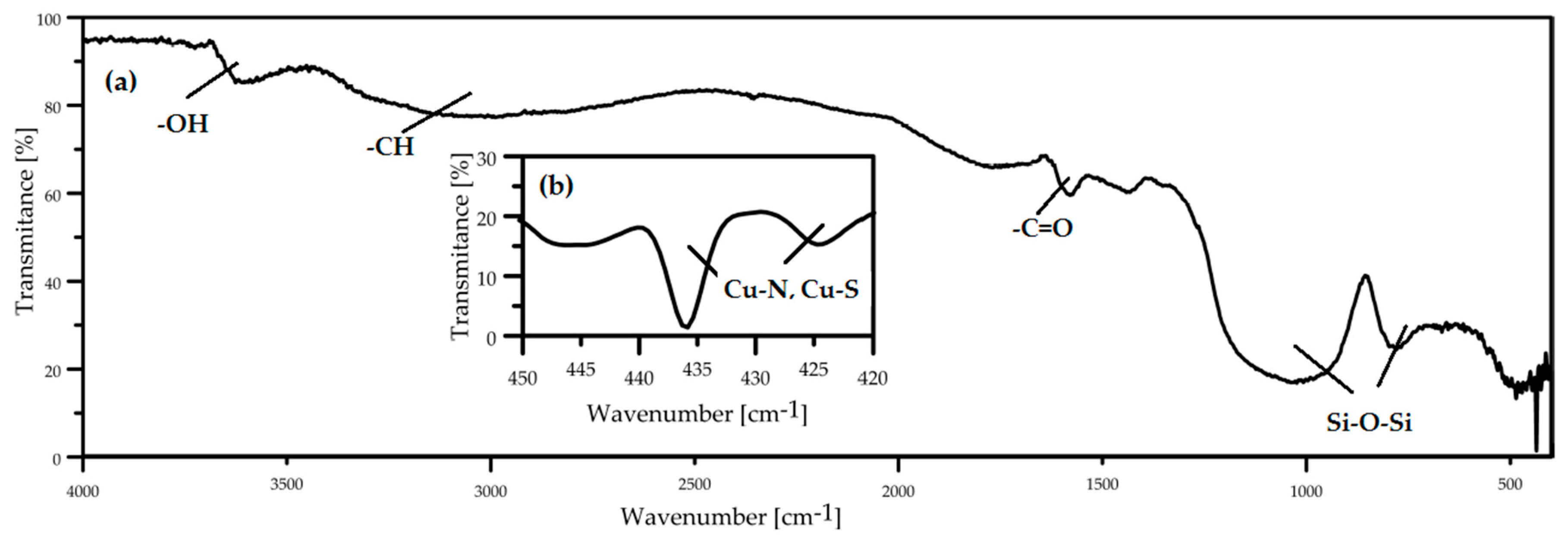
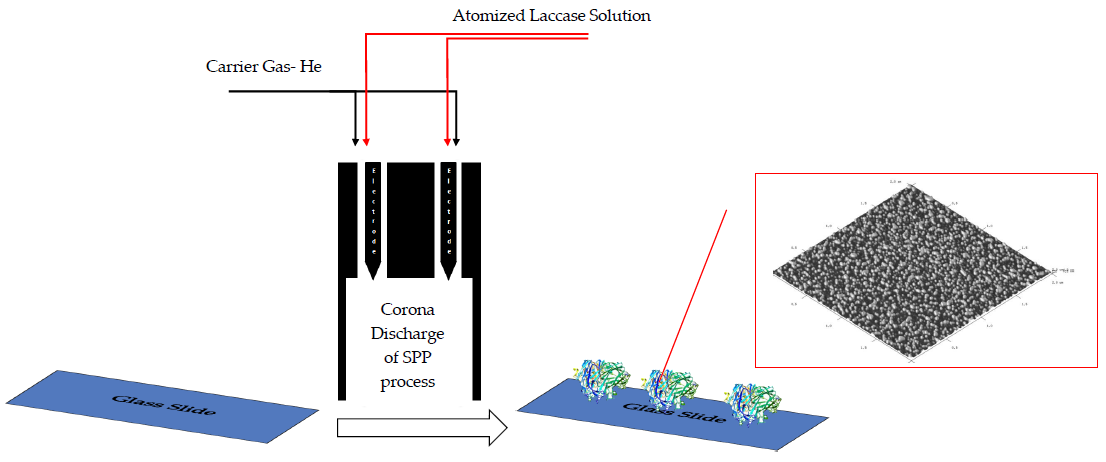
Conventional pin-to-point continuous wave Helium Corona plasma discharge was successfully used in Soft Plasma Polymerization (SPP) processes to immobilize into water and onto glass polymerized bioactive Cerrena unicolor laccase coatings. The coatings were tested for bioactivity and durability under water wash. The coatings showed up to 59% bioactivity relative to the native laccase in water deposition, undoubtedly due to damage to and fragmentation of monomer molecules by the active, energetic species in the plasma. However, plasma deposited laccase coatings on glass delivered 7 times the laccase activity of the same non-plasma deposition process in the coating after water wash. This latter result would seem to be due to the ability of the plasma to both crosslink monomer and more strongly bond it to the glass surface by a combination of surface cleaning and the creation of active, high energy sites in both glass and laccase molecules. FTIR analysis indicated that the core copper containing moieties at the centre of the molecule largely remain undamaged by this plasma type so that bonding and cross-linking reactions are likely to mainly involve species around the outer perimeter of the molecule. The chemical composition and structure of laccase biocoatings deposited by Corona SPP are described. The combination of the coating performance parameter values for retained activity and durability under water wash indicates that a relatively simple Corona plasma process for deposition of biocoatings, which directly polymerizes the monomer with no added matrix or encapsulant material, may offer enhanced solutions for biocatalyst, sensor or lab-on-a-chip applications.
Keywords: bioactive coatings; plasma deposition; laccase; soft plasma polymerization bioactive coatings; plasma deposition; laccase; soft plasma polymerization
Graphical Abstract