Review

Metal Free Reversible-Deactivation Radical Polymerizations: Advances, Challenges, and Opportunities


1
Department of Chemistry, Istanbul Technical University, Maslak, 34469 Istanbul, Turkey
2
Center of Excellence for Advanced Materials Research (CEAMR) and Chemistry Department, Faculty of Science, King Abdulaziz University, P.O. Box 80203, Jeddah 21589, Saudi Arabia
*
Authors to whom correspondence should be addressed.
Polymers 2018, 10(1), 35; https://doi.org/10.3390/polym10010035
Submission received: 3 November 2017 / Revised: 6 December 2017 / Accepted: 7 December 2017 / Published: 29 December 2017
(This article belongs to the Special Issue Living Polymerization)

Abstract

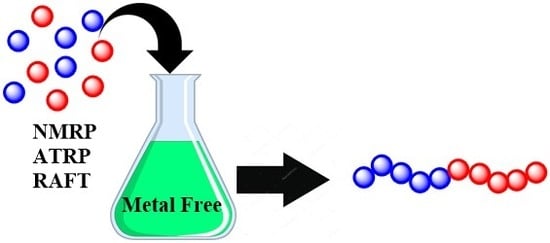
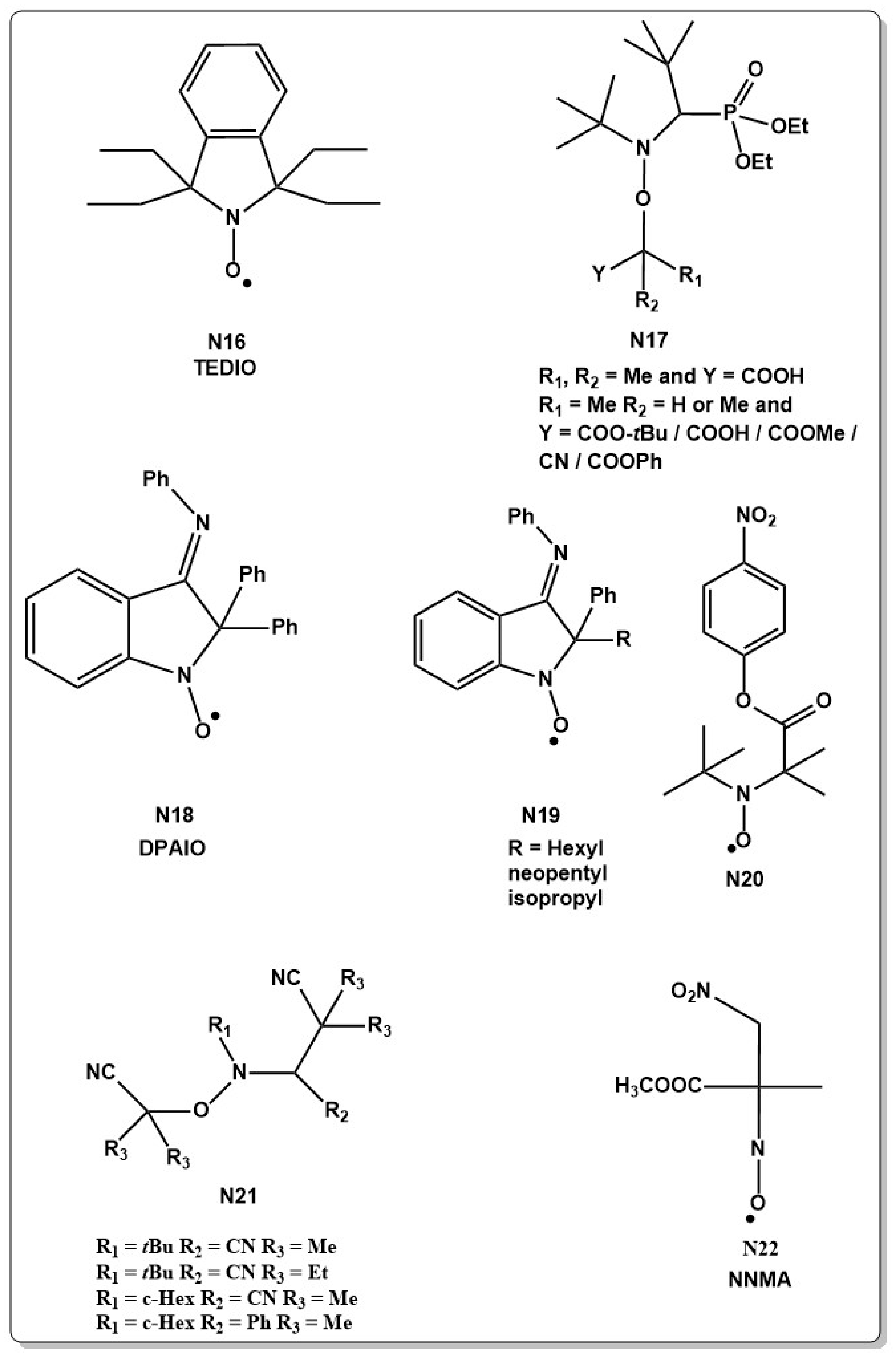
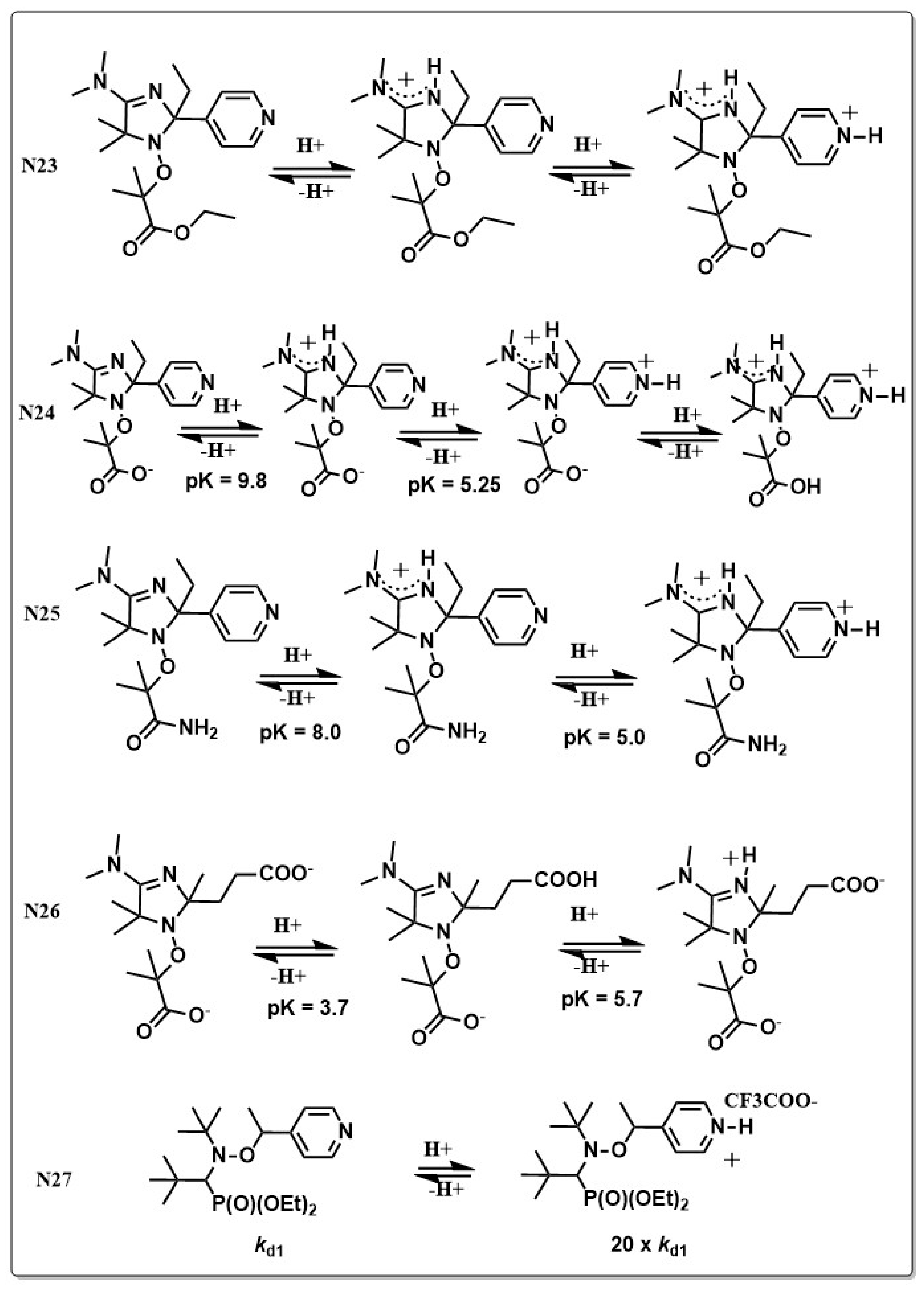
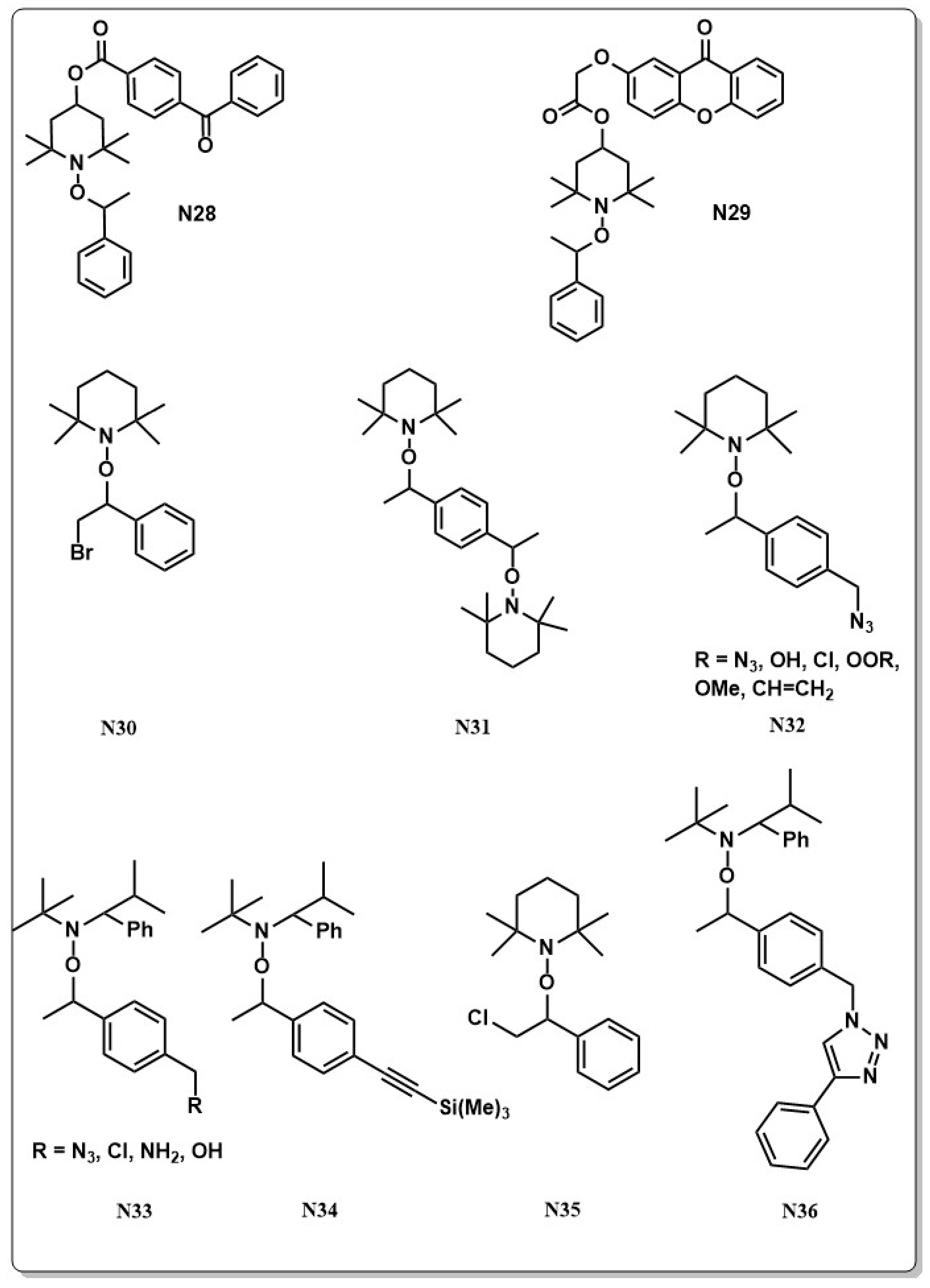
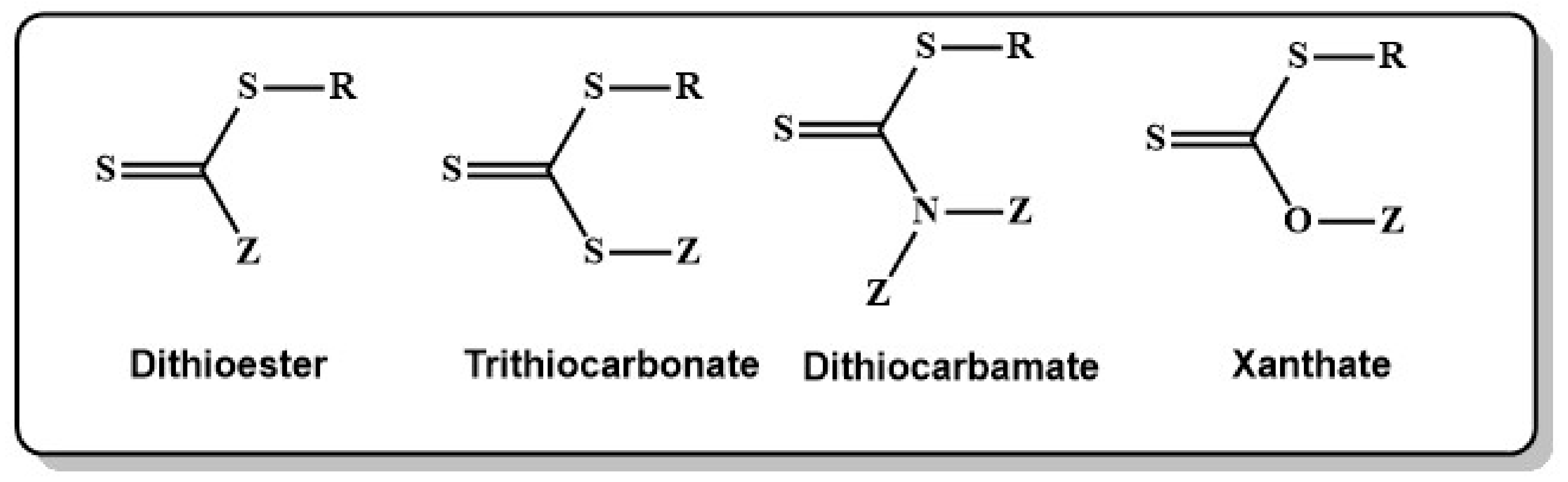
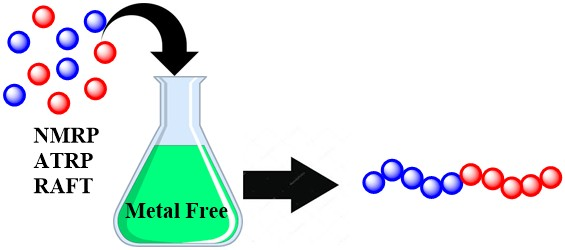
A considerable amount of the worldwide industrial production of synthetic polymers is currently based on radical polymerization methods. The steadily increasing demand on high performance plastics and tailored polymers which serve specialized applications is driven by the development of new techniques to enable control of polymerization reactions on a molecular level. Contrary to conventional radical polymerization, reversible-deactivation radical polymerization (RDRP) techniques provide the possibility to prepare polymers with well-defined structures and functionalities. The review provides a comprehensive summary over the development of the three most important RDRP methods, which are nitroxide mediated radical polymerization, atom transfer radical polymerization and reversible addition fragmentation chain transfer polymerization. The focus thereby is set on the newest developments in transition metal free systems, which allow using these techniques for biological or biomedical applications. After each section selected examples from materials synthesis and application to biomedical materials are summarized.
Keywords: reversible-deactivation radical polymerization; NMRP; ATRP; RAFT; organic synthesis; polymer chemistry reversible-deactivation radical polymerization; NMRP; ATRP; RAFT; organic synthesis; polymer chemistry
Graphical Abstract