Article

Reconstructing Firing Procedures of Roman Amphorae from Hispania Lusitania and Baetica by Mössbauer Spectroscopy


by
Benilde F. O. Costa
1,*,
Friederich E. Wagner
2,†,
Ursula Wagner
2,†,
Werner Haeusler
2,
Christian Stieghorst
3 and
António J. Silva
4
1
University of Coimbra, CFisUC, Department of Physics, 3004-516 Coimbra, Portugal
2
Technical University of Munich, Physics Department, 85747 Garching, Germany
3
Heinz Maier-Leibnitz Zentrum (MLZ), Technical University of Munich, Lichtenbergstr. 1, 85748 Garching, Germany
4
University of Madeira, Higher School of Technology and Management, CITUR-Madeira, 9020-105 Funchal, Portugal
*
Author to whom correspondence should be addressed.
In memoriam.
Crystals 2026, 16(7), 434; https://doi.org/10.3390/cryst16070434
Submission received: 4 June 2026 / Revised: 30 June 2026 / Accepted: 30 June 2026 / Published: 3 July 2026
(This article belongs to the Section Inorganic Crystalline Materials)

Abstract

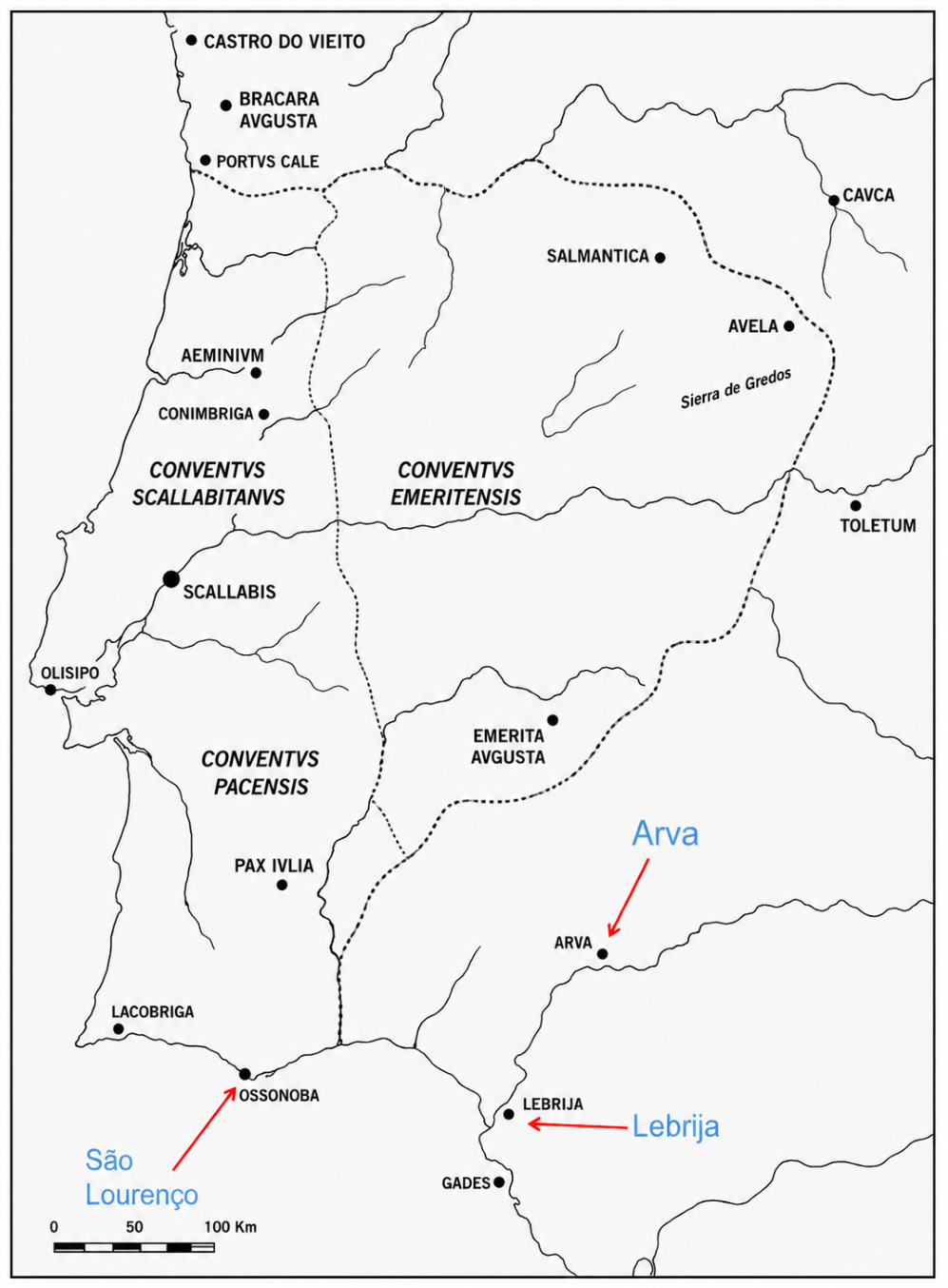
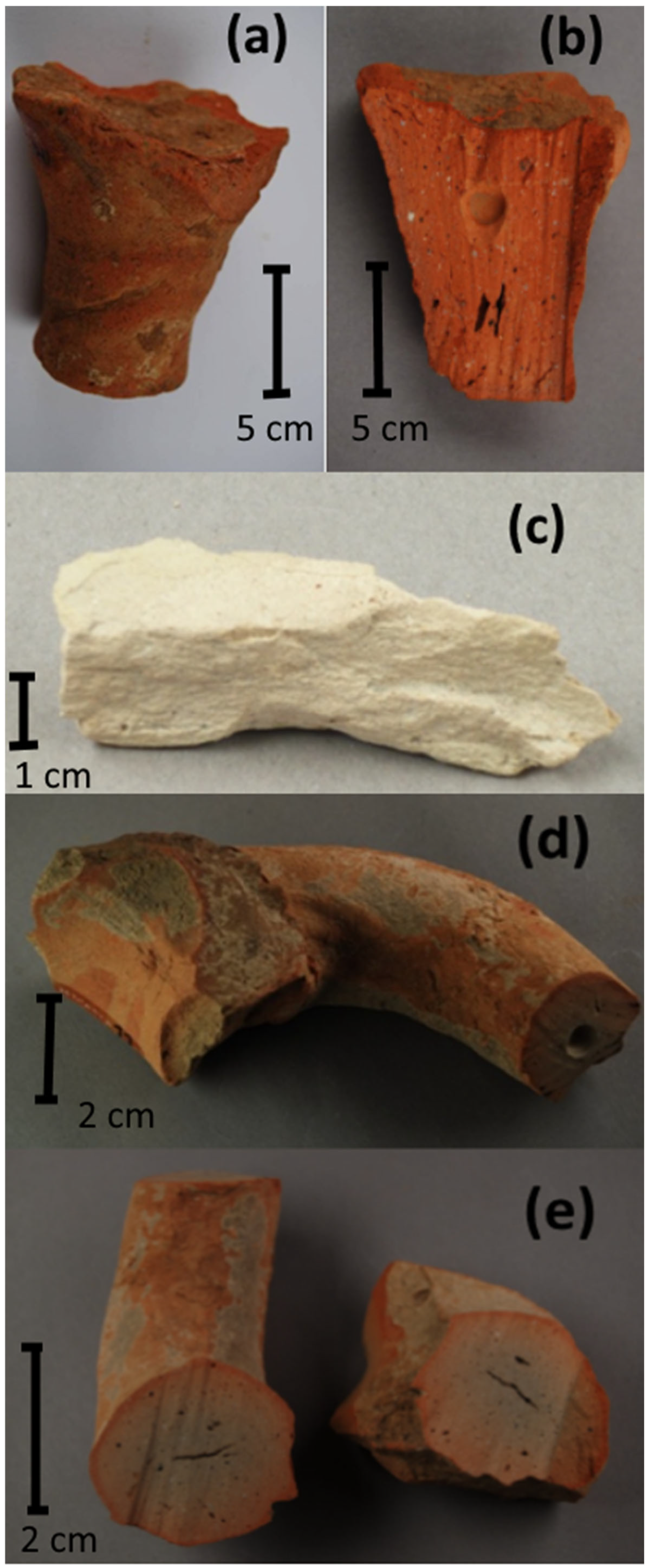
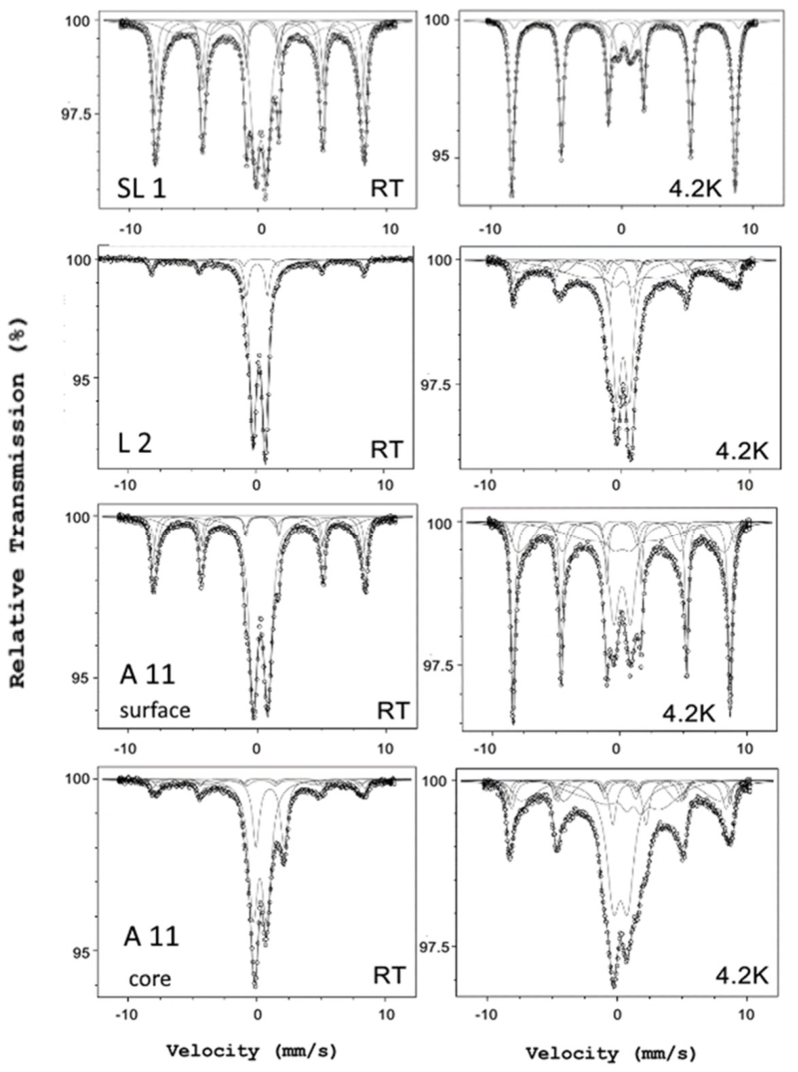
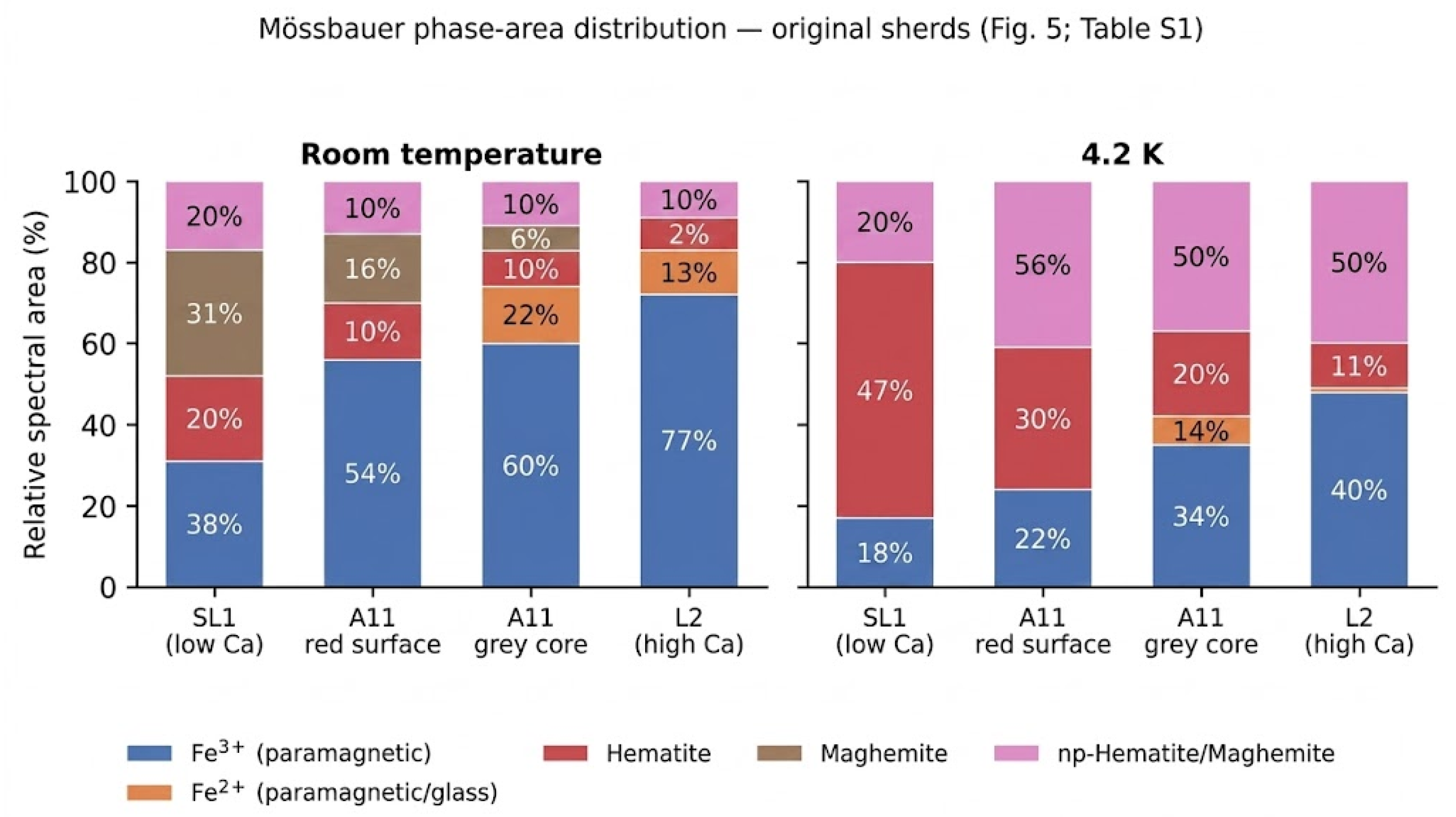
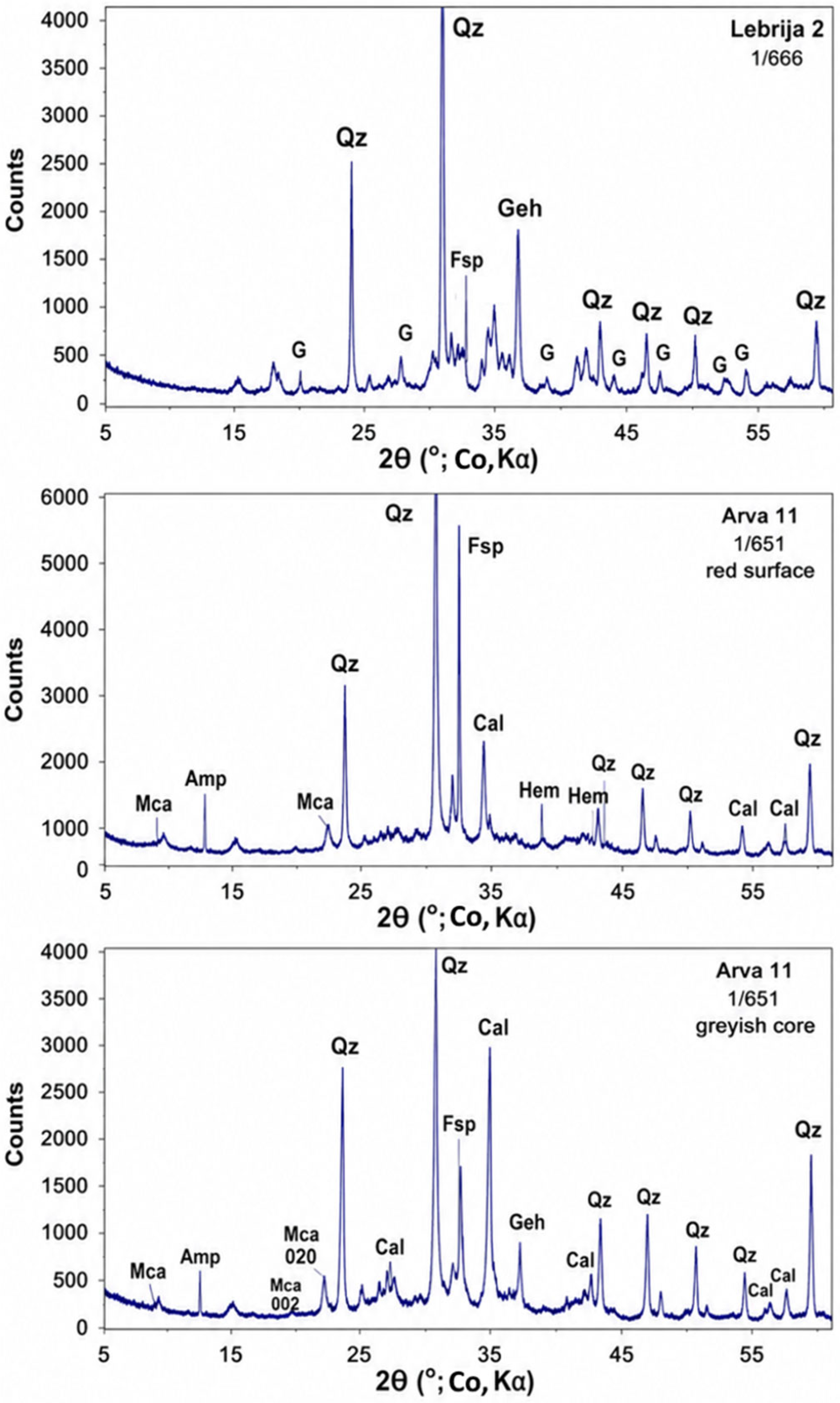
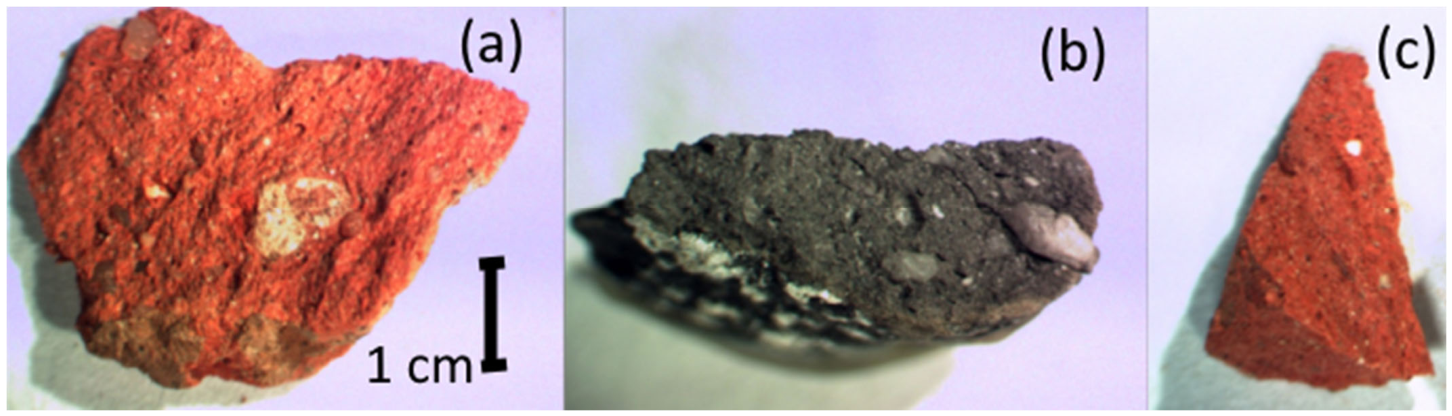
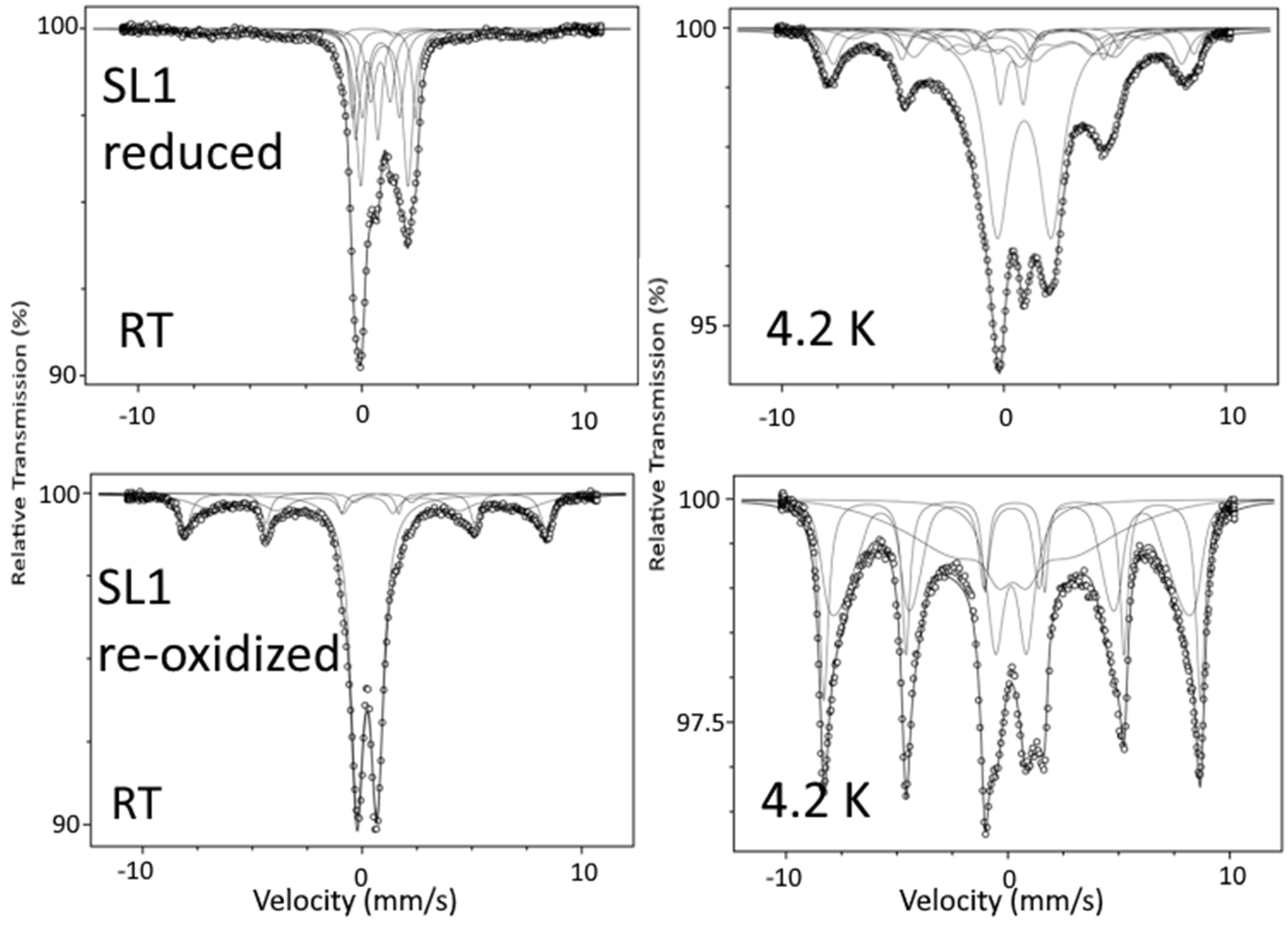
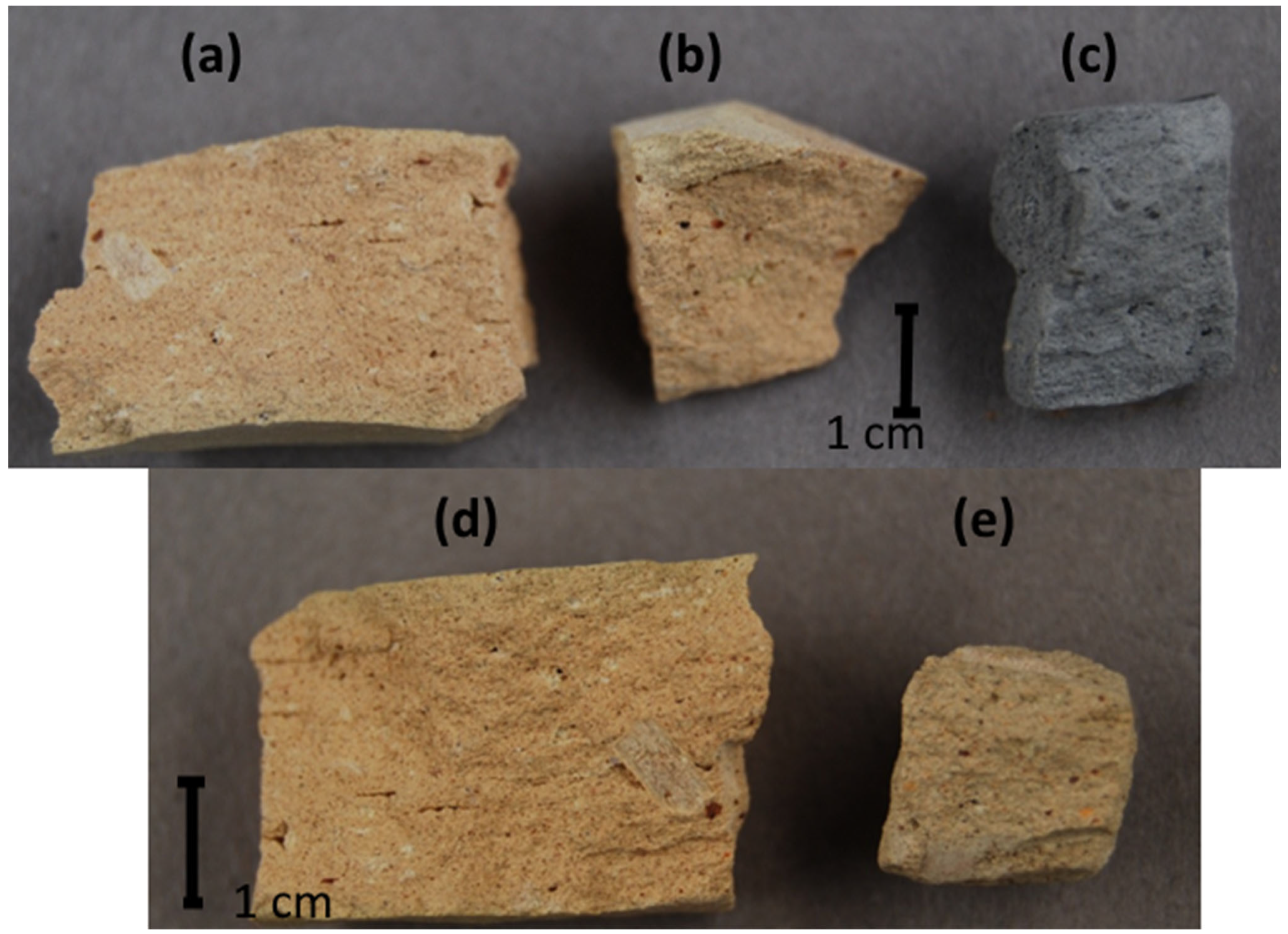
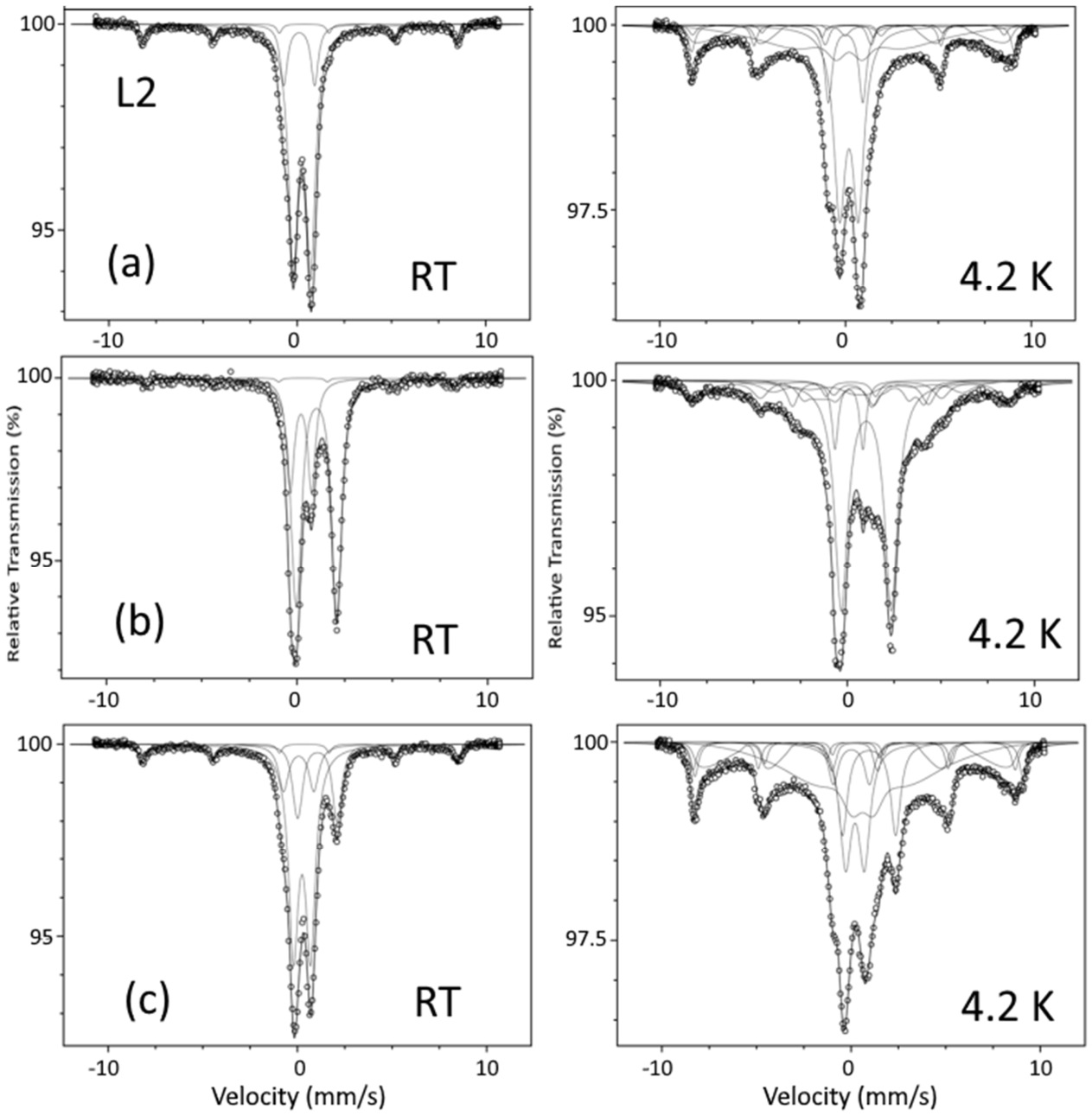
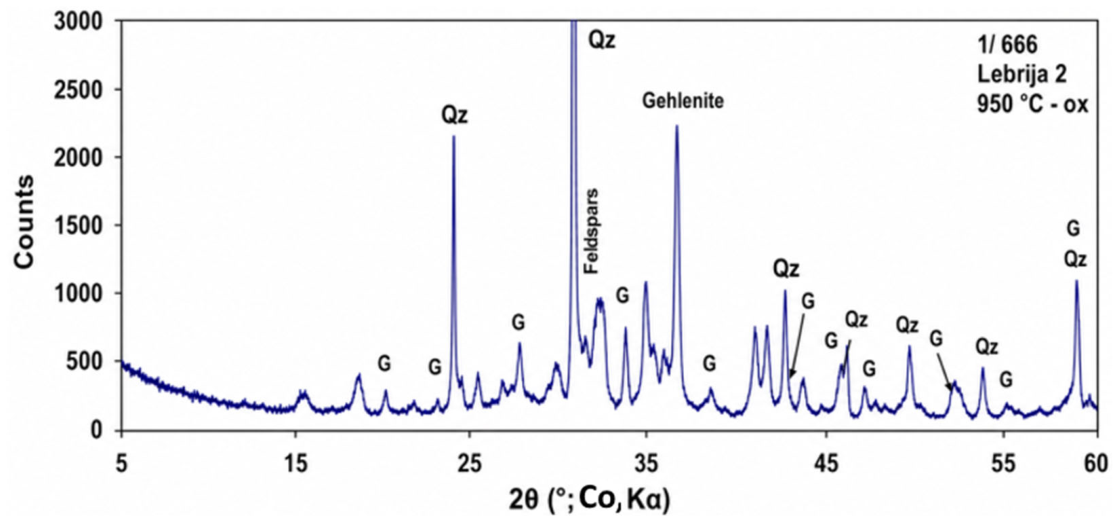
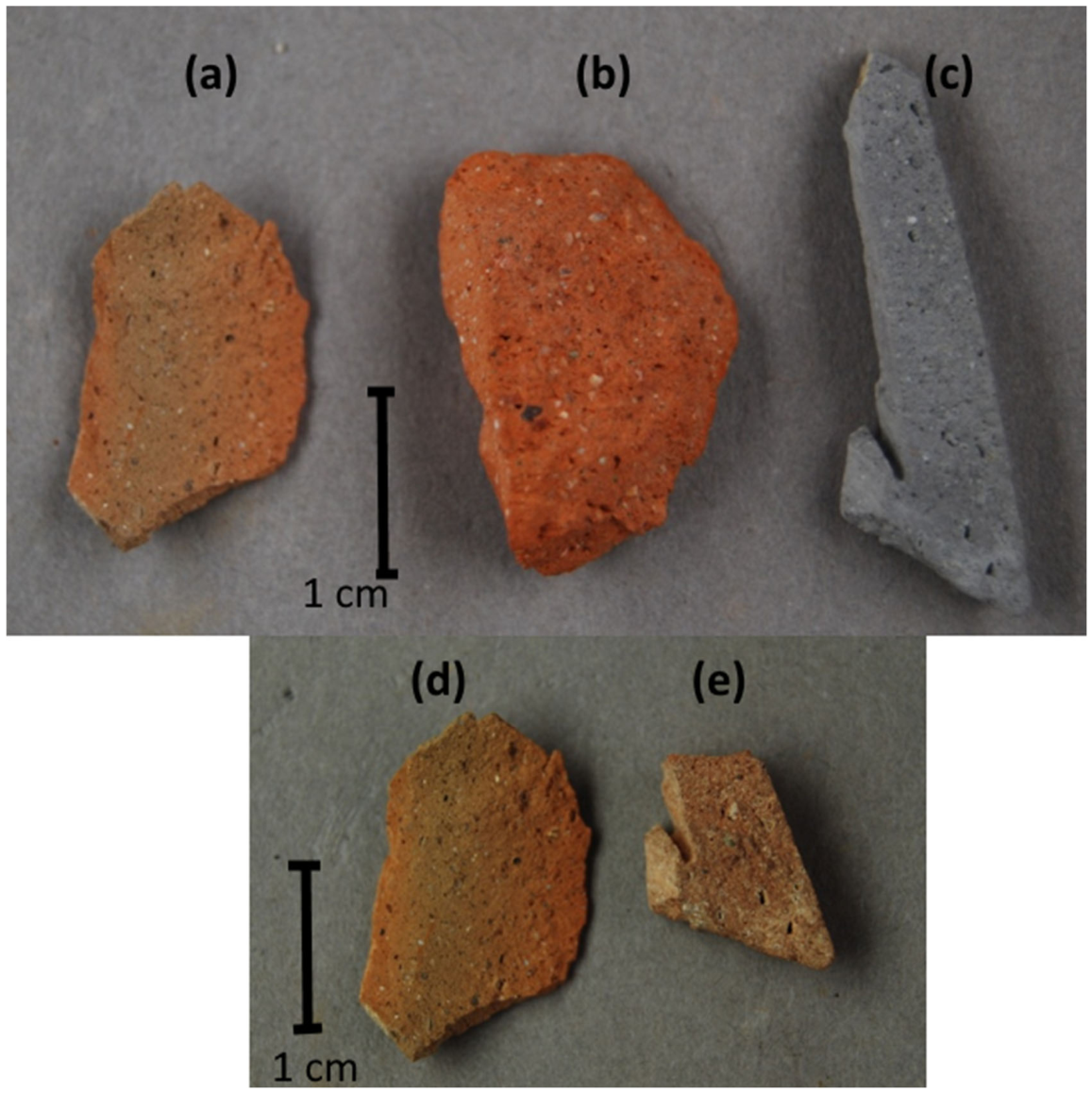
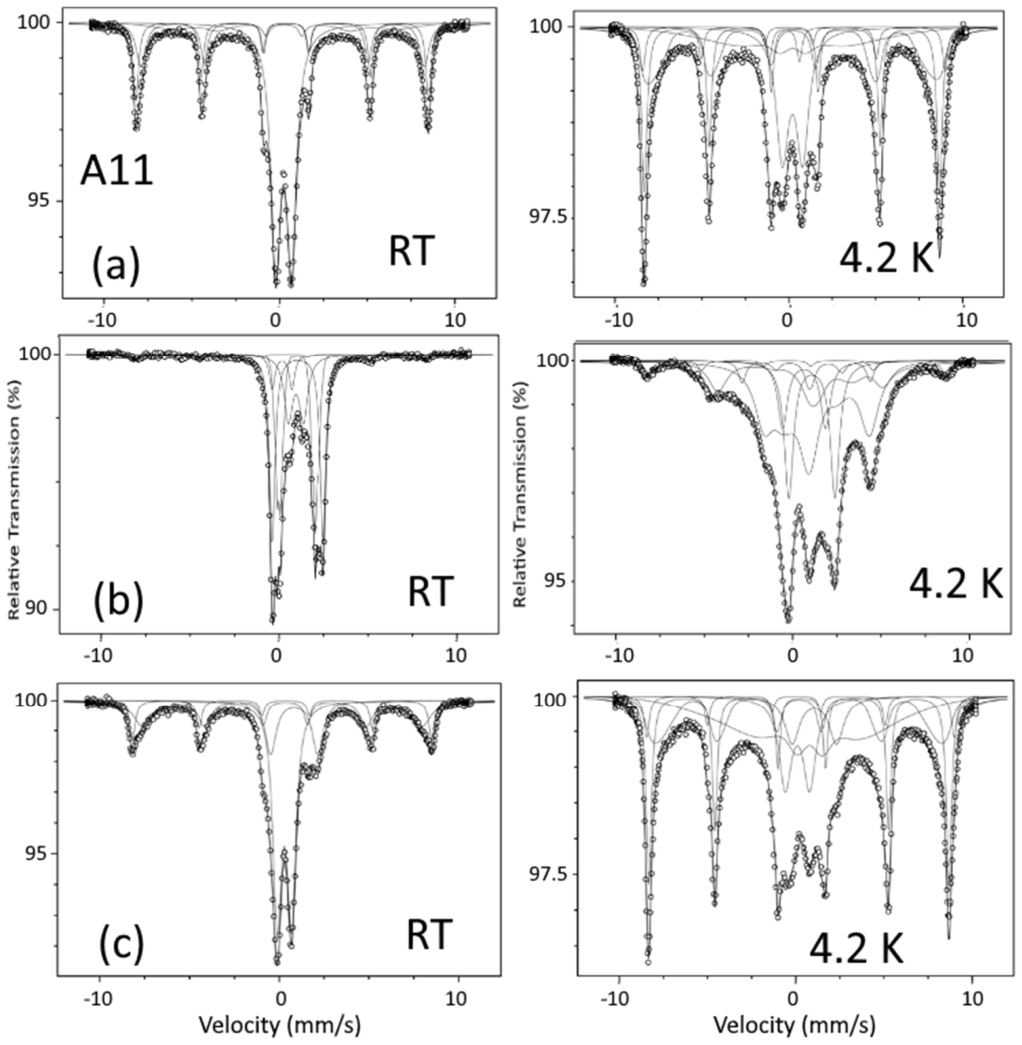
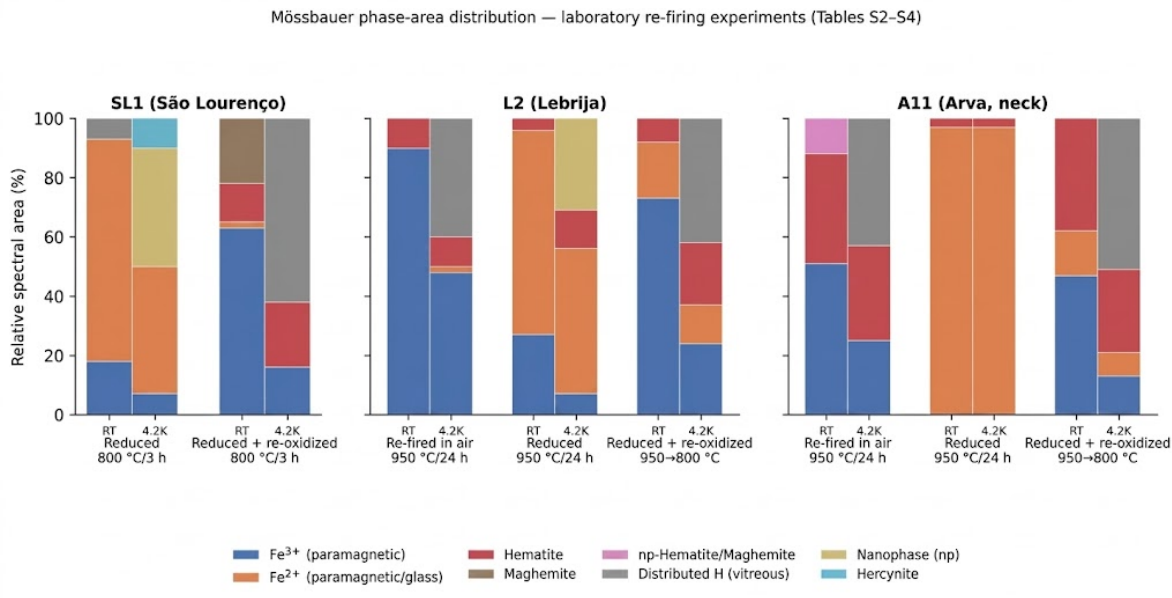
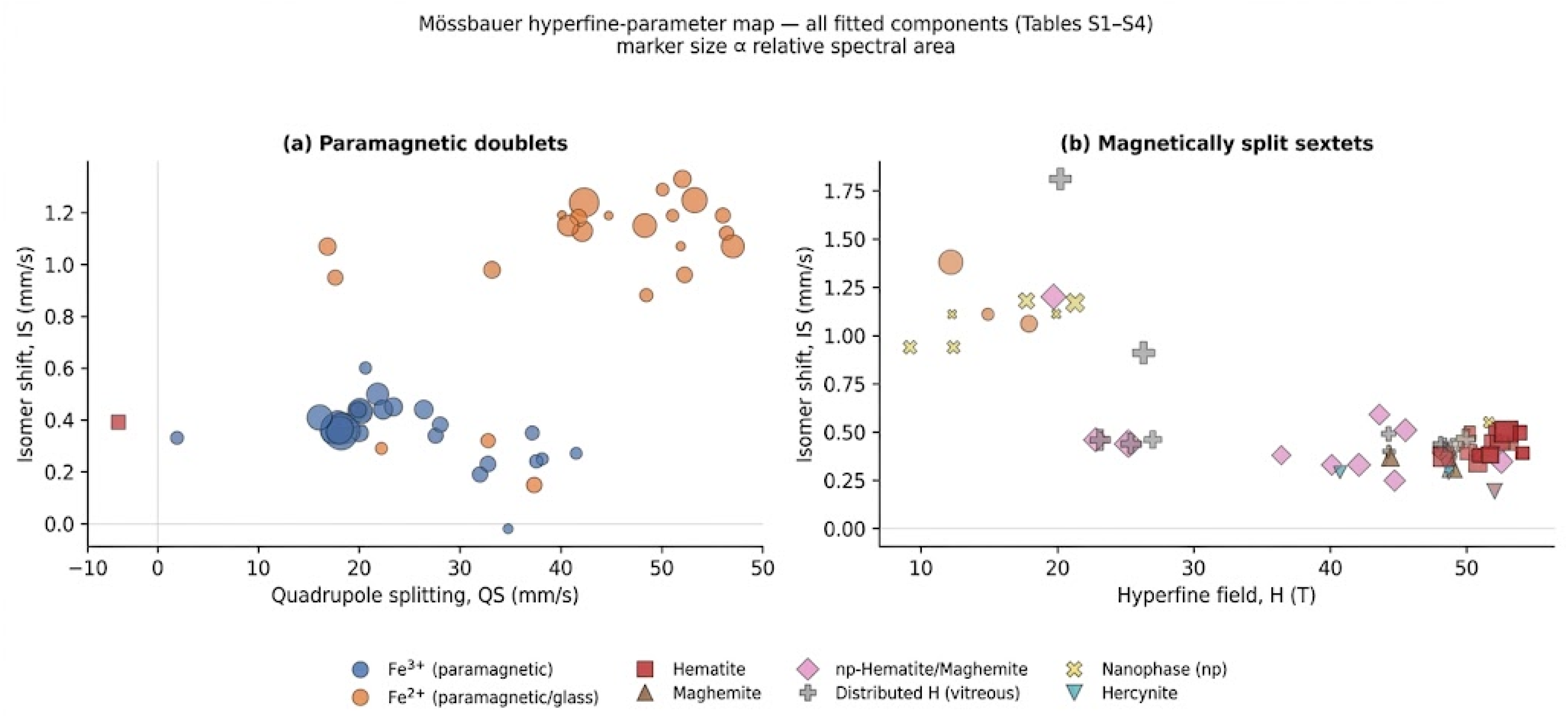
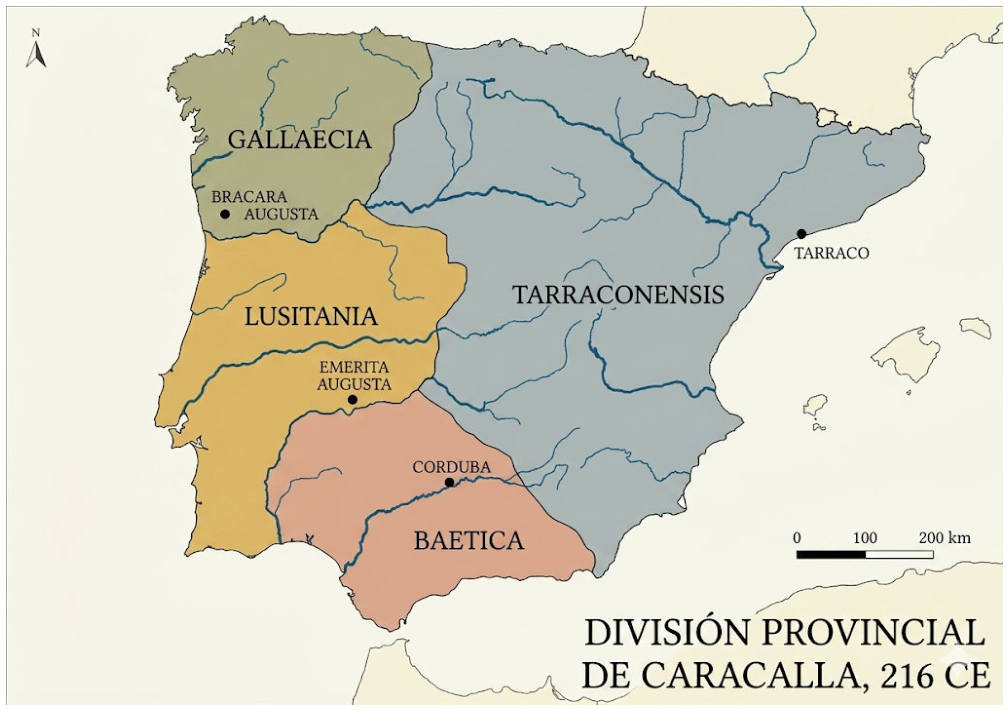
Roman amphorae are among the most frequently excavated archaeological ceramics and provide valuable information on ancient manufacturing techniques and trade networks. This work presents a comparative Mössbauer spectroscopy study of amphora sherds recovered from kiln sites in the Roman provinces of Hispania Lusitania and Baetica in order to reconstruct firing procedures and assess the influence of raw material composition on ceramic appearance and iron speciation. Three representative samples—São Lourenço (Lusitania), Lebrija (Baetica), and Arva (Baetica)—were investigated by 57Fe Mössbauer spectroscopy at room temperature and 4.2 K, complemented by X-ray diffraction (XRD), X-ray fluorescence (XRF), and controlled laboratory re-firing experiments under reducing and oxidising atmospheres. The Mössbauer results reveal that all studied amphorae were originally fired under variable redox conditions, involving a reducing stage followed by partial oxidation during the final stages of firing and cooling. Re-firing experiments reproduced the original spectra and demonstrated that the observed iron phase assemblages reflect primary technological processes rather than post-depositional alteration. Low-calcium ceramics developed abundant hematite and characteristic red colours after oxidation, whereas calcium-rich ceramics favoured incorporation of iron into gehlenite and vitreous phases, producing buff or grey colouration. The Arva samples further illustrate how incomplete oxygen penetration generated red oxidised surfaces surrounding partially reduced cores. These results demonstrate that Roman amphora production at the kiln sites studied relied on empirically controlled firing regimes in open updraught kilns and that calcium content was a major factor governing both iron mineralogy and final ceramic appearance.
Keywords: Mössbauer spectroscopy; roman amphorae; archaeometry; firing technology; iron mineralogy; Hispania Mössbauer spectroscopy; roman amphorae; archaeometry; firing technology; iron mineralogy; Hispania