
Research on Activation of Solid Waste Through Microbial Desilification

Abstract
1. Introduction
2. Materials and Methods
2.1. Experimental Raw Materials
2.2. Selection and Cultivation of Microorganisms
2.3. Microbial Desilication Experiment
2.4. Test Methods
3. Results and Discussion
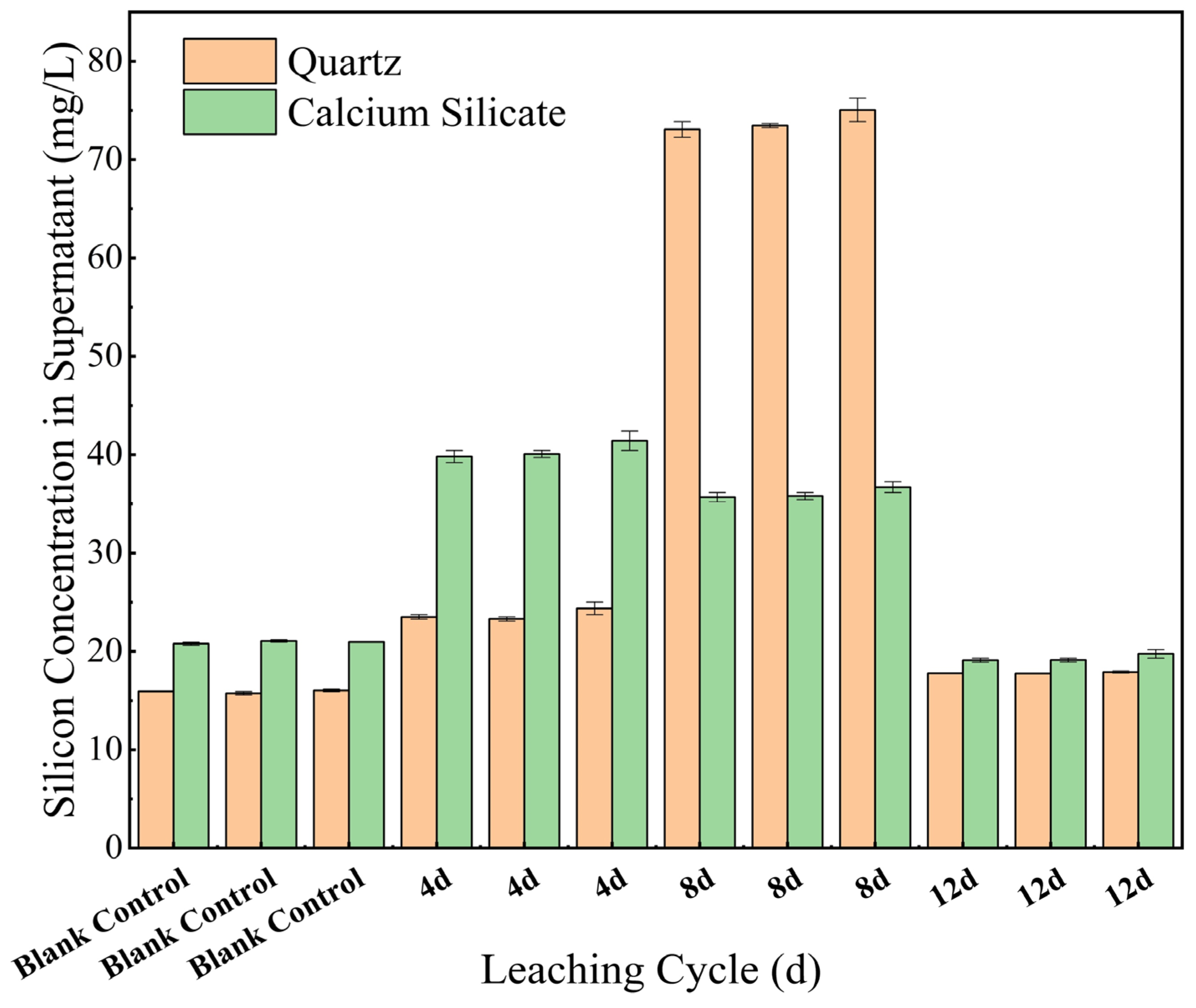
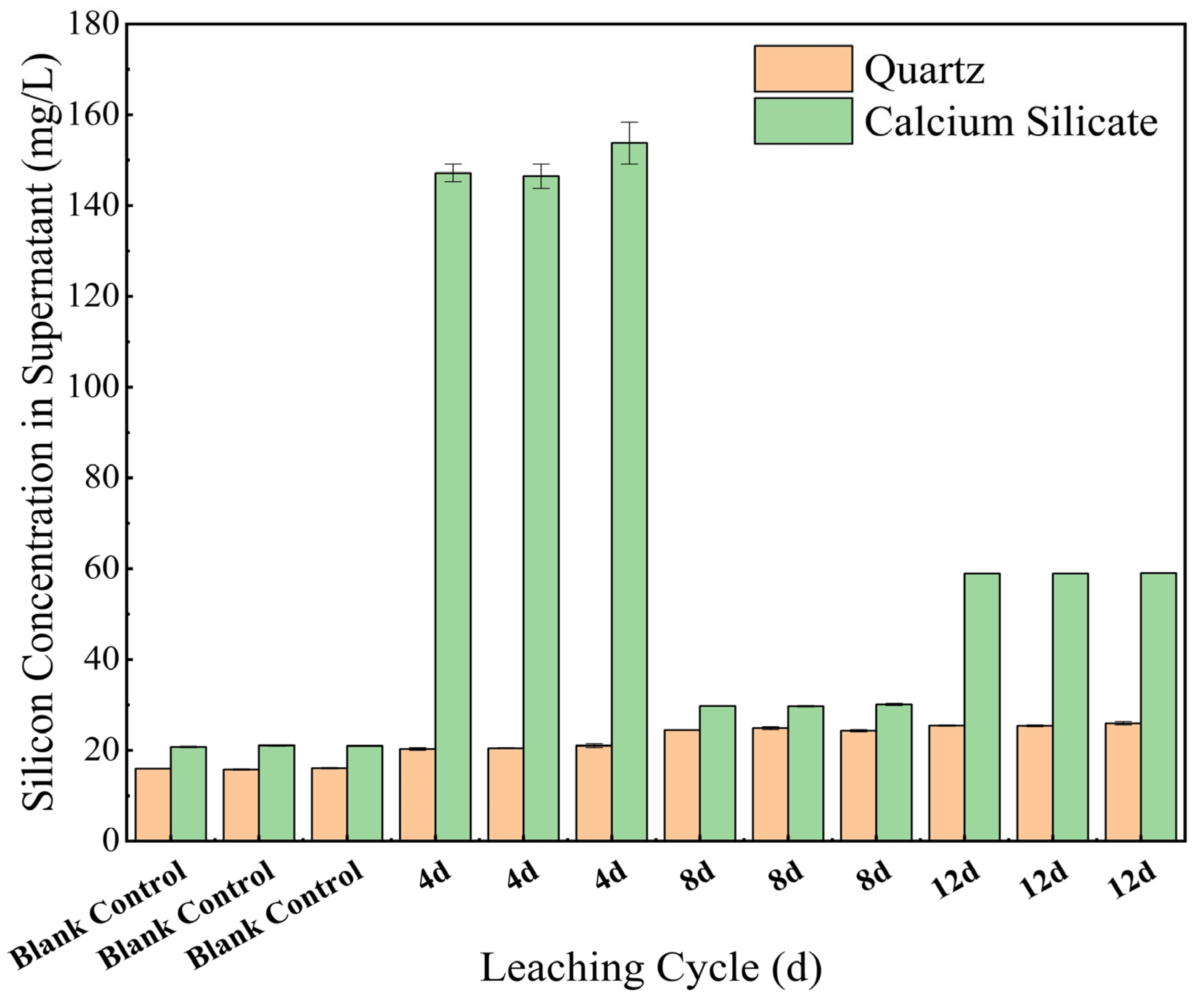
3.1. Analysis of Silicon Concentration and pH in the Supernatant from Quartz and Calcium Silicate Leached by B. mucilaginosus and B. polymyxa
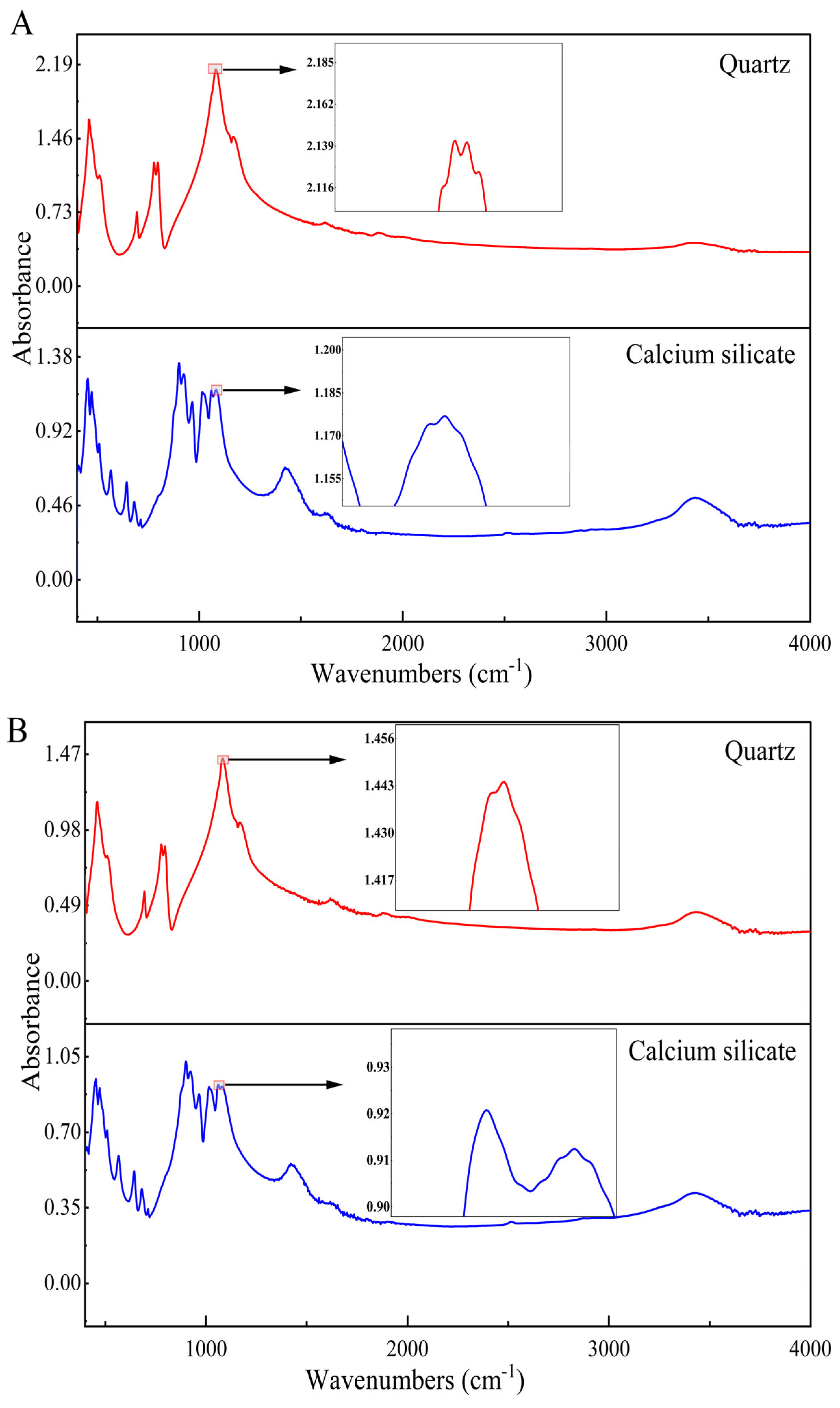
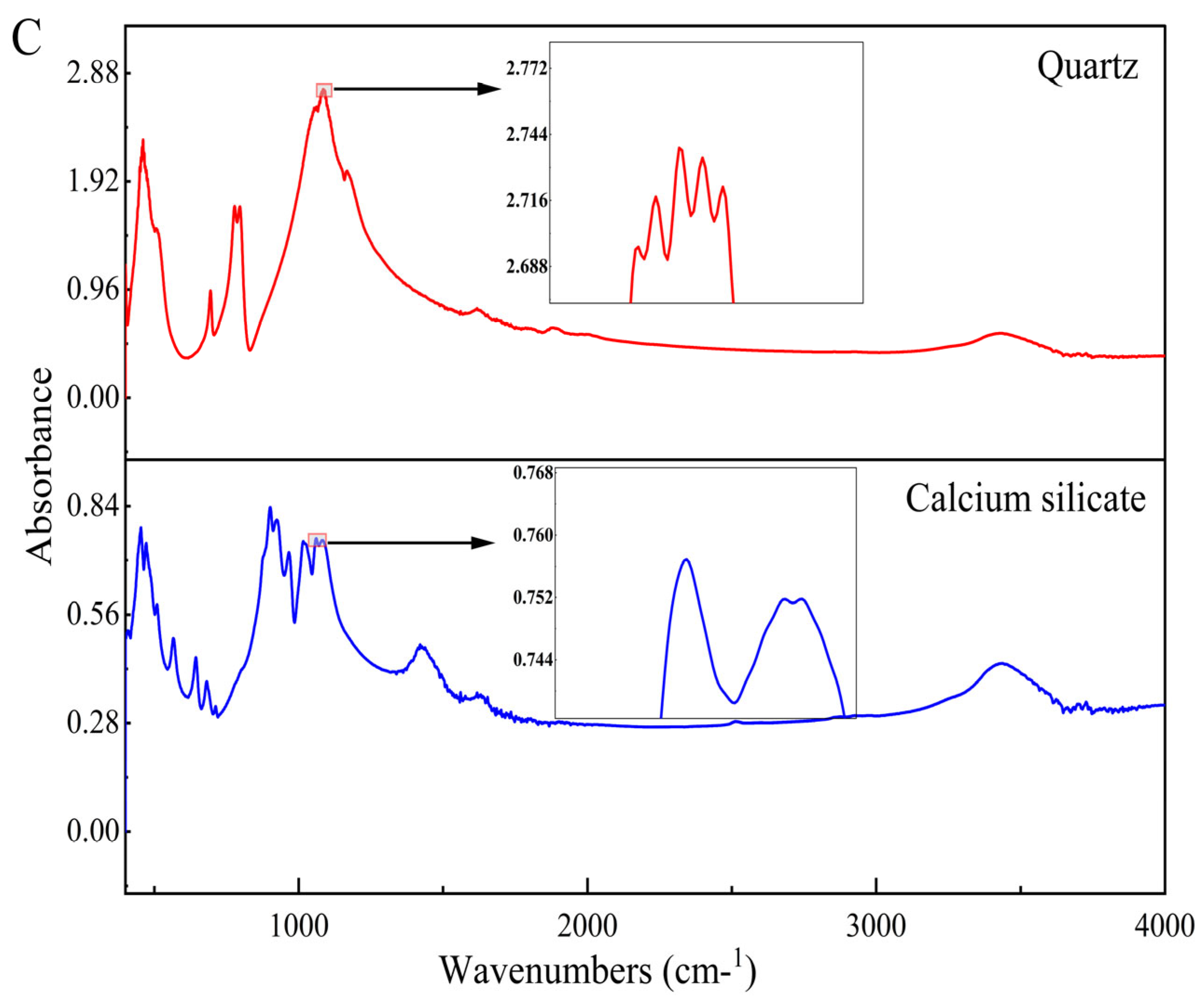
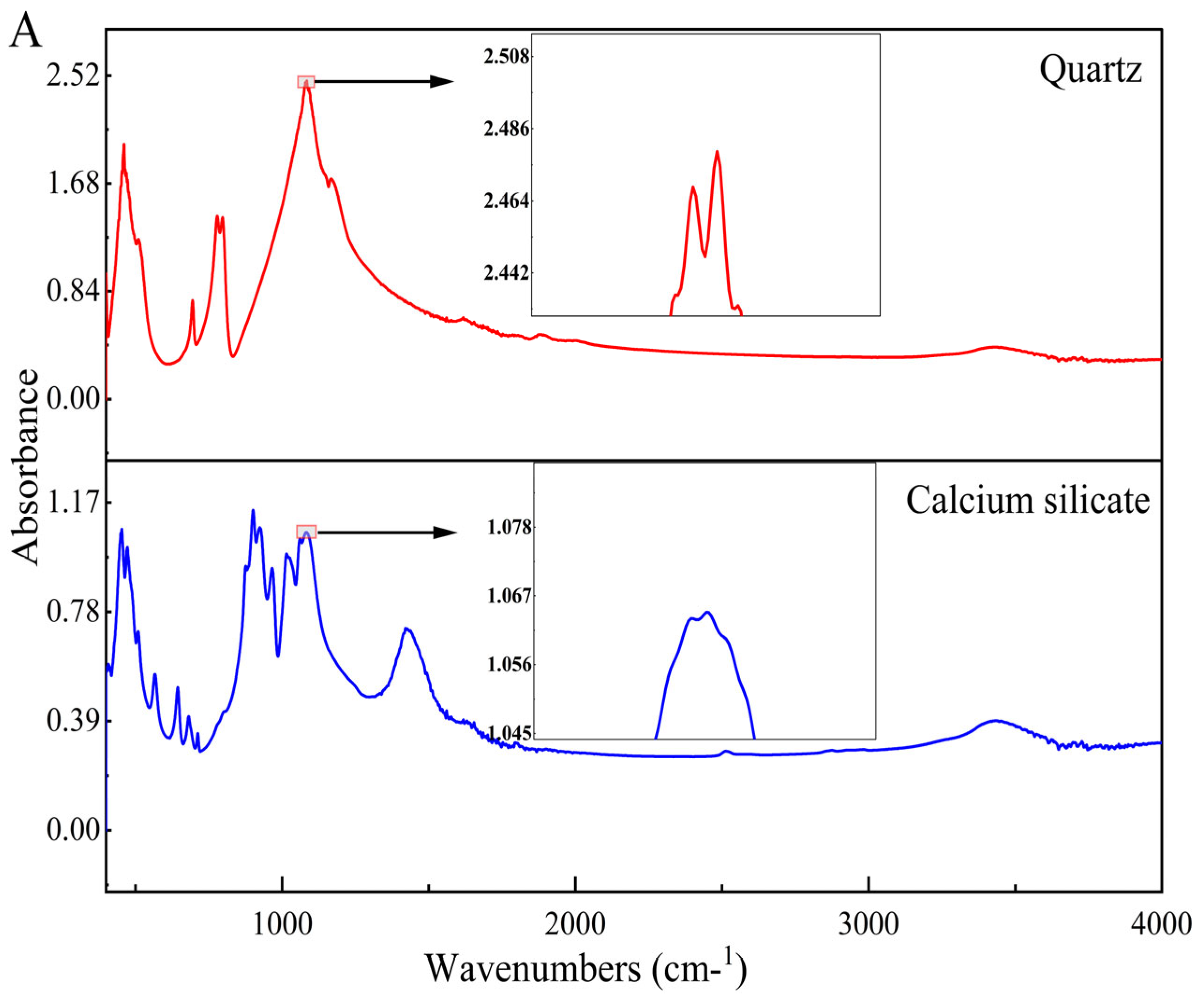
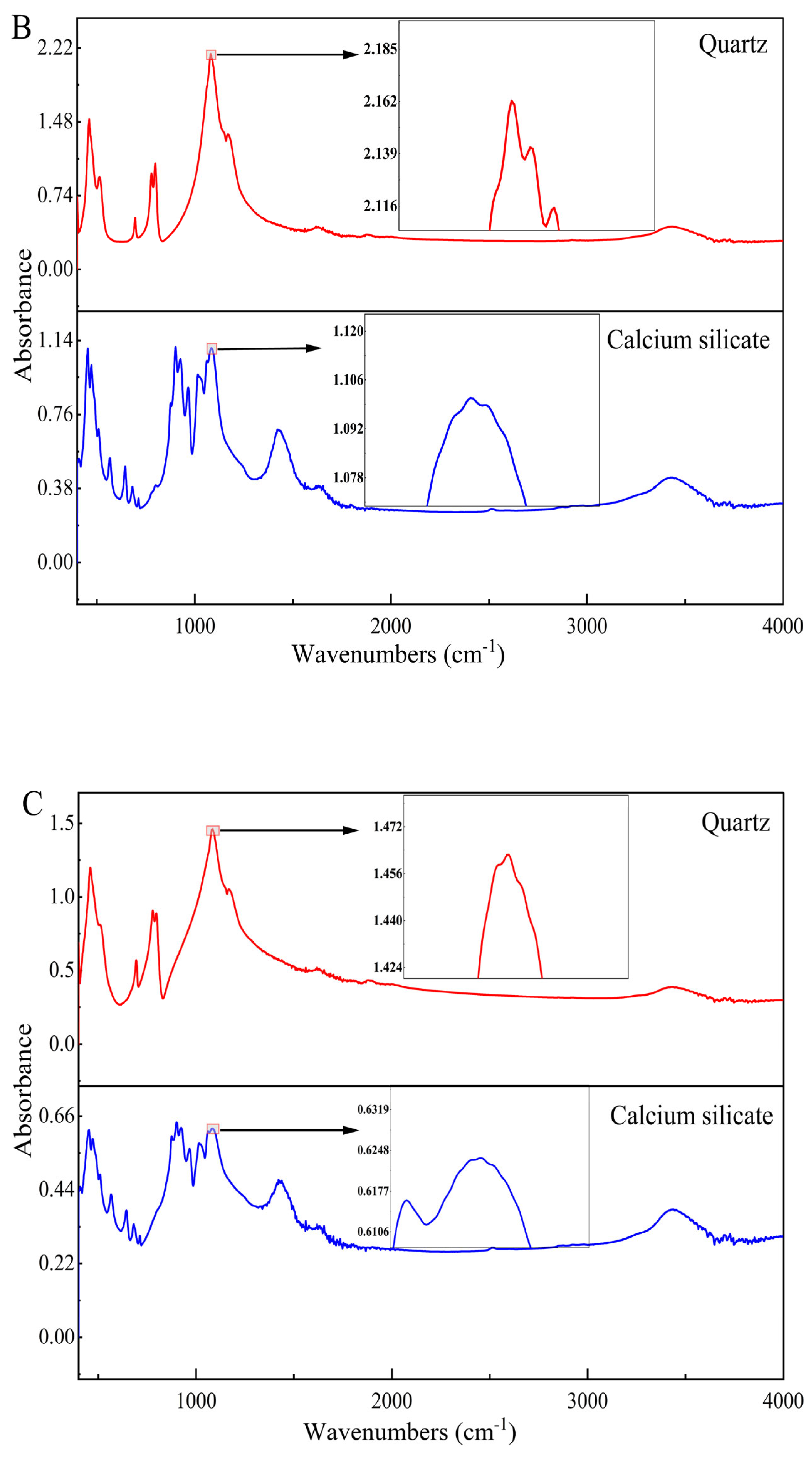
3.2. FTIR Analysis of Calcium Silicate and Quartz
3.2.1. FTIR Analysis of Quartz and Calcium Silicate After B. mucilaginosus Leaching
3.2.2. FTIR Analysis of Quartz and Calcium Silicate After B. polymyxa Leaching
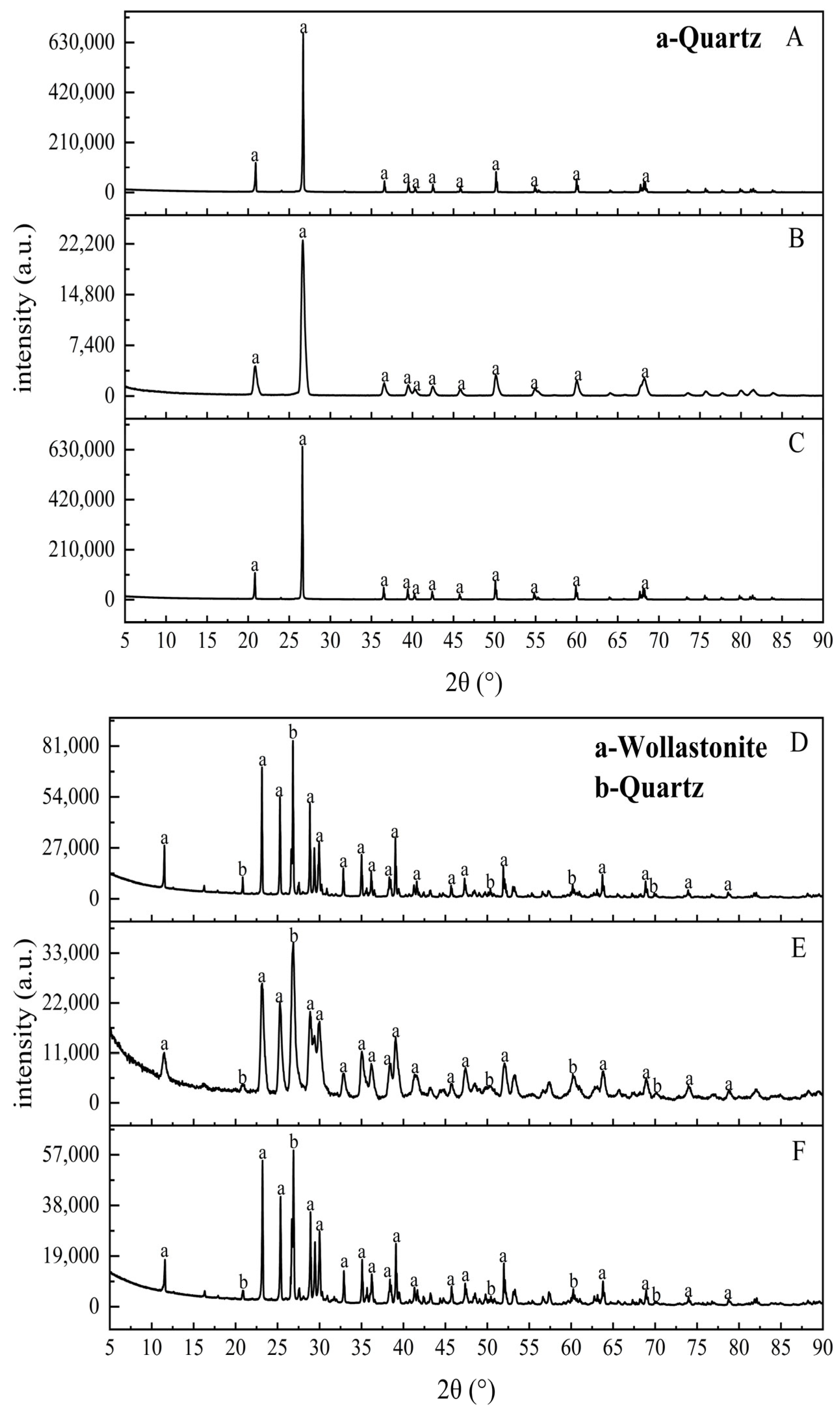
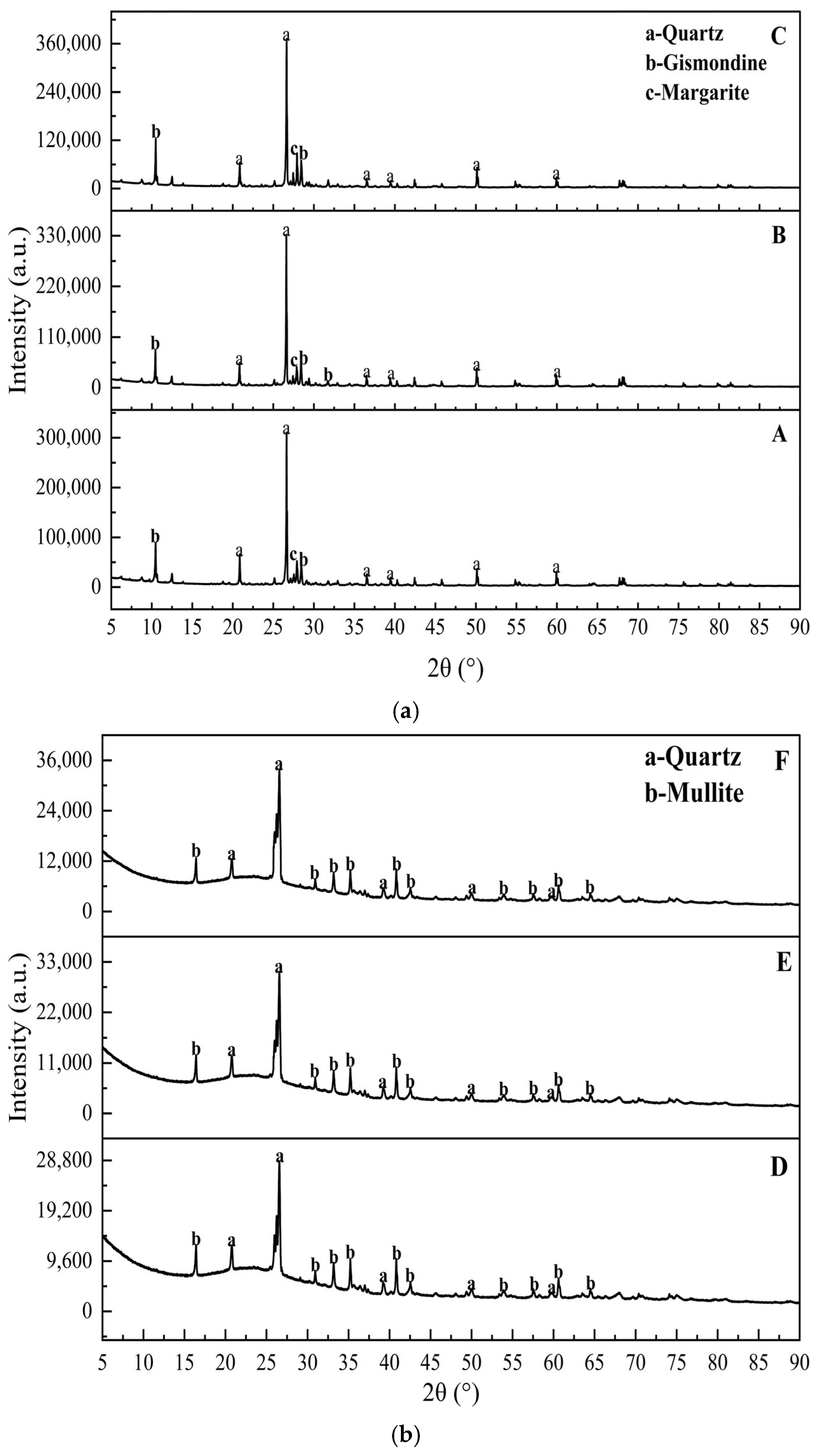
3.3. XRD Analysis of Calcium Silicate and Quartz
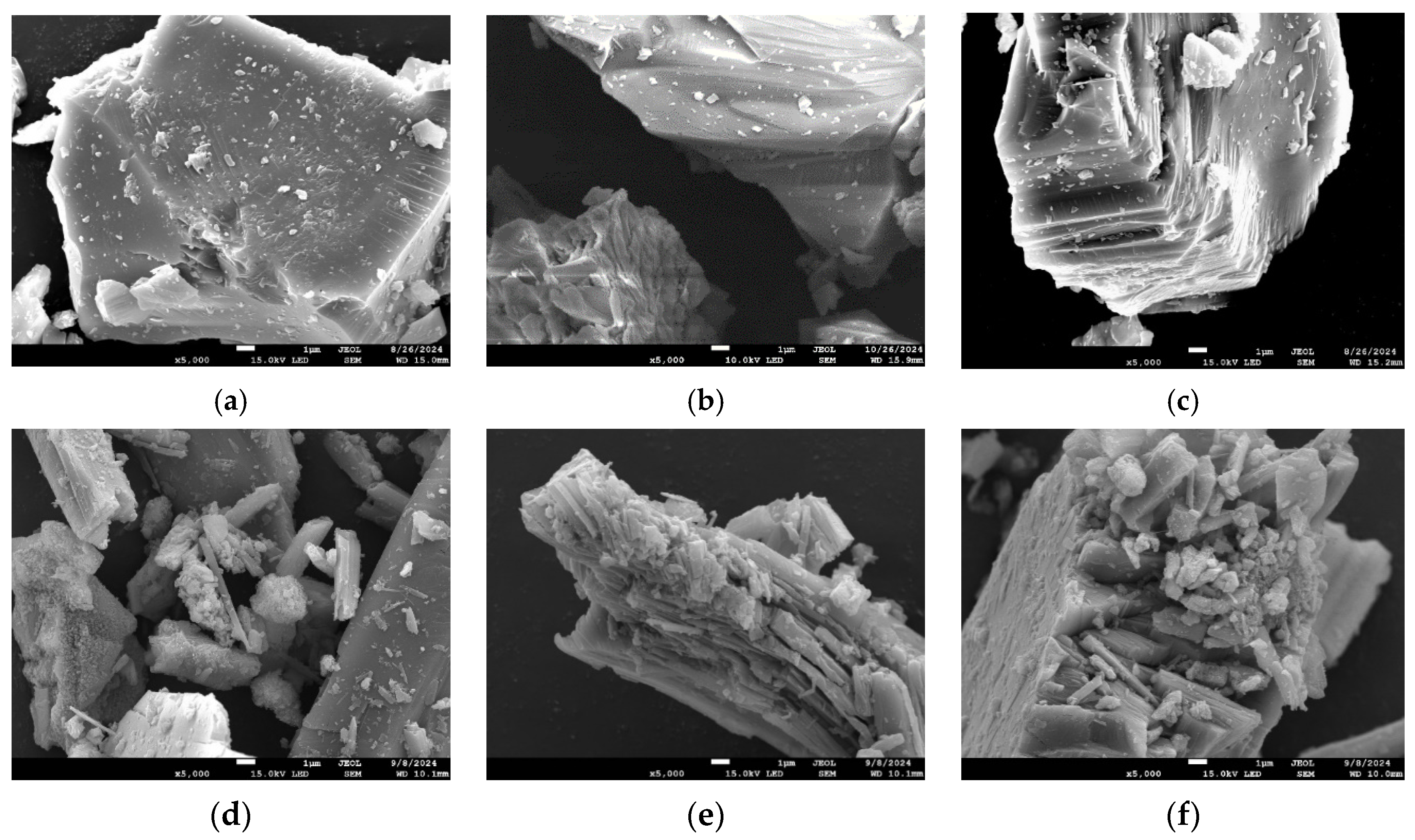
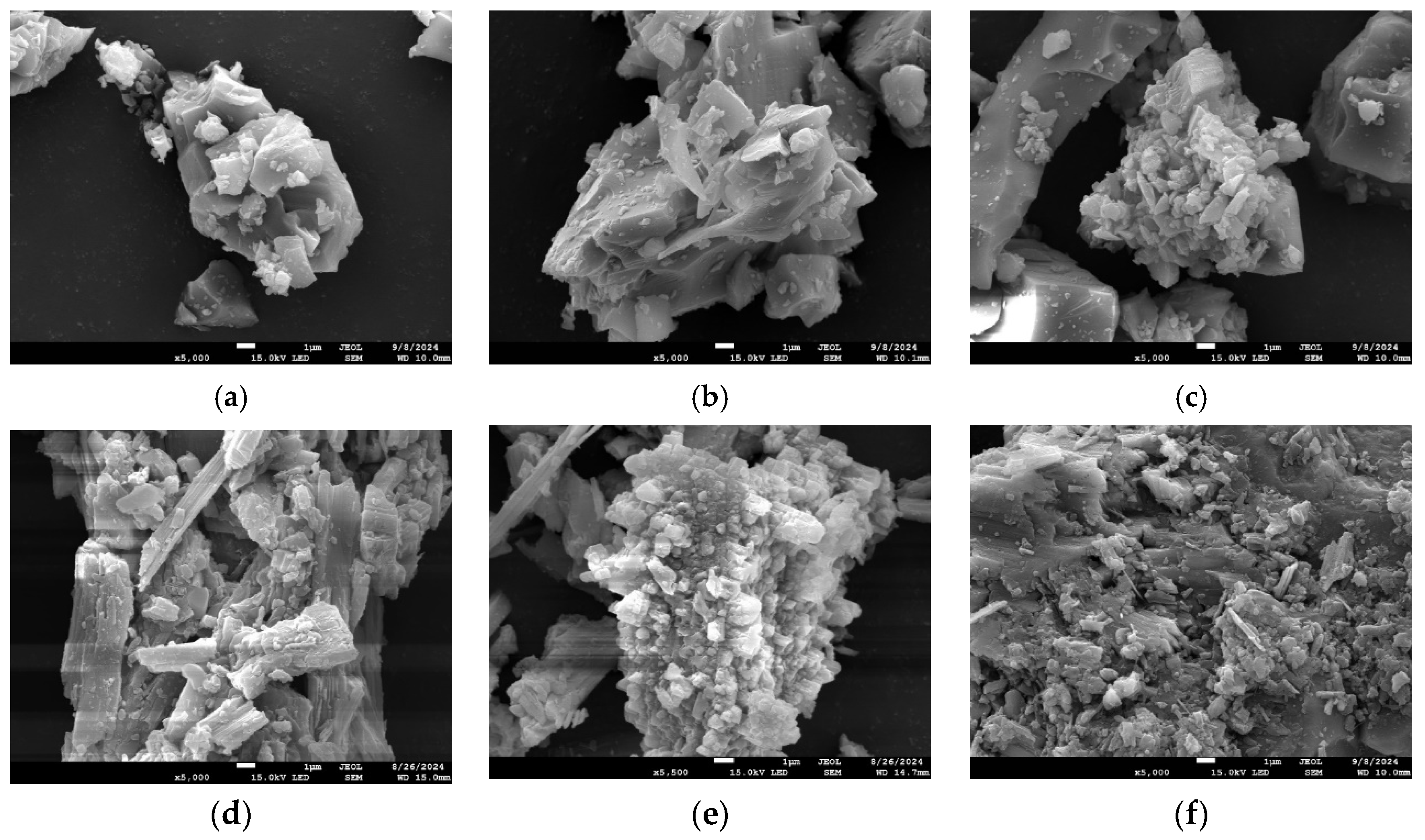
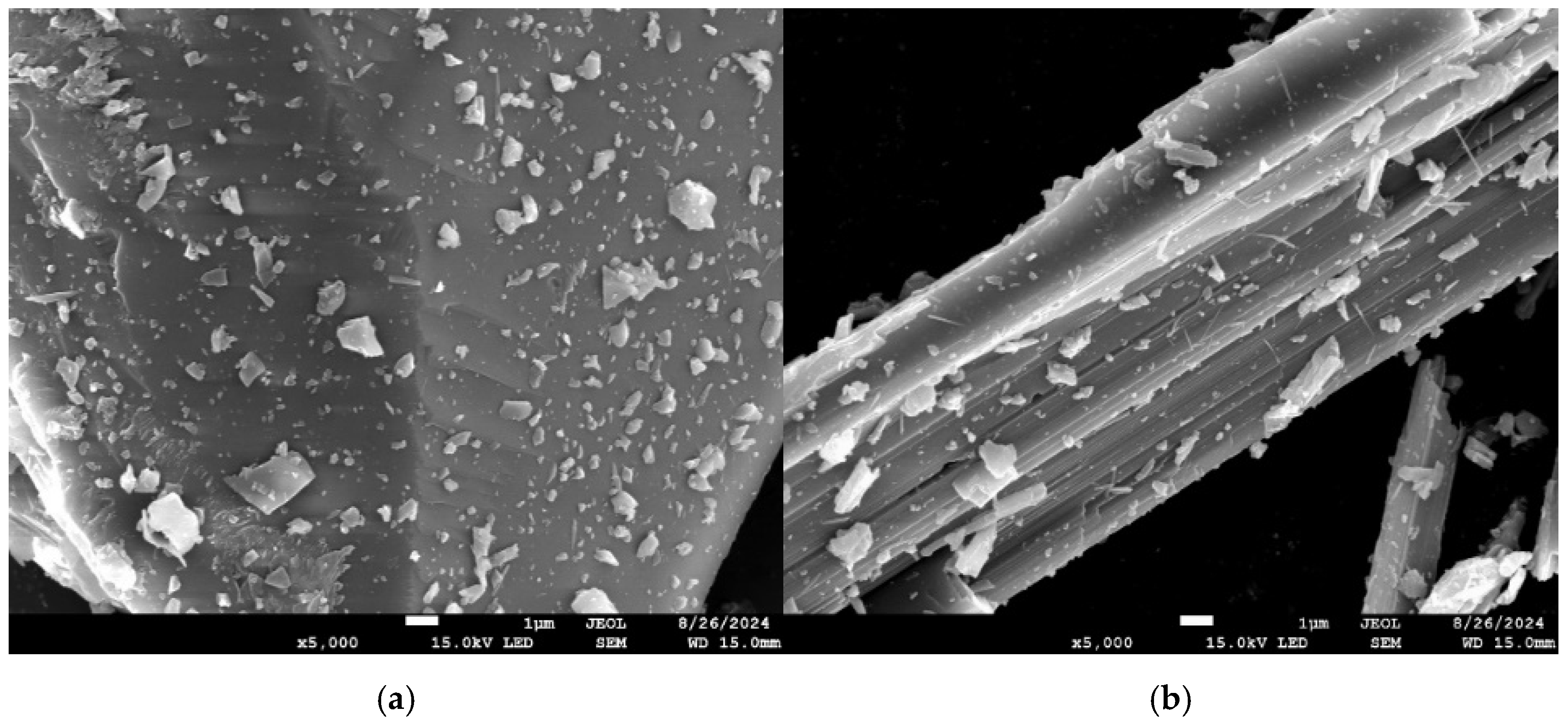
3.4. SEM Analysis of Quartz and Calcium Silicate
3.4.1. SEM of Untreated Quartz and Calcium Silicate
3.4.2. SEM of Calcium Silicate and Quartz Following B. mucilaginosus Leaching
3.4.3. SEM of Calcium Silicate and Quartz Following B. polymyxa Leaching
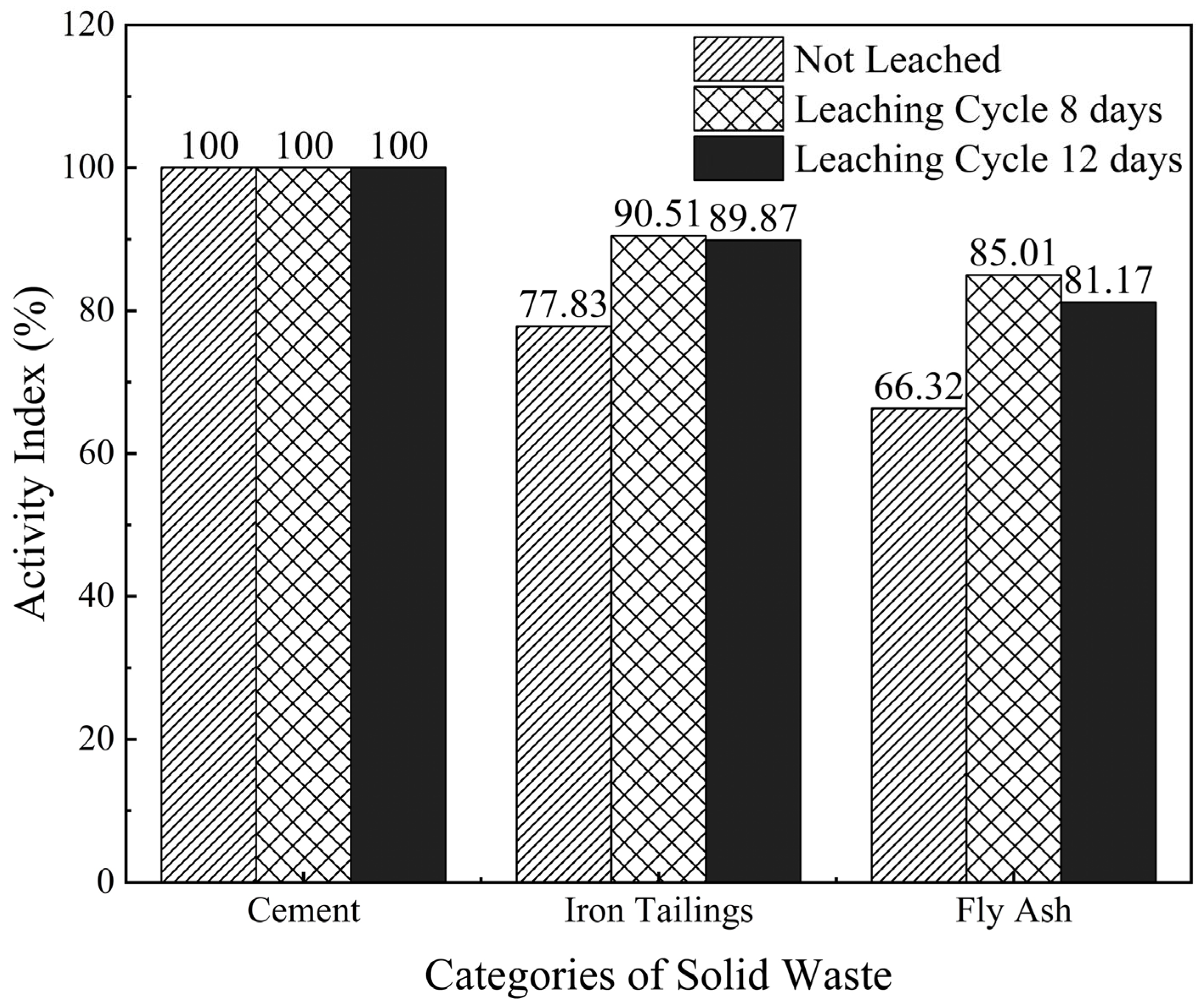
3.5. The Cement-Solid Waste System’s Macromechanical Characteristics
3.5.1. Testing of Silicon Concentration in Solid Waste Leached by B. mucilaginosus
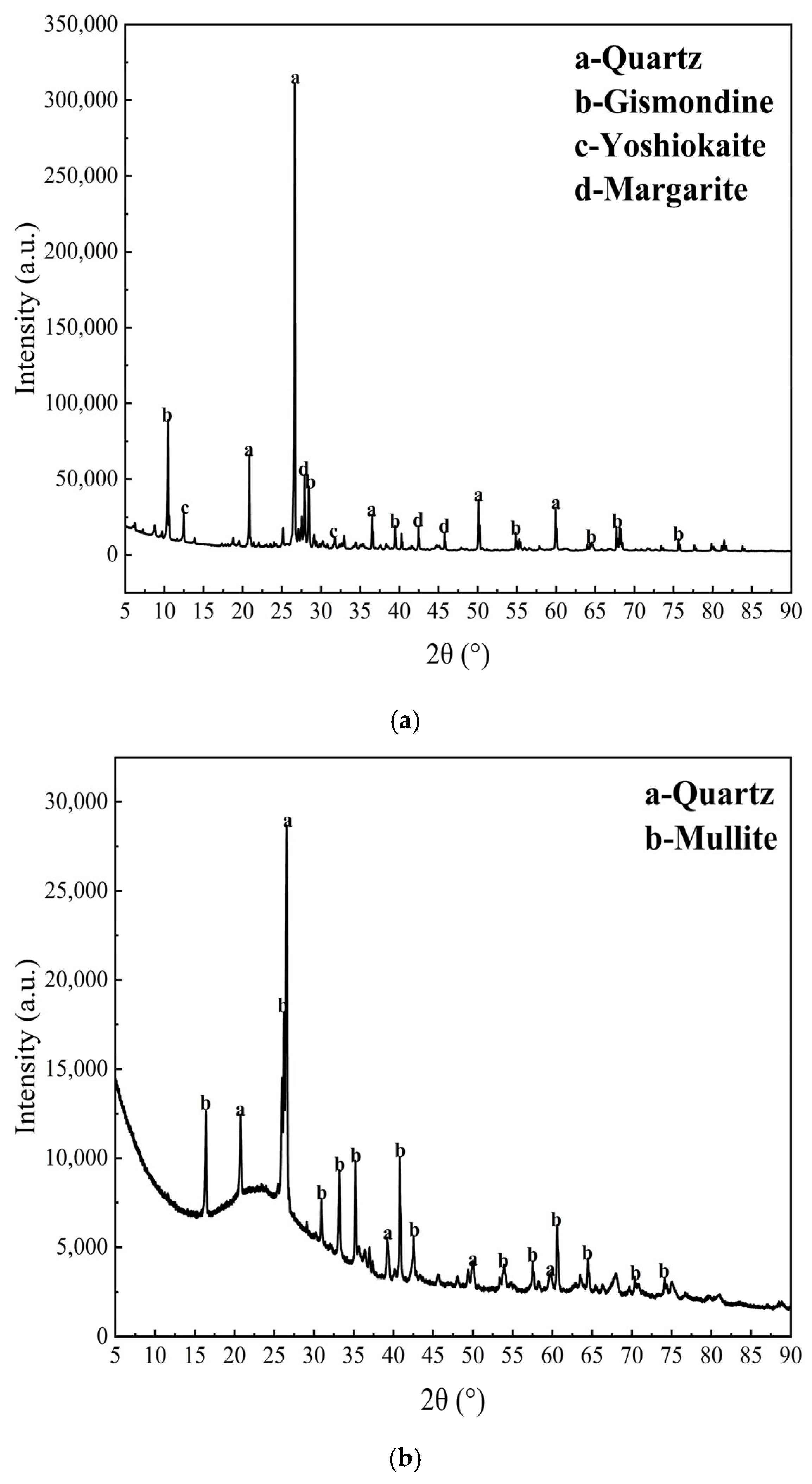
3.5.2. XRD Analysis of Iron Tailings and Fly Ash Before and After B. mucilaginosus Leaching
3.5.3. An Analysis of the Activity Index of Solid Waste Before and After Leaching with B. mucilaginosus
4. Conclusions
Author Contributions
Funding
Data Availability Statement
Conflicts of Interest
References
- Zhao, L.Q.; Wang, C.N.; Zhang, M.; Chen, T.; Mo, L.C.; Wang, P.G. Analysis of the current situation of exploration and development of iron ore resources in China and the situation of supply and demand. Geol. Explor. 2020, 56, 635–643. [Google Scholar]
- Zhang, Z.G.; Wang, Y.; Chen, J.D.; Gao, Q. Current situation and development strategy of resource utilisation of iron tailings. Sci. Technol. Her. 2024, 42, 90–103. [Google Scholar]
- Alexandrov, B.T. Silicate Bacteria; Ye, W.Q., Translator; Science Press: Beijing, China, 1955. [Google Scholar]
- Monb, M.; Zahra, M.K.; Abdel, S.I. Soil Biology and Conservation of the Biosphere; Akademiai Kiado: Budapest, Hungary, 1984; Volume 2, p. 733. [Google Scholar]
- Priya, A.; Hait, S. Extraction of metals from high grade waste printed circuit board by conventional and hybrid bioleaching using Acidithiobacillus ferrooxidans. Hydrometallurgy 2018, 177, 132–139. [Google Scholar] [CrossRef]
- Oyama, K.; Shimada, K.; Ishibashi, J.; Miki, H.; Obike, N. Silver-catalyzed bioleaching of enargite concentrate using moderately thermophilic microorganisms. Hydrometallurgy 2018, 177, 197–204. [Google Scholar] [CrossRef]
- Lin, Y.; Li, S.; Li, X.; Lin, H.; Lei, N.; Wu, D.; Tong, J.; Xie, H. Bioleaching of Silicon from Fly Ash by Co-culture of Silicate Bacteria and Fungi. Water Air Soil Pollut. 2023, 234, 755. [Google Scholar] [CrossRef]
- Ehrlich, H.; Demadis, K.D.; Pokrovsky, O.S.; Koutsoukos, P.G. Modern views on desilicification: Biosilica and abiotic silica dissolution in natural and artificial environments. Chem. Rev. 2010, 110, 4656–4689. [Google Scholar] [CrossRef]
- Liu, K.; Diao, M.X.; Yang, Y. Bioleaching of chalcopyrite concentrate using mixed thermophilic culture and succession of microbial community during leaching process. Chin. J. Nonferrous Met. 2012, 20, 346–353. [Google Scholar] [CrossRef]
- Mishra, S.; Panda, S.; Akcil, A.; Dembele, S. Biotechnological avenues in mineral processing: Fundamentals, applications and advances in bioleaching and bio-beneficiation. Miner. Process. Extr. Metall. Rev. 2023, 44, 22–51. [Google Scholar] [CrossRef]
- Zhang, Y.; Dan, Z.; He, X.; Tian, Y.; Wang, J.; Qi, S.; Duan, N.; Xin, B. Mn bio-dissolution from low-grade MnO2 ore and simultaneous Fe precipitation in presence of waste electrolytic manganese anolyte as nitrogen source and iron scavenger. J. Clean. Prod. 2017, 158, 182–191. [Google Scholar] [CrossRef]
- Zhan, S.; Liu, J.; Chen, Y.; Sun, D. Single and coorperative bauxite bioleaching by silicate bacteria. Ieri Procedia 2013, 5, 172–177. [Google Scholar] [CrossRef][Green Version]
- Chaerun, K.S.; Sulistyo, R.S.; Minwal, W.P.; Mubarok, M.Z. Indirect bioleaching of low-grade nickel limonite and saprolite ores using fungal metabolic organic acids generated by Aspergillus niger. Hydrometallurgy 2017, 174, 29–37. [Google Scholar] [CrossRef]
- Wang, Y.; Cai, Z.; Zhang, Y.; Zheng, Q. Green recovery of vanadium from vanadium-bearing shale under the biological action by Bacillus mucilaginosus and its effect on mineral dissolution. J. Environ. Chem. Eng. 2022, 10, 107048. [Google Scholar] [CrossRef]
- Zhang, X.; Qian, C.; Yi, H.; Ma, Z. Study on carbonation reactivity of silicates in steel slag accelerated by Bacillus mucilaginosus. Constr. Build. Mater. 2021, 292, 123433. [Google Scholar] [CrossRef]
- Cai, Z.; Wang, Y.; Zhang, Y.; Zheng, Q. Improvement on bioleaching interfacial behavior between Bacillus mucilaginosus and vanadium-bearing shale by surfactant additive. J. Environ. Chem. Eng. 2022, 10, 108911. [Google Scholar] [CrossRef]
- Jin, W.; Wang, Z.; Peng, D.; Peng, W.; Shen, W.; Zhu, Z.; Cheng, S.; Li, B.; Huang, Q. Effect of linear charge density of polysaccharides on interactions with α-amylase: Self-Assembling behavior and application in enzyme immobilization. Food Chem. 2020, 331, 127320. [Google Scholar] [CrossRef]
- Yin, L.; Fu, S.; Wu, R.; Wei, S.; Yi, J.; Zhang, L.M.; Yan, L. A neutral polysaccharide from green tea: Structure, effect on α-amylase activity and hydrolysis property. Arch. Biochem. Biophys. 2020, 687, 108369. [Google Scholar] [CrossRef] [PubMed]
- Zhang, X.Z.; Sun, D.S.; Lin, H. Screening and desilication of a silicate bacteria. Adv. Mater. Res. 2011, 236, 253–257. [Google Scholar] [CrossRef]
- Sun, D.S.; Bao, H.; Chen, H.; Zhang, X.Z.; Ni, J.H. Biosorption of Bacillus Circulans and Bacillus Mucilaginosus on the Surface of Diaspore, Kaolinite and Quartz. Adv. Mater. Res. 2012, 393, 628–631. [Google Scholar] [CrossRef]
- Jia, M.X.; Sun, C.Y. Study on adsorption behavior of metal ions on some silicate minerals. Min. Metall. 2001, 10, 25–30. [Google Scholar]
- Cheng, L.J.; Li, F.C.; Li, S. Adsorption of Silicate Bacteria on Surface of Orthoclase and Biotite and its Selectivity. Geol. J. China Univ. 2007, 13, 669–674. [Google Scholar]
- Lv, Y.; Li, J.; Ye, H.; Du, D.; Li, J.; Sun, P.; Ma, M.; Wen, J. Bioleaching behaviors of silicon and metals in electrolytic manganese residue using silicate bacteria. J. Clean. Prod. 2019, 228, 901–909. [Google Scholar] [CrossRef]
- Lv, Y.; Li, J.; Ye, H.; Du, D.; Gan, C.; Wuri, L.; Sun, P.; Wen, J. Bioleaching of silicon in electrolytic manganese residue using single and mixed silicate bacteria. Bioprocess Biosyst. Eng. 2019, 42, 1819–1828. [Google Scholar] [CrossRef]
- Lv, Y.; Li, J.; Liu, X.; Chen, B.; Zhang, M.; Chen, Z.; Zhang, T.C. Screening of silicon-activating bacteria and the activation mechanism of silicon in electrolytic manganese residue. Environ. Res. 2021, 202, 111659. [Google Scholar] [CrossRef]
- Yao, J.; Yin, W.; Gong, E. Depressing effect of fine hydrophilic particles on magnesite reverse flotation. Int. J. Miner. Process. 2016, 149, 84–93. [Google Scholar] [CrossRef]
- Yan, H.; Xu, L.; Su, J.; Wei, H.; Li, X. Synergistic promotion of sludge reduction by surfactant-producing and lysozyme-producing bacteria: Optimization and effect of Na+. Bioresour. Technol. 2024, 393, 130065. [Google Scholar] [CrossRef]
- Dong, Y.; Zan, J.; Lin, H. Bioleaching of heavy metals from metal tailings utilizing bacteria and fungi: Mechanisms, strengthen measures, and development prospect. J. Environ. Manag. 2023, 344, 118511. [Google Scholar] [CrossRef] [PubMed]
- Pawlowska, A.; Sadowski, Z.; Winiarska, K. Effect of Rhamnolipids and Lipopolysaccharides on the Bioleaching of Arsenic-Bearing Waste. Minerals 2021, 11, 1303. [Google Scholar] [CrossRef]
- Zhao, X.; Zhou, Y.; Ding, C.; Wang, X.; Zhang, X.; Wang, R.; Lu, X. Lithium extraction from typical lithium silicate ores by two bacteria with different metabolic characteristics: Experiments, mechanism and significance. J. Environ. Manag. 2023, 347, 119082. [Google Scholar] [CrossRef] [PubMed]
- Xu, C.; Zhao, X.; Duan, H.; Gu, W.; Zhang, D.; Wang, R.; Lu, X. Mechanism of surfactant effect on bacterial adsorption during bioleaching of lepidolite. Appl. Clay Sci. 2025, 264, 107646. [Google Scholar] [CrossRef]
- Chen, H.X.; Li, Z.R.; Huang, X.Y.; Xiu, Y.; Liu, B.; Lin, J. Optimisation of culture conditions of Bacillus polymyxa. J. Fuzhou Univ. 2013, 41, 947–954. [Google Scholar]
- Cai, Z.; Wang, Y.; Zhang, Y.; Tian, H. Effects of surfactant on Bacillus mucilaginosus adsorption characteristics during vanadium bioleaching process. J. Environ. Chem. Eng. 2022, 10, 108961. [Google Scholar] [CrossRef]
- Hui, M.; Hou, Y.C.; Tian, Q.; Shang, X.L.; Zhang, K.P. Research of Biological Desilication Mechanism by Bacillus mucilaginosus GSY. Adv. Mater. Res. 2012, 402, 283–287. [Google Scholar] [CrossRef]






| Chemical Composition | SiO2 | Fe2O3 | Al2O3 | MgO | CaO | Else |
|---|---|---|---|---|---|---|
| Iron ore tailings | 71.68% | 9.60% | 6.92% | 4.40% | 4.02% | 3.38% |
| fly ash | 50.49% | 5.73% | 32.21% | 1.40% | 3.23% | 6.94% |
| Materials | Stability | Condensation Time/min | Flexural Strength/MPa | Compressive Strength/MPa | |||
|---|---|---|---|---|---|---|---|
| Condensation | Congeal | 3 d | 28 d | 3 d | 28 d | ||
| Cement | Eligible | 95 | 210 | 6.3 | 8.2 | 18.9 | 49.2 |
| Quartz | Quartz’s pH | Calcium Silicate | Calcium Silicate’s pH | |
|---|---|---|---|---|
| Blank group | 15.904 | 7.05 | 20.939 | 7.03 |
| 4 d | 23.731 | 7.16 | 40.434 | 7.27 |
| 8 d | 73.868 | 7.24 | 36.163 | 7.22 |
| 12 d | 17.819 | 7.13 | 19.329 | 7.15 |
| Quartz | Quartz’s pH | Calcium Silicate | Calcium Silicate’s pH | |
|---|---|---|---|---|
| Blank group | 15.904 | 7.05 | 20.939 | 7.03 |
| 4 d | 20.598 | 7.11 | 149.153 | 7.32 |
| 8 d | 24.537 | 7.23 | 29.833 | 7.14 |
| 12 d | 25.608 | 7.26 | 58.976 | 7.21 |
| Bacterial Species | Leaching Cycle | Iron Ore Tailings | pH of Iron Ore Tailings | Fly Ash | pH of Fly Ash |
|---|---|---|---|---|---|
| B. mucilaginosus | 8 d | 41.524 | 7.26 | 40.707 | 7.29 |
| 12 d | 16.586 | 7.17 | 20.345 | 7.21 |
Disclaimer/Publisher’s Note: The statements, opinions and data contained in all publications are solely those of the individual author(s) and contributor(s) and not of MDPI and/or the editor(s). MDPI and/or the editor(s) disclaim responsibility for any injury to people or property resulting from any ideas, methods, instructions or products referred to in the content. |
© 2026 by the authors. Licensee MDPI, Basel, Switzerland. This article is an open access article distributed under the terms and conditions of the Creative Commons Attribution (CC BY) license.
Share and Cite
Bai, Y.; Li, X.; Wu, L.; Qiao, H. Research on Activation of Solid Waste Through Microbial Desilification. Crystals 2026, 16, 54. https://doi.org/10.3390/cryst16010054
Bai Y, Li X, Wu L, Qiao H. Research on Activation of Solid Waste Through Microbial Desilification. Crystals. 2026; 16(1):54. https://doi.org/10.3390/cryst16010054
Chicago/Turabian StyleBai, Yuming, Xiao Li, Limei Wu, and Haiyang Qiao. 2026. "Research on Activation of Solid Waste Through Microbial Desilification" Crystals 16, no. 1: 54. https://doi.org/10.3390/cryst16010054
APA StyleBai, Y., Li, X., Wu, L., & Qiao, H. (2026). Research on Activation of Solid Waste Through Microbial Desilification. Crystals, 16(1), 54. https://doi.org/10.3390/cryst16010054