Article

Effect of Nickel Content and Cooling Rate on the Microstructure of as Cast 316 Stainless Steels

by
Lei Chen
1,
Yang Wang
2,
Yafeng Li
3,
Zhengrui Zhang
2,
Zhixuan Xue
2,
Xinyu Ban
2,
Chaohui Hu
2,
Haixiao Li
3,
Jun Tian
4,
Wangzhong Mu
5,6,
Kun Yang
1,* and
Chao Chen
2,*
1
College of Mechanical Engineering, Taiyuan University of Technology, Taiyuan 030024, China
2
College of Materials Science and Engineering, Taiyuan University of Technology, Taiyuan 030024, China
3
Xinzhou Comprehensive Inspection and Testing Center, Xinzhou 034000, China
4
School of Iron and Steel, Soochow University, Suzhou 215137, China
5
Key Laboratory of Electromagnetic Processing of Materials, Ministry of Education, School of Metallurgy, Northeastern University, Shenyang 110819, China
6
Department of Materials Science and Engineering, KTH Royal Institute of Technology, SE-100 44 Stockholm, Sweden
*
Authors to whom correspondence should be addressed.
Crystals 2025, 15(2), 168; https://doi.org/10.3390/cryst15020168
Submission received: 31 December 2024 / Revised: 3 February 2025 / Accepted: 7 February 2025 / Published: 10 February 2025

Abstract

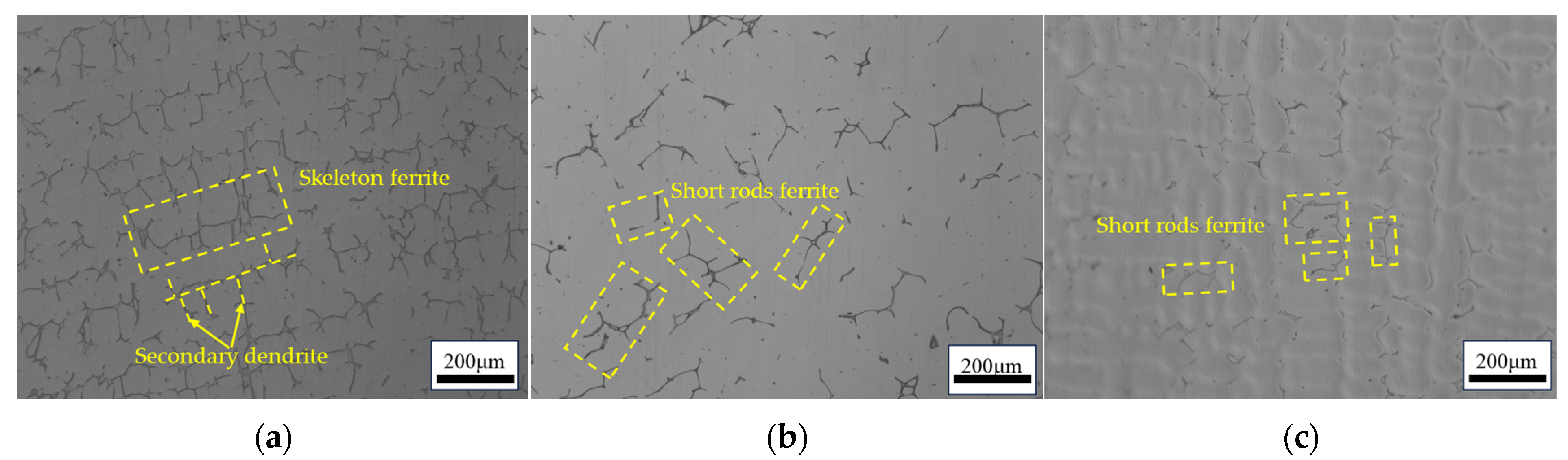
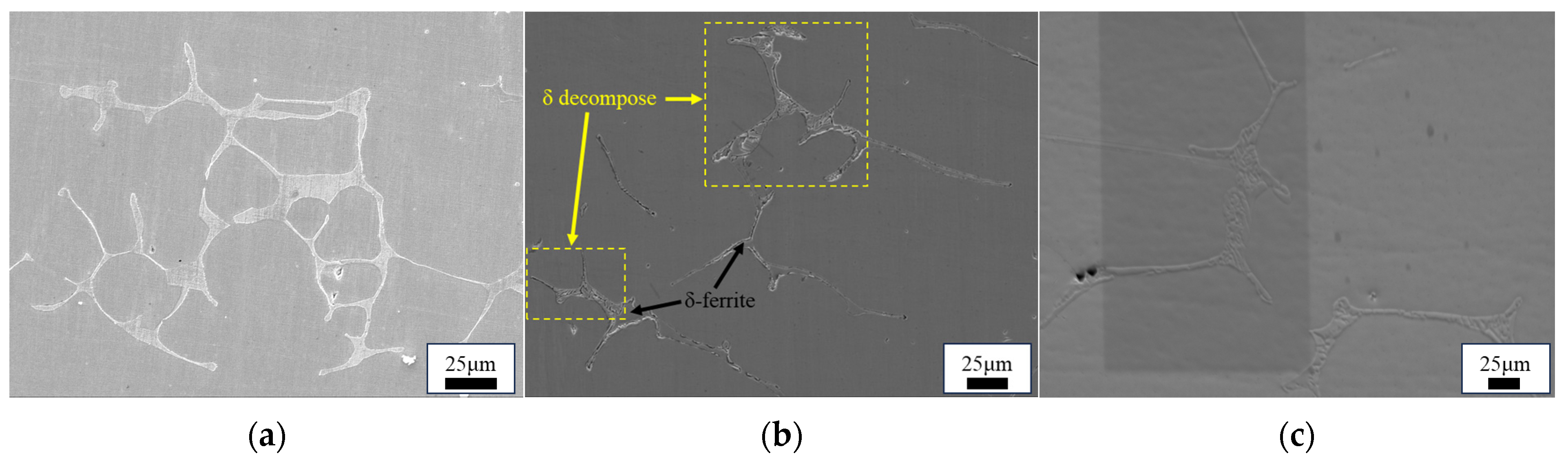
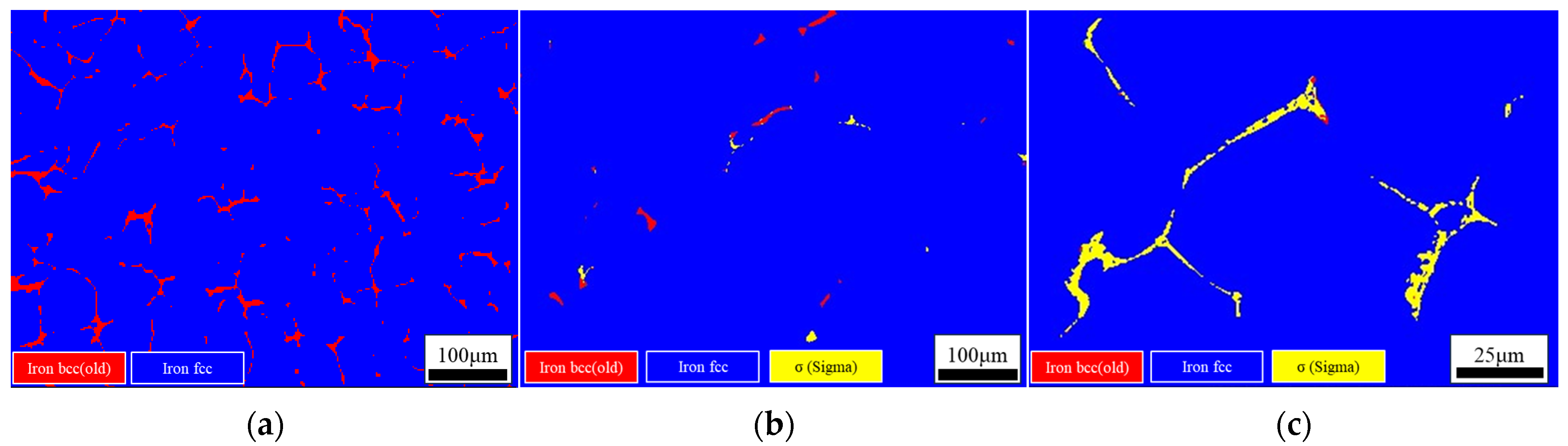
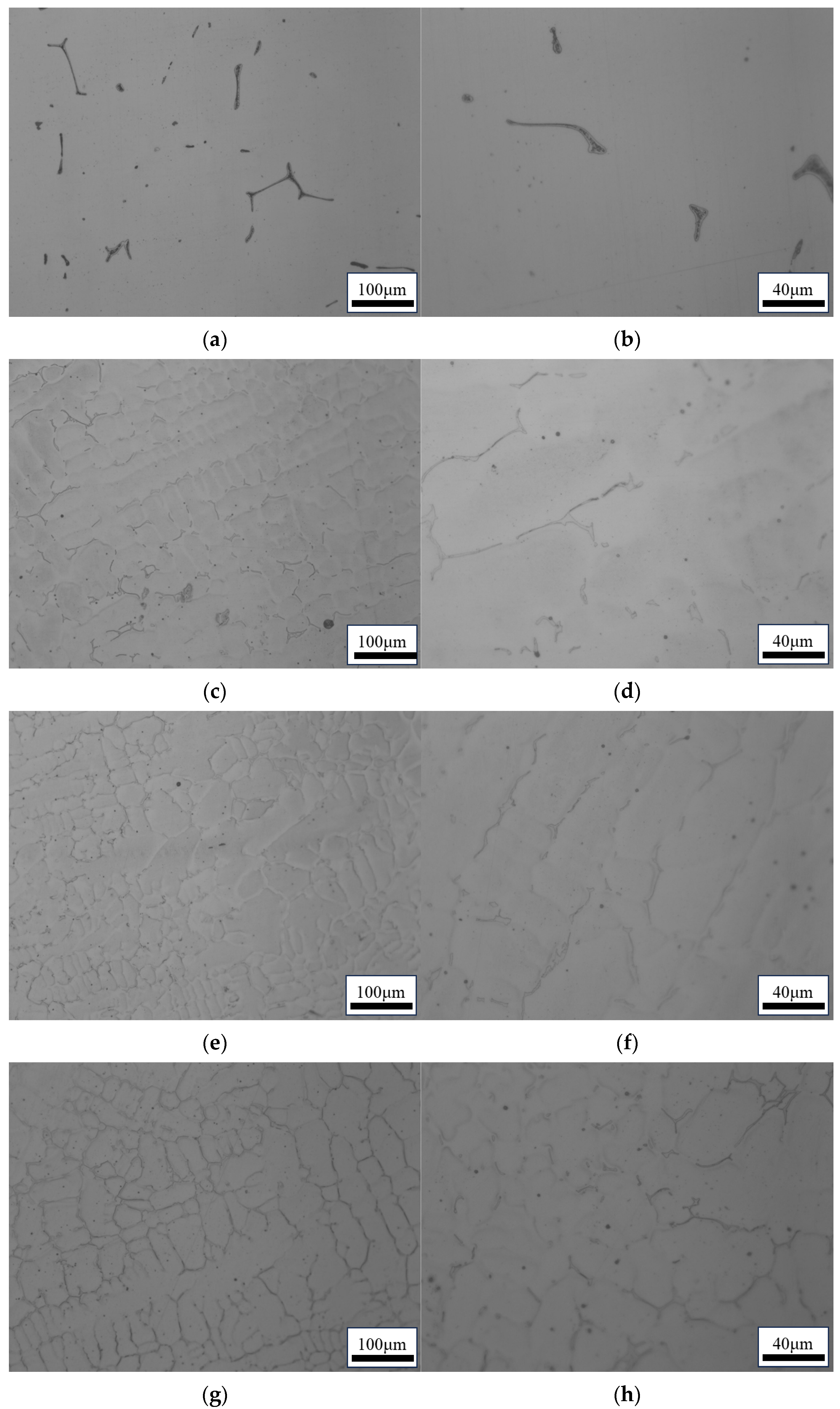
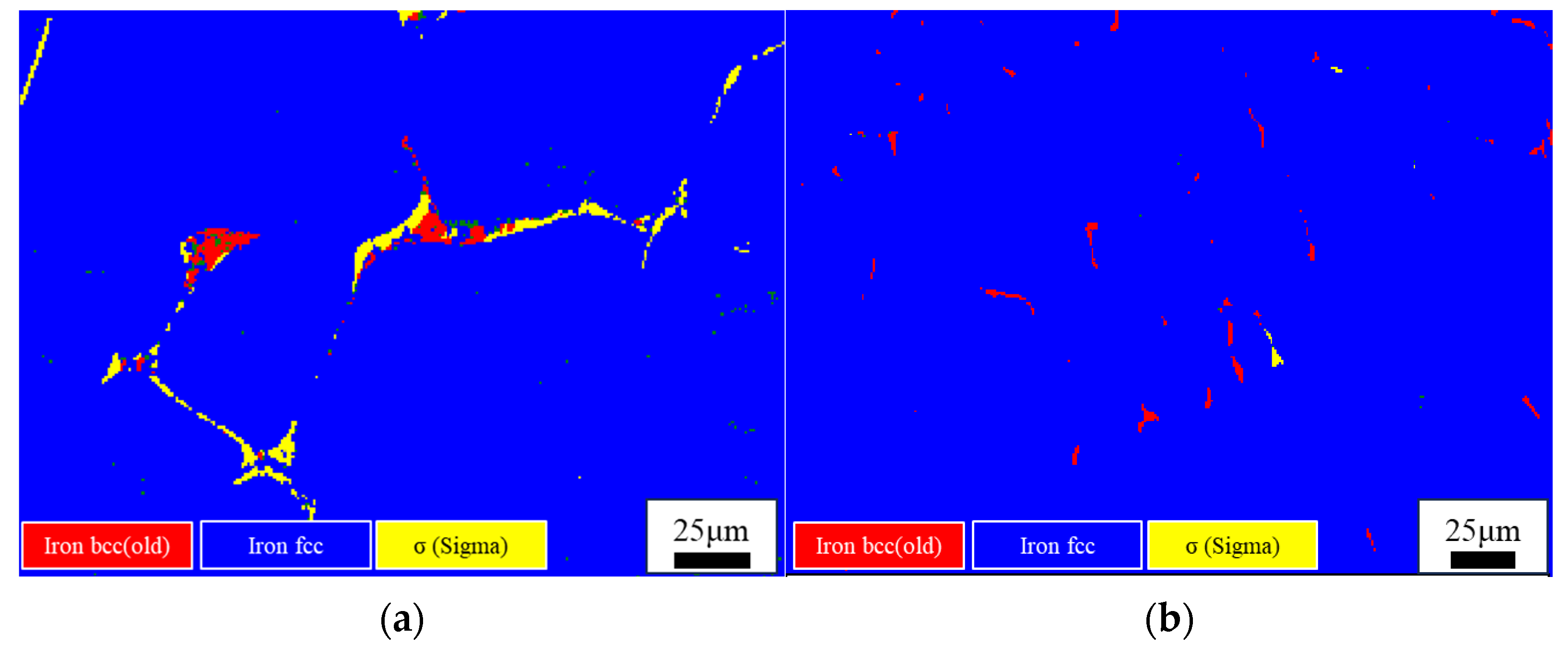
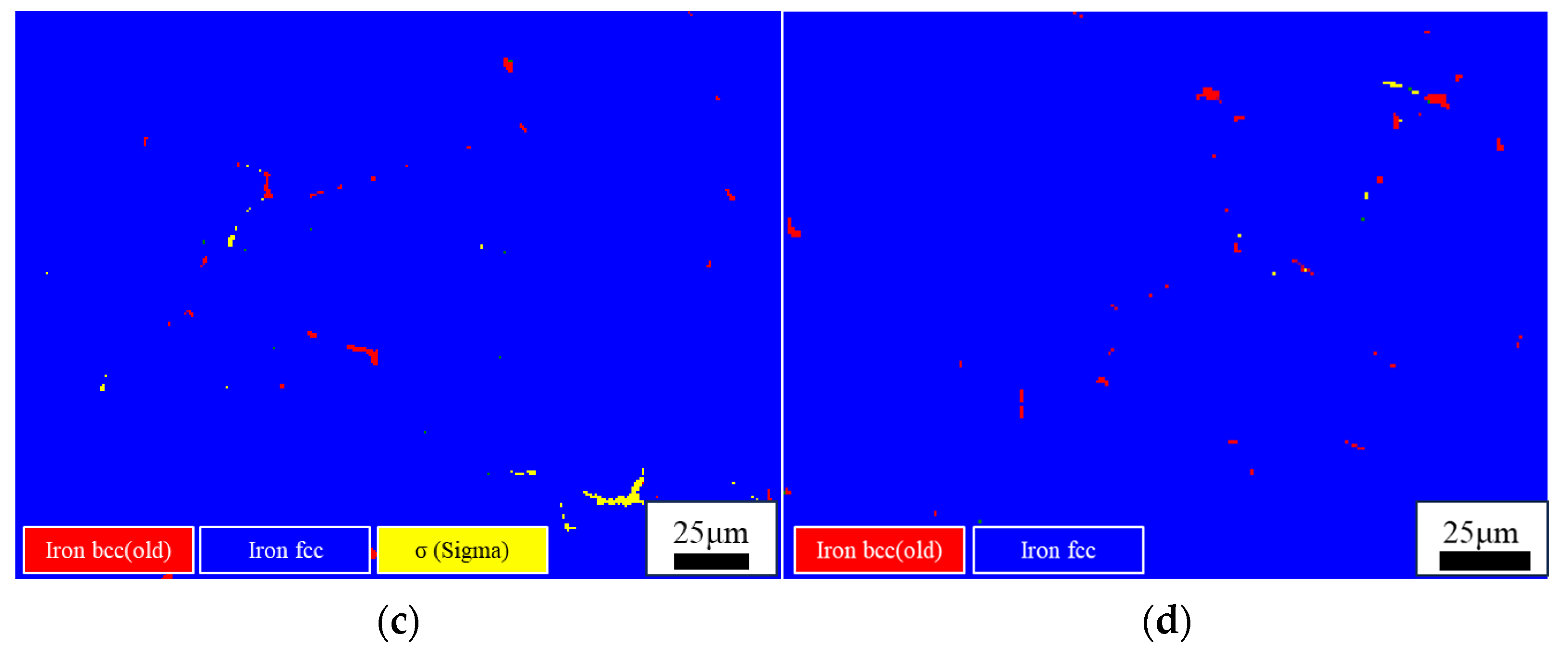
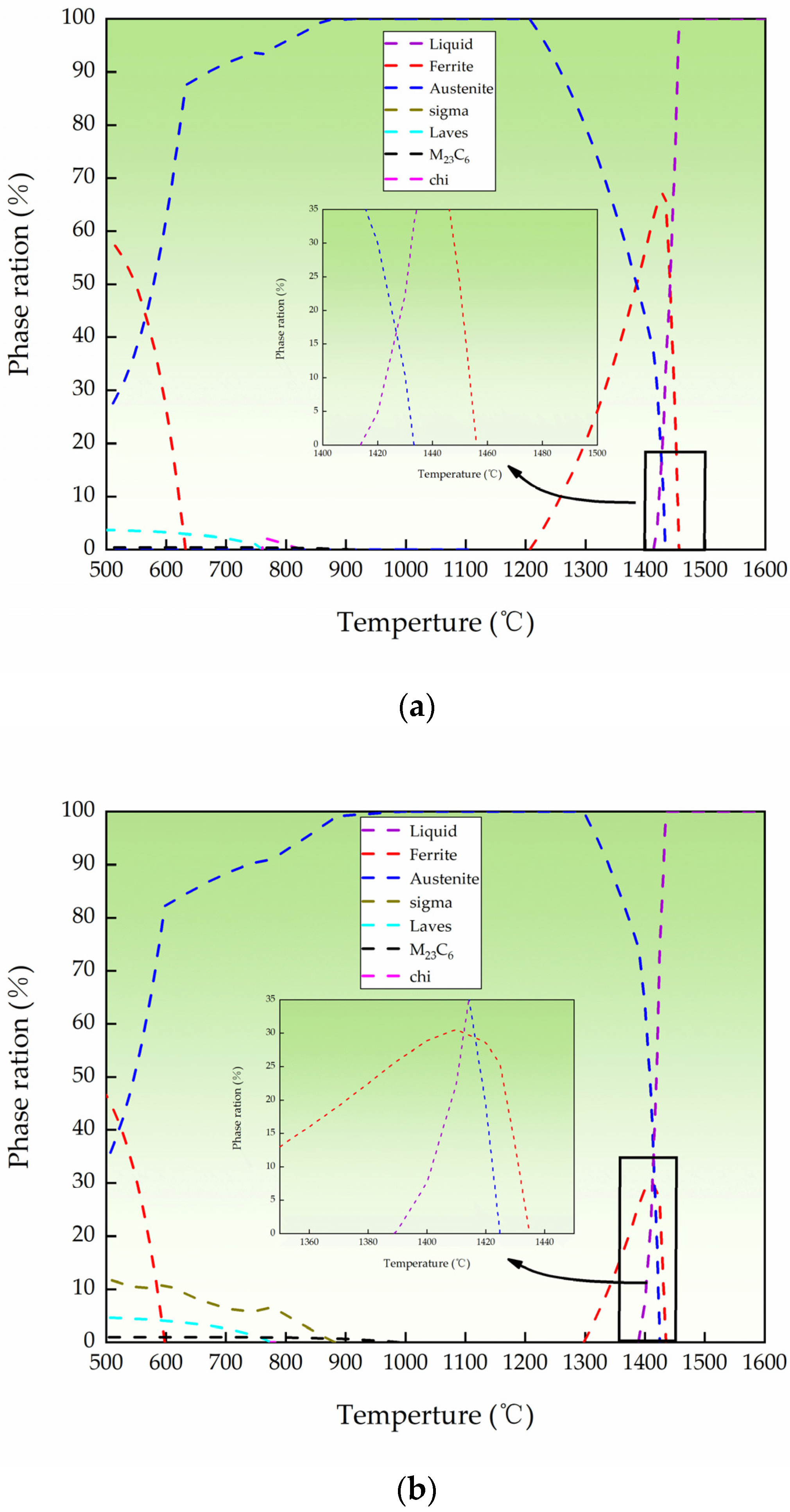
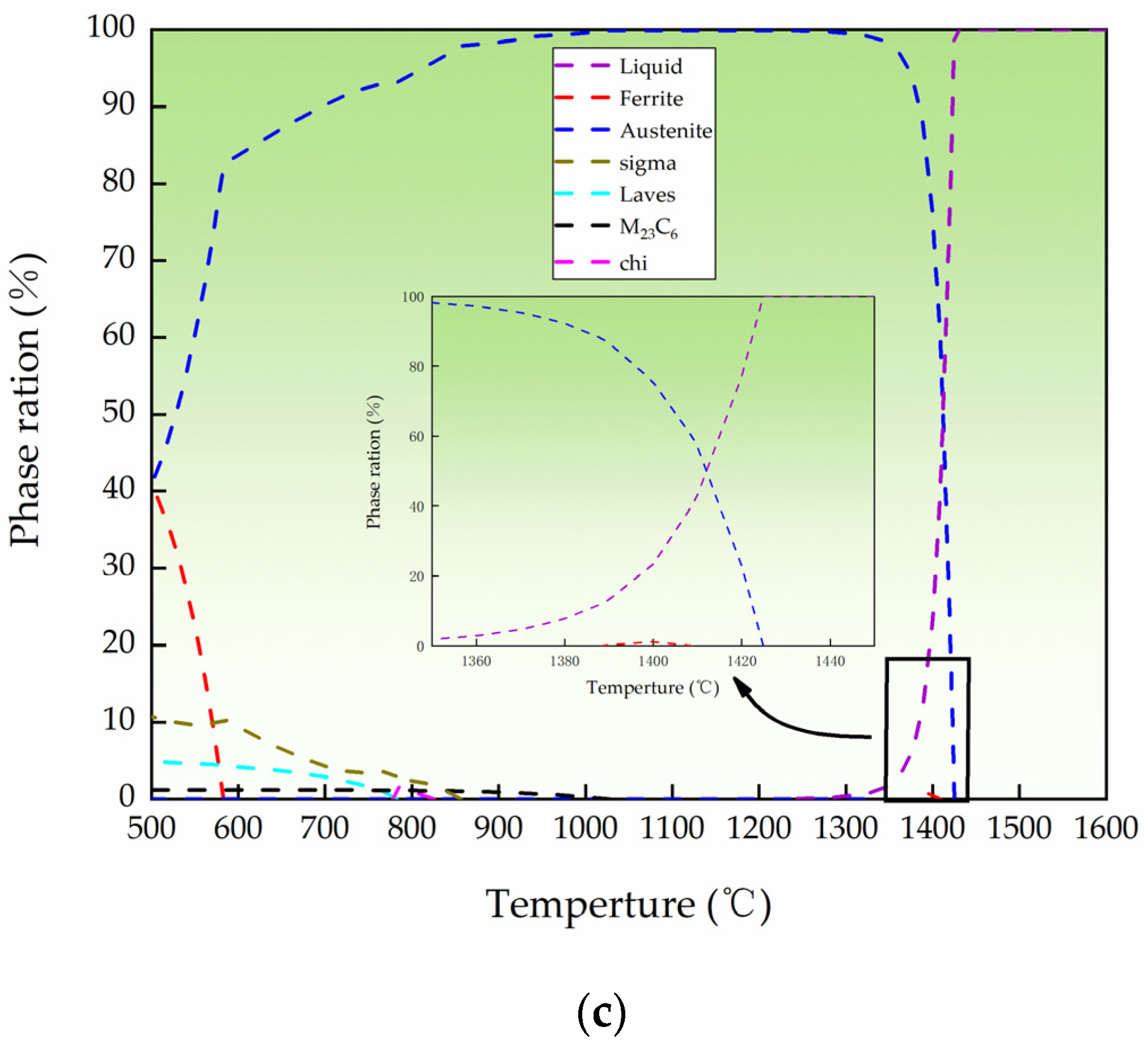
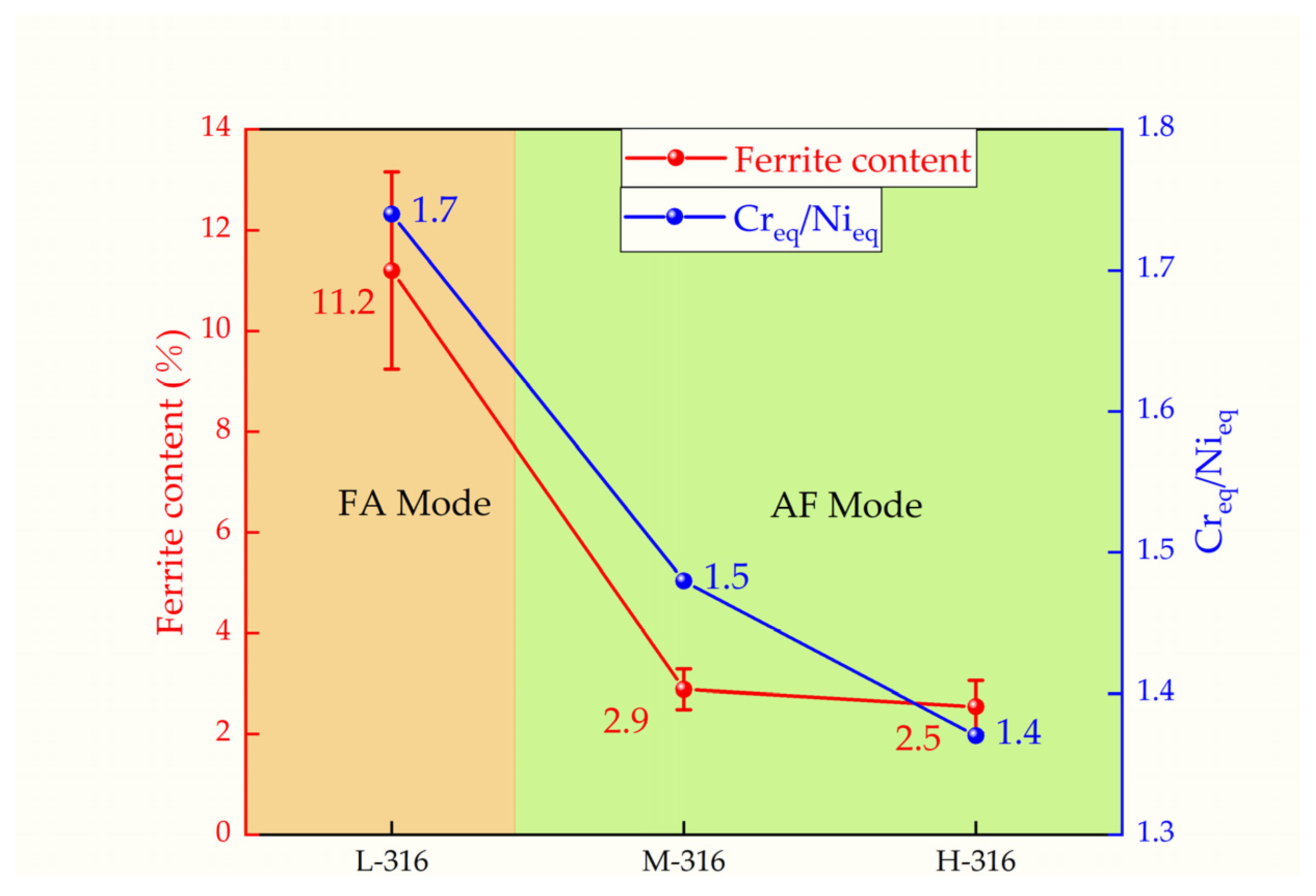
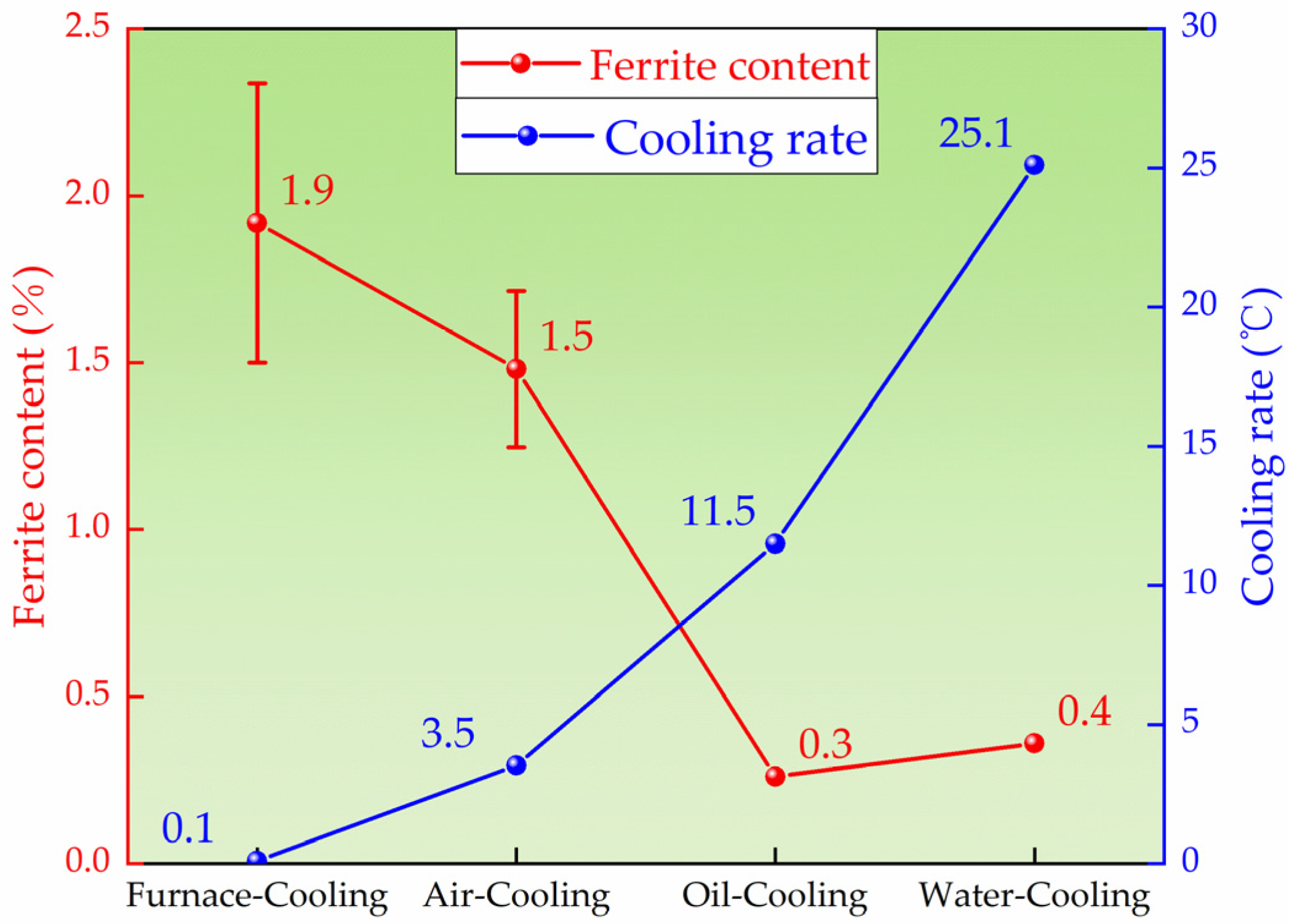
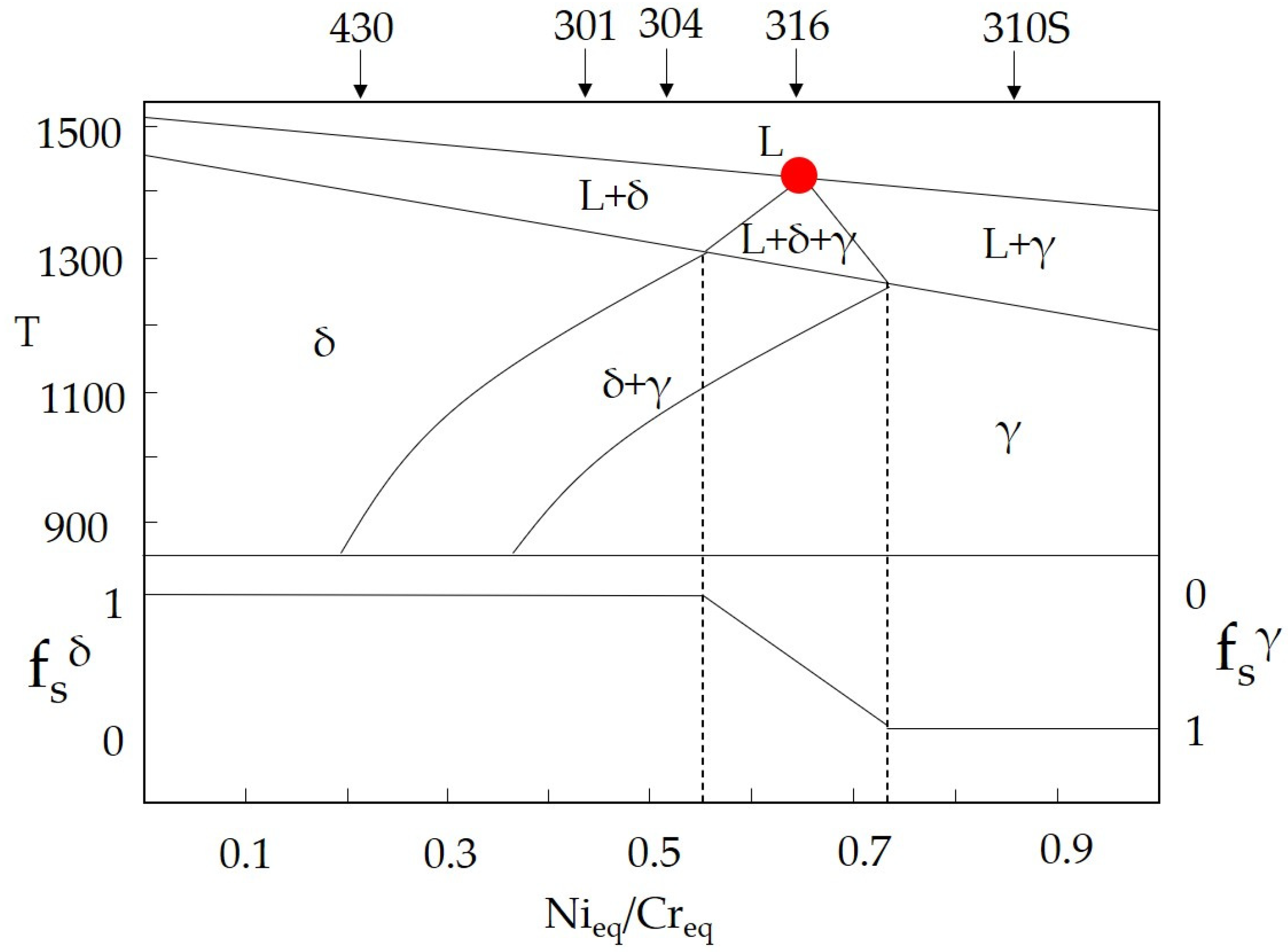
To meet the requirement of low magnetic permeability, which, in turn, lowers the ferrite content of castings, of special interest is 316 stainless steel, whose low ferrite content renders it suitable also for nuclear power applications. Therefore, the effects of the composition and cooling rate of 316 stainless steel castings on the ferrite content are investigated. Three 316 stainless steel continuous casting samples with different compositions (primarily differing in the Ni content) are studied, i.e., low-alloy type (L-316), medium-alloy type (M-316), and high-alloy type (H-316). The austenite-forming element nickel of three different industrial samples is 10%, 12%, and 14%, respectively. The effect of the cooling rate on the ferrite content and precipitation phases of the high Ni content of the 316 stainless steel casting (H-316) is studied by remelting experiments and different methods of quenching of liquid steel. In both cases, the ferrite content and the precipitate phases in the microstructure are analyzed using SEM and EBSD. The results indicate that compositional changes within the 316 stainless steel range lead to changes in the solidification mode. In the L-316 casting, solidified by the FA mode (ferrite–austenite mode), ferrite precipitates first from the liquid phase, followed by the formation of austenite, and the ferrite content is 11.2%. In contrast, the ferrite content in the M-316 and H-316 castings, solidified by the AF mode (austenite–ferrite mode), is 2.88% and 2.45%, respectively. The effect of the solidification mode on the ferrite content is more obvious than that of the composition. The microstructure of the L-316 casting is mainly composed of the austenitic phase and the ferritic phase. The microstructure of the M-316 casting is composed of austenite, ferrite, and a small amount of sigma phase, with a small amount of ferrite transformed into the sigma phase. The microstructure of the H-316 casting is basically composed of austenite and the sigma phase, with the ferrite has been completely transformed into sigma phase. Changes in composition have a greater influence on the precipitate phases, while the solidification mode has a lesser impact. In the remelting experiments, the ferrite content in the H-316 ingot obtained through furnace cooling and air cooling is 1.49% and 1.94%, respectively, and the cooling rates are 0.1 °C/s and 3.5 °C/s, respectively. Under oil- and water-cooling conditions, with cooling rates of 11.5 °C/s and 25.1 °C/s, respectively, the ferrite content in the ingot is controlled to below 1%. The effect of the cooling rate on the precipitation phase of the H-316L ingot is that the amount of precipitated phase in the ingot decreases with an increase in cooling rate, but, when the cooling rate exceeds a certain value (air cooling 3.5 °C/s), the change in cooling rate has little effect on the amount of the precipitated phase.
Keywords: 316 stainless steel; ferrite content; compositions; cooling rate; solidification mode; precipitate phases 316 stainless steel; ferrite content; compositions; cooling rate; solidification mode; precipitate phases