Article

Structure, Conformation and Contact Analyses of Six Aromatic Diamide Diesters

1
School of Chemical Sciences, Dublin City University, D09 E432 Dublin, Ireland
2
Department of Physics, Chemistry and Pharmacy, University of Southern Denmark, Campusvej 55, 5230 Odense, Denmark
3
CRM2, CNRS UMR 7036, Faculté des Sciences et Technologies, Université de Lorraine, 54000 Nancy, France
*
Author to whom correspondence should be addressed.
Crystals 2023, 13(7), 1133; https://doi.org/10.3390/cryst13071133
Submission received: 24 June 2023 / Revised: 10 July 2023 / Accepted: 10 July 2023 / Published: 20 July 2023
(This article belongs to the Section Organic Crystalline Materials)

Abstract

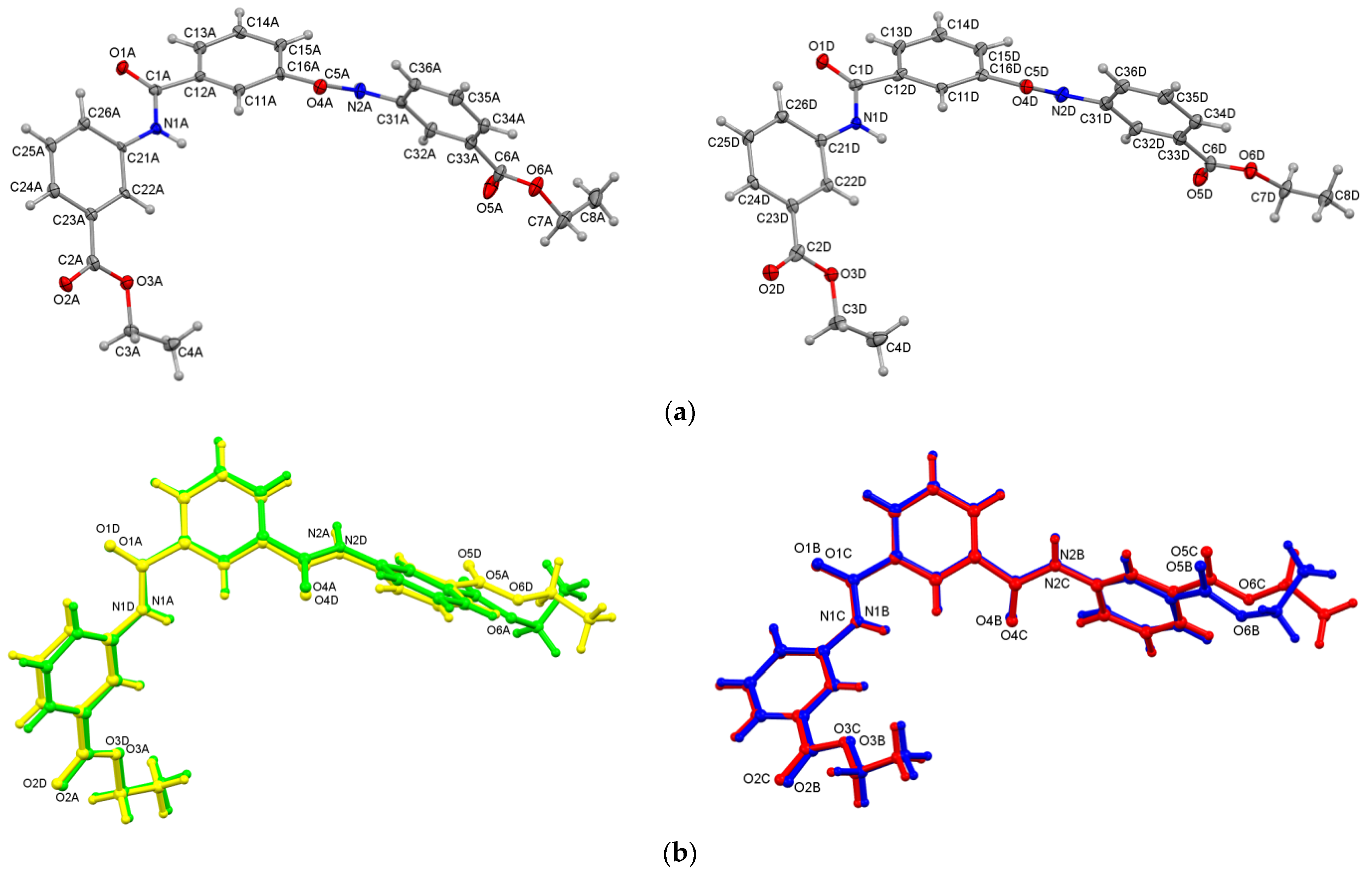
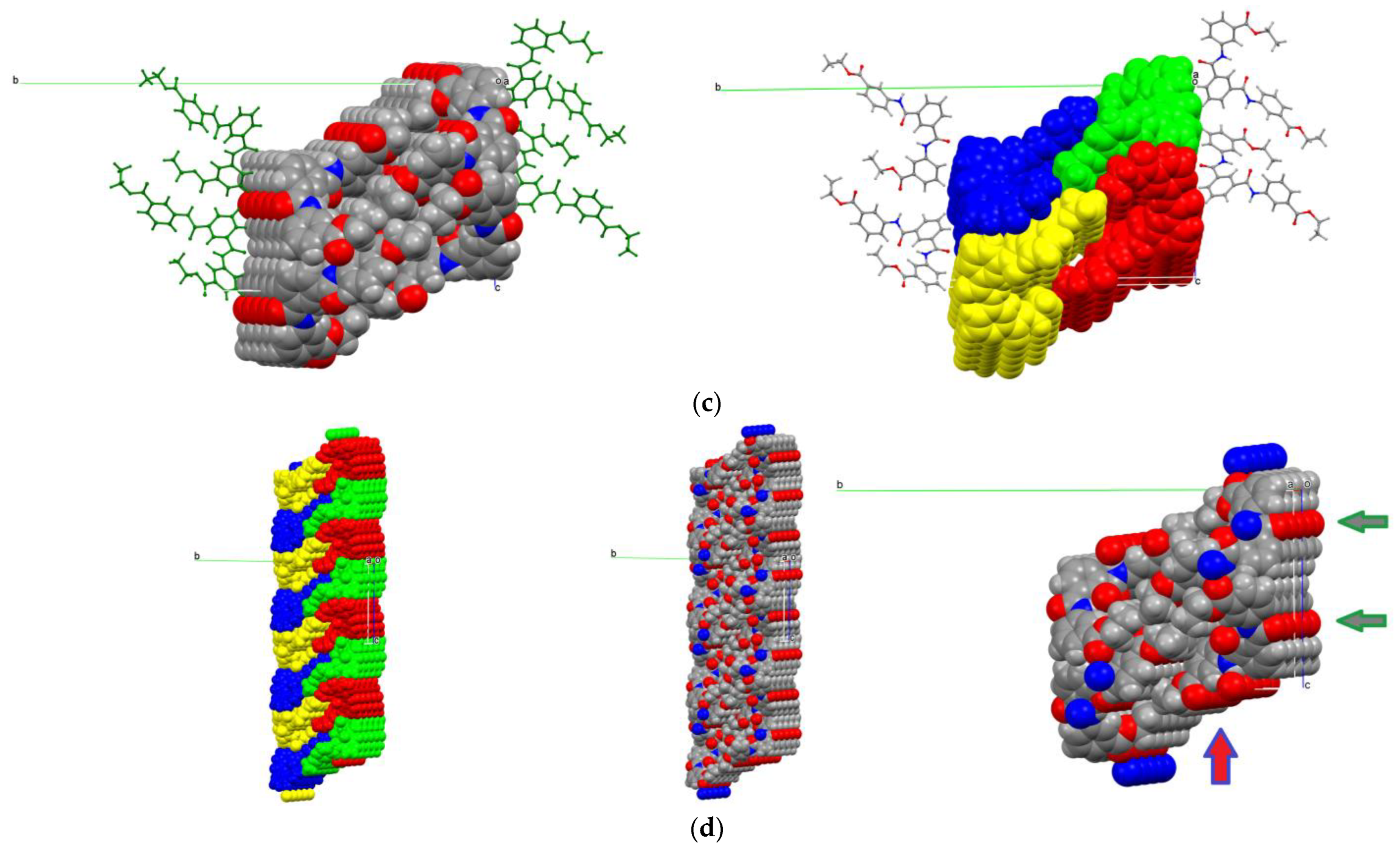
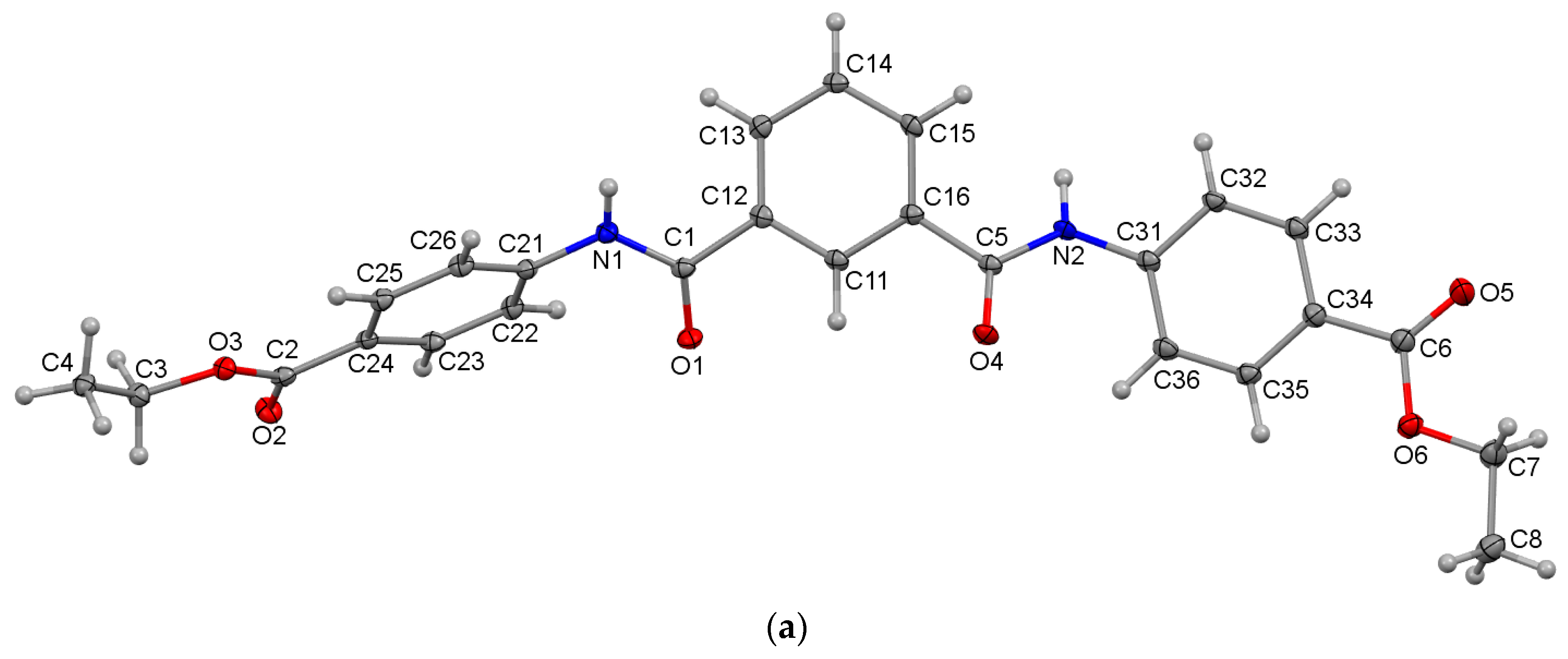
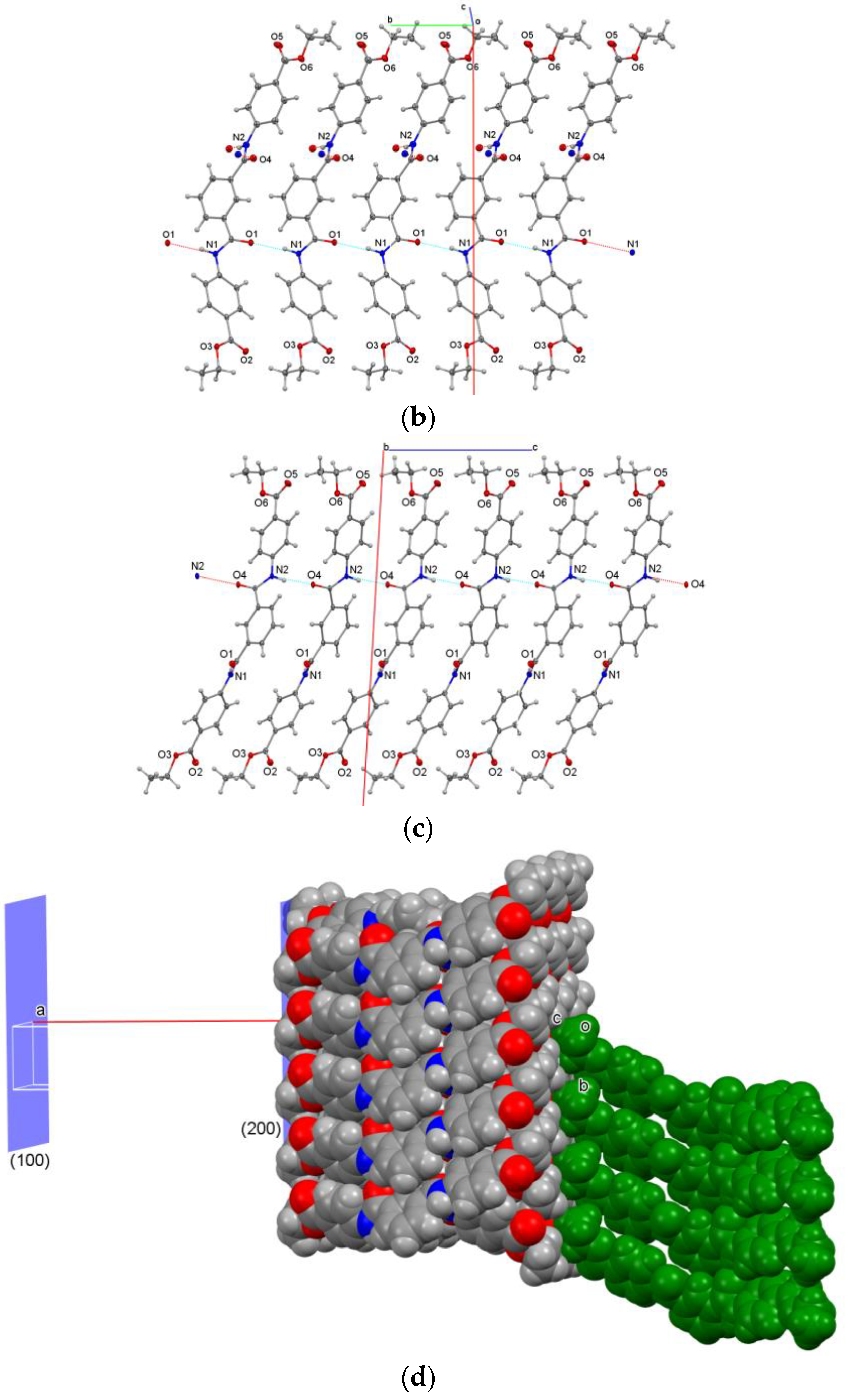
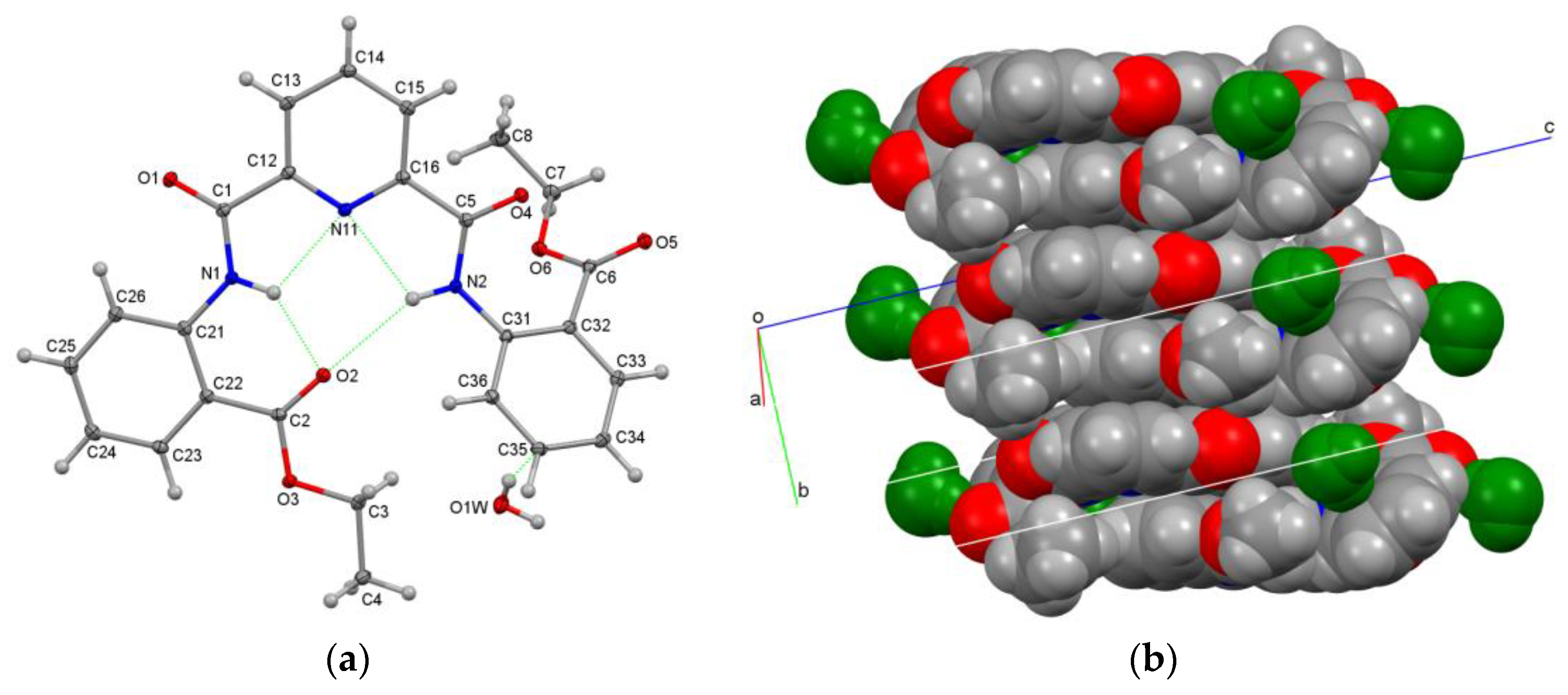
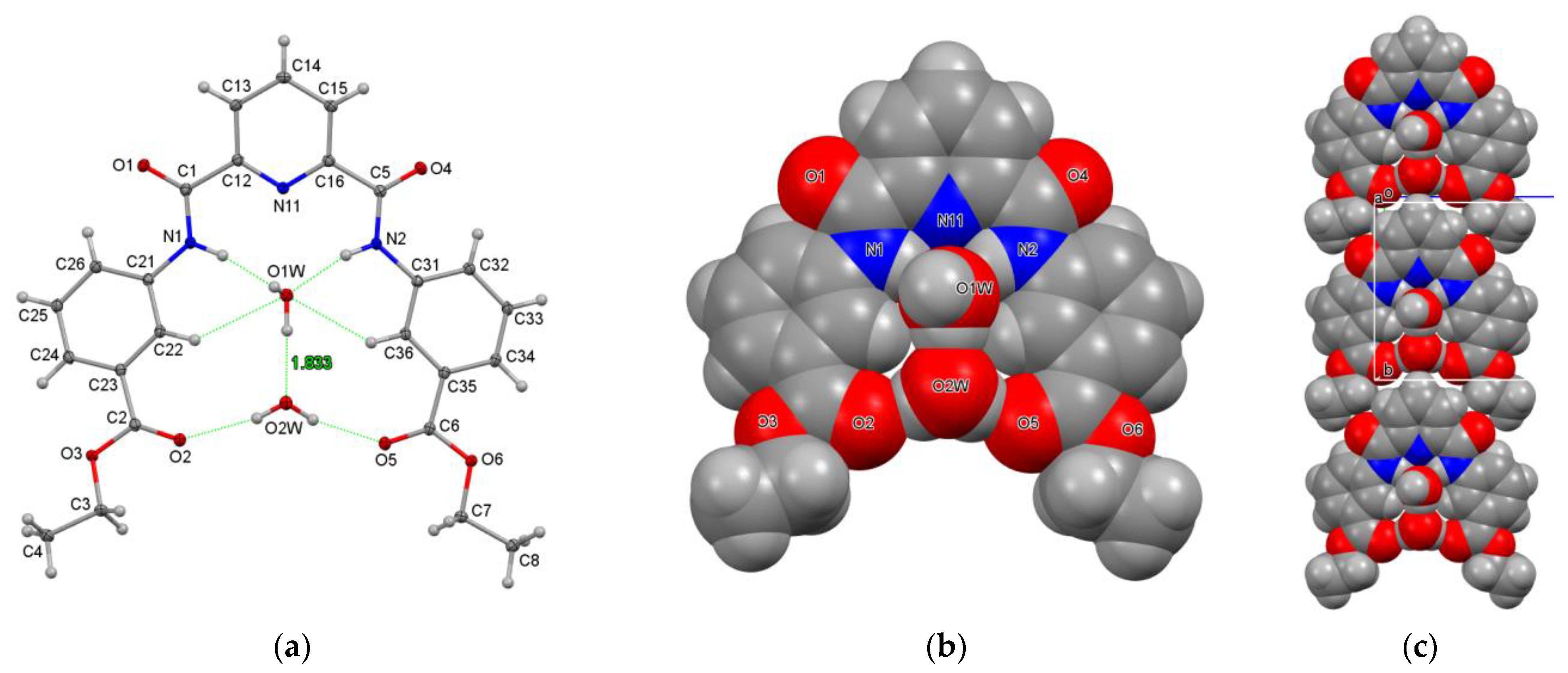
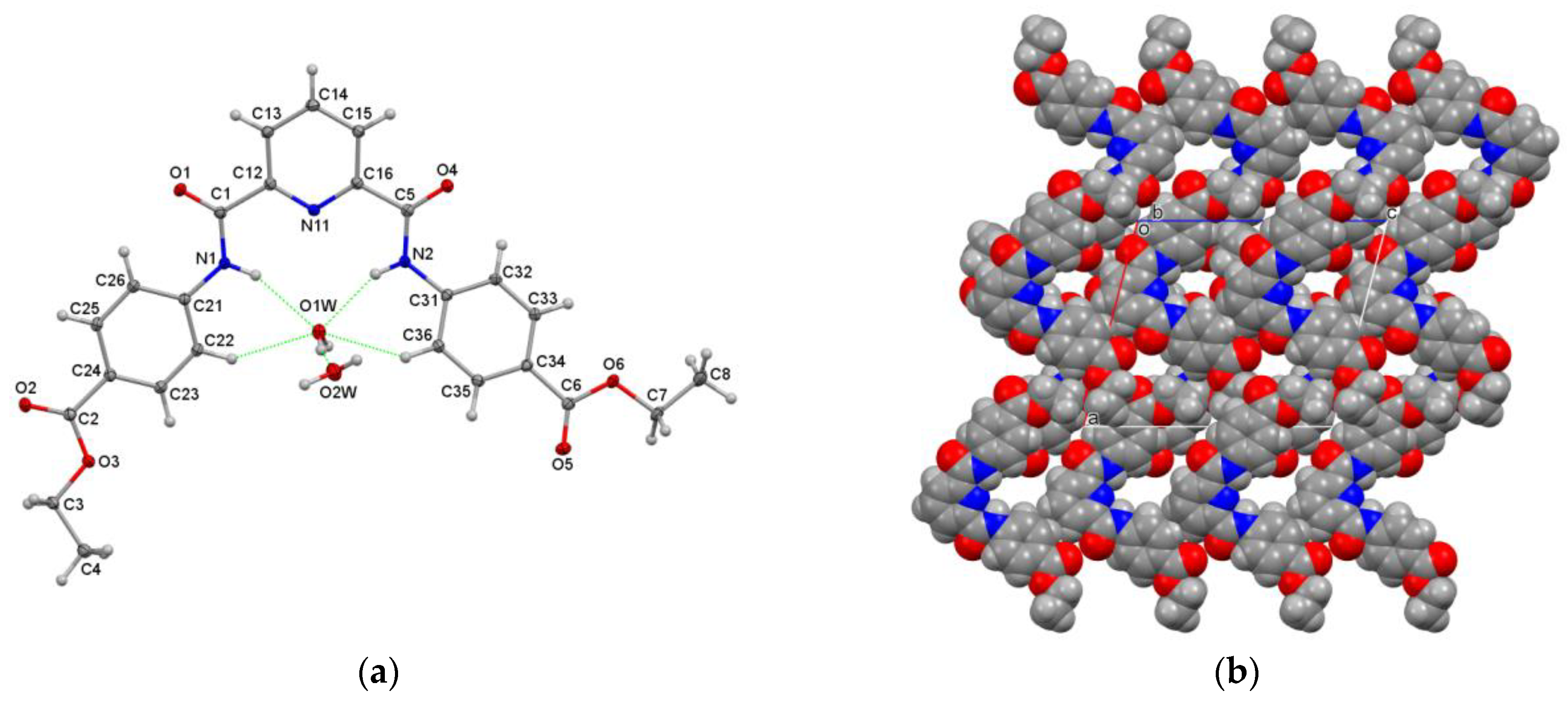
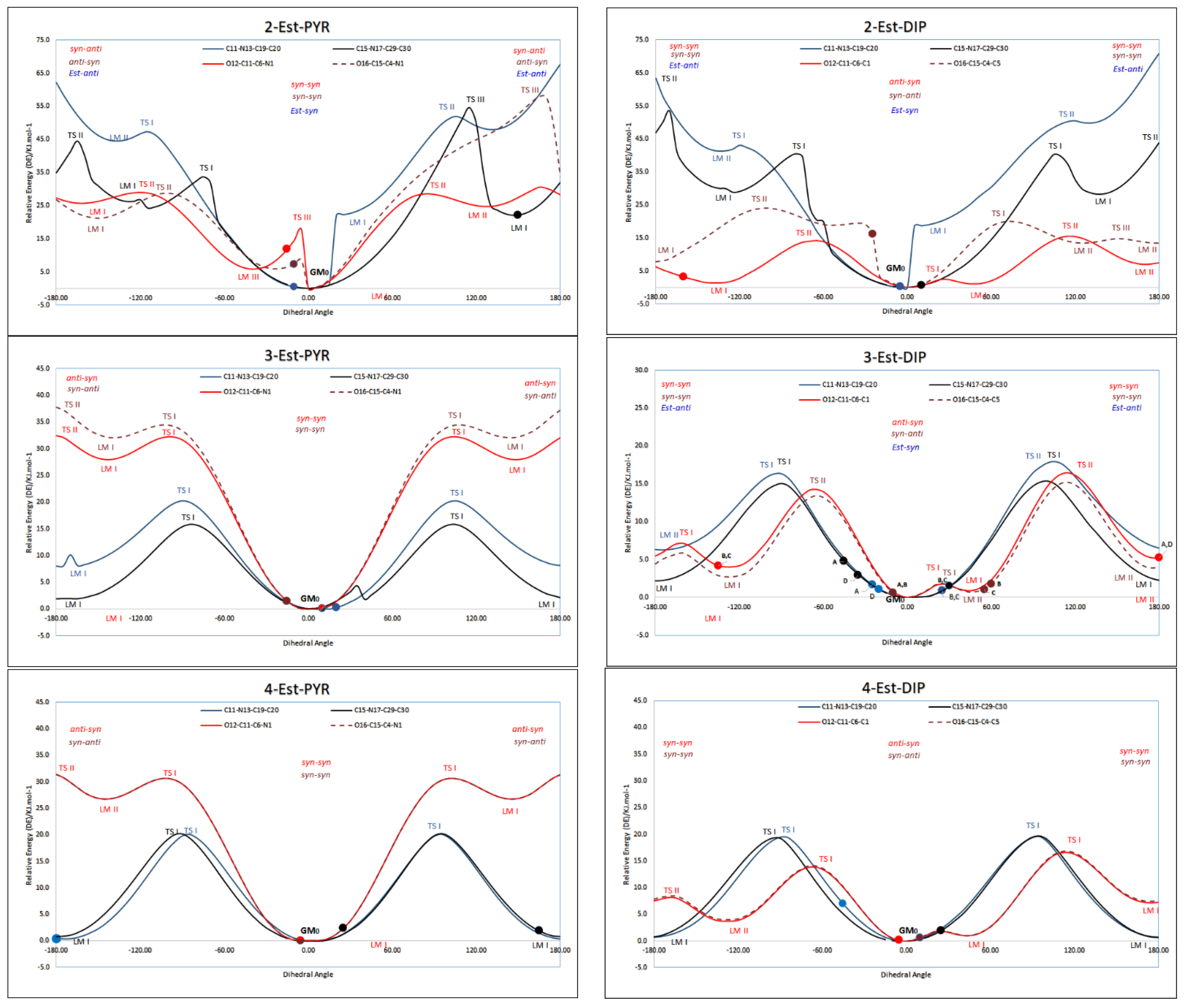
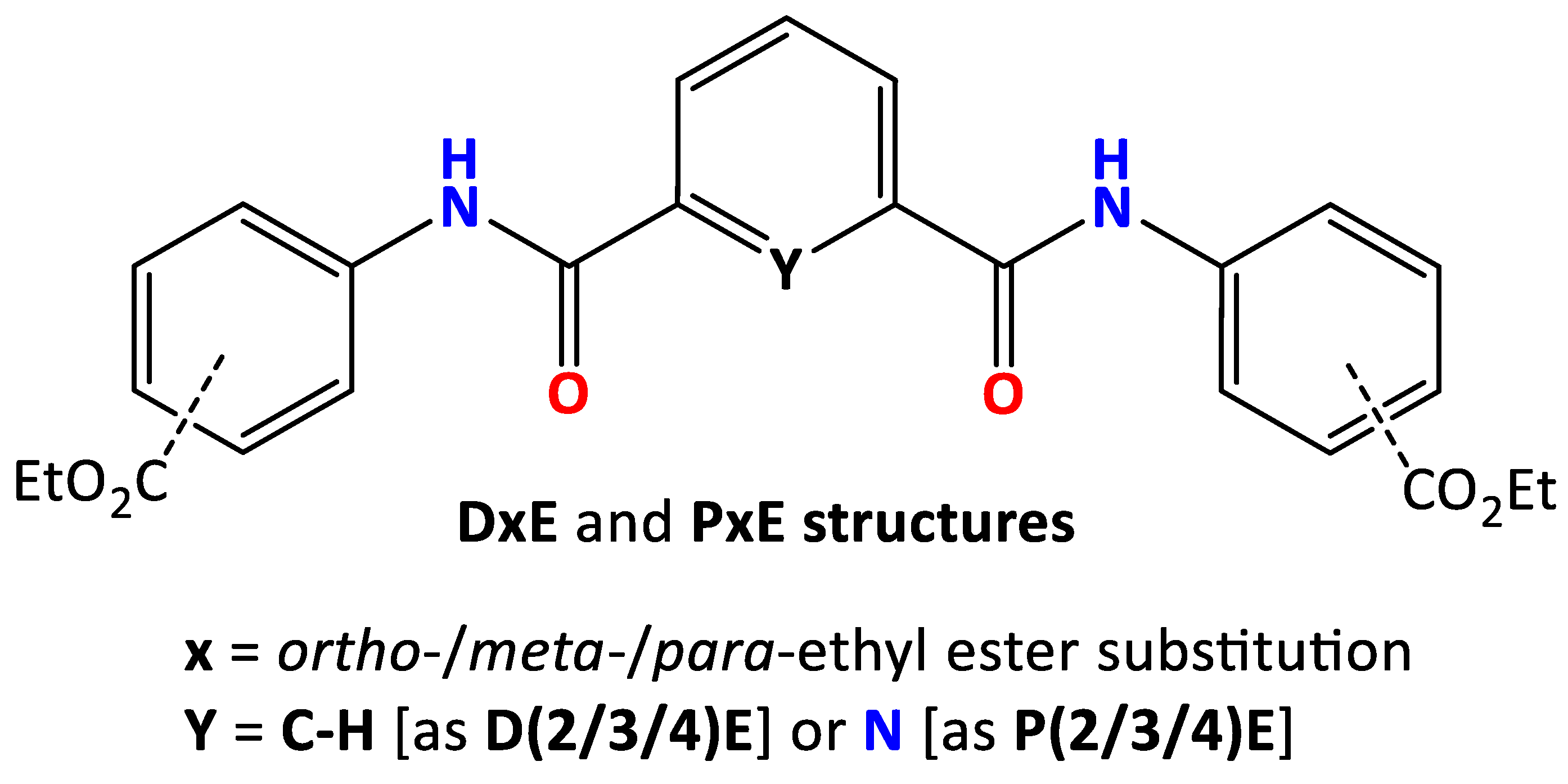
Six meta-substituted isophthalamide diesters (DxE) and pyridinedicarboxamides (PxE) are reported with spectroscopic and crystal structure analyses (D = meta-C6H4; P = meta-pyridine; xE = 2-/3-/4-ethyl ester substitution). Comparisons are made between the solid-state and minimised structures from ab initio computational calculations. The six compounds are potentially useful ligands for metal-complex coordination, spanning a range of molecular conformations. D2E adopts a planar molecular structure, as influenced by the C-H⋯O intramolecular interactions with all 34 nonhydrogen atoms within 0.1 Å of the D2E mean molecular plane. Extensive intermolecular ring⋯ring stacking arises with the shortest interplanar C⋯C of 3.372(2) Å. For D3E (Z′ = 4) and D4E, the hierarchy of intermolecular interactions is the determining factor driving the crystal structure formation with concomitant twinning, as influenced by the weaker interactions. In the pyridine-related P2E, the O1W water molecule (site occupancy = 0.441(5)) forms four hydrogen bonds, as follows: (i) O1W−H⋯O=C, (ii) O1W−H⋯π(arene) and (iii) two aromaticC−H⋯O1W. The meta- and para-substituted PxE·2(H2O) structures (x = 3 or 4) adopt open conformations with pairs of hydrogen-bonded water molecules located in molecular niches between the flanking benzamide ester groups. The Hirshfeld surface, two-dimensional fingerprint plots and contact enrichment ratio were investigated to statistically analyse the different types of intermolecular interactions.
Keywords: amide; crystal structure; conformational analysis; contact analysis; ester; hydrogen bonding; molecular stacking; pyridine; crystal twinning amide; crystal structure; conformational analysis; contact analysis; ester; hydrogen bonding; molecular stacking; pyridine; crystal twinning