Article

Prediction of Crack Propagation of Nano-Crystalline Coating Material Prepared from (SAM2X5): Experimentally and Numerically

1
State Key Laboratory of Solidification Processing, School of Materials Science and Engineering, Northwestern Polytechnical University, Xi’an 710072, China
2
Chemical Engineering and Petroleum Industries Department, Al-Mustaqbal University College, Babylon 51001, Iraq
*
Author to whom correspondence should be addressed.
Crystals 2023, 13(2), 365; https://doi.org/10.3390/cryst13020365
Submission received: 28 January 2023 / Revised: 11 February 2023 / Accepted: 13 February 2023 / Published: 20 February 2023
(This article belongs to the Section Crystal Engineering)

Abstract

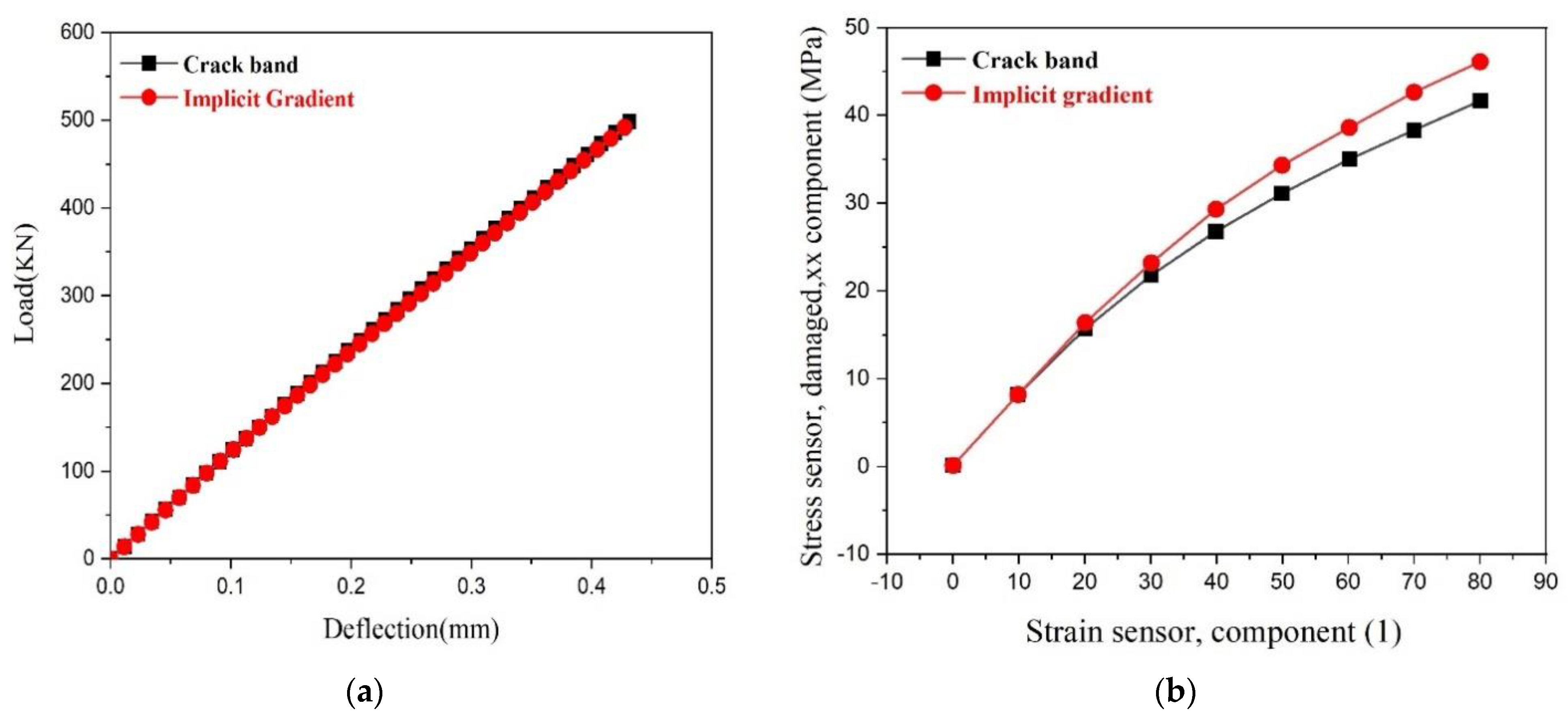
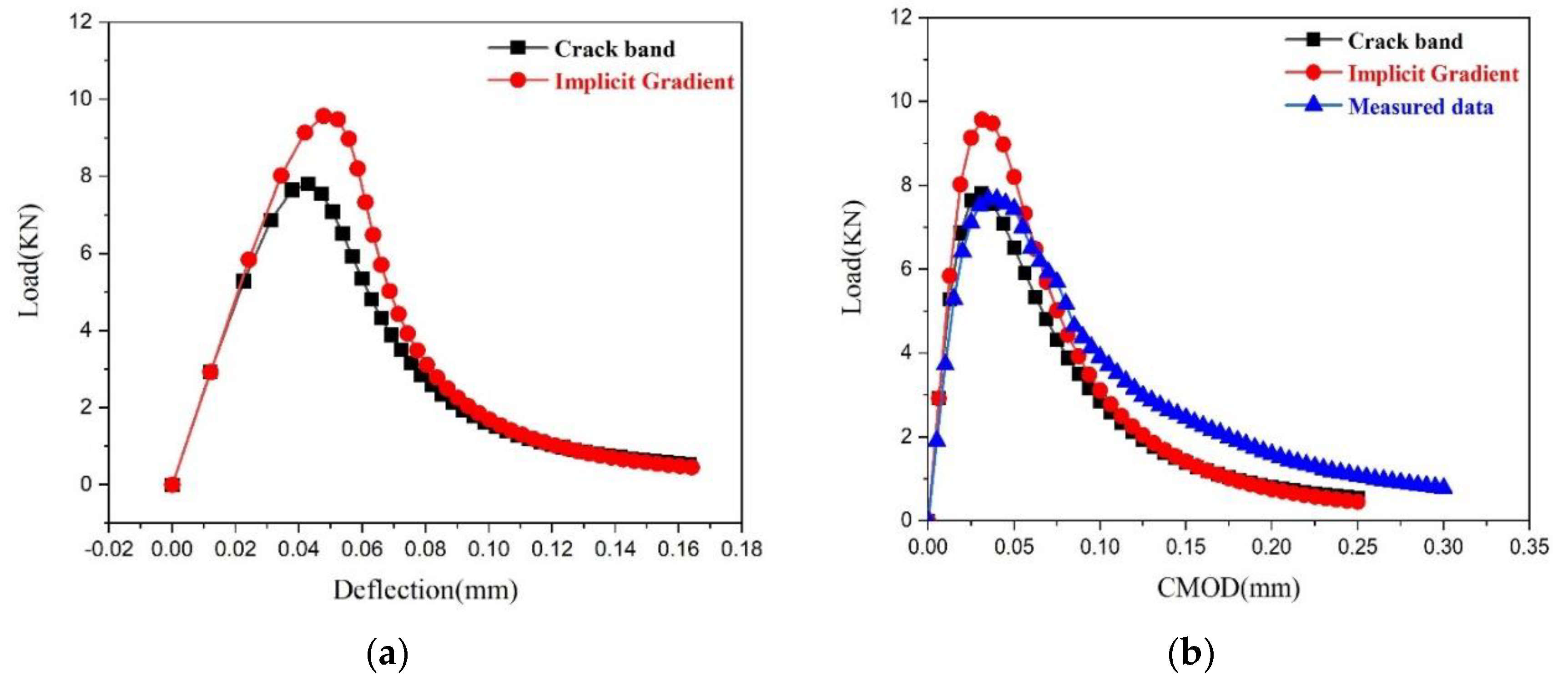
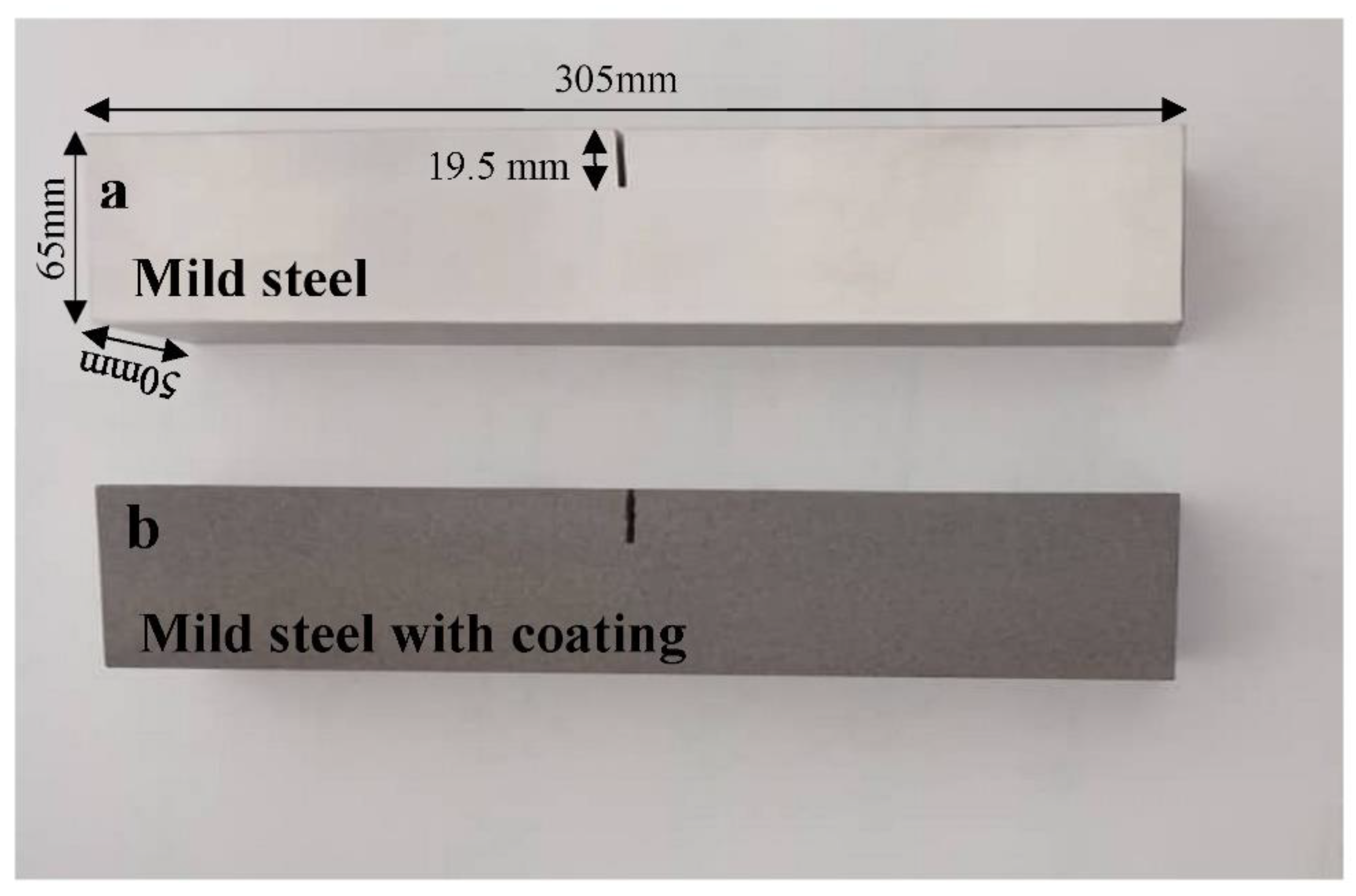
The fracture and crack growth of materials can be practically and conveniently predicted through numerical analysis and linear elastics fracture mechanics. On this basis, the current study aims to present experimental work supported by a numerical technique for mimicking the crack propagation by Version 5.6 of COMSOL Multiphysics (version 5.6), used for the simulation of the coating made from Fe-based amorphous material with a thickness of 300 µm. The paper shows the effects of mixed-mode loading on cohesive zone parameters attained from load-crack mouth opening displacement (CMOD) curves. The microstructure dominates the fracture, which in mode I is altered from all-transgranular cleavage to nearly all-intergranular structure in mode II. Two common criteria for failure are linked to the mixed-mode results: Maximum energy release rate criterion (Maximum G) and maximum tensile stress criterion (Maximum S). However, distinguishing between the two criteria is made impossible by the large scatter in the data. The stress intensity factor is the basis for the. The stress intensity factor is the leading parameter facilitated by the singular element and should be estimated with accuracy. With the aim of comparing each criterion and illustrating the numerical schemes’ robustness, a number of examples are presented. It can be concluded that the Maximum G and Maximum S were successful and accurate in predicting the propagation of the Fe-based amorphous material prepared on mild steel.
Keywords: COMSOL; amorphous material; CMOD; maximum s; maximum G COMSOL; amorphous material; CMOD; maximum s; maximum G