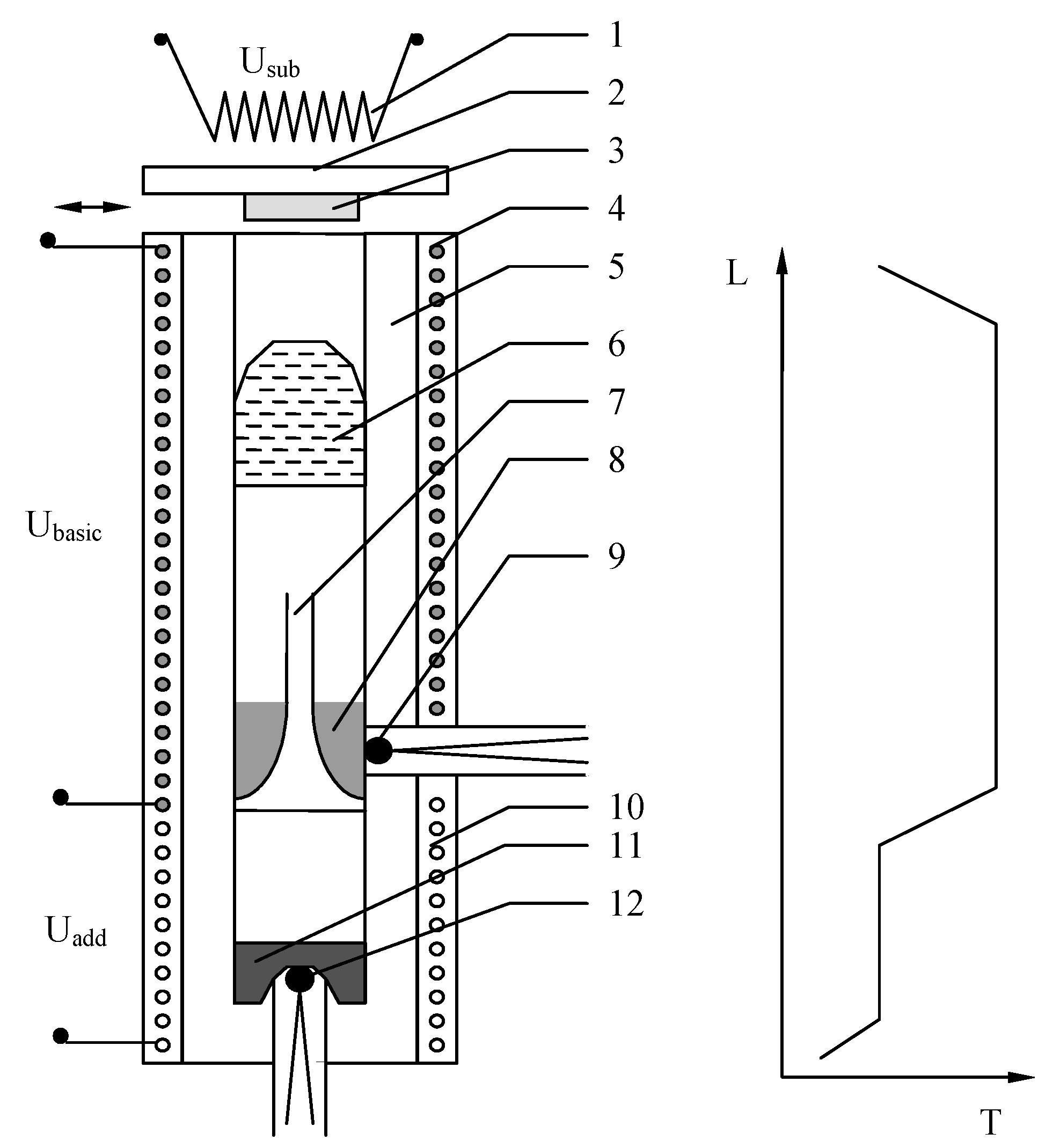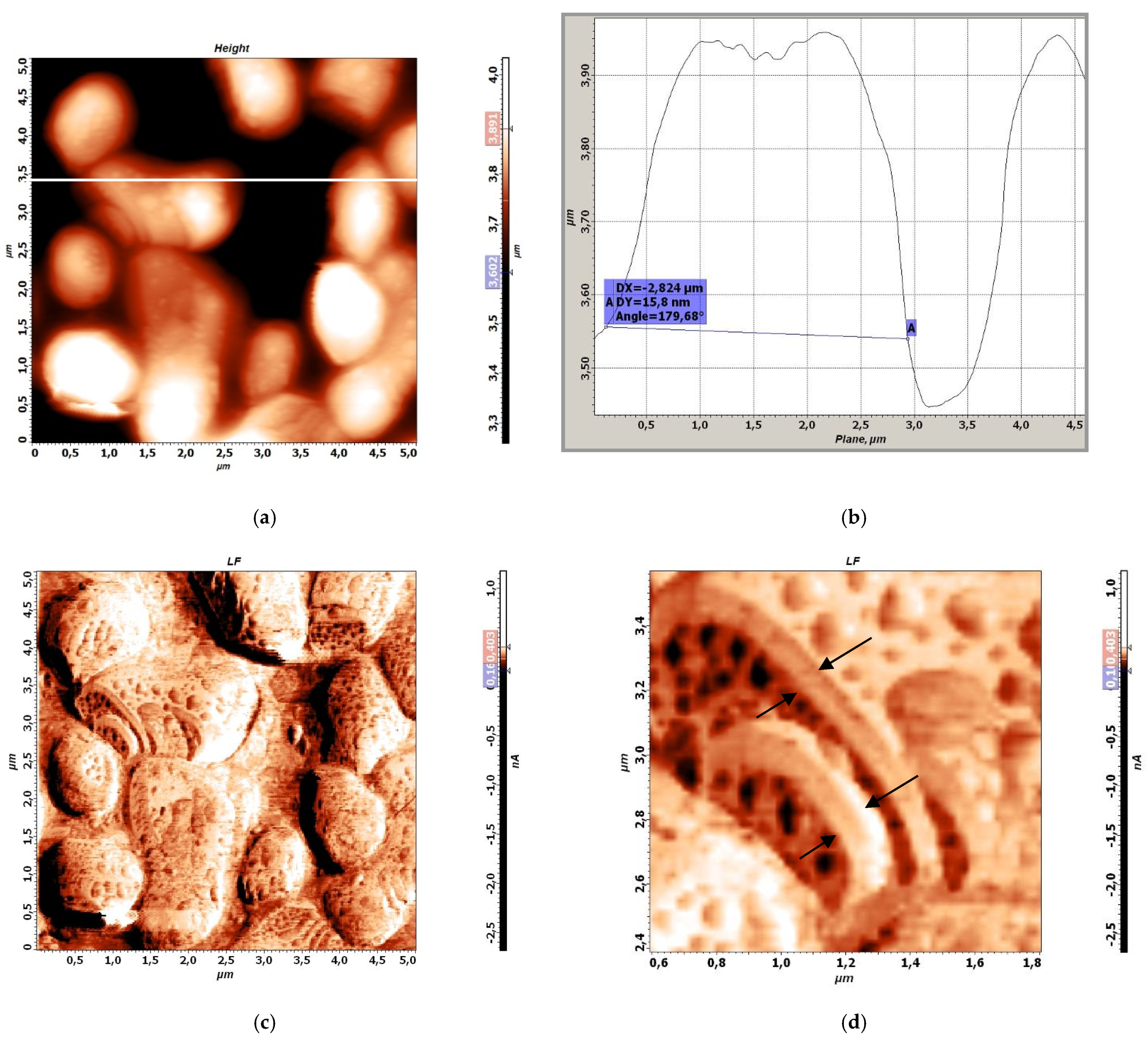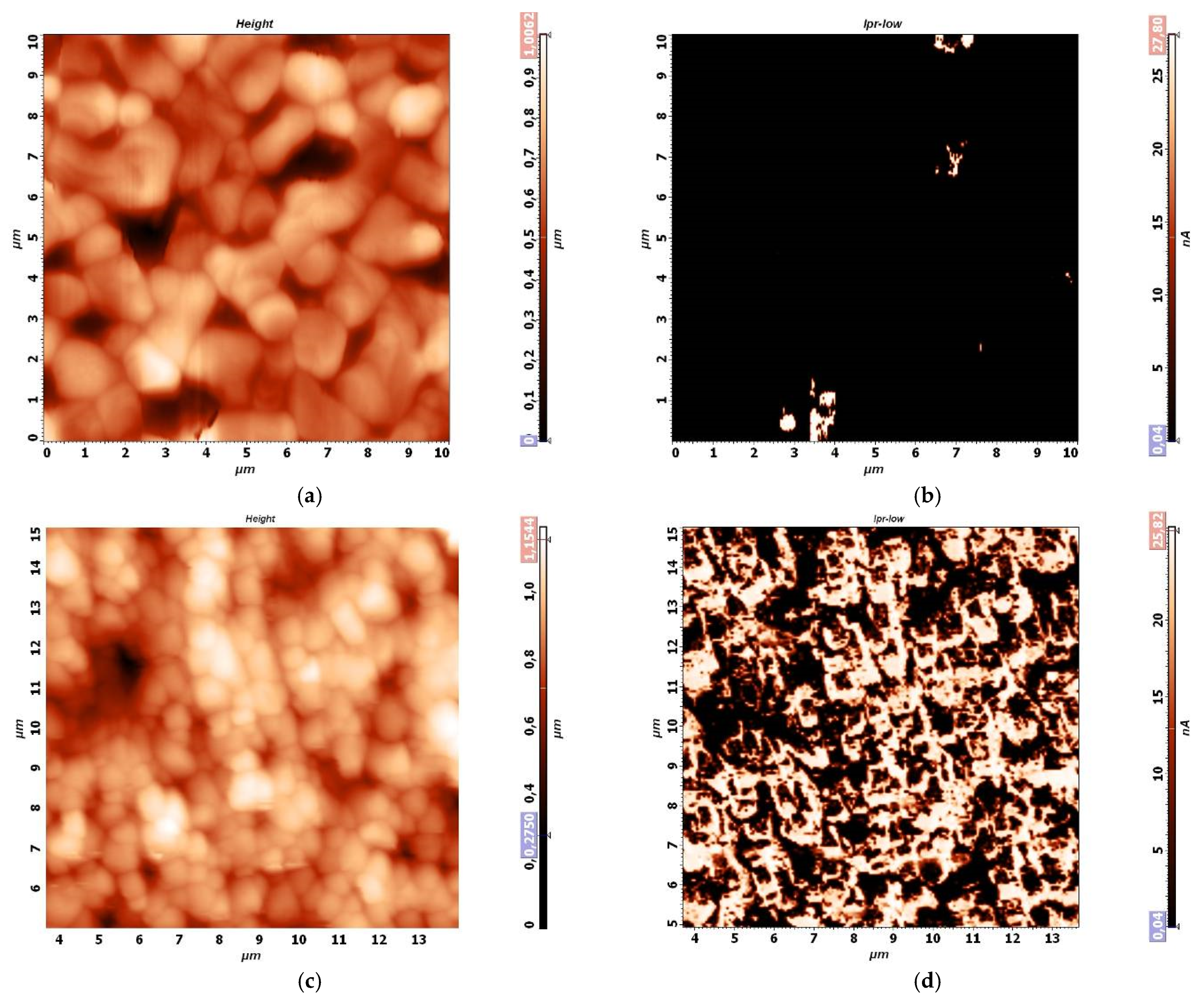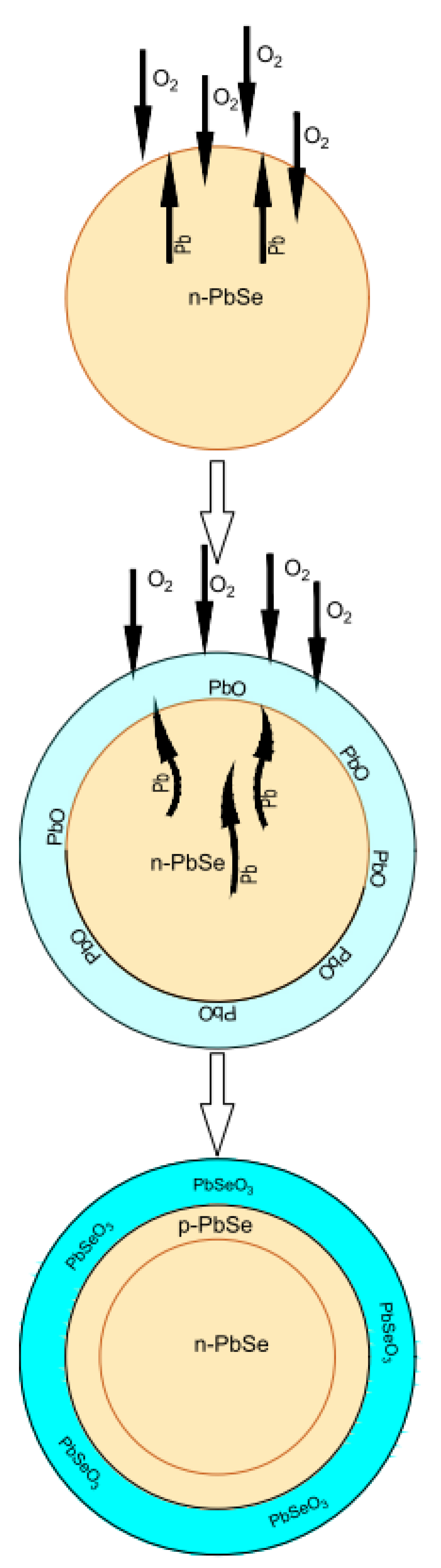

The Architectonics Features of Heterostructures for IR Range Detectors Based on Polycrystalline Layers of Lead Chalcogenides

 ,
,  ,
, Abstract
Share and Cite
Spivak, Y.M.; Kononova, I.E.; Kononov, P.V.; Moshnikov, V.A.; Ignat’ev, S.A. The Architectonics Features of Heterostructures for IR Range Detectors Based on Polycrystalline Layers of Lead Chalcogenides. Crystals 2021, 11, 1143. https://doi.org/10.3390/cryst11091143
Spivak YM, Kononova IE, Kononov PV, Moshnikov VA, Ignat’ev SA. The Architectonics Features of Heterostructures for IR Range Detectors Based on Polycrystalline Layers of Lead Chalcogenides. Crystals. 2021; 11(9):1143. https://doi.org/10.3390/cryst11091143
Chicago/Turabian StyleSpivak, Yuliya Mikhailovna, Irina Evgen’evna Kononova, Pavel Vasil’evich Kononov, Vyacheslav Alexeyevich Moshnikov, and Sergey Anatol’evich Ignat’ev. 2021. "The Architectonics Features of Heterostructures for IR Range Detectors Based on Polycrystalline Layers of Lead Chalcogenides" Crystals 11, no. 9: 1143. https://doi.org/10.3390/cryst11091143
APA StyleSpivak, Y. M., Kononova, I. E., Kononov, P. V., Moshnikov, V. A., & Ignat’ev, S. A. (2021). The Architectonics Features of Heterostructures for IR Range Detectors Based on Polycrystalline Layers of Lead Chalcogenides. Crystals, 11(9), 1143. https://doi.org/10.3390/cryst11091143