Article

Deformation and Damage Assessments of Two DP1000 Steels Using a Micromechanical Modelling Method

by
Niloufar Habibi
1,*,
Napat Vajragupta
2 and
Sebastian Münstermann
1
1
Integrity of Materials and Structures, Steel Institute, RWTH Aachen University, Intzestr. 1, 52072 Aachen, Germany
2
Interdisciplinary Center for Advanced Materials Simulation (ICAMS), Ruhr-Universität Bochum, Universitätsstr. 150, 44801 Bochum, Germany
*
Author to whom correspondence should be addressed.
Crystals 2021, 11(7), 805; https://doi.org/10.3390/cryst11070805
Submission received: 18 June 2021 / Revised: 6 July 2021 / Accepted: 8 July 2021 / Published: 10 July 2021
(This article belongs to the Special Issue Micromechanical Modelling and Its Applications to Polycrystals)

Abstract

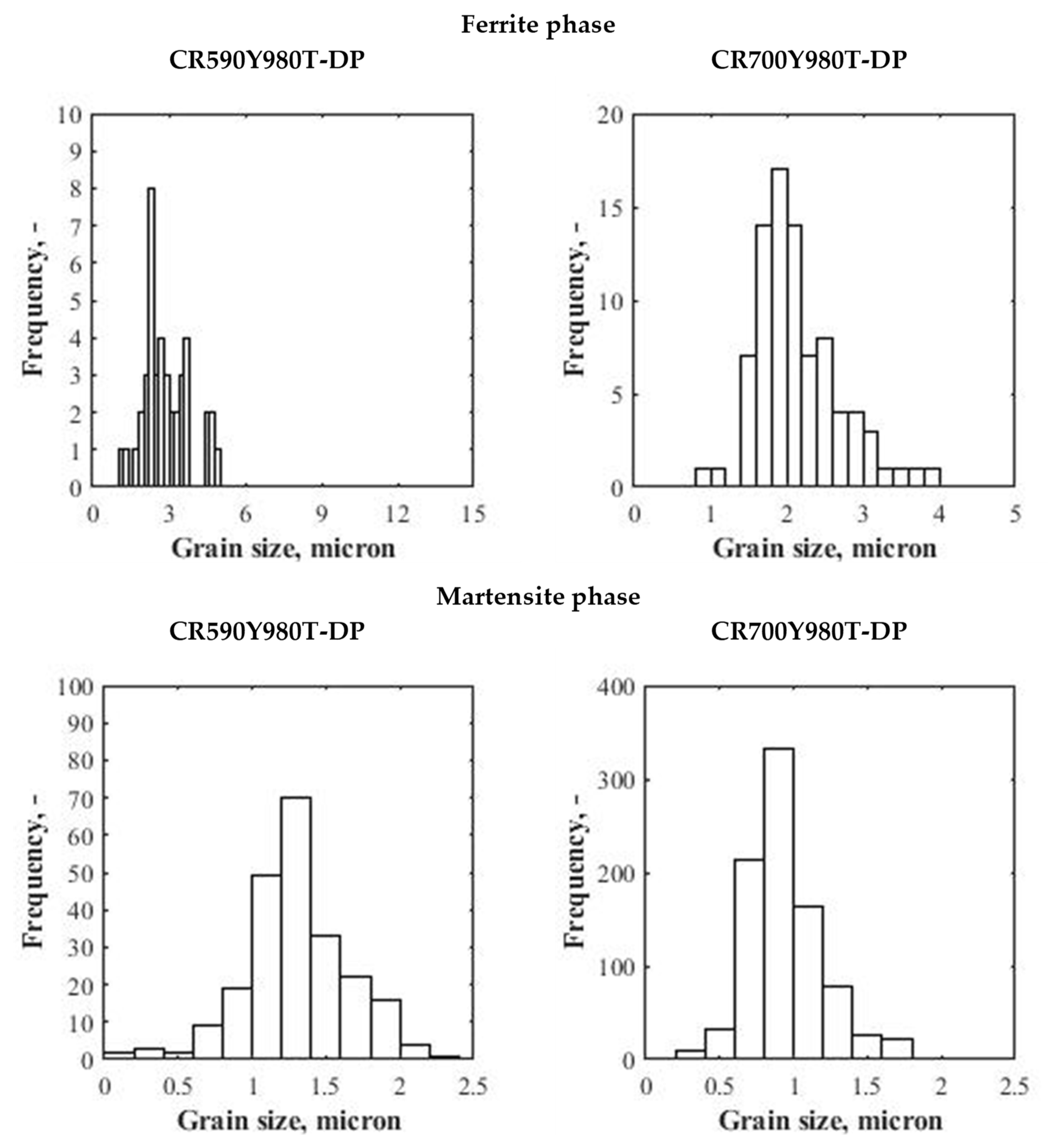
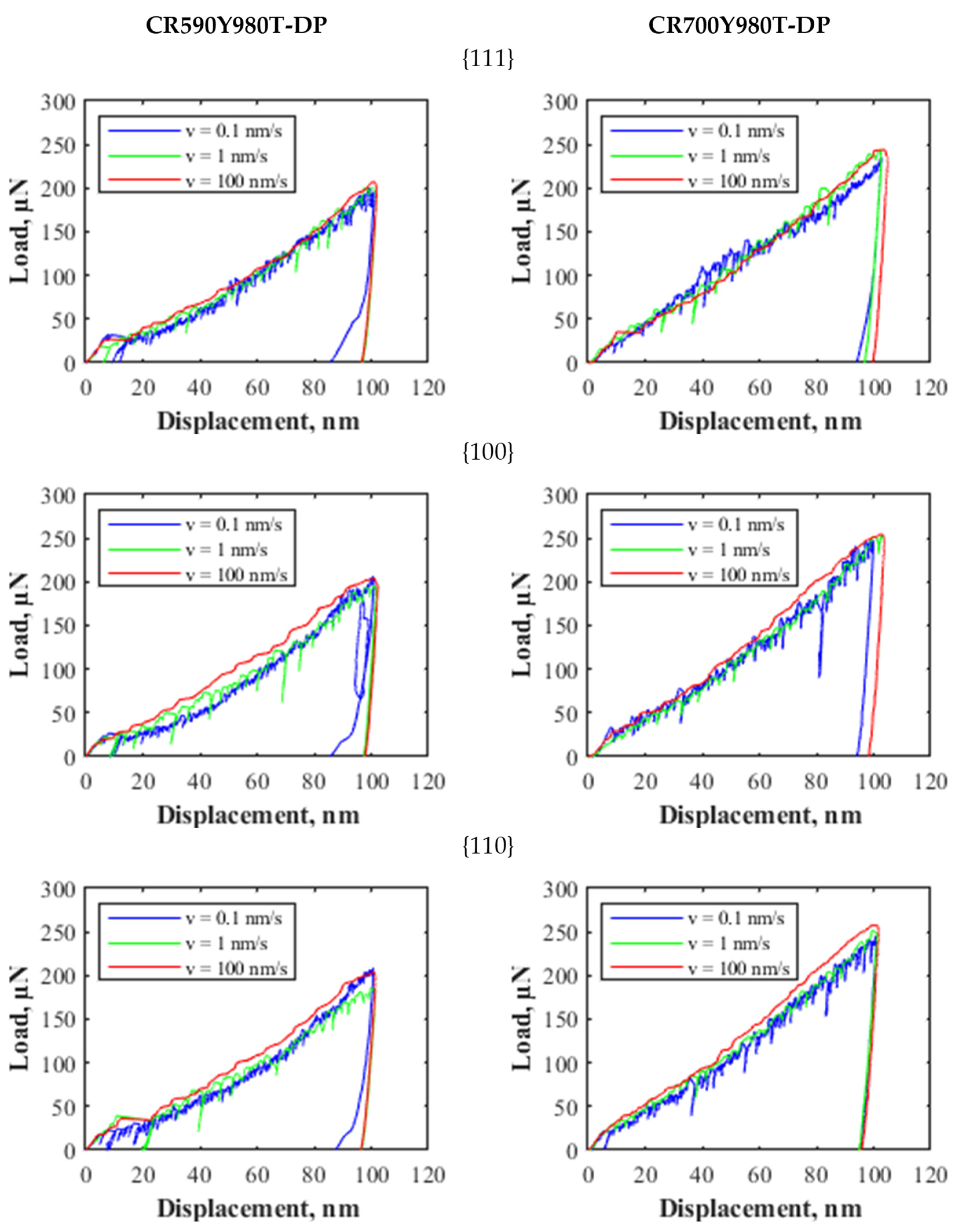
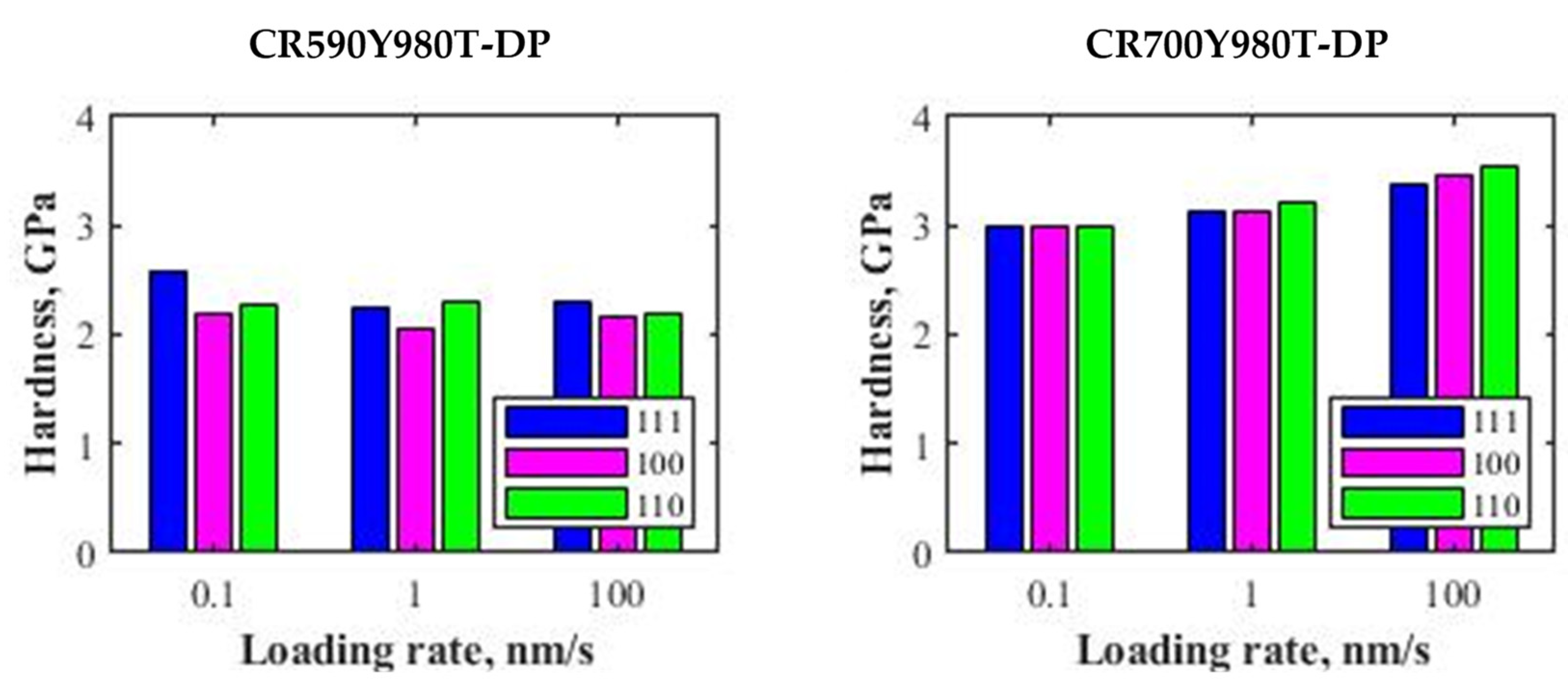
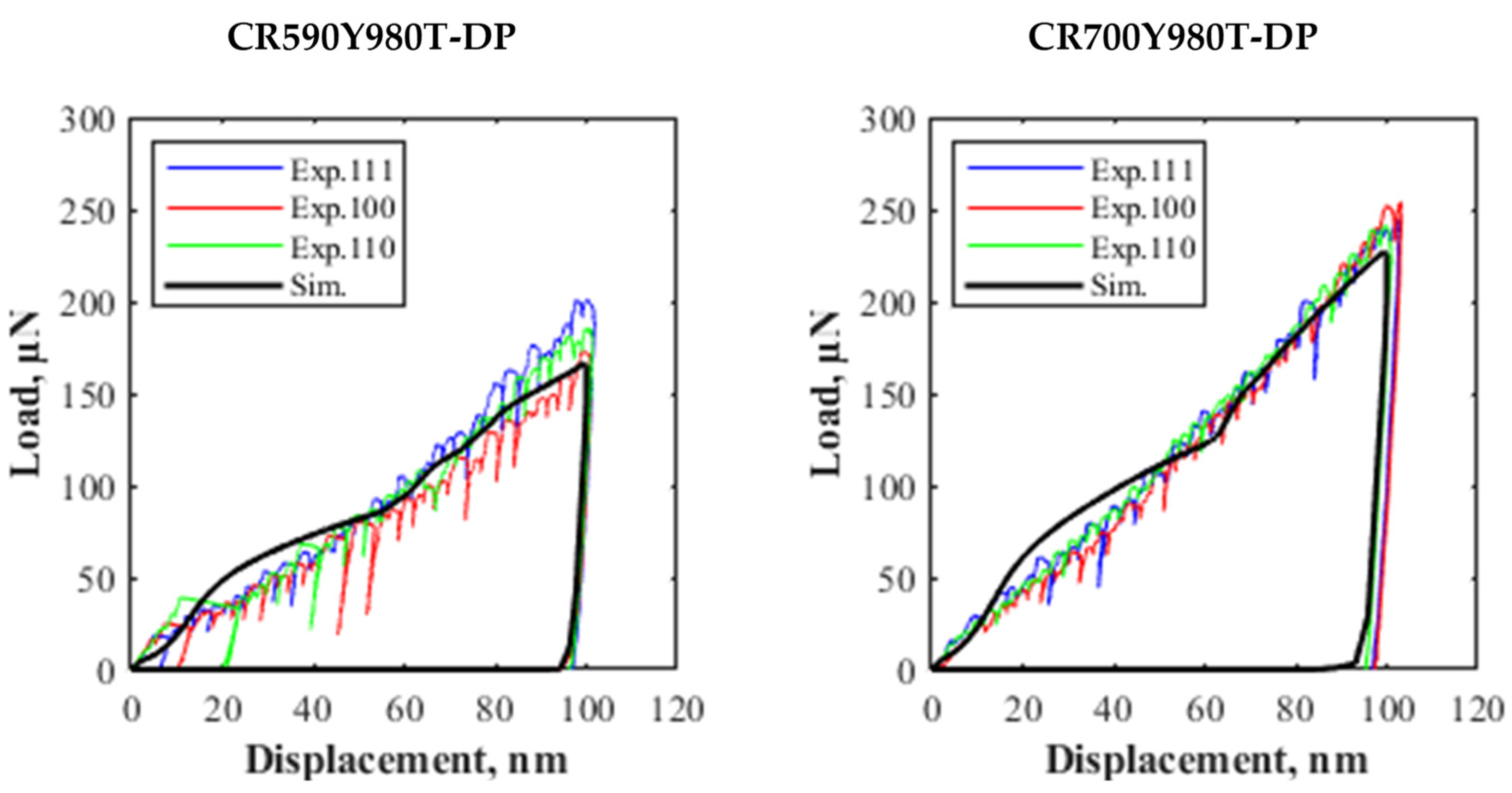
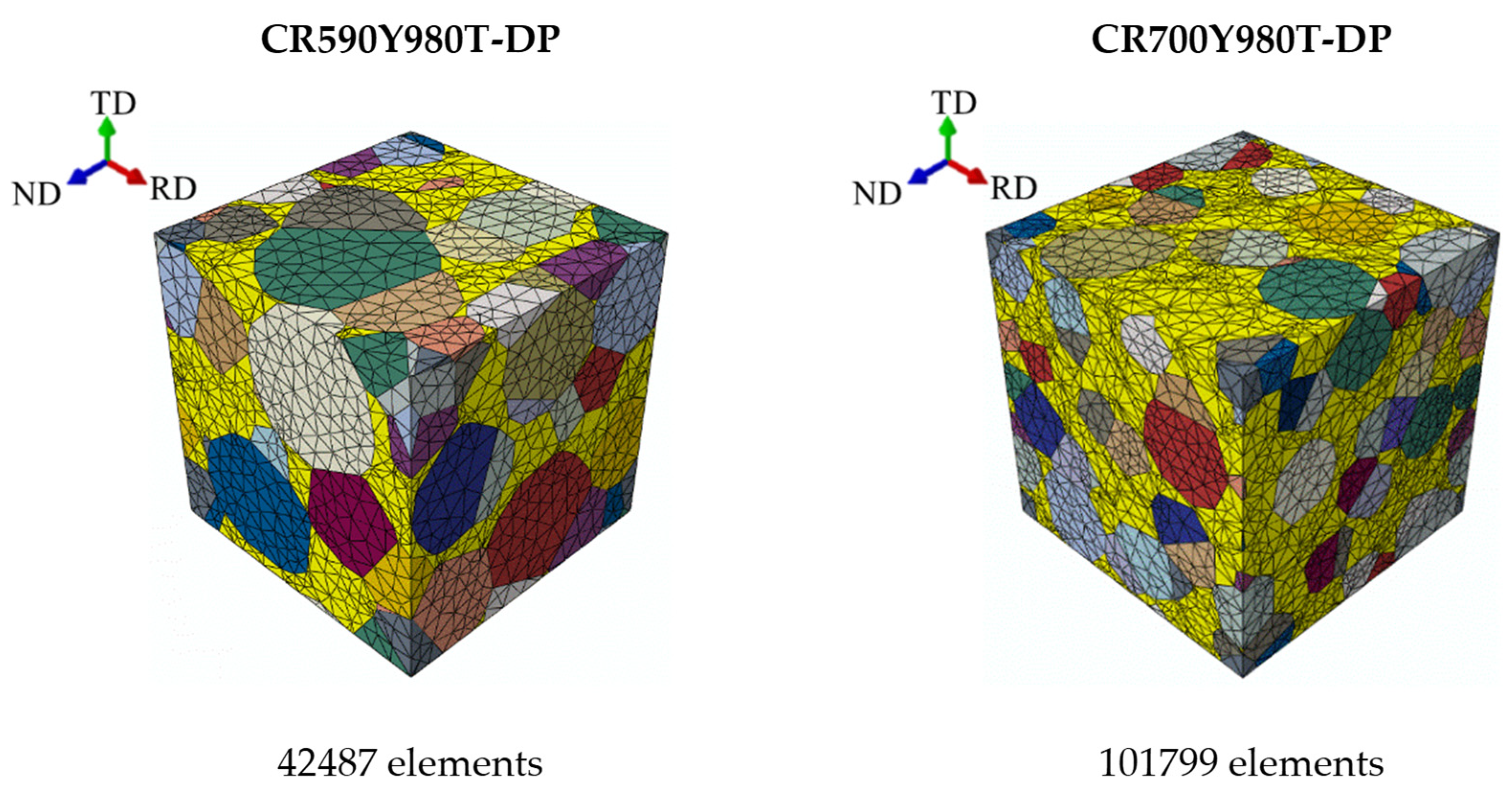
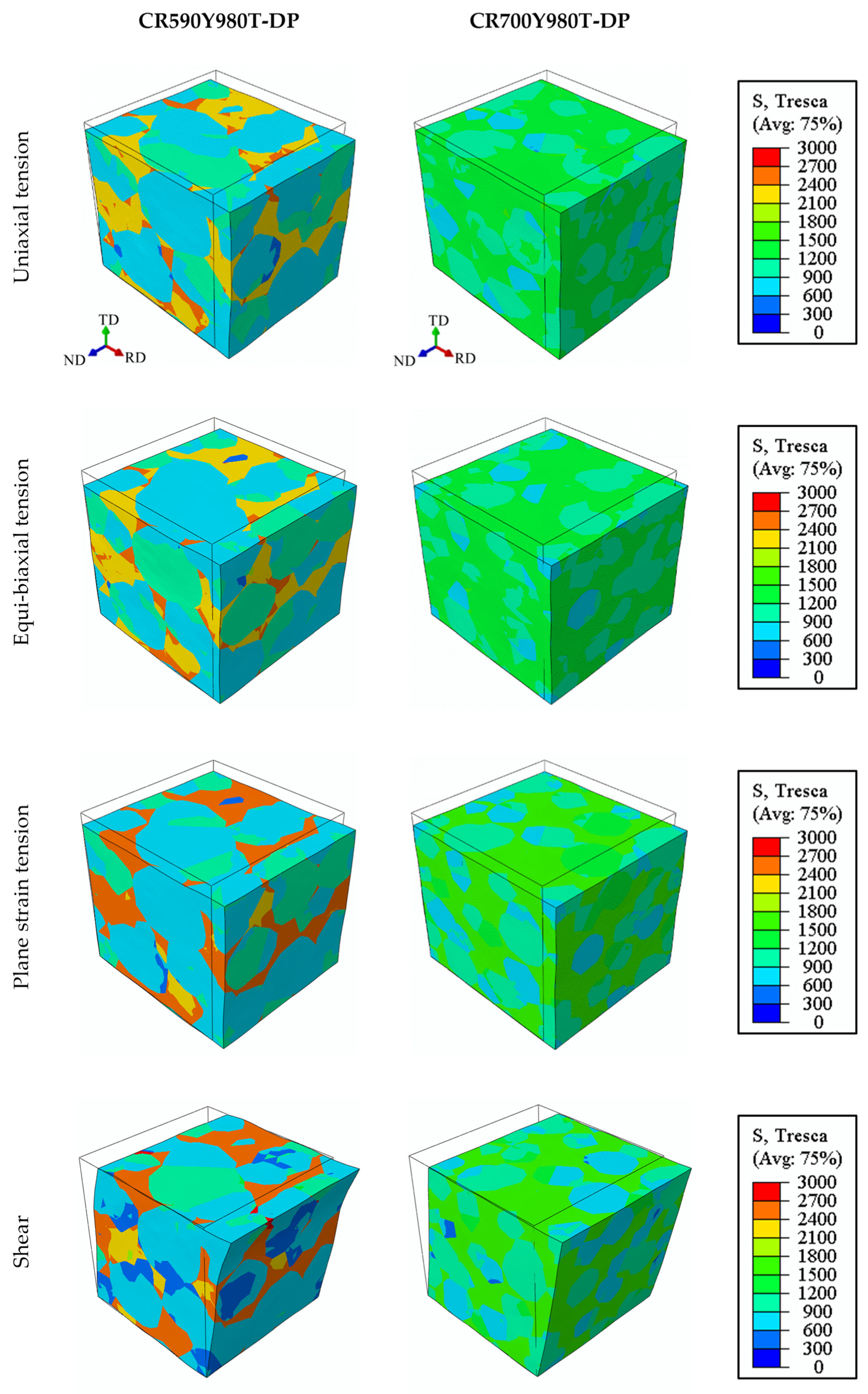
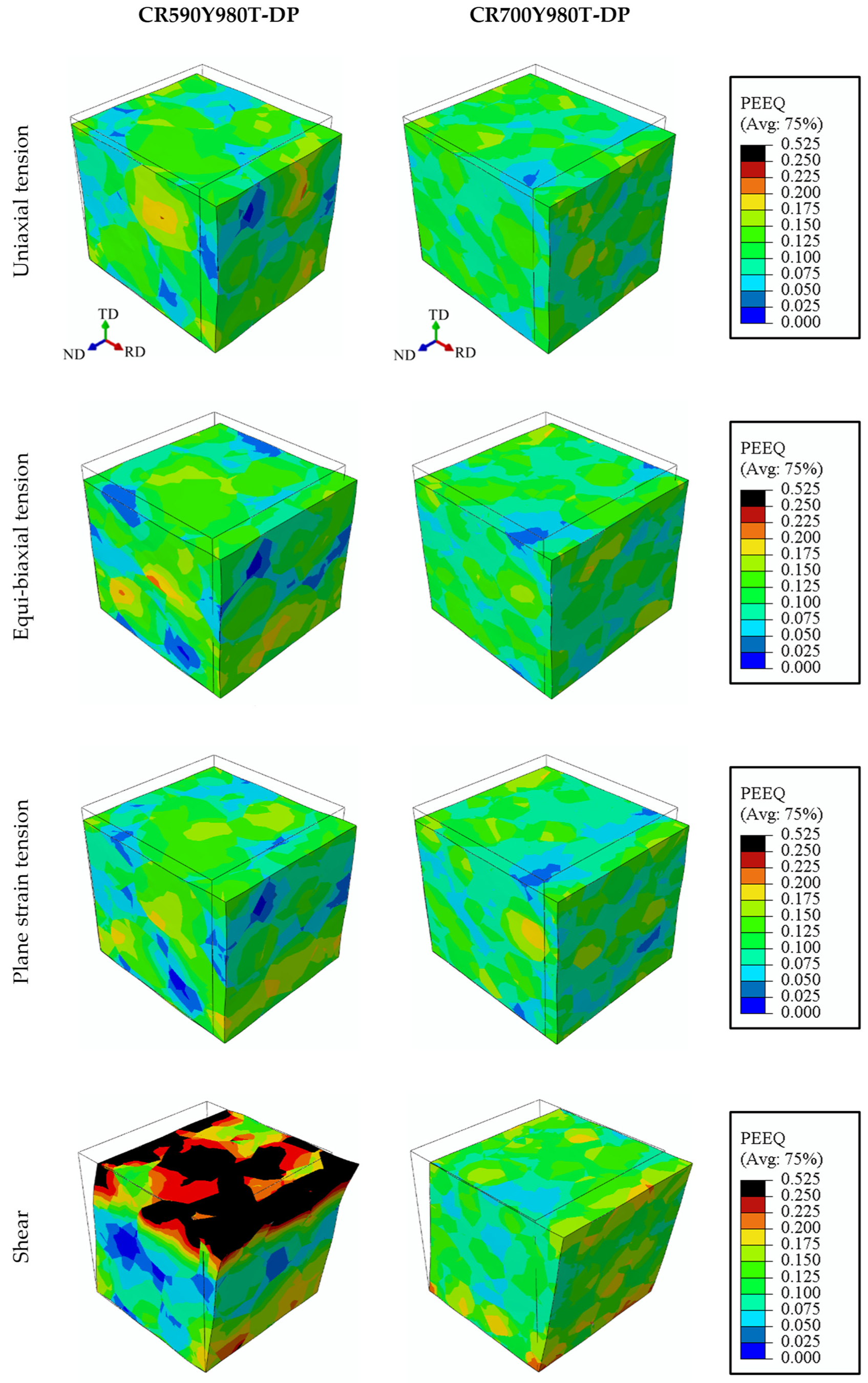
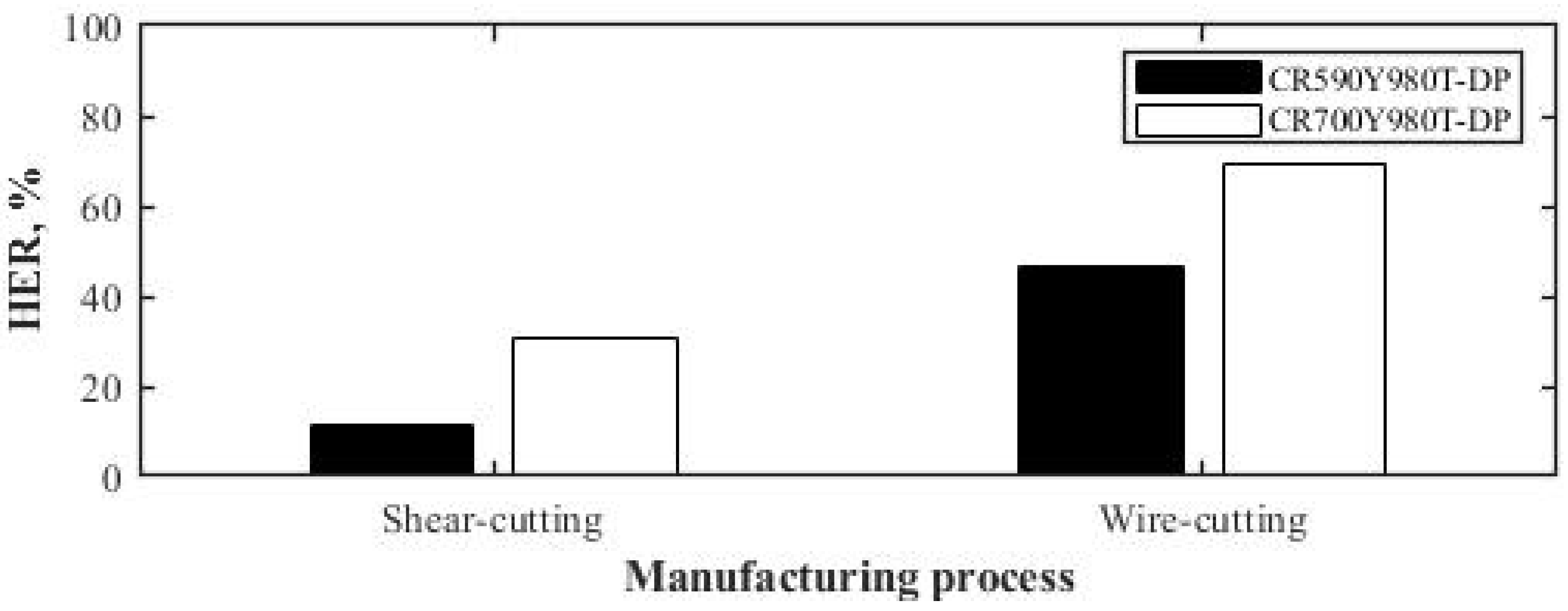
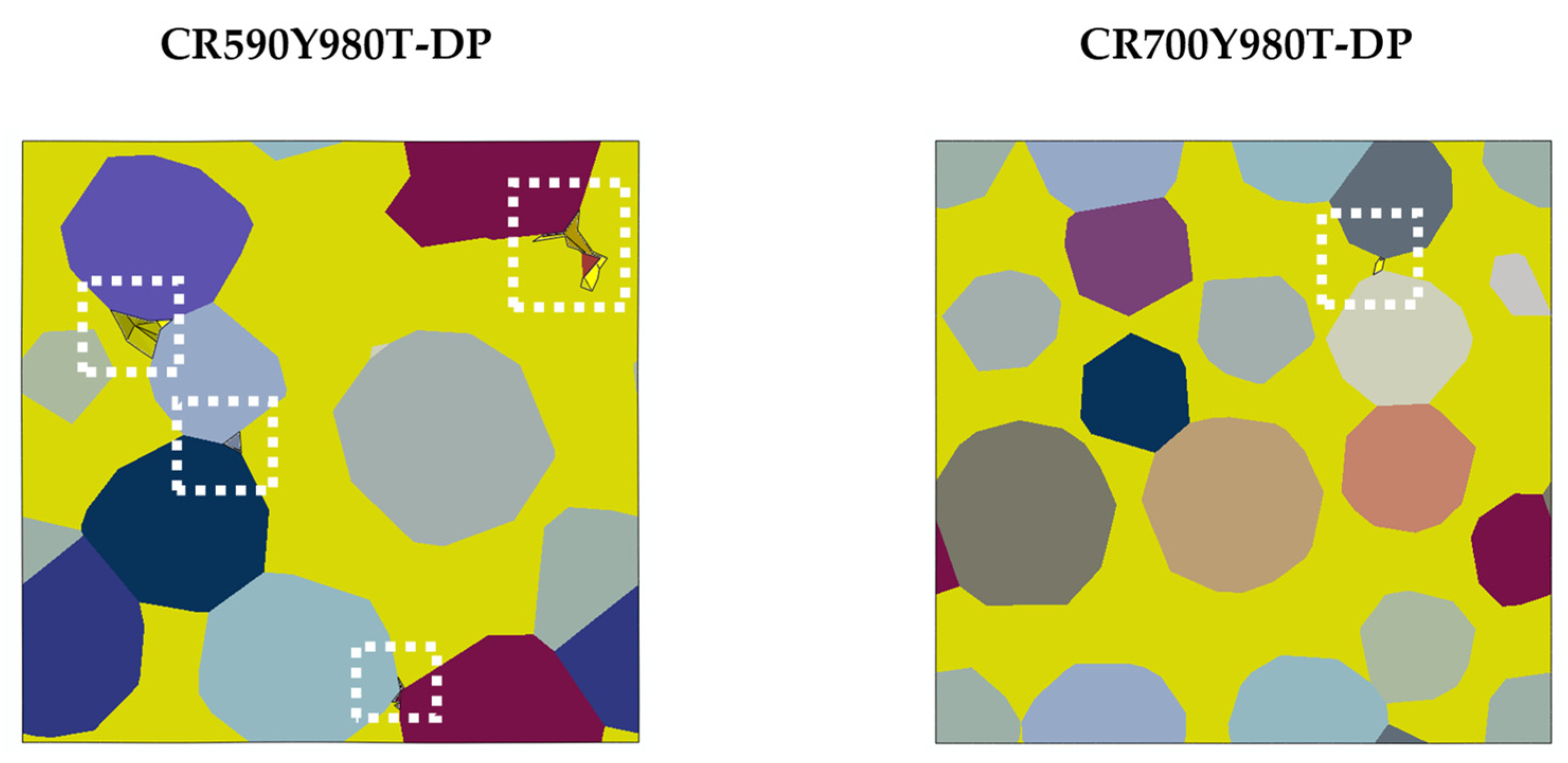
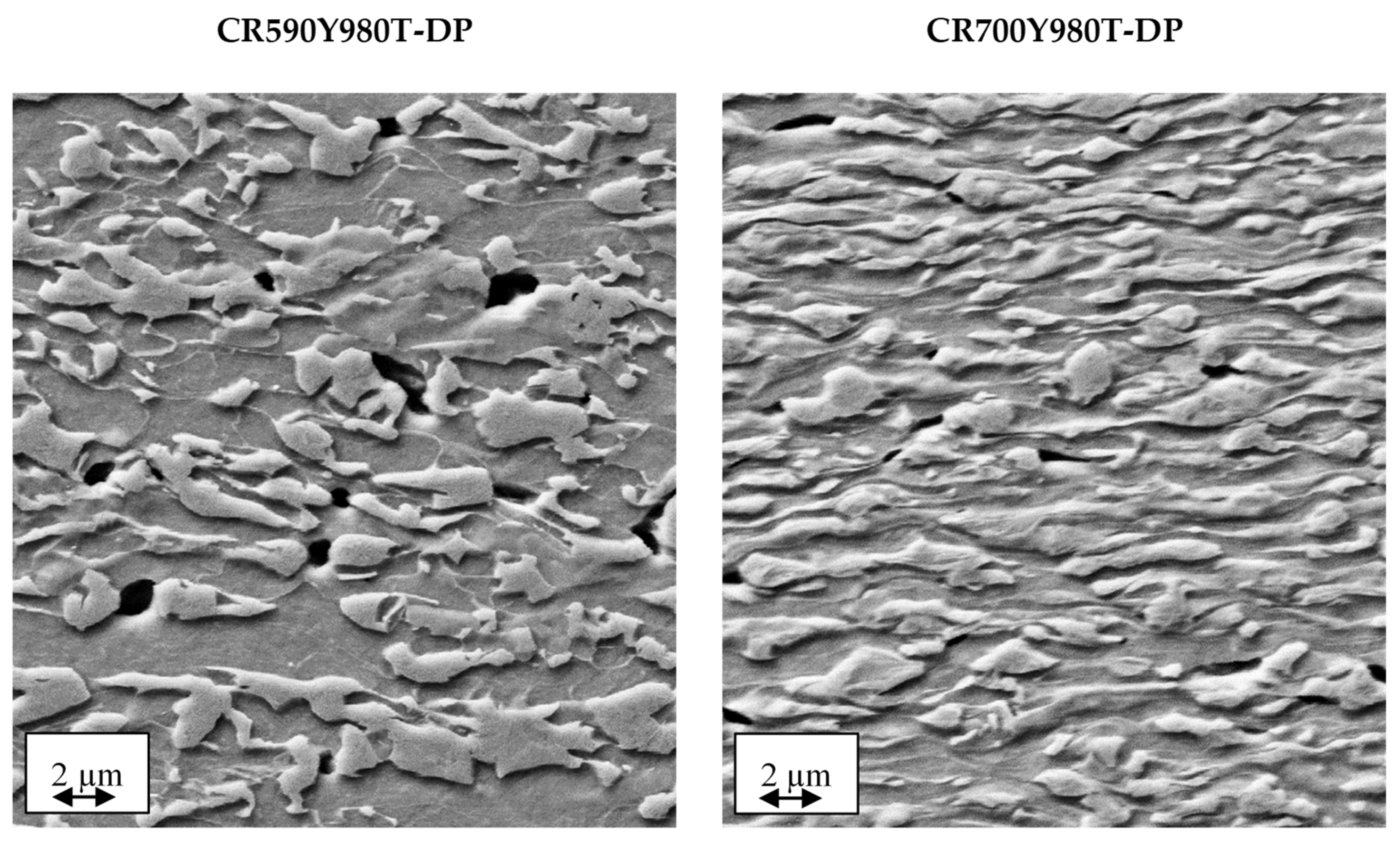
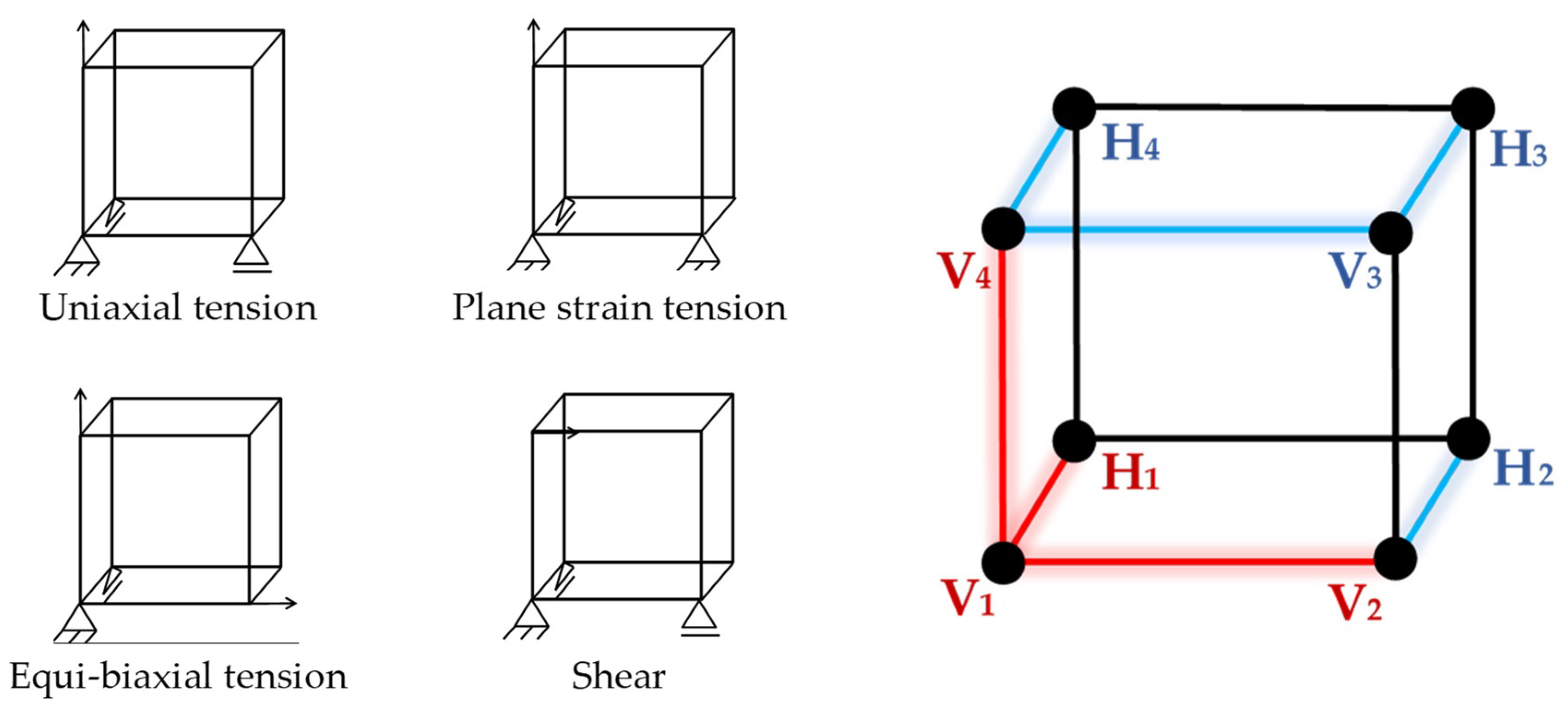
Damage characterization and micromechanical modelling in dual-phase (DP) steels have recently drawn attention, since any changes in the alloying elements or process route strongly influence the microstructural features, deformation behavior of the phases, and damage to the micro-mechanisms, and subsequently the particular mechanical properties of the material. This approach can be used to stablish microstructure–properties relationships. For instance, the effects of local damage from shear cutting on edge crack sensitivity in the following deformation process can be studied. This work evaluated the deformation and damage behaviors of two DP1000 steels using a microstructure-based approach to estimate the edge cracking resistance. Phase fraction, grain size, phase distribution, and texture were analyzed using electron backscatter diffraction and secondary electron detectors of a scanning electron microscope and employed in 3D representative volume elements. The deformation behavior of the ferrite phase was defined using a crystal plasticity model, which was calibrated through nanoindentation tests. Various loading conditions, including uniaxial tension, equi-biaxial tension, plane strain tension, and shearing, along with the maximum shear stress criterion were applied to investigate the damage initiation and describe the edge cracking sensitivity of the studied steels. The results revealed that a homogenous microstructure leads to homogenous stress–strain partitioning, delayed damage initiation, and high edge cracking resistance.
Keywords: micromechanical modelling; representative volume element; dual-phase steel; damage; edge cracking micromechanical modelling; representative volume element; dual-phase steel; damage; edge cracking