Article

Porous Organic Polymers-Supported Metallocene Catalysts for Ethylene/1-Hexene Copolymerization


1
Lanzhou Petrochemical Research Center, Petrochemical Research Institute, PetroChina, Lanzhou 730060, China
2
School of Physical Science and Technology, Lanzhou University, Lanzhou 730000, China
*
Authors to whom correspondence should be addressed.
Catalysts 2018, 8(4), 146; https://doi.org/10.3390/catal8040146
Submission received: 27 February 2018 / Revised: 20 March 2018 / Accepted: 2 April 2018 / Published: 4 April 2018

Abstract

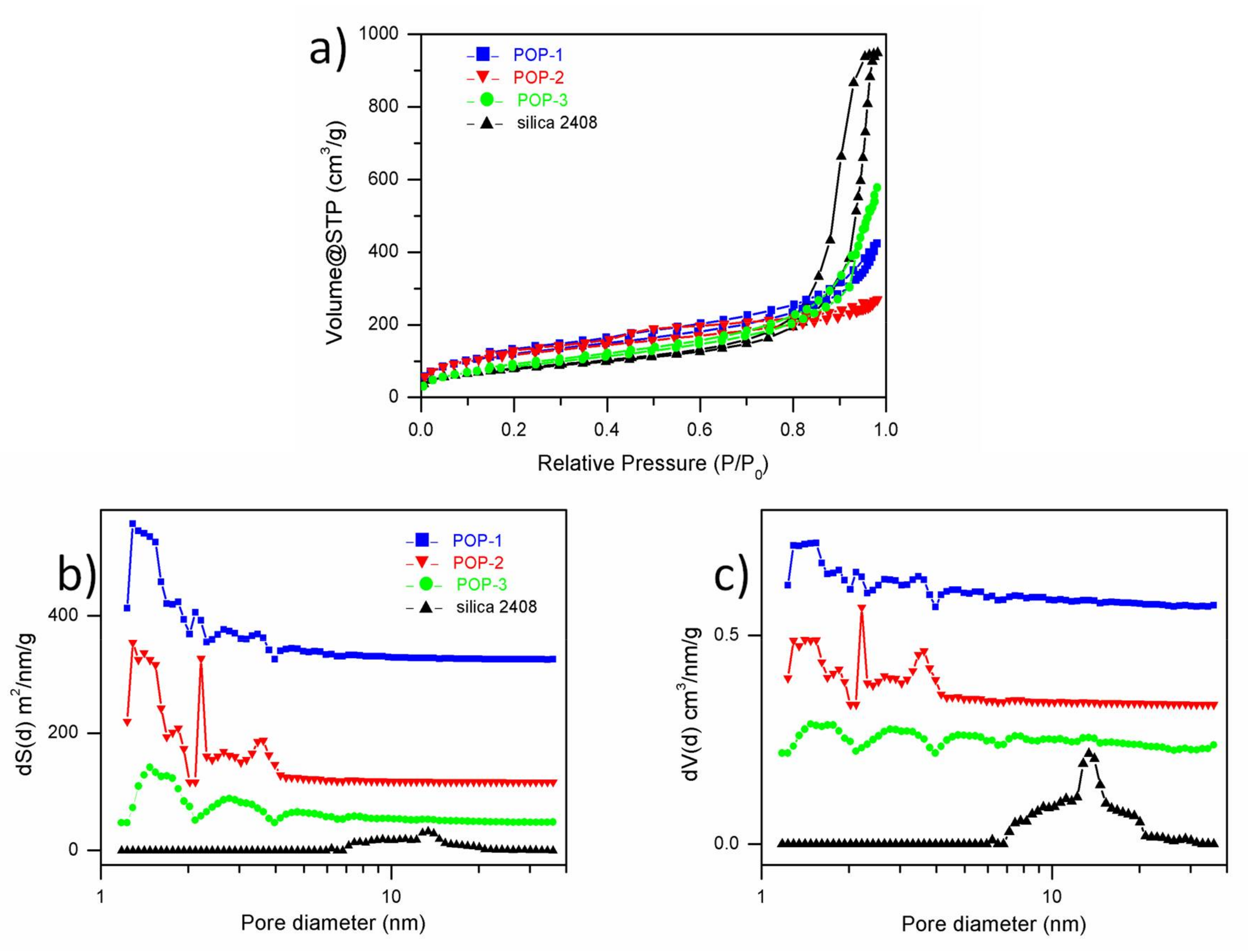
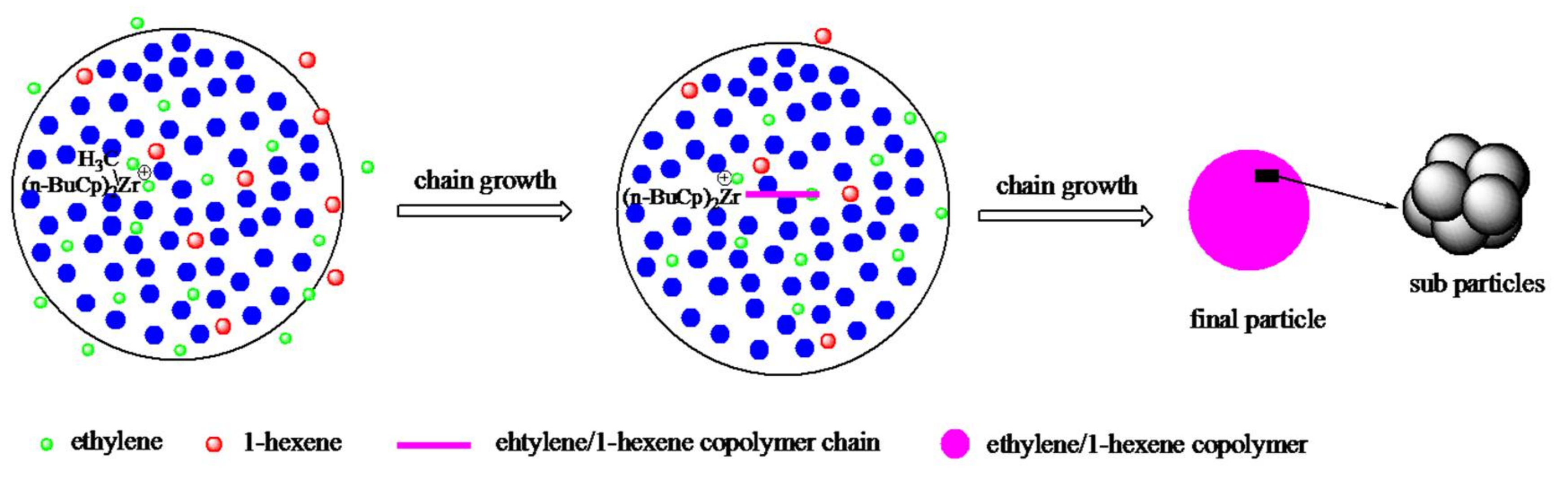
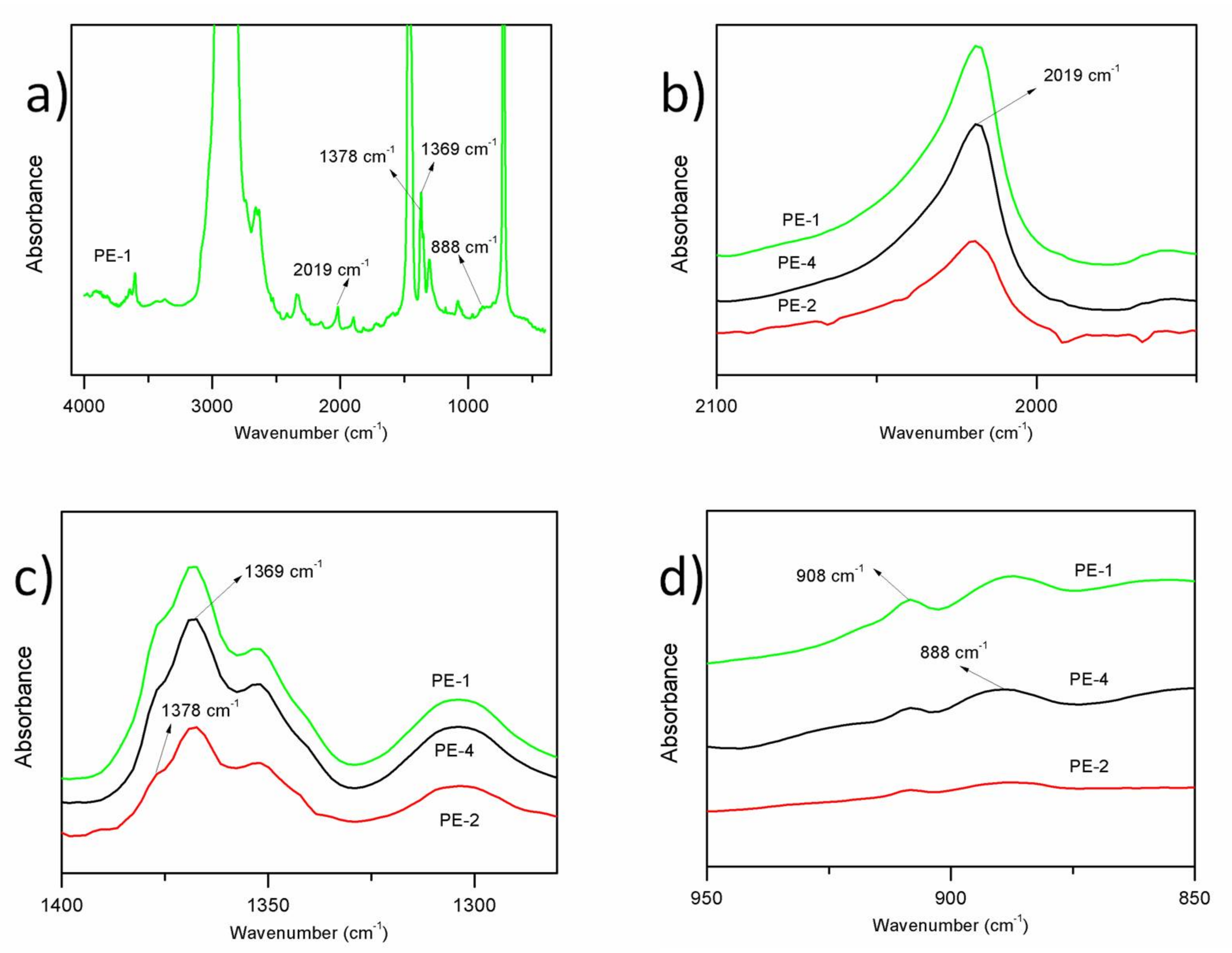
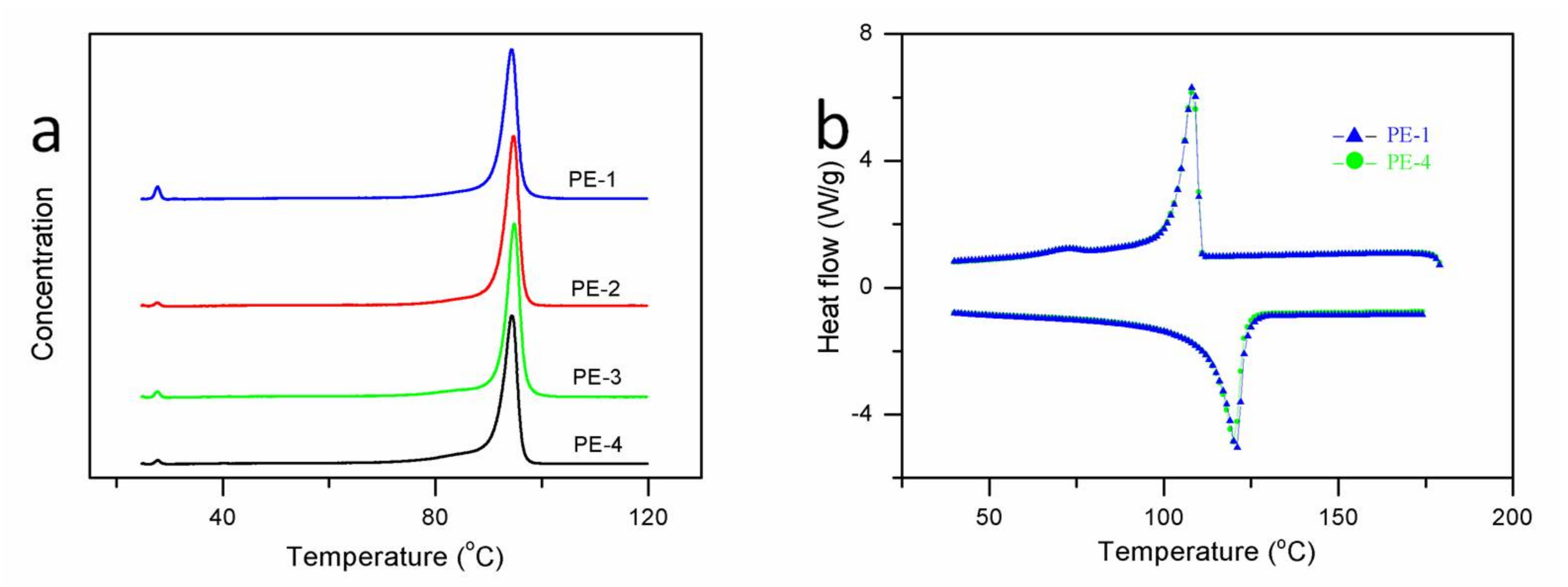
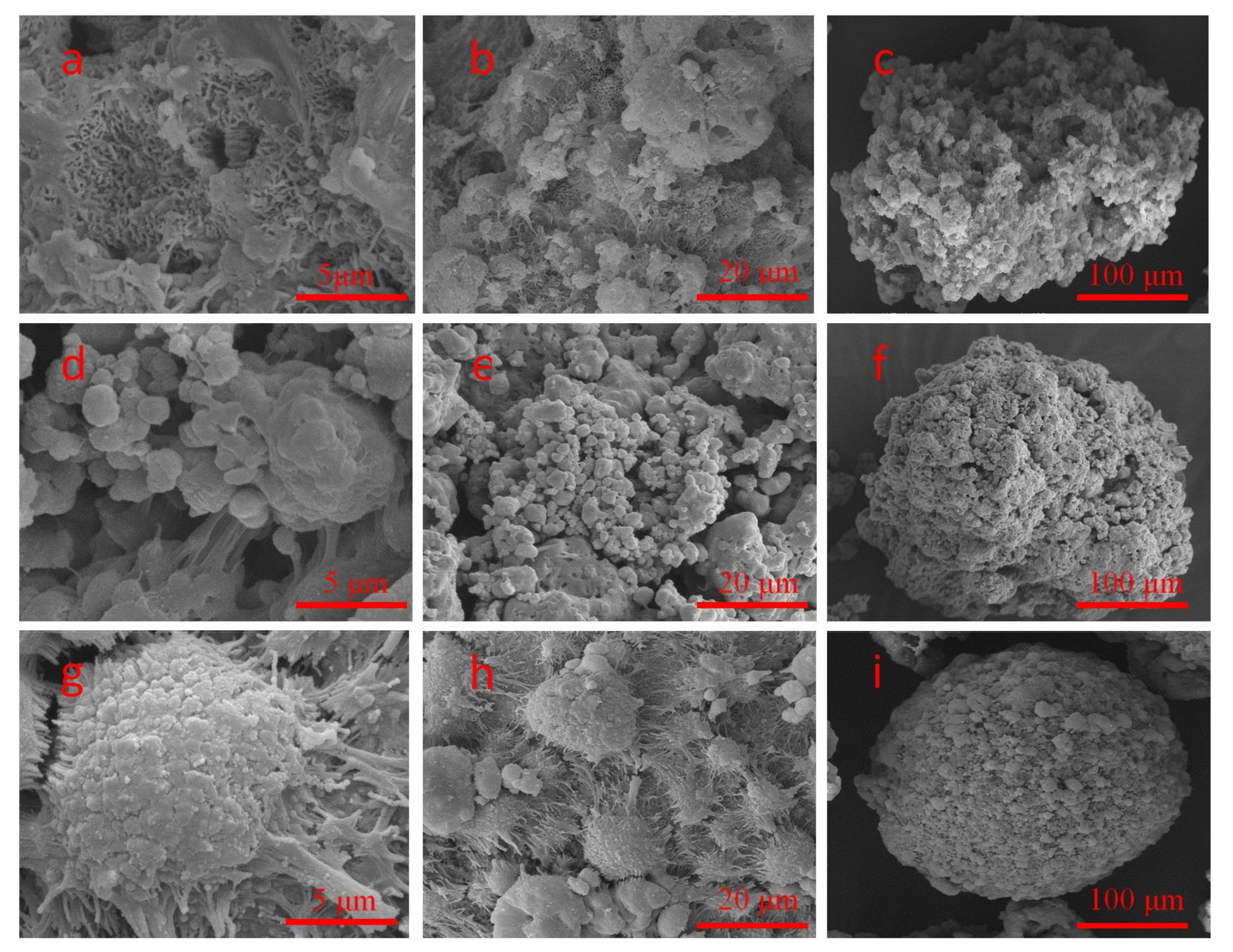
Porous organic polymers (POPs) have received much attention in adsorption, separation, and catalysis. In this paper, porous organic polymers with different pore structure were used as metallocene catalyst supports, and ethylene/1-hexene copolymerizations were conducted using the POPs-supported metallocene catalyst. The pore structure of the prepared POPs and the supported metallocene catalyst were characterized by nitrogen sorption porosimetry and non-local density functional theory simulation, and the molecular chain structure of the produced ethylene/1-hexene copolymers were investigated through gel permeation chromatography (GPC), IR analysis, differential scanning calorimetry (DSC), and temperature rising elution fractionation (TREF). The results show that the loading amount of active sites varied with different pore structures of the POP supports, and the active species scattered in different pore sizes had a moderate impact on the molecular chain growth and the molecular weight distribution. The IR, DSC, and TREF analysis revealedthat different branching degree, double bond content, and chemical composition distributions were detected from the molecular chain structure of the ethylene/α-olefin copolymers from different POPs and silica-supported metallocene catalysts, despite their similar IR, DSC, and TREF curves due to the same active species. Scanning electron microscopy (SEM) showed that porous ethylene/α-olefin copolymers with varied surface morphology were obtained from the POPs-supported metallocene catalysts with different pore structure.
Keywords: porous organic polymer (POP); ethylene; 1-hexene; metallocene catalyst; copolymerization porous organic polymer (POP); ethylene; 1-hexene; metallocene catalyst; copolymerization