
Article

In Search of Governing Gas Flow Mechanism through Metal Solid Foams

by
Anna Gancarczyk
1,*,
Marcin Piątek
1,
Marzena Iwaniszyn
1,
Przemysław J. Jodłowski
2,
Joanna Łojewska
3,
Jolanta Kowalska
4 and
Andrzej Kołodziej
1,4
1
Institute of Chemical Engineering, Polish Academy of Sciences, Bałtycka 5, 44-100 Gliwice, Poland
2
Faculty of Chemical Engineering and Technology, Cracow University of Technology, Warszawska 24, 31-155 Kraków, Poland
3
Department of Chemistry, Jagiellonian University, Ingardena 3, 30-060 Kraków, Poland
4
Faculty of Civil Engineering and Architecture, Opole University of Technology, Katowicka 48, 45-061 Opole, Poland
*
Author to whom correspondence should be addressed.
Catalysts 2017, 7(4), 124; https://doi.org/10.3390/catal7040124
Submission received: 9 February 2017 / Revised: 11 April 2017 / Accepted: 17 April 2017 / Published: 21 April 2017
(This article belongs to the Special Issue Structured and Micro-Structured Catalysts and Reactors)

Abstract

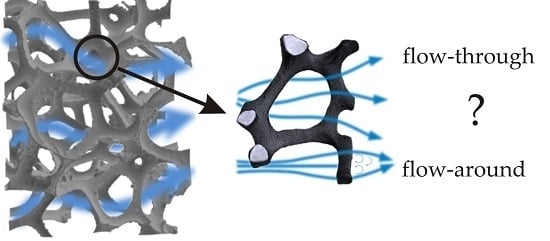
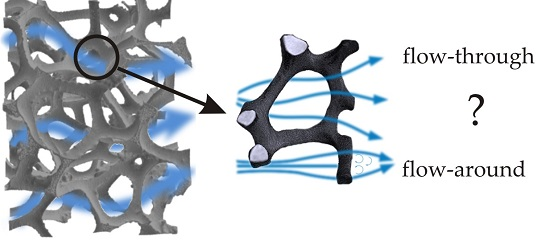
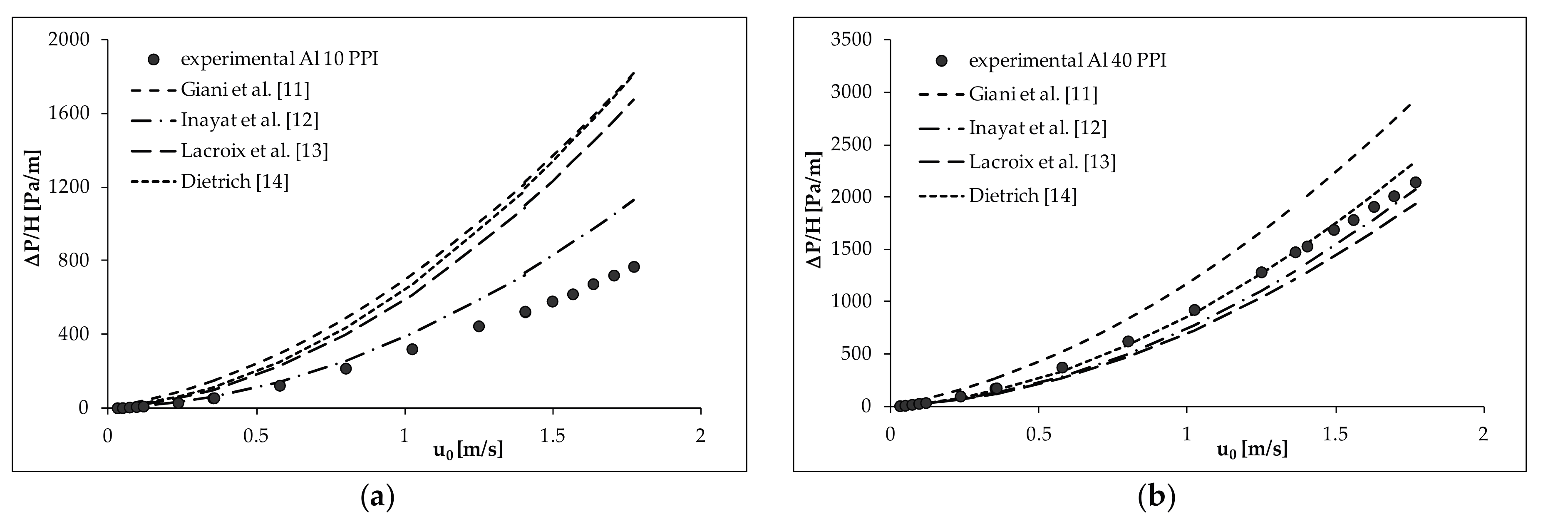
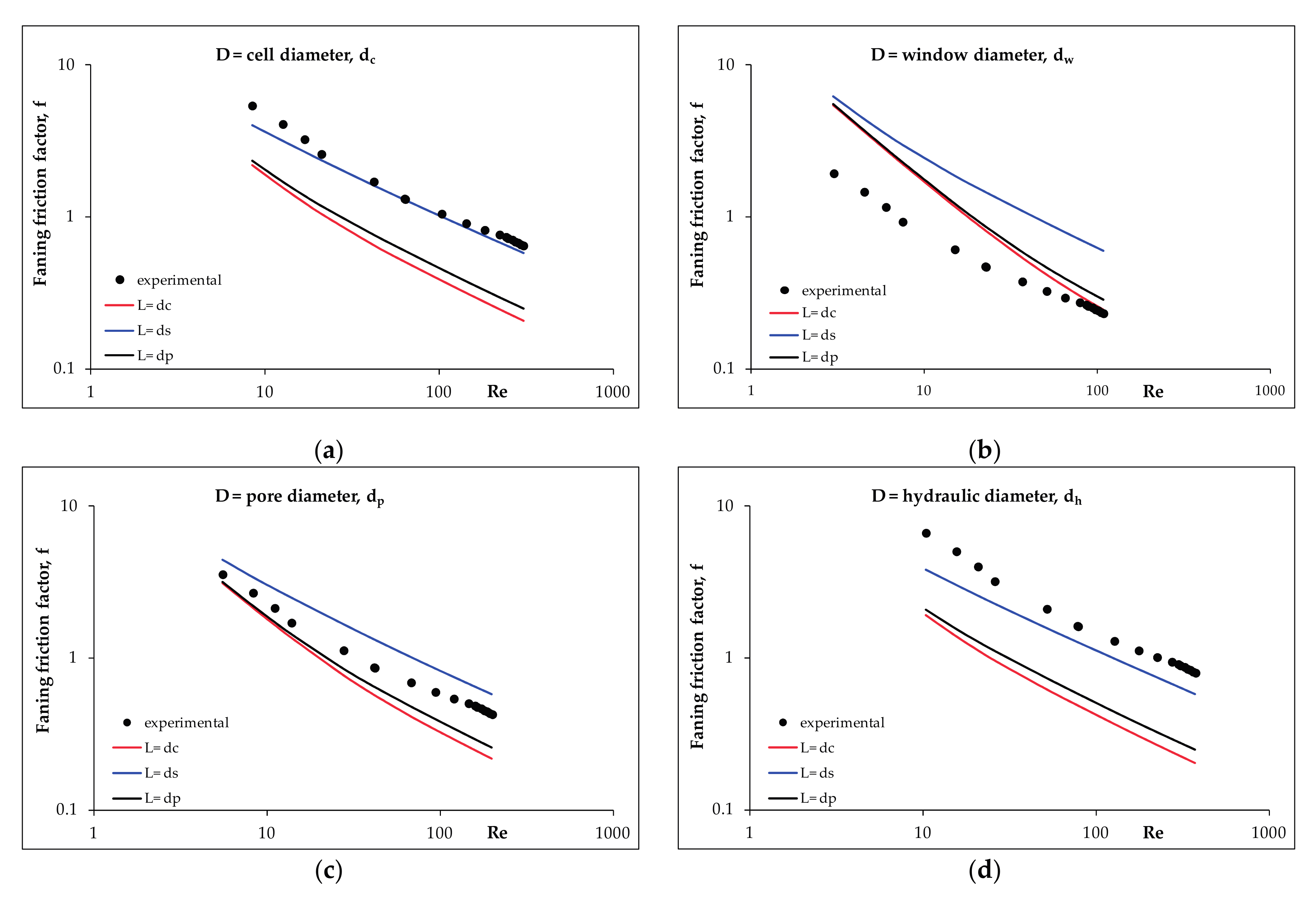
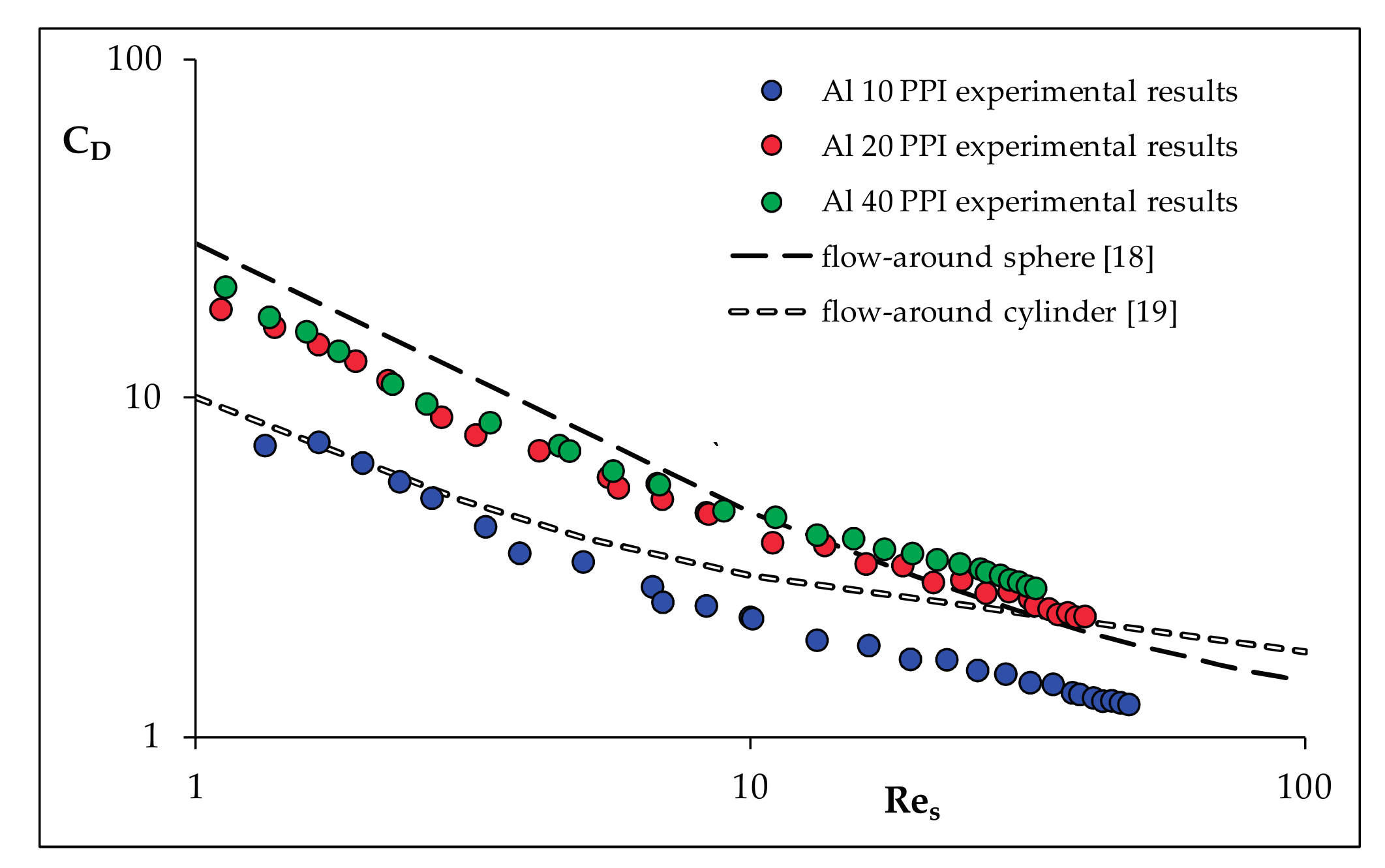
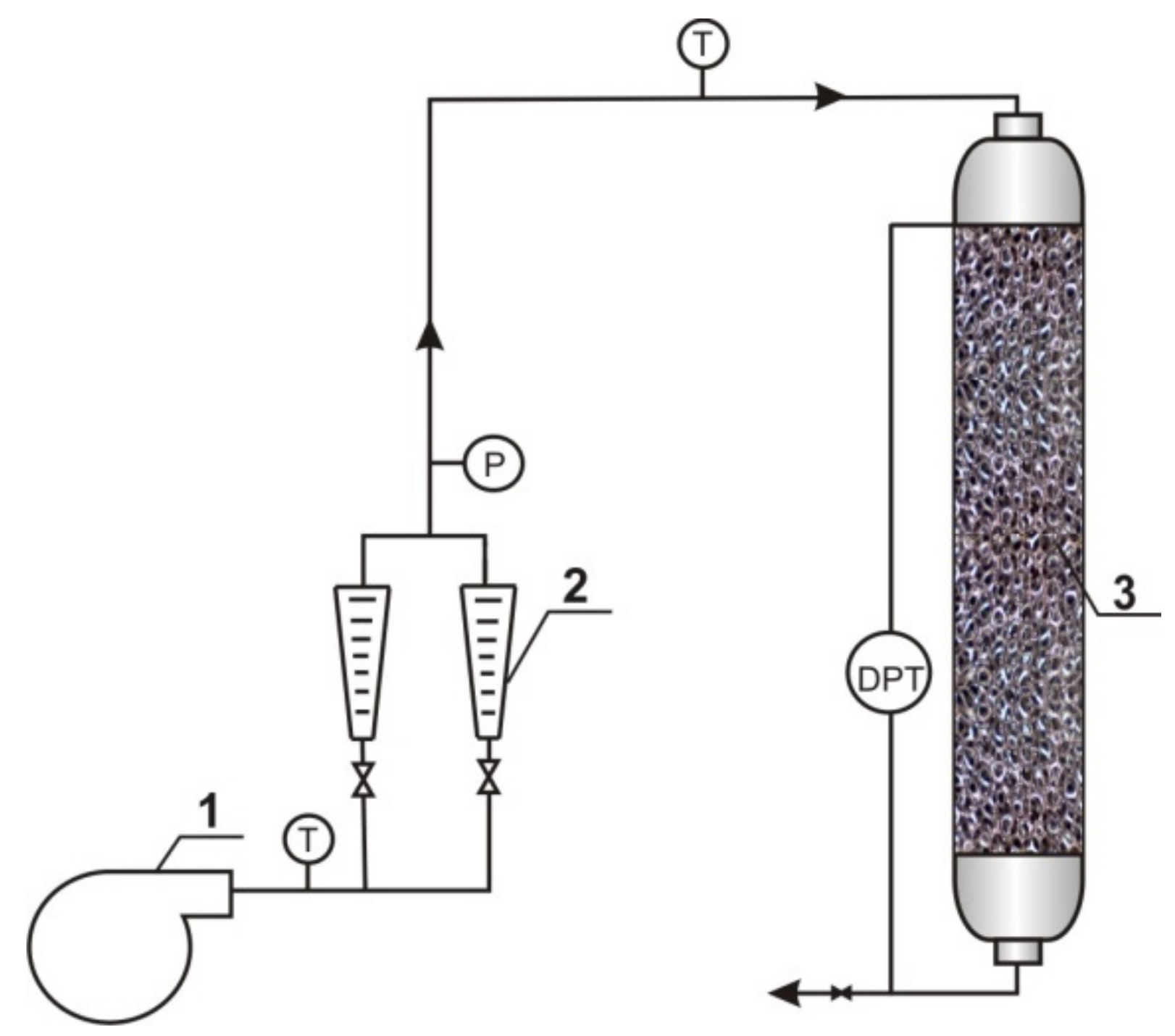
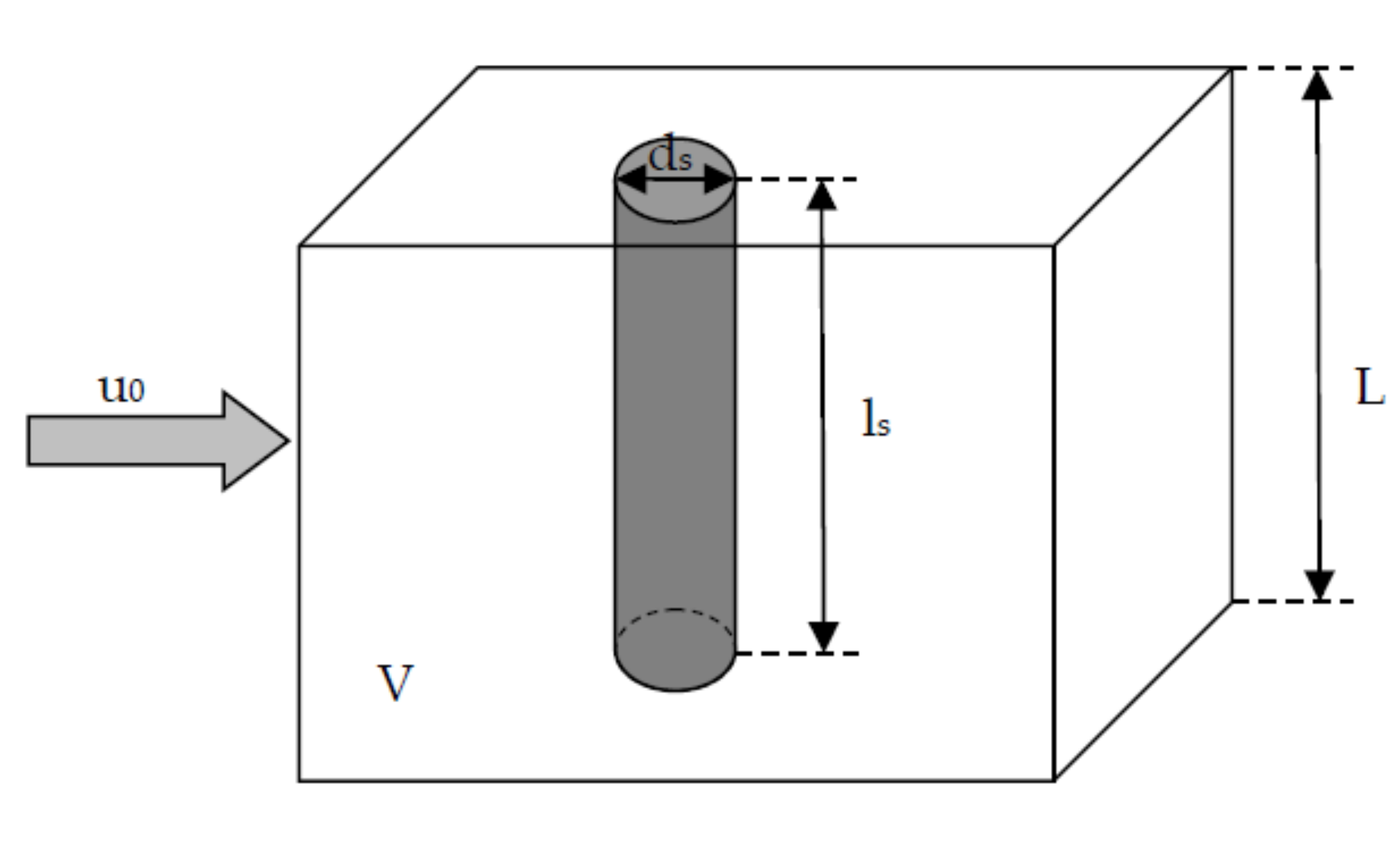
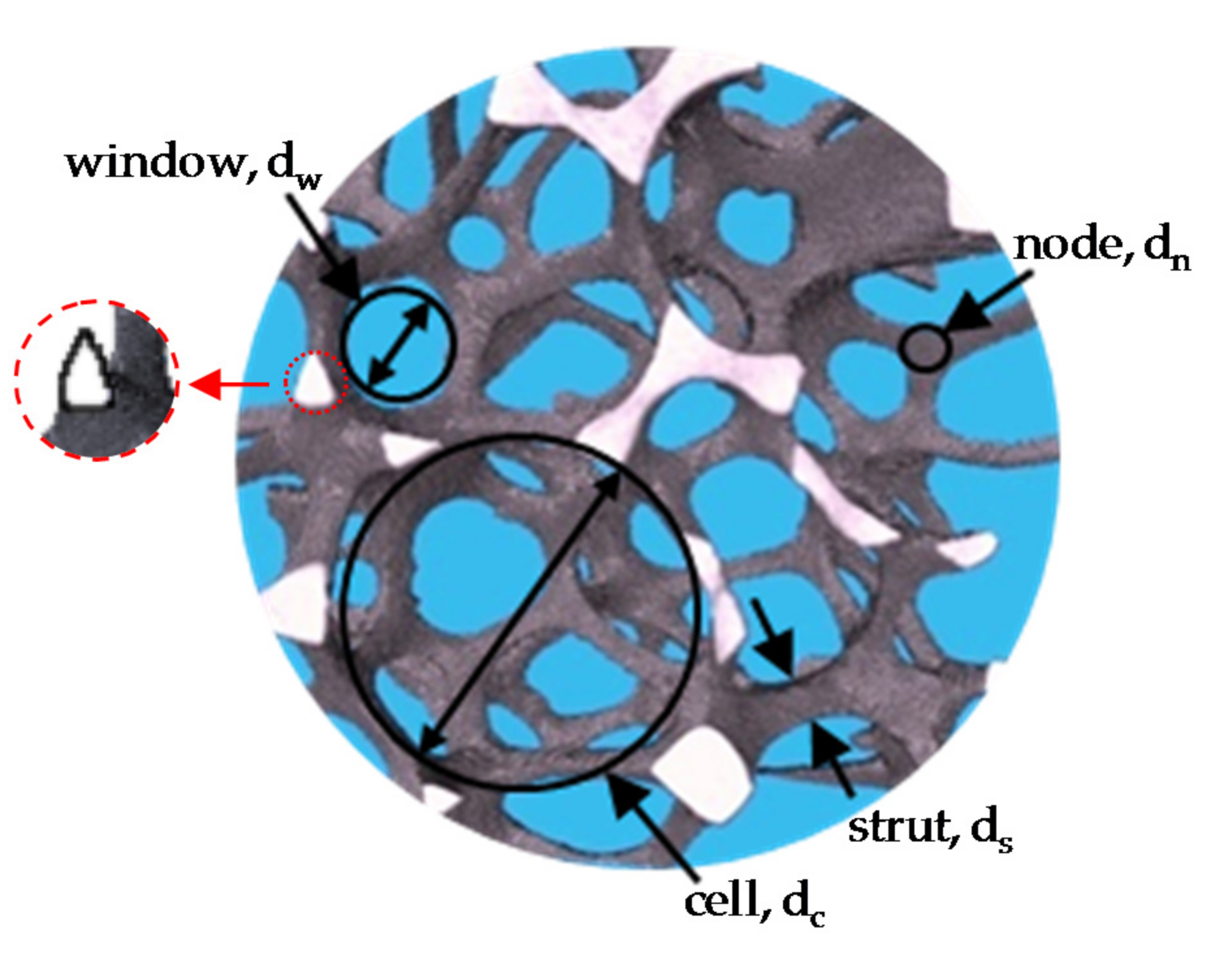
Solid foams have been intensely studied as promising structured catalytic internals. However, mechanisms governing flow and transport phenomena within the foam structures have not been properly addressed in the literature. The aim of this study was to consider such flow mechanisms based on our experimental results on flow resistance. Two mechanisms were considered: developing laminar flow in a short capillary channel (flow-through model), and flow around an immersed solid body, either a cylinder or sphere (flow-around model). Flow resistance experiments were performed on three aluminum foams of 10, 20, and 40 PPI (pores per inch), using a 57 mm ID test column filled with the foams studied. The foam morphology was examined using microtomography and optical microscopy to derive the geometric parameters applied in the model equations. The flow-through model provided an accuracy of 25% for the experiments. The model channel diameter was the foam cell diameter, and the channel length was the strut thickness. The accuracy of the flow-around model was only slightly worse (35%). It was difficult to establish the geometry of the immersed solid body (sphere or cylinder) because experiment characteristics tended to change from sphere to cylinder with increasing PPI value.
Keywords: open-cell foams; flow resistance; flow modelling; foam morphology open-cell foams; flow resistance; flow modelling; foam morphology
Graphical Abstract