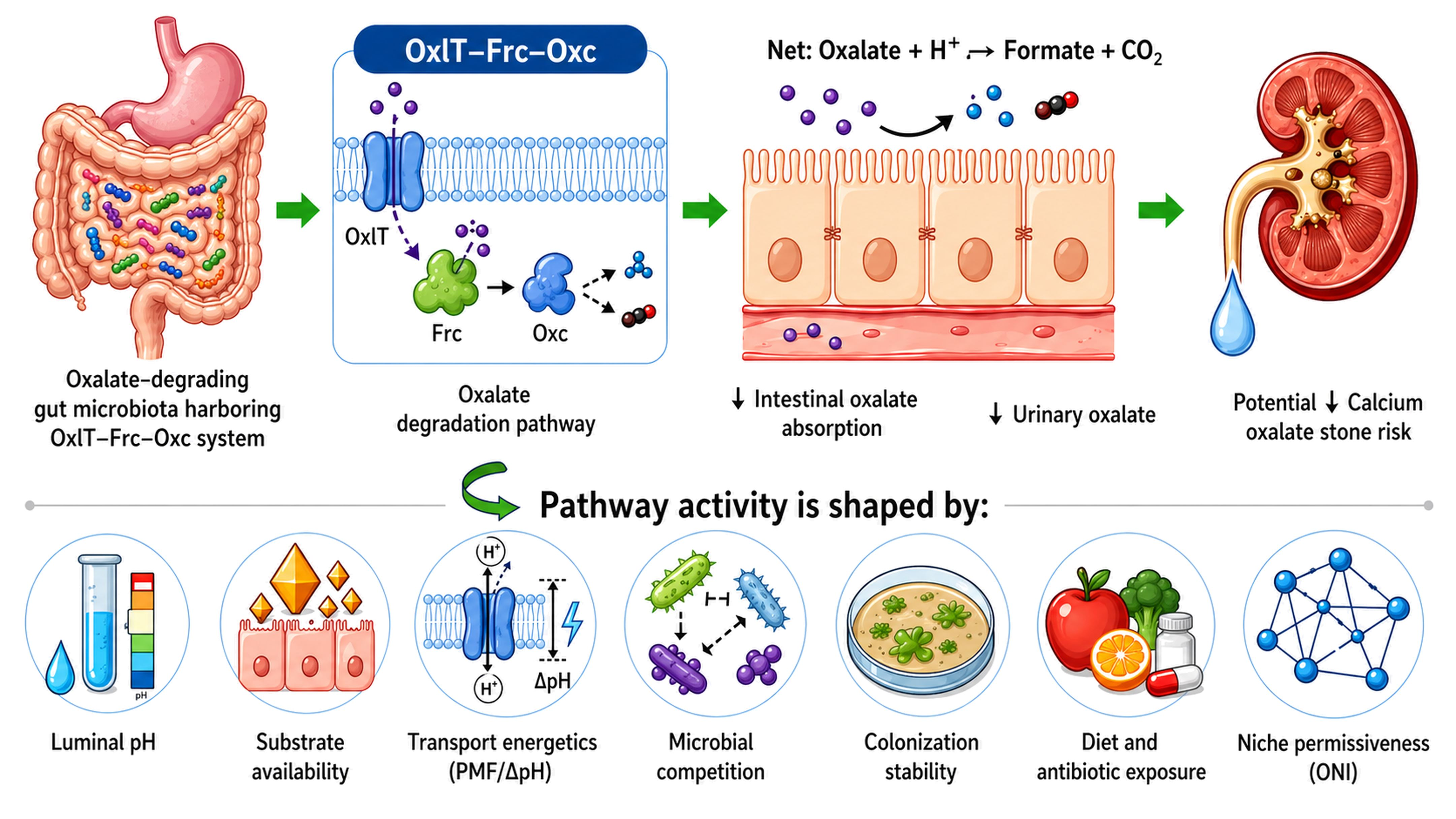
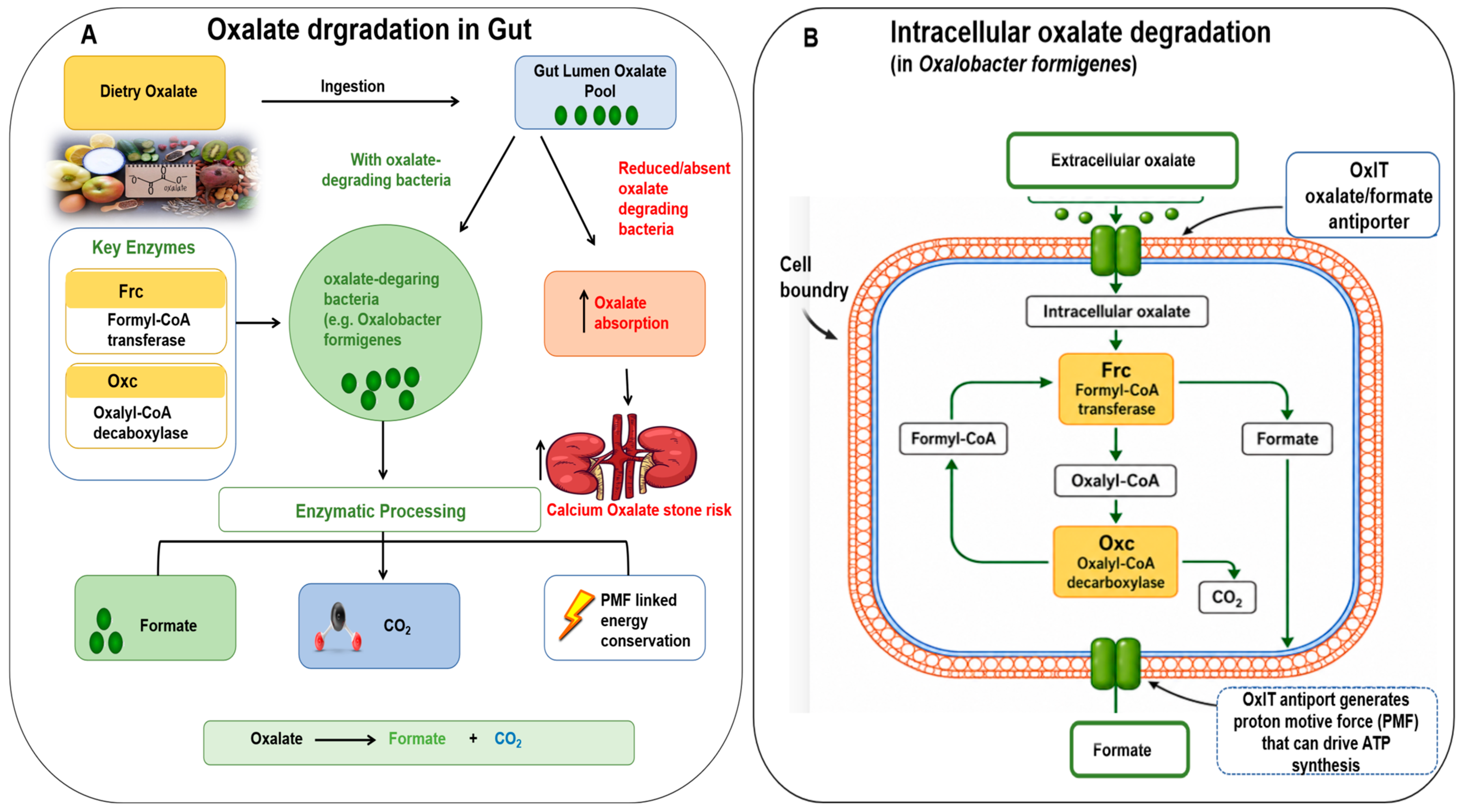
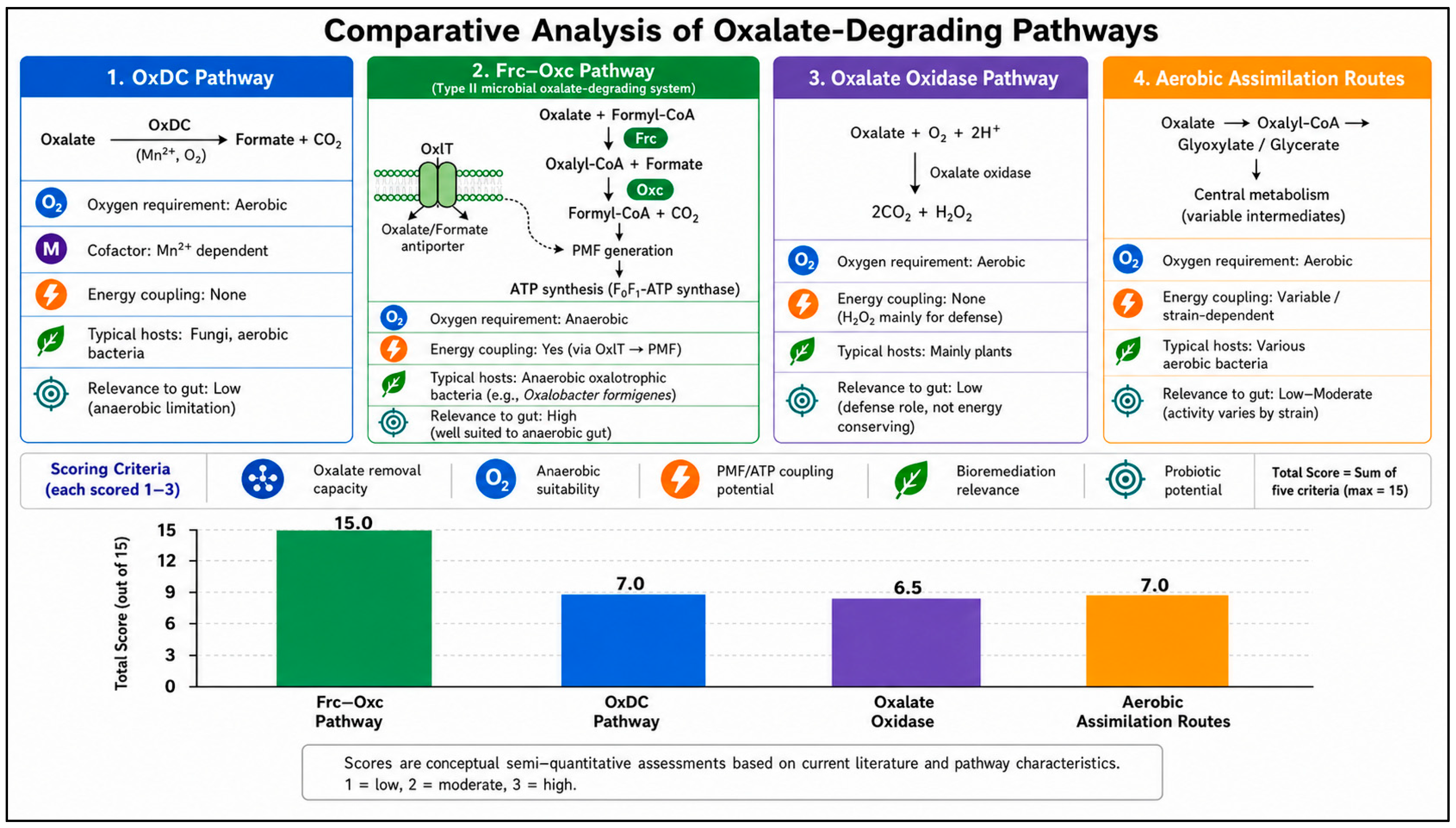
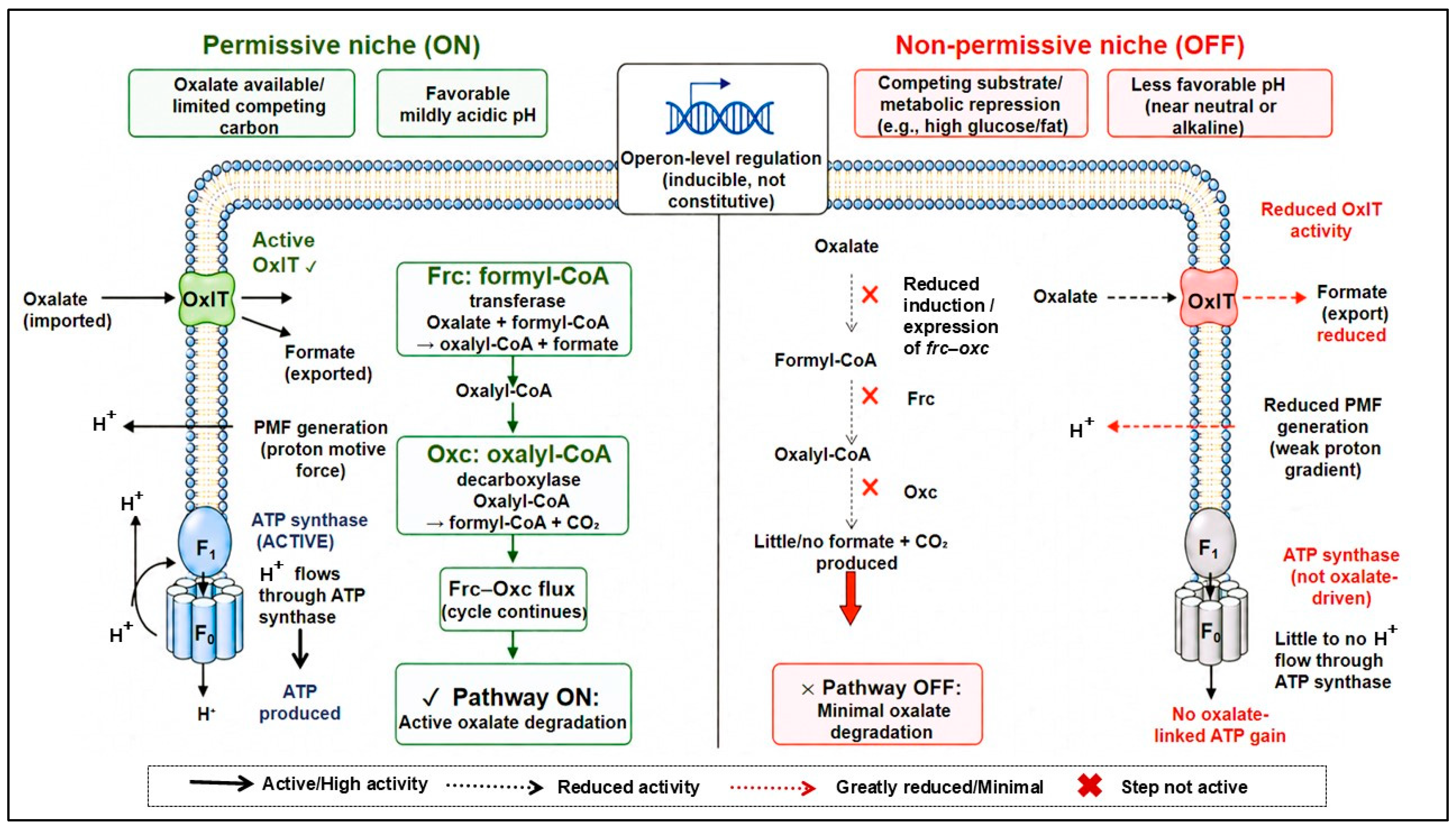
The Frc–Oxc Pathway in Microbial Oxalate Metabolism and Its Therapeutic Potential for Calcium Oxalate Kidney Stones



Abstract
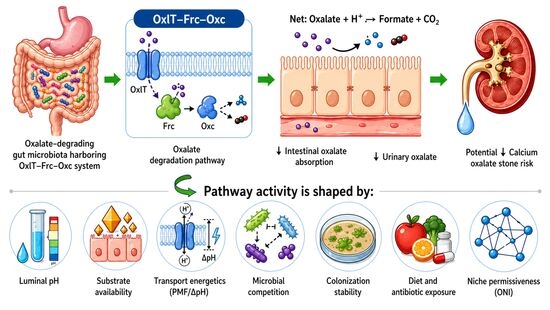
1. Introduction
Clinical Background: Oxalate Homeostasis and Calcium Oxalate Stone Formation
2. Biochemical Pathway of Oxalate Degradation Involving Frc and Oxc
2.1. Overview of the Oxalate Catabolic Pathway (OCP)
2.2. Mechanism of Frc: Activation of Oxalate to Oxalyl-CoA
2.3. Comparison with Alternative Oxalate Degrading Pathways (ODPs)
3. Structural and Functional Characteristics of Frc and Oxc
3.1. Crystal Structures and Active Sites of Frc
3.2. TPP-Dependent Catalysis of Oxc
3.3. Gene Organization and Operon Architecture
3.4. Regulation of Enzyme Expression
3.5. Structure-Function Analysis of Mutants and Recombinant Enzymes
4. Evolution and Distribution of frc and oxc Genes
4.1. Phylogenetic Distribution and Functional Diversity
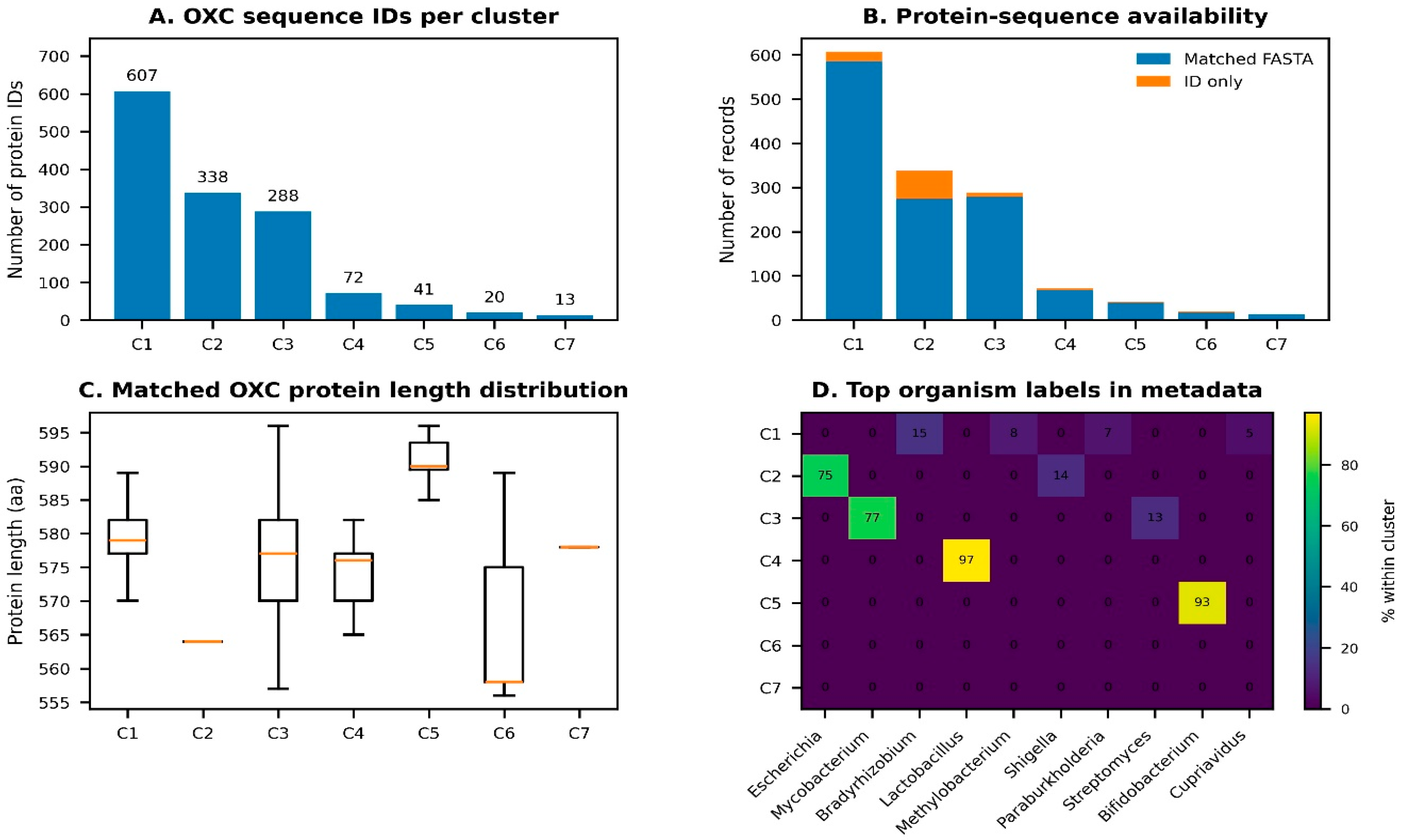
4.2. Identification of Oxc Homolog Clusters
4.3. Evolutionary Conservation and Selection Pressures
4.4. Horizontal Gene Transfer Events
4.5. Prevalence in Human Microbiomes
5. Environmental Factors Influencing Oxalate Degradation
5.1. Impact of pH and Carbon Sources
5.2. Role of Prebiotics and Nutritional Supplements
5.3. Effects of Antibiotics and Microbial Disruptions
5.4. Influence of Host Diet and Oxalate Load
5.5. In Vitro and In Vivo Modulation Strategies
6. Probiotic and Microbiome-Based Therapeutic Applications
6.1. Oxalate-Degrading Bacteria of Therapeutic Interest
6.2. Preclinical Evidence: In Vitro, Animal, and Engineered-Strain Studies
6.3. Human Clinical Evidence and Variable Outcomes
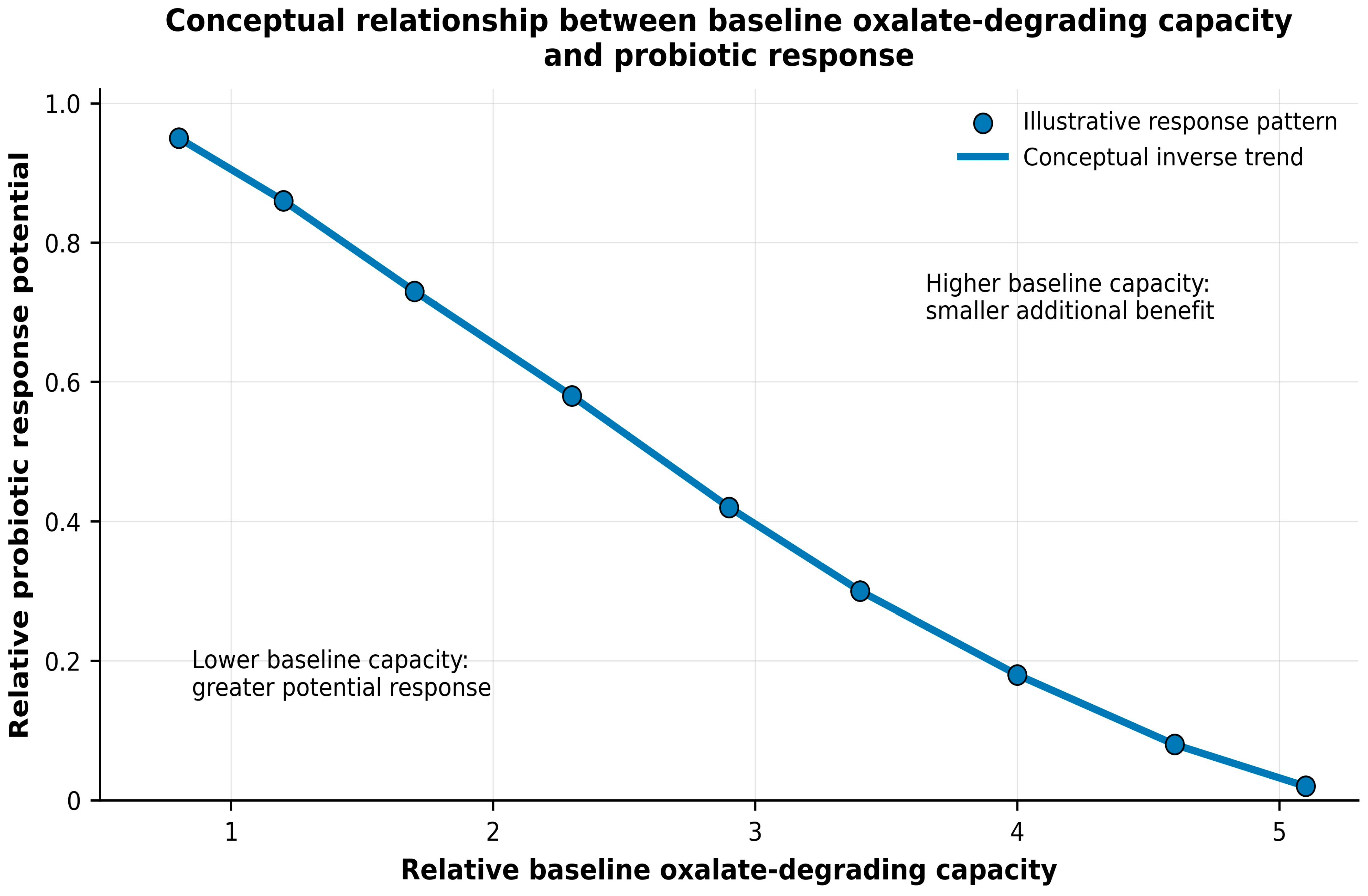
6.4. Why Clinical Translation Often Fails
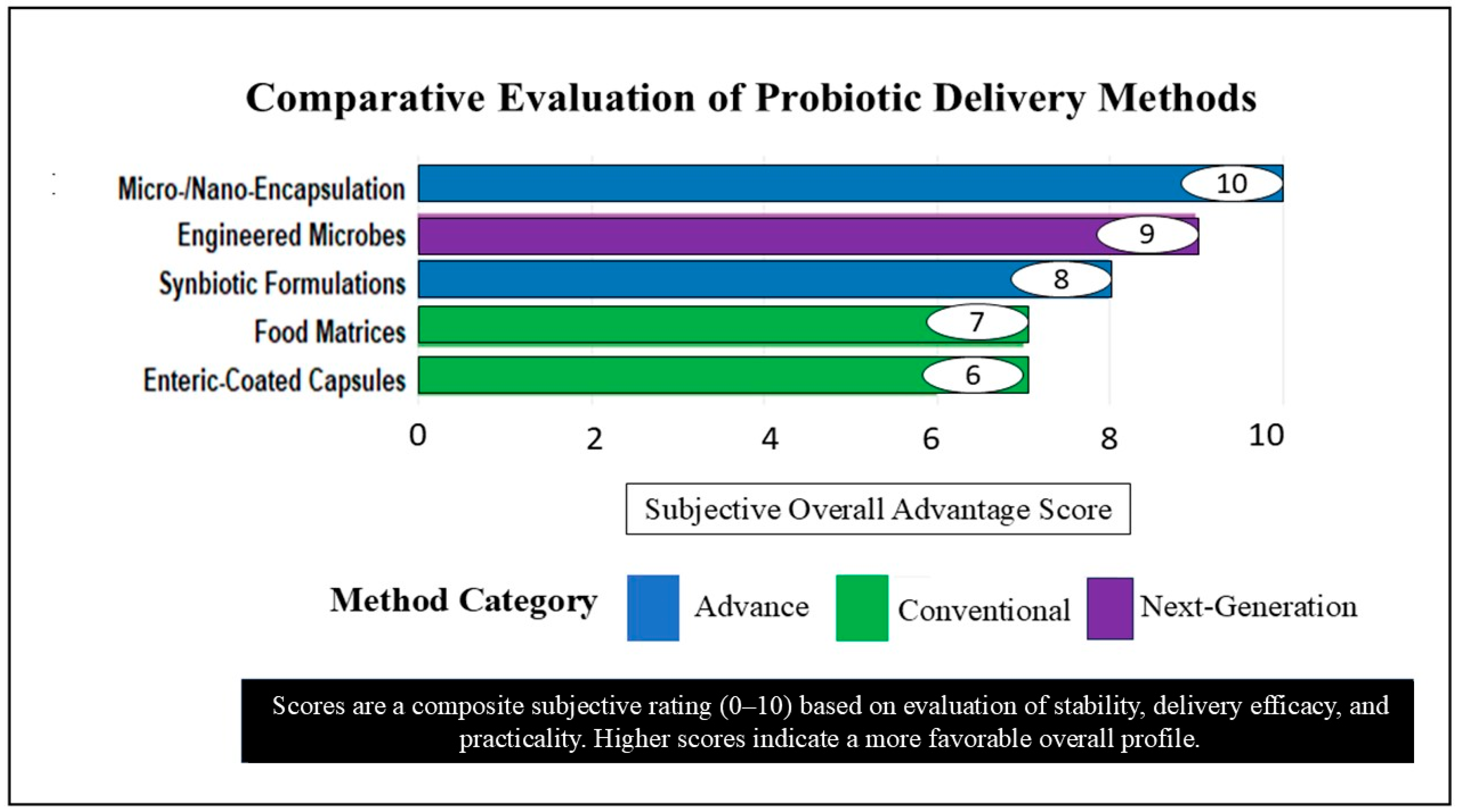
6.5. Strategies to Improve Microbiome-Based Therapy
6.6. Safety and Efficacy in Special Populations
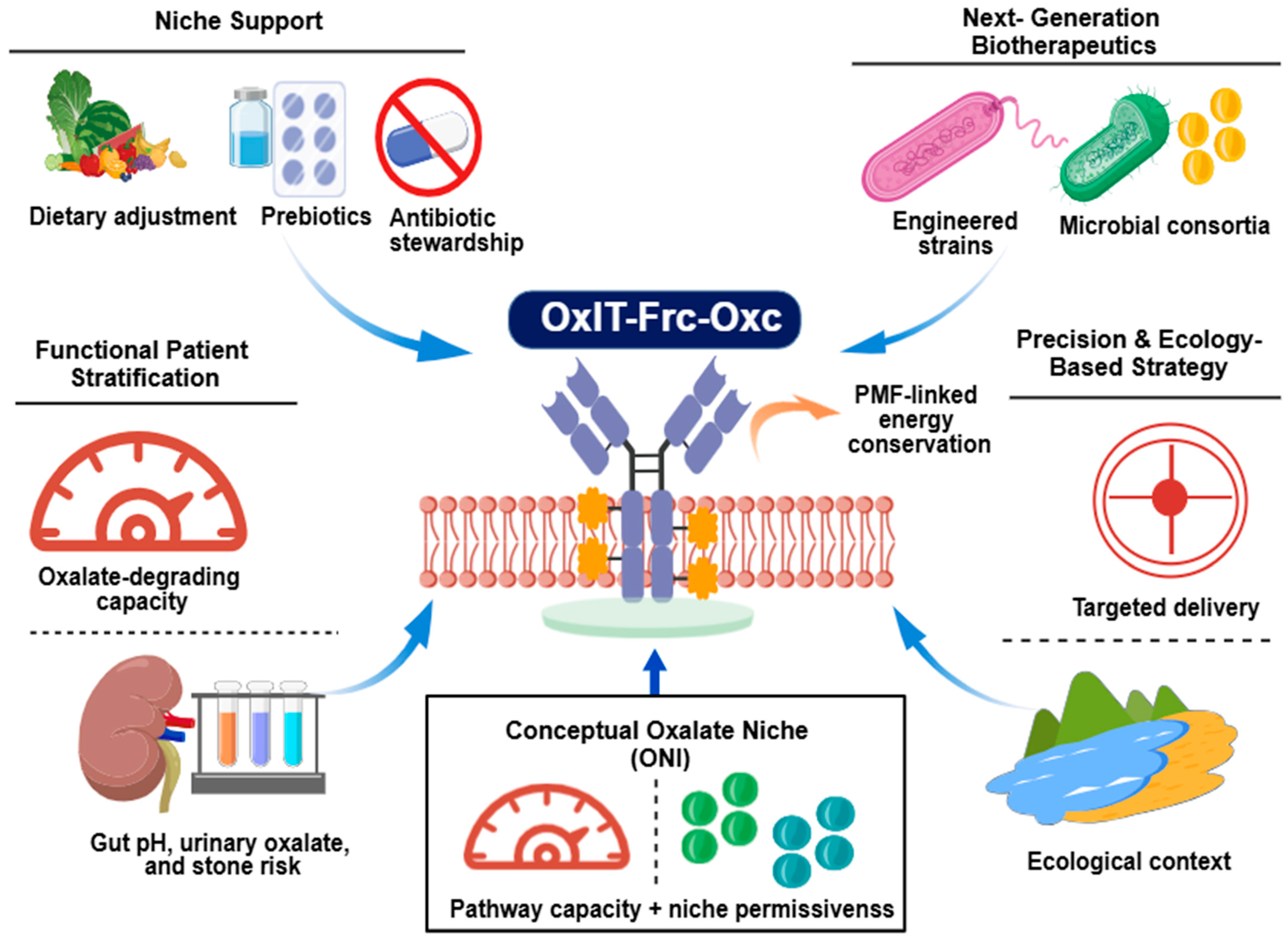
7. Future Perspectives
8. Conclusions
Author Contributions
Funding
Data Availability Statement
Acknowledgments
Conflicts of Interest
Abbreviations
| Abbreviation | Full Form | Abbreviation | Full Form |
| Frc | Formyl-CoA transferase | Oxc | Oxalyl-CoA decarboxylase |
| OxlT | Oxalate/formate antiporter | PMF | Proton motive force |
| ONI | Oxalate Niche Index | LAB | Lactic acid bacteria |
| OxDC | Oxalate Decarboxylase | PH | Primary hyperoxaluria |
| CKD | Chronic kidney disease | FOS | Fructooligosaccharides |
| TPP | Thiamine pyrophosphate | ATP | Adenosine triphosphate |
| ADP | Adenosine diphosphate | oxdC | Oxalate decarboxylase |
| ODP | Oxalate-Degrading Pathway | OxB | Oxalate-degrading bacteria |
| NAD+ | Nicotinamide adenine dinucleotide (oxidized form) | NADH | Nicotinamide adenine dinucleotide (reduced form) |
| PP | Inorganic pyrophosphate | OCP | Oxalate Carbonate Pathway |
| CoA | Coenzyme A | HMM | Hidden Markov Model |
| MFS | Major Facilitator Superfamily | OFA | Oxalate:Formate Antiporter |
References
- Grocholski, C.; Dubourg, L.; Guebre-Egziabher, F.; Bourdain, C.A.; Abid, N.; Bacchetta, J.; Chambrier, C.; Lemoine, S. Oxalate: De la physiologie à la pathologie. Nephrol. Ther. 2023, 19, 201–214. [Google Scholar] [CrossRef] [Scilit] [PubMed]
- Zayed, A.; Adly, G.M.; Farag, M.A. Management strategies for the anti-nutrient oxalic acid in foods: A comprehensive overview of its dietary sources, roles, metabolism, and processing. Food Bioprocess. Technol. 2025, 18, 4280–4300. [Google Scholar] [CrossRef] [Scilit]
- Ermer, T.; Nazzal, L.; Tio, M.C.; Waikar, S.; Aronson, P.S.; Knauf, F. Oxalate homeostasis. Nat. Rev. Nephrol. 2023, 19, 123–138. [Google Scholar] [PubMed]
- Al-Kabe, S.H.; Niamah, A.K. Current trends and technological advancements in the use of oxalate-degrading bacteria as starters in fermented foods—A review. Life 2024, 14, 1338. [Google Scholar] [CrossRef] [Scilit] [PubMed]
- Jaunet-Lahary, T.; Shimamura, T.; Hayashi, M.; Nomura, N.; Hirasawa, K.; Shimizu, T.; Yamashita, M.; Tsutsumi, N.; Suehiro, Y.; Kojima, K. Structure and mechanism of oxalate transporter OxlT in an oxalate-degrading bacterium in the gut microbiota. Nat. Commun. 2023, 14, 1730. [Google Scholar] [CrossRef] [Scilit] [PubMed]
- Zaidan, N.; Wang, C.; Chen, Z.; Lieske, J.C.; Milliner, D.; Seide, B.; Ho, M.; Li, H.; Ruggles, K.V.; Modersitzki, F.; et al. Multiomics assessment of the gut microbiome in rare hyperoxaluric conditions. Kidney Int. Rep. 2024, 9, 1836–1848. [Google Scholar] [CrossRef] [Scilit] [PubMed]
- Bhardwaj, M.; Singhal, A.; Bhardwaj, G.; Dukic, I. Probiotic and synbiotic interventions targeting oxalate-degrading gut bacteria for the prevention of kidney stones: A systematic review. Cureus 2025, 17, e98728. [Google Scholar] [CrossRef] [Scilit] [PubMed]
- Lieske, J.C. Probiotics for prevention of urinary stones. Ann. Transl. Med. 2017, 5, 29. [Google Scholar] [CrossRef] [Scilit] [PubMed]
- Pei, X.; Liu, M.; Yu, S. How is the human microbiome linked to kidney stones? Front. Cell. Infect. Microbiol. 2025, 15, 1602413. [Google Scholar] [CrossRef] [Scilit] [PubMed]
- Liu, M.; Devlin, J.C.; Hu, J.; Volkova, A.; Battaglia, T.W.; Ho, M.; Asplin, J.R.; Byrd, A.; Loke, P.; Li, H.; et al. Microbial genetic and transcriptional contributions to oxalate degradation by the gut microbiota in health and disease. eLife 2021, 10, e63642. [Google Scholar] [CrossRef] [Scilit] [PubMed]
- Suryavanshi, M.; Franklin, A.; Fargue, S.; Assimos, D.G.; Knight, J.; Miller, A.W. Baseline abundance of oxalate-degrading bacteria determines response to Oxalobacter formigenes probiotic therapy. Gut Microbes 2025, 17, 2562337. [Google Scholar] [CrossRef] [Scilit] [PubMed]
- Yang, J.; Li, D.; Li, T.; Jia, B. Probiotics in the prevention and treatment of calcium oxalate kidney stones: Mechanisms and therapeutic potential. Front. Microbiol. 2025, 16, 1663138. [Google Scholar] [CrossRef] [Scilit] [PubMed]
- Mukherjee, S.D.; Batagello, C.; Adler, A.; Agudelo, J.; Zampini, A.; Suryavanshi, M.; Nguyen, A.; Orr, T.; Dearing, D.; Monga, M.; et al. Complex system modeling reveals oxalate homeostasis is driven by diverse oxalate-degrading bacteria. eLife 2025, 14, RP104121. [Google Scholar] [CrossRef] [Scilit] [PubMed]
- Youssef, H.I.A. Detection of oxalyl-CoA decarboxylase (oxc) and formyl-CoA transferase (frc) genes in novel probiotic isolates capable of oxalate degradation in vitro. Folia Microbiol. 2024, 69, 423–432. [Google Scholar] [CrossRef] [Scilit]
- Wan, W.; Wu, W.; Amier, Y.; Li, X.; Yang, J.; Huang, Y.; Xun, Y.; Yu, X. Engineered microorganisms: A new direction in kidney stone prevention and treatment. Synth. Syst. Biotechnol. 2024, 9, 294–303. [Google Scholar] [CrossRef] [Scilit] [PubMed]
- Chen, T.; Qian, B.; Zou, J.; Luo, P.; Zou, J.; Li, W.; Chen, Q.; Zheng, L. Oxalate as a potent promoter of kidney stone formation. Front. Med. 2023, 10, 1159616. [Google Scholar] [CrossRef] [Scilit]
- Suryavanshi, M.; Mukherjee, S.D.; Miller, A.W. Predicting probiotic success: Lessons from Oxalobacter and oxalate metabolism. npj Biofilms Microbiomes 2026, 12, 30. [Google Scholar] [CrossRef] [Scilit] [PubMed]
- Mitchell, T.; Kumar, P.; Reddy, T.; Wood, K.D.; Knight, J.; Assimos, D.G.; Holmes, R.P. Dietary oxalate and kidney stone formation. Am. J. Physiol. Ren. Physiol. 2019, 316, F409–F413. [Google Scholar] [CrossRef] [Scilit]
- Hatch, M. Gut microbiota and oxalate homeostasis. Ann. Transl. Med. 2017, 5, 36. [Google Scholar] [CrossRef] [Scilit] [PubMed]
- Abratt, V.R.; Reid, S.J. Oxalate-degrading bacteria of the human gut as probiotics in the management of kidney stone disease. Adv. Appl. Microbiol. 2010, 72, 63–87. [Google Scholar] [CrossRef] [Scilit] [PubMed]
- Crivelli, J.J.; Mitchell, T.; Knight, J.; Wood, K.D.; Assimos, D.G.; Holmes, R.P.; Fargue, S. Contribution of dietary oxalate and oxalate precursors to urinary oxalate excretion. Nutrients 2021, 13, 62. [Google Scholar]
- Demoulin, N.; Aydin, S.; Gillion, V.; Morelle, J.; Jadoul, M. Pathophysiology and management of hyperoxaluria and oxalate nephropathy: A review. Am. J. Kidney Dis. 2022, 79, 717–727. [Google Scholar] [CrossRef] [Scilit] [PubMed]
- Witting, C.; Langman, C.B.; Assimos, D.; Baum, M.A.; Kausz, A.; Milliner, D.; Tasian, G.; Worcester, E.; Allain, M.; West, M. Pathophysiology and treatment of enteric hyperoxaluria. Clin. J. Am. Soc. Nephrol. 2021, 16, 487–495. [Google Scholar] [PubMed]
- Bargagli, M.; Tio, M.C.; Waikar, S.S.; Ferraro, P.M. Dietary oxalate intake and kidney outcomes. Nutrients 2020, 12, 2673. [Google Scholar] [CrossRef] [Scilit] [PubMed]
- Lieske, J.C.; Tremaine, W.J.; De Simone, C.; O’Connor, H.M.; Li, X.; Bergstralh, E.J.; Goldfarb, D.S. Diet, but not oral probiotics, effectively reduces urinary oxalate excretion and calcium oxalate supersaturation. Kidney Int. 2010, 78, 1178–1185. [Google Scholar] [CrossRef] [Scilit] [PubMed]
- Liebman, M.; Al-Wahsh, I.A. Probiotics and other key determinants of dietary oxalate absorption. Adv. Nutr. 2011, 2, 254–260. [Google Scholar] [CrossRef] [Scilit] [PubMed]
- Stepanova, N. Oxalate homeostasis in non-stone-forming chronic kidney disease: A review of key findings and perspectives. Biomedicines 2023, 11, 1654. [Google Scholar] [CrossRef] [Scilit] [PubMed]
- Worcester, E.M.; Coe, F.L. Clinical practice. Calcium kidney stones. N. Engl. J. Med. 2010, 363, 954–963. [Google Scholar] [CrossRef] [Scilit] [PubMed]
- Kumar, R.; Lieske, J.C.; Collazo-Clavell, M.L.; Sarr, M.G.; Olson, E.R.; Vrtiska, T.J.; Bergstralh, E.J.; Li, X. Fat malabsorption and increased intestinal oxalate absorption are common after Roux-en-Y gastric bypass surgery. Surgery 2011, 149, 654–661. [Google Scholar] [CrossRef] [Scilit] [PubMed]
- Siener, R.; Ernsten, C.; Welchowski, T.; Hesse, A. Metabolic profile of calcium oxalate stone patients with enteric hyperoxaluria and impact of dietary intervention. Nutrients 2024, 16, 2688. [Google Scholar] [CrossRef] [Scilit] [PubMed]
- Nazzal, L.; Puri, S.; Goldfarb, D.S. Enteric hyperoxaluria: An important cause of end-stage kidney disease. Nephrol. Dial. Transplant. 2016, 31, 375–382. [Google Scholar] [PubMed]
- Khan, S.R.; Pearle, M.S.; Robertson, W.G.; Gambaro, G.; Canales, B.K.; Doizi, S.; Traxer, O.; Tiselius, H.-G. Kidney stones. Nat. Rev. Dis. Prim. 2016, 2, 16008. [Google Scholar] [CrossRef] [Scilit] [PubMed]
- Zisman, A.L. Effectiveness of treatment modalities on kidney stone recurrence. Clin. J. Am. Soc. Nephrol. 2017, 12, 1699–1708. [Google Scholar] [CrossRef] [Scilit] [PubMed]
- Mehta, M.; Goldfarb, D.S.; Nazzal, L. The role of the microbiome in kidney stone formation. Int. J. Surg. 2016, 36, 607–612. [Google Scholar] [CrossRef] [Scilit] [PubMed]
- Pang, S.; Zhang, Z.; Ma, Q.; Liu, Y.; Wang, S.; Wang, J.; Bi, Y. The gut–kidney microbiome–oxalate axis in calcium oxalate nephrolithiasis: Mechanisms and microbiome-based interventions. Front. Cell. Infect. Microbiol. 2026, 16, 1804800. [Google Scholar] [CrossRef] [Scilit] [PubMed]
- Karamad, D.; Khosravi-Darani, K.; Khaneghah, A.M.; Miller, A.W. Probiotic oxalate-degrading bacteria: New insight of environmental variables and expression of the oxc and frc genes on oxalate degradation activity. Foods 2022, 11, 2876. [Google Scholar] [CrossRef] [Scilit] [PubMed]
- Grąz, M. Role of oxalic acid in fungal and bacterial metabolism and its biotechnological potential. World J. Microbiol. Biotechnol. 2024, 40, 178. [Google Scholar] [CrossRef] [Scilit] [PubMed]
- Jafari, G.A.; Fotouhi Ardakani, R.; Akhavan Sepahi, M.; Nowroozi, J.; Soltanpour, M.S. Development of an innovative method by optimizing qPCR technique for isolating and determining Oxalobacter formigenes microbial load in the stool of patients with urolithiasis. Iran. J. Kidney Dis. 2021, 15, 190–198. [Google Scholar] [PubMed]
- Hervé, V.; Junier, T.; Bindschedler, S.; Verrecchia, E.; Junier, P. Diversity and ecology of oxalotrophic bacteria. World J. Microbiol. Biotechnol. 2016, 32, 28. [Google Scholar] [CrossRef] [Scilit] [PubMed]
- Sonke, A.; Trembath-Reichert, E. Expanding the taxonomic and environmental extent of an underexplored carbon metabolism—Oxalotrophy. Front. Microbiol. 2023, 14, 1161937. [Google Scholar] [CrossRef] [Scilit] [PubMed]
- Junier, T.; Palmieri, F.; Ubags, N.D.; Trompette, A.; Koutsokera, A.; Junier, P.; Pagni, M.; Neuenschwander, S. Prevalence of oxalotrophy in the human microbiome. BMC Genom. 2025, 26, 954. [Google Scholar] [CrossRef] [Scilit]
- Azcarate-Peril, M.A.; Bruno-Bárcena, J.M.; Hassan, H.M.; Klaenhammer, T.R. Transcriptional and functional analysis of oxalyl-coenzyme A (CoA) decarboxylase and formyl-CoA transferase genes from Lactobacillus acidophilus. Appl. Environ. Microbiol. 2006, 72, 1891–1899. [Google Scholar] [CrossRef] [Scilit] [PubMed]
- Prasanna, A.N.; Parween, S.; Froehlich, K.; Schmidt, T.; Shekhawat, K.; Prabhu, D.D.; Saad, M.M.; Hirt, H. Genomic and functional divergence of oxalate metabolism pathways in bacteria from contrasting ecosystems. Microb. Genom. 2026, 12, 001587. [Google Scholar] [CrossRef] [Scilit] [PubMed]
- Xia, D.; Nie, W.; Li, X.; Finlay, R.D.; Lian, B. Secondary products and molecular mechanism of calcium oxalate degradation by the strain Azospirillum sp. OX-1. Sci. Rep. 2024, 14, 23506. [Google Scholar] [CrossRef] [Scilit] [PubMed]
- Lv, Y.; Liu, Y.; Lin, Y.; Zheng, H.; Yan, J.; Zhang, Y.; Miao, W.; Wu, W.; Lin, C. Functional diversification of oxalate decarboxylases in terms of enzymatic activity, morphosporogenesis, stress regulation and virulence in Colletotrichum siamense. Front. Microbiol. 2025, 16, 1547950. [Google Scholar] [CrossRef] [Scilit] [PubMed]
- Jonsson, S.; Ricagno, S.; Lindqvist, Y.; Richards, N.G. Kinetic and mechanistic characterization of the formyl-CoA transferase from Oxalobacter formigenes. J. Biol. Chem. 2004, 279, 36003–36012. [Google Scholar] [CrossRef] [Scilit] [PubMed]
- Ricagno, S.; Jonsson, S.; Richards, N.; Lindqvist, Y. Formyl-CoA transferase encloses the CoA binding site at the interface of an interlocked dimer. EMBO J. 2003, 22, 3210–3219. [Google Scholar] [CrossRef] [Scilit] [PubMed]
- Berthold, C.L.; Toyota, C.G.; Moussatche, P.; Wood, M.D.; Leeper, F.; Richards, N.G.; Lindqvist, Y. Crystallographic snapshots of oxalyl-CoA decarboxylase give insights into catalysis by nonoxidative ThDP-dependent decarboxylases. Structure 2007, 15, 853–861. [Google Scholar] [CrossRef] [Scilit] [PubMed]
- Sun, Q.; Li, J.; Finlay, R.D.; Lian, B. Oxalotrophic bacterial assemblages in the ectomycorrhizosphere of forest trees and their effects on oxalate degradation and carbon fixation potential. Chem. Geol. 2019, 514, 54–64. [Google Scholar] [CrossRef] [Scilit]
- Zan, X.; Yan, Y.; Chen, G.; Sun, L.; Wang, L.; Wen, Y.; Xu, Y.; Zhang, Z.; Li, X.; Yang, Y.; et al. Recent advances of oxalate decarboxylase: Biochemical characteristics, catalysis mechanisms, and gene expression and regulation. J. Agric. Food Chem. 2024, 72, 10163–10178. [Google Scholar] [CrossRef] [Scilit] [PubMed]
- Gómez-Espinoza, O.; Rojas-Villalta, D.; Zúñiga-Pereira, A.M.; Chacón-Díaz, C.; Bravo, L.A.; Reyes-Díaz, M. Plant oxalate oxidases: Key enzymes in redox and stress regulation. J. Exp. Bot. 2025, 76, 4896–4909. [Google Scholar] [CrossRef] [Scilit] [PubMed]
- Syed, S.; Buddolla, V.; Lian, B. Lead oxalates in some Chinese leafy vegetable cultivation: Their biomineralization and remediation by oxalate degrading Streptomyces sp. 3 Biotech 2022, 12, 284. [Google Scholar] [CrossRef] [Scilit]
- Berthold, C.L.; Toyota, C.G.; Richards, N.G.; Lindqvist, Y. Reinvestigation of the catalytic mechanism of formyl-CoA transferase, a class III CoA-transferase. J. Biol. Chem. 2008, 283, 6519–6529. [Google Scholar] [CrossRef] [Scilit] [PubMed]
- Toyota, C.G.; Berthold, C.L.; Gruez, A.; Jónsson, S.; Lindqvist, Y.; Cambillau, C.; Richards, N.G. Differential substrate specificity and kinetic behavior of Escherichia coli YfdW and Oxalobacter formigenes formyl coenzyme A transferase. J. Bacteriol. 2008, 190, 2556–2564. [Google Scholar] [CrossRef] [Scilit] [PubMed]
- Shima, S.; Thauer, R.K.; Ermler, U. Hyperthermophilic and salt-dependent formyltransferase from Methanopyrus kandleri. Biochem. Soc. Trans. 2004, 32, 269–272. [Google Scholar] [CrossRef] [Scilit] [PubMed]
- Cheng, N.; Paris, V.; Rao, X.; Wang, X.; Nakata, P.A. A conserved oxalyl-coenzyme A decarboxylase in oxalate catabolism. Plant Signal. Behav. 2022, 17, 2062555. [Google Scholar] [CrossRef] [Scilit]
- Berthold, C.L.; Moussatche, P.; Richards, N.G.; Lindqvist, Y. Structural basis for activation of the thiamin diphosphate-dependent enzyme oxalyl-CoA decarboxylase by adenosine diphosphate. J. Biol. Chem. 2005, 280, 41645–41654. [Google Scholar] [CrossRef] [Scilit] [PubMed]
- Nattermann, M.; Burgener, S.; Pfister, P.; Chou, A.; Schulz, L.; Lee, S.H.; Paczia, N.; Zarzycki, J.; Gonzalez, R.; Erb, T.J. Engineering a highly efficient carboligase for synthetic one-carbon metabolism. ACS Catal. 2021, 11, 5396–5404. [Google Scholar] [CrossRef] [Scilit] [PubMed]
- Dhanya Raj, C.T.; Kandaswamy, S.; Suryavanshi, M.V.; Ramasamy, K.P.; Rajasabapathy, R.; Arthur James, R. Genomic and metabolic properties of Staphylococcus gallinarum FCW1 MCC4687 isolated from naturally fermented coconut water towards GRAS assessment. Gene 2023, 867, 147356. [Google Scholar] [CrossRef] [Scilit] [PubMed]
- Xu, M.; Qin, Y.; Xia, Y.; Wang, G.; Xiong, Z.; Song, X.; Ai, L. Screening of oxalate-degrading probiotics and preventive effect of Lactiplantibacillus plantarum AR1089 on kidney stones. Food Funct. 2024, 15, 10163–10178. [Google Scholar] [CrossRef] [Scilit] [PubMed]
- Zhang, M.; Fan, L.; Li, J. Prediction of calcium oxalate kidney stones: A comprehensive analysis of clinical and gut microbiome characteristics. Medicine 2025, 104, e43103. [Google Scholar] [CrossRef] [Scilit] [PubMed]
- Fontenot, E.M.; Ezelle, K.E.; Gabreski, L.N.; Giglio, E.R.; McAfee, J.M.; Mills, A.C.; Qureshi, M.N.; Salmon, K.M.; Toyota, C.G. YfdW and YfdU are required for oxalate-induced acid tolerance in Escherichia coli K-12. J. Bacteriol. 2013, 195, 1446–1455. [Google Scholar] [CrossRef] [Scilit] [PubMed]
- Masuda, N.; Church, G.M. Regulatory network of acid resistance genes in Escherichia coli. Mol. Microbiol. 2003, 48, 699–712. [Google Scholar] [CrossRef] [Scilit] [PubMed]
- Mehra, Y.; Rajesh, N.G.; Viswanathan, P. Analysis and characterization of Lactobacillus paragasseri and Lacticaseibacillus paracasei: Two probiotic bacteria that can degrade intestinal oxalate in hyperoxaluric rats. Probiotics Antimicrob. Proteins 2022, 14, 854–872. [Google Scholar] [CrossRef] [Scilit] [PubMed]
- Masoleh, A.M.; Khoshnood, S.; Haddadi, M.H.; Rostamzad, A.; Narki, M.; Hoshmandfar, R.; Sadeghifard, N. Potential role of Lactobacillus and Bifidobacterium for preventing kidney stones. Clin. Lab. 2023, 69, 889–895. [Google Scholar] [CrossRef] [Scilit]
- Görke, B.; Stülke, J. Carbon catabolite repression in bacteria: Many ways to make the most out of nutrients. Nat. Rev. Microbiol. 2008, 6, 613–624. [Google Scholar] [CrossRef] [Scilit] [PubMed]
- Kuhner, C.H.; Hartman, P.A.; Allison, M.J. Generation of a proton motive force by the anaerobic oxalate-degrading bacterium Oxalobacter formigenes. Appl. Environ. Microbiol. 1996, 62, 2494–2500. [Google Scholar] [CrossRef] [Scilit] [PubMed]
- Stewart, C.S.; Duncan, S.H.; Cave, D.R. Oxalobacter formigenes and its role in oxalate metabolism in the human gut. FEMS Microbiol. Lett. 2004, 230, 1–7. [Google Scholar] [CrossRef] [Scilit] [PubMed]
- Burgener, S.; Cortina, N.S.; Erb, T.J. Oxalyl-CoA decarboxylase enables nucleophilic one-carbon extension of aldehydes to chiral α-hydroxy acids. Angew. Chem. Int. Ed. 2020, 59, 5526–5530. [Google Scholar] [CrossRef] [Scilit]
- Sun, Q.; Li, J.; Syed, S.; Li, X.; Yuan, H.; Lian, B. Roles of oxalate-degrading bacteria in fungus-growing termite nests. Biodivers. Data J. 2024, 12, e130041. [Google Scholar] [CrossRef] [Scilit] [PubMed]
- Ye, L.; Jia, Z.; Jung, T.; Maloney, P.C. Topology of OxlT, the oxalate transporter of Oxalobacter formigenes, determined by site-directed fluorescence labeling. J. Bacteriol. 2001, 183, 2490–2496. [Google Scholar] [CrossRef] [Scilit]
- Jiang, T.; Chen, W.; Cao, L.; He, Y.; Zhou, H.; Mao, H. Abundance, functional, and evolutionary analysis of oxalyl-coenzyme A decarboxylase in human microbiota. Front. Microbiol. 2020, 11, 672. [Google Scholar] [CrossRef] [Scilit] [PubMed]
- Daniel, S.L.; Moradi, L.; Paiste, H.; Wood, K.D.; Assimos, D.G.; Holmes, R.P.; Nazzal, L.; Hatch, M.; Knight, J. Forty years of Oxalobacter formigenes, a gutsy oxalate-degrading specialist. Appl. Environ. Microbiol. 2021, 87, e0054421. [Google Scholar] [CrossRef] [Scilit] [PubMed]
- Fargue, S.; Suryavanshi, M.; Wood, K.D.; Crivelli, J.J.; Oster, R.A.; Assimos, D.G.; Miller, A.; Knight, J. Inducing Oxalobacter formigenes colonization reduces urinary oxalate in healthy adults. Kidney Int. Rep. 2025, 10, 1518–1528. [Google Scholar] [CrossRef] [Scilit] [PubMed]
- Tavasoli, S.; Alebouyeh, M.; Naji, M.; Shakiba majd, G.; Shabani Nashtaei, M.; Broumandnia, N.; Basiri, A. Association of intestinal oxalate-degrading bacteria with recurrent calcium kidney stone formation and hyperoxaluria: A case–control study. BJU Int. 2020, 125, 133–143. [Google Scholar] [PubMed]
- Önal Darilmaz, D.; Sönmez, S.; Beyatlı, Y. The effects of inulin as a prebiotic supplement and the synbiotic interactions of probiotics to improve oxalate degrading activity. Int. J. Food Sci. Technol. 2018, 54, 121–131. [Google Scholar] [CrossRef] [Scilit]
- Zheng, J.; Wittouck, S.; Salvetti, E.; Franz, C.M.; Harris, H.M.; Mattarelli, P.; O’toole, P.W.; Pot, B.; Vandamme, P.; Walter, J. A taxonomic note on the genus Lactobacillus: Description of 23 novel genera, emended description of the genus Lactobacillus Beijerinck 1901, and union of Lactobacillaceae and Leuconostocaceae. Int. J. Syst. Evol. Microbiol. 2020, 70, 2782–2858. [Google Scholar] [CrossRef] [Scilit] [PubMed]
- Turroni, S.; Vitali, B.; Bendazzoli, C.; Candela, M.; Gotti, R.; Federici, F.; Pirovano, F.; Brigidi, P. Oxalate consumption by lactobacilli: Evaluation of oxalyl-CoA decarboxylase and formyl-CoA transferase activity in Lactobacillus acidophilus. J. Appl. Microbiol. 2007, 103, 1600–1609. [Google Scholar] [CrossRef] [Scilit] [PubMed]
- Federici, F.; Vitali, B.; Gotti, R.; Pasca, M.R.; Gobbi, S.; Peck, A.B.; Brigidi, P. Characterization and heterologous expression of the oxalyl coenzyme A decarboxylase gene from Bifidobacterium lactis. Appl. Environ. Microbiol. 2004, 70, 5066–5073. [Google Scholar] [CrossRef] [Scilit] [PubMed]
- Turroni, S.; Bendazzoli, C.; Dipalo, S.C.; Candela, M.; Vitali, B.; Gotti, R.; Brigidi, P. Oxalate-degrading activity in Bifidobacterium animalis subsp. lactis: Impact of acidic conditions on the transcriptional levels of the oxalyl coenzyme A (CoA) decarboxylase and formyl-CoA transferase genes. Appl. Environ. Microbiol. 2010, 76, 5609–5620. [Google Scholar] [CrossRef] [Scilit] [PubMed]
- Al, K.F.; Joris, B.R.; Daisley, B.A.; Chmiel, J.A.; Bjazevic, J.; Reid, G.; Gloor, G.B.; Denstedt, J.D.; Razvi, H.; Burton, J.P. Multi-site microbiota alteration is a hallmark of kidney stone formation. Microbiome 2023, 11, 263. [Google Scholar] [CrossRef] [Scilit] [PubMed]
- Du, S.; Sun, K.; Xiao, B.; Liu, Z. Bioinformatic analysis of oxalate-degrading enzymes in probiotics: A systematic genome-scale and structural survey. Microorganisms 2025, 13, 2553. [Google Scholar] [CrossRef] [Scilit] [PubMed]
- Miller, A.W.; Kohl, K.D.; Dearing, M.D. The gastrointestinal tract of the white-throated woodrat (Neotoma albigula) harbors distinct consortia of oxalate-degrading bacteria. Appl. Environ. Microbiol. 2014, 80, 1595–1601. [Google Scholar] [CrossRef] [Scilit] [PubMed]
- Stern, J.M.; Moazami, S.; Qiu, Y.; Kurland, I.; Chen, Z.; Agalliu, I.; Burk, R.; Davies, K.P. Evidence for a distinct gut microbiome in kidney stone formers compared to non-stone formers. Urolithiasis 2016, 44, 399–407. [Google Scholar] [CrossRef] [Scilit] [PubMed]
- Lo, C.Y.Z.; Khor, Q.H.; Abdullatif, V.A.; Delgado, C.; Lu, Y.; Katz, J.; Sur, R.L. Systematic review of pharmacological, complementary and alternative therapies for the prevention of calcium oxalate stones. Asian J. Urol. 2025, 12, 169–188. [Google Scholar] [CrossRef] [Scilit] [PubMed]
- Wigner, P.; Bijak, M.; Saluk-Bijak, J. Probiotics in the prevention of the calcium oxalate urolithiasis. Cells 2022, 11, 284. [Google Scholar] [CrossRef] [Scilit] [PubMed]
- Liu, Y.; Wang, S.; Wang, L.; Lu, H.; Zhang, T.; Zeng, W. Characterization of genomic, physiological, and probiotic features of Lactiplantibacillus plantarum JS21 strain isolated from traditional fermented Jiangshui. Foods 2024, 13, 1082. [Google Scholar] [CrossRef] [Scilit] [PubMed]
- Ran, J.; Tang, Y.; Mao, W.; Meng, X.; Jiao, L.; Li, Y.; Zhao, R.; Zhou, H. Optimization of the fermentation process and antioxidant activity of mixed lactic acid bacteria for honeysuckle beverage. Front. Microbiol. 2024, 15, 1364448. [Google Scholar] [CrossRef] [Scilit] [PubMed]
- Rahman, M.M.; Abdullah, R.B.; Wan Khadijah, W.E. A review of oxalate poisoning in domestic animals: Tolerance and performance aspects. J. Anim. Physiol. Anim. Nutr. 2013, 97, 605–614. [Google Scholar]
- Popova-Krumova, P.; Danova, S.; Atanasova, N.; Yankov, D. Lactic acid production by Lactiplantibacillus plantarum AC 11S —Kinetics and modeling. Microorganisms 2024, 12, 739. [Google Scholar] [CrossRef] [Scilit] [PubMed]
- Cowan, D.A.; Babenko, D.; Bird, R.; Botha, A.; Breecker, D.O.; Clarke, C.E.; Francis, M.L.; Gallagher, T.; Lebre, P.H.; Nel, T. Oxalate and oxalotrophy: An environmental perspective. Sustain. Microbiol. 2024, 1, qvad004. [Google Scholar] [CrossRef] [Scilit]
- Siener, R.; Ernsten, C.; Speller, J.; Scheurlen, C.; Sauerbruch, T.; Hesse, A. Intestinal oxalate absorption, enteric hyperoxaluria, and risk of urinary stone formation in patients with Crohn’s disease. Nutrients 2024, 16, 264. [Google Scholar] [CrossRef] [Scilit] [PubMed]
- Sadaf, H.; Raza, S.I.; Hassan, S.W. Role of gut microbiota against calcium oxalate. Microb. Pathog. 2017, 109, 287–291. [Google Scholar] [CrossRef] [Scilit] [PubMed]
- Shah, A.; Leslie, S.; Ramakrishnan, S. Hyperoxaluria. In StatPearls [Internet]; StatPearls Publishing: Treasure Island, FL, USA, 2025. [Google Scholar]
- Karamad, D.; Khosravi-Darani, K.; Hosseini, H.; Tavasoli, S.; Miller, A.W. Assessment of the process variables for degradation of oxalate by Lactobacillus acidophilus ATCC 4356 using simulated rumen fluid media and tea. Appl. Food Biotechnol. 2020, 7, 195–204. [Google Scholar]
- Karamad, D.; Khosravi-Darani, K.; Hosseini, H.; Tavasoli, S.; Miller, A.W. Evaluation of Oxalobacter formigenes DSM 4420 biodegradation activity for high oxalate media content: An in vitro model. Biocatal. Agric. Biotechnol. 2019, 22, 101378. [Google Scholar] [CrossRef] [Scilit] [PubMed]
- Liu, L.; Ma, Y.; Jian, Z.; Liao, B.; Li, Y.; Lin, L.; Wang, M.; Chen, J.; Wei, J.; Yang, M. Gut microbiota-bile acid crosstalk contributes to calcium oxalate nephropathy through Hsp90α-mediated ferroptosis. Cell Rep. 2025, 44, 115936. [Google Scholar] [CrossRef] [Scilit] [PubMed]
- Kim, H.N.; Kim, J.H.; Chang, Y.; Yang, D.; Joo, K.J.; Cho, Y.S.; Park, H.J.; Kim, H.L.; Ryu, S. Gut microbiota and the prevalence and incidence of renal stones. Sci. Rep. 2022, 12, 3732. [Google Scholar] [CrossRef] [Scilit] [PubMed]
- Tian, J.; Peng, J.; Ge, W.H.; Zhang, J. Therapeutic effect of inulin on enteric hyperoxaluria in rats. Zhongguo Yi Xue Ke Xue Yuan Xue Bao 2014, 36, 313–316. [Google Scholar] [CrossRef] [Scilit] [PubMed]
- Li, X.M.; Amier, Y.; Wan, W.L.; Wang, Y.Q.; Lyu, G.R.Y.; Lu, J.L.; Rao, J.Y.; Yang, Y.Y.; Xun, Y.; Yu, X. A novel synbiotic formulation prevents calcium oxalate stones by restoring gut microbiota homeostasis. BMC Microbiol. 2025, 25, 673. [Google Scholar] [CrossRef] [Scilit] [PubMed]
- Stepanova, N.; Akulenko, I.; Serhiichuk, T.; Dovbynchuk, T.; Savchenko, S.; Tolstanova, G. Synbiotic supplementation and oxalate homeostasis in rats: Focus on microbiota oxalate-degrading activity. Urolithiasis 2022, 50, 249–258. [Google Scholar] [CrossRef] [Scilit] [PubMed]
- Singh, P.; Chebib, F.T.; Cogal, A.G.; Gavrilov, D.K.; Harris, P.C.; Lieske, J.C. Pyridoxine responsiveness in a type 1 primary hyperoxaluria patient with a rare (atypical) AGXT gene mutation. Kidney Int. Rep. 2020, 5, 955–958. [Google Scholar] [CrossRef] [Scilit] [PubMed]
- Abbas, M.N.; Zain-ul-abideen; Zia, M.M. Use of probiotics and prebiotics for the controlling of different types of kidney stones. Indo Am. J. Pharm. Sci. 2020, 7, 1762–1765. [Google Scholar]
- Hiremath, S.; Viswanathan, P. Oxalobacter formigenes: A new hope as a live biotherapeutic agent in the management of calcium oxalate renal stones. Anaerobe 2022, 75, 102572. [Google Scholar] [CrossRef] [Scilit] [PubMed]
- Lange, J.N.; Wood, K.D.; Wong, H.; Otto, R.; Mufarrij, P.W.; Knight, J.; Akpinar, H.; Holmes, R.P.; Assimos, D.G. Sensitivity of human strains of Oxalobacter formigenes to commonly prescribed antibiotics. Urology 2012, 79, 1286–1289. [Google Scholar] [CrossRef] [Scilit] [PubMed]
- Tasian, G.E.; Jemielita, T.; Goldfarb, D.S.; Copelovitch, L.; Gerber, J.S.; Wu, Q.; Denburg, M.R. Oral antibiotic exposure and kidney stone disease. J. Am. Soc. Nephrol. 2018, 29, 1731–1740. [Google Scholar] [CrossRef] [Scilit] [PubMed]
- Nazzal, L.; Francois, F.; Henderson, N.; Liu, M.; Li, H.; Koh, H.; Wang, C.; Gao, Z.; Perez, G.P.; Asplin, J.R. Effect of antibiotic treatment on Oxalobacter formigenes colonization of the gut microbiome and urinary oxalate excretion. Sci. Rep. 2021, 11, 16428. [Google Scholar] [CrossRef] [Scilit] [PubMed]
- Ferraro, P.M.; Curhan, G.C.; Gambaro, G.; Taylor, E.N. Antibiotic use and risk of incident kidney stones in female nurses. Am. J. Kidney Dis. 2019, 74, 736–741. [Google Scholar] [CrossRef] [Scilit] [PubMed]
- Dethlefsen, L.; Relman, D.A. Incomplete recovery and individualized responses of the human distal gut microbiota to repeated antibiotic perturbation. Proc. Natl. Acad. Sci. USA 2011, 108, 4554–4561. [Google Scholar] [PubMed]
- Afkari, R.; Feizabadi, M.M.; Ansari-Moghadam, A.; Safari, T.; Bokaeian, M. Simultaneous use of oxalate-degrading bacteria and herbal extract to reduce the urinary oxalate in a rat model: A new strategy. Int. Braz. J. Urol. 2019, 45, 1249–1259. [Google Scholar] [CrossRef] [Scilit] [PubMed]
- Milliner, D.; Hoppe, B.; Groothoff, J. A randomised phase II/III study to evaluate the efficacy and safety of orally administered Oxalobacter formigenes to treat primary hyperoxaluria. Urolithiasis 2018, 46, 313–323. [Google Scholar] [PubMed]
- Desenclos, J.; Forté, V.; Clément, C.; Daudon, M.; Letavernier, E. Pathophysiology and management of enteric hyperoxaluria. Clin. Res. Hepatol. Gastroenterol. 2024, 48, 102322. [Google Scholar] [CrossRef] [Scilit] [PubMed]
- Lubkowicz, D.; Horvath, N.G.; James, M.J.; Cantarella, P.; Renaud, L.; Bergeron, C.G.; Shmueli, R.B.; Anderson, C.; Gao, J.R.; Kurtz, C.B.; et al. An engineered bacterial therapeutic lowers urinary oxalate in preclinical models and in silico simulations of enteric hyperoxaluria. Mol. Syst. Biol. 2022, 18, e10539. [Google Scholar] [CrossRef] [Scilit] [PubMed]
- An, L.; Li, S.; Chang, Z.; Lei, M.; He, Z.; Xu, P.; Zhang, S.; Jiang, Z.; Iqbal, M.S.; Sun, X. Gut microbiota modulation via fecal microbiota transplantation mitigates hyperoxaluria and calcium oxalate crystal depositions induced by high oxalate diet. Gut Microbes 2025, 17, 2457490. [Google Scholar] [CrossRef] [Scilit] [PubMed]
- Ellis, M.L.; Dowell, A.E.; Li, X.; Knight, J. Probiotic properties of Oxalobacter formigenes: An in vitro examination. Arch. Microbiol. 2016, 198, 1019–1026. [Google Scholar] [CrossRef] [Scilit] [PubMed]
- Puurunen, M.; Denney, W.; Searle, S.; Scalera, S.; Marsh, A.; Lubkowicz, D.; Kurtz, C.; Brennan, A.; Riese, R. PD21-10 Safety and tolerability of an oxalate-consuming synthetic biotic medicine: SYNB8802 in healthy volunteers with induced dietary hyperoxaluria. J. Urol. 2021, 206, e378–e379. [Google Scholar] [CrossRef] [Scilit]
- Rutter, J.W.; Dekker, L.; Owen, K.A.; Barnes, C.P. Microbiome engineering: Engineered live biotherapeutic products for treating human disease. Front. Bioeng. Biotechnol. 2022, 10, 1000873. [Google Scholar] [CrossRef] [Scilit] [PubMed]
- Whitaker, W.R.; Russ, Z.N.; Stanley Shepherd, E.; Popov, L.M.; Louie, A.; Lam, K.; Zong, D.M.; Gill, C.C.; Gehrig, J.L.; Rishi, H.S. Controlled colonization of the human gut with a genetically engineered microbial therapeutic. Science 2025, 389, 303–308. [Google Scholar] [CrossRef] [Scilit] [PubMed]
- Bai, X.; Huang, Z.; Duraj-Thatte, A.M.; Ebert, M.P.; Zhang, F.; Burgermeister, E.; Liu, X.; Scott, B.M.; Li, G.; Zuo, T. Engineering the gut microbiome. Nat. Rev. Bioeng. 2023, 1, 665–679. [Google Scholar] [CrossRef] [Scilit]
- Lieske, J.C.; Goldfarb, D.S.; De Simone, C.; Regnier, C. Use of a probiotic to decrease enteric hyperoxaluria. Kidney Int. 2005, 68, 1244–1249. [Google Scholar] [CrossRef] [Scilit] [PubMed]
- Goldfarb, D.S.; Modersitzki, F.; Asplin, J.R. A randomized, controlled trial of lactic acid bacteria for idiopathic hyperoxaluria. Clin. J. Am. Soc. Nephrol. 2007, 2, 745–749. [Google Scholar] [CrossRef] [Scilit] [PubMed]
- Hoppe, B.; Groothoff, J.W.; Hulton, S.-A.; Cochat, P.; Niaudet, P.; Kemper, M.J.; Deschênes, G.; Unwin, R.; Milliner, D. Efficacy and safety of Oxalobacter formigenes to reduce urinary oxalate in primary hyperoxaluria. Nephrol. Dial. Transplant. 2011, 26, 3609–3615. [Google Scholar] [CrossRef] [Scilit] [PubMed]
- Hoppe, B.; Beck, B.; Gatter, N.; Von Unruh, G.; Tischer, A.; Hesse, A.; Laube, N.; Kaul, P.; Sidhu, H. Oxalobacter formigenes: A potential tool for the treatment of primary hyperoxaluria type 1. Kidney Int. 2006, 70, 1305–1311. [Google Scholar] [CrossRef] [Scilit] [PubMed]
- Weigert, A.; Martin-Higueras, C.; Hoppe, B. Novel therapeutic approaches in primary hyperoxaluria. Expert Opin. Emerg. Drugs 2018, 23, 349–357. [Google Scholar] [CrossRef] [Scilit] [PubMed]
- Breeggemann, M.C.; Harris, P.C.; Lieske, J.C.; Tasian, G.E.; Wood, K.D. The evolving role of genetic testing in monogenic kidney stone disease: Spotlight on primary hyperoxaluria. J. Urol. 2024, 212, 649–659. [Google Scholar] [CrossRef] [Scilit] [PubMed]
- Ellis, M.L.; Shaw, K.J.; Jackson, S.B.; Daniel, S.L.; Knight, J. Analysis of commercial kidney stone probiotic supplements. Urology 2015, 85, 517–521. [Google Scholar] [CrossRef] [Scilit] [PubMed]
- Marsh, J.W.; Kirk, C.; Ley, R.E. Toward microbiome engineering: Expanding the repertoire of genetically tractable members of the human gut microbiome. Annu. Rev. Microbiol. 2023, 77, 427–449. [Google Scholar] [CrossRef] [Scilit] [PubMed]
- Batagello, C.A.; Monga, M.; Miller, A.W. Calcium oxalate urolithiasis: A case of missing microbes? J. Endourol. 2018, 32, 995–1005. [Google Scholar] [CrossRef] [Scilit]
- Tavasoli, S.; Jalali, S.; Naji, M.; Borumandnia, N.; Shakiba Majd, G.; Basiri, A.; Khosravi Darani, K.; Karamad, D.; Tajabadi-Ebrahimi, M.; Taheri, M. Effect of a probiotic supplement containing Lactobacillus acidophilus and Bifidobacterium animalis lactis on urine oxalate in calcium stone formers with hyperoxaluria: A randomized, placebo-controlled, double-blind and in-vitro trial. Urol. J. 2021, 19, 179–188. [Google Scholar] [PubMed]
- Fagundes, R.A.B.; Soder, T.F.; Grokoski, K.C.; Benetti, F.; Mendes, R.H. Probiotics in the treatment of chronic kidney disease: A systematic review. J. Bras. Nefrol. 2018, 40, 278–286. [Google Scholar] [CrossRef] [Scilit] [PubMed]
- Jiang, S.; Li, H.; Zhang, L.; Mu, W.; Zhang, Y.; Chen, T.; Wu, J.; Tang, H.; Zheng, S.; Liu, Y.; et al. Generic diagramming platform (GDP): A comprehensive database of high-quality biomedical graphics. Nucleic Acids Res. 2025, 53, D1670–D1676. [Google Scholar] [PubMed]



| Step | Enzyme | Substrate | Product | Cofactor/Requirement | Reference |
|---|---|---|---|---|---|
| Uptake/Efflux | Oxalate/formate antiporter (OxlT; MFS/OFA family) | Oxalate2− (extracellular) + Formate− (intracellular) | Oxalate2− (intracellular) + Formate− (extracellular) | Electrochemical gradients; electrogenic 1:1 antiport contributing to Δψ | [5] |
| Activation | Formyl-CoA transferase (Frc) | Oxalate + Formyl-CoA | Oxalyl-CoA + Formate | CoA-transferase; ping-pong bi-bi mechanism (enzyme-bound thioester intermediate) | [4,37] |
| Decarboxylation | Oxalyl-CoA decarboxylase (Oxc) | Oxalyl-CoA | Formyl-CoA + CO2 | Thiamine diphosphate (ThDP/TPP), Mg2+; proton consumption contributes to ΔpH | [44] |
| Recycling (Optional) | Formate dehydrogenase (FDH; strain-dependent) | Formate + NAD+ | CO2 + NADH + H+ | NAD+ | [43] |
| Energy Coupling | F0F1-ATP synthase (Complex V) | ADP + Pi + H+ (periplasm/extracellular) | ATP + H2O + H+ (cytoplasmic) | Proton motive force (PMF = Δψ + ΔpH) | [4,37] |
| Cluster | Representative Organism/Sequence | Main Taxonomic Association Reported | Reported Ecological or Microbiome Distribution | Evolutionary Interpretation | Citation |
|---|---|---|---|---|---|
| 1 | Oxalobacter formigenes OXC, P40149 | Diverse bacterial classes, including Alpha-, Beta-, and Gammaproteobacteria | Relatively high in gut datasets; also detected across human microbiome body sites | dN/dS < 1, consistent with purifying selection | [72] |
| 2 | Escherichia coli OXC, P0AFI0/P0AFI1 | Mainly Gammaproteobacteria | Relatively low in gut but enriched in vaginal-site datasets | dN/dS < 1, consistent with purifying selection | [72] |
| 3 | Mycobacterium intracellulare OXC, H8IJH4 | Actinobacteria | Detected in human microbiome datasets; relatively enriched in vaginal-site datasets compared with gut | dN/dS < 1, consistent with purifying selection | [72] |
| 4 | Lactobacillus acidophilus OXC, A0A378H7I7 | Bacilli / Firmicutes | Relatively enriched in vaginal-site datasets; includes LAB-associated OXC homologs | dN/dS < 1, consistent with purifying selection | [72] |
| 5 | Bifidobacterium animalis OXC, B8DWU2 | Actinobacteria | Detected in human microbiome datasets; includes bifidobacterial OXC homologs | dN/dS < 1, consistent with purifying selection | [72] |
| 6 | Porphyromonadaceae bacterium OXC, A0A3B8R5P5 | Bacteroidia-associated representative sequence | Low abundance in the HMP body-site abundance analysis | dN/dS < 1, consistent with purifying selection | [72] |
| 7 | Acetobacter sp. BCRC 14118 OXC, A0A368AD84 | Alphaproteobacteria | Not detected in the HMP body-site abundance analysis reported by Jiang et al. | dN/dS < 1, consistent with purifying selection | [72] |
| Factor | Reported Condition/Factor | Organism/System | Reported Effect | Citation |
|---|---|---|---|---|
| pH | pH 5.5 | Lactobacillus acidophilus ATCC 4356 | Reported as a favorable condition for oxalate degradation in optimized in vitro assays | [95] |
| Glucose | 37.46 g/L | L. acidophilus ATCC 4356 | Included among optimized process variables for oxalate degradation | [95] |
| Inulin | 0.987 g/L | L. acidophilus ATCC 4356 | Included among optimized process variables supporting oxalate degradation | [95] |
| Sodium oxalate | ~22.8 mmol/L | L. acidophilus ATCC 4356 | Used as optimized substrate condition in in vitro oxalate-degradation assay | [95] |
| pH | pH 6.0 | O. formigenes DSM 4420 | Final optimized condition for ammonium oxalate biodegradation | [96] |
| Glucose | 36.56 g/L | O. formigenes DSM 4420 | Final optimized medium component; model estimated oxalate biodegradation of ~60.2% | [96] |
| Inulin | 1.35 g/L | O. formigenes DSM 4420 | Final optimized prebiotic condition for ammonium oxalate biodegradation | [96] |
| Ammonium oxalate | 26 mmol/L | O. formigenes DSM 4420 | Final optimized substrate condition; ammonium oxalate decreased to about 9.95 mmol/L | [96] |
| Temperature/culture condition | Laboratory culture conditions (30 °C, 180 rpm) | Azospirillum sp. OX-1 | Calcium oxalate degradation with Frc/Oxc involvement reported | [44] |
| Bile acids | Altered bile acid metabolism | Gut microbiota/CaOx model | Host–microbiome modulatory factor | [97] |
Disclaimer/Publisher’s Note: The statements, opinions and data contained in all publications are solely those of the individual author(s) and contributor(s) and not of MDPI and/or the editor(s). MDPI and/or the editor(s) disclaim responsibility for any injury to people or property resulting from any ideas, methods, instructions or products referred to in the content. |
© 2026 by the authors. Licensee MDPI, Basel, Switzerland. This article is an open access article distributed under the terms and conditions of the Creative Commons Attribution (CC BY) license.
Share and Cite
Thouseef, M.; Luqman, M.; Naeem, S.; Nie, W.; Lian, B. The Frc–Oxc Pathway in Microbial Oxalate Metabolism and Its Therapeutic Potential for Calcium Oxalate Kidney Stones. Catalysts 2026, 16, 648. https://doi.org/10.3390/catal16070648
Thouseef M, Luqman M, Naeem S, Nie W, Lian B. The Frc–Oxc Pathway in Microbial Oxalate Metabolism and Its Therapeutic Potential for Calcium Oxalate Kidney Stones. Catalysts. 2026; 16(7):648. https://doi.org/10.3390/catal16070648
Chicago/Turabian StyleThouseef, Muhammad, Muhammad Luqman, Sadaf Naeem, Wenjun Nie, and Bin Lian. 2026. "The Frc–Oxc Pathway in Microbial Oxalate Metabolism and Its Therapeutic Potential for Calcium Oxalate Kidney Stones" Catalysts 16, no. 7: 648. https://doi.org/10.3390/catal16070648
APA StyleThouseef, M., Luqman, M., Naeem, S., Nie, W., & Lian, B. (2026). The Frc–Oxc Pathway in Microbial Oxalate Metabolism and Its Therapeutic Potential for Calcium Oxalate Kidney Stones. Catalysts, 16(7), 648. https://doi.org/10.3390/catal16070648