2.1. Structural, Morphological and Elemental Characterization
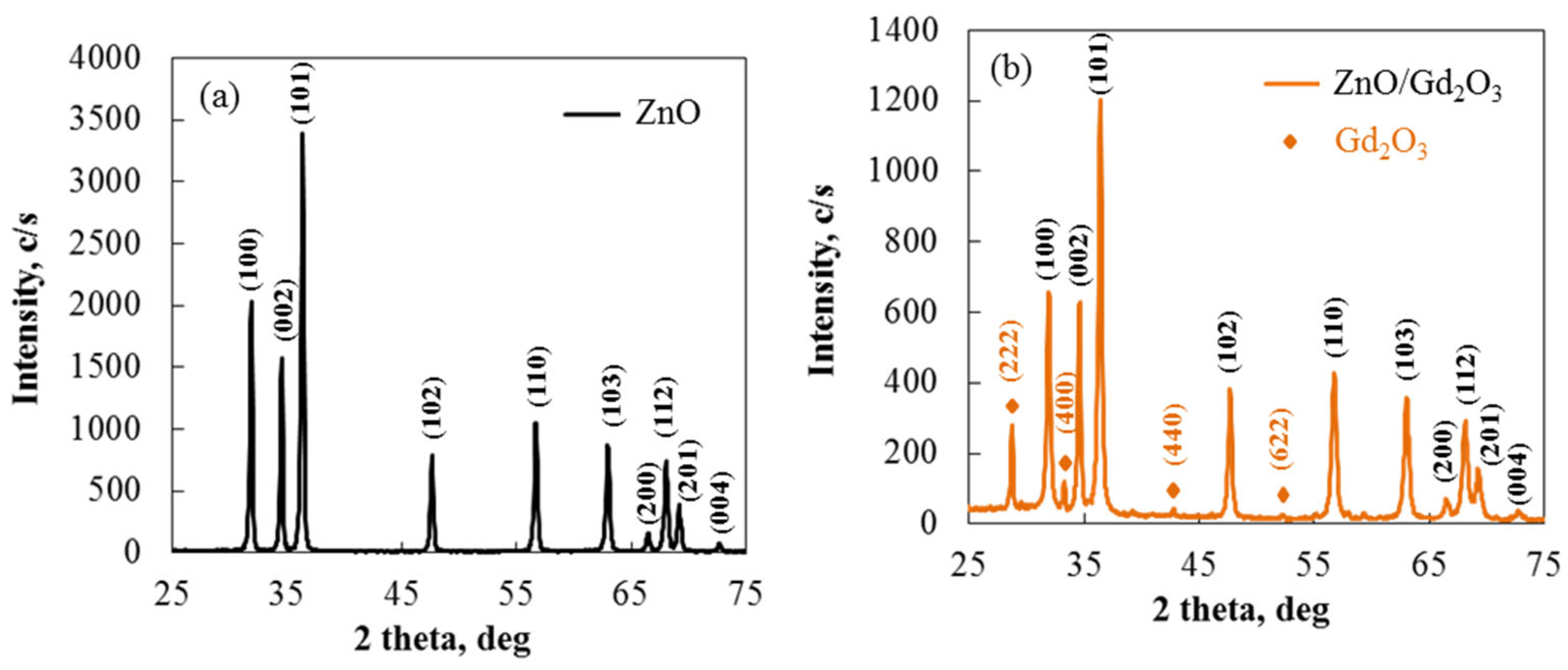
The X-ray diffraction (XRD) patterns of pristine ZnO and ZnO/Gd
2O
3 (2 mol %) nanoneedles are presented in
Figure 1. The diffraction peaks indexed to the (100), (002), (101), (102), (110), (103), (200), (112), and (201) crystallographic planes are characteristic of the hexagonal wurtzite ZnO structure and are consistent with the standard JCPDS card No. 36-1451. No secondary impurity phases were detected in the pristine ZnO sample, confirming the successful synthesis of phase-pure ZnO nanoneedles via the sonochemical route. The sharp and intense diffraction peaks further indicate the high crystallinity of the synthesized material [
18].
For the ZnO/Gd
2O
3 sample, the XRD pattern retains all characteristic reflections of the hexagonal ZnO phase, demonstrating that the modification of gadolinium oxide does not disturb the ZnO crystal lattice. However, slight peak broadening and a small reduction in diffraction intensity were observed after Gd
2O
3 modification. Such behavior may be associated with lattice distortion, defect generation, and suppression of crystal growth induced by the presence of gadolinium ions [
16]. In addition, several weak diffraction peaks corresponding to cubic Gd
2O
3 were detected, confirming the successful modification of gadolinium oxide into the ZnO sample. Similar structural behavior has previously been reported for rare-earth modified ZnO nanostructures, where the introduction of Gd-containing phases led to increased defect concentration and modified crystallization kinetics [
9]. The average crystallite size of the synthesized nanomaterials was estimated using the Scherrer equation. The calculated average crystallite size for pure ZnO nanoneedles was approximately 65 nm, whereas the modified ZnO/Gd
2O
3 sample exhibited a reduced crystallite size of approximately 55 nm. The decrease in crystallite size after gadolinium oxide modification suggests that Gd
2O
3 acts as a crystal growth inhibitor during the sonochemical synthesis process, limiting grain coalescence and promoting the formation of finer nanocrystalline structures [
19]. The reduction in crystallite size is also associated with increased surface defect density and larger active surface area, which may positively influence charge separation efficiency and reactive oxygen species generation during catalytic processes [
11].
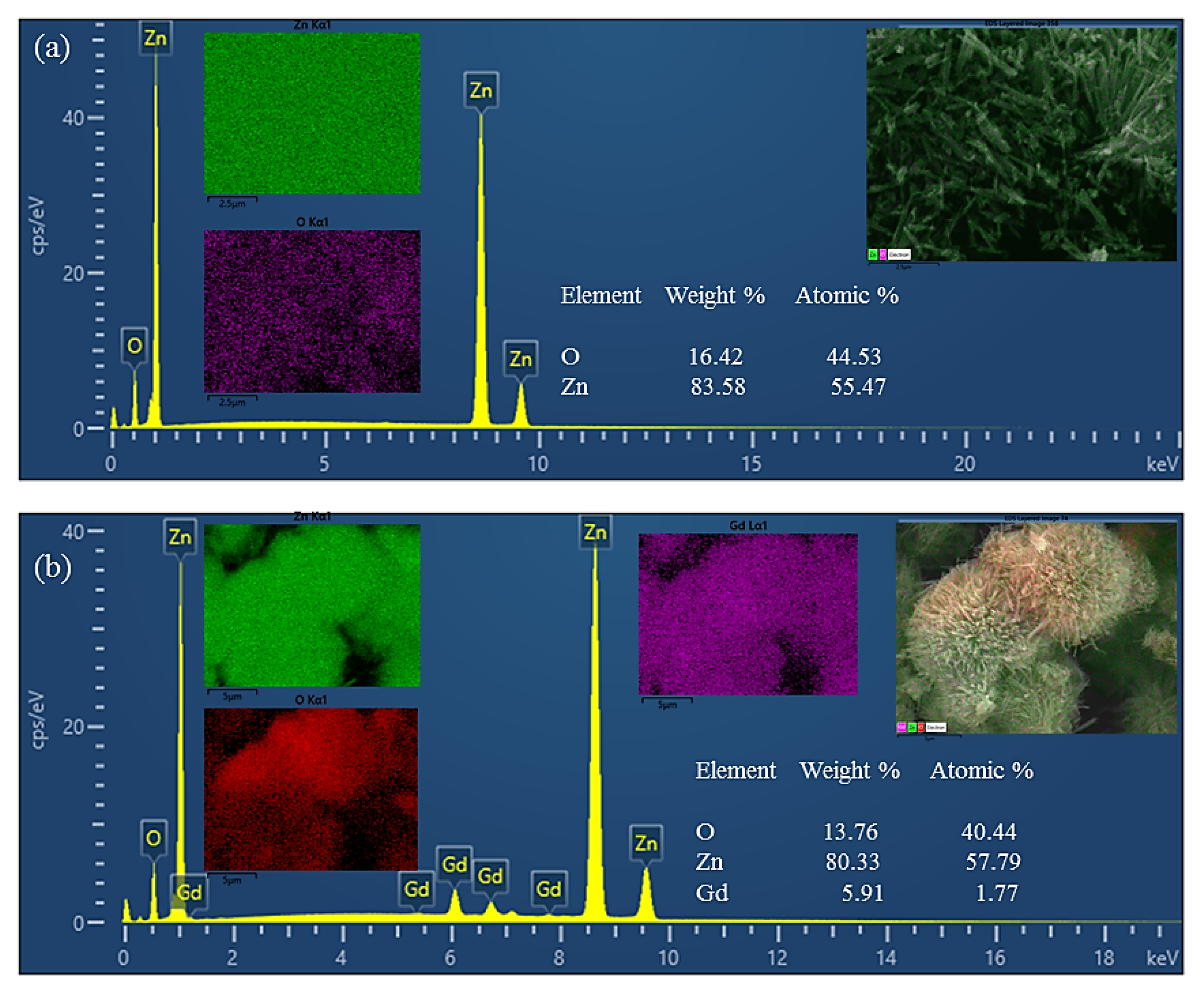
Rietveld refinement of the XRD patterns was performed to determine the structural parameters of pristine ZnO and ZnO/Gd2O3 samples. The refinement confirmed that the hexagonal wurtzite structure of ZnO is preserved after Gd2O3 modification, with only minor variations in lattice parameters. A slight shift in the diffraction peaks toward lower 2θ values, particularly for the dominant (101) reflection, was observed in the modified sample. This shift may be attributed to lattice distortion induced by the modification of larger Gd3+ ions into or near the ZnO lattice. In addition, very weak additional reflections can be observed in the XRD pattern of the Gd-modified sample. However, due to the low dopant concentration (1–2 mol %) and the very low intensity of these features, they cannot be unambiguously assigned to a separate crystalline Gd2O3 phase based on XRD analysis alone. Therefore, no definitive conclusion regarding the presence of a distinct Gd2O3 phase can be drawn from the diffraction data. To provide complementary compositional information, EDS elemental mapping analysis (Figure 3) was performed. The results confirm the presence of Gd and its homogeneous distribution throughout the ZnO/Gd2O3 nanoneedle structures. However, while EDS mapping verifies the presence and spatial distribution of gadolinium species, it does not by itself distinguish between lattice incorporation and highly dispersed Gd-containing phases.
The refined structural parameters of pristine and 2 mol % modified ZnO synthesized via the sonochemical route are summarized in
Table 1. Although Gd incorporation leads to only marginal changes in lattice constants, a slight increase in lattice strain is observed, suggesting the presence of local structural distortions.
The average crystallite sizes estimated from the Scherrer equation were approximately 65 nm for pristine ZnO and 55 nm for ZnO/Gd
2O
3. The reduction in crystallite size suggests that Gd incorporation may have influenced the crystal growth process during sonochemical synthesis, leading to finer crystallites. Such subtle structural modifications may contribute to the catalytic performance by influencing surface properties and charge-transfer behavior without significantly altering the overall crystal structure [
11,
19].
Although the Rietveld refinement revealed only marginal changes in the lattice parameters after Gd2O3 incorporation, such subtle structural variations do not preclude the formation of point defects or oxygen vacancies. Since XRD is primarily sensitive to long-range crystallographic order, localized defects introduced by Gd species may remain undetectable by diffraction analysis but can significantly influence the electronic structure and charge carrier dynamics, as evidenced by the PL measurements.
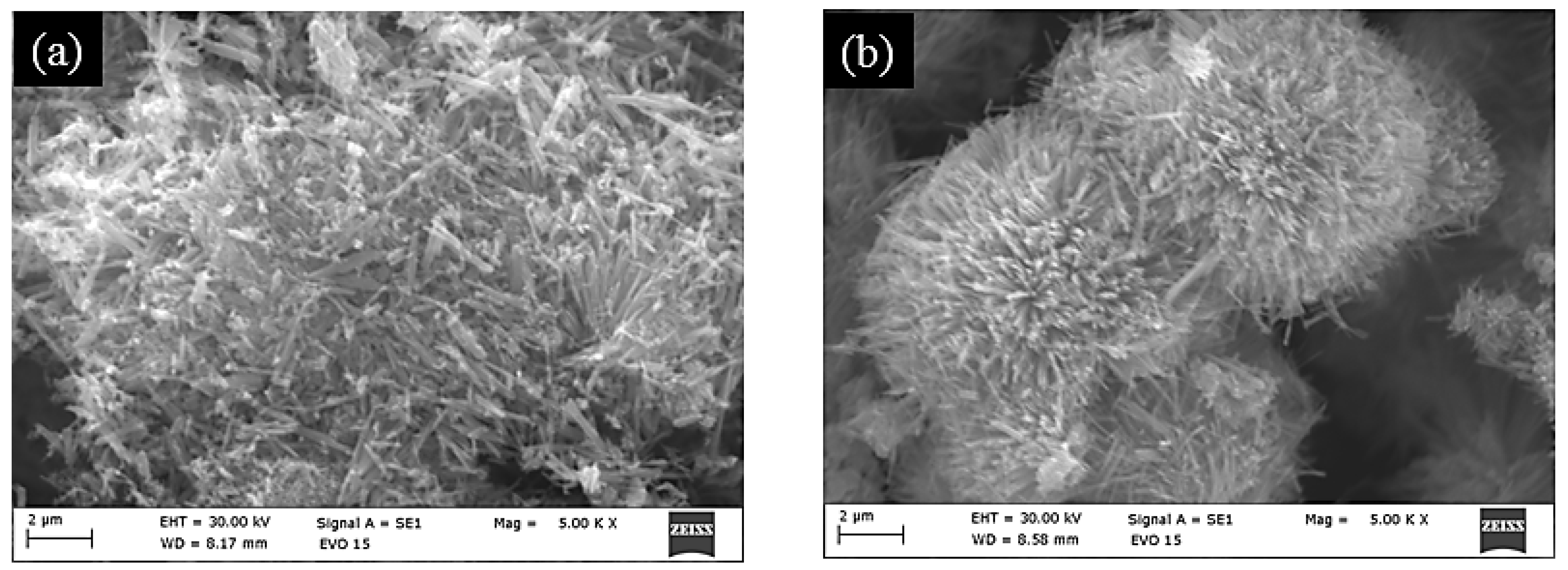
Figure 2 presents the SEM micrographs of the sonochemically synthesized pure ZnO and ZnO/Gd
2O
3 (2 mol %) samples. Both materials exhibit well-defined anisotropic nanorod morphology with relatively homogeneous distribution and dense aggregation of structures. The obtained ZnO nanoneedles exhibit an elongated hexagonal morphology, characteristic of wurtzite ZnO synthesized under alkaline conditions and promoted by ultrasonically assisted crystal growth. In the case of the Gd
2O
3 modified sample, the nanoneedles appear slightly finer and more densely packed, indicating that gadolinium oxide incorporation influences the nucleation and growth kinetics during the sonochemical synthesis process. The observed decrease in rod dimensions is consistent with the XRD results, which showed a reduction in crystallite size after Gd
2O
3 modification. Furthermore, the high density of interconnected nanoneedles may provide an increased active surface area and enhanced availability of catalytic active sites, which are beneficial for mechanically induced catalytic processes. The anisotropic needle-like architecture is also expected to facilitate efficient polarization and charge separation under mechanical stimulation, contributing to the improved catalytic degradation performance toward paracetamol removal [
20].
The elemental composition and chemical purity of the synthesized ZnO and ZnO/Gd
2O
3 nanoneedles were analyzed by energy-dispersive X-ray spectroscopy (EDS), as presented in
Figure 3. The EDS spectra of both samples reveal the presence of Zn and O as the predominant constituent elements, confirming the successful formation of ZnO-based materials. In the case of the ZnO/Gd
2O
3 sample, additional characteristic gadolinium-related signals were detected, demonstrating the successful incorporation of gadolinium oxide species into the ZnO system. The obtained results additionally suggest that gadolinium ions are predominantly distributed over the surface of the ZnO nanoneedles, contributing to surface defect formation and modification of the interfacial properties of the material. Furthermore, the absence of impurity-associated peaks in the EDS spectra indicates the high chemical purity of the synthesized materials and suggests that no undesirable secondary phases or contaminant elements were introduced during the sonochemical synthesis process.
2.2. Optical Properties and Photoluminescence Analysis
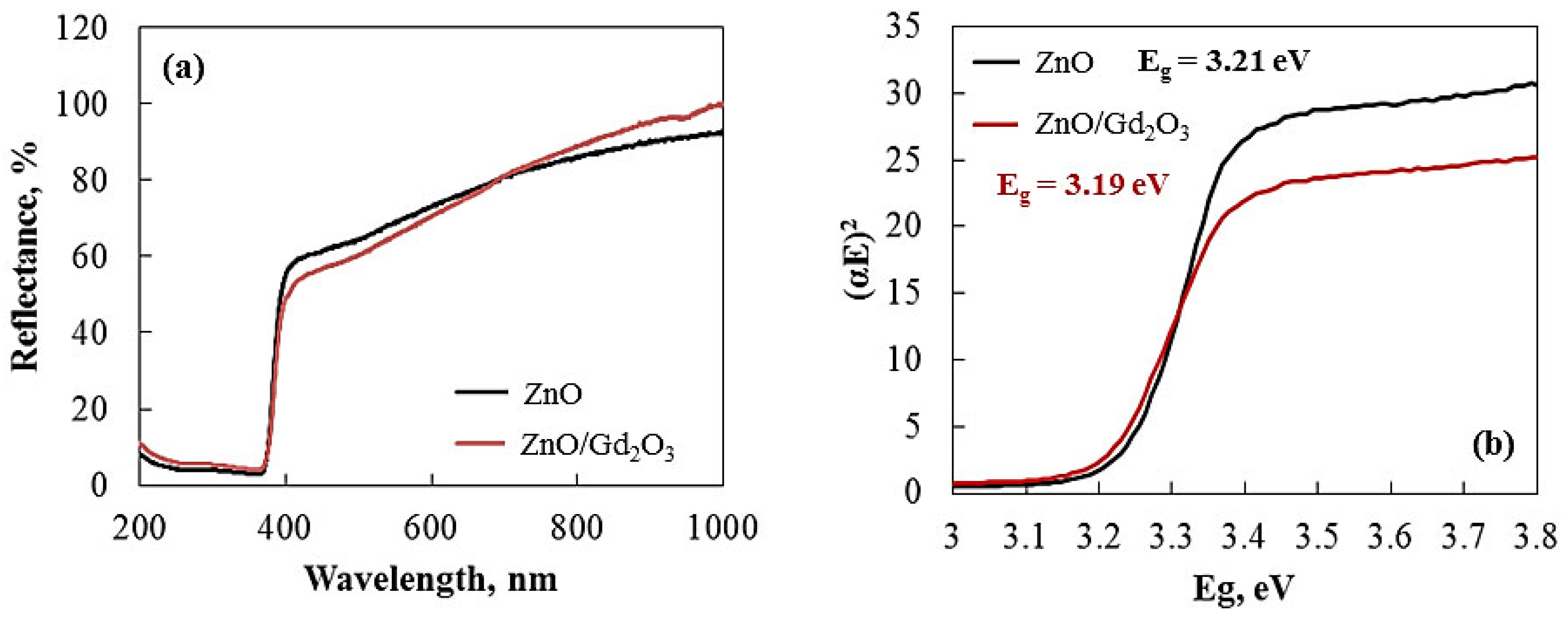
Figure 4 presents the diffuse reflectance UV–Vis spectra (
Figure 4a) and the corresponding Tauc plots (
Figure 4b) of pure ZnO and ZnO/Gd
2O
3 nanoneedles synthesized via the sonochemical method. The diffuse reflectance spectra show strong absorption in the ultraviolet region, characteristic of ZnO semiconductors due to intrinsic band-to-band electronic transitions within the hexagonal wurtzite structure [
21]. The sharp absorption edge observed for both samples confirms the preservation of semiconducting properties and the high crystallinity of the synthesized nanoneedles. Compared with pure ZnO, the ZnO/Gd
2O
3 sample exhibits a slight red shift in the absorption edge toward longer wavelengths, together with reduced reflectance intensity, indicating enhanced absorption capability after gadolinium oxide incorporation.
The observed optical behavior may be associated with defect formation, oxygen vacancies, and localized electronic states introduced by gadolinium-related species distributed over the ZnO surface [
8]. Rare-earth modification is known to influence the electronic structure of ZnO through defect engineering and interfacial electronic interactions, resulting in improved charge transfer properties and suppression of electron–hole recombination [
22]. Furthermore, gadolinium-related surface centers may act as electron-trapping sites, prolonging the lifetime of generated charge carriers and facilitating reactive oxygen species formation during catalytic processes.
The optical bandgap energies were estimated from the Tauc plots using the Tauc relation for direct bandgap semiconductors (
Figure 4b). The calculated bandgap value for pure ZnO was 3.21 eV, whereas the ZnO/Gd
2O
3 nanoneedles exhibited slightly lower bandgap energy of 3.19 eV. The observed narrowing of the bandgap after Gd
2O
3 incorporation may be attributed to lattice distortion, defect- related states, and oxygen vacancy formation induced by gadolinium species [
23]. Such electronic modifications can facilitate charge carrier migration and improve the separation efficiency of carrier pairs while reducing their recombination rate.
The reduced bandgap energy and enhanced defect- assisted electronic transitions observed for the ZnO/Gd2O3 sample are expected to positively influence mechanically induced catalytic processes. Improved charge separation and prolonged carrier lifetime may promote the generation of reactive oxygen species, thereby contributing to enhanced catalytic degradation efficiency toward paracetamol removal.
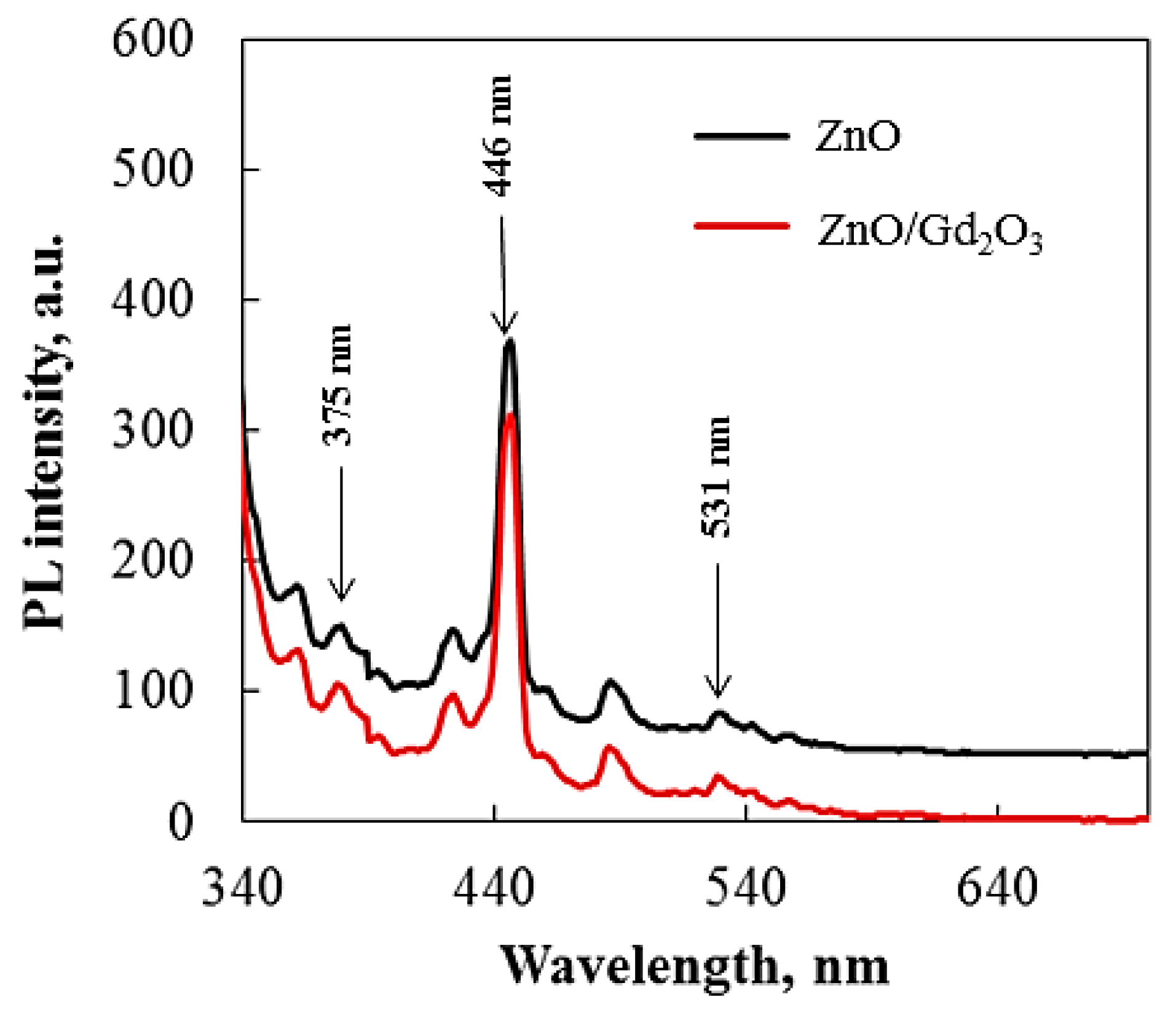
Figure 5 presents the photoluminescence (PL) spectra of pure ZnO and ZnO/Gd
2O
3 nanostructures recorded at room temperature. Both samples exhibit a near-band-edge emission centered at approximately 375 nm, a visible emission band around 446 nm, and a broad visible emission centered around 531 nm. The near-band-edge emission at 375 nm is attributed to the radiative recombination of free excitons, whereas the visible emission at 446 nm and the broad visible emission centered around 531 nm are associated with intrinsic defect states, particularly oxygen vacancies, zinc interstitials, and other defect-related recombination centers.
A significant decrease in PL intensity is observed after Gd2O3 incorporation across the entire emission range. The reduced luminescence intensity indicates a suppression of recombination resulting from the introduction of Gd-related trapping centers and defect states, which facilitate charge separation and prolong the lifetime of charge carriers. The presence of these additional trapping sites promotes charge migration toward the catalyst surface, where the charges participate in redox reactions responsible for reactive oxygen species generation.
The lower recombination rate evidenced by the PL spectra is consistent with the enhanced catalytic performance of the Gd2O3-modified ZnO samples observed during both catalytic degradation experiments with PTFE and glass rods.
2.3. Degradation of Paracetamol with PTFE Rod, Using ZnO and ZnO/Gd2O3 Nanoneedles
Catalytic degradation experiments were conducted using paracetamol as a model pharmaceutical contaminant at an initial concentration of 15 ppm under dark conditions to exclude any contribution from photocatalytic processes. The reaction suspensions were continuously stirred at 500 rpm using a PTFE (Teflon) stirring bar to induce mechanical agitation and interfacial contact between the catalyst particles and the reactor components. The degradation process was monitored by UV–Vis spectroscopy at the characteristic absorption maximum of paracetamol (λmax = 243 nm). In addition, a control experiment conducted under identical conditions in the absence of a catalyst showed no measurable decrease in paracetamol concentration, indicating that the observed degradation is attributable to the presence of the ZnO materials.
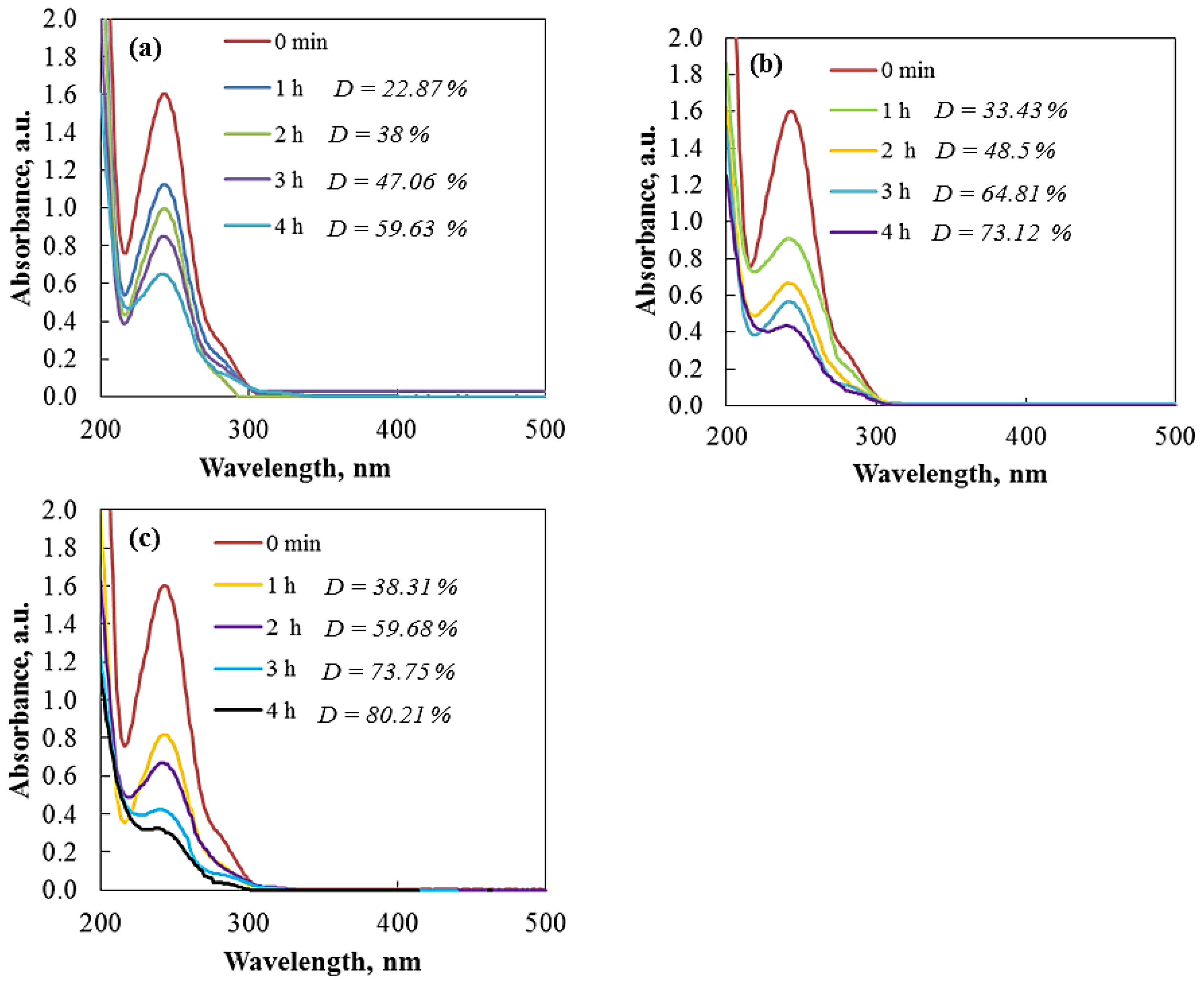
Figure 6 presents the evolution of the UV–Vis absorption spectra of paracetamol during treatment over pure ZnO (
Figure 6a), ZnO/Gd
2O
3 (1 mol %) (
Figure 6b), and ZnO/Gd
2O
3 (2 mol %) (
Figure 6c) nanoneedles. The progressive decrease in the intensity of the characteristic absorption peak with increasing reaction time indicates the gradual removal of paracetamol from the aqueous solution under mechanical stirring conditions.
For the pure ZnO sample (
Figure 6a), a gradual reduction in absorption intensity at 243 nm was observed, corresponding to degradation efficiencies of 22.87%, 38.00%, 47.06%, and 59.63% after 1, 2, 3, and 4 h, respectively. The incorporation of 1 mol % Gd
2O
3 led to improved catalytic performance (
Figure 6b), resulting in degradation efficiencies of 33.43%, 48.50%, 64.81%, and 73.12% over the same time intervals. The highest activity was observed for the ZnO/Gd
2O
3 (2 mol %) sample (
Figure 6c), where degradation efficiencies reached 38.31%, 59.68%, 73.75%, and 80.21% after 1, 2, 3, and 4 h, respectively.
The continuous decrease in absorbance at λ
max = 243 nm confirms the progressive decomposition of paracetamol and is consistent with the kinetic analysis based on the pseudo-first-order model. The degradation efficiencies derived from UV–Vis measurements (
Table 2) show the same overall trend as the apparent rate constants, which increase from 0.2251 h
−1 for pure ZnO to 0.3375 h
−1 and 0.4267 h
−1 for the 1 mol % and 2 mol % Gd
2O
3 modified samples, respectively. This agreement indicates that Gd
2O
3 incorporation leads to enhanced catalytic performance, which may be associated with improved charge transfer processes and defect-mediated effects reported in similar ZnO systems in the literature.
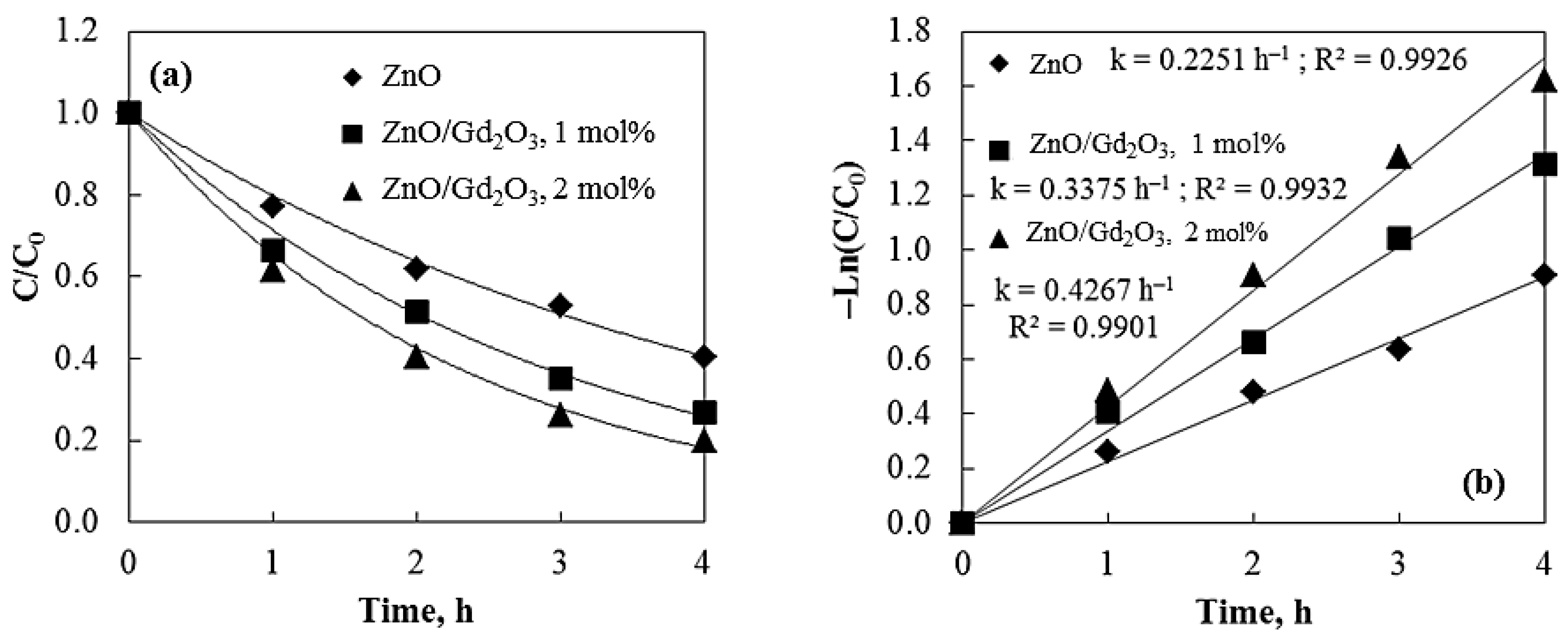
Figure 7 presents the temporal evolution of the normalized concentration (C/C
0) during tribocatalytic treatment (
Figure 7a) together with the corresponding pseudo-first-order kinetic plots (
Figure 7b) for pure ZnO, ZnO/Gd
2O
3 (1 mol %), and ZnO/Gd
2O
3 (2 mol %) nanoneedles.
As shown in
Figure 7a, all investigated materials exhibit catalytic activity toward paracetamol degradation under mechanical stirring; however, noticeable differences in performance are observed depending on the Gd
2O
3 content. Pure ZnO shows the lowest degradation efficiency, with approximately 60% of the initial paracetamol concentration remaining after 4 h of treatment. In contrast, the incorporation of Gd
2O
3 leads to a clear enhancement in activity. The ZnO/Gd
2O
3 (1 mol %) sample demonstrates improved degradation behavior, while the ZnO/Gd
2O
3 (2 mol %) nanoneedles exhibit the highest performance. The improved performance of the Gd-modified samples may be related to changes in the structural and defect properties induced by Gd incorporation, as reported in similar ZnO-based systems. These modifications can influence the electronic environment of the material and may affect charge carrier dynamics during the mechanically assisted process. Such changes are likely to contribute to the observed differences in degradation efficiency.
The kinetic behavior of the mechanically assisted degradation process was further analyzed using the pseudo-first-order model. As shown in
Figure 7b, the degradation process fits well to the pseudo-first-order kinetics with high correlation coefficients (R
2 > 0.99). The calculated apparent rate constants were 0.2251 h
−1 for pure ZnO, 0.3375 h
−1 for ZnO/Gd
2O
3 (1 mol %), and 0.4267 h
−1 for ZnO/Gd
2O
3 (2 mol %). These results indicate that increasing the Gd
2O
3 content leads to an enhancement of the apparent degradation rate of paracetamol. The rate constant obtained for the 2 mol % Gd
2O
3-modified sample is approximately 1.9 times higher than that of pure ZnO, highlighting the beneficial effect of gadolinium incorporation on the overall catalytic performance.
The improved activity of the Gd
2O
3-modified nanoneedles may be associated with a combination of structural and electronic factors, including variations in crystallite size, an increased density of defect-related states, and the possible formation of Gd-related trapping sites. These features may influence charge carrier behavior and interfacial processes occurring under mechanical stirring, thereby affecting the overall degradation kinetics. The formation of reactive oxygen species, including superoxide (•O
2−) and hydroxyl (•OH) radicals, confirmed in this study through scavenger experiments, indicates that radical-mediated oxidation pathways play a key role in the degradation process. These reactive species are likely generated through interfacial charge transfer processes occurring under mechanical stimulation. However, the exact contribution of triboelectric and/or piezoelectric effects to the initial charge generation cannot be independently quantified in the present experimental setup; therefore, the mechanistic origin is considered to involve a combination of mechanically induced interfacial effects and subsequent ROS-driven degradation pathways [
24,
25,
26].
Furthermore, the gradual increase in the mechanically stirred catalytic activity with increasing Gd
2O
3 content suggests that the influence of gadolinium incorporation becomes more pronounced at higher dopant concentrations. Previous studies have reported that Gd incorporation into ZnO may promote the formation of defect-related states, including oxygen vacancies, which can influence charge carrier dynamics and surface reactivity [
27]. Such defect sites may act as charge trapping centers, potentially affecting electron–hole recombination processes and the lifetime of charge carriers involved in interfacial reactions. In addition, the formation of heterointerfaces between ZnO and Gd
2O
3 phases has been suggested in similar systems, where it may facilitate interfacial charge transfer processes and modify surface reaction pathways. Comparable effects of Gd-related modifications on charge carrier behavior in ZnO systems have also been reported [
7]. With increasing Gd
2O
3 loading from 1 to 2 mol %, a higher concentration of dopant-induced defect states and trapping sites can be expected, which may further influence the utilization of mechanically induced charge carriers. Literature reports indicate that increasing rare-earth dopant concentration can enhance catalytic performance up to an optimal level, mainly due to modifications in defect chemistry and electronic structure [
28]. As a result, an increased generation of reactive oxygen species (•OH and •O
2−) can be inferred from the scavenger experiments, contributing to the observed enhancement in degradation performance. Overall, the increased degradation efficiency and apparent rate constant with higher Gd
2O
3 content indicate that gadolinium incorporation plays an important role in tuning the defect structure and surface properties of ZnO nanoneedles, thereby influencing their mechanically assisted catalytic behavior.
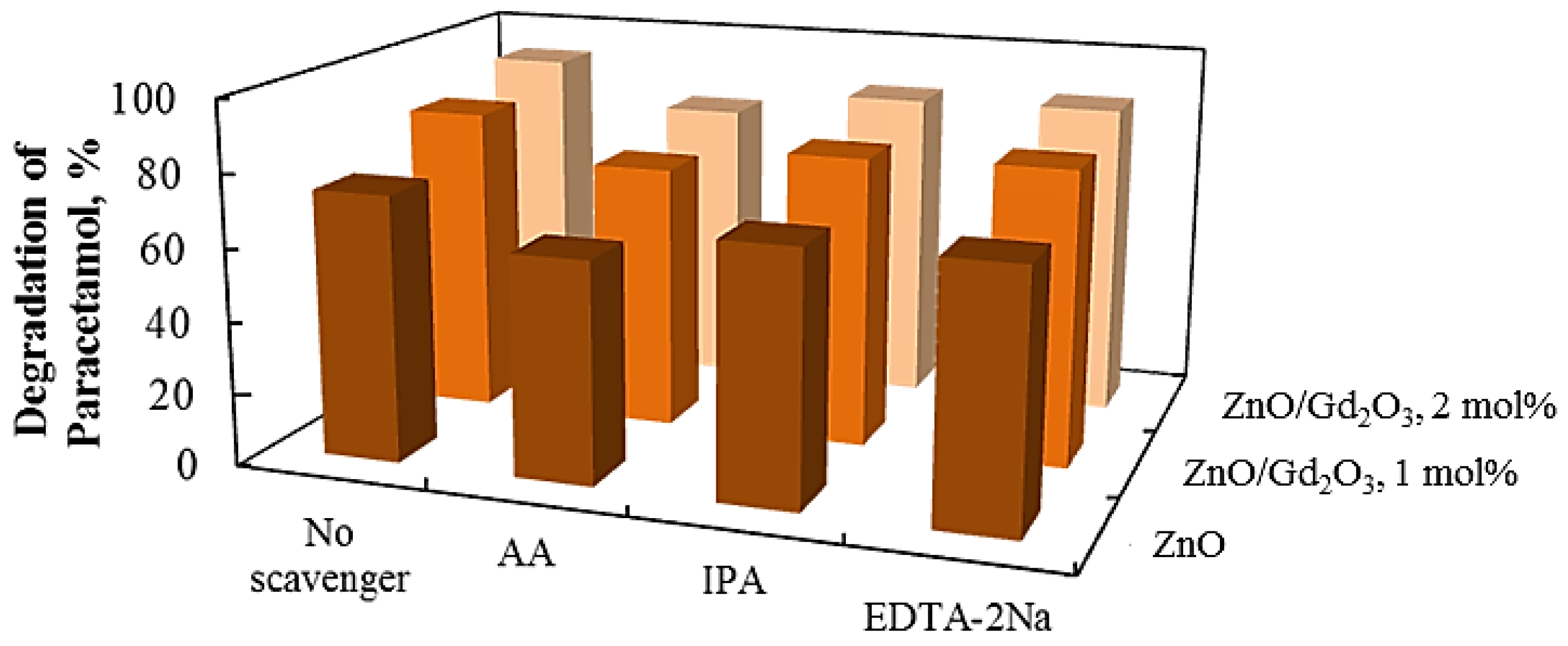
Radical scavenging experiments were conducted to identify the reactive species involved in the degradation of paracetamol and to gain further insight into the reaction pathway. For this purpose, ascorbic acid (AA), isopropanol (IPA), and EDTA-2Na were used as scavengers for superoxide radicals (•O
2−), hydroxyl radicals (•OH), and holes (h
+), respectively. The obtained results are presented in
Figure 8. In the absence of scavengers, the degradation efficiency increased progressively from pure ZnO to the Gd
2O
3-modified samples, consistent with the trend observed in the catalytic performance. Upon the addition of IPA, a noticeable decrease in degradation efficiency was observed for all investigated catalysts, suggesting that hydroxyl radicals play a significant role in the oxidation process of paracetamol. Similarly, the addition of AA led to a considerable reduction in catalytic activity, indicating that superoxide radicals also contribute importantly to the degradation pathway. In contrast, the presence of EDTA-2Na resulted in a comparatively less pronounced inhibition effect, implying that holes are likely involved mainly through secondary pathways, such as the generation of reactive oxygen species, rather than direct oxidation of paracetamol molecules.
The inhibition pattern observed for all samples suggests that the mechanically assisted degradation process proceeds predominantly via radical-mediated pathways. Moreover, the more pronounced effect of both IPA and AA for the Gd
2O
3-modified catalysts may indicate a higher involvement of hydroxyl and superoxide radicals under these conditions. This behavior can be reasonably associated with the influence of gadolinium incorporation on the surface and electronic properties of ZnO, which may affect charge carrier dynamics and the formation of reactive species under mechanical stimulation. Such effects are in line with previous reports suggesting that rare-earth doping can modify defect structures and oxygen-vacancy-related states, which in turn may influence charge separation behavior and reactive oxygen species generation. The presence of defect centers is suggested to influence electron transfer processes and interfacial charge carrier dynamics, which may contribute to variations in the generation and utilization of reactive oxygen species responsible for paracetamol degradation [
29,
30,
31].
2.4. Degradation of Paracetamol with a Glass Rod, Using ZnO and ZnO/Gd2O3 Nanoneedles
Following the tribocatalytic investigation, the degradation of paracetamol was further examined under other mechanical conditions using ZnO and ZnO/Gd2O3 nanoneedles. In this system, mechanical energy was introduced through the movement of glass rods, resulting in continuous agitation, collision events, and interfacial contact between the catalyst particles, the stirring medium, and the reactor walls. These conditions generate a complex mechanical environment in which interfacial charge transfer processes may occur. In addition, ZnO is a piezoelectric material; therefore, the possible contribution of mechanically induced polarization cannot be completely excluded. These effects are generally considered to influence charge carrier behavior and may contribute to the formation of reactive oxygen species involved in pollutant degradation. To evaluate the effect of Gd2O3 incorporation on the catalytic performance, degradation experiments were conducted using a 15 ppm aqueous paracetamol solution, while the reaction progress was monitored through the evolution of the characteristic UV–Vis absorption band at 243 nm.
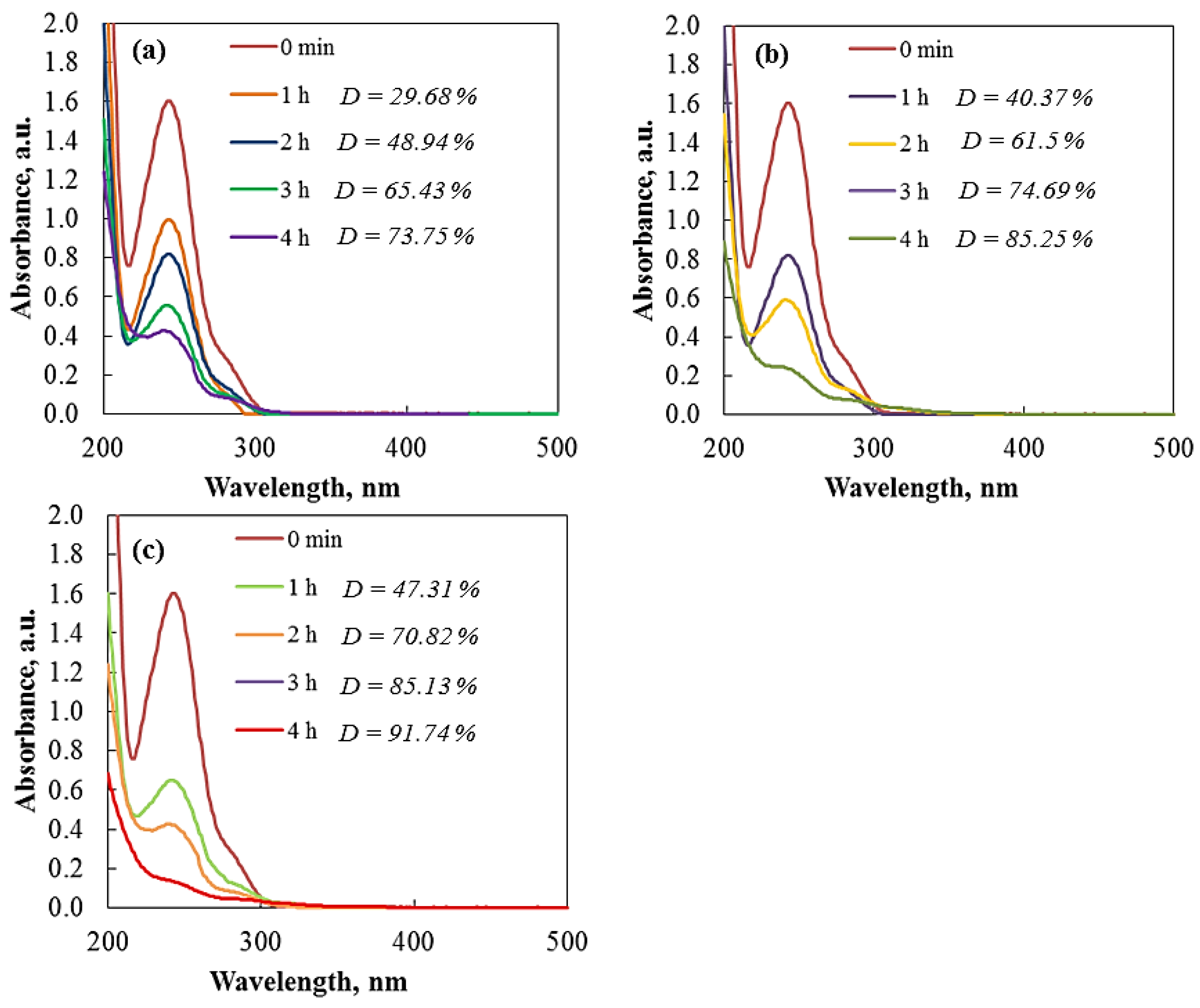
Figure 9 presents the changes in the UV–Vis absorption spectra of paracetamol during the process for pure ZnO (
Figure 9a), ZnO/Gd
2O
3 (1 mol %) (
Figure 9b), and ZnO/Gd
2O
3 (2 mol %) (
Figure 9c) nanoneedles. For all investigated samples, a progressive decrease in the absorption intensity at 243 nm was observed with increasing reaction time, indicating gradual degradation of paracetamol under mechanically stimulated conditions.
The pure ZnO sample exhibited a gradual reduction in the absorption peak intensity, corresponding to degradation efficiencies of 29.68%, 48.94%, 65.43%, and 73.75% after 1, 2, 3, and 4 h of treatment, respectively. The incorporation of 1 mol % Gd2O3 improved the catalytic performance, yielding degradation efficiencies of 40.37%, 61.50%, 74.69%, and 85.25% over the same time periods. The highest activity was observed for the ZnO/Gd2O3 (2 mol %) nanoneedles, where the absorption band decreased most rapidly, resulting in degradation efficiencies of 47.31%, 70.82%, 85.13%, and 91.74% after 1, 2, 3, and 4 h of treatment, respectively.
The enhanced mechanically assisted catalytic activity observed after Gd2O3 incorporation may be associated with the combined effects of defect engineering and modified charge carrier dynamics. The introduction of gadolinium oxide can promote the formation of oxygen vacancies and lattice distortions, which are commonly reported in doped ZnO systems and may act as charge trapping sites, thereby influencing recombination processes. Under mechanical deformation, ZnO nanoneedles, as piezoelectric materials, may generate polarization charges; however, the exact contribution of piezoelectric effects cannot be independently isolated in the present experimental configuration. In addition, gadolinium-related defect states may further affect the lifetime and mobility of charge carriers. As a result, a higher fraction of charges may participate in interfacial redox processes, which is consistent with the observed formation of reactive oxygen species and the enhanced degradation performance toward paracetamol. The increase in degradation efficiency with increasing Gd2O3 content therefore suggests a beneficial role of gadolinium incorporation in tuning the defect structure and surface properties of ZnO nanostructures, in agreement with trends reported for similar doped ZnO systems.
To further quantify the mechanically assisted catalytic performance of the synthesized materials, the degradation data obtainsed from UV–Vis absorption measurements were analyzed using a pseudo-first-order kinetic model.
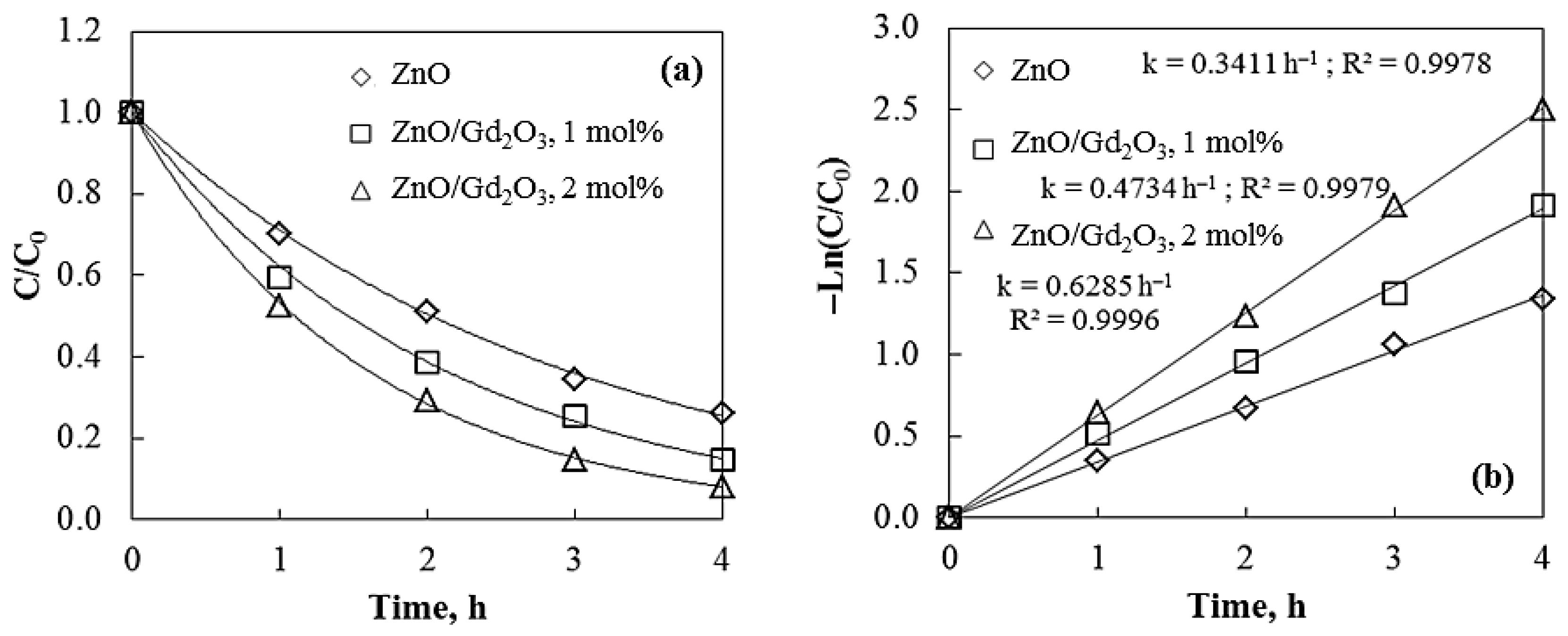
Figure 10a presents the variation of the normalized concentration ratio (C/C
0) as a function of reaction time, while
Figure 10b shows the corresponding linear plots of −Ln(C/C
0) versus time.
As shown in
Figure 10a, a continuous decrease in the concentration of paracetamol was observed during the mechanically catalytic process with a glass rod for all investigated samples. Among the studied materials, the ZnO/Gd
2O
3 (2 mol %) nanoneedles exhibited the most pronounced decrease in C/C
0 values, followed by ZnO/Gd
2O
3 (1 mol %), while pure ZnO showed the lowest degradation rate. This trend is consistent with both the UV–Vis absorption results (
Figure 9), which show a progressive decrease in absorbance at 243 nm corresponding to increased paracetamol removal with higher Gd
2O
3 content, and the kinetic analysis (
Figure 10), which confirms the same overall behavior.
The kinetic plots presented in
Figure 10b reveal an approximately linear relationship between −ln(C/C
0) and reaction time, indicating that the degradation process can be reasonably described by a pseudo-first-order kinetic model. The apparent rate constants (k) determined from the slopes of the fitted lines were 0.3411 h
−1 for pure ZnO, 0.4734 h
−1 for ZnO/Gd
2O
3 (1 mol %), and 0.6285 h
−1 for ZnO/Gd
2O
3 (2 mol %). The corresponding correlation coefficients (R
2 = 0.9978–0.9996) indicate a very good fit and support the applicability of the pseudo-first-order model for describing the degradation process under mechanically stirred conditions with a glass rod. The increase in the apparent rate constant with increasing Gd
2O
3 content provides quantitative evidence of enhanced degradation kinetics upon gadolinium incorporation. Compared with pure ZnO, both ZnO/Gd
2O
3 samples exhibit faster reaction rates, which is consistent with the higher degradation efficiencies observed in the UV–Vis spectroscopic analysis. The increase in rate constants may be associated with more efficient utilization of charge carriers generated under mechanical stimulation, potentially arising from improved charge separation and the presence of gadolinium-related defect states that can facilitate interfacial charge transfer processes.
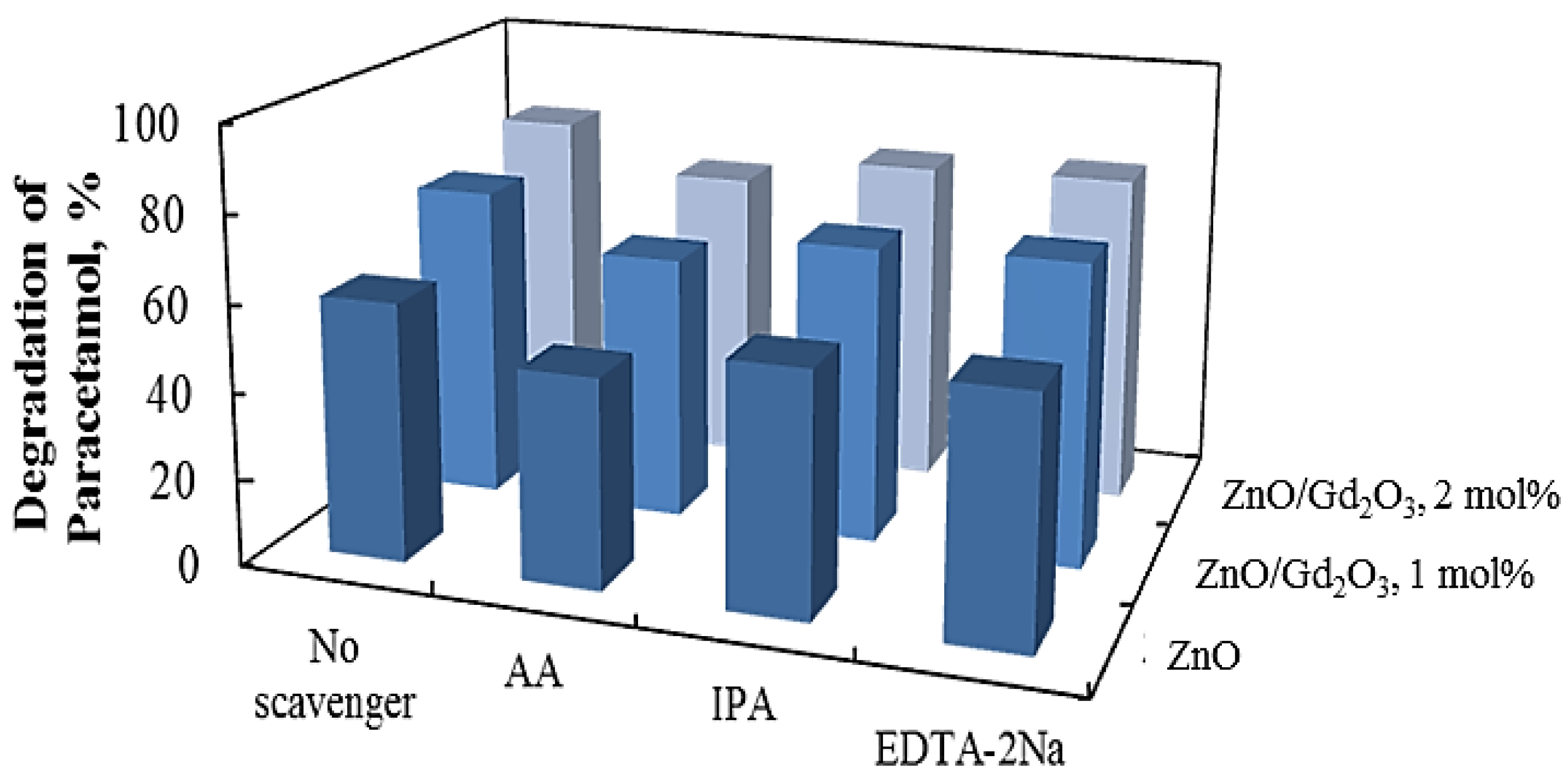
To gain further insight into the degradation behavior of paracetamol, trapping experiments were conducted using specific scavengers capable of selectively quenching the main reactive species potentially involved in the process. Ascorbic acid (AA), isopropanol (IPA), and EDTA-2Na were introduced into the reaction system as scavengers for superoxide radicals (•O
2−), hydroxyl radicals (•OH), and holes (h
+), respectively. The corresponding results are summarized in
Figure 11.
The addition of scavengers led to a noticeable decrease in the catalytic properties with a glass rod for all investigated samples, suggesting the involvement of multiple reactive species in the degradation pathway. Among the tested scavengers, IPA induced the strongest inhibition effect, indicating that hydroxyl radicals play a major role in the oxidation of paracetamol. A significant reduction in degradation efficiency was also observed in the presence of AA, implying an important contribution of superoxide radicals, which are likely generated through interfacial electron transfer processes involving dissolved oxygen. In comparison, the influence of EDTA-2Na was less pronounced, suggesting that holes contribute to the overall process mainly through indirect pathways.
The inhibition behavior observed for the Gd2O3-modified samples followed a similar trend to that of pure ZnO, while the overall degradation efficiencies remained higher in all cases. This suggests that Gd2O3 incorporation does not significantly alter the dominant reactive species involved in the process but may enhance the overall efficiency of their generation or utilization.
Under mechanical stirring, ZnO nanoneedles, as piezoelectric materials, may generate polarization charges; however, the exact contribution of piezoelectric effects cannot be independently isolated in the present system. In addition, gadolinium-related defect states and oxygen-vacancy-like centers may act as trapping sites that influence charge carrier dynamics and recombination behavior. Similar enhancement of charge separation and ROS generation through defect engineering in rare-earth-modified ZnO systems has been reported in the recent literature [
32]. As a result, a higher fraction of charge carriers may participate in interfacial redox reactions, which is consistent with the observed formation of reactive oxygen species (•OH and •O
2−) and the enhanced degradation performance.
2.5. Chemical Oxygen Demand (COD) Reduction During Degradation of Paracetamol
At an initial paracetamol concentration of 15 ppm (15 mg L−1) and an initial chemical oxygen demand (COD) of 31.65 mg O2 L−1, the catalytic performance was evaluated based on the reduction in COD during the degradation process. Under mechanical stirring using the PTFE rod, ZnO exhibited a degradation efficiency of 59.63%, corresponding to a decrease in COD from 31.65 to 12.77 mg O2 L−1. The ZnO/Gd2O3 (1 mol %) composite demonstrated an enhanced degradation efficiency of 73.12%, resulting in a residual COD of 8.51 mg O2 L−1. The highest activity was achieved by the ZnO/Gd2O3 (2 mol %) composite, which attained a degradation efficiency of 80.25% and reduced the COD to 6.25 mg O2 L−1.
A more pronounced reduction in COD was observed under the second mechanical stirring with a glass rod. Pure ZnO achieved a degradation efficiency of 73.75%, yielding a residual COD of 8.31 mg O2 L−1. The ZnO/Gd2O3 (1 mol %) composite further improved the degradation efficiency to 85.25%, accompanied by a decrease in COD to 4.67 mg O2 L−1. The most effective catalyst was ZnO/Gd2O3 (2 mol %), which exhibited a degradation efficiency of 91.81% and reduced the COD to 2.59 mg O2 L−1.
The obtained results demonstrate that Gd2O3 incorporation enhances the catalytic performance of ZnO under both mechanical stirring. Increasing the dopant content to 2 mol % resulted in the highest degree of paracetamol mineralization, as reflected by the lowest residual COD values. In addition, differences in performance between the two experimental configurations are consistently observed across all samples, indicating that the nature of the mechanical environment influences the overall degradation efficiency.
Compared with the PTFE system, the glass-based stirring exhibited higher degradation rates. This improvement may be associated with differences in mechanical energy transfer and interfacial contact conditions between the catalyst particles and the contacting surfaces. The nanoneedle morphology of the synthesized ZnO materials, with its high aspect ratio and sharp features, may further contribute to localized stress distribution during mechanical contact, which can influence interfacial charge transfer processes. However, due to the coexistence of multiple interacting factors, a clear separation of individual contributions cannot be definitively established based on the present data.
The enhanced catalytic behavior of ZnO-based nanoneedles under mechanical stimulation may be interpreted as arising from a combination of interfacial charge-related processes and material-dependent electronic effects. Mechanical activation under different contact conditions is generally considered to induce charge redistribution at solid interfaces; in the case of ZnO, possible piezoelectric contributions under deformation may also play a role. These effects may facilitate the formation of reactive oxygen species, which are commonly associated with the degradation of organic pollutants such as paracetamol. The incorporation of Gd2O3 may further influence the observed activity through modifications in the defect structure of ZnO. In particular, gadolinium-related states and oxygen-vacancy-like defects, as reported in similar systems, may act as charge trapping centers that affect recombination dynamics and charge carrier lifetimes. Such changes may in turn influence the efficiency of interfacial redox reactions under mechanical stimulation.
Scavenger experiments suggest the involvement of multiple reactive species, including hydroxyl and superoxide radicals, indicating that the degradation process proceeds through a complex reaction network rather than a single dominant pathway. Kinetic analysis further shows that the degradation behavior can be reasonably described by a pseudo-first-order model under the investigated conditions.
2.6. Control Experiments for Decoupling Mechanical and Material-Dependent Effects
2.6.1. Reactor Material (Glass vs. PTFE Vessel)
Control experiments were conducted using both glass and PTFE vessels under otherwise identical experimental conditions in order to evaluate the influence of the reaction environment on the mechanically induced catalytic performance [
33]. All reaction parameters, including catalyst loading, initial paracetamol concentration, stirring speed, reaction volume, and reaction time, were strictly maintained to ensure direct comparability between systems. The results show that the glass vessel leads to consistently higher degradation efficiencies compared to the PTFE vessel for both ZnO and ZnO/Gd
2O
3 (2 mol %) catalysts. This difference suggests that, in addition to the nature of the stirring bar–catalyst interaction, the overall reactor environment may influence interfacial charge-related processes occurring during mechanical agitation. However, since the reactor material can simultaneously affect multiple factors, including frictional interactions, surface contact characteristics, and collision dynamics, the observed differences cannot be attributed to a single isolated mechanism. Therefore, the results indicate that the degradation performance is governed by coupled mechanically induced effects arising from the combined interaction of the catalyst with the reactor environment. In this context, it is more appropriate to describe the system in terms of mechanically assisted catalytic processes rather than assigning strictly separated catalytic contributions.
2.6.2. Adsorption Control Experiment
To evaluate the contribution of adsorption to the overall degradation process, a control experiment was performed under identical experimental conditions in the absence of mechanical stirring and light irradiation. The catalyst was dispersed in the paracetamol solution and maintained under continuous stirring in the dark to approach adsorption–desorption equilibrium. After a predetermined time interval, the suspension was analyzed to determine the residual concentration of paracetamol.
The results showed that only a negligible amount of paracetamol was removed by adsorption, indicating that adsorption contributes only marginally to the overall removal process. This suggests that the observed decrease in paracetamol concentration under mechanically stirring conditions is not driven primarily by surface adsorption but is associated with catalytic processes activated under mechanical agitation. Therefore, adsorption is not a significant pathway contributing to the high degradation efficiencies observed in the present system.
2.6.3. Effect of Stirring Speed
Under identical experimental conditions, control experiments were additionally performed at stirring speeds of 100, 300, and 500 rpm to evaluate the influence of mechanical energy input on the catalytic performance. For both types of catalysis, the degradation efficiency increased progressively with increasing stirring speed.
In the system with PTFE, the degradation efficiency of pure ZnO increased from 24.53% at 100 rpm to 43.26% at 300 rpm and 59.63% at 500 rpm, while ZnO/Gd2O3 (2 mol %) exhibited efficiencies of 48.57%, 66.42%, and 80.21%, respectively. Similarly, in the stirring with a glass rod, pure ZnO achieved degradation efficiencies of 36.74%, 61.13%, and 73.75%, whereas ZnO/Gd2O3 (2 mol %) reached 56.24%, 73.86%, and 91.81% at 100, 300, and 500 rpm, respectively.
These results demonstrate that increasing mechanical energy input significantly enhances the catalytic performance, likely by promoting more frequent interfacial contact events and improving mass transport and catalyst–surface interactions, which can facilitate charge-related processes and the formation of reactive oxygen species.
Although the precise contributions of different mechanically induced effects cannot be independently quantified, the consistently higher efficiencies observed in the glass-based configuration indicate that the overall reaction environment plays an important role in modulating the catalytic response under dynamic conditions.
2.6.4. TiO2 as a Reference Catalyst
Identical experimental conditions were used for an additional control experiment employing commercial TiO2 to assess the contribution of the intrinsic electromechanical properties of ZnO. Commercial TiO2 was selected as a reference material to provide a benchmark for comparison under identical experimental conditions. Although tribocatalytic activity has been reported for some nanostructured TiO2 materials, the commercial TiO2 used in this work exhibited only limited catalytic activity compared with ZnO, allowing the intrinsic performance of the synthesized ZnO-based catalysts to be evaluated.
In the catalysis with the PTFE rod, TiO2 achieved a degradation efficiency of 18.6%, which increased only slightly to 24.3% in the with a glass rod. In comparison, pure ZnO exhibited degradation efficiencies of 59.63% and 73.75%, while ZnO/Gd2O3 (2 mol %) reached 80.25% and 91.81% for the PTFE-coated and glass bars, respectively.
The considerably lower activity of the commercial TiO2 reference material compared with ZnO indicates that mechanical agitation alone cannot account for the high degradation efficiencies observed for the ZnO-based catalysts. Although tribocatalytic activity has been reported for certain nanostructured TiO2 materials, the commercial TiO2 used in the present study exhibited only limited degradation efficiency under identical experimental conditions, confirming its suitability as a reference material. Instead, the enhanced performance of ZnO may be related to its more favorable electronic and surface properties under mechanical stimulation, which can facilitate more efficient charge-related processes. Although different mechanically induced effects may coexist in both experimental configurations, these results suggest that the intrinsic properties of ZnO play an important role in its overall mechanically assisted catalytic activity.
2.7. Evaluation of Catalyst Performance in Simulated Water Matrices Containing Common Inorganic Anions
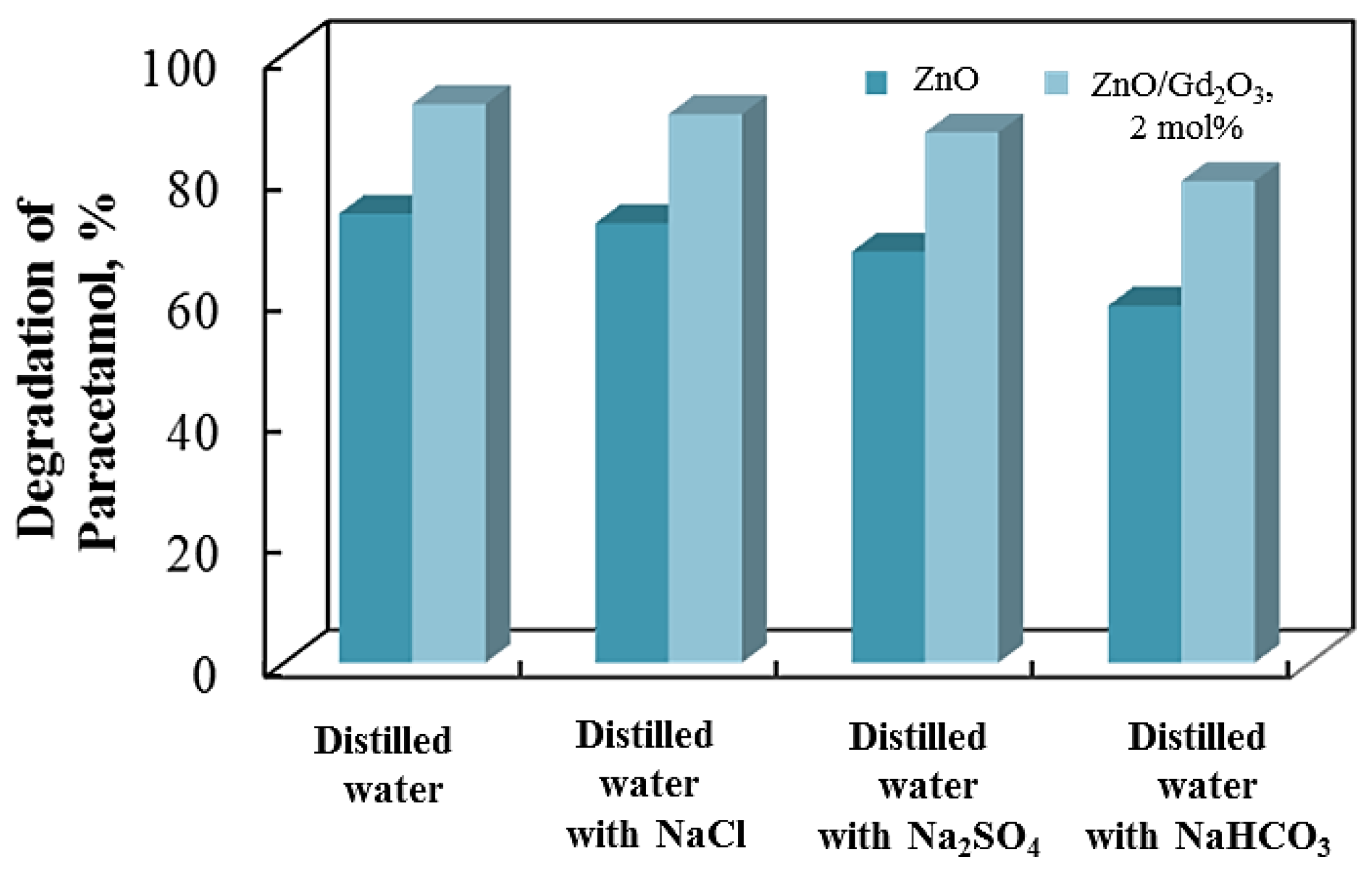
The effect of common inorganic anions on the catalytic degradation of paracetamol was investigated using 5 mM solutions of NaCl, Na
2SO
4, and NaHCO
3. As shown in
Figure 12, the degradation efficiency decreased in the presence of dissolved inorganic ions compared to distilled water. For pristine ZnO, the degradation efficiency decreased from 73.75% in distilled water to 72.23%, 67.54%, and 58.67% in the presence of Cl
−, SO
42−, and HCO
3− ions, respectively. Similarly, the ZnO/Gd
2O
3 composite exhibited degradation efficiencies of 90.14%, 87.31%, and 79.15% in the corresponding solutions, compared to 91.81% in distilled water. The inhibitory effect followed the order Cl
− < SO
42− < HCO
3− for both catalysts.
The pH of the reaction media was also influenced by the presence of inorganic ions. The initial pH values were 6.8, 6.7, and 8.2 for the NaCl, Na2SO4, and NaHCO3 solutions, respectively, compared to 6.9 for distilled water. After the catalytic process, the pH values decreased to 6.4, 6.5, and 8.0, respectively, while the pH of distilled water decreased from 6.9 to 6.5. The observed decrease in pH after treatment may be attributed to the formation of intermediate oxidation products during paracetamol degradation. The relatively small pH variation in the bicarbonate-containing solution can be explained by the buffering capacity of the HCO3−/CO32− system.
The observed decrease in degradation efficiency in the presence of inorganic ions can be associated with changes in the reaction medium induced by dissolved electrolytes, which may influence the interaction between the catalyst surface and paracetamol molecules. These ions may affect adsorption–desorption equilibria and interfacial processes occurring during the degradation reaction, leading to variations in the overall catalytic performance.
Among the investigated ions, bicarbonate exhibited the most pronounced effect. This behavior can be related to the higher initial pH and the buffering capacity of the bicarbonate system. Changes in pH may influence the surface properties of ZnO and the interfacial behavior of paracetamol molecules, resulting in reduced degradation efficiency. In contrast, chloride ions showed only a minor effect on the degradation process, while sulfate ions led to an intermediate decrease in activity, suggesting a moderate influence of these species on the overall reaction environment.
Despite the decrease in degradation efficiency in the presence of inorganic ions, the ZnO/Gd2O3 composite consistently outperformed pristine ZnO in all tested media. The improved performance of the composite suggests that Gd2O3 incorporation enhances the robustness of ZnO-based catalysts, allowing them to maintain relatively high activity even in the presence of common inorganic constituents. These results indicate good potential applicability of the developed catalyst in water matrices containing dissolved salts.
2.8. Proposed Degradation Mechanism
The results obtained from the control experiments provide a basis for discussing the possible mechanistic aspects of the process. The degradation of paracetamol over ZnO and ZnO/Gd2O3 nanoneedles proceeds through a mechanically stirring catalytic process involving multiple interfacial phenomena. Mechanical agitation induces complex solid–liquid–solid interactions between catalyst particles and reactor components, which may lead to charge redistribution at interfaces. In the case of ZnO, possible electromechanical (piezoelectric) effects may also contribute under mechanical deformation; however, these contributions cannot be independently isolated within the present experimental configuration.
The incorporation of Gd2O3 modifies the defect structure of ZnO, introducing oxygen-vacancy-related and dopant-induced states that may influence charge carrier dynamics and interfacial electron transfer processes. These defect states may facilitate charge separation, suppress charge carrier recombination, and consequently enhance the formation of reactive oxygen species.
Scavenger experiments confirm the involvement of reactive oxygen species, including hydroxyl (•OH) and superoxide (•O
2−) radicals, indicating that radical-mediated oxidation plays a key role in the degradation pathway. The proposed mechanism is consistent with recent reports on mechanically induced catalytic systems, where charge generation is attributed to a combination of interfacial electron transfer, defect-mediated charge separation, and electromechanical effects in semiconductor materials. In ZnO-based systems, mechanically induced polarization and surface charge redistribution may facilitate the separation of charge carriers and promote electron transfer to dissolved oxygen, resulting in the formation of reactive oxygen species such as •O
2− and subsequently •OH radicals. Furthermore, oxygen-vacancy-related defects and dopant-induced trapping states can prolong charge carrier lifetimes and suppress recombination, thereby enhancing the efficiency of interfacial redox reactions. Similar defect-assisted ROS generation pathways and mechanically stimulated charge-transfer mechanisms have been reported for rare-earth modified ZnO systems in recent studies [
32]. Overall, the observed catalytic performance arises from a combination of mechanically induced interfacial effects, defect engineering, and ROS-driven degradation pathways, rather than a single dominant mechanism.