Review

Aspergillus spp. As an Expression System for Industrial Biocatalysis and Kinetic Resolution
by
Pedro Henrique Dias Garcia
1,†,
Júlia Regagnin Montico
1,†,
Alexssander Pontes Barichello
1,
Cristiane Pilissão
2,
Fabiano Jares Contesini
1,
Uffe Hasbro Mortensen
3 and
Patrícia de Oliveira Carvalho
1,*
1
Health Sciences Postgraduate Program, São Francisco University (USF), Av. São Francisco de Assis, 218, Bragança Paulista 12916-900, SP, Brazil
2
Department of Chemistry and Biology, Federal University of Technology of Paraná, Curitiba 81280-340, PR, Brazil
3
Department of Biotechnology and Biomedicine, Technical University of Denmark, 2800 Kongens Lyngby, Denmark
*
Author to whom correspondence should be addressed.
These authors contributed equally to this work.
Catalysts 2025, 15(12), 1174; https://doi.org/10.3390/catal15121174
Submission received: 28 November 2025 / Revised: 12 December 2025 / Accepted: 16 December 2025 / Published: 18 December 2025
(This article belongs to the Special Issue Enzyme Engineering—the Core of Biocatalysis)

Abstract

This review surveys literature from 2010 to 2025 on Aspergillus-derived enzymes for kinetic resolution (KR), using conventional databases and AI-assisted platforms. Among over 340 species, A. niger, A. oryzae, and A. terreus are widely recognized as safe and industrially relevant. Lipases from these fungi exhibit high stability, broad substrate specificity, and enantioselectivity, enabling efficient resolution of racemic mixtures. Advances in enzyme immobilization, protein engineering, and reaction medium optimization have enhanced catalytic performance under diverse conditions. Complementary enzymes, including esterases and epoxide hydrolases, further expand biocatalytic applications. Despite increasing demand for enantiopure compounds, challenges in yield, scalability, and enzyme discovery call for integrated molecular and process strategies. Aspergillus spp. emerge as a promising system for high-level enzyme expression, offering robust secretion capacity, efficient post-translational processing, and strong adaptability for industrial biocatalysis.

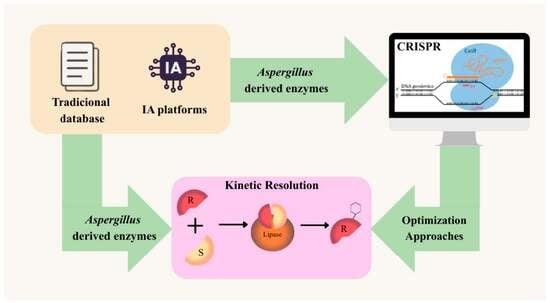
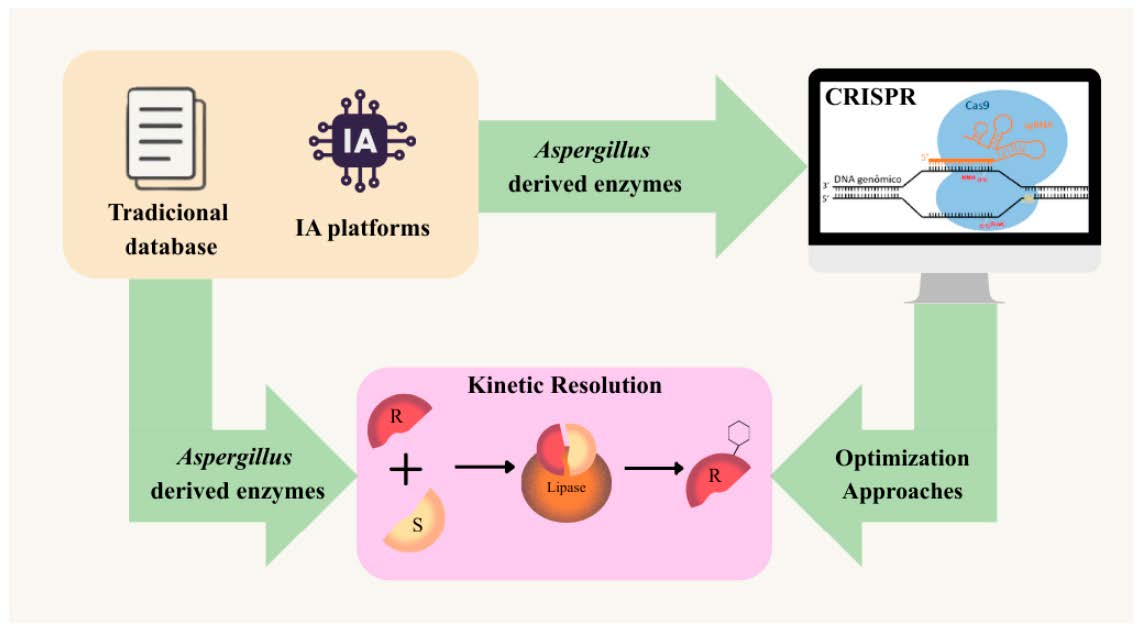
Graphical Abstract

1. Introduction

The Aspergillus genus comprises filamentous fungi found in diverse habitats such as water, soil, air, and opportunistic parasitic environments [1,2]. The metabolites produced by these fungi hold significant economic and social value and are widely used in sectors including food and fermentation, biofuels, pharmaceuticals, cosmetics, waste processing, and water treatment [3,4,5]. Although more than 340 species have been described based on morphological, taxonomic, and phylogenetic criteria, only a few, such as A. niger, A. oryzae, A. nidulans, A. tubingensis and A. carneus, are commercially relevant [6]. Many species have limited industrial applicability due to pathogenicity or allergenic potential, as in A. fumigatus, or because they are not food safe, such as A. flavus and A. parasiticus [5,7,8,9]. For this reason, gene mining is often used to obtain heterologous proteins from non-commercial or pathogenic species in a controlled and safe way.
This selective use gains relevance given the growth of the global enzyme market, valued at USD 14.0 billion in 2024 and projected to reach USD 21.9 billion by 2033, with a growth rate of 5.1 percent between 2025 and 2033 (IMARC Group, Noida, India). Within this scenario, lipases from Aspergillus spp. have become important biocatalysts due to their versatility, stability, and broad substrate range, which support large scale applications [10]. These properties are especially relevant in processes requiring high selectivity, such as the KR of racemic mixtures.
KR enables the selective conversion of one enantiomer while preserving the other, providing an efficient route to enantiomerically pure compounds. This strategy is widely used in the pharmaceutical field, where single enantiomer drugs often show greater efficacy, fewer adverse effects, and improved pharmacokinetics. Recent studies highlight the importance of enzymatic KR, particularly those involving lipases, as sustainable and adaptable tools for producing enantiomerically enriched molecules [11,12].
The efficiency of KR is commonly evaluated by conversion, enantiomeric excess of the product or substrate (eep or ees), and the enantioselectivity ratio (E or E ratio). Conversion represents the fraction of substrate consumed, while enantiomeric excess expresses the degree of enrichment of one enantiomer. The E value integrates both variables and reflects the relative reaction rates of each enantiomer, with high E values associated with high conversion and elevated enantiomeric excess [13]. The market for chiral compounds produced through biocatalysis is also expanding and is expected to surpass USD 120 billion by 2027, with biocatalysis gaining importance due to its selectivity and environmental benefits [14]. Companies such as Advanced Enzyme Technologies Limited (Thane, India), Amano Enzyme Inc. (Nagoya, Japan), Novonesis (Bagsværd, Denmark), Codexis (Redwood City, CA, USA), and DSM (Heerlen, The Netherlands) invest in engineered biocatalysts for efficient enantioselective processes.
Lipases, epoxide hydrolases, and esterases remain the most studied enzymes in KR because of their broad substrate tolerance and stability in non-aqueous media. Examples include Candida antarctica lipase B, and lipases from Pseudomonas cepacia, Thermomyces lanuginosus, and Aspergillus spp. [15]. Their enantioselectivity is defined by the structure of the active site, which imposes stereochemical constraints on substrate binding and transformation. Substrate geometry, hydrophobic interactions, and the spatial arrangement of catalytic residues shape the chiral environment of the catalytic pocket, leading to different reaction rates for each enantiomer [16]. Small structural changes introduced through protein engineering can significantly affect enantioselectivity, reinforcing the importance of active site architecture in chiral discrimination [16].
Despite advances, enzymatic KR still faces limitations, such as the theoretical maximum yield of 50 percent, the laborious search for highly selective enzymes, incomplete understanding of enzyme substrate interactions, and regulatory and economic challenges for industrial application. Overcoming these issues requires combined efforts in enzyme discovery, protein engineering, computational modeling, and process intensification.
Genetic engineering has improved the activity and selectivity of lipases, while heterologous expression in optimized microbial hosts has increased production efficiency. Adjustment of reaction parameters such as solvent composition, pH, and temperature also enhances catalytic performance. Enzyme immobilization remains an essential strategy, improving stability, enabling reuse, and facilitating continuous biocatalytic processes.
This review offers an updated analysis of the scientific and industrial applications of Aspergillus lipases in enantiomeric KR, covering developments from the last fifteen years since our previous review [10]. It integrates conventional and artificial intelligence (AI) supported literature searches and evaluates new tools employed in compiling the database presented here.

2. Bibliographic Search: Comparisons and Considerations About Traditional and Artificial Intelligence-Assisted Bibliography Database Search Platforms

The bibliographic search is a fundamental step in preparing a review article, as it provides the scientific foundation for the discussion to be developed. Traditionally, researchers rely on established databases such as Web of Science, Scopus, ScienceDirect and PubMed which are recognized for their reliability and extensive coverage. Among them, WoS and Scopus are the most frequently cited in review papers.
The development of AI-assisted platforms has introduced new possibilities for literature searches. Tools such as Elicit, SciSpace, Semantic Scholar, ResearchRabbit, and Scite apply large language models (LLMs) to assist researchers in discovering relevant information. Unlike conventional databases, these platforms offer additional functionalities, including semantic interpretation of queries, summarization of abstracts, extraction of information from uploaded documents, and the generation of explanatory text or trend analyses.
This review compares traditional and AI-assisted search strategies by using three platforms WoS for conventional Boolean searches and Elicit and SciSpace for AI-enhanced approaches) whose main features are outlined in Table 1. The bibliographic survey was conducted independently by three users, each restricted to one platform, applying the terms “Aspergillus”, “racemic reaction”, “Aspergillus not lipase” and “kinetic resolution”, which represent the core of this review. This review summarizes progress made between 2010 and 2025 in applying Aspergillus enzymes to the KR of enantiomerically pure compounds with industrial relevance, such as chiral intermediates, fine chemicals, and pharmaceutical precursors.
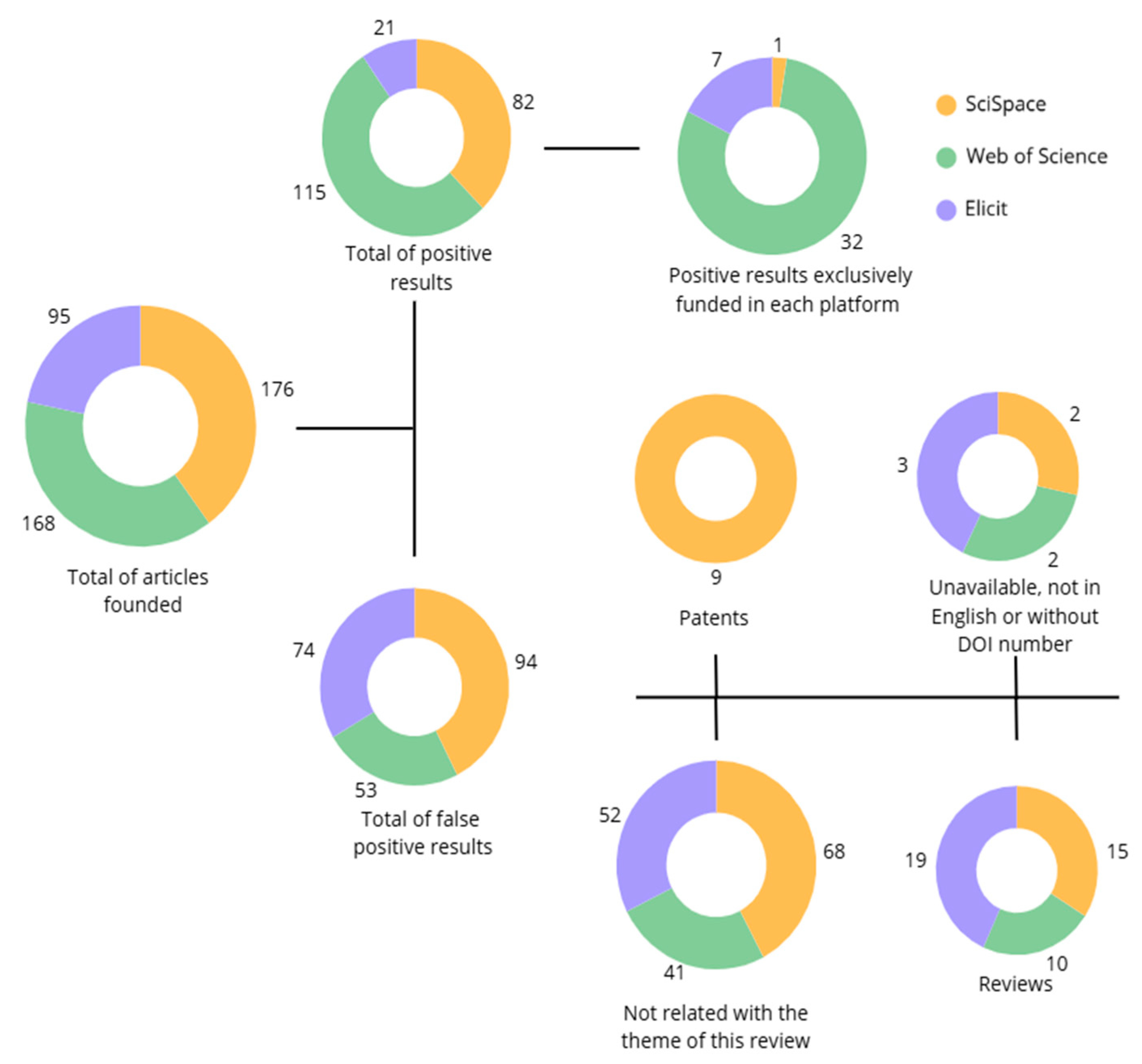
In total, the three platforms retrieved 439 articles, but only 218 (49.6%) were considered truly relevant after screening. A detailed distribution of these results is shown in Figure 1. Among the platforms, WoS demonstrated the best performance, with 115 relevant articles (52.75% of its results) and the highest number of unique contributions.
Most of the excluded records corresponded to unrelated articles (161) or false positives (articles identified by the search platform that did not meet the inclusion criteria, 221), while 44 were review articles, 9 were patents, and 7 were documents in other languages or with unavailable DOI. SciSpace retrieved the largest overall number of references (176), but included nine patents, several errors, and contributed only one unique relevant article. Elicit, in turn, generated a smaller output, with seven unique articles considered pertinent. The earliest documents retrieved date back to 1976 in WoS, 1981 in Elicit, and 1994 in SciSpace.
To maintain continuity with Contesini et al. (2010) [10] and highlight recent advances in enantioselective KR, this review emphasizes the prominent role of Aspergillus spp. as biocatalysts. From this selection, 64 studies were retained for in-depth discussion, of which 17 focused specifically on lipases. These works highlight both the application of lipases in enantioselective transformations and various biocatalyst improvement strategies, including genetic enhancement, heterologous expression, optimization of reaction conditions, and immobilization techniques.
The bibliographic survey therefore gathered a solid set of recent studies that highlight the central role of Aspergillus spp. lipases in the KR of enantiomers, while also evidencing the contribution of other fungal enzymes in asymmetric synthesis. These findings emphasize the versatility of the Aspergillus genus as an expression system and provide the foundation for the discussion in the following section, which addresses the main applications of these biocatalysts, as well as the advances, limitations, and future perspectives associated with their use.

3. Aspergillus spp. Biocatalysts Applied at Kinetic Resolution of Enantiomers

Biocatalysis plays a crucial role in chemical processes aimed at synthesizing compounds of pharmaceutical and industrial interest. The use of enzymes allows reactions to occur under mild conditions, with high selectivity and efficiency, while also promoting sustainability [20].
Among the strategies employed, KR is particularly relevant, as it enables the preferential transformation of one enantiomer from a racemic mixture into an optically pure product, based on the differential interaction of the catalyst with each enantiomer. This is of special interest for the pharmaceutical sector in Brazil and worldwide, where enantiomers can display drastically different biological activities, reinforcing the need for selective and cost-effective resolution methods [21].
In this context, fungi of the genus Aspergillus spp. have emerged as valuable sources of versatile biocatalysts. Species such as Aspergillus niger and Aspergillus oryzae are classified as GRAS (Generally Recognized As Safe), which supports their use in the food, pharmaceutical, and cosmetic industries [22].
Lipases represent the most extensively studied enzymes from Aspergillus due to their broad substrate specificity, stability in non-aqueous systems, and high enantioselectivity [10]. However, other enzymes produced by Aspergillus, such as esterases, oxidoreductases, and epoxide hydrolases, have also shown promising results in KR of different classes of chiral substrates [23,24], expanding the scope of applications beyond lipase-catalyzed processes.
The use of whole cells or dry mycelium of A. oryzae as a direct source of enzymes has emerged as an efficient strategy to perform KR. Cell-bound enzymes within the mycelium can be directly applied in organic solvents or continuous-flow systems, providing enhanced stability, improved enantioselectivity, and easier enzyme recovery. This approach has demonstrated faster reaction times and competitive stereoselectivity compared to free or immobilized enzymes, while enabling integrated process configurations, such as in-line purification and racemization of unreacted substrates [25].
To further improve the performance of Aspergillus enzymes in KR, several strategies have been explored, including heterologous expression to enhance production, protein engineering to increase activity and stereoselectivity, and immobilization techniques to improve stability, recyclability, and integration into continuous processes. For example, immobilization of Aspergillus terreus lipase on nanostructured supports enhanced both enantioselectivity and operational stability [26], while directed evolution of A. oryzae lipase variants led to significant gains in activity and catalytic efficiency without loss of stereoselectivity [27,28]. Such advances demonstrate that the combination of enzyme source selection, molecular engineering, and process intensification can maximize the potential of Aspergillus spp. enzymes for industrial KR.
Taken together, studies highlight that Aspergillus spp. provide a broad enzymatic toolbox for enantioselective catalysis. While lipases remain the most prominent biocatalysts, the growing exploration of other enzymes, coupled with continuous improvements in expression and immobilization consolidates this genus as a promising enzymatic expression system for the sustainable and scalable production of enantiopure compounds.

3.1. Lipase

Lipases (triacylglycerol hydrolases, EC 3.1.1.3) belong to the hydrolase group, the most significant among biocatalysts. In addition to hydrolytic reactions, lipases can also catalyze synthetic reactions such as transesterification and esterification. These enzymes are ubiquitous and found in bacteria, fungi, animals, and plants. Among microbial lipases, those produced by fungi are the most valuable due to their extracellular nature, which facilitates cultivation [29].
Their mechanism of action involves forming an enzyme-substrate complex in which the enzyme hydrolyzes fatty acid esters via a catalytic triad, typically composed of serine, histidine, and aspartic acid, which facilitates ester bond cleavage and product formation. In this mechanism, histidine activates the serine hydroxyl group, enabling it to attack the carbonyl carbon of the ester, forming an acyl-enzyme intermediate [30].
Lipases exhibit high selectivity, enabling the production of chemically pure compounds, and can function efficiently under moderate temperature and pH conditions, reducing the need for harsh reagents. Their ability to operate in diverse media broadens their applicability across various industrial sectors. In general, commercial enzymes undergo purification and standardization processes that ensure consistency, enzymatic activity, and stability. In contrast, laboratory-produced lipases tend to exhibit greater variability in terms of yield, activity, and purity, and are primarily used in experimental studies or process optimization [31].
An efficient biocatalytic route for the synthesis of optically active 3-pyrrolidinol and its derivatives has been demonstrated. Aspergillus spp. NBRC 109513 hydroxylated 1-benzoylpyrrolidine to yield (S)-1-benzoyl-3-pyrrolidinol with 66% ee value, which was further resolved by Amano PS-IM lipase to obtain the enantiomerically pure product (>99% ee). The (S)-1-benzoyl-3-pyrrolidinol intermediate was subsequently converted into 3-pyrrolidinol and its derivatives through chemical reactions, maintaining a >99% [32].
Among many targets for lipase production, the lipase from A. niger is noted for its high productivity and industrial versatility; A. oryzae lipase stands out for its specificity and compatibility with fermentative processes; and A. terreus lipase is particularly valuable in applications requiring temperature-sensitive enzymes [33]. Among the most studied lipases are those produced by species of the genus Aspergillus, including A. niger, A. oryzae, and A. terreus as seen in Table 2.

3.1.1. Aspergillus niger

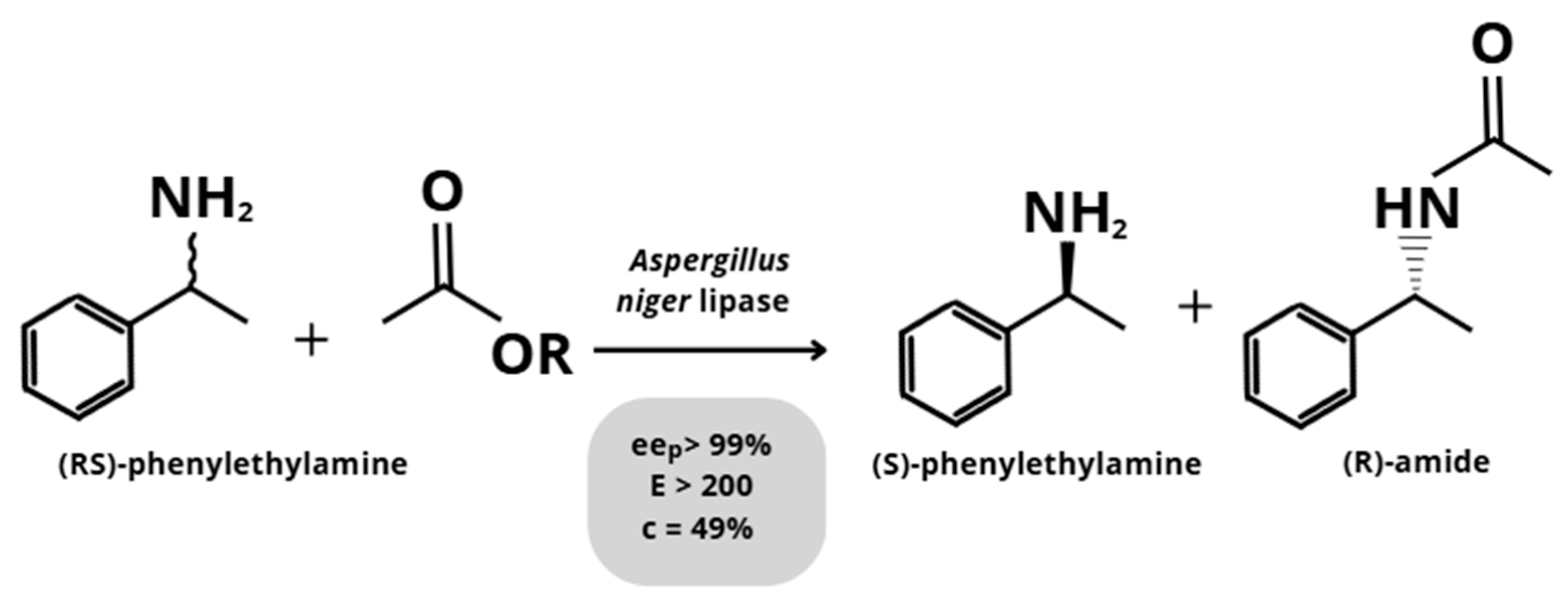
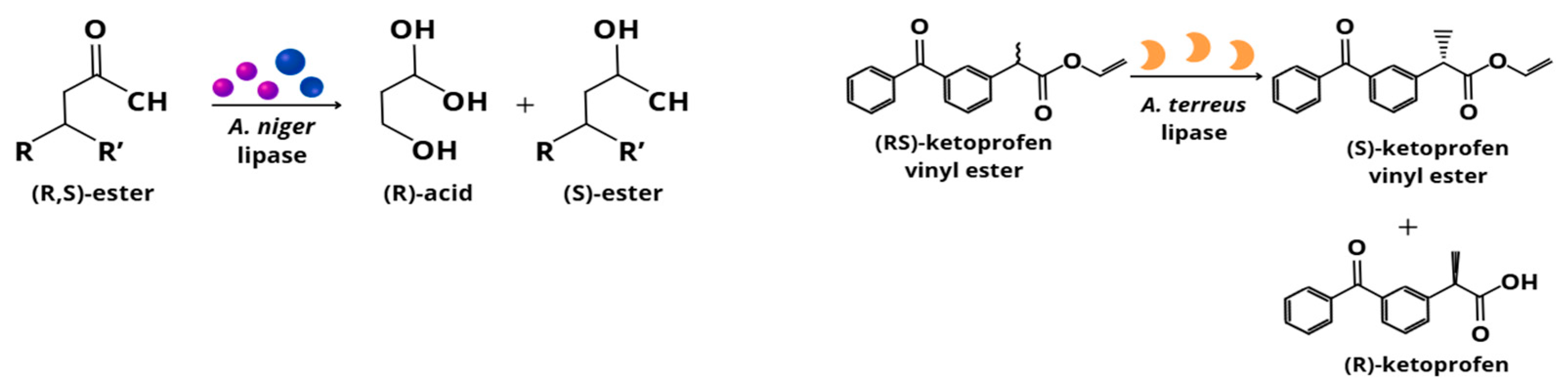
Lipases from A. niger are largely applied in different catalytic systems but also have been explored as efficient biocatalysts for the enantioselective resolution of chiral amines. Pilissão et al. (2010) [34] reported the KR of racemic (RS)-phenylethylamine using native lipases from A. niger (Figure 2) and Rhizopus oligosporus, underlining the superior performance of A. niger lipase. In n-heptane, with ethyl acetate as the acyl donor at 35 °C, the enzyme achieved an enantiomeric excess of the product (eep) above 99% and an E ratio exceeding 200, maintaining stable selectivity for up to 96 h. Both lipases exhibited considerable catalytic activity within a pH range of 5.5–7.0 and at moderate temperatures (35–38 °C).
Further investigations by Pilissão et al. (2012) [36] confirmed the potential of A. niger lipases in transesterification reactions using different acyl donors (ethyl, vinyl, and isopropenyl acetates, as well as acetic anhydride), with the most favorable results again obtained in n-heptane. Under these optimized conditions, the process achieved high enantioselectivity (ee > 99%) and E-values above 200, with conversions up to 21% for the free enzyme in 1 min under microwave irradiation, while immobilization in yam starch films provided moderate conversions (8–25%) but enhanced stereoselectivity compared to the free form.
In the study by Mahapatra et al. (2011) [35] explored the stereoselective desymmetrization of 2,2-bis(hydroxymethyl)-1-tetralones using A. niger enzymes to obtain enantiopure tricyclic structures, an important tool for drug discovery and chemical diversification. The transesterification reactions involved complex substrates such as mono-hydroxymethylated tetralones, as well as racemic and chiral tricyclic ketones. Results revealed a preference for primary benzylic alcohols, with a 49% conversion, ees of 96%, eep of 97%, and an E ratio greater than 200. This study underscores the efficiency and precision of A. niger enzymes in generating complex molecules under varied solvent conditions and enzymatic formats.
Similarly, Degóska et al. (2022) [40] investigated the KR of ketoprofen methyl ester using an immobilized lipase from the same fungus, with the objective of obtaining enantiopure (R)-ketoprofen. Unlike the study by Pilissão et al. (2010) [34], the enzymatic reaction was a hydrolysis performed in aqueous phosphate buffer, evaluated at two different times (24 h and 96 h). The best outcome showed 46% conversion, with ees, eep, enantiomeric excesses above 98%, and an E ratio exceeding 200. The work demonstrated the stability and efficiency of the immobilized biocatalyst under aqueous conditions, emphasizing its potential for pharmaceutical applications.
In the synthesis of β-blockers, A. niger lipase has demonstrated remarkable potential in enantioselective resolutions. For instance, in the production of (S)-moprolol, several commercial lipases were screened for the resolution of (RS)-3-(2-methoxyphenoxy)propane-1,2-diol, with A. niger lipase proving superior due to its combined stereo- and regioselectivity. Under optimized conditions, it afforded the enantiopure intermediate with >49% yield and high enantiomeric excess, enabling its further use in (S)-moprolol synthesis [37]. Similarly, immobilized A. niger triacylglycerol lipase was highly effective in the enantioselective resolution of racemic Carvedilol, a β-blocker used in cardiovascular therapy, achieving 99.08% enantiomeric excess and 90.51% conversion, highlighting its potential for producing (S)-(-)-Carvedilol with high enantiomeric purity [38].

3.1.2. Aspergillus oryzae

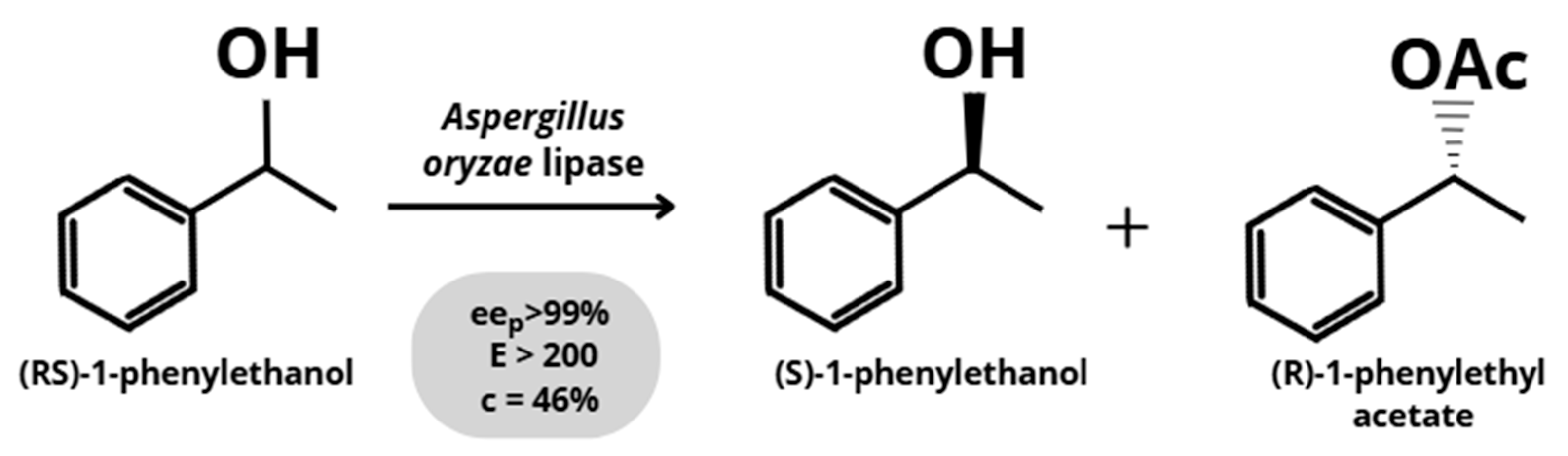
Lipases from A. oryzae have been extensively investigated as versatile biocatalysts for the KR of chiral compounds, consistently demonstrating remarkable selectivity and operational stability. Comparative analyses reveal that, although the substrates vary from herbicide precursors such as (RS)-2-phenoxypropionate methyl ester [44] and (RS)-ethyl-2-(4-hydroxyphenoxy)propanoate [42], to key building blocks for pharmaceuticals and fragrances such as (RS)-1-phenylethanol [27,28], the outcomes converge toward moderate conversion rates (~46–51%) combined with outstanding enantiomeric excesses of >99% (Figure 3).
The main distinctions arise from enzyme preparation and reaction conditions: surfactant-modified or immobilized lipases [28] achieved enhanced thermal stability and optimal activity at elevated temperatures (45 °C), whereas lyophilized or mycelium-bound preparations [27,42] operated under milder conditions (30 °C, pH 5.0–8.0) and required extended reaction times to reach comparable conversions.
Recent advances highlight the heterologous expression of recombinant A. oryzae lipase re-WZ007 in Komagataella pastoris, which retained 87.3% of its initial activity after 15 consecutive cycles and exhibited high thermal stability (20–40 °C) alongside excellent enantioselectivity (>98%) [44]. In parallel, further strategies such as surfactant addition and application in sequential KR underscore the adaptability and robustness of this enzyme across diverse catalytic contexts [28].
Fluvalinate, a highly efficient chiral pesticide, is synthesized via the enzymatic resolution of (RS)-ethyl 2-bromoisovalerate using a novel lipase M5 from A. oryzae WZ007. The enzyme exhibited high hydrolytic activity and stereoselectivity, yielding the (R)-enantiomer the key intermediate with 98.6% enantiomeric excess, 51.7% conversion, and an E value above 120, highlighting its potential to efficiently produce the chiral intermediate and reduce industrial production costs [43].
Brivaracetam, a structural derivative of the chiral drug levetiracetam, is used as an adjunct treatment for partial epilepsy. A novel lipase M16 from A. oryzae WZ007 was cloned and expressed for the enantioselective resolution of (RS)-methyl 2-propylsuccinate 4-tert-butyl ester, producing the (R)-2-propylsuccinic acid 4-tert-butyl ester intermediate efficiently. Under optimal conditions, the substrate reached 99.26% enantiomeric excess, the product 96.23% ee value, with 50.63% conversion and an apparent E value of 342.48 [46].
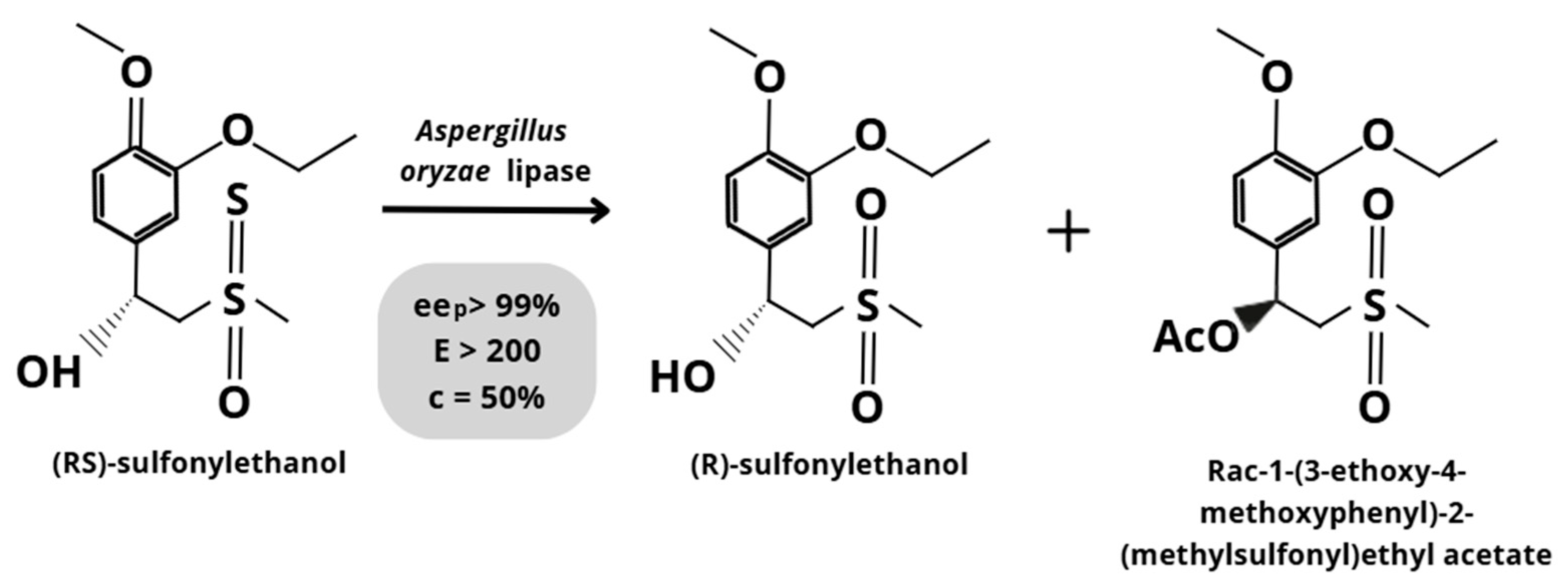
Apremilast, used for the treatment of plaque psoriasis and psoriatic arthritis, was synthesized through a highly efficient chemoenzymatic process, focusing on the production of the chiral intermediate (R)-sulfonylethanol (R-PPAM) via hydrolysis of racemic sulfonylethanol acetate. A. oryzae lipase selectively hydrolyzes the (R)-acetate enantiomer, yielding an optically pure intermediate. Applied in both free and heterologously expressed forms, the reaction reached 50% conversion with enantiomeric excesses above 99% and an E ratio greater than 200 [39] (Figure 4).

3.1.3. Aspergillus fumigatus

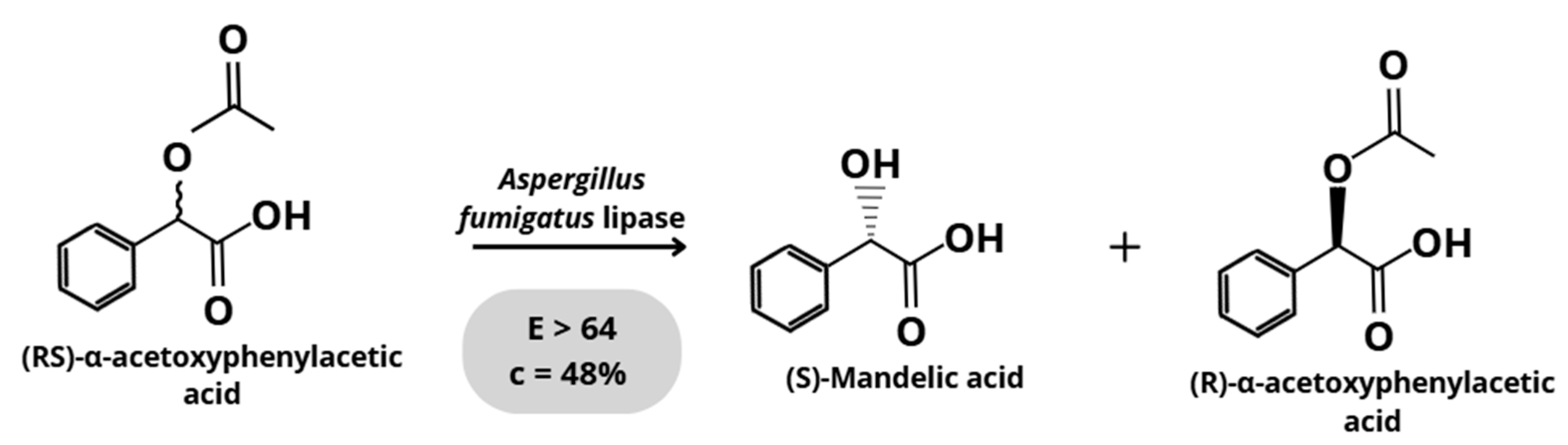
The study by Shangguan et al. (2012) [23] characterized the lipase from A. fumigatus as cold-active, evaluating its enantioselective properties. The main substrate used was α-acetoxyphenylacetic acid employed in the production of enantiopure mandelic acid. The reaction achieved a conversion of approximately 48% after 3.5 h, and the enzyme exhibited an E ratio of 64 (Figure 5).

3.1.4. Aspergillus terreus

In the study conducted by Hu et al. [26], they evaluated the application of A. terreus in the enantioselective resolution of a racemic vinyl ester of ketoprofen. For this purpose, the enzymes were immobilized in self-assembled hollow spheres of alginate-graft-poly(ethylene glycol)/β-cyclodextrin (Alg-g-PEG/β-CD). The biocatalyst achieved a maximum conversion of 45.9%, E ratio of 128.8, and specific activity of 50 U/mg (Figure 6).

3.1.5. Aspergillus melleus

The study by Andzans et al. (2014) reported in [41] investigated the hydrolysis of 6-alkylsulfanyl-1,4-dihydropyridines using A. melleus lipase. The reactions resulted in enantiomeric excesses of up to 95% for the substrate and between 85% and 99% for the products.

3.1.6. Aspergillus tamarii

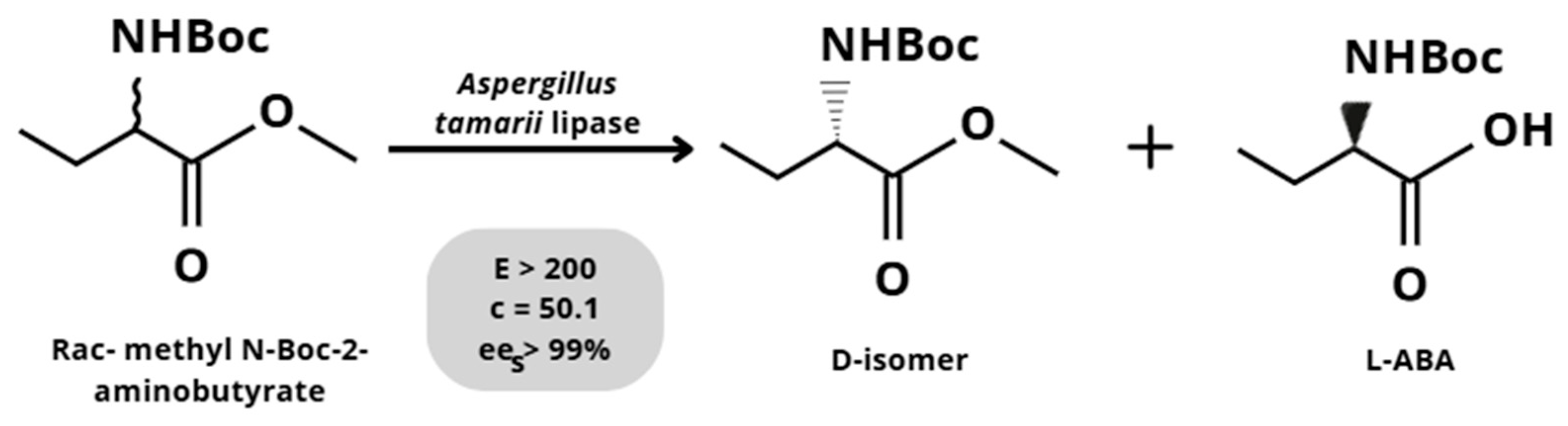
In the study by An et al. (2017) [24] demonstrated, through the expression of A. tamarii lipase, its ability to resolve the substrate methyl rac-N-Boc-2-aminobutyrate, a key compound used in the production of optically pure L-2-aminobutyric acid (L-ABA) (Figure 7). This chiral intermediate is employed in the synthesis of antiepileptic and antituberculosis drugs.
The A. tamarii strain produces a microbial lipase with high efficiency in resolving racemic methyl N-Boc-2-aminobutyrate, resulting in the production of L-ABA with an E ratio of 257. The authors highlighted A. tamarii as a promising lipase source, capable of highly enantioselective resolutions and a strong candidate for industrial L-ABA production.

3.2. Other Enzymes

Although lipases remain the main class of enzymes employed in KR, other biocatalysts derived from Aspergilli species have also been successfully explored. Epoxide hydrolases, for instance, have been modified through protein engineering and heterologous expression to improve their enantioselectivity and catalytic efficiency.
Directed evolution strategies have enhanced both expression yields and stereoselectivity, enabling the efficient resolution of racemic epoxides [47]. Additionally, gamma and UV mutagenesis techniques have been applied to boost epoxide hydrolase production in A. niger, highlighting the potential of strain improvement approaches [48].
Epoxide hydrolases from Aspergillus usamii and related species have been applied in near-perfect KR of racemic styrene oxide and ortho-methylstyrene, demonstrating strong potential for producing high-value chiral alcohols [11,49].
For example, Hu et al. (2015) [50] reported the production of recombinant epoxide hydrolase from A. usamii (re-AuEH2) expressed in Escherichia coli, which exhibited high specific activity, a low Michaelis–Menten constant (Km), high maximum velocity (Vmax) toward (R)-styrene oxide, and broad pH stability.
Similarly, immobilized epoxide hydrolase from A. niger showed enhanced stability and enantioselectivity in the resolution of racemic styrene oxide, yielding (S)-styrene oxide and (R)-1-phenyl-1,2-ethanediol with ~50% conversion and 99% enantiomeric excess, while retaining 90% of its activity after five reuse cycles [51].
Recently, Lu et al. (2024) [49] engineered five single-point mutants of A. usamii epoxide hydrolase (AuEH2) through rational mutagenesis, identifying mutant D5 (A250I/L344V) as superior, with an E value of 180, demonstrating how targeted genetic modifications can enhance the production of chiral diols from ortho-fluorostyrene oxide.
Beyond epoxide hydrolases, Baeyer–Villiger monooxygenases from A. fumigatus have been cloned and overexpressed, further expanding the enzymatic repertoire. Mascotti et al. (2013) [52] characterized a novel Baeyer–Villiger monooxygenase from A. fumigatus Af293, which showed high enantioselectivity in oxidizing bicyclic ketones and sulfides, as well as thermal stability up to 35 °C.
Other enzymes, including glucoamylases and ketoreductases, have also been applied in specific chemoenzymatic transformations. Glucoamylases catalyzed bis-Michael additions to synthesize cyclohexanones with quaternary carbon centers, demonstrating fungal enzymes’ versatility in asymmetric synthesis [12], while ketoreductases combined with lipases were successfully employed in the synthesis of Apremilast, illustrating multi-enzymatic strategies for obtaining pharmaceutical chiral intermediates [39].
In addition to lipases, transaminases and aminoacylases from Aspergillus spp. have been used in enantioselective transformations, particularly for producing amines and amino acids. Aminoacylase from A. melleus was immobilized as cross-linked enzyme aggregates, enhancing catalytic stability and operational robustness. The enzyme was used for enantioselective synthesis of unnatural amino acids via hydrolysis of esters, amides, and N-acetyl derivatives, showing highest selectivity for amides, and retained over 92% of activity after five consecutive batches [53].
Notably, an (R)-transaminase from A. terreus enabled the resolution of aromatic ketones such as 1-indanone, α- and β-tetralone, 1-phenylethanone, 4-phenyl-2-butanone, and 2-acetonaphthone, reaching 98% conversion and 99.9% enantiomeric excess [54].
Taken together, these studies demonstrate that, while lipases dominate KR applications, other enzyme classes from Aspergillus significantly expand their biocatalytic potential in enantioselective processes.

4. Strategies to Enhance Lipases for Improved Kinetic Resolution of Enantiomers

4.1. Optimization Approaches for Recombinant Lipase Production in Filamentous Fungi

Compared to other microorganisms, filamentous fungi offer multiple benefits for homologous protein secretion. They naturally release large amounts of diverse proteins, ensure proper folding and post-translational modifications, and can be cultivated at low cost with straightforward induction [55]. Despite advances, heterologous protein expression in filamentous fungi can still be challenging, with levels well below those achieved for homologous proteins [56].
To enhance protein production and activity in filamentous fungi, several strategies have been implemented. These include the fusion of recombinant lipases with carrier proteins and the substitution of native signal peptides with more efficient variants, both commonly employed to improve heterologous protein production in these hosts.
Beyond these approaches, many well-established strategies exist for improving enzymatic characteristics. Examples include codon optimization, engineering of glycosylation sites, modulation of the unfolded protein response (UPR) and endoplasmic reticulum–associated degradation (ERAD), optimization of intracellular trafficking, and regulation of unconventional protein secretion (UPS). Additional strategies involve the use of strong regulatory elements, particularly promoters, and the generation of protease-deficient strains.
However, despite their relevance in fungal biotechnology, information regarding the application of these strategies specifically in KR is still limited.
A widely applied strategy to boost heterologous protein production in filamentous fungi is the genetic fusion of the target protein with a native, efficiently secreted protein, often referred to as a “carrier” [57,58]. This technique may stabilize mRNA, aid secretory transport, and reduce protein degradation [56,59]. However, a key challenge is the subsequent separation of the two proteins [60,61]. Using an N-tag in the expression of the lipase in K. phaffii increased production efficiency, simplified purification, mitigated adverse effects of heterologous expression, and retained the enzyme’s catalytic properties even when regioselectivity could vary [62].
Signal peptides are short amino acid sequences located at the N-terminus of proteins that direct their translocation into the endoplasmic reticulum and along the secretory pathway. They play a crucial role in the secretion of recombinant proteins and simplify subsequent purification steps [43,62,63]. Substituting native signal peptides with optimized homologous versions generally improves secretion efficiency.
Heterologous signal peptides, derived from a different organism, can also significantly increase recombinant protein yields [64,65]. For example, in study Tamalampudi et al. (2007) [66] used the signal peptide from Lipase B of Candida antarctica (CALB) to express in A. oryzae. In the enantioselective transesterification of (RS)-1-phenylethanol, the heterologous signal peptide performed as well as the homologous tglA signal peptide, reaching eep = 99.9% and ees = 88.1%, without negatively affecting enzyme production or activity.
Table 3 provides a comparative overview of homologous and heterologous expression strategies and their effects on KR.

4.2. Aspergillus as a Eukaryotic Production System for Functional Lipases

Although E. coli is widely used for heterologous expression due to its well-characterized genetics, high cell density, and low cost, it presents considerable limitations for producing eukaryotic lipases. These include the absence of essential post-translational modifications such as glycosylation, poor secretion capacity, and a restricted set of chaperones involved in proper folding and stability [55]. Such constraints often compromise the solubility, activity, and enantioselectivity of recombinant lipases, particularly when aiming to reproduce the native characteristics of Aspergillus enzymes. Consequently, eukaryotic hosts have emerged as a more suitable platform, enabling expression of complex enzymes with appropriate post-translational modifications and efficient secretory pathways [67,68].
Among these platforms, systems such as DIVERSIFY provide a versatile toolkit for engineering multiple Aspergillus species, allowing rapid strain construction, increased protein and metabolite titers, and fine-tuning of intracellular conditions. The platform uses a visible marker for transformant selection and enables single-locus gene integration through CRISPR)/Cas9 (Clustered regularly interspaced short palindromic repeats) across several Aspergillus genomes [67]. Thus, eukaryotic hosts significantly expand the potential for functional optimization of Aspergillus lipases, supporting more robust KR applications.
Other modular systems, including Golden Gate–based approaches such as MoClo and GoldenBraid, are distinguished by their standardization and hierarchical, scar-free assembly of multiple DNA fragments in a single reaction. These features make them ideal for constructing promoter libraries, expression cassettes, and multi-gRNA vectors [69,70].
In contrast, Gibson Assembly offers greater flexibility because it does not require restriction sites, making it widely applicable to assembling large DNA fragments and complex constructs [71]. The USER cloning method also provides high precision and scarless junctions and has proven particularly effective in filamentous fungi such as Aspergillus niger, owing to its efficiency in multi-fragment insertions and compatibility with multiplex CRISPR strategies.
In vivo assembly via homologous recombination has likewise gained prominence for its efficiency, scalability, and low cost. This approach enables simultaneous integration of multiple DNA fragments directly within fungal hosts, simplifying complex construction workflows [60].
In summary, Golden Gate excels in automation and standardization, whereas Gibson and USER provide higher precision and flexibility. Meanwhile, in vivo homologous recombination remains a powerful strategy for high-throughput fungal synthetic biology [60,69,70,71].
The recently developed RoCi system provides a powerful tool for strain improvement in filamentous fungi, enabling a single-step, multi-copy integration of expression cassettes with high genetic stability. By generating controlled tandem arrays at defined genomic loci, without the need for extensive host pre-engineering, RoCi allows predictable tuning of gene dosage and sustained high-level expression, even across many generations [72]. This approach is particularly advantageous for heterologous enzyme production, as increased copy number directly supports enhanced secretion yields while maintaining genomic integrity, thereby facilitating more efficient optimization cycles in industrial and synthetic biology workflows.
Recent advances in machine-learning-assisted structural bioinformatics have opened new possibilities for the rational optimization of lipases expressed in Aspergillus. By integrating sequence, structure, and functional data, predictive models can estimate folding efficiency, secretion propensity, and thermostability prior to experimentation [73].
Deep learning architectures, including convolutional neural networks for active-site prediction and graph neural networks for residue interaction mapping, have been successfully applied to identify mutations that enhance enantioselectivity, substrate affinity, or catalytic turnover. These approaches significantly accelerate protein engineering by guiding mutation selection [74].
When coupled with molecular dynamics simulations and free-energy landscape analyses, machine learning models allow refinement of structural hypotheses in silico, thereby reducing the need for extensive experimental screening [75].
In parallel, the integration of genome-scale metabolic models with machine learning enables the systematic identification of metabolic bottlenecks that affect secretion and post-translational folding in recombinant hosts [76].
Together, the synergy between machine learning, structural bioinformatics, and systems-level modeling positions Aspergillus as an evolvable and predictive eukaryotic chassis for next-generation enzyme design and biocatalyst production [33,74,75,76].
Within the broad landscape of assembly strategies, in vivo DNA assembly, especially via homologous recombination, remains one of the simplest and most efficient approaches. As reported in the study by Jarczynska et al. (2021) [67], the strategy developed for filamentous fungi enables rapid, multi-fragment assembly without E. coli cloning or in vitro reactions.
This method streamlines strain engineering across multiple Aspergillus species and is particularly effective in NHEJ-deficient hosts, where short overlaps (~25 bp) support precise recombination. In hosts with intact NHEJ systems, longer overlaps (~400 bp) are required, and assembly fidelity must be verified, underscoring the need to consider host background and conduct proper molecular validation [67].
Despite the significant advantages offered by eukaryotic systems for expressing Aspergillus lipases, challenges remain regarding stability, reusability, and catalytic performance under harsh reaction conditions. Even enzymes produced in optimized hosts may be susceptible to thermal denaturation, solvent inactivation, or activity loss during storage and repeated cycles.
In this context, immobilization strategies emerge as complementary approaches, enhancing operational robustness and broadening the applicability of lipases in industrial biocatalysis.

4.3. Lipase Immobilization: Techniques, Advantages, and Applications in Kinetic Resolution

The practical application of free lipases is often constrained by low stability under operational conditions, sensitivity to organic solvents, and limited recovery and reuse [77]. To address these limitations, numerous immobilization strategies have been developed, improving enzyme stability, recyclability, and enabling modulation of selectivity and catalytic efficiency [78]. Lipases are commonly immobilized on solid supports such as silica, cellulose, biochar, metal oxides, graphene oxide, and polymer fibers. Controlled immobilization on porous matrices minimizes diffusional barriers, aggregation, and conformational changes, while multipoint attachment enhances stability and prevents leaching. Heterogenization also facilitates catalyst reuse and integration into flow systems [79,80].
Broadly, immobilization methods include adsorption, covalent binding, entrapment, and encapsulation, each offering specific advantages depending on the material and application [81]. Support properties strongly influence biocatalyst performance by affecting enzyme conformation, active-site accessibility, and substrate interactions [82]. In KR, where conversion and enantioselectivity are critical, careful design of immobilization systems has been essential to expanding lipase applicability.
Several studies highlight the impact of advanced supports and nanostructured materials. Core–shell superparamagnetic nanocomposites enabled efficient immobilization of lipases and the enantioselective synthesis of 4-(R)-hydroxycyclopent-2-en-1-(S)-acetate, providing high catalytic activity, stereoselectivity, and excellent reusability [83].
In another example, the enantioselective esterification of racemic ibuprofen was achieved using A. oryzae lipase immobilized on silica-based hybrid materials via a Supported ionic liquid phase (SILP) system. While the free enzyme reached a 99.9% ee value with moderate conversion (34.8% at 24 h; 45.2% at 48 h), the SILP system (6.79% ionic liquid and 3.96% enzyme on MgO/SiO2 1:1) achieved a 95% ee value and 35.23% conversion after 7 days, with enhanced stability and reusability [84].
Immobilized A. niger epoxide hydrolase, prepared by adsorption on Lewatit® VP OC 1600 or by covalent attachment on modified Florisil® and Eupergit® C, exhibited high protein binding, 75–90% activity recovery, and excellent enantioselectivity (up to 99% ee). Florisil® and Eupergit® C provided the best yields of (S)-styrene oxide (48%) and operational stability, further enhanced by glutaraldehyde-mediated immobilization [85]. Lipases from A. niger immobilized on silica nanoparticles showed high efficiency (up to 93%), ~90% activity recovery, broad stability ranges, and enabled ketoprofen resolution with 51.1% efficiency and 99.85% ee value [40]. Hydrogel-based biocatalysts with ionic liquids achieved 62% activity recovery, >60% retained activity after 10 cycles, 95% conversion, and 98% ee value in ibuprofen methyl ester KR [40]. Immobilized A. niger triacylglycerol lipase improved Carvedilol resolution, increasing ee (99.08%), E (216.39), and conversion (90.51%), outperforming free and whole-cell systems [38].
Immobilization on chitosan-coated magnetic nanoparticles enhanced loading, activity (309.5 U/g), stability, and reuse (>80% activity after 15 cycles), with improved substrate affinity (1.7-fold lower Km) [86]. For p-chlorostyrene oxide KR, A. niger epoxide hydrolase immobilized on diethylaminoethanol (DEAE-cellulose) doubled stability, and heptane–dioxane (80:20) improved solubility and selectivity [87]. A. oryzae lipase on LX-1000HA resin reached 99.5% ee, 50.8% conversion, and retained 87.3% activity after 15 cycles [44]. Immobilized systems also enhanced Felodipine resolution: A. niger and S. paucimobilis achieved ee value > 98% and E > 100, while Lipase AP6 yielded 99.21% ee value [88]. A. terreus lipase immobilized on hollow nanospheres showed ~46% conversion, E = 128.8, excellent storage stability, and high reuse efficiency [26].
Parallel advances include improved lipase expression in Komagataella pastoris and A. oryzae, supported by strong secretion pathways [55,89], and synthetic biology strategies, promoter engineering, codon optimization, and surface display, which increase recombinant production [90]. Microbial and engineered systems have also shown strong KR performance, such as lipase M5 from A. oryzae WZ007 (98.6% ee, E > 120) [74], whole-cell A. flavus in 1-phenylethanol resolution (94.6% ee; >99% ee for the remaining enantiomer) [91], and engineered E. coli expressing A. usamii epoxide hydrolase achieving ~98% ee value at 1 M substrate with high productivity using a biphasic system [92].
Overall, immobilization enhances stability, selectivity, and scalability of lipases in fine chemistry and pharmaceuticals, particularly in KR of profen derivatives [40], with method-dependent effects on activity and enantiopreference that reinforce the importance of optimized support selection [78].
For KR, where selectivity and efficiency are essential, immobilization delivers the robustness required for industrial implementation. Integrating nanomaterials, functional polymers, and tailored supports continues to expand the potential of lipase-based biocatalysis as a sustainable and highly effective route to enantiopure pharmaceutical compounds.
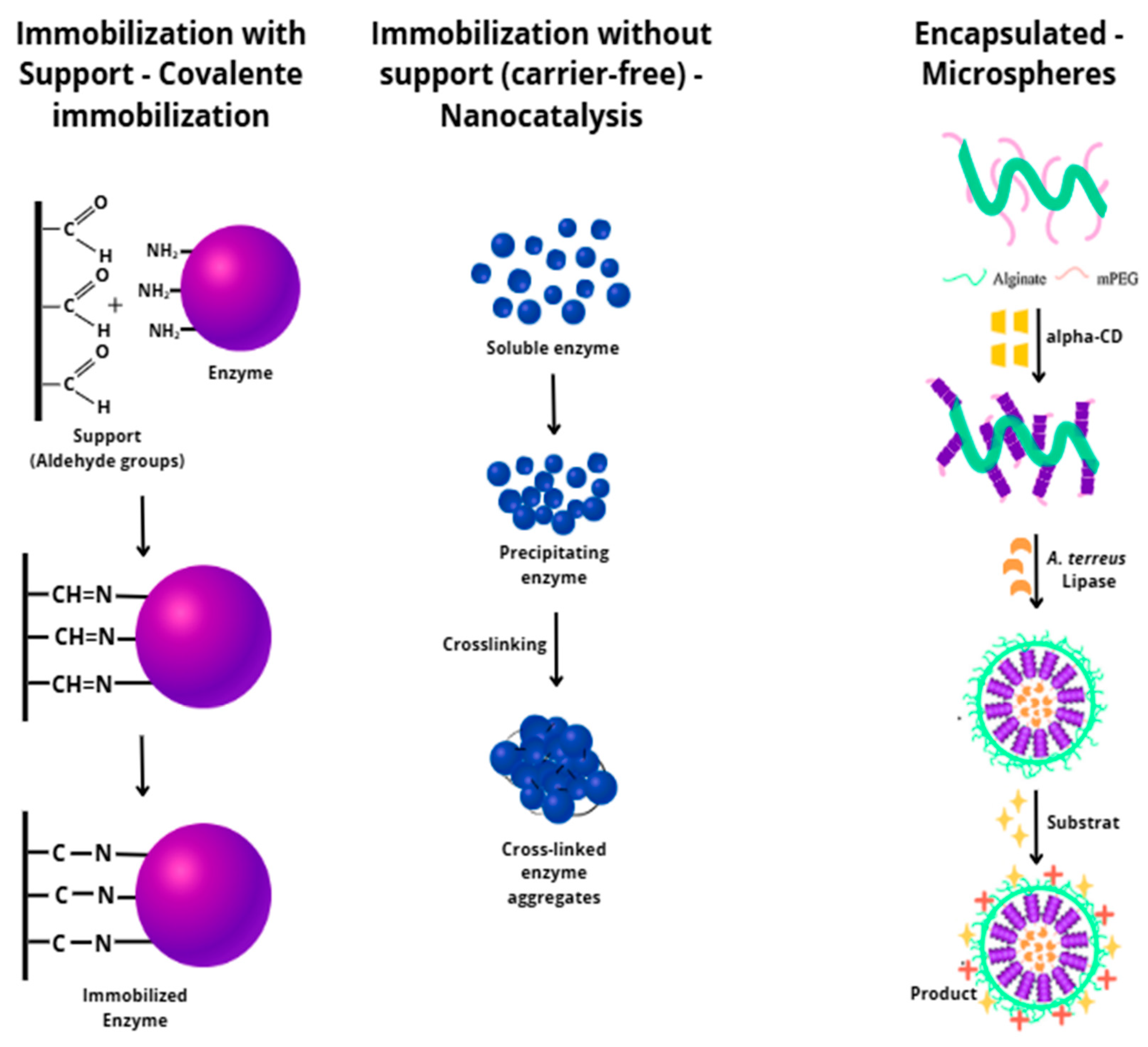
Figure 8 summarizes the main immobilization strategies used to enhance the performance of Aspergillus lipases in enantioselective KR.

5. Conclusions

The advances achieved over the past decade demonstrate that Aspergillus spp. provide a highly versatile and powerful enzymatic expression system for the KR of racemic mixtures. Their wide range of enzymes, particularly lipases, esterases, and epoxide hydrolases, enables efficient, selective, and sustainable transformations across diverse substrates. Recent progress in heterologous expression, synthetic biology, protein engineering, machine-learning-guided design, and immobilization technologies has further expanded their catalytic performance and operational stability. Together, these developments position Aspergillus-derived biocatalysts as valuable tools for future industrial applications and highlight the need for continued integration of computational and experimental approaches to accelerate the discovery of next-generation enantioselective enzymes.

Author Contributions

Conceptualization, P.H.D.G., J.R.M. and P.d.O.C.; methodology, P.H.D.G. and J.R.M.; formal analysis.; writing—original draft preparation, P.H.D.G., J.R.M. and A.P.B.; writing—review and editing, P.H.D.G., J.R.M., C.P., F.J.C., U.H.M. and P.d.O.C.; supervision, F.J.C., U.H.M. and P.d.O.C. All authors have read and agreed to the published version of the manuscript.

Funding

This work was funded by Fundação de Amparo à Pesquisa do Estado de São Paulo (FAPESP, 2022/04341-6 and 2022/15643-3), Conselho Nacional de Desenvolvimento Científico e Tecnológico (CNPq, 402831/2024-1), and by Coordenação de Aperfeiçoamento de Pessoal de Nível Superior—Brazil (CAPES—code of funding 001).

Data Availability Statement

No new data were created or analyzed in this study. Data sharing is not applicable to this article.

Conflicts of Interest

The authors declare that the research was conducted in the absence of any commercial or financial relationships that could be construed as a potential conflict of interest.

Abbreviations

The following abbreviations are used in this manuscript:
KRKinetic resolution
cConversion
eesEnantiomeric excess of the substrate
eepEnantiomeric excess of the product
E ratioEnantiomeric ratio
WoSWeb of Science
AIArtificial intelligence
LLMsLarge language models
GRASGenerally recognized as safe
R-PPAM(R)-sulfonylethanol
VmaxHigh maximum velocity
UPRUnfolded protein response
ERADEndoplasmic reticulum–associated degradation
UPSRegulation of unconventional protein secretion
mRNAMessenger ribonucleic acid
SILPSupported ionic liquid phase
L-ABAL-2-aminobutyric acid
USDUS dollar
KmMichaelis-Menten constant
CRISPRClustered regularly interspaced short palindromic repeats
Cas9Programmable endonuclease that allows targeted cleavage of DNA
NHEJNon-homologous end joining
EDTAEthylenediaminetetraacetic acid

References

  1. Nji, Q.N.; Babalola, O.O.; Mwanza, M. Soil Aspergillus Species, Pathogenicity and Control Perspectives. J. Fungi 2023, 9, 766. [Google Scholar] [CrossRef]
  2. Merad, Y.; Derrar, H.; Belmokhtar, Z.; Belkacemi, M. Aspergillus Genus and Its Various Human Superficial and Cutaneous Features. Pathogens 2021, 10, 643. [Google Scholar] [CrossRef] [PubMed]
  3. Jin, F.-J.; Hu, S.; Wang, B.-T.; Jin, L. Advances in Genetic Engineering Technology and Its Application in the Industrial Fungus Aspergillus oryzae. Front. Microbiol. 2021, 12, 644404. [Google Scholar] [CrossRef]
  4. Costa, S.; Summa, D.; Zappaterra, F.; Blo, R.; Tamburini, E. Aspergillus oryzae Grown on Rice Hulls Used as an Additive for Pretreatment of Starch-Containing Wastewater from the Pulp and Paper Industry. Fermentation 2021, 7, 317. [Google Scholar] [CrossRef]
  5. Samson, R.A.; Visagie, C.M.; Houbraken, J.; Hong, S.-B.; Hubka, V.; Klaassen, C.H.W.; Perrone, G.; Seifert, K.A.; Susca, A.; Tanney, J.B.; et al. Phylogeny, Identification and Nomenclature of the Genus Aspergillus. Stud. Mycol. 2014, 78, 141–173. [Google Scholar] [CrossRef]
  6. Qi, G.; Hao, L.; Gan, Y.; Xin, T.; Lou, Q.; Xu, W.; Song, J. Identification of Closely Related Species in Aspergillus through Analysis of Whole-Genome. Front. Microbiol. 2024, 15, 1323572. [Google Scholar] [CrossRef]
  7. Earle, K.; Valero, C.; Conn, D.P.; Vere, G.; Cook, P.C.; Bromley, M.J.; Bowyer, P.; Gago, S. Pathogenicity and Virulence of Aspergillus fumigatus. Virulence 2023, 14, 2172264. [Google Scholar] [CrossRef] [PubMed]
  8. Lorán, S.; Carramiñana, J.J.; Juan, T.; Ariño, A.; Herrera, M. Inhibition of Aspergillus parasiticus Growth and Aflatoxins Production by Natural Essential Oils and Phenolic Acids. Toxins 2022, 14, 384. [Google Scholar] [CrossRef]
  9. Abdelaziz, A.M.; El-Wakil, D.A.; Attia, M.S.; Ali, O.M.; AbdElgawad, H.; Hashem, A.H. Inhibition of Aspergillus flavus Growth and Aflatoxin Production in Zea Mays L. Using Endophytic Aspergillus fumigatus. J. Fungi 2022, 8, 482. [Google Scholar] [CrossRef]
  10. Contesini, F.J.; Lopes, D.B.; Macedo, G.A.; Nascimento, M.D.G.; Carvalho, P.D.O. Aspergillus spp. Lipase: Potential Biocatalyst for Industrial Use. J. Mol. Catal. B Enzym. 2010, 67, 163–171. [Google Scholar] [CrossRef]
  11. Wang, R.; Hu, D.; Zong, X.; Li, J.; Ding, L.; Wu, M.; Li, J. Enantioconvergent Hydrolysis of Racemic Styrene Oxide at High Concentration by a Pair of Novel Epoxide Hydrolases into (R)-Phenyl-1,2-Ethanediol. Biotechnol. Lett. 2017, 39, 1917–1923. [Google Scholar] [CrossRef]
  12. Zhang, Y.; Li, R.; He, Y.-H.; Guan, Z. Bio-Catalytic Bis-Michael Reaction for Generating Cyclohexanones with a Quaternary Carbon Center Using Glucoamylase. Catal. Lett. 2017, 147, 633–639. [Google Scholar] [CrossRef]
  13. Zheng, R.-C.; Zheng, Y.-G.; Shen, Y.-C. A Simple Method to Determine Concentration of Enantiomers in Enzyme-Catalyzed Kinetic Resolution. Biotechnol. Lett. 2007, 29, 1087–1091. [Google Scholar] [CrossRef]
  14. Sheldon, R.A.; Woodley, J.M. Role of Biocatalysis in Sustainable Chemistry. Chem. Rev. 2018, 118, 801–838. [Google Scholar] [CrossRef]
  15. Bornscheuer, U.T. Microbial Carboxyl Esterases: Classification, Properties and Application in Biocatalysis. FEMS Microbiol. Rev. 2002, 26, 73–81. [Google Scholar] [CrossRef]
  16. Reetz, M.T. Biocatalysis in Organic Chemistry and Biotechnology: Past, Present, and Future. J. Am. Chem. Soc. 2013, 135, 12480–12496. [Google Scholar] [CrossRef] [PubMed]
  17. Giglio, A.D.; Costa, M.U.P.D. The Use of Artificial Intelligence to Improve the Scientific Writing of Non-Native English Speakers. Rev. Assoc. Médica Bras. 2023, 69, e20230560. [Google Scholar] [CrossRef]
  18. Khan, A.; Kim, T.; Byun, H.; Kim, Y.; Park, S.; Sim, H. SCISPACE: A Scientific Collaboration Workspace for File Systems in Geo-Distributed HPC Data Centers. arXiv 2018, arXiv:1803.08228. [Google Scholar] [CrossRef]
  19. Zhu, J.; Liu, W. A Tale of Two Databases: The Use of Web of Science and Scopus in Academic Papers. Scientometrics 2020, 123, 321–335. [Google Scholar] [CrossRef]
  20. Woodley, J.M. Ensuring the Sustainability of Biocatalysis. ChemSusChem 2022, 15, e202102683. [Google Scholar] [CrossRef] [PubMed]
  21. Cremasco, M.A. A fronteira da indústria farmacêutica no Brasil: Enantiômeros. Ciênc. E Cult. 2013, 65, 4–5. [Google Scholar] [CrossRef]
  22. Sewalt, V.; Shanahan, D.; Gregg, L.; La Marta, J.; Carrillo, R. The Generally Recognized as Safe (GRAS) Process for Industrial Microbial Enzymes. Ind. Biotechnol. 2016, 12, 295–302. [Google Scholar] [CrossRef]
  23. Shangguan, J.-J.; Fan, L.; Ju, X.; Zhu, Q.; Wang, F.-J.; Zhao, J.; Xu, J.-H. Expression and Characterization of a Novel Enantioselective Lipase from Aspergillus fumigatus. Appl. Biochem. Biotechnol. 2012, 168, 1820–1833. [Google Scholar] [CrossRef]
  24. An, Z.; Gu, X.; Liu, Y.; Ge, J.; Zhu, Q. Bioproduction of L-2-Aminobutyric Acid by a Newly-Isolated Strain of Aspergillus tamarii ZJUT ZQ013. Catal. Lett. 2017, 147, 837–844. [Google Scholar] [CrossRef]
  25. Tamborini, L.; Romano, D.; Pinto, A.; Contente, M.; Iannuzzi, M.C.; Conti, P.; Molinari, F. Biotransformation with Whole Microbial Systems in a Continuous Flow Reactor: Resolution of (RS)-Flurbiprofen Using Aspergillus oryzae by Direct Esterification with Ethanol in Organic Solvent. Tetrahedron Lett. 2013, 54, 6090–6093. [Google Scholar] [CrossRef]
  26. Hu, C.; Wang, N.; Zhang, W.; Zhang, S.; Meng, Y.; Yu, X. Immobilization of Aspergillus terreus Lipase in Self-Assembled Hollow Nanospheres for Enantioselective Hydrolysis of Ketoprofen Vinyl Ester. J. Biotechnol. 2015, 194, 12–18. [Google Scholar] [CrossRef]
  27. Yan, H.; Wang, Z.; Qian, J. Efficient Kinetic Resolution of (RS)-1-phenylethanol by a Mycelium-bound Lipase from a Wild-type Aspergillus oryzae Strain. Biotechnol. Appl. Biochem. 2017, 64, 251–258. [Google Scholar] [CrossRef]
  28. Yan, H.D.; Guo, B.H.; Wang, Z.; Qian, J.Q. Surfactant-Modified Aspergillus oryzae Lipase as a Highly Active and Enantioselective Catalyst for the Kinetic Resolution of (RS)-1-Phenylethanol. 3 Biotech 2019, 9, 265. [Google Scholar] [CrossRef] [PubMed]
  29. Jaeger, K. Microbial Lipases Form Versatile Tools for Biotechnology. Trends Biotechnol. 1998, 16, 396–403. [Google Scholar] [CrossRef] [PubMed]
  30. Rauwerdink, A.; Kazlauskas, R.J. How the Same Core Catalytic Machinery Catalyzes 17 Different Reactions: The Serine-Histidine-Aspartate Catalytic Triad of α/β-Hydrolase Fold Enzymes. ACS Catal. 2015, 5, 6153–6176. [Google Scholar] [CrossRef]
  31. Abdelaziz, A.A.; Abo-Kamar, A.M.; Elkotb, E.S.; Al-Madboly, L.A. Microbial Lipases: Advances in Production, Purification, Biochemical Characterization, and Multifaceted Applications in Industry and Medicine. Microb. Cell Factories 2025, 24, 40. [Google Scholar] [CrossRef] [PubMed]
  32. Yamada, S.; Shimada, H.; Yamada, R.; Shiratori-Takano, H.; Sayo, N.; Saito, T.; Takano, H.; Beppu, T.; Ueda, K. Preparation of Optically-Active 3-Pyrrolidinol and Its Derivatives from 1-Benzoylpyrrolidinol by Hydroxylation with Aspergillus spp. and Stereo-Selective Esterification by a Commercial Lipase. Biotechnol. Lett. 2014, 36, 595–600. [Google Scholar] [CrossRef] [PubMed]
  33. Kumar, A.; Verma, V.; Dubey, V.K.; Srivastava, A.; Garg, S.K.; Singh, V.P.; Arora, P.K. Industrial Applications of Fungal Lipases: A Review. Front. Microbiol. 2023, 14, 1142536. [Google Scholar] [CrossRef]
  34. Pilissão, C.; Carvalho, P.D.O.; Nascimento, M.D.G. Potential Application of Native Lipases in the Resolution of (RS)-Phenylethylamine. J. Braz. Chem. Soc. 2010, 21, 973–977. [Google Scholar] [CrossRef]
  35. Mahapatra, M.; Jana, N.; Nanda, S. Stereoselective Desymmetrization of 2,2-Bishydroxymethyl-1-Tetralones by Iodocyclization, Synthesis of Novel Enantiopure [6.6.5] Tricyclic Framework and Chemoenzymatic Diversity Generation. Adv. Synth. Catal. 2011, 353, 2152–2168. [Google Scholar] [CrossRef]
  36. Pilissão, C.; Carvalho, P.D.O.; Nascimento, M.D.G. The Influence of Conventional Heating and Microwave Irradiation on the Resolution of (RS)-Sec-Butylamine Catalyzed by Free or Immobilized Lipases. J. Braz. Chem. Soc. 2012, 23, 1688–1697. [Google Scholar] [CrossRef]
  37. Ghosh, S.; Bhaumik, J.; Banoth, L.; Banesh, S.; Banerjee, U.C. Chemoenzymatic Route for the Synthesis of (S)-Moprolol, a Potential β-Blocker. Chirality 2016, 28, 313–318. [Google Scholar] [CrossRef]
  38. Ettireddy, S.; Chandupatla, V.; Veeresham, C. Enantioselective Resolution of (R,S)-Carvedilol to (S)-(−)-Carvedilol by Biocatalysts. Nat. Prod. Bioprospect. 2017, 7, 171–179. [Google Scholar] [CrossRef]
  39. Vega, K.B.; Cruz, D.M.V.; Oliveira, A.R.T.; da Silva, M.R.; de Lemos, T.L.G.; Oliveira, M.C.F.; Bernardo, R.D.S.; de Sousa, J.R.; Zanatta, G.; Nasário, F.D.; et al. Chemoenzymatic Synthesis of Apremilast: A Study Using Ketoreductases and Lipases. J. Braz. Chem. Soc. 2021, 32, 1100–1110. [Google Scholar] [CrossRef]
  40. Degórska, O.D. Immobilized Lipase in Resolution of Ketoprofen Enantiomers: Examination of Biocatalysts Properties and Process Characterization. Pharmaceutics 2022, 14, 1443. [Google Scholar] [CrossRef]
  41. Andzans, Z.; Adlere, I.; Versilovskis, A.; Krasnova, L.; Grinberga, S.; Duburs, G.; Krauze, A. Effective Method of Lipase-Catalyzed Enantioresolution of 6-Alkylsulfanyl-1,4-Dihydropyridines. Heterocycles 2014, 89, 43–58. [Google Scholar] [CrossRef]
  42. Zheng, J.-Y.; Wu, J.-Y.; Zhang, Y.-J.; Wang, Z. Resolution of (R, S)-Ethyl-2-(4-Hydroxyphenoxy) Propanoate Using Lyophilized Mycelium of Aspergillus oryzae WZ007. J. Mol. Catal. B Enzym. 2013, 97, 62–66. [Google Scholar] [CrossRef]
  43. Wu, P.; Zhang, M.; Zhang, Y.; Wang, Z.; Zheng, J. A Novel Lipase from Aspergillus oryzae Catalyzed Resolution of (R, S)-ethyl 2-bromoisovalerate. Chirality 2020, 32, 231–238. [Google Scholar] [CrossRef]
  44. Zhong, W.; Zhang, M.; Li, X.; Zhang, Y.; Wang, Z.; Zheng, J. Enantioselective Resolution of (R, S)-2-Phenoxy-Propionic Acid Methyl Ester by Covalent Immobilized Lipase from Aspergillus oryzae. Appl. Biochem. Biotechnol. 2020, 190, 1049–1059. [Google Scholar] [CrossRef]
  45. T.sriwong, K.; Matsuda, T. Recent Advances in Enzyme Immobilization Utilizing Nanotechnology for Biocatalysis. Org. Process Res. Dev. 2022, 26, 1857–1877. [Google Scholar] [CrossRef]
  46. Li, Q.; Zhang, M.; Li, X.; Zhang, Y.; Wang, Z.; Zheng, J. A Novel Lipase from Aspergillus oryzae WZ007 Catalyzed Synthesis of Brivaracetam Intermediate and Its Enzymatic Characterization. Chirality 2021, 33, 62–71. [Google Scholar] [CrossRef] [PubMed]
  47. Reetz, M.T.; Zheng, H. Manipulating the Expression Rate and Enantioselectivity of an Epoxide Hydrolase by Using Directed Evolution. Chembiochem 2011, 12, 1529–1535. [Google Scholar] [CrossRef] [PubMed]
  48. Jin, H.; OuYang, X.; Hu, Z. Enhancement of Epoxide Hydrolase Production by60 Co Gamma and UV Irradiation Mutagenesis of Aspergillus niger ZJB-09103. Biotechnol. Appl. Biochem. 2017, 64, 392–399. [Google Scholar] [CrossRef]
  49. Lu, Z.-Y.; Liao, X.; Jing, W.-W.; Liu, K.-K.; Ren, Q.-G.; He, Y.-C.; Hu, D. Rational Mutagenesis of an Epoxide Hydrolase and Its Structural Mechanism for the Enantioselectivity Improvement toward Chiral Ortho-Fluorostyrene Oxide. Int. J. Biol. Macromol. 2024, 282, 136864. [Google Scholar] [CrossRef] [PubMed]
  50. Hu, D.; Tang, C.-D.; Yang, B.; Liu, J.-C.; Yu, T.; Deng, C.; Wu, M.-C. Expression of a Novel Epoxide Hydrolase of Aspergillus usamii E001 in Escherichia coli and Its Performance in Resolution of Racemic Styrene Oxide. J. Ind. Microbiol. Biotechnol. 2015, 42, 671–680. [Google Scholar] [CrossRef]
  51. Yildirim, D.; Tükel, S.S.; Alagöz, D.; Alptekin, Ö. Preparative-Scale Kinetic Resolution of Racemic Styrene Oxide by Immobilized Epoxide Hydrolase. Enzym. Microb. Technol. 2011, 49, 555–559. [Google Scholar] [CrossRef]
  52. Mascotti, M.L.; Juri Ayub, M.; Dudek, H.; Sanz, M.K.; Fraaije, M.W. Cloning, Overexpression and Biocatalytic Exploration of a Novel Baeyer-Villiger Monooxygenase from Aspergillus fumigatus Af293. AMB Express 2013, 3, 33. [Google Scholar] [CrossRef]
  53. Vaidya, B.K.; Kuwar, S.S.; Golegaonkar, S.B.; Nene, S.N. Preparation of Cross-Linked Enzyme Aggregates of l-Aminoacylase via Co-Aggregation with Polyethyleneimine. J. Mol. Catal. B Enzym. 2012, 74, 184–191. [Google Scholar] [CrossRef]
  54. Fesko, K.; Steiner, K.; Breinbauer, R.; Schwab, H.; Schürmann, M.; Strohmeier, G.A. Investigation of One-Enzyme Systems in the ω-Transaminase-Catalyzed Synthesis of Chiral Amines. J. Mol. Catal. B Enzym. 2013, 96, 103–110. [Google Scholar] [CrossRef]
  55. Contesini, F.J.; Davanço, M.G.; Borin, G.P.; Vanegas, K.G.; Cirino, J.P.G.; Melo, R.R.D.; Mortensen, U.H.; Hildén, K.; Campos, D.R.; Carvalho, P.D.O. Advances in Recombinant Lipases: Production, Engineering, Immobilization and Application in the Pharmaceutical Industry. Catalysts 2020, 10, 1032. [Google Scholar] [CrossRef]
  56. Sun, Z.; Wu, Y.; Long, S.; Feng, S.; Jia, X.; Hu, Y.; Ma, M.; Liu, J.; Zeng, B. Aspergillus oryzae as a Cell Factory: Research and Applications in Industrial Production. J. Fungi 2024, 10, 248. [Google Scholar] [CrossRef]
  57. Boppidi, K.R.; Ribeiro, L.F.C.; Iambamrung, S.; Nelson, S.M.; Wang, Y.; Momany, M.; Richardson, E.A.; Lincoln, S.; Srivastava, R.; Harris, S.D.; et al. Altered Secretion Patterns and Cell Wall Organization Caused by Loss of PodB Function in the Filamentous Fungus Aspergillus nidulans. Sci. Rep. 2018, 8, 11433. [Google Scholar] [CrossRef] [PubMed]
  58. Umemura, M.; Kuriiwa, K.; Dao, L.V.; Okuda, T.; Terai, G. Promoter Tools for Further Development of Aspergillus oryzae as a Platform for Fungal Secondary Metabolite Production. Fungal Biol. Biotechnol. 2020, 7, 3. [Google Scholar] [CrossRef]
  59. Lübeck, M.; Lübeck, P.S. Fungal Cell Factories for Efficient and Sustainable Production of Proteins and Peptides. Microorganisms 2022, 10, 753. [Google Scholar] [CrossRef] [PubMed]
  60. Jiang, S.; Wang, Y.; Liu, Q.; Zhao, Q.; Gao, L.; Song, X.; Li, X.; Qu, Y.; Liu, G. Genetic Engineering and Raising Temperature Enhance Recombinant Protein Production with the Cdna1 Promoter in Trichoderma reesei. Bioresour. Bioprocess. 2022, 9, 113. [Google Scholar] [CrossRef] [PubMed]
  61. Mathis, H.; Naquin, D.; Margeot, A.; Bidard, F. Enhanced Heterologous Gene Expression in Trichoderma reesei by Promoting Multicopy Integration. Appl. Microbiol. Biotechnol. 2024, 108, 470. [Google Scholar] [CrossRef]
  62. Teufel, F.; Almagro Armenteros, J.J.; Johansen, A.R.; Gíslason, M.H.; Pihl, S.I.; Tsirigos, K.D.; Winther, O.; Brunak, S.; Von Heijne, G.; Nielsen, H. SignalP 6.0 Predicts All Five Types of Signal Peptides Using Protein Language Models. Nat. Biotechnol. 2022, 40, 1023–1025. [Google Scholar] [CrossRef]
  63. Sandomenico, A.; Sivaccumar, J.P.; Ruvo, M. Evolution of Escherichia coli Expression System in Producing Antibody Recombinant Fragments. Int. J. Mol. Sci. 2020, 21, 6324. [Google Scholar] [CrossRef]
  64. Ropero-Pérez, C.; Marcos, J.F.; Manzanares, P.; Garrigues, S. Increasing the Efficiency of CRISPR/Cas9-Mediated Genome Editing in the Citrus Postharvest Pathogen Penicillium Digitatum. Fungal Biol. Biotechnol. 2024, 11, 8. [Google Scholar] [CrossRef] [PubMed]
  65. Sun, J.; Jiang, X.; Xu, F.; Tian, X.; Chu, J. Constructing pyrG Marker by CRISPR/Cas Facilities the Highly-Efficient Precise Genome Editing on Industrial Aspergillus niger Strain. Bioprocess Biosyst. Eng. 2025, 48, 679–691. [Google Scholar] [CrossRef] [PubMed]
  66. Tamalampudi, S.; Talukder, M.M.R.; Hama, S.; Tanino, T.; Suzuki, Y.; Kondo, A.; Fukuda, H. Development of Recombinant Aspergillus oryzae Whole-Cell Biocatalyst Expressing Lipase-Encoding Gene from Candida antarctica. Appl. Microbiol. Biotechnol. 2007, 75, 387–395. [Google Scholar] [CrossRef]
  67. Jarczynska, Z.D.; Rendsvig, J.K.H.; Pagels, N.; Viana, V.R.; Nødvig, C.S.; Kirchner, F.H.; Strucko, T.; Nielsen, M.L.; Mortensen, U.H. DIVERSIFY: A Fungal Multispecies Gene Expression Platform. ACS Synth. Biol. 2021, 10, 579–588. [Google Scholar] [CrossRef]
  68. Ntana, F.; Mortensen, U.H.; Sarazin, C.; Figge, R. Aspergillus: A Powerful Protein Production Platform. Catalysts 2020, 10, 1064. [Google Scholar] [CrossRef]
  69. Bird, J.E.; Marles-Wright, J.; Giachino, A. A User’s Guide to Golden Gate Cloning Methods and Standards. ACS Synth. Biol. 2022, 11, 3551–3563. [Google Scholar] [CrossRef] [PubMed]
  70. Vanegas, K.G.; Rendsvig, J.K.H.; Jarczynska, Z.D.; Cortes, M.V.D.C.B.; Van Esch, A.P.; Morera-Gómez, M.; Contesini, F.J.; Mortensen, U.H. A Mad7 System for Genetic Engineering of Filamentous Fungi. J. Fungi 2022, 9, 16. [Google Scholar] [CrossRef]
  71. Liu, J.; Liu, F.; Luo, X.; Chen, M.; Wang, C.; Wang, L.; Chen, H. Gibson Assembly Interposition Improves Amplification Efficiency of Long DNA and Multifragment Overlap Extension PCR. BioTechniques 2023, 74, 286–292. [Google Scholar] [CrossRef]
  72. Antsotegi-Uskola, M.; D’Ambrosio, V.; Jarczynska, Z.D.; Vanegas, K.G.; Morera-Gómez, M.; Wang, X.; Larsen, T.O.; Mouillon, J.-M.; Mortensen, U.H. RoCi—A Single Step Multi-Copy Integration System Based on Rolling-Circle Replication. bioRxiv 2024. [Google Scholar] [CrossRef]
  73. Kumar, N.; Srivastava, R. Deep Learning in Structural Bioinformatics: Current Applications and Future Perspectives. Brief. Bioinform. 2024, 25, bbae042. [Google Scholar] [CrossRef]
  74. Wu, Z.; Kan, S.B.J.; Lewis, R.D.; Wittmann, B.J.; Arnold, F.H. Machine Learning-Assisted Directed Protein Evolution with Combinatorial Libraries. Proc. Natl. Acad. Sci. USA 2019, 116, 8852–8858. [Google Scholar] [CrossRef]
  75. Zhou, J.; Huang, M. Navigating the Landscape of Enzyme Design: From Molecular Simulations to Machine Learning. Chem. Soc. Rev. 2024, 53, 8202–8239. [Google Scholar] [CrossRef]
  76. Yang, J.; Li, F.-Z.; Arnold, F.H. Opportunities and Challenges for Machine Learning-Assisted Enzyme Engineering. ACS Cent. Sci. 2024, 10, 226–241. [Google Scholar] [CrossRef]
  77. Illanes, A.; Cauerhff, A.; Wilson, L.; Castro, G.R. Recent Trends in Biocatalysis Engineering. Bioresour. Technol. 2012, 115, 48–57. [Google Scholar] [CrossRef]
  78. Rodrigues, R.C.; Ortiz, C.; Berenguer-Murcia, Á.; Torres, R.; Fernández-Lafuente, R. Modifying Enzyme Activity and Selectivity by Immobilization. Chem. Soc. Rev. 2013, 42, 6290–6307. [Google Scholar] [CrossRef]
  79. Szelwicka, A.; Boncel, S.; Jurczyk, S.; Chrobok, A. Exceptionally Active and Reusable Nanobiocatalyst Comprising Lipase Non-Covalently Immobilized on Multi-Wall Carbon Nanotubes for the Synthesis of Diester Plasticizers. Appl. Catal. A Gen. 2019, 574, 41–47. [Google Scholar] [CrossRef]
  80. Baumann, M.; Moody, T.S.; Smyth, M.; Wharry, S. A Perspective on Continuous Flow Chemistry in the Pharmaceutical Industry. Org. Process Res. Dev. 2020, 24, 1802–1813. [Google Scholar] [CrossRef]
  81. Jesionowski, T.; Zdarta, J.; Krajewska, B. Enzyme Immobilization by Adsorption: A Review. Adsorption 2014, 20, 801–821. [Google Scholar] [CrossRef]
  82. Maghraby, Y.R.; El-Shabasy, R.M.; Ibrahim, A.H.; Azzazy, H.M.E.-S. Enzyme Immobilization Technologies and Industrial Applications. ACS Omega 2023, 8, 5184–5196. [Google Scholar] [CrossRef] [PubMed]
  83. Sharifabad, M.E.; Hodgson, B.; Jellite, M.; Mercer, T.; Sen, T. Enzyme Immobilised Novel Core–Shell Superparamagnetic Nanocomposites for Enantioselective Formation of 4-(R)-Hydroxycyclopent-2-En-1-(S)-Acetate. Chem. Commun. 2014, 50, 11185–11187. [Google Scholar] [CrossRef]
  84. Wolny, A.; Siewniak, A.; Zdarta, J.; Ciesielczyk, F.; Latos, P.; Jurczyk, S.; Nghiem, L.D.; Jesionowski, T.; Chrobok, A. Supported Ionic Liquid Phase Facilitated Catalysis with Lipase from Aspergillus oryzae for Enhance Enantiomeric Resolution of Racemic Ibuprofen. Environ. Technol. Innov. 2022, 28, 102936. [Google Scholar] [CrossRef]
  85. Yildirim, D.; Tükel, S.S.; Alptekin, Ö.; Alagöz, D. Immobilized Aspergillus niger Epoxide Hydrolases: Cost-Effective Biocatalysts for the Preparation of Enantiopure Styrene Oxide, Propylene Oxide and Epichlorohydrin. J. Mol. Catal. B Enzym. 2013, 88, 84–90. [Google Scholar] [CrossRef]
  86. Osuna, Y.; Sandoval, J.; Saade, H.; López, R.G.; Martinez, J.L.; Colunga, E.M.; de la Cruz, G.; Segura, E.P.; Arévalo, F.J.; Zon, M.A.; et al. Immobilization of Aspergillus niger Lipase on Chitosan-Coated Magnetic Nanoparticles Using Two Covalent-Binding Methods. Bioprocess Biosyst. Eng. 2015, 38, 1437–1445. [Google Scholar] [CrossRef]
  87. Karboune, S.; Archelas, A.; Baratti, J.C. Free and Immobilized Aspergillus niger Epoxide Hydrolase-Catalyzed Hydrolytic Kinetic Resolution of Racemic p-Chlorostyrene Oxide in a Neat Organic Solvent Medium. Process Biochem. 2010, 45, 210–216. [Google Scholar] [CrossRef]
  88. Vijitha, C.; Swetha, E.; Veeresham, C. Enantioselective Conversion of Racemic Felodipine to S(−)-Felodipine by Aspergillus niger; and Lipase AP6 Enzyme. Adv. Microbiol. 2016, 06, 1062–1074. [Google Scholar] [CrossRef]
  89. Meyer, V.; Wanka, F.; Van Gent, J.; Arentshorst, M.; Van Den Hondel, C.A.M.J.J.; Ram, A.F.J. Fungal Gene Expression on Demand: An Inducible, Tunable, and Metabolism-Independent Expression System for Aspergillus niger. Appl. Environ. Microbiol. 2011, 77, 2975–2983. [Google Scholar] [CrossRef]
  90. Pan, Z.-Y.; Yang, Z.-M.; Pan, L.; Zheng, S.-P.; Han, S.-Y.; Lin, Y. Displaying Candida antarctica Lipase B on the Cell Surface of Aspergillus niger as a Potential Food-Grade Whole-Cell Catalyst. J. Ind. Microbiol. Biotechnol. 2014, 41, 711–720. [Google Scholar] [CrossRef] [PubMed]
  91. Solarte, C.; Yara-Varón, E.; Eras, J.; Torres, M.; Balcells, M.; Canela-Garayoa, R. Lipase Activity and Enantioselectivity of Whole Cells from a Wild-Type Aspergillus flavus Strain. J. Mol. Catal. B Enzym. 2014, 100, 78–83. [Google Scholar] [CrossRef]
  92. Hu, D.; Hu, B.-C.; Wen, Z.; Zhang, D.; Liu, Y.-Y.; Zang, J.; Wu, M.-C. Nearly Perfect Kinetic Resolution of Racemic O-Nitrostyrene Oxide by AuEH2, a Microsomal Epoxide Hydrolase from Aspergillus usamii, with High Enantio- and Regio-Selectivity. Int. J. Biol. Macromol. 2021, 169, 1–7. [Google Scholar] [CrossRef] [PubMed]
Figure 1. Comparative distribution of articles retrieved from Web of Science, SciSpace, and Elicit: positive results, exclusivity, and false positives (prepared by the author).
Catalysts 15 01174 g001
Figure 2. Enantioselective transesterification of (RS)-phenylethylamine catalyzed by A. niger lipase (prepared by the author, based on Pilissão et al. (2010) [34]).
Catalysts 15 01174 g002
Figure 3. Enantioselective transesterification of (RS)-1-phenylethanol using mycelium-bound A. oryzae (prepared by the author, based on Yan et al. (2017) [27]).
Catalysts 15 01174 g003
Figure 4. Enantioselective hydrolysis of (R,S)-sulfonylethanol catalyzed by covalently immobilized A. oryzae lipase (prepared by the author, based on Vega et al. (2021) [39]).
Catalysts 15 01174 g004
Figure 5. Enantiosselective deacylation of (RS)-α-acetoxyphenylacetic acid catalyzed by A. fumigatus lipase (prepared by the author, based on Shangguan et al. (2012) [23]).
Catalysts 15 01174 g005
Figure 6. Enantioselective hydrolysis of (RS)-ketoprofen vinyl ester catalyzed by Aspergillus terreus lipase (prepared by the author, based on Hu et al. (2015) [26]).
Catalysts 15 01174 g006
Figure 7. Enantioselective hydrolysis of rac-methyl N-Boc-2-aminobutyrate catalyzed by lipase from A. tamarii ZJUT ZQ013 (prepared by the author, based on An et al. (2017) [24]).
Catalysts 15 01174 g007
Figure 8. Main strategies for immobilizing Aspergillus spp. lipases to enhance their performance in enantioselective KR (prepared by the author, based on Hu et al. (2015) [26], and Illanes et al. (2012) [77].
Catalysts 15 01174 g008aCatalysts 15 01174 g008b
Table 1. Comparative analysis of search platforms: functionalities, databases, and user observations in AI-assisted and traditional search methods.
PlatformSearch MethodDatabaseMain ResourcesUser NotesReference
ElicitLLM-based semantic searchSemantic ScholarBasic doc info, Q&A, structured resultsEasy to use, but limited to ≤2022[17]
SciSpaceAI + keyword searchMultiple sourcesVersatile search, summariesBroader coverage, but less precise[18]
Web of ScienceBoolean operatorsProprietary (WoS)Advanced filters, citation metricsBoolean NOT failed in some queries[19]
Table 2. Lipases from Aspergillus species employed in the KR of enantiomers.
Aspergillus SpeciesSubstrate of Interest for SeparationCatalyzed ReactionEnantiomeric Ratio (E)Reference
Aspergillus niger(RS)-phenylethylamine Transesterification>200[34]
Prochiral 2,2-bishydroxymethyl-1-tetraloneHydrolysis160[35]
(RS)-sec-ButylamineHydrolysis>200[36]
Moprolol (1-(isopropylamino)-3-(O-methoxy
phenoxy)-2propanol)
Transesterification307[37]
Racemic CarvedilolTransesterification11.34[38]
(RS)-phenylethylamineTransesterification>200[39]
Racemic ketoprofen methyl esterHydrolysis99.7[40]
Aspergillus melleus6-alkylsulfanyl-1,4-dihydropyridinesHydrolysis11.58[41]
Aspergillus fumigatus(RS)-α-acetoxyphenylacetic acid (APA)Hydrolysis64[23]
Aspergillus terreusRacemic ketoprofen vinyl esterHydrolysis128.8[26]
Aspergillus tamariiRacemic ketoprofen vinyl esterHydrolysis257[24]
Aspergillus oryzae(RS)-ethyl-2-(4-hydroxyphenoxy)Hydrolysis>200[42]
(RS)-1- phenylethanolTransesterification>200[27]
(RS)-1- phenylethanolTransesterification>200[28]
(RS)-ethyl 2-bromoisovalerateHydrolysis120[43]
(RS)-2-phenoxypropionic acid (PPAM)Hydrolysis-[44]
(RS)-phenylethylamineTransesterification>200[45]
Table 3. Comparison of homologous and heterologous expression strategies in filamentous fungi and their impact on KR.
AspectProtein OriginSecretion EfficiencyOptimization StrategiesImpact on KR
Homologous ExpressionNative to host fungusHigh, due to compatibility with the host’s secretory pathwayStrong promoters, codon optimization, modulation of UPR/ERAD pathwaysHigh enantioselectivity and efficient production
Heterologous ExpressionFrom a different organismOften lower; may require engineering (fusion proteins, heterologous signal peptides, purification tags) [15]Fusion with carrier proteins [15], heterologous signal peptides [65], codon optimization, purification/affinity tags, immobilizationCan maintain or improve catalytic efficiency and enantioselectivity, depending on construct design and folding quality
Disclaimer/Publisher’s Note: The statements, opinions and data contained in all publications are solely those of the individual author(s) and contributor(s) and not of MDPI and/or the editor(s). MDPI and/or the editor(s) disclaim responsibility for any injury to people or property resulting from any ideas, methods, instructions or products referred to in the content.