
Article

Green Synthesis of LaMnO3-Ag Nanocomposites Using Citrus limon (L.) Burm Peel Aqueous Extract: Photocatalytic Degradation of Rose Bengal Dye and Antibacterial Applications


1
Department of Physical Sciences, Chemistry Division, College of Science, Jazan University, P.O. Box 114, Jazan 45142, Saudi Arabia
2
Nanotechnology Research Unit, College of Science, Jazan University, P.O. Box 114, Jazan 45142, Saudi Arabia
Catalysts 2024, 14(9), 609; https://doi.org/10.3390/catal14090609
Submission received: 29 June 2024 / Revised: 22 August 2024 / Accepted: 23 August 2024 / Published: 11 September 2024

Abstract

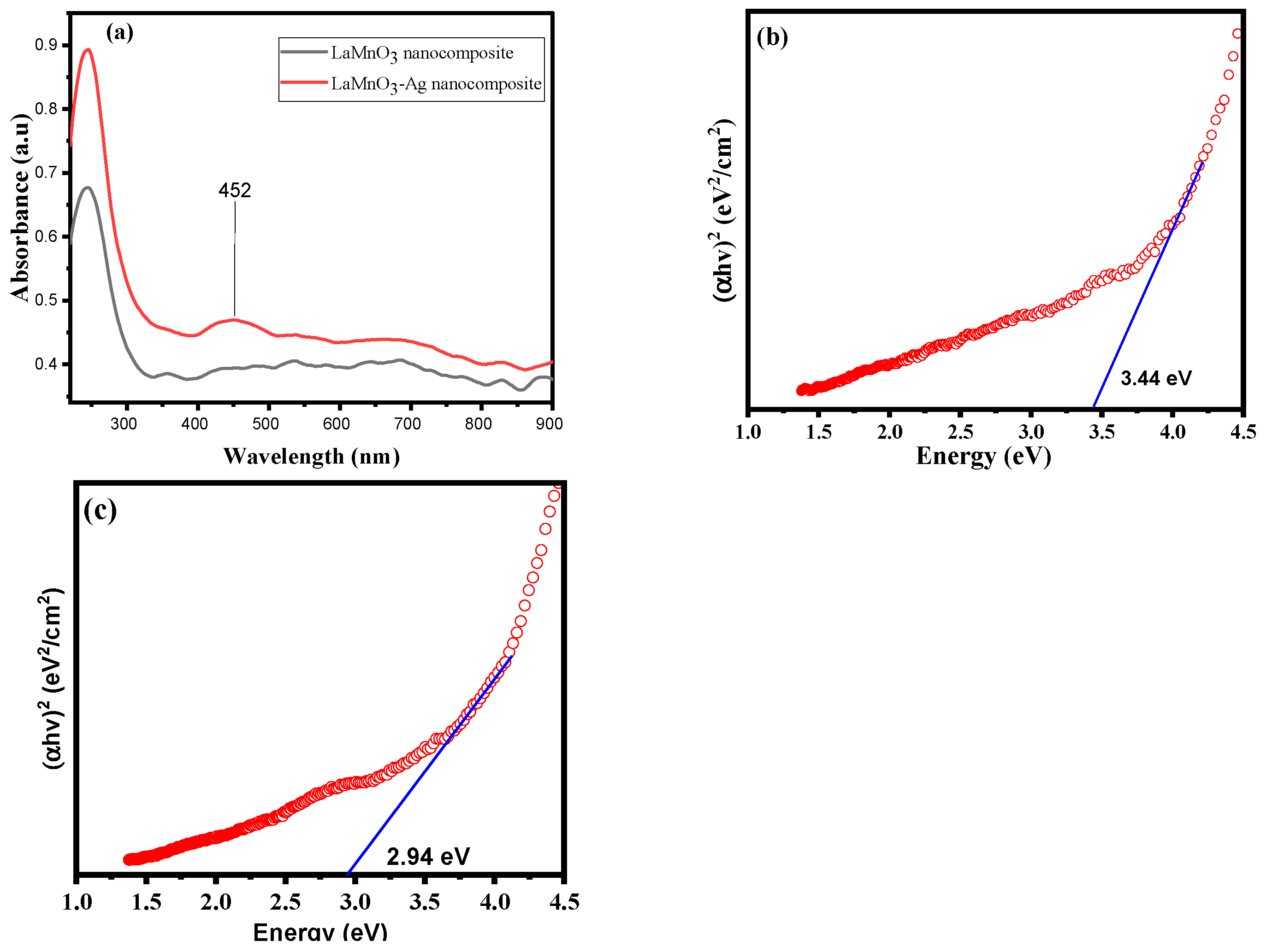
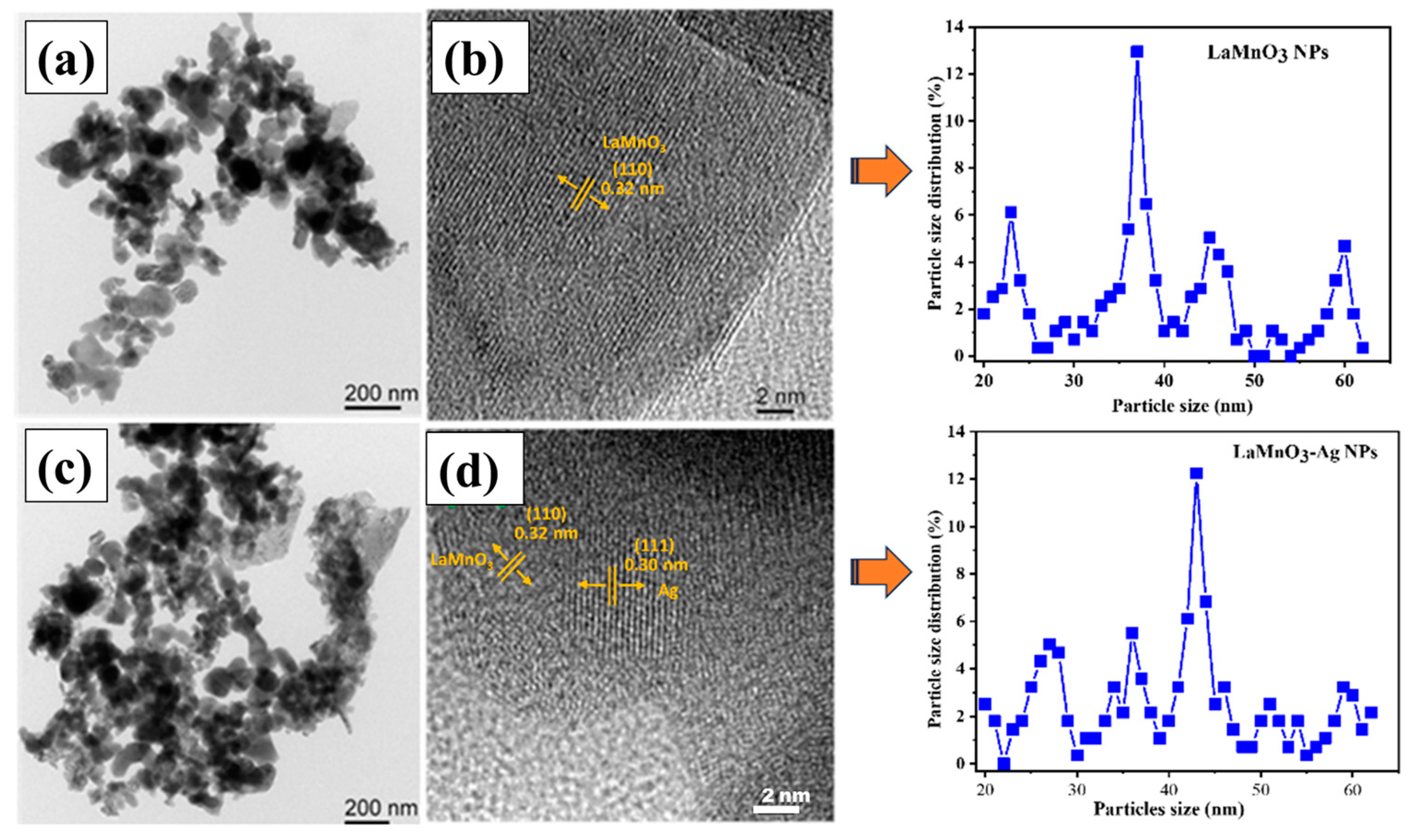
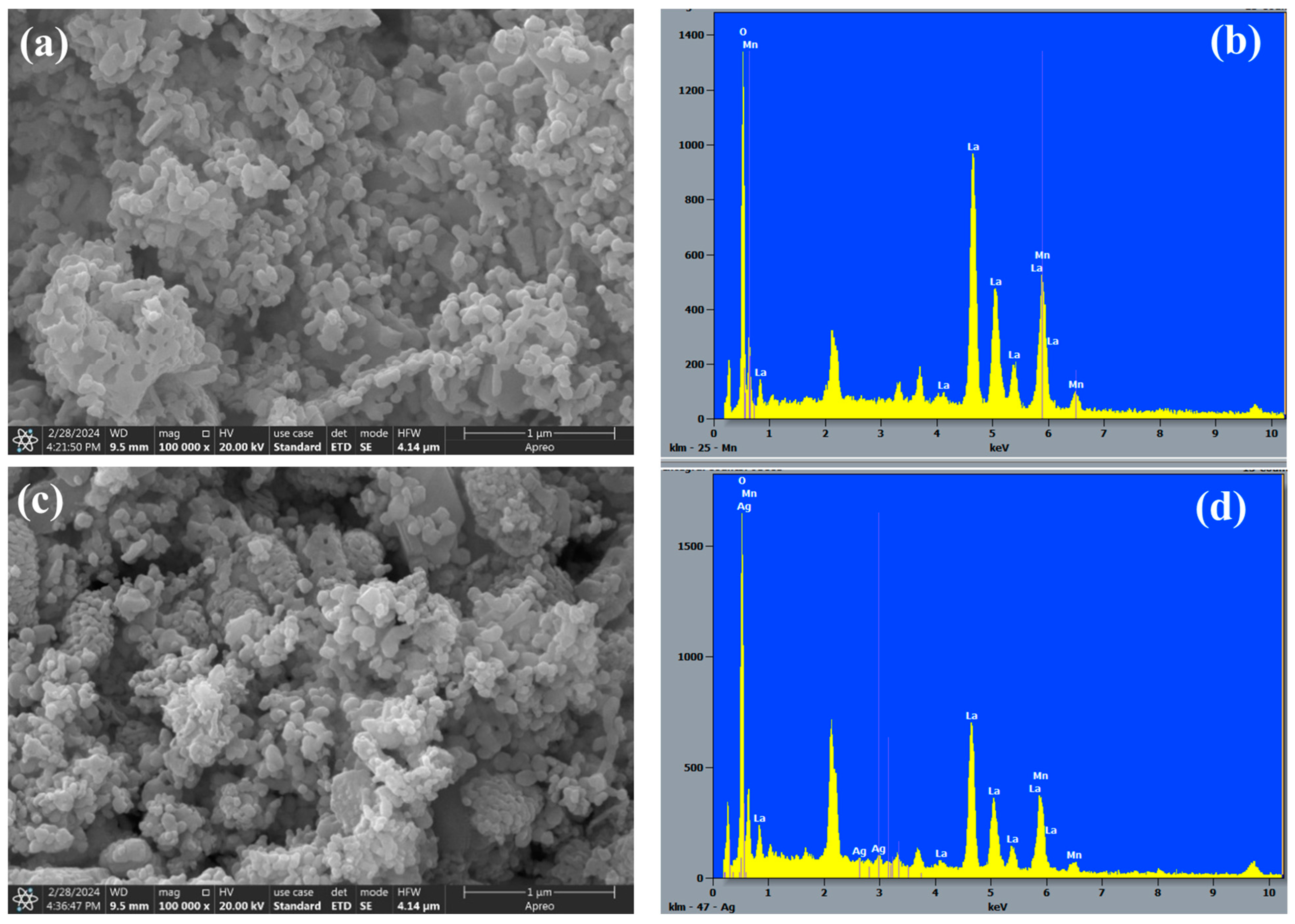
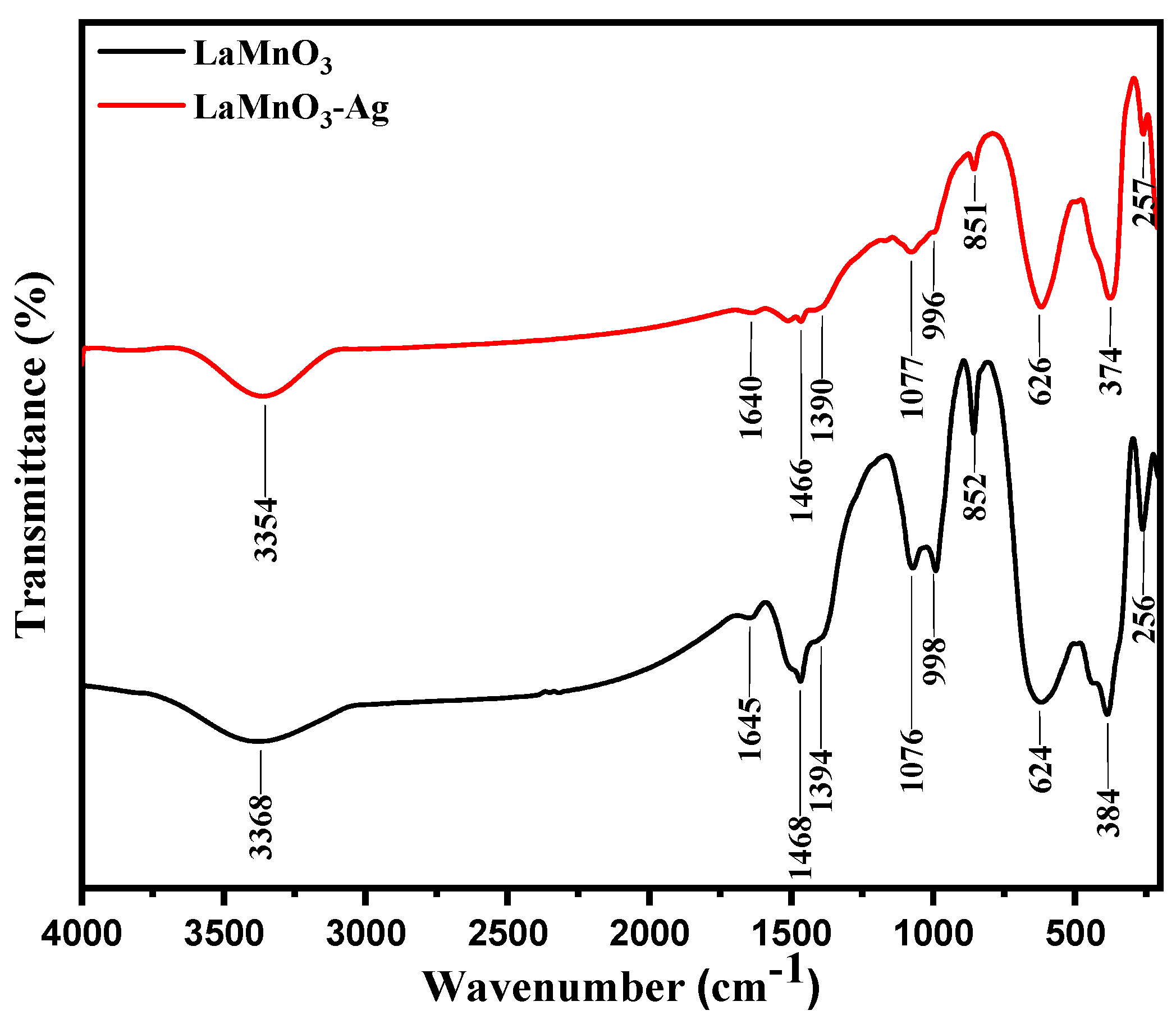
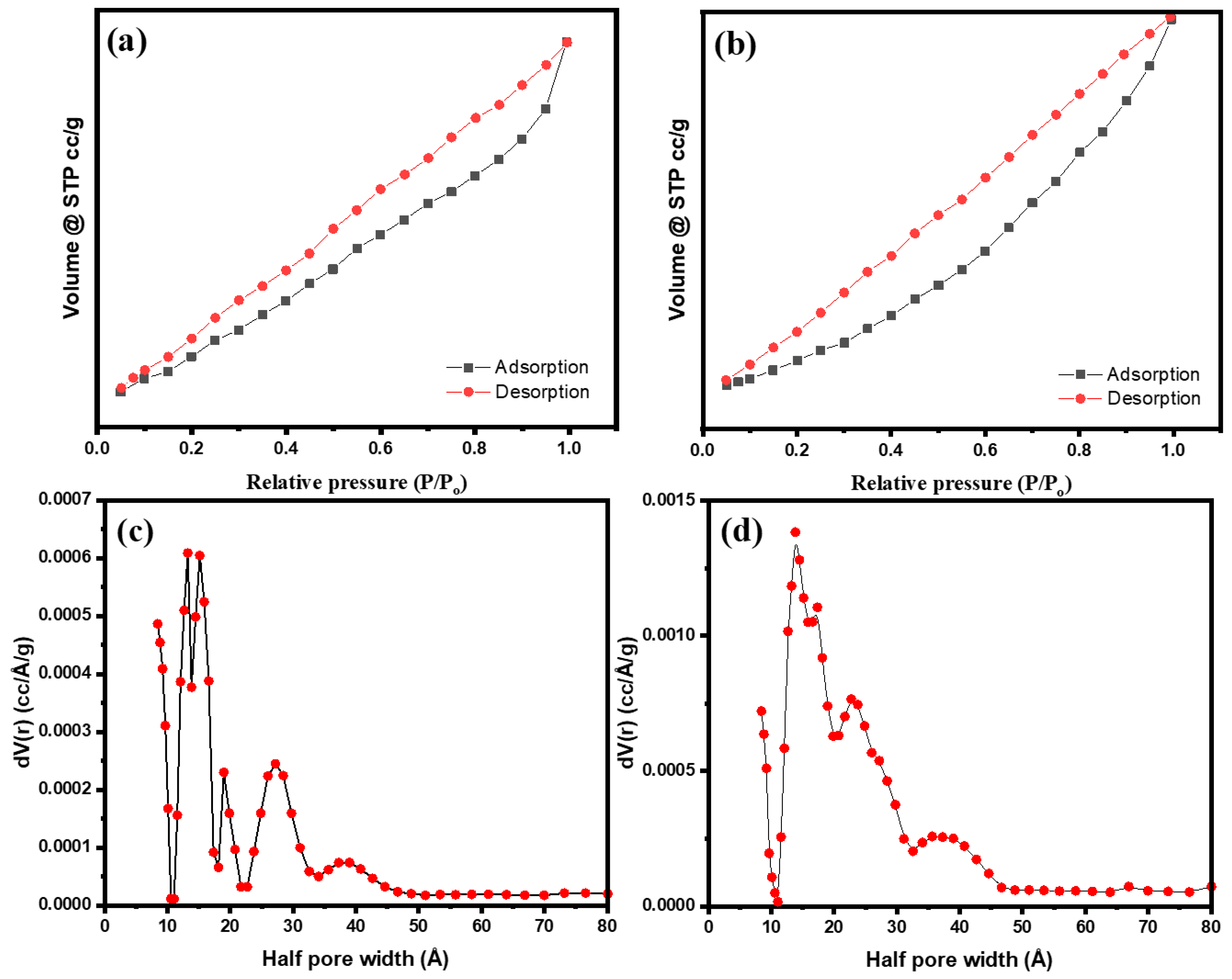
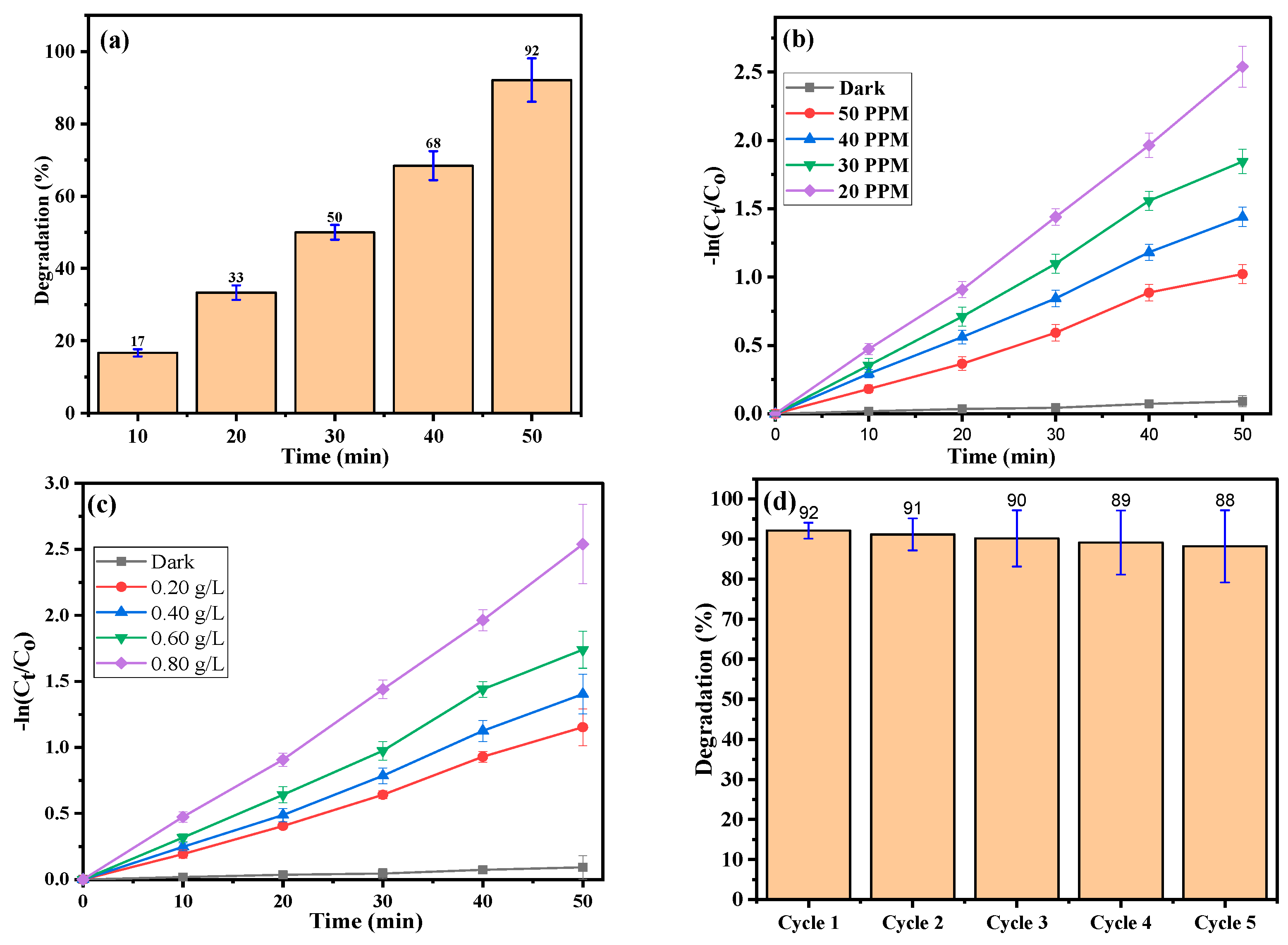
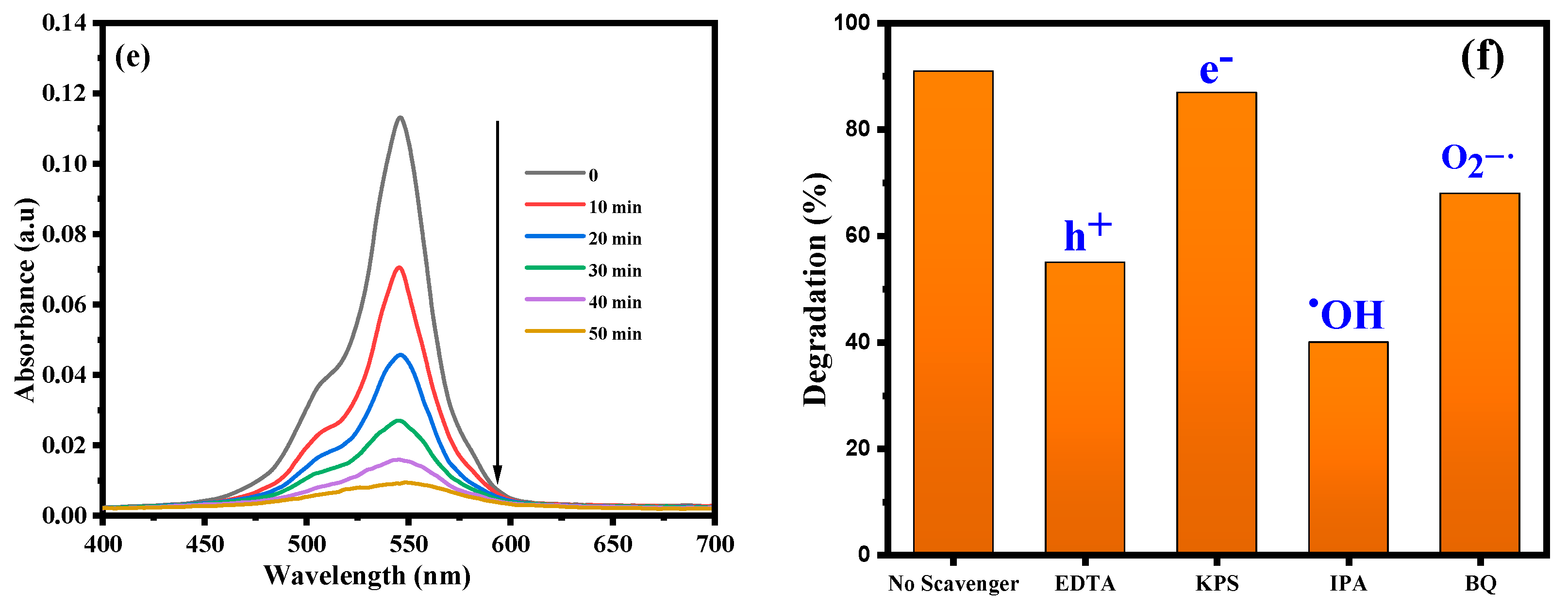
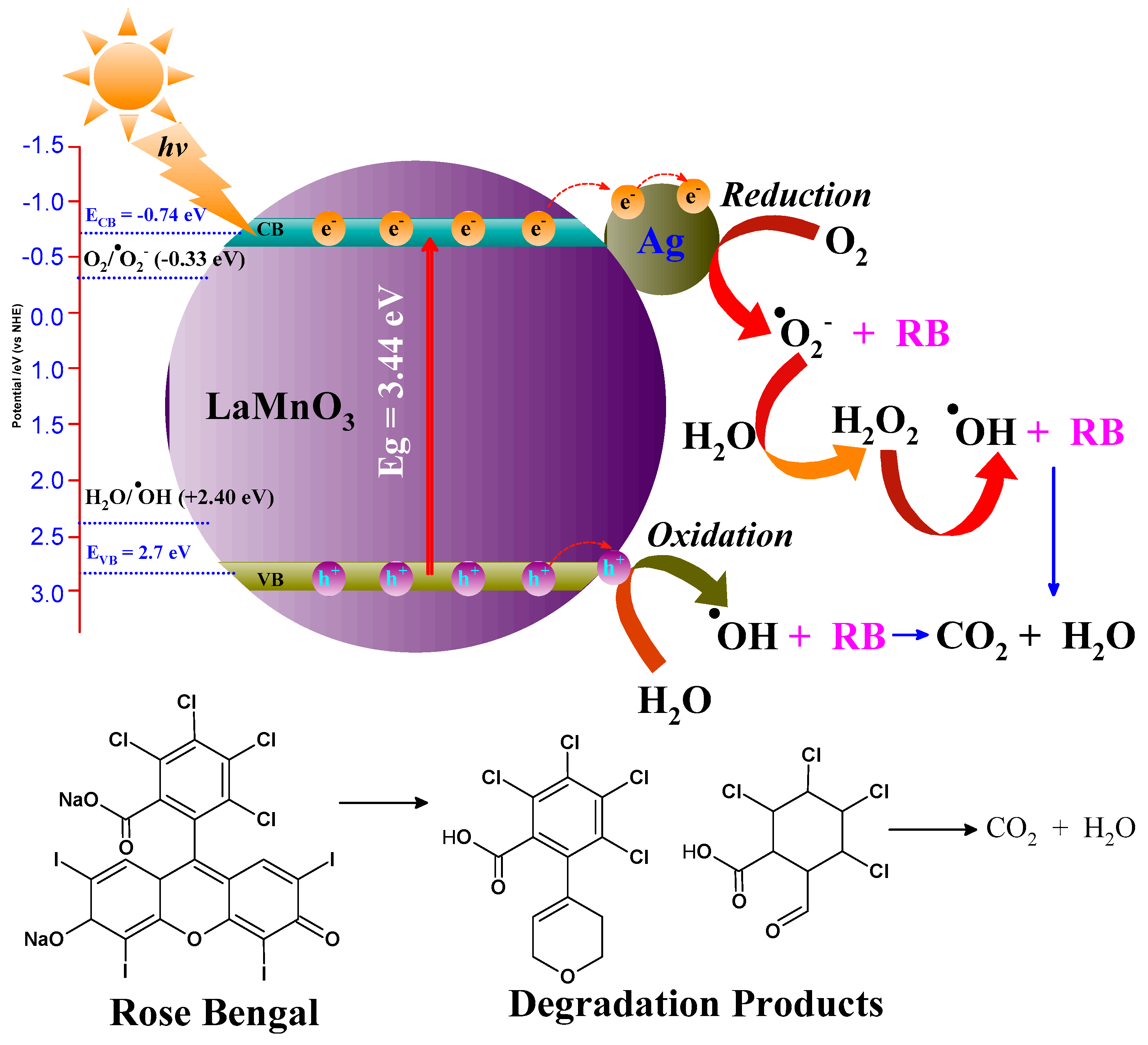
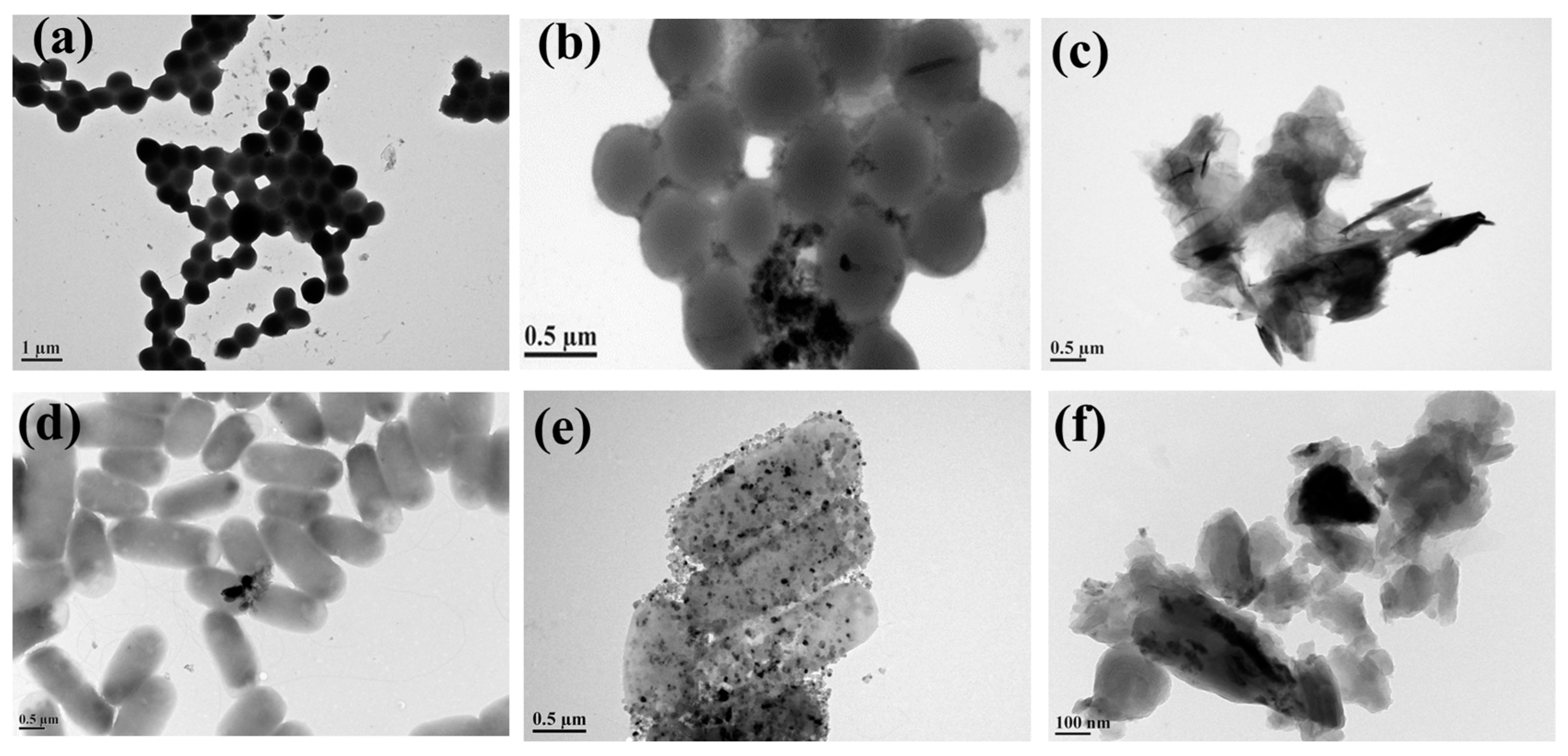
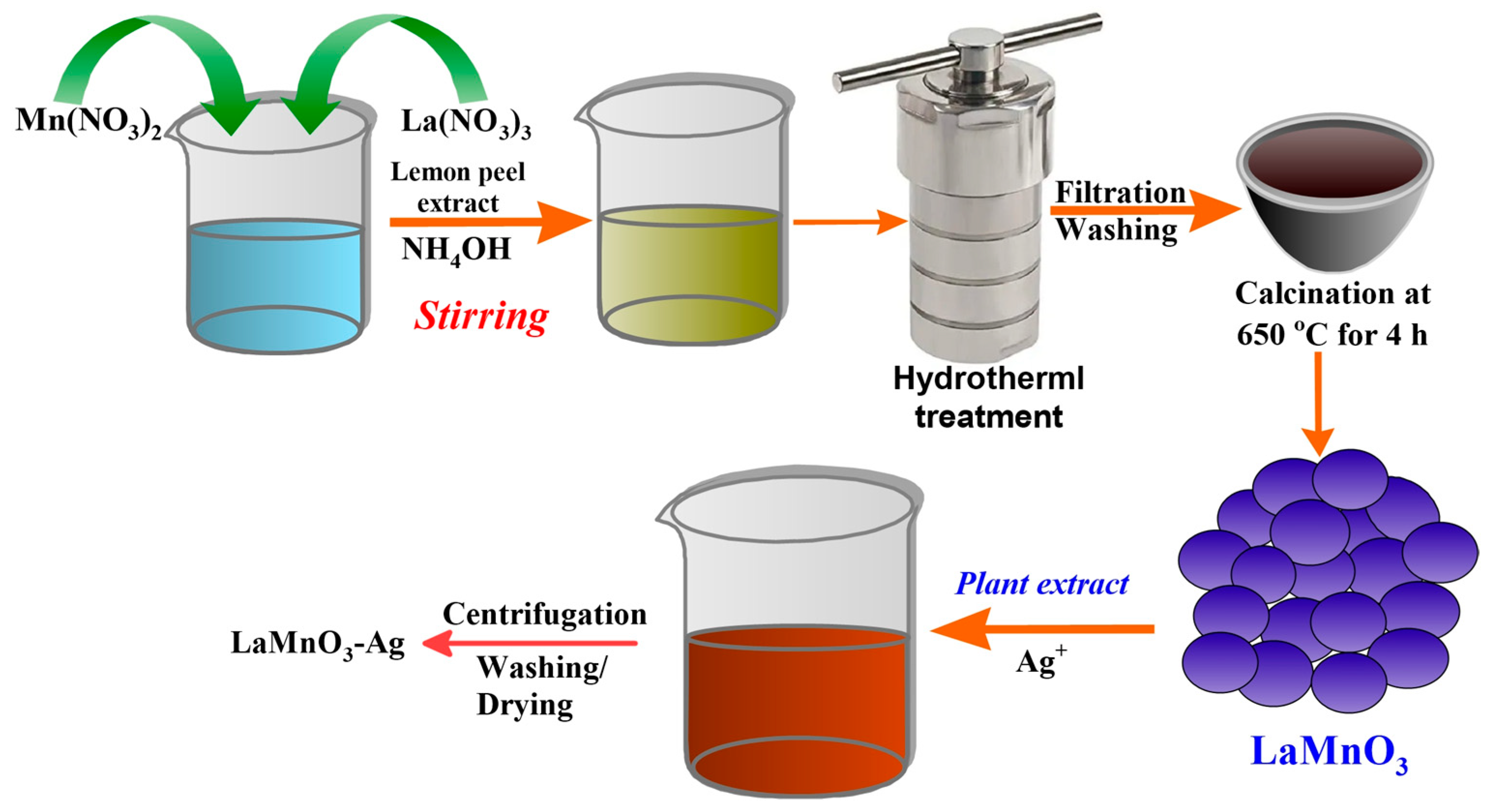
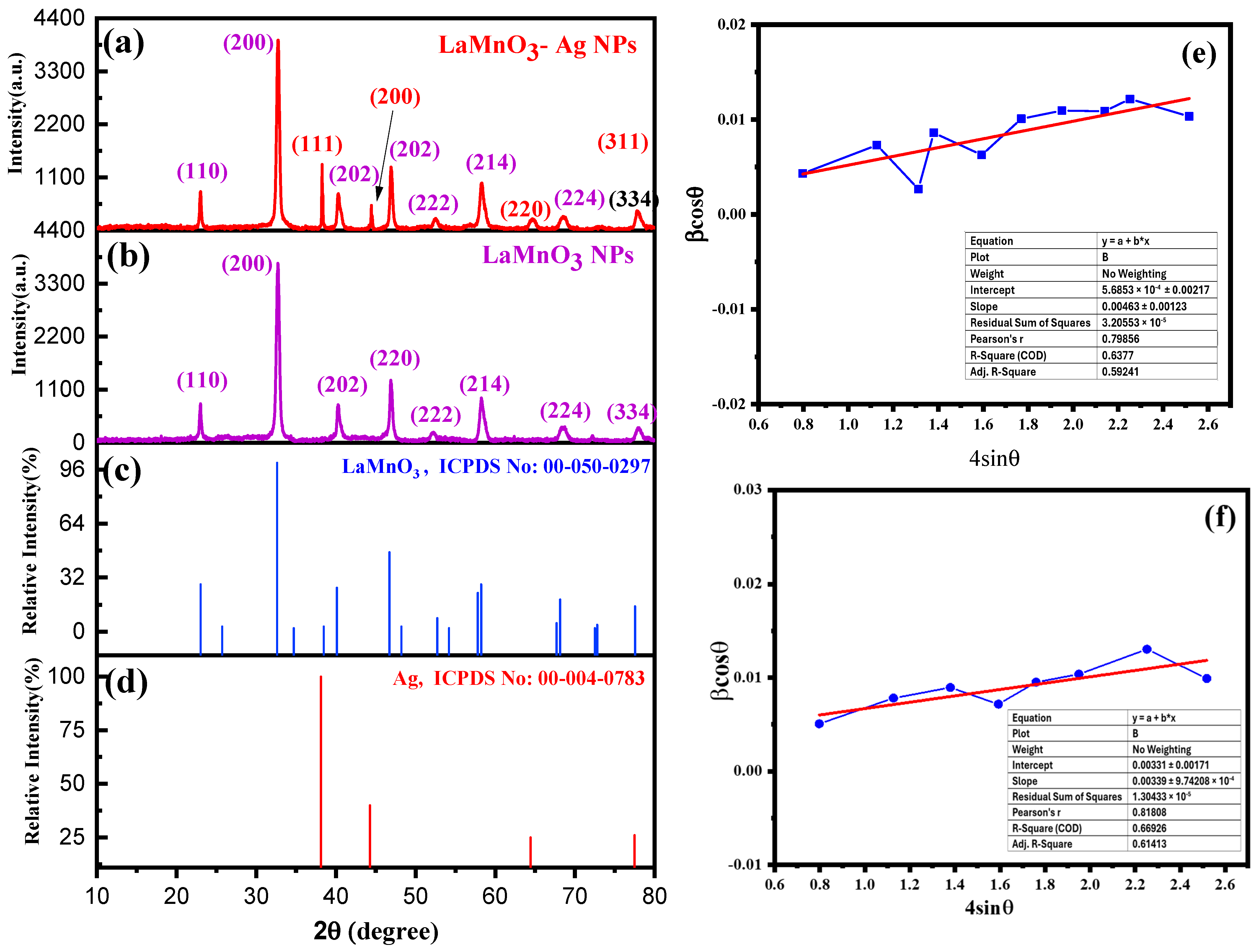
Perovskites can absorb solar energy and are extensively used in various catalytic and photocatalytic reactions. However, noble metal particles may enhance the catalytic, photocatalytic, and antibacterial activities. This study demonstrates the cost-effective green synthesis of the photocatalyst perovskite LaMnO3 and its modification with noble metal Ag nanoparticles. The green synthesis of nanocomposite was achieved through a hydrothermal method employing aqueous extract derived from Citrus limon (L.) Burm peels. The properties of fabricated perovskites LaMnO3 and LaMnO3-Ag nanocomposites were evaluated and characterized by Ultraviolet-Visible spectroscopy (UV-Vis), Diffuse Reflectance Spectroscopy (DRS), X-ray diffraction (XRD), Fourier-Transform Infrared Spectroscopy (FT-IR), High-Resolution Transmission Electron Microscopy (HRTEM), Scanning Electron Microscopy (SEM), Energy-Dispersive X-ray spectroscopy (EDX) and Brunauer–Emmett–Teller (BET) surface area techniques. The particle size distribution % of LaMnO3 and LaMnO3-Ag was observed to be 20 to 60 nm after using TEM images. The maximum percentage size distribution was 37 nm for LaMnO3 and 43 nm for LaMnO3-Ag. In addition, LaMnO3-Ag nanocomposite was utilized as a photocatalyst for the degradation of Rose Bengal (RB) dye and its antibacterial activities against Staphylococcus aureus (S. aureus) and Escherichia coli (E. coli). The surface area and band gap for perovskite LaMnO3 nanoparticles were calculated as 12.642 m2/g and 3.44 eV, respectively. The presence of noble metal and hydrothermal-bio reduction significantly impacted the crystallinity. The BET surface area was found to be 16.209 m2/g, and band gap energy was calculated at 2.94 eV. The LaMnO3 nanocomposite with noble metal shows enhanced photocatalytic effectiveness against RB dye (20 PPM) degradation (92%, R2 = 0.995) with pseudo-first-order chemical kinetics (rate constant, k = 0.05057 min−1) within 50 min due to the ultimate combination of the hydrothermal and bio-reduction technique. The photocatalytic activity of the LaMnO3-Ag nanocomposite was optimized at different reaction times, photocatalyst doses (0.2, 0.4, 0.6, and 0.8 g/L), and various RB dye concentrations (20, 30, 40, and 50 ppm). The antibacterial activities of green synthesized LaMnO3 and LaMnO3-Ag nanoparticles were explored based on colony-forming unit (cfu) reduction and TEM images of bacterial and nanoparticle interactions for S. aureus and E. coli. An amount of 50 µg/mL LaMnO3-Ag nanocomposite was sufficient to work as the highest antibacterial activity for both bacteria. The perovskite LaMnO3-Ag nanocomposite synthesis process is economically and environmentally friendly. Additionally, it has a wide range of effective and exclusive applications for remediating pollutants.
Keywords: LaMnO3; silver nanoparticle; green synthesis; photocatalysis; dye degradation; antibacterial activities LaMnO3; silver nanoparticle; green synthesis; photocatalysis; dye degradation; antibacterial activities