Article

Rational Fabrication of Ag2S/g-C3N4 Heterojunction for Photocatalytic Degradation of Rhodamine B Dye Under Natural Solar Radiation


1
Department of Chemistry, College of Science, King Saud University, P.O. Box 2455, Riyadh 11451, Saudi Arabia
2
Chemistry Department, Faculty of Science, Ain Shams University, Cairo 11566, Egypt
3
Department of Chemistry, Saxony Egypt University for Applied Science and Technology, Cairo 11829, Egypt
4
Department of Chemistry, University of York, York YO10 5DD, UK
*
Author to whom correspondence should be addressed.
Catalysts 2024, 14(12), 914; https://doi.org/10.3390/catal14120914
Submission received: 15 December 2023 / Revised: 11 January 2024 / Accepted: 16 January 2024 / Published: 11 December 2024
(This article belongs to the Section Photocatalysis)

Abstract

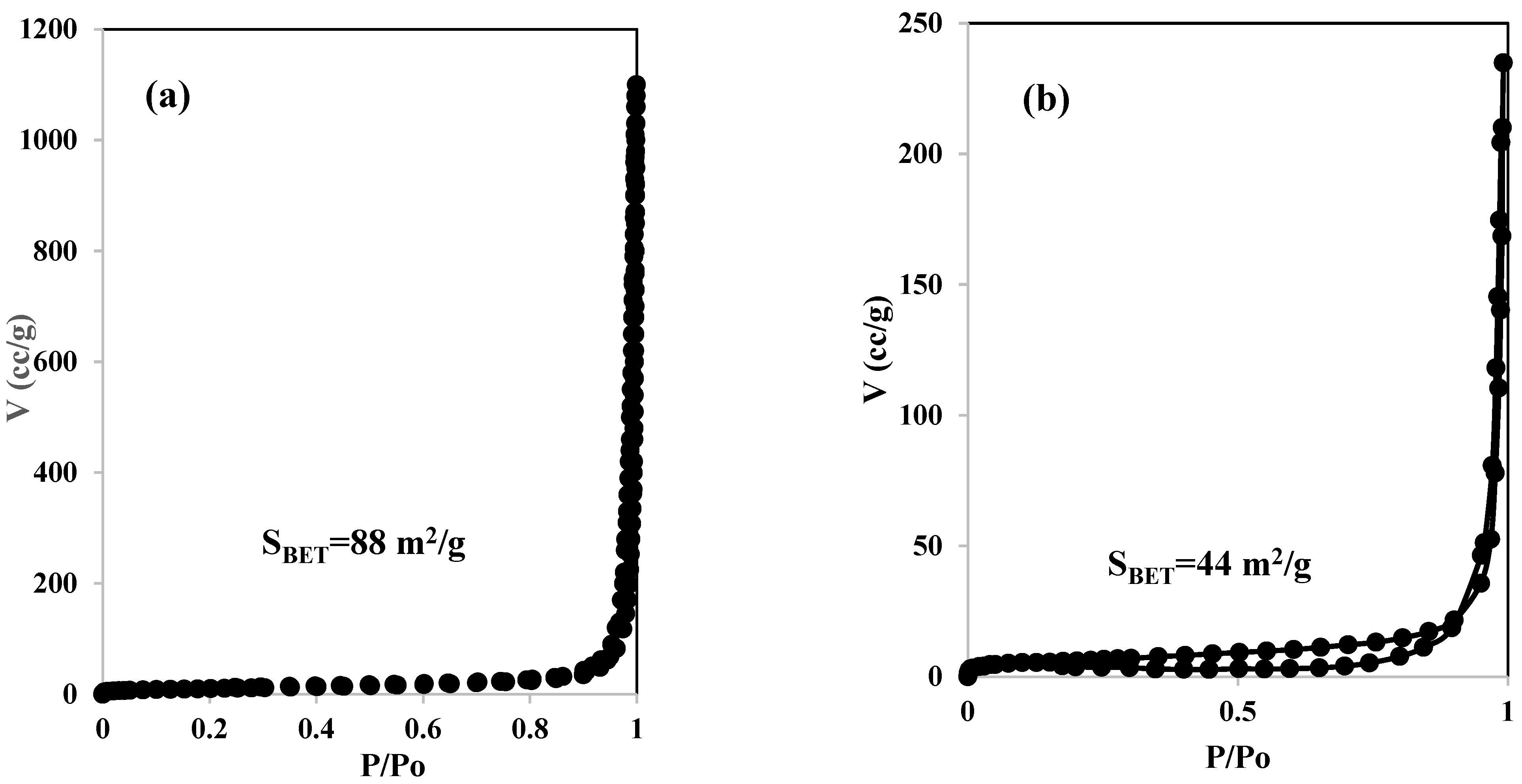
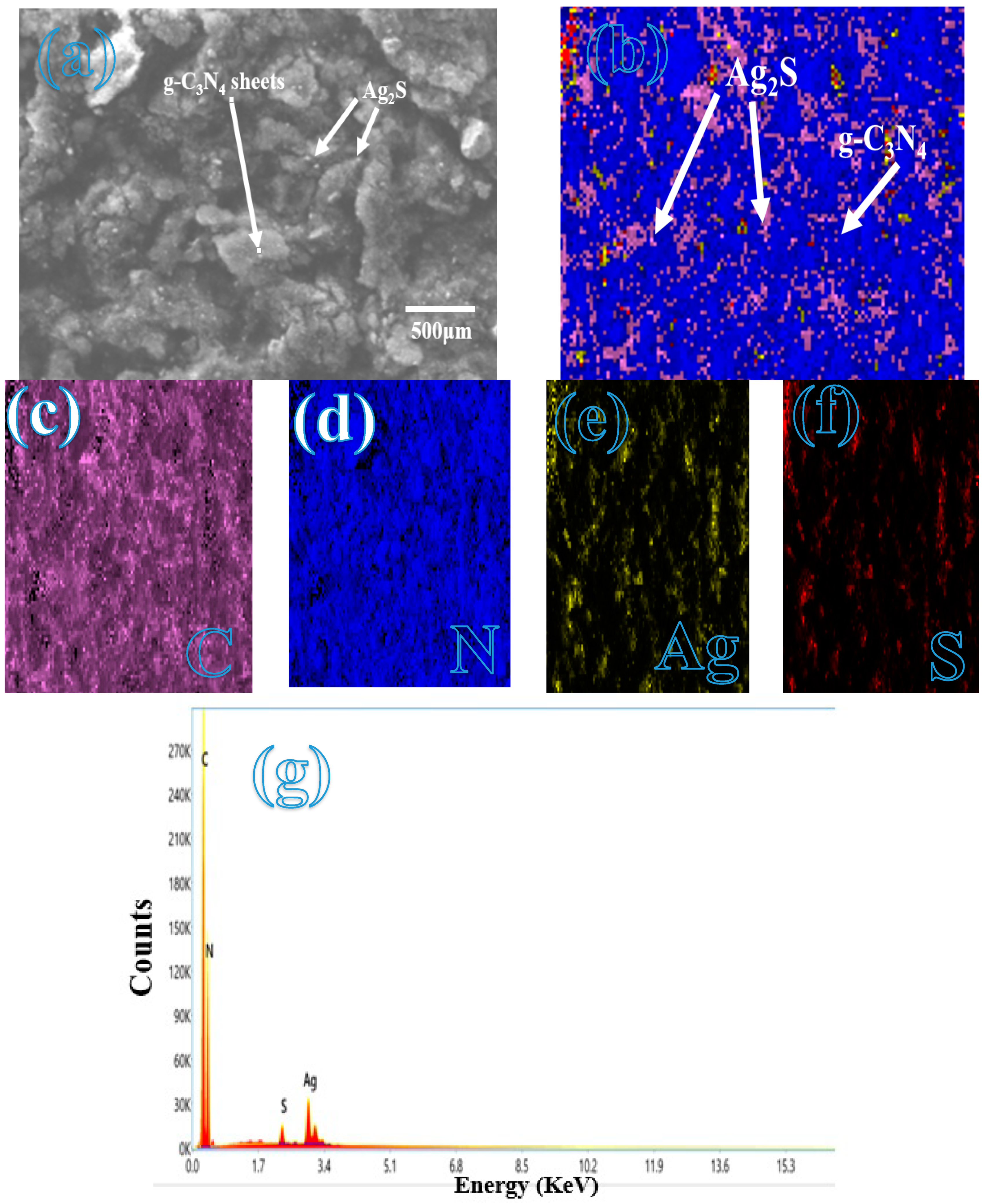
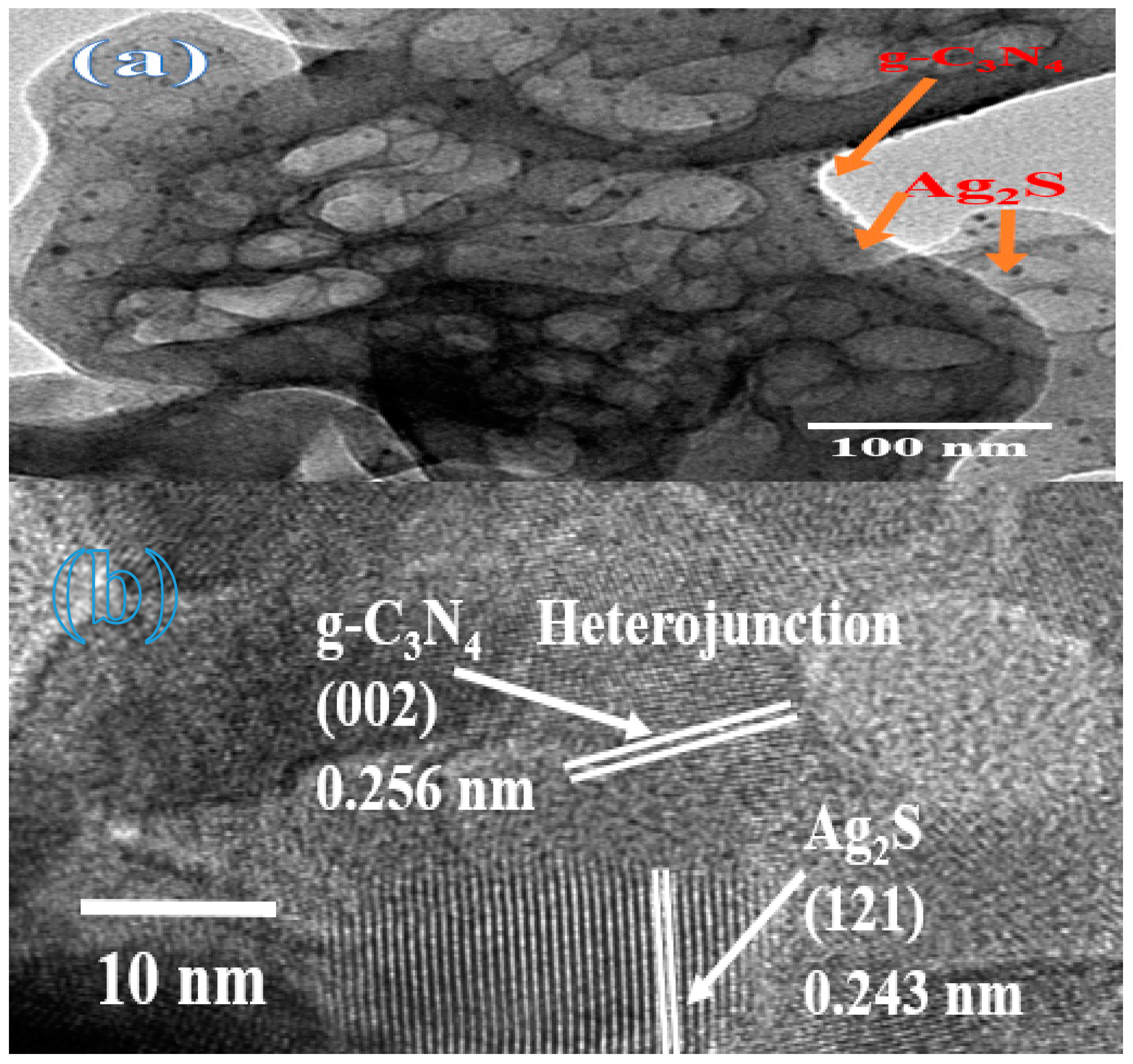
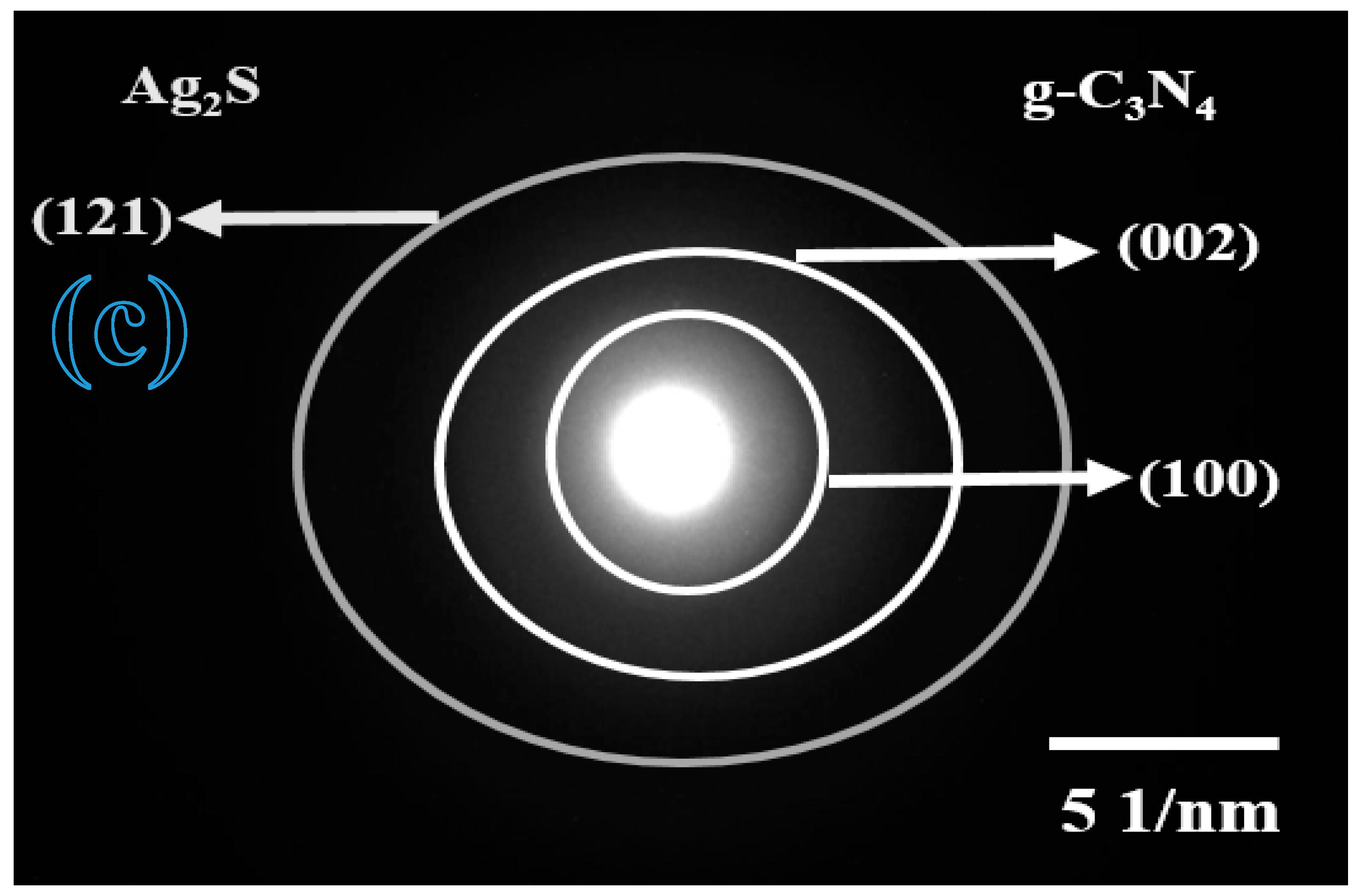
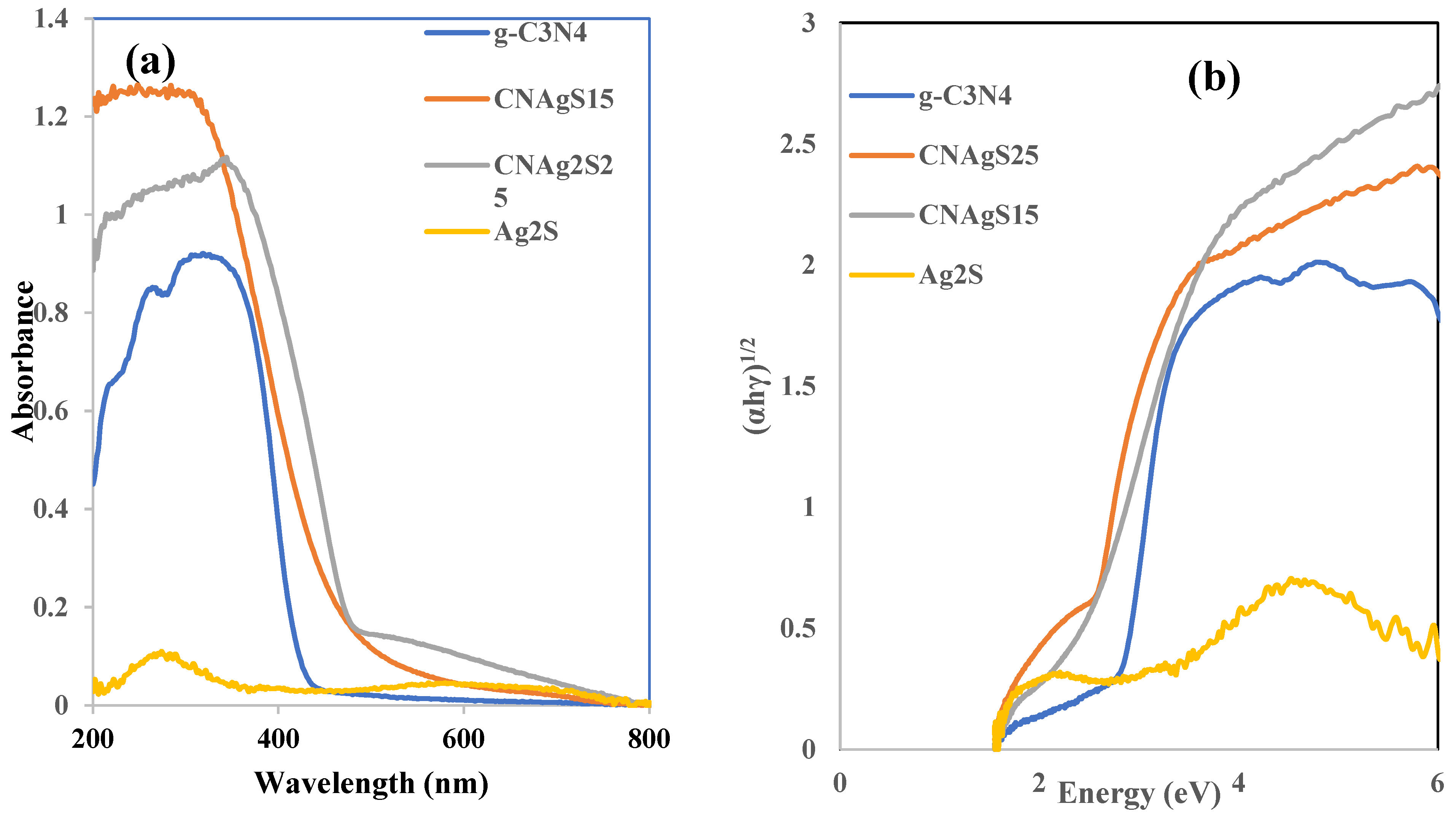
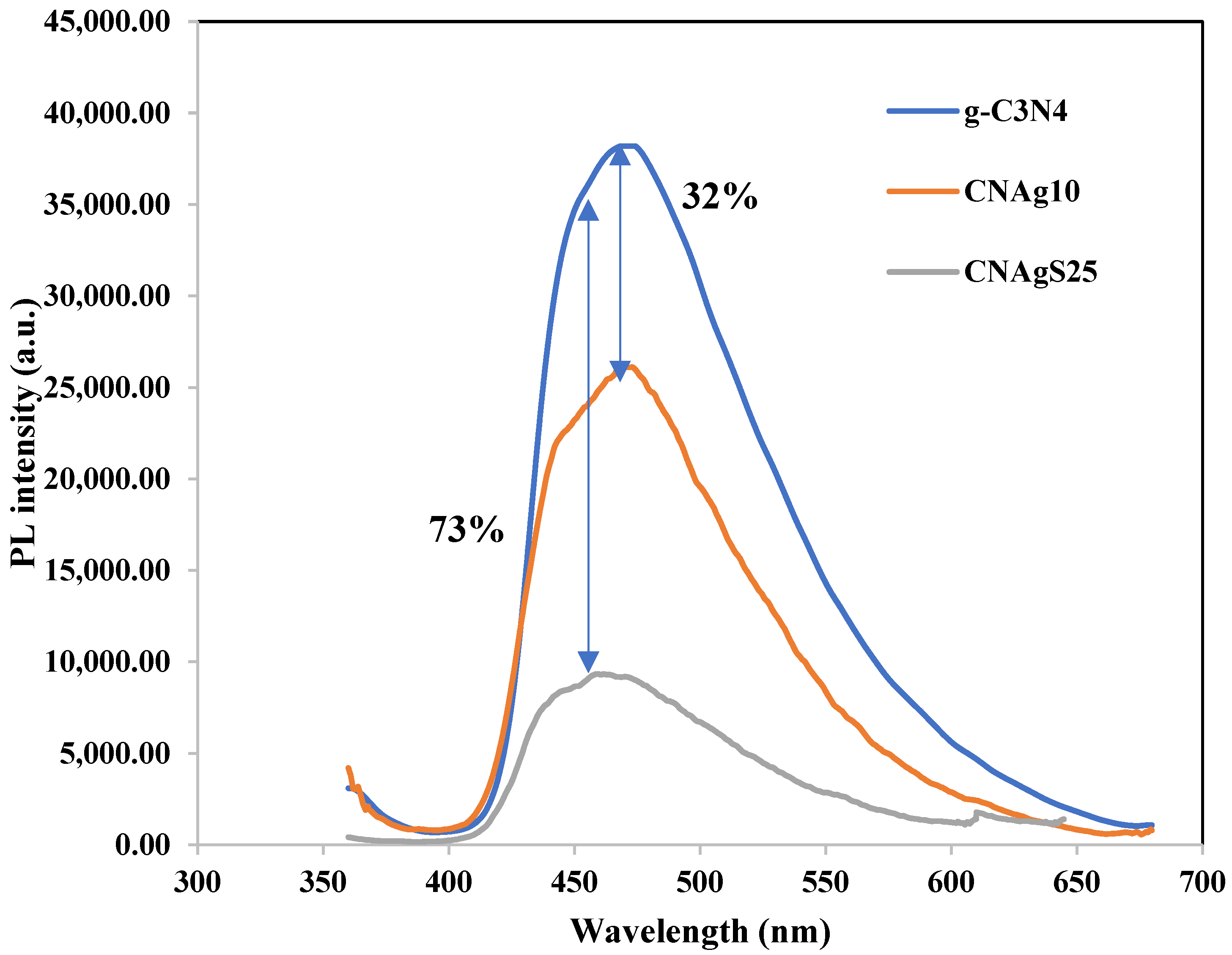
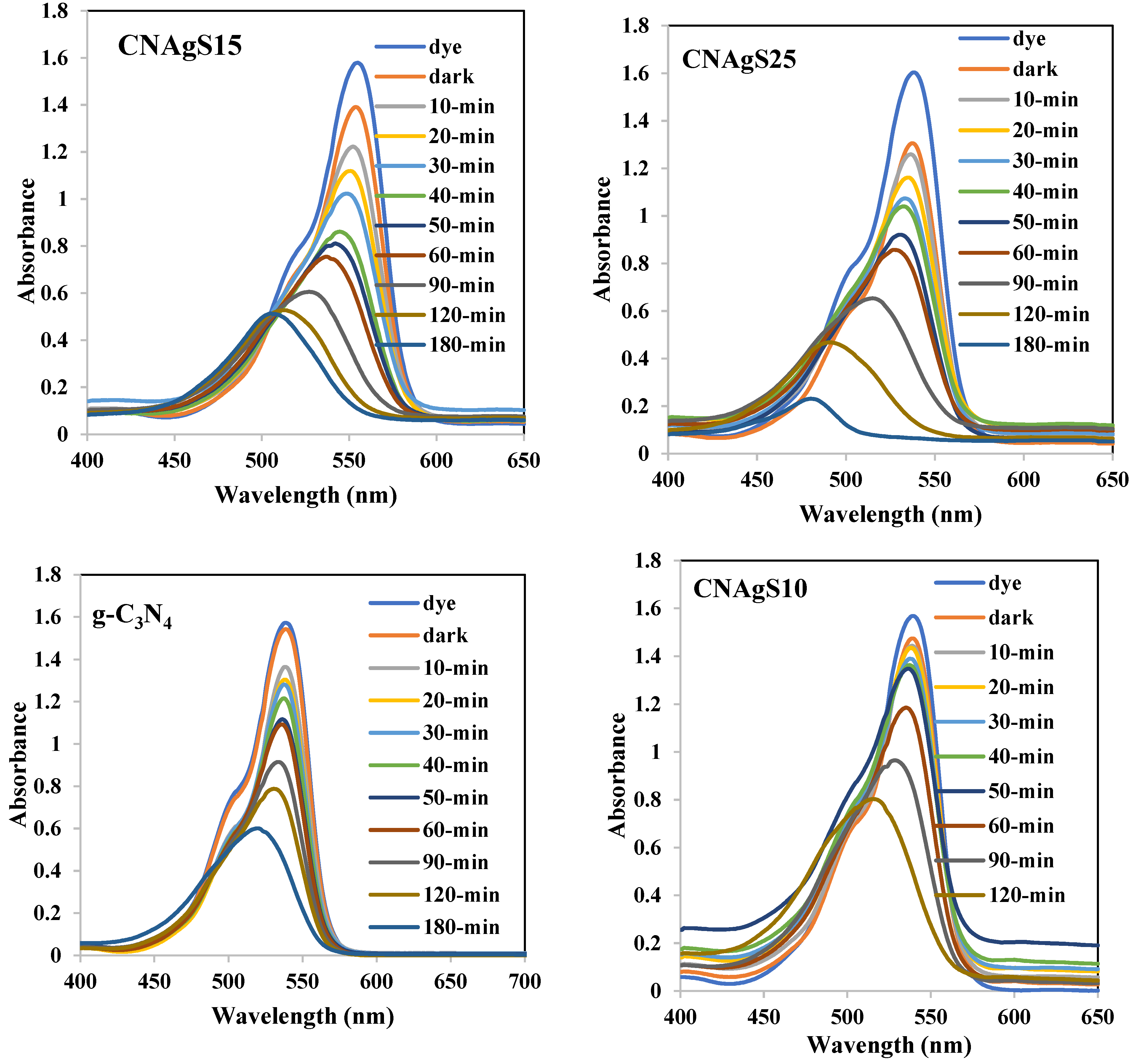
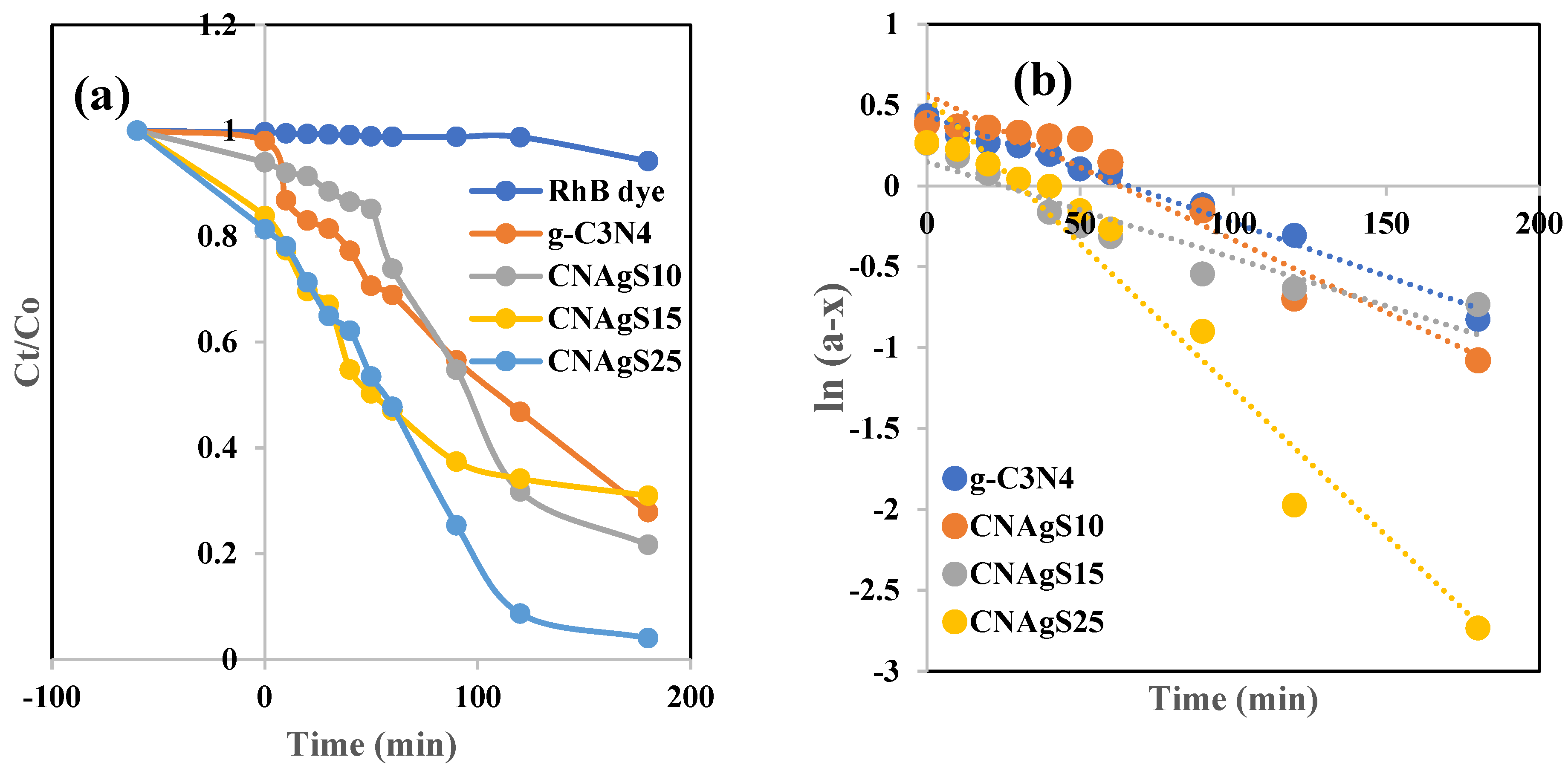
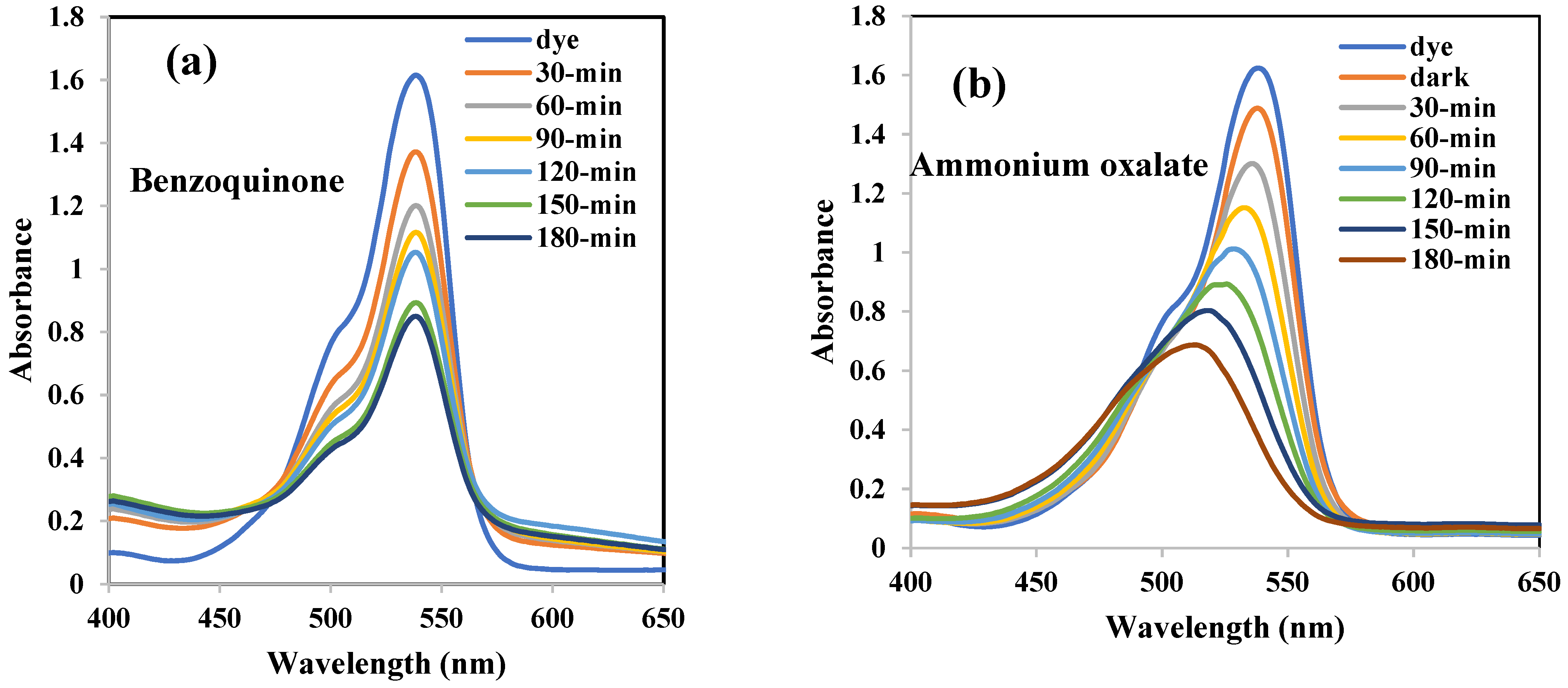
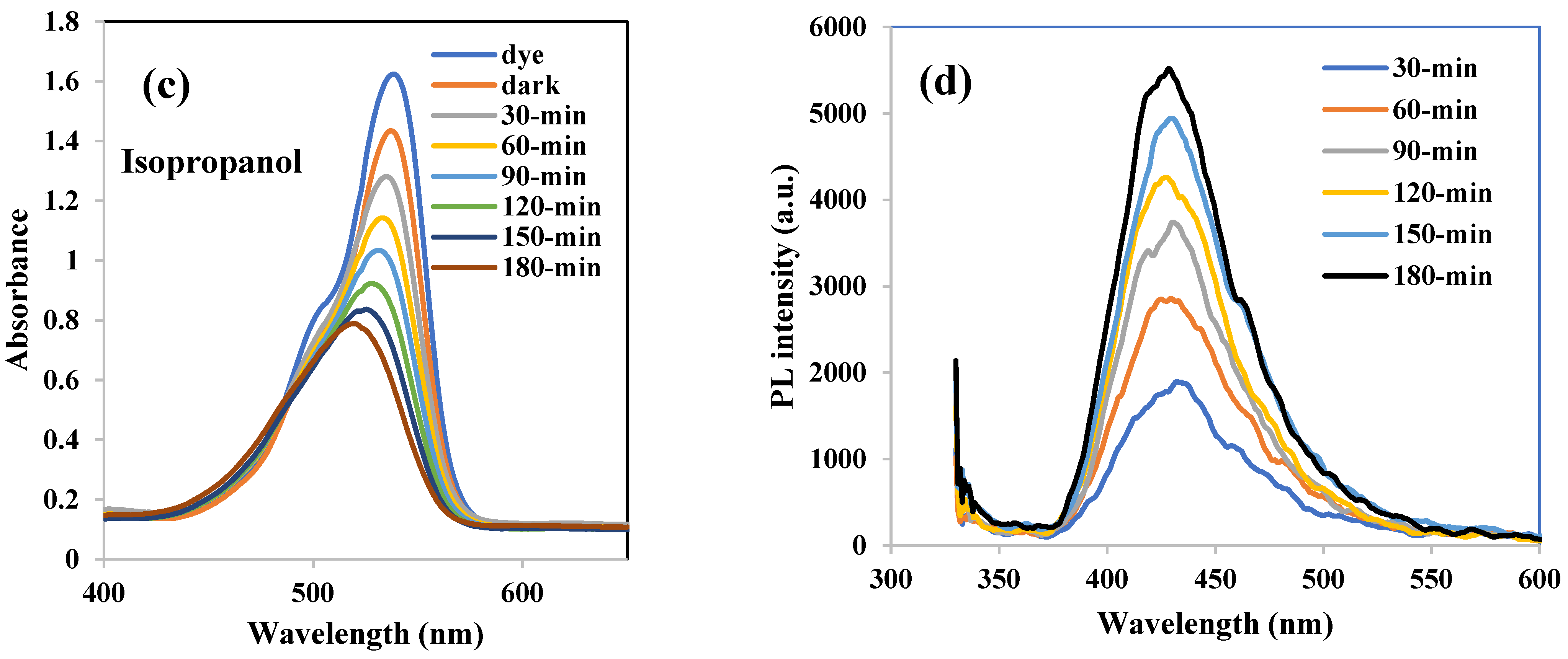
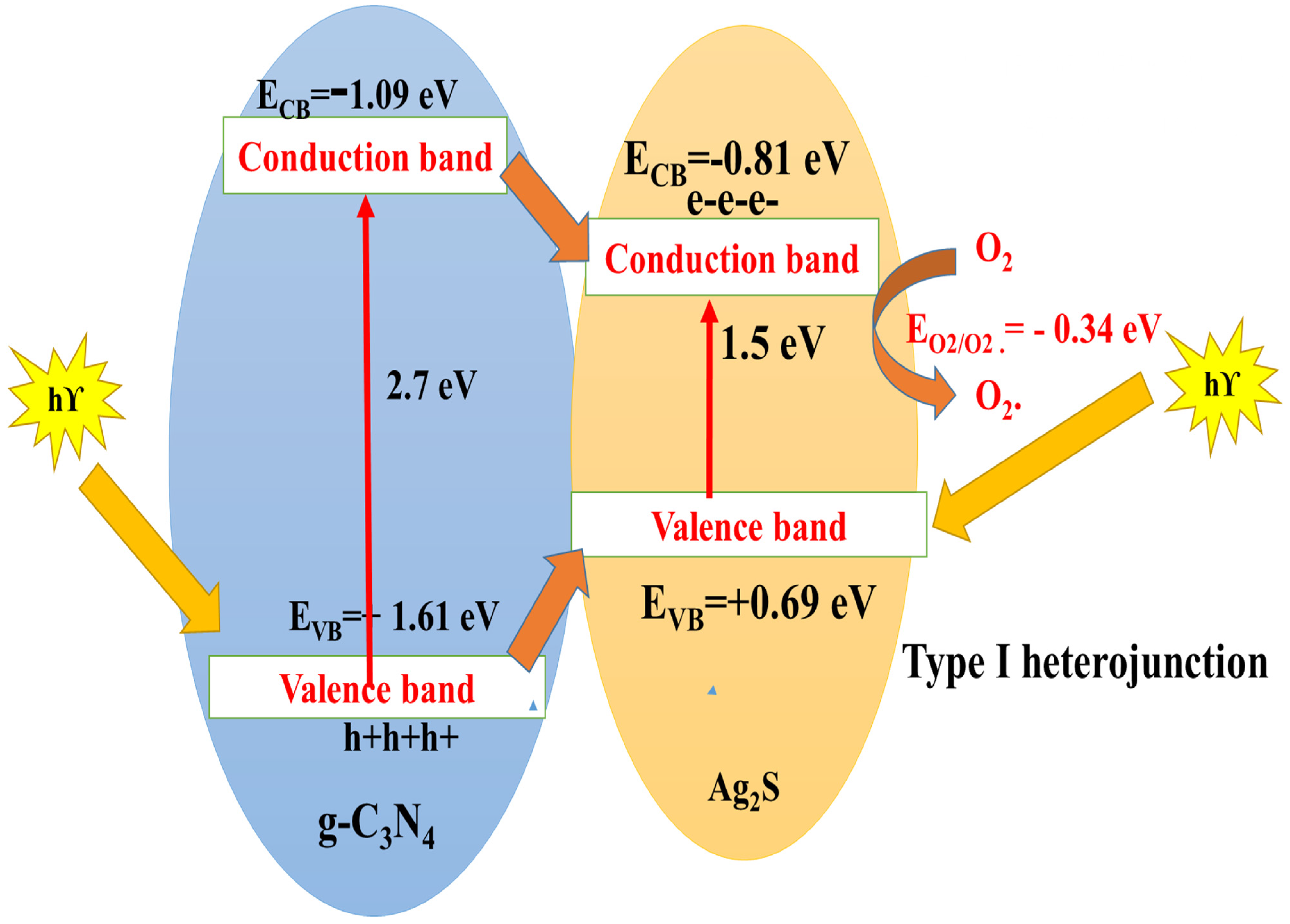
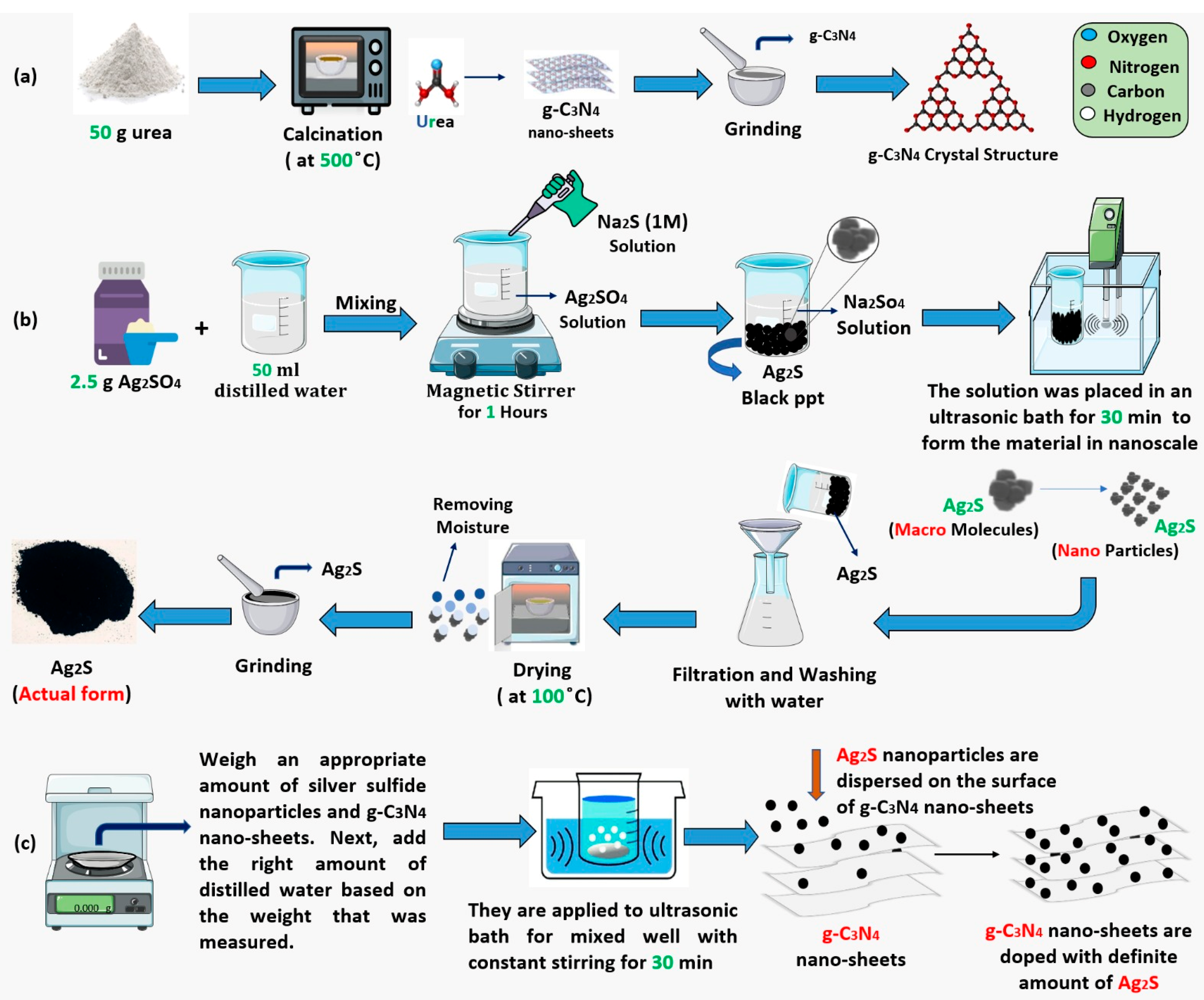
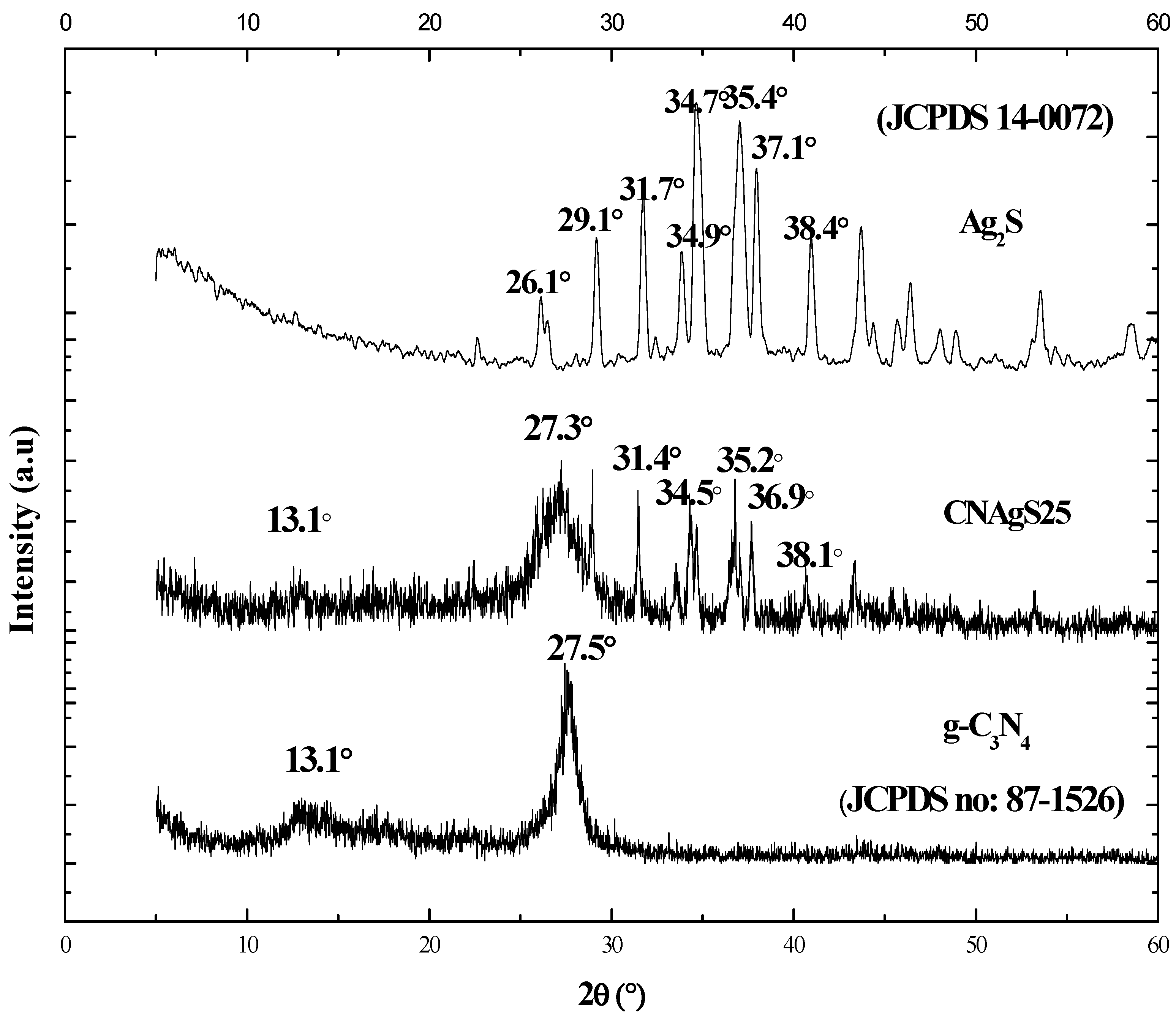
Near-infrared light-triggered photocatalytic water treatment has attracted significant attention in recent years. In this novel research, rational sonochemical fabrication of Ag2S/g-C3N4 nanocomposites with various compositions of Ag2S (0–25) wt% was carried out to eliminate hazardous rhodamine B dye in a cationic organic pollutant model. g-C3N4 sheets were synthesized via controlled thermal annealing of microcrystalline urea. However, black Ag2S nanoparticles were synthesized through a precipitation-assisted sonochemical route. The chemical interactions between various compositions of Ag2S and g-C3N4 were carried out in an ultrasonic bath with a power of 300 W. XRD, PL, DRS, SEM, HRTEM, mapping, BET, and SAED analysis were used to estimate the crystalline, optical, nanostructure, and textural properties of the solid specimens. The coexistence of the diffraction peaks of g-C3N4 and Ag2S implied the successful production of Ag2S/g-C3N4 heterojunctions. The band gap energy of g-C3N4 was exceptionally reduced from 2.81 to 1.5 eV with the introduction of 25 wt% of Ag2S nanoparticles, implying the strong absorbability of the nanocomposites to natural solar radiation. The PL signal intensity of Ag2S/g-C3N4 was reduced by 40% compared with pristine g-C3N4, implying that Ag2S enhanced the electron–hole transportation and separation. The rate of the photocatalytic degradation of rhodamine B molecules was gradually increased with the introduction of Ag2S on the g-C3N4 surface and reached a maximum for nanocomposites containing 25 wt% Ag2S. The radical trapping experiments demonstrated the principal importance of reactive oxygen species and hot holes in destroying rhodamine B under natural solar radiation. The charge transportation between Ag2S and g-C3N4 semiconductors proceeded through the type I straddling scheme. The enriched photocatalytic activity of Ag2S/g-C3N4 nanocomposites resulted from an exceptional reduction in band gap energy and controlling the electron–hole separation rate with the introduction of Ag2S as an efficient photothermal photocatalyst. The novel as-synthesized nanocomposites are considered a promising photocatalyst for destroying various types of organic pollutants under low-cost sunlight radiation.
Keywords: natural solar radiation; Ag2S/g-C3N4 photocatalyst; charge transportation efficiency; absorption of full broad spectrum natural solar radiation; Ag2S/g-C3N4 photocatalyst; charge transportation efficiency; absorption of full broad spectrum