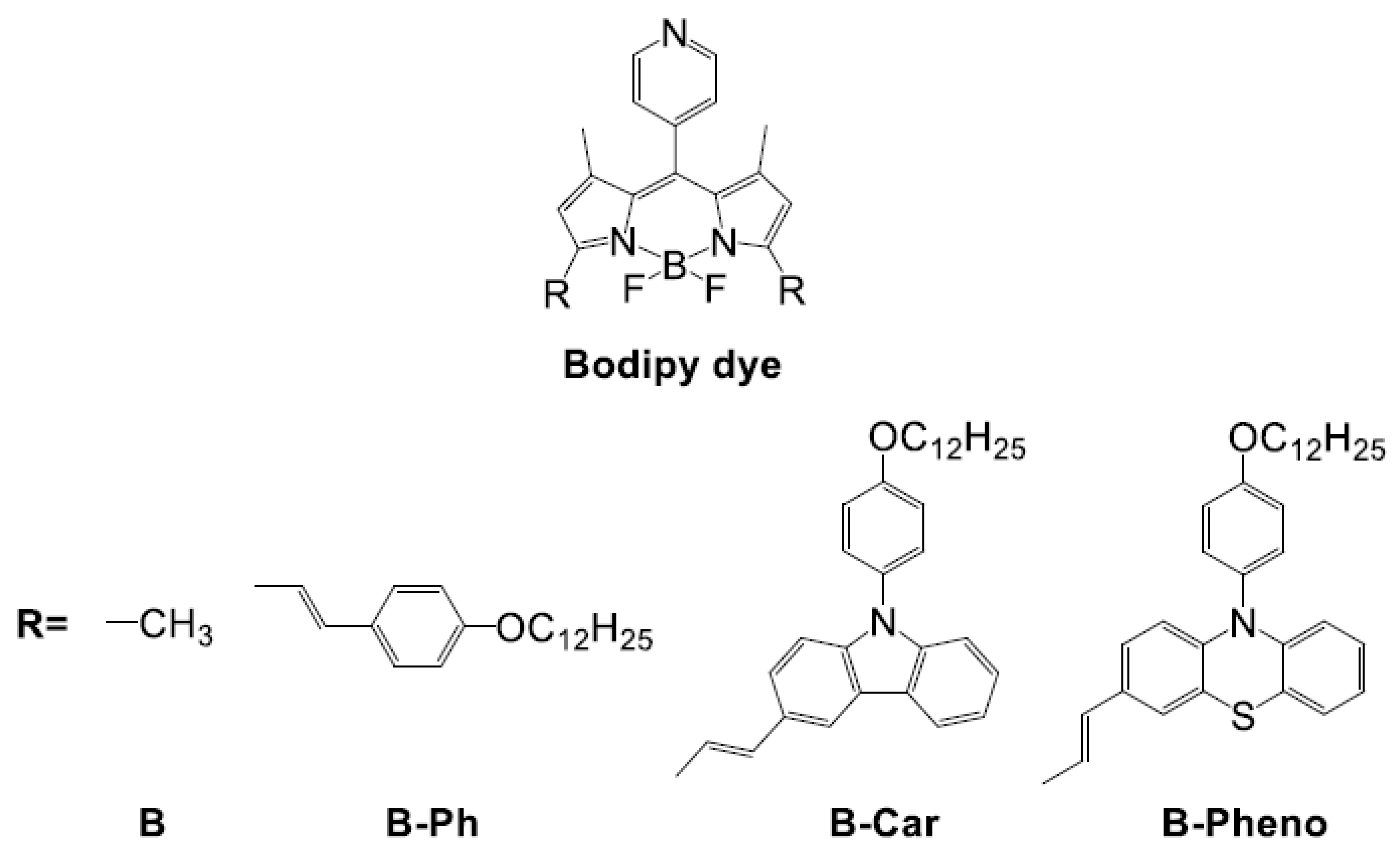
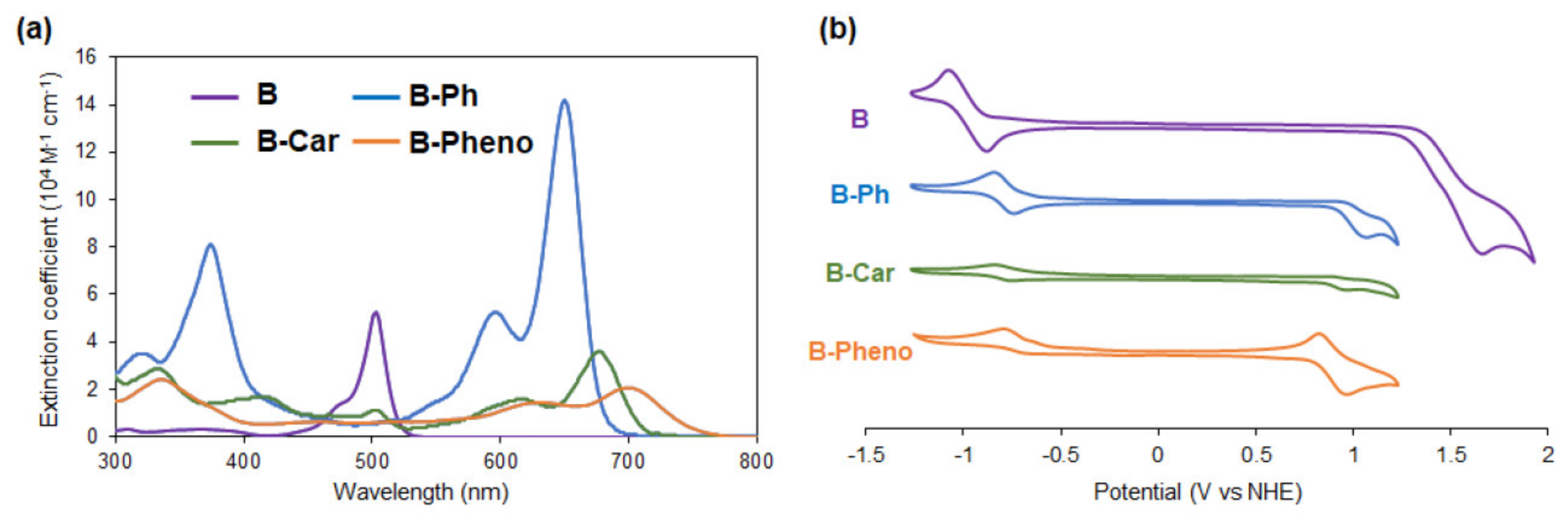
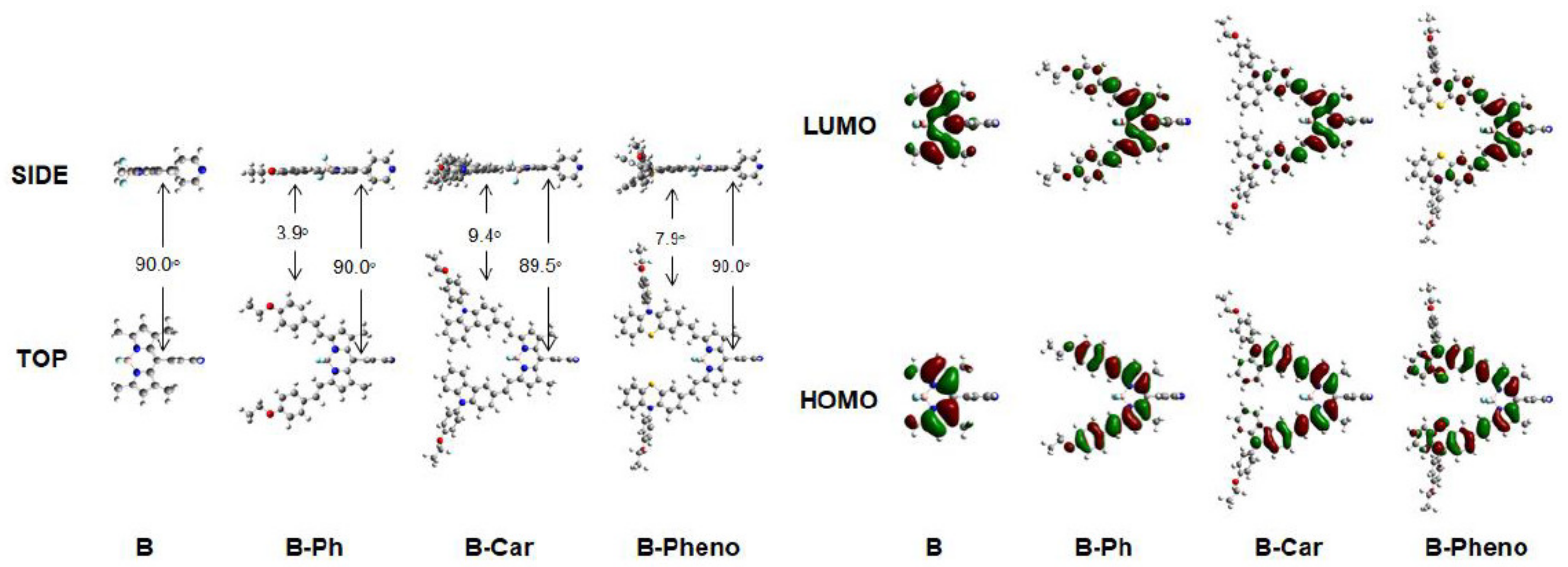
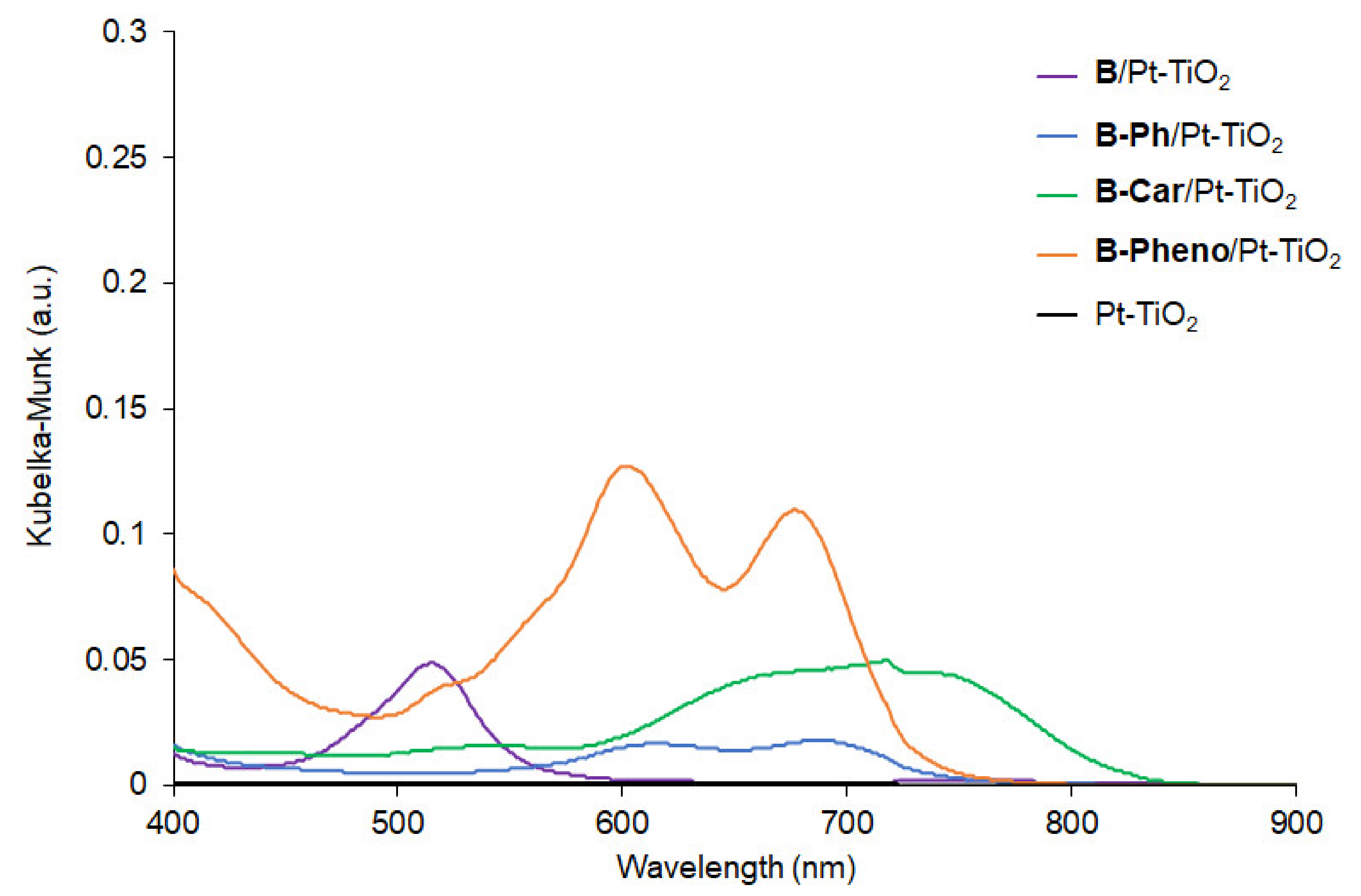
Pyridyl-Anchored Type BODIPY Sensitizer-TiO2 Photocatalyst for Enhanced Visible Light-Driven Photocatalytic Hydrogen Production


 ,
, Abstract
Share and Cite
Shen, X.-F.; Watanabe, M.; Takagaki, A.; Song, J.T.; Ishihara, T. Pyridyl-Anchored Type BODIPY Sensitizer-TiO2 Photocatalyst for Enhanced Visible Light-Driven Photocatalytic Hydrogen Production. Catalysts 2020, 10, 535. https://doi.org/10.3390/catal10050535
Shen X-F, Watanabe M, Takagaki A, Song JT, Ishihara T. Pyridyl-Anchored Type BODIPY Sensitizer-TiO2 Photocatalyst for Enhanced Visible Light-Driven Photocatalytic Hydrogen Production. Catalysts. 2020; 10(5):535. https://doi.org/10.3390/catal10050535
Chicago/Turabian StyleShen, Xiao-Feng, Motonori Watanabe, Atsushi Takagaki, Jun Tae Song, and Tatsumi Ishihara. 2020. "Pyridyl-Anchored Type BODIPY Sensitizer-TiO2 Photocatalyst for Enhanced Visible Light-Driven Photocatalytic Hydrogen Production" Catalysts 10, no. 5: 535. https://doi.org/10.3390/catal10050535
APA StyleShen, X.-F., Watanabe, M., Takagaki, A., Song, J. T., & Ishihara, T. (2020). Pyridyl-Anchored Type BODIPY Sensitizer-TiO2 Photocatalyst for Enhanced Visible Light-Driven Photocatalytic Hydrogen Production. Catalysts, 10(5), 535. https://doi.org/10.3390/catal10050535