Article

Performance Evaluation of On-Premise SQL Server and Azure SQL Database Using a .NET 8 E-Commerce Application


by
Ahmed Jawad Kadhim
1,* and
Tayseer S. Atia
2,*
1
College of Nursing, University of Babylon, Hillah 51002, Iraq
2
College of Engineering, Al-Iraqia University, Baghdad 10055, Iraq
*
Authors to whom correspondence should be addressed.
Computers 2026, 15(8), 469; https://doi.org/10.3390/computers15080469

Submission received: 4 June 2026 / Revised: 8 July 2026 / Accepted: 8 July 2026 / Published: 24 July 2026

Abstract

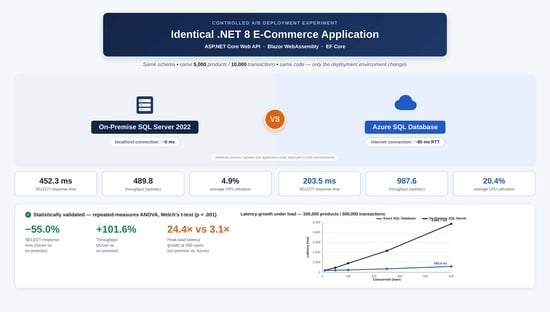
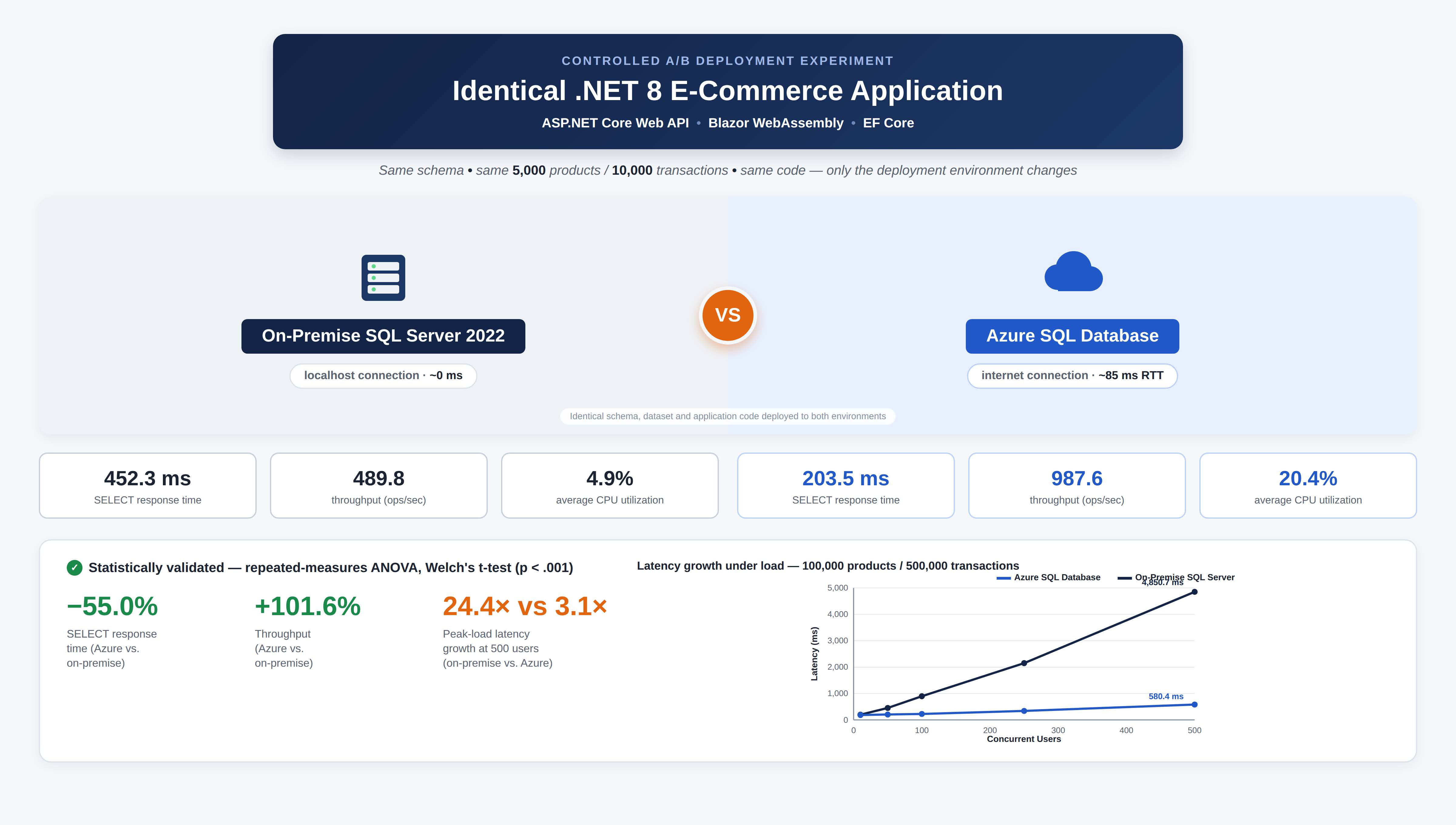
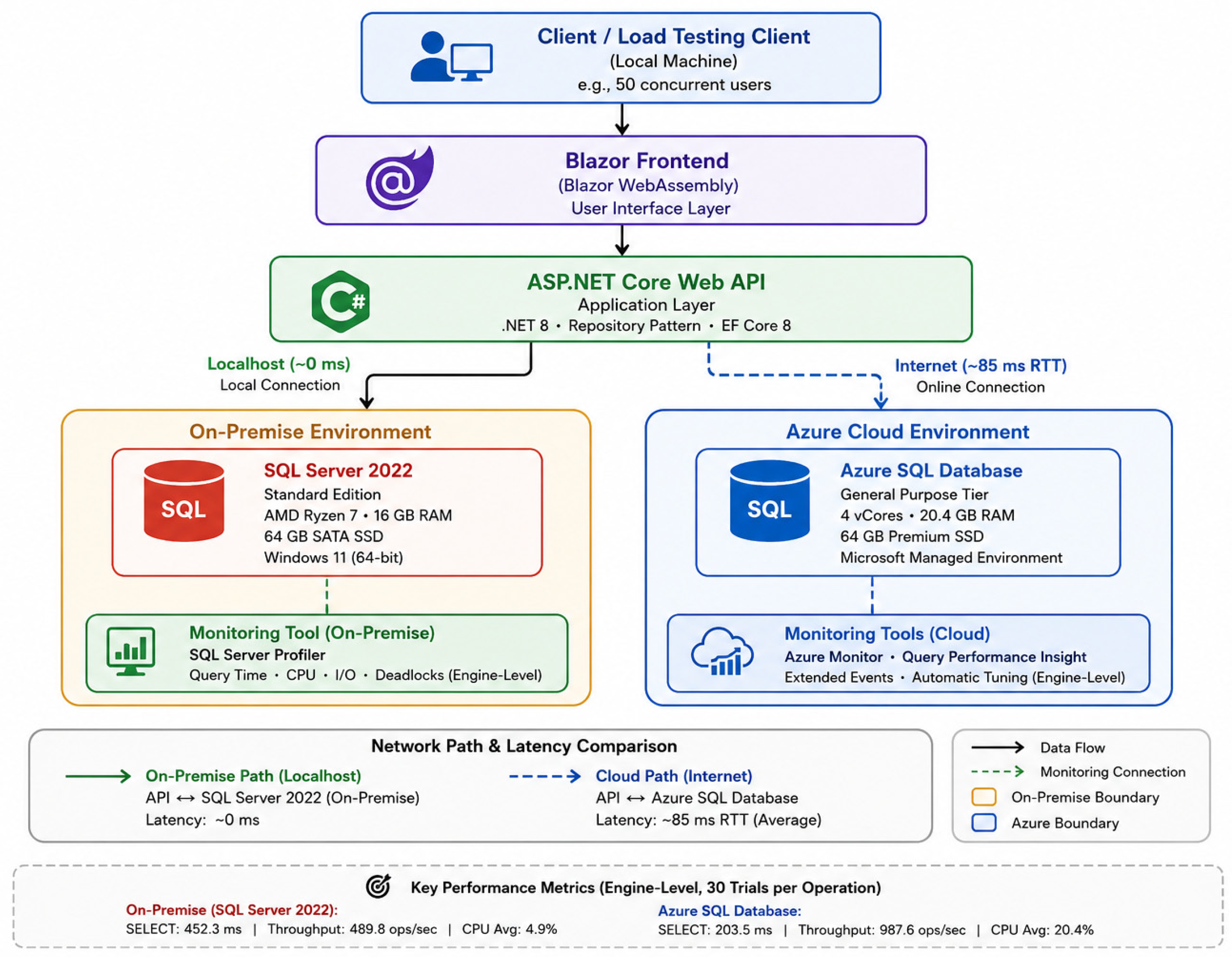
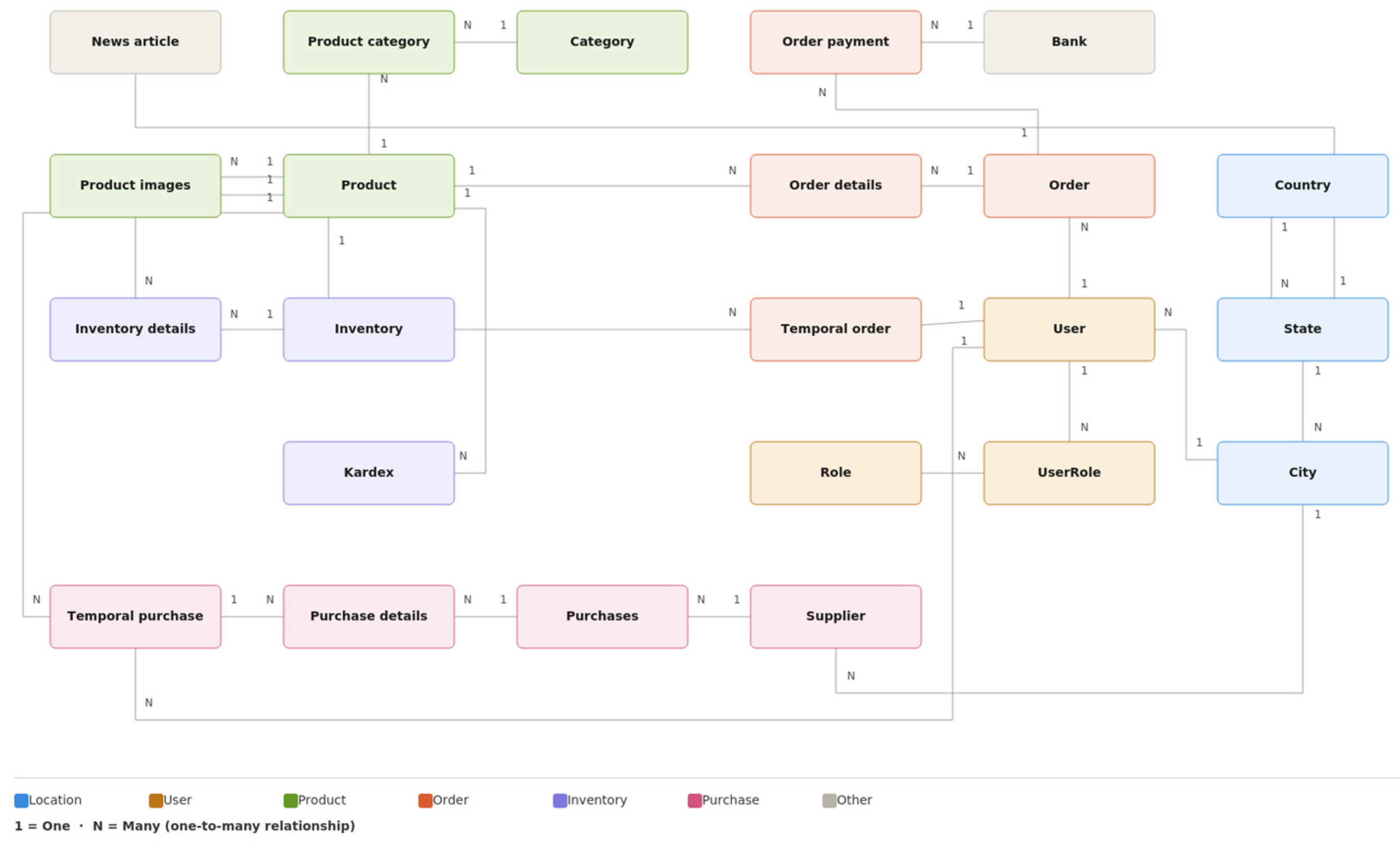
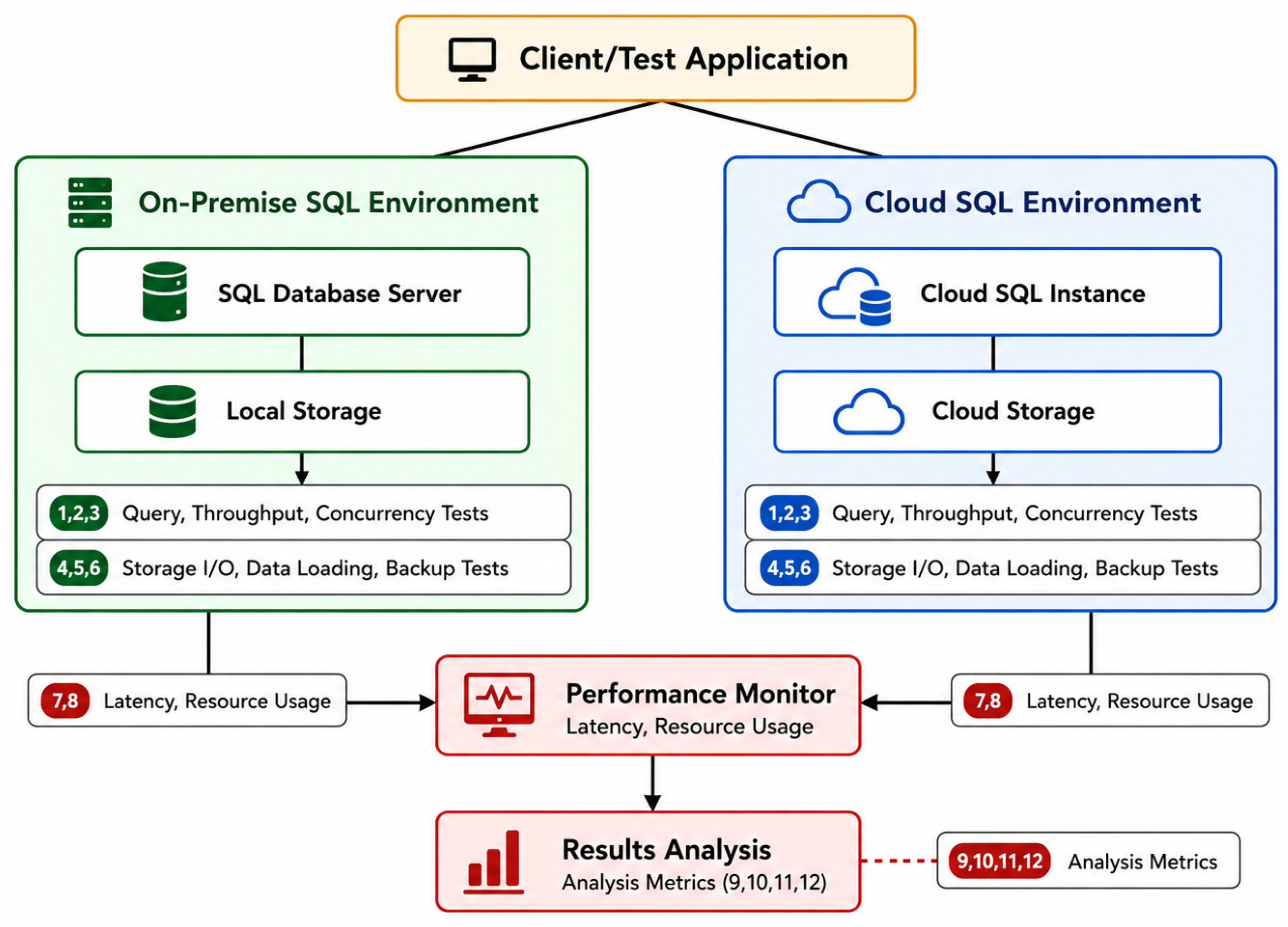
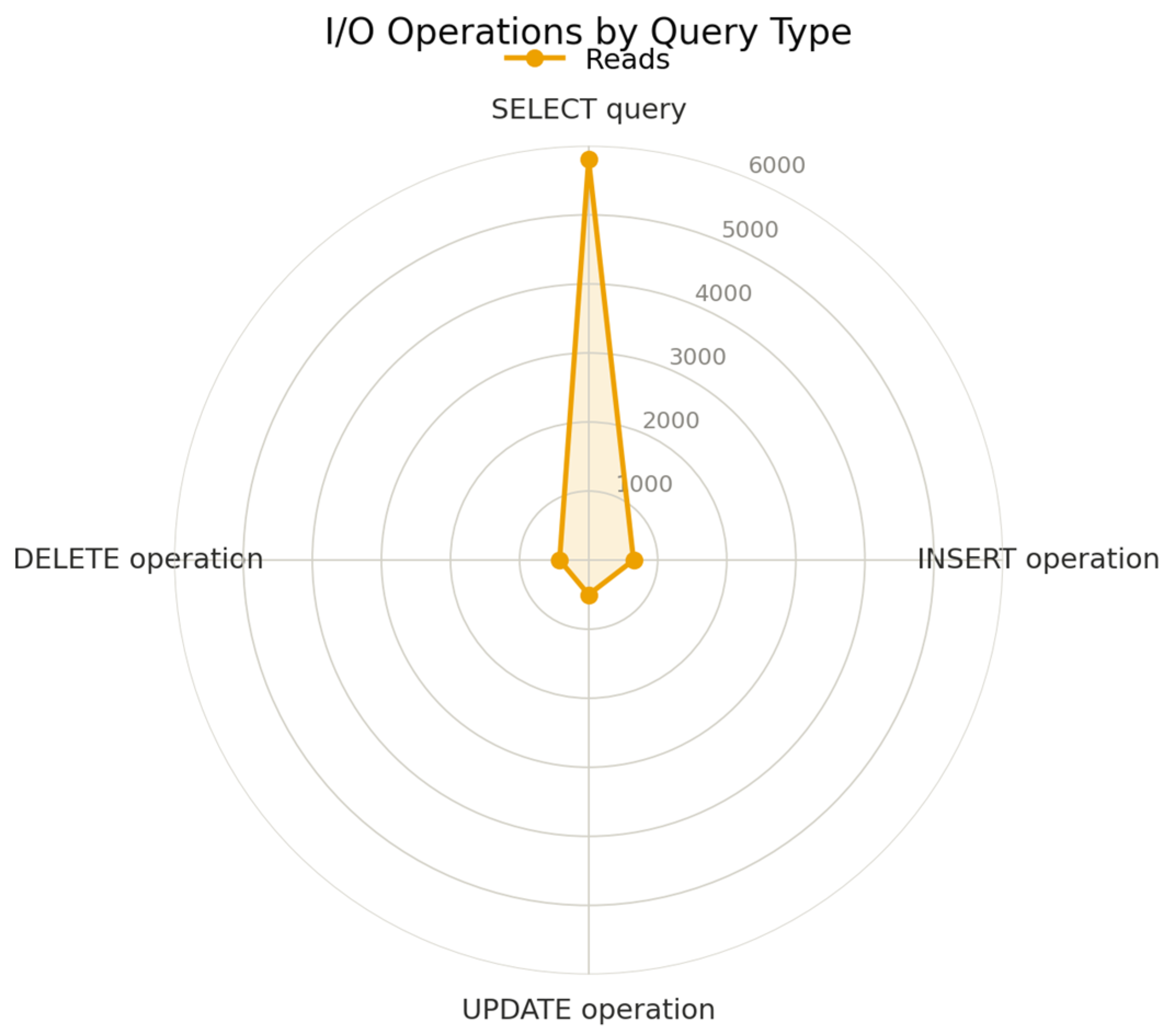
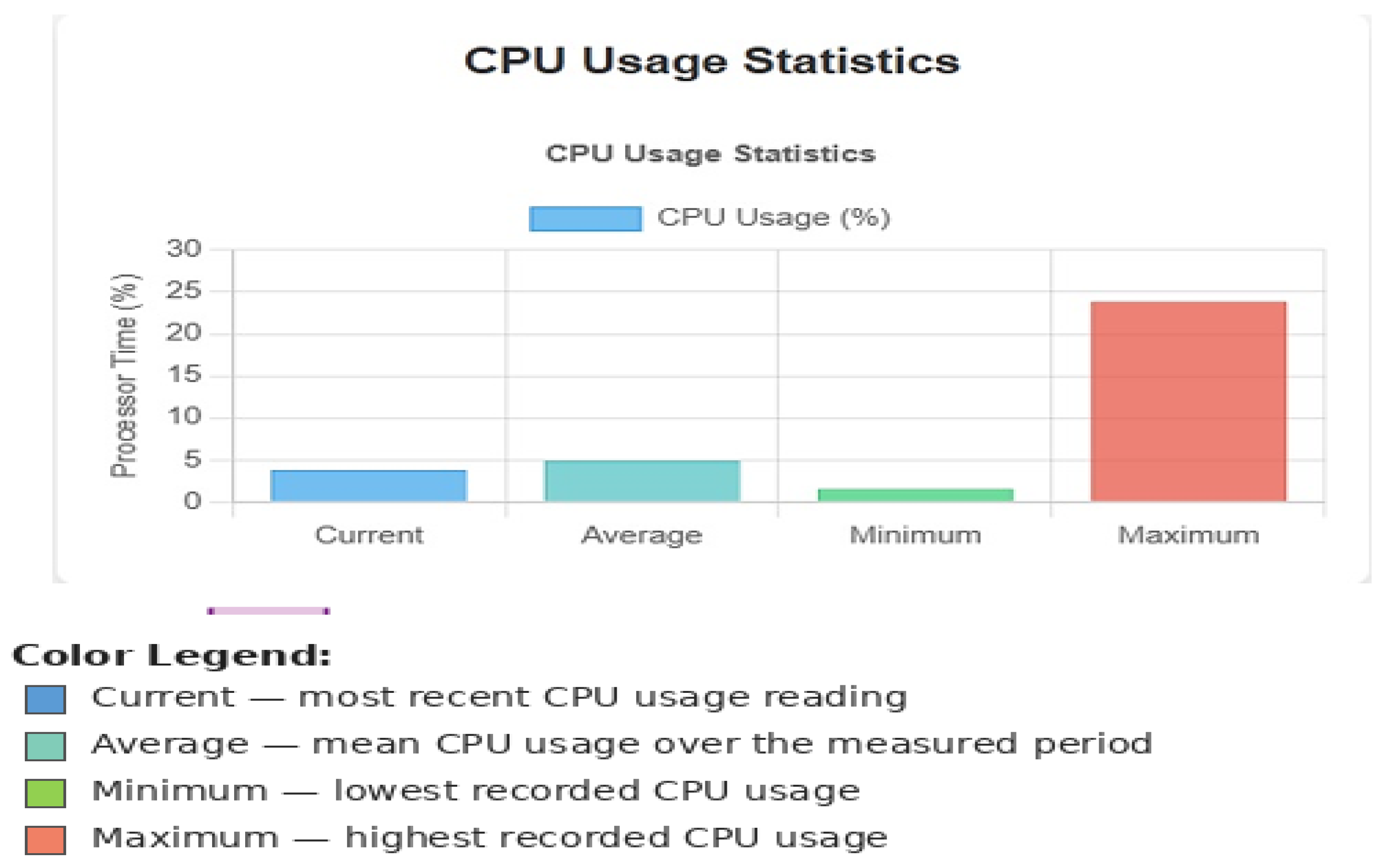
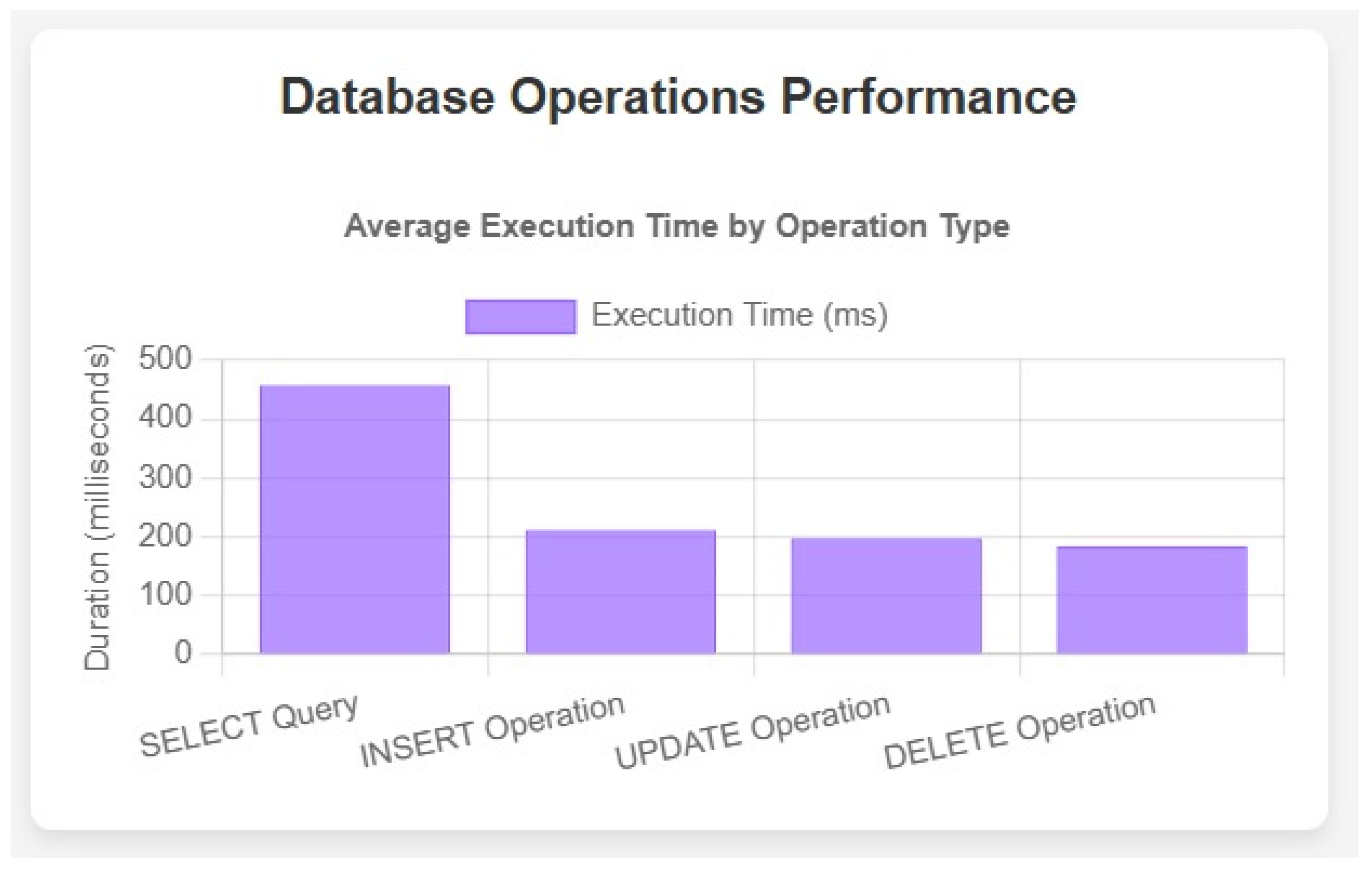
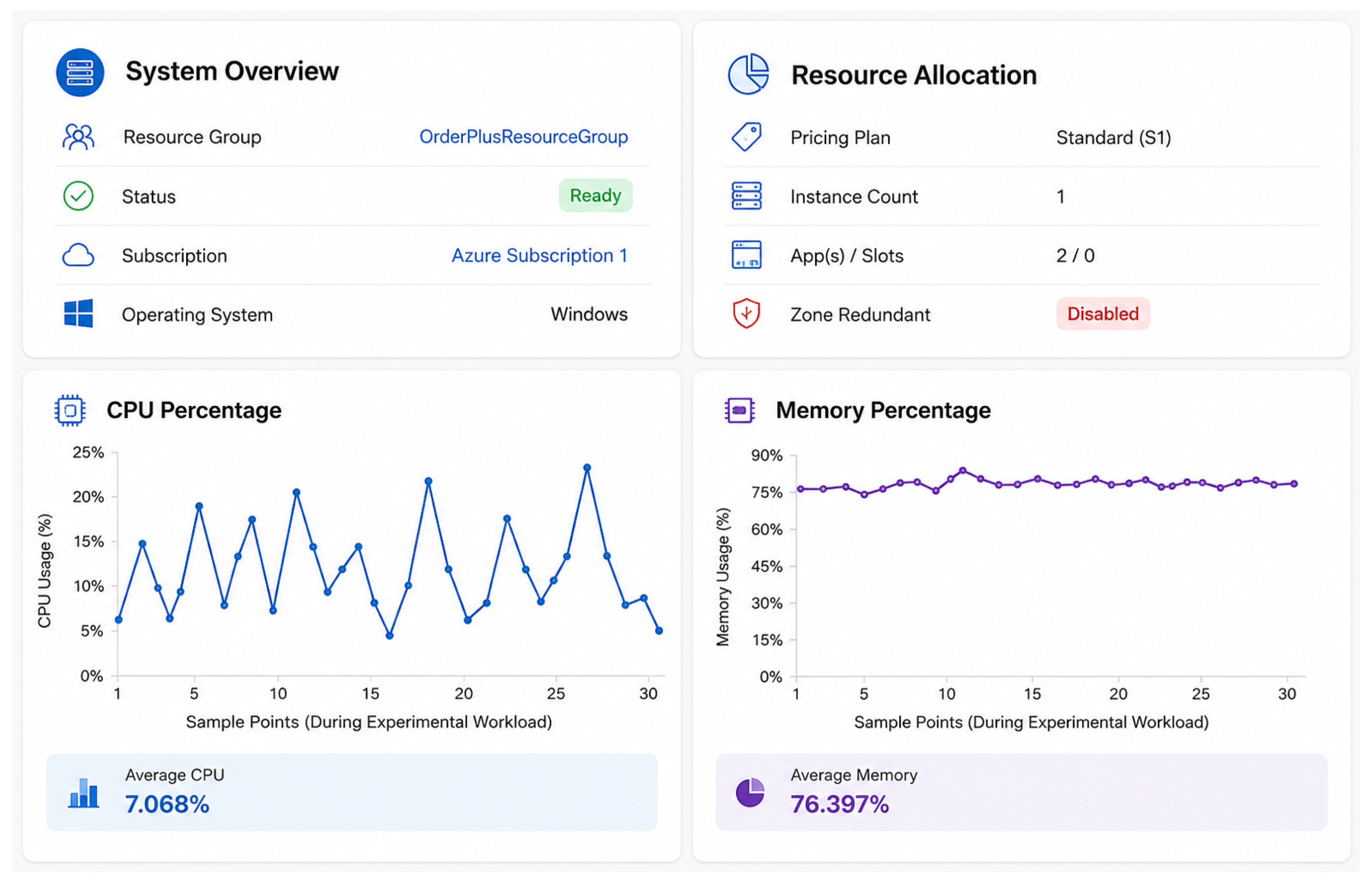
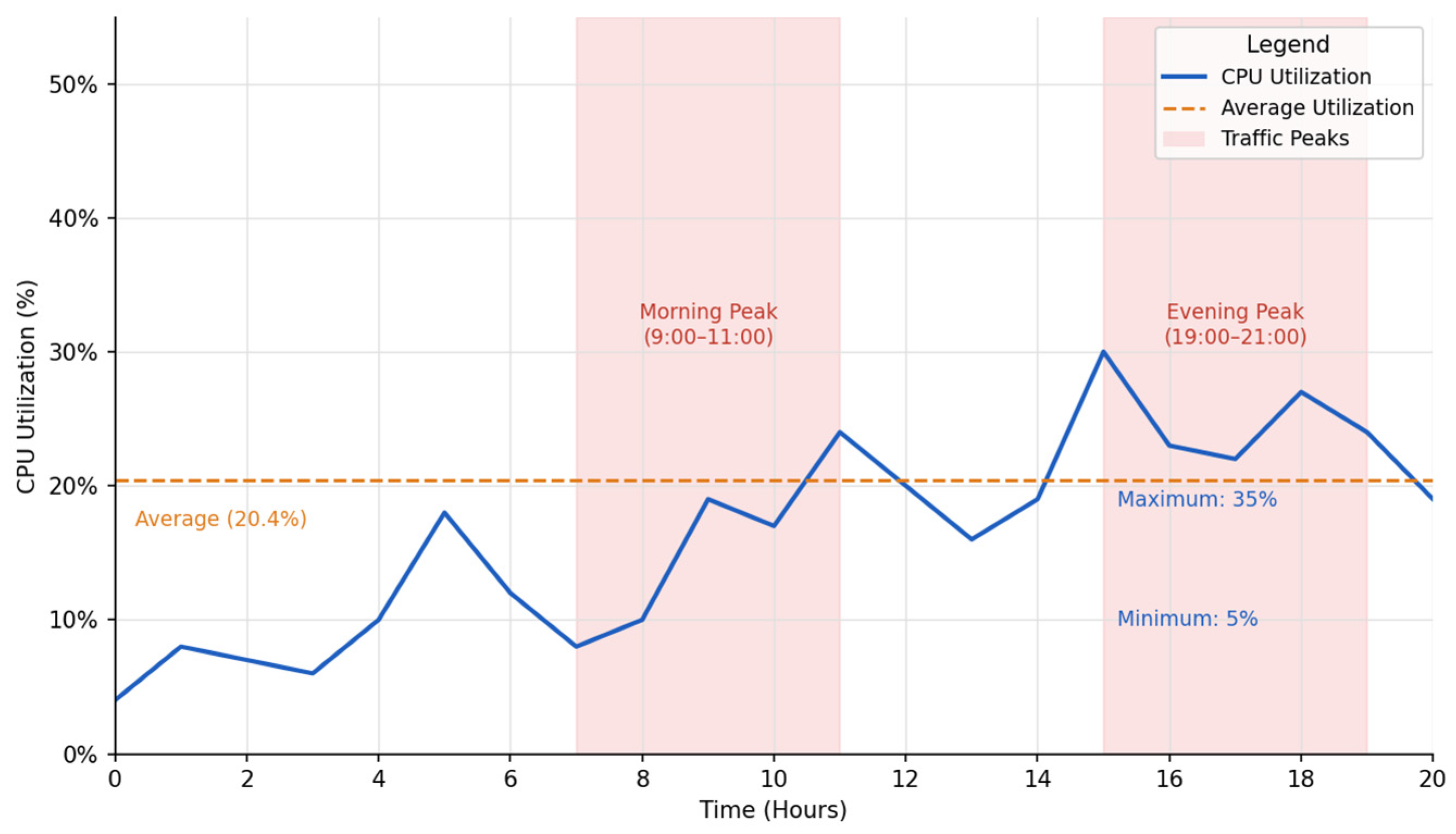
Empirical comparisons between cloud-based and on-premise database deployments under realistic e-commerce workloads remain limited. This study presents a controlled experimental evaluation of Microsoft SQL Server 2022 (on-premise) versus Azure SQL Database, using an identical .NET 8 e-commerce application (ASP.NET Core Web API, Blazor WebAssembly) with the same architecture, schema, and dataset (5000 product records, 10,000 transaction records). Performance was evaluated for SELECT, INSERT, UPDATE, and DELETE operations under workloads of up to 50 concurrent users, with each operation repeated 30 times, measuring query response time, throughput, and CPU utilization. Statistical analysis used repeated-measures ANOVA with Greenhouse–Geisser correction, Bonferroni-adjusted post hoc comparisons, and independent-samples t-tests (p < 0.001), with effect sizes reported using Cohen’s d. Azure SQL Database consistently outperformed the on-premise deployment: average SELECT response time decreased by 55% (203.5 ms vs. 452.3 ms), and throughput increased by 101.6% (987.6 vs. 489.8 operations/s). Although Azure showed higher average CPU utilization (20.4% vs. 4.9%), this reflects its dynamic resource allocation rather than reduced efficiency. Stress testing with 100,000 product records, 500,000 transaction records, and up to 500 concurrent users confirmed Azure’s superior scalability, reducing peak latency from 4850.7 ms to 580.4 ms. These findings provide strong empirical evidence supporting cloud migration for high-transaction e-commerce applications requiring low latency and high throughput.
Keywords: on-premise databases; Azure SQL server; .NET Core on-premise databases; Azure SQL server; .NET Core
Graphical Abstract