Systematic Review

Artificial Intelligence in K-12 Education: A Systematic Review of Teachers’ Professional Development Needs for AI Integration


by
Spyridon Aravantinos
1,
Konstantinos Lavidas
1,
Vassilis Komis
1,
Thanassis Karalis
1 and
Stamatios Papadakis
2,*
1
Department of Educational Sciences and Early Childhood Education, University of Patras Greece, 26504 Patras, Greece
2
Department of Preschool Education, University of Crete, 74100 Rethymno, Greece
*
Author to whom correspondence should be addressed.
Computers 2026, 15(1), 49; https://doi.org/10.3390/computers15010049
Submission received: 27 December 2025 / Revised: 6 January 2026 / Accepted: 8 January 2026 / Published: 12 January 2026

Abstract

Artificial intelligence (AI) is reshaping how learning environments are designed and experienced, offering new possibilities for personalization, creativity, and immersive engagement. This systematic review synthesizes 43 empirical studies (Scopus, Web of Science) to examine the training needs and practices of primary and secondary education teachers for effective AI integration and overall professional development (PD). Following PRISMA guidelines, the review gathers teachers’ needs and practices related to AI integration, identifying key themes including training practices, teachers’ perceptions and attitudes, ongoing PD programs, multi-level support, AI literacy, and ethical and responsible use. The findings show that technical training alone is not sufficient, and that successful integration of AI requires a combination of pedagogical knowledge, positive attitudes, organizational support, and continuous training. Based on empirical data, a four-level, process-oriented PD framework is proposed, which bridges research with educational practice and offers practical guidance for the design of AI training interventions. Limitations and future research are discussed.

1. Introduction

Artificial intelligence (AI) is already present in educational environments and is influencing the educational landscape, placing teachers at the center of these developments. However, the pivotal role of teachers as mediators and facilitators of interactions between students and AI tools as not been sufficiently explored [1,2]. Digital literacy in AI is essential for teachers to effectively integrate it into their teaching practices [3], and professional development (PD) programs should explicitly link learning theories with the practical implementation of AI to successfully support this integration [4]. AI literacy, which is also important for students’ learning, can enhance teachers’ ability to incorporate AI technologies into the learning process, and its development has become a priority in many countries [5], following directives from international organizations, such as AI competency frameworks for teachers and students from United Nations Educational, Scientific and Cultural Organization (UNESCO) [6]. Building on the conceptualization of knowledge necessary for integrating emerging technologies into education [7], the Technological Pedagogical Content Knowledge (TPACK) framework underscores the dynamic interaction among technology, pedagogy, and content knowledge, which is critical for effective technology adoption [8]. Recent extensions of this framework, such as Intelligent-TPACK [9] and AI-TPACK [10], aim to align teacher competencies with the evolving demands of AI.
Nowadays, teachers are called to participate in AI PD programs, the majority of which focus on the utilization of continuously emerging AI applications. Such PD programs emerge in rapid succession, a phenomenon attributable both to economic incentives and to the growing demand for AI-based tools. Practical training that lacks pedagogical orientation does not ensure that teachers will ultimately integrate AI into classroom practice. Such approaches, unfortunately, do little to support the effective integration of AI into pedagogical design, nor do they contribute to the development of teachers’ pedagogical competence in relation to AI [11]. Moreover, to the best of our knowledge, previous systematic reviews do not synthesize empirical evidence for tangible and immediately implementable AI-focused teacher PD. To cover this gap, this systematic review aims to investigate teachers’ views of AI and its implementation in teaching and learning processes by documenting their training needs as shaped by the rapidly evolving technological landscape. Furthermore, the collection of empirical evidence from the papers analyzed in this systematic review will inform the development of a process-oriented PD framework.
This systematic literature review investigates teachers’ training needs for AI use and corresponding PD in primary and secondary education. Training needs are conceptualized as the knowledge, skills, and support required for the pedagogically effective and ethical integration of AI in classroom practice. The focus on primary and secondary education reflects the developmental characteristics of these levels, where learning is structured and AI use is predominantly teacher-driven [12].
The findings of this study could serve the best interests of multiple stakeholders [13]: teachers, who strengthen their professional resilience; school leaders, who enhance institutional performance; educational consultants, who organize training programs supporting teachers; and students, who benefit from AI-literate teachers capable of personalizing learning. The necessity of continuous PD for teachers across diverse domains, including AI integration, is well established. Consequently, AI competence should be embedded within PD programs by policymakers and educational leaders through the design of training initiatives that strengthen teachers’ knowledge and skills for the effective use of AI in school settings [14].

2. Previous Systematic Literature Reviews

In Table A3, there is a list of previous systematic reviews referenced to in this section, along with their basic findings. Ref. [15] systematically reviewed 67 articles related to AI-powered chatbots in education and highlighted enhancements in personalization and feedback, but also the need for PD training for teachers and the demand to implement measures for ethical use and the promotion of awareness among students. ChatGPT’s use in K-12 education was also investigated by ref. [16], who synthesized 13 articles and performed strengths, weaknesses, opportunities, and threats (SWOT) analysis, underscoring the importance of thoughtful integration and highlighting the practices of teachers. Ethical and regulatory concerns of Generative Artificial Intelligence (GenAI) in education were the focus of a systematic review of 53 peer-reviewed articles, which underlined that addressing these challenges can ensure responsible AI use [17]. Additionally, on the use of GenAI in K-12 education, ref. [18] conducted a systematic review with 197 studies, highlighting gaps in teachers’ PD and demonstrating the potential of AI to transform educational systems, while noting that dependency and ethical concerns need to be addressed. It also stated that teacher training, both pre-service and ongoing, must be collaborative, innovative, inclusive, and transparent to ensure the effectiveness of AI-enhanced education and to improve AI literacy among students [18].
Another aspect of teacher education, human–machine dialogic learning, was the focus of ref. [19] in their systematic review of 22 studies. They revealed three core elements: pedagogy, technological tools, and learning environment, three types of affordances: teaching skill and practice, learning experience and participation, and teaching interaction and communication, and four key aspects: dialogic purpose, dialogic medium, dialogic mode, and dialogic application [19]. This review revolved around pre-service teacher education, but dialogic teaching aids can also be a critical tool for in-service teacher PD, allowing them to engage in collaborative conversations and self-reflection, enhance professional skills, and contribute to their professional growth and development [19]. A systematic literature review of 24 papers by ref. [20] provided guidance for the application of human-centered AI (HCAI) in policy formulation, teacher training, and the promotion of technology applications, emphasizing data privacy and ethical issues, algorithmic bias, and guidance for teachers to design personalized instruction with ongoing training at a practical level. In addition, ref. [21] conducted a systematic review of 40 empirical studies unpacking key characteristics of human-centered AI and identifying essential stakeholders, underscoring the necessity of collaborative efforts to ensure that AI does not dehumanize learning and has sustainable and positive outcomes in education.
Regarding AI literacy, ref. [22], in a systematic review of 25 empirical studies, emphasized the critical construct of AI ethics in AI literacy and underscored the need for more diverse and innovative pedagogies, and the development of an inclusive AI literacy competency framework. Key themes identified in diverse conceptualizations of AI literacy include the development of curricula and literacy frameworks tailored to different educational levels [22]. As highlighted by ref. [23] in a systematic review of 87 articles, the integration of AI literacy in K-12 education emerges as a critical priority—one that must cultivate not only technical competencies but also address the ethical dimensions of AI use. A systematic review of 22 studies on AI literacy in K-12 education underscored its absence in the context of teacher education and the research gap for factors influencing AI literacy among students and teachers, for whom AI literacy constitutes a core element of AI-enhanced learning [24]. Evidence from in-service teachers indicates generally positive attitudes toward AI and given its critical role in facilitating the integration of AI-driven applications, AI literacy should be prioritized within PD initiatives [24].
As for the establishment of clear guidelines and regulatory frameworks, it has been expressed that integrated mechanisms for ongoing assessment are required to balance technological progress and individual rights, through the collaboration of all stakeholders: policymakers, teachers, and technologists [17]. Ref. [25] reviewed and classified AI competence frameworks for teachers, emphatically stating the need for both theoretical policy and teacher-driven approaches, while noting challenges such as the avoidance of redundancy with digital competency models. Furthermore, a systematic review of 14 publications on AI and PD emphasized significant gaps in AI PD programs regarding AI tool integration, underscoring the need to promote teachers’ teaching skills with AI rather than limiting PD programs to AI content alone [26]. It also highlighted the significance of a guiding framework in AI PD, the need to balance pedagogical, content, and technological knowledge, and the gap in addressing ethical dimensions of AI technologies in teacher PD [26]. AI PD features, formats, and active learning approaches should be further explored, while structured feedback and support mechanisms, practical application with specific AI-based tools, balance between technical expertise and pedagogical effectiveness, incorporation of acquired skills and knowledge in daily teaching routines, and the establishment of an evidence-based conceptual framework have a great impact on teacher outcomes, can inform stakeholders in decision-making, and are crucial for the design of AI PD [26].
All previous systematic reviews agree on the benefits of AI [27] and GenAI [28] such as personalization, accessibility, teaching and learning support, improved learning outcomes, flexibility, and enhanced interaction. They also recognize ethical challenges [27,28] like algorithmic bias, academic integrity, privacy, digital divide, lack of emotional intelligence, and dependence on technology. Some have proposed human-centered approaches to AI to promote equality and social justice through personalization and call for the integration of AI into curricula, the development of guidelines, and AI literacy. The emphasis is placed on pedagogical dimensions, the obligation for cooperation among the stakeholders involved, and the need for continuous teacher PD. Although they recognize the challenges of AI integration and the need for teacher PD, all these systematic reviews are limited in synthesizing empirical evidence for tangible and immediately implementable guidelines.

Objective of This Study

According to the previous discussion, the objective of this study is to systematically review empirical studies to identify the training needs and practices of primary and secondary education teachers for efficient AI integration and overall PD.

3. Methods

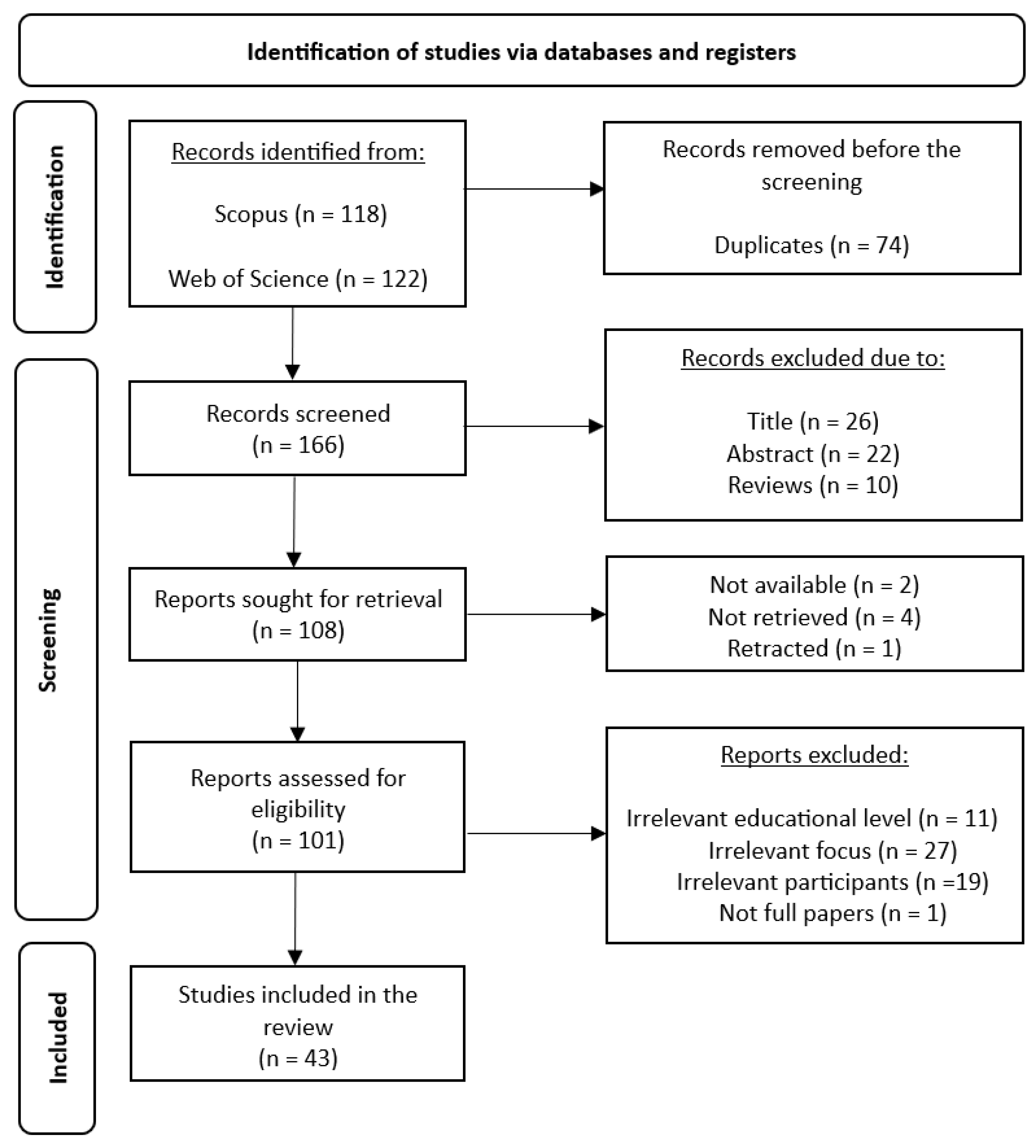
This review adopts a qualitative thematic synthesis rather than an effectiveness-focused meta-analysis. To maintain the integrity of this systematic literature review, the Preferred Reporting Items for Systematic Reviews and Meta-Analyses (PRISMA) guidelines (Figure 1) [29] were followed. During identification, two of the most robust and rigorously validated databases of research—Scopus and Web of Science—both of which cover only peer-reviewed journals and provide extensive indexing across many disciplines, were used. Because each database includes unique journal content, the utilization of both reduced the potential to omit vital studies. Additionally, their combined search capability enables reproducible queries as per PRISMA standards, thereby enhancing methodological quality. Both databases offer comprehensive coverage within the topic area specific to this review and are globally recognized for containing high-quality scholarly content, thereby capturing a broad body of literature. Table 1 shows the search string queries performed across all databases in February 2025, targeting online literature produced up to the end of the last day of December 2024. A few articles were published in January 2025 but were already online in late December 2024 and were therefore included. The findings of previous systematic reviews focused on the positive aspects of using AI in the educational process [15,16,19], but they also highlighted many challenges [17,22,23], with most of them emphasizing the significant gap in teacher training, which could mitigate these difficulties [18,20,24,26]. As a result, the search terms were set after screening the relevant systematic reviews and were similar or synonymous with “teacher training”, “professional development”, and terms related to the teachers’ educational levels that were the focus of our study.
During screening, English peer-reviewed articles with empirical data and explicit discussion of teachers and AI integration in K–12 classrooms were included. To assess eligibility, articles were screened based on pre-specified inclusion and exclusion criteria (Table 2), first by title and abstract and, if necessary, by full text. Materials excluded consisted of books, conference proceedings, systematic reviews, meta-analyses, and theoretical articles without empirical evidence, as well as studies published in languages other than English, articles in disciplines unrelated to the subject area (e.g., Pharmacology, Immunology, Architecture, Law, Tourism, Ergonomics, and Business) and duplicate documents.
The search in the databases yielded 240 papers, of which 74 were duplicates, 26 were excluded by title, 22 by abstract, and 10 were reviews of all kinds (systematic, literature, scoping, bibliometric analyses, meta-analyses, and theoretical). Of the remaining 108 papers, 2 were unavailable, 4 could not be retrieved, and 1 was retracted. In the last stage of screening, we assessed for eligibility 101 articles of which 11 were excluded due to different educational level, 27 due to a different focus, 19 did not have eligible participants, and 1 was an incomplete paper, leading to the final 43 included articles (Table A1).
For the purposes of data analysis, a spreadsheet was designed for the systematic organization of important findings guided by the research question of this study. The spreadsheet included identification numbers for all articles and important bibliographic and methodological data such as author(s), title, year of publication, DOI, abstract, keywords, aims of the studies, methodological design and procedures, sample of participants, country of origin, and important findings. The study utilized a reflexive thematic analysis [30]. In this analysis, two researchers independently conducted close readings of the included studies and systematically extracted and coded findings using a shared data extraction spreadsheet. This initial phase focused on data familiarization and inductive code generation. Inter-rater reliability was assessed at this stage and indicated high agreement (85%), which corresponds to a substantial level of reliability (Cohen’s κ ≈ 0.8). Divergencies in coding were addressed through review by a third researcher, whose contribution supported reflexive dialog and further code refinement. The research team then engaged in an iterative analytic process, examining codes and data to identify patterns of meaning relevant to the study’s focus, particularly teacher training needs and practices. The final codes were organized into broader analytic categories, leading to the inductive development of themes grounded in the empirical evidence.

Descriptives of the Studies

The year of publication of the empirical studies was as follows: 2025 (n = 6), 2024 (n = 31), 2023 (n = 3), 2022 (n = 2), and 2021 (n = 1). Most research took place in China (n = 9), the USA (n = 6), Turkey (n = 5), Indonesia (n = 2), the Philippines (n = 2), Republic of Korea (n = 3), Vietnam (n = 2), Saudi Arabia (n = 2), and in the following countries (n = 1): Brazil, Cyprus, Estonia, Hong Kong, Iran, Israel, Japan, Kazakhstan, Kenya, Nepal, Nigeria, Norway, the Russian Federation, Sweden, Taiwan (Republic of China), and Ukraine. Asia was the continent with the most research (n = 32), followed by Europe (n = 7), North America (n = 7), Africa (n = 2), Oceania (n = 1), and South America (n = 1). The research methods were qualitative (n = 15), quantitative (n = 14), and mixed (n = 14), and the participant sample size across the 43 final articles exceeded 7500 in-service teachers.
More specifically, according to whether researchers mentioned educational level or the way they categorized school ages in relevance to each country’s system, the number of teachers was as follows: preschool (n = 11), primary (n = 1.638), secondary (n = 4.240), mixed (n = 595), K-12 (n = 386), higher education (n = 264), and N/A (n = 297). Since this review focuses only on primary and secondary education, results for preschool and higher education levels were not taken into consideration; however, the articles were included because they also contained participants at the levels of interest. In some studies, parents and students were also participants, but their results were not mentioned. Whenever there was a distinction between teachers and school principals, administrators, or curriculum leaders (n = 213), their opinions were recorded, as they were also teachers.

4. Results

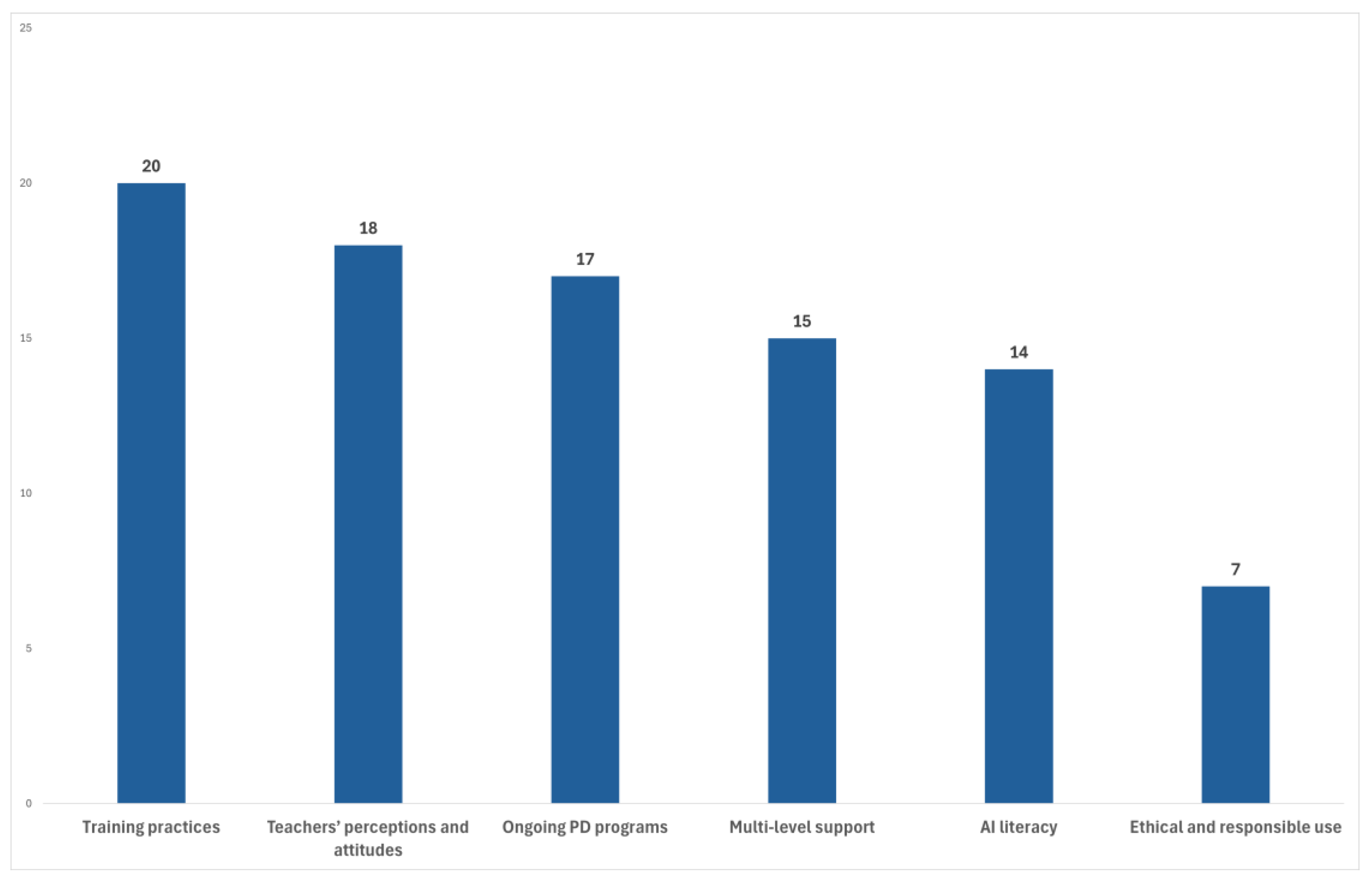
Figure 2 presents the contribution of themes indicated in this systematic review. Table A2 in the Appendix A presents all themes with their corresponding codes. The next section analytically presents these themes and their codes.

4.1. Training Practices

Table 3 presents the corresponding codes of this theme with the related references. Teacher training practices were the most mentioned theme in the empirical studies and consist of the ways in which teachers were trained for AI integration in school settings. These practices were often constrained by existing gaps in teachers’ AI literacy, which are analyzed in detail in Section 4.5.

4.1.1. Professional Learning Communities

There seems to be a strong convergence among studies for the improvement of AI integration through teachers participating in collaborative practices, even though existing knowledge gaps about AI can limit the high motivation for sharing AI practices. Institutional and social norms influenced teachers and predicted AI readiness, with some studies highlighting structured CoP and others informal sharing networks.
Teachers displayed a keen interest in enhancing their proficiency in AI and facilitated the creation of networks to share good practice examples [38] and exchange knowledge and experiences regarding benefits, challenges, and solutions with other instructors [31]. To reduce resistance in integrating AI, communities of practice (CoP) [32,33] and peer collaboration [34,39] could help teachers share best practices and benefit from mutual learning. CoP and group activities with teachers who share common interests and concerns were identified as professional learning opportunities that could enhance understanding of AI, a common barrier, generate new levels of knowledge, and translate into new individual practices [40]. In addition, mentorship in learning communities and teacher-led resource-building networks that share AI use cases and guidebooks could support them in integrating AI into their teaching methods [37]. A collaborative approach to AI integration in schools, involving colleagues, administrators, and other educational stakeholders was indicated, as subjective norms significantly predicted AI readiness [35]. Additionally, opportunities to learn from others’ feedback and PD experts could improve teachers’ instructional practices and the quality of lecture design [39]. Teachers also stated that they wanted to be part of sharing knowledge about best practices, student education, expectations, ways to use ChatGPT for efficiency, lesson planning, student growth, verifying the academic integrity of papers, and other subjects that can benefit from ChatGPT [36]. The positive outcomes of such collaborative learning environments (CoP) in PD, where teachers and administrators could discuss difficulties, solve problems, and gain help in understanding and applying AI, were enhanced individual learning, collective growth, the promotion of solidarity, and effective instructional strategies [33].

4.1.2. Self-Reflection and Prompting

For the effectiveness of PD, there is a strong indication from the studies that GenAI is of great importance, as teachers should exercise their prompt engineering practices and construct their knowledge with AI-driven reflection, aligning with constructivist learning theories. On the contrary, despite being efficient, AI reflection depends on high-quality and contextualized data, making accuracy and pedagogical relevance challenging, while its use differs between experienced and novice teachers. Furthermore, it is obvious that knowledge about balancing autonomy and support regarding AI-enhanced PD is limited.
The importance of teachers’ expertise in utilizing GenAI and designing effective prompts and activities with accuracy and efficiency was highlighted, as PD programs played a significant role in this regard [43]. Teachers used AI tools like ChatGPT for continuous self-reflection, evaluating their teaching practices and enhancing professional growth. Teacher–AI collaboration (TAC) reflection was more flexible, less time-consuming, and self-directed compared with reflective practices that included class observation and consultation with colleagues [41]. However, more support is needed in this area, as this type of reflection requires high-quality data on practices, students, and outcomes, which must be analyzed thoroughly and contextualized for specific instructional settings. Prompting ChatGPT helped introspection, reflection, and an increased desire to evolve teaching practices, utilizing constructivist approaches for assimilating new information, and as participants clearly mentioned, through continuous cycles of questioning, reflecting, and adapting, they constructed knowledge [42]. This practice signified continuous adjustment of technological, pedagogical, and content knowledge, making connections to the TPACK framework and promoting holistic PD [42]. The benefits of chatting with conversational agents were also visible when using ChatPDF, especially for novice teachers, to read materials, gain pedagogical knowledge, receive practical guidance, and facilitate ongoing PD [44].

4.1.3. Case-Based and Application-Focused Learning

For the improvement of teachers’ AI integration practices, case-based learning, hands-on activities, and real-world problem-solving are required to balance theoretical instruction with practical application. However, there are some inconsistencies among studies about the degree of structure needed in learning experiences to optimize teacher learning and efficacy.
Teachers who participated in PD training benefited most from real-world problem-solving and case-based learning, especially when these were balanced with direct instructions and lectures that helped them process knowledge about the technology and integrate it with prior pedagogical and content knowledge [46]. The researchers who ran the PD also recommended presenting teachers with additional cases and well-structured problems between lectures and case-based discussions, helping them apply new theories and tools in context and develop solutions [46]. Moderately structured and ill-structured problems could be used to engage teachers in solving, leading to more AI-related problem-finding and problem-solving discussions, while keeping a balance between direct instruction and case-based dialog in AI teacher PD programs [46]. To increase Computer Science teachers’ AI teaching efficacy beliefs, TPACK-based PD programs could be employed with group-based lesson planning focused on project-based learning and hands-on activities, which could have a positive impact on teaching practices and students’ learning outcomes [47]. Similarly, ref. [45] proposed that teacher PD activities could guide them to create self-directed learning tasks with AI, as this technology provides immediate feedback and suggestions to remediate unsuccessful learning.

4.1.4. Differentiation in Level, Subject, and Needs

Teachers require tailored PD rather than uniform approaches for efficient AI implementation in the classroom, with the focus on technical training to overcome technostress and limited understanding barriers. However, practical knowledge for utilizing AI-powered tools alone is not sufficient for pedagogically sound integration in school settings.
The need for tailored support to address challenges and PD opportunities for teachers to enhance their practices [49], as well as AI integration strategies in regard to educational stage, was underscored due to differences in AI implementation frequency in teaching across primary, secondary, and higher education [48]. Most teachers identified technical training as their primary need for effective ChatGPT implementation, with pedagogical training coming second in the instructional application of ChatGPT in mathematics education, underscoring that the greatest barrier was teachers’ comfort with and understanding of the AI tool, while simultaneously recognizing that operational knowledge of the tool was not enough [50]. The need for targeted exposure and training among mathematics teachers to raise awareness, deepen understanding, and enhance practical knowledge of AI tool application in classrooms was obvious [50].

4.2. Teachers’ Perceptions and Attitudes

Table 4 presents this theme and the corresponding codes, as included in various empirical studies one or more times. It seems that negative perceptions of AI, such as teachers’ fear of being replaced by it, anxiety, disbelief, and dishonesty, might be linked with misconceptions about AI’s capabilities or previous negative experiences and play a significant role in challenging AI adoption practices. The fear of replacement by AI stems from concerns about loss of professional autonomy, uncertainty about the changing role of the teacher, and a limited understanding of how AI is intended to support rather than replace teaching. PD could shift these teachers’ beliefs and emotions and enhance autonomy and self-efficacy, but the design of effective programs that address technical, affective, and pedagogical aspects can be difficult, yet essential for modern education.
Teachers demonstrated disbelief in AI, which may come from previous negative experiences and a lack of training [5]. Fear of replacement by AI was mentioned in many studies and persisted among teachers who agreed that ChatGPT cannot fulfill emotional bonding with students, highlighting their critical roles such as role modeling, individualized teaching, and empathy [56]. In ref. [55], participants were afraid of ChatGPT, which they had connected with cheating, and expressed feelings of anxiety, agreeing that it could cause more harm than good if left without PD and guidance. PD programs could help minimize or eliminate K-12 teachers’ anxiety about the complications and unpredictability of AI and enhance their self-efficacy and behavioral intentions to learn about AI [51]. The exploration of ways to implement PD programs that teach K-12 teachers about AI remains a big challenge and complex task but is necessary to enhance knowledge and self-efficacy regarding, understanding of, and trust in AI, while addressing common misconceptions [57].
Training programs that were based on actionable frameworks that guide the integration of AI into teaching and learning without putting aside the human elements supported teachers’ autonomy, enhanced self-efficacy in AI use, favored positive attitudes, had a significant effect on the quality of lectures, and improved adoption [39,46,47,52,54]. In-service training for the practical application of AI through experiencing its use could be reflected in teachers’ beliefs and attitudes, and therefore made it more likely for teachers to implement AI in their courses [48]. The findings pointed out that comprehensive and targeted PD programs should not only enhance TPACK but also address TAM (Technology Acceptance Model) factors such as teachers’ attitudes to bridge the gap between knowledge and integration of AI, as positive attitudes towards it were very crucial for adoption [53]. Training courses for familiarization with tools and procedures, utilization techniques, and effective strategies for ChatGPT demonstrated that they could ensure awareness among female mathematics teachers in Saudi Arabia in a sex-oriented study [31]. In some cases, awareness and familiarity with AI-based tools came from various channels, including personal interest, workshops, and colleagues, as exposure to educational technology and training was insufficient [34].
The conceptions of AI education, highlighted by teachers’ internal barriers, were very important in informing teachers’ design and integration of AI in their classrooms [32]. Therefore, it was necessary to debunk myths about AI being a threat to humans and underscore its potential by explaining to teachers the technology behind its decision-making capabilities and gaining their trust to use it with their students [5]. In most cases, teachers expressed the need for PD and interventions to improve their AI integration [35,58], stated that a modern educator should master AI technologies to use them effectively [5], shared strategies to overcome challenges in problem-solving capabilities in mathematics education [34], and, even though some were experts, expressed the need to learn more, update their knowledge, and be advised by experts in multiple fields and subjects [59]. These perceptions are closely linked to the availability and quality of PD opportunities, which are discussed in detail in Section 4.3. The significance of these patterns is undeniable, as recognizing them allows us to explain why certain perceptions and negative feelings about AI exist among teachers and to seek ways to change them into more positive views and attitudes.

4.3. Ongoing PD Programs

Table 5 presents this theme and the corresponding codes as they were found in the empirical studies one or more times. In this theme, there is also repeated evidence that structured and continuous PD can facilitate teachers’ AI integration by enhancing conceptual understanding, strategies, and the capacity for AI utilization across educational levels and subjects. The emerging divergences, however, concern the duration and design of PD, and inconsistencies between the acknowledged necessity of PD and the institutional support for implementation in practice.
The importance of providing professional training about GenAI to in-service teachers was highlighted, as study results showed increased conceptual understanding, improved strategies, and enhanced ability among teachers to integrate AI into lesson planning [52]. Continuous PD [32] and mentoring services for teachers could increase their competences in pedagogically integrating AI tools, such as ChatGPT, under Sustainable Development Goal 4.c.1 (SDG 4.c.1) [56]. Structured, continuous, context-centric, and on-demand PD programs for all levels of education [62], ensured effective AI implementation, especially if they were aligned with the needs of teachers, including their subject areas, curriculum objectives, and digital skills [5]. Results indicated an urgent need for structured PD to bridge the gap in familiarity with AI in mathematics instruction and to provide skills and confidence for pedagogical integration, addressing skepticism about ChatGPT in math education and education more broadly [36,50]. It was underlined by ref. [50] that enhancement of learning experiences must be the target of PD initiatives that will not only increase teachers’ knowledge and skills for the integration of AI tools such as ChatGPT but will also demystify AI and encourage critical engagement with technology, providing practical strategies to enrich mathematics education. In ref. [33], the importance of structured training and information curation in PD programs, as well as the critical evaluation of AI sources, was also mentioned, empowering teachers to rely on themselves when assessing knowledge and on clear guidelines for AI applications.
Ref. [46] explained the structure of a PD program about AI, which should have four domains to increase self-efficacy of participants: Knowledge and Understanding of AI (foundational knowledge of AI concepts and technologies), Applying AI Applications (employing AI in instructional activities), Evaluation of AI Applications (implications, ethical considerations, guidelines), and AI Ethics (data privacy, plagiarism, ethical guidelines, responsible use). They also suggested short-term introductory PD programs with case-based learning to introduce AI basics and its advantages and disadvantages, to provoke teachers’ desire to increase their AI literacy, followed by extended AI teacher PD programs according to their technical skills, subjects, and experience to support AI integration [46]. On the other hand, teachers saw short-term programs as insufficient for the learning process and emphasized the benefits of long-term PD, which included enhanced knowledge and skills in AI, space for a learning community in schools, and practical classroom application, while also mentioning negative aspects of teacher training programs such as impractical, theory-driven courses, redundant policy-related courses, and professors’ lack of understanding of school realities [64].
Teachers recognized that ongoing training [38] was necessary for AI usage optimization and maximum efficacy [60], agreeing that additional PD, regardless of mixed experiences with district policies or the lack thereof across participants, would be useful [55]. Targeted PD programs could also highlight the long-term benefits of AI in education, in contexts where teachers emphasize virtues focused on the future [57]. Furthermore, Teacher–AI collaboration (TAC) required constant engagement for teachers to keep up with the latest developments in AI use, understanding ways to combine content, pedagogy, and technology [41], while training institutions also had to implement AI technologies more extensively into their curricula, along with application training [63]. Assessment processes could also become more efficient with AI, and PD was crucial in motivating teachers to accomplish this, primarily by developing AI knowledge and understanding and ensuring that teaching changes apply to all pedagogical possibilities [61]. Ongoing PD programs are very important for teachers’ efficiency, and their form and methodology must consider the context to which they refer to be successful. In addition, several studies reported that ongoing PD played a mediating role in addressing previously identified anxieties and misconceptions toward AI (see Section 4.2).

4.4. Multi-Level Support

Table 6 presents this theme and the corresponding codes, as they were included in various empirical studies one or more times. Teacher readiness for AI integration cannot be sufficient without the existence of frameworks and policies to guide it, considering the lack of leadership and infrastructure support to confidently drive curriculum-aligned AI adoption. A culture of collaboration in organizations, and leadership vision and roles, can encourage innovation and reduce barriers, although material support and equitable investments are also needed.
Analytically, governmental support based on the Teacher Digital Competence framework (TDC) for new teaching methodologies was necessary, along with a human-centered use of AI to enhance teacher competencies [37]. External barriers made teachers consider a lack of AI guidance, as participants demonstrated mixed experiences regarding AI implementation, a concern that was addressed differently depending on schools and districts, with leaders creating a policy for or against the use of AI [55]. Clear guidelines and boundaries for using GenAI in educational contexts [43,65] and updated educational policies [38], following the needs of teachers, were in great demand to support sustainable AI integration in education [37]. Establishing clear curriculum guidelines could help teachers embrace AI with confidence and develop enhanced learning environments [32], as many teachers had vague ideas for AI implementation and needed clarification [50]. Many teachers mentioned the desire for a district or school policy; therefore, government policymakers had to design the required guidelines [36].
Digital leadership and pedagogical and administrative support [53] could significantly contribute to learning about AI, enhancing teachers’ competence and comfort in using AI-powered content, and aiding them in navigating difficulties with AI effectively, in an age-appropriate and engaging way [32]. The personal resources of leaders [69], and their vision and strategic direction to support innovation in school, were essential for AI integration and educational progress [66]. Therefore, school leaders could remove barriers and difficulties by creating supportive partnerships that helped and motivated teachers to share effective practices [32]. Teachers of the same subject could work as teaching groups and design common AI activities, raising their willingness to explore and incorporate AI, reducing stress, and fostering a pedagogical culture of collaboration, support, and innovation [67]. Also, on the other hand, teachers of different subjects could form professional learning communities to share knowledge and information and to recognize effective AI practices from a broader disciplinary perspective [59].
Teachers expressed the need for support in their own PD [65], mentioning insufficient PD in AI and skills that they would like to develop in order to work efficiently in technology-rich environments [68]. Many teachers were aware of the dynamic nature of AI and the need for refining their assessment strategies, but they also urged for PD [38] and training programs to continuously support them in developing AI knowledge and applying it in practice [59]. School support was very crucial for teachers to use AI technologies and develop within a suitably supported environment with appropriate PD activities [67]. It was highlighted in ref. [40] that the digital transformation of schools needed investments such as initiative piloting of AI and PD programs to enhance teachers’ understanding of AI, as this was a common barrier connected with many issues. This level of support reinforces the need for structured and continuous PD programs (see Section 4.3).
However, support cannot be only organizational, in the form of learning communities or effective leadership, but must also come from available resources and infrastructure that can sustain the ethical and safe use of high-quality AI services [37]. In the study by ref. [45], it was stated that TPACK and UTAUT (Unified Theory of Acceptance and Use of Technology) could be synthesized in a new way, as the importance of facilitating conditions, like technical and expert support, was revealed in the early stages of AI adoption. The demand for robust and adequate technological infrastructure [38], ongoing technical support, and the prioritization of investments, especially in areas of low socio-economic status (SES), was underscored to ensure equity in access to AI technologies [53]. Additionally, schools could foster strong community ties and parental involvement in AI-related activities and discussions [53].

4.5. AI Literacy

Table 7 presents this theme and the corresponding codes, as they were included in various empirical studies one or more times. The primary challenge for AI integration, as many studies agree, is the substantial gap in AI literacy, which influences pedagogical application, confidence, self-efficacy, and willingness, even though it is not sufficient without instructional transformation. Traditional pedagogical frameworks like TPACK are frequently used, although they have limitations, which fuels the debate over which framework is the most appropriate for improving AI classroom implementation.
Elementary and secondary school teachers from various contexts and disciplines agreed that a big gap exists in understanding AI, identifying a strong demand for AI literacy [72]. Adequate knowledge and literacy in utilizing ChatGPT for teachers and learners was underscored in ref. [56], while ref. [45] found that EFL teachers were more likely to continue integrating AI in their teaching when they had more technological knowledge about AI-based language applications. Addressing misconceptions about AI, equipping teachers with relevant knowledge, and aiming to improve basic understanding rather than providing unnecessary in-depth courses about AI, could enhance teachers’ self-efficacy and help them understand it realistically as a tool with both benefits and disadvantages, making them more willing to try teaching with it [57].
The integration of AI into existing pedagogical models and frameworks was mentioned in 43 articles with the following frequencies and percentages: TPACK (n = 11, 26%), TAM (n = 4, 9%), and TDC (Teacher Digital Competence) (n = 1, 2%). The study by ref. [37] highlighted the limitations of TPACK and suggested adopting TDC. Technological content knowledge (TCK) and technological pedagogical knowledge (TPK) had a strong impact on TPACK, emphasizing the need for comprehensive programs that could improve teachers’ integrated knowledge, a crucial factor for AI implementation [53]. PD programs could be designed to promote teachers’ AI-related TPACK and also provide them with the required technological knowledge so they could use technology’s affordances for subject teaching and student learning through appropriate pedagogy, thereby improving AI adoption and integration in practice [67]. In ref. [47], a TPACK-based PD program improved Computer Science teachers’ pedagogical content knowledge related to AI, their programming skills, an important element of technological AI-related knowledge, and teaching self-efficacy in terms of outcomes and beliefs (see Section 4.2). Likewise, another TPACK-based PD program had a positive impact on English language teachers’ knowledge of AI-powered tools and on their self-efficacy in teaching with these tools [54].
The training of teachers on AI integration could not only focus on how the provided tools work but also on concepts like understanding AI functionalities, machine learning, and classification, as after a case-based AI PD program that aimed at improving AI literacy, teachers reported increased self-efficacy [46] The significance of AI literacy in the professional learning of K-12 teachers and the need to empower it as a central element were also stated in the study by ref. [51], while participants in the study by ref. [5] agreed that teacher training and PD courses should include modules that improve AI literacy, and that teachers should be trained in AI and provided with methods to apply it in the classroom. AI literacy would help teachers acquire foundational knowledge about AI, which would further affect its pedagogical application [70]. In ref. [71], it was emphasized that preparing teachers with AI knowledge as the basis of AI literacy was very important for understanding how they could transform aspects of that knowledge into pedagogical design. Teachers who had support to implement AI-related content into their pedagogical design were more effective in delivering knowledge to students, deepening their understanding of AI, and simultaneously enhancing their confidence in class management and in designing and teaching AI lessons [71]. AI literacy gaps underscore the importance of ongoing, structured PD programs (see Section 4.3).

4.6. Ethical and Responsible Use

Table 8 presents this theme and the corresponding codes, as they were included in various empirical studies one or more times. The ethical and safe use of AI is absolutely necessary; therefore, AI ethics should be integrated into teacher training programs as a cross-sectional principle. Ethics is a foundational component of AI competence, and the transformation of ethical principles into classroom practices is required. The safe and ethical AI use, focusing on transparency, responsibility, and equity to avoid potential risks from irresponsible use, can be promoted through policy guidelines, the creation of required infrastructure, and the implementation of AI ethics in teacher training [37,73]. In the study by ref. [71], it was suggested that PD programs should contain different types of knowledge and focus on empowering teachers to transform AI knowledge into pedagogical design and AI ethics education, which in turn can strengthen teachers’ confidence in teaching AI and encourage their continued intention to learn and design AI courses. Integration of AI ethics in teacher training could improve their confidence and prepare them adequately [35], while also providing space to discuss social, ethical, and rights implications of AI and equipping teachers with the necessary knowledge [5]. Teachers need to be prepared to teach the ethical use of AI to students by integrating it into classroom activities and policies. As GenAI could play a central role in redefining educational practices, the development of comprehensive guidelines and ethical considerations to address this new reality with equity and alignment with educational goals is critical [43]. PD programs could also help teachers understand AI for social good and use it to help their students, while following AI ethical principles like justice and sustainability, as a part of their core content [51].
The application of AI is fraught with various interconnected ethical challenges, which can be described in terms of four main dimensions. The first is derived from privacy and data protection concerns arising from the extensive use of data, necessitating effective data governance practices. The second is found in bias and fairness concerns, pointing to the possibility of perpetuating and/or exacerbating existing inequalities in society through the use of unfair datasets or the development of unfair algorithms. Third, the need for transparency and explainability in the functioning of these AI systems is essential both for control and user trust. The fourth concerns accountability and responsibility, pinpointing efforts to identify individuals responsible for decisions made using AI. Such ethical considerations are ratified within larger global governance and policy regulatory frameworks. Specifically, the United Nations Educational Scientific and Cultural Organization (UNESCO) Recommendation on the Ethics of Artificial Intelligence [74] highlights irreducible principles of human rights protection, fairness, transparency, and accountability. These considerations and priorities are also encapsulated within other regulatory frameworks of global and regional promulgations, such as the Organization for Economic Cooperation and Development (OECD) AI principles [75] and the EU regulation on artificial intelligence, the AI ACT [76], with an emphasis on effectively embedding ethical safeguards across the entire life cycle of AI systems, including design and development, use, and continuous assessment.

5. Discussion

In this systematic review, findings from empirical studies regarding teachers’ training needs for future PD were categorized into themes. Across all themes, there were observable patterns like the requirement for professional training, knowledge gaps in AI literacy, and affective issues like anxiety and skepticism. To overcome redundancy, these points are highlighted within their pertinent sections. The heavy concentration of included studies on Asian countries has vital implications for the generalizability of the findings. The findings are of paramount significance for achieving insight into both the implementation and impact of AI on educational institutions, but the results are of limited universality in geographical terms, possibly representing institutional, cultural, or pedagogical specifics that are difficult to compare with others. The importance of differentiating applied educational contexts in analytical structures, evaluation schemes, digital maturity levels, and the regulation of digitalization also draws attention to the need for detailed interpretation of the findings, and possibly for expanding the results by involving a larger number of geographical regions in forthcoming studies concerning the use of AI in the mentioned establishments. The most frequently cited challenges to AI integration were related to teacher training [38,50,60] and AI literacy [46,49,72], therefore focusing on both will help overcome many practical obstacles. ChatGPT and GenAI in general accounted for a large percentage of the studies in our review, which is relevant with the fact that many existing systematic reviews focus on this specific AI tool. Thus, our findings are consistent with the ones in ref. [28] for improvements in GenAI for teaching and with the SWOT analysis of ref. [16] for ChatGPT’s use in K-12 education. Many of the presented themes are linked to traditional technology integration frameworks such as TPACK, TDC, and SAMR; nevertheless, the findings suggest a paradigm shift towards human–AI collaboration in school settings, where AI enhances rather than replaces teachers’ agency, creativity, and critical thinking for the benefit of their students, as previously seen in the proposed theoretical framework for human-centered AI (HCAI) in the systematic review by ref. [20].
This review highlights the importance of contextual factors for AI implementation and moves beyond traditional frameworks, agreeing with ref. [23], who noted differences in AI literacy definitions ranging from technical to socio-ethical frameworks, although a more balanced approach to their development would be better, considering not only educational level but also ethical aspects. Regarding ethical concerns, although they were the least cited category in our review, ref. [22] emphasized the critical construct of AI ethics in AI literacy and the need to develop an inclusive AI literacy competency framework. It is worth noting that issues of AI ethics do not seem to have been fully developed within an educational framework that would guide the integration of AI technology into learning, as the results of this review demonstrate that ethics was supported by the fewest references from empirical studies. This point is supported by the highlights of ref. [2], who emphasized that ethical and developmentally effective AI use requires teacher engagement as a mediating factor, hence reaffirming the importance of teacher PD and emphasizing pedagogy and ethics over automation. Violations of ethics, data security, privacy, academic integrity, and algorithmic bias must be addressed as a set of beliefs and values, even at a philosophical level [37,55,60,65]. Concerns about using AI and the role of teachers should be directed with clear guidelines and a critical approach to pedagogical and ethical issues such as security, overdependence, bias and fairness, transparency and explainability, accountability, and privacy protection.
This study showed that AI literacy is impacted by many factors, reinforcing the findings of ref. [24], who mentioned, among others, the digital divide, perceptions and attitudes, and educational opportunities, highlighting that AI literacy is absent in teacher education, is crucial for AI learning, and should be the focus of PD. Different types of AI literacy should be identified and targeted through PD programs, such as foundational knowledge of AI terms and basic uses, and pedagogical literacy for teaching AI and using AI in teaching. In teacher training practices, self-reflection with AI was an effective and critical tool for in-service teachers’ PD, which is relevant to the systematic review by ref. [19] on human–machine dialogic learning with teaching aids. In line with humanizing approaches to AI use in education, empirical evidence from primary school settings indicates that AI implementation remains teacher-led, as educators determine how the technology is implemented to education-related goals [2]. The need for ongoing PD programs and collaborative learning methods was eminent through most of our studies, agreeing with ref. [18], who underscored both the gap in teachers’ PD and the potential of AI to transform educational systems. The findings of this review coincide with the ones from [26] and can be seen as complementary, adding insights from the theoretical foundations of AI integration that can be connected to empirical data for the proposed training framework. Ref. [25] stated the need for theoretical policy and teacher-driven initiatives for AI competence frameworks, based on empirical data from teachers and extending traditional technology integration theories. The practical use of the proposed framework is to serve teachers’ educational goals with AI by providing guidance for its application not only in teacher training but also by bridging real classroom practices with AI technology integration. Teachers need to respond to the requirement to learn AI-based smart technologies, innovative ways of teaching and assessment, and the demand for classroom restructuring, as old pedagogies have become obsolete [70] and innovative education models should be developed [38].

5.1. Proposed Teacher Training Framework in AI Integration

Regarding this systematic review, we propose a potential framework for teachers’ PD in AI integration. We explicitly cross-referenced each element of the framework with the corresponding research findings in the Section 4. The proposed framework has many practical implications for the design of AI-related teacher PD, extending from a purely technological view to a more pedagogically sound and ethical integration of AI. It is feasible to implement the proposed framework on a gradual scale based on levels of teacher readiness. From school leadership and policy-making standpoints, the proposed framework has serious implications for the role of leadership, infrastructure, and policies in the ethical integration of AI. From a research standpoint, the proposed framework also has many practical implications for the design of future PD. Analytically, this framework consists of four interrelated levels: (1) conditions for AI professional learning, (2) pedagogical design of AI-focused PD, (3) pedagogical AI integration in K-12 classrooms, and (4) ethical and sustainable embedding of AI.

5.1.1. Conditions for AI Professional Learning

The first level concerns the necessary conditions for teachers to participate effectively in PD programs. The findings of the review show that the absence of these conditions is a key reason for the failure of professional development interventions. At the primary level, preconditions such as basic AI knowledge and understanding, beliefs, self-efficacy, and support for teacher PD are required. AI literacy in this context [51] can incorporate AI knowledge [54] and AI understanding [37] to enable pedagogical AI implementation [70], based on the traditional TPACK framework [67] and ethical AI use [71]. Additionally, focusing on teachers’ perceptions and attitudes can give stakeholders a headstart in designing training, as these factors influence barriers and shortcomings [48,53]. Teachers’ attitudes and perceptions can be recorded, including their fears, reservations, and expectations, emphasizing the importance of psychological/emotional factors and the need to conduct action research to adapt the training framework. Support for teachers’ PD in AI, as already mentioned, must start at the individual level, but its multidimensional nature must also assign responsibilities where they belong. Difficulties such as lack of support [53] and the absence of guidelines [65], have challenged AI use in schools, therefore, teachers cannot be effective without the necessary infrastructure, technical support, or adequate forms of leadership at either the school or regional level [37,59,66]. The creation of a culture of cooperation, mutual support, and collective responsibility among teachers working in the same school is essential to transform the organization into a learning community. Additionally, networking between schools, universities, and other institutions could help, as national and international programs can provide the continuous feedback required, while education leaders are responsible for providing tools and guidelines, considering the important role of technical and organizational support.

5.1.2. Pedagogical Design of AI-Focused PD

The second level focuses on how PD programs for AI are designed. The results show that effective training is not based on the transmission of technical knowledge but on pedagogically documented learning experiences. Training practices, which were the most cited theme in this review, provided instances of professional learning communities [33], employment of self-reflection practices and prompting [43], and learning with differentiated approaches [50], in case-based and application-focused scenarios [46]. Using AI in PD practices could also be beneficial, especially when training teachers on how to use it, as AI-mediated reflection can adequately support them [42]. PD programs that incorporate reflection activities and hands-on practice to improve teachers’ confidence and teaching efficiency could be designed, including courses about learning analytics. Professional learning communities (PLCs) can be created to aid teachers in sharing good practices, support each other with the challenges they are facing, and promoting innovative uses of AI, leading to increased implementation. Communities of practice, peer learning, and the development of micro-teaching can also make a decisive contribution to AI literacy. Apart from the methods already used for teacher training in the studies [33,42,46,50], experiential learning, problem-solving learning, and AI pedagogy with embedded ethics, are also recommended. Training methods should include collaborative exchange of knowledge and practices, tools that help with self-assessment, pilot interventions in the classroom, analysis of real situations and scenarios, experiential workshops with AI, innovative scenarios and simulations, and the cultivation of a critical approach (pedagogy and ethics of AI).

5.1.3. Pedagogical AI Integration in K-12 Classrooms

The third level concerns the transformation of teaching practices and is the point at which the effectiveness of training is essentially evaluated. Evaluation practices should not only concern classroom teachers but also all those who, due to their position, may hinder the integration of AI. Here, AI is integrated not as a substitute for the teacher but as a collaborative tool, which is why there needs to be a greater focus on GenAI, as this rapidly evolving technology offers many practical uses in content creation, lesson planning, curriculum development, assessment, feedback, and differentiation [43]. The employment of appropriate prompts when using conversational agents, which should be adequate and clear to have the expected results, is therefore crucial for teachers, who need practical training in this area [49,55]. Some suggestions include developing prompting skills such as writing clear instructions, providing AI with information on the context, specifying the expected output format, tone, and style of writing, and the size/depth of analysis of the answer. Teachers can also practice with examples of good and bad prompts and apply them to their actual teaching needs, promoting 21st century skills and enhancing creativity, critical thinking, learner engagement, and motivation to participate [38,58,59,73]. Training must therefore include proposals for realistic, pedagogically approved practices that can be applied in real classroom conditions and in actual teaching contexts [70].

5.1.4. Ethical and Sustainable Embedding of AI

The fourth level concerns the long-term consolidation of AI in educational practice. The ethical use of AI (data, privacy, algorithmic biases, academic integrity) is not treated as an isolated issue but as a cross-cutting principle that permeates all levels of the framework. Although the focus of this review is mainly on in-service training for teachers, many suggestions can be used for teacher education in university and for graduate teachers. For teachers to understand the need for continuous PD, a distinction must be made between university education, pre-service training, and in-service training, and these must be linked to specific pedagogical objectives, durations, and forms. The structure of PD programs must be adapted to the context in terms of duration and format and should always align with the targeted teacher group [67,68,70]. Furthermore, for the effective integration of AI into teaching and learning, teachers need to attend training tailored to their specific needs [5,57]. Refs. [61,62] expressed that teachers benefited the most from ongoing PD programs, which led to effective AI implementation and improved skills. Continuous PD with a holistic approach that can transform teaching and learning processes should be the long-term goal of any intervention, rather than scattered training programs without specific pedagogical and didactic objectives. A barrage of tools and superficial practice is not effective; instead, long-term strategies and a holistic approach that analyzes educational needs, skills, attitudes, and perceptions to develop personalized learning paths. Training evaluation and feedback processes should take place at all levels: individual (teacher and learning outcomes) and organizational (school and regional levels), and everyone should participate, not just classroom teachers. PD strategies could be defined for every school community, and training should be integrated into daily routines rather than treated as an exceptional intervention.

5.2. Limitations and Future Recommendations

The research presented in this paper is subject to certain limitations. The diversity of study designs prevented the possibility of referring to a single standardized tool for assessing risk of bias. Future systematic reviews may include more fine-grained quality appraisals once the empirical literature on AI-related teacher PD continues to mature. Some of the categories may have conceptual overlaps, and the proposed framework does not suggest specific tools. In addition, some of our categories were strongly supported by many articles that highlighted general trends, while others had fewer references or specific cases, which nevertheless had to be mentioned. Future empirical studies could investigate these categories following qualitative approaches. In any case, some of the research data come from specific contexts and educational settings in certain areas with public or private school systems, policies, local curricula, and infrastructure that do not allow us to draw conclusions about all educational environments. In addition, most of the empirical studies come from the Asian continent. Therefore, future research is required to provide insights from other continents, countries, and educational systems. Similarly, researchers could explore how AI PD programs should be differentiated according to the needs of teachers at different educational levels (primary, secondary, higher), subject areas (language, mathematics, arts, physics), different roles (teacher, consultant, leader), and specific contexts (educational policies, local communities, stakeholders, specific difficulties). The main themes for PD that emerged from this review can be used to design a research pathway on teachers’ training needs in a specific context; then, by combining the results, a PD program could be organized, implemented, evaluated, and redesigned.

Author Contributions

Conceptualization, S.A. and K.L.; methodology S.A. and K.L.; software, S.A. and S.P.; validation, S.A., K.L. and S.P.; formal analysis, S.A., K.L. and S.P.; investigation, S.A.; resources, V.K.; data curation, T.K.; writing—original draft preparation, S.A., K.L. and S.P.; writing—review and editing, S.A., K.L. and S.P.; visualization, V.K.; supervision, T.K.; project administration, V.K. and T.K. All authors have read and agreed to the published version of the manuscript.

Funding

This research received no external funding.

Data Availability Statement

The data presented in this study are available on request from the corresponding author.

Acknowledgments

This paper has been supported by the funding programme “MEDICUS” of the University of Patras.

Conflicts of Interest

The authors declare no conflict of interest.

Appendix A

Table A1. Empirical studies.
No.ReferenceCountry–RegionResearch Aim
1[31]Saudi ArabiaPropose a conceptual framework intended to leverage the capabilities of the ChatGPT artificial intelligence model to enhance the creative teaching proficiencies of secondary school mathematics teachers.
2[60]Saudi ArabiaInvestigate teachers’ perspectives and experiences with AI-powered technologies for creating customized learning materials and resources for students.
3[45]ChinaInvestigate EFL teachers’ perceptions, knowledge, and behavioral intention to use AI to support teaching and learning of English in middle schools.
4[73]IranUncover how Iranian EFL teachers’ ChatGPT-driven collaborative reflective practice (CRP), both independently and collaboratively, can contribute to their professional development.
5[55]USAUnderstand the experiences and perceptions of teachers in a K-12 setting regarding the use of ChatGPT as a pedagogical tool.
6[70]NepalExamine teachers’ awareness of AI, particularly its implications for teaching and learning among school teachers in Nepal.
7[61]Europe, Australasia, America, and Others—exact countries not stated Examine the views of teachers from a diverse range of teaching levels, experience levels, discipline areas, and regions on the impact of AI on teaching and assessment; the ways they believe teaching and assessment should change; and the key motivations for changing their practices.
8[65]TurkeyInvestigate how school principals and teachers perceived the use of ChatGPT in education and reveal their attitudes towards using AI-based tools to facilitate the teaching–learning experience.
9[71]ChinaAssess teachers’ efficacy in understanding AI and teaching AI, with additional considerations of promoting ethical awareness and designing socially beneficial AI applications.
10[32]Hong KongExplore the interplay between proactive digital leadership and the internal and external barriers teachers face in implementing AI.
11[68]EstoniaExplore teachers’ perceptions about cutting-edge technologies (in this case, AI) and contextualize the results in the scope of Fairness, Accountability, Transparency, and Ethics (FATE).
12[33]USAProvide effective PD programs for elementary school teachers and administrators working with bilingual children, with the goal of improving their AI literacy and positively influencing their attitudes towards AI integration in bilingual/ESL education.
13[46]USAExamine the influence of a case-based AI professional development (PD) program on AI integration strategies and AI literacy.
14[58]UkraineDetermine how actively AI and AI-assisted possibilities are used in Ukrainian school education and assess the attitudes of both Ukrainian students and teachers toward the use of AI in teaching and learning.
15[51]ChinaExamine the power of AI literacy and explore the determinants of behavioral intentions to learn AI among K-12 teachers.
16[34]Nigeria, South AfricaExplore teachers’ awareness, utilization, and perceptions of ChatGPT.
17[35]Kenya, East AfricaAssess Kenyan K-12 in-service teachers’ confidence in AI, attitudes toward AI, AI ethics, subjective norms, perceived threats, and readiness to teach AI and assess how these factors influence their readiness to teach AI.
18[48]CyprusLevel of awareness regarding the use of AI.
19[66]IndonesiaExplore the intricate interplay between principal leadership styles, teacher roles, and the implementation of AI-based ‘Merdeka’ curriculum initiatives within vocational high schools across Indonesia.
20[36]USADetermine the current perceptions and uses of ChatGPT in K-12 settings.
21[37]Republic of KoreaExplore the educational uses, considerations, and changes in social and educational environments in the transformational era of GenAI.
22[49]TurkeyExamine two key aspects: (i) how teachers adapt curricula within a specific framework, focusing on traditional adaptation patterns; and (ii) how GenAI tools, especially ChatGPT, can improve curriculum adaptation by exploring teachers’ experiences in using AI to tailor educational content.
23[41]USAExplore different types of Teacher–AI Collaboration and the potential benefits and obstacles of TAC.
24[59]Republic of KoreaExplore teachers’ perspectives on (1) curriculum design, (2) student–AI interaction, and (3) learning environments required to design student–AI collaboration (SAC) in learning, and (4) how SAC would evolve.
25[38]TurkeyIdentify teachers’ views on their digital skills in research studies using AI tools.
26[52]ChinaPropose a human-centered learning and teaching framework (HCLTF).
27[64]Republic of KoreaUnderstand in-service teachers’ perceptions regarding AI education for teaching in schools and their AI teacher training programs.
28[53]ChinaContribute empirical evidence to the growing body of knowledge regarding the factors that influence the utilization of AI tools in the educational sector, focusing on primary mathematics education.
29[50]The PhilippinesExamine teachers’ engagement with ChatGPT.
30[62]The PhilippinesContribute valuable insights to the ongoing discourse on integrating AI in language teaching and provide practical recommendations for teachers, curriculum developers, and educational policymakers seeking to harness AI’s potential to enhance language learning experiences.
31[39]VietnamInvestigate the relationship between teacher professional development, quality of lecture design, student engagement, teacher technical skills, pedagogical content knowledge, and teacher satisfaction in using artificial intelligence (AI)-powered facilitator for designing lectures.
32[5]The Russian FederationAdd to the growing volume of research that focuses on teachers’ attitude towards AI, their views on its applicability in education, and the necessity to develop AI competences.
33[47]ChinaTo promote CS teachers’ AI teaching competency, a professional development (PD) program based on the Technological Pedagogical Content Knowledge (TPACK) framework was intentionally designed in this research, and its effectiveness was examined.
34[42]VietnamDelve into the experiences, perceptions, and outcomes associated with integrating ChatGPT into the TPD framework.
35[72]TaiwanExplore how AI could enrich the physical education curriculum in elementary school.
36[63]KazakhstanEvaluate students’ effectiveness in using AI.
37[56]TurkeyEvaluate the potential of using ChatGPT at the primary school level from the teachers’ perspective within a sustainability framework.
38[43]South AfricaExplore how a specific group of teachers partner with GenAI tools, particularly ChatGPT, to complement and enhance their teaching.
39[57]Sweden, Norway, Israel, Japan, USA, and BrazilImprove understanding of factors that influence teachers’ adoption of AI-EdTech, investigating teachers’ trust in AI-EdTech, and two of its antecedents, perceived benefits and concerns about AI-EdTech, in the context of K-12 education in six countries.
40[67]ChinaExplore predictors of teachers’ behavioral intentions to design AI-assisted learning and examine the structural relationships among these factors, by constructing a structural model of AI literacy, Technological Pedagogical Content Knowledge (TPACK), technostress, school support, teacher agency, teacher autonomy, and behavioral intentions.
41[40]ChinaUnderstand barriers involved in how AI is interpreted and the realities Hong Kong K-12 schools face, strengthen knowledge of current obstructions, and generate strategies that could help Hong Kong K-12 schools incorporate AI more effectively.
42[44]ChinaExplore how teachers in an English as a foreign language (EFL) context perceived and use a GenAI-based tool, ChatPDF, to develop materials for reading lessons
43[54]IndonesiaAssess the impact of the PD program on various aspects of AI teaching competence, including AI-powered tools knowledge test, teaching skills related to AI-powered tools, and AI-powered tools teaching self-efficacy.
Table A2. Studies per theme.
Training practices (n = 20)Professional learning communities (n = 10)[31,32,33,34,35,36,37,38,39,40]
Self-reflection and prompting (n = 4)[41,42,43,44]
Case-based and
application-focused learning (n = 3)
[45,46,47]
Differentiation in level, subject, and needs (n = 3)[48,49,50]
Teachers’ perceptions and attitudes (n = 18) [5,31,32,34,35,39,46,47,48,51,52,53,54,55,56,57,58,59]
Ongoing PD programs (n = 17) [5,32,33,36,38,41,46,50,52,55,56,57,60,61,62,63,64]
Multi-level support (n = 15) [32,36,37,38,40,43,45,50,53,55,59,65,66,67,68]
AI literacy (n = 14) [5,37,45,46,47,51,53,54,56,57,67,70,71,72]
Ethical and responsible use (n = 7) [5,35,37,43,51,71,73]
Note: All these codes can be found in various empirical studies.
Table A3. Previous systematic reviews and their main findings.
AuthorsMain Findings
[15]
  • Teachers can leverage AI chatbots to enhance their instruction, provide personalized support, and save time on routine tasks.
  • Concerns about reliability, accuracy, fairness, and ethical issues.
  • Offer customized feedback and instructional support, increasing student engagement and information retention, but not emotional support.
  • Educational institutions should implement preventative measures, including creating awareness among students and offering PD training for teachers.
[16]Using ChatGPT in K-12 education (SWOT Analysis):
  • Strengths: personalized learning experiences, student achievement, personalized feedback, enhanced learning experiences, capability in various subjects, efficiency, time-saving attributes, ability to overcome language barriers, productivity, motivation and engagement, user-friendliness, conceptual understanding, language skills development, critical thinking, task correctness and adequacy, and high system usability.
  • Weaknesses: output quality, low task specificity, inability to handle certain questions, limited reasoning abilities, low productivity due to over-reliance, limited understanding, lack of contextual understanding, predictability, recognition of accents and dialects, slow response times, and lack of internet access for verification.
  • Opportunities: personalized learning applications, differentiated instruction, support for teachers to generate tasks and assessments, clear policies of use, critical thinking, revolutionizing teaching approaches, AI-supported curriculum development, best practice, and train teachers.
  • Threats: data privacy and ethical concerns, academic dishonesty, decreased productivity, prompt engineering, inaccurate information, lack of deep understanding, diminished interaction, superficial learning, harmful stereotypes, lack of teacher awareness, and users’ potential disinterest.
[17]
  • Ethical challenges from GenAI misinformation and disruption of student–teacher relationships, requiring accessible and inclusive programs to reduce inequalities.
  • Frameworks must consider legal, ethical, and technological aspects, with international regulations playing a key role.
  • GenAI offers opportunities to personalize and optimize teaching but poses challenges that require training programs for teachers.
[18]
  • Need for ongoing PD for teachers to use new technologies with collaborative, innovative, inclusive, and transparent design.
  • There are ethical and privacy issues related to data security and student information, and a lack of practical examples that can inform implementation.
  • Challenges involve developing suitable curriculum and testing that incorporate AI tools in both an ethical and proper manner.
  • Development of appropriate and pedagogical tools for continuous review of teaching methodology and integration of technologies that enable diverse learning styles.
[19]
  • Conceptual framework for Human–Machine Dialogic Learning (HMDL) in teacher education with three elements: Pedagogy (instructional strategies), Learning Environment (content and context), and Technological Platforms (pedagogical platform for human–machine interaction).
[20]
  • The field of Human-Centered Artificial Intelligence (HCAI) is mainly characterized by theoretical studies, reflecting conceptual frameworks and model developments.
  • Dimensions covered in this literature include practical applications of HCAI, construction of theoretical models, integration of AI technology into educational systems, pedagogical approaches supported by HCAI, and ethical or value considerations.
  • The paper conceptualizes the HCAI evolution in education into a four-stage process, starting from genesis through convergence to place human needs at the center of mature integrated systems.
  • HCAI is applied in various educational scenarios such as personalized learning and teacher support. Ethical and value considerations attract attention with a view to ensure that technology aligns with human dignity, rights, and societal values.
[21]
  • Studies on AI ethics in education explored themes such as Fairness and Equity, Privacy and Security, Non-maleficence and Beneficence, Agency and Autonomy, and Transparency and Intelligibility.
  • Fairness and equity are a central focus, with articles discussing personalized instructions, quality of education, fair learning opportunities, and social justice.
  • Privacy and security concerns governing data, including its collection, management, storage, access, and usage, involving the privacy of learners and teachers.
  • Multi-stakeholder collaborative efforts are needed to ensure that AI use does not dehumanize learning and has sustainable and positive effects on education.
[22]
  • AI literacy involves a conceptual blend of digital literacy, computational thinking, critical data literacy, and AI ethics.
  • Utilization of constructivist methodologies results in positive academic, affective, and behavioral outcomes.
  • Inform teachers and policymakers about effective implementation while highlighting challenges like the need for a systematic AI curriculum and teacher PD.
[23]
  • AI literacy definitions have varied from technical proficiency to socio-ethical frameworks; thus, a balanced approach is most obviously required.
  • AI literacy frameworks are technical or holistic, which need to be considered in curriculum development and integration across educational levels.
  • AI literacy is an important element in modern educational pedagogies for its ethical, social, and applicative dimensions.
[24]
  • AI literacy involves knowing dimensions—understand, apply, and ethics—and stakeholder perceptions among teachers and parents.
  • AI literacy integration focuses on development—innovative teaching methods and influencing factors such as gender and grade levels.
  • AI literacy assessment: measurement (scale development and verification) and effects (behavioral intentions, learning efficacy).
  • Increased global attention towards AI in education, primarily at the K-12 level.
  • Factors that have an impact on AI literacy and stakeholder perceptions remain under-researched areas.
  • AI literacy development among K-12 teachers is scant yet an essential part of their AI education.
[25]
  • AI Competence Frameworks for Teachers (AI CFTs) classified within Competence Construct Claims, providing a structured classification to understand their foci and characteristics.
  • The authors distinguished five types of frameworks: (1) existing competence model-oriented; (2) competence areas/domains-oriented; (3) process-driven (process competency model); (4) AI systems-driven (specific work/job model), and (5) competence level-driven (multidimensional).
  • The classification of AI Competence Frameworks (CFTs) can be instrumental for researchers and policymakers in comprehending approaches to teacher competence development.
[26]Teachers’ challenges with AI integration:
  • Technical expertise needs to develop into effective pedagogical practices.
  • Learning to navigate ethical considerations and contextual factors related to school culture and resources.
  • Struggle to understand and apply AI tools practically in instructional routines.
  • Lack of adequate awareness and guidance in addressing the ethical dilemmas related to AI use in the classroom.
  • Teachers’ perceptions of AI capabilities create challenges of trust and effective implementation.
  • Technological proficiency and teaching contexts complicate the adoption process.
  • Organizational and infrastructural barriers including school culture, available resources, and administrative support.
  • As AI technologies continue to evolve, it will be increasingly important for teachers to play a key role in properly integrating such innovations into practice.

References

  1. Aravantinos, S.; Lavidas, K.; Voulgari, I.; Papadakis, S.; Karalis, T.; Komis, V. Educational Approaches with AΙ in Primary School Settings: A Systematic Review of the Literature Available in Scopus. Educ. Sci. 2024, 14, 744. [Google Scholar] [CrossRef]
  2. Voulgari, I.; Lavidas, K.; Aravantinos, S.; Sypsa, S.; Sfyroera, M. Exploring the Role, Implementation, and Educational Implications of AI in Early Childhood Education. In Artificial Intelligence in Education. Posters and Late Breaking Results, Workshops and Tutorials, Industry and Innovation Tracks, Practitioners, Doctoral Consortium and Blue Sky; Olney, A.M., Chounta, I.-A., Liu, Z., Santos, O.C., Bittencourt, I.I., Eds.; Springer Nature: Cham, Switzerland, 2024; pp. 29–37. [Google Scholar] [CrossRef]
  3. Wijayanti, A.; Dwiningrum, S.I.A.; Saptono, B. Digital Literacy in Elementary Schools Post COVID-19: A Systematic Literature Review. Int. J. Learn. Teach. Educ. Res. 2024, 23, 96–112. [Google Scholar] [CrossRef]
  4. Su, J.; Zhong, Y.; Ng, D.T.K. A meta-review of literature on educational approaches for teaching AI at the K-12 levels in the Asia-Pacific region. Comput. Educ. Artif. Intell. 2022, 3, 100065. [Google Scholar] [CrossRef]
  5. Sadykova, G.; Kayumova, A. Educators’ Perception of Artificial Intelligence as Instructional Tool. TEM J. 2024, 13, 3194–3204. [Google Scholar] [CrossRef]
  6. Miao, F.; Cukurova, M. AI Competency Framework for Teachers; United Nations Educational, Scientific and Cultural Organization: Paris, France, 2024. [Google Scholar] [CrossRef]
  7. Ng, D.T.K.; Leung, J.K.L.; Chu, S.K.W.; Qiao, M.S. Conceptualizing AI literacy: An exploratory review. Comput. Educ. Artif. Intell. 2021, 2, 100041. [Google Scholar] [CrossRef]
  8. Mishra, P.; Warr, M.; Islam, R. TPACK in the age of ChatGPT and Generative AI. J. Digit. Learn. Teach. Educ. 2023, 39, 235–251. [Google Scholar] [CrossRef]
  9. Celik, I. Towards Intelligent-TPACK: An empirical study on teachers’ professional knowledge to ethically integrate artificial intelligence (AI)-based tools into education. Comput. Hum. Behav. 2023, 138, 107468. [Google Scholar] [CrossRef]
  10. Ning, Y.; Zhang, C.; Xu, B.; Zhou, Y.; Wijaya, T.T. Teachers’ AI-TPACK: Exploring the Relationship between Knowledge Elements. Sustainability 2024, 16, 978. [Google Scholar] [CrossRef]
  11. Zou, D.; Xie, H.; Kohnke, L. Navigating the Future: Establishing a Framework for Educators’ Pedagogic Artificial Intelligence Competence. Eur. J. Educ. 2025, 60, e70117. [Google Scholar] [CrossRef]
  12. Filiz, O.; Kaya, M.H.; Adiguzel, T. Teachers and AI: Understanding the factors influencing AI integration in K-12 education. Educ. Inf. Technol. 2025, 30, 17931–17967. [Google Scholar] [CrossRef]
  13. Lin, C.-C.; Huang, A.Y.Q.; Lu, O.H.T. Artificial intelligence in intelligent tutoring systems toward sustainable education: A systematic review. Smart Learn. Environ. 2023, 10, 41. [Google Scholar] [CrossRef]
  14. Chiu, T.K.F.; Ahmad, Z.; Çoban, M. Development and validation of teacher artificial intelligence (AI) competence self-efficacy (TAICS) scale. Educ. Inf. Technol. 2025, 30, 6667–6685. [Google Scholar] [CrossRef]
  15. Labadze, L.; Grigolia, M.; Machaidze, L. Role of AI chatbots in education: Systematic literature review. Int. J. Educ. Technol. High. Educ. 2023, 20, 56. [Google Scholar] [CrossRef]
  16. Zhang, P.; Tur, G. A systematic review of ChatGPT use in K-12 education. Eur. J. Educ. 2024, 59, e12599. [Google Scholar] [CrossRef]
  17. García-López, I.M.; Trujillo-Liñán, L. Ethical and regulatory challenges of Generative AI in education: A systematic review. Front. Educ. 2025, 10, 1565938. [Google Scholar] [CrossRef] [PubMed]
  18. Marzano, D. Generative Artificial Intelligence (GAI) in Teaching and Learning Processes at the K-12 Level: A Systematic Review. Technol. Knowl. Learn. 2025, 30, 1–41. [Google Scholar] [CrossRef]
  19. Wan, P.; Gu, X. Developing teachers’ professional abilities: A systematic review of human-machine dialogic learning for teacher education. Interact. Learn. Environ. 2025, 33, 1–25. [Google Scholar] [CrossRef]
  20. Chen, X.; Hu, Z.; Li, Y.; Wang, C. The journey of challenges and triumphs: A systematic literature review of the dynamic evolution of human-centered artificial intelligence in education. Interact. Learn. Environ. 2025, 33, 4906–4931. [Google Scholar] [CrossRef]
  21. Fu, Y.; Weng, Z. Navigating the ethical terrain of AI in education: A systematic review on framing responsible human-centered AI practices. Comput. Educ. Artif. Intell. 2024, 7, 100306. [Google Scholar] [CrossRef]
  22. Yim, I.H.Y.; Su, J. Artificial intelligence literacy education in primary schools: A review. Int. J. Technol. Des. Educ. 2025, 35, 2175–2204. [Google Scholar] [CrossRef]
  23. Biagini, G. Towards an AI-Literate Future: A Systematic Literature Review Exploring Education, Ethics, and Applications. Int. J. Artif. Intell. Educ. 2025, 35, 2616–2666. [Google Scholar] [CrossRef]
  24. Tan, Q.; Tang, X. Unveiling AI literacy in K-12 education: A systematic literature review of empirical research. Interact. Learn. Environ. 2025, 33, 5347–5363. [Google Scholar] [CrossRef]
  25. Mikeladze, T.; Meijer, P.C.; Verhoeff, R.P. A comprehensive exploration of artificial intelligence competence frameworks for educators: A critical review. Eur. J. Educ. 2024, 59, e12663. [Google Scholar] [CrossRef]
  26. Dogan, S.; Nalbantoglu, U.Y.; Celik, I.; Agacli Dogan, N. Artificial intelligence professional development: A systematic review of TPACK, designs, and effects for teacher learning. Prof. Dev. Educ. 2025, 51, 519–546. [Google Scholar] [CrossRef]
  27. Martin, F.; Zhuang, M.; Schaefer, D. Systematic review of research on artificial intelligence in K-12 education (2017–2022). Comput. Educ. Artif. Intell. 2024, 6, 100195. [Google Scholar] [CrossRef]
  28. Noroozi, O.; Soleimani, S.; Farrokhnia, M.; Banihashem, S.K. Generative AI in Education: Pedagogical, Theoretical, and Methodological Perspectives. Int. J. Technol. Educ. 2024, 7, 373–385. [Google Scholar] [CrossRef]
  29. Page, M.J.; McKenzie, J.E.; Bossuyt, P.M.; Boutron, I.; Hoffmann, T.C.; Mulrow, C.D.; Shamseer, L.; Tetzlaff, J.M.; Akl, E.A.; Brennan, S.E.; et al. The PRISMA statement: An updated guideline for reporting systematic reviews. BMJ 2021, 372, n71. [Google Scholar] [CrossRef] [PubMed]
  30. Braun, V.; Clarke, V. Thematic analysis. In APA Handbook of Research Methods in Psychology; Cooper, H., Camic, P.M., Long, D.L., Panter, A.T., Rindskopf, D., Sher, K.J., Eds.; Research Designs: Quantitative, Qualitative, Neuropsychological, and Biological; American Psychological Association: Washington, DC, USA, 2012; Volume 2, pp. 57–71. [Google Scholar] [CrossRef]
  31. Alhazzani, N.S. Enhancing mathematics teachers’ pedagogical skills by using ChatGPT. Int. J. Innov. Res. Sci. Stud. 2024, 7, 1614–1626. [Google Scholar] [CrossRef]
  32. Cheng, E.C.K.; Wang, T. Leading digital transformation and eliminating barriers for teachers to incorporate artificial intelligence in basic education in Hong Kong. Comput. Educ. Artif. Intell. 2023, 5, 100171. [Google Scholar] [CrossRef]
  33. Davoodi, A. Crafting innovative paths in non-linear professional learning for bilingual education: The role of connectivism in the age of AI. Prof. Dev. Educ. 2024, 51, 434–450. [Google Scholar] [CrossRef]
  34. Egara, F.O.; Mosimege, M. Exploring the Integration of Artificial Intelligence-Based ChatGPT into Mathematics Instruction: Perceptions, Challenges, and Implications for Educators. Educ. Sci. 2024, 14, 742. [Google Scholar] [CrossRef]
  35. Fundi, M.; Sanusi, I.T.; Oyelere, S.S.; Ayere, M. Advancing AI education: Assessing Kenyan in-service teachers’ preparedness for integrating artificial intelligence in competence-based curriculum. Comput. Hum. Behav. Rep. 2024, 14, 100412. [Google Scholar] [CrossRef]
  36. Hays, L.; Jurkowski, O.; Sims, S.K. ChatGPT in K-12 Education. TechTrends 2024, 68, 281–294. [Google Scholar] [CrossRef]
  37. Jang, H.; Choi, H. A Double-Edged Sword: Physics Educators’ Perspectives on Utilizing ChatGPT and Its Future in Classrooms. J. Sci. Educ. Technol. 2025, 34, 267–283. [Google Scholar] [CrossRef]
  38. Kokoç, M. Factors influencing K-12 teachers’ experiences of using Generative AI Tools: Opportunities and barriers. J. E-Learn. Knowl. Soc. 2024, 20, 101–111. [Google Scholar] [CrossRef]
  39. Nguyen, T.H.C. Exploring the Role of Artificial Intelligence-Powered Facilitator in Enhancing Digital Competencies of Primary School Teachers. Eur. J. Educ. Res. 2024, 13, 219–231. [Google Scholar] [CrossRef]
  40. Wang, T.; Cheng, E.C.K. An investigation of barriers to Hong Kong K-12 schools incorporating Artificial Intelligence in education. Comput. Educ. Artif. Intell. 2021, 2, 100031. [Google Scholar] [CrossRef]
  41. Kim, J. Types of teacher-AI collaboration in K-12 classroom instruction: Chinese teachers’ perspective. Educ. Inf. Technol. 2024, 29, 17433–17465. [Google Scholar] [CrossRef]
  42. Tran, T.T.; Pham, T.T.; Le, T.T. Transformative Interactions: ChatGPT’s Role in Facilitating Professional Development Among Vietnamese English as a Foreign Language Teachers. High. Learn. Res. Commun. 2024, 14, 48–63. [Google Scholar] [CrossRef]
  43. Van Den Berg, G. Generative AI and Educators: Partnering in Using Open Digital Content for Transforming Education. Open Prax. 2024, 16, 130–141. [Google Scholar] [CrossRef]
  44. Xin, J.J. Investigating EFL teachers’ use of generative AI to develop reading materials: A practice and perception study. Lang. Teach. Res. 2024, 29, 1–30. [Google Scholar] [CrossRef]
  45. An, X.; Chai, C.S.; Li, Y.; Zhou, Y.; Shen, X.; Zheng, C.; Chen, M. Modeling English teachers’ behavioral intention to use artificial intelligence in middle schools. Educ. Inf. Technol. 2023, 28, 5187–5208. [Google Scholar] [CrossRef]
  46. Ding, A.-C.E.; Shi, L.; Yang, H.; Choi, I. Enhancing teacher AI literacy and integration through different types of cases in teacher professional development. Comput. Educ. Open 2024, 6, 100178. [Google Scholar] [CrossRef]
  47. Sun, J.; Ma, H.; Zeng, Y.; Han, D.; Jin, Y. Promoting the AI teaching competency of K-12 computer science teachers: A TPACK-based professional development approach. Educ. Inf. Technol. 2023, 28, 1509–1533. [Google Scholar] [CrossRef]
  48. Güneyli, A.; Burgul, N.S.; Dericioğlu, S.; Cenkova, N.; Becan, S.; Şimşek, Ş.E.; Güneralp, H. Exploring Teacher Awareness of Artificial Intelligence in Education: A Case Study from Northern Cyprus. Eur. J. Investig. Health Psychol. Educ. 2024, 14, 2358–2376. [Google Scholar] [CrossRef]
  49. Karataş, F.; Eriçok, B.; Tanrikulu, L. Reshaping curriculum adaptation in the age of artificial intelligence: Mapping teachers’ AI -driven curriculum adaptation patterns. Br. Educ. Res. J. 2025, 51, 154–180. [Google Scholar] [CrossRef]
  50. Magat, R.J.B.; Sangalang, E.M. Teachers’ Familiarity, Perceptions, and Training Needs on the Use of ChatGPT in Mathematics Instruction. Int. J. Educ. Math. Sci. Technol. 2024, 12, 1471–1487. [Google Scholar] [CrossRef]
  51. Du, H.; Sun, Y.; Jiang, H.; Islam, A.Y.M.A.; Gu, X. Exploring the effects of AI literacy in teacher learning: An empirical study. Humanit. Soc. Sci. Commun. 2024, 11, 559. [Google Scholar] [CrossRef]
  52. Kong, S.-C.; Yang, Y. A Human-Centered Learning and Teaching Framework Using Generative Artificial Intelligence for Self-Regulated Learning Development Through Domain Knowledge Learning in K–12 Settings. IEEE Trans. Learn. Technol. 2024, 17, 1562–1573. [Google Scholar] [CrossRef]
  53. Li, M. Integrating Artificial Intelligence in Primary Mathematics Education: Investigating Internal and External Influences on Teacher Adoption. Int. J. Sci. Math. Educ. 2025, 23, 1283–1308. [Google Scholar] [CrossRef]
  54. Zulianti, H.; Hastuti, H.; Nurchurifiani, E.; Hastomo, T.; Maximilian, A.; Ajeng, G.D. Enhancing Novice EFL Teachers’ Competency in AI-Powered Tools Through a TPACK-Based Professional Development Program. World J. Engl. Lang. 2024, 15, 117. [Google Scholar] [CrossRef]
  55. Bateman, T. Teacher perspectives of ChatGPT as a pedagogical tool in the K-12 setting: A case study. Qual. Assur. Educ. 2025, 33, 203–217. [Google Scholar] [CrossRef]
  56. Uğraş, H.; Uğraş, M.; Papadakis, S.; Kalogiannakis, M. ChatGPT-Supported Education in Primary Schools: The Potential of ChatGPT for Sustainable Practices. Sustainability 2024, 16, 9855. [Google Scholar] [CrossRef]
  57. Viberg, O.; Cukurova, M.; Feldman-Maggor, Y.; Alexandron, G.; Shirai, S.; Kanemune, S.; Wasson, B.; Tømte, C.; Spikol, D.; Milrad, M.; et al. What Explains Teachers’ Trust in AI in Education Across Six Countries? Int. J. Artif. Intell. Educ. 2025, 35, 1288–1316. [Google Scholar] [CrossRef]
  58. Dovgyi, S.; Babiichuk, S.; Davybida, L.; Biletska, M. Teachers’ and students’ attitudes towards the use of artificial intelligence: All-ukrainian research. Inf. Technol. Learn. Tools 2024, 104, 197–215. [Google Scholar] [CrossRef]
  59. Kim, J.; Lee, H.; Cho, Y.H. Learning design to support student-AI collaboration: Perspectives of leading teachers for AI in education. Educ. Inf. Technol. 2022, 27, 6069–6104. [Google Scholar] [CrossRef]
  60. Almuhanna, M.A. Teachers’ perspectives of integrating AI-powered technologies in K-12 education for creating customized learning materials and resources. Educ. Inf. Technol. 2025, 30, 10343–10371. [Google Scholar] [CrossRef]
  61. Bower, M.; Torrington, J.; Lai, J.W.M.; Petocz, P.; Alfano, M. How should we change teaching and assessment in response to increasingly powerful generative Artificial Intelligence? Outcomes of the ChatGPT teacher survey. Educ. Inf. Technol. 2024, 29, 15403–15439. [Google Scholar] [CrossRef]
  62. Mananay, J.A. Integrating Artificial Intelligence (AI) in Language Teaching: Effectiveness, Challenges, and Strategies. Int. J. Learn. Teach. Educ. Res. 2024, 23, 361–382. [Google Scholar] [CrossRef]
  63. Uaidullakyzy, E.; Oralbekova, A.K.; Dosbenbetova, A.S.; Yerubay, B.; Nauryzbayev, B.A.; Turmanov, R. Examination of students’ success in the use of artificial intelligence. S. Afr. J. Educ. 2024, 44, 1–11. [Google Scholar] [CrossRef]
  64. Lee, Y.-J.; Davis, R.O.; Ryu, J. Korean in-Service Teachers’ Perceptions of Implementing Artificial Intelligence (AI) Education for Teaching in Schools and Their AI Teacher Training Programs. Int. J. Inf. Educ. Technol. 2024, 14, 214–219. [Google Scholar] [CrossRef]
  65. Cetin, Y.; Taş, Ö.; Alakuş, H.; Kaplan, H.İ. Examining School Principals’ and Teachers’ Perceptions of Using ChatGPT in Education. Educ. Process Int. J. 2024, 13, 85–96. [Google Scholar] [CrossRef]
  66. Halomoan, H.; Hakiki, M.; Ramadhan, M.A.; Hidayah, Y.; Fakhri, J.; Aljamaliah, S.N.M.; Abi Hamid, M. Integrating Principal Leadership and Teacher Roles with AI-Based “Merdeka” Curriculum Innovation: The Quantitative Research. TEM J. 2024, 13, 3397–3404. [Google Scholar] [CrossRef]
  67. Wang, K.; Chai, C.-S.; Liang, J.-C.; Sang, G. Exploring teachers’ behavioural intentions to design artificial intelligence-assisted learning in Chinese K–12 education. Technol. Pedagog. Educ. 2024, 33, 629–645. [Google Scholar] [CrossRef]
  68. Chounta, I.-A.; Bardone, E.; Raudsep, A.; Pedaste, M. Exploring Teachers’ Perceptions of Artificial Intelligence as a Tool to Support their Practice in Estonian K-12 Education. Int. J. Artif. Intell. Educ. 2022, 32, 725–755. [Google Scholar] [CrossRef]
  69. Leithwood, K. The Personal Resources of Successful Leaders: A Narrative Review. Educ. Sci. 2023, 13, 932. [Google Scholar] [CrossRef]
  70. Bohara, D.K.; Rana, K. Unmasking teachers’ proficiency in harnessing Artificial Intelligence (AI) for transformative education. SN Soc. Sci. 2024, 4, 203. [Google Scholar] [CrossRef]
  71. Chai, C.S.; Liang, S.; Wang, X. A survey study of chinese teachers’ continuous intentions to teach artificial intelligence. Educ. Inf. Technol. 2024, 29, 14015–14034. [Google Scholar] [CrossRef]
  72. Tseng, C.-W.; Chang, A.; Liu, E.-Y. Detecting Fitted Strategies for Integrating AI Applications into Physical Education Using Fuzzy Logic (No. 10); ICIC International: Kumamoto, Japan, 2024. [Google Scholar] [CrossRef]
  73. Arefian, M.H.; Çomoğlu, I.; Dikilitaş, K. Understanding EFL teachers’ experiences of ChatGPT-driven collaborative reflective practice through a community of practice lens. Innov. Lang. Learn. Teach. 2024, 19, 1–16. [Google Scholar] [CrossRef]
  74. United Nations Educational; Scientific and Cultural Organization. Recommendation on the Ethics of Artificial Intelligence. 2021. Available online: https://unesdoc.unesco.org/ark:/48223/pf0000381137 (accessed on 1 January 2026).
  75. OECD/LEGAL/0449; Recommendation of the Council on Artificial Intelligence. Organization for Economic Co-operation and Development: Paris, France, 2024. Available online: https://legalinstruments.oecd.org/en/instruments/OECD-LEGAL-0449 (accessed on 1 January 2026).
  76. Regulation (EU) 2024/1689 of the European Parliament and of the Council of 13 June 2024 Laying Down Harmonised Rules on Artificial Intelligence and Amending Regulations (EC) No 300/2008, (EU) No 167/2013, (EU) No 168/2013, (EU) 2018/858, (EU) 2018/1139 and (EU) 2019/2144 and Directives 2014/90/EU, (EU) 2016/797 and (EU) 2020/1828 (Artificial Intelligence Act). Official Journal L 2024/1689. 2024. Available online: https://eur-lex.europa.eu/eli/reg/2024/1689/oj/eng (accessed on 1 January 2026).
Figure 1. Selection of empirical studies process.
Computers 15 00049 g001
Figure 2. Teachers’ professional development needs.
Computers 15 00049 g002
Table 1. Scopus and Web of Science search strings.
Scopus search string
PUBYEAR bef 2025 (TITLE-ABS-KEY(“artificial intelligence” AND (“primary school” OR “elementary school” OR “primary education” OR “elementary education” OR “secondary school” OR “high school” OR “middle school” OR “upper school” OR “secondary education” OR “secondary level” OR educator OR “K-12” OR k12) AND (“professional development” OR “teacher training” OR “continuous education” OR “professional learning” OR “lifelong learning”)) AND TITLE-ABS-KEY(“empirical study” OR “case study” OR survey OR interview OR “data collection” OR “qualitative research” OR “quantitative research” OR “mixed methods” OR “experimental research”))
Web of Science search string
Timespan: 1 January 1970 to 31 December 2024 (Publication Date)
TS = (“artificial intelligence” AND (“primary school” OR “elementary school” OR “primary education” OR “elementary education” OR “secondary school” OR “high school” OR “middle school” OR “upper school” OR “secondary education” OR “secondary level” OR educator OR “K-12” OR k12) AND (“professional development” OR “teacher training” OR “continuous education” OR “professional learning” OR “lifelong learning”))
Combined with:
TS = (“empirical study” OR “case study” OR survey OR interview OR “data collection” OR “qualitative research” OR “quantitative research” OR “mixed methods” OR “experimental research”)
Table 2. Inclusion and exclusion criteria for Scopus- and Web of Science-indexed articles.
Inclusion CriteriaExclusion Criteria
Empirical studies (peer-reviewed articles) published online up to December 2024Systematic reviews and meta-analyses, conference papers, and books
Studies focusing on training regarding AI implementation for K-12 teachersStudies about teaching the subject of AI (except if teaching about AI occurred with the use of AI or if a study referred to both)
Sample: teachers of primary and secondary education (studies with mixed participants were included only if their results were categorized accordingly)Sample: only students and/or parents
Scientific fields: Arts and Humanities, Computer Science, Mathematics, Multidisciplinary, Neuroscience, Psychology, and Social SciencesIrrelevant scientific fields: Agricultural and Biological Sciences, Biochemistry, Genetics and Molecular Biology, Business, Management and Accounting, Chemical Engineering, Chemistry, Decision Sciences, Dentistry, Earth and Planetary Sciences, Economics, Econometrics and Finance, Energy, Engineering, Environmental Science, Health Professions, Immunology and Microbiology, Materials Science, Medicine, Nursing, Pharmacology, Toxicology and Pharmaceutics, Physics and Astronomy, and Veterinary
Written in EnglishAll other languages
Table 3. Codes in category: training practices.
4.1.1. Professional Learning Communities (n = 10)[31,32,33,34,35,36,37,38,39,40]
4.1.2. Self-Reflection and Prompting (n = 4)[41,42,43,44]
4.1.3. Case-Based and Application-Focused Learning (n = 3)[45,46,47]
4.1.4. Differentiation in Level, Subject and Needs (n = 3)[48,49,50]
Note: All these codes can be found in various empirical studies.
Table 4. Codes in category: teachers’ perceptions and attitudes.
AI knowledge
AI understanding
Autonomy
Awareness
Behavioral intentions to learn AI
Beliefs and attitudes
Conceptions of AI education
Familiarity
Self-efficacy
Trust in AI
Understanding of AI
(n = 11)[31,32,34,39,46,47,48,51,52,53,54]
Anxiety
Disbelief
Fear of being replaced by AI
Misconceptions
(n = 5)[5,51,55,56,57]
Need for PD (n = 5)[5,34,35,58,59]
Note: All these codes can be found in various empirical studies.
Table 5. Codes in category: ongoing PD programs.
Benefits (n = 17)Address skepticism
AI literacy
Conceptual understanding
Confidence
Demystify AI
Effective AI implementation
Efficient assessment
Encourage critical engagement
Enhanced ability to integrate AI
Enhanced knowledge
Enhanced learning experiences
Familiarity with AI
Improved strategies
Increased competences
Increased self-efficacy
Increased skills
Maximum efficacy
[5,46,52,56,60,61,62]
Type (n = 9)Additional PD
Context-centric PD
Continuous PD
Long-term PD
On-demand PD
Ongoing training
Short-term PD
Structured PD
Targeted PD
[32,33,38,46,50,55,57,62,63]
Challenges (n = 4)Constant engagement
Critical evaluation of AI sources
Information curation
Lack of policies
[33,41,55]
Methods (n = 4)Case-based learning
Implementation of AI in curriculum
Learning community
Practical application
[46,63,64]
Negative aspects (n = 3)Policy-related courses
Professors’ lack of knowledge
Theory-driven courses
[64]
Note: All these codes can be found in various empirical studies.
Table 6. Codes in category: multi-level support.
Policies and guidelines (n = 8)[32,36,37,38,43,50,55,65]
Leadership and organization (n = 8)[32,45,53,59,66,67]
Support with PD (n = 6)[38,40,59,65,67,68]
Technical support (n = 4)[37,38,45,53]
Community (n = 1)[53]
Note: All these codes can be found in various empirical studies.
Table 7. Codes in category: AI literacy.
AI knowledge (n = 10)[45,46,47,53,54,56,57,67,70,71]
TPACK (n = 5)[37,47,53,54,67]
AI understanding (n = 3)[46,57,72]
AI literacy in PD (n = 2)[5,51]
AI pedagogical implementation (n = 2)[70,71]
Note: All these codes can be found in various empirical studies.
Table 8. Codes in category: ethical and responsible use.
Ensure ethical use of AI (n = 1)[73]
AI ethical education (n = 1)[71]
AI ethics and ethical principles
AI for social good (n = 1)
[51]
AI ethics in PD (n = 1)[35]
Strict regulations and expert controls for safe usage (n = 1)[5]
Guidelines for safe, ethical, and equitable AI use
Professional and ethical competencies in training (n = 1)
[37]
Guidelines to safeguard the educational process (n = 1)[43]
Note: All these codes can be found in various empirical studies.
Disclaimer/Publisher’s Note: The statements, opinions and data contained in all publications are solely those of the individual author(s) and contributor(s) and not of MDPI and/or the editor(s). MDPI and/or the editor(s) disclaim responsibility for any injury to people or property resulting from any ideas, methods, instructions or products referred to in the content.