Small Extracellular Vesicle-Associated microRNA in Cancer: Biology and Applications in Translational Research and Precision Oncology
 ,
,  ,
,  ,
,  ,
, 
Simple Summary
Abstract
1. Introduction
Review Methodology
2. sEV Biogenesis and miRNA Loading Mechanisms
2.1. Overview of sEV Biogenesis and Secretion Pathways
2.2. Mechanisms of Selective miRNA Sorting into sEVs
3. Functional Roles of EV-miRNAs in Cancer Biology
3.1. Tumor–Tumor Communication
3.2. Angiogenesis and Premetastatic Niche Formation
3.3. Tumor–Microenvironment Interactions
3.3.1. Modulation of Cancer Cells by sEV Cargo Derived from the Tumor Microenvironment
3.3.2. Cancer-Cell EV-miRNAs Modulate Immune Cells
4. Clinical Relevance of EV-miRNAs in Cancer
4.1. Diagnostic and Prognostic Biomarkers
4.2. Predictive Biomarkers and Therapeutic Monitoring
4.3. Therapeutic Applications of miRNAs Enclosed in Exosomes
5. Future Directions and Limitations
6. Conclusions
Supplementary Materials
Author Contributions
Funding
Institutional Review Board Statement
Informed Consent Statement
Data Availability Statement
Conflicts of Interest
Abbreviations
References
- Sheta, M.; Taha, E.A.; Lu, Y.; Eguchi, T. Extracellular Vesicles: New Classification and Tumor Immunosuppression. Biology 2023, 12, 110. [Google Scholar] [CrossRef]
- Han, Q.-F.; Li, W.-J.; Hu, K.-S.; Gao, J.; Zhai, W.-L.; Yang, J.-H.; Zhang, S.-J. Exosome biogenesis: Machinery, regulation, and therapeutic implications in cancer. Mol. Cancer 2022, 21, 207. [Google Scholar] [CrossRef]
- Wang, W.; Qiao, S.; Kong, X.; Zhang, G.; Cai, Z. The role of exosomes in immunopathology and potential therapeutic implications. Cell. Mol. Immunol. 2025, 22, 975–995. [Google Scholar] [CrossRef]
- Lee, Y.J.; Shin, K.J.; Chae, Y.C. Regulation of cargo selection in exosome biogenesis and its biomedical applications in cancer. Exp. Mol. Med. 2024, 56, 877–889. [Google Scholar] [CrossRef]
- Garcia-Martin, R.; Wang, G.; Brandão, B.B.; Zanotto, T.M.; Shah, S.; Kumar Patel, S.; Schilling, B.; Kahn, C.R. MicroRNA sequence codes for small extracellular vesicle release and cellular retention. Nature 2022, 601, 446–451. [Google Scholar] [CrossRef]
- Huang, Z.; Zhao, X.; Wen, W.; Shi, R.; Liang, G. Exosome miRNA sorting controlled by RNA-binding protein-motif interactions. Extracell. Vesicles Circ. Nucleic Acids 2025, 6, 475–503. [Google Scholar] [CrossRef] [PubMed]
- Wang, W.; Li, X.; Liu, C.; Zhang, X.; Wu, Y.; Diao, M.; Tan, S.; Huang, S.; Cheng, Y.; You, T. MicroRNA-21 as a diagnostic and prognostic biomarker of lung cancer: A systematic review and meta-analysis. Biosci. Rep. 2022, 42, BSR20211653. [Google Scholar] [CrossRef]
- Qin, T.; Zhang, G. The role of miR-21 in early-stage lung adenocarcinoma: Clinical and bioinformatics insights. Sci. Rep. 2025, 15, 37903. [Google Scholar] [CrossRef]
- Markou, A.; Zavridou, M.; Lianidou, E.S. miRNA-21 as a novel therapeutic target in lung cancer. Lung Cancer 2016, 7, 19–27. [Google Scholar] [CrossRef] [PubMed]
- Wang, D.; Wang, X.; Song, Y.; Si, M.; Sun, Y.; Liu, X.; Cui, S.; Qu, X.; Yu, X. Exosomal miR-146a-5p and miR-155-5p promote CXCL12/CXCR7-induced metastasis of colorectal cancer by crosstalk with cancer-associated fibroblasts. Cell Death Dis. 2022, 13, 380. [Google Scholar] [CrossRef] [PubMed]
- Luo, T.; Zhou, X.; Jiang, E.; Wang, L.; Ji, Y.; Shang, Z. Osteosarcoma Cell-Derived Small Extracellular Vesicles Enhance Osteoclastogenesis and Bone Resorption Through Transferring MicroRNA-19a-3p. Front. Oncol. 2021, 11, 618662. [Google Scholar] [CrossRef]
- Acuña-Pilarte, K.; Koh, M.Y. The HIF axes in cancer: Angiogenesis, metabolism, and immune-modulation. Trends Biochem. Sci. 2025, 50, 677–694. [Google Scholar] [CrossRef] [PubMed]
- Samidurai, A.; Saravanan, M.; Zwiren, V.V.; Kodali, V.; Savsani, K.; Bhuiyan, N.; Yerramothu, S.; Lau, S.Y.V.; Baral, E.; Hammel, S.; et al. The Pleiotropic Role of the MicroRNA-17-92 Cluster in Cardiovascular Diseases and Cancer. Rev. Cardiovasc. Med. 2025, 26, 27966. [Google Scholar] [CrossRef]
- O’Donnell, K.A.; Wentzel, E.A.; Zeller, K.I.; Dang, C.V.; Mendell, J.T. c-Myc-regulated microRNAs modulate E2F1 expression. Nature 2005, 435, 839–843. [Google Scholar] [CrossRef] [PubMed]
- Sun, H.; Shao, Y.; Huang, J.; Sun, S.; Liu, Y.; Zhou, P.; Yang, H. Prognostic value of microRNA-9 in cancers: A systematic review and meta-analysis. Oncotarget 2016, 7, 67020–67032. [Google Scholar] [CrossRef] [PubMed]
- Lu, F.; Zhao, X.; Zhang, Z.; Xiong, M.; Wang, Y.; Sun, Y.; He, B.; Zhu, J. The diagnostic and prognostic value of the miR-17-92 cluster in hepatocellular carcinoma: A meta-analysis. Front. Genet. 2022, 13, 927079. [Google Scholar] [CrossRef]
- Tai, Y.-L.; Chen, K.-C.; Hsieh, J.-T.; Shen, T.-L. Exosomes in cancer development and clinical applications. Cancer Sci. 2018, 109, 2364–2374. [Google Scholar] [CrossRef]
- Zhou, W.; Fong, M.Y.; Min, Y.; Somlo, G.; Liu, L.; Palomares, M.R.; Yu, Y.; Chow, A.; O’Connor, S.T.F.; Chin, A.R.; et al. Cancer-Secreted miR-105 Destroys Vascular Endothelial Barriers to Promote Metastasis. Cancer Cell 2014, 25, 501–515. [Google Scholar] [CrossRef]
- Pop-Bica, C.; Pintea, S.; Cojocneanu-Petric, R.; Del Sal, G.; Piazza, S.; Wu, Z.-H.; Alencar, A.J.; Lossos, I.S.; Berindan-Neagoe, I.; Calin, G.A. MiR-181 family-specific behavior in different cancers: A meta-analysis view. Cancer Metastasis Rev. 2018, 37, 17–32. [Google Scholar] [CrossRef]
- Zhong, Y.; Li, H.; Li, P.; Chen, Y.; Zhang, M.; Yuan, Z.; Zhang, Y.; Xu, Z.; Luo, G.; Fang, Y.; et al. Exosomes: A New Pathway for Cancer Drug Resistance. Front. Oncol. 2021, 11, 743556. [Google Scholar] [CrossRef]
- Lu, J.; Xie, F.; Geng, L.; Shen, W.; Sui, C.; Yang, J. Potential Role of MicroRNA-210 as Biomarker in Human Cancers Detection: A Meta-Analysis. BioMed Res. Int. 2015, 2015, 303987. [Google Scholar] [CrossRef]
- Zhang, X.; Yuan, X.; Shi, H.; Wu, L.; Qian, H.; Xu, W. Exosomes in cancer: Small particle, big player. J. Hematol. Oncol. 2015, 8, 83. [Google Scholar] [CrossRef] [PubMed]
- Umezu, T.; Tadokoro, H.; Azuma, K.; Yoshizawa, S.; Ohyashiki, K.; Ohyashiki, J.H. Exosomal miR-135b shed from hypoxic multiple myeloma cells enhances angiogenesis by targeting factor-inhibiting HIF-1. Blood 2014, 124, 3748–3757. [Google Scholar] [CrossRef] [PubMed]
- Gao, S.-S.; Wang, Y.-J.; Zhang, G.-X.; Zhang, W.-T. Potential diagnostic value of circulating miRNA for multiple myeloma: A meta-analysis. J. Bone Oncol. 2020, 25, 100327. [Google Scholar] [CrossRef]
- Veerasamy, V.; Veeran, V.; Nagini, S. Dysregulated PI3K/AKT signaling in oral squamous cell carcinoma: The tumor microenvironment and epigenetic modifiers as key drivers. Oncol. Res. 2025, 33, 1835–1860. [Google Scholar] [CrossRef]
- Paskeh, M.D.A.; Entezari, M.; Mirzaei, S.; Zabolian, A.; Saleki, H.; Naghdi, M.J.; Sabet, S.; Khoshbakht, M.A.; Hashemi, M.; Hushmandi, K.; et al. Emerging role of exosomes in cancer progression and tumor microenvironment remodeling. J. Hematol. Oncol. 2022, 15, 83. [Google Scholar] [CrossRef]
- Liu, Y.; Shi, K.; Chen, Y.; Wu, X.; Chen, Z.; Cao, K.; Tao, Y.; Chen, X.; Liao, J.; Zhou, J. Exosomes and Their Role in Cancer Progression. Front. Oncol. 2021, 11, 639159. [Google Scholar] [CrossRef]
- Shang, D.; Xie, C.; Hu, J.; Tan, J.; Yuan, Y.; Liu, Z.; Yang, Z. Pancreatic cancer cell–derived exosomal microRNA-27a promotes angiogenesis of human microvascular endothelial cells in pancreatic cancer via BTG2. J. Cell. Mol. Med. 2020, 24, 588–604. [Google Scholar] [CrossRef]
- Kim, J.; Yao, F.; Xiao, Z.; Sun, Y.; Ma, L. MicroRNAs and metastasis: Small RNAs play big roles. Cancer Metastasis Rev. 2018, 37, 5–15. [Google Scholar] [CrossRef]
- Solé, C.; Lawrie, C.H. MicroRNAs and Metastasis. Cancers 2019, 12, 96. [Google Scholar] [CrossRef] [PubMed]
- Sakha, S.; Muramatsu, T.; Ueda, K.; Inazawa, J. Exosomal microRNA miR-1246 induces cell motility and invasion through the regulation of DENND2D in oral squamous cell carcinoma. Sci. Rep. 2016, 6, 38750. [Google Scholar] [CrossRef]
- Li, C.; Zhou, T.; Chen, J.; Li, R.; Chen, H.; Luo, S.; Chen, D.; Cai, C.; Li, W. The role of Exosomal miRNAs in cancer. J. Transl. Med. 2022, 20, 6. [Google Scholar] [CrossRef] [PubMed]
- Nedaeinia, R.; Najafgholian, S.; Salehi, R.; Goli, M.; Ranjbar, M.; Nickho, H.; Haghjooy Javanmard, S.; Ferns, G.A.; Manian, M. The role of cancer-associated fibroblasts and exosomal miRNAs-mediated intercellular communication in the tumor microenvironment and the biology of carcinogenesis: A systematic review. Cell Death Discov. 2024, 10, 380. [Google Scholar] [CrossRef]
- Guo, Q.; Wang, H.; Yan, Y.; Liu, Y.; Su, C.; Chen, H.; Yan, Y.; Adhikari, R.; Wu, Q.; Zhang, J. The Role of Exosomal microRNA in Cancer Drug Resistance. Front. Oncol. 2020, 10, 472. [Google Scholar] [CrossRef]
- Zhang, H.; Su, Y.; Yu, H.; Qian, B. Meta-Analysis of the Association between Mir-196a-2 Polymorphism and Cancer Susceptibility. Cancer Biol. Med. 2012, 9, 63–72. [Google Scholar] [CrossRef]
- Wei, F.; Meng, Y.; Zhu, D.-X.; Wu, J. Mechanism and role of ferroptosis in the development of gastric cancer. Clin. Exp. Med. 2025, 25, 182. [Google Scholar] [CrossRef]
- Fang, Y.; Zhou, W.; Rong, Y.; Kuang, T.; Xu, X.; Wu, W.; Wang, D.; Lou, W. Exosomal miRNA-106b from cancer-associated fibroblast promotes gemcitabine resistance in pancreatic cancer. Exp. Cell Res. 2019, 383, 111543. [Google Scholar] [CrossRef] [PubMed]
- Wang, M.; Zheng, Y.; Hao, Q.; Mao, G.; Dai, Z.; Zhai, Z.; Lin, S.; Liang, B.; Kang, H.; Ma, X. Hypoxic BMSC-derived exosomal miR-210-3p promotes progression of triple-negative breast cancer cells via NFIX-Wnt/β-catenin signaling axis. J. Transl. Med. 2025, 23, 39. [Google Scholar] [CrossRef]
- Strati, A.; Adamopoulos, C.; Kotsantis, I.; Psyrri, A.; Lianidou, E.; Papavassiliou, A.G. Targeting the PD-1/PD-L1 Signaling Pathway for Cancer Therapy: Focus on Biomarkers. Int. J. Mol. Sci. 2025, 26, 1235. [Google Scholar] [CrossRef] [PubMed]
- Singh, B.; Gaur, P.; Bose, P.; Zhang, Y.; Li, Y.; Zhang, Z.; Kandhavelu, J.; Klotzbier, W.; Jayatilake, M.; Bansal, S.; et al. Extracellular vesicle-derived miRNA-182-5p educates macrophages towards an immunosuppressive phenotype in pancreatic cancer. Sig. Transduct. Target. Ther. 2026, 11, 31. [Google Scholar] [CrossRef]
- Li, J.; Peng, J.; Wang, J.; Chen, Z. The Dual Role of Exosomes in the Tumor Microenvironment: From Pro-Tumorigenic Signaling to Immune Modulation. Med. Res. 2025, 1, 257–284. [Google Scholar] [CrossRef]
- Aalami, A.H.; Shahriari, A.; Mazaheri, M.; Aalami, F.; Sahebkar, A. Advancing gastrointestinal cancer diagnostics: A systematic review and meta-analysis of circulating microRNA-1246 as a non-invasive biomarker. Biomarkers 2024, 29, 233–243. [Google Scholar] [CrossRef]
- Wei, X.; Yu, Z.; Tang, P.; Sun, H.; Gong, L.; Liu, L.; Fang, T.; He, Y.; Wang, T.; Sui, W.; et al. Multiple myeloma–derived miR-27b-3p facilitates tumour progression via promoting tumour cell proliferation and immunosuppressive microenvironment. Clin. Transl. Med. 2023, 13, e1140. [Google Scholar] [CrossRef]
- Ghani, M.U.; Du, L.; Moqbel, A.Q.; Zhao, E.; Cui, H.; Yang, L.; Ke, X. Exosomal ncRNAs in liquid biopsy: A new paradigm for early cancer diagnosis and monitoring. Front. Oncol. 2025, 15, 1615433. [Google Scholar] [CrossRef]
- Jafari, A.; Karimabadi, K.; Rahimi, A.; Rostaminasab, G.; Khazaei, M.; Rezakhani, L.; Ahmadi Jouybari, T. The Emerging Role of Exosomal miRNAs as Biomarkers for Early Cancer Detection: A Comprehensive Literature Review. Technol. Cancer Res. Treat. 2023, 22, 15330338231205999. [Google Scholar] [CrossRef]
- Khajuria, A.; Kaur, G.; Singh, S.K.; Dhanawat, M.; Mittal, N. Extracellular vesicles in cancer: Biogenesis, oncogenic mechanisms, biomarker potential, and therapeutic applications. Med. Oncol. 2025, 43, 23. [Google Scholar] [CrossRef]
- Sui, S.; Xu, C.; Kanda, M.; Okugawa, Y.; Toiyama, Y.; Park, J.O.; Hur, H.; Kim, S.C.; Taketomi, A.; Kodera, Y.; et al. Exosomal Liquid Biopsy for the Early Detection of Gastric Cancer: The DESTINEX Multicenter Study. JAMA Surg. 2025, 160, 973–982. [Google Scholar] [CrossRef]
- Choudhary, A.; Poojary, S.S.; Jain, P.; Chaturvedi, H.; Das, B.C. Identification of novel exosomal miRNAs and their role in diagnosis and prognosis of triple negative breast cancer. BMC Cancer 2026, 26, 210. [Google Scholar] [CrossRef]
- Liapopoulos, D.; Sarantis, P.; Biniari, T.; Bousou, T.-E.; Trifylli, E.-M.; Anastasiou, I.A.; Kokkali, S.; Korakaki, D.; Pantzios, S.; Koustas, E.; et al. MicroRNA Landscape in Hepatocellular Carcinoma: Metabolic Re-Wiring, Predictive and Diagnostic Biomarkers, and Emerging Therapeutic Targets. Biomedicines 2025, 13, 2243. [Google Scholar] [CrossRef]
- Khare, S.; Khare, T.; Ramanathan, R.; Ibdah, J.A. Hepatocellular Carcinoma: The Role of MicroRNAs. Biomolecules 2022, 12, 645. [Google Scholar] [CrossRef]
- Nakano, T.; Chen, I.-H.; Wang, C.-C.; Chen, P.-J.; Tseng, H.-P.; Huang, K.-T.; Hu, T.-H.; Li, L.-C.; Goto, S.; Cheng, Y.-F.; et al. Circulating exosomal miR-92b: Its role for cancer immunoediting and clinical value for prediction of posttransplant hepatocellular carcinoma recurrence. Am. J. Transplant. 2019, 19, 3250–3262. [Google Scholar] [CrossRef]
- Cho, O.; Chun, M.; Chung, S.Y.; Kim, M.; Noh, O.K.; Oh, Y.T.; Kim, J.; Park, H. Predictive Value of Plasma Exosomal miRNAs and mRNAs for Acute Tumor Response in Locally Advanced Cervical Cancer Undergoing Concurrent Chemoradiotherapy. Int. J. Radiat. Oncol. Biol. Phys. 2025, 123, e326. [Google Scholar] [CrossRef]
- Zou, L.; Wen, X.; Dai, X.; Wu, Y. Non-coding RNA transcripts and their exosomal counterparts in the pathogenesis, diagnosis, and treatment of skin cancers, with a focus on melanoma. Front. Mol. Biosci. 2026, 13, 1669297. [Google Scholar] [CrossRef]
- Raguraman, R.; Bhavsar, D.; Kim, D.; Ren, X.; Sikavitsas, V.; Munshi, A.; Ramesh, R. Tumor-targeted exosomes for delivery of anticancer drugs. Cancer Lett. 2023, 558, 216093. [Google Scholar] [CrossRef]
- Nassar, S.F.; Raddassi, K.; Ubhi, B.; Doktorski, J.; Abulaban, A. Precision Medicine: Steps along the Road to Combat Human Cancer. Cells 2020, 9, 2056. [Google Scholar] [CrossRef]
- Jung, I.; Shin, S.; Baek, M.-C.; Yea, K. Modification of immune cell-derived exosomes for enhanced cancer immunotherapy: Current advances and therapeutic applications. Exp. Mol. Med. 2024, 56, 19–31. [Google Scholar] [CrossRef]
- Sonar, S.; Das, A.; Nyahatkar, S.; Dhar, R.; Kalele, K.; Balasubramaniam, V.R.M.T.; Shing Wong, L.; Kumarasamy, V.; Subramaniyan, V. Hybrid exosomes: A rising horizon for precision cancer therapy. RSC Adv. 2026, 16, 1292–1309. [Google Scholar] [CrossRef]
- Di Martino, M.T.; Tagliaferri, P.; Tassone, P. MicroRNA in cancer therapy: Breakthroughs and challenges in early clinical applications. J. Exp. Clin. Cancer Res. 2025, 44, 126. [Google Scholar] [CrossRef]
- Tassone, P.; Di Martino, M.T.; Arbitrio, M.; Fiorillo, L.; Staropoli, N.; Ciliberto, D.; Cordua, A.; Scionti, F.; Bertucci, B.; Salvino, A.; et al. Safety and activity of the first-in-class locked nucleic acid (LNA) miR-221 selective inhibitor in refractory advanced cancer patients: A first-in-human, phase 1, open-label, dose-escalation study. J. Hematol. Oncol. 2023, 16, 68. [Google Scholar] [CrossRef]
- Beg, M.S.; Brenner, A.J.; Sachdev, J.; Borad, M.; Kang, Y.-K.; Stoudemire, J.; Smith, S.; Bader, A.G.; Kim, S.; Hong, D.S. Phase I study of MRX34, a liposomal miR-34a mimic, administered twice weekly in patients with advanced solid tumors. Investig. New Drugs 2017, 35, 180–188. [Google Scholar] [CrossRef]
- Vakhshiteh, F.; Rahmani, S.; Ostad, S.N.; Madjd, Z.; Dinarvand, R.; Atyabi, F. Exosomes derived from miR-34a-overexpressing mesenchymal stem cells inhibit in vitro tumor growth: A new approach for drug delivery. Life Sci. 2021, 266, 118871. [Google Scholar] [CrossRef]
- Kalluri, R.; McAndrews, K.M. The role of extracellular vesicles in cancer. Cell 2023, 186, 1610–1626. [Google Scholar] [CrossRef]
- Welsh, J.A.; Goberdhan, D.C.I.; O’Driscoll, L.; Buzas, E.I.; Blenkiron, C.; Bussolati, B.; Cai, H.; Di Vizio, D.; Driedonks, T.A.P.; Erdbrügger, U.; et al. Minimal information for studies of extracellular vesicles (MISEV2023): From basic to advanced approaches. J. Extracell. Vesicles 2024, 13, e12404. [Google Scholar] [CrossRef]
- Suresh, P.S.; Zhang, Q. Impact of preanalytical factors on plasma extracellular vesicles and human plasma proteome. Clin. Proteom. 2026, 23, 15. [Google Scholar] [CrossRef]
- Buntsma, N.C.; Gąsecka, A.; Roos, Y.B.W.E.M.; van Leeuwen, T.G.; van der Pol, E.; Nieuwland, R. EDTA stabilizes the concentration of platelet-derived extracellular vesicles during blood collection and handling. Platelets 2022, 33, 764–771. [Google Scholar] [CrossRef]
- Comfort, N.; Cai, K.; Bloomquist, T.R.; Strait, M.D.; Ferrante, A.W.; Baccarelli, A.A. Nanoparticle Tracking Analysis for the Quantification and Size Determination of Extracellular Vesicles. J. Vis. Exp. 2021, 169, 62447. [Google Scholar] [CrossRef]
- Khan, M.A.; Anand, S.; Deshmukh, S.K.; Singh, S.; Singh, A.P. Determining the Size Distribution and Integrity of Extracellular Vesicles by Dynamic Light Scattering. In Cancer Biomarkers: Methods and Protocols; Deep, G., Ed.; Springer: New York, NY, USA, 2022; pp. 165–175. [Google Scholar]
- Dilsiz, N. A comprehensive review on recent advances in exosome isolation and characterization: Toward clinical applications. Transl. Oncol. 2024, 50, 102121. [Google Scholar] [CrossRef]
- Hassanzadeh-Barforoushi, A.; Sango, X.; Johnston, E.L.; Haylock, D.; Wang, Y. Microfluidic Devices for Manufacture of Therapeutic Extracellular Vesicles: Advances and Opportunities. J. Extracell. Vesicles 2025, 14, e70132. [Google Scholar] [CrossRef]
- Roux, Q.; Van Deun, J.; Dedeyne, S.; Hendrix, A. The EV-TRACK summary add-on: Integration of experimental information in databases to ensure comprehensive interpretation of biological knowledge on extracellular vesicles. J. Extracell. Vesicles 2020, 9, 1699367. [Google Scholar] [CrossRef]

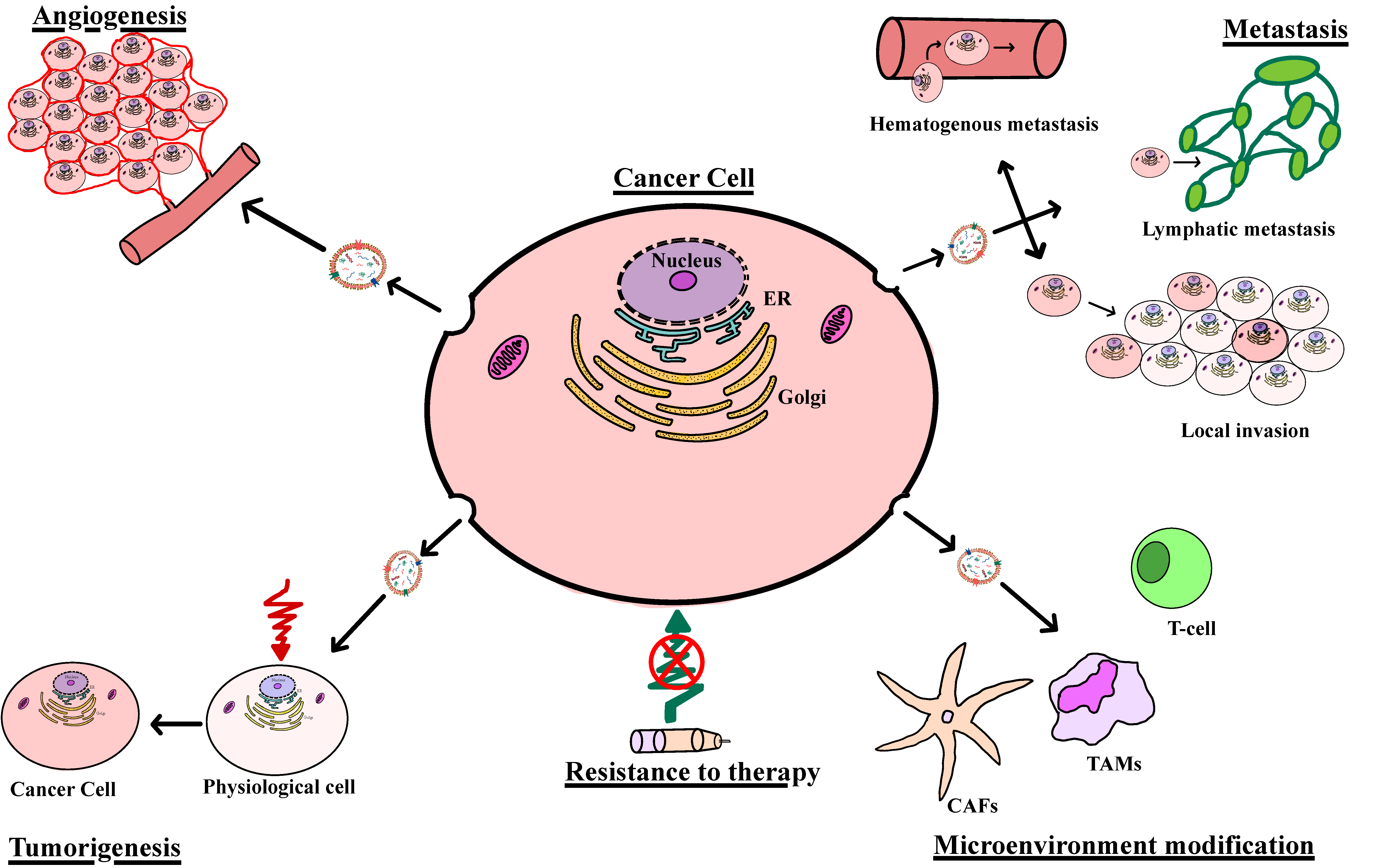

| Clinical Trials | Population | Clinical Outcomes | Liquid Biopsy Method | Estimated Number of Participants | Study Phase/Evidence Tier |
|---|---|---|---|---|---|
| NCT07243015 | Patients who underwent curative-intent gastrectomy for gastric adenocarcinoma, with available pre- and postoperative plasma samples | Recurrence-free survival (RFS) Overall survival (OS) | Small RNA sequencing RT-qPCR-based exo-miRNA quantification | 500 | Validation Phase (prospective evaluation of MRD signature) |
| NCT07225452 | Individuals diagnosed with intrahepatic cholangiocarcinoma and control participants (non-cancer or benign biliary disease) with available pre-treatment plasma samples | Sensitivity Specificity Diagnostic accuracy (AUC) | Small RNA sequencing RT-qPCR validation of selected miRNAs | 500 | Discovery and Validation Phase (diagnostic biomarker development) |
| NCT07224802 | Patients with histologically confirmed pancreatic ductal adenocarcinoma (PDAC) who have undergone curative-intent pancreatectomy with available preoperative plasma samples | Specificity Sensitivity Area under the receiver operating characteristic curve (AUC) | Small RNA sequencing RT-qPCR validation | 400 | Validation Phase (multicenter machine learning-based validation) |
| NCT07224737 | Histologically confirmed intrahepatic cholangiocarcinoma (ICC) at clinical stage I–III, treatment with curative-intent hepatectomy and availability of a preoperative plasma or serum sample | Recurrence-free survival Overall survival | Small RNA sequencing RT-qPCR validation | 250 | Discovery and Validation Phase (machine learning-based predictive modeling) |
| NCT07224724 | Patients diagnosed with colorectal liver metastases (CRLMs) originating from histologically confirmed colorectal adenocarcinoma at participating institutions | Sensitivity Specificity Accuracy | Small RNA sequencing RT-qPCR validation | 500 | Discovery and Validation Phase (machine learning-based model for occult EHM) |
| NCT06654622 | The study will enroll patients with stage II-III colorectal cancer who have undergone curative surgery and require assessment for molecular residual disease to determine whether adjuvant chemotherapy is necessary | Tumor evaluation (recurrence) Overall survival (OS) | miRNA panel | 200 | Validation Phase (EMRATI score development for MRD-guided ACT) |
| NCT06490159 | Patients needing second-line chemotherapy with unresectable or recurrent gastric cancer | Incidence of peripheral neuropathy | miRNA panel (RT-qPCR) | 150 | Discovery and Validation Phase (prediction of chemotherapy-induced toxicity) |
| NCT06381648 | Individuals who were diagnosed with intrahepatic cholangiocarcinoma | Sensitivity Specificity Proportion of correct predictions among the total number of cases | miRNA panel (RT-qPCR) | 190 | Discovery and Validation Phase (preoperative prediction of lymph node metastasis) |
| NCT06342427 | Two cohorts of individuals with and without gastric cancer (cases and controls, respectively) | Sensitivity Specificity Proportion of correct predictions among the total number of cases | miRNA panel | 809 | Discovery and Validation Phase (multi-modal cf/sEV-miRNA signature for early detection) |
| NCT06342414 | Individuals who were diagnosed with either intrahepatic cholangiocarcinoma or hepatocellular carcinoma (case–case design for a differential diagnosis study) | Sensitivity Specificity Proportion of correct predictions among the total number of cases | Small RNA sequencing from exo-miRNA | 400 | Discovery and Validation Phase (machine learning-driven differential diagnosis between HCC and ICC) |
| NCT06277986 | The research object is patients with confirmed gastric cancer; according to diagnostic criteria, patients are divided into a cachexia group and a non-cachexia group | BMI | Plasma-derived exo-miRNA | 150 | Discovery and Validation Phase (biomarkers for early cancer cachexia detection) |
| NCT05854030 | Patients diagnosed with advanced lung squamous carcinoma by histopathology and treated with anti-PD-L1 combined with chemotherapy | Plasma exosomal miRNA level PD-L1 Imaging data of lesions Objective response rate | RNA sequencing | 60 | Discovery and Validation Phase (predictive signature for anti-PD-L1/chemotherapy response) |
| NCT04629079 | The study will include patients who have been referred to the Lung Cancer Clinic and Multi- Disciplinary Team (MDT) at The Lister, Hertford County and New QEII Hospitals for investigation of suspected lung cancer | Describe the range of exosomal expression of P4HA1 Describe the range of expression of precursor microRNA in exosomes Develop a combined risk score | - | 800 | Clinical Evaluation Phase (prospective validation of combined CT/sEV-hypoxia risk score for lung cancer screening) |
| NCT04167722 | Obese vs. lean patients | Determine differences in peri-prostatic adipose tissue Identification of exosomal small RNAs transferred between adipose tissue to prostate cancer cell lines Assess how exosomal small RNAs from lean vs. obese patients affect cancer regulation Attempt to replicate functional changes observed | Small RNA sequencing | 100 | Discovery and Translational Phase (investigation of adipocyte-derived sEV crosstalk in prostate cancer progression) |
| NCT03911999 | For the non-prostate cancer group, there is no specific time limit for urine collection; for the prostate cancer group, urine will be collected prior to prostatectomy | To compare the differences in microRNA expression between non-prostate cancer subjects, pathologically insignificant and significant prostate cancer patients To assess the accuracy of selected microRNAs for the differentiation of patients with pathologically insignificant and significant prostate cancer after radical prostatectomy | Exosomal RNA (next generation sequencing) | 180 | Discovery and Validation Phase (urinary sEV-miRNA for differentiating significant vs. insignificant prostate cancer) |
| NCT03886571 | Patients with an upcoming standard of care clinical and/or surgical event who meet criteria for study participation are identified by the treating physician and will be asked to participate in the study | Measuring cell-free and exosomal miRNA biomarkers using small RNA-Seq in matched tissue and plasma from patients with PDAC, PNs, pancreatitis and normal pancreas for early detection | Small RNA sequencing | 100 | Translational Infrastructure (large-scale biobanking for multi-analyte EV discovery and validation) |
| NCT02366494 | Men with systemic disease (with biochemical relapse or metastatic disease) | Identify five most prevalent exosomal microRNAs that predict response to androgen deprivation therapy-based treatment Identify exosomal microRNAs that predict response to androgen deprivation therapy (ADT) from peripheral blood of prostate cancer patients with systemic disease Validate exosomal RNA markers that predict response to ADT by real-time RT-PCR | Exosomal RNA (next-generation sequencing) Validate exosomal RNA (RT-PCR) | 42 | Discovery and Validation Phase (NGS-based signatures for predicting duration of response to ADT) |
| NCT07226154 | Patients diagnosed with resectable or borderline resectable pancreatic ductal adenocarcinoma (PDAC) who received neoadjuvant chemotherapy (FOLFIRINOX or Gemcitabine + Nab-paclitaxel) followed by surgery | Pathological response rate Recurrence-free survival (RFS) Overall survival (OS) Radiologic response rate | Small RNA sequencing RT-PqCR validation | 200 | Discovery and Validation Phase (predictive miRNA panel for neoadjuvant chemotherapy response in PDAC) |
Disclaimer/Publisher’s Note: The statements, opinions and data contained in all publications are solely those of the individual author(s) and contributor(s) and not of MDPI and/or the editor(s). MDPI and/or the editor(s) disclaim responsibility for any injury to people or property resulting from any ideas, methods, instructions or products referred to in the content. |
© 2026 by the authors. Licensee MDPI, Basel, Switzerland. This article is an open access article distributed under the terms and conditions of the Creative Commons Attribution (CC BY) license.
Share and Cite
Karamouzis, K.; Kollias, I.; Trapali, M.; Papatsirou, M.; Gavriatopoulou, M.; Ntanasis-Stathopoulos, I. Small Extracellular Vesicle-Associated microRNA in Cancer: Biology and Applications in Translational Research and Precision Oncology. Cancers 2026, 18, 1903. https://doi.org/10.3390/cancers18121903
Karamouzis K, Kollias I, Trapali M, Papatsirou M, Gavriatopoulou M, Ntanasis-Stathopoulos I. Small Extracellular Vesicle-Associated microRNA in Cancer: Biology and Applications in Translational Research and Precision Oncology. Cancers. 2026; 18(12):1903. https://doi.org/10.3390/cancers18121903
Chicago/Turabian StyleKaramouzis, Konstantinos, Ioannis Kollias, Maria Trapali, Maria Papatsirou, Maria Gavriatopoulou, and Ioannis Ntanasis-Stathopoulos. 2026. "Small Extracellular Vesicle-Associated microRNA in Cancer: Biology and Applications in Translational Research and Precision Oncology" Cancers 18, no. 12: 1903. https://doi.org/10.3390/cancers18121903
APA StyleKaramouzis, K., Kollias, I., Trapali, M., Papatsirou, M., Gavriatopoulou, M., & Ntanasis-Stathopoulos, I. (2026). Small Extracellular Vesicle-Associated microRNA in Cancer: Biology and Applications in Translational Research and Precision Oncology. Cancers, 18(12), 1903. https://doi.org/10.3390/cancers18121903