Unveiling Lipid Metabolism-Related Gene PTGDS: A Tumor Suppressor in Lung Adenocarcinoma with Therapeutic Potential

Simple Summary
Abstract
1. Introduction
2. Materials and Methods
2.1. Data Collection
2.2. Identification of Differentially Expressed Lipid Metabolism-Related Genes
2.3. DNA Methylation Analysis
2.4. PTGDS Co-Expression Analysis and Functional Enrichment of Differentially Expressed PTGDS-Related Genes
2.5. Immune Microenvironment Assessment
2.6. Pan-Cancer Analysis of PTGDS
2.7. Collection of LUAD Samples
2.8. Cell Culture and Transfection
2.9. Quantitative Reverse Transcription Polymerase Chain Reaction (qRT-PCR)
2.10. Immunohistochemistry (IHC)
2.11. Immunohistochemistry (IHC) Scoring
2.12. Western Blot (WB)
2.13. Immunofluorescence
2.14. Cell Counting Kit-8 (CCK-8) Assay
2.15. Colony Formation Assay
2.16. EdU Assay
2.17. Wound-Healing Assay
2.18. Transwell Assay
2.19. Cell Cycle Analysis
2.20. Establishment of the Nude Mouse Xenograft Tumor Model
2.21. Statistical Analyses
3. Results
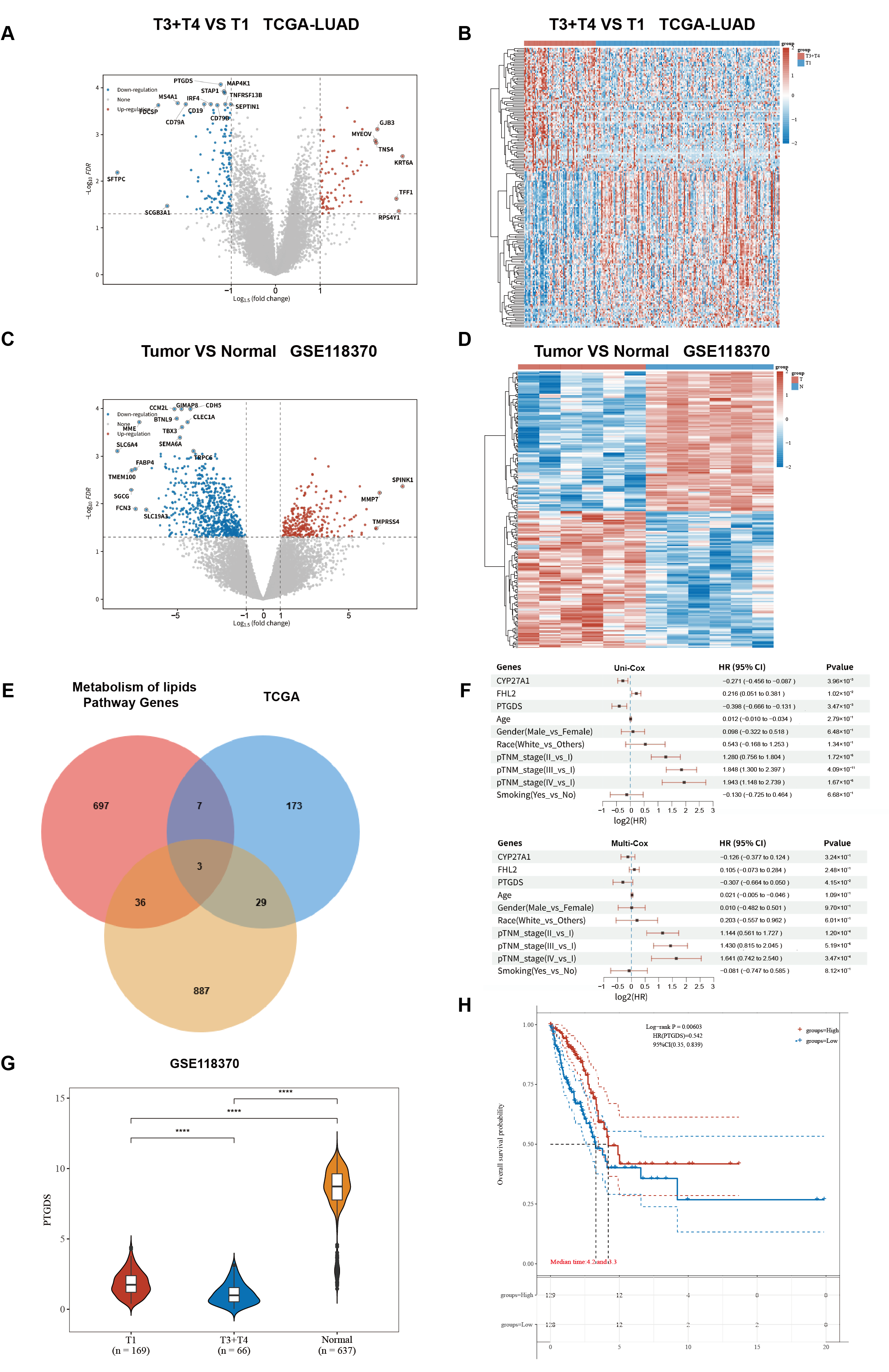
3.1. Downregulation of the Lipid Metabolism-Related Gene PTGDS in LUAD and Its Positive Correlation with Prognosis
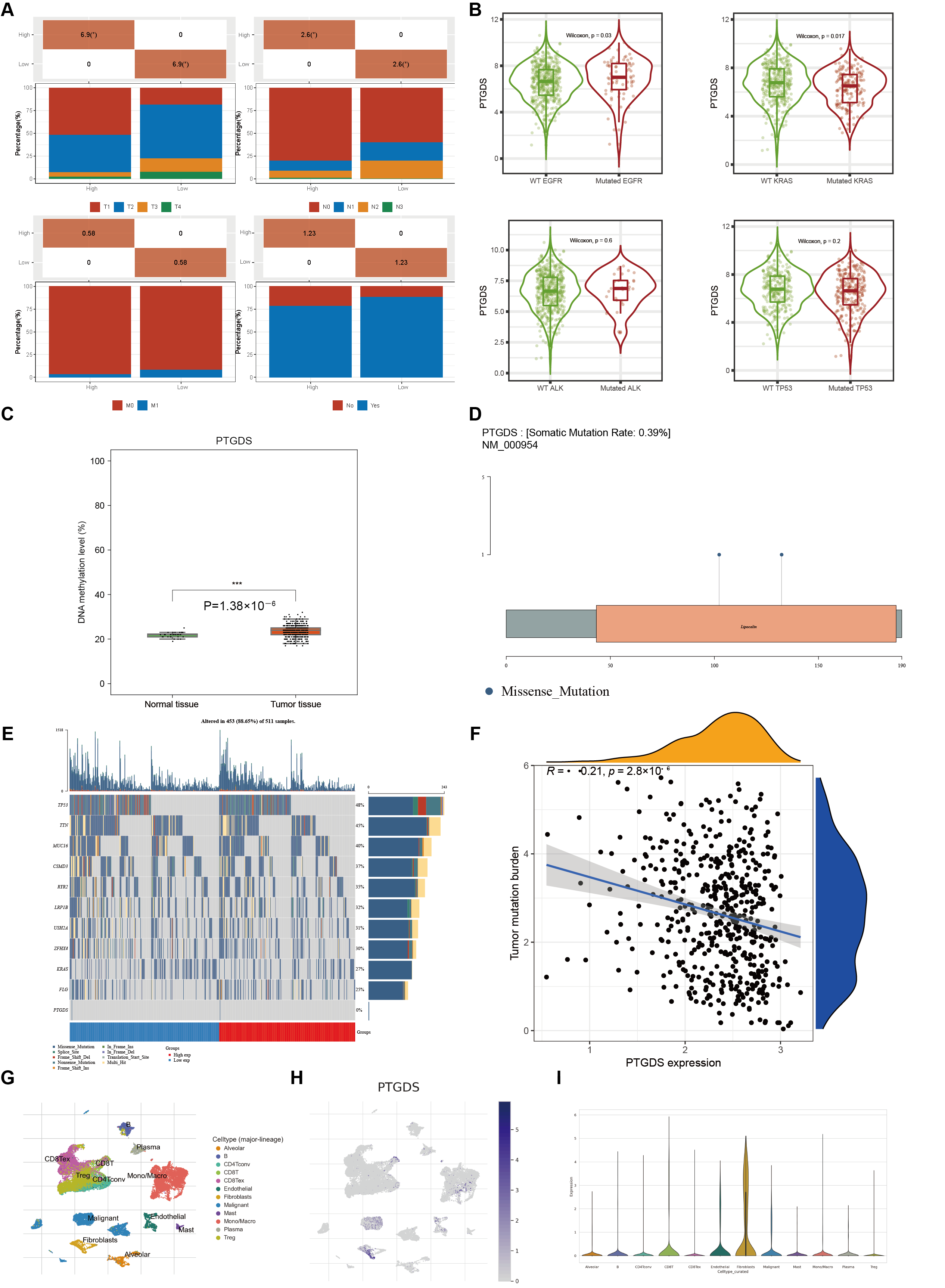
3.2. Clinical and Genetic Characteristics of the Lipid Metabolism-Related Gene PTGDS in LUAD
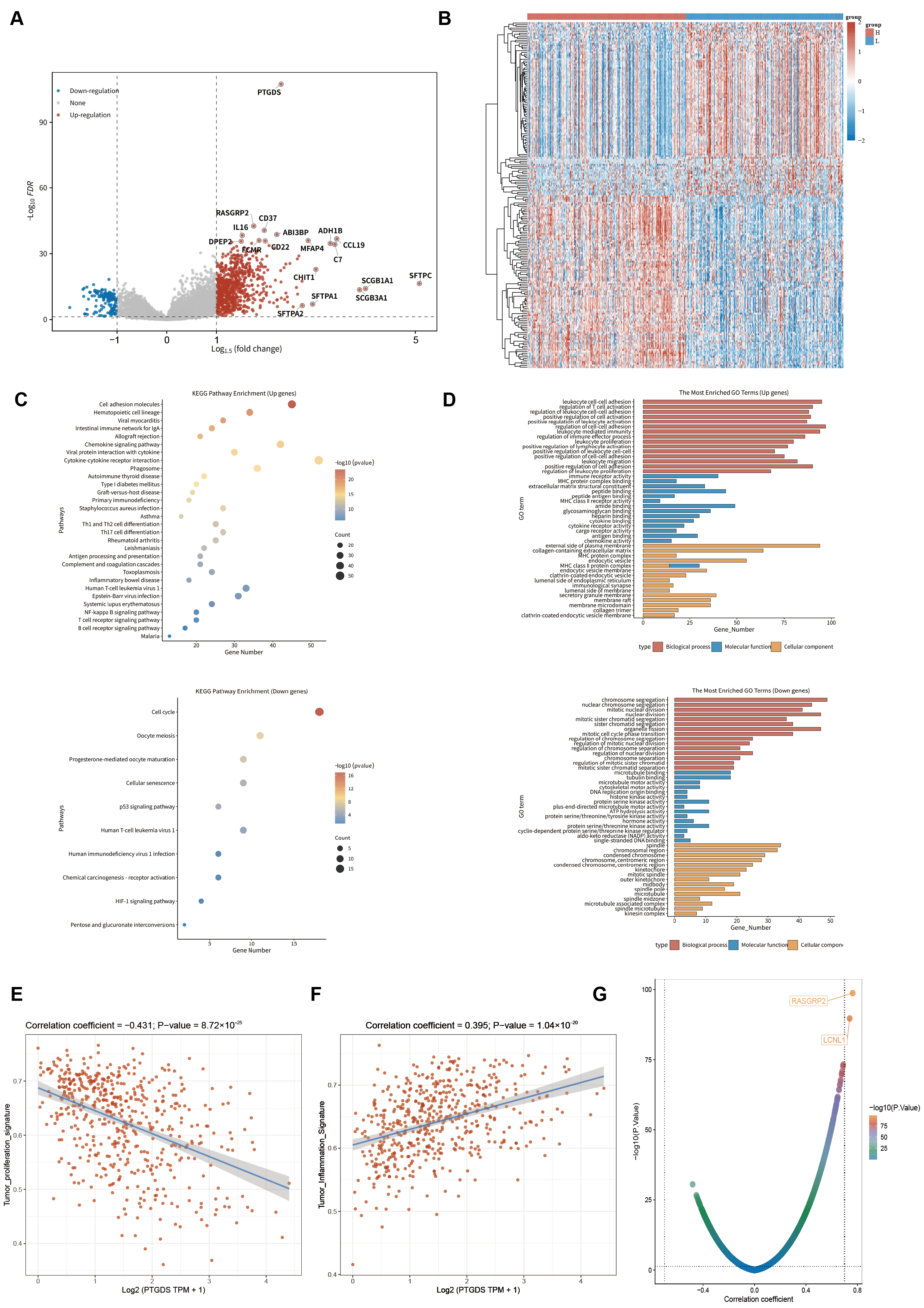
3.3. Co-Expression Gene Analysis and Differential Gene Enrichment Analysis of the Lipid Metabolism-Related Gene PTGDS

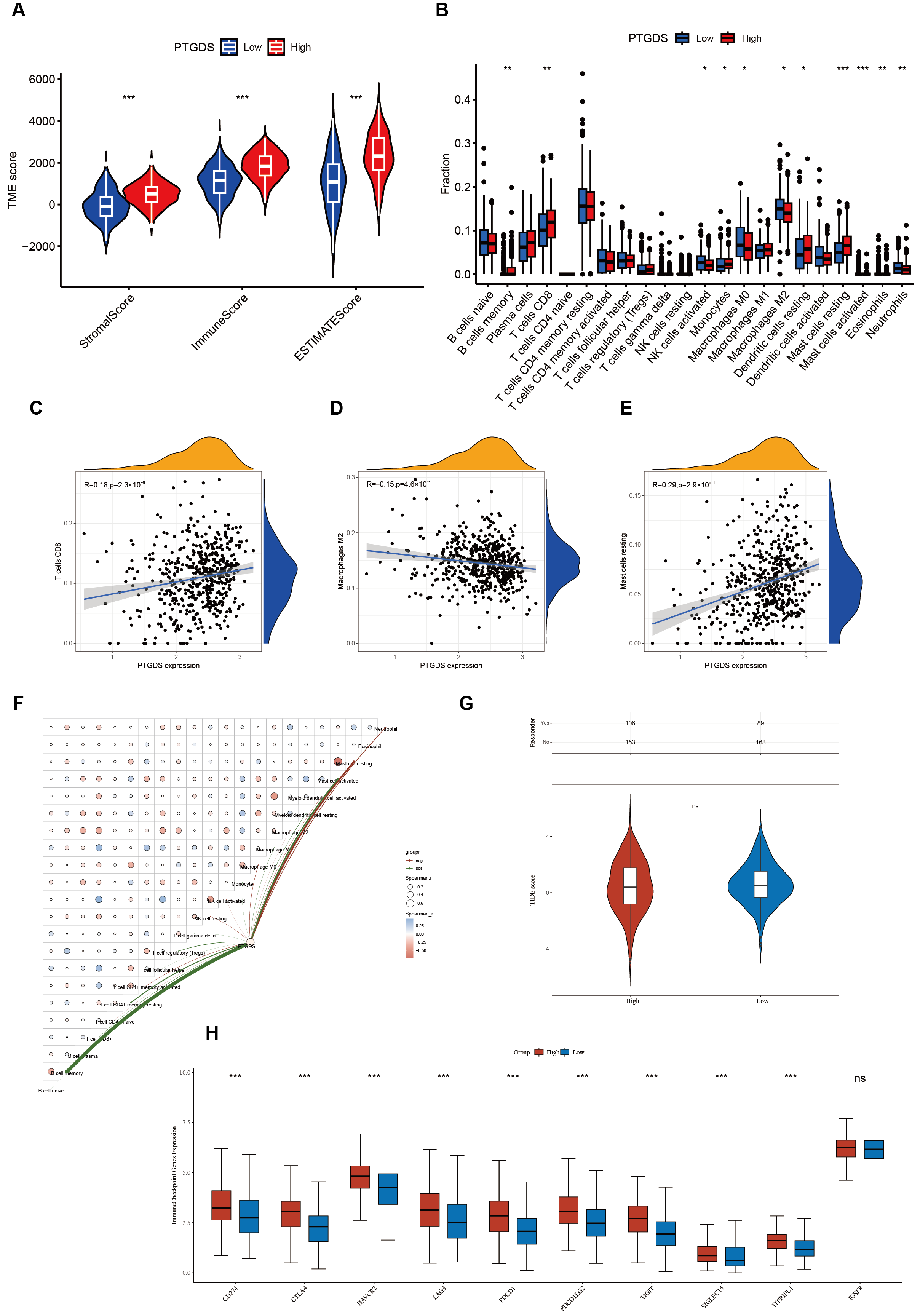
3.4. Association Between the Lipid Metabolism-Related Gene PTGDS and Tumor Immune Microenvironment
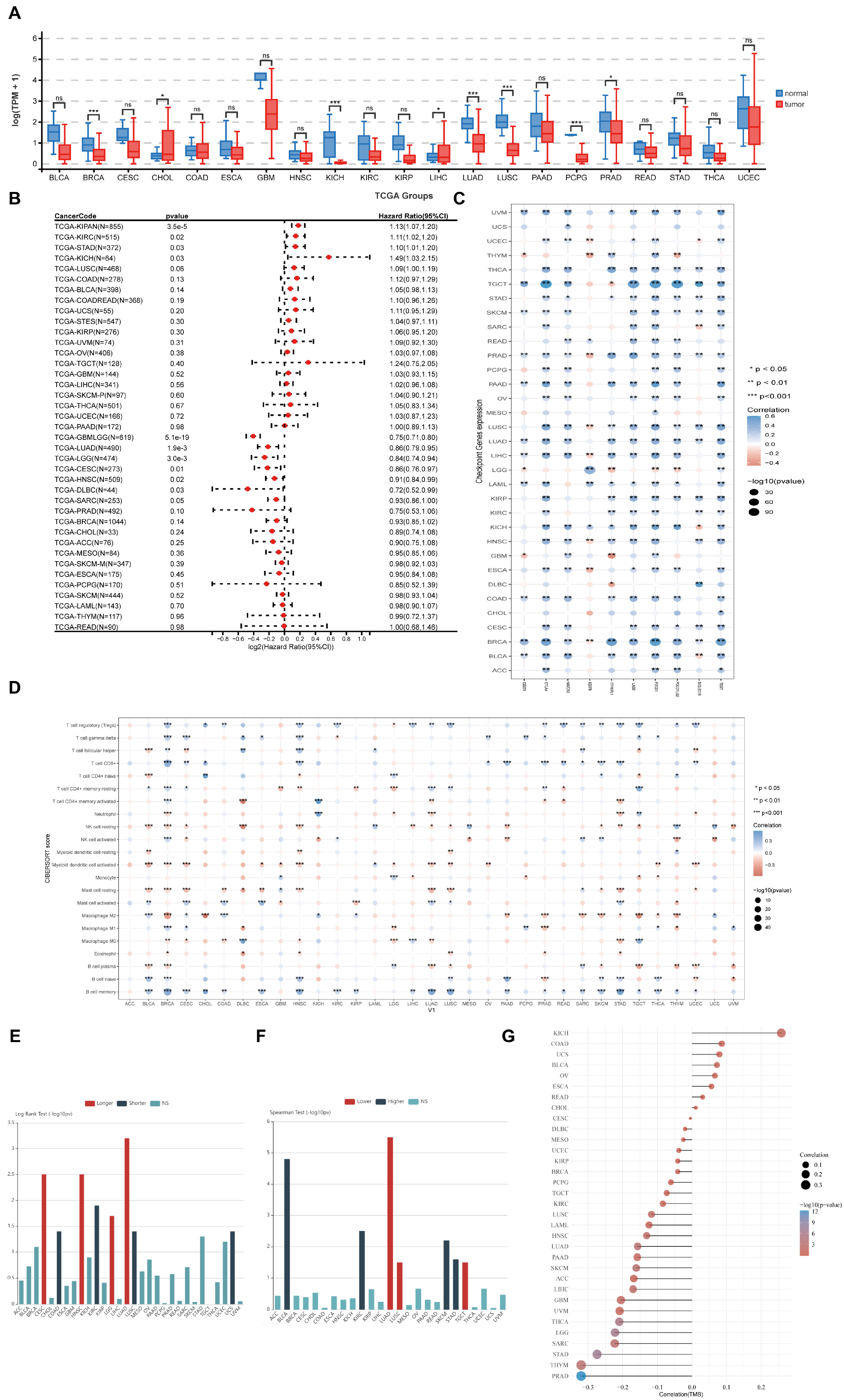
3.5. Pan-Cancer Analysis of Lipid Metabolism-Related Gene PTGDS


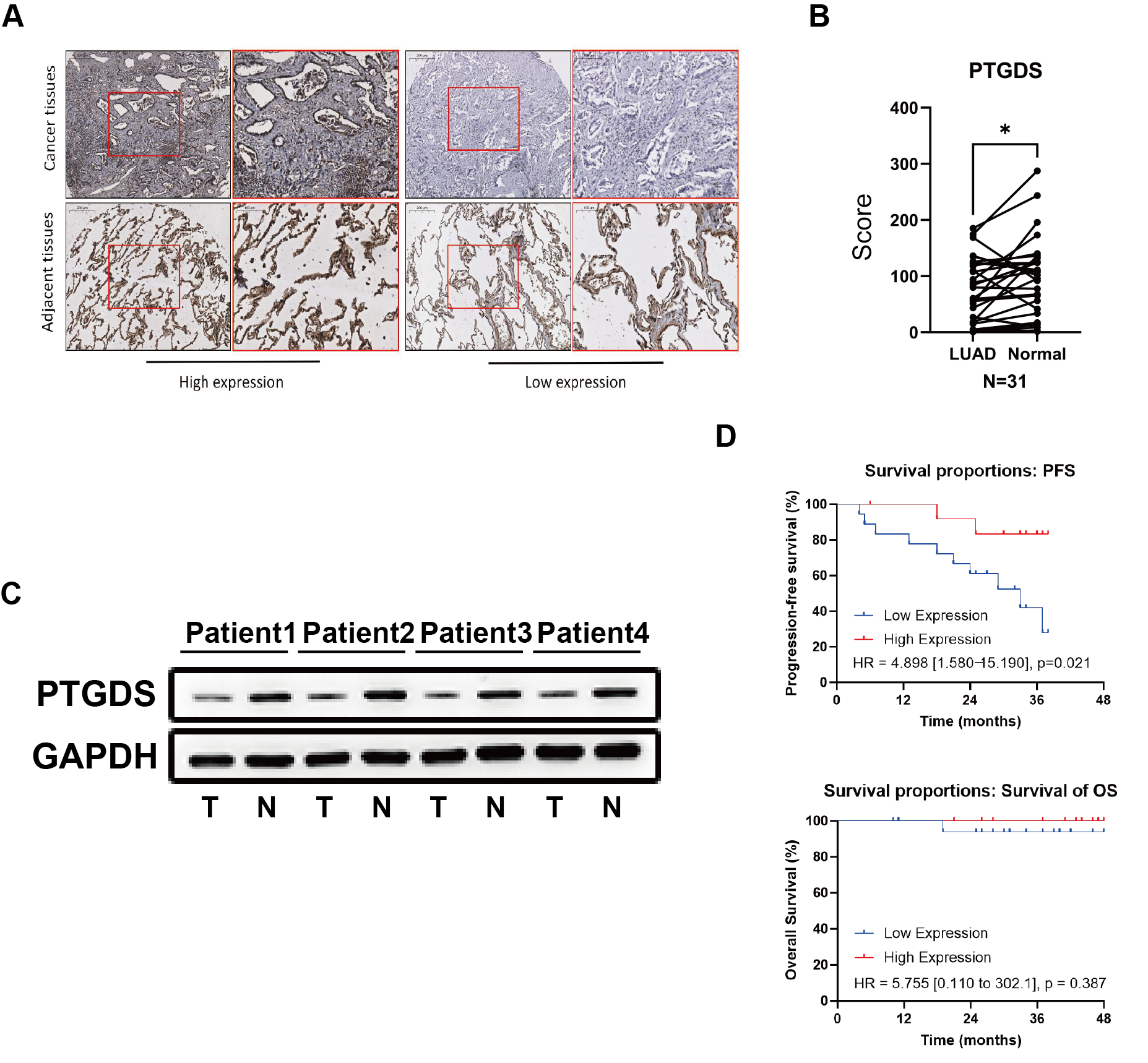
3.6. Lipid Metabolism-Related Gene PTGDS Is Downregulated in LUAD and Correlates with Prognosis


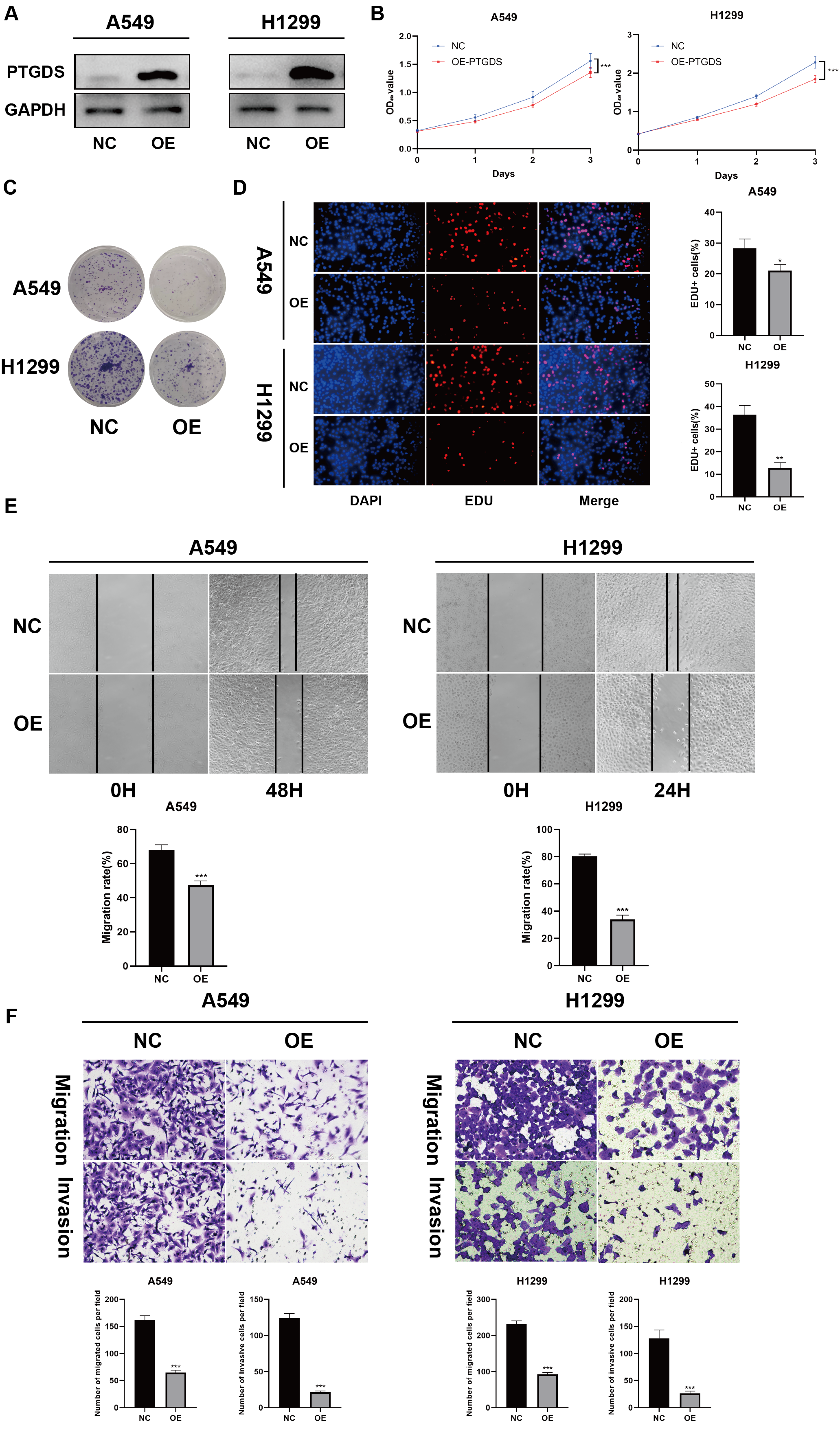
3.7. Lipid Metabolism-Related Gene PTGDS Suppresses Proliferation, Migration, and Invasion of LUAD Cells In Vitro
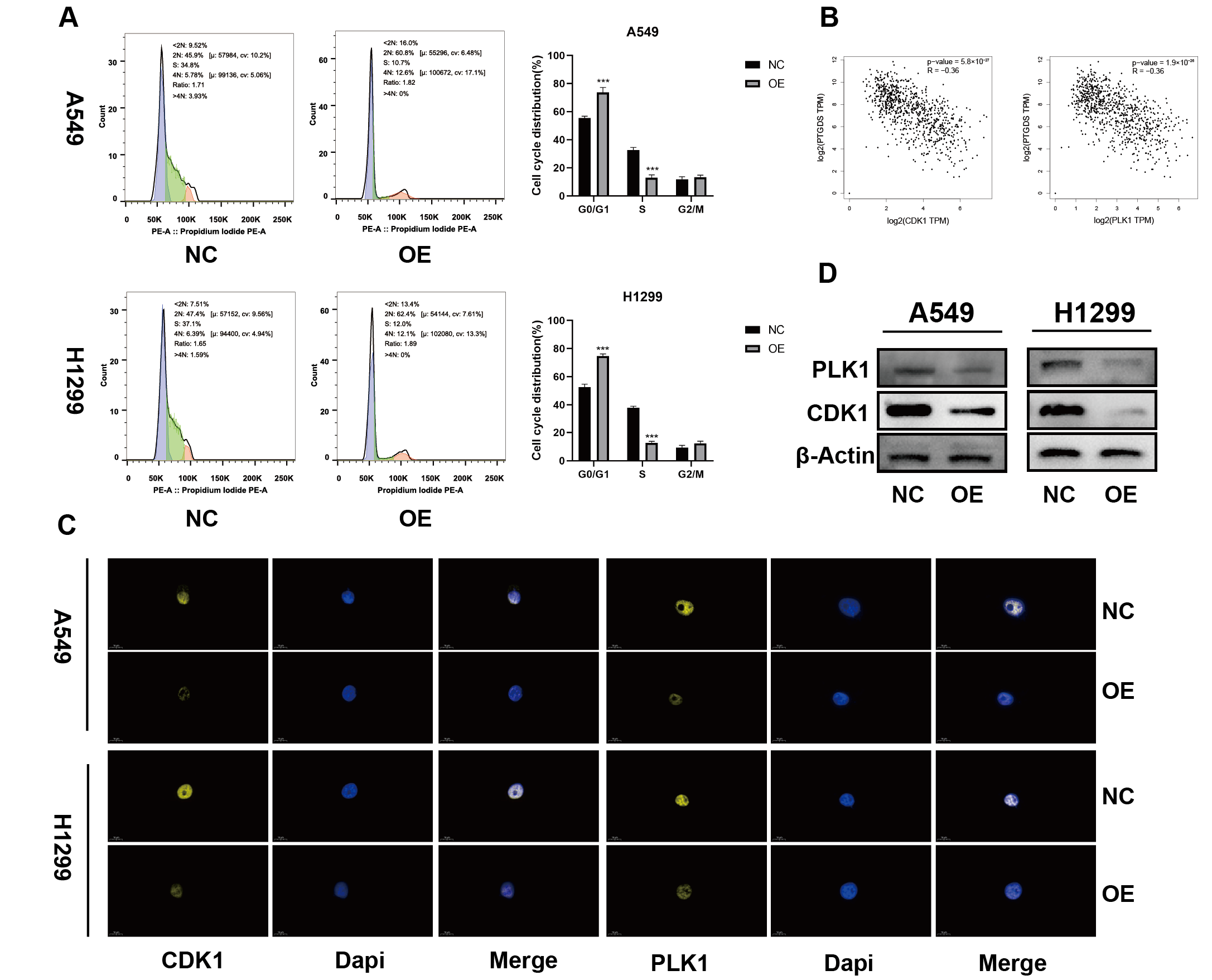
3.8. Lipid Metabolism-Related Gene PTGDS Is Closely Associated with Cell Cycle-Related Proteins
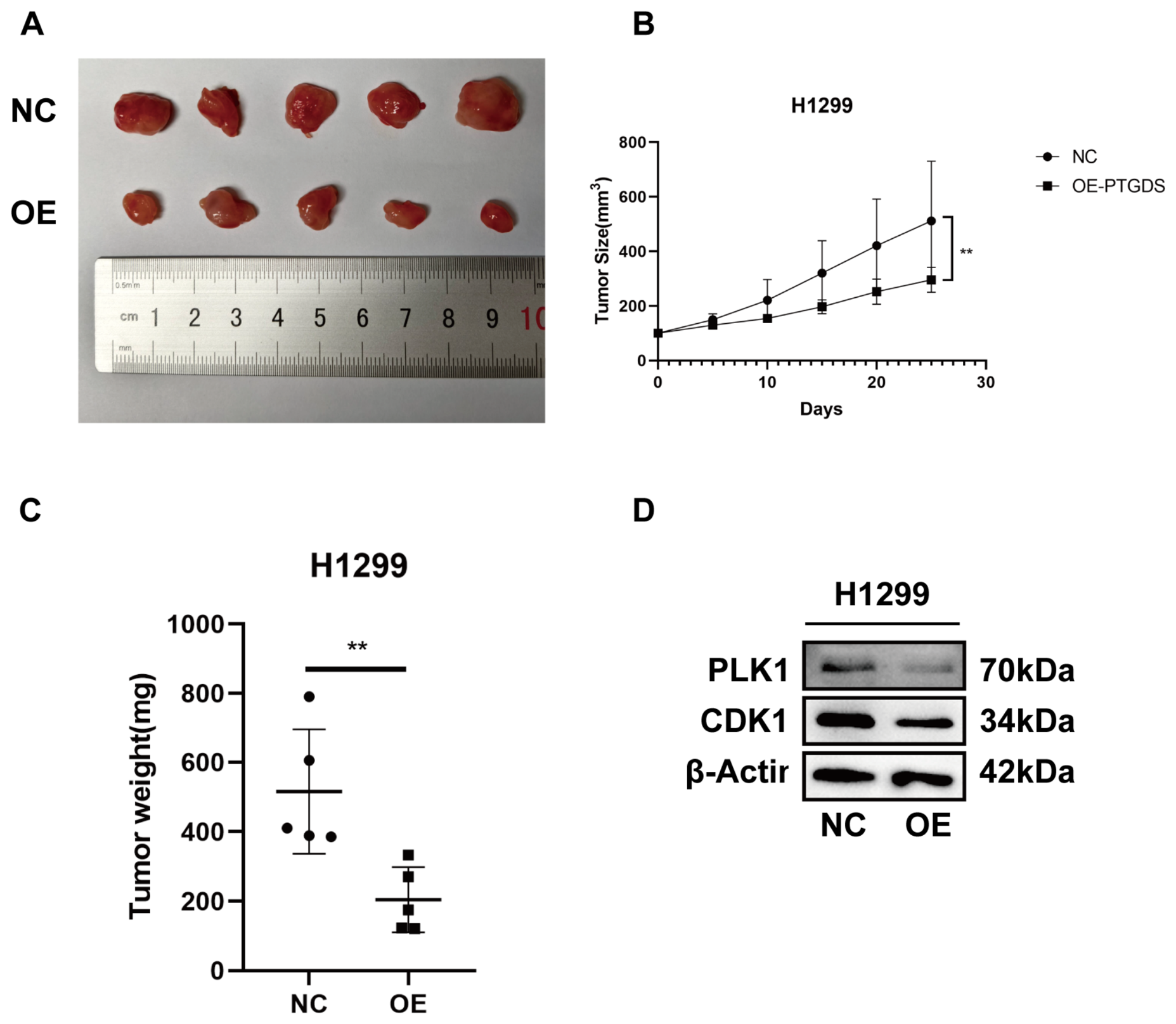
3.9. Lipid Metabolism-Related Gene PTGDS Suppresses LUAD Progression In Vivo


4. Discussion
5. Conclusions
Supplementary Materials
Author Contributions
Funding
Institutional Review Board Statement
Informed Consent Statement
Data Availability Statement
Acknowledgments
Conflicts of Interest
References
- Smith, R.A.; Andrews, K.S.; Brooks, D.; Fedewa, S.A.; Manassaram-Baptiste, D.; Saslow, D.; Wender, R.C. Cancer screening in the United States, 2019: A review of current American Cancer Society guidelines and current issues in cancer screening. CA Cancer J. Clin. 2019, 69, 184–210. [Google Scholar] [CrossRef] [Scilit] [PubMed]
- Bray, F.; Laversanne, M.; Sung, H.; Ferlay, J.; Siegel, R.L.; Soerjomataram, I.; Jemal, A. Global cancer statistics 2022: GLOBOCAN estimates of incidence and mortality worldwide for 36 cancers in 185 countries. CA Cancer J. Clin. 2024, 74, 229–263. [Google Scholar] [CrossRef] [Scilit] [PubMed]
- Duma, N.; Santana-Davila, R.; Molina, J.R. Non-Small Cell Lung Cancer: Epidemiology, Screening, Diagnosis, and Treatment. Mayo Clin. Proc. 2019, 94, 1623–1640. [Google Scholar] [CrossRef] [Scilit]
- Travis, W.D. Pathology of lung cancer. Clin. Chest Med. 2002, 23, 65–81. [Google Scholar] [CrossRef] [Scilit] [PubMed]
- Hirsch, F.R.; Scagliotti, G.V.; Mulshine, J.L.; Kwon, R.; Curran, W.J., Jr.; Wu, Y.L.; Paz-Ares, L. Lung cancer: Current therapies and new targeted treatments. Lancet 2017, 389, 299–311. [Google Scholar] [CrossRef] [Scilit]
- Debela, D.T.; Muzazu, S.G.; Heraro, K.D.; Ndalama, M.T.; Mesele, B.W.; Haile, D.C.; Kitui, S.K.; Manyazewal, T. New approaches and procedures for cancer treatment: Current perspectives. SAGE Open Med. 2021, 9, 20503121211034366. [Google Scholar] [CrossRef] [Scilit]
- Finley, L.W.S. What is cancer metabolism? Cell 2023, 186, 1670–1688. [Google Scholar] [CrossRef] [Scilit]
- Li, Q.; Geng, S.; Luo, H.; Wang, W.; Mo, Y.Q.; Luo, Q.; Wang, L.; Song, G.B.; Sheng, J.P.; Xu, B. Signaling pathways involved in colorectal cancer: Pathogenesis and targeted therapy. Signal Transduct. Target. Ther. 2024, 9, 266. [Google Scholar] [CrossRef] [Scilit]
- Yu, W.; Lei, Q.; Yang, L.; Qin, G.; Liu, S.; Wang, D.; Ping, Y.; Zhang, Y. Contradictory roles of lipid metabolism in immune response within the tumor microenvironment. J. Hematol. Oncol. 2021, 14, 187. [Google Scholar] [CrossRef] [Scilit]
- Cheng, C.; Geng, F.; Cheng, X.; Guo, D. Lipid metabolism reprogramming and its potential targets in cancer. Cancer Commun. 2018, 38, 27. [Google Scholar] [CrossRef] [Scilit]
- Currie, E.; Schulze, A.; Zechner, R.; Walther, T.C.; Farese, R.V., Jr. Cellular fatty acid metabolism and cancer. Cell Metab. 2013, 18, 153–161. [Google Scholar] [CrossRef] [Scilit] [PubMed]
- Gong, J.; Lin, Y.; Zhang, H.; Liu, C.; Cheng, Z.; Yang, X.; Zhang, J.; Xiao, Y.; Sang, N.; Qian, X.; et al. Reprogramming of lipid metabolism in cancer-associated fibroblasts potentiates migration of colorectal cancer cells. Cell Death Dis. 2020, 11, 267. [Google Scholar] [CrossRef] [Scilit]
- Pan, C.; Li, B.; Simon, M.C. Moonlighting functions of metabolic enzymes and metabolites in cancer. Mol. Cell 2021, 81, 3760–3774. [Google Scholar] [CrossRef] [Scilit]
- Li, L.Y.; Yang, Q.; Jiang, Y.Y.; Yang, W.; Jiang, Y.; Li, X.; Hazawa, M.; Zhou, B.; Huang, G.W.; Xu, X.E.; et al. Interplay and cooperation between SREBF1 and master transcription factors regulate lipid metabolism and tumor-promoting pathways in squamous cancer. Nat. Commun. 2021, 12, 4362. [Google Scholar] [CrossRef] [Scilit]
- Cristea, S.; Coles, G.L.; Hornburg, D.; Gershkovitz, M.; Arand, J.; Cao, S.; Sen, T.; Williamson, S.C.; Kim, J.W.; Drainas, A.P.; et al. The MEK5-ERK5 Kinase Axis Controls Lipid Metabolism in Small-Cell Lung Cancer. Cancer Res. 2020, 80, 1293–1303. [Google Scholar] [CrossRef] [Scilit]
- Urade, Y.; Hayaishi, O. Biochemical, structural, genetic, physiological, and pathophysiological features of lipocalin-type prostaglandin D synthase. Biochim. Biophys. Acta 2000, 1482, 259–271. [Google Scholar] [CrossRef] [Scilit]
- Hu, S.; Ren, S.; Cai, Y.; Liu, J.; Han, Y.; Zhao, Y.; Yang, J.; Zhou, X.; Wang, X. Glycoprotein PTGDS promotes tumorigenesis of diffuse large B-cell lymphoma by MYH9-mediated regulation of Wnt-β-catenin-STAT3 signaling. Cell Death Differ. 2022, 29, 642–656. [Google Scholar] [CrossRef] [Scilit]
- Shimanuki, M.; Takeda, K.; Kawaguchi, M.; Suzuki, T.; Shibahara, S. Lipocalin-type prostaglandin D synthase as a marker for the proliferative potential of melanocyte-lineage cells in the human skin. J. Dermatol. 2012, 39, 699–704. [Google Scholar] [CrossRef] [Scilit] [PubMed]
- Lim, W.; Bae, S.M.; Jo, G.; Bazer, F.W.; Choi, Y.; Song, G. Prostaglandin D2 synthase related to estrogen in the female reproductive tract. Biochem. Biophys. Res. Commun. 2015, 456, 355–360. [Google Scholar] [CrossRef] [Scilit]
- Nault, J.C.; Couchy, G.; Caruso, S.; Meunier, L.; Caruana, L.; Letouzé, E.; Rebouissou, S.; Paradis, V.; Calderaro, J.; Zucman-Rossi, J. Argininosuccinate synthase 1 and periportal gene expression in sonic hedgehog hepatocellular adenomas. Hepatology 2018, 68, 964–976. [Google Scholar] [CrossRef] [Scilit] [PubMed]
- Kim, J.; Yang, P.; Suraokar, M.; Sabichi, A.L.; Llansa, N.D.; Mendoza, G.; Subbarayan, V.; Logothetis, C.J.; Newman, R.A.; Lippman, S.M.; et al. Suppression of prostate tumor cell growth by stromal cell prostaglandin D synthase-derived products. Cancer Res. 2005, 65, 6189–6198. [Google Scholar] [CrossRef] [Scilit]
- Ragolia, L.; Palaia, T.; Hall, C.E.; Klein, J.; Büyük, A. Diminished lipocalin-type prostaglandin D(2) synthase expression in human lung tumors. Lung Cancer 2010, 70, 103–109. [Google Scholar] [CrossRef] [Scilit]
- Zhang, B.; Bie, Q.; Wu, P.; Zhang, J.; You, B.; Shi, H.; Qian, H.; Xu, W. PGD2/PTGDR2 Signaling Restricts the Self-Renewal and Tumorigenesis of Gastric Cancer. Stem Cells 2018, 36, 990–1003. [Google Scholar] [CrossRef] [Scilit]
- Bonneville, R.; Krook, M.A.; Kautto, E.A.; Miya, J.; Wing, M.R.; Chen, H.Z.; Reeser, J.W.; Yu, L.; Roychowdhury, S. Landscape of Microsatellite Instability Across 39 Cancer Types. JCO Precis. Oncol. 2017, 2017, 1–15. [Google Scholar] [CrossRef] [Scilit] [PubMed]
- Fang, H.; Sun, Q.; Zhou, J.; Zhang, H.; Song, Q.; Zhang, H.; Yu, G.; Guo, Y.; Huang, C.; Mou, Y.; et al. m6A methylation reader IGF2BP2 activates endothelial cells to promote angiogenesis and metastasis of lung adenocarcinoma. Mol. Cancer 2023, 22, 99. [Google Scholar] [CrossRef] [Scilit]
- He, Q.; Qu, M.; Shen, T.; Xu, Y.; Luo, J.; Tan, D.; Xu, C.; Barkat, M.Q.; Zeng, L.H.; Wu, X. Suppression of VEGFD expression by S-nitrosylation promotes the development of lung adenocarcinoma. J. Exp. Clin. Cancer Res. 2022, 41, 239. [Google Scholar] [CrossRef] [Scilit] [PubMed]
- Lei, Y.; Zhou, B.; Meng, X.; Liang, M.; Song, W.; Liang, Y.; Gao, Y.; Wang, M. A risk score model based on lipid metabolism-related genes could predict response to immunotherapy and prognosis of lung adenocarcinoma: A multi-dataset study and cytological validation. Discov. Oncol. 2023, 14, 188. [Google Scholar] [CrossRef] [Scilit] [PubMed]
- Merino Salvador, M.; Gómez de Cedrón, M.; Moreno Rubio, J.; Falagán Martínez, S.; Sánchez Martínez, R.; Casado, E.; Ramírez de Molina, A.; Sereno, M. Lipid metabolism and lung cancer. Crit. Rev. Oncol. Hematol. 2017, 112, 31–40, Erratum in Crit. Rev. Oncol. Hematol. 2019, 133, 45. https://doi.org/10.1016/j.critrevonc.2017.10.008. [Google Scholar] [CrossRef] [Scilit]
- Chen, J.; Yang, H.; Teo, A.S.M.; Amer, L.B.; Sherbaf, F.G.; Tan, C.Q.; Alvarez, J.J.S.; Lu, B.; Lim, J.Q.; Takano, A.; et al. Genomic landscape of lung adenocarcinoma in East Asians. Nat. Genet. 2020, 52, 177–186. [Google Scholar] [CrossRef] [Scilit]
- Li, S.; Choi, Y.L.; Gong, Z.; Liu, X.; Lira, M.; Kan, Z.; Oh, E.; Wang, J.; Ting, J.C.; Ye, X.; et al. Comprehensive Characterization of Oncogenic Drivers in Asian Lung Adenocarcinoma. J. Thorac. Oncol. 2016, 11, 2129–2140. [Google Scholar] [CrossRef] [Scilit]
- Nahar, R.; Zhai, W.; Zhang, T.; Takano, A.; Khng, A.J.; Lee, Y.Y.; Liu, X.; Lim, C.H.; Koh, T.P.T.; Aung, Z.W.; et al. Elucidating the genomic architecture of Asian EGFR-mutant lung adenocarcinoma through multi-region exome sequencing. Nat. Commun. 2018, 9, 216. [Google Scholar] [CrossRef] [Scilit]
- Jardim, D.L.; Goodman, A.; de Melo Gagliato, D.; Kurzrock, R. The Challenges of Tumor Mutational Burden as an Immunotherapy Biomarker. Cancer Cell. 2021, 39, 154–173. [Google Scholar] [CrossRef] [Scilit] [PubMed]
- Sherr, C.J. Cancer cell cycles. Science 1996, 274, 1672–1677. [Google Scholar] [CrossRef] [Scilit]
- Wu, J.; Wen, T.; Marzio, A.; Song, D.; Chen, S.; Yang, C.; Zhao, F.; Zhang, B.; Zhao, G.; Ferri, A.; et al. FBXO32-mediated degradation of PTEN promotes lung adenocarcinoma progression. Cell Death Dis. 2024, 15, 282. [Google Scholar] [CrossRef] [Scilit]
- Chen, M.; Zhang, S.; Wang, F.; He, J.; Jiang, W.; Zhang, L. DLGAP5 promotes lung adenocarcinoma growth via upregulating PLK1 and serves as a therapeutic target. J. Transl. Med. 2024, 22, 209. [Google Scholar] [CrossRef] [Scilit]
- van Weverwijk, A.; de Visser, K.E. Mechanisms driving the immunoregulatory function of cancer cells. Nat. Rev. Cancer 2023, 23, 193–215. [Google Scholar] [CrossRef] [Scilit] [PubMed]
- Huang, Y.; Kim, B.Y.S.; Chan, C.K.; Hahn, S.M.; Weissman, I.L.; Jiang, W. Improving immune-vascular crosstalk for cancer immunotherapy. Nat. Rev. Immunol. 2018, 18, 195–203. [Google Scholar] [CrossRef] [Scilit]
- Fu, T.; Dai, L.J.; Wu, S.Y.; Xiao, Y.; Ma, D.; Jiang, Y.Z.; Shao, Z.M. Spatial architecture of the immune microenvironment orchestrates tumor immunity and therapeutic response. J. Hematol. Oncol. 2021, 14, 98. [Google Scholar] [CrossRef] [Scilit] [PubMed]

| Low Expression | High Expression | Total | p | |||
|---|---|---|---|---|---|---|
| gender | 0.001 | 0.981 | ||||
| female | 11 | 8 | 19 | |||
| male | 7 | 5 | 12 | |||
| age | 1.873 | 0.171 | ||||
| ≤60 | 10 | 4 | 14 | |||
| >60 | 8 | 9 | 17 | |||
| grade | Fisher | 0.237 | ||||
| I–II | 11 | 11 | 22 | |||
| III | 7 | 2 | 9 | |||
| diameter | Fisher | 0.008 | ||||
| >2 cm | 10 | 1 | 11 | |||
| ≤2 cm | 8 | 12 | 20 | |||
| TNM stage | Fisher | 0.659 | ||||
| I | 15 | 11 | 26 | |||
| II–III | 3 | 2 | 5 | |||
| T classification | Fisher | 0.010 | ||||
| T1 | 10 | 13 | 23 | |||
| T2–3 | 8 | 0 | 8 | |||
| N classification | Fisher | 1.000 | ||||
| N0 | 15 | 11 | 26 | |||
| N1–3 | 3 | 2 | 5 | |||
| blood vessel invasion | Fisher | 1.000 | ||||
| no | 14 | 11 | 25 | |||
| yes | 4 | 2 | 6 | |||
| Pleural invasion | Fisher | 0.058 | ||||
| no | 13 | 13 | 26 | |||
| yes | 5 | 0 | 5 | |||
| Spread through air spaces | Fisher | 1.000 | ||||
| no | 13 | 9 | 22 | |||
| yes | 5 | 4 | 9 |
Disclaimer/Publisher’s Note: The statements, opinions and data contained in all publications are solely those of the individual author(s) and contributor(s) and not of MDPI and/or the editor(s). MDPI and/or the editor(s) disclaim responsibility for any injury to people or property resulting from any ideas, methods, instructions or products referred to in the content. |
© 2026 by the authors. Licensee MDPI, Basel, Switzerland. This article is an open access article distributed under the terms and conditions of the Creative Commons Attribution (CC BY) license.
Share and Cite
Zhou, B.; Shi, J.; Liang, L.; Gao, Y. Unveiling Lipid Metabolism-Related Gene PTGDS: A Tumor Suppressor in Lung Adenocarcinoma with Therapeutic Potential. Cancers 2026, 18, 1884. https://doi.org/10.3390/cancers18121884
Zhou B, Shi J, Liang L, Gao Y. Unveiling Lipid Metabolism-Related Gene PTGDS: A Tumor Suppressor in Lung Adenocarcinoma with Therapeutic Potential. Cancers. 2026; 18(12):1884. https://doi.org/10.3390/cancers18121884
Chicago/Turabian StyleZhou, Boxuan, Jianwei Shi, Linchuan Liang, and Yushun Gao. 2026. "Unveiling Lipid Metabolism-Related Gene PTGDS: A Tumor Suppressor in Lung Adenocarcinoma with Therapeutic Potential" Cancers 18, no. 12: 1884. https://doi.org/10.3390/cancers18121884
APA StyleZhou, B., Shi, J., Liang, L., & Gao, Y. (2026). Unveiling Lipid Metabolism-Related Gene PTGDS: A Tumor Suppressor in Lung Adenocarcinoma with Therapeutic Potential. Cancers, 18(12), 1884. https://doi.org/10.3390/cancers18121884