AXL-mRNA Overexpression in Size-Based Enriched Circulating Tumor Cells as a Potential Biomarker for Anti-AXL Targeted Therapies in Non-Small-Cell Lung Cancer
by
 , , , and
Aliki Ntzifa
1,*, 
Elena Themistokli
1,
Areti Strati
1,
Martha Zavridou
1,
Emilia Tsaroucha
2,
Aggeliki Sfika
3,
Amanda Psyrri
4,
Ioanna Balgouranidou
5,
Athanasios Kotsakis
6,
Vassilis Georgoulias
7 and
Evi Lianidou
1,*
1
Analysis of Circulating Tumor Cells Laboratory, Laboratory of Analytical Chemistry, Department of Chemistry, National and Kapodistrian University of Athens, 15771 Athens, Greece
2
7th Department of Pulmonary Diseases, “Sotiria” General Hospital of Athens, 11527 Athens, Greece
3
Oncology Unit, 2nd Department of Surgery, Aretaieio Hospital, Medical School, National and Kapodistrian University of Athens, 11528 Athens, Greece
4
Medical Oncology Unit, 2nd Department of Internal Medicine, “Attikon” General Hospital of Athens, 12462 Athens, Greece
5
Department of Medical Oncology, University General Hospital of Alexandroupolis, Medical School, Democritus University of Thrace, 68100 Alexandroupolis, Greece
6
Department of Medical Oncology, University General Hospital of Larissa, 41334 Larissa, Greece
7
Hellenic Oncology Research Group (HORG), 11471 Athens, Greece
*
Authors to whom correspondence should be addressed.
Cancers 2026, 18(11), 1759; https://doi.org/10.3390/cancers18111759
Submission received: 6 May 2026
/
Revised: 20 May 2026
/
Accepted: 20 May 2026
/
Published: 28 May 2026
(This article belongs to the Special Issue Liquid Biopsy Technology Development and Clinical Applications in Cancer Research and Treatment)
Simple Summary
AXL, a tyrosine kinase receptor, is involved in epithelial-to-mesenchymal transition (EMT), cell survival, invasion, metastasis, and resistance to tyrosine kinase inhibitors of epidermal growth factor receptor (EGFR-TKIs) and immune checkpoint inhibitors (ICIs). Recent clinical studies have shown promising results in non-small-cell lung cancer (NSCLC) patients treated with AXL inhibitors. In the present study, we evaluated, for the first time, AXL-mRNA overexpression in size-based enriched circulating tumor cell (CTC) fractions in longitudinal liquid biopsy samples from two independent groups of NSCLC patients: (a) under osimertinib treatment and (b) during immunotherapy. Our results indicate that AXL-mRNA overexpression in CTC fractions deserves to be further evaluated through larger clinical studies as a potential biomarker for anti-AXL targeted therapies in NSCLC.
Abstract
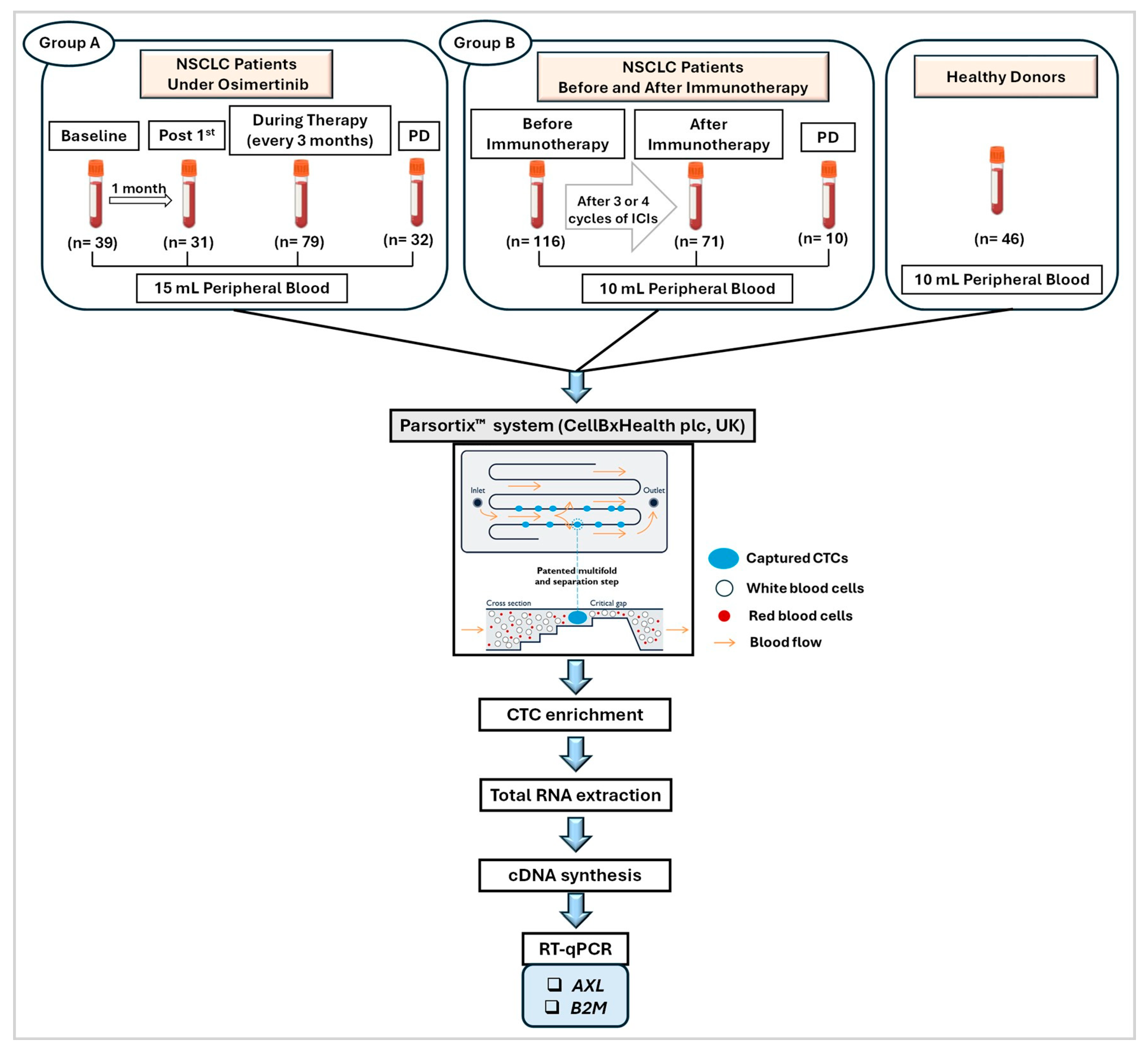
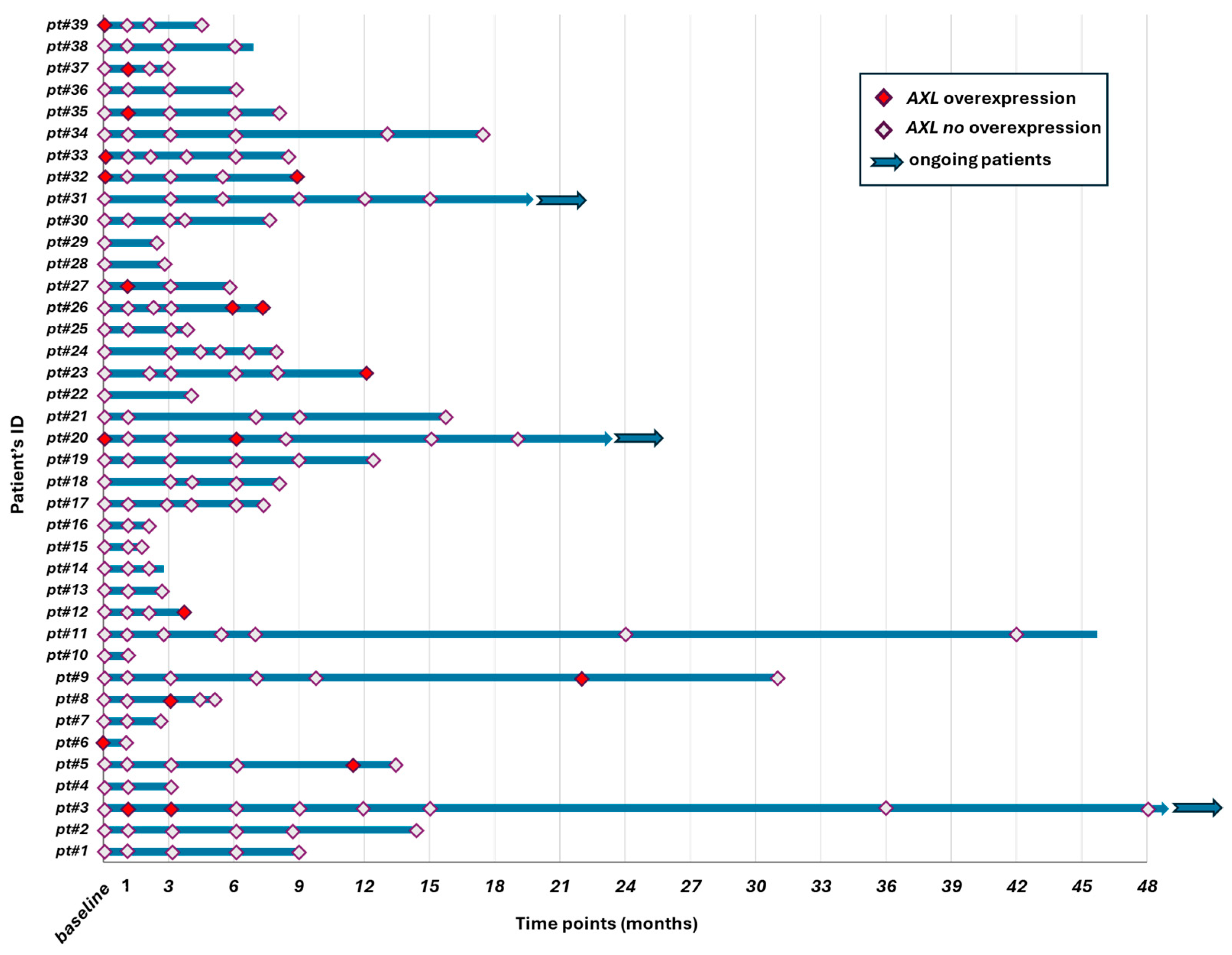
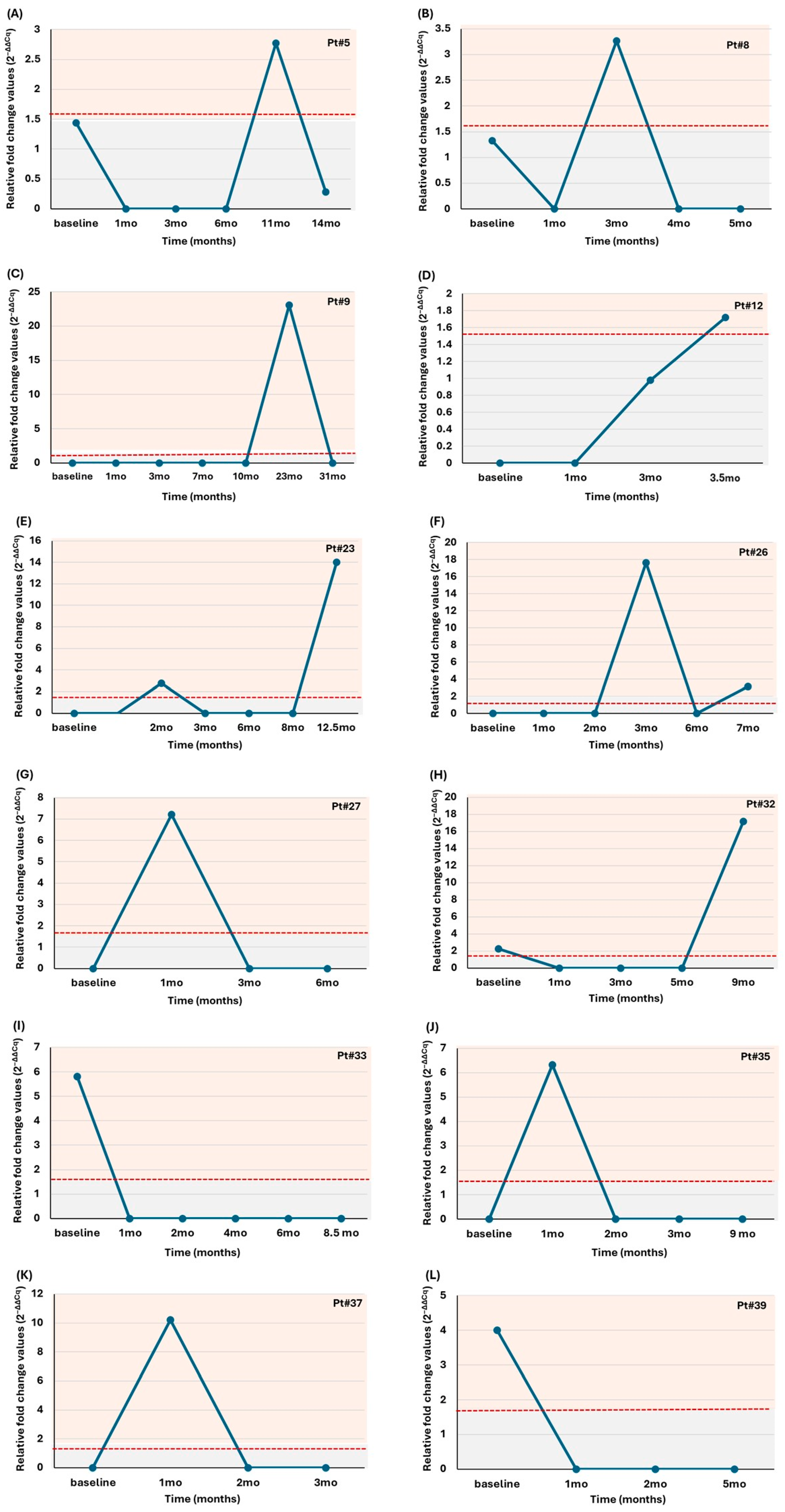
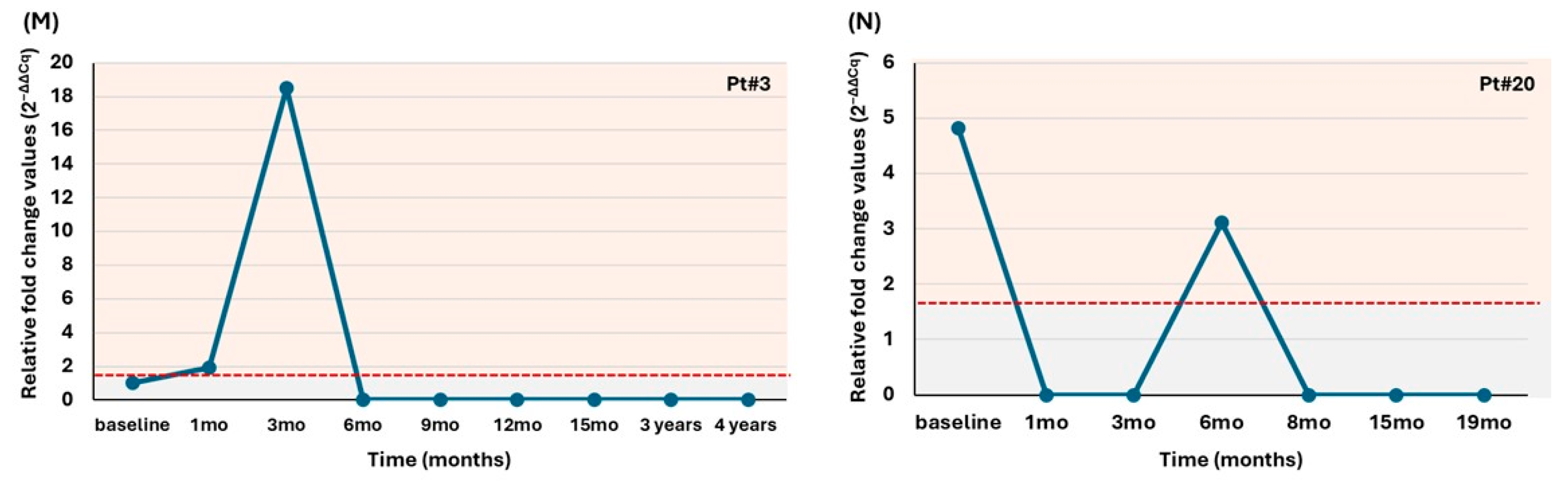
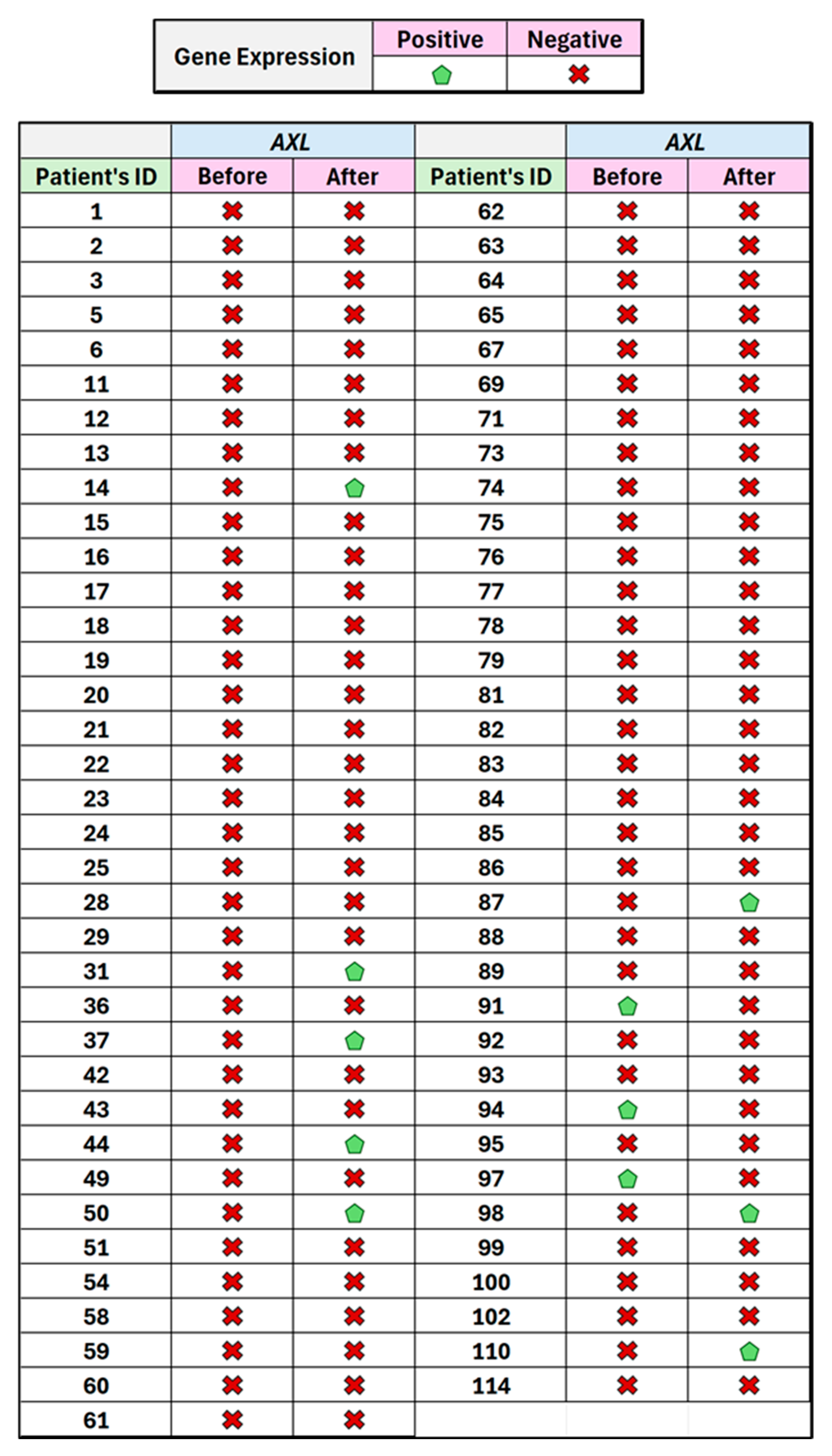
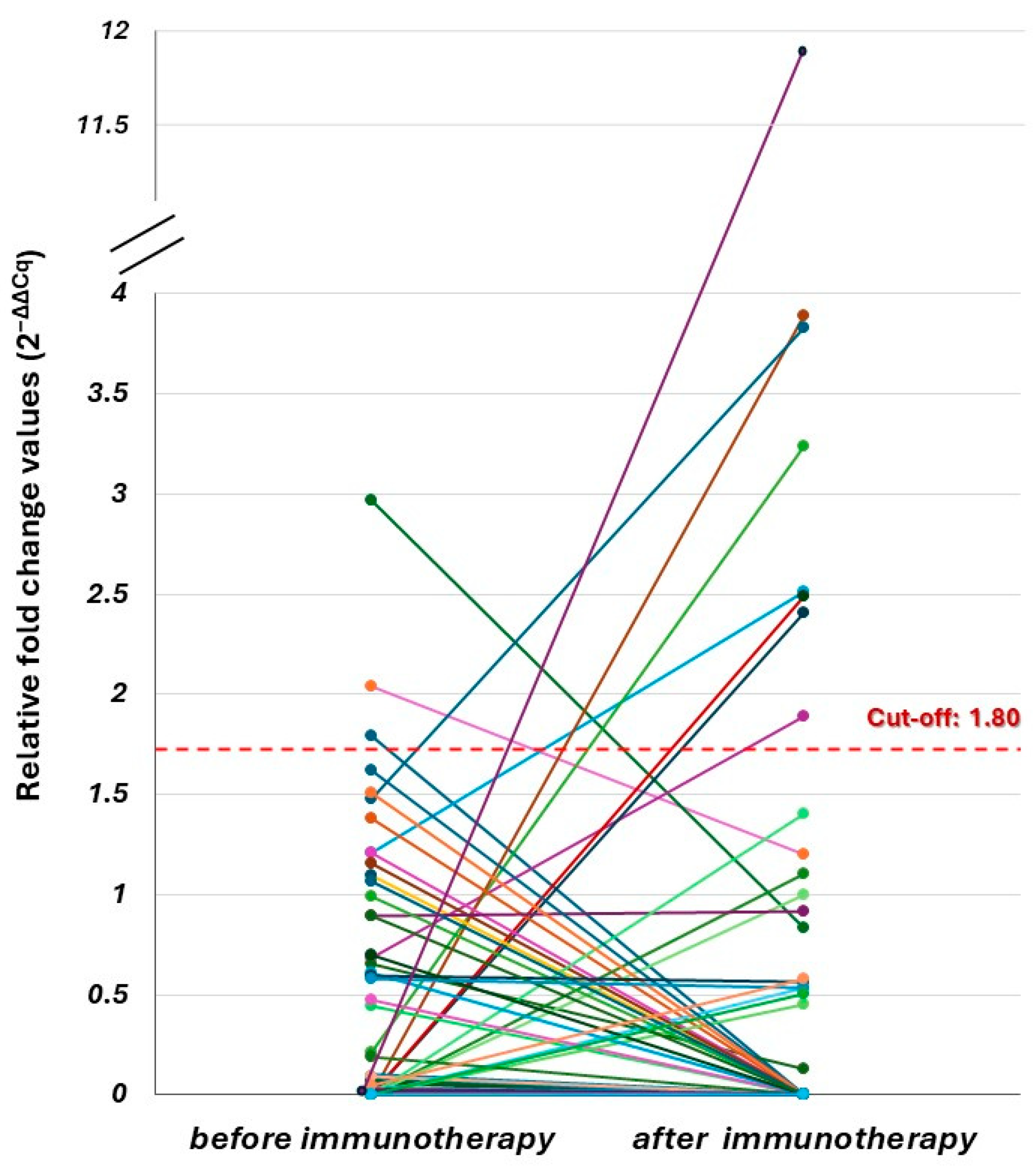
Background: AXL, a tyrosine kinase receptor, is involved in epithelial-to-mesenchymal transition (EMT), cell survival, invasion, metastasis, and resistance to EGFR-TKIs and immune checkpoint inhibitors (ICIs). Recent clinical studies have shown promising results in NSCLC patients treated with AXL inhibitors. Methods: We evaluated AXL-mRNA overexpression in CTC fractions of NSCLC patients under osimertinib treatment (Group A, n = 39), (collected in the context of a multicenter Phase II clinical study (ClinicalTrials.gov number: NCT02771314) or immunotherapy (Group B, n = 116) at different time points collected in the context of a prospective, multicenter study (ClinicalTrials.gov number: NCT04490564). Size-based CTC enrichment (Parsortix, CelLBx Health, Guildford, UK) was used, and AXL-mRNA overexpression was evaluated using RT-qPCR. Results: In Group A, AXL-mRNA overexpression in CTC fractions was detected in 5/39 (12.8%) patients’ samples at baseline, in 5/31 (16.1%) after one cycle of treatment, in 7/79 (8.9%) during treatment and in 4/32 (12.5%) at progression of disease (PD). In Group B, AXL-mRNA overexpression in CTC fractions was detected in 8/116 (6.9%) samples before immunotherapy, in 8/71 (11.3%) after three or four cycles, while no AXL transcripts were detected at PD. Conclusions: Our results indicate that AXL-mRNA overexpression in CTC fractions deserve to be further evaluated through larger clinical studies as a potential biomarker for anti-AXL targeted therapies in NSCLC.
Keywords:
AXL; liquid biopsy; CTCs; NSCLC; osimertinib; immunotherapy