Integrated Single-Cell Transcriptomics Identifies γδ T-Cell Heterogeneity and a Candidate HLA-E–NKG2A Regulatory Axis in Pancreatic Ductal Adenocarcinoma



Simple Summary
Abstract
1. Introduction
2. Methods
2.1. Data Sources and Cohort Selection
2.2. Data Loading and Quality Control
2.3. Normalisation, Integration and Clustering
2.4. Cell Type Annotation and γδ T-Cell Identification
2.5. Quantification of Regulatory Molecules
2.6. Chemokine Ligand and Receptor Profiling
2.7. Statistics, Ethics and Reproducibility
3. Results
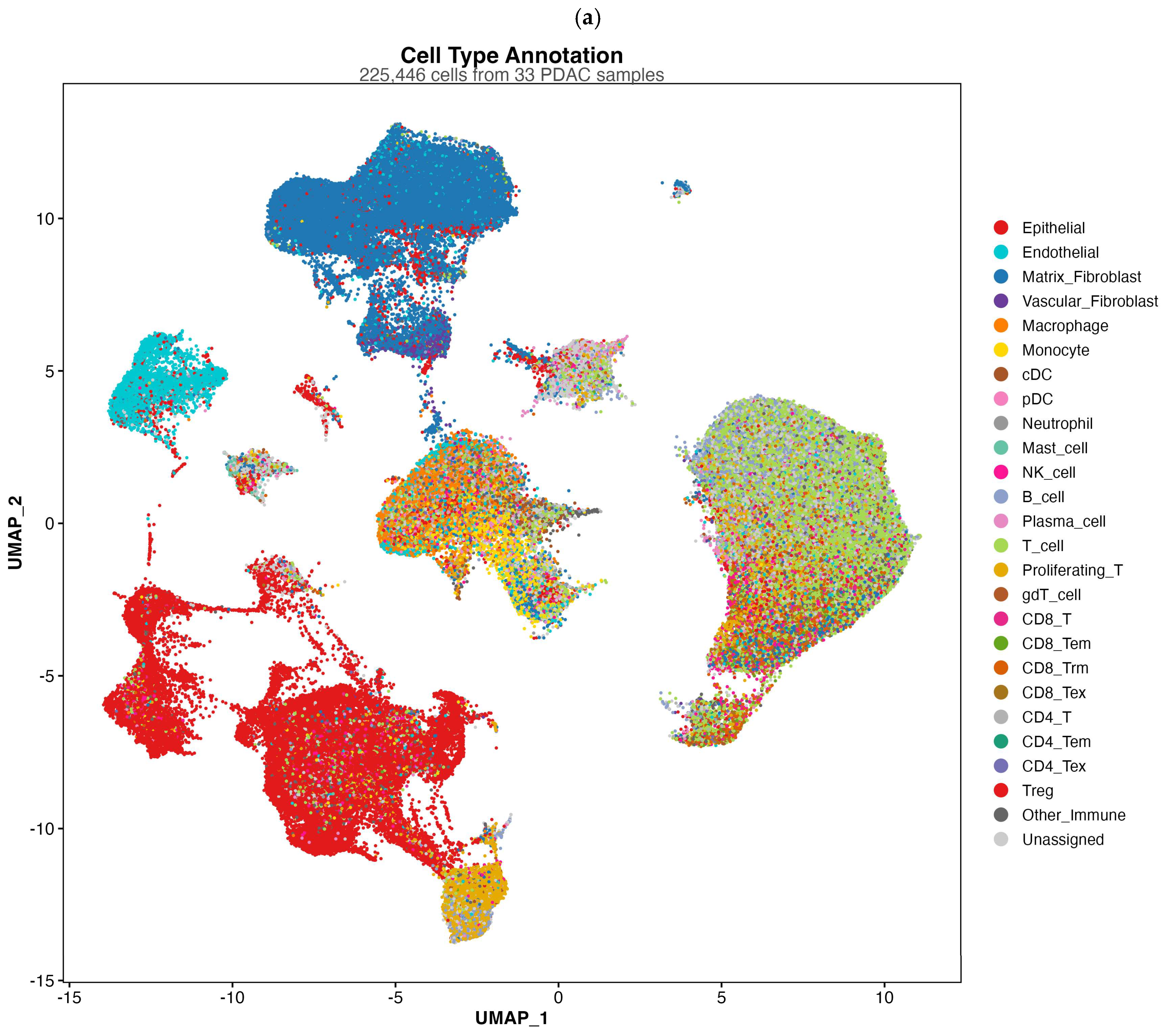
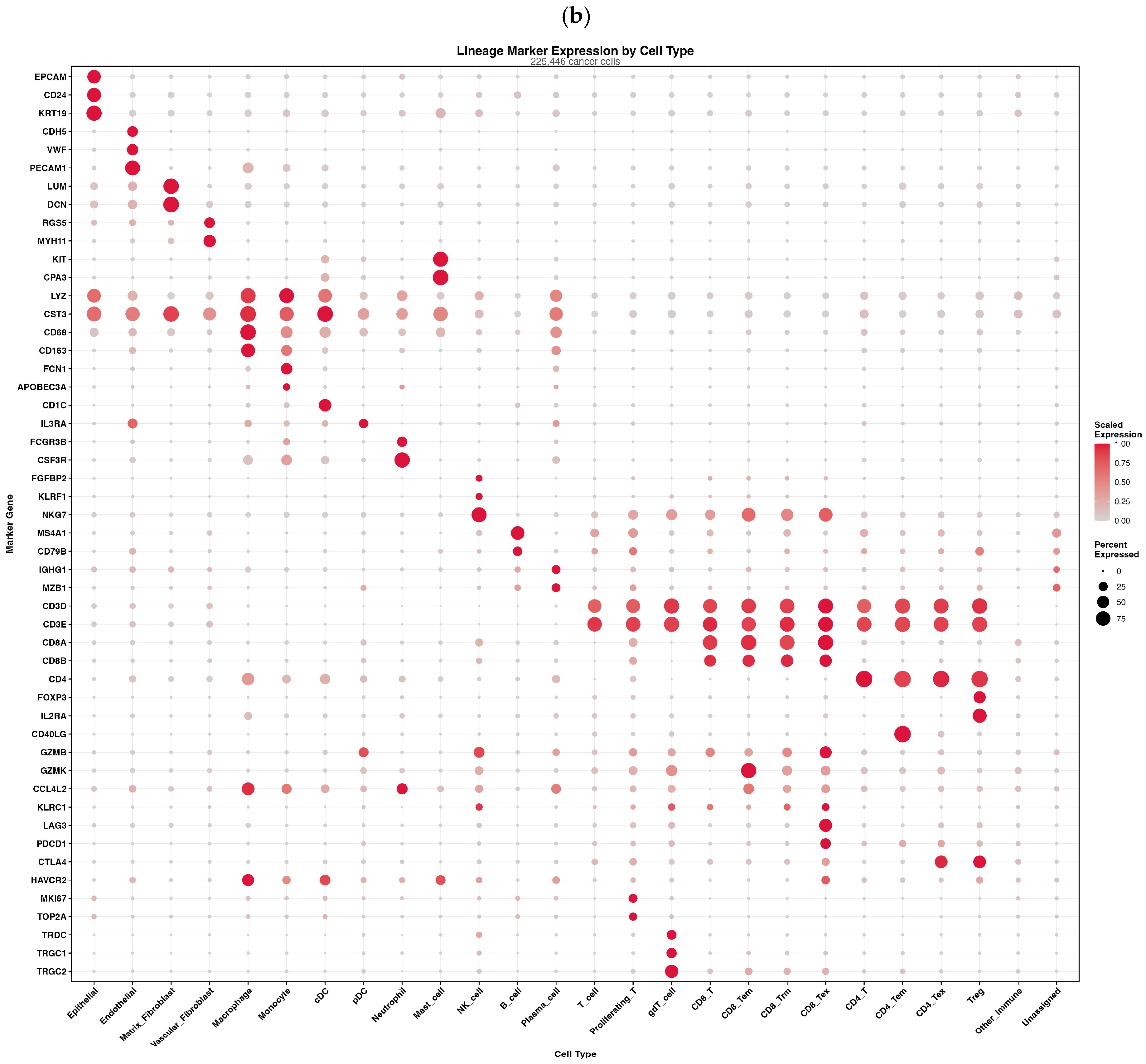
3.1. Integrated Single-Cell Atlas Delineates Epithelial, Stromal and Immune Populations in PDAC
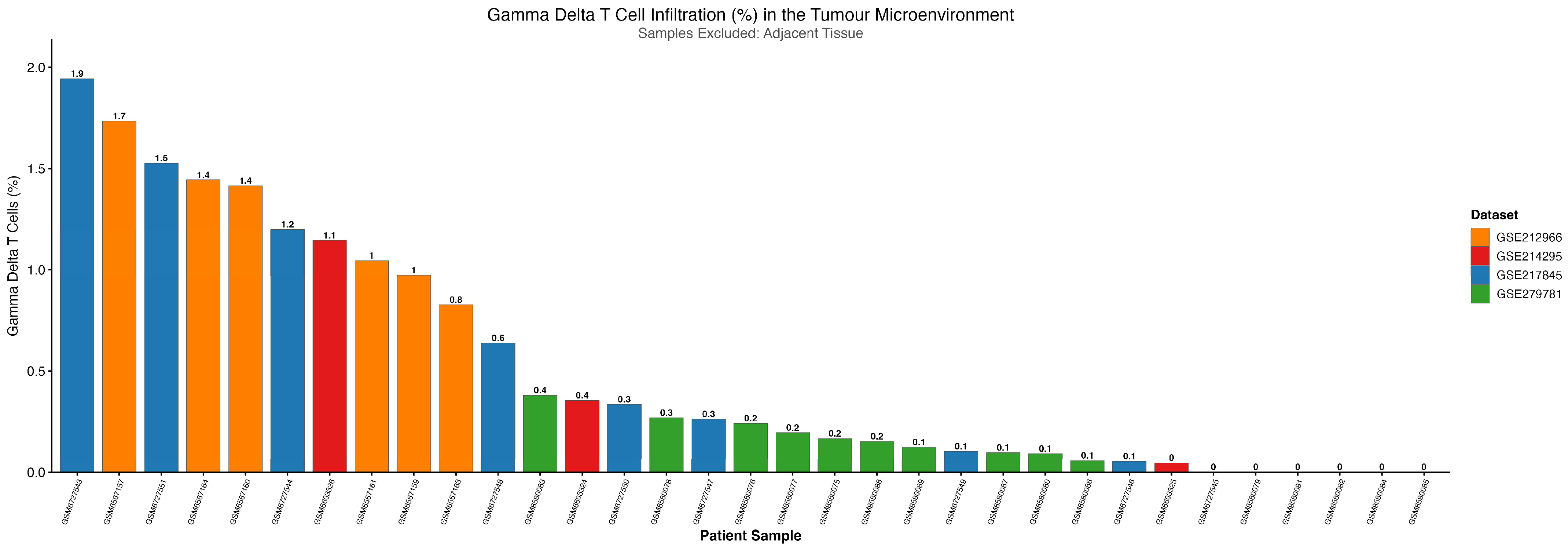
3.2. γδ T-Cells Infiltrate PDAC Tumours with Marked Inter-Sample Heterogeneity
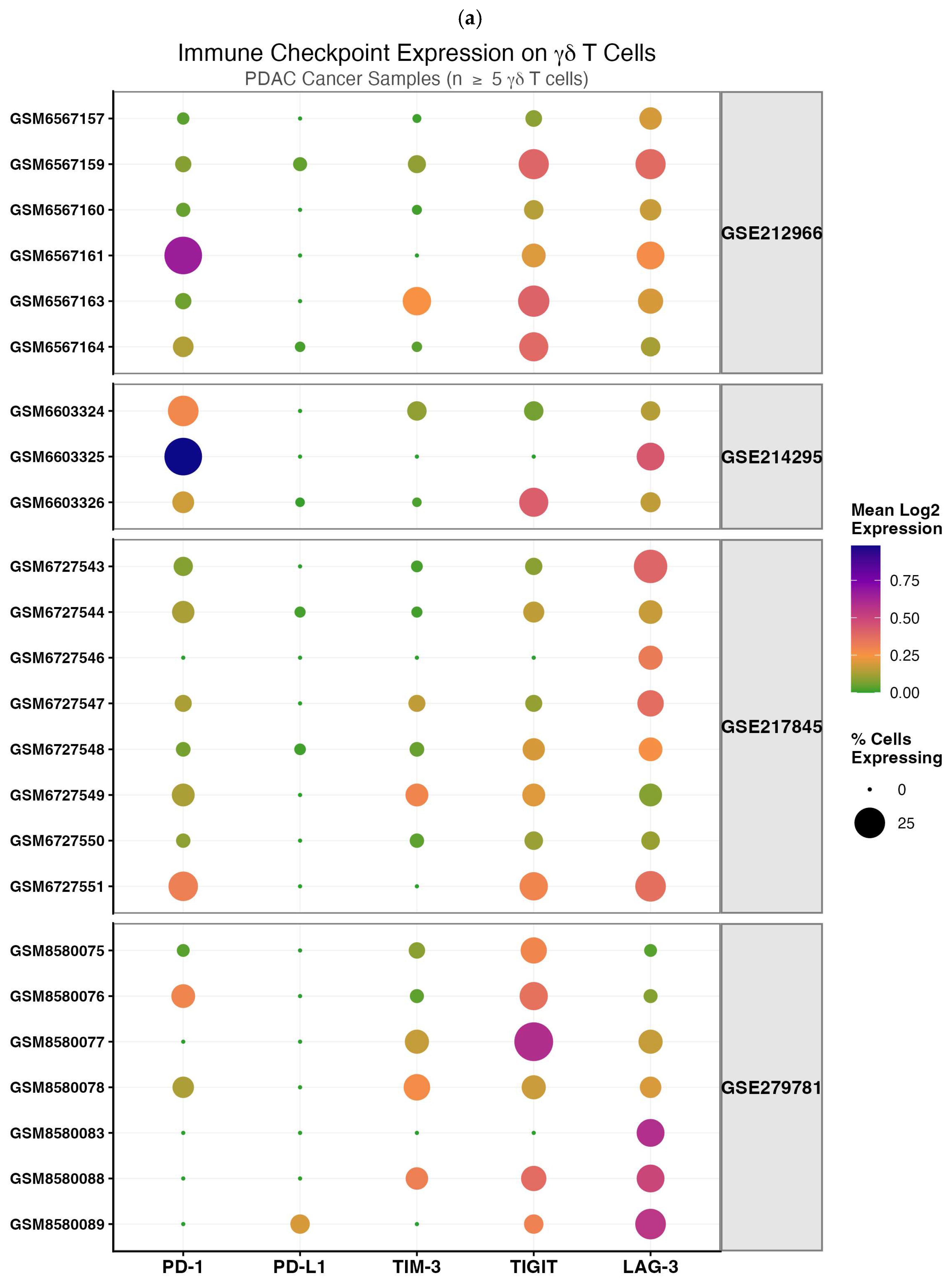
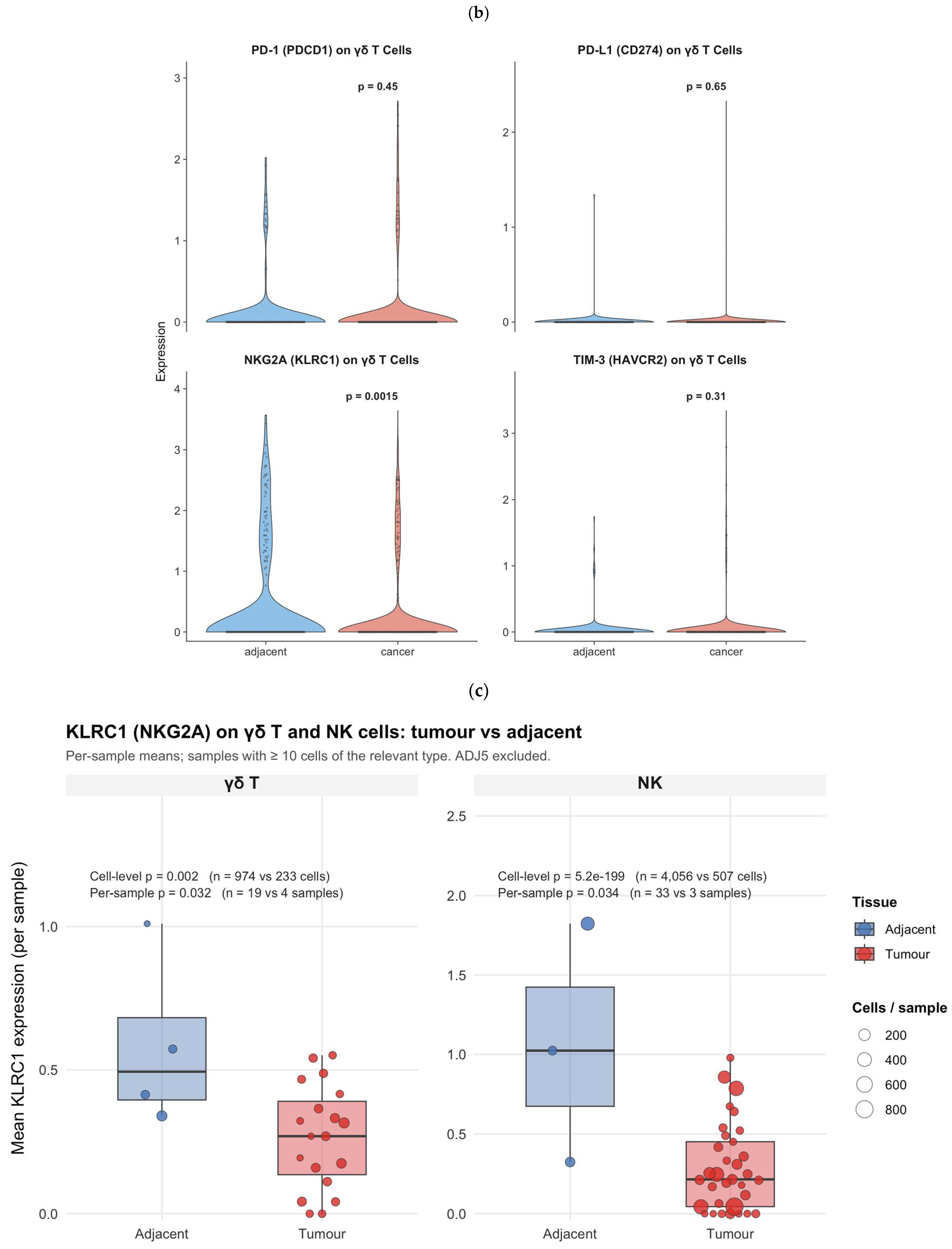
3.3. Regulatory Molecule Profile of PDAC-Infiltrating γδ T-Cells Identifies Selective Modulation of KLRC1/NKG2A
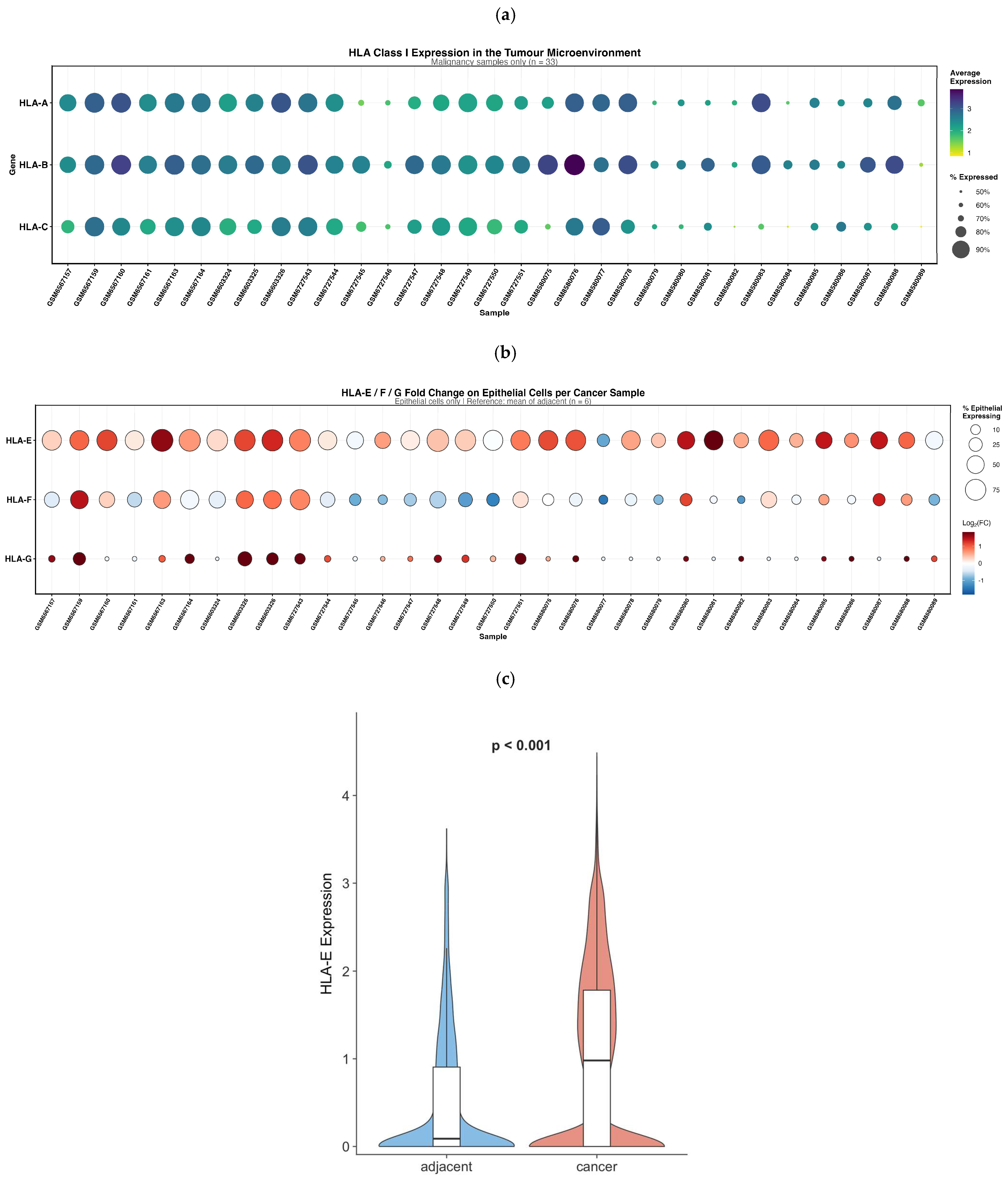
3.4. Tumour Epithelial Cells Show Increased HLA-E Expression, Supporting a Potential HLA-E–NKG2A Regulatory Axis
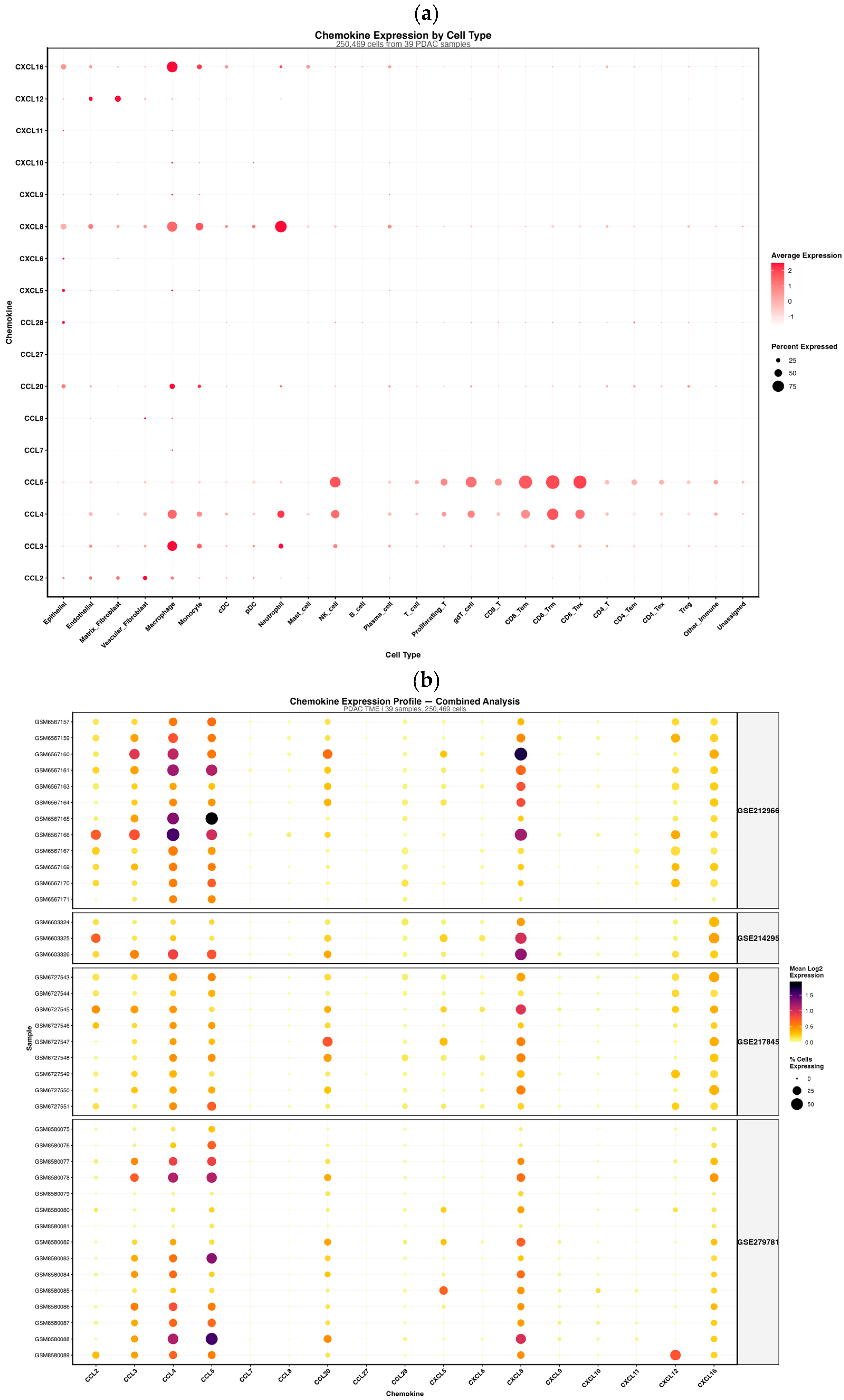
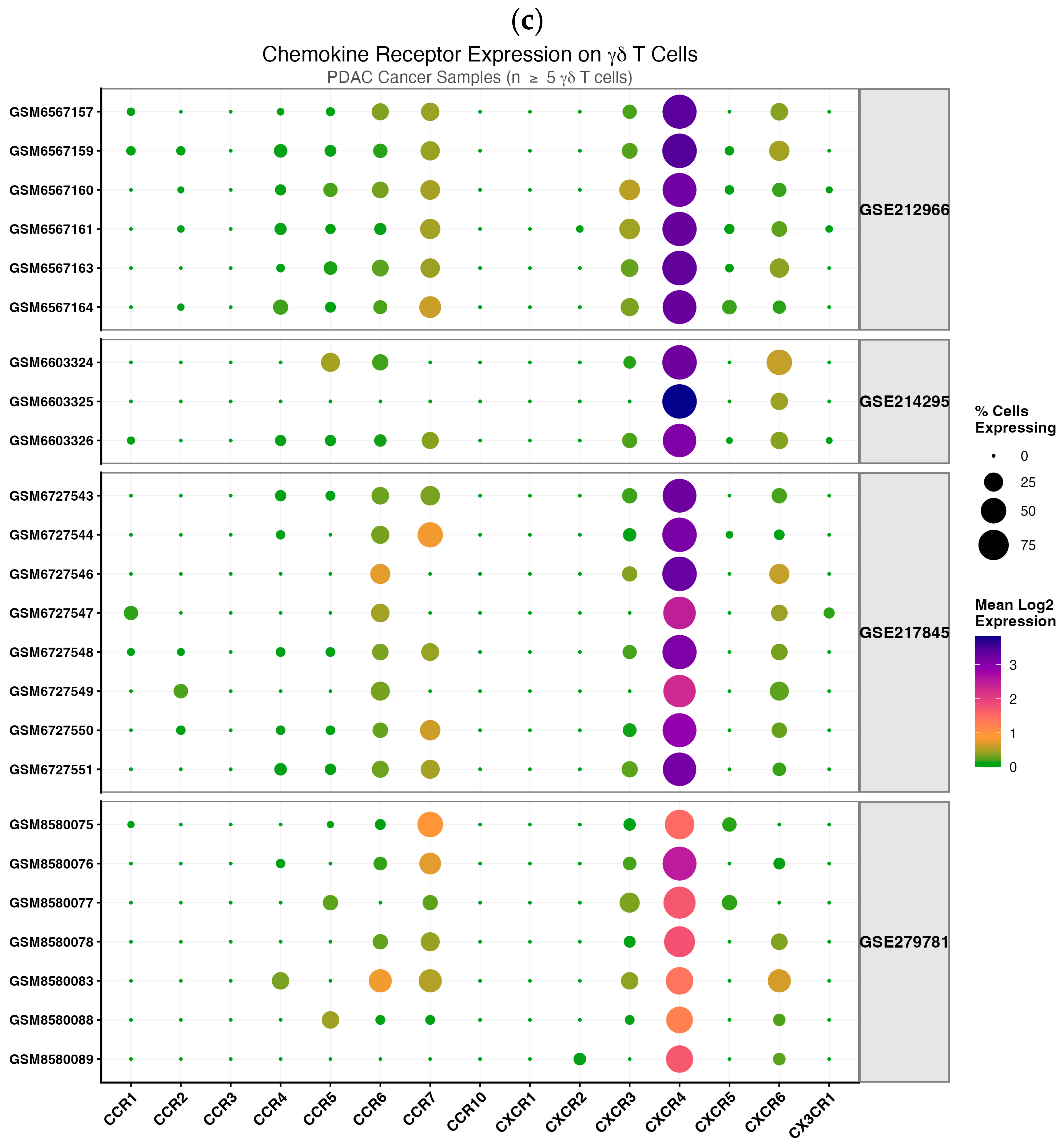
3.5. Chemokine Landscape Reveals CCL5/CCL4- and CXCL8-Rich Niches and Candidate Trafficking Receptor Programmes in γδ T-Cells
4. Discussion
5. Conclusions
Supplementary Materials
Author Contributions
Funding
Institutional Review Board Statement
Informed Consent Statement
Data Availability Statement
Acknowledgments
Conflicts of Interest
References
- Yadav, D.; Lowenfels, A.B. The epidemiology of pancreatitis and pancreatic cancer. Gastroenterology 2013, 144, 1252–1261. [Google Scholar] [CrossRef] [PubMed] [PubMed Central]
- Rahib, L.; Smith, B.D.; Aizenberg, R.; Rosenzweig, A.B.; Fleshman, J.M.; Matrisian, L.M. Projecting cancer incidence and deaths to 2030: The unexpected burden of thyroid, liver, and pancreas cancers in the United States. Cancer Res. 2014, 74, 2913–2921, Erratum in Cancer Res. 2014, 74, 4006. [Google Scholar] [CrossRef] [PubMed]
- Foucher, E.D.; Ghigo, C.; Chouaib, S.; Galon, J.; Iovanna, J.; Olive, D. Pancreatic Ductal Adenocarcinoma: A Strong Imbalance of Good and Bad Immunological Cops in the Tumor Microenvironment. Front. Immunol. 2018, 9, 1044. [Google Scholar] [CrossRef] [PubMed] [PubMed Central]
- Von Hoff, D.D.; Ervin, T.; Arena, F.P.; Chiorean, E.G.; Infante, J.; Moore, M.; Seay, T.; Tjulandin, S.A.; Ma, W.W.; Saleh, M.N.; et al. Increased survival in pancreatic cancer with nab-paclitaxel plus gemcitabine. N. Engl. J. Med. 2013, 369, 1691–1703. [Google Scholar] [CrossRef] [PubMed] [PubMed Central]
- Siret, C.; Collignon, A.; Silvy, F.; Robert, S.; Cheyrol, T.; André, P.; Rigot, V.; Iovanna, J.; van de Pavert, S.; Lombardo, D.; et al. Deciphering the Crosstalk Between Myeloid-Derived Suppressor Cells and Regulatory T Cells in Pancreatic Ductal Adenocarcinoma. Front. Immunol. 2020, 10, 3070. [Google Scholar] [CrossRef] [PubMed] [PubMed Central]
- Presti, E.L.; Mocciaro, F.; Di Mitri, R.; Corsale, A.M.; Di Simone, M.; Vieni, S.; Scibetta, N.; Unti, E.; Dieli, F.; Meraviglia, S. Analysis of colon-infiltrating γδ T cells in chronic inflammatory bowel disease and in colitis-associated cancer. J. Leucoc. Biol. 2020, 108, 749–760. [Google Scholar] [CrossRef] [PubMed]
- Pylayeva-Gupta, Y.; Lee, K.E.; Hajdu, C.H.; Miller, G.; Bar-Sagi, D. Oncogenic Kras-induced GM-CSF production promotes the development of pancreatic neoplasia. Cancer Cell 2012, 21, 836–847. [Google Scholar] [CrossRef] [PubMed] [PubMed Central]
- Bayne, L.J.; Beatty, G.L.; Jhala, N.; Clark, C.E.; Rhim, A.D.; Stanger, B.Z.; Vonderheide, R.H. Tumor-derived granulocyte-macrophage colony-stimulating factor regulates myeloid inflammation and T cell immunity in pancreatic cancer. Cancer Cell 2012, 21, 822–835. [Google Scholar] [CrossRef] [PubMed] [PubMed Central]
- Zhu, Y.; Knolhoff, B.L.; Meyer, M.A.; Nywening, T.M.; West, B.L.; Luo, J.; Wang-Gillam, A.; Goedegebuure, S.P.; Linehan, D.C.; DeNardo, D.G. CSF1/CSF1R blockade reprograms tumor-infiltrating macrophages and improves response to T-cell checkpoint immunotherapy in pancreatic cancer models. Cancer Res. 2014, 74, 5057–5069. [Google Scholar] [CrossRef] [PubMed] [PubMed Central]
- Fukunaga, A.; Miyamoto, M.; Cho, Y.; Murakami, S.; Kawarada, Y.; Oshikiri, T.; Kato, K.; Kurokawa, T.; Suzuoki, M.; Nakakubo, Y.; et al. CD8+ tumor-infiltrating lymphocytes together with CD4+ tumor-infiltrating lymphocytes and dendritic cells improve the prognosis of patients with pancreatic adenocarcinoma. Pancreas 2004, 28, e26–e31. [Google Scholar] [CrossRef] [PubMed]
- Hiraoka, N.; Onozato, K.; Kosuge, T.; Hirohashi, S. Prevalence of FOXP3+ regulatory T cells increases during the progression of pancreatic ductal adenocarcinoma and its premalignant lesions. Clin. Cancer Res. 2006, 12, 5423–5434. [Google Scholar] [CrossRef] [PubMed]
- Silva-Santos, B.; Strid, J. Working in “NK Mode”: Natural Killer Group 2 Member D and Natural Cytotoxicity Receptors in Stress-Surveillance by γδ T Cells. Front. Immunol. 2018, 9, 851. [Google Scholar] [CrossRef] [PubMed] [PubMed Central]
- Shamohammadi, F.N.; Yazdanifar, M.; Oraei, M.; Kazemi, M.H.; Roohi, A.; Razavi, S.M.S.; Rezaei, F.; Parvizpour, F.; Karamlou, Y.; Namdari, H. Controversial role of γδ T cells in pancreatic cancer. Int. Immunopharmacol. 2022, 108, 108895. [Google Scholar] [CrossRef] [PubMed]
- Daley, D.; Zambirinis, C.P.; Seifert, L.; Akkad, N.; Mohan, N.; Werba, G.; Barilla, R.; Torres-Hernandez, A.; Hundeyin, M.; Mani, V.R.K.; et al. γδ T Cells Support Pancreatic Oncogenesis by Restraining αβ T Cell Activation. Cell 2016, 166, 1485–1499.e15, Erratum in Cell 2020, 183, 1134–1136. https://doi.org/10.1016/j.cell.2020.10.041. [Google Scholar] [CrossRef] [PubMed] [PubMed Central]
- Gao, Z.; Bai, Y.; Lin, A.; Jiang, A.; Zhou, C.; Cheng, Q.; Liu, Z.; Chen, X.; Zhang, J.; Luo, P. Gamma delta T-cell-based immune checkpoint therapy: Attractive candidate for antitumor treatment. Mol. Cancer 2023, 22, 31. [Google Scholar] [CrossRef] [PubMed] [PubMed Central]
- Liu, X.; Song, J.; Zhang, H.; Liu, X.; Zuo, F.; Zhao, Y.; Zhao, Y.; Yin, X.; Guo, X.; Wu, X.; et al. Immune checkpoint HLA-E:CD94-NKG2A mediates evasion of circulating tumor cells from NK cell surveillance. Cancer Cell 2023, 41, 272–287.e9. [Google Scholar] [CrossRef] [PubMed]
- Hayday, A.C. γδ cells: A right time and a right place for a conserved third way of protection. Annu. Rev. Immunol. 2000, 18, 975–1026. [Google Scholar] [CrossRef] [PubMed]
- Vantourout, P.; Hayday, A. Six-of-the-best: Unique contributions of γδ T cells to immunology. Nat. Rev. Immunol. 2013, 13, 88–100. [Google Scholar] [CrossRef] [PubMed] [PubMed Central]
- Sebestyen, Z.; Prinz, I.; Déchanet-Merville, J.; Silva-Santos, B.; Kuball, J. Translating gammadelta (γδ) T cells and their receptors into cancer cell therapies. Nat. Rev. Drug Discov. 2020, 19, 169–184. [Google Scholar] [CrossRef] [PubMed]
- Lanier, L.L. NK cell recognition. Annu. Rev. Immunol. 2005, 23, 225–274. [Google Scholar] [CrossRef] [PubMed]
- Johnson, M.D.; Witherden, D.A.; Havran, W.L. The Role of Tissue-resident T Cells in Stress Surveillance and Tissue Maintenance. Cells 2020, 9, 686. [Google Scholar] [CrossRef] [PubMed] [PubMed Central]
- Vivier, E.; Tomasello, E.; Baratin, M.; Walzer, T.; Ugolini, S. Functions of natural killer cells. Nat. Immunol. 2008, 9, 503–510. [Google Scholar] [CrossRef] [PubMed]
- André, P.; Denis, C.; Soulas, C.; Bourbon-Caillet, C.; Lopez, J.; Arnoux, T.; Bléry, M.; Bonnafous, C.; Gauthier, L.; Morel, A.; et al. Anti-NKG2A mAb Is a Checkpoint Inhibitor that Promotes Anti-tumor Immunity by Unleashing Both T and NK Cells. Cell 2018, 175, 1731–1743.e13. [Google Scholar] [CrossRef] [PubMed] [PubMed Central]
- van Hall, T.; André, P.; Horowitz, A.; Ruan, D.F.; Borst, L.; Zerbib, R.; Narni-Mancinelli, E.; van der Burg, S.H.; Vivier, E. Monalizumab: Inhibiting the novel immune checkpoint NKG2A. J. Immunother. Cancer 2019, 7, 263. [Google Scholar] [CrossRef] [PubMed] [PubMed Central]
- Foley, K.; Kim, V.; Jaffee, E.; Zheng, L. Current progress in immunotherapy for pancreatic cancer. Cancer Lett. 2016, 381, 244–251. [Google Scholar] [CrossRef] [PubMed] [PubMed Central]
- Sokol, C.L.; Luster, A.D. The chemokine system in innate immunity. Cold Spring Harb. Perspect. Biol. 2015, 7, a016303. [Google Scholar] [CrossRef] [PubMed] [PubMed Central]
- Poeta, V.M.; Massara, M.; Capucetti, A.; Bonecchi, R. Chemokines and Chemokine Receptors: New Targets for Cancer Immunotherapy. Front. Immunol. 2019, 10, 379. [Google Scholar] [CrossRef] [PubMed]
- Fearon, D.T. The carcinoma-associated fibroblast expressing fibroblast activation protein and escape from immune surveillance. Cancer Immunol. Res. 2014, 2, 187–193. [Google Scholar] [CrossRef] [PubMed]
- Beatty, G.L.; Chiorean, E.G.; Fishman, M.P.; Saboury, B.; Teitelbaum, U.R.; Sun, W.; Huhn, R.D.; Song, W.; Li, D.; Sharp, L.L.; et al. CD40 agonists alter tumor stroma and show efficacy against pancreatic carcinoma in mice and humans. Science 2011, 331, 1612–1616. [Google Scholar] [CrossRef] [PubMed] [PubMed Central]
- Feig, C.; Jones, J.O.; Kraman, M.; Wells, R.J.; Deonarine, A.; Chan, D.S.; Connell, C.M.; Roberts, E.W.; Zhao, Q.; Caballero, O.L.; et al. Targeting CXCL12 from FAP-expressing carcinoma-associated fibroblasts synergizes with anti-PD-L1 immunotherapy in pancreatic cancer. Proc. Natl. Acad. Sci. USA 2013, 110, 20212–20217. [Google Scholar] [CrossRef] [PubMed] [PubMed Central]
- Gajewski, T.F.; Woo, S.-R.; Zha, Y.; Spaapen, R.; Zheng, Y.; Corrales, L.; Spranger, S. Cancer immunotherapy strategies based on overcoming barriers within the tumor microenvironment. Curr. Opin. Immunol. 2013, 25, 268–276. [Google Scholar] [CrossRef] [PubMed]
- Chen, K.; Wang, Q.; Liu, X.; Tian, X.; Dong, A.; Yang, Y. Immune profiling and prognostic model of pancreatic cancer using quantitative pathology and single-cell RNA sequencing. J. Transl. Med. 2023, 21, 210. [Google Scholar] [CrossRef] [PubMed] [PubMed Central]
- Caronni, N.; La Terza, F.; Vittoria, F.M.; Barbiera, G.; Mezzanzanica, L.; Cuzzola, V.; Barresi, S.; Pellegatta, M.; Canevazzi, P.; Dunsmore, G.; et al. IL-1β+ macrophages fuel pathogenic inflammation in pancreatic cancer. Nature 2023, 623, 415–422. [Google Scholar] [CrossRef] [PubMed]
- Montagne, J.M.; Mitchell, J.T.; Tandurella, J.A.; Christenson, E.S.; Danilova, L.V.; Deshpande, A.; Loth, M.; Sidiropoulos, D.N.; Davis-Marcisak, E.; Bergman, D.R.; et al. CD137 agonism enhances anti-PD1 induced activation of expanded CD8+ T cell clones in a neoadjuvant pancreatic cancer clinical trial. iScience 2024, 28, 111569. [Google Scholar] [CrossRef] [PubMed] [PubMed Central]
- Chen, K.; Ma, Y.; Zhong, X.; Lan, J.; Long, D.; Tian, X.; Yang, Y.; Yang, Y. Single-cell transcriptome profiling of primary tumors and paired organoids of pancreatobiliary cancer. Cancer Lett. 2024, 582, 216586. [Google Scholar] [CrossRef] [PubMed]
- Satija, R.; A Farrell, J.; Gennert, D.; Schier, A.F.; Regev, A. Spatial reconstruction of single-cell gene expression data. Nat. Biotechnol. 2015, 33, 495–502. [Google Scholar] [CrossRef] [PubMed] [PubMed Central]
- Stuart, T.; Butler, A.; Hoffman, P.; Hafemeister, C.; Papalexi, E.; Mauck, W.M., III; Hao, Y.; Stoeckius, M.; Smibert, P.; Satija, R. Comprehensive Integration of Single-Cell Data. Cell 2019, 177, 1888–1902.e21. [Google Scholar] [CrossRef] [PubMed] [PubMed Central]
- Korsunsky, I.; Millard, N.; Fan, J.; Slowikowski, K.; Zhang, F.; Wei, K.; Baglaenko, Y.; Brenner, M.; Loh, P.-R.; Raychaudhuri, S. Fast, sensitive and accurate integration of single-cell data with Harmony. Nat. Methods 2019, 16, 1289–1296. [Google Scholar] [CrossRef] [PubMed] [PubMed Central]
- Becht, E.; McInnes, L.; Healy, J.; Dutertre, C.-A.; Kwok, I.W.H.; Ng, L.G.; Ginhoux, F.; Newell, E.W. Dimensionality reduction for visualizing single-cell data using UMAP. Nat. Biotechnol. 2018, 37, 38–44. [Google Scholar] [CrossRef] [PubMed]
- Li, J.; Cao, Y.; Liu, Y.; Yu, L.; Zhang, Z.; Wang, X.; Bai, H.; Zhang, Y.; Liu, S.; Gao, M.; et al. Multiomics profiling reveals the benefits of gamma-delta (γδ) T lymphocytes for improving the tumor microenvironment, immunotherapy efficacy and prognosis in cervical cancer. J. Immunother. Cancer 2024, 12, e008355. [Google Scholar] [CrossRef] [PubMed] [PubMed Central]
- Liu, C.; Li, X.; Huang, Q.; Zhang, M.; Lei, T.; Wang, F.; Zou, W.; Huang, R.; Hu, X.; Wang, C.; et al. Single-cell RNA-sequencing reveals radiochemotherapy-induced innate immune activation and MHC-II upregulation in cervical cancer. Signal Transduct. Target. Ther. 2023, 8, 44. [Google Scholar] [CrossRef] [PubMed] [PubMed Central]
- Song, Z.; Henze, L.; Casar, C.; Schwinge, D.; Schramm, C.; Fuss, J.; Tan, L.; Prinz, I. Human γδ T cell identification from single-cell RNA sequencing datasets by modular TCR expression. J. Leucoc. Biol. 2023, 114, 630–638. [Google Scholar] [CrossRef] [PubMed]
- Tickle, T.; Tirosh, I.; Georgescu, C.; Brown, M.; Haas, B. inferCNV of the Trinity CTAT Project. Klarman Cell Observatory; Broad Institute of MIT and Harvard: Cambridge, MA, USA, 2019; Available online: https://github.com/broadinstitute/inferCNV (accessed on 12 May 2026).
- Jin, S.; Guerrero-Juarez, C.F.; Zhang, L.; Chang, I.; Ramos, R.; Kuan, C.-H.; Myung, P.; Plikus, M.V.; Nie, Q. Inference and analysis of cell-cell communication using CellChat. Nat. Commun. 2021, 12, 1088. [Google Scholar] [CrossRef] [PubMed] [PubMed Central]
- Dimitrov, D.; Schäfer, P.S.L.; Farr, E.; Rodriguez-Mier, P.; Lobentanzer, S.; Badia-I-Mompel, P.; Dugourd, A.; Tanevski, J.; Flores, R.O.R.; Saez-Rodriguez, J. LIANA+ provides an all-in-one framework for cell-cell communication inference. Nat. Cell Biol. 2024, 26, 1613–1622. [Google Scholar] [CrossRef] [PubMed] [PubMed Central]
- Borst, L.; van der Burg, S.H.; van Hall, T. The NKG2A-HLA-E Axis as a Novel Checkpoint in the Tumor Microenvironment. Clin. Cancer Res. 2020, 26, 5549–5556. [Google Scholar] [CrossRef] [PubMed]
- Braud, V.M.; Allan, D.S.J.; O’Callaghan, C.A.; Söderström, K.; D’Andrea, A.; Ogg, G.S.; Lazetic, S.; Young, N.T.; Bell, J.I.; Phillips, J.H.; et al. HLA-E binds to natural killer cell receptors CD94/NKG2A, B and C. Nature 1998, 391, 795–799. [Google Scholar] [CrossRef] [PubMed]
- Presti, E.L.; Cupaioli, F.; Scimeca, D.; Unti, E.; Di Martino, V.; Daidone, R.; Amata, M.; Scibetta, N.; Soucie, E.; Meraviglia, S.; et al. The pancreatic tumor microenvironment of treatment-naïve patients causes a functional shift in γδ T cells, impairing their anti-tumoral defense. Oncoimmunology 2025, 14, 2466301. [Google Scholar] [CrossRef] [PubMed] [PubMed Central]
- Ryschich, E.; Nötzel, T.; Hinz, U.; Autschbach, F.; Ferguson, J.; Simon, I.; Weitz, J.; Fröhlich, B.; Klar, E.; Büchler, M.W.; et al. Control of T-cell-mediated immune response by HLA class I in human pancreatic carcinoma. Clin. Cancer Res. 2005, 11, 498–504. [Google Scholar] [CrossRef] [PubMed]
- Hiraoka, N.; Ino, Y.; Hori, S.; Yamazaki-Itoh, R.; Naito, C.; Shimasaki, M.; Esaki, M.; Nara, S.; Kishi, Y.; Shimada, K.; et al. Expression of classical human leukocyte antigen class I antigens, HLA-E and HLA-G, is adversely prognostic in pancreatic cancer patients. Cancer Sci. 2020, 111, 3057–3070. [Google Scholar] [CrossRef] [PubMed] [PubMed Central]
- Mandal, S.; Dhali, A.; Maji, M.; Aithal, G. Relevance of Chemokines in Mobilizing γδ T Cells in the Biliary Tract Cancer Microenvironment: Potential for γδ T-Cell–Based Adoptive Cell Therapy. Am. J. Clin. Oncol. 2026, in press. [Google Scholar] [CrossRef] [PubMed]
- Lerias, J.; António, P.; Kamiki, J.; Eduardo, R.; Cascais, S.; Marinheiro, B.; De Sousa, E.; Gorgulho, C.; Maia, A.; Castillo-Martin, M.; et al. 355 TCR γδ+ TIL from patients with pancreatic cancer recognize autologous tumor cells restricted by CD1d. J. Immunother. Cancer 2022, 10. [Google Scholar] [CrossRef]



| Tissue | Samples (n) | Epithelial Cells (n) | HLA-E+ Cells, Median (IQR) (%) | Range (%) | Mean Expression, Median (IQR) | Range (Mean Expr) |
|---|---|---|---|---|---|---|
| Adjacent | 6 | 3533 | 55.90 (51.80–61.40) | 41.95–73.91 | 0.617 (0.509–0.838) | 0.310–1.052 |
| Tumour | 33 | 59,831 | 67.86 (50.56–77.85) | 18.54–98.46 | 1.070 (0.787–1.275) | 0.248–2.024 |
Disclaimer/Publisher’s Note: The statements, opinions and data contained in all publications are solely those of the individual author(s) and contributor(s) and not of MDPI and/or the editor(s). MDPI and/or the editor(s) disclaim responsibility for any injury to people or property resulting from any ideas, methods, instructions or products referred to in the content. |
© 2026 by the authors. Licensee MDPI, Basel, Switzerland. This article is an open access article distributed under the terms and conditions of the Creative Commons Attribution (CC BY) license.
Share and Cite
Mandal, S.; Hasan, S.R.; Dhali, A.; Maji, M. Integrated Single-Cell Transcriptomics Identifies γδ T-Cell Heterogeneity and a Candidate HLA-E–NKG2A Regulatory Axis in Pancreatic Ductal Adenocarcinoma. Cancers 2026, 18, 1723. https://doi.org/10.3390/cancers18111723
Mandal S, Hasan SR, Dhali A, Maji M. Integrated Single-Cell Transcriptomics Identifies γδ T-Cell Heterogeneity and a Candidate HLA-E–NKG2A Regulatory Axis in Pancreatic Ductal Adenocarcinoma. Cancers. 2026; 18(11):1723. https://doi.org/10.3390/cancers18111723
Chicago/Turabian StyleMandal, Saikat, Shirin R. Hasan, Arkadeep Dhali, and Manideepa Maji. 2026. "Integrated Single-Cell Transcriptomics Identifies γδ T-Cell Heterogeneity and a Candidate HLA-E–NKG2A Regulatory Axis in Pancreatic Ductal Adenocarcinoma" Cancers 18, no. 11: 1723. https://doi.org/10.3390/cancers18111723
APA StyleMandal, S., Hasan, S. R., Dhali, A., & Maji, M. (2026). Integrated Single-Cell Transcriptomics Identifies γδ T-Cell Heterogeneity and a Candidate HLA-E–NKG2A Regulatory Axis in Pancreatic Ductal Adenocarcinoma. Cancers, 18(11), 1723. https://doi.org/10.3390/cancers18111723